Thoughts on VR and AR, part 1

via proximie.com

I haven’t written too much about “consumer” virtual reality and / or augmented reality during 2018, primarily because this past year has been rather quiescent when compared to 2017 and earlier, so outside of one or two events, there hasn’t been that much I’ve been prompted to write about. As such, and as we pass from 2018 to 2019, it seems a good time to take a broad look at both and where they might be going, at least from a purely armchair perspective.

In doing so, I’m not attempting to set myself up as any kind of “expert” or offer predictions per se; I’ve simply been gorging myself on a wide range of articles and reports on AR, VR and mixed reality over the last few weeks to catch up on everything, and with this article I’ll focus on virtual reality.

(Note that in writing this article, I’m deliberately ignoring two products that involve VR: Microsoft Mixed Reality and Apple’s rumoured AR / VR system. The former, because Microsoft appears to be playing a much longer game, and it is unclear how MMR will impact markets down the road; the latter because it’s unclear how Apple’s product will mix AR and VR, it’s overall capabilities, price point or precise nature.)

Consumer focused virtual reality has always had a hard mountain to climb. From the start, predictions of its growth verged on the ridiculous. At the end of 2015, for example, TrendForce claimed sales of VR hardware, software and services would hit US $70 billion by 2020, a figure that, at the time tended to be taken for granted despite the fact that when it was made, the consumer versions of the Oculus Rift and HTC Vive hadn’t even started shipping. Nor were TrendForce alone in the hyping.

Consumer-focused VR was drastically over-hyped before the first consumer version of the Oculus Rift had even launched  – something which had perhaps come back to haunt it. via TrendForce

Obviously, VR hasn’t achieved anything like this kind of volume, but it is growing. In 2017, for example, total VR hardware and software sales reached US $2.8 billion, three years ahead of the time frame IHS Markit (one of the more reserved analytics companies looking at VR in late 2015) predicted. In 2018, this increased to US $3.3 billion; a relatively modest growth, but not unexpected given that outside of the Oculus Go, there haven’t been any major releases of VR headsets. This modest growth in sales, coupled with the lack of exciting new hardware releases has perhaps lead to more negativity around VR being voiced than previous years. However, 2019 could be the start of a “turnaround” for VR.
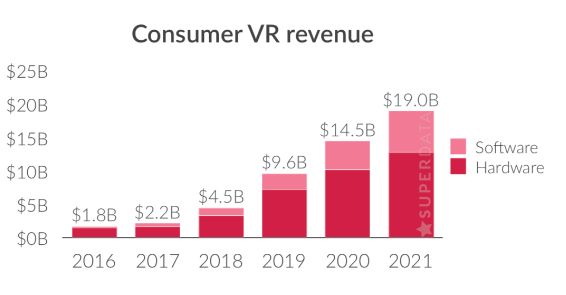
VR’s current and projected growth. Source: SuperData

As it is, SuperData, which specialises in analysing the computer and gaming sectors, predicts that the VR market will double total revenues to US $9.6  billion in 2019. They further suggest revenues could grow to US $19.0 billion by the end of 2021. These might again sound like inflated figures – particularly the idea of a five-fold revenue increase in just three years, but there are actually two or three reasons to suggest why 2019 could well see significant growth in revenue for VR, and which will see it continue to trend upwards at a rate somewhat faster than seen thus far.

Up until the arrival of the Oculus Go earlier in 2018, consumer VR hardware had been more-or-less split into three areas: high-end tethered systems requiring upmarket PCs to power them; units dependent on the use of smartphones for a more limited immersive experience, and what might be termed a purely games oriented solution in the Sony Playstation VR. As such, all have been somewhat limited in their appeal / reach.
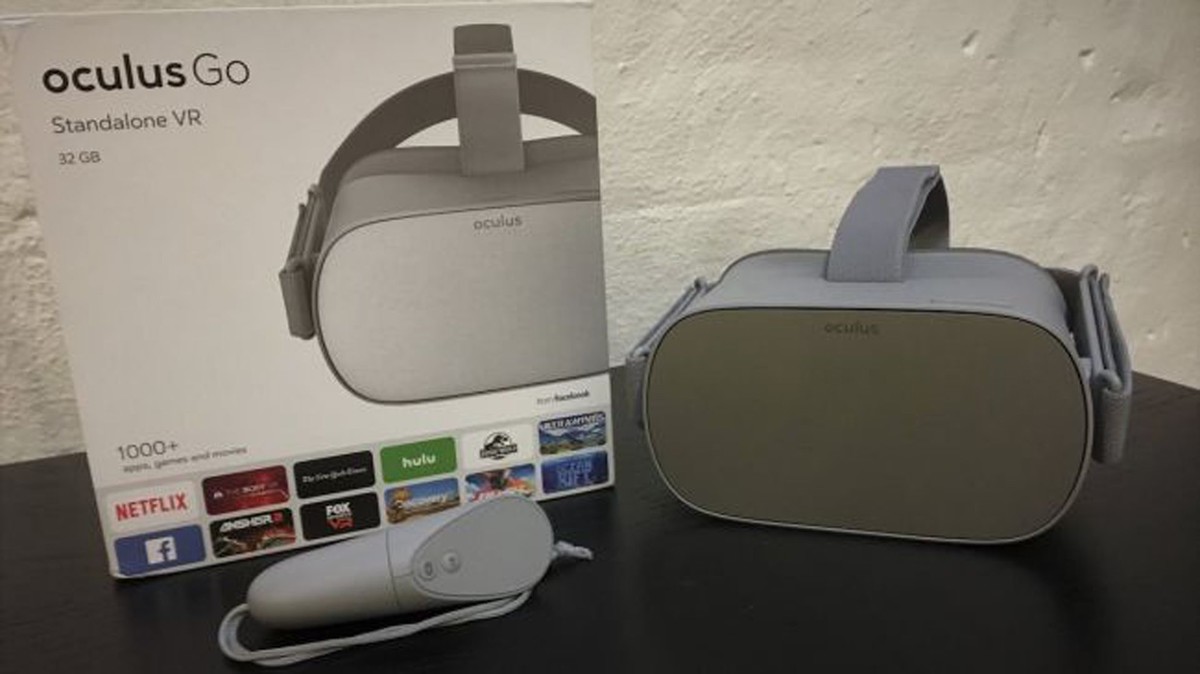
Oculus Go: 2560×1440 @ 72Hz screen; 101-degrees field-of-view; 3 DoF tracking; Snapdragon 821; price and on-board storage: US $199 / 32 GB and US $249 / 64 GB

However, in 2018 the Oculus Go arrived, and in 2019 it is set to be joined by the Oculus Quest and the Vive Focus. The significance of these three units is that they are entirely self-contained and provide an immediate VR experience right out-of-the-box. No need to hook up a heavyweight PC (possibly at added expense) for the heavy-lifting, or to have a suitable smartphone to provide the visuals.

While both the Quest (shipping in 2019) and the Focus (currently only available in China) have yet to  become globally available, their potential impact might be seen in the positive response the Go generated at launch, as noted by SuperData:

Oculus Go is part of an important movement. Facebook sold more units of the standalone headset in its launch quarter than they did the Oculus Rift in the entire first half of 2017. Its price and convenience are proving to be selling points.

– Stephanie Llamas, SuperData Head of XR data research

What is particularly interesting about the response is that it has not been limited to purely “home” use. While the Go is marketed as an “entertainment” headset, it has already been seen as a means of expanding VR’s use within enterprise markets. Take Walmart as an  example.
Continue reading “Thoughts on VR and AR, part 1”

A December’s Lost Dreams in Second Life

Lost Dreams; Inara Pey, December 2018, on Flickr
Lost Dreams – click any image for full size

One of the first places we visited at the start of 2018 was Lost Dreams – then still called Les Reves Perdus (“Dreams Lost”), a homestead region held by Cathy Morfeas (zaziaa). Given that almost a year has passed since that visit – itself the third we’ve made to this region of changing delights, I felt the end of year would be a good time to drop in once more.

Cathy’s designs have always been eye-catching and evocative of different seasons and periods. In January, for example, it presented a strong oriental theme; prior to that, during a visit we made in November  2017, it carried a Viking look and feel, while at the time of our first visit, it presented a gentle, pastoral setting.

Lost Dreams; Inara Pey, December 2018, on Flickr
Lost Dreams

There is something of this last setting that is reproduced in the current design, produced by Cathy with the assistance of Karmen (karmen Fullstop) and Xander (MatrixDav Mehrtens). It also contains wonderful touches of fantasy, together with a seasonal element that reminds us that the northern hemisphere is in the middle of the winter months. Spilt into three islands, the region presents plenty of opportunities for exploring, photography and for sitting and relaxing.

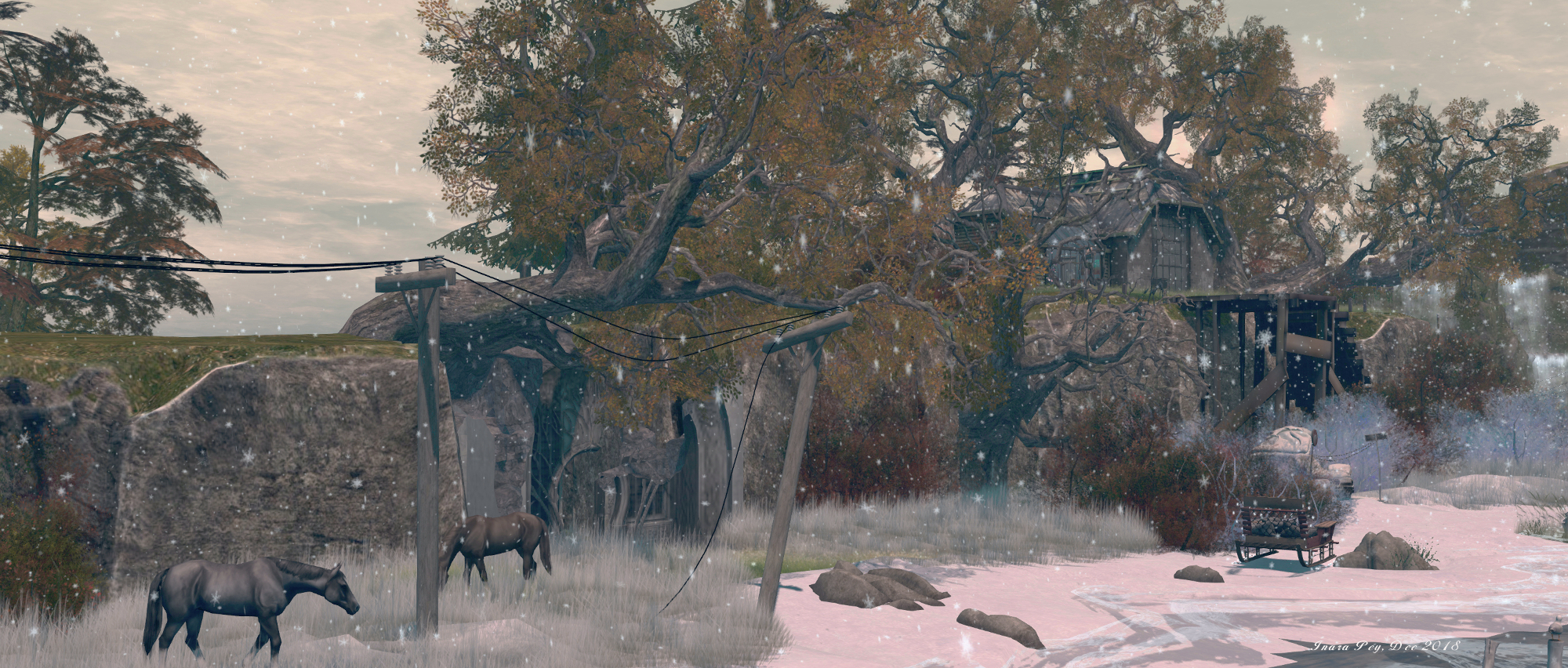
Visits start on one of the two smaller islands, which brings with it the first touch of fantasy: a church-like façade behind which sits a cave offering a hints of wizardry and magic (and which sits as a gacha resale point). A bridge links this island cave with the rugged main island, the west side of which is caught in winter; snow is falling steadily, dusting the beach to turn it white. A lone carousel turns slowly at the end of a makeshift pier, standing on wooden piles as well as being kept afloat by oil drums. Close by, an ice rink offers a further winter’s feel to the setting.

Lost Dreams; Inara Pey, December 2018, on Flickr
Lost Dreams

The rink is backed by a curtain of water tumbling from the vertical spine of rock the twists north-to-south. the southern end of this spine forms the link to the bridge – a path curling down to the snowy sand, or upwards to the ridge of the spine itself, before dropping to the more summery east side of the region.

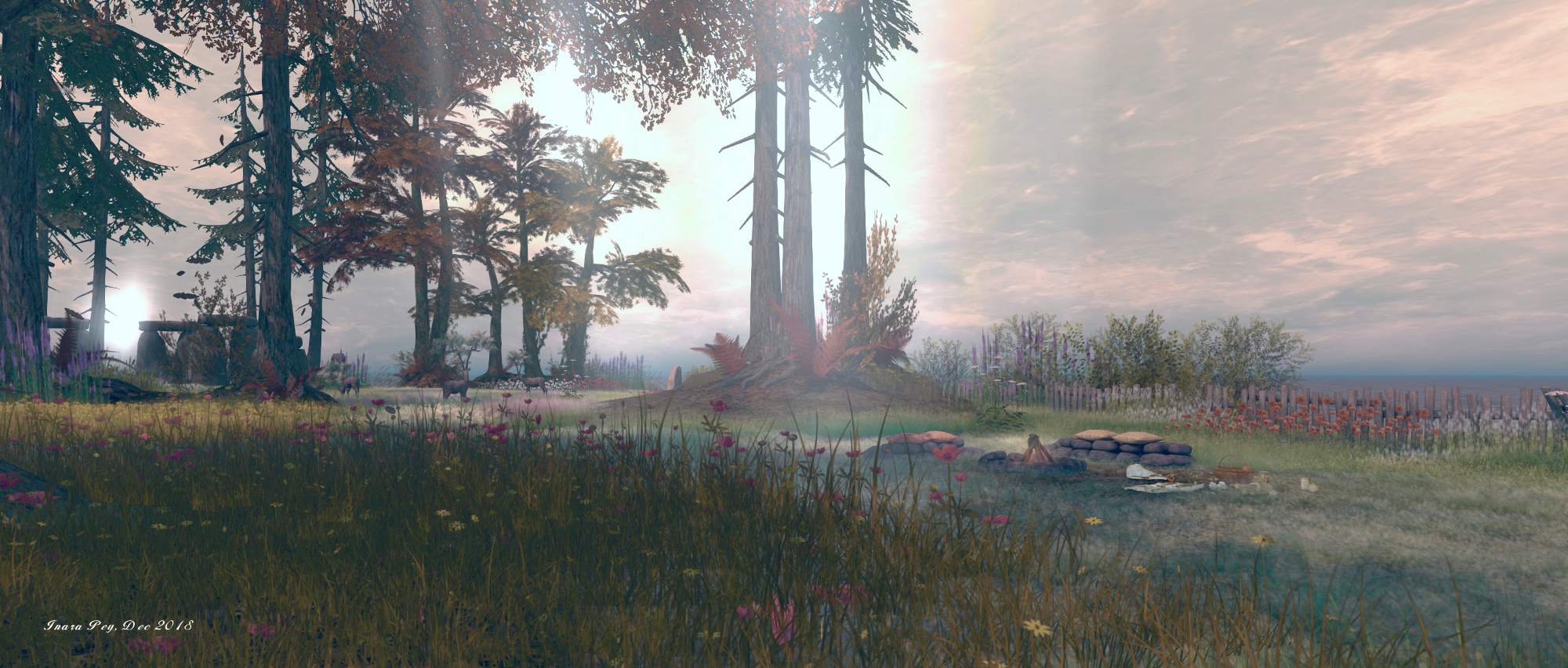
It is this side of the island where more of the fantasy elements can be found. A reproduction of Stonehenge sits to the north, while deer with tree-like antlers roam the grassland, together with more ordinary horses. Otters play along the narrow ribbon of a stream that rises from the foot of another waterfall. Another hint of fantasy lies with a broken elven arch linking the east and west sides of the region, a gap in the rock separating the two.

Lost Dreams; Inara Pey, December 2018, on Flickr
Lost Dreams

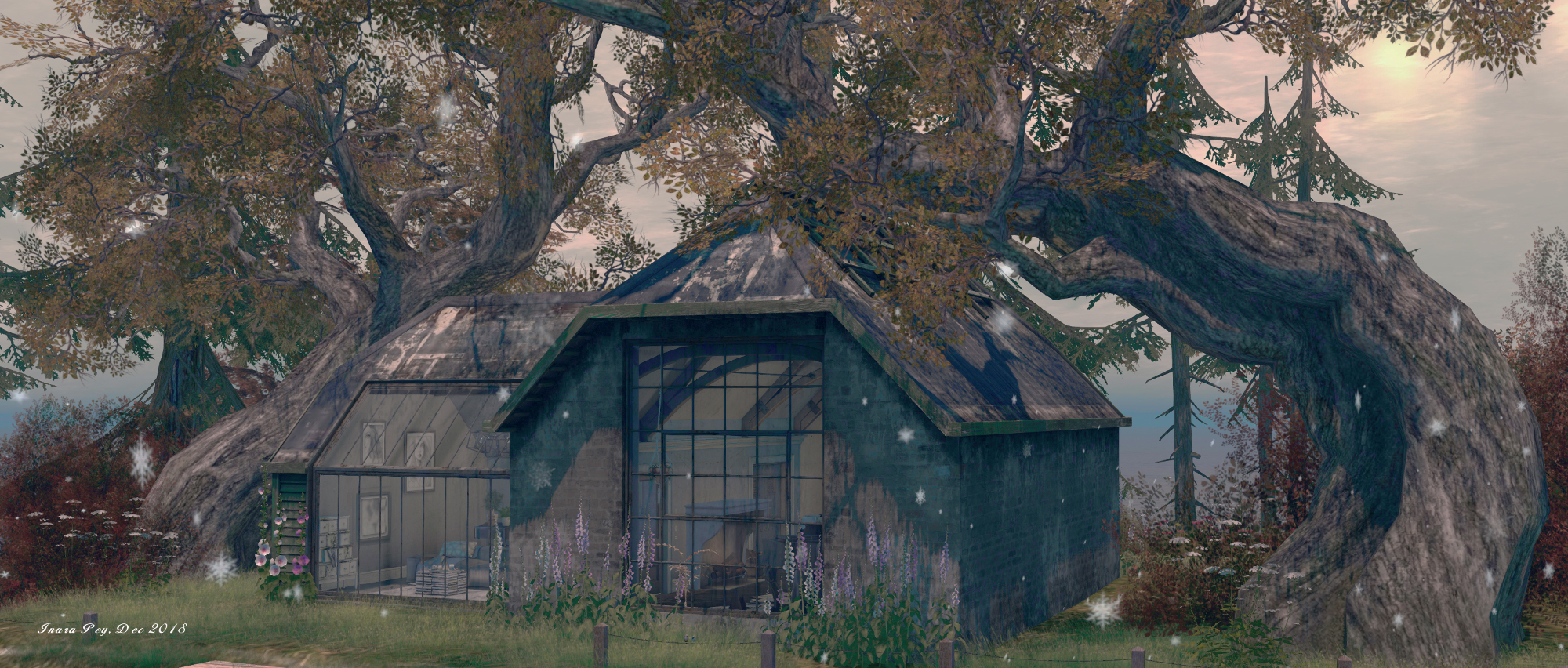
A single building occupies the island. Reached via rough wooden steps rising from the beach, it sits as a cabin-like getaway, raised above the rest of the island and offering views out to sea, allowing a passing trawler to be observed. It’s a cosy place, set for Christmas and offering a place to sit and pass the time, either indoors or out in the wild garden beyond the front door.

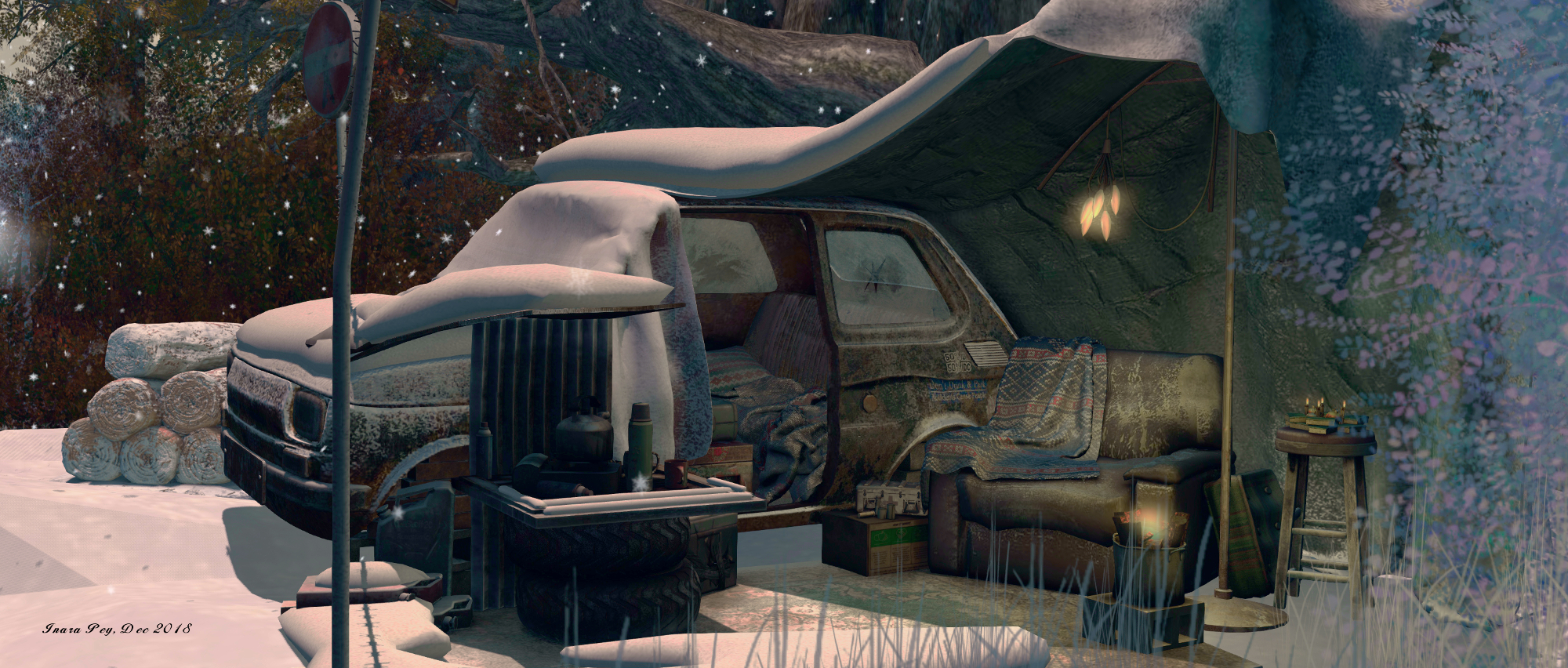
It’s not the only place were visitors can sit – there’s a little shelter at the foot of the cliffs, built from the wreck of a car, a horseless sleigh nearby. There’s also the carousel and on the summer’s side of the land, a little camp site with fireplace and.  Meanwhile, the final island  – little more than low-lying grass and trees offers a further place to sit – and cuddle – thanks to the rowing boat moored alongside of it. However, it is unlikely to hold people’s attention.

Lost Dreams; Inara Pey, December 2018, on Flickr
Lost Dreams

That is liable to be captured and held by the humpback whale circling slowly – but above the waters between the islands, a small, wild garden upon its back. What brings it here is anyone’s guess, but perhaps it is the magical stone circle sitting on the little island.

With sunlight dropping across the summer grasslands in the east, snow gently falling from the sky to the west, and bears and birds completing the island’s wildlife, Lost Dreams remains a bewitching place to visit and appreciate.

Lost Dreams; Inara Pey, December 2018, on Flickr
Lost Dreams

Should you enjoy the time you spend within the region, the bear seeking honey on the bridge would appreciate a tip to help with the region’s upkeep. There’s also a Flickr group for photographs, should visitors wish to share them.

SLurl Details

Art Neveux in Second Life

DiXmiX Gallery: Art Neveux

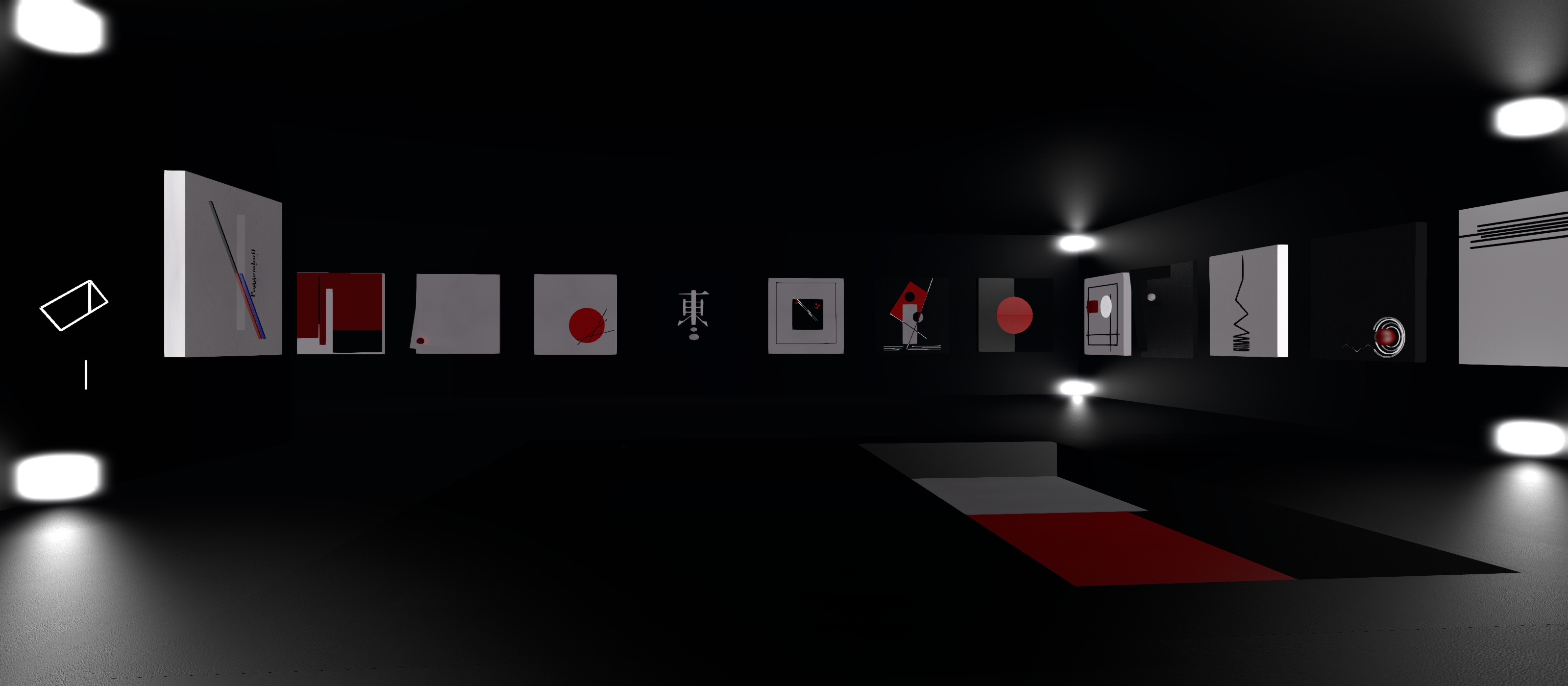
Open until the end of January 2019 at The Womb, the basement gallery space at DiXmiX Gallery, is Art Neveux, by Nevereux, and which I assume is a little play on her name and the term art nouveau.

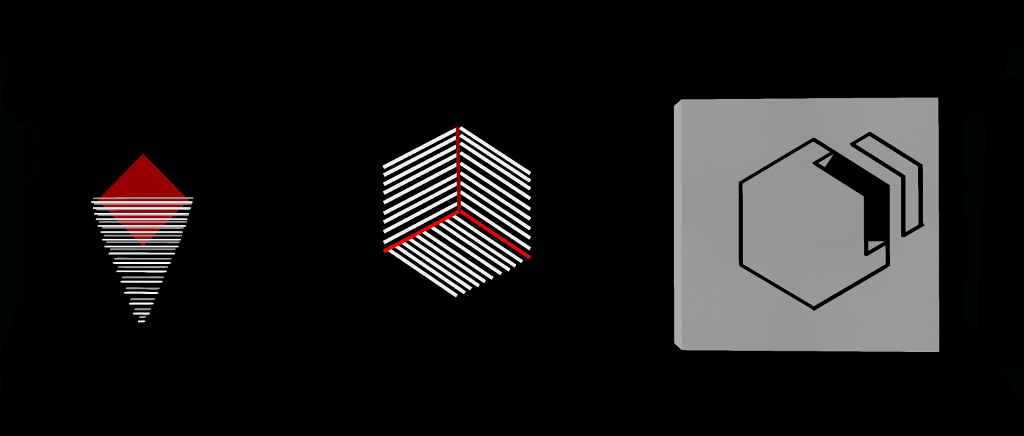
A selection of constructs that offer 3D works designed to appear almost two-dimensional, this a somewhat difficult selection of art to quantify, being very subjective in nature – as Nevereux herself notes:

Design is fine. History is mine. An argument for art. Prim-cakes and some technology. Around the corner there is some extreme context. Others, so deliberately meaningless. If you want, it’s slathering jam on a toast. Sticking just for fun. And may whatever holds you up stay forever beneath you.  

DiXmiX Gallery: Art Neveux

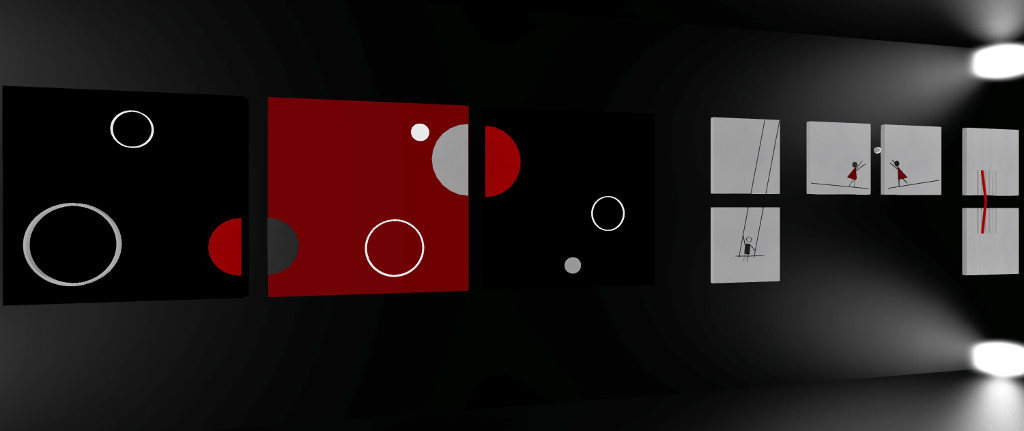
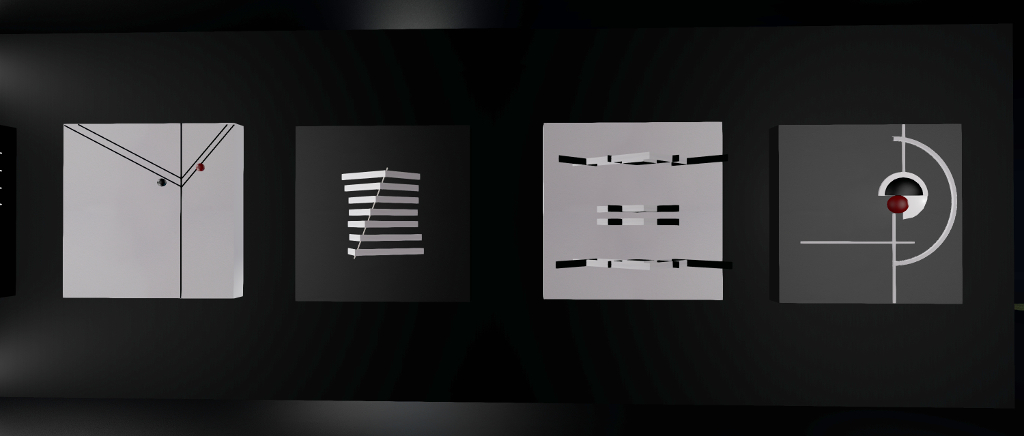
These are all pieces that are decidedly geometric in nature, presented in black and white, with red at times putting in an appearance. The net result is a series of stark – in the sense of their boldness – pieces that nevertheless have within them a sense of balance. Whilst art nouveau may well be suggested by the exhibition title, I’d perhaps lean towards its presence in the works here being only in a very modern interpretation; I tended to look on many of the pieces as being more abstract in nature, with some also carrying art deco motifs.

What I did find particularly interesting is the manner in which much of the art has been constructed. Rather than being completely original, most of the individual pieces are in fact constructs put together using building components by the likes of VetronUK, Chaser Haks and Isabelle Stoop. There is nothing wrong with art being created in this way, it happens all the time in the physical world; however, seeing the manner in which building components have been used within these pieces did have me recalling a discussion around an installation by another artist (and in another place) from earlier in the year.

DiXmiX Gallery: Art Neveux

Within that other installation, use was made of a series of mesh items readily available via the SL Marketplace, with little or no change made to them beyond outside of some retexturing. This led to a question being raised on whether the inclusion of such elements constituted “fair use”, and whether they justified the installation as a work of art; the argument being that their use hadn’t been sufficiently “transformative” to warrant either. It was not a view to which I could agree; I felt the inclusion of such elements was both fair and transformative, simply because they were integral to one’s response to, and interpretation of, the installation as a whole.

Such is the case here. Yes, many of the components used are “off the shelf” mesh shapes and forms designed to assist builders. However, the manner in which they have been brought together within individual pieces is transformative, both in terms of their individual use and in our interpretation of each complete piece.

DiXmiX Gallery: Art Neveux

There is also, in keeping with Nevereux’s own words, a sense of playfulness and illusion about some of the pieces offered (such as Palm Leaf, Belong, Warrior and Perspective, each of which should be cammed over carefully). These perhaps stand in reflection of the artist’s own nature – or perhaps a reminder that perhaps we shouldn’t look to deeply into individual pieces in order to discern “meaning”.

SLurl Details

RFL of SL: an important update and KNH Hope Hostel news

via RFL of SL

In mid-December, I offered an update on Relay For Life of Second Life, which included news on the KNH Hope Hostel, and the slightly less positive news that it appeared as if Stingray Raymaker, so long the guiding force of RFL in Second Life and the conduit Second Life and the American Cancer Society (ACS), had departed the organisation.

Well, as it turns out, there is more news on both – and the news is very positive.

Stingray had broken the news of his (then) impending departure from ACS at the end of November, emphasising that while it was due to occur on December 7th, he was confident that ACS’s work in Second Life would continue.

Well – the work will continue – and with Stingray still very much actively involved, having accepted a new position with ACS, as he notes himself:

As you all probably know, my last day as Director, RFL Online Revenue was on December 7, 2018. I have continued to support our volunteers in Second Life during the past weeks while applying and interviewing for other jobs. For those who wish to keep up, I am proud to share with you that I have found a new job that I started Monday, December 17 and the best thing about this new job is that I get to continue working with you all in Second Life. In fact, Second Life is one of the most important priorities that I am responsible for now as the new Sr. Consultant, Virtual Community Development for the American Cancer Society.

The new position stands in recognition of the huge amount of support virtual world residents  – particularly those engaged in Second Life – have given to the American Cancer Society over the years, and came about as a result of ACS leaders meeting with members of the Second Life Relay community, allowing them to gain an even greater understanding of the potential offered by virtual environments.

This is actually very good news, and I’d like to extend my congratulations to Stingray on his new role.

More on the KNH Hope Hostel

As I’ve previously reported in these pages, the Kenyatta National Hospital (KNH) Hope Hostel is the flagship of a programme to expand the American Cancer Society’s Hope Lodge facilities world-wide. These provide free accommodations for cancer patients and their caregivers during treatment. More than a place to stay, a Hope Lodge can be an essential part of cancer care for many. In 2014, for example, over 44,000 cancer patients and caregivers stayed at a Hope Lodge in the United States, accumulating over 276,000 free nights of accommodation with access to a range of facilities such as a social centre, library, and laundry, all of which they otherwise might not have been able to afford.

Artist rendering of the Hope Hostel from the Kenyatta National Hospital website

As a part of the initiative, the 2018 RFL of SL Fantasy adopted the KNH Hope Hostel as the recipient of all funds raised.

The total cost to build the new hostel and operate it for two years has been put at US $2.8 million. Thanks to a goal effort by supporters of the American Cancer Society – including Second Life residents – all but US $300,000 has now been raised.

The incredible amounts of money raised by Relayers in Second Life, and their commitment to help us finish the job of funding the KNH Hope Hostel has been an inspiration to our Matching Sponsors. It has gone a long way to convincing them – and us! – that we can get to the finish line in 2019. 

Kristen Solt, ACS Managing Director of Global Alliances.

A plan is now being developed to rally support from Relay For Life teams in Second Life along with those in other virtual and digital communities, as well as in brick-and-mortar Relay For Life events to raise the remaining US $300,000. As well as participating in these efforts during the 2019 RFL of SL season, those who wish can donate directly to the KNH project. Note that all donations made through this page will be automatically matched by ACS Matching Sponsors.

There is a wonderful Kenyan proverb which states that sticks in a bundle are unbreakable. The kinds of partnerships that are emerging through this project – connecting communities across the world including those throughout the metaverse – are proof that when we work together there is nothing we can’t achieve.

Zander Greene, Fantasy Faire of Second Life Co-Captain

So, here’s wishing the ACS and the RFL teams all the very best for the 2019 season, and to seeing the ground broken and work started on the KNH Hope Hostel.

I’ll have more on the KNH Hope Hostel, and of course on the work of the RFL of SL team and fund-their raising throughout 2019.

With thanks to Zander Greene.

2018 in review – part 1: January to June

The end of another year is approaching, bringing with it a time of reflection as we look back over the old before pausing to await the arrival of the new. It’s become something of a tradition in these pages for me to offer a summary of the year as recorded in this blog, and offer a chance to revisit the ups and downs and the good and the bad the last twelve months have brought us. And so it is for 2018, starting with January through June.

July to December is available here.

Note that this summary isn’t supposed to document everything that happened through the year, but is intended to be a highlight some of the more notable events reported on through these pages. In addition, and for a more detailed look at the various technical and Lab-driven updates to Second Life, please refer to A look at Second Life updates in 2018.

January

Second Life

I started the year with a look at Tyche Shepherd’s end-of-year Grid Survey report for 2017, which saw the grid contract by 4.0%. R. Crap Mariner joined the blog as a guest writer, with a regular series through the first half of the year covering dance in Second Life.

Tech and Viewers

Catznip was the first major viewer release for 2018, with the arrival of the shopping-focused R12. Firestorm issued version 5.0.11.53634, with lots of content creation goodies. Linden Lab released the 64-bit version of the official viewer, together with an update on plans for Linux. As the Alex Ivy release saw Linux removed as a viewer download option, the Lab re-issued their last stable Linux viewer version

My Second Life

I took to the air in the CLSA Fairey Gannet, a bargain for military flyers at just L$10.  brightened the skies of my Second Life with Stevie Davros’ clouds and skies.

We don’t (yet) have EEP, but Stevie Davros’ Windlight clouds and skies provide a means of being funky in your viewer
Travel and Arts
January Travels January Art Reviews
Brand New Colony (closed) The Listening Room
La Vie (closed) Cica Ghost Bird People
R.A.H.M.E.N.L.O.S. Gem Preiz – Sapiens
Ivy Falls Gallery Cecile
Thor’s Land MetaLES closure
Oh Deer (closed) Dreamer’s Feelings
Neverfar (closed to public access) Bryn Oh: Lady Carmagnolle / 26 Tines
Flying Coyote River MOSP
Les Reves Perdus Nitroglobus: Cold Frog

Sansar

Linden Lab launched the Sansar Top 5, a video review of popular experiences on the platform, and took the platform to the 2018 CES alongside Intel.  With the announcement that 2018 work would start to focus on user acquisition, I had a few thoughts.

Sansar Travel

My visits for the month encompassed Whystler’s The Bridge Room and Whyst Garden; Aech’s Garage; C3rb3rus’s 2077; and Anu’s Copper Valley.

Linden Lab

In something of a shock announcement, the Lab’s Director of Global Communications, Peter Gray, announced he was leaving for pastures new.

Space and Astronomy

I marked the sad occasion of the passing of John Young; looked at the ups and downs of China’s space programme – together with the first of many pieces on exoplanets; examined lunar lava tubes and commercial gamesmanship; and looked towards the maiden flight of the Falcon Heavy while also returning to TRAPPIST-1.

February

Second Life

February marked the annual Mole Day event in Bay City, recognising the work of the LPDW – the Linden Department of Public Works, and the annual One Billion Rising event, which I previewed.

Tech and Viewers

Second Life had its first major DDoS attack for 2018 and I reviewed the latest iteration of the 360-snapshot viewer.

Travel and Arts
February Travels February Art Reviews
Cece’s Secret (closed) Club LA and Gallery
Meraki Islands DiXmiX: Titus, Gaus and Burk
Kisaragi Town Kimmy LittleBoots
Kamigami, Pandora Resort (closed) Cica’s 50 Cats
Realm Of Light DaphneArts: Je n’aime pas
Sanctuary Giovanna Cerise – From Worlds to the World
Soul2Soul River / Soul2Soul Bay The Art Garden Gallery
Chamonix City DiXmiX: Melusina Parkin
Cuivieenen
Bay of Dreams
Sansar

The Find and Connect release deployed, focusing on making it easier to find others in Sansar, together with assorted content creation and avatar updates and communication improvements were outlined.

Sansar Travel

I only visited a single experience during February: Eternity by C3rb3rus.

Linden Lab

Bjørn Laurin, formerly the Vice President of Product at Linden Lab, departed the company to join HTC Vive.

High Fidelity

I caught up with HiFi’s commerce plans, including the HFC and wallet,

Space and Astronomy

The hunt for exoplanets took a turn with the first discovery of planets in another galaxy, while it was suggested Russia might enter the space tourism market; the SpaceX Falcon Heavy launched while the USA indicated it wants to cease ISS operations at the end of 2025; I caught up with rover operations on Mars then reviewed NASA’s 2019 budget and SpaceX’s attempt to catch part of a Falcon 9 in a giant sea-going net.

Two from one: the moment at which two Falcon 9 cores are about to touch-down at Cape Canaveral Air Force Station following the February 6th, 2018 launch of Falcon Heavy. Credit: SpaceX

Continue reading “2018 in review – part 1: January to June”

Modemworld – navigation updates

blogging

One of the things I strive for in this blog is ease of access to information, be it through the way I use categories and tags for posts or through the use of the available menu options and widgets, etc., within the blog’s theme.

Three changes I’ve made through 2018 – which may or may not have been noticed  –  is to information displayed in the widgets bar on the right of the blog.

In terms of the order in which they appear, these are:

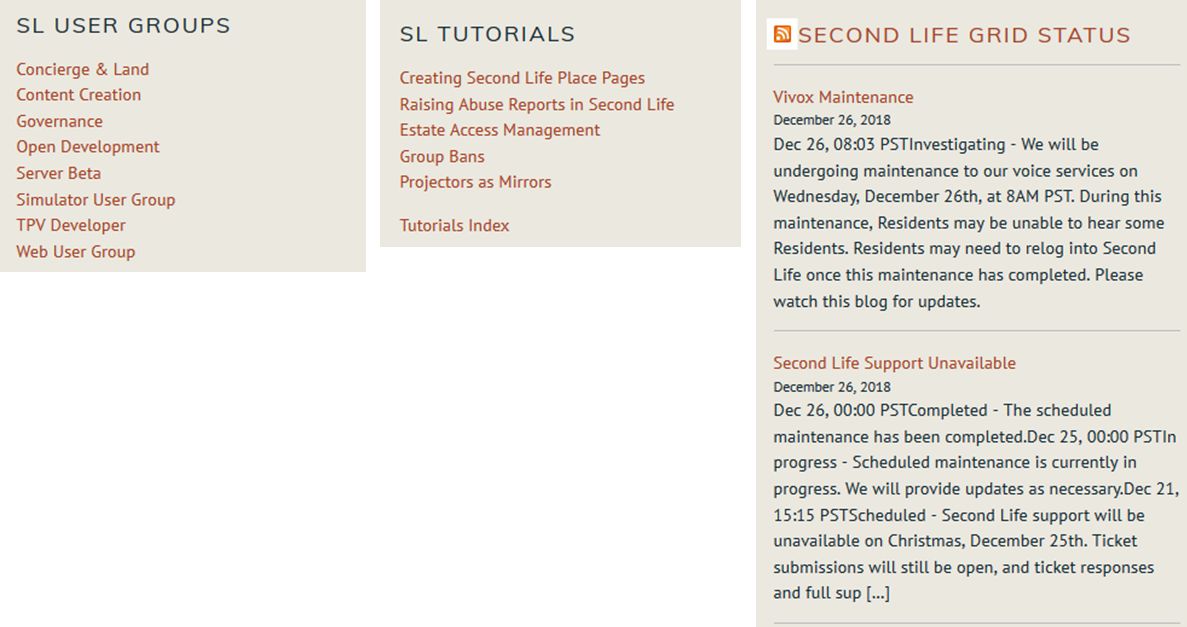
  • A section on SL user groups.
  • A section on SL tutorials in this blog.
  • A revised RSS feed from the SL grid status.

All three can be found between the Blogroll lists and Tag Cloud.

The new / updated blog widgets – all colour items are clickable links. These actually appear one above the next (l-r) in the widgets bar on the right of the blog. 

SL User Groups: provides direct links to all of the current Second Life user group pages on the Second Life wiki. These pages provide a summary of the purpose of the meetings, the date and times of forthcoming meetings and often, but not always an agenda for the next meeting and / or, where recorded, archives of past meetings. All meetings are open to those interested in attending. I provide summaries of all meetings I attend.

SL Tutorials: over the years I’ve provided a series of Second Life tutorials on various subjects. This widget is designed to provide a link to my full index of tutorials (which also includes links to tutorials by others). It also lists key Second Life tutorials I’ve produced either on my own, or with the assistance of Linden Lab (e.g. the Abuse Reports tutorial). I plan to add further relevant tutorials to this selection as they become available, together with what I think are the more interesting of my own tutorials on interesting subjects.

RSS Feed: this is tweak to the RSS feed from the Second Life Grid Status page, which hopefully presents updates in a clean, readable manner.

Menu Updates

Since the introduction of the current blog layout in 2017, I’ve continued to make adjustments to the menu system to try to ease navigation, not all of which I’ve subsequently written about.

Most recently, I’ve attempted to simplify the menu structure further by combining a couple of the top-level menus and reducing the sub-menu structure of each.

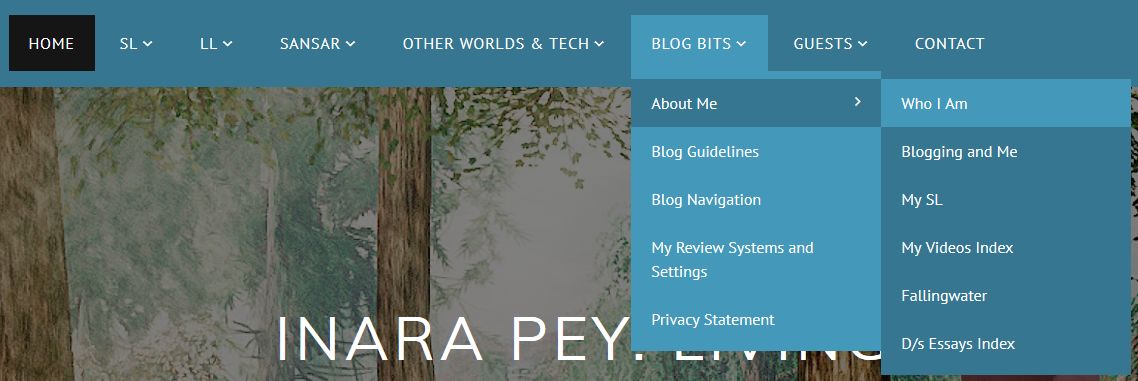
Revised menu structure as of December 2018

The top-level menus are now as follows:

  • SL (unchanged): provides access to all Second Life posts and pages, divided into the following sub-menus / categories, including news items, opinion pieces, my Exploring Second Life travelogues, all of my SL user group meeting summaries, art reviews, all viewer reviews, etc.
  • LL (unchanged): provides access to general news and information specific to Linden Lab, including all transcripts of Lab Chats and Q&As by Lab CEOs and senior staff.
  • Sansar (unchanged): provides a breakdown of all Sansar-related posts and articles in this blog, again divided into sub-menus / categories.
  • Other Worlds and Tech (unchanged): covers articles on other virtual worlds, AR and VR, pieces on general tech and my Space Sunday astronomy & space reports.
  • Guests (unchanged): provides access to all articles written by guests on this blog, accessed via the writer’s name.
  • Blog Bits (new): this now combines general information on this blog (blog guidelines, blog navigation, privacy statement and my review systems specifications), my “personal” items (biography, SL home life, my blogging journey, my SL videos, etc.), as shown in the image above.

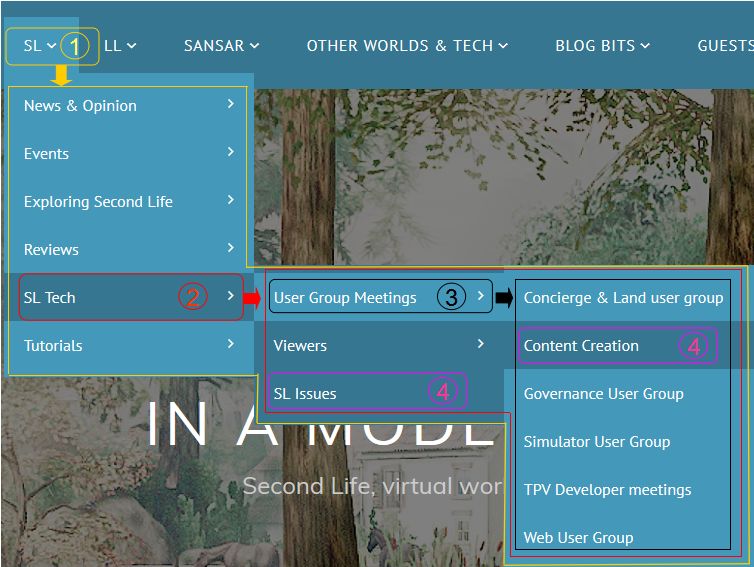
Note that the majority of the menu items in the above options have right-pointing arrow (“>”) indicating sub-menu options can be accessed. However, do please note that all articles for a specific category can be accessed by clicking on the top-level menu / sub-category option, as (hopefully!) explained in the image below.  The only exception to this is the About Me item under Blog Bits – just use the sub-menu from this to navigate further.

1. Clicking a top-level menu will display all articles under that topic, as indicated by the yellow lines. 2. Clicking on a topic within a top-level menu will display all articles for all sub-menus under that topic, as indicated by the red lines. 3. Clicking on a topic within a sub-menu will display all articles found under any sub-sub-menus for that topic, as indicated by the black lines. 4. Clicking on a specific topic name without any “>” will display only the articles related to that topic.

I hope these changes and updates further help people locate information within this blog. Obviously, the tag cloud can also be used to assist with finding article sets, and don’t forget there are the search options, also found in the right-side widget bar, which include the ability to list post by the major article categories used in this blog, or to list all articles published in a given month (most recent to oldest).