A Way of Life in Second Life

A Way of Life; Inara Pey, January 2019, on FlickrA Way of Life – click any image for full size

Update February 27th: A Way of Life / Snow Falls has been relocated. Refer to Winter’s blanket at The Four Seasons in Second Life for more. SLurls in this article now point to that location.

A Way of Life is the name given to the latest region design by Elyjia (Elyjia Baxton), and which replaces winter’s Snow Falls (read here for more).

This is another delightful setting, carrying with it echoes of Elyjia’s previous designs, developed in co-operation with Brayan Friller (Brayan26 Friller), such as Tavana Island (read more here), the gorgeous Au Petit Jour (see here for more), the Heart of the Sea (see here for more); all of which have been wonderfully exquisite island / pastoral / coastal designs we’ve always thoroughly enjoyed visiting. But while it does carry those echoes, A Way of Life offers its own unique setting and sense of place and freedom.
A Way of Life; Inara Pey, January 2019, on FlickrA Way of Life

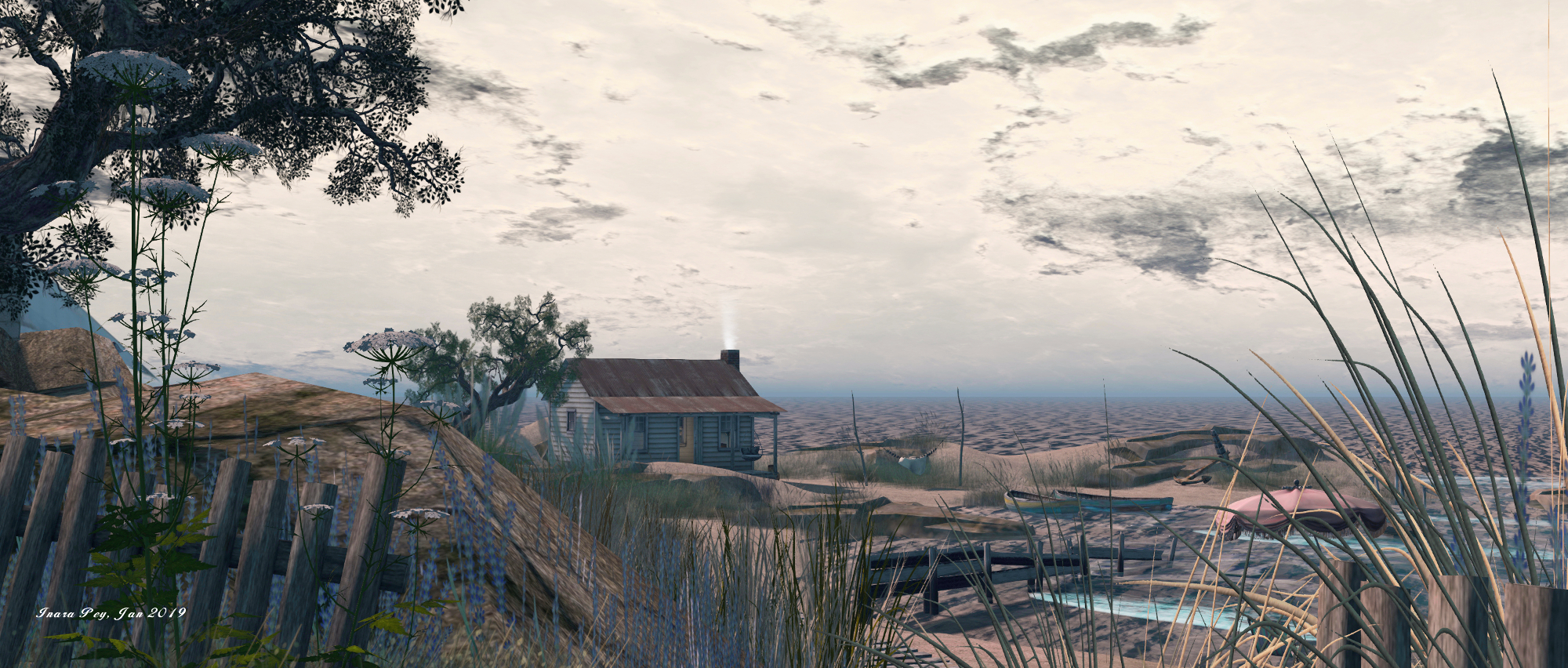
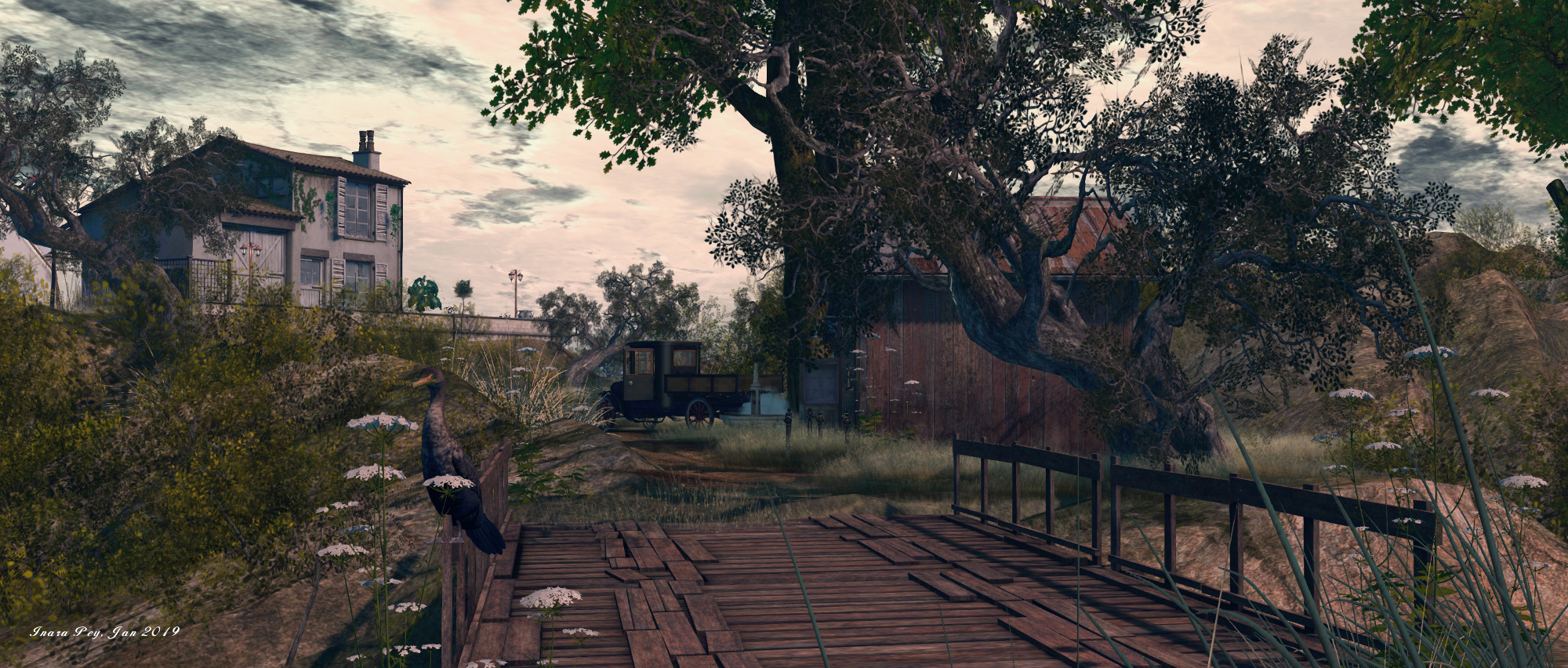
Surrounded by open sea and with two of its buildings clearly of Tuscan design / heritage, A Way of Life seems to suggest a Mediterranean setting. Perhaps it might be a part of the Tuscan Archipelago in the Tyrrhenian Sea. But a further look across the undulating island reveals structures that are perhaps more American in nature: a water tower sitting atop a great steel pylon structure, a classic wood framed and clad barn, a broken wooden windmill. Together these push the mind perhaps to an island of mixed history and settlement sitting within a more temperature region of America’s vast coastlines.

When I say “island”, I should perhaps clarify: the setting is almost a mini archipelago in its own right. While dominated by two large landmasses to the east and west, separated by a narrow channel that’s spanned by a single bridge, the region presents a number of islands of varying sizes, some occupied by structures, others the home of grass and trees or rocks and sand.
A Way of Life; Inara Pey, January 2019, on FlickrA Way of Life

Wherever it may reside, A Way of Life is clearly popular: sailing boats sit moored in the mouths of bay and channels while a large schooner appears to be passing close by to the east, sails fully unfurled in the light wind that ruffles the wave tops. The large villa to the east, with its paved terrace, folly and track winding west and south to a pavilion hiding behind the hunched shoulder of a low hill, suggests this is perhaps a holiday getaway point, or a stop-off on a coastal route followed by weekend sailors. The beach just below the villa, pointing a tongue of sand out at the sea certainly adds to this.

But then, close to the channel separating to two large islets, and on the land to the west, the presence of a workshop-like barn, together with the larger barn and water tower, suggests this might be a working island with the villa and nearby house sitting on its own small island perhaps the home to those who husband the sheep and horses under the squeak and clank of the sails belonging to a traditional European-style of windmill.

A Way of Life; Inara Pey, January 2019, on FlickrA Way of Life

It is perhaps the nature of these contrasts that make A Way of Life appealing. The aforementioned juxtaposition of European and American influences, for example. Or the contrast of Mediterranean skies with the trees and foliage suggestive of more northerly European or American climates; or the wagons and old truck (and perhaps event the schooner) hinting at a bygone era contrasting with the modern lines of the sail boats nestled around the coast. These all draw the visitor into the setting.

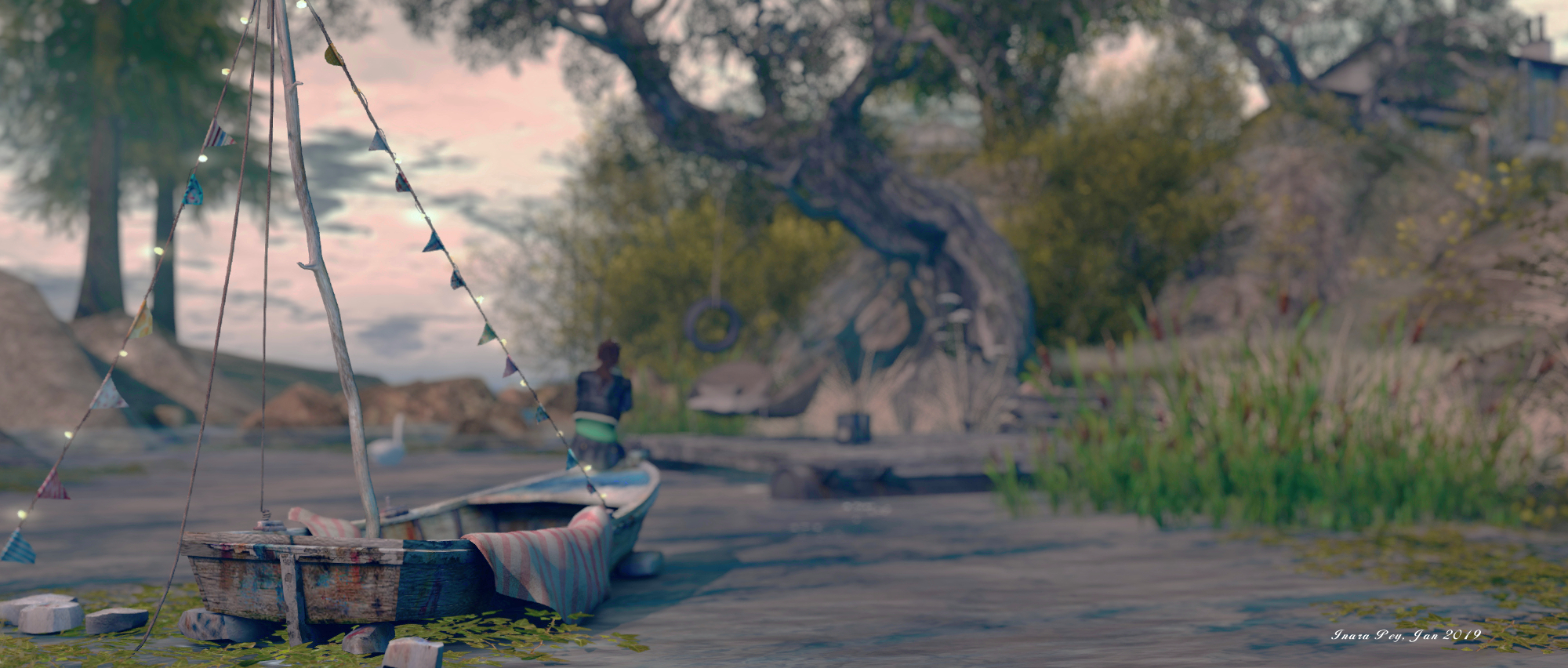
Throughout the landscape are numerous places to sits and rest and appreciate your surroundings. In this, I particularly like the little cove between villa and island house, where a small deck and a stranded old rowing boat (now converted to a little snuggle point festooned with flags and lights) can be found.
A Way of Life; Inara Pey, January 2019, on FlickrA Way of Life

Finished with a natural ambient sound scape, A Way of Life makes for an idyllic visit well suited to its name. Photographs taken within the region are welcome at the Hrodas Fen Flickr group, and  should you enjoy your visit, do please consider making a donation at one of the tip jars to help towards the region’s upkeep and future design iterations.

With thanks to Shakespeare for the nudge to re-visit Hrodas Fen.

SLurl Details

Space Sunday: of the Moon and exoplanets

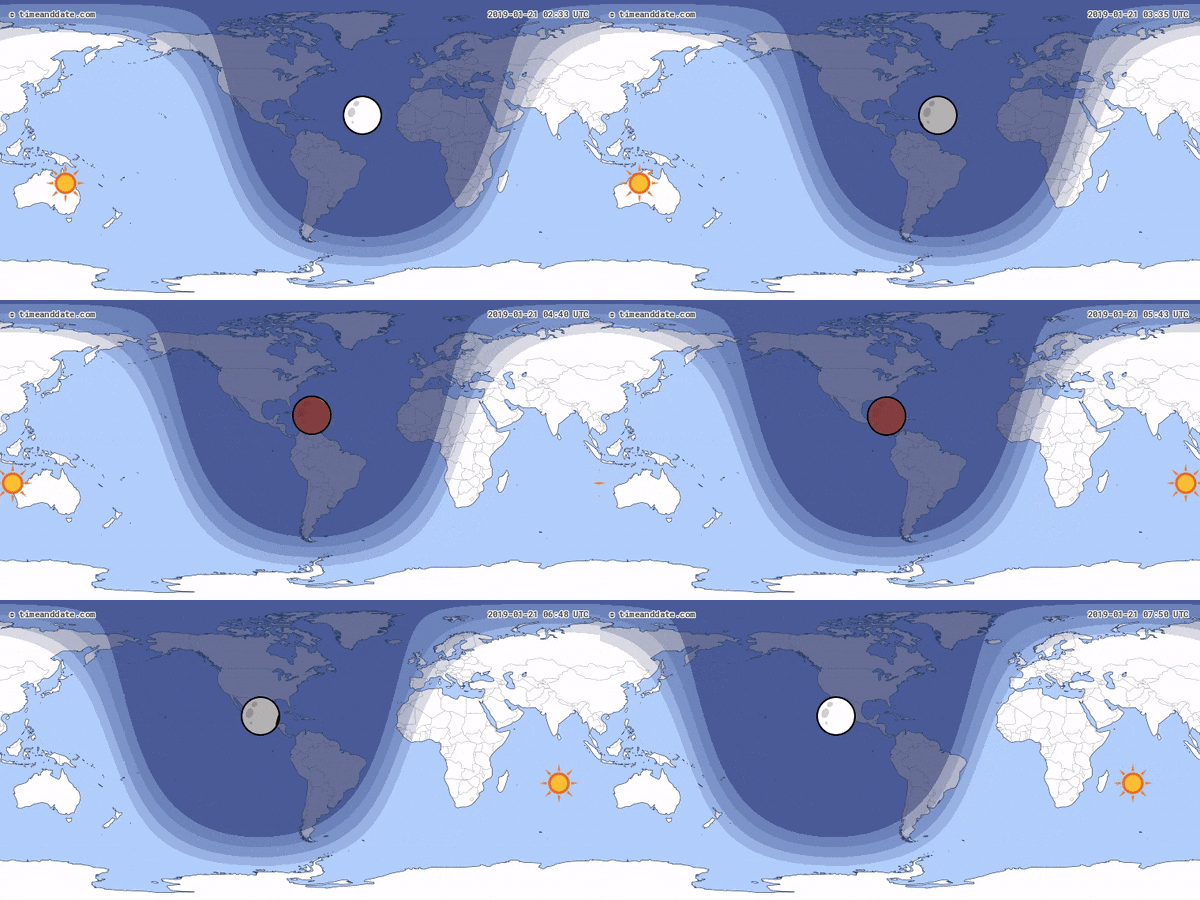
The 2019 “Super Blood Wolf Moon” – where to see it. Credit: timeanddate.com

The night of January 20th/21st, 2019 marks the only total lunar eclipse visible from the Americas this year – one which also includes Europe and parts of Africa (for those willing to either stay up or get up very early).

Dubbed by some a “Super Blood Wolf Moon”, the eclipse is somewhat unique in that it brings together three lunar events. “Super” refers to the fact that the Moon’s orbit around Earth is not circular but an ellipse. It varies from 362,600 km (225,300 mi) to 405,400 km (251,900 mi) on average. This means that at perigee, the Moon can look up to 30% “brighter” than it does at apogee, and is thus a “supermoon”.

“Blood” is derived from the fact that during an eclipse, the Earth lies between the Sun and the Moon, and the Earth’s atmosphere naturally absorbs more of the blue and green wavelengths, thus leaving more of the red wavelength to strike the surface of the Moon, giving it a bloody hue. A “wolf moon” refers to the first full Moon of January – which is winter in the northern hemisphere and the time when wolf howls were most often heard in the wild.

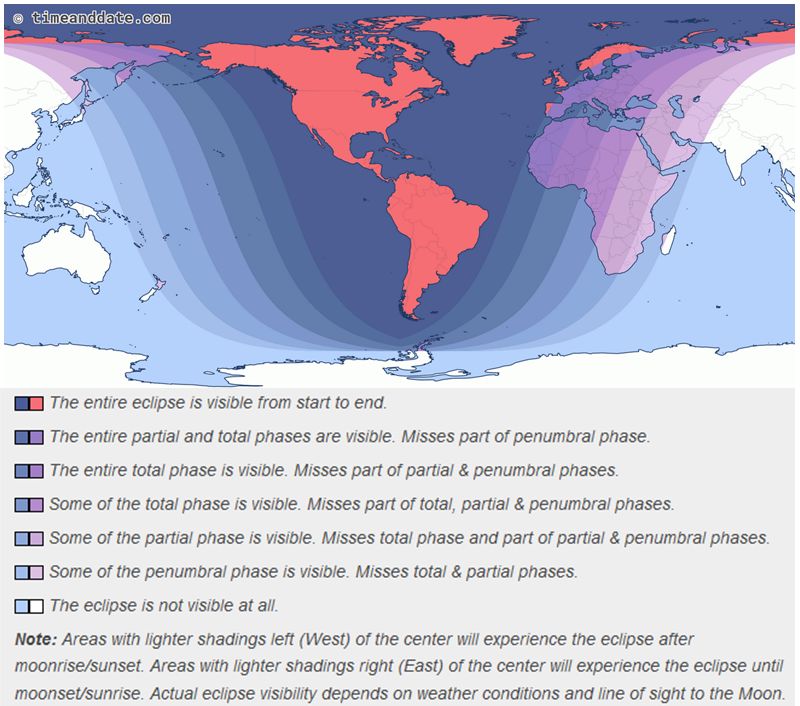
The entire January 20th/21st eclipse will be visible from start to end from all of both North and South America, and from the UK, Ireland, Portugal, Norway and parts of Sweden and northern Russia. Elsewhere in Europe, the eclipse, including totality – when the Earth’s shadow fully covers the Moon – will be visible across Western Europe, but elements of the entire event – such as of the part of penumbral phase or parts of the partial and total phases.

Eclipse visibility. via timeanddate.com

A timetable of the principal points in the eclipse is provided below.

Event UTC / GMT EST PST
Penumbral Eclipse begins 21 Jan, 02:36:29 20 Jan, 21:36:29 20 Jan, 18:36:29
Partial Eclipse begins 21 Jan, 03:33:54 20 Jan, 22:33:54 20 Jan, 19:33:54
Full Eclipse begins 21 Jan, 04:41:17 20 Jan, 23:41:17 20 Jan, 20:41:17
Maximum Eclipse 21 Jan, 05:12:14 21 Jan, 00:12:14 20 Jan, 21:12:14
Full Eclipse ends 21 Jan, 05:43:15 21 Jan, 00:43:15 20 Jan, 21:43:15
Partial Eclipse ends 21 Jan, 06:50:39 21 Jan, 01:50:39 20 Jan, 22:50:39
Penumbral Eclipse ends 21 Jan, 07:48:02 21 Jan, 02:48:02 20 Jan, 23:48:02

If you cannot view the eclipse directly, there are a number of other ways it can be seen and tracked:

For a Brief Time, There Was Life on the Moon

The LME container seen on Earth, prior to installation in the Chang’e 4 lander. Credit: Chongqing University

On January 14th, 2019, the China National Space Administration confirmed that, albeit briefly, there was life on the Moon.

Admittedly, the life in question was not alien or natural to the Moon, and had been placed there by the Chinese themselves, but it was still a major milestone in the Chang’e 4 mission and China’s lunar aspirations. At its heart is an experiment referred to at the Lunar Micro Ecosystem (LME).

A 2.6 kg (5.7 lb) sealed stainless-steel cylinder containing bioscience test loads, LME designed to test whether Earth plants and organisms can grow in the harsh conditions and reduced gravity on the lunar surface. It includes six types of organisms: cotton seed, potato, rapeseed, Arabidopsis thaliana (a flowering plant), as well as yeast and fruit fly eggs.

The unit has environmental systems keep the container hospitable and Earth-like, except for the low Lunar gravity, low temperatures and radiation. It had been hoped that together, the mix of fly eggs and plants would form a simple synergy: the eggs would hatch with the larvae producing carbon dioxide to assist with plant growth, with the plants producing oxygen (and food) for the fly larvae to progress to flies; the yeast would then help with regulating the carbon dioxide and oxygen. This type of research into developing closed ecological systems is seen as a means of helping to develop biological life support systems for long duration space missions in orbit, on the Moon and to other planets.

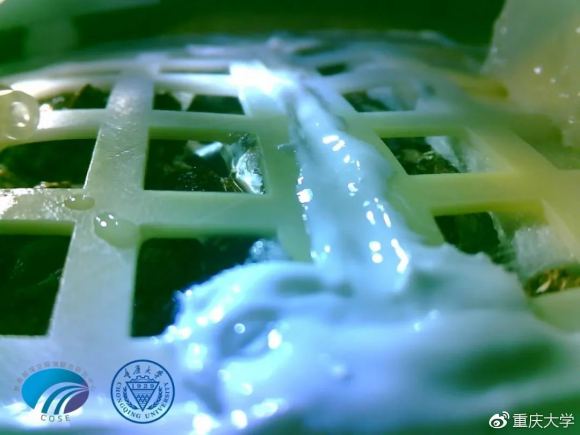
Within a few hours after landing on January 3rd, 2019, the biosphere’s temperature was adjusted to 24°C and the seeds were watered. The cotton seed was the first to sprout, as seen in images recorded on January 7th, 2019, that were included in the report issued by CNSA. It was also indicated that the rapeseed and potato seeds had also sprouted and were growing well as of Saturday, January 12th, although no photos were included in the report. It’s not clear what happened with the other seed or the fruit fly eggs.

Image taken from inside the LME on January 7th, 2019 showing the first cotton seed sprouting. Credit: CNSA/Chongqing University

The celebrations on the success of the project were short-lived however, with the onset of the lunar night. In the region Chang’e 4 occupies on the far side of the Moon, temperatures started to fall rapidly at the end of the two-week lunar day, and as the LME chamber does not have any heating systems, it was reported on January 16th that the sprouts had died due to the cold, and the experiment is now regarded as being “over”.

Despite this, the Chinese believe they learned enough from LME to be of use in designing future tests to determine how terrestrial organisms fair in a sealed and pressurized lunar environment.

Continue reading “Space Sunday: of the Moon and exoplanets”

Of ringworlds, time, and field agents (3)

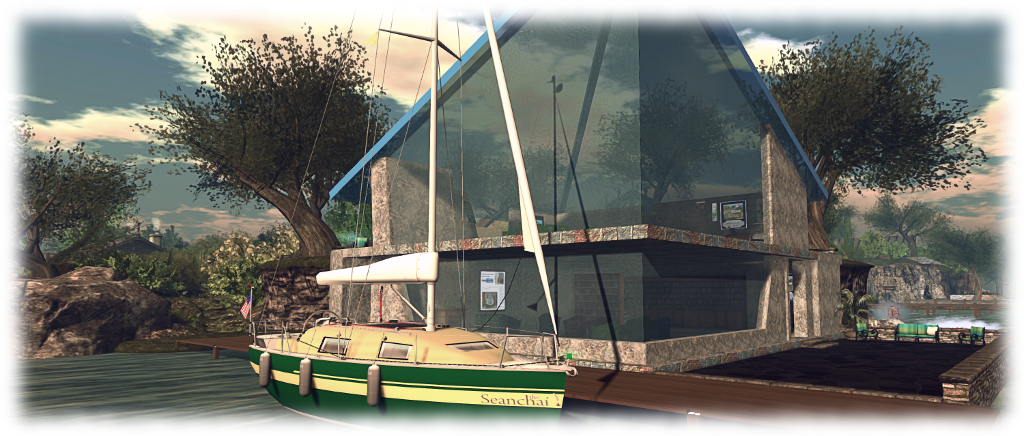
Seanchai Library

It’s time to highlight another week of storytelling in Voice by the staff and volunteers at the Seanchai Library. As always, all times SLT, and events are held at the Library’s home at Holly Kai Park, unless otherwise indicated.

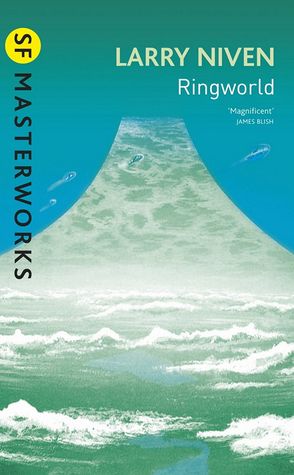
Monday, January 21st 19:00: Ringworld

Gyro Muggins reads the first in Larry Niven’s science fiction series focused on a gigantic artificial ring, the Ringworld, built around a far away star at a distance roughly equivalent to the orbit of the Earth around the Sun.

Roughly 1.6 million km wide, the ring rotates slowly around its central star to provide a gravity on its inner surface roughly equivalent to that of Earth, and it has an atmosphere suitable for humans. It was built by a race known as the Puppeteers, who have been working to affect both humans and the cat-like, warrior Kzin.

Regarded as a classic, Niven’s novel (and later series) is also curiously contradictory. On the one hand, it is focused on exact science of advanced technologies, but on the other it engages in bizarrely pseudo-scientific fantasy conceptions.

The series sits within Niven’s broader Known Space series, the fictional setting of about a dozen novels and several collections of short stories, and which encompasses his Man-Kzin wars series. In addition, the idea of the ringworld it presents is regarded as the inspiration for the Halo series of video games, and there are multiple similarities between the two.

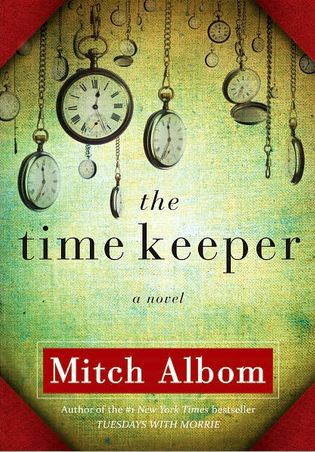
Tuesday, January 22nd 19:00: The Time Keeper

The inventor of the world’s first clock is punished for trying to measure God’s greatest gift. He is banished to a cave for centuries and forced to listen to the voices of all who come after him seeking more days, more years.

Eventually, with his soul nearly broken, Father Time is granted his freedom, along with a magical hourglass and a mission: a chance to redeem himself by teaching two earthly people the true meaning of time.

He returns to our world – now dominated by the hour-counting he so innocently began – and commences a journey with two unlikely partners: one a teenage girl who is about to give up on life, the other a wealthy old businessman who wants to live forever. To save himself, Father Time must save them both. And stop the world to do so.

Join Caledonia Skytower and Kayden OConnell as they read Mitch Albom’s 2012 novel.

Wednesday, January 23rd 19:00: The Jennifer Morgue

Corwyn Allen reads the second volume in the Laundry Files by Charles Stross.

Bob Howard is an IT expert and occasional field agent for the Laundry, the branch of Her Majesty’s Secret Service that deals with occult threats. In this second outing, Bob Howard finds himself dragged into the machinations and conspiracies of megalomaniac multi-billionaire Ellis Billington, The Black Chamber and The Laundry…

Dressed in a tuxedo (what else for a globe-trotting British Secret Agent?) and sent to the Caribbean, Bob must infiltrate Billington’s inner circle via his luxurious yacht. His mission? Prevent the Billington from violating a treaty that will bring down the wrath of an ancient underwater race upon humanity’s head.

Offering a wonderful pastiche on both the world of James Bond and a wonderful mimicking of Ian Fleming’s style of writing, Stross produces a novel that also evokes Lovecraftian overtones that is delightfully entertaining to read. In true Bond style, Bob is (reluctantly) partnered with an American agent – in this case a stunningly beautiful woman who also just happens to be a soul-sucking succubus from another dimension. Which, being the case, marks Bob’s mission somewhat differently to those of Bond: not only must he stop the bad guys and come through this at best shaken, he must totally avoid being stirred towards getting the girl…

Thursday, January 24th:

19:00: Moana Part 3

With Shandon Loring & Caledonia Skytower. Also in Kitely grid.kitely.com:8002:SEANCHAI.

21:00: Seanchai Late Night

With Finn Zeddmore.

My Anonymous Shadow in Second Life

DiXmiX Gallery: My Anonymous Shadow

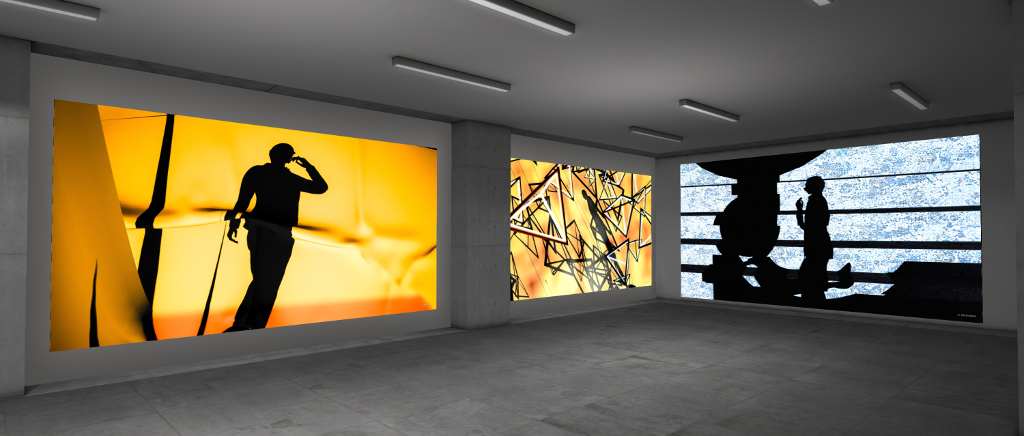
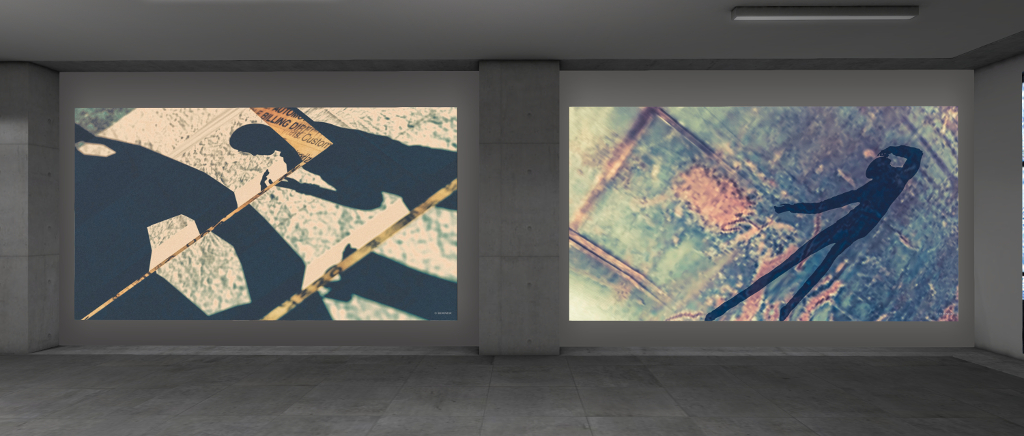
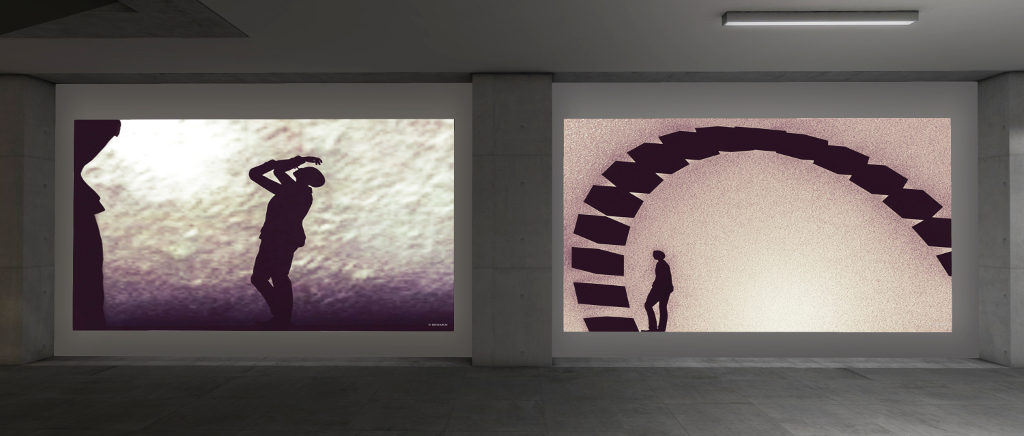
My Anonymous Shadow is the intriguing name of an exhibition of work by Dixmix Source, owner and curator of DiXmiX Gallery, that opened on Saturday, January 19th, 2019. On display are 12 images focusing on – as the name implies – the photographer’s shadow, or in some cases the artist’s avatar presented as a shadow; hence the intriguing nature of the exhibition.

It’s an innovative approach to presenting what might be thought of as avatar studies; within each image we see an anonymous figure; a silhouette, sometimes cast by light across a floor or wall, and others, the shadowy outline of a figure expressing emotion or framed within a setting, or abstractly caught in what otherwise be the pages of a graphic novel. But in each and every one of them, the black figure is both the centre of the image, yet (literally) a dark unknown.

DiXmiX Gallery: My Anonymous Shadow

With a considered use of colour in some of the images (more blatant in the likes of Shadow 5 and Shadow 7; softer and more refined in the likes of Shadow 9 and Shadow 11), the use of abstract presentation (again, Shadow 9 together with Shadow 3 and its mirror twin, Shadow 12), and carefully composed character studies (such as Shadow 8  and Shadow 10), this is a fascinating series. There is a narrative within each piece, waiting to be told – and that narrative very much depends on how you approach this exhibition.

For example, they might be considered individually, and as they were formed: pieces depicting an actual shadow cast on a surface, or a figure shown in deliberate silhouette. Viewed in this way, the story each image tells tends to be one of composition, balance, tone, capture and presentation; the play of light and dark, the contrast of shadow and object, in which the shadow / silhouette is divorced from association with a person, but is simply a component part of the artist’s use of contrasting elements to complete the whole, even when as expressive as Shadow 8.

DiXmiX Gallery: My Anonymous Shadow

But if they are considered as a whole, and within the context of the title, the narrative becomes more involved and branched. On the one hand, they could be taken as imaginings on what our shadows might be doing whilst we are otherwise occupied: out in their own world, exploring, experiencing, searching. On the other, these pieces might be seen as reflections of thoughts and emotions; considerations on identity, place, relationships that are personal to the photographer; yet at the same time, the very anonymity of the figure within each renders them as reflections of moods, events, feels, that we, the observers have experienced and can instantly recall in viewing them.

Thus, My Anonymous Shadow becomes a fascinatingly layered exhibition, one which can be enjoyed purely from the artistic expression each piece presents, and / or for the more narratives and ideas that lie just below the surface – or should I say, within their shadows?

SLurl Details

Time at 2019-XS in Second Life

2019-XS; Inara Pey, January 2019, on Flickr
2019-XS – click any image for full size

Update: 2019-XS has closed and Zee9 has relocated her Drune build – see Drune: a further visit in Second Life. SLurls have therefore been removed from this article.

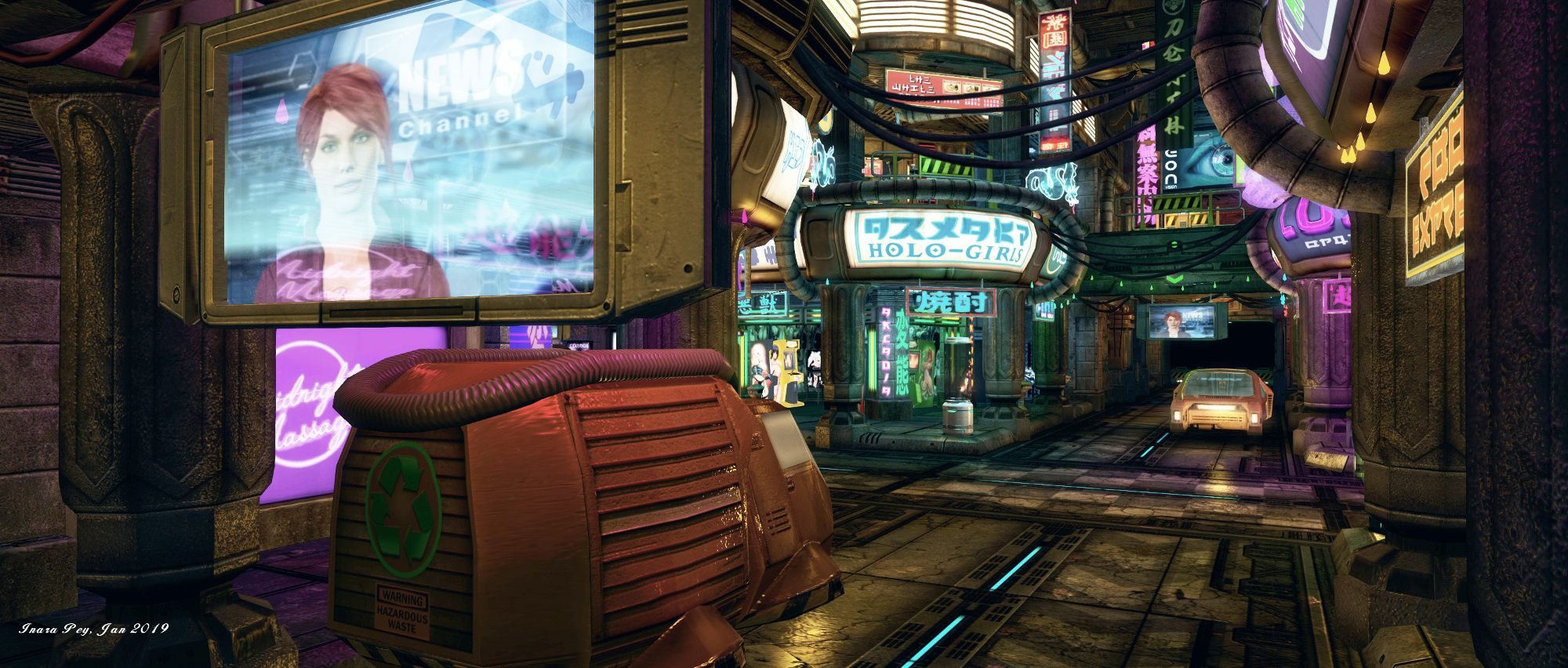
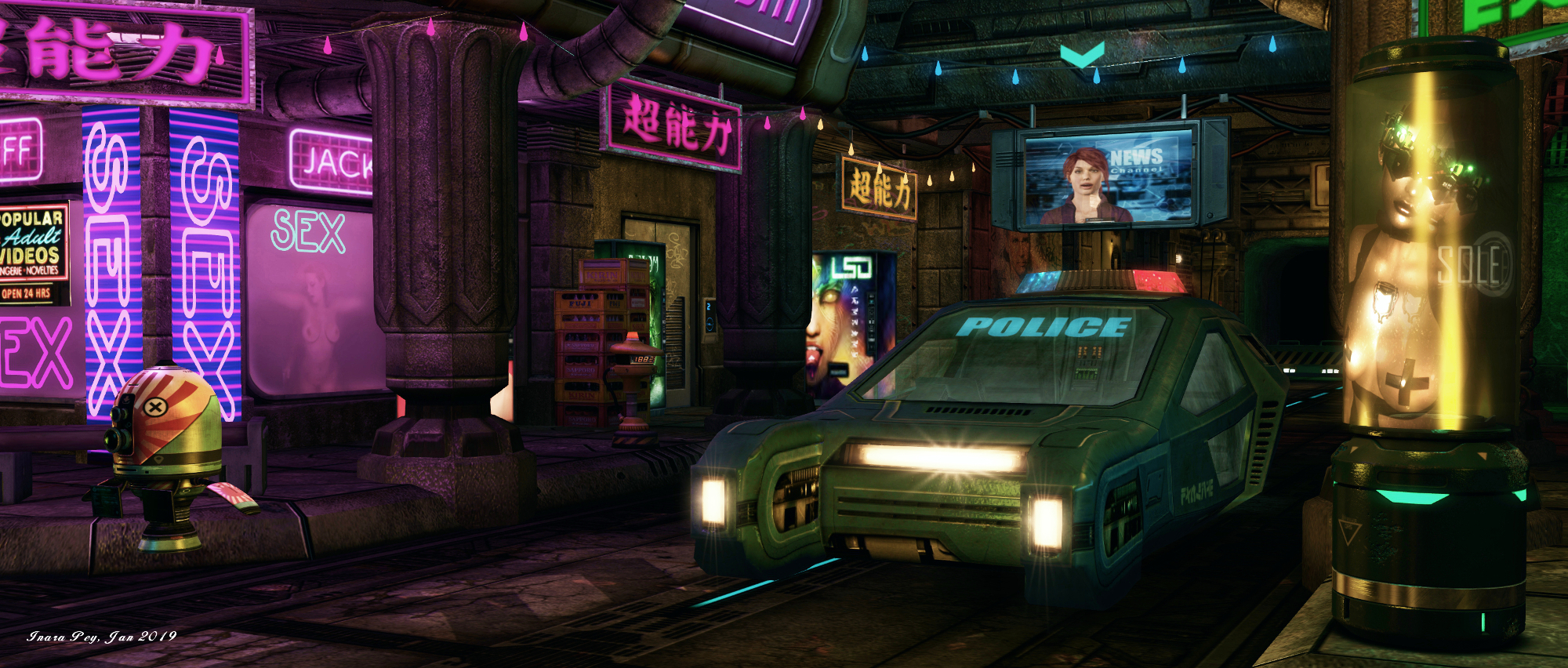
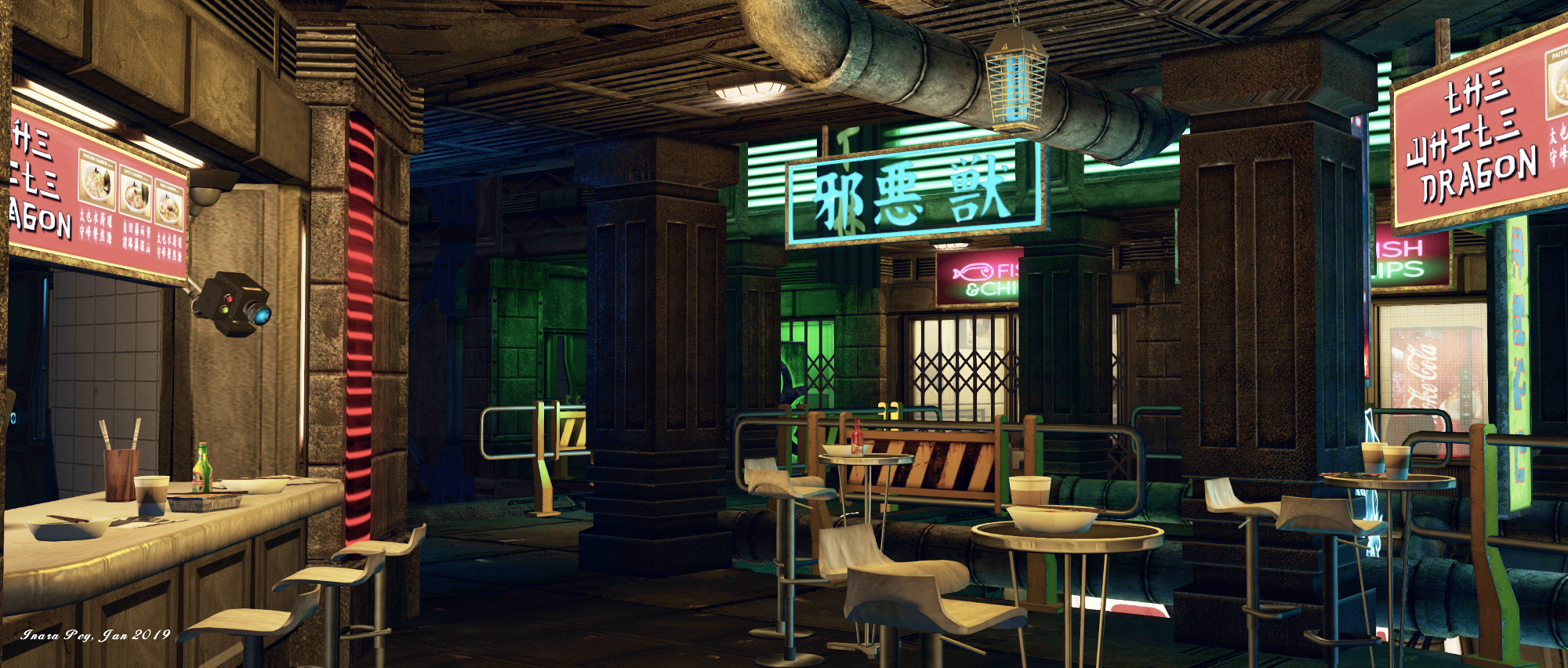
On the advice of a number of people – starting with Annie Brightstar – we recently visited 2019-XS, defined as “a sci-fi sim in Second Life with a cyberpunk feel, inspired by films like Blade Runner, The Fifth Element, and Neuromancer.”

Designed by Hera (zee9), the region has an adult edge to the role-play, and is intended as an extension to her previous (and now departed) build Drune. I’ve not seen that design, but will say that while compact, 2019-XS has a certain ambience that is hard to define, but has seen me make three visits to it in order to fully appreciate the ambience and setting.

2019-XS; Inara Pey, January 2019, on Flickr
2019-XS

While the region is described as being inspired by the likes of The Fifth Element and Blade Runner, the setting feels more potentially “sci-fi / dystopian generic” than these films would suggest. This is not to demean the region in any way; rather it’s an acknowledgement that it has a broader feel to it than a narrow focus on a specific film or films.

For example, while the design has a vertical feel to it, with a street level and upper walkways, all with plenty of neon on display, the overall feel is perhaps too Asian, too industrial / metallic too clean to perhaps fit it fully into the streets of the 2019 Los Angeles witnessed in Blade Runner. Then the narrowness of the streets, the cluttering of their canyon-like forms and lack of aerial traffic doesn’t entirely sit with a Fifth Element vibe.

2019-XS; Inara Pey, January 2019, on Flickr
2019-XS

Nevertheless, there are motifs from both films. There are buildings that have an older, stone-built look that echoes places like the Bradbury building as imagined in Blade Runner, for example. There are also the spinner-like vehicles (both commissioned and decommissioned), while the elevated walkways between the buildings offer a suggestion of a crowded city, again a-la Blade Runner and the TV Series Total Recall 2070 that took many of its visual cues from the film.

That said, were I to point to a particular film influence on the setting, I would sway towards Neuromancer. Whilst never made (the film is still characterised as In Development by IMDB), the concept art from that production offers takes that do reflect the setting within 2019-XS. But even then, I’d suggest that the region be allowed to stand on its own, free from any frame of reference that could lead to specific preconceptions.

2019-XS; Inara Pey, January 2019, on Flickr
2019-XS

The main streets are laid out simply enough – but in doing so, they hide the complexity of the setting. There are back alleys to be found; stairs and elevators to the upper levels, while private clubs lie behind heavy doors or at the bottom of outdoors steps leading down to a basement level. On the upper levels can be found more eateries, small apartments and hallways.

Role-play is, I believe, of a free-form nature; but again, be aware that there is a lean towards more sexual play, so the setting might not please everyone. For photographers, there are numerous opportunities to take photos – both avatar studies or cityscapes. There is also a Flickr group where images can be displayed, and which also includes pictures from the earlier Drune.

2019-XS; Inara Pey, January 2019, on Flickr
2019-XS

2019 SL User Groups 3/2: TPV Developer Meeting

The Forest - Winter Wonderland; Inara Pey, December 2018, on Flickr
The Forest – Winter Wonderland, December 2018 – blog post

The following notes are taken from the TPV Developer meeting held on Friday, January 18th, 2019. A video of the meeting is embedded below, my thanks as always to North for recording and providing it. Time stamps are provided to the major topics of discussion , which will open the video in a new tab for ease of reference.

SL Viewer

[2:40-4:00]

The following viewers updated on Wednesday, December 16th, 2019:

The remainder of the official pipelines remain as:

  • Current Release version 6.0.1.522263, dated December 5, promoted December 13. Formerly the Spotykach Maintenance RC viewer – No Change.
  • Release channel cohorts:
    • Estate Access Management (EAM) RC viewer, version 6.1.0.522564, December 19.
    • BugSplat RC viewer, version 6.1.0.522614, December 18. This viewer is functionally identical to the current release viewer, but uses BugSplat for crash reporting, rather than the Lab’s own Breakpad based crash reporting tools.
  • Project viewers:
  • Linux Spur viewer, version 5.0.9.329906, dated November 17, 2017 and promoted to release status 29 November – offered pending a Linux version of the Alex Ivy viewer code.
  • Obsolete platform viewer, version 3.7.28.300847, May 8, 2015 – provided for users on Windows XP and OS X versions below 10.7.

The EEP viewer is now very close to being promoted to RC status, and if all goes to plan, the simulator EEP support should be going to RC as well very soon.

Viewer Build Process

[4:04-7:24] The Lab is starting on moving their viewer build process to Visual Studio 2017.  This may lead to changes appearing in the build process as this work progresses. So far the work is proceeding smoothly, and is not anticipated as taking too long to complete. After this, the Lab plans to track their build process updates a lot more closely to Visual Studio releases (VS 2019 will be appearing this year).  Mac builds are to OS 10.13, and use Xcode 10.

Linux Viewer Status

[11:40-17:42] A couple of TPV Linux developers have contacted Oz Linden concerning assistance with the Linux build of the viewer. The holiday period, plus the fact Oz was on vacation immediately following it, means he has not followed up on the offers as yet, but will be doing so. It is hoped that this means work on supporting Linux will once again resume soon.

The Lab’s plan had been to provide a basic Debian build for Linux, avoiding the need to rebuild all the libraries for different tarballs. However, but suggestions have been made to consider using snaps / flatpacks instead. Currently the Lab is open to trying to incorporate the progress other have made in supporting Linux, including setting up build environments to support them with the aim of providing a Linux flavour for the viewer once more, with the caveat that any work carried out must not break the build processes for the other platforms.

There are a couple of potential caveats with any Linux viewer build that emerges from this work:

  • It will not have direct Voice support because a) Vivox no longer support Linux; b) changes to the Voice API means older versions of the SLvoice.exe plug-in will not work. (although voice via Wine is possible).
  • It is unlikely to have Havok support. It is felt that the number of Linux user actually employing the official Linux viewer has always been so small that the effort to incorporate the Havok libraries is not seen as worthwhile. This may be revised as work progresses.

Non-HTTP Asset Fetching / UDP Path Deprecation

[7:44-10:36] All asset types are – and have been for some time – fetched via HTTP / the CDN. However, the old UDP message paths for such fetching has remained in place. This is now being deprecated from the simulator code. The patch for this is not ready to go, and should be rolling out across the simulator release channels over the next few weeks, a little later than originally planned.

This means anyone using really old viewers that do not have HTTP asset fetching (notably for the likes of system body parts, system clothing, gesture, animations, sounds, landmarks and textures) will no longer be able to obtain responses to asset requests.

[34:52-35:15] The Lab will also consider requests to move other functions away from UDP to other capabilities.

In Brief

  • Reports are increasing on the time it takes mesh attachments (clothing, body parts, to “snap” into place when logging-in or teleporting to a region where there is a number of other avatars.
  • Some Firestorm users are also reporting texture corruption issues linked to the above, which may be linked to Malwarebytes anti-virus software..
  • Firestorm is hoping to move the current version with Animesh support to a “full” release around the end of January, hopefully).
  • Catznip is planning a release without Animesh support, to be followed by a release with optional Animesh release.