SL project updates 16 7/1: server and viewer

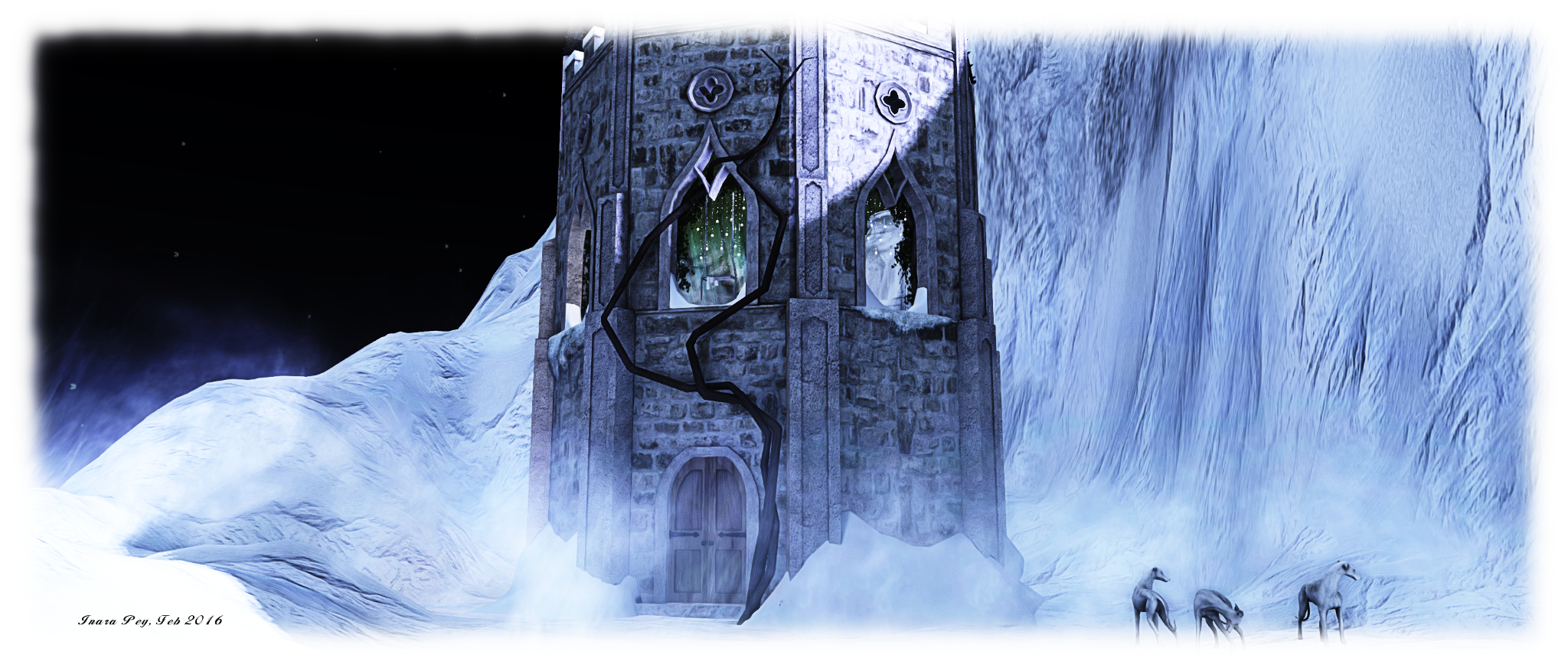
Sorrow; Inara Pey, February 2016, on Flickr Sorrowblog post

Server Deployments

There are no server deployments planned for this week, and no planned restarts for any of the channels.

There is an RC deployment planned for week #8 (week commencing Monday, February 22nd), details of which are still TBA.

As there have not been any rolling restarts, and won’t be any across the entire grid until around week #9, the advice is that if your region is behaving abnormally, file a support ticket to have it restarted. The Lab’s support team are aware that there are no scheduled restarts at present, so they should process requests OK.

SL Viewer

With Monday having been a holiday in the United States (Presidents’ Day), there was no meeting at the Lab to discuss viewer promotions.  This leaves the current list of Lab viewer unchanged from the end of week #6:

  • Current Release version: 4.0.1.310054, January 15 – formerly the Maintenance RC viewer download page, release notes
  • RC viewers:
    • HTTP updates and Vivox RC viewer updated to version 4.0.2.310660 on February 4 – combines the Project Azumarill RC and Vivox Voice RC updates into a single viewer  (download and release notes)
    • Maintenance RC viewer version 4.0.2.310545 released on February 2 – 38 updates. fixes and tweaks for memory leaks; viewer crashes; UI, permissions and mesh uploader bugs; visual muting issues, autopilot issues and duplicated calling cards (download and release notes)
    • Quick Graphics RC viewer updated to version 4.0.2.310127 on January 20 – provides the new Avatar Complexity options and the new graphics preset capabilities for setting, saving and restoring graphic settings for use in difference environments / circumstances (download and release notes)
  • Project viewers:
    • Project Bento (avatar skeleton extensions) version 5.0.0.310099 released on January 20 – adds 90+ bones to the existing avatar skeleton (download and release notes)
    • Oculus Rift project viewer updated to version 3.7.18.295296 on October 13, 2015 – Oculus Rift DK2 support (download and release notes)
  • Obsolete platform viewer version 3.7.28.300847 dated May 8, 2015 – provided for users on Windows XP and OS X versions below 10.7 (download and release notes).

As noted in my recent TPVD meeting report, further updates are expected to the HTTP / Vivox RC viewer and the Quick Graphics RC viewer, but these may not appear this week.

Region Crossings – Grey Box Issue

There have been increasing reports of region crossing issues, including the return of the “grey box” attachment issue which was originally seen in 2013 when crossing from a BlueSteel RC to any other region. This would see any passenger(s) sitting on a vehicle surrounded by (or even replaced by) a grey prim, and left with no choice but to relog, leaving the prim behind, attached to the vehicle.

Caitlyn recently got caught by the "grey box" issue as we were sailing on the north side of Blake Sea. If you encounter the problem, please file a JIRA with as much information as possible (see below)
Caitlyn recently got caught by the “grey box” issue as we were sailing on the north side of Blake Sea. If you encounter the problem, please file a JIRA with as much information as possible (see below)

At the time of the problem first appearing, Kelly Linden described it thus:

Every agent has a ‘task’ representation on the server that is the same as a prim. The bug is in sending the linked set w/ avatars to the other region: avatars after the first are losing the special avatar treatment and getting passed as a regular linked prim. So that prim is what the server thinks all avatars look like.

Simon then added:

The region crossing code basically un-sits avatars from an object, sends both the avatars and object to the next region [as separate sets of data], which puts them back together. In this case, the 2nd avatar doesn’t get detached properly and things go south from there. So the 2nd avatar gets sent over bundled up with the object … which it’s not designed to do.

It had been thought this issue had been dealt with via a fix for (non-public) BUG-3547. However, if it is resurfacing, the problem now is to pin it down in a reproducible manner, if indeed it is returning. Should you encounter it, please make sure you file a JIRA providing as much information as possible, including your viewer log files, the regions you were crossing between when it happened yo you (or your passengers), the date and time, details of the vehicle you were using, etc.
Getting some Funky Junk in Second Life

Funky Junk
Funky Junk

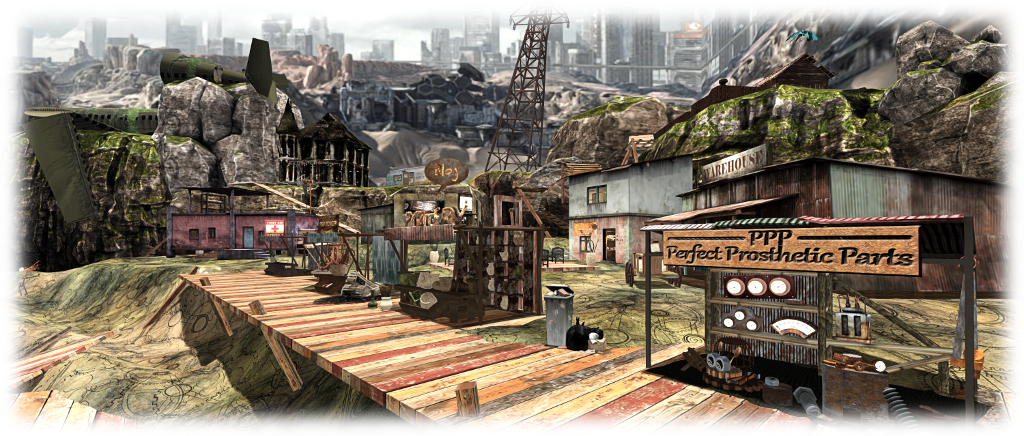
Officially opening its doors on Saturday, February 27th,but available to visit now, is Funky Junk, a collaborative environment t between Carmsie Melodie, FreeWee Ling, ElizabethWallington Resident and Dusty Canning at LEA 22.

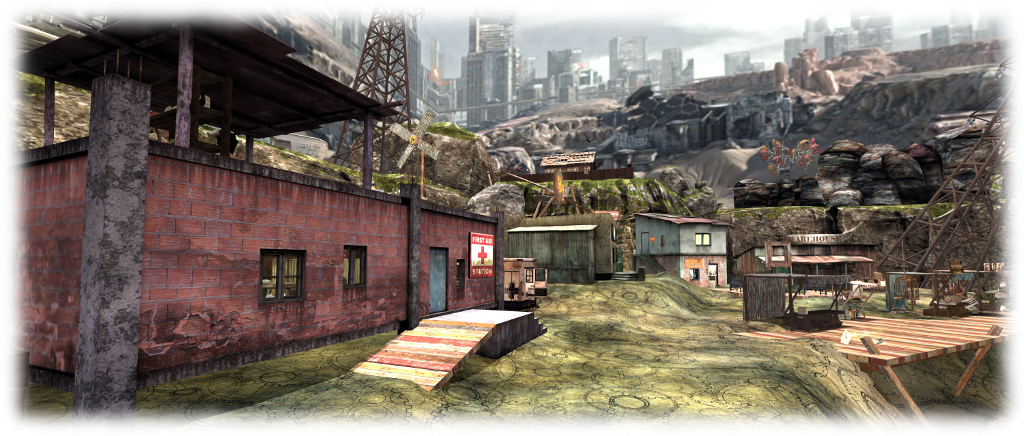
Described as “a whimsical, post apocalyptic mini-world where trash, waste, bent and broken stuff are truly treasured.  Everything at Funky Junk is made of, or contains, remnant ‘artyfacts’ from the human species that once lived there,” Funky Junk presents a strange environment wherein the stranger creatures have come up with some ingenious methods of farming and manufacturing goods based on the civilisation which preceded them. They also have some decidedly questionable approaches to construction, as visitors will note when touring!

FJ-4_001
Funky Junk

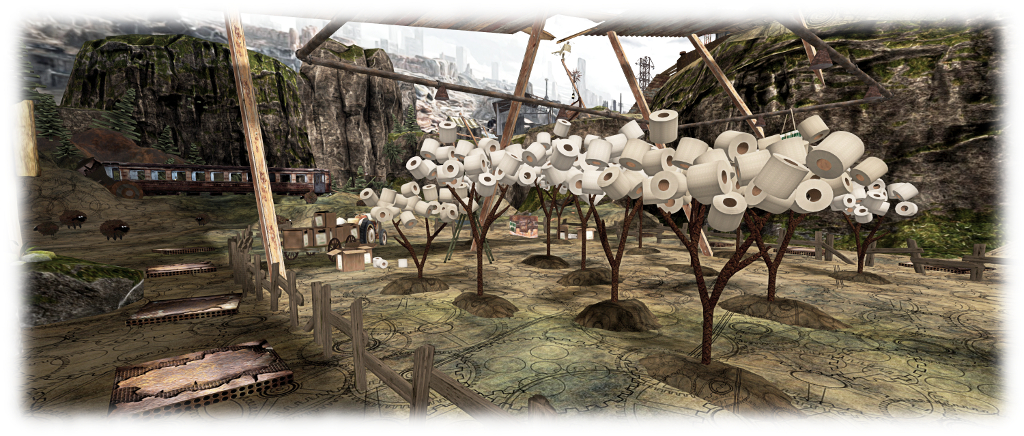
As might be guessed from the description, this is a place where humour very much plays a role in things; it’s also a place where touch and listen is very much the order of the day, as interactive elements are to be found everywhere. The humour can be found at various locations, such as in the toilet paper orchard, where trees blossom with loo rolls, nurtured by grey water obtained by recycling used loo rolls, or in the garden centre, where efforts to grow household plants seem to have been strongly influenced by The Little Shop of Horrors.

This is also a place with a bewildering number of points of interest, So much so that the local blogger, Rusty Steele, keeper of the records at Funky Junk, hit upon the idea of producing a map to help visitors find their way around. Copies of this can also be obtained from the billboard not far from the tunnel arrivals must walk through from the landing point.

Funky Junk
Funky Junk

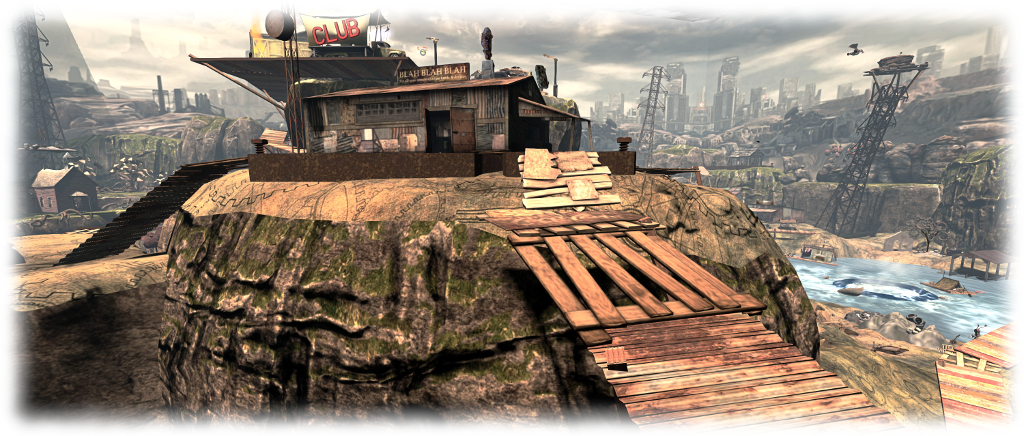
Funky Junk will be hosting events and entertainment throughout its run, including weekly dances (Wednesdays and Saturdays) at the club located atop a high rocky plateau towards the middle of the installation. There will also be light shows, sim tours, and hunts. Right now, the creative team are seeking performers, DJs; if you’re interested, you can apply via the website.

All told, this is a curious installation; quirky, with a lopsided charm about it, supported by a light-hearted website / blog. If you’re interested in joining in with events held there after the official opening, keep an eye on the Funky Junk events page.

Funky Junk
Funky Junk

SLurl and Web Details

Sorrow’s Snow in Second Life

Sorrow; Inara Pey, February 2016, on Flickr Sorrow (click any image for full size)

I last visited Sorrow, the atmospheric designed by Voshie Paine and the Lollipop Kids on the homestead region of Paper Dinosaurs, in October 2015. At that time, the region was in the grip of a substantial downpour, which framed a tragic back story concerning a once happy family estate, built on money and handed down through the generations until tragedy came upon the last of the family line.

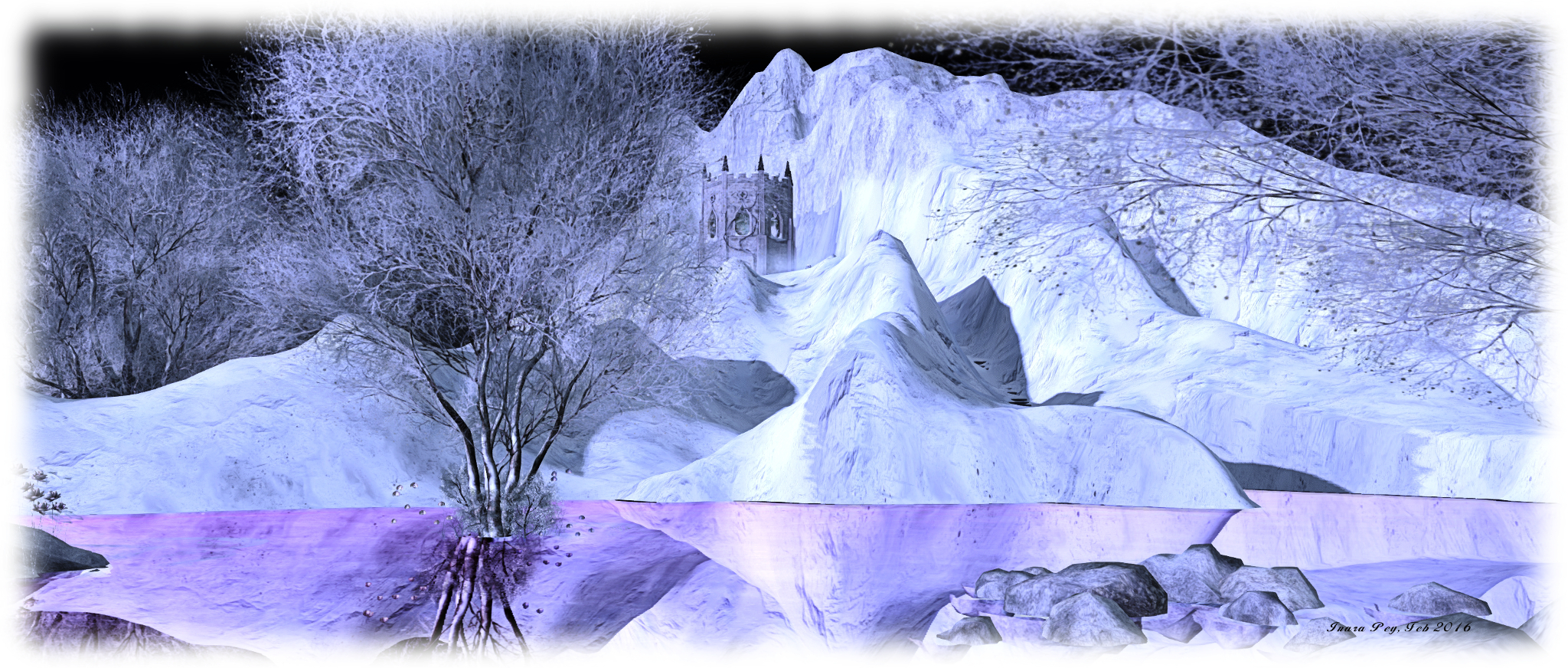
Those days – and the sad estate – have now long past, the region since having been made over for winter by Voshie and Dizzy Sparrow. The two islands and their houses have passed into the mists of time, as have the rains. In their stead – for the time being, at least – sits a single, snow-covered island, which rises from a sea frozen mirror-smooth under a darkening sky.

Sorrow; Inara Pey, February 2016, on Flickr Sorrow

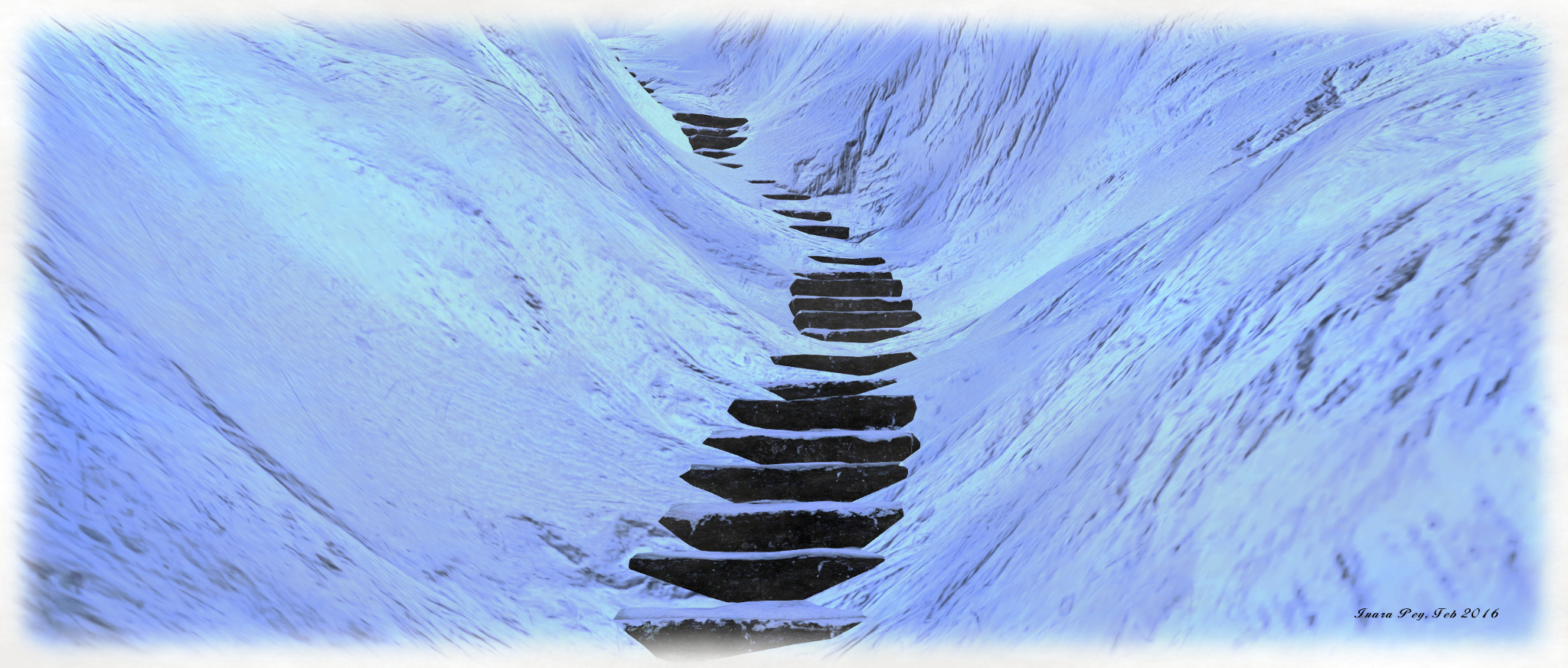
This is a place of ethereal beauty, the island rising tall and craggy, lines softened by its snowy mantle, and upon which a single stone sits, reached by stone steps winding up a narrow cleft. Greyhounds stand outside of the tower, whether on guard, or keeping vigil, or for some other reason, is for the visitor to decide.

The dogs suggest the tower is a home for someone, and the blazing fire warming the ground floor further testifies to this, as does the bedroom above. However, where they may have wandered to, is for your imagination to decide.

Sorrow; Inara Pey, February 2016, on Flickr Sorrow (click any image for full size)

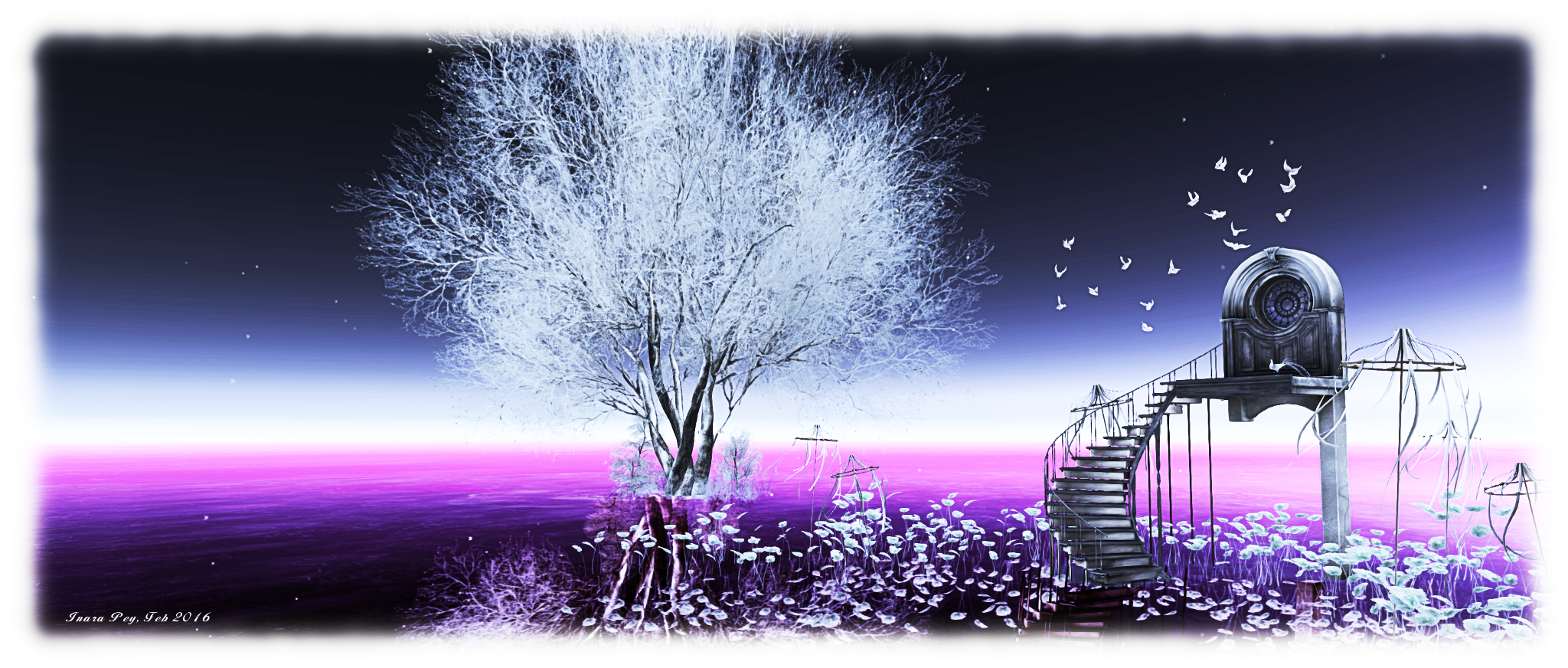
Vegetation is spare here; the only greenery resides inside the tower, while outside, trees raise their hoar frosted branches towards the sky as they rise from the frozen waters, as – here and there – do tall lotus blossoms, also seemingly frozen in time. Also out on the water sits aki69’s Stairs for moonlight, a gacha item which has been appearing in regions across the grid of late, making as it does an eye-catching piece. Here, it adds a further touch to the ethereal look and feel to the region.

In October, Sorrow presented a place reflective of its name: a setting filled with melancholy. With this design, the region offers something very different: a place suggestive of enchantment  frozen in time; a place of quiet beauty and solitude. Yet there does also seem to be a faint echo, within its beauty,  of the region’s name; almost as if whoever liver within that single tower has come here to leave their sorrows behind.

Sorrow; Inara Pey, February 2016, on Flickr Sorrow

SLurl Details

With thanks to Caledonia Skytower for the poke about going back to see Sorrow. 

2016 viewer release summaries: week 6

Updates for the week ending Sunday, February 14th

This summary is published every Monday, and is a list of SL viewer / client releases (official and TPV) made during the previous week. When reading it, please note:

  • It is based on my Current Viewer Releases Page, a list of all Second Life viewers and clients that are in popular use (and of which I am aware), and which are recognised as adhering to the TPV Policy. This page includes comprehensive links to download pages, blog notes, release notes, etc., as well as links to any / all reviews of specific viewers / clients made within this blog
  • By its nature, this summary presented here will always be in arrears, please refer to the Current Viewer Release Page for more up-to-date information.

Official LL Viewers

LL Viewer Resources

Third-party Viewers

V3-style

  • No updates.

V1-style

  • Cool VL Viewer updated as follows: Stable version to 1.26.16.12 and Experimental branch to 1.26.17.10, both on February 13th (release notes).

Mobile / Other Clients

  • No updates.

Additional TPV Resources

Related Links

2016 Home and Garden Expo opens

Home and Garden Expo 2016

The 8th Home and Garden Expo (HGE) in support of Relay for Life of Second Life and the American Cancer Society, opened its doors to the public on Sunday, February 14th, 2016, and promises to be another hugely popular event.

Taking place across 10 regions, all called Hope and a number (1 through 10), the event will run through until Sunday March 6th, 2016, offering some of the finest in home, garden, and furnishing designs available across the grid.

With over 100 exhibitors taking part, including those participating in the breedables exhibition, which forms a part of the HGE activities this year, the event offers something for anyone who is looking for a new home, ideas for furnishing and decor, wishing to improve their building (or other) skills, or who just wishes to keep abreast of the latest building / home trends in Second Life.

Home and Garden Expo 2016 - the fun fair

Home and Garden Expo 2016– the fun fair

As well as providing the opportunity to discover the best in housing designs ans itself, there will be a wide range of events going on through the two weeks of HGE, including talks, classes, entertainment, the Expo hunt, a fun fair with bumper cars and a rollercoaster, gachas and more. For details on everything that is going on, please refer to the HGE website’s events schedule.

This year also sees artists exhibit at HGE, and I’ll be taking a look at who is exhibiting during the course of the exhibition.

Home and Garden Expo 2016 - the Prim Perfect auditorium, once again home for this year's featured HGE talks
Home and Garden Expo 2016 – the Prim Perfect auditorium, once again home for this year’s featured HGE talks

SLurl Details

All HGE regions are rated moderate.

Hope 1 Hope 2
Hope 3 Hope 4
Hope 5 Hope 6
Hope 7 Hope 8
Hope 9 Hope 10

Space Sunday: of Einstein, waves, landers and honours

The LIGO observatory, Hanford, Washington State
The LIGO observatory, Hanford, Washington State (source: LIGO)

Thursday, February 11th saw the announcement of the first direct detection of gravitational waves (not to be confused with “gravity waves”, as some in the media initially took to calling them, but which are something else entirely*), which are ripples in the fabric of space-time whose existence was first proposed by Albert Einstein, in 1916.

The detection came about partly as happenstance, in that the Large Interferometer Gravitational Wave Observatory (LIGO), a world-wide operation established in 1992 and involving 900 scientists from 80 institutions in 15 countries. However, the detectors in use up until recently had failed to provide direct evidence of gravitational waves.

Albert Einstein in 1916, when he was formulating his General Theory of Relativity
Albert Einstein in 1916, when he was formulating his General Theory of Relativity (source: Wikipedia)

Enter the National Science Foundation in the United States.  Over the last five years, they have funded the development and construction of two “Advanced LIGO” detectors, themselves massive feats of technology and engineering, located 3,000 km apart in the United States. One resides Livingston, Louisiana, and the other in Hanford, Washington State.

These detectors started running in February2015, in what was called an “engineering mode”. However, in September 2015 work started on running them up to full operational status when, and completely unexpectedly and within milliseconds of one another, both appeared to detect gravitational passing through them.

The odds of such an event occurring almost precisely at the time when the detectors were starting to do the work for which they have been designed would seem to be – and no pun intended – astronomical. As a result the LIGO investigators wanted to be sure of what had just happened and verify what they had apparently detected; hence why the news was only released on February 11th, 2016, several months after the actual detection had been made.

Since the initial detection, the LIGO teams have deduced the gravitational waves were created by two black holes, each barely 150km across,  but each travelling at around half the speed of light and massing around 30 times as much as our on Sun, spinning around one another and merging together some 1.3 billion light years away. As such, the detection marked two things: the first direct proof of gravitational waves and the conformation of a another theory: that black holes can meet and coalesce to create much larger black holes.

But what are “gravitational waves”, and why are they important?

Predicted over a century ago by Einstein in his theory of general relativity, gravitational waves are at their most basic, ripples in spacetime, generated by the acceleration or deceleration of massive objects in the cosmos. So, for example, if a star goes supernova or two black holes collide or if two super-massive neutron stars orbit closely about one another, they will distort spacetime, creating ripples which propagate outwards from their source, like ripples across the surface of a pond. The problem has been that these ripples are incredibly hard to detect, although the proof that they may well exist has been available since 1974.

It was in that year, two decades after Einstein’s passing, that astronomers at the Arecibo Radio Observatory in Puerto Rico discovered a binary pulsar (two rapidly rotating neutron stars orbiting one another). Over the ensuing years, astronomers measured how the period of the stars’ orbits changed over time. By 1982 it had been determined the stars were getting closer to each other at exactly the rate Einstein’s  of general theory relativity predicted would be required for the generation of gravitational waves. In the 40 years since its discovery, the system has continued to fit so precisely with the theory, and astronomers have had little doubt it is emitting gravitational waves.

The moment of detection: September 14th, 2015
The moment of detection: September 14th, 2015 (source: BBC News)

The LIGO detection however, provides the first direct  evidence of gravitational waves, and with it comes the ability to see the universe in a totally new way.

“It’s like Galileo pointing the telescope for the first time at the sky,” LIGO team member Vassiliki  Kalogera, a professor of physics and astronomy at Northwestern University in Illinois, said. “You’re opening your eyes — in this case, our ears — to a new set of signals from the universe that our previous technologies did not allow us to receive, study and learn from.”

Just as we’re able to study the universe in various wavelengths of light, using them to reveal things we otherwise would not be able to see, so gravitational waves will allow us to see the more of the dynamics in cosmic events which have so far remained hidden from us. We would in theory be able to see precisely what is happening in the heart of a supernova for example, and be able to detect the collisions and mergers of black holes, and more. So gravitational waves offer us a further means to increase our understanding of the cosmos.

(*In case you were wondering, gravity waves are physical perturbations driven by the restoring force of gravity in a planetary environment; that is, they are specific to planetary atmospheres and bodies of water, not cosmological events.)

Continue reading “Space Sunday: of Einstein, waves, landers and honours”