Second Life: new Linden Homes security system

Bellisseria – New Linden Homes

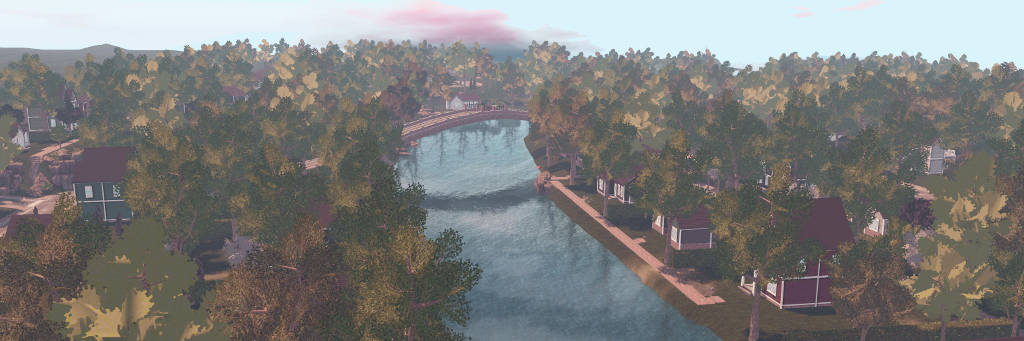
Following the launch of the new Linden Homes, those sailing around / flying over the new continent quickly ran into an issue: banlines being thrown up around parcels.

On Tuesday, April 16th, 2019, the Lab responded to this problem by disabling the use of parcel banning across the estate. At that time, and to prevent the use of overly aggressive home security systems, the Lab indicated they would be providing a dedicated security option for the new Linden Homes for those who feel security options are warranted.

This new system was officially issued on Friday, April 26th, 2019, via a forum announcement by Patch Linden. In short, the system:

  • Can be obtained via the House / Houseboat Content Creation Pack available through the Linden Homes selector (mail box or life buoy) outside of each type of home.
  • Is automatically set to give a formal 15-second warning before ejecting someone from a parcel.
    • This time cannot be shortened, but longer times can be set, if desired.
    • It is intended to give loiterers enough time to remove themselves from a parcel.
    • Ejection has been selected, rather than TP home, in order to allow passers-by who may have been distracted to resume their journey.
  • Can be used in a Linden home or any skybox placed over it. However:
    • The system will only operate to a maximum of 400m above/ below its current location.
    • The system will not work between 100m and 2,000m above sea level (2,000m being the minimum height at which skyboxes must be placed).
  • Includes options for Group access and for individual white listing of visitors.

The system is contained within its own box in the House / Houseboat Content Creation Pack, which contains the security unit, an instructions note card and sample configuration note card for setting your white list, if required.

Designed to be wall mounted, the system is a simple (5 land impact) panel with five buttons:

  • The enable / disable button and the Help button (displays brief notes in local chat) either side of the status light at the top of the panel (red = off; green=active).
  • Here: sets the altitude of the panel – this must be done on placing or moving the panel.
  • Upper Limit: sets maximum operating height above the system’s current position in which it will be effective (cannot exceed 400m).
  • Lower Limit: sets the maximum distance below the system’s current position in which it will be effective (cannot exceed 400m), when used in a skybox.

The Upper Limit and Lower Limit buttons display similar dialogue boxes, allowing the range of each to be increased / decreased in 50,m 100m, and 300m increments.
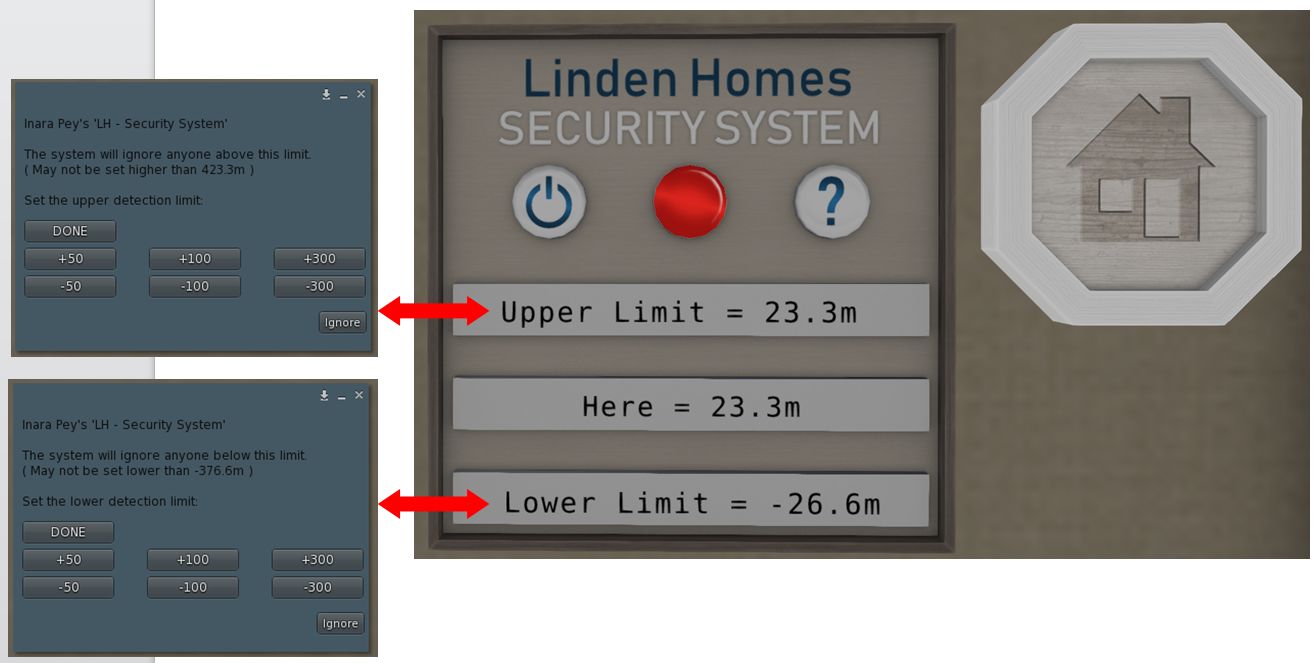
The new security panel (shown alongside a house control panel) and the distance dialogue boxes. In this example, the panel is set at 23.3m above sea-level and will operate up to 23.3m above and 26.6m below its current location. Click for full size, if required

At the time of the April 16th blog post, it had been indicated that all other security systems would be outlawed from use within Bellisseria. However, as Patch notes in his forum post, this is not currently the case – so long as personal security orbs and the like operate within the guidelines set above:

We feel as a compromise, at the present you may only use other security systems that conform to the same Linden Homes Security System standards (warning time no shorter than 15 seconds, no greater detection range than 400m in height; must only work within the boundaries of your parcel, and eject instead of teleport-to-home). If we incur too many issues with non-conforming security systems, we will update the policy to prohibit the use of all non-Linden provided security systems in the new Linden Homes regions.

Hopefully, the new panels will, alongside the parcel ban list (which still functions), and the house access options for all doors, meet all the security requirement people might feel they need with their Linden Home. From my perspective, they are an excellent compromise from the Lab that allow people maintain the security / privacy they might feel they require whilst still fostering freedom of movement within Bellisseria which may in turn (hopefully) encourage a greater sense of community among residents and help build friendships and community activities.
Mental health awareness in Second Life 2019

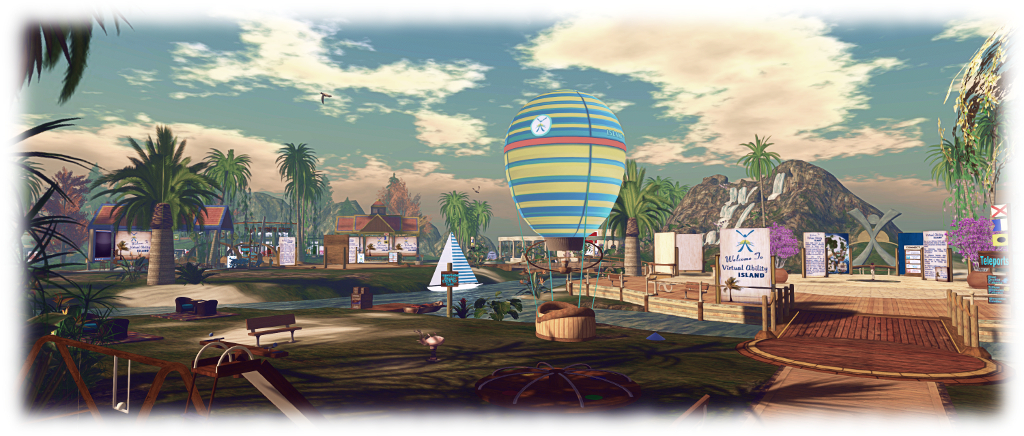
Virtual Ability Island

The Virtual Ability community in Second Life is hosting its eighth annual Mental Health Symposium on Friday, April 26, 2019. The theme for this years even is Mental Health in the 21st Century: Digital Destruction or Support? It features an international group of presenters will offer a wide interpretation of the theme, based on their interests and academic backgrounds.

Virtual Ability Inc  (VAI) and the Virtual Ability community hosts this annual Symposium to share information about mental health and mental disabilities with the general population. Within this cross-disability community are people who deal with a variety of mental health issues. So, not only is this an opportunity for community members to learn more about topics related to mental health from experts they probably would not have an opportunity to otherwise meet, it also  allows the general public to attend a professional conference for free.

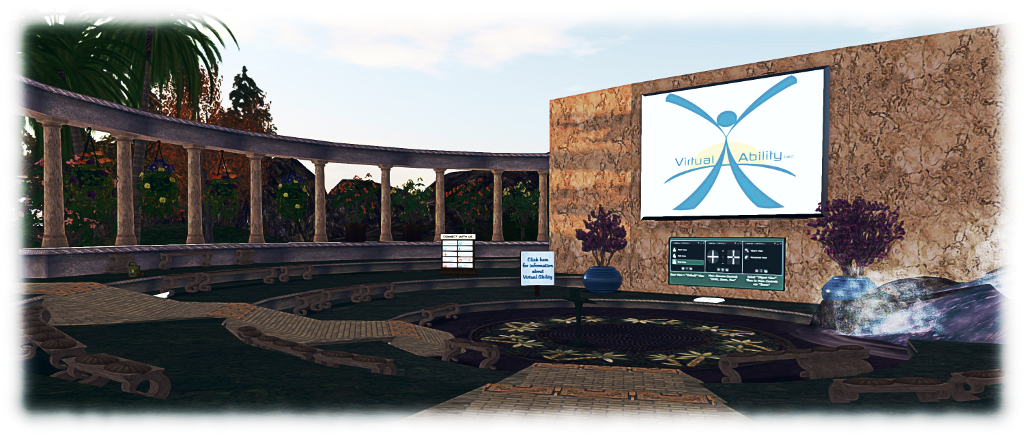
Sojourner Auditorium

The schedule is as follows (all times SLT):

  • 08:30-09:30: Evelyn McElhinney is a Senior Lecturer at Glasgow Caledonian University (Scotland) –  The importance of positive health assets from participation in 3D social virtual world communities to living and coping with long term conditions in the physical world.
  • 10:00-10:30: Antonius (Tony) J. van Rooij is Project Leader for Gaming, Gambling and Media Literacy at the Trimbos Instituut, the Netherlands Institute of Mental Health and Addiction, Utrecht – Gaming, problem gaming, and gaming addiction in the Netherlands: An introduction.
  • 10:45-11:45: Panel discussion – Life in a Digital Environment – with Michelle Colder Carras, Antonius (Tony) J. van Rooij, Nicholas (Nick) Bowman.
  • Noon-12:45: Nicholas Bowman is an associate professor at the Interaction Lab of the Department of Communication Studies, West Virginia University, US – How do I relate to me? The emotional demands of our online personae.
  • 13:00-13:45: Michelle Colder Carras a public mental health researcher and informaticist – Video games, social interactions, and mental health: benefits and problems.
  • 14:00-15:30: Kevin Holloway is the Director of Training and Education at the Center for Deployment Psychology (CDP) at the Uniformed Services University of the Health Sciences in Bethesda – Virtual World Training for Mental Health Providers.
  • 16:00-17:00: Fatemeh Rezaee is a Ph.D candidate at Seoul National University – Designed Addiction.
  • 17:00-17:45: casual mixer – an opportunity to chat about the symposium.

The Symposium takes place in Virtual Ability’s Sojourner Auditorium, on Virtual Ability island.

About Virtual Ability

Virtual Ability, Inc. is a non-profit corporation, chartered in the state of Colorado, USA.  We are a non-profit tax exempt organization under section 501(c)(3) of the United States Internal Revenue Code. This means that for US citizens, contributions made are deductible as a charitable donation for federal income tax purposes.

For further information on the board of directors, please visit the Virtual Ability About Us page.

For those wishing to keep up with Virtual Ability news and updates when on the move, you can follow them on Twitter.

Related links

Whimberly’s summer fields in Second Life

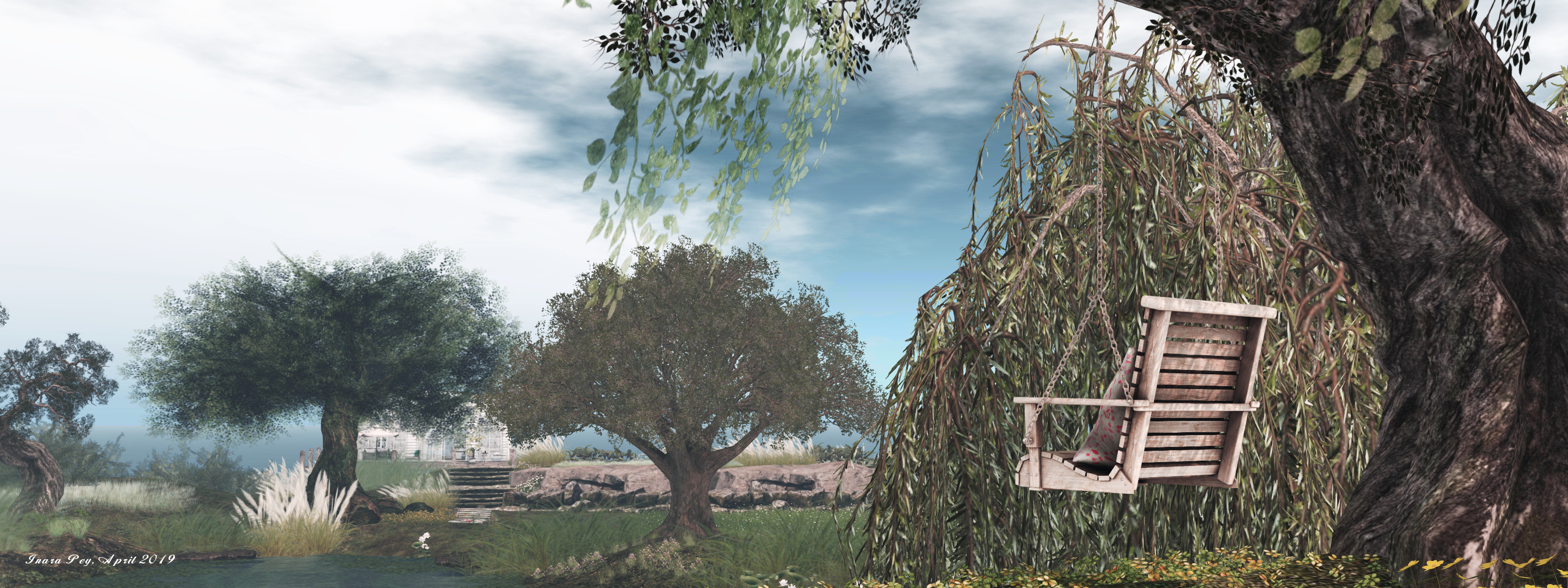
Whimberly; Inara Pey, April 2019, on FlickrWhimberly – click any image for full size

Surprisingly, it’s been fifteen months since we last visited Whimberly, the homestead region design by Staubi Reilig (Engelsstaub). I say “surprisingly” given the region has always hosted eye-catching designs by Staubi, and has thus has tended to be a place for frequent revisits – as a result of which, it already has three prior appearances in this blog. But given we received a tap from Shawn Shakespeare that region’s look has changed in recognition of spring and the approach of summer, so a further visit seemed more than appropriate.

For those whose thoughts are turning to summer vacations, time in the Sun and away from the hustle of city life and the bustle of crowds, this iteration of Whimberly could be just the way to visualise such a getaway holiday. With a lean toward a Mediterranean feel, the region offers a genteel rural look and feel, dominated by a field of gold that arcs around the southern and western sides of the region, bordered on three sides by rocky slopes that fall away to the seas, whilst washing up against an abrupt rise in land on the fourth, in the lee of which sits a large Tuscan villa.

Whimberly; Inara Pey, April 2019, on FlickrWhimberly

The landing point sits over to the east of the island, on a broad headland topped at a small formal garden. From here a track winds away westwards, dropping down to where a deck sits out over a shallow cove, before rising past an flat-topped upthrust of rock presents a table upon which weeping willows shade a picnic spot, reached via a spiral path. Beyond this, the tack continues onwards to reach that field of gold – and then ending unexpectedly.

North of the landing point, a bridge has been strung across the narrow finger of water that has splits this part of the region into two headlands. With a north facing beach, the land across the bridge offers much to be explored, be it following the grassy path marked by rope lines and the bent figures of trees that appear to have struggled to grow in strong winds, or taking the path eastwards along the rocks above the ribbon of beach.

Whimberly; Inara Pey, April 2019, on FlickrWhimberly

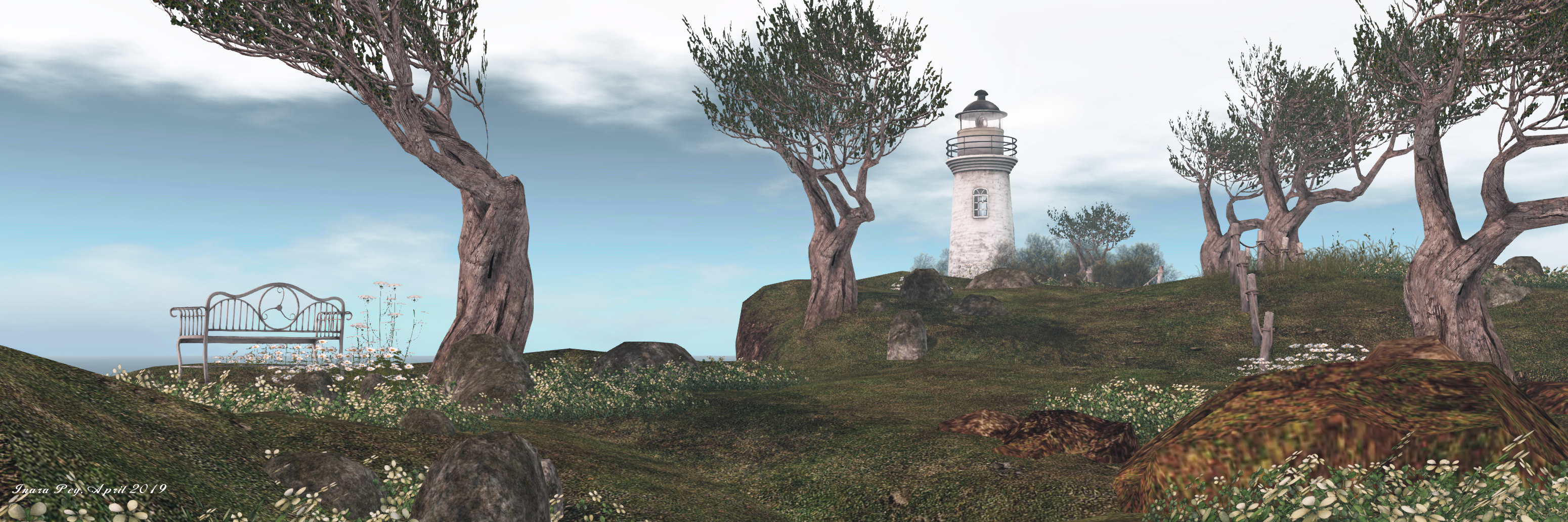
Take the former, and the grassy path will eventually lead you to where a second bridge spans the channel between the bulk of the region and a small island, home to a squat lighthouse below which chairs and an bench offer a most excellent view back across the north side of the landscape. This route also has a path down to the edge of the waters flowing outward from the channel betwixt the two headlands. Here an egret patiently watches the slow passage of water and flowers grow in profusion.

The channel originates at an oval pool of fresh water lying almost at the heart of the region, beneath the high curtain of rock that separates it from the field of gold to the west. A slender ribbon of water drops from this natural curtain, constantly replenishing the pool, the rugged southern banks of which are marked by places to sit and look out over the waters. There are most easily reached via the wooden steps that descend from the back of the villa, passing under a natural arch in the curtain wall of rock in the process.

Whimberly; Inara Pey, April 2019, on FlickrWhimberly

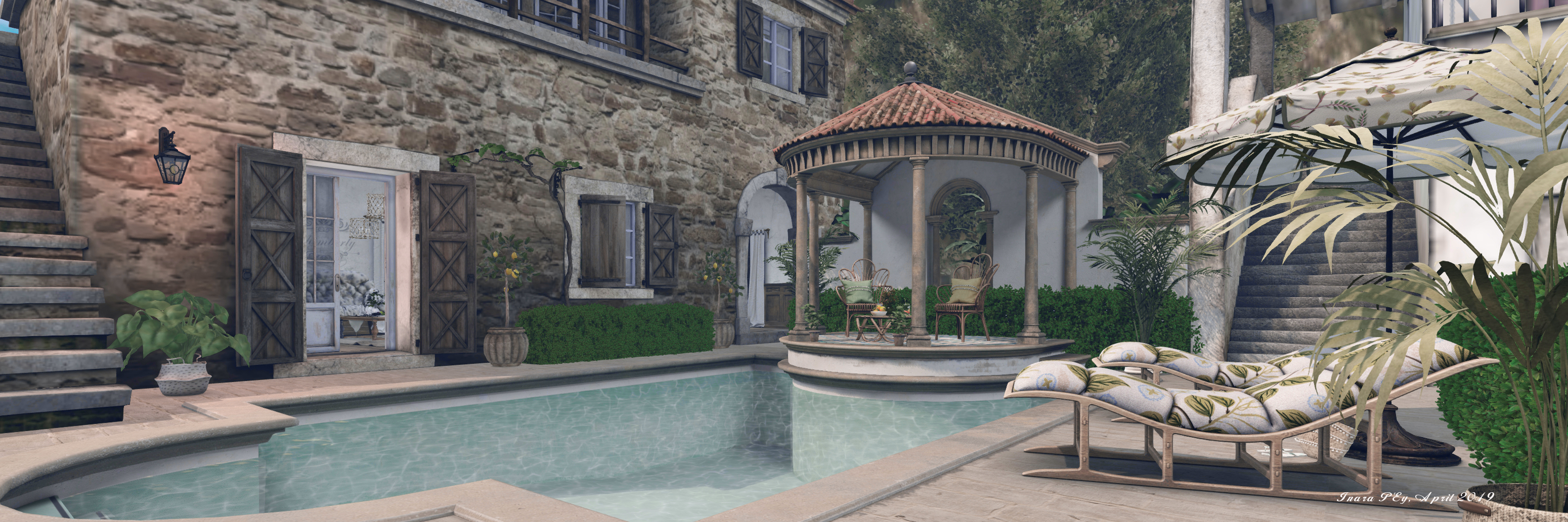
The villa sits as a comfortable home, its two wings built around a walled courtyard with swimming pool, suggesting it is a holiday home, not a working property, despite the field washing against its boundary. Each wing is clearly defined in terms of use: one forms the living area, with bathroom above, the other sits at the kitchen and dining area with the bedroom above, with both upper floors reached by external stairs. It’s the kind of place one could lose oneself at during a vacation, and while it has not real garden of its own, a set of wooden steps sitting just outside the walls on the north side drop down to where a terrace of cut stone sits out over the waters, lit by large lanterns to help with appreciating the sculptures there, and with more seating close by.

Nor is the villa the only living accommodation on the island, however. Further along the northern coast and overlooking the beach, sits a cost wooden summer-house. mounted on a silt-legged wooden platform, this offers a view back towards the lighthouse and along the sands of the beach. It is also comfortably furnished in the manner of a holiday retreat, although it contains Staubi’s office. This appears to be more as a means of advertising her photography and design work, rather than being an actual place of business, as the house is otherwise open to public visits, as is the villa.

Whimberly; Inara Pey, April 2019, on FlickrWhimberly

With chairs and benches and swings scattered throughout, as well as things like the little picnic spot and courtyard and deck seating, this iteration of Whimberly offers plenty of reasons to not only explore, but to sit and stay a while. The openness of the southern and western aspects of the land making it ideal for horse riding, and  – although this should go without saying – there are photo opportunities a-plenty to be had.

Finished with an ideal windlight (that also works well under EEP), and with a rich, natural sound scape, this is a version of Whimberly that – like its predecessors – should not be missed. Should you enjoy your visit, please consider making a donation towards the region’s continued public presence in Second Life, via the donation box at the landing area.

Whimberly; Inara Pey, April 2019, on FlickrWhimberly

SLurl Details

2019 SL User Groups 17/2: Content Creation summary

Candlewood; Inara Pey, March 2019, on FlickrCandlewoodblog post

The following notes are taken from the Content Creation User Group (CCUG) meeting, held on Thursday, April 25th 2019 at 13:00 SLT. These meetings are chaired by Vir Linden, and agenda notes, meeting SLurl, etc, are usually available on the Content Creation User Group wiki page.

There was little to report, project-wise, this meeting, with most of the time taken up with a general discussion on avatar complexity, LI, ARCTan, LODs and efficient content. This summary focuses on the project updates that were offered.

Environment Enhancement Project

Project Summary

A set of environmental enhancements allowing the environment (sky, sun, moon, clouds, water settings) to be set region or parcel level, with support for up to 7 days per cycle and sky environments set by altitude. It uses a new set of inventory assets (Sky, Water, Day),  and includes the ability to use custom Sun, Moon and cloud textures. The assets can be stored in inventory and traded through the Marketplace / exchanged with others, and can additionally be used in experiences.

Due to performance issues, the initial implementation of EEP will not include certain atmospherics such as crepuscular rays (“God rays”).

Resources

Current Status

  • The regressions in environment appearance that have been seen since the Thursday, April 18th roll-backs will hopefully be corrected with the next simulator deployment that has EEP included.
  • Shader issues are continuing to be investigated and resolved as they come in / can be fixed.
    • The next release candidate version of the viewer may address the problems of environments looking unnaturally dark in the EEP viewer.
    • Graham Linden is looking at some updates provided by user Geenz Spad, who initially formulated how materials could be added to Second Life.
  • BUG-226752 “[EEP] Interest Lists Culling – Draw Distance has little effect on scene rendering” – still has yet to be addressed.

Animesh Follow-On

  • Vir continues to work on adding shape support (or similar) to Animesh, specifically on the infrastructure requirements for being able to send slider parameters for Animesh objects to and from the viewer.
  • Some of this involves using the infrastructure developed for EEP.
  • This work is still in its early days.

Bakes On Mesh

Project Summary

Extending the current avatar baking service to allow wearable textures (skins, tattoos, clothing) to be applied directly to mesh bodies as well as system avatars. This involves viewer and server-side changes, including updating the baking service to support 1024×1024 textures, but does not include normal or specular map support, as these are not part of the existing Bake Service, nor are they recognised as system wearables. Adding materials support may be considered in the future.

Resources

Current Status

Anchor Linden continues to work with some appearance service issues that need to be fixed before the project can progress.

Starter Avatars

As I noted at the time, several of the last batch of Starter Avatars for Second Life, released in January 2019, came sans any form of animation override (see: More Classic starter avatars for Second Life). This has now been addressed, and those avatars that needed them have now been updated with AOs.

Avatar Complexity / Impact – Summary

The subject of avatar complexity and lack of any Land Impact control for avatars formed a major point of general discussion in the meeting. Obviously, there is ARC – and the upcoming ARCTan project that is re-evaluation a range of rendering costs, including in-world objects and avatars. However, unlike LI, avatar rendering costs itself isn’t really an incentive to build efficient worn content for avatars.

However, trying to be more proactive with avatar complexity is difficult. Take the idea of some form of “Avatar Impact” akin to Land Impact:

  • How should it be defined?
  • How should individual attachments be weighted? purely on their in-world LI? Number of vertices? Tri / poly count? A combination?
  • What sort of policy needs to be put in place?
  • What happens if an avatar tries to enter a region / parcel where its “AI” exceeds the land capacity? Should a simplified version of the avatar be allowed?
  • How will a home owner feel if they find they cannot rez a new item of furniture because it would exceed their land capacity because their “AI” is too high?

As such, any such “avatar impact” would require a substantial changes to Second Life – as well as a lot of lead-time and explanation to users. So while not impossible, implementation would have to be weighed carefully. Currently, there are no plans to introduce any such system – and the target remains on being able to move forward with ARCTan.

This led to a broader discussion on complexity, the potential of ARCTan and a slight segue into LOD and auto LOD (again, something that might had some advantages – and disadvantages – but really not now suited to SL).

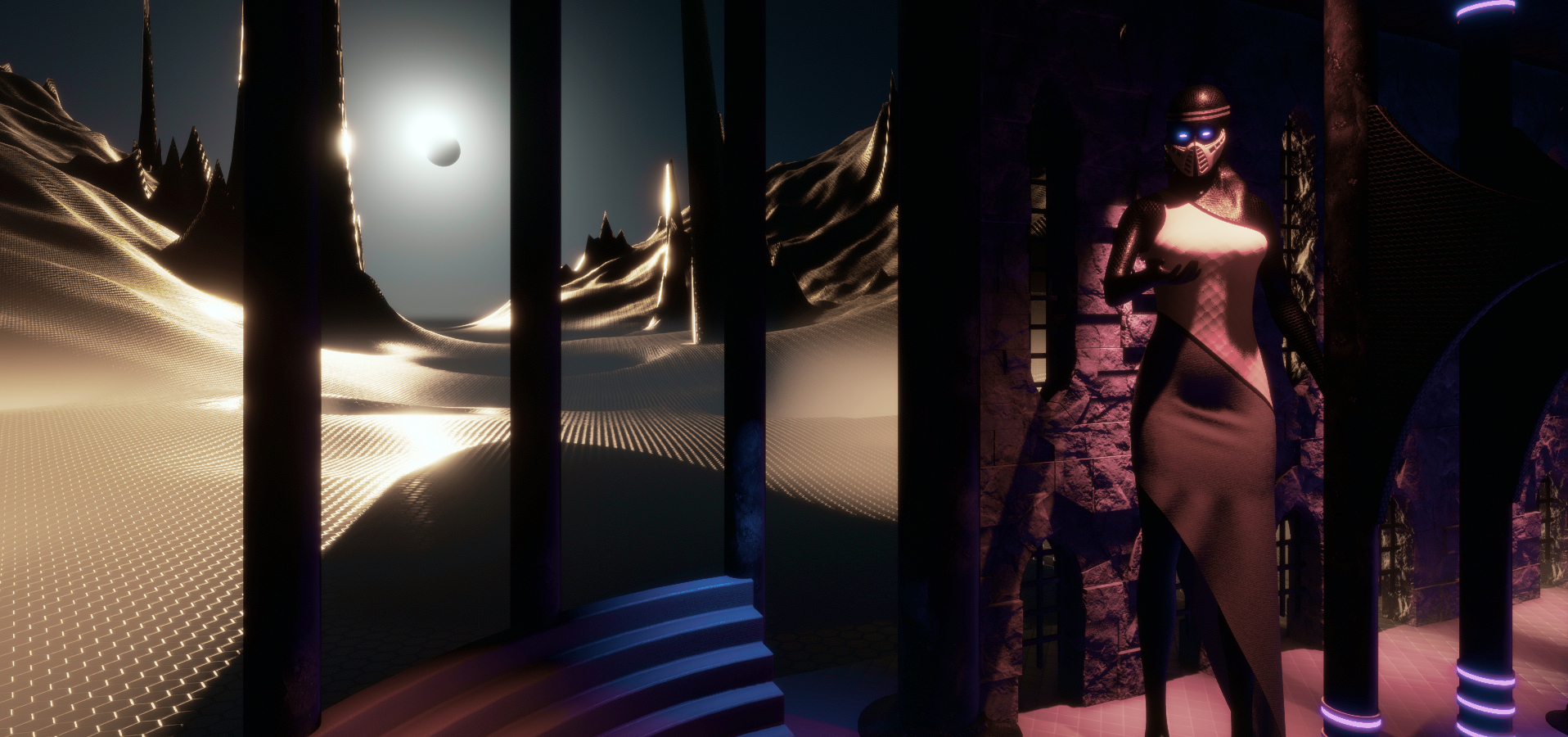
Sansar Product Meetings week #17: R32 overview

Scorpion’s lair: Hall of Light

The majority of the following notes were taken from my recording of the Sansar Product Meeting held on Thursday, April 25th, which served to introduce members of the Sansar team, discussing the upcoming April release.

Avatar Controls

  • Extra tracker controls for VR: as per my week #14 notes, R32 will include fully body tracking for the HTC Vive, utilising the hip and ankle trackers.

  • Desktop throw indicators: when attempting to throw something when in Desktop mode, a visual indicator of the arc the object will take when released will be displayed, and the mouse scroll wheel can be used to adjust the strength of the throw.
    • The visual arc is not a perfect representation of where the object will go, and will fade out after a time, but is designed to give overall guidance.
  • Avatar crouching: crouching will be joining jumping as an option with R32.
    • Crouching will be physically enabled in VR, and via keyboard in Desktop mode.
    • The avatar’s motion will be correspondingly slower when crouched.
    • The collider / bounding box for the avatar will also automatically adjust to match the avatar’s height as well, making it possible for tunnels, etc., to be made through which avatars must move when crouched.
    • The collider / bounding box in VR will collapse in accordance to how low the user crouches.
  • Keyboard turn / face forward:
    • Currently, when moving sideways using A and  D, the avatar will strafe to the left or to the right whilst walking, while S will cause the avatar to walk backwards.
    • With this new keyboard option enabled, the avatar will turn to face the direction of travel when walking to the left or right or backwards, and the camera will automatically follow.
    • With the option disabled, the avatar will resume the strafing walk.
    • Users weill be able to set whichever they prefer or toggle according to circumstance.

Avatars

  • Avatar scaling: R32 will see the first implementation of avatar scaling to allow differently sized avatars.
    • The initial release will allow avatars to be uniformly scaled down to 1/2 the size of the current default Sansar avatar and 1.25 times larger.
    • Scaling will be applicable to custom avatars as well, and will include all avatar attachments.
    • Initially walk / run speed, jump and crouch heights will be normalised against the default avatar’s height / stride (e.g. so if your avatar is of a small size, it will seem to move very fast proportionate to its size; when made larger, it will appear to take shorter strides).
    • This may be revised in the future so that walk speed / stride / jump height, etc., will be proportionate to the actual avatar size.
  • Partial animations:
    • A new simplified Sansar skeleton (with around 70 bones) will be available for download to be used specifically for animations.
    • This does not mean a simpler skeleton is being used by the avatar – that remains unchanged and will see animations created using the new simple skeleton will be applied to the full skeleton; any bones not used by the simplified skeleton will remain in the reference pose.
    • The importer will (obviously) work with this simpler skeleton, and with any other skeleton, as long as it is topologically the same in terms of ordering and naming for bones.
    • This will hook-in to third-party tools such as Mixamo’s animator tools.
    • As the full skeleton is still used by the avatar, things like facial animations can still be driven through Speech Graphics, although dedicated facial animations will still require the download and use of the full skeleton.
  • Object movement APIs:
    • There will be a new moveable from script objects flag that when enable will allow use the flagged object (mesh, sound, trigger volume, light, etc.), will be moved.
    • This also allows interactive objects and the root element of animations to be moved without them having to have a rigid body.
    • It will enable frame-perfect animation; movements can be properly queued to be executed at specific times / in a specific order by the engine of the desired frame and allow animations to ease-in and ease-out one to the next.
    • Overall this should allow:
      • The development and movement of simple non-player characters (NPCs), allowing simple patrol / follow behaviours, etc.
      • Dynamic assets to drive animated assets, which in turn should enable things like animated held objects like guns, etc.

  • Rigged assets to support collision meshes: R32 will allow keyframed physics rigid bodies to individual bones (so an animated trunk on an elephant can physically knock / move things around, for example).
    • Should be used with consideration, as adding this to every bone in a body could place considerable additional load on a scene.
    • Not suitable for ragdoll physics, as this requires the set-up of physics joints between the bones.
  • Atlas and events updates: as per the week #16 product meeting, the Atlas and events will once again be more closely integrated.
  • Sansar Store:
    • The Store will be updated so that Marvelous Designer items will be more clearly tagged.
    • It should be easier to wear newly purchased wearables when purchased through the client version of the store.
  • Edit mode: the gizmo tools for moving / rotating objects within a scene should be more selectable / easier to use.
  • Scripting updates: these will include the ability to call the Sansar new user experience tutorial when required, among other changes.

HoPe: a world without humankind

HoPe; Inara Pey, April 2019, on FlickrHoPe – click any image for full size

Update: HoPe has closed, and the region hosting it has a new region holder and is being repurposed. SLurls to the build have therefore been removed from this article.

We first visited HoPe on the suggestion of Shawn Shakespeare at the start of April 2019. This is yet another region designed by the team of Fred Hamilton (frecoi), Alexa Maravilla (Spunknbrains) and Lotus Mastroianni, who have previously produced settings like Little Havana (with Sofie Janic – see: A trip to Havana, with a little Voodoo In My Blood), so the names alone were sufficient to further pique my curiosity on hearing about the region.

At the time of our first visit, HoPe had just opened, and was subject to some heavy traffic, so I opted to hold off blogging, as the region can take its toll on the viewer, and having a lot of avatars bouncing around at the same time certainly doesn’t help! Things are quieter now, so while the region can still present a performance hit for the viewer, I thought this week might be a good time to head back and take another tour.

HoPe; Inara Pey, April 2019, on FlickrHoPe

During out initial visit, the About Land floater had a short description about nature reclaiming a city that has befallen a disaster. On my return mid-month, that had changed to a more succinct description: The World wouldn’t die without the Humankind. A bleak outlook perhaps, but one that accurately describes the setting.

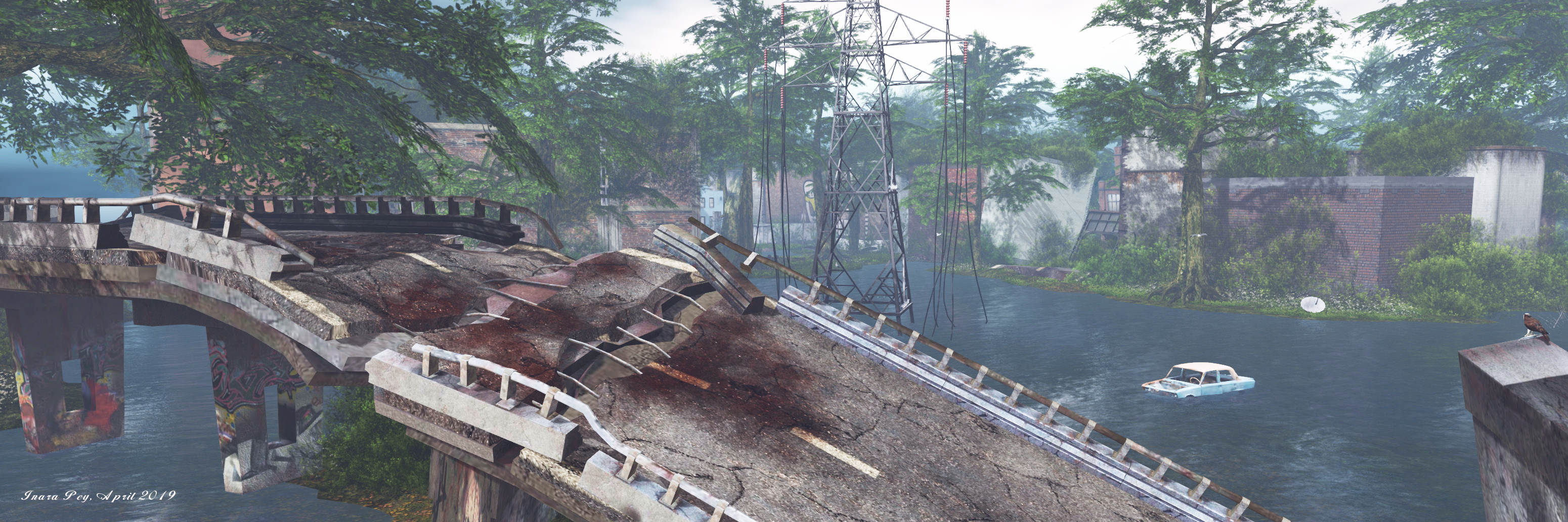
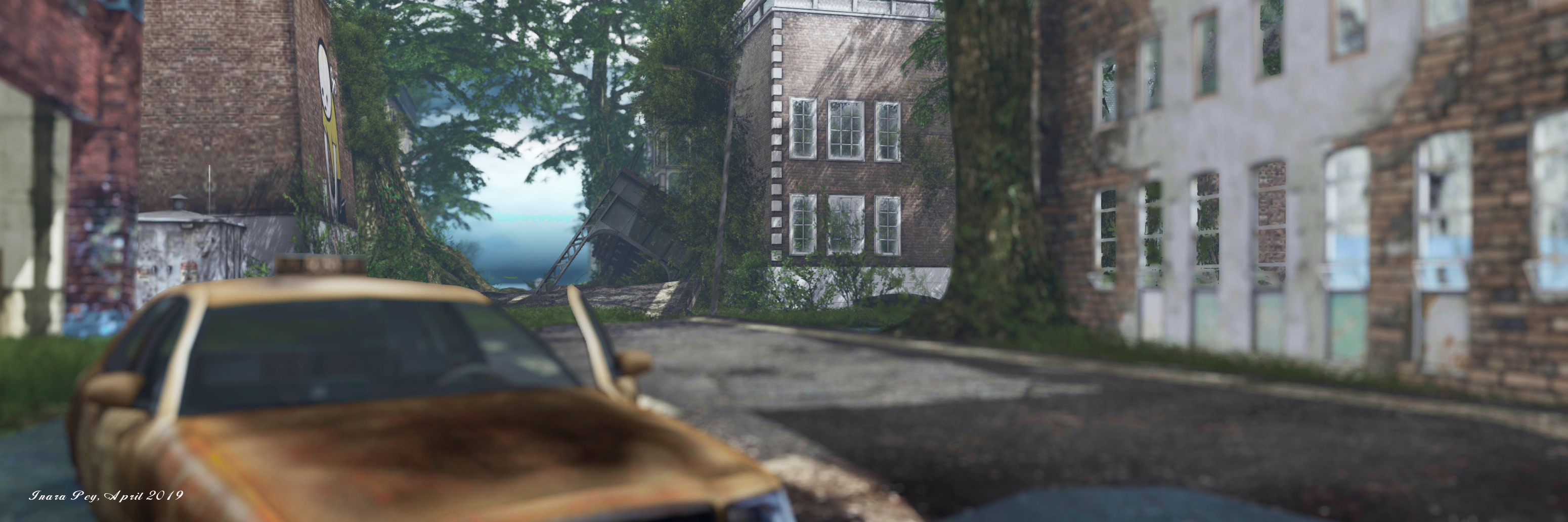
The is a setting in which it is clear some form of widespread catastrophe came to pass; the shattered remains of an elevated roadway almost rings the empty remnants of a city in which the roads lie crumpled and ruined, and the buildings are little more than empty shells, some of them leaning against their neighbours  as if seeking support as they stumble over the ripped and broken asphalt beneath them.

HoPe; Inara Pey, April 2019, on FlickrHoPe

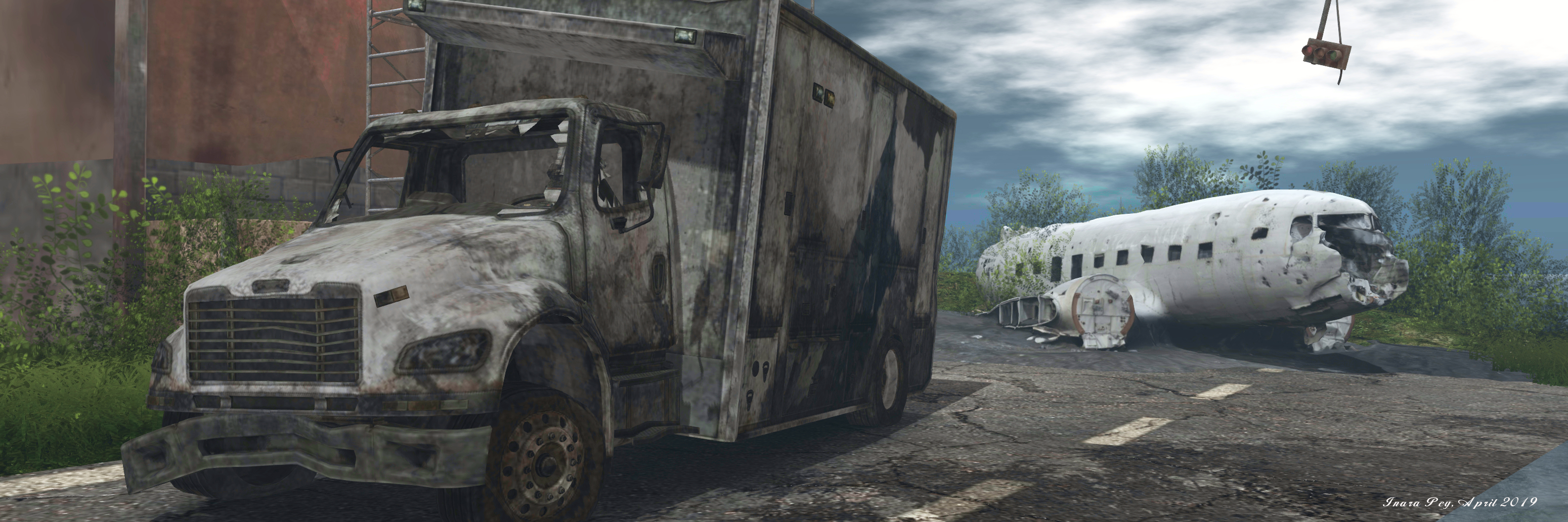
In one corner, a subway tunnel had been thrown up, a broken maw spanned by the ruin of a subway car. From this, and the wrecks of cars in the streets and on the roadways – including those of fire trucks -, together with the broken fuselage of an aeroplane, indicate whatever happened, came suddenly and without warning, bringing chaos in its wake.

Oddly, the one part of the city that appears to have suffered the least from the cataclysm is a building site off to the south, atop a low hill. Here stands the skeletal frame of what might have eventually been a set of pristine apartments offering a grand view out over the city below; or perhaps it was destined to be a shiny new office building or some new factory premises. Earth movers sit outside, as do free-standing banks of spotlights – still oddly working; and while the sky crane towers might be broken, and the safety fence stands rusted and leaning, with nature encroaching into the building itself, the site stands oddly pristine, like the bleached bones of a whale on a beach.

HoPe; Inara Pey, April 2019, on FlickrHoPe

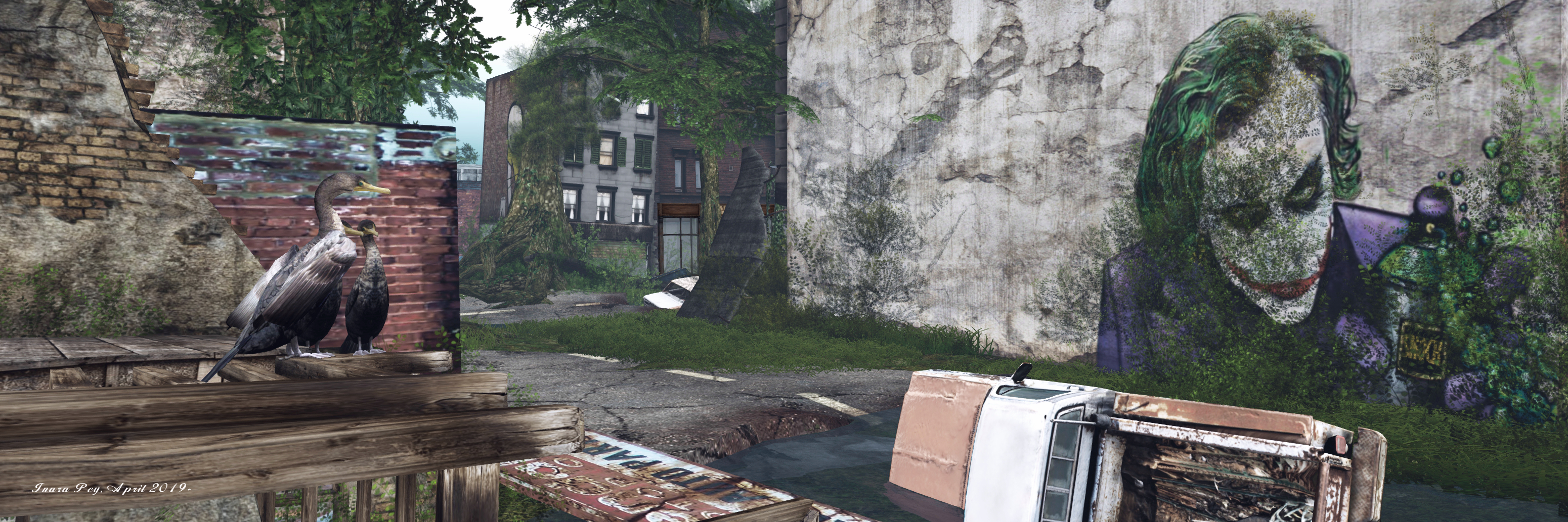
Throughout the setting are all the signs this was once a place of bustling human habitation. Faded store fronts line streets city, and graffiti sits on walls. Given the chaos that has ensued, some of the latter might actually now appear prescient: from one wall, the likeness of the late Heath Ledger’s Joker stares down at a street, a spray can of his laughing gas in one hand, while just around the corner, Harley Quinn, from her days in the Suicide Squad, swings her bat, both of them bringers of pandemonium.

While the initial catastrophe made have visited itself on the city without warning, nature has long since announced its determination to lay permanent claim to the neighbourhood. Open spaces now lie flooded, for example; might there have been a tsunami as well? Or has global warming subsequently led to a rising in sea level? You decide. Along the fractured streets, trees now add to the chaos, trunks further breaking the asphalt, roots eating into the foundations of building, adding to the canted appearance of some.

HoPe; Inara Pey, April 2019, on FlickrHoPe

It is with the trees that we have perhaps the clearest indication of whatever happened here happened a long time ago: some have matured to such an extent that, should people ever return here, without a significant lumber operation, the elevated roadway can never be repaired. For now, however, the buildings and town houses are home only to bushes, shrubs and brambles, the raised sections of subway now little more than trellises for plant growth, the air heavy with the sounds of birds, the once proud rising form of the new building now an apartment house for (possibly now feral) cats.

All of this is evidence that, when all is said and done, nature has the power to survive, no matter what humans might do. But also, on some deeper level, perhaps, just perhaps, there is a message that humanity also has the power to survive: just catch the sound of a radio in the air, caught within the cacophony of bird song, or the child’s rubber duck sitting on a streetside bench.

HoPe; Inara Pey, April 2019, on FlickrHoPe

Heavy going on the view it might be, but HoPe offers an ideal backdrop for photographers looking for something to frame their avatar studies, or who are looking for a more unusual landscape to capture.