Spirit of Sun, Spring 2018 in Second Life

Spirit of Sun; Inara Pey, March 2018, on FlickrSpirit of Sun – click any image for full size

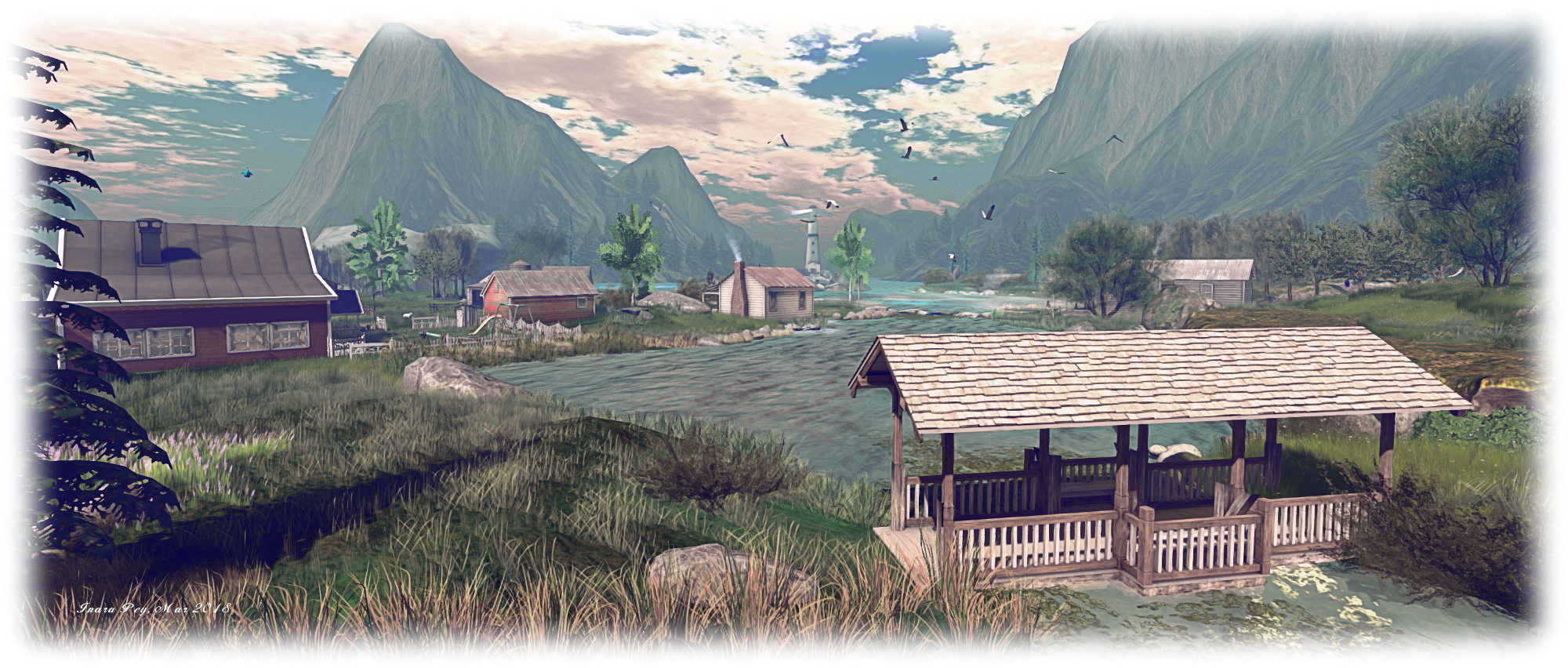
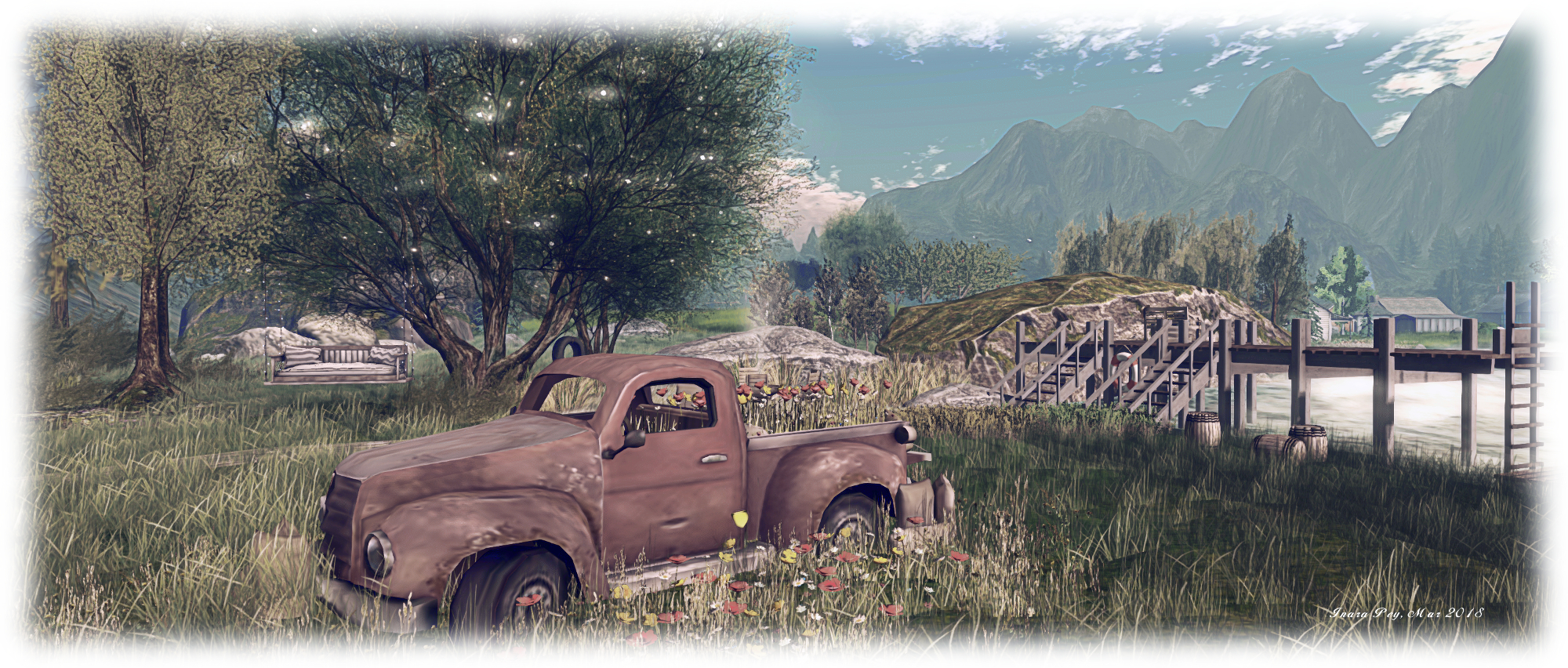
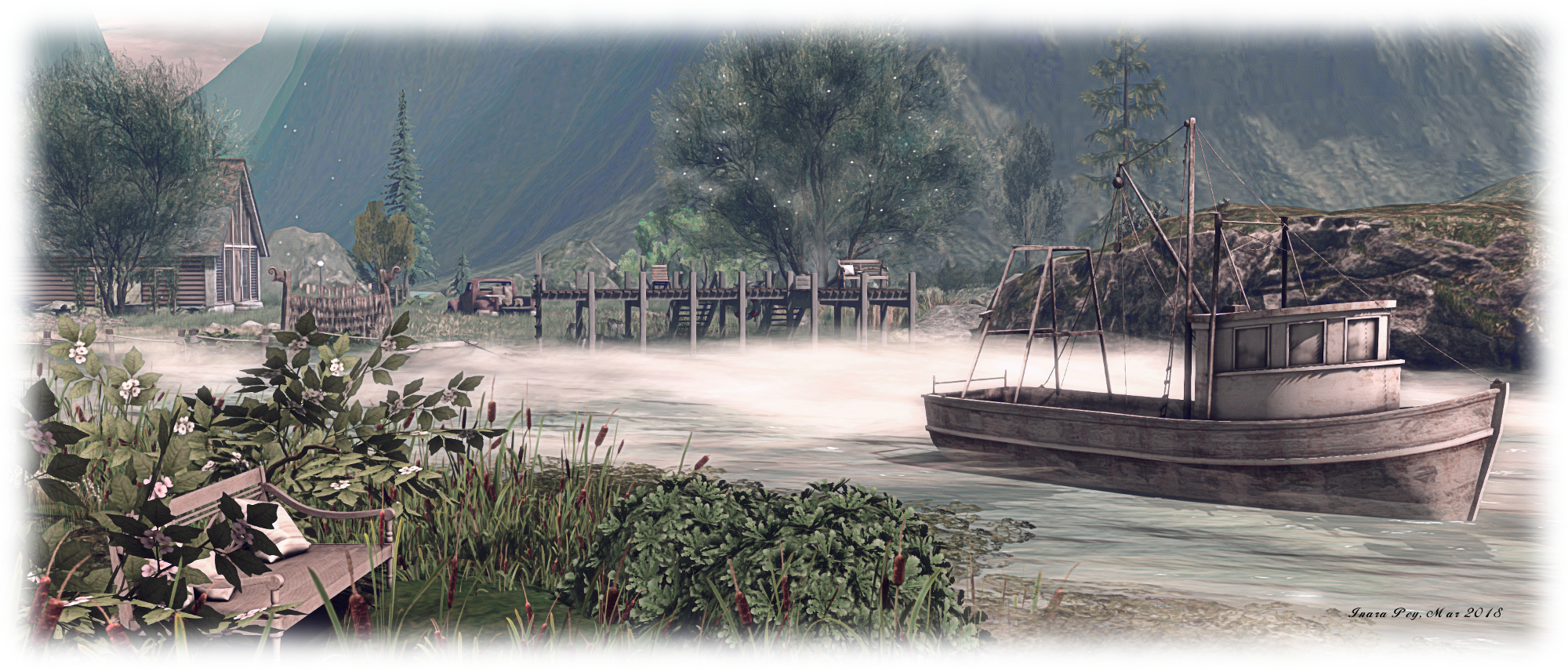
Now open to the public through until approximately Sunday, March 18th, is Spirit of Sun, a normally private group-owned region. The region has been opened to public access as a part of a photo competition, in which entrants are asked to submit images to the Flickr group associated with the Spirit of Sun. Caitlyn and I were alerted to the opening by Shakespeare and Max, so given the brief period of opening we hopped over to take a look – and found a visually stunning region, well worth taking the time to visit.

The region has been split into three large islands of roughly equal size. The landing point is on the southernmost of the three, a slender finger that runs east-west across the sim’s entire length. A rugged plateau, it is topped by a  bumper car ride (available to visitors) at its eastern end, linked to a central plaza of shops by a broad cobbled walk and wooden steps. Beyond the shops sits a garden area featuring a small stage, open-air seating and a track leading back to the shops.

Spirit of Sun; Inara Pey, March 2018, on FlickrSpirit of Sun

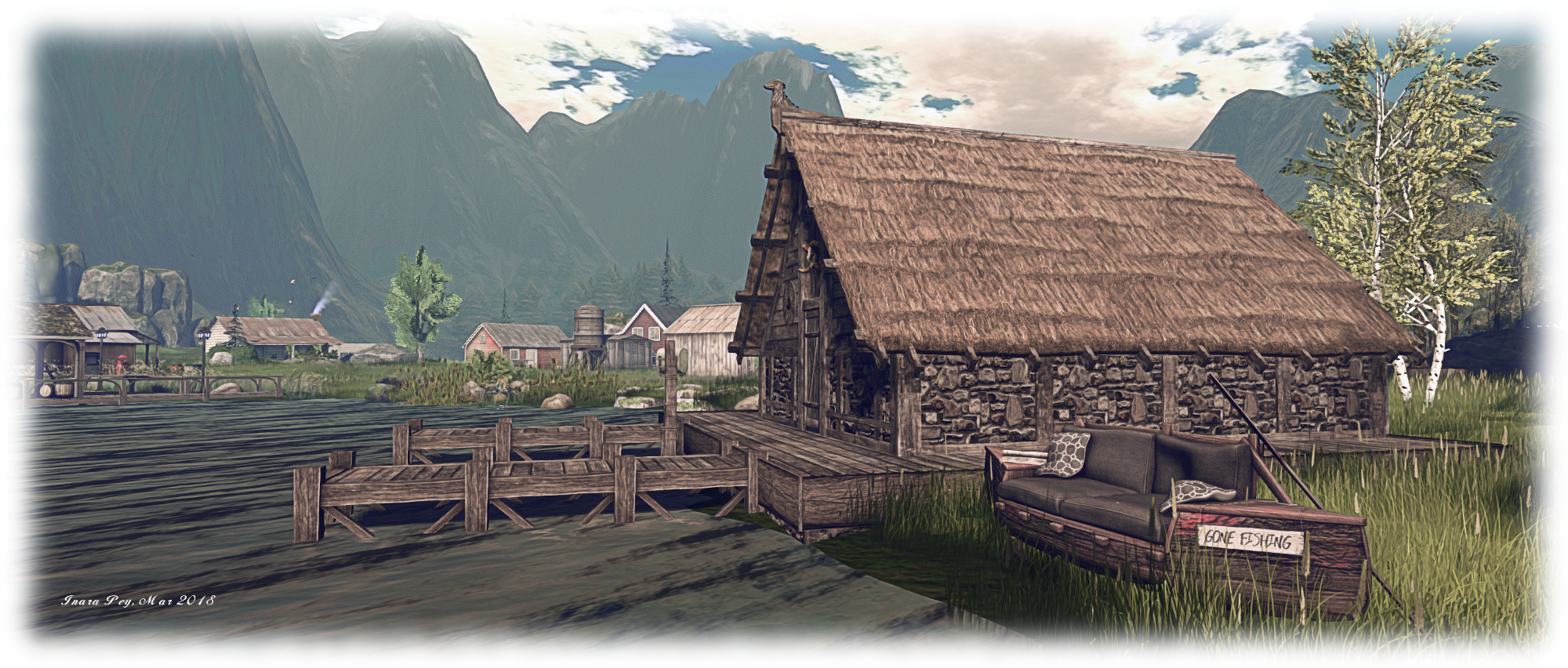
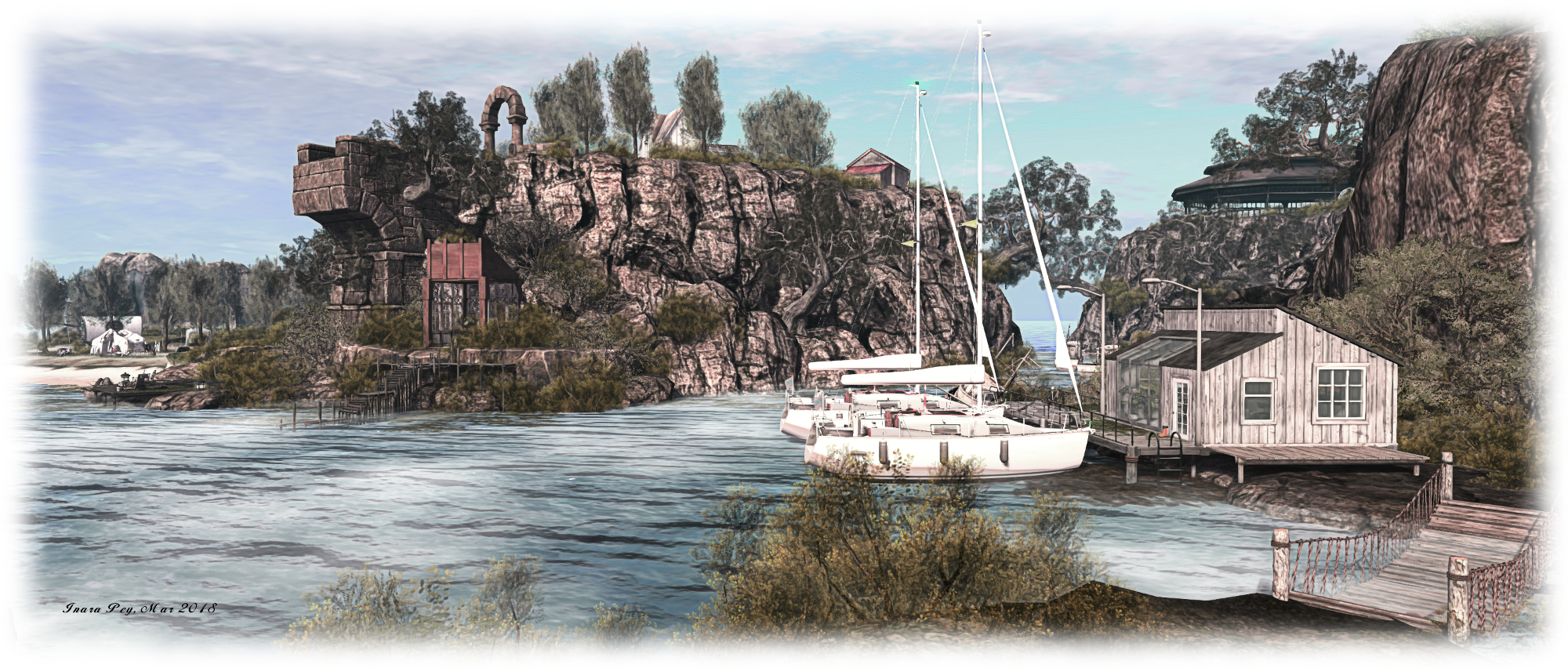
A small headland extends from this island, pushing out into the waters of the region’s channels. A great stone bridge once spanned the channel between this southern island and the one to the north-west, where a knuckle of rock rises from the surrounding land. However, some disaster long ago broke the back of the bridge, leaving it a ruin on either side of the channel. Instead, the western island can be reached via a switchback path winding down to the foot of the blunt headland to where a pier sits, two sailing boats moored against it, the wreck of a fishing boat close by.

The boathouse behind the pier offers a cosy place to sit – one of several across the region – while on the side of it opposite to the wreck of the fishing boat lies a small wooden bridge. A little awkward to reach, it nevertheless provides access to the western island by way of a low table of rock and grass sitting mid-channel.
Spirit of Sun; Inara Pey, March 2018, on FlickrSpirit of Sun

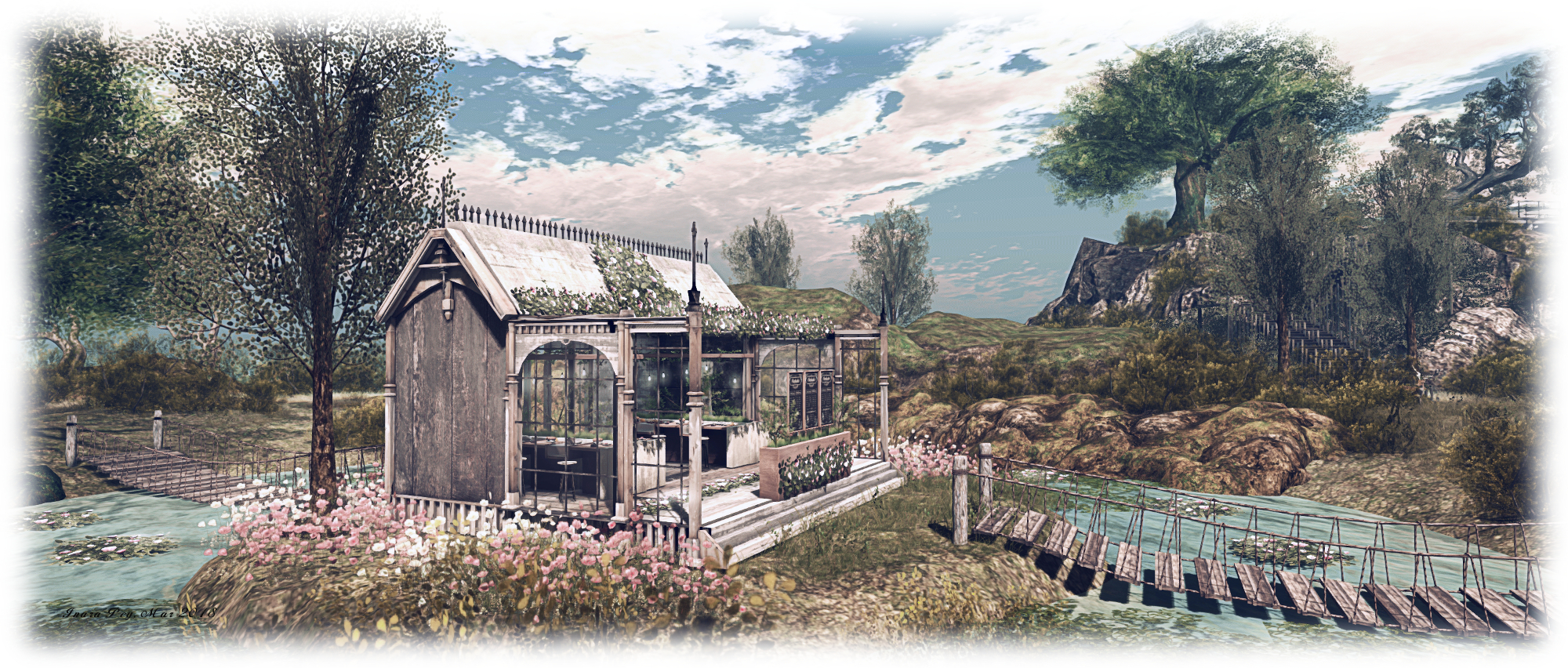
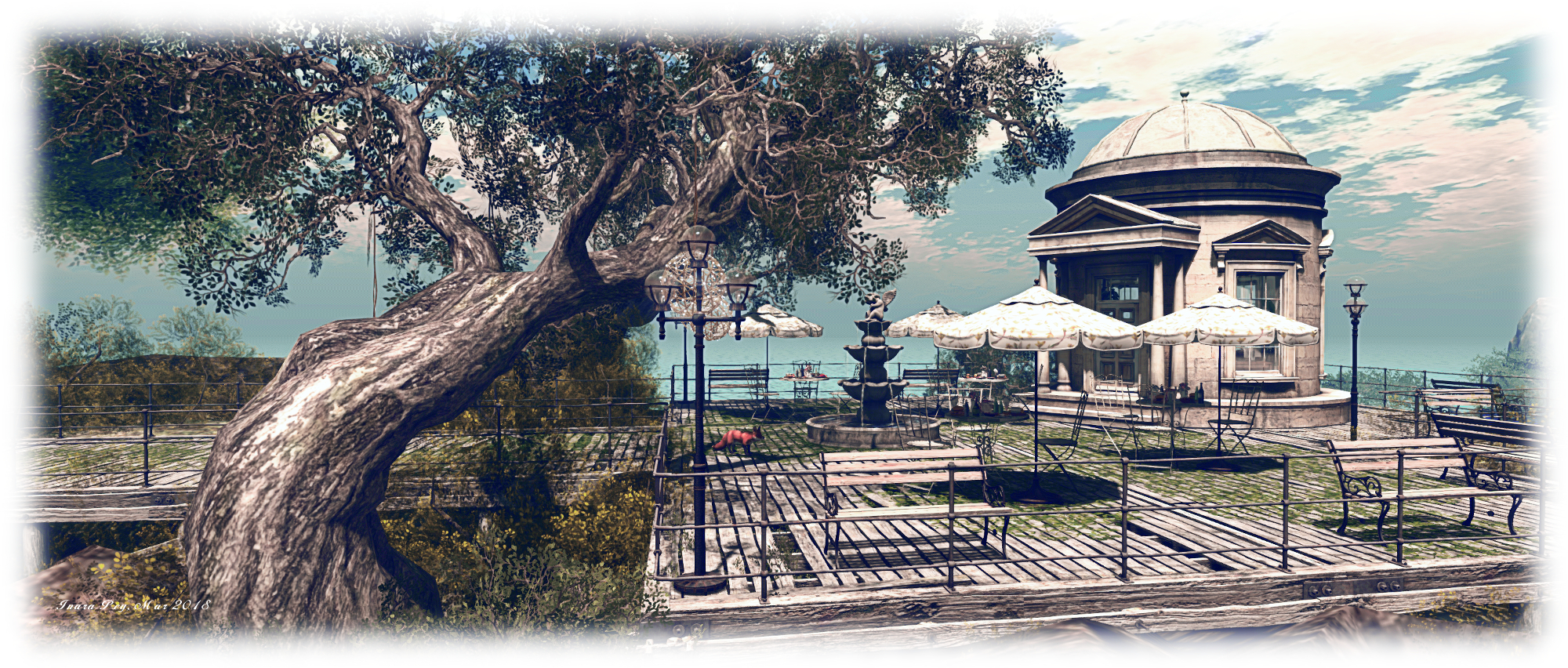
The knuckle of rock against which the ruined bridge is anchored is one of two plateaus on this island, the second being home to an old lighthouse. A dirt track runs south-to-north along the island, passing under a rocky arch between these two plateaus, pointing the way to a third at the northern end of the island. This home to a broad wooden deck, reached by stairs. A greenhouse converted for use as a summer-house sits close to the foot of the steps, while the deck at the top sits around an old English-style folly. Tables and chairs are placed out across the deck, while the folly itself offers a further comfortable lounge.

Between these highland areas is more to be found – a café sitting in the middle of a small lake, another greenhouse – this one of more traditional design – presenting another cosy snug. Pass under the rocky arch to the southern headland, and you’ll find a camp site complete with a pair of British Land Rovers which look like they are on an outing from Encounter Overland.
Spirit of Sun; Inara Pey, March 2018, on FlickrSpirit of Sun

Across the water to east is the remaining island. Dominated by another massive plateau – one equalling the height of the southern island, leaving a deep gorge between the two – curls around the eastern coastline of the  island to form a broad ridge descending down to the lowlands. Six houses sit atop this plateau and ridge, spaced along the track that winds its way along both.  As these appear to be private residencies, discretion when walking by them is recommended.

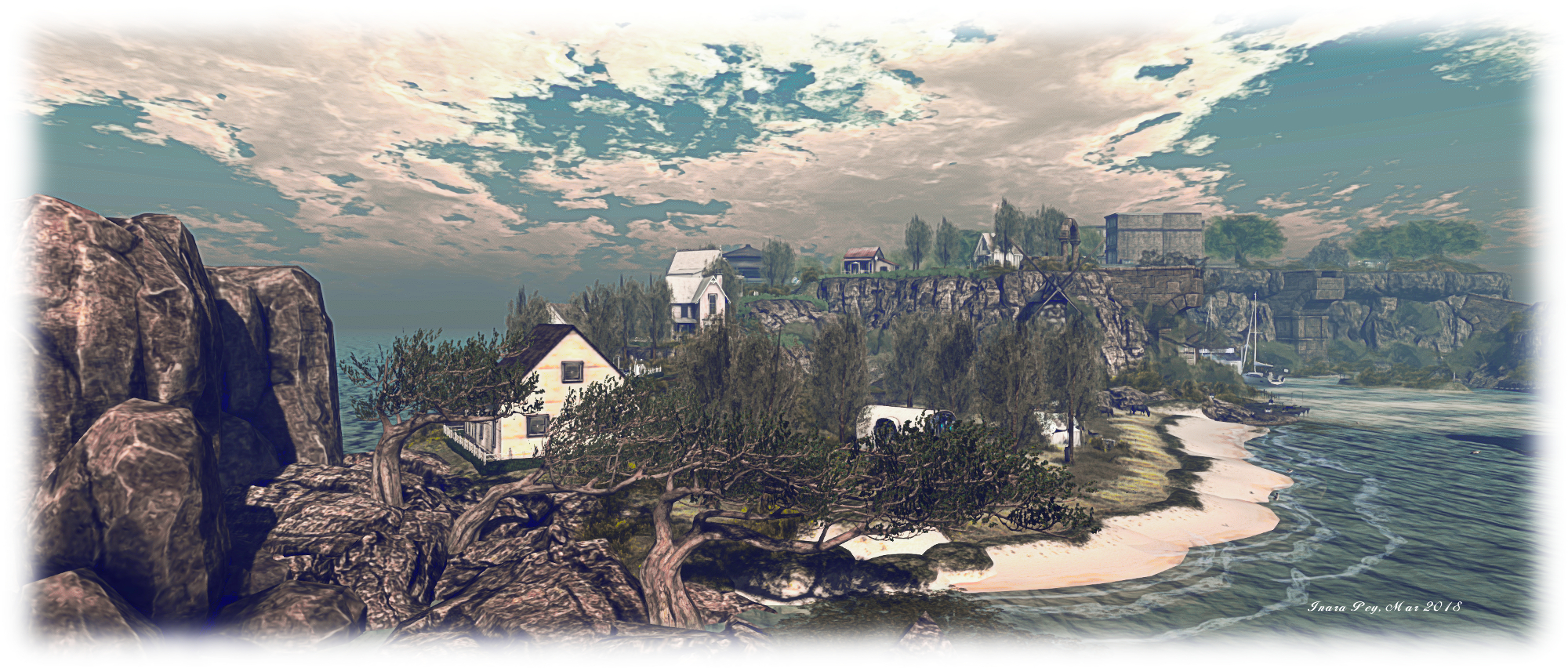
The lower part of the island offers a broad greensward of grass running out to a narrow ribbon of a beach. This is the home of another camp site, this one apparently of a Romany origin, watched over by a stone windmill oddly built against the rocky face of the plateau. Further around this southern headland lies another summer-house and further secluded spot couples can enjoy.
Spirit of Sun; Inara Pey, March 2018, on FlickrSpirit of Sun

Spirit of Sun is a richly engaging place to explore – albeit one with a limited time with which people can appreciate it. With this latter point in mind, I’d suggest anyone wanting to visit do so sooner rather than later, least public access is restricted once more. And don’t forget to submit photos to the region’s Flickr group. Congrats to Justine Lemton, Doutz (Rianna Joubert), and the rest of the group for their creation.

SLurl Details

Events in Sansar 2018, week #11

Courtesy of Linden Lab

Here is a summary of events currently planned in Sansar for the week of Monday, March 12th through Sunday, March 18th, 2018, as currently listed in the official events page.

Notes:

  • The times given here are all PST (the default Sansar time) however, times given in the Atlas are given in your own local time, so times / dates may appear to be at variance to those quoted here.
  • Be aware that voice chat is the preferred – but not exclusive – means of communication at many of these events.
  • Check the events page for events that may be added through the week.

Community Meet-ups

Sansar community meet-ups are social gatherings where almost anything is open to discussion and which may be associated activities.

Meet-up are held between 14:00-15:00 at the following venues:

Product Meetings

Product Meetings are twice-weekly opportunities for Sansar users to discuss Sansar’s development with members of Sansar’s Product Team and specialists working on specific aspects of the platform.

Skye Naturae Virtualis – Alex Bader: location for a Sansar product Meeting

Hover Derby

Hover Derby is Sansar’s first competitive team sport. Training and practice sessions are held 5 days a week, with newcomers welcome. The first official game day is scheduled for April 1st, 2018.

Other Events

  • Tuesday, March 13th, 11:00: Ready Player One – Torley’s guided tour of Aech’s Garage (see my experience review here).

Aech's Garage, Sansar; Inara Pey, January 2018, on FlickrAech’s Garage

2018 viewer release summaries, week #10

Logos representative only and should not be seen as an endorsement / preference / recommendation

Updates for the week ending Sunday, March 11th

This summary is generally published on every Monday, and is a list of SL viewer / client releases (official and TPV) made during the previous week. When reading it, please note:

  • It is based on my Current Viewer Releases Page, a list of all Second Life viewers and clients that are in popular use (and of which I am aware), and which are recognised as adhering to the TPV Policy. This page includes comprehensive links to download pages, blog notes, release notes, etc., as well as links to any / all reviews of specific viewers / clients made within this blog.
  • By its nature, this summary presented here will always be in arrears, please refer to the Current Viewer Release Page for more up-to-date information.

Official LL Viewers

  • Current Release version 5.1.2.512803, dated February 23rd, promoted March 1st – formerly the Nalewka Maintenance RC – No Change.
  • Release channel cohorts (please see my notes on manually installing RC viewer versions if you wish to install any release candidate(s) yourself):
    • No updates.
  • Project viewers:

LL Viewer Resources

Third-party Viewers

V5-style

  • Black Dragon updated to version 3.0.3, and then to 3.0.4 (bug fixes), both on on March 6th (release notes).
  • Kokua for 64-Windows updated to versions 5.1.3.42936 (RLV) and 5.1.3.42935 (non-RLV) on March 10th (via Sourceforge)

V1-style

  • Cool VL Viewer updated as follows: the Stable branch to version 1.26.20.46 and the Experimental version to 1.26.21.11, both on March 10th (release notes).

Mobile / Other Clients

Additional TPV Resources

Related Links

Space Sunday: reborn stars, icy worlds and air propulsion

A symbiotic X-ray binary of an ageing red giant (l) and relatively young neutron star (r – not to scale). Interaction between the two may have helped the neutron star to be “come back to life”. 

Astronomers have witnessed an extraordinary stellar event – a star “coming back to life” thanks to its nearby neighbour.

The two stars are from different points in the stellar evolutionary process. The “dead” star is a neutron star, all that remains of a massive star  – possibly with 30 times the mass of the Sun – which ended its life in a violent explosion, leaving whatever matter was left so densely packed, a sphere of the material just 10 km (6.25 mi) in diameter could have a mass 1.5 times that of the Sun.

The “donor” star is a red giant. This is a star similar to the Sun which has reached the latter stages of its life. With the hydrogen in its core exhausted, the star has swollen in size as a result of heat overcoming gravity, and has begun thermonuclear fusion of hydrogen in a shell surrounding the core. When this happens, the star sheds stellar material from its outer layers in a solar wind that travels several hundreds of km/sec.

In this particular case, the two stars – red giant and neutron – form what’s called a symbiotic X-ray binary system – one of one 10 such binaries of this kid so far discovered. There are also some oddities about this particular pairing which makes it somewhat unique. For one thing, while most neutron stars spin at several rotations per second, the neutron star in this pairing takes around 2 hours to complete one rotation. In addition, this star has a much stronger magnetic field than is usual for neutron stars, suggesting it is relatively young.

The ESA INTEGRAL observatory was the first to spot the “re-animation” of the neutron star. Credit; ESA

The “re-animation” of the neutron star occurred in late 2017, and is the subject of a paper published in the Journal of Astronomy and Astrophysics. It was spotted by the European Space Agency’s  INTEGRAL mission on August 13th 2017, which detected high-energy emission from the dead stellar core of the neutron star. These emissions were quickly picked-up by other observatories, such as ESA’s  XMM Newton observatory and NASA’s NuSTAR and Swift space telescopes, and a number of ground-based telescopes, confirming the event.

Its discovery has prompted two main questions: what exactly happened, and how long will this process go on? In answering the first question, astronomers believe that as the neutron star is relatively young, it rate of rotation may have been held in check by the solar wind from the red giant. Over time, the interaction between the red giant’s solar wind and the neutron star’s magnetic field resulted in ongoing high-energy emissions from the dead stellar core.

As to whether this it a short-lived phenomenon or the beginning of a long-term relationship, Erik Kuulkers, ESA’s INTEGRAL project scientist, notes:

We haven’t seen this object before in the past 15 years of our observations with INTEGRAL, so we believe we saw the X-rays turning on for the first time. We’ll continue to watch how it behaves in case it is just a long ‘burp’ of winds, but so far we haven’t seen any significant changes.

So for now, we’ll just have to wait and see.

Air-Breathing Electric Thruster Tested

While it is true the that densest part of the Earth’s atmosphere extends to the edge of the mesopause, just 85 km (53 mi), and the Kármán line –  representing the boundary between Earth’s atmosphere and “outer space” sits at 100 km (62 mi) altitude above the surface of the planet – the fact is that Earth’s atmosphere extends much further from Earth – out as far as 10,000 km (6,200 mi) from the planet’s surface.

This means, for example, that the space station, which operates at an altitude of 400-410 km  (250-256 mi) is operating within the thermosphere, and despite the tenuous nature of the atmosphere at that altitude it is subject to drag which requires it periodically boosts its orbit. This atmospheric drag also extends to low-Earth orbit satellites (which operate up to 2,000 km (1,200 mi), requiring they also periodically need to adjust their orbits. The problem here is that while the ISS can be refuelled – satellites in low-Earth orbit have finite supplies of fuel they can use, which can limit their operating lives.

Now – in a world’s first – the European Space Agency has tested an electric thruster was can ingest scarce air molecules from the thermosphere as fuel, potentially allowing satellites in very low orbits around Earth to have greatly extended operating lives.

Ram-Electric Propulsion is a potential means of providing propulsion for low-orbiting satellites uses extremely rare air molecules in the upper reaches of the Earth’s atmosphere as a means to generate electric thrust. Credit: ESA

A test version of the air-breathing thruster (technically referred as Ram-Electric Propulsion) was recently tested in a vacuum chamber simulating the environment at 200 km altitude. In the test, the thruster was initial fired using xenon gas – a common fuel supply for electric thruster systems – generating a distinctive blue-green plume. A “particle flow generator” was then used to simulate the influx of rarefied air molecules into the thruster system as if it were moving in orbit around Earth, causing the exhaust plume to turn a milky-grey – a clear sign the thruster was burning air as propellant, rather than xenon.

Once the initial thruster burn was completed, the thruster was shut down, purged and than restarted a number of times only using the air molecules provided by the “particle flow generator”, proving the engine can be successful fired – and fuel – by upper atmosphere trace gases.

Placed in a vacuum chamber simulating the mix of atmospheric gases at 200 km altitude, the thruster was initially fired using xenon gas as a fuel, causing a distinctive blue-green exhaust plume (l). It was then fired – with the aid of a “particle flow generator” to simulate its movement through the upper atmosphere – purely using the available air molecules as a fuel supply (r). Credit: ESA

The test firing is the culmination of almost a decade’s worth of research into electric thruster systems. While there is still a way to go before it is ready for practical use, the approach has the potential to benefit more than just low-Earth orbit satellites.

With minimal adjustment the system could in theory be adapted for use on satellites intended to operate in orbit around Mars or even Titan, both reducing the amounts of on-board propellants such a vehicle would require and increasing the mass allowance for science systems.

Continue reading “Space Sunday: reborn stars, icy worlds and air propulsion”

Aliens, a Quiet Man and celebrating Seanchai’s first decade

Seanchai Library

It’s time to highlight another week of storytelling in Voice by the staff and volunteers at the Seanchai Library. As always, all times SLT, and events are held at the Library’s home at Holly Kai Park, unless otherwise indicated.

Sunday, March 11th, 18:00: The Not-Just-Anybody Family

When Junior Blossom wakes up in the hospital, his last memory is of crouching on the barn roof with cloth wings tied to his arms, and of Maggie and Vern in the yard below, urging him to fly. That had been just before Junior spotted a police car approaching the farm in a cloud of dust.

Meanwhile Pap, the children’s grandfather, sits in disgrace in the city jail. He was arrested for disturbing the peace after his pick-up truck accidentally dumped 2,147 beer and soda cans on Spring Street.

With their mother away on the rodeo circuit, it’s up to Maggie and Vern to find a way to rescue Pap and Junior. How will they solve their family problems?

Join Caledonia Skytower at the Golden Horsehoe for this Magicland Storytime reading of this Betsy Byars classic.

Monday, March 12th 19:00: Sentenced to Prism

Prism is a planet with a uniquely crystalline environment and which supports both silicon and carbon-based life forms. It is a planet where even the tiniest creatures are living jewels.

For some time, the Company has been illegally exploiting Prism, but now all contact has been lost with the research team there, leaving the Company with a problem. Any attempt to launch a rescue mission will draw unwanted attention both to Prism and to the Company’s activities. Something else must done; so they call on the talents of Evan Orgell.

A smart, self-confident and successful problem-solver, Orgell has access to the best equipment available within the Commonwealth. Unfortunately, and as Orgell discovers, Prism is a harsh and hard place – a lot harder than his state-of-the-art environment suit. When that succumbs to the local flora/fauna, Orgell finds himself exposed to the hostile environment and fighting for his survival without any protection, dependent upon little more than his wits.

Then help arrives from an unexpected quarter: a sentient life-form native to Prism calling itself A Surface of Fine Azure-Tinted Reflection With Pyroxin Dendritic Inclusions – which Orgell decides to call “Azure”.

Join Gyro Muggins as he reads a standalone story from Alan Dean Foster’s Humanx Commonwealth series.

Tuesday, March 13th 19:00: Mist Nests

An original story by Aoife Lorenfield.

Wednesday, March 14th 19:00: The Quiet Man

quiet-manReleased in 1952, John Ford’s The Quiet Man is regarded as a classic Irish-American romantic comedy / drama. Starring John Wayne, Maureen O’Hara (and assorted members of their RL families!) and Barry Fitzgerald, it is a popular choice among critics and film-lovers.

The screenplay for the film was drawn in a large part from a short story of the same name originally published in 1933 in the Saturday Evening Post, and penned by Irish author, Maurice Welsh. Together with a number of other short stories by Walsh, The Quiet Man was gathered into a single volume of his short stories, The Quiet Man and Other Stories, which dealt with many recurring characters living in rural Ireland of the 1920s, and set against the backdrop of the civil unrest which affected the country at that time, while examining the complexities and occasional intrigues of life, love and Irish traditions.

Join Caledonia Skytower as she reads Walsh’s original tale of The Quiet Man, Paddy Bawn Enright.

Seanchai’s Volume 10: Celebrating a Decade of Seanchai Library

Part 1 of a special series of events to mark Seanchai Library’s 10th anniversary. See here for the full schedule.

Thursday, March 15th, 19:00: The Architect of Newgrange – Part 1

With Shandon Loring – arrive at the Library on Holly Kai early to teleport to the special setting for the event.

Saturday, March 17th:

11:30: Corwyn Allen & Wald Schridde Play Celtic Music, Live! 

A special celebration at  Ceiliúradh Glen on Holly Kai  (in homage to Glens na hEirean in the old West of Ireland Estate).

13:00: The Storyteller’s Path

With Caledonia Skytower at  Ceiliúradh Glen broadcast on Fantasy Faire Radio.

Sunday, March 18th

12:30 Prelude to A Bagpipe Challenge

With Caledonia Skytower at  Ceiliúradh Glen followed at 13:00-14:00 by Beyond Loud – music with Elrik Merlin, Gabrielle Riel, and Ktahdn Vesivino broadcast on Radio Riel Main Stream.


Please check with the Seanchai Library’s blog for updates and for additions or changes to the week’s schedule.

Bailey’s Norge in Second Life

Bailey's Norge; Inara Pey, March 2018, on FlickrBailey’s Norge – click any image for full size

Note: Bailey’s Norge is now La Frontera – read here for more.

In late January, Caitlyn and I visited Bailey’s Norge, designed by the Bailey family and in the Homestead region of Forest Haven. At the time, it wasn’t clear how long the region would be open to public visits, but as it is still open to people to explore, I thought I’d write a few words on it.

Designed to represent a piece of rural Norway, the region sits within a ring of green mountains, surrounded by water as if snuggled at the inland end of a fjord, a single channel leading out to sea, watched over by the rotating eye of a lighthouse.

Bailey's Norge; Inara Pey, March 2018, on FlickrBailey’s Norge

A visit starts close to the centre of the region, on a set of stepping-stones running across the mouth of a channel separating two of the region’s islands – so be sure to wait until everything has rezzed and rendered before taking too many steps, or you might end up taking and unexpected bath.

These stones link the two largest islands with one another. The easternmost of these islands has a north-south orientation, and is occupied by two large houses. One of these sits alongside the stepping-stones, the second to the north, reached by a walk through the long grasses which dominate the flatlands of the island. This second house has the look of a working home – a pier sits on the shoreline close by, perhaps home to the fishing boat out in the bay, and with fish drying on the lines alongside the pier. And old pick-up truck has been converted into a makeshift flower garden, while a seating area lies in the shade of trees.

Bailey's Norge; Inara Pey, March 2018, on FlickrBailey’s Norge

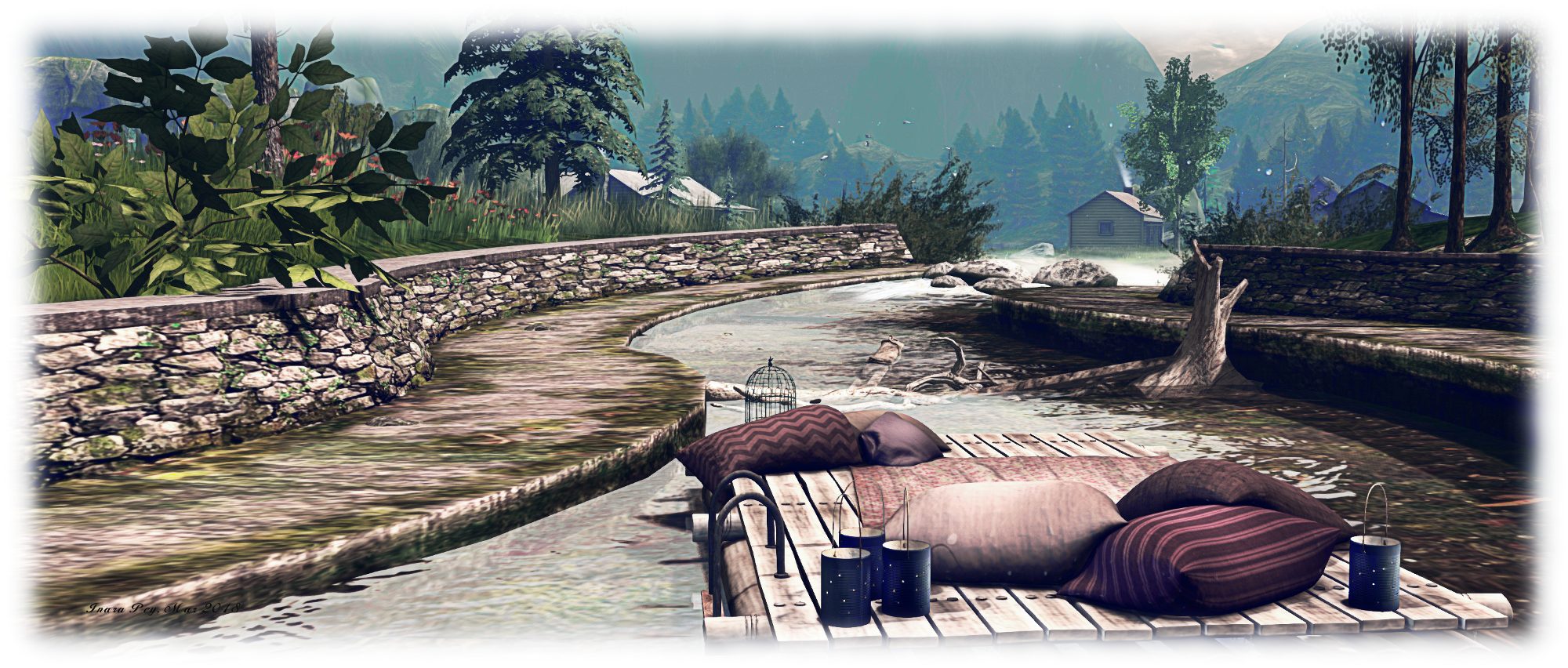
A box bridge spans the water separating the northern end of this island with one of the two small islands on the north side of the region. Cut by a man-made water channel, where a little snuggle spot can be found atop a raft, it is otherwise deserted. A second small island lies to the west – but please note it appears to be a private residence, so exploration there should perhaps be avoided in the interests of privacy.

Travel south through the grasslands of the east-side island, and you’ll find your way to a small cabin snug against the southern coastline, looking west towards the second of the large islands, on which sits a large number of structures. A gable roofed bridge sits close by, spanning the narrow channel dividing the two islands from each other.

Bailey's Norge; Inara Pey, March 2018, on FlickrBailey’s Norge

The closest of the  buildings across the bridge is a large Scandinavian-style house. It is clearly a family home, given the swings, slide, roundabout and see-saw in the fenced garden. Surrounding this on two sides are outhouses and barns. These give the house the feel of being a farm, although the outhouses have been converted for particular uses: a bathhouse and a small photography studio / gallery.

Slight further afield, on the north side of the island lies a little shop, a converted boat dock nearby, a swing seat replacing the covered moorings. Further along the curve of the shoreline sits an old Norse building, its apparent age hinting that there has been a settlement here for a long time. Meanwhile, on the west side of the island sits a wood-framed church. This faces a boathouse sitting on the shore alongside a wooden deck that extends out over the waters. As well as offering cosy seating indoors and chairs on the deck, the boathouse also has a hot tub and hammock outside.

Bailey's Norge; Inara Pey, March 2018, on FlickrBailey’s Norge

With rich, open spaces with places to sit and / or cuddle scattered throughout, and one or two little surprises waiting to be found – keep an eye out for the Norwegian troll keeping a watch on things from the tree-line – Bailey’s Norge offers a lot to see and enjoy. Should you enjoy a visit, please consider offering a donation towards the upkeep of the region (the donation box is at the southern end of the east-side island). And if you take photos, please consider sharing them with the region’s Flickr group.

SLurl Details