SL project updates 2017 10/1: server, viewer

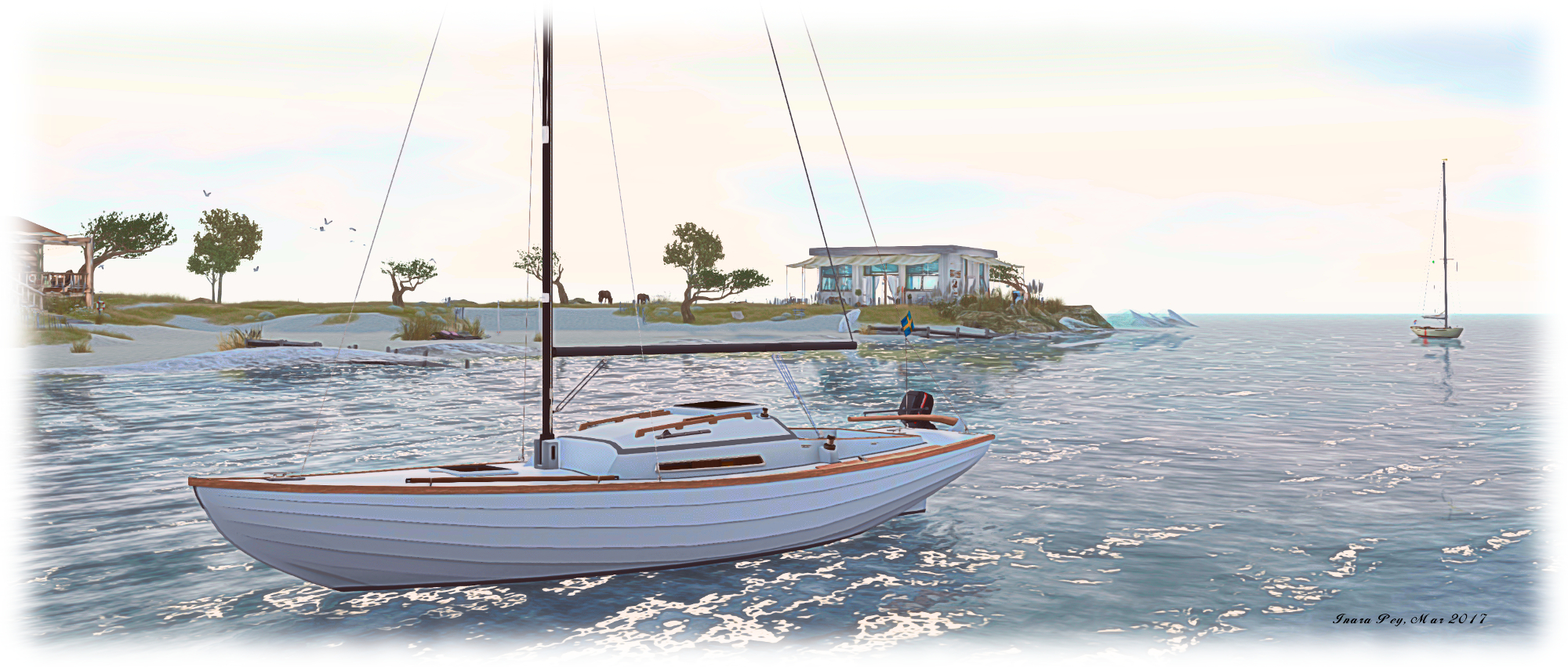
NorderNey, NorderNey; Inara Pey, February 2017, on FlickrNorderNeyblog post

Server Deployments

On Tuesday, March 7th the Main (SLS) channel received the server maintenance package previously deployed to the three RC channels in week #9. This includes:

  • Further improvements to off-line IM delivery when you log in.
  • Objects that are unable to enter a parcel now generate useful error messages.
  • IM to Email will no longer turn itself off.
  • Improved internal logging
  • Internal server changes.

There is no planned deployment to the RC channels on Wednesday, March 8th, and no restart planned.  Wednesday will, however, see a limited deployment to the Snack channel. There are no release notes associated with the deployment.

E-Mail to Snapshots

The deployment of the server maintenance package to the Main (SLS) channel means that at present, the ability to send snapshots to e-mail is broken across the grid. This is because changes made server-side mean that a viewer validation process for e-mails to snapshot will fail, breaking the ability to send them (see BUG-41443).

A viewer-side fix for the problem is on the way, but will take time to reach all viewers, once released.

Server Updates on Aditi

There are two new server versions currently on Aditi which will be making their way to the Main grid in due course.

DRTSIM-323: New Simulator Build

The DRTSIM-323 channel on Aditi contains a new version of the simulator code using the Lab’s latest build of the server operating system. The code is available on a number of regions, including:

  • Fire Ants
  • Bug Island
  • Mauve

(Remember, these are beta grid regions, on Agni (Main) grid regions.).

Commenting on the code, Mazidox Linden said:

We would ask for your help in testing on DRTSIM-323 servers as much as possible, because basically anything you can do in Second Life could be affected. We have a bunch of tests, both user facing a not, that we’re running for this, but we will never test 100% of testable things. It just can’t be done.

So, rezzing objects, building / modifying objects, scripting, testing scripts, uploads – just about anything you can think of needs testing & any noted / reproducible issues JIRA’d.

DRTSIM-341: HTTP Asset Fetching

The DRTSIM-341 channel, which should be deployed to Aditi in the near future, will contain the updated code for fetching landmarks, gestures, animations, shapes, sounds and wearables (system layer clothing) , via HTTP /  the CDN(s).  The Lab is hoping that people will again be able to help with testing but this will be dependent upon a new project viewer (most likely) appearing which has the necessary viewer-side code as well. There is currently no ETA on when that will appear.

SL Viewer

The Maintenance RC viewer was updated to version 5.0.2.324126 on March 3rd, and then promoted as the de-facto release viewer on Monday, March 6th.

The Love Me Render RC viewer containing rendering pipeline fixes appears to have been withdrawn. This leaves the rest of the viewer pipeline as follows:

  • Project viewers:
    • Project Alex Ivy (LXIV), 64-bit project viewer, version 5.1.0.501863 for Windows and Mac, released on January 10
    • 360-degree snapshot viewer updated to version 4.1.3.321712 on November 23, 2016 – ability to take 360-degree panoramic images – hands-on review
  • Obsolete platform viewer version 3.7.28.300847 dated May 8, 2015 – provided for users on Windows XP and OS X versions below 10.7.

Community Platform

The transition to the new Community Platform is still in progress, I’ll have a review of it once things are live.

Deployments Schedule

Speaking at the Server Beta meeting on Thursday, March 2nd, Mazidox Linden briefly described the reason to the current slow-down in server deployments, saying, “As a general note: We’ve had several stability and performance fixes recently. While we can’t be more specific about timelines (or provide further details) they are taking up a large portion of our time to make a better Second Life.”
Sansar: new video from Linden Lab

Sansar from Linden Lab

On March 7th, 2017, Linden Lab issued the most insightful video thus far on Sansar, their next generation virtual environment platform. While it may not plumb quite the depths some might like to see, it offers far more in the way of glimpses and outright looks of what Sansar will look like and gives a teasing look at some of the capabilities currently present within it.

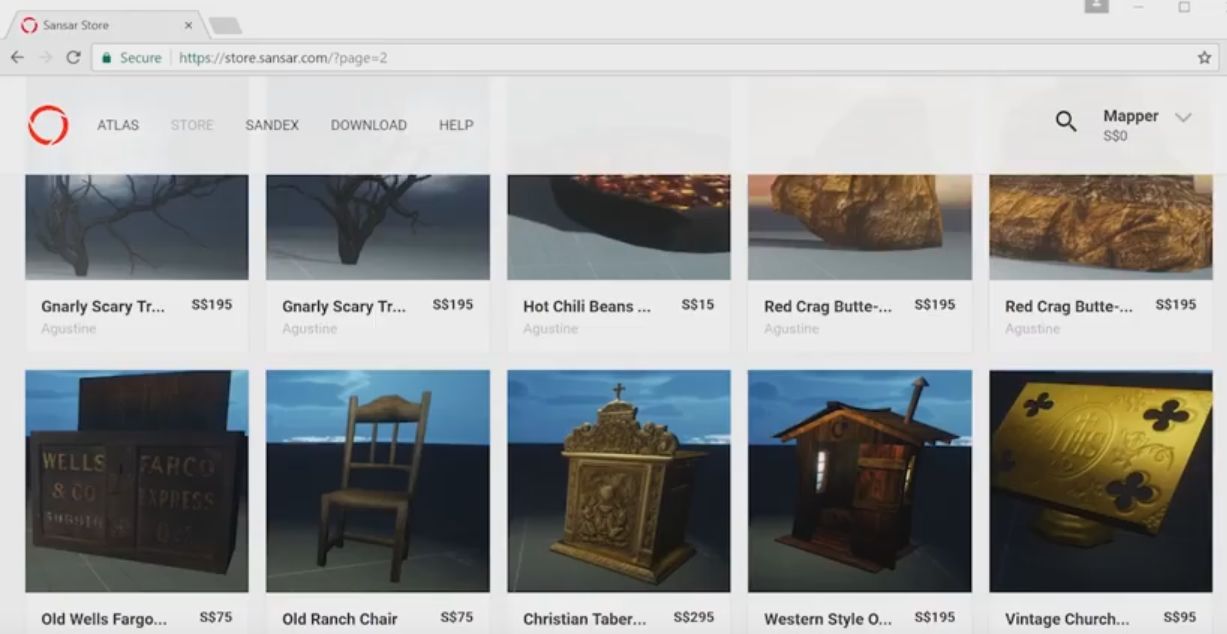
At just four seconds under the 2 minute mark, the video offers a narrative tour of the new platform, showing the runtime and editing environments, detailed shots of Sansar avatars, a look at the Sansar Marketplace – or Store – and more. It also touches on some of the market verticals and environments the Lab is hoping to attract to the platform, albeit with a clear slant towards education.

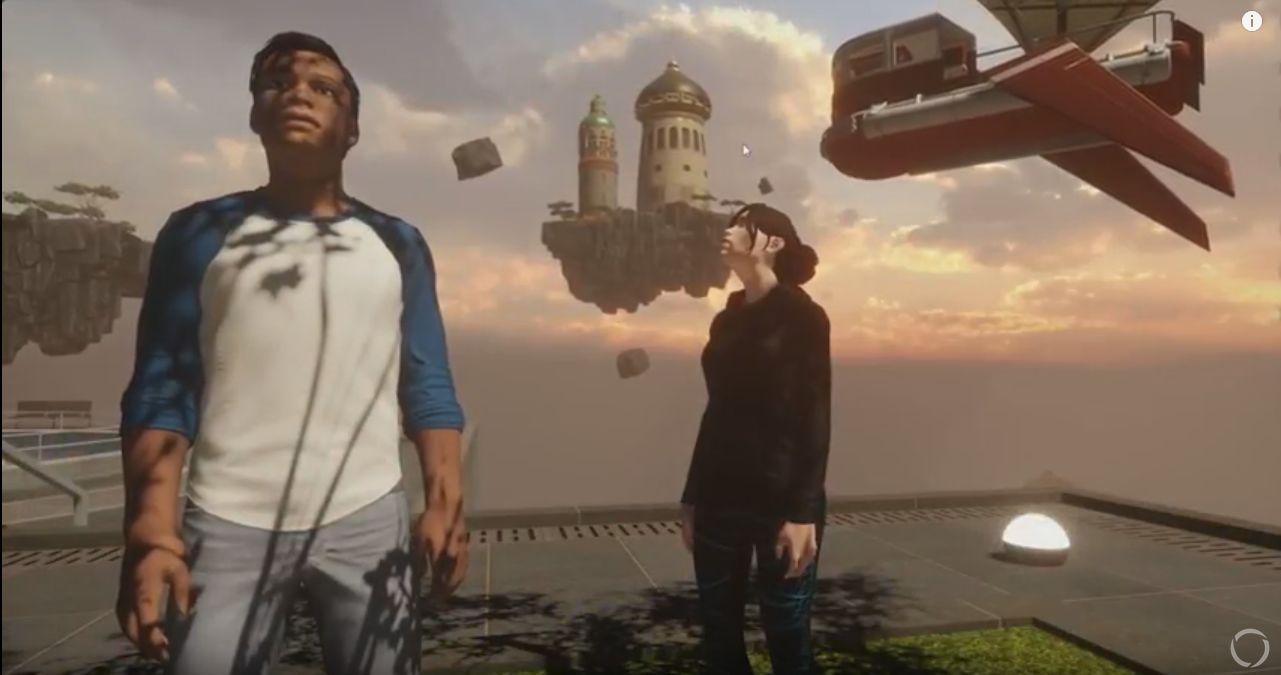
Sansar avatars. Credit: Linden Lab

Starting with the words, “Something is coming. Something revolutionary…”, over a slow, letterbox-style reveal of the platform, the video is polished, smooth and tantalising in what is shown. From scenes within Sansar we’ve witnessed before – the Golden Gate bridge, the fantasy realm with its enigmatic red door it flows to environments entirely new to the wider public eye. As such, it is an excellent piece of teaser advertising, clearly geared towards those the Lab hopes to being to Sansar’s worlds.

There is the inevitable pointer towards VR headsets – which is to be expected, given Sansar is primarily (although not exclusively) a platform for the fully immersed, consumer VR age, but it the video, by its nature, helps to demonstrate that Sansar can be used by those without head mounted displays (HMDs) as well.

A glimpse of the Sansar marketplace – or store. Credit: Linden Lab

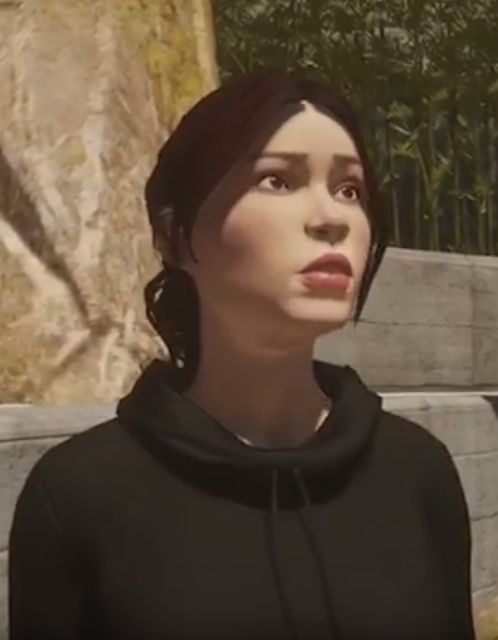
For me, some of the points of interest in the video are the snippets of the UI we get to see, particularly when in the edit environment, and the first close-up looks of Sansar avatars offered to the world at large. While the latter may well still be in development, they are already impressive, and potentially a match in looks for Second Life avatars.

A closer look at a Sansar avatar. Credit: Linden Lab

Admittedly, the avatars shown in the video are all restricted to humans, so we don’t get to see the fully range of potentials, but again given that Sansar is being pushed towards the idea of “social VR”, where people are interacting with one another as humans, the emphasis shouldn’t be seen as negative. There’s also the fact that it’s unclear at the moment how far down the road the avatar system is when it comes to supporting non-human avatar types.

Voice syncing is also very cleverly indicated in the video, when the female voice used to narrate the piece is smoothly integrated with a Sansar avatar right at the end of the video, suggesting she has been our guide through this inside look.

A further point of interest for me is the video closes by adding a strapline to Sansar: Created Reality.

Back in September 2015, Ciaran Laval and I ruminated on a domain name filing made by the Lab around the time that the company was filing papers for “Project Sansar” and “Sansar” (see “Created Reality”- possible contender for Project Sansar’s name?). At the time we speculated whether “Created Reality” might be a possible alternative name for the Lab’s platform (still  at that time known only by the “internal” name of “Project Sansar”). Obviously, that didn’t prove to be the case – but it is still interesting to see the term, if not the domain, finding use in reference to the platform

And for those wondering when they’ll be able to step into Sansar, the video offers “Spring 2017”. But enough of the waffling. Here’s the video.

A Mystical Fae Forest in Second Life

Mystical Fae Forest, Elvenshire; Inara Pey, February 2017, on FlickrMystical Fae Forest – click any image for full size

Update, July 2019: Zuma has closed Elvenshire and moved Fae Forest to a new location (see A new (fae forest) in Second Life for more). Because of this, SLurls have been removed from this article.

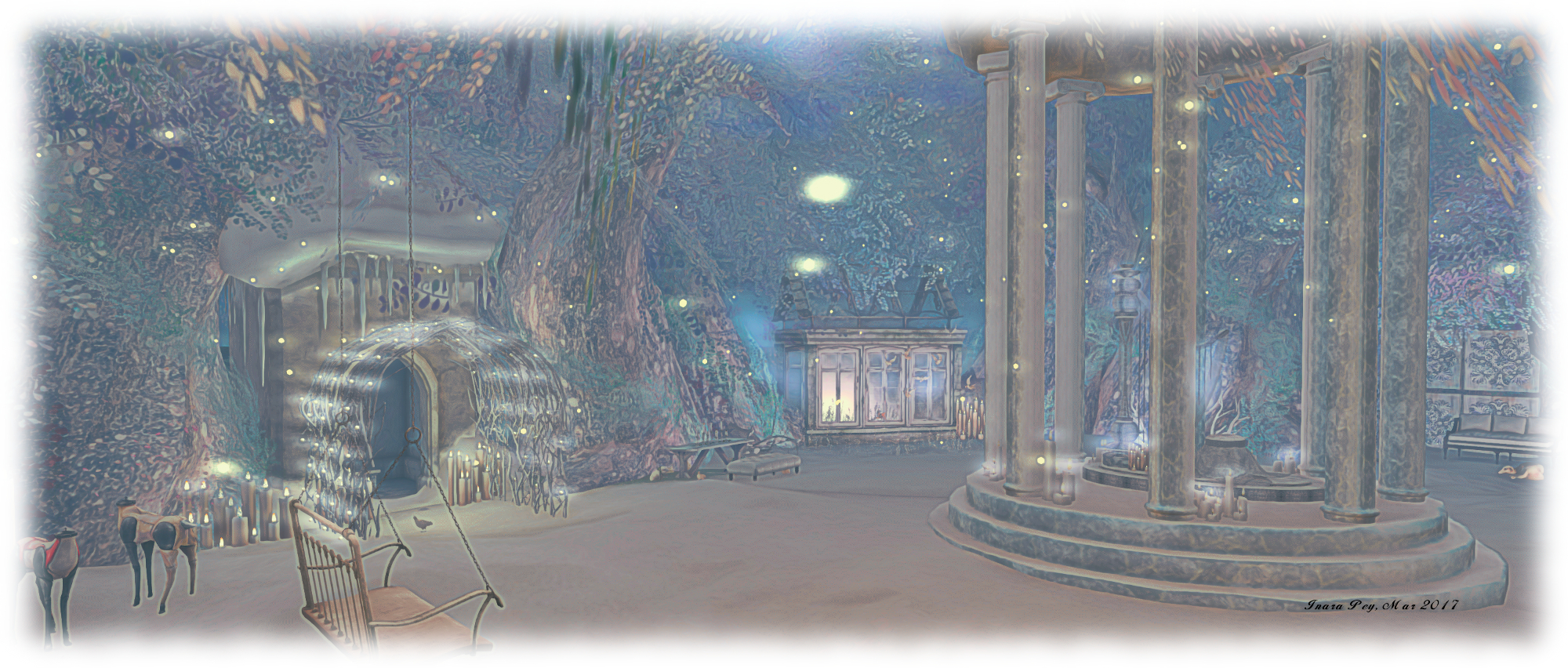
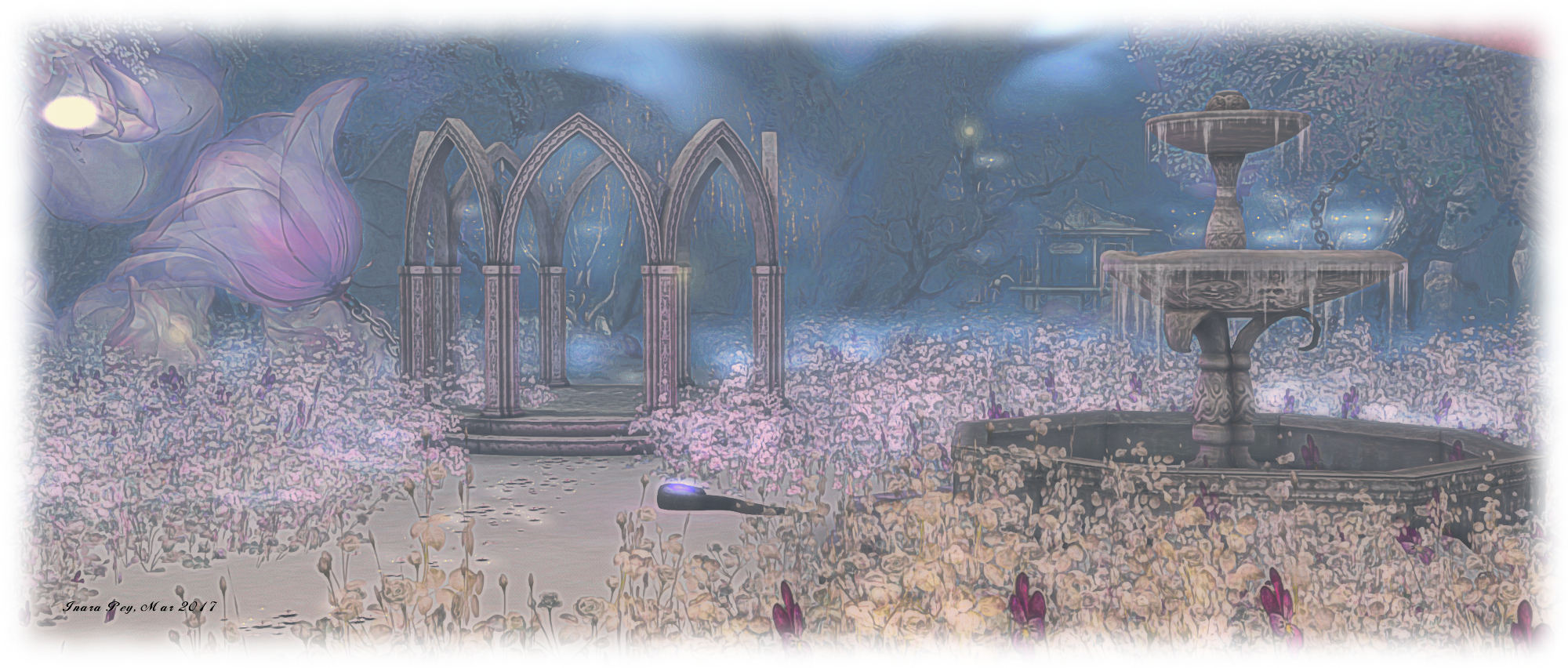
Mystical Fae Forest, occupying the Homestead region of Elvenshire, is precisely what the name implies: a mystical realm caught in time and wrapped in the soft light of a winter’s eve. It’s a place those who love things fae and whimsical should appreciate; a place where magic floats in the air and a surprise awaits at very turn.

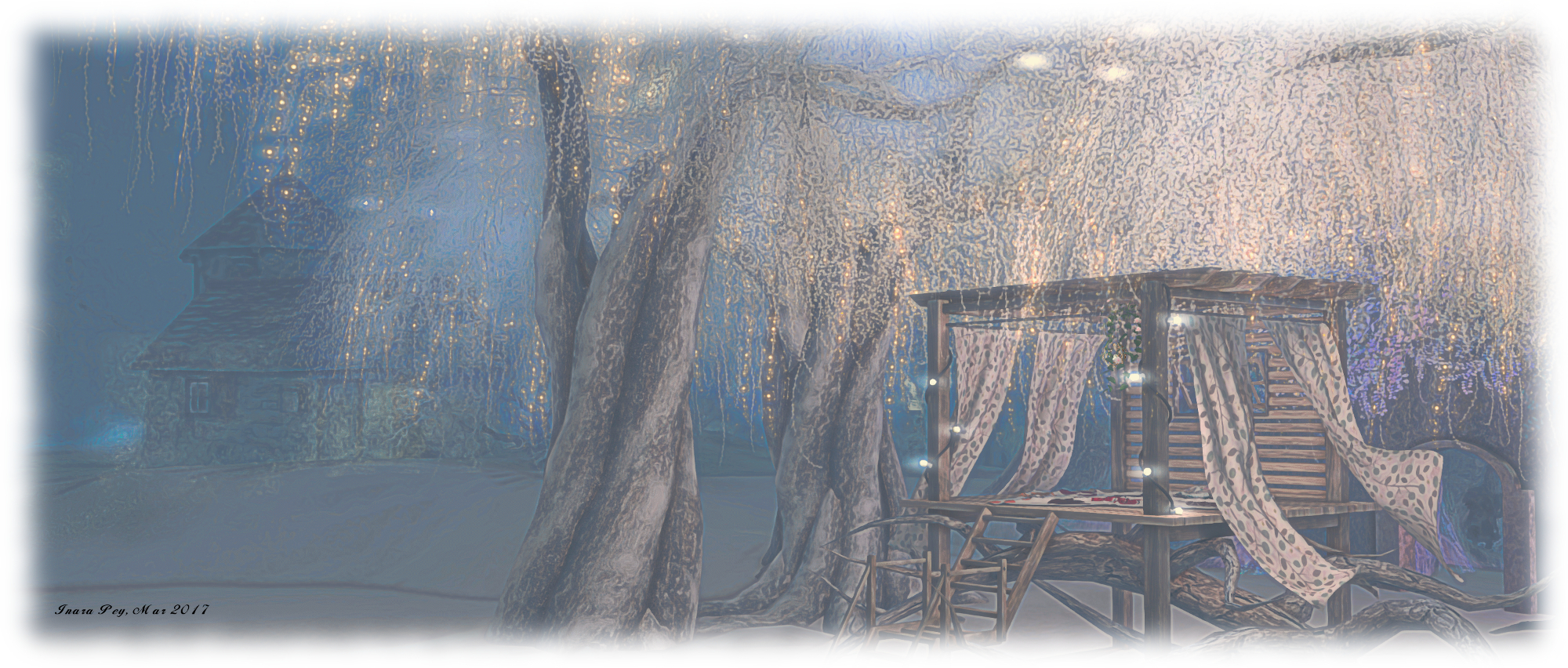
Designed by Zuma Fae Dust (Zuma Jupiter), the region’s timelessness is immediately felt on entering. The predominant shade is white, as if the trees are frosted and the ground covered in snow. But among the white flowers lay flashes, pools and sprinkles of colour, while fireflies drift on the air and tiny lights sparkle from branches. Beside the landing point, giant roses sit, their petals glowing a soft, translucent pink as if spun from glass, their stems links of silver chain.

Mystical Fae Forest, Elvenshire; Inara Pey, February 2017, on FlickrMystical Fae Forest

Paths wind through the flowers, leading away from the arched circle of the landing point. It matters not which you take and the wind between the tress and frequently fork. All of them will lead you somewhere, and often to the quite unexpected, while birds sing from branches overhead.

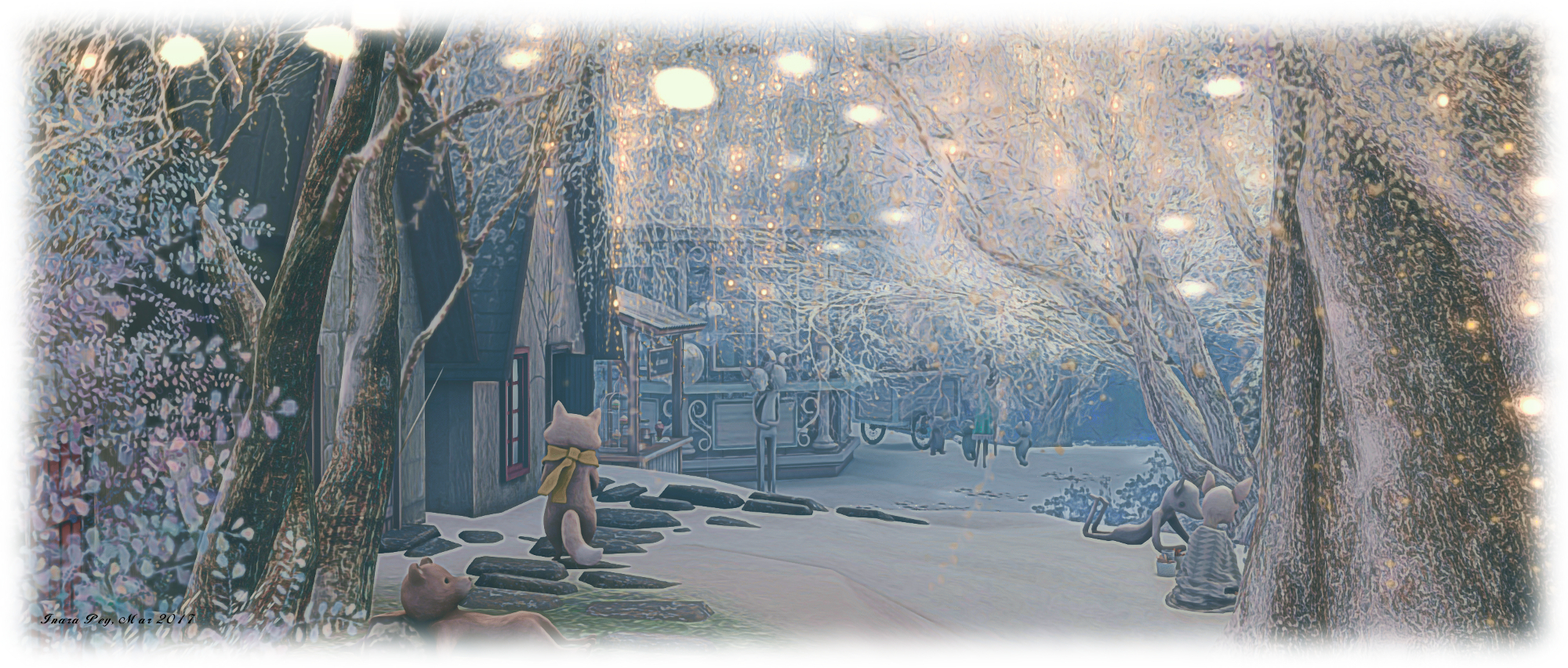
From the name of the region, you might expect the locals to be faerie folk, or perhaps have a touch of the elvish or hobbit about them. While the folk might definitely be on the small side, they are most certainly not hobbits; nor are they elves or fae folk. Rather, most are a mix of rabbits, raccoons, teddy bears and others, all going about their business or at play in the hazy light.

Mystical Fae Forest, Elvenshire; Inara Pey, February 2017, on FlickrMystical Fae Forest

Some are gathered along a little hamlet street, playing games, gathering around an ice cream stand or simply walking along the footpath. Some sit together as couples, one or two wander alone – two even hold up a banner directing people to a party. These scenes are scattered across the region, allowing visitors to come upon them by chance as they walk along the paths and under the trees.

I said “most” above, because there are others here to be found. This is a place where you can see a pink elephant if you choose the right path, or come across a delightful little scene featuring visitors from afar who have decided to drop in on the home of a flying saucer aficionado. I’m not sure they mean whoever it is any harm; going by the looks of three of them they appear to be on a sightseeing tour!

Mystical Fae Forest, Elvenshire; Inara Pey, February 2017, on FlickrMystical Fae Forest

Vignettes such as this add to the magic of the region, making a visit a genuine exploration. You’ll want to spend more time here than might otherwise be imagined, wandering the paths and making sure you’ve not missed anything. And in case you need a little rest or become enwrapped in the region’s enchantment, there are several cosy nests where you can sit or  curl up and enjoy time alone, or with a friend or share a cuddle or two – but again, I recommend taking the time to seek all of them out!

Mystical Fae Forest is a joy to wander, and I recommending seeing it under the default region windlight to truly capture the magic. Should you enjoy your visit, please consider a donation to help preserve the region for the others to enjoy: look for the magic tree roots along the footpaths as you explore (there’s one near the landing point, for example).

Mystical Fae Forest, Elvenshire; Inara Pey, February 2017, on FlickrMystical Fae Forest

With thanks, as always, to Shakespeare for the pointer 🙂 .

2017 Viewer release summaries week 9

Updates for the week ending Sunday, March 5th

This summary is published every Monday, and is a list of SL viewer / client releases (official and TPV) made during the previous week. When reading it, please note:

  • It is based on my Current Viewer Releases Page, a list of all Second Life viewers and clients that are in popular use (and of which I am aware), and which are recognised as adhering to the TPV Policy. This page includes comprehensive links to download pages, blog notes, release notes, etc., as well as links to any / all reviews of specific viewers / clients made within this blog
  • By its nature, this summary presented here will always be in arrears, please refer to the Current Viewer Release Page for more up-to-date information.

Official LL Viewers

LL Viewer Resources

Third-party Viewers

V5-style

V1-style

  • Cool VL viewer Stable branch updated to version 1.26.20.11 on March 4th (release notes) – version 1.26.10.9 pulled due to UI rendering bugs.

Mobile / Other Clients

  • Group Tools updated to version 2.2.43.1 on February 28th (no release notes)

Additional TPV Resources

Related Links

Whitechapel Victorian London in Second Life

Whitechapel Victorian London

Whitechapel Victorian London is the name of arts and performance environment created by the team at TerpsiCorp ARTWerks (See: TerpsiCorps ARTWerks: performance art in Second Life).

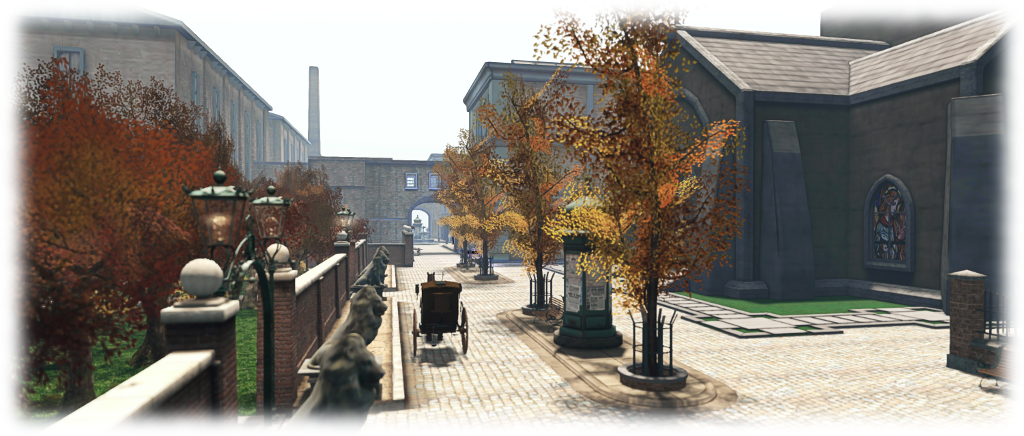
While not intended as a historical representation of London’s notorious Whitechapel district, the installation in part takes its lead from London’s East End. Three-quarters of the region is occupied by cobbled streets of close-packed houses and shops overshadowed by hulking warehouses. In contrast, the remaining quarter is given to more opens spaces, complete with a grand ballroom which has something of a faint echo of the old Royal London Hospital.

Whitechapel Victorian London

“We had our grand opening on March 4th,” TerpsiCorp’s Artistic Director, Cassie Parker (nanki Hendes) said, as Caitlyn and I explored the installation. “It’s all just beginning to evolve.” Over the coming four months that evolution will see the region used for a variety of activities and performances.

From the landing point, visitors can walk past the great ballroom along a wide, almost boulevard-like cobbled road, or wander through a park and over a bridge. Whichever route is taken will bring them to the streets of Whitechapel which – if I may make so bold – are best seen under twilight or night-time conditions, which enhances the atmosphere, bringing forth the street-hugging mist, the glow of the gas lamps and the inviting warmth of lit windows.

Whitechapel Victorian London

Behind many of these windows sit gallery spaces occupied by artists who have been extended an invitation to display at Whitechapel Victorian London. Some of the names might be known to lovers of art in SL, others perhaps not. All should be browsed for the rich variety of art they offer.

Nor are the shops the only galleries; the is an outdoor 3D art area and the brooding warehouses also provide space for artists. Simply haul back their heavy metal doors (if they are not already open), and step inside. Daylight can be the best for viewing the art, obviously, but several of the artists have made considered use of lighting effects, so experimenting with windlight in some of the gallery spaces is suggested.

Whitechapel Victorian London

Voice events are also represented through the Whitechapel Storytellers shop in the north-east corner of the region, which has an events calendar just outside. For other news on activities and events within the region, please refer to the TerpsiCorp ARTWerks LEA Facebook page.

Whitechapel Victorian London will remain open through until the end of June, 2017. Whether you are interested in art or exploring new environments in Second Life, I recommend a visit, and in keeping an eye on the Facebook page for news of events.

SLurl Details

Space Sunday: Moon flights and the winds of Mars

The Dragon 2 crew capsule attached to its service module. Credit: SpaceX

While most private space tourism companies are busily going about various routes to offer sub-orbital flights to those who can afford them, Elon Musk’s SpaceX has stepped into the arena – and, as might be expected, made the bold announcement it will go one better: fly paying passengers around the Moon and back. And they plan to do it in 2018.

The announcement was made by Musk on Monday, February 27th during a press teleconference. If the flight goes ahead, it will allow two fare-paying passengers the opportunity to undertake a week-long journey out to and around the Moon, before returning to Earth. The flight would use a “free return” profile which would see it skim over the surface of the Moon and continue outward beyond it, possibly as far as 480,000 Km (300,000 mi) from the Earth (the average distance of the Moon from Earth is around 384,400km /  240,000 mi), before Lunar gravity takes over and hauls the vehicle back towards the Earth, where it would splash down.

It’s not clear how much the passengers would pay to be on the flight – but the going price for a seat aboard the Dragon 2 vehicle, which would be used for the flight, will be around US $58 million a pop to get to the International Space Station, once it enters service. It’s also far from clear if SpaceX can actually deliver on the goal of launching the flight in late 2018.

SapceX plan to use the Falcon Heavy as the launch vehicle for the lunar flight. When it enters service later in 2017, the Falcon Heavy will be the most powerful launch vehicle in the world today
SpaceX plan to use the Falcon Heavy as the launch vehicle for the lunar flight. When it enters service later in 2017, the Falcon Heavy will be the most powerful launch vehicle in the world

In order to take place, the flight first and foremost needs a launch vehicle and a suitable space vehicle. SpaceX plan to use their mighty Falcon Heavy and – as noted – their new Dragon 2 crewed vehicle. There’s just a couple of problems with both.

The Falcon Heavy is not due to fly until some time later in 2017, and even then it will not be rated for crewed launches. For that to happen, it will have to be certified for crew use, and depending on how the initial flights go, that could take time. In terms of the Dragon 2, that is not scheduled to enter service until 2018 – and even then, its primary function is to fly crews to and from  the International Space Station (ISS).

Ferry flights to the ISS are vastly different to going out around the Moon and back. To start with, the outward flight from Earth to the ISS can be measured in just a couple of days – around a quarter of the time needed for the lunar trip.  The velocity (delta vee)  imparted to a spacecraft going to the ISS (28,000 km/h / 17,500 mph) is also a lot less than required to go to the Moon (40,000 km/h / 25,000 mph).

Elon Musk unveils a mock-up of the Dragon V2 capsule in May 2014. SpaceX now has their firs NASA contract to fly a crew to the ISS aboard the vehicle, probably in 2018
Elon Musk unveils a mock-up of the Dragon 2 capsule in May 2014.Credit: SpaceX

This means a returning Dragon 2 will be re-entering the Earth atmosphere a lot faster than the same craft coming back from the ISS, and will have to face much higher re-entry temperatures and a harsher deceleration regime. While the Dragon 2 can in theory do so, it is likely that significant testing on uncrewed vehicles will be required before the Federal Aviation Authority and NASA agree to any such flight taking place. On top of this, it will have to be demonstrated that the Dragon 2 can be outfitted for a deep space mission and keep a crew alive and well for around 7-8 days.

Given all this, there are widespread doubts the company can meet a 2018 deadline for such a mission – and SpaceX has tended to be ambitious with its time frames for achieve goals. They had originally slated 2013 as the year in which the Falcon Heavy would make its first flight – although in fairness, setbacks following the loss of two Falcon 9 vehicles also contributed to its launch being pushed back to 2017.

Red Dragon Delayed

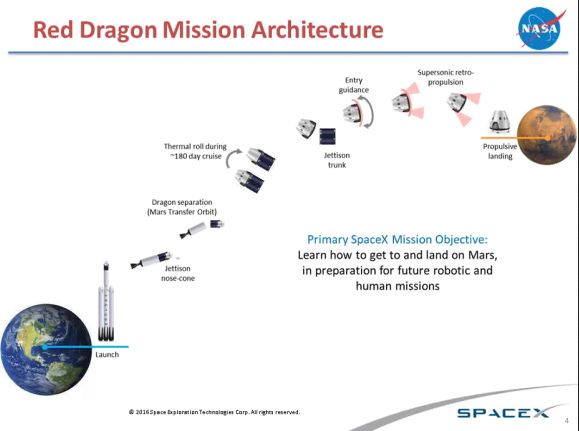
As further evidence of SpaceX presenting time frames which are perhaps a little ambitious, on February 17th, the company announced its mission to land a variant of the Dragon 2 – dubbed Red Dragon – on Mars has been pushed back from 218 to 2020.

The aim of the mission so to fly an uncrewed 10-tonne Dragon 2 vehicle to Mars and land it safely. In doing so, the company hopes to gain valuable data on landing exceptionally heavy vehicles on Mars using purely propulsive means. This is because crewed landing vehicles on a Mars mission are liable to have a mass of at least 40 tonnes – far too much to be safely slowed in a descent through the thin Martian atmosphere by parachutes.

A SpaceX / NASA infographic outlining the Red Dragon mission - now slated for 2020
A SpaceX / NASA infographic outlining the Red Dragon mission – now slated for 2020

The planned mission would be undertaken entirely at the company’s own expense, although it would can science instruments and experiments supplied by NASA. For Musk it, and possibly three further Red Dragon mission which could follow it in the 2020-2024 time frame, is a vital precursor to greater ambitions for Mars.

As he outlined in September 2016 (see: Musk on Mars), Musk plans to start launching crewed missions to Mars, possibly before 2030. The initial missions will doubtless be modest in size in terms of crew and goals. However, his overall stated goal is to kick-start the colonisation of Mars. To do that, he plans to use vehicles massing at least 100 tonnes and which can make a propulsive landing on Mars. Whether he can succeed in even the step to land a crew on Mars  – and bring them back to Earth – remains to be seen. However, his Red Dragon mission is an important first step.

Continue reading “Space Sunday: Moon flights and the winds of Mars”