Project Bento User Group update 1 with audio

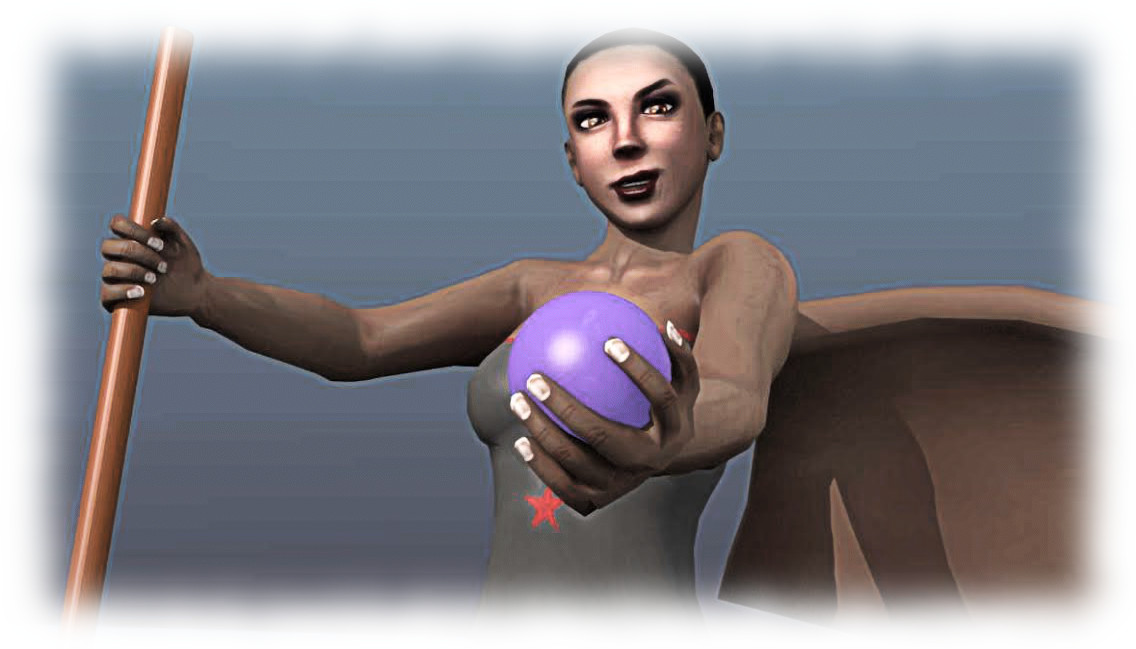
Project Bento extends the avatar skeleton, adding a significant set of bones (e.g. 30 for the face, 30 for the hands (both of which can be seen inaction in the image above of an avatar by Matrice Laville), plus bones for wings, tails, additional limbs and ears / antennae
Project Bento extends the avatar skeleton, adding a significant set of bones, notably providing facial expressions, finger movement, and better support for wings, tails, additional limbs, etc. (model by Matrice Laville)

Useful Links

The first public user group meeting for Project Bento took place on Thursday, January 7th 2016, marking the start of what will be a regular event, although the exact frequency, particularly in terms of day and time, may vary, at least initially.

The purpose of the meeting is to provide an open forum for more direct and real-time conversations between the Lab and content creators about Project Bento than can perhaps be achieved through forum posts, etc. This, and the reports which follow from it are intended to provide a synthesis of these meetings, together with relevant audio of discussions and feedback, where appropriate. My apologies for the quality of the audio in places; these was partially the result of recording over voice and also due to the audio strength dropping out on me quite frequently.
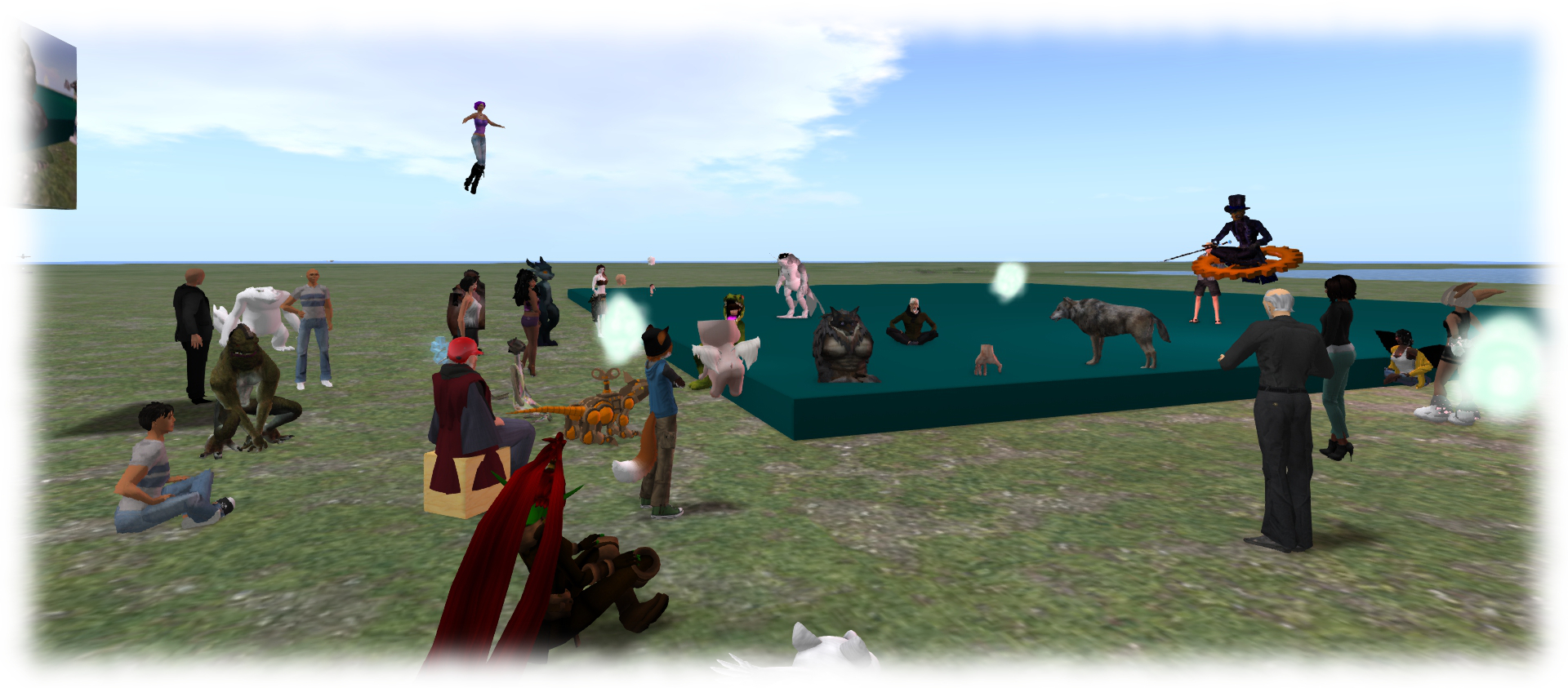
People arrive for the first public Bento user group meeting on Aditi

Translation vs. Rotation

As I’ve previously reported, there has been an ongoing discussion about providing bone translation rather than just rotation in order to better handle facial expressions (see BUG-1090, “[Bento] A formal method of bone-translating animations is vital for the creation of proper facial expressions”), with the initial disallowing of translations within Bento (where they had previously been possible by means of a workaround) being a particular point of contention.  Medhue Simoni was one of those particularly concerned at the lack of available translation capabilities, and as I noted in my coverage of the 100th Drax Files podcast, he has produced a fairly comprehensive video explaining the issue.

Given the amount of conversation that has been generated, it should not  be that surprising to learn that this was the first item up for discussion in the meeting. In particular, Vir announced that the Lab has revised its thinking on the matter pointing to a Bento forum posted providing more of the Lab’s original concerns. So with this change, animations using translations can now be uploaded to most regions on Aditi.

Vir on the rethink concerning allowing bone translations

So does this mean translations will be allowed going forward? Vir was cautious in his reply, noting that nothing about Bento will be finalised until such time as it goes to the main grid, so there is no definitive decision on the matter at present. However, based on the way things are going, it would seem likely that translations will be enabled and there is nothing the Lab currently has planned which might cause them to be disallowed. However, Vir did warn that were this to be the case, there may be bugs / limitations in how they work.

Vir on whether or not translations will be allowed going forward

Stretching and Scaling Bones

The current mechanism for stretching / scaling bones is via the shape slider, and Vir indicated that it is not likely that the Lab will be moving to support scaling in animations as a part of this phase of Bento, although they might revisit doing so at some point in the future (without any guarantee they would).

As a part of the explanation for why this is the case, Oz indicated that the Lab’s belief in approaching Bento was that for most non-human avatars and shapes, their expectation was that creators would do the basic repositioning of joints as a part of the mesh prior to upload, and then adjust them as needed, and so the need for translation  would be marginalised.

However, as several of those present at the meeting pointed out, effectively “baking” positions into a mesh in this manner prior to upload is itself limiting, and translations can help handle odd glithes in the avatar shape which can occur. Given this, and  the shift in stance on translation mentioned above, Oz indicated he’s very interested to hear back from people on what might be considered “best practice” for handling bone repositioning, scaling, stretching, etc.

Vir and Oz on scaling and stretching bones and the Lab’s initial approach to Bento

Avatar Deformation and Resetting

One of the things the Lab is trying to achieve through Bento is a means of more reliably providing a mechanism by which avatars suffering from deformations as a result of rigged meshes, complex shapes, etc., can be reliably restored.

One of the things the Lab would like to do is offer a consistent means of resetting avatars deformed by things like multiple joint repositions to a "default" state which includes adjustment to bones made via mesh and attachments
One of the things the Lab would like to do is offer a consistent means of resetting avatars deformed by things like multiple joint repositions to a “default” state which includes adjustment to bones made via mesh and attachments

As Vir noted in the meeting, the Lab has been working on trying to make mesh positions behave better, but there is still a lot going on under the hood, such as changes made by sliders or attachments or animations, or a combination thereof,, the initial values defined by the skeleton, etc.,  which can influence the overall shape / appearance in an unpredictable order which can leave someone in a difficult to resolve state.

In particular, and as stated by Oz, the Lab would like to be able to offer the capability that if a user experiences deformations as a result of running animations, they can be reliably reset to a default position that includes and joint position movements implied by any mesh attachments worn at the time the issue occurred (with the exception of those implied by animations).

To this end, he and Vir urged people to file bug reports on any issues of deformation they encounter when using the Bento project viewer (as well as any other issues they encounter), even if the issue has been previously encountered prior to Bento but has remained unresolved, and to provide specific examples of the problem with related models, etc., so that the Lab can use the project to attempt to investigate and resolve as many issues of this kind as they can. The Lab cannot promise that everything will be fixed, but by the same standard, it shouldn’t be assumed that just because something hasn’t been addressed thus far, effort won’t be put into trying to see if it can be resolved.

Vir and Oz on bug resolutions and seeking a means to consistently reset deformed avatars

Continue reading “Project Bento User Group update 1 with audio”

Lab Chat #2 announced

Lab Chat LogoLab Chat is the name of the new series aimed at providing Second Life users with the opportunity to have their questions put to Lab management and personnel.

The first such event, which was recorded and made available as a three-part video, took place on Thursday, November 19th, with guest Ebbe Altberg, CEO of Linden Lab. I have a full transcript of that event available, complete with audio of both the questions asked and Ebbe’s replies.

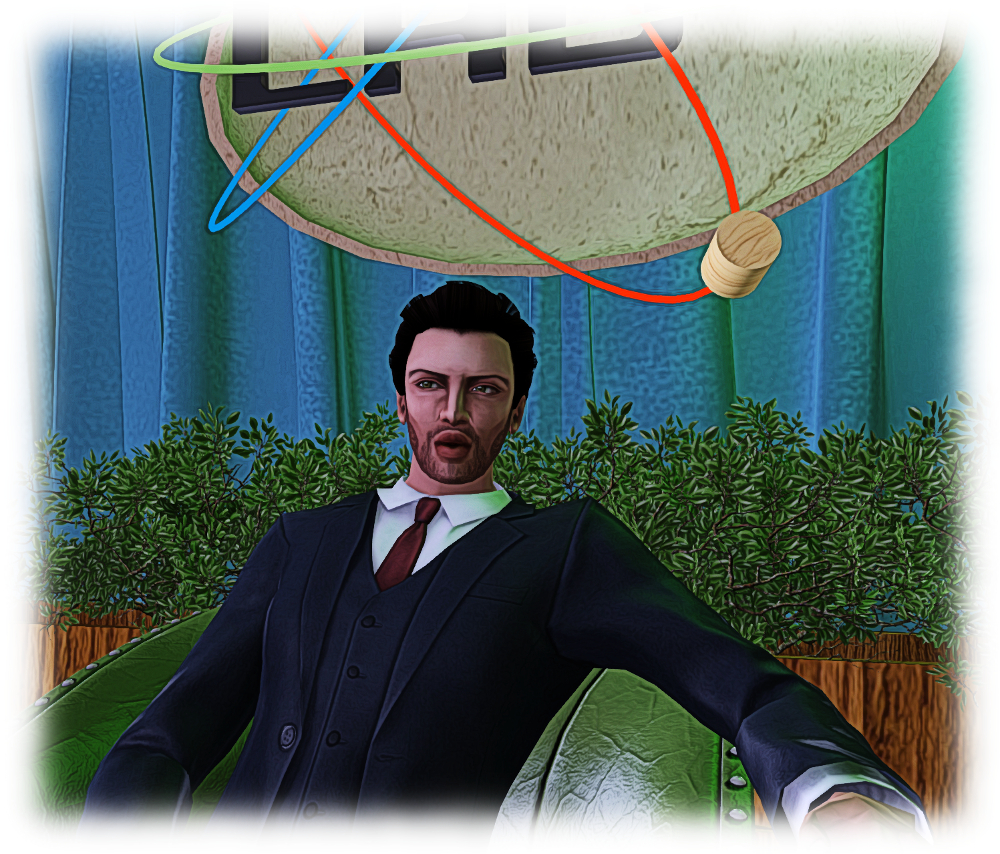
The second on the series have now been announced through the Lab Chat blog and via an official blog post from the Lab. It will take place on Thursday, January 21st, again at the Linden Endowment for the Arts Theatre, starting at 10:30 SLT.

Ebbe Altberg, in his alter ego of Ebbe Linden, will again be facing questions on Linden Lab, Second Life and "Project Sansar" as put forward by SL users
Ebbe Altberg, in his alter ego of Ebbe Linden, will again be facing questions on Linden Lab, Second Life and “Project Sansar” as put forward by SL users

Once again, the guest under the spotlight will be the Lab’s CEO, Ebbe Altberg.

As with the first event, people are being invited to submit questions via a Lab Chat forum thread they’d like to see asked during the show for consideration. The deadline for such questions is Friday, January 15th

Questions to be asked will be selected by members of the Lab Chat production team (of which I’m listed, although my role is focused on producing written transcripts of recordings, rather than being hands-on with the actual production). Those submitting selected questions will be invited to attend the recording of the session, and put their question directly to Ebbe in voice if they wish; otherwise questions will be asked the Lab Chat hosts, Saffia Widdershins and Jo Yardley.

As per the first Lab Chat, I will (hopefully) be recording the event, and will certainly be providing a full transcript a few days after it  has taken place.

Images and sculptures at The Living Room

Jan-6_001
Faith Maxwell and Mareea Farrasco at The Living Room

Opening on Thursday, January 7th is the latest exhibition at The Living Room, and this month, it’s a double-header featuring the work of Mareea Farrasco and Faith Maxwell.

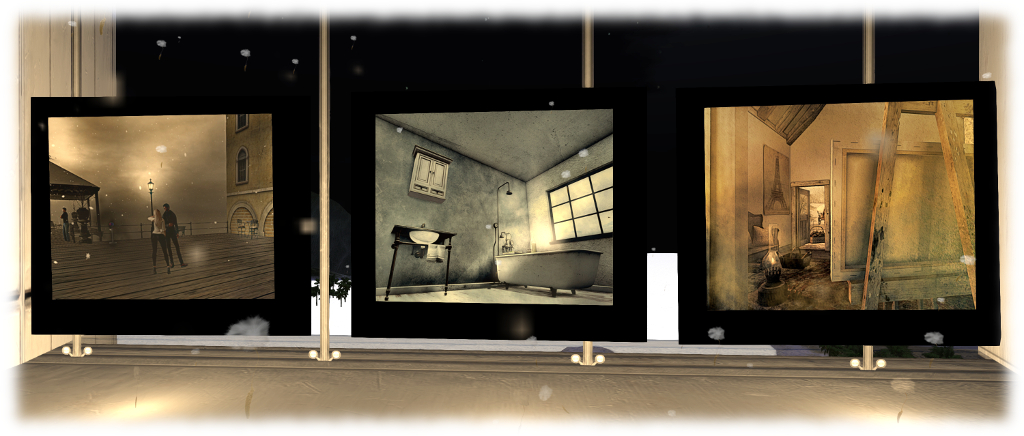
In About SL People and Places, Mareea presents a series of images of people and places from within Second Life. some of these have a distinctly photographic finish to them, while other lean more towards paintings. All of them are uniquely personal in both subject and the effect they have on the observer, drawing you gently into them, presenting glimpses of lives as they unfold, or places which seem both new and yet familiar.

Jan-11_001
Mareea Farrasco at The Living Room

This is particularly true of the images depicting rooms and places of work: an art studio, a bathroom, a desk on which sits  typewriter; each carries the hint of places we may have seen or visited , but it at home or when out and about, whilst at the same time offering a glimpse inside the lives of people when they are otherwise engaged elsewhere.

“The pictures I create are small steps in the indefinite journey to myself. Join me and, who knows, you might find yourself,” Mareea says of her work; a comment which perhaps gives some of the images here an even deeper personal perspective in the suggestion that some of the spaces depicted in the image might be her own, and thus we are sharing in her world as much as in her view of the world.

Jan-4_001
Mareea Farrasco at The Living Room

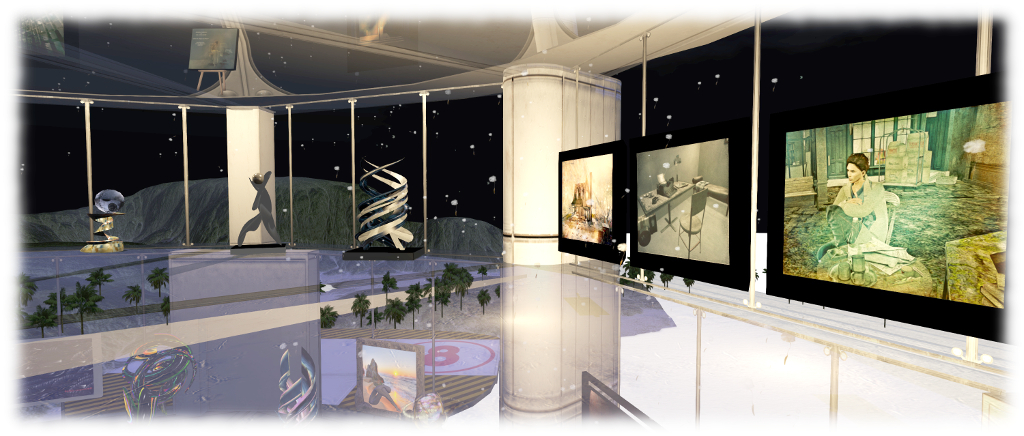
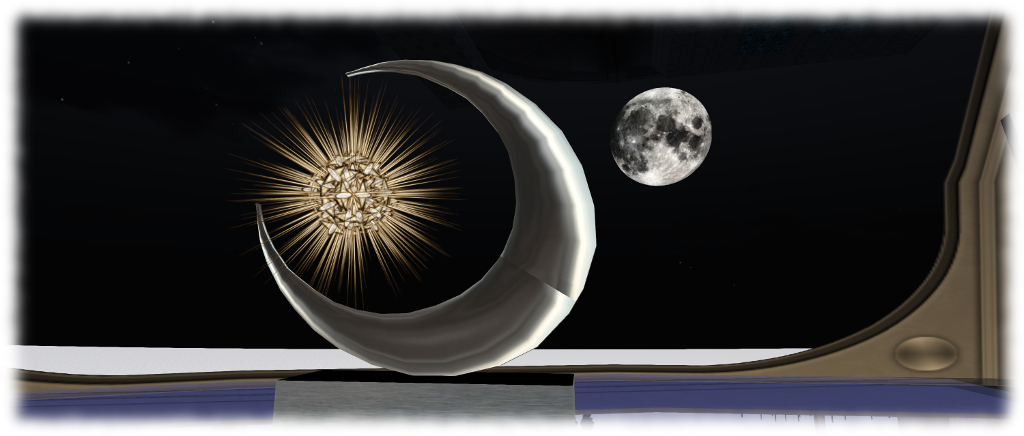
With Sky is the Limit in SL, Faith Maxwell presents a series of her sculptures which reflect the theme of her title. Several of the pieces have a distinctly astral / cosmos / space feel to them – witness Cosmic Reaching Out, Astroid 2, and Time Marches On. Others have a strong aerial / avian flavour to them, as is the case with Lifting Spirit, Pureness of Doves, Hummingbird in Flight, and Turning Point (with its suggestion of a gyroscope).

Within the free-standing works are framed or mounted pieces which hold their own fascination. I particularly found myself constantly drawn back to the elegant simplicity apparent in Fallen Leaves and its suggestion both of time passing and the promise of open horizons, together with the hauntingly powerful In Mask, which suggested new themes and feeling each time my camera passed over it.

Jan-8_001
Faith Maxwell at The Living Room

Like Mareea, faith pours a lot of herself into her work, noting, “When I came to SL I wanted to try my hand in sculpture. All my work is totally a work of me; my mood, my feelings.” Thus, both are ideally suited to sharing space at The Living Room.

About SL People and Sky is the Limit in SL formally open at 12:00 noon on Thursday, January 7th to music by The Vinnie Show! The exhibition will remain open through until Tuesday, January 26th, when there will be a closing show with music by Aminius Writer at 12:00 noon SLT. And don’t forget the Thursday Music Party at The Living Room, which this month takes place on Thursday, January 14th, and features Bat Masters at 17:00 SLT, followed by Lyndon Heart at 18:0 SLT.

Jan-5a_001
Faith Maxwell at The Living Room

SLurl Details

Firestorm 4.7.1 to be blocked from January 7th

MadPea and Firestorm: working in collaboration to enhance the experience those new to Second life have with the platformFirestorm have announced that as from Thursday, January 7th, Firestorm viewer 4.7.1 is to be blocked from accessing Second Life, and those using 4.7.1 are being encouraged to update to a more recent version (or revert to 4.6.9 for the time being if using Windows XP or Mac OS X 10.6) ahead of the block coming into force.

The move is in keeping with Firestorm’s commitment to Linden Lab to only have 3 versions of their viewer (allowing for specific issues which might otherwise come us, as has been the case for Mac users, who have had to face a series of (apparently) Cocoa related issues impacting their ability to use viewers incorporating these updates) active at any given time.

As noted in the announcement, this means that only Firestorm 4.6.9 will remain available for those still using Windows XP or versions of OS X older than 10.7, and this will be blocked some time after the next release of Firestom, which currently looks to be set for some time in February.

Those needing help in updating their version of Firestorm can find it on the following Firestorm wiki pages: backing up and restoring your settings and Updating Firestorm.

Of Heritage and Vestige in Second Life

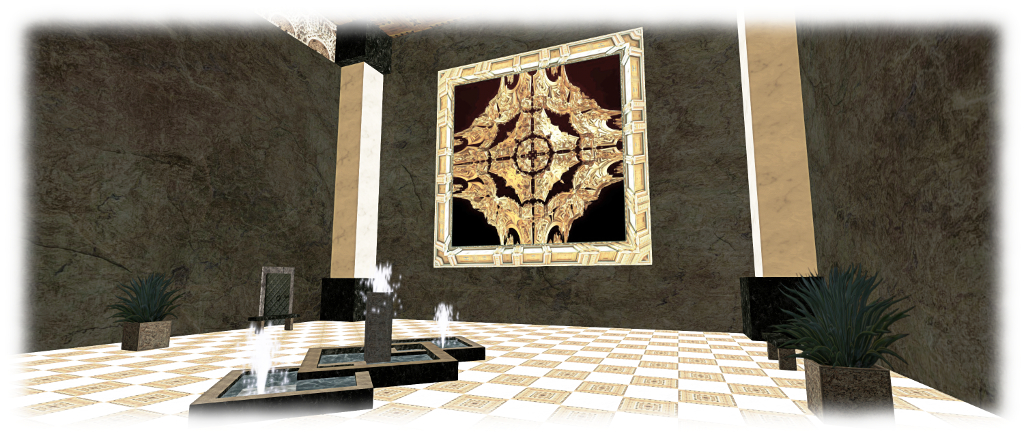
Heritage: Vestiges - Gem Preiz
Heritage: Vestiges – Gem Preiz

Heritage is the over-arching title of two immersive installations created by Gem Preiz. The first, Vestiges, opens On Thursday, January 7th,  with the second, Wrecks commencing on Monday, March 7th 2016.

“Heritage is the theme of the two exhibitions,” Gem explains of the pieces. “The heritage passed to us by our predecessors, and the one we shall bequeath to our descendants in the endless fight of life against Time.”

Vestiges evokes the first of these aspects: the heritage passed down to us by others; a journey through the past, visiting the ancient places and secrets of long-past civilisations – but are they the civilisations which gave rise to us, or are we perhaps archaeologists travelling through space and time, witnessing the past of worlds and those who inhabited them, the examination of their past causing us to reflect upon what we might leave for those who follow us?

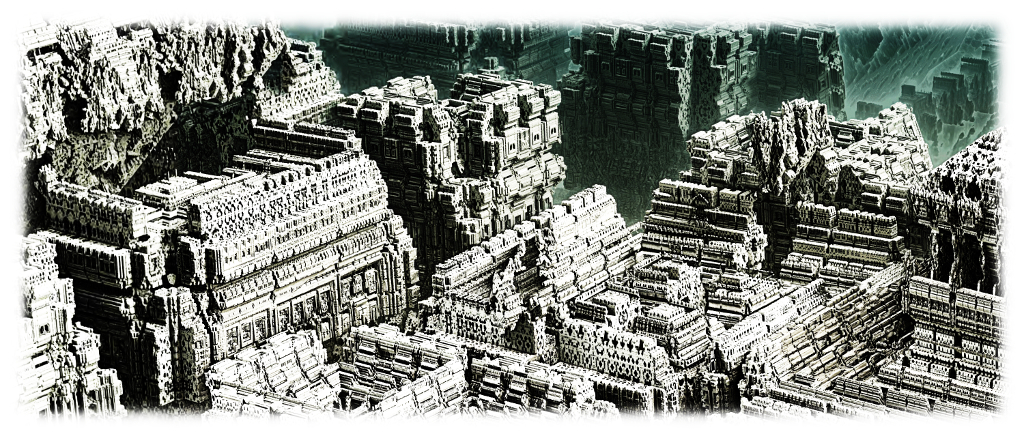
Heritage: Vestiges - Gem Preiz
Heritage: Vestiges – Gem Preiz

This is a huge installation, eighteen rooms in total, through which the visitor travels as if on a quest. Those who are familiar with Gem’s fractal art will know he can produce huge and beautifully complex pieces, rich in detail and grandeur, and the rooms the visitor travels through are intended to enhance the feeling of being immersed within the scenes they present.

The arrival point offers notes  on the installation, presenting a wealth of background material as well as providing guidelines on how to both best experience your time spent exploring them, and how best to set your viewer.

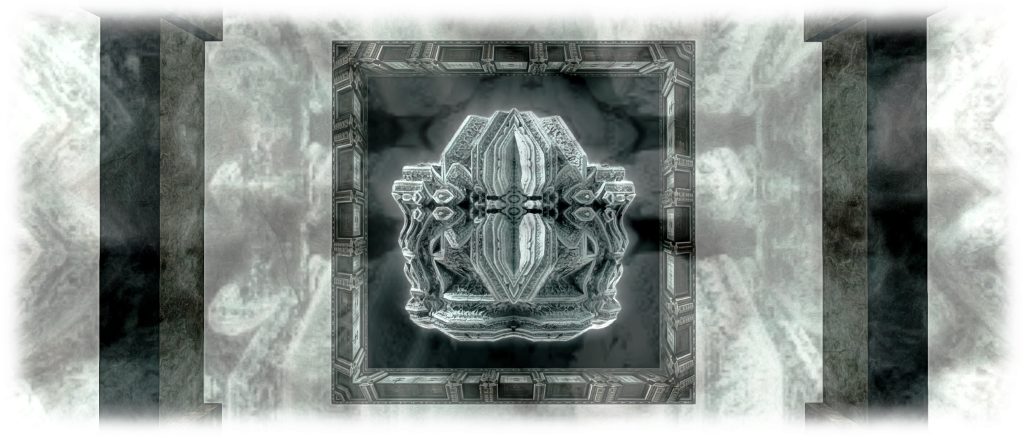
Heritage: Vestiges - Gem Preiz
Heritage: Vestiges – Gem Preiz

A teleport system (which will only be available to the public once the installation has opened to the public on January 7th) then carries visitors to the first room, and the start of their journey. Do make sure you enable the music stream here to enjoy the compilation of music Gem has created specifically for the installation.

From here you journey comprises alternating between witnessing the exteriors of vast citadels and then visiting “hidden” chambers within them, each with its own treasure to be found. The way forward is variously indicated by rocks on the ground marking a path, or pillars between which a footpath is set, or arches under which you must travel. Guidance is given in chat, and invisiprims help to ensure yo stay on the right track, gently nudging you in the right direction and lifting you to the phantom passages between rooms (use CTRL-ALT-T to see them if you find this easier).

Heritage: Vestiges - Gem Preiz
Heritage: Vestiges – Gem Preiz

Some of the citadels have a certain familiarity about them; there is s distinctly Egyptian feel to the second, for example, while another suggested to me an echo of the ancient orient. Whether these citadels represent our own distant past or that of another civilisation entirely is for you to decide. For while all we see is somewhat familiar, so to is it so very alien; And thus the installation – and the images within – toy gently with our sense of perspective, causing us to stop, examine, and ponder.

The intricacy of Gem’s fractal art is always a marvel to behold, and this installation is a veritable tour de force of his work, where the extent to which he has used fractals may not always be immediately apparent, and so considered study of both citadels and chamber images is required. The former are of such a huge scale that only careful camming can really bring out their beauty, allowing our impressions about what they are and represent to flow freely as we move across them. Similarly, it is only through considered study of the images within the chamber we can fully appreciate the extent to which Gem has used fractals in their construction.

Heritage: Vestiges - Gem Preiz
Heritage: Vestiges – Gem Preiz

If I’m totally honest, such is the scale and presentation of some elements, that it can, on repeated visits diminish their overall impact. But these instances are in the minority, and more than compensated for by the knowledge of what is to come. One thing I would recommend is that if you plan to make one more repeat visits (I found myself drawn back a number of times to specific rooms and scenes), they try to do so in the company of a friend who hasn’t previously visited Heritage; sharing in their reaction experience of seeing these cityscapes and images for the first time can be as involving as any first solo visit.

As noted earlier, Heritage opens to the public on Thursday, January 7th.

SLurl Details


Oculus Rift now available for pre-order

The Oculus CR-1 - now available to pre-order
The Oculus CR-1 – now available to pre-order (image: Oculus VR)

Following a pre-announcement on Tuesday, January 5th, Oculus VR have confirmed that the Oculus Rift headset is now available for pre-order (for Windows users) for shipment to the following countries: Australia, Belgium, Canada, Denmark, Finland, France, Germany, Japan, Iceland, Ireland, Italy, Netherlands, New Zealand, Norway, Poland, Spain, Sweden, Taiwan, United Kingdom, United States.

The price for the headset and accessories is a nominal US $599 (€699 in Europe and £499 in the UK), although as the announcement notes, this is exclusive of tax and shipping costs, and the price may vary for non-USD purchases.

Oculus VR indicate that pre-ordered set will start shipping on March 28th, 2016, and limited stocks will be available to retailers later in April 2016. However, Engadget report even the March 28th ship date may have slipped due to the initial volume of orders already received by Oculus VR, and that some outside of the US may have had problems in placing orders.

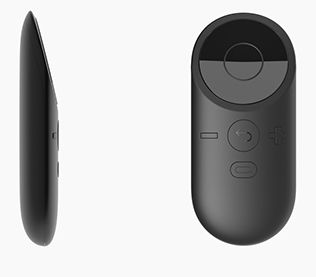
The Oculus Remote is "esigned to make it simple and intuitive to navigate VR experiences"
The Oculus Remote is “designed to make it simple and intuitive to navigate VR experiences” (image: Oculus VR)

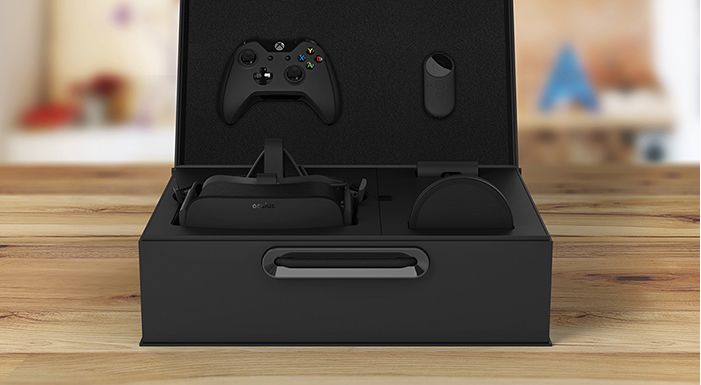
The complete package comprises the Rift headset with built-in headphones and microphone, sensor, and an Xbox One controller and the Oculus Remote.

Those pre-ordering also secure the opportunity to pre-order the Oculus Touch hand controllers when they become available later in 2016 (the  release of the latter was pushed back to the second half of 2016 to allow further time for development  / testing).

Also included in the package is a copy of Playful’s Lucky’s Tale, a platform game which has enjoyed much exposure and positive response as a part of Oculus Rift demonstrations, and also EVE: Valkyrie.

Those pre-ordering are reminded that a fairly hefty PC is required to obtain a suitable Rift experience, with the specifications listed as : NVIDIA GTX 970 / AMD R9 290 equivalent or greater GPU;, an Intel i5-4590 equivalent CPU or greater; at least 8Gb of RAM; compatible HDMI 1.3 video output; 3 free USB 3 ports (and 1 USB 2 port) and Windows 7 + SP1 or greater.  Oculus also report that PCs supplied by manufacturers meeting this specification will start to ship with an “Oculus Ready” logo, and the company will be making suitable PCs with headset available for pre-order in February (presumably in the US only) at a starting price of US $1499.

A compatibility tool is available for download to help determine if your PC is “Oculus ready” and those wishing to pre-order can do so through the Oculus Shop.

The compatibility test will tell you if your PC is ready for the the best Oculus Rift experience
The compatibility tool will tell you if your PC is ready for the best Oculus Rift experience

There has already been some excitement following the announcement by those SL users who are interested in the Lab’s upcoming virtual worlds platform, “Project Sansar”, as this is being built very much with the Rift in mind (although use of a Rift headset with “Sansar” is not a requirement).

While the experience is acknowledged to be somewhat less-than-optimal, it’ll be interesting to see of the Oculus VR announcement spurs the Lab on update the Second Life Oculus Rift project viewer for those wishing to try the headset in Second Life. There have been promises that such an update is coming down the pipe, but until now it has likely been sitting at the back of the queue while the Lab pushes out updates and capabilities liable to be more widely appreciated by SL users.

Oculus CR-1 with microphone, Oculus Remote and Xbox wireless controller
Oculus CR-1 with sensor, Oculus Remote and Xbox wireless controller (image: Oculus VR)

As noted above, Engadget report that the initial response to the pre-order announcement has been positive. There is undoubtedly a lot of interest in HMDs from gamers around the world, and most likely from the curious and those with specific uses for the headset. However, it’ll be interesting to see how things go over the coming year. Whichever way you look at it, the Oculus Rift CR-1 and its nearest rival, the HTC / Valve Vive represent fairly hefty investments, and many might prefer to wait and see how the market develops in terms of newer, more compact headsets, lower prices, etc., before committing.

I confess to being in the latter category. To me, the potential of VR still lies down the road, and I’m more than happy to see how the hardware side of things shapes up, and what really develops in support of it in terms of practical applications which might appeal to me (games most certainly ain’t it). I also have to admit augmented reality holds far more fascination for me in terms of it potential for “every day” use than do most things so far imagined with VR.