Logos representative only and should not be seen as an endorsement / preference / recommendation
Updates for the week ending Sunday, June 30th
This summary is generally published every Monday, and is a list of SL viewer / client releases (official and TPV) made during the previous week. When reading it, please note:
It is based on my Current Viewer Releases Page, a list of all Second Life viewers and clients that are in popular use (and of which I am aware), and which are recognised as adhering to the TPV Policy. This page includes comprehensive links to download pages, blog notes, release notes, etc., as well as links to any / all reviews of specific viewers / clients made within this blog.
By its nature, this summary presented here will always be in arrears, please refer to the Current Viewer Release Page for more up-to-date information.
Note that for purposes of length, TPV test viewers, preview / beta viewers / nightly builds are generally not recorded in these summaries.
Official LL Viewers
Current Release version 6.2.3.527758, formerly the Rainbow RC viewer dated June 5, promoted June 18 – NEW.
Release channel cohorts:
Umeshu RC viewer updated to version 6.2.4.528492 on Thursday, June 27th.
Love Me Render RC updated to version 6.2.4.528505 on Wednesday, June 26th.
Bakes on Mesh RC updated to version 6.3.0.528495 on Tuesday, June 25th.
Black Dragon updated to version 3.5.0 on June 25th and then to version 3.5.1 on June 29th (release notes).
V1-style
Cool VL viewer Stable branch updated 1.26.22.52 to version and the Experimental branch updated to version 1.26.23.5, both on June 29th (release notes).
Mobile / Other Clients
Lumiya is currently unavailable through Google Play – see my article and update here. However, it remains available to new users (or can be re-purchased if urgent) via SlideMe.
It was back to Kultivate’s in-world base of operations for me once more at the start of July 2019, following the opening of the newly-named Kultivate AIR Gallery (formerly part of the Windlight Gallery).
Standing for Artist In Residence, the gallery brings together Angyel Resident, Anouk Lefavre, CalystiaMoonshadow, DreamMakerXDreamBreaker Resident, GlitterPrincess Destiny, Jamee Sandalwood, JolieElle Parfort, Kody Meyers, Maaddi Benazzi, Marcel Mosswood, Myra Wildmist, Pam Astonia, Sevant Anatra and Wintergeist in a broad-ranging art display occupying one wing of the galley’s lower floor.
Mixing Second Life landscapes with physical world art, monochrome with colour, paintings with drawings, abstracted pieces with experimentalist – and with just a hint of avatar-focused studies in the form of Pam Astonia’s eye-catching Profile portraits, this is a richly engaging exhibition that demonstrates the full roundness of Second Life as a medium for displaying art.
As is always the case with ensemble exhibitions, limiting comments to just some of the artists can seem a little unfair; such is the depth and quality of art on show here, this is perhaps doubly so. However, I must admit that I did find myself particularly drawn to certain pieces.
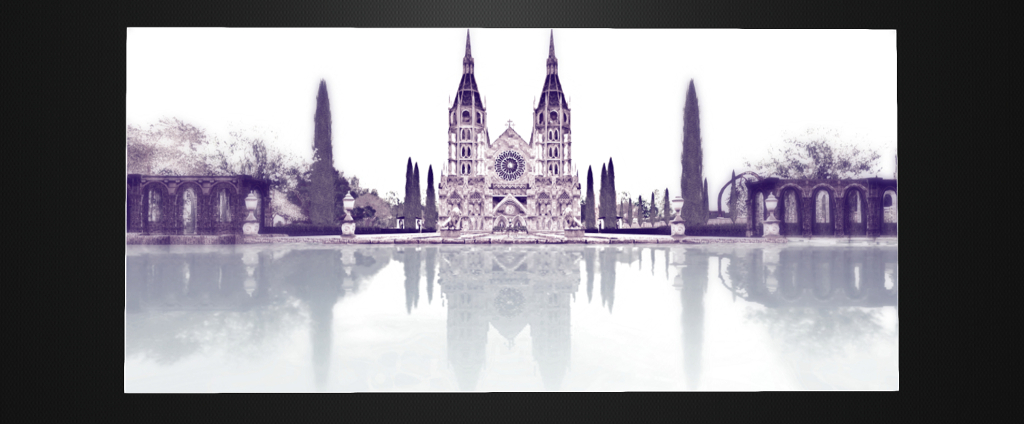
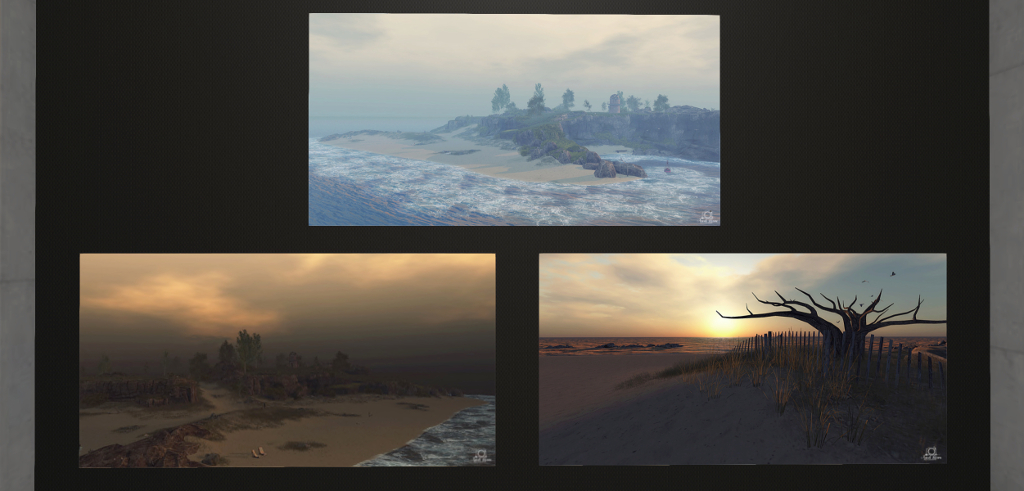
The five photographs of SL landscapes by Anouk Lefavre, for example, framing marvellous horizon images with an opulent use of light and shadow contrasts or natural blending of haze to produce vistas that pull at the motions. Then there is Venice – Italy and England – Time of Henri VIII and Anne Boleyn (seen in the banner image for this article) by Angyel Resident. The latter of these, I believe, captures part of Tahiti Rae’s 2015 LEA installation, Love, Henry (read here for more), but both offer such a marvellous contrast of style and colour, they cannot fail to draw the eye and mind into them.
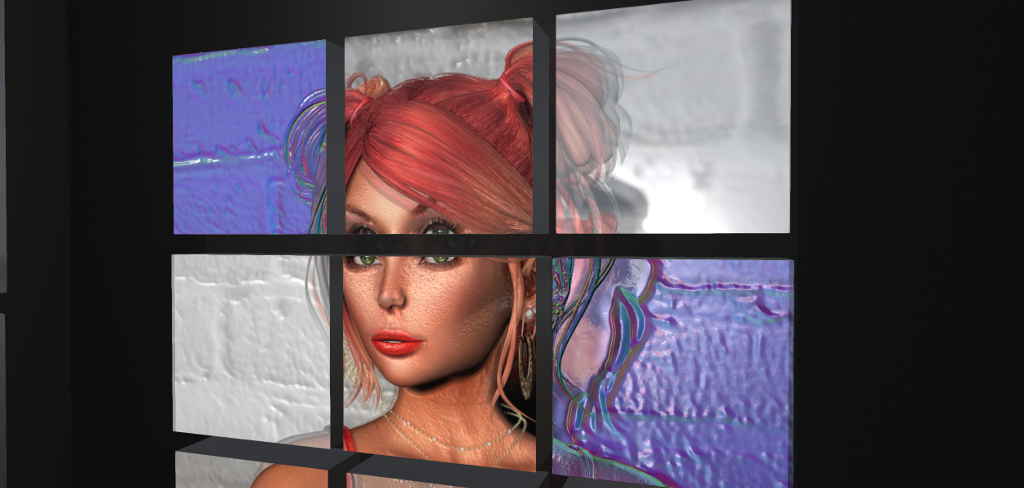
Myra Wildmist, meanwhile offers an experimental piece entitled Material Girl. You’ll need to have your viewer’s Advanced Lighting Model (ALM) enabled via Preferences > Graphics to see this piece correctly, as the nine tiles use various normal (bump) and specular (shine) maps to produce different finishes to the piece.
As a part-time builder / kitbasher, I’ve long enjoyed using materials in various builds, and normal maps in particular – if used correctly – can add depth to SL photos where post-processing has been used to make it appear as if they have been painted, sometime which is demonstrated (if on a slightly exaggerated scale, given it is designed to bring the materials to the fore) within Myra’s piece.
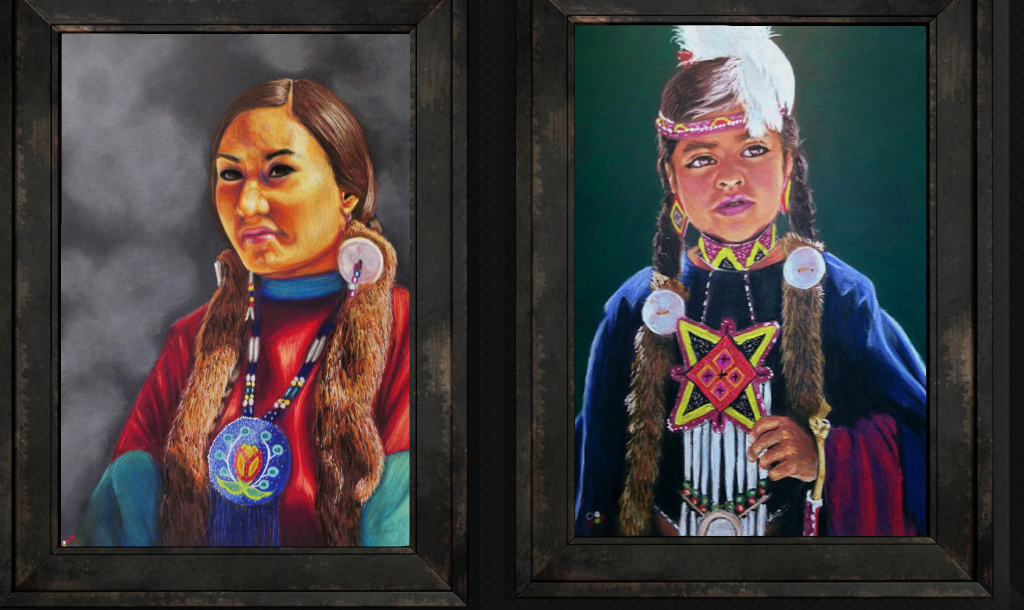
Then there are Sevant Anatra’s paintings of Native Americans. From portraits to capturing a part of the Anishinaabe creation story, these are marvellous, evocative studies with (again) a sense of depth and life that holds one’s attention and allows the imagination to unfold stories.
And that’s just my pick of four artists from what is a superb selection of art, so do take the time to hop over to the Kultivate AIR Gallery and take a look for yourselves.
Recently, during a Meet the Lindens session held at SL16B and at a Third Party Viewer Developer meeting, Oz Linden, the Senior Director, Second Life Engineering, provided further information on the status of the app, and what the initial release of the application will include.
While there is a degree of overlaps between what was said at the two events, there were also some differences in the information provided, with the TPV Developer meeting in particular being used to give further information on the app.
This being the case, I thought I’d offer a mini-update on the status of the app’s development, combining the comments made from both meetings into a single bullet-point list, with the relevant audio extracts from both meetings also provided for reference.
Note that throughout, Oz is only talking about the initial releases of the app, and so these notes and the audio comments should not be taken to mean the app will be “feature complete” when it appears, but that it will be enhanced over time, hopefully developing features that will make it more client-like (e.g. Radegast, MetaChat, lumiya, etc.) in general capabilities.
Summary of the comments made:
The app should initially be regarded as more of a communicator / companion app than a fully-rounded client:
It will provide a log-in option, and chat options (IM, group chat). Local chat will not initially be supported.
It will not present you with an in-world location, nor will your avatar rez in-world.
Seen as being useful for merchants / business owners to maintain contact with customers when away from their viewer.
Over time it will be enhanced – but additional capabilities are still TBD.
In theory, the app should work with both iPhones and iPads, although there may be some configuration differences.
The Lab have started the work of getting the initial test versions through Apple’s acceptance process.
It is not clear how long this will take, as it is the first time the Lab have followed this route themselves. However, it is hoped the first test version should be available in the “not too terribly distant” future.
When the app does appear, those wishing to test it will need to have TestFlight installed on their iPhone (or iPad), as the app will be made available though Apple’s beta testing environment for apps.
The major reason for selecting iOS for building an app of this kind is that at the time the decision was made, Android was well represented by Lumiya.
Some of the back-end infrastructure the Lab is building is support of the app might be applicable for use with a web application at some point. However, doing so is not in the current plans.
North Brother Island, June 2019 – click and image for full size
Update: in keeping with Serene and Jade’s approach to offering their region builds for approximately a month before moving to a new location and project, North Brother Island has closed, and SLurls therefore removed from this article.
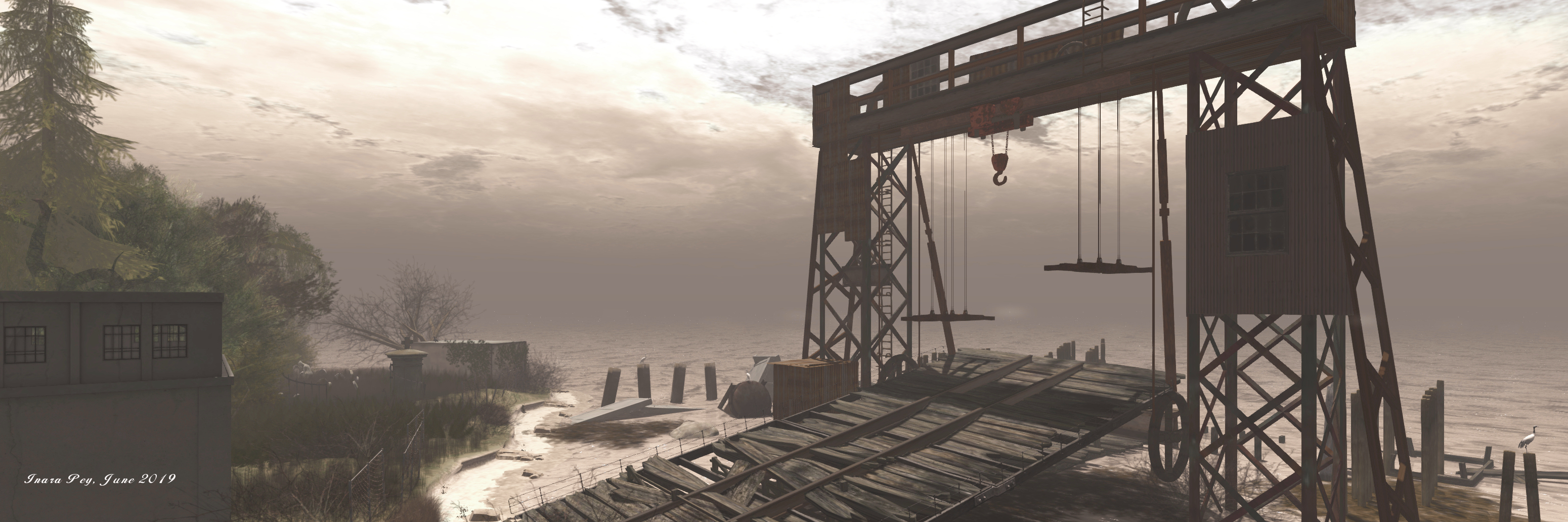
For their July 2019 region design, Serene Footman and Jade Koltai bring us their vision for what photographer Christopher Payne called The Last Unknown Place in New York City – North Brother Island; and like all of their builds, it is a true wonder to behold and explore.
North Brother Island is one of two small islands located on New York’s East River, its slightly smaller companion now being known as South Brother Island. Both were claimed in 1614 by the Dutch West India Company and originally called De Gesellen (“the companions”), which eventually became transposed to “the Brothers”. Both island have a fascinating history, with that of North Brother perhaps being the more complex – and the more tragic.
North Brother Island, June 2019
In 1904, it was the final resting place of the General Slocum, a massive side-wheel paddle steamer built in the 1890s, she caught fire whilst carrying 1,342 passengers and through a combination of neglect by the owners, foolhardiness by the Captain (he failed to use opportunities to either make a safe landing or run the ship aground before the fire overwhelmed the vessel), 1,021 of those souls perished either aboard the ship or as a result of drowning in the East River – many of their bodies washing up on North Brother Island in addition to as the vessel running aground there.
In addition, Serene goes on to note the island was the home to:
Riverside Hospital, which moved here from Roosevelt Island in 1885 … Following World War II North Brother Island was inhabited by war veterans during the nationwide housing shortage, before being abandoned again in the early 1950s. It was then was used as the site of a treatment centre for adolescent drug addicts, but the centre closed amidst controversy – it was said that heroin addicts were held against their will and locked in rooms until ‘clean’ – in the 1960s.
Riverside Hospital, originally founded in the 1850s, was designed to isolate and treat victims of smallpox, with its mission expanding to cover other diseases requiring quarantine. In this role – as Serene also notes – it took in those stricken with typhoid, including “Typhoid Mary”, Mary Mallon. An Irish-American cook, she was the first person in the United States identified as an asymptomatic carrier of the pathogen associated with typhoid fever. It is believed she infected between 47 and 51 people during her career as a cook, and was twice forcibly isolated by public health authorities, the second time finally passing away in Riverside Hospital in 1938, after a total of nearly three decades in isolation.
In 1943, a large tuberculosis pavilion was constructed on the island but was never used for that purpose, already being obsolete by the time it opened. Instead, it was used as a dormitory by a number of New York City’s colleges, students transported to and from the island via the East 134th Street Ferry Terminal.
North Brother Island, June 2019
In the late 1950s / early 1960s, the same ferries were used to transport adolescents to the island to be “treated” for drug abuse. The idea had been to provide care for up to 100 males and 50 females away from jails where drugs could still be obtained, with stays at the pavilion being for up to six months. But the hospital gained a reputation for keeping adolescent addicts against their will – it merely required their parents to place them there, with or without the agreement of the courts. Once there, the young people were frequently locked away and left to go cold turkey as a means to break their addiction.
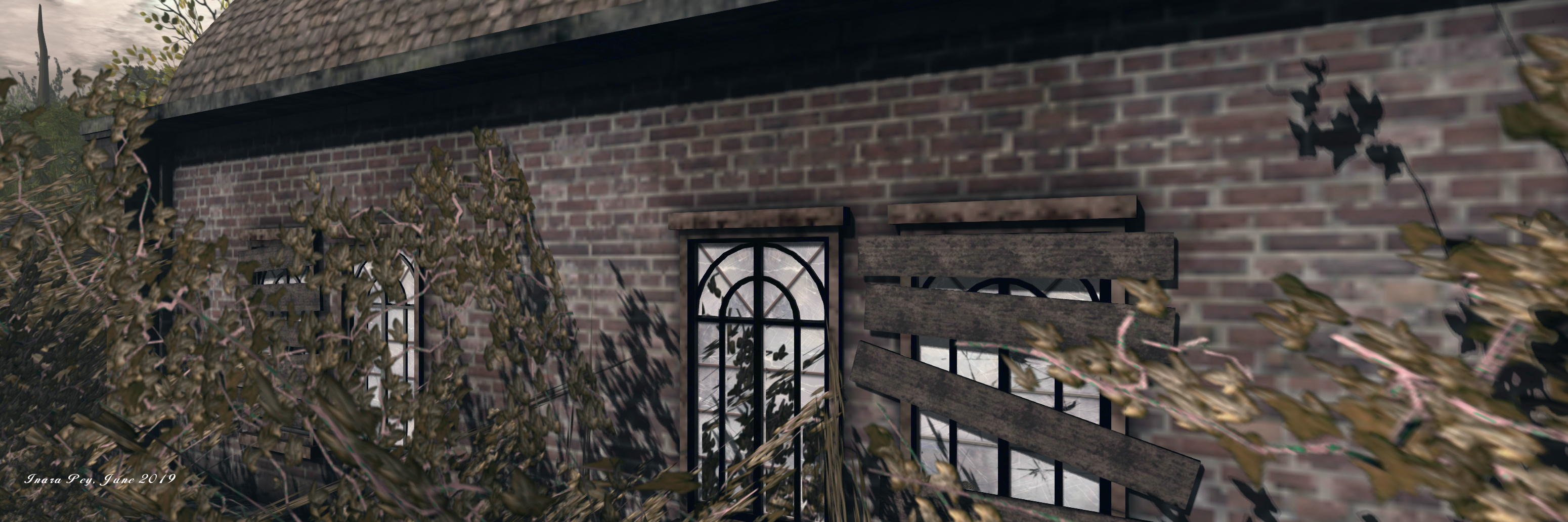
The hospital finally closed in the 1960s, and North Brother Island abandoned, its many building and facilities – including the ferry wharves and giant gantry crane, many of the hospital buildings and facilities, left to rot. However, many of them have now been captured in this interpretation of the island by Serene and Jade.
For our reconstruction of North Brother Island, we have relied on maps which contain details of where specific buildings – the hospital itself, staff quarters, the physician’s house, the morgue, tennis courts, and so on – were located. (For reference, we have labelled and dated the island’s buildings in-world.)
In addition they have called upon the resources of Christopher Payne’s catalogue of photos of the island: North Brother IslandThe Last Unknown Place in New York City. The result of five years of being allowed to visit the island – today both North and South Brother islands are designated wildlife sanctuaries, and so protected (North Island is additionally regarded as being too dangerous for the public given the state of its buildings) – Payne carefully constructed a visual history of the island. This, together with their own extensive research, have allowed Jade and Serene have produced a region that powerfully captures North Island as it stands today, its past history, and the pathos and pain of that history.
The latter is particularly well captured in the small details to be found throughout the region. Take, for example, the bed frame converted to a seat and that sits on a little dock. A suitcase sits behind it, while a short distance away, a little motor boat sits on the water; the entire scene brings to mind the longing of the young people held on the island to return home.
North Brother Island, June 2019
To say North Brother Island is visually stunning is to do it a disservice. As with all of Serene and Jade’s builds, it must be seen to be appreciated and understood – and there are plenty of places within it that allow visitors to contemplate on the history of the island – or whatever else might be on their minds.
It’s time to highlight another week of storytelling in Voice by the staff and volunteers at the Seanchai Library. As always, all times SLT, and events are held at the Library’s home at Holly Kai Park, unless otherwise indicated.
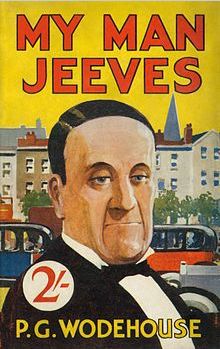
Sunday, June 30th 13:00: Tea Time with Jeeves
A new series just for summer, featuring Reginald Jeeves, a well-educated, intelligent valets of indeterminate age who is employed by the amiable young man-about-town, Bertie Wooster, whom Jeeves routinely has to benignly rescue from the consequences of his idiocy.
Created by author, humorist, and lyricist (working with Guy Bolton and Jerome Kern) Pelham Grenville Wodehouse (October 1881 – February 1975), Jeeves and Wooster are perhaps his most iconic characters, although they didn’t arrive until he was into his “second” period as a writer, which commenced in 1915 (the first having ended in 1908). They appeared as Wodehouse turned his hand to a more farcical style of writing through what would become his other popular series of stories that documented the goings-on at the fiction English stately home of Blandings Castle.
Jeeves and Wooster had their first outing in the short story Extricating Young Gussie, published by the Saturday Evening Post in September 1915. However, it was arguably not until Leave It to Jeeves, published in 1916, that the pair were recognisably “themselves”.
Both the Blanding Castle and the Jeeves series came at a time when Wodehouse also enjoy Broadway success through his partnership with Bolton and Kern (1915-1919). However with the popularity of his stories increasing in both the US and back in the UK, Wodehouse started to focus more on his stories and novels. This allowed the Jeeves series to eventually grow to 35 short stories and 11 novels, the majority of which are first-person narrated from the perspective of Bertie Wooster.
As the popularity of the series grew, so too did it start to be translated to film, radio and, later, to television. In the latter regard, the comedy team of Hugh Laurie (Wooster) and Stephen Fry (Jeeves) in Jeeves and Wooster, is perhaps the quintessential representation of the pair. Airing from 1990 through 1993 in the UK, the series set all the stories in a period spanning the 1920-1930s, with each 50-minute episode taking its title from a Jeeves story, but often combining two or more of the tales into its plot. It is not unfair to say the series introduced Wodehouse, Jeeves and Wooster to a new generation of fans.
For their outing in Jeeves’ world, Seanchai Library delve into My Man Jeeves. Published in 1919, it draws together four early outings for the series, all originally published in the Saturday Evening Post:
Leave It to Jeeves, first published in February 1916.
The Aunt and the Sluggard, first published in April 1916.
Jeeves and the Unbidden Guest, first published in December 1916.
Jeeves and the Hard-boiled Egg, first published in March 1917.
Join Da5id Abbot, Kayden Oconnell, and Caledonia Skytower as the read this delightful series at Ceiliuradh Glen.
Frost is seen in summer and ice patches form in spite of the hot Australian sun. To the Happy Folk, living on the continent’s green edges live the Happy Folk. For the Inlanders (Wrightson’s fantasy view of the Australian Aboriginals), however, the frost was once seen as a warning that an ancient foe, the ice-bearded Ninya, were on the rise – and so it might be that they are again.
The first to recognise the rise of the old threat is young Wirrun of the People. He leaves his job and sets out to meet the Ninya, taking with him as a sidekick, the petulant Mimi, and for protection, the Power bestowed by the first of the creatures in their path.
To assist in his quest, Wirrun sends for the men from Mount Conner to sing the Ninya down and keep them in their caves. But he must also beat the Ninya to the Eldest Nargun, source of fire, and use it to hold the Ninya until the men from Mount Conner arrive. And so his adventure begins.
Tuesday, July 2nd 19:00: The Penderwicks in Spring
Springtime is finally arriving on Gardam Street, and there are surprises in store for each member of the family. Some surprises are just wonderful, like neighbour Nick Geiger coming home from war. And some are ridiculous, like Batty’s new dog-walking business. Batty is saving up her dog-walking money for an extra-special surprise for her family, which she plans to present on her upcoming birthday. But when some unwelcome surprises make themselves known, the best-laid plans fall apart.
Filled with all the heart, hilarity, and charm that has come to define this beloved clan, The Penderwicks in Spring is about fun and family and friends (and dogs), and what happens when you bring what’s hidden into the bright light of the spring sun.
On Friday, June 28th, 2019 at the SL16B celebrations, the last of five Meet the Lindens sessions took place at the SL16B Auditorium. This was a special session, featuring as it did members of the Linden Department of Public Works – aka, the Moles.
A veritable host of Moles surfaced for the session, along with Patch Linden, comprising Abnor Mole, Naughty Mole, Squeaky Mole, Missy Mole and Alotta Mole, all of who can be heard in the video. They were joined by Glowing Mole, Quartz Mole, Spiffy Mole, Lost Mole, Squishy Mole, Glamorous Mole, Ancient Mole, Garden Mole, Paranor Mole, Shimmy Mole and Magic Mole.
Meet the Moles: front row (l-to-r): Abnor Mole, Naughty Mole, Saffia Widdershins, Patch Linden, Squeaky Mole, Missy Mole and Alotta Mole, all of who can be heard in the video. Behind them (l-to-r) are: Glowing Mole, Quartz Mole, Spiffy Mole, Lost Mole, Squishy Mole, Glamorous Mole, Ancient Mole, Garden Mole, Paranor Mole, Shimmy Mole and Magic Mole. Screen capture via SL4Live – TV
The nature of the event, with so many people available to answer questions makes producing a summary a little difficult; instead, I offer an outline of what the Moles are, and the feedback of the key speakers on how they became Moles, and notes based both on comments during the session and the LDPW wiki page on how to become a Mole. For the rest, I recommend watching the video in full!
Who or What the Moles?
As surprising as it may seem, lot of SL users are not aware of what or who the Moles are.
Officially called the Linden Department of Public Works (LDPW) the Moles are SL residents from all over the world who have either applied to the Lab, or have been asked by the Lab, to work as paid freelance contractors. The LDPW is specifically geared towards enhancing the Mainland, as noted in the official wiki page, but they actually do a lot more than this.
The Linden Department of Public Works (LDPW) is a programme focused on improvements related to the experience of living on, or visiting the Linden Mainland. The LDPW will organize teams of Resident builders, artists, and scripters (the Moles!) to create new content on Linden Lab’s behalf and to the benefit of all.
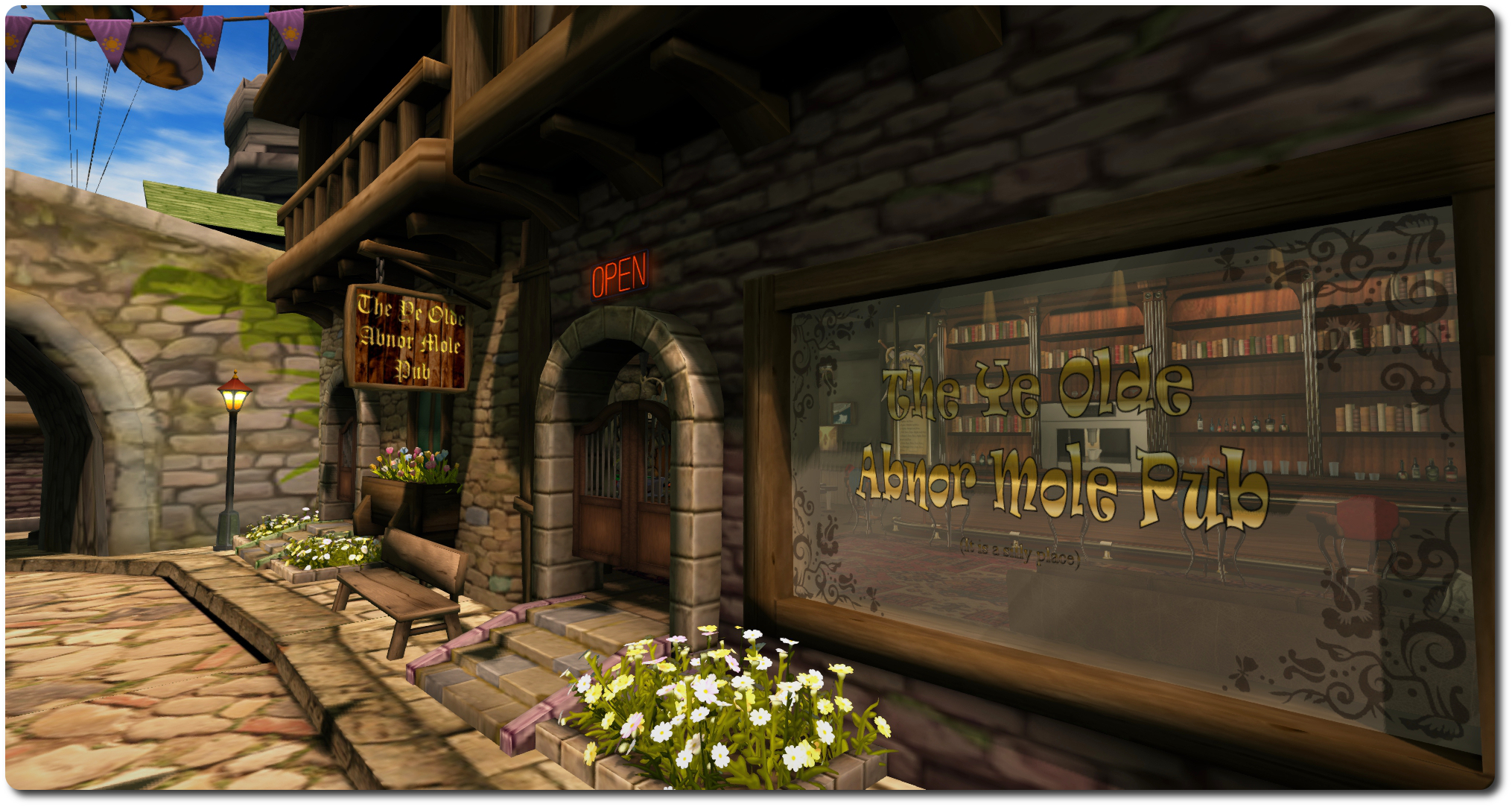
Today, the nominal “home” of the Moles is Meauxle Bureaux, where you can – among other spaces – visit Ye Olde Abner Mole Pub
The LDPW initially formed in 2008, and so is now in its eleventh year, and many of those involved in the programme today were recruited back then. The team is managed be Derrick Linden, the Product Operations Manager for Second Life, who reports into Patch Linden, and the team includes a number of Linden staff as well, including Guy Linden, Madori Linden, Kona Linden and Izzy Linden.
Within the Mainland, the Moles are probably best known for their infrastructure work – the roads, the railway lines, general continent layout, and all the many elements thereto. There have also been responsible for the development on Mainland projects such as the infrastructure within Nautilus City and, perhaps more particularly, the development of Bay City – which in their honour hosts an annual Mole Day festival.
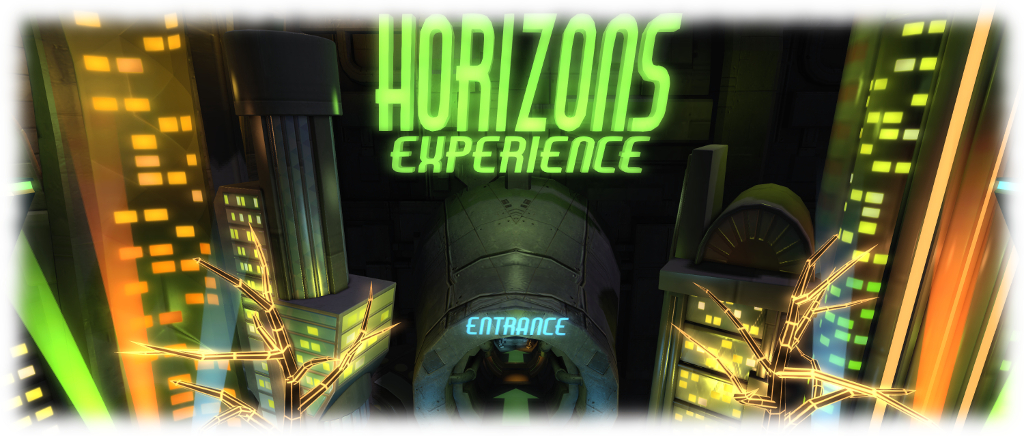
The Horizons Experience (November 2016) built and scripted by the Moles
Most recently, the Moles have been responsible for – and perhaps most visible with – the new Linden Homes continent, Bellisseria. They also produce the infrastructure for Lab-led events, including SL16B, the Lab-run shopping events, the town hall meeting spaces. But they also do far more than this, and work in many different areas, for example – and as a short list:
They produce content such as the Premium gifts.
The build and script the Lab-provided games such as Linden Realms, Paleoquest, Horizons and the grid-wide Tyrah and the Curse of the Magical Glytches – all accessible via the Portal Parks.
Their work is often used as an example of what can be achieved in SL, particularly with regards new functions and capabilities.
They work with multiple teams at Linden Lab, such as Marketing and the engineering team (Moles participated in projects such as Bento, for example, producing test content used in the development of Bento capabilities and in testing the Bento skeleton).
Helping with QA activities.
As residents, how much time Moles spend on their resident / personal accounts understandably varies in accordance with the work they’re engaged in. Some of the longer-serving Moles perhaps tend to focus predominantly on their Moles accounts / personas, while those who have more recently joined the team might spend more time split between their personal accounts and Mole accounts.
As freelance contractors, Moles also get to pretty much choose their hours of work – providing tasks are completed on time. An advantage here is that as the Moles are based around the world, some projects can at times move forward on something of a round-the-clock basis.
Over the years, the Moles have to deal with a with a lot, starting with selecting their Mole name. For this, they have to put forward three preferences, and either are award the one that’s available, or get to pick from those that are available – although there can be opportunities for them to change their names. They also have to deal with the more unusual in Second Life, as Abnor Mole explained:
With the games, we’ve had a lot of people who try to find a lot of creative ways not to play the game as you’re supposed to … In the Paleoquest game [in which tasks must be completed against the clock] … at the end, where you’re supposed to take a giant swab and you have to go and find the dino DNA, and you do that with the giant cotton swab … we found that somebody was going around and they would always find the “good poop” to swab the very first time, and we were, “how are they doing this?” And we’re looking and we’re looking and we’re looking, and finally we realised there was a time stamp on the creation of the object that was a little bit different on the “good” ones … they had gone that deeply into it to tell that that was how to do it [find the right item and complete the task]!
– Abnor Mole on one of the weird things Moles sometimes have to deal with
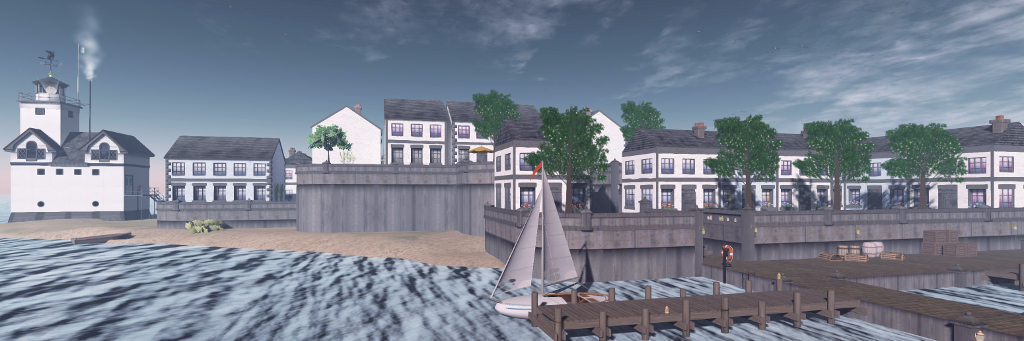
Cape Ekim is an oft-overlooked Mole surprise in Second Life – although as it is on an “old” Linden Homes mini-continent, it might eventually disappear as those mini-continents are retired
How Did You Become A Mole?
Abnor Mole: read about the formation of the LPDW in 2008, put in an application – back then this could be done via the Second Life website (and later the wiki), was interviewed by Michael Linden, who at that time managed the LPDW, and was accepted – so has been a Mole for 11 years. Among his many roles as a part of the team, he produces some of the videos associated with the like of the Paleoquest game.
Naughty Mole: was approached by Jack Linden (who used to manage the SL land team) as the LPDW was being formed with the aim of improving the Mainland, and he asked her if she’d like to join. One of the first projects she worked on was Barney’s Bay.
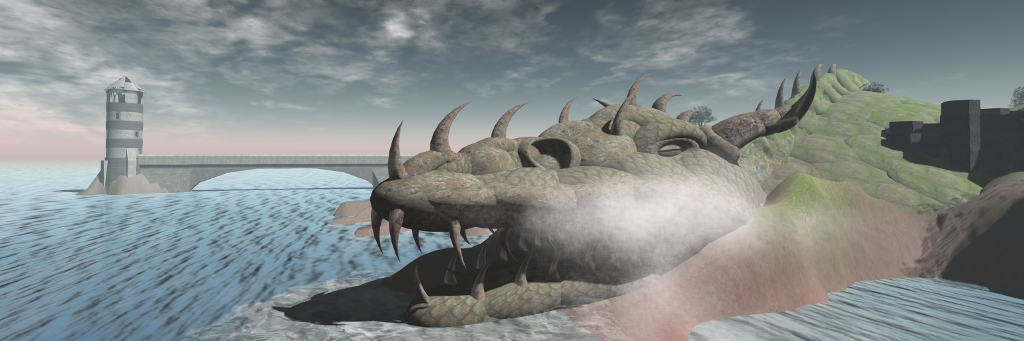
Barney’s Bay, one of the first LDPW projects, and which also includes one of the first examples of trying to add a little “history” to the world in SL, with a statue dedicated to Captain Bernard “The Navibator” McSchnott (you can read how he got his nickname by visiting the statue! Note that like many LDPW locations across SL, Barney’s Bay is a destination you can also visit when playing the grid-wide Tyrah and the Curse of the Magical Glytches (read here for more on this)
Squeaky Mole: is one of the “youngest” Moles, having joined the LDPW just over a year ago. He was “discovered” as a result of exhibiting at SLB, and the Lindens visited his region after which he received an invitation from Patch to become a Mole – and initially thought it was a joke!
Missy Mole: is also one of the “younger” moles, having joined the LDPW on June 28th, 2018. Also like Squeaky, she was approach by Patch to join the team, specifically in taking photos in support of Marketing work. She and Squeaky are two of the Moles who have done a lot of the work on SL16B.
Alotta Mole: like Missy, was approached by Patch as a result of his in-world photography, and joined the LDPW initially in support of Marketing work.
What Does It Take To Become A Mole?
Drop your resume (note card) on Derrick Linden or in-world or to Patch Linden. Include your areas of expertise and any links you have where the Lab can see examples of your work (in-world, Flickr, You Tube, etc).
Fully rounded content creators are encouraged to apply, but the Lab will also accept specialists.
Be outgoing, communicative, willing to work within a team.
Have a genuine passion for SL.
Remember, it is an actual paid job, and is treated as such. You will be interviewed, you’ll be expected to have a résumé (c.v.), and be able to demonstrate your SL-related work.
Everyone on the team has their specialities, what they’re strong with … we do have Moles who specifically do scripting; we have moles who specifically so mesh content work and texturing or just texturing; we have Moles who do texturing and photography; we have Moles who do sound work, animation work. So, if you can think of each thing, or each area you can do content creation work for Second Life and in Second Life – we pretty much have to cover every single one of those areas, and in some of those areas we need more than one person.
There’s folk that specialise in terraforming, folks that do region décor work [trees, road, etc] … people who have got an eye for putting that stuff together and out there, being good with Land Impact … maybe they don’t have a lot of capability in making that stuff, but the other people in the team that make that content do that for them, and then they’re the ones that carry through that next step.










 Inara Pey: Living in a Modemworld