2018 Sansar Product Meetings week #2

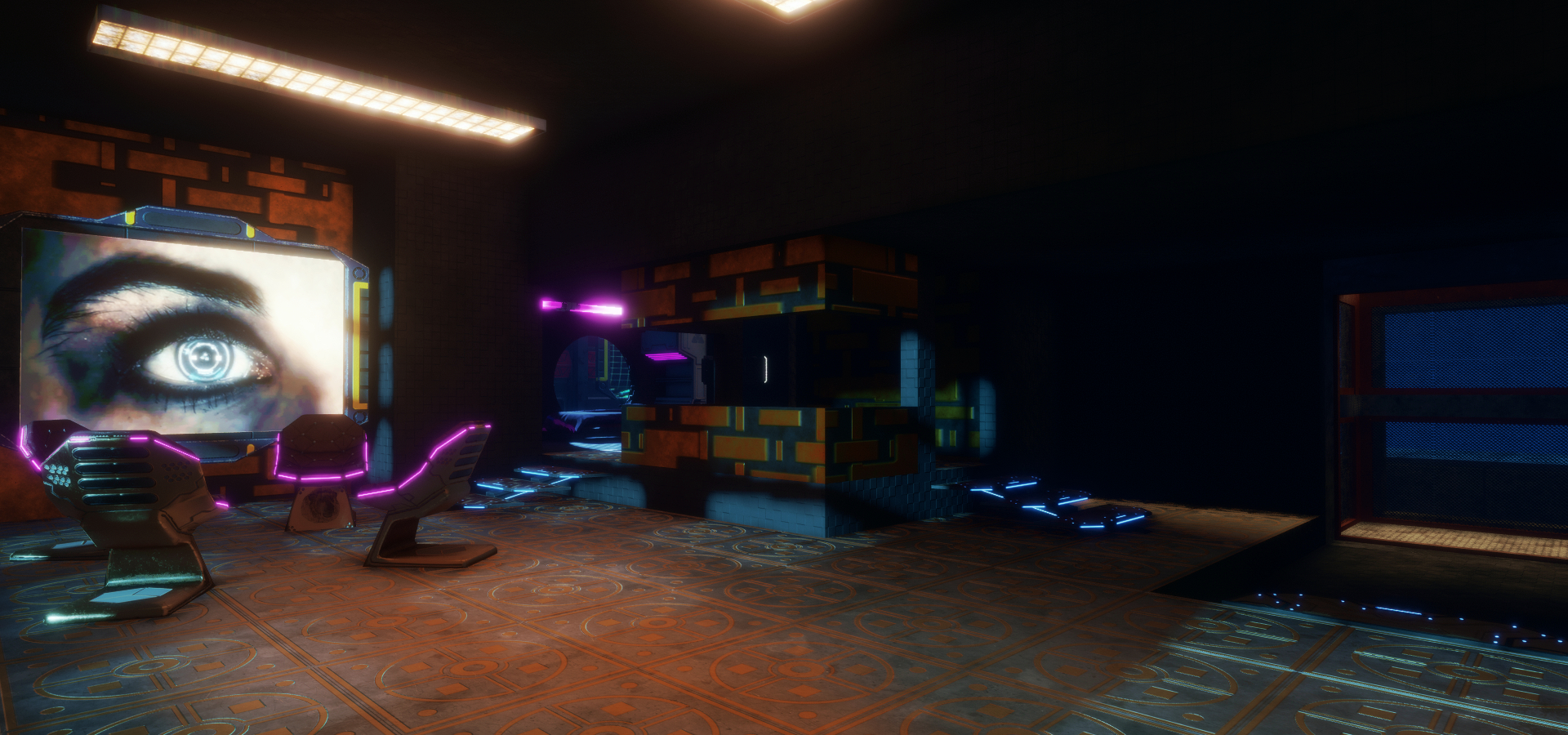
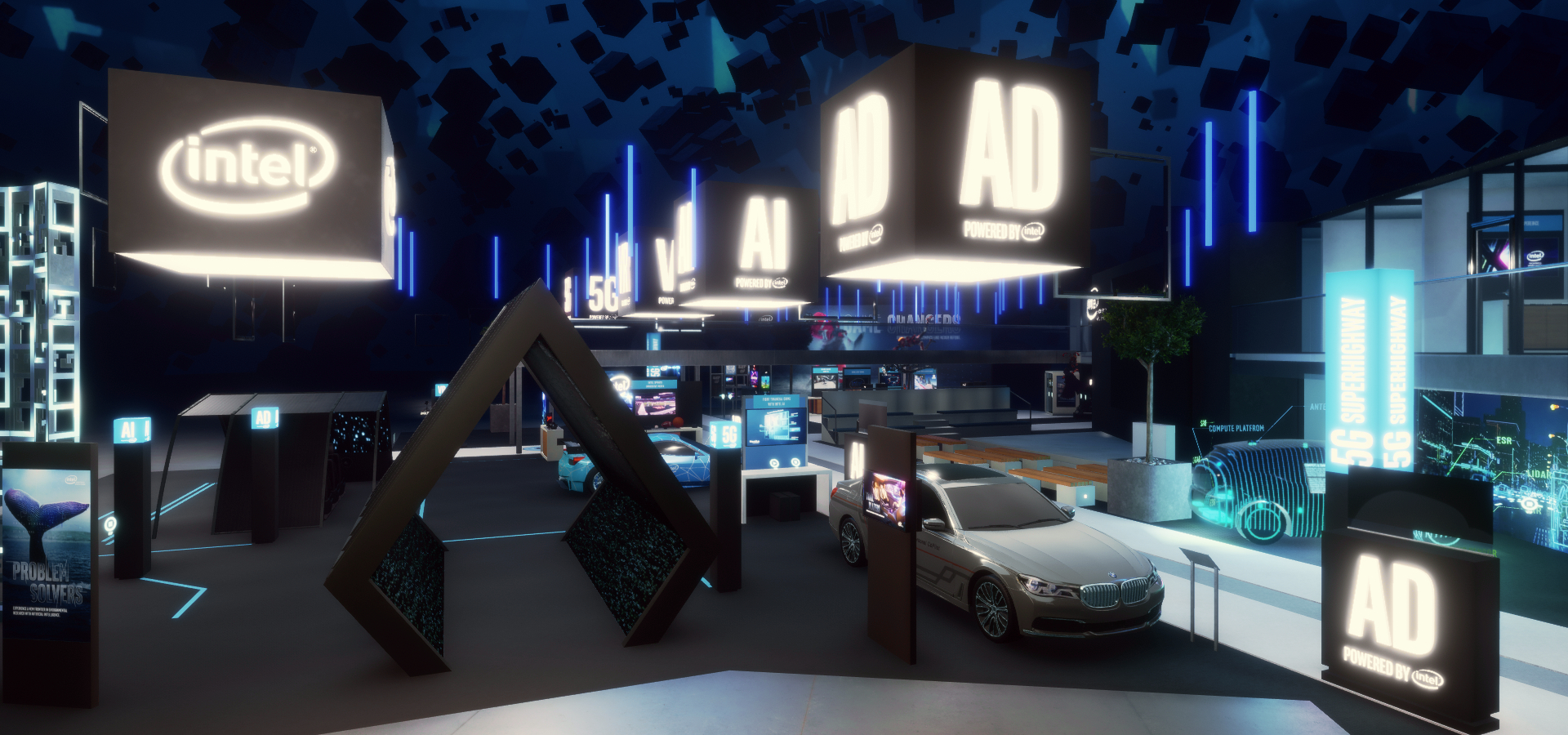
The Intel CES booth at the 2018 Consumer Electronics Show in Las Vegas, recreated in Sansar as a part of the show

The following notes are taken from the Sansar Product Meetings held on Friday, January 12th, 2018. These Product meetings are usually held every Friday at 9:30am PST and 4:00pm PST, and are open to all. There is currently no set agenda, and the meetings are a mix of voice and text. The official meeting notes are published in the week following each pair of meetings, while venues change each week, and are listed in the Meet-up Announcements. and the Sansar Atlas events section.

Joining both sessions alongside Jenn and Cara was Pierre (aka Paul), from the Business Operations team at the Lab, covering Sansar. His work involves the business side of Sansar (something not so in the public eye, but which particularly interests me), including corporate strategies and road maps, and among other things, he spoken about the Sansar presence at CES in partnership with Intel.

General Notes

Avatar Cap

There has been a 15 avatar limit imposed on Sansar experience during the past week. This has been to prevent individual instances of the experiences associated with the Consumer Electronics Show (CES – January 8th through 12th) becoming overloaded. As individual experiences cannot currently be capped for access, the 15 avatar limit was applied across all experiences. It should now have been lifted, or will be lifted soon.

Fashion and MD

The Lab will be starting a new series of meetings on Sansar fashion. It’s not clear what this will involve, but most likely will include information not only on what is upcoming on the fashion side, but also Marvelous Designer (MD). A request has also been put forwards for a new MD-specific channel on Discord. This is being considered, but for now, MD issues will be folded into the fashion channel.

Sansar Store 50 Item Limit for Free Accounts

In October, the Lab announced new Sansar Store policies, which at the time generated some negative feedback so that not all of them – e.g. the credit / debit card requirement – were implemented. At the Friday morning Product meeting, Jenn indicated that another restriction – limiting free Sansar account holders to only listing up to 50 items at a time – is also being lifted for the time being.

The Intel CES booth at the 2018 Consumer Electronics Show in Las Vegas, recreated in Sansar as a part of the show

Intel and CES

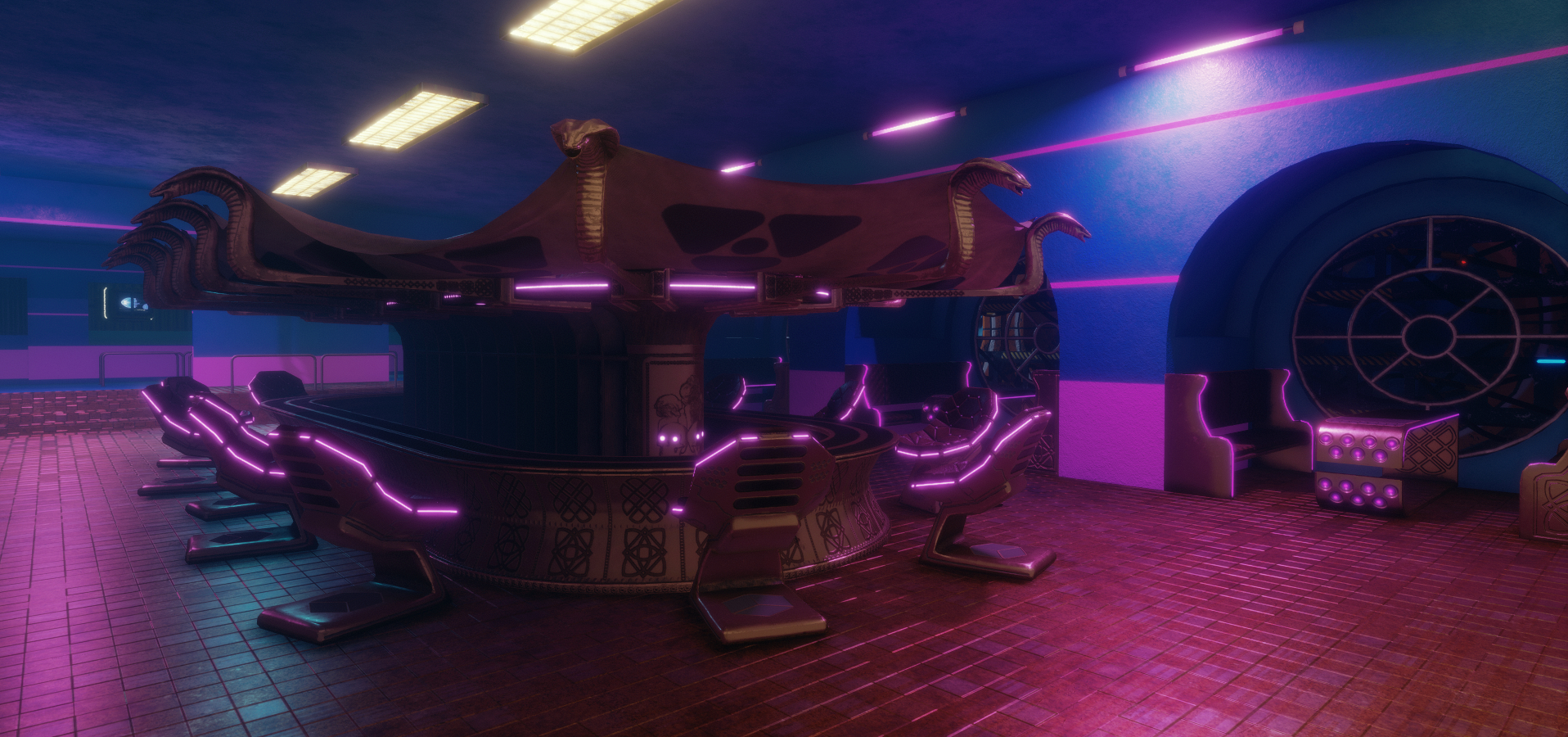
As noted above, Linden Lab and Sansar were represented at the 2018 Consumer Electronics Show, Las Vegas in partnership with Intel. Three experiences were made available as a part of this partnership: the Intel CES Booth (actually the entire Intel display floor), Step Inside Intel’s 8th Gen Core (a tour inside Intel’s latest CPU), and Aech’s Garage, an experience reproducing one of the film sets from the Warner Brothers Entertainment / Amblin Entertainment / Village Roadshow Pictures film Ready Player One, also presented in association with HTC – and which you can read more about here.

This partnership was so high-profile, it featured in the CES opening day keynote by Brian Krzanich, Intel’s CEO, and his specific remarks can be heard in this extract from his address.

While it may look a little cheesy to some, this kind of exposure is extremely beneficial for a platform like Sansar:

  • It offers huge exposure to an audience, even allowing for Sansar’s current stage of development.
  • Perhaps more importantly, it offers a practical demonstration of how an environment like Sansar can be used as a tool for business (e.g. running virtual booths where people can see / learn about products, innovations, etc., without necessarily being physically present), and for learning (e.g. take the Step Inside … experience, and learn how a CPU actually works…).

I should have more to say on this in a separate article.

2018 Plans

Pierre re-iterated that 2018 will see a shift in a lot  – but not all – of the Lab’s focus from content creation tool development towards encouraging general user engagement and retention. This was in part couched in terms of wanting to improve / smooth the user on-boarding process so that as and when experience creators start looking to bring their own audiences into their experiences, it will be a lot easier for them to do so. He also expanded on some points touched on by Ebbe Altberg in the January 5th meeting:

  • Concurrency indicators are to be added to the Atlas, providing a measure of people using experiences, and the Atlas can be sorted based on this.
  • Improved options for making friends.
  • A broadening of events support to allow experience creators and users to be able to host more of their own events and activities and promote them more easily through a range of channels – the Atlas, the web, social media, etc.
  • Performance is to be looked at to ensure the experience people have in Sansar is optimal, whether in terms of the number of people concurrently in an experience (e.g. 50-100 having a smooth experience in Sansar towards the end of the year), the load time of experiences, being able to appropriately hear people across and experience, etc.

Experience Numbers

In line with the above, the Lab is looking at  – and seeking feedback on – “ideal” limits for numbers within an experience. For example: is it better to have a band performing to one mass audience of 200-300 avatars (or more) in a single experience, or to have them play before a mass audience that is split between a number of experience instances “looking in” on the band? The later could help counter performance degradation with large numbers in a single space, prevent interruptions, etc., affecting the entire audience but – if the audience is so sharded to groups of 100-ish, each unable to see the other audience groups, it could detract from the overall immersion offered by the event.

There are also other issues to be addressed as well: audio (voice) roll-off seems to be problematic in Sansar experiences. Sometimes it is possible to have 3 or more little groups conversing around an experience without all the audio running together; at other times, even with groups spread around an experience, all the conversations seem to over-run one another, leading to an ugly mess of voices.

Continue reading “2018 Sansar Product Meetings week #2”

Flying the CLSA Fairey Gannet in Second Life

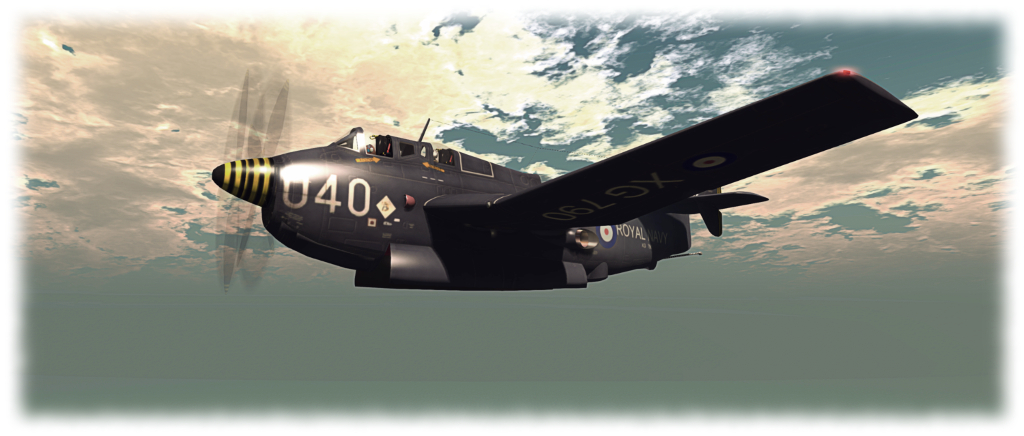
The CLSA Fairey Gannet over Blake Sea Half Hitch

I’m not that into military aviation outside of airshows, and in SL, all my flying is restricted to civilian light aircraft with the exception of a Supermarine Spitfire, which was a thank you gift from its creator, Eric Gregan, and a civilian version of the PBY6A Catalina. So I’m a little surprised to be writing about a veteran military ‘plane, the Fairey Gannet.

I confess to having known next to nothing about the Gannet prior to obtaining this particular model – but wikipedia was once again my friend, helping me fill-in the blanks about this post-World War Two Royal Navy aircraft. I came across the model in question after learning through Whirly Fizzle that CLS Aviation, owned by CaithLynnSayes were being sold at L$10 per aircraft on an unsupported basis. At the time, I picked up a couple (see here for more). A subsequent chat about the CLSA range with friend Jodi Serenity led me to an impulse buy of CLSA’s Fairey Gannet – it’s not as if L$10 is going to break anyone’s bank!

The CLSA Fairey Gannet on rezzing

The first thing that struck me is that it is a comparatively big aeroplane (by the standards of the aircraft I generally fly, at least!). It is also something a very faithful reproduction by Helijah Bailey (sold under a licence agreement by CLSA) with a lot packed into it – more, it would seem, then the instruction manual explains. The complete package comprises the aircraft, a minimal but acceptable flight HUD for those who like them, a pilot’s headset and two manuals. By default, the aircraft rezzes with wings folded – these can be deployed when sat in the pilot’s cockpit by typing w(ing) or wings in chat. They unfold quite satisfactorily, and the twin turboprop engines can be started at the same time via the Engine button on the HUD if you use it, or by typing s(tart) or engine in chat – note chat commands are not case-sensitive.

Starting the engines will also do a couple of other things – activate the Gannet’s strobe and nav lights, and cause the other two crew members pop-up in their respective cockpits (the plane is a single avatar seater).  With the exhausts under the rearmost cockpit spewing fumes and heat, the ‘plane is ready to fly. This is achieved by releasing the parking brake (p) and then using the conventional controls: PAGE UP / PAGE DOWN for the throttle (5% increments or nX – where X is a number between 1 and 100, for quickly setting), UP / DOWN for nose pitch, LEFT / RIGHT for banking.

The CLSA Fairey Gannet: the two observers appear when the engines are started

In flight, the Gannet handles well – I’d rate it the best of the CLSA aircraft I’ve flown to date.  Being a beast, it does require constant pressure on the controls with banking or it’ll simply try to rapidly straighten out, but this adds a level of realism in flying. Airspeeds are given in metres per second, and when landing, you’ll need around 8-15 m/s to both avoid stalling on approach or coming in too fast and having to force it onto the ground.

As noted the ‘plane comes with plenty of features: the aforementioned folding / unfolding wings; a deplyable radar dome for anti-submarine warfare (ASW), the Gannet’s primary role in this variant and an extensible arrestor hook for deck landings (would that there were a Royal Navy carrier steaming around Blake Sea!). There are no fewer than 10 default camera positions and 11 preset paint schemes (5 Royal Navy Air Squadrons, one Royal Australian Navy Air Squadron (albeit it with UK roundels), one Indonesian Navy Aviation Squadron, 3 Marineflieger (German Navy) options, and one simply labelled “FAA” (Fleet Air Arm). There is also a custom option. There’s also a fuel system, a sliding pilot’s cockpit canopy, and a park / unpark mode (only use the latter with the wings folded, as it includes the stays to hold the wings in that position).

The CLSA Fairey Gannet: weapons bay doors open – flying in a region with rezzing rights will drop a torpedo

The Gannet is also fully VICE enabled for combat operations – although this is missing from the flight manual. I’m not into combat flying and so blindly fiddled around until some things worked. Enabling VICE via the menu prims the weapons bay, and typing b in flight will open the bay doors and drop a torpedo (providing you have rezzing rights in the region you’re flying through). There is a cycle delay limiting the frequency at which torpedoes can be released. There are also weapons hard points under the wings with depth charges (I assume) and missiles attached. These are alpha’d by default, and appear to be unscripted. I’ve no idea if they can be accessed by this particular variant of the Gannet, or if they an hold-over from another design, and confess I didn’t spend too much time trying to figure them out.

Overall, I found this a nice aircraft to fly – and one that is certainly nippy at high throttle settings, which offers some fun in flying. While it is not something I’d use with any frequency – only curiosity and the price caused my to buy it, as noted -, for those who like their military aircraft, it potentially offers a pretty good value for money, particularly given the preset finishes.

Additional Links

CLS Aviation on the Marketplace

2018 SL UG updates #2/3: TPV Developer meeting

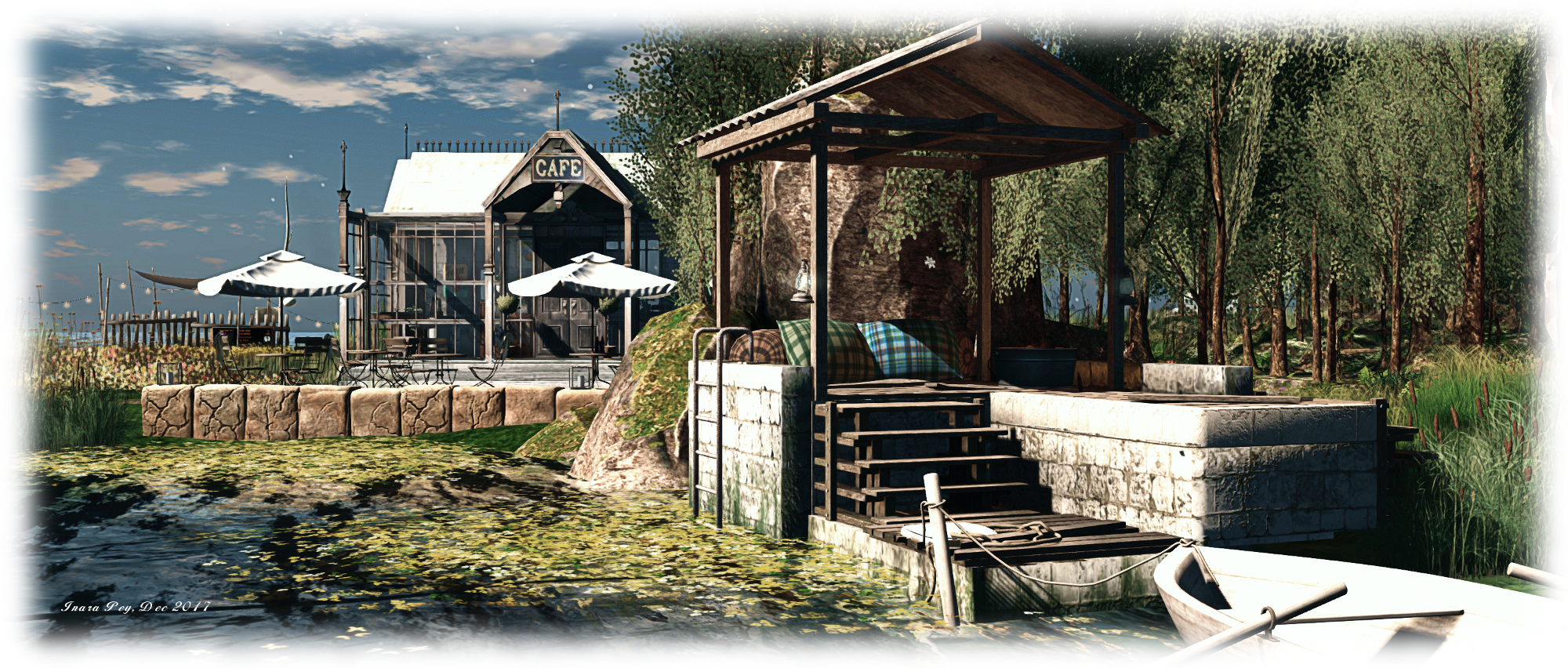
Tranmore Bay; Inara Pey, December 2017, on FlickrTramore Bayblog post

The following notes are taken from the TPV Developer meeting held on Friday, January 12th 2018. The video of that meeting is embedded at the end of this update, my thanks as always to North for recording and providing it. Time stamps in the text below will open the video in a new tab at the relevant point of discussion.

Viewer Pipeline

[0:00-4:24] The Nalewka Maintenance RC updated to version 5.0.10.330173 on Wednesday, January 10th, and the Wolfpack viewer has been withdrawn. This leaves the remainder of the SL viewer pipelines as follows:

  • Current Release version 5.0.9.329906, dated November 17, promoted November 29th – formerly the “Martini” Maintenance RC – No Change
  • Release channel cohorts:
  • Project viewers:
  • Obsolete platform viewer version 3.7.28.300847, May 8, 2015 – provided for users on Windows XP and OS X versions below 10.7.

The Update to the Alex Ivy 64-bit RC viewer (Tuesday January 9th, and reported in Part #1 of this week’s updates) will be the last such update for that viewer as an RC, and it will most likely be promoted to release status in week #3 (commencing Monday, January 15th). There should be an official blog post accompanying the promotion when it happens, encouraging those on Windows who can upgrade their version of Windows to 64-bit / Windows 10 to do so.

  • [28:16-30:11] A reminder that Alex Ivy is Windows and Mac, and that the Lab has a separate project for Linux. This will require support from the Linux community to help move the Linux viewer build to a Debian package using system libraries, so allowing TPVs to add the dependencies they require for their flavour of Linux build. If help is given and the project is successful, the Lab will then maintain the Linux build, with the caveat that it will only be subject to cursory QA, and will continue to require support from the Linux community for fixes. A repository for code submissions will be made available, together with a blog post / open-source community notification on the specifics, after the 64-bit viewer has been promoted to release status. Those wishing to support the work will need to sign a contribution agreement with the Lab.

The Voice RC has no known outstanding issues, and should be ready for promotion once Alex Ivy has been promoted to release status and the Alex Ivy code has been merged into the viewer.

The 360-snapshot viewer is looking set to move from project viewer status to a release candidate viewer.

A new viewer branch is being prepared – the media branch, which will be specifically for Chrome Embedded Framework (CEF) changes and other media handling updates. This will likely appear some time after the Alex Ivy viewer has been promoted to release status.

A further viewer project on the horizon is a further update to the viewer build chain, and bring that more up-to-date with things like Visual Studio, etc.

Viewer Deprecation

[4:25] Once Alex Ivy is promoted to release status, the Lab will be deprecating all versions of their viewer not using Asset HTTP loading (e.g. viewers prior to version 5.0.6). At some point after this, work will then commence on removing all UDP asset messaging from the servers, so anyone still using a viewer not fully supporting Asset HTTP will be unable to load gestures, animations, sounds, etc.

Avatar and Object Rendering

[9:26-10:32] Work on revising the current avatar complexity and object rendering calculations is due to resume “in the next week or two”. It is hoped this will allow the Lab to adjust the formulas used to make a reasonable generalisation in the rendering cost of things, and whether or not objects are being reasonably accounted for in those calculations, although things may not change that much. However, the Lab is “determined to fix some of the bad incentives in the current calculations”.

Environment Enhancement Project (EEP)

Project Summary

A set of environmental enhancements, including the ability to define the environment (sky, sun, moon, clouds, water settings) at the parcel level; a new environment asset type that can be stored in inventory and traded through the Marketplace / exchanged with others; scripted, experience-based environment functions, an extended day cycle and extended environmental parameters. This work involves both a viewer updates (with a project viewer coming soon) and server-side updates.

Current Status

[33:32-35:06] Rider linden is making progress, with his next step being to get the new setting objects defined as assets which can be stored in inventory. Once this has been done, he will be comfortable with setting up test regions on Aditi ready for testing once a project viewer is available. The viewer will require new UI elements for manipulating windlight assets, the initial design work on which, Rider jokingly claims, has already given him a nervous twitch in his left eyebrow!

In Brief

  • [13:35-15:32 ] Group Notices failures: some work has been done on this, showing that problems can start to occur if the group chat servers are left running too long, so a round of restarts should hopefully prevent this. Work is also going to be put into making group notice delivery more robust when logging-in, and this will hopefully be out in the next few months.
  • [22:49-26:55] Viewer widget documentation & additional viewer documentation: the viewer web widget wiki documentation is currently out-of-date, and a request has been made to update it. The Lab doesn’t have any documentation on the viewer (e.g. design documents etc.), outside of what is available on the wiki.
  • [32:04-32:45] IMs to E-mail: there have been reports at the recent Web Group and Simulator User Group meetings that some IMs to e-mails failed over the holiday period. This has been investigated, and the issue did lie with the Lab. However, it has been rectified, and all IMs to verified e-mails addresses should work correctly.
  • [11:02-11:48 – in text+ voice comments] The next Firestorm release will not allow changes to the debug RenderVolumeLODFactor which go above 4 to persist between log-in sessions. People will still be able to set the value above 4, but will have to do so each time they log-in. [18:33 – in text] There is to be one more beta release of the new Firestorm, which should be followed in about a week’s time with a formal release (late breaking issues allowing).


Sansar: in the year 2077

2077, Sansar; Inara Pey, January 2018, on FlickrSansar: 2077 – click on any image for full size

C3rb3rus is fast becoming one of the top designers of atmospheric experiences in Sansar. I’ve already written about two of his designs – Darkwood Forest (see here) and The Diner (see here – although it is deserving of a dedicated write-up). His most recent design – 2077 – has already garnered a lot of coverage, which is why I held off writing about it immediately it opened. However, it’s not hard to understand why it is has been popular -it is visually stunning.

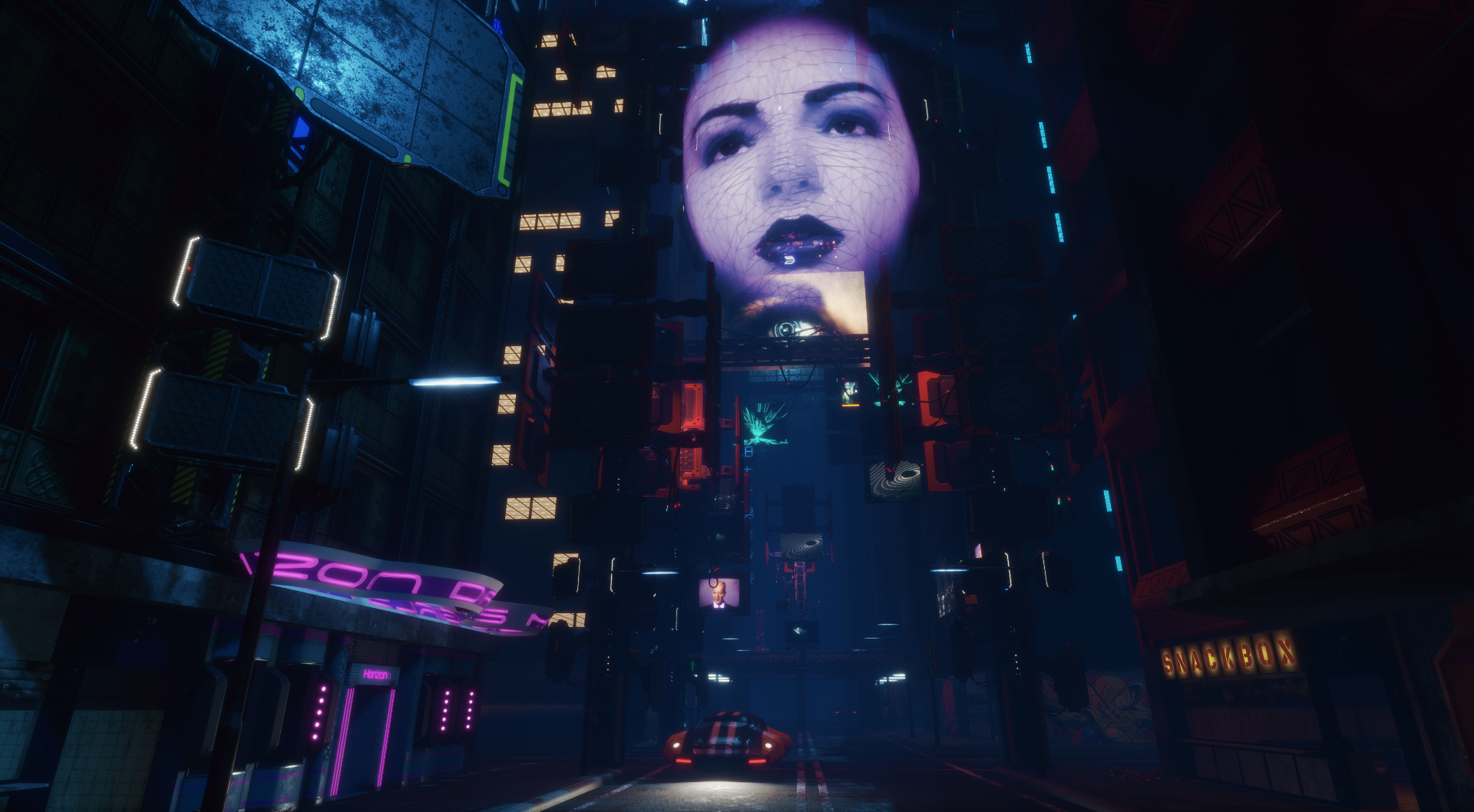
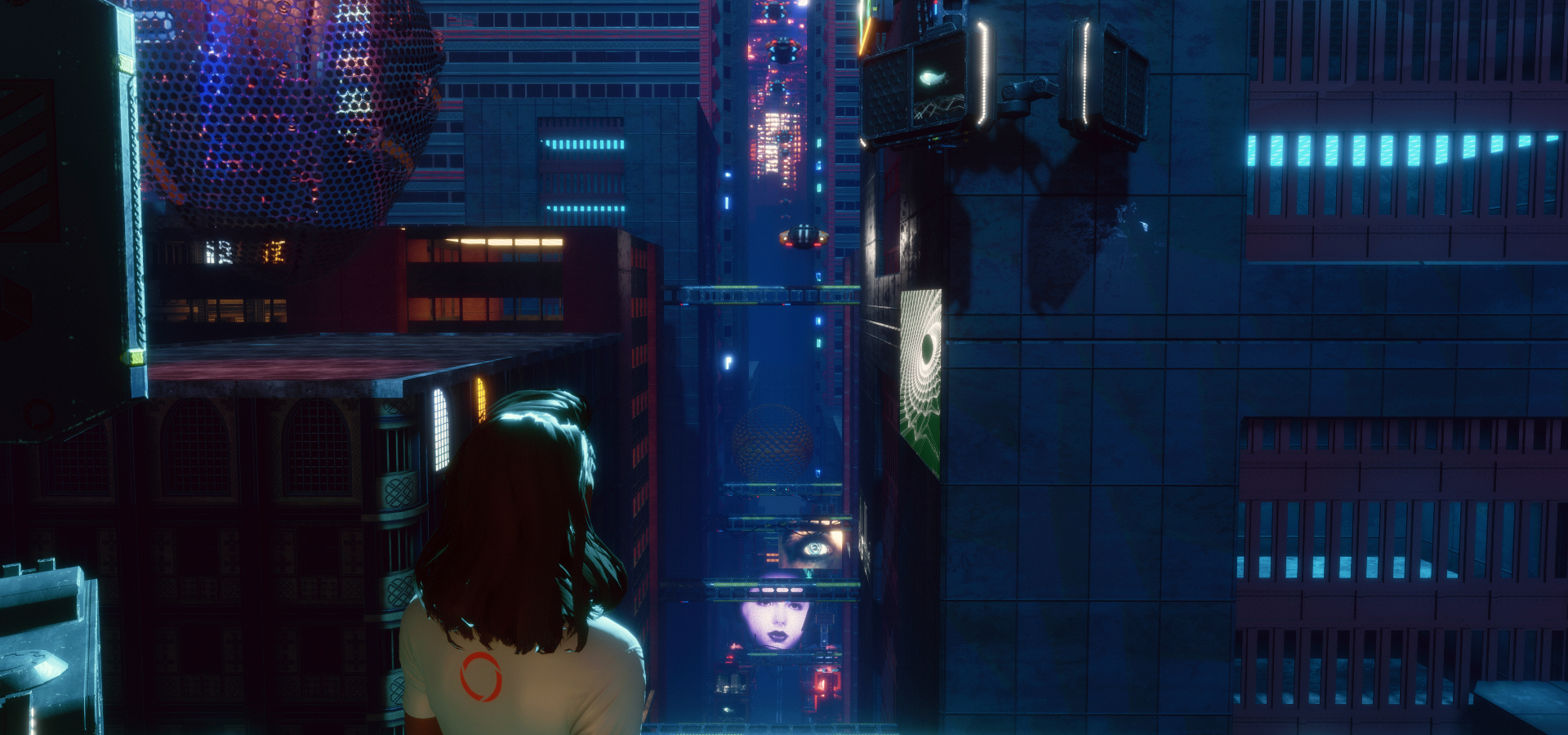
This experience takes its basic theme from the style we perhaps most readily identify with the likes of Blade Runner – although I personally see it as something of a fusion between that and the short-lived TV series, Total Recall 2070 (itself a fusion of Philip K. Dicks We Can Remember for You Wholesale and Do Androids Dream of Electric Sheep, the inspiration for the original Blade Runner film). On arrival, visitors are placed on a long street – a canyon, if you will, formed by the flat faces of high-rise buildings, themselves surrounded by even taller skyscrapers which glitter with light.

2077, Sansar; Inara Pey, January 2018, on FlickrSansar: 2077

By comparison with the latter, the streets on which visitors stand seem dark, cold, and a little threatening. With graffiti on the walls and litter on the streets, this feels is if it is a much poorer part of the city than the horizon forming towers of light and colour. Perhaps those glittering towers are where status and wealth reside; the higher up residents are within them, the more their status has literally elevated them above the darker, poorer world flowing around the feet of their great glass-sided citadels.

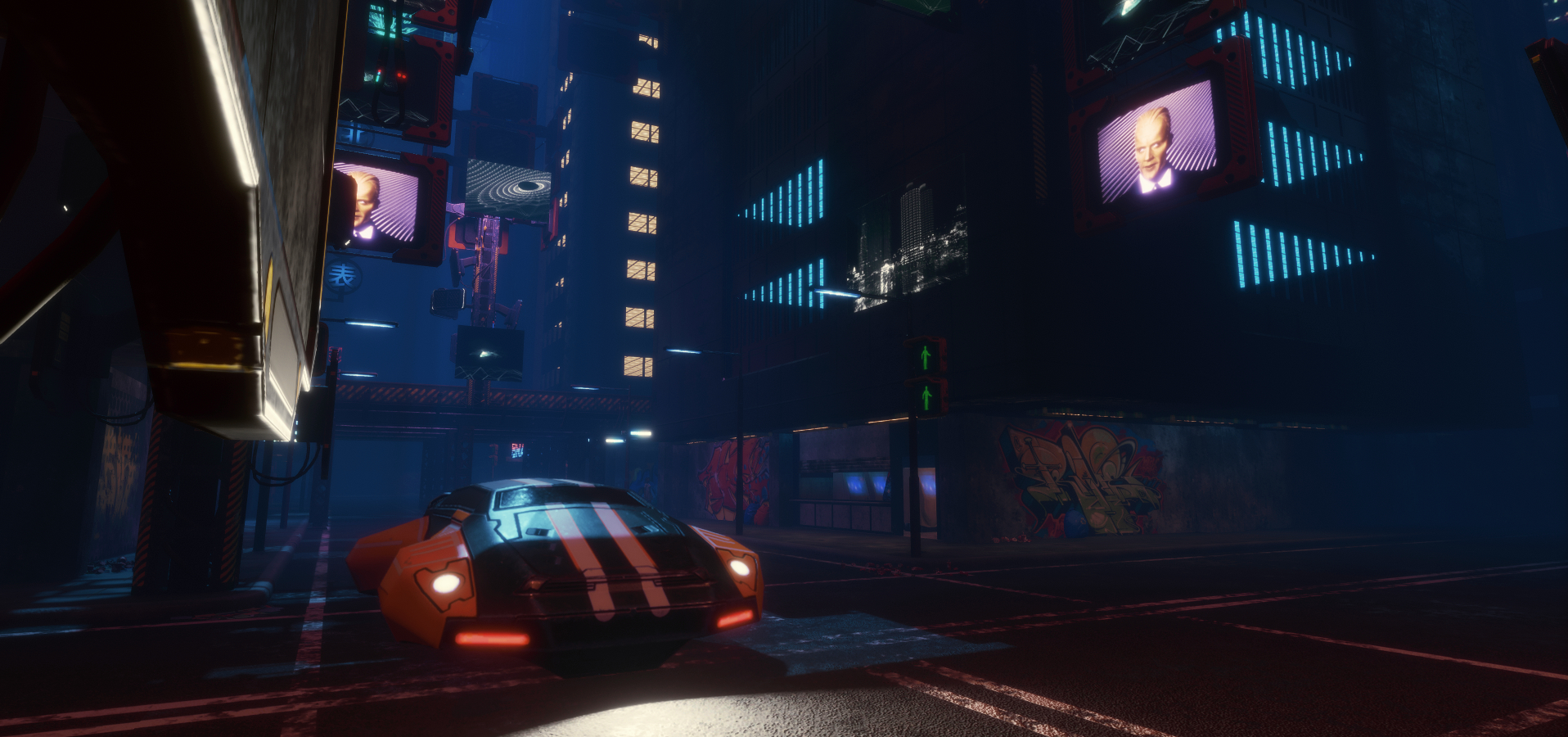
Perhaps this is why, flying cars zip back back and forth high above the streets, their passengers intent only on spanning the gap between lofty perches, and oblivious to what lies below, lost in the night. Nearer to the ground, more of these cars pass through the canyon-like streets, travelling a little more cautiously, while one or two have forsaken the air altogether – or have perhaps been decommissioned, like Deckard’s old Police spinner in Blade Runner, confined to crawling along the dimly lit streets.

2077, Sansar; Inara Pey, January 2018, on FlickrSansar: 2077

Dim though the lighting down here might be – the street lamps little more than thin lines of blue iridescence atop tall metal poles and which case cold pools of light beneath them – the streets are still alive. Digital advertising boards shimmer, turn, dance and project, adding their own illumination which reckons off the otherwise dull surfaces of roads and sidewalks. Walking the latter, it is possible to come across gaming halls and bars, or arrive at the corner of Walk and Don’t Walk as little green and red men flick back and forth on overhead signals, determining when it might be safe to cross a particular junction.

Over all of this, a great hologram of a female face looks down, turning slowly from side to side, as if keeping a watch over the streets in her care. Not far away, a single eye darts side-to-side on a billboard, a pattern of digital lighting over the pupil for some reason putting me in mind of the Rekall chairs from Total Recall 2070. Elsewhere amidst this neon advertising one can find a hospital or clinic signified by both, a red cross and a ghostly skeleton rotating slowly above the entrance, Max Headroom close by, perhaps mocking passers-by.

2077, Sansar; Inara Pey, January 2018, on FlickrSansar: 2077

C3rb2rus likes to include motion in his designs  and 2077 is no exception to this, as demonstrated by the ground and air traffic. But there is more; the spawn point in the experience, for example is under an elevated train track. Behind it (and easily missed), a ramp offers a way down to where a platform awaits. It is periodically visited by a subway train you can step aboard and ride in a loop around the build. I have no idea if this is indicative that more might be added to the build (there’s only the one stop at present), but it does offer a certain promise to the design.

Nor is this all. Find your way to the high rise at one end of the main street, and ceiling lights will direct you to where an elevator regularly descends and rises. Step into it, and it’ll offer a trip up to a modest – bordering on austere – apartment, which in turn offers a grandstand balcony view back through the experience. Watch for a few minutes, and you’ll witness another nice touch,, as an air car rises from the far end of the street, angling gently upwards until it reaches one of the lower skyways and passes overhead.

2077, Sansar; Inara Pey, January 2018, on FlickrSansar: 2077

Given that so many Sansar experiences are, due to the nature of the platform at present – largely static, 2077 feels very much alive, almost vibrant beneath the hues of the backdrop skyscrapers. Atmospheric, rich in detail despite its dark tone, this is an experience offering a certain promise of what Sansar might become as a role-play environment, as capabilities are improved.

Experience URL

2018 SL UG updates #2/2: Content Creation User Group

Queen of Dragons? Surrounded by Animesh dragons by Wanders Nowhere and used by Lucia Nightfire as Animesh test models

The following notes are primarily taken from the Content Creation User Group meeting, held on  Thursday, January 11th, 2018 at 13:00 SLT. For the purposes of Animesh testing, the meetings have relocated to the Animesh4 region on Aditi, the beta grid – look for the seating area towards the middle of the region. The meeting is chaired by Vir Linden, and agenda notes, etc, are usually available on the Content Creation User Group wiki page.

Medhue Simoni live streamed the meeting, and his video is embedded at the end of this article – thanks to Medhue, as always, for the recording. Where the video is referenced, time stamps to the specific point of the video are provided in the text – click on them to open the video in a separate browser tab at that point.

Animesh (Animated Mesh)

I like the name ‘animated objects’ because I think it’s unambiguous, but it takes a long time to type!

– Vir Linden joking about the name “Animesh”.

Project Summary

The goal of this project is to provide a means of animating rigged mesh objects using the avatar skeleton, in whole or in part, to provide things like independently moveable pets / creatures, and animated scenery features via scripted animation. It involves both viewer and server-side changes.

In short, an Animesh object:

  • Can be any object (generally rigged / skinned mesh) which and contains the necessary animations and controlling scripts in its own inventory  (Contents tab of the Build floater) required for it to animate itself.
  • Can be a single mesh object or a linkset of objects (link them first, then set them to Animated Mesh via the Build floater > Features).
  • Has been flagged as and Animesh object in the project viewer, and so has an avatar skeleton associated with it.
  • Can use many existing animations.

However Animated objects will not (initially):

  • Have an avatar shape associated with them
  • Make use of an avatar-like inventory (although individual parts can contain their own inventory such as animations and scripts)
  • Make use of the server-side locomotion graph for walking, etc., and so will not use an AO
  • Use the avatar baking service
  • Will not support its own attachments in the initial release.

These are considered options for follow-on work, possibly starting with the notion of a body shape (to help with more fully-formed NPCs).

Resources

Performance Profiling

[2:08-3:58] Work is now starting on performance profiling for Animesh to determine suitable limits (e.g. tri counts, LI, etc.) when Animesh goes live. This is regarded as being one of the last steps before the project moves to the main grid. As a part of this, Vir has been adding the ability to control the triangle count limits for Animesh objects on a per region basis. This will be used to set different limits on different regions for the Lab’s internal performance profiling, and a region with the capability will also be made available on Aditi for public testing, and details will be made available once the region is up and running.

Object Animations And Animating Animesh

[43:13-55:34] A convoluted enquiry requiring a feature request in order to be made clear, but appears to be a request to provide a means for object animations to override an Animesh object’s own animations. So, for example, an Animesh hamster could be placed into a treadmill, and the treadmill either override the hamster’s in-built animations (stored in the hamster object’s Contents tab of the build floater) and cause the hamster to run, in much the same way as in-world objects can override avatar animations.

Such a capability could offer additional flexibility for Animesh – if a creator brings out a new toy for a pet (e.g. the treadmill, above), a means by which the treadmill could override the pet’s behaviour would avoid the need to update the pet as well in order for it to make use of the new toy. It’s unlikely such a capability will be considered for this phase of Animesh; however, Vir has requested a feature request on the idea is filed, so it can be considered alongside other work in a future Animesh update.  Hopefully, any feature request will avoid the use of pseudo technical terms such as “faux permission system” and “reverse animation system”, which initially caused some confusion when the idea was raised at the meeting.

In Brief

  • [4:00-8:10] Performance (FPS) issues when camming on Animesh: there has been a report of some mesh items causing drops in FPS rates when converted to Animesh, leading to choppy camera motion for some. Vir has been looking at one of the models in question, and believes the problem lies with the recalculation of attachment overrides, which can be excessive and even be carried out when there is no change in the object itself. Improving when and how the calculations are handled should hopefully resolve the problem, which can obviously be exacerbated through models having more joint positions defined. The fix, once implemented – hopefully in the next Animesh viewer – may help with other instances where there is a performance drop-offs when camming / zooming.
  • [8:51-10:55] LOD Drop: this is not considered an Animesh specific issue. Essentially, Animesh objects are being treated by the viewer as if they are avatars, and so get a similar boost in LODs, which needs to be tweaked.
  • [31:02-33:29] “Dropping” Animesh objects (i.e. allowing avatar to put pets, etc., down on the ground, without having to detach them back to inventory first, then rez them in-world): as per my 2018 week #1 CCUG meeting notes, this is still considered too big a piece of work to add to the Animesh project, as it requires changes to a variety of elements: land impact calculations, physics updates, etc. It could also result in forcing users to re-log should a No Copy pet be dropped and fail to rez in-world, in order for it to correctly register in their inventory again. However, such a capability for dropping mesh might be looked at again in the future.

Bakes on Mesh

Project Summary

Extending the current avatar baking service to allow wearable textures (skins, tattoos, clothing) to be applied directly to mesh bodies as well as system avatars. This involves server-side changes, including updating the baking service to support 1024×1024 textures, and may in time lead to a reduction in the complexity of mesh avatar bodies and heads. The project is in two phases:

  • The current work to update the baking service to support 1024×1024 textures.
  • An intended follow-on project to actually support baking textures onto avatar mesh surfaces (and potentially other mesh objects as well). This has yet to fully defined in terms of implementation and when it might be slotted into SL development time frames.

This work does not include normal or specular map support, as these are not part of the existing baking service.

Current Progress

[8:21-9:25] Anchor Linden is working on issues around getting the appearance service updates out. These include on problems specific to Animesh attachments. A setting is also being added which means that the texture resolution increase (to 1024×1024) isn’t applied by the baking service until there is a mesh surface requiring it. Work on adding further baking servers is also required to manage the compositing / baking load at 1024×1024. However, the updates are now available on Aditi.

[11:04-21:12] A further explanation as to what Bakes on Mesh is, born from expressed confusion over the term “baking” in terms of 3D rendering, and the fact that the current work only applies to meshes worn by avatars.

[21:22-26:00] Bakes on mesh for Animesh: this would be part of any “phase 2” work that follows-on from the initial work on Animesh, once Animesh objects have a formal inventory structure. This would be required in order for the baking service to be able to recognise and use textures with Animesh objects. Includes a discussion on how the baking service currently works.

Other Items

[1:14-2:03] Mesh uploads: recognising linkset object names: as mentioned in my previous update, when uploading mesh objects, only the name of the root item in a linkset is recognised, everything else is simply “object”, rather than carrying over any naming convention used when creating a model (e.g. “dog”, “dog_head”, “dog nose”, “dog_tail”, etc., or some variation of more useful naming). Various requests have been made to change this for consistency of item naming. The Lab has been looking into this, and a problem is that the server itself ignores any linkset object names outside of the root object. This means that preserving object names is more complex than had been hoped, although investigations on what might be done are ongoing.

[38:08-39:20] *JOKE**: comments on mirrors and raytacing: do not take seriously! An explanation is supplied.

Three artists at Gallery Cecile in Second Life

Gallery Cecile: Rose B

Gallery Cecile is a complex of eight display spaces for artists, curated by Cécile (Pierce Taurog). It is devoted to exhibiting art from both the physical world and Second Life, and from the former, is currently exhibiting selections of art by Salvador Dali (1904-1989) and Roger Suraud (1938-2016), which can be found in the gallery’s 0 and 1 exhibition halls (the latter of which forms the main entrance. Both are excellent displays, which the Dali exhibit offering links to the wikipedia pages. However, for this review, I’d like to focus on three Second Life artists: Dixmix Source, Rose Beaumont and Sakura Taurus.

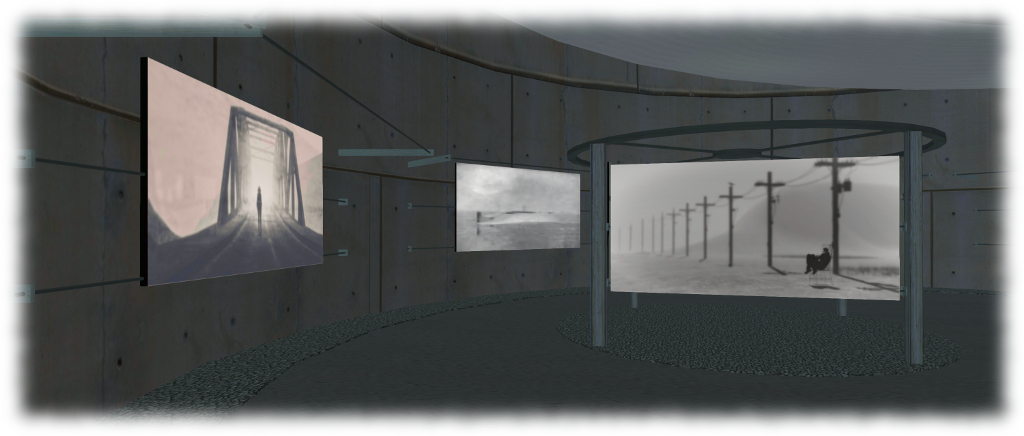
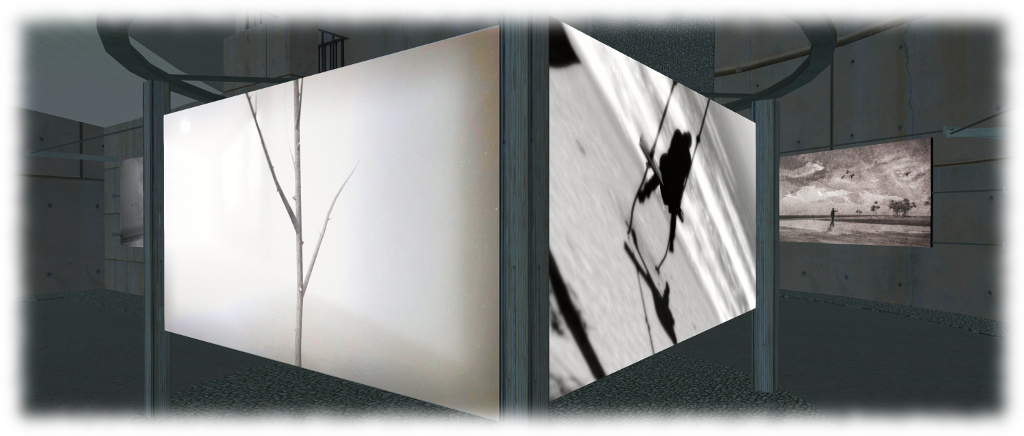
Dixmix Source can be found in exhibition hall 3 at the gallery. Entitled I Don’t Get Lonely When I’m Alone, his display features 10 minimalist black-and-white images, nine of which feature a single male figure, sometimes seen clearly, at others appearing slightly blurred or ghosted, framed within a landscape or setting.

Gallery Cecile: Dixmix Source

At first look, there appears to be certain pathos in several of the images, which on closer examination slowly morphs into something else, which I can only describe as a sense of “all-one-ness”. While the figure may initially appear to be alone, lost within a setting, a second look reveals something else: a man who may be on his own, but who appears to be at one with his surroundings. There is a certain ease in the way he sits or stands; while some of his poses may suggest an attitude of “leave me alone”, so to do the images as a whole suggest he’s actually entirely comfortable with his condition and location. Simply put, he’s never lonely while on his own: his surroundings offer him all he needs.

The final picture in the series presents a different view of aloneness: what appears to be a tiny sapling (or perhaps a single twig of a tree) set  against a white background, offering s singular image of the beauty of nature. As well as the images, Dix has prepared a soundtrack for the exhibition – click on the sign in the exhibition hall for the URL.

Gallery Cecile: Dixmix Source

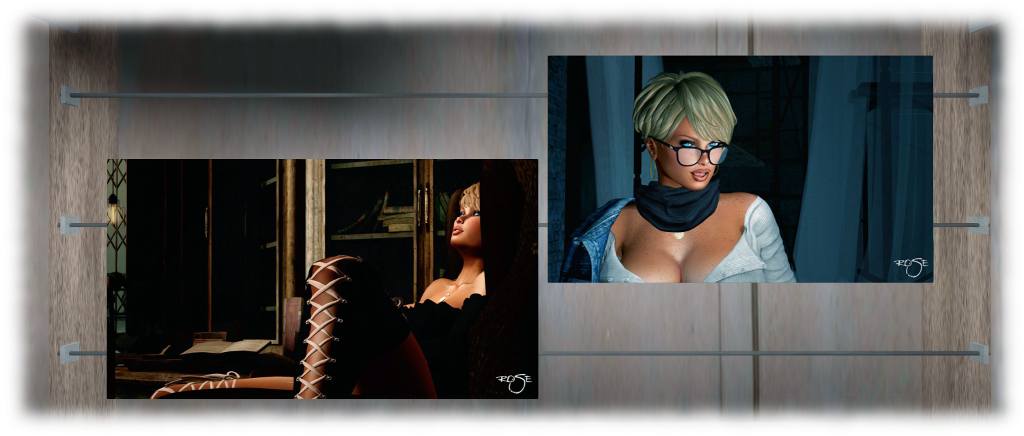
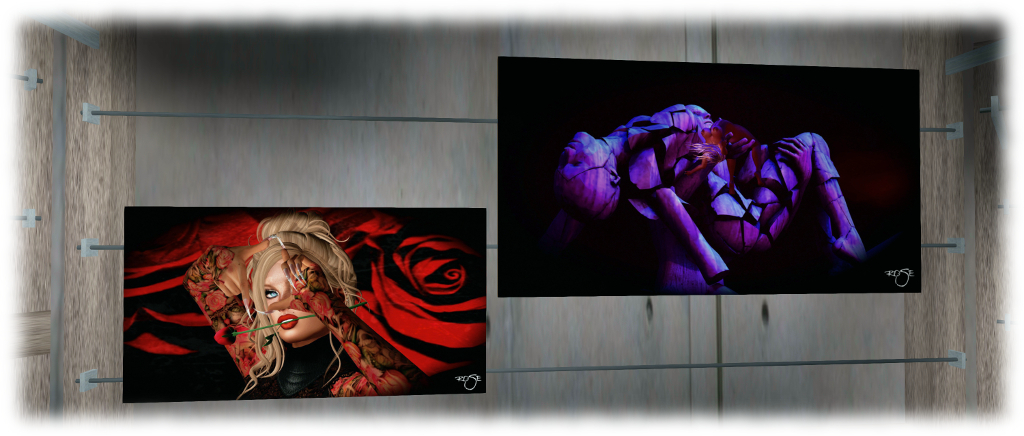
Above this, in gallery 4, is Eclectic Rose, by Rose Beaumont (Rose Bomse). A series of ten avatar portraits, these stand in strong contrast to I Don’t Get Lonely When I’m Alone through the opulent use of colour within most of them; however, they also in some respects continue the theme of individual studies offered by Dix.

“I like taking pictures that tell a story alone or with models,” Rose says of her work. “My tastes in photography are quite eclectic and vary with the inspiration of the moment and my mood but always with a concern for quality and details. Shooting is not like a job for me, but must be a pleasure and a nice moment to share.”

Gallery Cecile: Rose B

The majority of these images, if not all of them, appear to feature the same model (Rose herself?). Narrative is strong in most of them, with one at least carrying something of a self-statement – Picture This Rose – which I found to be both captivating and layered, incorporating Rose’s photography as a whole, her passion as a photographer (framing one eye as if looking through viewfinder), the repeated motif representing her name, the overall suggestion of sensuality and the idea that this is just one aspect of a multi-faceted personality.

As with Dix, many of these images suggest that being alone is not equitable to be lonely – some directly, others in a more subtle manner of posing and setting. The sentiments within each of the images  are somewhat revealed by their individual titles, but this doesn’t stop the eye and the mind from using each title as a launching point for a deeper examination and consideration of each picture – and I confess to being quite drawn to several.

Gallery Cecile: Sakura Taurus

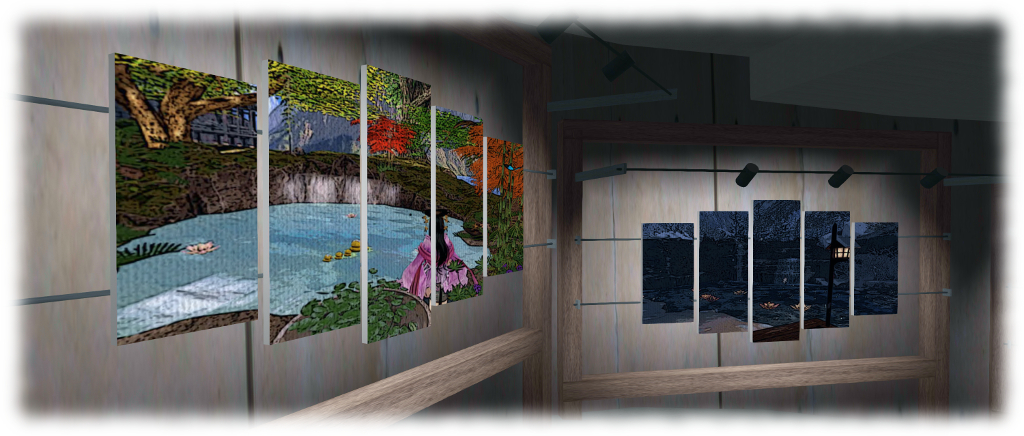
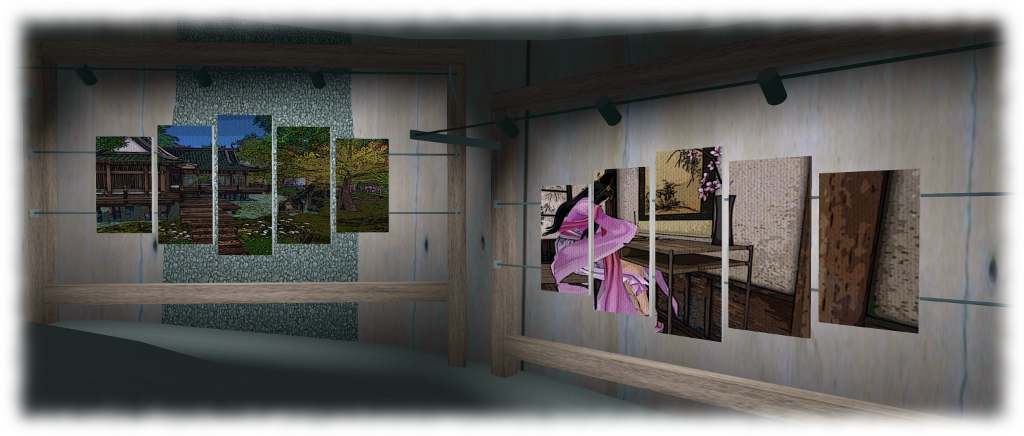
Taking the ramp upwards from Rose will bring visitors to exhibition area 6 (area 5 was empty during our visit),  an exhibition by Sakura Taurus, entitled Pour la Postérisé! (For the Posterized!) – a celebration of the art of posterization. Five panelled images are presented, all with a Japanese theme and shot around Second Life (I think I recognise Collins Lands in one, but am not 100% sure). All are presented on multi-panel frames, and each has been gently posterized, in keeping with the theme of the display.

I’m personally not a fan of this form of art, but confess to finding the five images offered by Sakura attractive. I’m obviously biased towards anything oriental in nature, so this may be a part of it – but it is not the sole reason. All five images show a more nuanced, subtle approach to posterization than is perhaps more usually the case; so often the process is very “in your face”, so to speak, in the degree to which it has been used and in the use of colour. The five pieces presented by Sakura are altogether far more gentle in approach, to the extent that they suggest a blending of posterization and traditional painting – which ideally, in my opinion, suits their subject matter.

Gallery Cecile: Sakura Taurus

These, and the remaining exhibitions on offer make Gallery Cecile a very worthwhile visit – one deserving of having time put aside to appreciate the various displays fully.

SLurl Details