SL project updates 16 18/2: TPV Developer Meeting

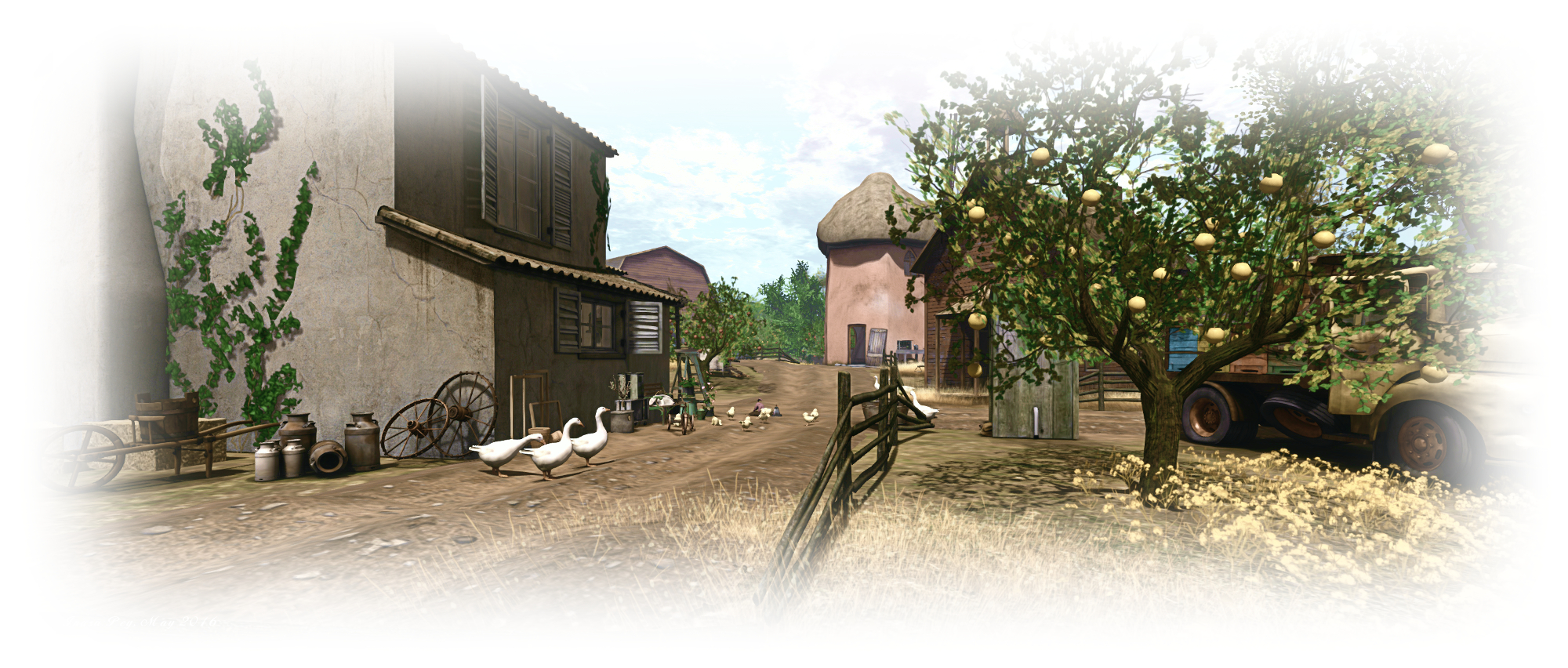
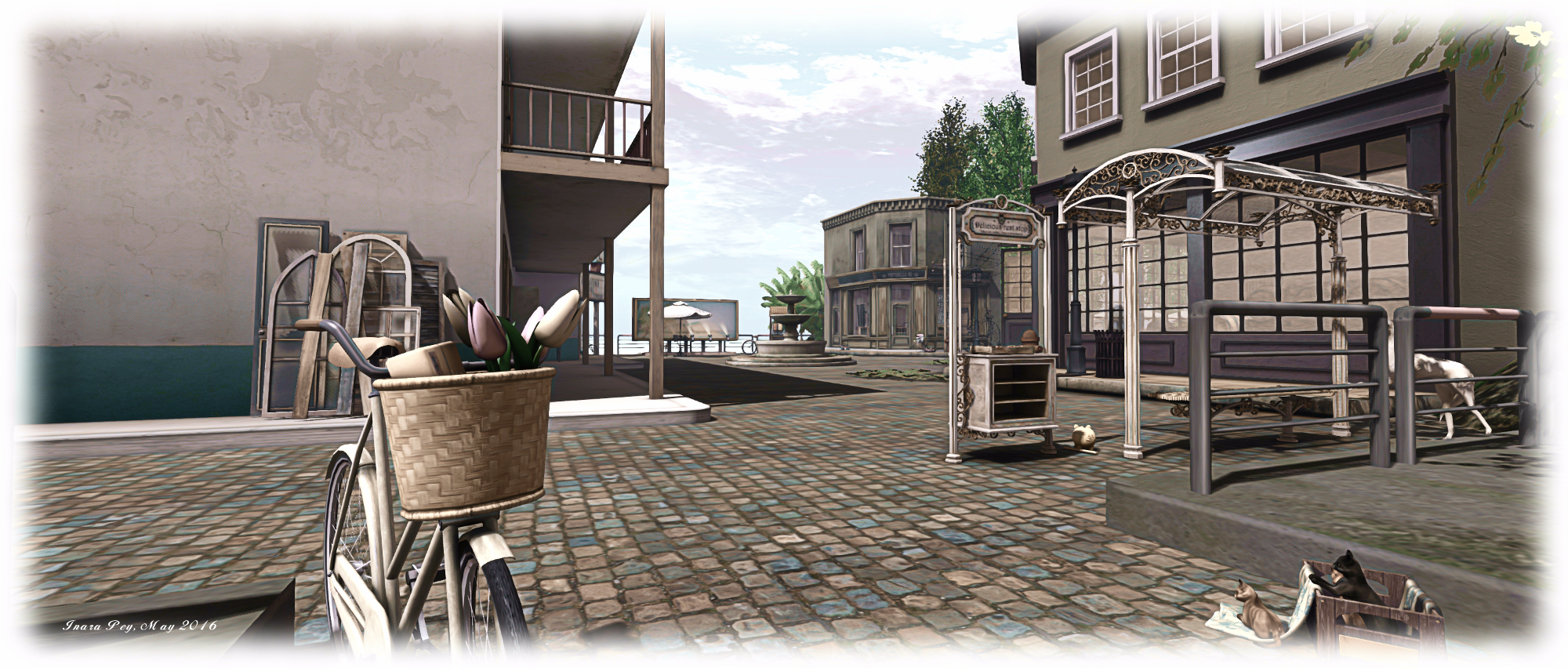
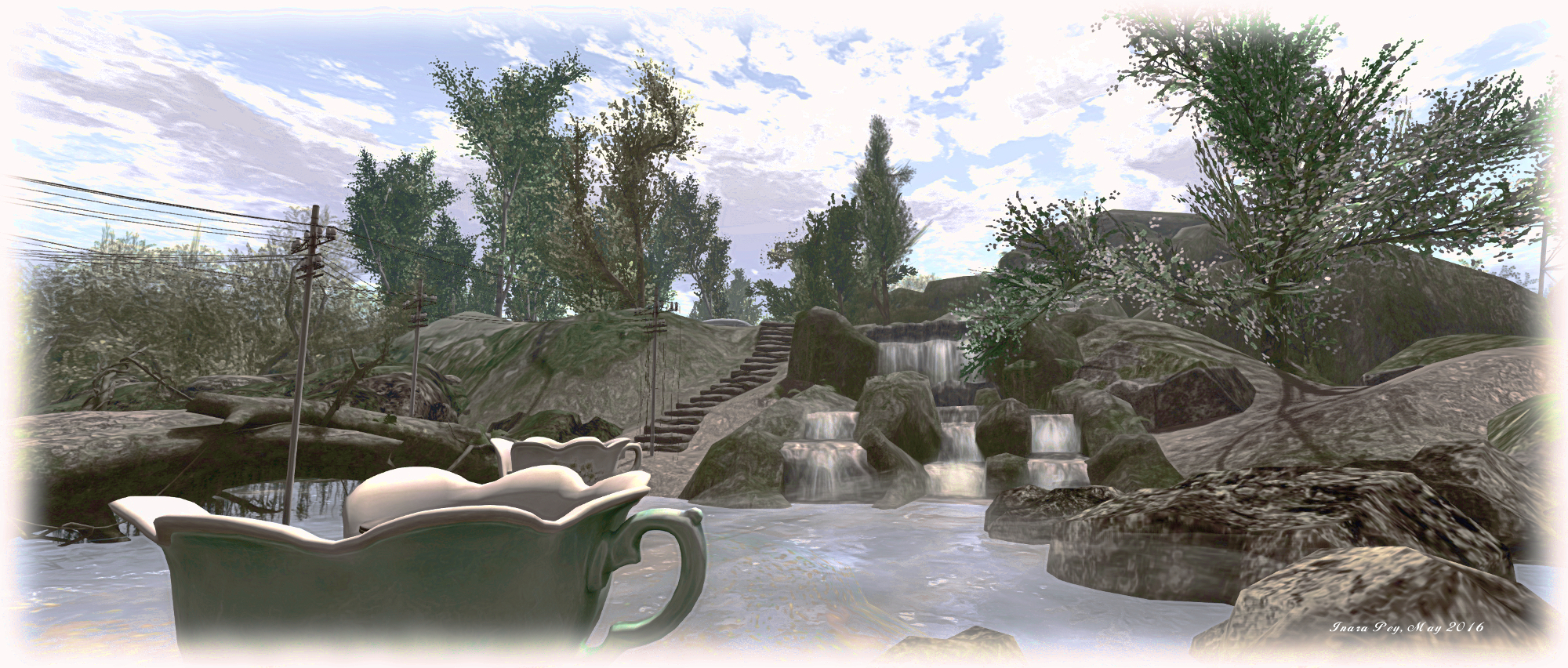
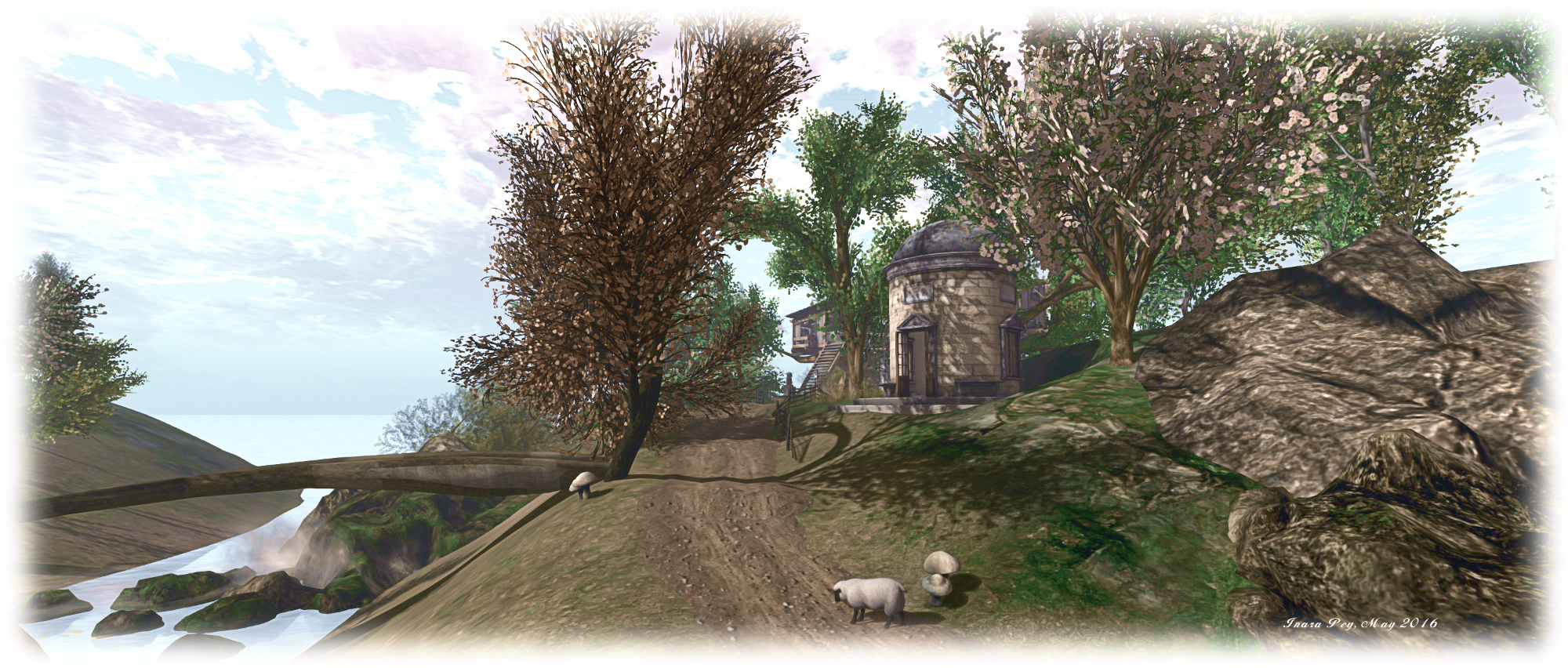
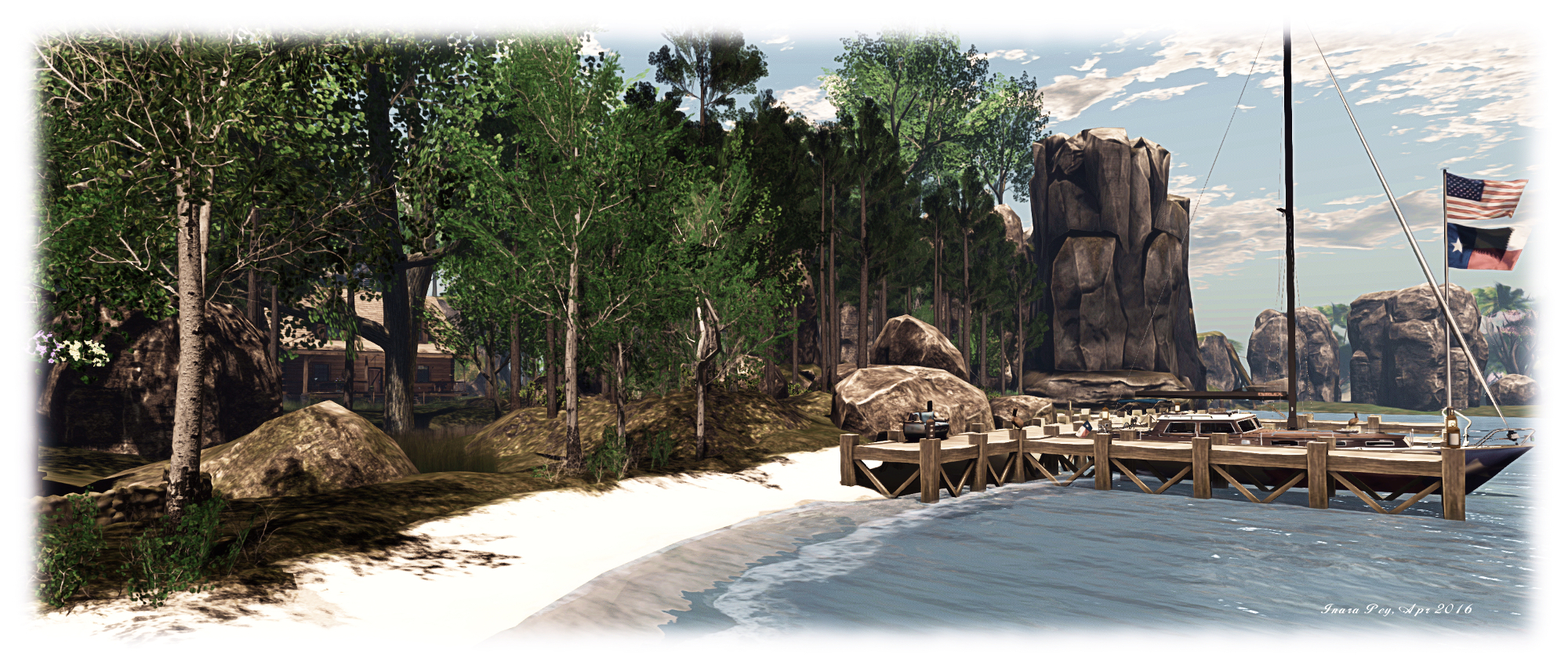
Osprey Ridge; Inara Pey, April 2016, on Flickr Osprey Ridge – blog post

The following notes are primarily taken from the  TPV Developer (TPVD) meeting held on Friday, May 6th, 2016. A video of the meeting is embedded at the end of this report, my thanks as always to North for supplying it, and time stamps in the text relate to this recording.

Week #18 Server Deployments – Recap

On Tuesday, May 3rd, the Main (SLS) channel received the same server maintenance package originally deployed to the three RC channels in week #17, comprising a crash fix and minor internal improvements. There was no RC deployment during the week.

Week #19 Attachment Inventory Limits

There will be a new RC deployment in week #19 (commencing Monday, May 9th). This will include new limits, I believe, on the total number of assets which can be contained on worn attachments. The exact limits aren’t clear to me. However, in-world objects cannot be rezzed if they contain more that 10K inventory individually, or 30K in the case of linksets, so I suspect similar limits will apply to attachments, and any attempt to attach objects that exceed these limits will fail. More on this next week.

SL Viewer Updates

Release Viewer

[03:40] The Maintenance RC viewer, version 4.0.4.314579, released on April 28th, was promoted to the de facto release viewer on Thursday, May 5th.

Quick Graphics Viewer

[03:50] The Quick Graphics RC viewer (currently version 4.0.4.314426, dated April 26th) is now “perilously close” to being promoted to release status, and apparently only needs to be merged with and tested against the new release viewer code.

[04:55] The next update to this viewer will refer to rainbow avatars as “Jelly Dolls”, in keeping with the new popular term for solid-colour avatars, which has been “adopted with enthusiasm” by the Lab.

[05:20] There is also a new control added to the viewer screen for making quick adjustments to the Max Avatar Complexity setting.

Project Bento

The Project Bento viewer updated to version 5.0.0.314884, also on Thursday, May 5th.

This build contains several updates related to joint offsets and meshes:

  • Joint offsets will be ignored if they define a position identical to the default position for that bone. We use a 0.1 mm tolerance to determine whether a position has changed, so to force the offset to be applied you can make an invisibly small tweak to the bone in your modeling tool.
  • Along with this, we provide some log message feedback during upload to show which joints will have active offsets.
  • Meshes can now have multiple skeleton roots – for example, you could have a model rigged to both hands without including any bone that both hands are descendants of.
  • Joint offsets are now enforced during shape editing.

Slider changes:

  • We include a fix for a long-standing bug with female torso muscles
  • The male “package” slider can now be supported in mesh models by weighting to mGroin. (note that the currently available test models do not have this weighting yet).

[04:15] The Lab believes the project is now stable enough to be “close to” moving to the Main grid.

Oculus Rift Viewer

[04:26] The Lab is continuing to work on the Oculus Rift viewer. The next release, which will remain at project status, is expected “real soon now”, but will support the latest Oculus VR SDK, etc.

64-bit Viewer Project

[07:13] The 64-bit viewer project has been temporarily suspended recently while the developers working on it were assigned to other tasks, including the ongoing QuickTime remediation project.

Upcoming Viewers

In September 2015, I wrote about the Lab’s plans for further improvements to inventory management and handling within the viewer. Part of this work involves the removal of older UDP paths / mechanisms for inventory handling are properly deprecated / removed and replaced by newer and more robust mechanisms, and that all older mechanisms which have already been replaced are properly removed.

[05:45]  This work had been on hold pending the recent HTTP work. It is now expected that an RC viewer containing these updates will be appearing shortly. Once these updates have reached release status and been fully validate through their active use, the associated UDP support for the deprecated paths and mechanisms will be removed server-side.

 Aditi and Agni Inventory Caches

As I’ve previously reported, the new Aditi inventory syncing process created local inventory caching issues (see also BUG-11651). A fix for this was proposed by the Lab, which would allow the viewer to create separate inventory caches for Agni and Aditi, with the correct cache being automatically selected depending on which grid a user logs-in to (see here for more).

This update was incorporated into the Maintenance RC, and so is now a part of the de facto release viewer, and so should also be appearing in TPVs as they adopt the 4.0.4 code base from the Lab.

The current release viewer, version 4.0.4.314579 including the new Aditi / Angi local inventory caching capability to prevent local inventory caches being incorrectly merged when logging between the main and beta grids
The current release viewer, version 4.0.4.314579 including the new Aditi / Agni local inventory caching capability to prevent local inventory caches being incorrectly merged when logging between the main and beta grids

Other Items

Double Posts in Chat

There have been reports of users experiencing double posts of their own text chat (local or IM) appearing in their viewer (although other people only see their comment displayed once. The Lab has requested that the problem be tested using the their own viewer, and a JIRA raised stating the precise circumstances when the issues occurred, as soon as possible after it has occurred, together with all relevant data – logs, viewer About information, etc., and further occurrences are similarly logged against that JIRA.

TLS 1.2

As per a blog post from the Lab, which I also reported here, users are being advised to update (if necessary) their web browser and their SL viewer to a version that supports TLS 1.2 by June 15th, 2016. After that date, any web browser or viewer that does not should TLS 1.2 will no longer be able to access Second Life cashier services to send, receive, or exchange L$.

An actual look inside Project Sansar

Project Sansar image via Linden Lab

The end of April was a busy time for the Lab, with Ebbe Altberg leading a team to both the  Collision 2016 tech conference (billed as the “anti-CES”) in New Orleans, which ran from April 26th through 28th, quickly followed by the 2016 Silicon Valley Virtual Reality (SVVR) conference, which took place at the San Jose, California, conference centre between April 27th and 29th.

At both events, Ebbe Altberg gave a presentation which included further images and some video shots from within Sansar, and Collision 2016 has now made these available for viewing within a recording of Ebbe’s presentation which can be found on YouTube, and is embedded below.

As the Collision event is more general tech than VR specific, the first part of the video is more about the potential of VR and the possible VR / AR marketplace in the future. A lot that is familiar to SL users is mentioned, such as the use of immersive spaces for social activities and the potential VR has in areas such as education, design, business, healthcare (the use of Second Life in helping PTSD sufferers is touched upon, something I covered back in June 2014).

For those wishing to cut to the chase, the Project Sansar discussion starts at the 8:18 point in the Collision video.

[05:52] The Sorbonne University and the Egyptian Ministry of Antiquities worked with Insight Digital to produce a 3D model of an ancient tomb based on digital photography and laser scanners. The initial 50 million polygon model, which the Lab were able to publish through Sansar as an optimised 40,000 polygon model visitors to the experience could visit and interact with and within
[09:52] The Sorbonne University and Insight Digital supplied a 50 million polygon model of an ancient Egyptian tomb created as a part of a project for the Egyptian Ministry of Antiquities. This was optimised as a 40,000 model in Project Sansar people can enter and explore
In brief, this part of the presentation:

  • Reveals the Lab is now employing around 75 people in RD on Project Sansar (High Fidelity, as a simple comparison, has around 25-30 staff)
  • Indicates the broad base of creators and “content partners” invited into the initial platform testing which started in August 2015 is revealed – such as the Sorbonne University / Insight Digital (see above)
  • We get to see both the editing environment and the runtime environment elements of Project Sansar (remembering that the actual editing / layout mode of Sansar is quite separate from the runtime environment where users actually engage with one another once experiences have been “published” to it)
Jason manipulates assets using the HTC Vive hand controllers within Sansar's edit mode whilst building the Mars scene seen in previous Sansat promotional shots
[11:17] Jason manipulates assets using the HTC Vive hand controllers within Sansar’s edit mode whilst building the Mars scene seen in previous Sansar promotional shots
  • Reiterates that in using the term “creator”, the Lab isn’t necessarily just referring to content creators as might be the case within SL. Rather the term also encompasses those who purchase original content within the platform and use it to create their scenes and spaces. It is ease-of-use for this broader class of creator that the Lab is currently addressing when it comes to ease-of-use within the platform.

I’m actually curious to know more about the edit mode / runtime split. For example, can an experience still be accessed by others while it is being edited, in the same way a WordPress (to use the Lab’s analogy) page can still be viewed and read by others? If so, what happens when an update for an experience is published?

The video show Project Sansar’s runtime environment commences at the 12:38 mark.

In particular, this reveals a number of locations – including the Mars scene, the Golden Gate seen previously in Project Sansar promo shots, and a camera trip into the ancient Egyptian tomb mentioned above.

The Sansar clips open with a reasonable-looking avatar walking across the office / excavation space
The Sansar clips open with a reasonable-looking avatar walking across a complex built around the Villa Ortli excavation in the Crimea – a model selected from on-line, or another joint project?

My own observations from these video clips are that:

  • Project Sansar potentially has a higher level of polish within the runtime environment than High Fidelity has thus far shown
  • In there appearance, Project Sansar avatars are at least as good as the more advanced avatars currently found within High Fidelity and certainly more immersively attractive than the more recent iterations of the Altspace VR avatars
  • It will be interesting to see how dynamic things like day / night cycles and weather are / will be handled be Project Sansar.
The UI icons in the video clips

The video includes some hints at the client UI – remember it is still very much a work-in-progress, so there are likely to be many changes.

As it stands, the buttons are ranged against the right side of the screen, in two groups of four, top and bottom, and shown on the right.

Some of these appear reasonably obvious: the landform / terraform tool and Avatar tool at the bottom of the first group of icons, and microphone, help and exit  / log-off options in the second group of four.

Doubtless the range of buttons and options available will increase  / grow more sophisticated as the UI continues to develop. The current set would appear to simply address the current level of capabilities within the platform at present.

The Lab is apparently still considering whether or not to make the video footage of Sansar more generally available. I’m tending to assume given the overall tone and presentation of the runtime footage, complete with music, that it was put together as a potential promo piece, rather than just a video to show at presentations. So hopefully it will make a broader appearance when the Lab judge the time to be right.

A Playa of a different kind in Second Life

Playa Flamingo; Inara Pey, May 2016, on Flickr Playa Flamingo – click any image for full size

Playa Flamingo is a beautifully landscaped Homestead region designed by Marcus (Marcus68), which Caitlyn and I have dropped into a couple of times and been fascinated by its mix of picturesque landscaping and touches of whimsy.

Those familiar with the term “playa” might be expecting a desert-like environment, perhaps with a little water covering it; or maybe a beach-type location in keeping with the region’s physical world namesake in Costa Rica. Instead, what visitors find is a perfect island environment which packs an incredible about into it without ever once feeling crowded or overdone.

Playa Flamingo; Inara Pey, May 2016, on Flickr Playa Flamingo

Visitors arrive in a small business area on the westward side of the island, a comfortable gathering of business premises gathered along a cobbled road and around a fountain.  Bounded to the south by one of the broad bays cutting into the land, and to the west by the local beach, this offers two routes by which the rest of the island can be explored: north and east.

North takes you, by way of a large walled square, to the local railway line pointing the way eastwards. The first touch of whimsy is to be found here: a trio of Iakua Arriga’s little animals whiling away the time sitting at the side of the track. Follow the latter eastwards and it’ll take you past some old bungalows before turning inland and coming to an abrupt end above the shoreline of the island’s major inlet.

Playa Flamingo; Inara Pey, May 2016, on Flickr Playa Flamingo

A bridge spans the neck of the inlet to reach the east side, the headland there occupied by private property. However, the track beyond the bridge turns south, offering visitors the opportunity to wander down to a farm sitting on the south-eastern headland. This is overlooked by the Cyclopean eye of a lighthouse sitting on a rugged island  to the south, and reach by taking the eastward exit from the arrival point.

This route will take you, by way of a trailer park with just one occupant, down past the steps of  waterfalls tumbling from the rocky heart of the region, to the bank of the channel separating the islands, spanned by a bridge made from the trunks of two ancient trees, locked together as if shaking hands across the water.

Playa Flamingo; Inara Pey, May 2016, on Flickr Playa Flamingo

Here lies another touch of whimsy: large teacups sit on their saucers, floating on the misty water, offering visitors a place to sit and relax. Across the bridge, the steps up to the lighthouse take visitors past three tall turbines looking for all the world like giant children’s windmills, their sticks plunged into the ground. Just a little further around the curve of the channel, in the bay behind the landing point, sits a little gathering of rowing boats, some of which offer further places to sit and rest, huddled around an old fishing pier.

Playa Flamingo is another delight to explore and photograph, completed by a delicate ambient sound scape which further presents the region as a haven of tranquillity. Caught in a forever sunset, the region lends itself to almost any windlight setting you might happen to like, and it’s hard to find a camera angle which doesn’t lend itself to a snap or two. Should you enjoy your visit, please considered showing your appreciation by leaving a donation at the piggy bank by the landing point..

Playa Flamingo; Inara Pey, May 2016, on Flickr Playa Flamingo

SLurl Details

Reminder: Lab Chat #3, May 6th with Ebbe, Oz, Troy and Bento

Lab Chat LogoLab Chat is the name of the public Q&A series aimed at providing Second Life users with the opportunity to have their questions put to Lab management and personnel.

The first two sessions in the series took place in November 2015 and January 2016 respectively, with guest Ebbe Altberg, CEO of Linden Lab. Each event covered both Second Life and Project Sansar and saw Ebbe respond to questions selected from those put forward to a forum thread ahead of each event.

The third in the series will take place on Friday, May 6th, starting at 10:30 SLT at the Linden Endowment for the Arts Theatre. The guests for this session will be:

Ebbe Linden (Ebbe Altberg, the Lab’s CEO), who requires no introduction here. He’ll obviously be answering any questions on Project Sansar which are raised during the show.

Oz Linden, the Director of Second Life Engineering at Linden Lab, and is perhaps most noted for his involvement with viewer development, including contributions from the open-source community and TPVs. He oversees almost all aspects of the technical development of Second Life, both viewer and server, and works closely with his engineers and developers to ensure Second Life continues to be enhanced.

Troy Linden, a Senior Producer of Second Life at the Lab, and has been involved in bringing numerous high-profile projects within SL to fruition, and is currently engaged in Project Bento, the project to greatly extend the second Life avatar skeleton, which Oz’s team is currently working on together with members of the SL content creation community.

Because both Oz and Troy will be present at the show, the majority of the questions this time around will be focused on Second Life and Project Bento, so this is a great opportunity to find out what is being planned for Second Life, and what Project Bento is all about and what it might mean for you.

Among many other things, Bento offers the potential for animated facial expressions and animated fingers (shown in this video by Abramelin Wolfe) on mesh avatar models

The show will be recorded in audio, which will be made available some time after the show has wrapped. I hope to attend and produce a full transcript, and those wishing to catch-up on the first two Lab Chat sessions through this blog can do so by following the links below:

For those who prefer, videos of the first two sessions can be found on YouTube:

LEA Theatre SLurls

Sansar : some hints at options for revenue generation

Project Sansar image via Linden Lab

Update, May 5th: As indicated by Pete Linden, the Lab’s Director of Communications, in the comments following this piece, the write of the the TCP project article appears to have got his wires crossed in reference to user-to-user transactions and the Lab’s revenue model for Sansar, which has in turn lead my speculations astray in the possible levels of commissions. I’ve now revised the piece to focus on the elements directly related to Ebbe’s comments on other revenue models under consideration.

One of the areas of interest with Project Sansar is how Linden Lab will generate revenue from the platform, given their intention to pivot strongly away from the and land model which has proven so constraining within Second Life.

During assorted presentations at the Virtual Worlds Best Practice in Education conferences, Lab Chat sessions, and in talking to the media, Ebbe Altberg has made it clear that one of the ways in which the Lab intend to more broadly generate revenue from Project Sansar is through a “sales tax” (commission) on the sale of goods and content within the platform.

While no specifics of the possible commission rate(s) has been given, the idea has caused some concern among original content creators as to how much such charges might be and how they’ll be applied. However, in order to be sustainable, Sansar will need other means of revenue generation, something which has caused some speculation in various circles as to what other means the Lab might use. The Lab itself has, until recently, been quiet on the matter. Then, on April 29th, two items caught my attention, offering as they do further hints on the Lab’s thinking.

The first came through a piece penned by D.J. Pangborn, and which appeared in the April 29th edition of The Creator Project (TCP). Entitled Peek Inside Second Life’s Virtual Reality Successor, ‘Project Sansar’, the article doesn’t really offer much that was new it terms of news about Project Sansar for those who have been tracking things, despite its title; but it does include a little snippet which caused my eyebrow to rise when I read it:

As for the monetization of experiences in Sansar, Linden Lab will collect most of their revenues from charging for virtual services, not from renting land. Altberg says they plan to take very little from the user-to-user economy.

The emphasis is mine, but I found these particular parts of the statement interesting for two reasons. The one on taking “very little” from the user-to-user economy suggests that the Lab are looking to keep any “sales tax” / commission on content sales to a minimum. (See the update note at the top of this article / Pete Linden’s comment below).

The idea of the Lab collecting revenues from charging for virtual services suggests they are considering an approach a little similar to that put forward by High Fidelity – revenue can be drawn from services associated with Project Sansar. Obviously, this would likely include fees for virtual currency handling a-la Second Life, but what else?

Sansar Mars landscape (via Linden Lab)

Speaking to Draxtor Despres for show #114 of The Drax Files Radio Hour, which also appeared on April 29th, the same day, Ebbe Altberg indicated some of the additional ways in which the Lab is thinking of raising revenue through Sansar, starting at the 19:30 mark into the recording. While no fees / percentages were given, the options under consideration (and there could well be more the Lab is thinking about) are defined as:

  • Via fees associated with the resources used, e.g. paying for the experiences published through the platform people can visit
  • Via a commission on in-world sales (currently for Second Life, the Lab only charges a direct commission for Marketplace sales)
  • Through a series of subscription options for users / customers, possibly based on resource usage – capabilities used, size of inventories, hoe many experiences can be published, what kind of privacy controls are provided, etc.

The last idea is based on the view that in order to solve for specific requirements from certain customers, the Lab will likely have to develop very specific tools and capabilities – which those same customers would be willing to pay to access.

While the idea of paying for capabilities might not sit well with those of us using Second Life, given some of the markets the Lab appear to have in mind for Project Sansar, the idea actually isn’t too much of a stretch. Companies and organisations are often willing to pay a little extra for what they feel is a more “tailored” offering.

However, none of the above means that the Lab is abandoning the free-to-play approach entirely. As Ebbe states in the interview, “but at the same time, anyone should be able to come in for free and consume any experience any experience they have access to, whether it’s a private experience or a public experience, that someone has given them access right to. They should be able to come in for free and participate.”

It’ll certainly be interesting to see if / how these ideas develop, precisely what fees / percentages the Lab is considering on the sale of goods, , and what else might emerge as a possible option for revenue generation (price per instance of an experience, for example?).

Solitude at Dathúil

Solitude - Dathúil Gallery
Solitude – Dathúil Gallery

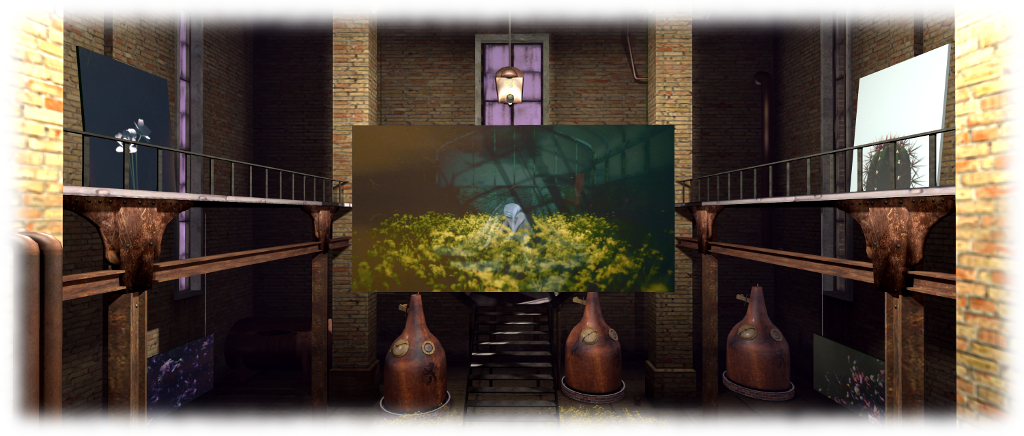
Opening on May 5th at Dathúil Gallery, is an exhibition of art by Cicada (aspencicada) entitled Solitude. It comprises 17 images, 16 split between to ground floor and mezzanine level of the gallery, with a large format piece suspended from the ceiling, facing the main entrance.

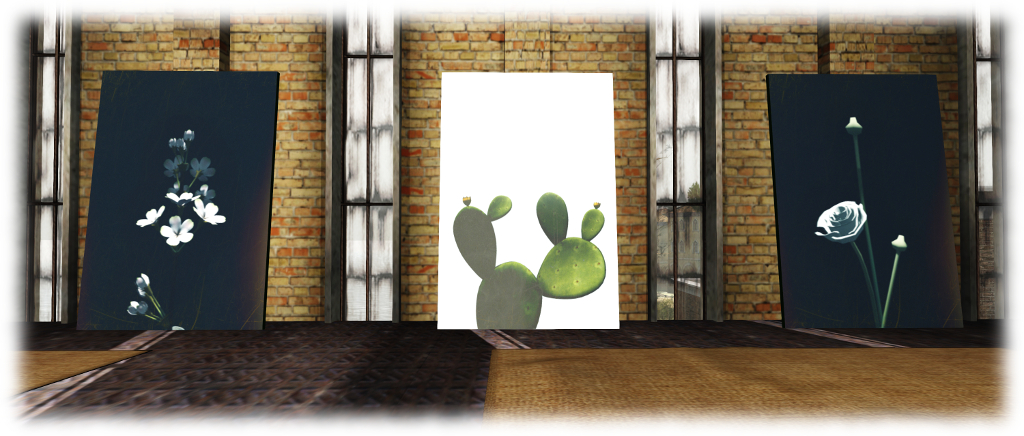
I confess to not having been previously familiar with Cicada’s work, and this exhibition presents an interesting contrast of subject and style focused on the central theme of solitude, with the majority of the pieces depicting either individual  flowers and plants, or groups of flowers seen from above, while five present avatar studies.

Solitude - Dathúil Gallery
Solitude – Dathúil Gallery

“Solitude,” the artists informs visitors, “is the remoteness from habitations. The sense of feeling to want to be away from everything. I’d like to be able to get away for a long time, just to think, to plan and to just be. A time to fix myself, fix all things broken, fix everything.”

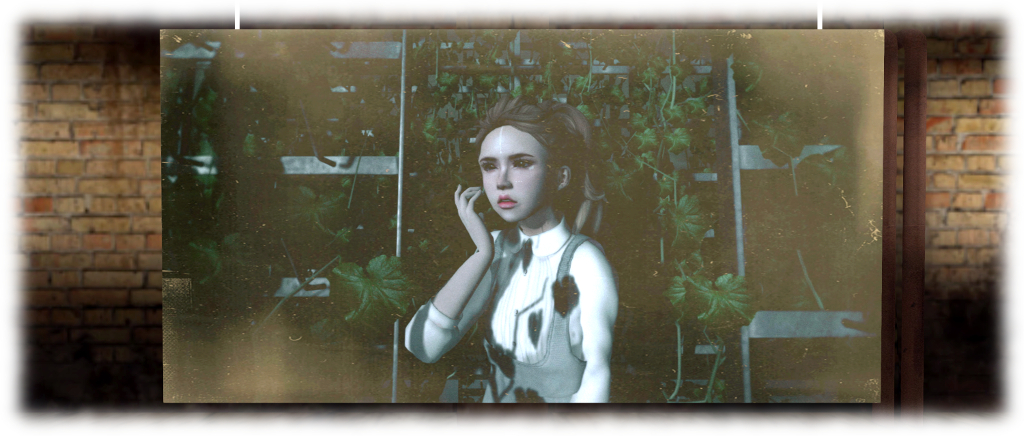
This is certainly evident in the five avatar studies on display, all of which convey a certain pensiveness or pathos. Three in particular – two on the left of the entrance and one to the right – appear to be part of the same narrative,conveying that need to be alone coupled with a pensive response to being discovered and observed.

Solitude - Dathúil Gallery
Solitude – Dathúil Gallery

The remaining two, which comprise the large overhead image and a further picture to the right of the entrance, are more stand-alone. The latter suggests a time of solitary reflection, the overall lighting of the piece perhaps indicative that the reflections in question are centred on darker thoughts.

However, it is the overhead image which tends to dominate the space and hold the attention. This is in part thanks to the blanket of yellow flowers, matching those in the image, which carpet the floor of the gallery either side of a path of yellow tiles, all of which direct us to the image, which in turn seems to embody the idea of being alone in order to fix oneself.

Solitude - Dathúil Gallery
Solitude – Dathúil Gallery

The images of plants and flowers further convey the idea of solitude, albeit quite differently; so differently, in fact, that they may at first seem out-of-place compared to the theme of the exhibit and the avatar studies. But they stand as a reminder that there is beauty and peace in solitude – and also beauty in being among one’s friends and peers.

There is no formal opening planned for this exhibition, partially due to schedule conflicts and partly because Cicada prefers not to have a party. Instead, the exhibition will open in the morning of Thursday, May 5th (SLT) and will remain open through until May 30th.

SLurl Details