Polychronies: looking upon an ancient future

Polychronies
Polychronies

Polychronies, Gem Preiz’s latest exhibition of his RL fractal artwork opened on Monday February 24th at the Le Bronx gallery. As with his recent exhibits Cathedral Dreamer, and Ride The Universe, both of which I’ve reviewed in these pages, it’s a fascinating exhibit, with some seventeen of Gem’s pieces on display across seven rooms.

As with his previous exhibitions, there is a central theme to this piece; this one somewhat a mix of ancient astronauts and futuristic science-fiction. It seems a race of ancients one populated the universe and built great temple-like structures and enormous cityscapes which have survived them. Having stood empty for millennia, these great structures now stand as an enigmatic reminder of a much older race as our own descendents reach outward to the stars. Yet who or what that race was, and how they may or may not be related to us, remains a mystery perhaps hidden in the depths of these magnificent temples.

Polychronies
Polychronies

To get to the exhibition, teleport down from the region’s landing point to the ground (Le Bronx). You’ll arrive alongside the gallery’s foyer, where you can pick-up a catalogue of paintings featured in the exhibition, which also includes the backstory. There’s also a freebie spacesuit on offer if you feel like really getting into the mood. Three circular teleports are available to transfer people to the exhibition space itself.

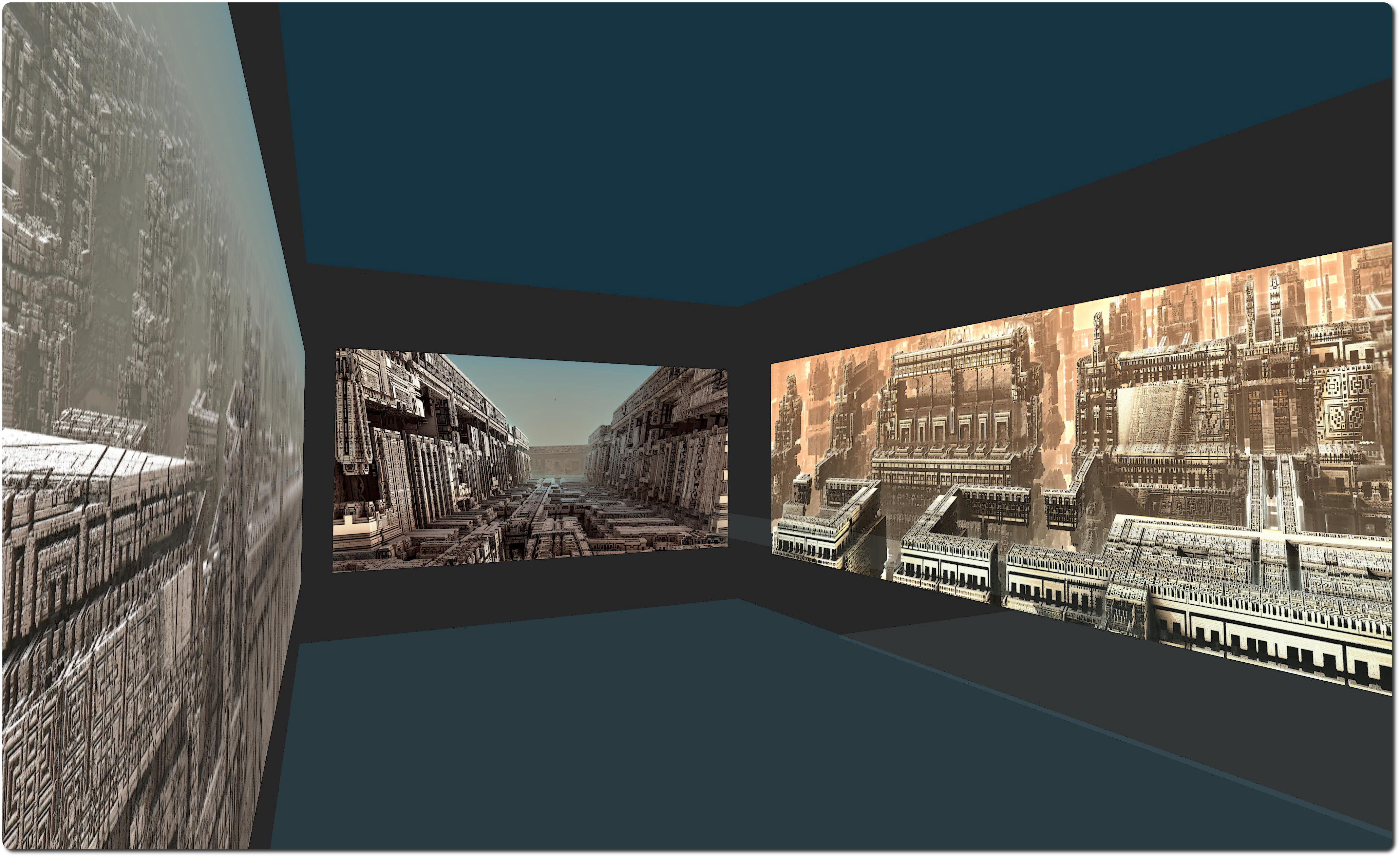
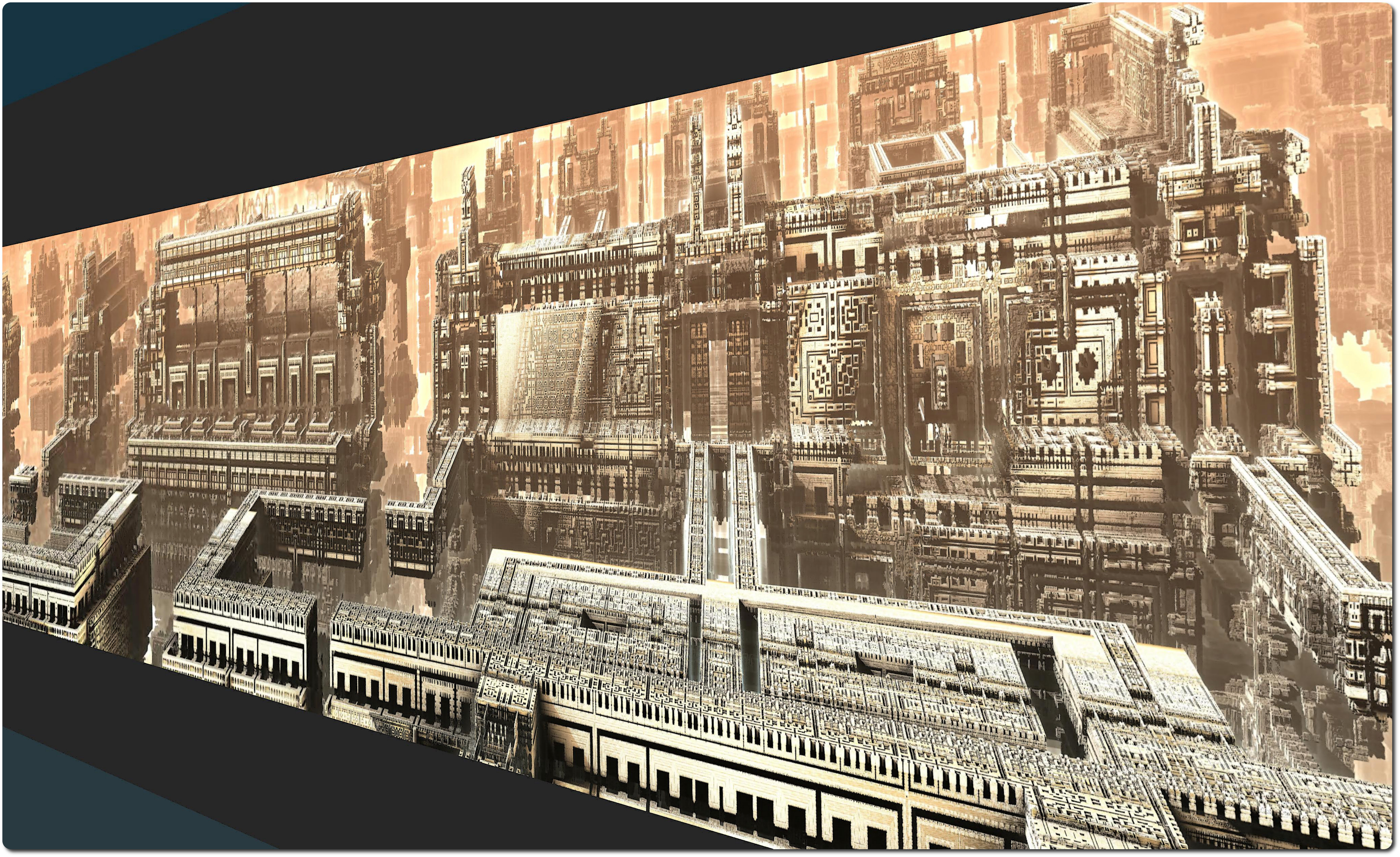
Here Gem’s work is displayed within a series of interconnected rooms, with two or three pieces mounted on the walls per room. Semi-transparent walkways direct you through the exhibit, passing through some of the images or through bare walls along the way.  The images themselves are truly stupendous, and Gem has done a huge amount of work to bring his pieces into SL and present them in what are effectively seamless montages up to 50 or 60 metres in length. Such is the wealth of detail, I’m not sure the pictures here are going to do any of them justice; they really do have to be seen.
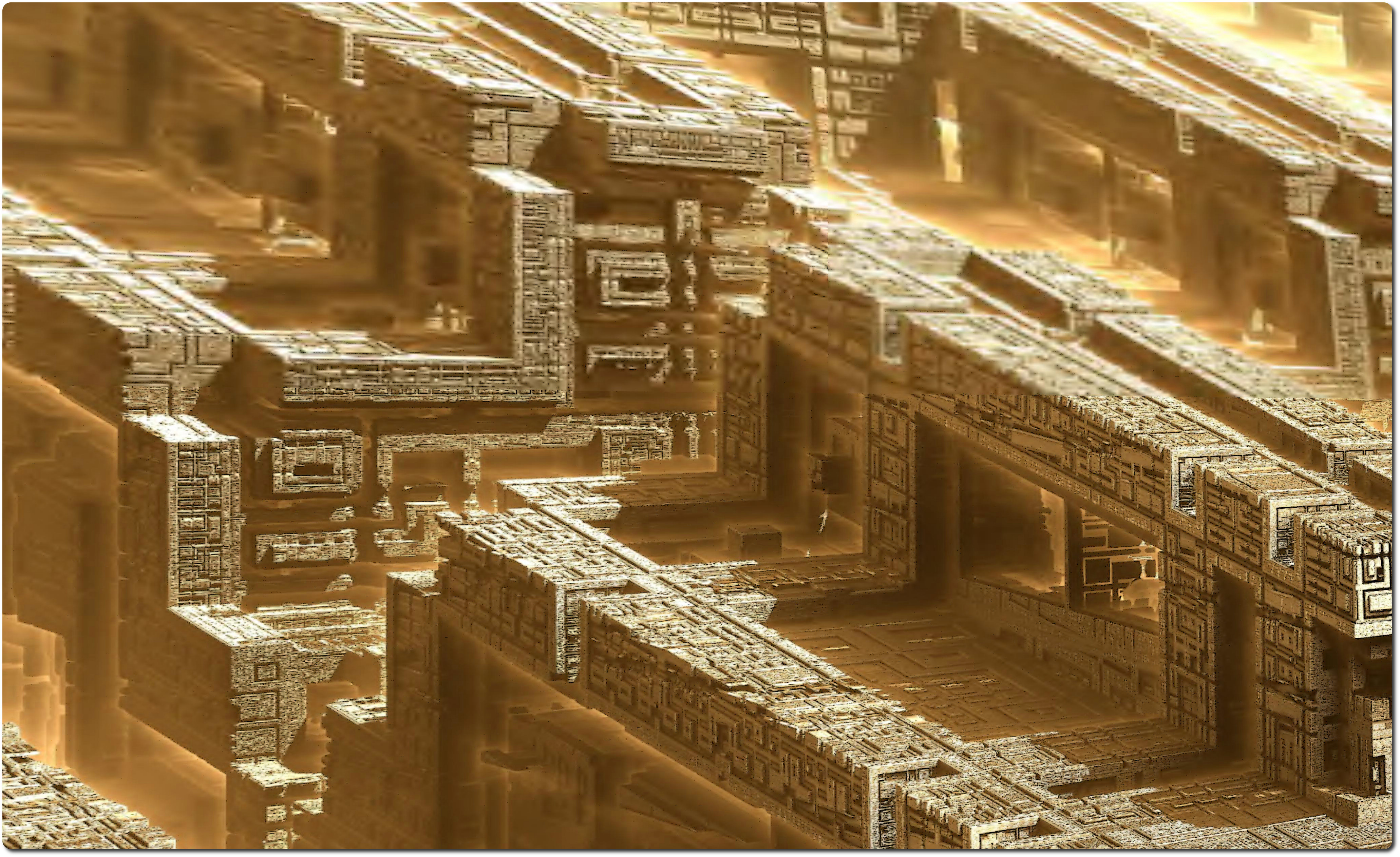
Polychronies - the detail evident in the individual pieces is captivating
Polychronies – the detail evident in the individual pieces is captivating

As with Cathedral Dreamer,  a powerful feeling is evoked when camming slowly over the incredible structures displayed in each painting; the three-dimensional feel within each of them makes one long to be able to step into it, to see the tall towers reaching into strange skies from within, to look out over their majestic vistas and feel the light of the alien suns which have warmed them through the long millennia and, ultimately, step into their myriad rooms and discover the secrets they hide. In short, to truly be an astronaut explorer making the most incredible archaeological finds of human history.

Polychronies is another marvellous examination of the beauty of fractal art, and for those who have the physical in-world space, one which can be enjoyed at home, as each of the pieces on display is also available for sale.

Definitely not one to be missed.
Polychronies
Polychronies

Related Links

Sometimes going backwards is the best way forward

CuriosityCuriosity is once more moving forwards – by going backwards.

Since crossing the “Dingo Gap” sand dune, the rover has been on terrain dubbed “Moonlight Valley” which is far smoother than has been encountered in recent travels, exactly as the mission team would hope would be the case. Nevertheless, precautionary measures are still being used to offer Curiosity’s aluminium wheels some additional relief after a routine inspection of them revealed some had suffered much greater wear and tear than had been anticipated crossing some very rugged terrain.

While the damage to the wheels is not an immediate threat to the rover, mission planners were aware it could happen, and so have been considering various alternatives to minimise further undue wear. One of these alternatives involves the rover proceeding by driving backwards.

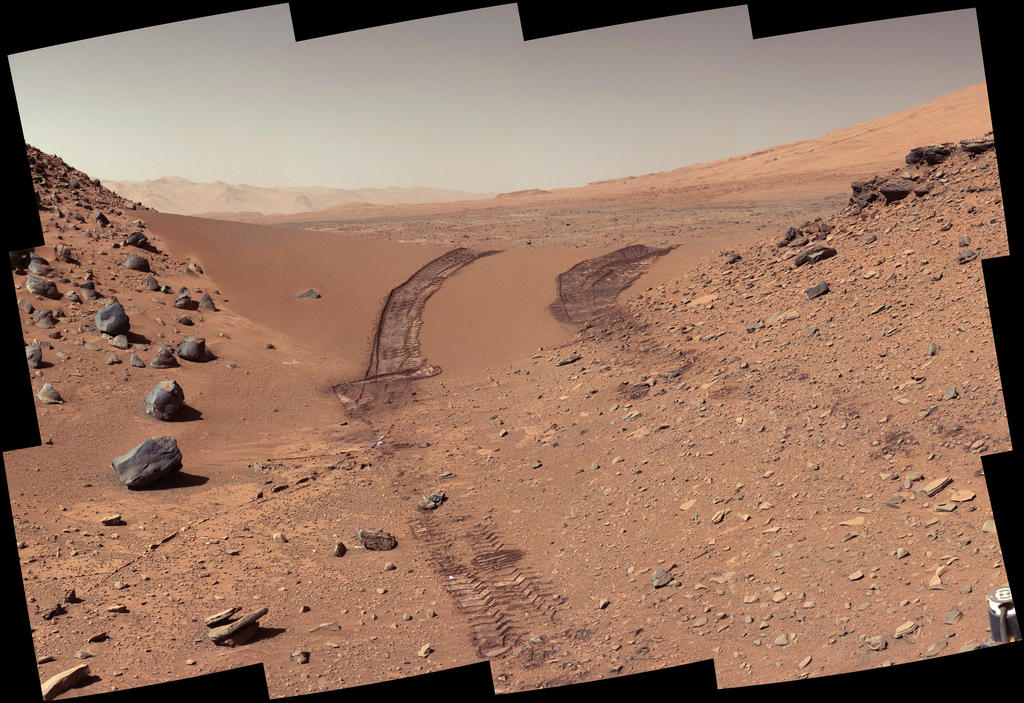
A white-balanced look back at the “Dingo Gap” sand dune Curiosity drove over on February 9th (Sol 538) to reach smoother driving terrain. For scale, the distance between the parallel wheel tracks is about 2.7 metres (9 feet) across (click to enlarge)

Theoretically, the design of the rover means that it can make forward progress either by driving with its front end (mounting the robot arm and science turret), or with its rear end, the large RTG cooling system, facing the direction of travel. However, the technique has never been fully tested on Mars, only having being tried over any significant distance using Curiosity’s Earth-based test bed twin; but with much smoother terrain now before the rover, mission managers were eager to discover how well Curiosity could drive when travelling backwards.

“We wanted to have backwards driving in our validated toolkit because there will be parts of our route that will be more challenging,” said mission Project Manager Jim Erickson at  NASA’s Jet Propulsion Laboratory, Pasadena, California. To this end, on Tuesday February 18th, Sol 647 of the mission, Curiosity covered just over 100 metres (329 feet) whilst driving backwards, a traverse which was also the first long trek the rover has made in more than three months, bringing the total distance it has driven since arriving on Mars in August 2012 to some 5.21 kilometres (3.24 miles).

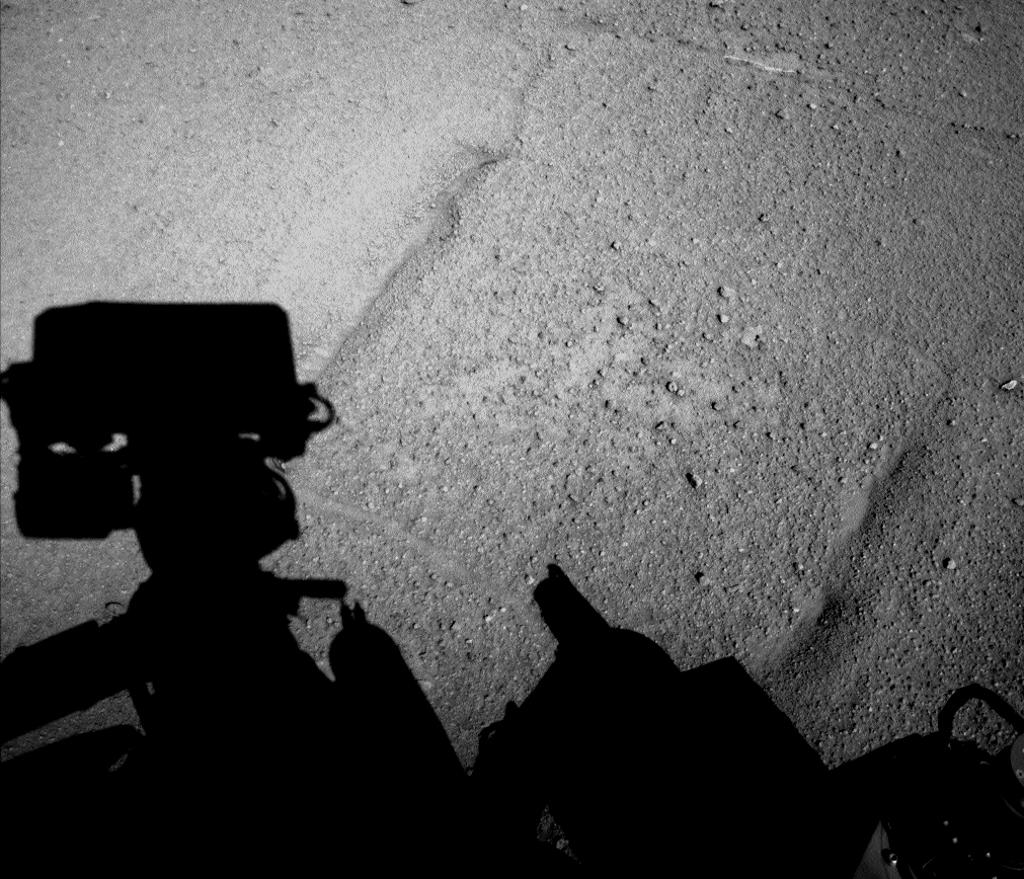
Casting a long shadow: a black-and-white Navcam image captured by Curiosity at the end of its 100-metre reverse drive on Sol 547 (February 18th, 2014). The linear markings near the rover’s shadow are not wheel marks but surface patterns in the ground over which it is travelling (click to enlarge)

With the reverse driving now proven, Curiosity is set to resume its primary mission, which will see it make its way to an area previously referred to as “KMS-9”, comprising three different terrain / rock types offer a relatively dust-free area, and which has now been renamed “Kimberley” after a region in north-western Australia noted for its ancient, exposed rocks.

Following the February 18th drive, Curiosity faced a 1.1 kilometre curving trek to reach “Kimberley”. Once there, the rover will stop there to conduct further science activities, including gathering further rock samples using the turret-mounted drill. At the same time, mission managers will use orbital imagery to select the preferred route the rover will be instructed to take in order to continue onwards to its primary destination: the lower slopes of “Mount Sharp”.

“We have changed our focus to look at the big picture for getting to the slopes of Mount Sharp, assessing different potential routes and different entry points to the destination area,” Erickson said, commenting on the need to reassess the route. “No route will be perfect; we need to figure out the best of the imperfect ones.”

Reaching Kimberley: the white line marks Curiosity’s route. Prior to cross “Dingo Gap” (top right), the rover’s route would have been more-or-less directly to “Kimberley” (lower left). Since crossing the dune onto smoother terrain, the rover has travelled some 100 metres (to “547”), with the yellow line showing the revised route to “Kimberley” the rover will be negotiating (click to enlarge)

It is not clear how long the rover will remain at “Kimberley” once it arrives there; part of this decision will likely only be made once the rover have been able to survey the area for itself.

MSL reports in this blog

Images and video courtesy of NASA / JPL.

On Jacob’s Pond

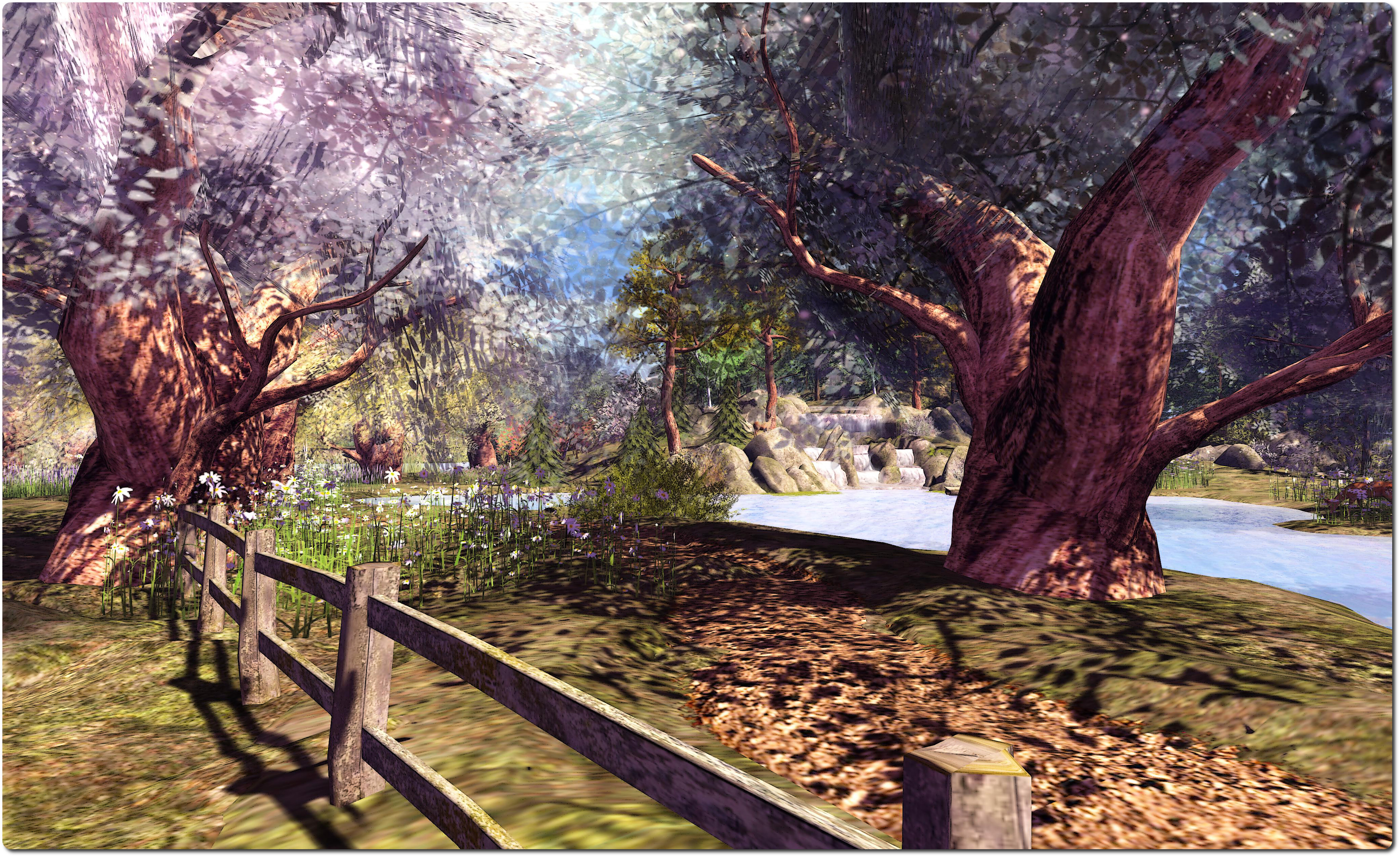
Jacob's Pond, End of Time February 2014The Pines at Jacobs Pond, End of Time, February 2014 – click any image for the full-size version

The Pines at Jacob’s Pond is a part of the End of Time estate, which I first visited in September 2012 (and which I really should get back to and re-explore). The region gained a lot of exposure over the winter period, when it was covered in snow and was featured  in a number of blogs. While I did drop-in back then, I decided to wait for the snow to melt before paying a “proper” visit.

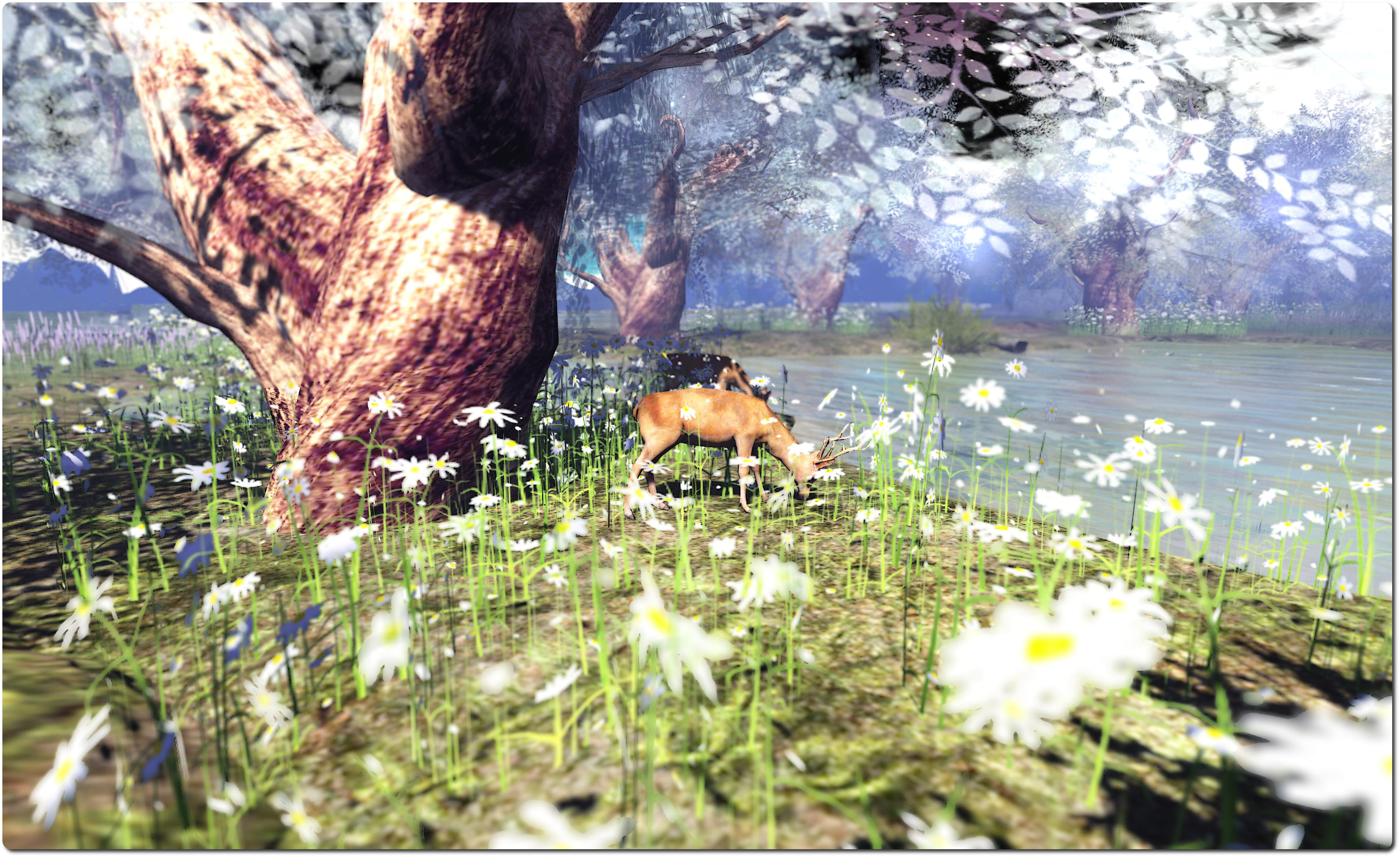
Jacob's Pond, End of Time February 2014The Pines at Jacobs Pond, End of Time, February 2014

As with most of the rest of the estate, “The Pines” is open to the public to wander and enjoy – and it is a beautiful place to visit and photograph. Central to the region is the “pond” from the name, although given its size, “lake” would perhaps be a better description! Around this sits a fabulous landscape in places heavily wooded, in others relatively open, with all of it being a haven for deer.

Jacob's Pond, End of Time February 2014The Pines at Jacobs Pond, End of Time, February 2014

From the arrival point, paths wind around and through the island, offering plenty of opportunities to explore and discover photogenic views and spots as well as one or two hidden secrets.  One the far side of the island from the arrival point sits a small farm, complete with a thatched roof barn, with horses grazing nearby.

Jacob's Pond, End of Time February 2014The Pines at Jacobs Pond, End of Time, February 2014

Wandering along the paths and up over the hills, the amount of care put into the region is obvious; there is a completely natural feel to the lay of the land and the various elements all roll together to present a genuinely natural environment which feels much larger than the region in which it sits. It is also a place where  not everything may reveal itself to first looks; patience and care will be rewarded the longer you explore and take the time to carefully look around.

This is one of those regions where it would be so easy to wax lyrical about, and in doing so perhaps sound like you’re over-egging it. But the fact is, it really is gorgeously done. Don’t just take my word for it, however, go see for yourself 🙂 .

Jacob's Pond, End of Time February 2014The Pines at Jacobs Pond, End of Time, February 2014

Related Links

Kokua 3.7.1.30956: Fitted Mesh and refresh scene option

kokua-logoKokua, the SL and OpenSim v3-style viewer, updated on Tuesday February 18th to version 3.7.1.30956. With it came support for the Lab’s Fitted Mesh solution and the Facebook log-in hotfix.

As well as bringing the viewer up to parity with the Lab’s code base through to 3.7.1, this release also sees a set of updates from the Kokua team, the core of which can be summarised as:

  • The Mac version of the viewer (issued as a test version in January) is now available as a release version with this update, thanks to the help and support of Mac users
  • The Draw Distance slider on the status bar is now turned off by default as new users were apparently confusing it with a volume slider. It can be re-enabled via the debug setting ShowDDSlider (Advanced > Show Debug Settings)
  • The Windows version of Kokua now uses the FmodEx library for music streaming, and incorporates the avatar name in the title bar (port from Firestorm)
  • Opensim variable-sized regions and Aurora Sim regions are now supported
  • A number of issues with the UI have been resolved with assistance from CtrlAltStudio’s Strachan OFarrell.

Refresh Scene

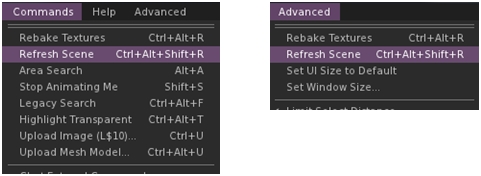
Perhaps the most interesting update to Kokua with this release is a new Refresh Scene feature. This is primarily aimed at mitigating the missing prim issue, and can be accessed through both the Commands and Advanced menus or by pressing CTRL-ALT-SHIFT-R.

The Scene Refrsh option in the Command and Advanced menus
The Scene Refresh option in the Commands and Advanced menus

When selected, the option carries out a number of tasks:

  • Basic Shaders are deselected, increasing the viewer’s frame rate and allowing the viewer to more quickly pull-in the basics of a scene
  • A message is sent to the viewer log, allowing the viewer to run a little longer without the shaders
  • Basic Shaders are re-enabled to complete re-dressing the scene, which should now be correctly rendered.

Other Notes

There have been some reports in the comments following the release notes of issues running the 64-bit Linux version of the viewer on Ubuntu, which are apparently under investigation.

I did encounter initial issues running the viewer on 64-bit Windows using my Crash Test Alt, which saw the viewer repeatedly going non-responsive within a minute or so of logging-in. However, I confess to not having performed a clean install,  so this particular issue could have been as much my end as anything else. When I did perform a completely clean install, the issue went away. So if you do encounter issues, try a clean install, if you haven’t already.

All told, another nicely packaged update to Kokua, one which probably hides a lot more in the way of under-the-hood changes than might at first appear to be the case. The Refresh Scene option is an interesting approach to resolving the missing prim issue, and may well prove to have other benefits in the future as well.

Related Links

Viewer release summaries 2014: week 8

Updates for the week ending: February 23rd, 2014

This summary is published every Monday and is a list of SL viewer / client releases (official and TPV) made during the previous week. When reading it, please note:

  • It is based on my Current Viewer Releases Page, a list of  all Second Life viewers and clients that are in popular use (and of which I am aware), and which are recognised as adhering to the TPV Policy
  • By its nature, this summary will always be in arrears
  • The Viewer Round-up Page is updated as soon as I’m aware of any releases / changes to viewers & clients, and should be referred to for more up-to-date information
  • The Viewer Round-up Page also includes comprehensive links to download pages, blog notes, release notes, etc., as well as links to any / all reviews of specific viewers / clients made within this blog.

Official LL Viewers

  • Current Release version: no change
  • Release channel cohorts (See my notes on manually installing RC viewer versions if you wish to install any release candidate(s) yourself):
    • HTTP RC updated on February 19th to version 3.7.2.286707 – core updates: DNS look ups changed; improvements to mesh uploads / downloads (download and release notes)
    • Maintenance RC updated on February 18th to version 3.7.2.286708 – core updates: assorted MAINT fixes (download and release notes)
  • Project viewers:
    • No updates

LL Viewer Resources

Third-party Viewers

V3-style

  • Kokua updates to version 3.7.1.30956 on February 18th – core updates: parity with LL code base through to 3.7.1; FmodEx implemented for Windows; “scene refresh” option in Graphics Preferences (helps with missing prims issue); Opensim variable region sizes & Aurora sim regions support; more (release notes)
  • Restrained Love viewer (Windows) updated to version 2.8.5.10 on February 22nd – core updates:  (release notes) – party with LL 3.7.1 codebase; RLV updates (release notes)

V1-style

  • Cool VL Stable version updated to 1.26.10.12; Experimental version to 1.26.11.12 and Legacy version to 1.26.8.49 all on February 22nd – core updates: backports of assorted updates from LL code base to all three versions (release notes)

Mobile / Other Clients

  • Group Tools updated to version 2.2.27.7 on February 20th – core updates: unknown, but possibly includes support for the new Group Tools Cleaner, released on February 21st and which helps with Group Tools clean installs (download page)

Additional TPV Resources

Related Links

The eyes have it

Eyelands
Time Tunnel and Eyelands

I enjoy a little bit of science-fiction, as regulars here will know; I also like a little touch of the surreal as well. Given both are in evidence in artist and photographer Ronda Saunders’ Time Tunnel / Eyelands exhibit, I was bound to want to take a look.

These are actually two individual installations linked together to form a whole. The first, Time Tunnel, is where explorations start. The second part of the piece, Eyelands (or Eyeworld), is based upon on a piece Ronda created and exhibited at the Nitroglobus gallery in February / March 2013.

I have to admit, the warning sitting alongside the stargate-like wormhole which forms the starting-point for your journey into these immersive spaces isn’t entirely reassuring. Cybertech industries thanks you  for using their intra-dimensional transport systems it reads, kindly enough. However, it then continues, And accepts no responsibility for your safety. Eep! Other warnings are visible which may discourage the faint-hearted; however, follow their guidance, and you’ll be quite safe.

Eyelands
Time Tunnel and Eyelands

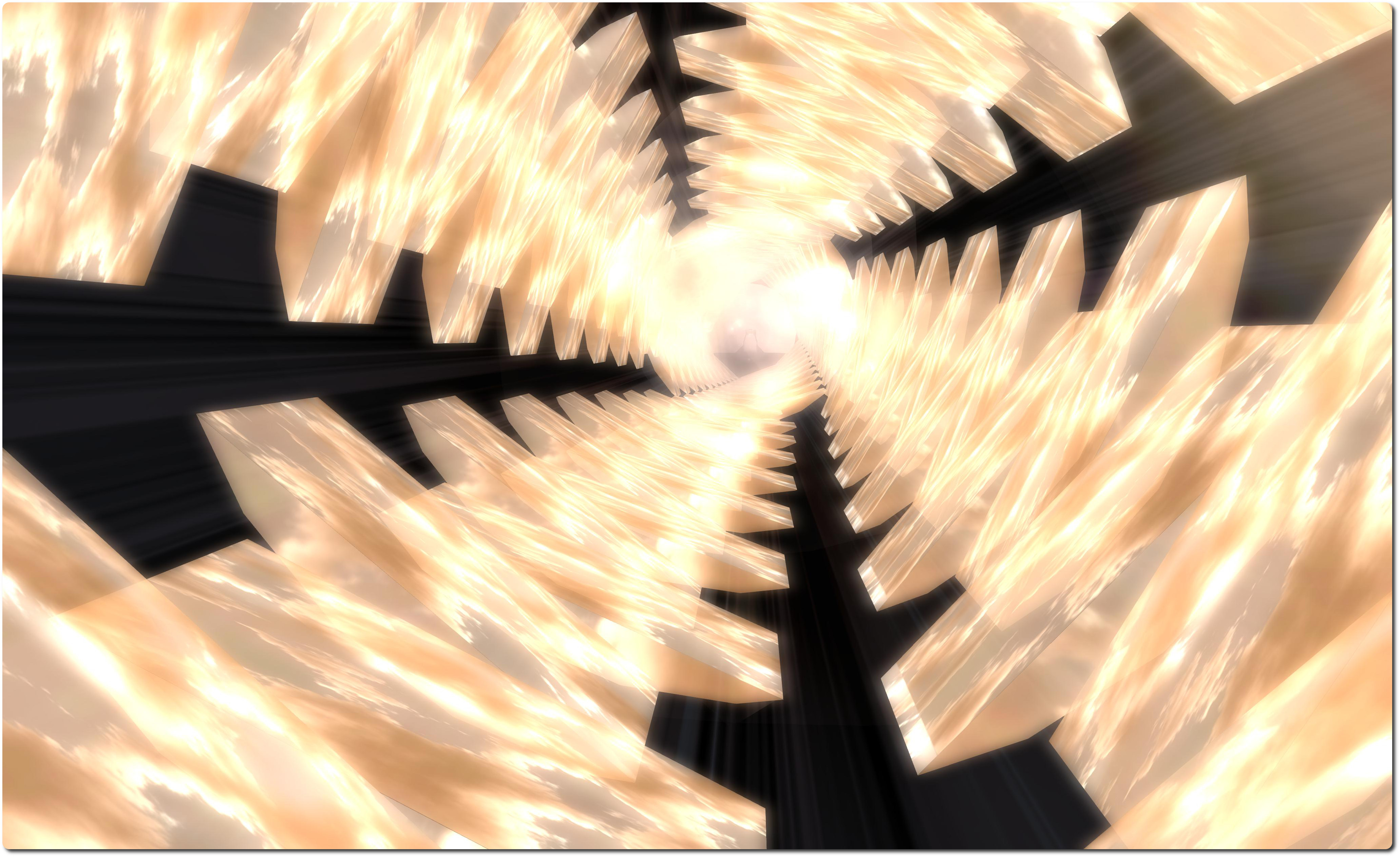
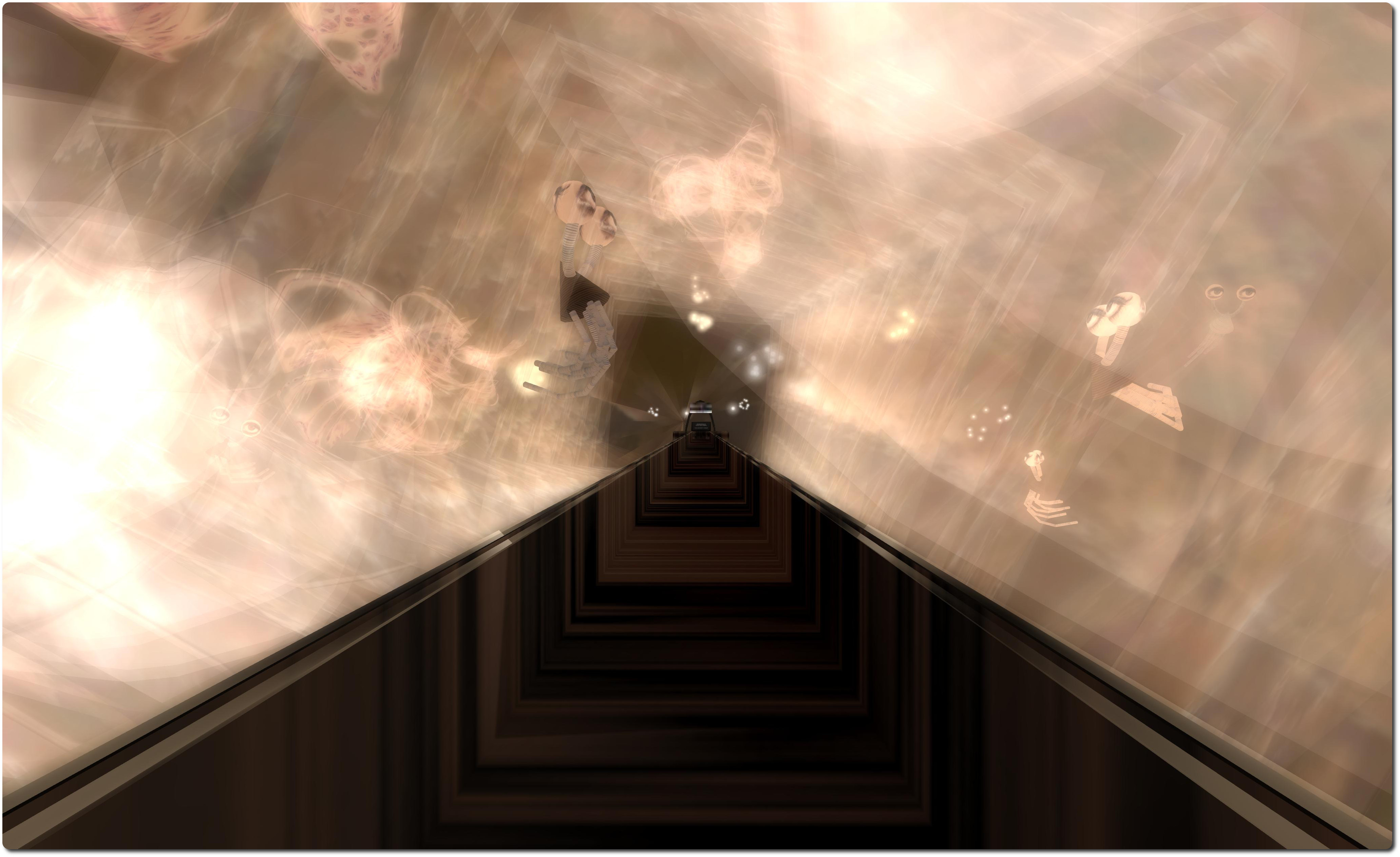
Step through the event horizon of the wormhole, and you enter a rotating tunnel which leads to a further walkway. Beyond the protective walls of the surrounding tunnel strange life forms can be seen: plasma-like creatures, swirling, rising, falling and moving as if on an invisible tide. Between them flit and flicker other creatures, their eyes protruding stalk-like, while groups of lights, mindful of the Phoenix Asteroids1, zoom by.

Eyelands
Time Tunnel and Eyelands

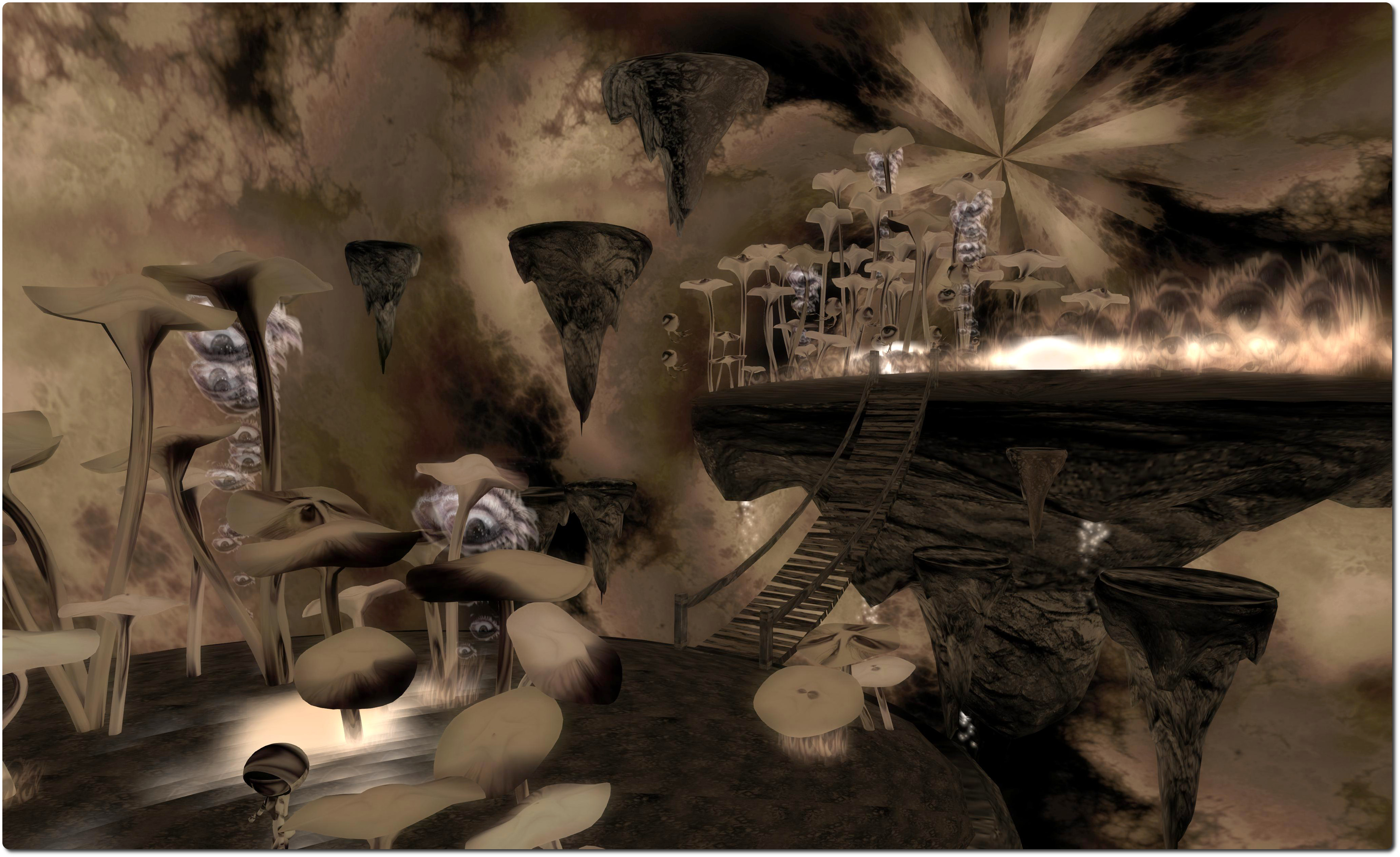
At the end of the tunnel sits a teleport system, set to deliver you to the second half of the exhibit. It is here that things get very surreal.  Rocky outcrops float in a strange sky, the two largest of which can be reached by wood-and rope bridges. Upon these, tall, mushroom-like plants grow, their tops featuring eyes which turn, split, swirl and slide in a series of repeating patterns, and from which more eyes cascade in silent torrents to the ground under them. Between these growths are more eyes, flittering back and forth skittishly, while grass-like expanses of eyes of all sizes seem to ripple in an unfelt breeze.

It’s a strangely hypnotic landscape (more so if you have the music stream on); one I’m not sure words and images really do justice; as such, I can only urge you to go and see this remarkable piece for yourself.

Eyelands
Time Tunnel and Eyelands

Related Links