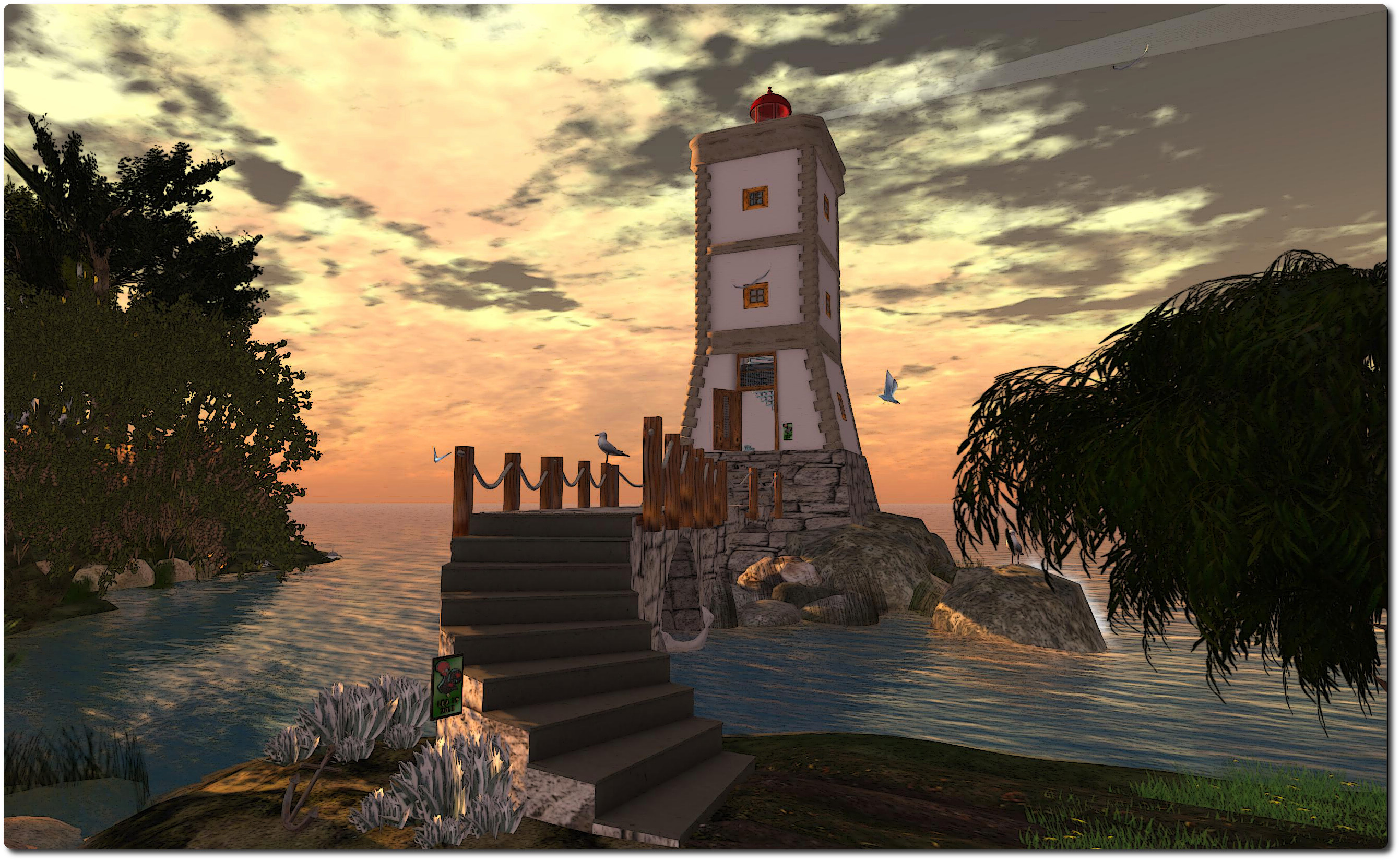
The Portuguese Way

The Portuguese Way: a model of the lighthouse tower of Farol Cabo Carvoeiro

The Portuguese Way, a collaborative piece by Chagal Campestre, Flor Campestre, Janjii Rugani, Wan Laryukov, Winter Wardhani, is a little different from “the usual” (however you might define that!) exhibitions at the Linden Endowment for the Arts.

Explaining their piece, which opened on September 13th, the team said, “When we decided to present a project to apply for a LEA sim, we thought about doing something different from what we usually see in the LEA sims.

“So we opted to do a realistic sim, depicting RL Portuguese landmarks and at the same time, show our history and culture, hopefully breaking the stereotype that Portugal is all about sun and sea. We called it ‘The Portuguese Way.”

The Portuguese Way: a model of the 25th of April Bridge, one of the world's longest suspension bridges (2.2 km long), with the art centre beyond
The Portuguese Way: a model of the 25th of April Bridge, one of the world’s longest suspension bridges (2.2 km long), with the art centre beyond

Portugal is somewhere I’ve never had the pleasure of visiting. I rather suspect that, like a lot of other people, my view of it amounts to thoughts of Portugal in a modern context – as the team state, a destination for holday goers and of being “the country between Spain and the Atlantic”. It’s very easy to forget that it was once the centre of the longest-lived colonial empire in Europe, lasting some 600 years from the capture of Ceuta, northern Africa in 1415, through until the handover of Macau to China in 1999 (de facto) or the granting of sovereignty to East Timor in 2002 (de jure), depending on one’s point-of-view.

During that time, the empire held territories across what are now 53 different sovereign states, with some 240 million Portuguese speakers (making it the 6th most-spoken language in the world).

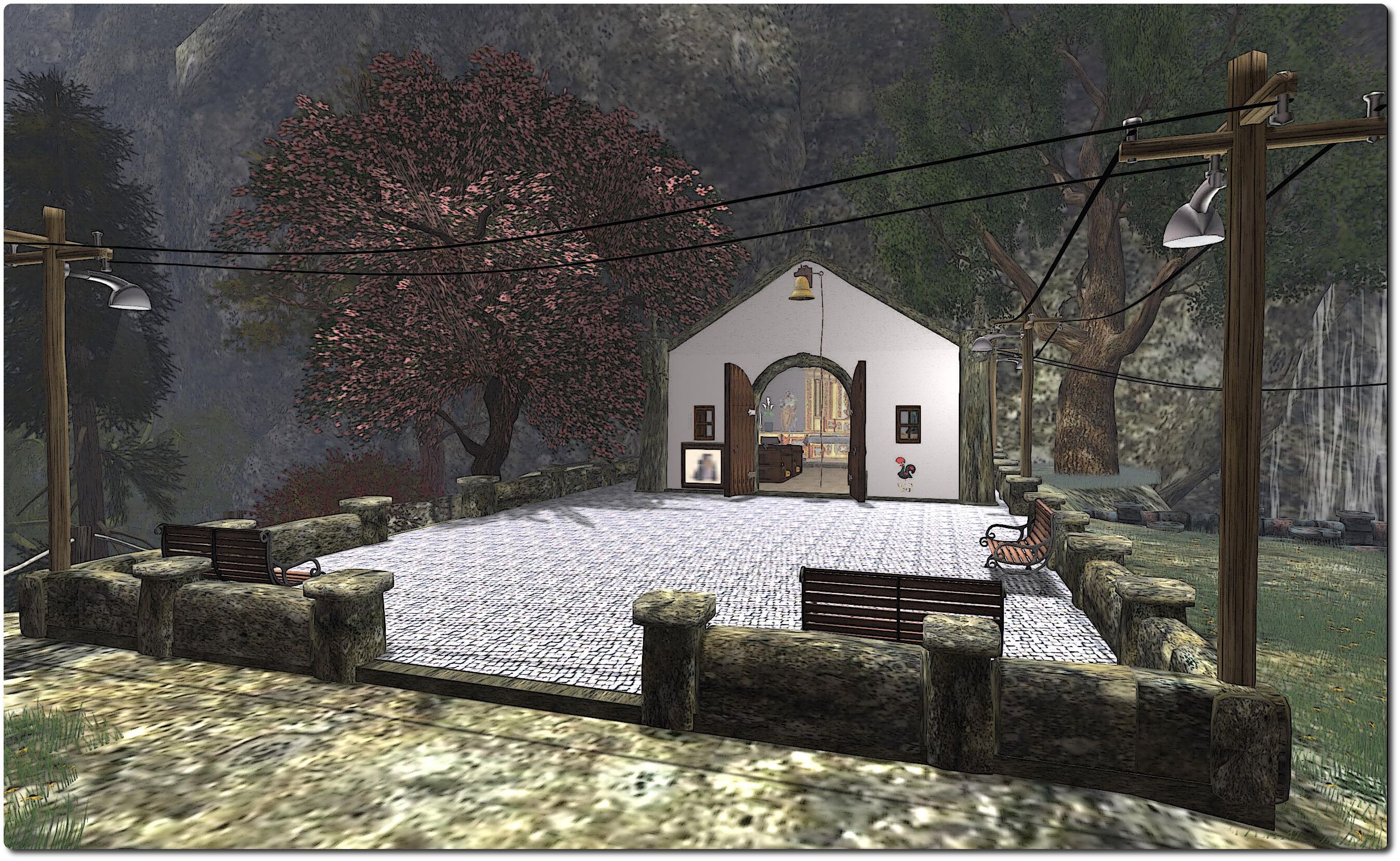
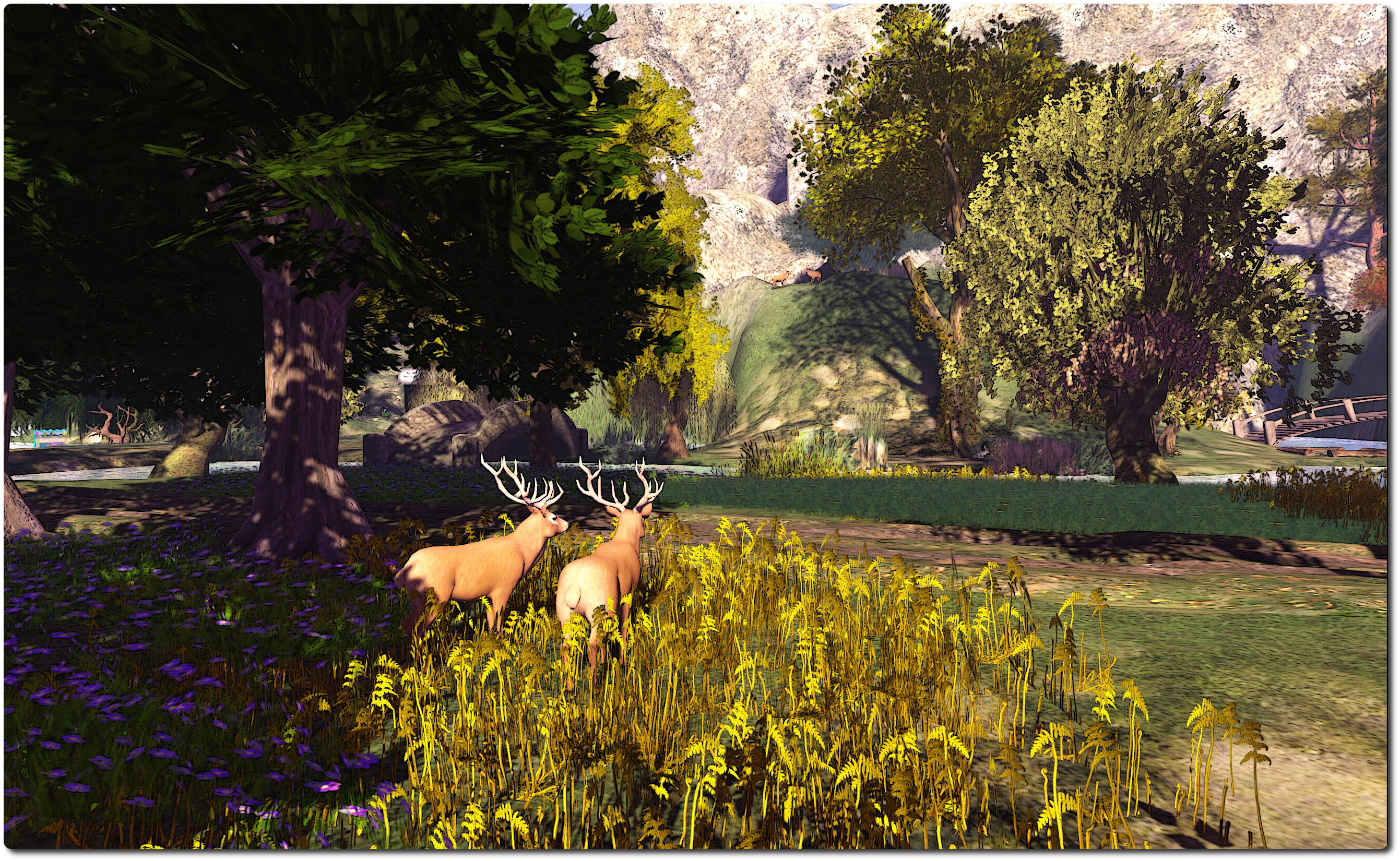
The exhibit itself presents a number of famous Portuguese landmarks and historical sites, as well as various rural scenes, in a landscaped environment one can explore in a number of ways – on foot (recommended), via balloon or via teleport links, for example.
The Portuguese Way
The Portuguese Way

There are information givers scattered throughout the region, each disguised to blend-in with its surroundings which provide a broad range of information on the country: history, political, economy, legends – such as that of Sebastian – culture, art and more.  On one side of the region sits a maze, inspired by Ensaio sobre a Cegueira ( Eng: Blindness), a novel by Portuguese writer and recipient of the 1998 Nobel Prize in Literature, José Saramago.

All told, the region packs a lot into it, so it is worthwhile taking the time to explore. The note cards are both informative and clearly written and help present one with insight into Portugal and its rich and diverse history and its position in the modern world. As well as the exhibit itself, the team responsible for The Portuguese Way are planning a series of cultural and musical events by Portuguese artists and performers working in Second Life.
The Portuguese Way
The Portuguese Way

Related Links

BOOFest! A time for tales that will haunt you

The Trace
The Trace – an autumnal feel

Once again the year is passing swiftly, already we are drawing close to saying goodbye to September and, for those of us in the northern hemisphere, the last of the summer. Now October is peeking over the horizon, watching us; the time when the days grow shorter, the air crisper and the leaves on the trees turn to browns, reds, oranges and golds, before falling to carpet the ground beneath our feet.

October brings with it the first taste of winter and, as the nights draw in around us and as it also goes old, that time when pumpkins are prepared, and children take to the streets in all manner of spooky and bizarre costumes, earnestly asking for trick or treat; when bonfires are lit, games are played, and ghostly tales are told.

The Trace
The Trace – pumpkins!

To mark the arrival of Halloween, Stories Unlimited and Branwen Arts will once again be hosting Boofest! and Boostock, and are issuing a call for performers.

BooFest 2013This year’s event will take place on the weekend of Saturday 26th (Boostock) and Sunday 27th October  (Boofest!), at Bran, and the organisers are seeking performers willing to participate and recite tales of terror in a 30 or 60 minute time slot during Boofest! itself, which will take place between 10:00 and 17:00 SLT the 27th October.

Presenters can tell original tales of their own, or opt to read seasonal favourites and classics, or share those dark tales by authors perhaps not so well-known. The only requirements are that presentations fit the requested time slot and are given live (no pre-recordings).

If you would like to participate, forward a notecard to either Caledonia Skytower or Dubhna Rhiadra with the following information:

  • Your name
  • The length of the time slot you’ll like (30 or 60 minutes)
  • Whether you are performing solo or with others (please include their names),
  • The piece you intend to present if you know it (not vital, as long as the organisers know by October).
  • Time of day preference or any time constraints that need to be considered when scheduling you.

Note that there will be limited rezzing during the event, and there will be no streaming – it’s just a blazing fire, an audience – and your voice! Submissions are open now, and will remain open until midnight SLT on October 14th.

Boostock and Boofest! will be open to all Second Life residents, and there is no charge for attending. However, any gratuities received will directly benefit War Child North America, and Branwen Arts.

Related Links

Of blackmail, a Canadian in New York and Irish life

It’s time to kick-off another week of fabulous story-telling in Voice, brought to Second Life by the staff and volunteers at the Seanchai Library SL.

As always, all times SLT, and unless otherwise stated, events will be held on the Seanchai Library’s home on Imagination Island.

Sunday September 22nd, 13:30: Tea Time at Baker Street

Caledonia Skytower and Corwyn Allen return to read another installment in Sir Arthur Conan Doyle’s volume of stories The Return of Sherlock Holmes.

Watson (l) and Holmes (c) confront Charles Augustus Milverton (Sidney Paget, Stand Magazine, 1904)

The Adventure of Charles Augustus Milverton, first published in 1904, but thought to be set in 1899, sees Holmes and Watson retained by wealthy débutante Lady Eva Blackwell, who is being threatened by one Charles Augustus Milverton.

Milverton has obtained compromising letters written by Lady Blackwell, and is demanding £7,000 (around $700,000 today) in order not to reveal them and so put an end to her engagement, and bring shame down on her family.

Holmes regards Milverton as the “king of the blackmailers”, and more repulsive than any of the fifty or so murderers he has brought to account in his career. He resolves to recover the letters by any means necessary…

This is one of Sir Conan Doyle’s more unusual tales for the Great Detective, as it is believed to be based on a real-life blackmailer, Charles Augustus Howell. Howell was an art dealer who preyed upon an unknown number of people, including the poet Dante Gabriel Rossetti. He met his end under mysterious circumstances in 1890, when his body was found near a public house in Chelsea, London. His throat had been posthumously slit and a ten-shilling coin placed in his mouth. The presence of the coin was known to be a criticism of those guilty of slander.

Monday September 23rd, 19:00: Sci-fi Shorts

Join Gyro Muggins as he reads Hemeac and Dance of the Changer and the Three.

Tuesday September 24th, 19:00: The Words and Wit of David Rakoff

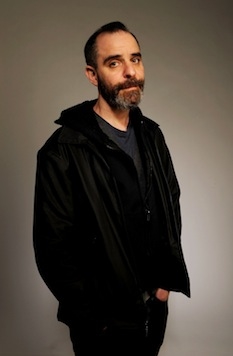
David Rakoff (1964-2012) - image courtesy of The New Yorker
David Rakoff (1964-2012) – image courtesy of The New Yorker

David Benjamin Rakoff was a Canadian-born writer and humorist most noted for his autobiographical writings. Rakoff was heavily influenced by David Sedaris, a former subject of a piece at Seanchai Library, and with whom Rakoff worked in both the theatre and on National Public Radio while based in New York City.

Rakoff was an essayist, journalist, and actor. He sometimes humourously / self-depreciatingly described himself as a “New York writer who also happened to be a Canadian writer”, a “mega Jewish writer”, a “gay writer” and an “East Asian Studies major who has forgotten most of his Japanese” writer.

Crap Mariner delves in to the Rakoff’s writings and presents an hours’ insight into his life and work – as seen through his own eyes.

Wednesday September 25th, 19:00: A Year in Tulfarris (3)

TulferrisFrom the book jacket:

“My boss was wondering if I’d be up for working in Dublin for a year. What would you think of moving to Ireland for a year?”

And so began the adventure, chronicled by his photographs and her written musings, as they explore monuments and meet people (and animals) who will leave an indelible mark on them and their children forever.

Follow them as they trek down livestock-riddled narrow lanes, traipse through fields to standing stones and megalithic tombs, and deal with the delightful and at-times maddening resistance on the Irish to the intrusions of the modern world.

Join Caladonia Skytower as she reads from this very personal and charming tale, laced as it is with a bittersweet twist.

Thursday September 26th, “Get yer spook on!”

Join Shandon Loring in getting into the Halloween spirit

—–

Please check with the Seanchai Library SL’s blog for updates and for additions or changes to the week’s schedule. The featured charity for September and October is Water for People. Have questions? IM or notecard Caledonia Skytower.

Related Links

“Let Me In”: The 3rd Annual International Disability Rights Affirmation Conference

Virtual AbilityFriday September 27th and Saturday September 28th will see the 3rd Annual International Disability Rights Affirmation Conference (IDRAC) take place in Second Life.

The theme of this year’s conference is “Let Me In”, and focuses on different perspectives about access that are of interest to persons with disabilities, and seeks to address issues of inclusion and freedom of participation.

Virtual Ability Island - the hub of Virtual Ability's work in Second Life
Virtual Ability Island – the hub of Virtual Ability’s work in Second Life

Persons with all types of disabilities can be fully functioning community members, given appropriate accessibility accommodations when needed. However, despite increasing legal protections ensuring access and community participation, significant barriers to equal access for persons with disabilities still exist:

  • A person with a disability or chronic health condition may not have access to all the facilities, resources, and communities that persons without these conditions have. A person with a mobility disability may be stymied by a flight of stairs leading to a public building, by public transportation their wheelchair won’t go into, or even by the tall threshold of a shop
  • A person with a visual impairment may be unable to benefit from daily newspapers or printed textbooks
  • A Deaf person may not be able to communicate on the phone, or receive information on radio announcements or at public lectures. Persons with developmental or intellectual disabilities may have difficulty understanding public policies or getting appropriate health care.

Panels of citizens from around the world will provide background as conference participants explore both policy and implementation aspects of providing full accessibility.

Commenting on the upcoming conference, Alice Krueger (Gentle Heron in SL), President of Virtual Ability, Inc., said:

For persons with disabilities, access to information is critical. We must be included in research about the world, and our needs must be considered in policy development. We also should have access to buildings, transportation, and all the other resources used by persons who do not have disabilities. Having access to the full function of communities in which we engage is equally important. “Let me in” is a logical follow-up to last year’s IDRAC conference which focused on communities people with disabilities belong to.

The conference will take place at the Sojourner Auditorium on Virtual Ability Island.

The Sojourner Auditorium, Virtual Ability Island - locations of the 3rd IDRAC
The Sojourner Auditorium, Virtual Ability Island – locations of the 3rd IDRAC

Programme Outline

For full details on the conference programme schedule, including updates and changes, please refer to the IDRAC Presentation Schedule. All times given her are SLT.

Friday September 27th

  • 08:30-09:30 – Keynote Address, Dr. Letitica De León:- Play to the Strengths: Accessible Fun and Learning for All Children
  • 10:00-11:00 – Dr. Sarah Rule: Training Community Based Rehabilitation Personnel in South Africa
  • 11:30-12:30 – Vulcan Viper: Accessibility in Mind
  • 13:00-14:00 – Vicki Robinson:  Teaching Physics to Deaf Students in a 3-D Immersive World
  • 14:30-15:30 – Jennifer Sarrett:  Disability in the Developing World: The Case of Autism in Kerala
  • 16:00-17:00 – Teresa Goddard: Service Animals in the Workplace
  • 17:30-18:30 – International Panel #1: Disability Rights Around the World

Saturday September 28th

  • 06:00-07:00 – Dr. Wisdom Mprah Does Disability Matter? Disability in Sexual and Reproductive Health Policies and Research in Ghana
  • 07:00-08:00 – International Panel #2: Disability Rights Around the World
  • 08:30-10:00 – Keynote Address, Dr. John Stone, The World Report on Disability
  • 10:00-11:00 – Christel Schneider:  European Language Portfolios for Specific Purposes
  • 11:30-12:30 – Dr. Margaret Stineman:  Empowerment Medicine: Engaging Together
  • 13:00-14:00 – International Panel #3: Disability Rights Around the World
  • 14:30-15:30 – Mike Rose: Inclusive Emergency Preparedness, or “I’ll Open My Own Doors” 16:00-17:00 – Dr. Nina Slota: Gender, Community, and Collaboration: The Experiences of Women Living with Reflex Sympathetic Dystrophy
  • 17:30-18:30 – International Panel #4: Disability Rights Around the World.

Related Links

Serenity and a little Savoir Faire

Savoir Faire Serenity Gardens

Hybie Mynx is both a fellow SL traveller and blogger; she’s also the proprietor of Savoir Faire Shapes & Poses, located over her homestead region of MiLova.

The ground level of the region forms Serenity Gardens, a lovely landscape where visitors are invited to explore, and which offers ” a majestic hike through forest, caves, waterfalls, rustic, coastal shores and romantic beach areas”, with the land description concluding people may find it “a little eerie, a little enchanted”.

Savoir Faire Serenity Gardens

Here you’ll find a lush wooded landscape split into two by a rocky gorge, itself spanned by a wooden bridge. On the larger of the two parts of the island, the woodlands are mixed with open areas of grass, and there are a number of points of interest to explore, with pathways winding through the trees, gazebos, a small cottage and, perched on a hill with the gorge on one side and horseshoe falls on the other, a tall wooden lighthouse. This side of the island also has the beach, with a curious sculpture garden perched above, overlooking it.

Savoir Faire Serenity Gardens

Across the wooden bridge sits the “adult” area of the region – with a sign at the end of the bridge warning you that it is. However, given that the region is G rated, don’t expect things to be overly Adult here; the ToS is still the ToS. However, there are secluded spots here for couples to snuggle-up and enjoy one another’s company, either outdoors or hidden within a cave. Or people can simply wander through the woods, which are lit by floating paper lanterns, enjoying the scenery.

Object return in the region is set to 15 minutes, so if you did want to spread a blanket of your own or pull out a canvas chair and just sit and watch the world go by, you should be able to do so. Just make sure you pick your things up behind you. There are also a number of places scattered through the region which offer places to sit and watch or think – or both.

Savoir Faire Serenity Gardens

The island was a little busy when I visited, but nothing too excessive, and it made for a pleasant hour’s exploration and picture-snapping.

Related Links

Of methane and waypoints

ICuriosityn what has been something of a surprise to scientists around the world, findings from the Mars Science Laboratory (MSL) suggest the amounts of methane present in the Martian atmosphere, at least at near-ground levels, are at best negligible.

While it can be produced by non-organic, as well as organic means, methane has long been regarded as one of the tell-tale signs that life may have once existed on Mars – or even may still exist somewhere beneath the planet’s arid surface.

Using the highly sensitive Tunable Laser Spectrometer, a part of the Sample Analysis at Mars (SAM) science package aboard Curiosity, MSL has subjected six samples of the atmosphere gathered between October 2012 and June 2013 to analysis  – and failed to detect any signs of methane, trace or otherwise.

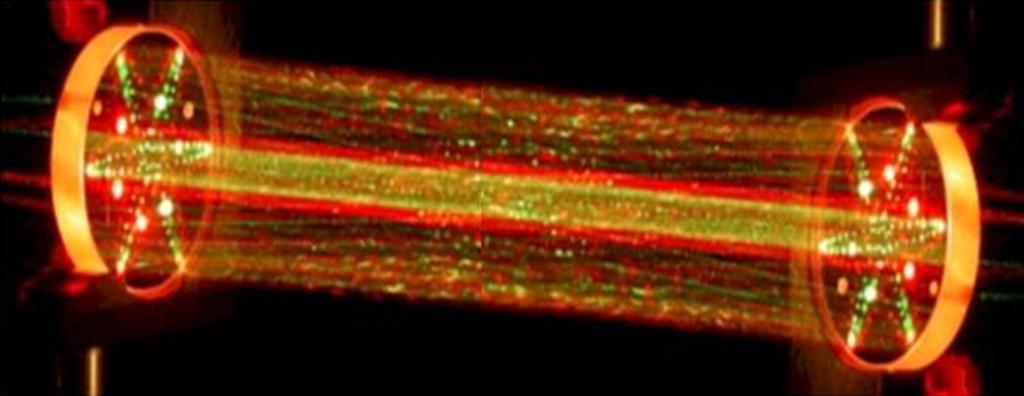
The Tunable Laser Spectrometer (TLS) shoots laser beams into a measurement chamber filled with Martian atmosphere. By measuring the light absorption at specific wavelengths, the TLS can measure concentrations of gases, including methane, as well as different isotopes of the gases. In this images of a TLS demonstrator, visible lasers are being used to show how the lasers bounce between the mirrors in the measurement chamber. The actual TLS uses infrared lasers.

This has come as a surprise because previous data gathered by US and international scientists via a range of means have suggested that while not present in abundant amounts, methane is very detectable within the Martian atmosphere. So much so that some of those involved in MSL were extremely confident ahead of the mission that the rover would find clear evidence of the gas as a part of its analysis of atmospheric samples.

Europe’s Mars Express, for example, which started on-orbit operations in 2004, and is still functioning today, found strong evidence for methane within the atmosphere of Mars. Not long after this, NASA’s own Mars Global Surveyor (the precursor to the Mars Reconnaissance Orbiter which relays communications between Curiosity and Earth today), which operated in Mars orbit from September 1997 through to November 2006, also detected methane to a point where scientists where able to map its annual ebb and flow.

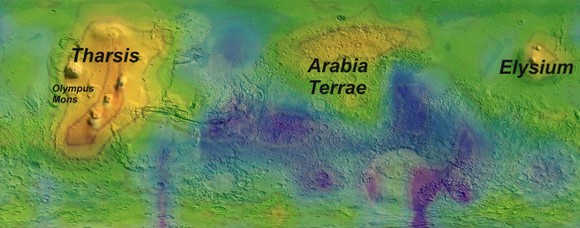
Map showing the relative concentrations of methane on Mars, 2004. Yellow indicates the highest concentrations of the gas, which coincide with the upland regions of the northern hemisphere, including the once volcanic regions of the Tharsis Bulge and Elysium

On Earth, methane (CH4) is largely the by-product of two distinct activities: geological, such as through volcanic eruptions  – and Mars certainly has a fair few volcanoes, some of the largest in the solar system in fact; and via organic means. Either way, it tends to break down relatively quickly, so even trace amounts of it within Mars’ atmosphere suggest that it is being renewed somehow. Given that an erupting volcano on Mars is a tad hard to miss (see “some of the largest in the solar system”, above), a renewable source of methane has seen as evidence that either there is some as yet unknown chemical reaction going-on to create methane – or it may just be the result of outgassing from Martian microbes.

Possible sources of methane on Mars

The amount of methane in the Martian atmosphere has never been particularly high; even the best analyses over the years have placed it at a peak of around 70 parts per billion, However, the TLS on Curiosity is a very sensitive piece of equipment. So sensitive that any trace amounts of methane in the Martian atmosphere must be below 1.3 parts per billion (around 10,000 tonnes in total throughout the atmosphere) in order for the TLS to miss it.

Responding to the findings, published on Thursday September 19th in Science Express, NASA has pointed out that the chances of future missions finding evidence of microbial life on Mars, past or present, aren’t entirely dashed. “This important result will help direct our efforts to examine the possibility of life on Mars,” Michael Meyer, NASA’s lead scientist for Mars exploration, said in a press release accompanying the report’s publication. “It reduces the probability of current methane-producing Martian microbes, but this addresses only one type of microbial metabolism. As we know, there are many types of terrestrial microbes that don’t generate methane.”

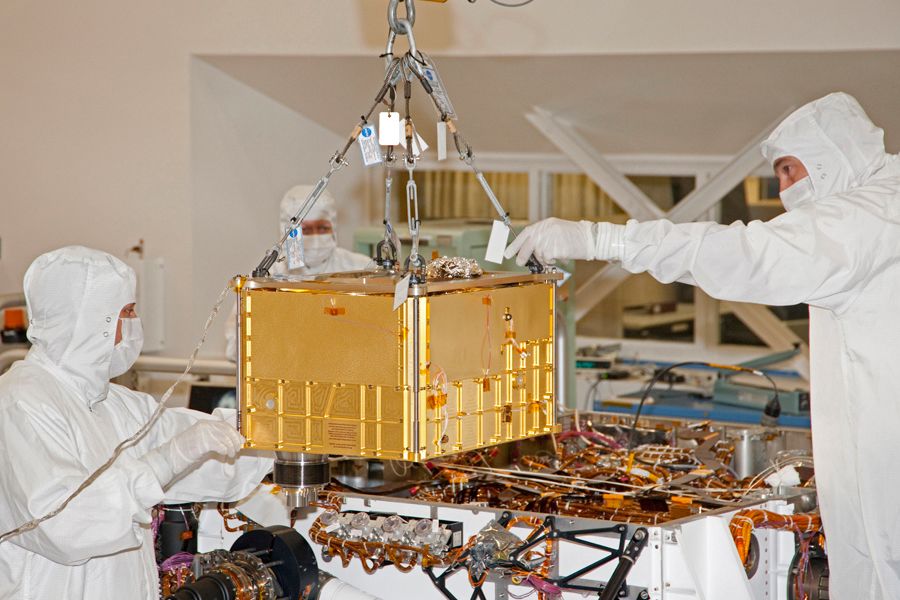
TLS forms a part of the Sample Analysis at Mars package of instruments, one of the most comprehensive and compact science experiments sent into space, shown here being installed into Curiosity

Continue reading “Of methane and waypoints”