A break for coffee in Second Life

BarDeco and Kekeland - Coffee Island; Inara Pey, September 2017, on FlickrBarDeco and Kekeland – Coffee Island – click any image for full size

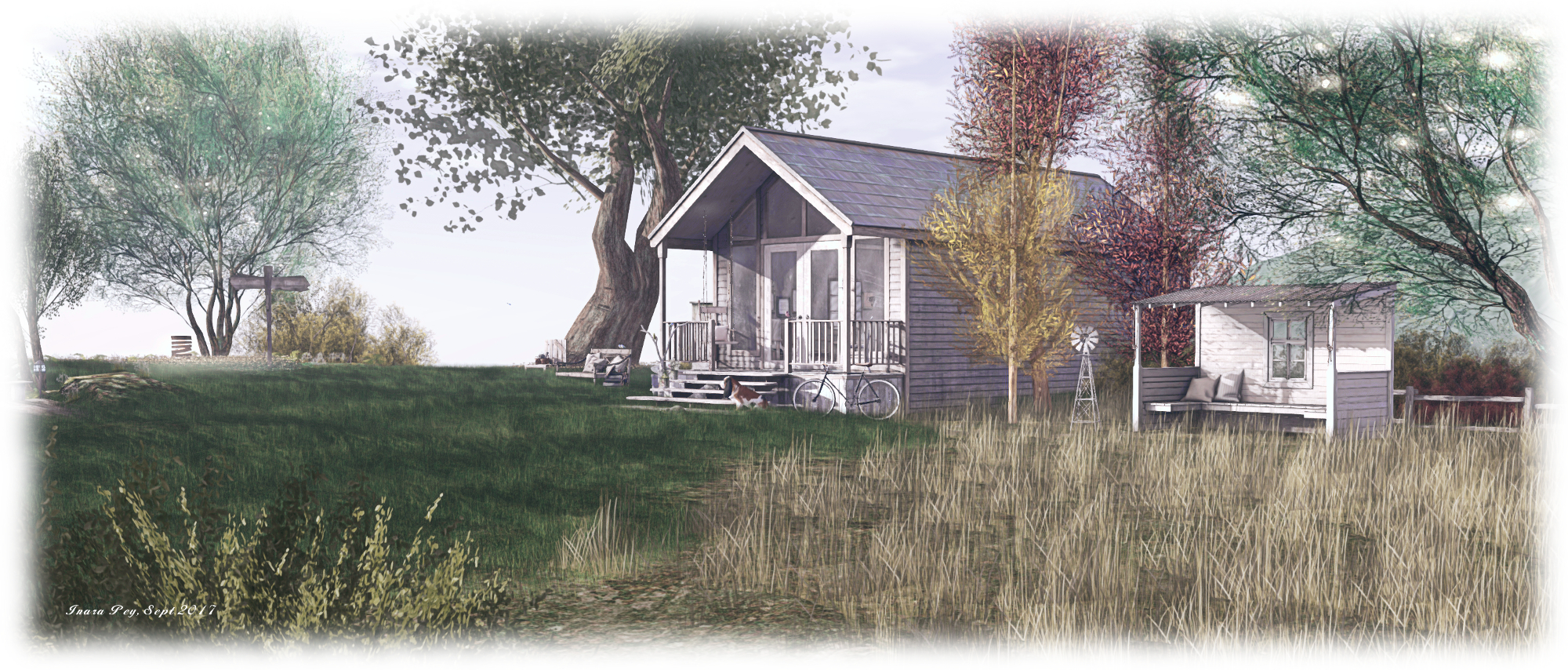
Coffee Island is a beautifully atmospheric homestead region designed by Dandy Warhlol (terry Fotherington) and Belle des Champs (Bridget Genna). It forms the latest iteration of BarDeco, the music venue and club (see here for more), carrying the name BarDeco & Kekeland – and it is truly an atmospheric place.

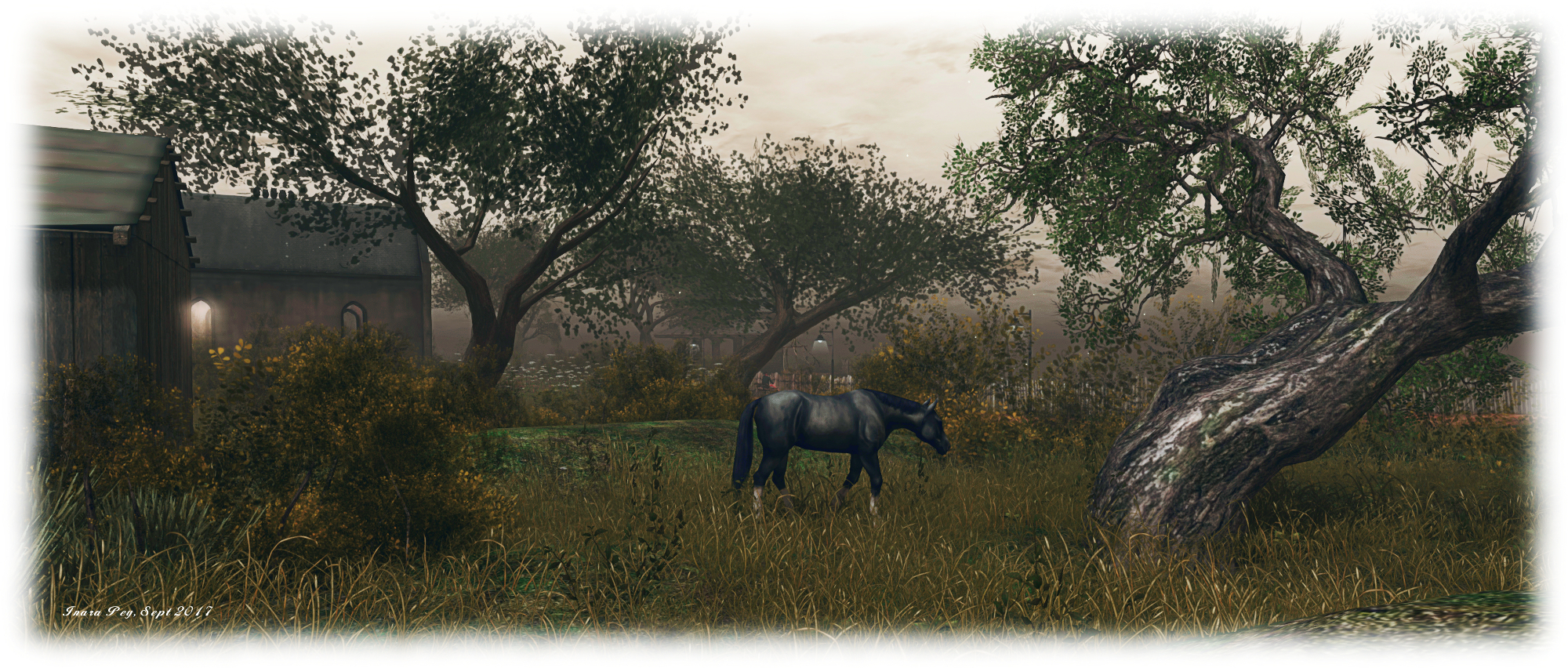
Split into three – a primary, sheer-sided island flanked by two smaller isles, one of which has been left to nature – the region sits shrouded in a gathering twilight through which wisps and ripples of mist are creeping. Visitors arrive on a dusty track on the main island, the slender form of an old chapel rising from the end of the track. In the other direction, the path curls south to follow the line of the cliffs, before turning west to cut across the island and again turning at the westward cliffs to turn again to follow them northwards.
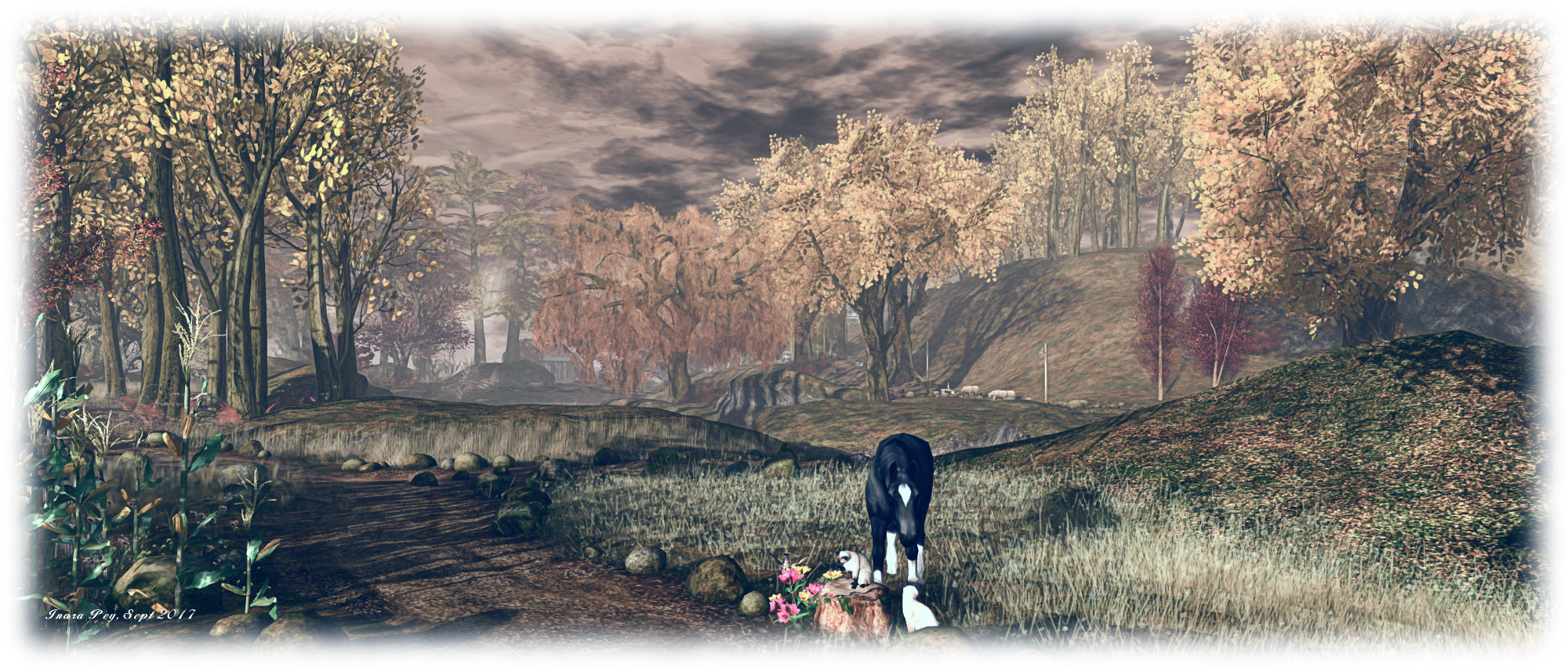
BarDeco and Kekeland - Coffee Island; Inara Pey, September 2017, on FlickrBarDeco and Kekeland – Coffee Island

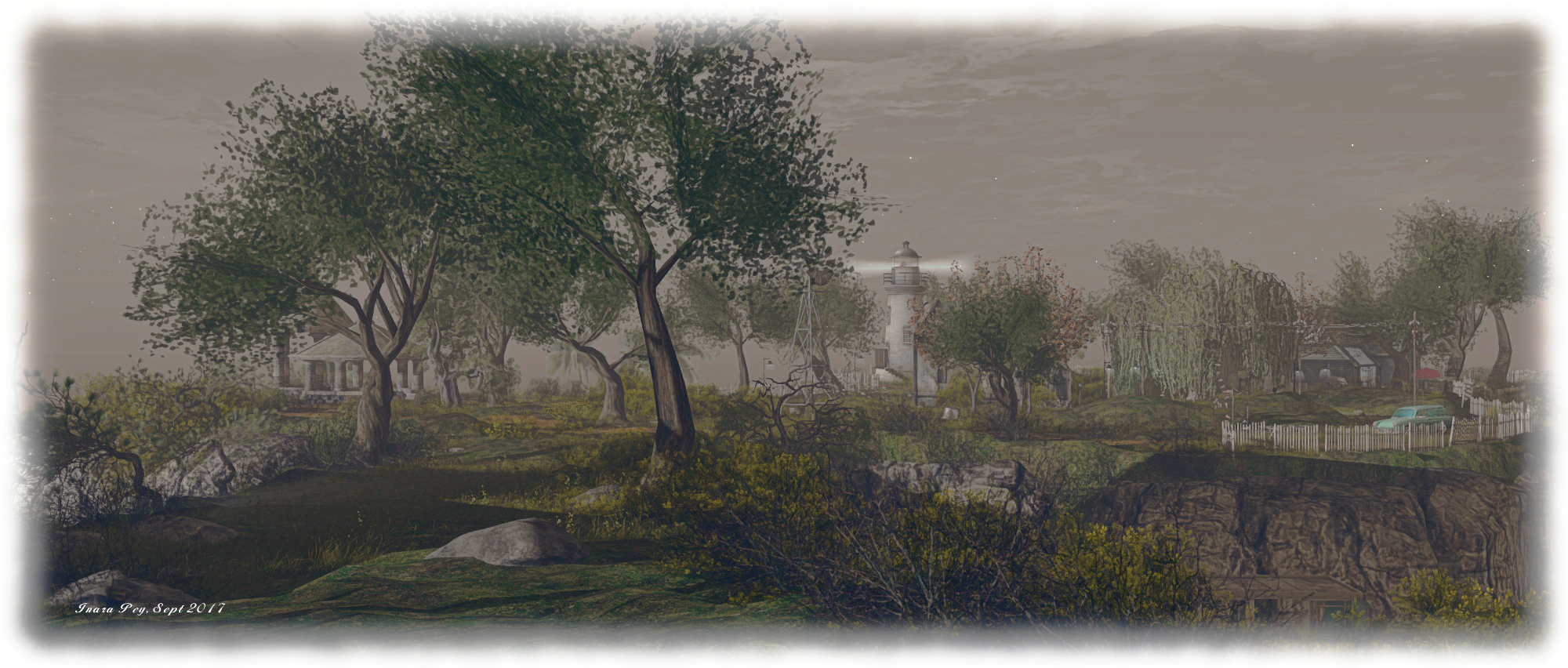
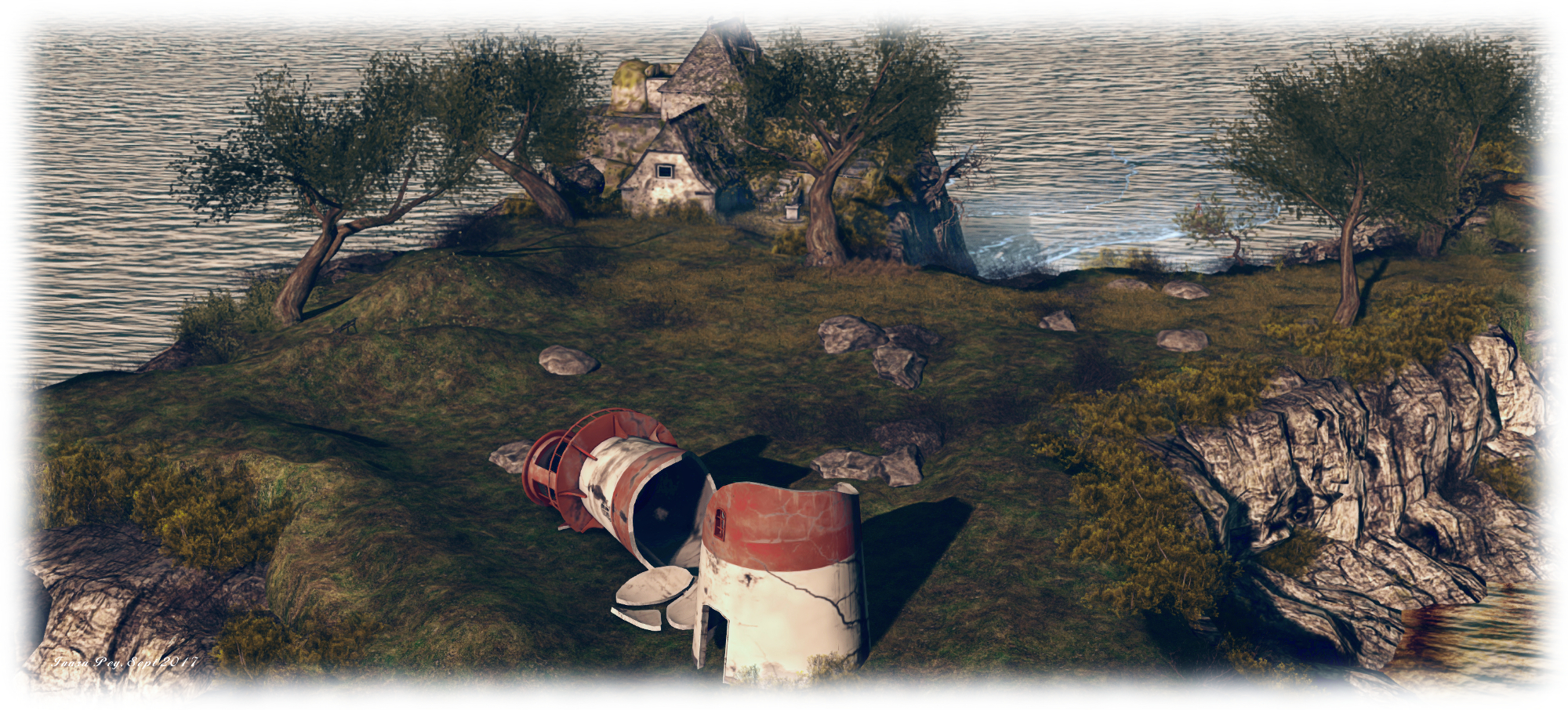
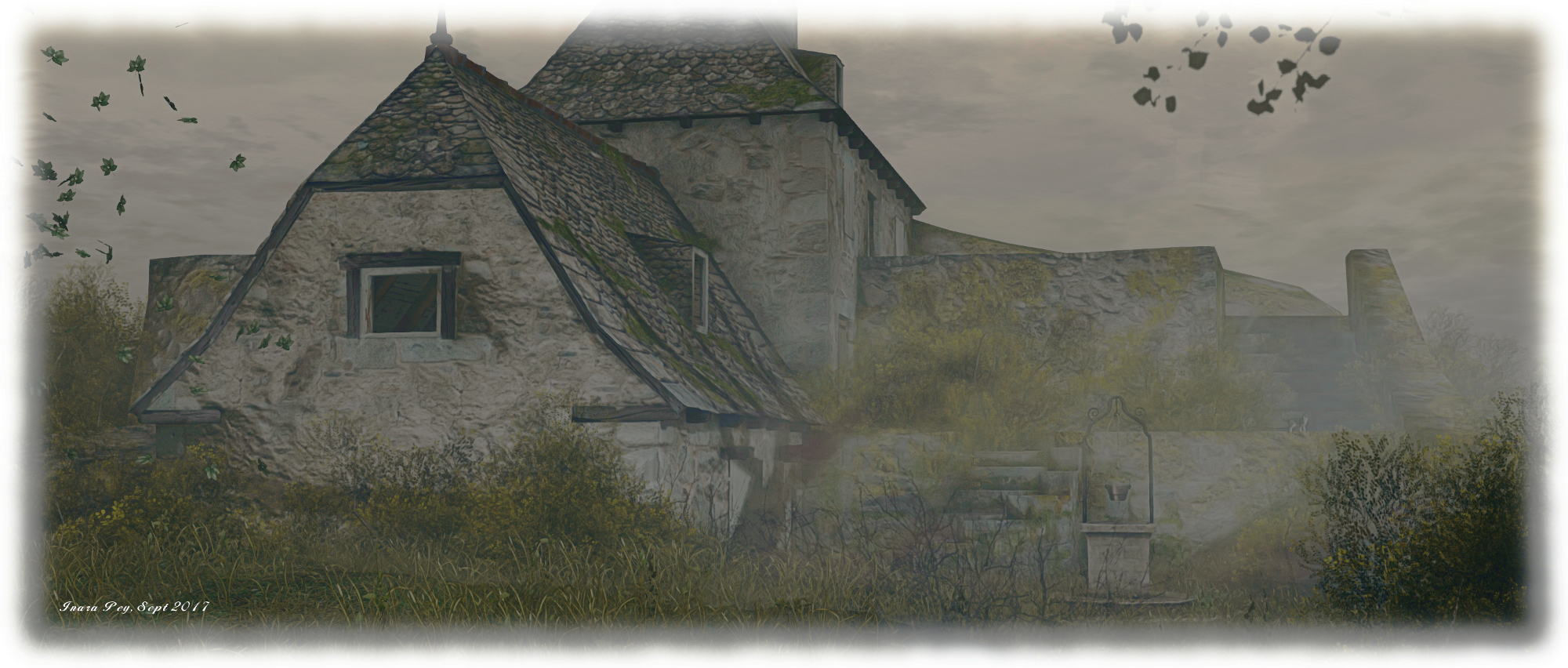
South of this track a narrow neck leads to the south side of the island, a bulbous headland where a broken carcass of an old lighthouse sits. This seems to point accusingly towards the shadowy bulk of a ruined farmhouse sitting hunched against a rocky shoulder, gathering the mist about itself forebodingly. A sandy bay sits below the ruined house, but even this has its own warning – the wreck of a trawler lays against the foot of the cliffs.

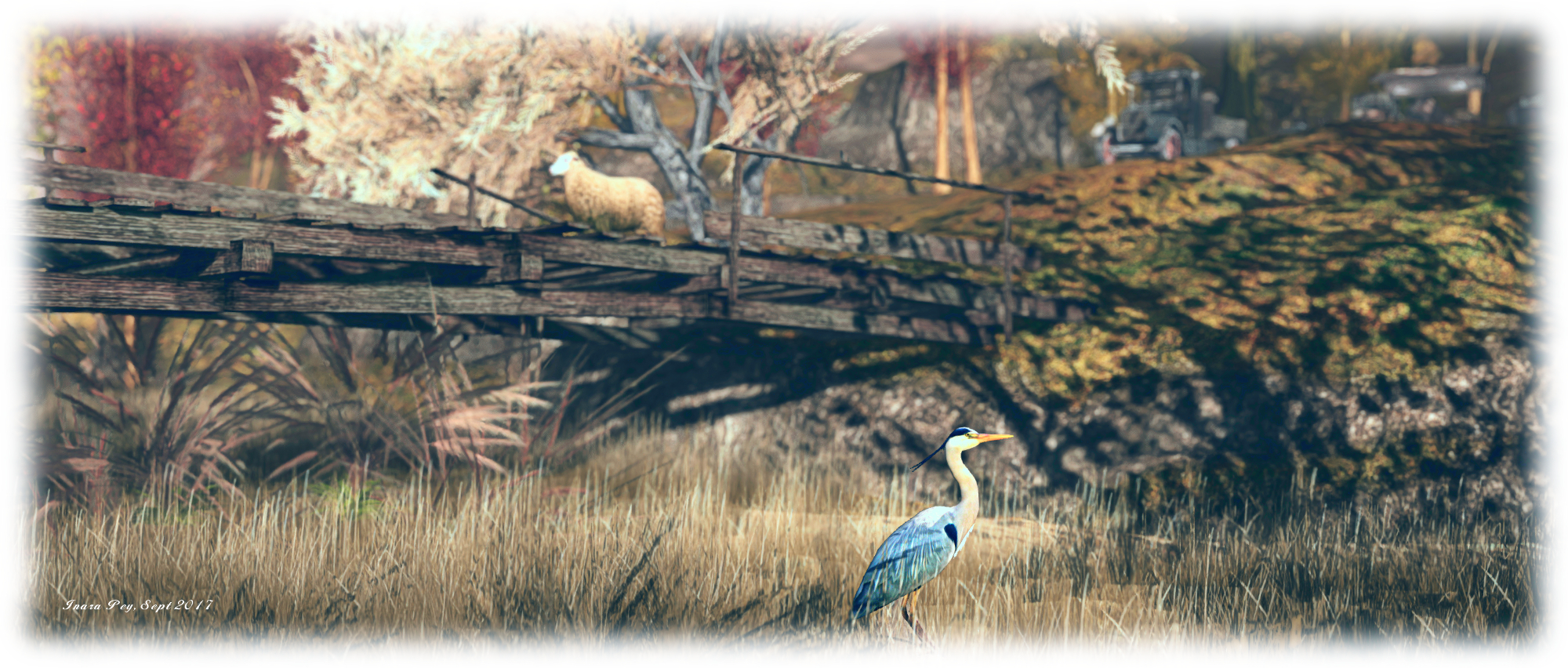
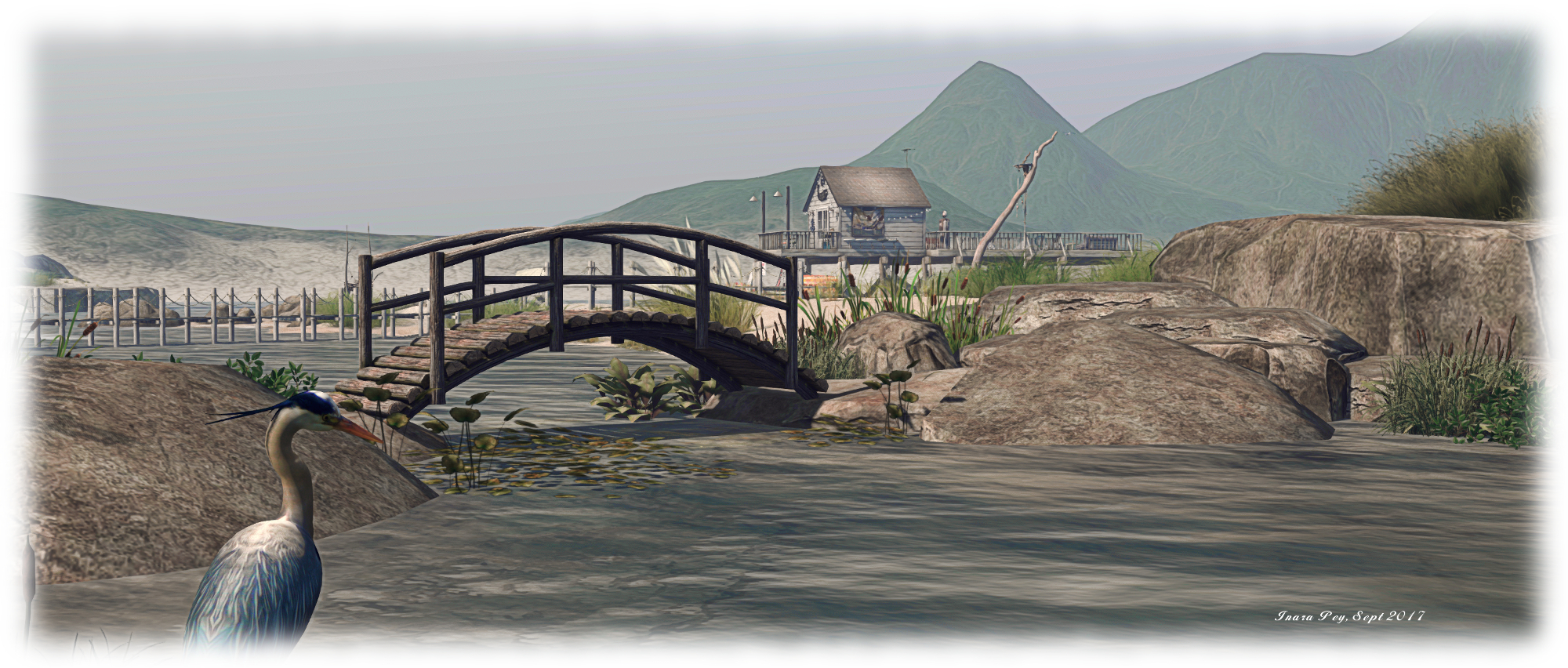
To replace the fallen lighthouse, a new one stands above the cliffs in the north-west corner of the island, looking westward out over the low hump of one of the accompanying islands while also casting an eye over the beach, which starts against the northern cliffs and runs round much of the east side of the island. An old bridge, in need of some repair reaches out over sand and sea from the beach, almost reaching the sands of the second of the smaller islands, which is home to a little coffee shop sitting on its rugged shoulders.
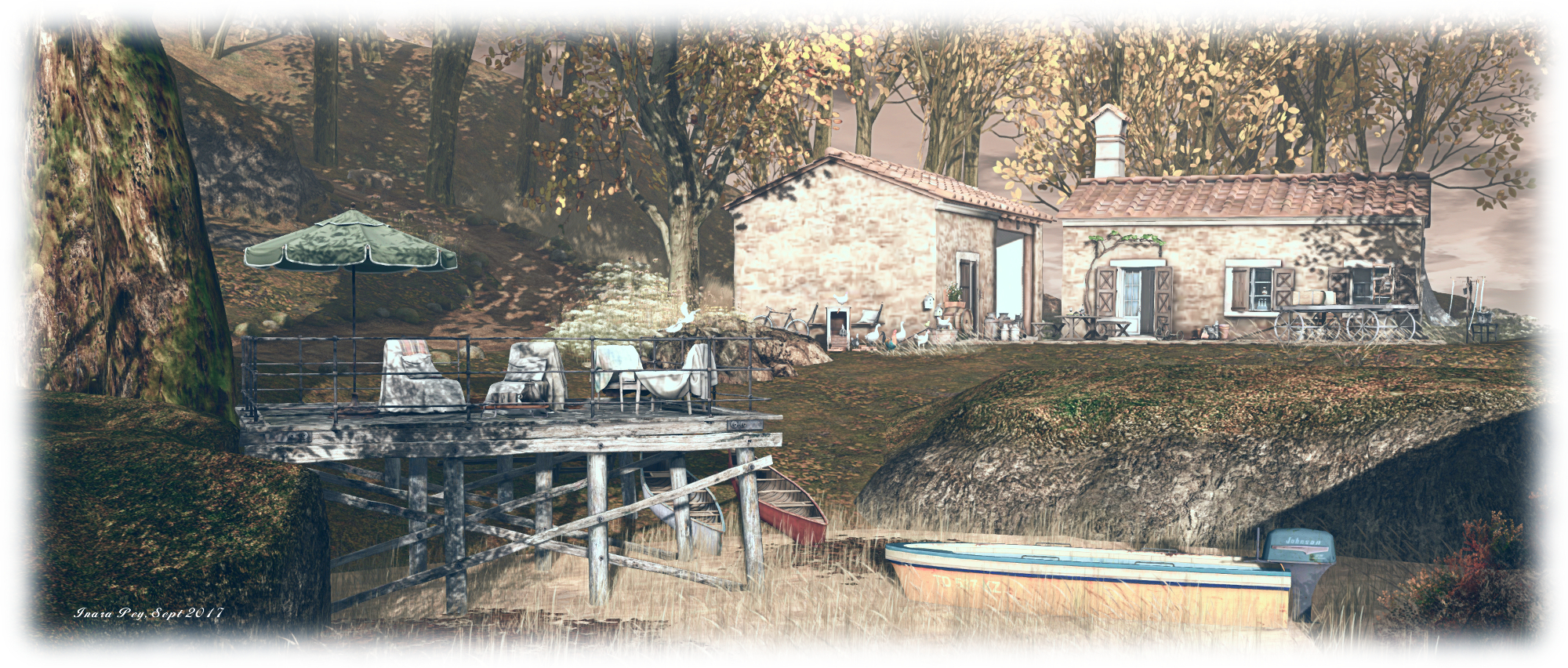
BarDeco and Kekeland - Coffee Island; Inara Pey, September 2017, on FlickrBarDeco and Kekeland – Coffee Island

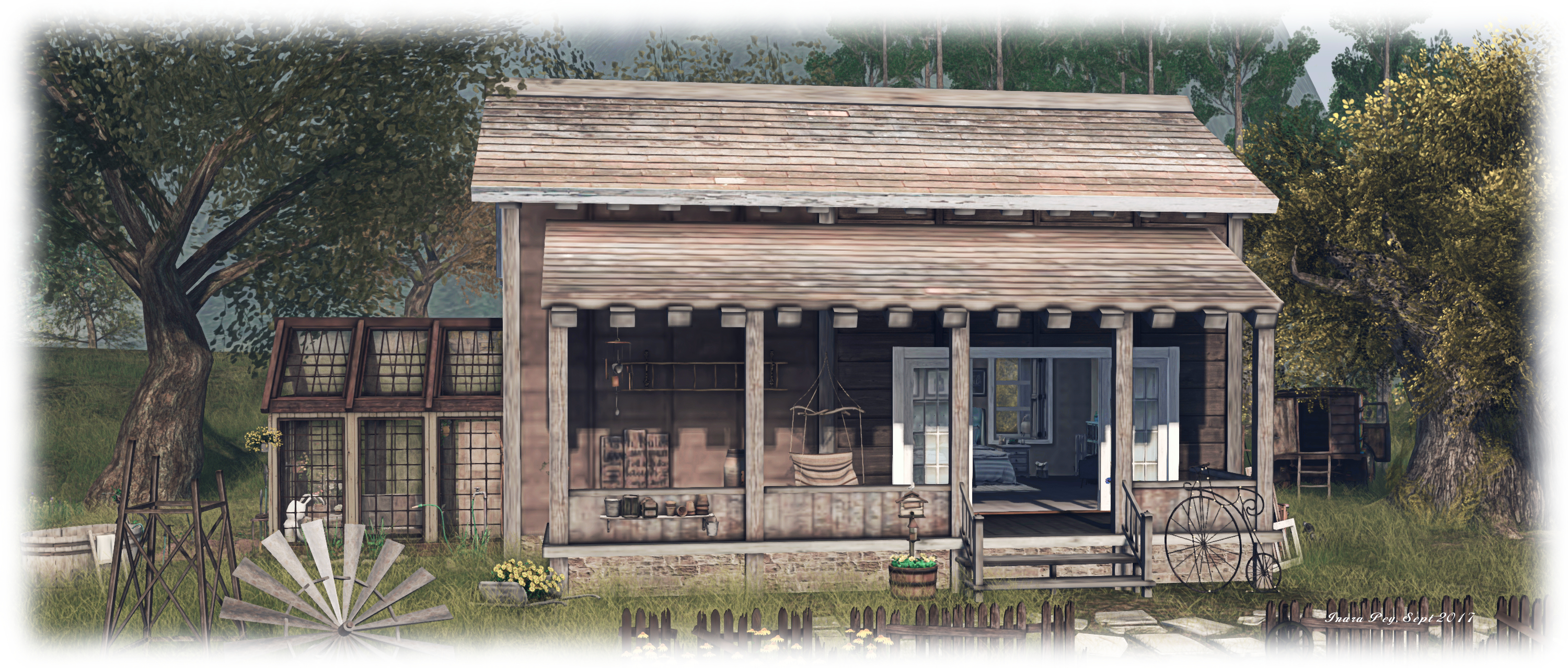
The main islands’ curving beach is reached via a switch back path which descends from the northern  end of the track circling the island.  And old warehouse, filled with an artist’s bric-a-brac sits overlooking the path down to the beach, a barbed wire fence discouraging the local sheep from wandering too close. This warehouse / studio brings visitors almost full circle, standing as it does a short distance from the chapel and the landing point. But this is far from all there is to be discovered here.

Walk along the path to the chapel, and you’ll find that it is not all it appears to be. Just inside the doorway, and surrounded on three sides by undergrowth which almost looks like it is trying to take over the place, is a set of steps leading down. Follow these, and you’ll find the club mentioned in the region’s description.
BarDeco and Kekeland - Coffee Island; Inara Pey, September 2017, on FlickrBarDeco and Kekeland – Coffee Island

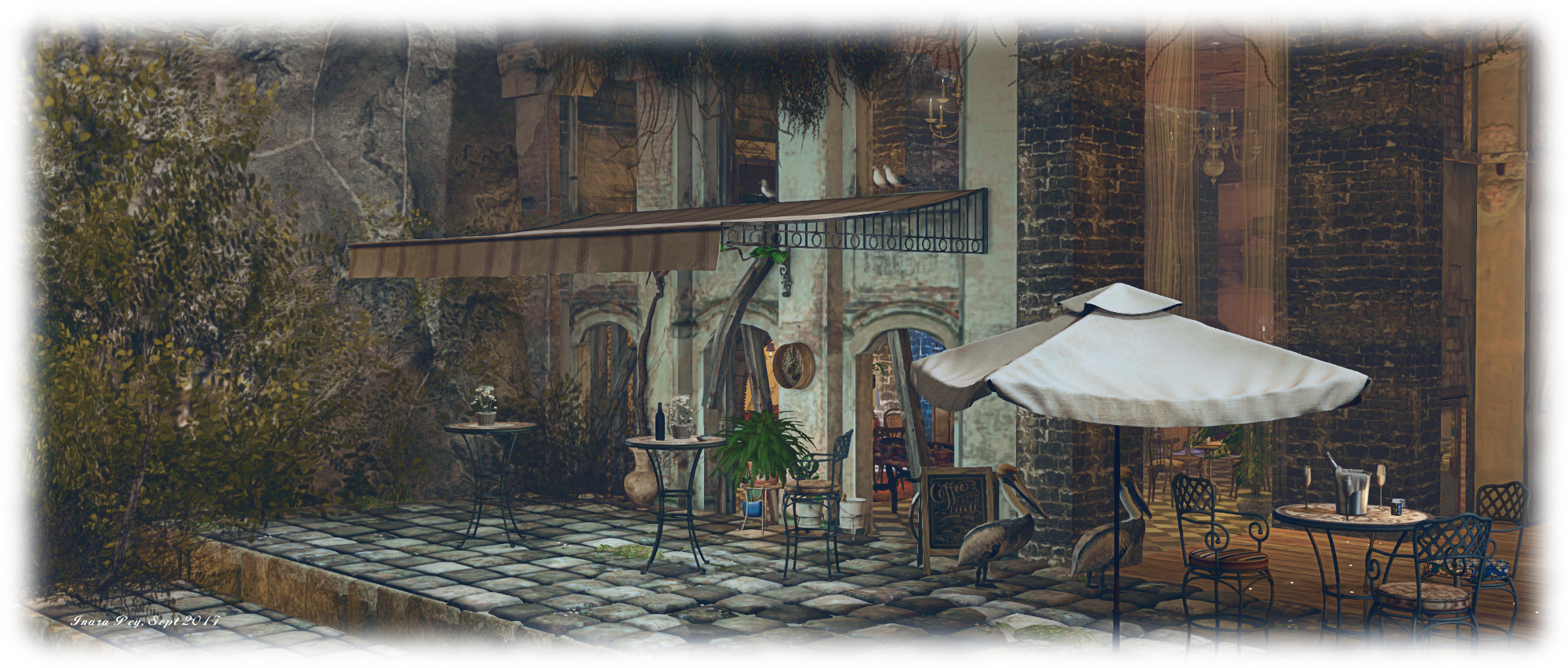
This is, quite frankly, beautifully done, with tall pillars of brick supporting a high ceiling, a frontage of old, weathered buildings offering a view out over a terrace and secluded bay. The bar offers a homely if roughshod welcome while a dance area sit at the foot of the steps leading down from the chapel. Two side rooms off of this offer a taste of shoddy-chic where patrons can relax. Almost entirely invisible from the ground above, with atmosphere added by the passing trawler off-shore passing ghost-like in the haze, the club area is an exquisite outpouring of imaginative design.

In fact, the entire region is an exquisite design. While the default environment settings add considerable atmosphere – as used in fur of the images here – the land really does lend itself to a wide range of windlight settings and different times of day, making it perfect for photographers. There are also several spots for sitting and passing the time – not just in the bar, but up along the path running around the islands and over at the coffee-house, making it the kind of place people may want to sit and enjoy, even if they don’t fancy mingling with those down in the club.
BarDeco and Kekeland - Coffee Island; Inara Pey, September 2017, on FlickrBarDeco and Kekeland – Coffee Island

Once again, a rewarding visit, and our thanks to Dandy and Belle for continuing to share their vision with us.

SLurl Details

Of Glytches and gems: the Lab’s grid-wide Second Life game

Tyrah and the Curse of the Magical Glyches – bonus region portals

On Monday, September 18th, 2017, Linden Lab announced the launch of their latest Experience Key based game for Second Life users to enjoy. Entitled Tyrah and the Curse of the Magical Glytches, it is something of a departure from previous games such as Linden Realms, PaleoQuest and the Horizons adventure. Not only is it grid-wide in nature (the first time Second Life experiences have been used on a grid-wide basis), it will in time also allow parcel holders to host the game on their land if they so wish – possibly attracting traffic to their locations.

I was able to see and try the game ahead of its launch, and thought I’d offer an overview and some feedback, as well as take the opportunity to ask a few questions of Dee and Patch Linden about the game and the reasoning behind it.

Tyrah and the Curse of the Magical Glytches is a combination hunt, capture game and first-person shooter. It builds on elements seen in previous games from the Lab, but is far broader in scope. There are two basic aims of the game:

  • Capture mischievous Glytches as they wander SL and perhaps gain gems from them, and / or an immediate prize of a Glytch – which might be a shoulder / head pet, held pet, or follower (all of which can be traded between users) or even complete avatars.
  • Collect coloured gems – which can be redeemed for weapons upgrades, and/ or access into the game’s bonus regions and / or prizes

A video outlines the game’s back story. I’m not going to say much on this other than, “alas, poor Magellan, I knew him, Horatio. A fellow of infinite drinking ability and most assured desire for food…” – or something (with apologies to W. Shakespeare, Esq).


Hartyshire

Game-play Essentials

There are several aspects to playing the game, which are covered in another video; but for those who prefer to read things,  I’ve outlined them below.

Hartyshire

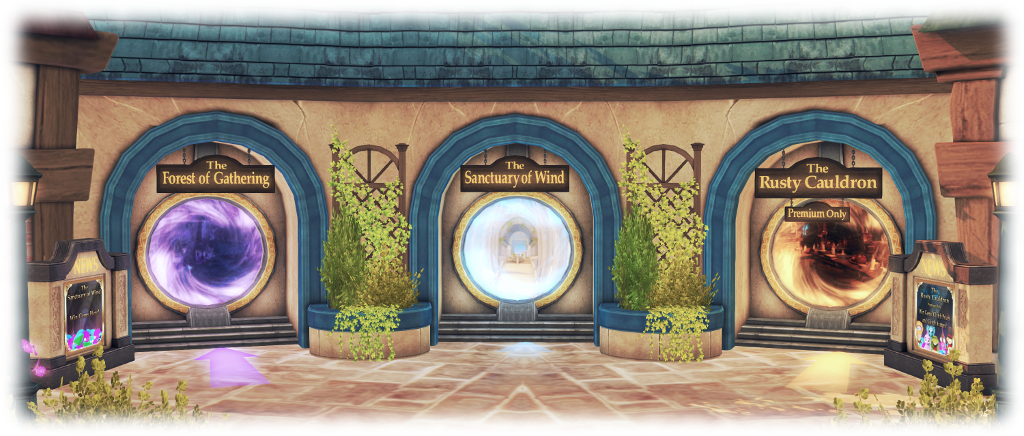
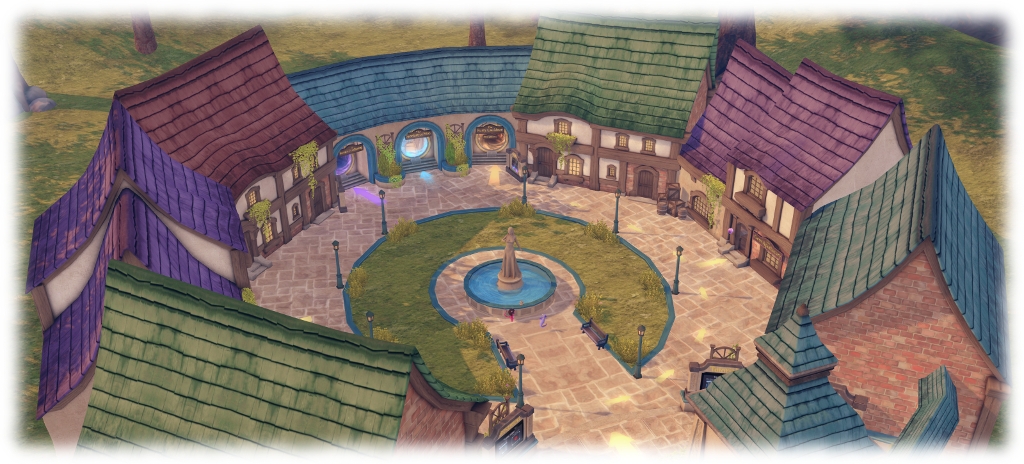
Hartyshire is the heart of the game. Reached via the Portal Park, it is the place where people can learn more through the aforementioned videos, and where players obtain their Glytch Starter Kit, can upgrade their weapons, claim prizes or – gem and weapons upgrades allowing – access the special bonus regions. There is also a range of free gifts for visitors, whether or not they join the game. There are three important areas in Hartyshire:

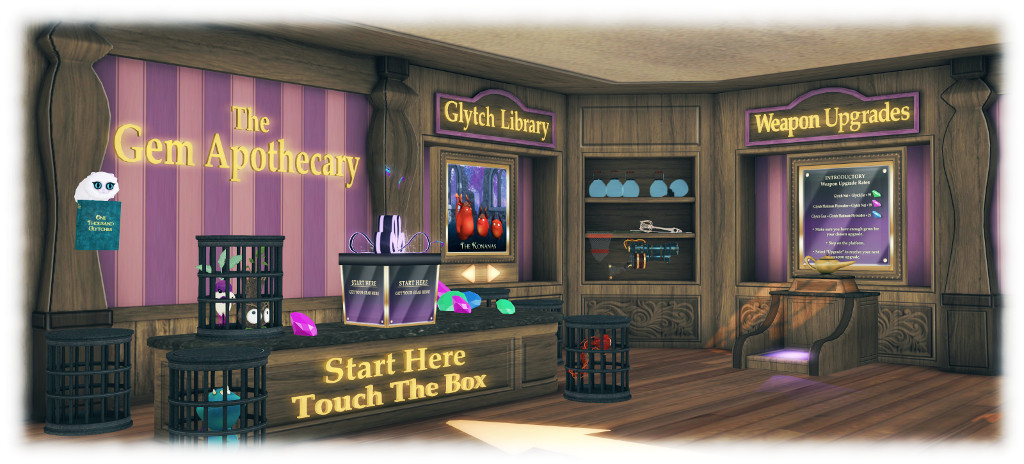
The Gem Apothecary is where players can:

  • Obtain a game Starter Kit: with everything needed to start playing: a note card of instructions, the game HUD (see below) and a jar – your first Glytch catching weapon. The kit is delivered as a folder to your Inventory.
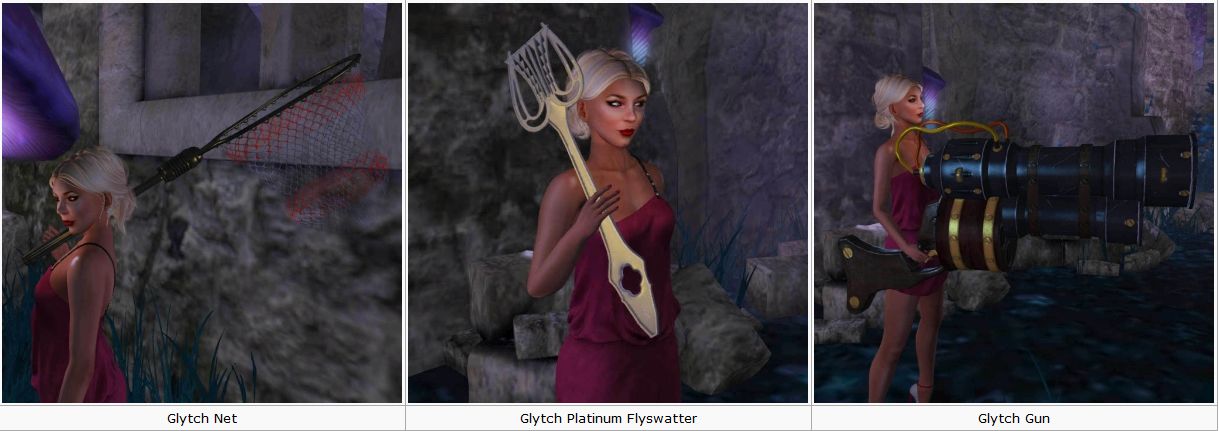
  • Upgrade their Glytch catching weapon: use gems given by Glytches to upgrade from jar through swatter and net to gun. Each weapon improves the chances of catching Glytches. Replacement weapons can also be obtained here.
  • Claim Gem Lottery Prizes: contains prizes from the Lab’s previous games, split into three groups – Common, Rare and Epic, corresponding to the three gem colours – Green, Pink and Blue. Prizes in each category can be obtained by redeeming the required gems of each colour.
Inside the Gem Apothecary – start kit, weapons upgrades and “captured” Glytches

The Gift Shop is where visitors to Hartyshire can collect game-related free gifts and hatch their SL14B gift egg to gain their first Glytch.

The Bonus Region teleport portals – of which, more below.

The Glytch catching weapon upgrades. Credit: Linden Lab

The HUD

To play the game, players must wear the game HUD. Removing this at any time stops all game-play, saving the player’s current status (e.g. gems taken, current weapon upgrade, etc). Players can re-join the game at any time simply by wearing the HUD once more; there is no need to return to Hartyshire in order to do so. The Glytch catching weapon can also be worn, although the game will also function without it.

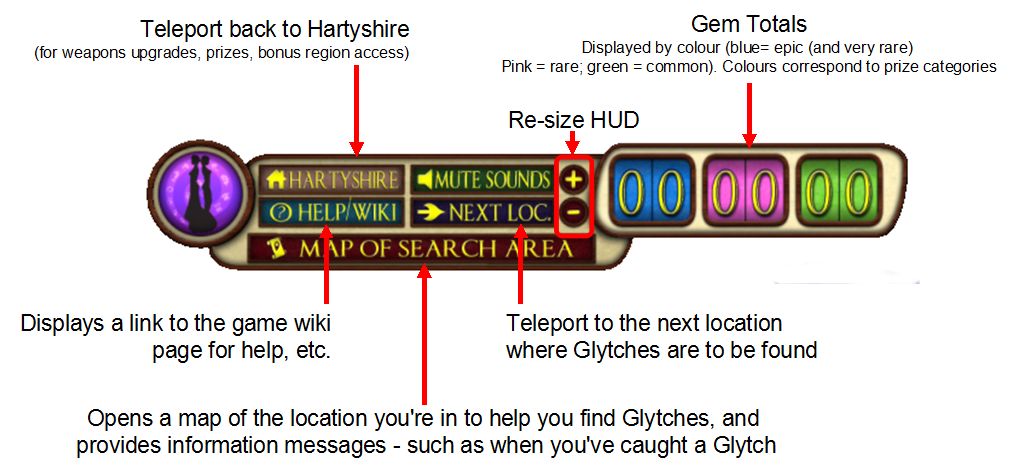
The main game HUD

With the HUD worn, players click the Next Loc(ation) button to teleport to a location where they can hunt Glytches. On arrival, the Map can be opened to see where the Glytches are. A maximum of five Glytches can be caught per location, after which players should use Next Loc to move to another location to continue the hunt.

At the moment, Glytches can only be found on assorted Linden / LDPW regions and parcels. In the future, residents will be able to apply for their land to be added to the game – of which more anon.

Glytches

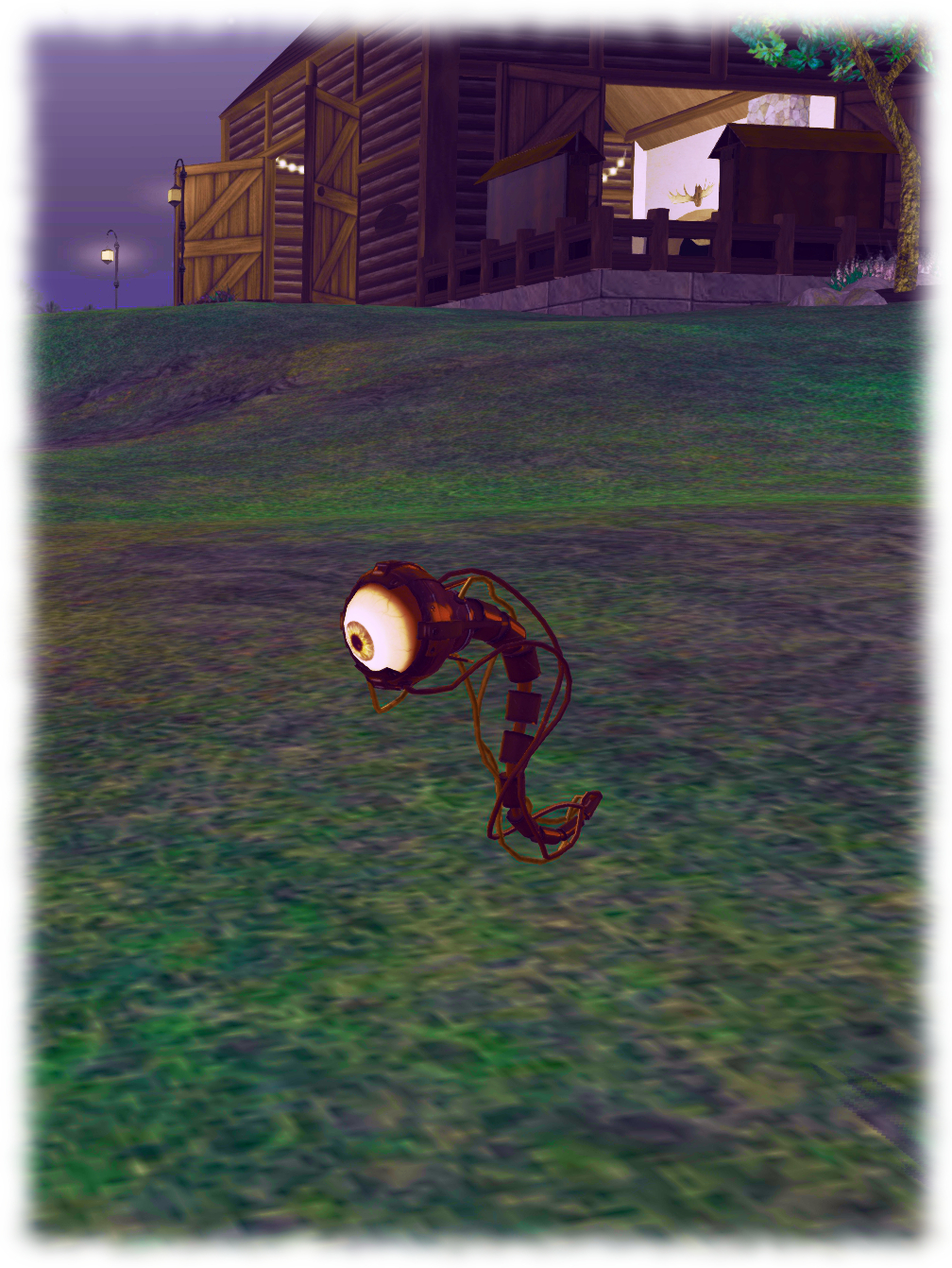
A Glytch in the wild – is worth more in your cage

Glytches can be hunted in either first- or third-person view, but must be captured in first-person (Mouselook) view by clicking on them with the left mouse button.  Note the range at which a Glytch can be caught varies with the weapon being used, and not all captures will be successful.

A failure to catch a Glytch can result in it casting a spell on the hunter. They’ll also use spells if startled or to protect one another. Spells vary from silly dances to anvils dropping on heads, but they will allow the Glytch to escape by de-rezzing (another will rez nearby).

A successful capture will result in a cage appearing around the Glytch and a message displayed on the game HUD. The Glytch may also offer you a reward. This might be gems or it might be a Glytch prize – or both.

Note that when a glitch prize is given, players must switch to third-person view (ESC) and Accept the Glytch via the notification displayed in the top right of the viewer window. Failure to do so may result in the prize being lost. If the notification collapses before it is clicked on, it can be re-opened via the Notifications tray.

To help keep the game fresh, new Glytches will be added over time A wiki-based Glytchopedia will also be published in due course, listing all the Glytches.

Continue reading “Of Glytches and gems: the Lab’s grid-wide Second Life game” →

Autumn returns to The Mill in Second Life

The Mill; Inara Pey, September 2017, on FlickrThe Mill – click any image for full size

Friends Shakespeare and (SkinnyNilla) and Max (Maxie Daviau) are not only highly adept at finding regions to photograph (and poke me about visiting!), they also maintain their own exceptionally photogenic region, The Mill. This undergoes seasonal changes which not only match the passing of the year, presenting visitors with the opportunity of re-visiting throughout the year and see something new in the region’s layout, whilst retaining some familiar elements with each new design.

With autumn now on our doorstep in the northern hemisphere, Shakespeare and Max dropped me word that the latest iteration of their region is now open and available to visit, so as soon as the opportunity arose, I had to hop over to see what new delights await. And once again, doing so is more than worth the effort.

The Mill; Inara Pey, September 2017, on FlickrThe Mill

A visit begins in the south-eat of the region, beneath the slowly turning sails of the titular (and familiar to regular visitors!) mill as it sits just above the surrounding sea, quietly watching over the land under its care. A cart track winds westwards, passing under the great boughs of an ancient oak to lead visitors on to where two more windmills, tops thatched and walls whitewashed, standing like smaller siblings to the region’s primary mill. Horses graze both in the field occupied by these smaller windmills and on the far side of the track, a passing soul having left the gate open to leave them free to wander.

Beyond the field, the tracks meanders onward, splitting to pass either side of a copse before coming to where a greenhouse, converted into a cosy little café, sits by the western sea, close to a river which cuts its way through the landscape from west to east, slicing it neatly in two. The river, rich in grasses and reeds, is crossed in three places – one of them being an ageing wooden bridge a short distance away, although those feeling adventurous can use the logs which span the water alongside of the café.

The Mill; Inara Pey, September 2017, on FlickrThe Mill

The north side of the land rises gently to form a grassy backbone, studded with rocky outcrops. Another track winds its way around and up the hills to where and old industrial unit has been converted into a writer’s hideaway, typewriter awaiting its owner’s return. How you reach this little getaway depends on which path you take on crossing the river. Climb the slopes of the hill to the north-west, and you’ll come to an old shed which has clearly seen better days – although someone is clearly using it as a little snug -, an equally aged pick-up truck sitting close by. From here, another track winds up the hillside through trees and around shoulder to arrive at the aforementioned study.

Take the track pointing eastwards from the little market overlooking the river, however, and this will take you down back eastwards, following the dip of the river to where a deck has been built out over the water, kayaks drawn up on the grass beside it. It is here that the third river crossing can be found, another rough-and ready bridge of logs nailed together, and which takes advantage of rocks in the middle of the water to hold itself in place – not that any current here is particularly swift, thanks to the reeds and grass choking the water.

The Mill; Inara Pey, September 2017, on FlickrThe Mill

Just beyond the deck and bridge, and with a view back along the path of the river as well as to where the mill sits, is a cosy little Tuscan-style farmhouse, chickens and geese outside and washing on the line. The track turns sharply left as it reaches the farm, switching back on itself to climb the hill up to where the writer’s retreat lies, offering visitors the chance to walk full circle around the northern side of the island.

And this is a design intended for walking. The tracks offer routes through the landscape to all the major points of interest, and the trees with their reds and golds add a touch of autumnal romance to the setting. Perfectly set beneath the evening sky, The Mill offers places to tarry as you explore, not only with the riverside deck, encouraging visitors to loiter and take in the quiet beauty of the region.

The Mill; Inara Pey, September 2017, on FlickrThe Mill

The Mill is always a beautiful region to visit, and the current design is the perfect way to welcome a traditional autumn where the sun softly shines, the trees turn from green to rich hues of red, yellow, gold and brown, inviting us to amble through fallen leaves and relish that first wintery tang in the air.

SLurl Details

  • The Mill (Pale Moonlight, rated: Moderate)

Five Years of Fractals in Second Life

Five Years of Fractals – Gem Preiz

Now open at the R&D Art Gallery complex is Five Years of Fractals, celebrating five years of Gem Preiz’s remarkable fractal art in Second Life.  Split over two floors of the exhibition space, the displayed art is divided between retrospectives of Gem’s past installations at the Linden Endowment for the Arts, and his exhibitions and installations displayed elsewhere in Second Life.

Normally displayed in a very large format, Gem’s work is always a masterpiece of fractal design and storytelling on a grand scale. As such, what is seen within Five Years is but the tip of the iceberg – a soupçon if you will – that should remind those familiar with Gem’s work with the power and majesty of his art and hopefully serve to whet the appetite of those new to his work such that they will want to see more.

Five Years of Fractals – Gem Preiz

I certainly fall into the former of these two groups. I’ve long been an admirer of Gem’s art and his virtuosity in both setting a mood and telling a story for almost as long as he has been exhibiting in Second Life, and a number of my personal favourites out of his installations are presented here, both directly and indirectly. The ground level section of the exhibition space presents a retrospective of, for want of a better category name, Gem’s “non-LEA” work. Some of this is presented through individual images, other is animated frames which page through scenes from those exhibitions. On this level we can again experience Polychronies, Rhapsody in Blue Fractals, Myths,  Temples, Metropolis – complete with silhouettes of the figures which formed a part of it painted on the walls behind the images – and more.

As well as the art itself, there are books of his work visitors can peruse and also links to videos of some of this exhibitions – which I unhesitatingly recommend watching, bringing together as they do not only the art as it could be seen in situ whilst on display, but which also marry the images to the music Gem has offered with each installation, thus, through the videos as well as this exhibition, we can re-immerse ourselves in his art or gain greater familiarity with it and understand the inter-weaving of images and music.

Five Years of Fractals – Gem Preiz

Reached via teleport discs, the lower level of the exhibition space focuses on Gem’s LEA exhibitions, as noted. Among the pieces displayed, we can once again experience the visions of his Cathedral Dreamer, journey through his trilogy of stories, Vestiges and Wrecks, which formed his Heritage pairing, and No Frontiers, the unofficial sequel to Heritage, while images from the likes of The Anthropic Principle and No Frontiers cover sections of the walls behind some of the images. As with the upper level of the gallery, objects offer links to videos of some of the installations, while spaced around the gallery area are props and elements from others – such as the air car and the shuttle which Gem his used in his installations, allowing visitors to fly through them.

Fractal art is not uncommon in Second Life, but there is something very unique in Gem’s work. Perhaps it is the way in which it reflects both his interests – cosmology, nature, geology – and blends them with his background education in science and mathematics to present stunning visions of nature and future (or even ancient) scenes which are evocative, and both beautifully geometric and wonderfully fluid. Perhaps it is because, in composing his pieces, he presents not just individual pieces of art, but entire stories  we can explore and witness.

Five Years of Fractals – Gem Preiz

Whatever the reason, I very much welcome this opportunity to revisit – at least in part – many of his past extraordinary installations – and in doing so, to look forward to his next.

SLurl Details

CioTToLiNa’s Hope in Second Life

Solo Arte: Hope

Now open at Solo Arte, curated by Melania (MelaniaBis), is Hope, an exhibition of sculptures and art by CioTToLiNa Xue.

CioTToLiNa is an extraordinary artist, working primarily in 3D sculpture, although she also produces unique 2D art as well. She is entirely self-taught since joining Second Life, and I’ve long admired her work, having first encountered it at Art on Roofs in 2015, where she has a few pieces placed out as a part of the gallery’s setting, rather than directly on display. I was immediately captivated by her work, and when invited to present a full sim installation at LEA that year, I knew I wanted  CioTToLiNa – despite her own shyness – to share the opportunity with me, and worked to include a number of her pieces into that build (see: Impressions: a personal view of Second Life).

Solo Arte: Hope

Since that time, CioTToLiNa has clearly grown in confidence as an artist, producing ever more complex pieces which are not only beautiful and highly collectible (we have a number in the gardens of our island home), but also reflect her own interests / concerns for the world, and  how we relate as a species one to another and the world around us. So it is that she has produced pieces focusing on women’s rights, the environment, LGBTQ rights, racism and more, as well as pieces which reflect things like a love of music, thoughts on love and relationships, and so on.

With Hope, CioTToLiNa has selected some 24 of her pieces – three of them 2D art, the rest sculptures – which are displayed around the paths and canals of Solo Arte (itself a beautifully coordinated venue designed by Terrygold) and within one of the gallery buildings. These present many of the facets of her work and concerns, with several marvellously scaled up to fit the spaces within which they sit, offering a perfect opportunity for her work to be properly appreciated.

Solo Arte: Hope

These are evocative pieces, both in presentation and in naming. Many directly represent an emotion, reaction of desire – such as  Tenacia (Tenacity), Pace (Peace – using the CND symbol),  Il Desiderio (The Desire) and Escapology. Others are more layered in meaning, such as Babele (Babel), which carries within it assorted cultural references as well as reflections on relationships and the entire male / female dynamic.

What is particularly fascinating to me is the way other artistic influences on CioTToLiNa’s art have been incorporated with her work. For example, and as noted above, I first came across her work at Art on Roofs, which at the time was exhibiting Mistero Hifeng’s work. He also as a unique and evocative approach to sculpture in Second Life, and often moves within the same artistic circles as CioTToLiNa. Little wonder then, that one or two motfis that he perhaps pioneered in SL sculpture are reflected in some of the pieces included in Hope – such as with Donna Spremuta (Juicy Woman) and Salvezza (Salvation). However, in doing so, CioTToLiNa is by no means copying his approach: she is incorporating techniques into her work whilst producing something equally as unique and attention-holding.

Solo Arte: Hope

Hope is another superb exhibition at Solo Arte featuring a marvellous talent. It is a delight to visit and I have no hesitation in recommending you hop over and spend time wandering the canal side paths and gardens of Solo Arte to admire  CioTToLiNa’s work.

SLurl Details

Gentle Breezes in Second Life

Gentle Breezes; Inara Pey, September 2017, on FlickrGentle Breezes – click any image for full size

Having opened in August 2017, Rosy Highwater’s Gentle Breezes is the perfect antidote to inclement weather and the approach of winter – or if you’re in the southern hemisphere, the perfect promise of summer – and a chance to wander carefree, simply enjoying the freedom to be.

A Homestead region, it has been laid out with an eye for detail, and love of nature. From the sandy beaches up through the wooded hills, everything is pretty much perfect for setting the mind at ease and encouraging feet (and camera lens!) to roam. It’s a place for the photographer, the romantically inclined and those seeking escape for life’s weight.

Gentle Breezes; Inara Pey, September 2017, on FlickrGentle Breezes

Surrounded by rolling hills and peaks which rise from sandy shores, the region presents itself as a small isle sitting in a channel between two larger islands. It is close enough to one of the latter to suggest that once upon a time, they may have been joined but overtime, the sea has had its way, cutting a path between them. Taken as a whole, the isle and hills around it – as high as some are – give the impression they may have all at some point in distant pre-history been the ring wall for the caldera of an ocean volcano which once pushed its head above the surrounding seas only to fall extinct and, over the aeons, have those seas erode away the weaker point of the crater walls, flooding the space within.

Visitors arrive towards the centre of the region, on the beach forming the lower part of the island, and which faces out to the west and south. Behind this, the hills of the island form a gentle curve from the east around to the north, casting rocky shoulders down to the sands below. The beach is split into three by channels running outwards from where water tumbles from the rocks of the hills, and it is on the central tongue of sand between the two channels that visitors initial land.

Gentle Breezes; Inara Pey, September 2017, on FlickrGentle Breezes

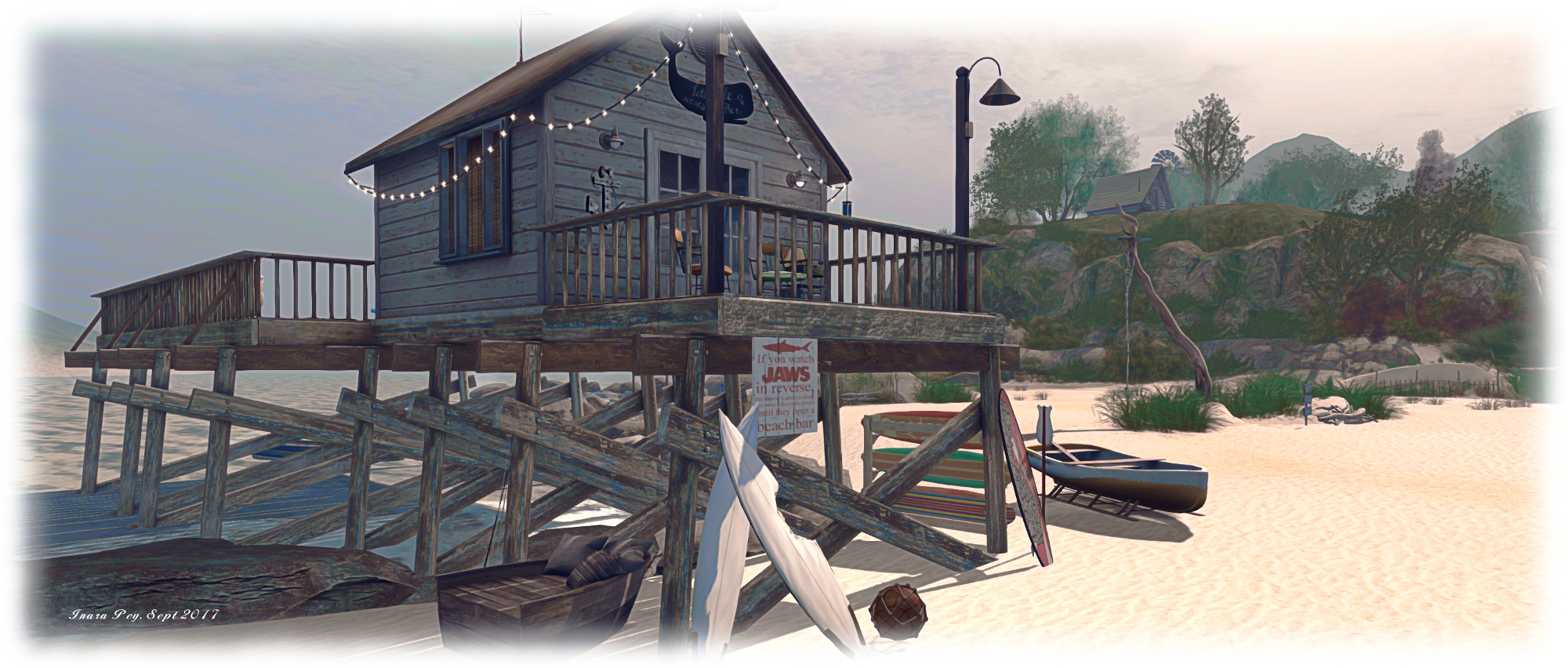
With waves lapping against it, the beach here offers an arc of places to sit and cuddle or chat looking out over the waters of the bay. Two wooden walkways reaching out over the waters separating it from the sands to the north and south. The latter is as big as the middle tongue of sand, and is home to a pier-top beach hut built over the waters, offering the active a little exercise in scrambling up to it it’s flat deck. Those preferring a more relaxed time can sit as watch from the rowing boat moored by the pier, or from the other cuddle and seating points scattered across the beach.

A path marked by wooden boards offers a way up the slope of the hills, leading to the first of the cottages and cabins which share the upper reaches of the island with trees and flowers. As it does so, the path passes between great slabs of rock reaching out from the hills like a protective wall, the sand within their arms gently giving way to grass, while a wind-bent tree offers a modest amount of shade to an old rowing boat converted into a lover’s lounger beneath its bent back.

Gentle Breezes; Inara Pey, September 2017, on FlickrGentle Breezes

The cabin at the top of the hill is cosily furnished and offers a taste of a simple life – bees for fresh honey, and an outdoor bath. A footpath runs southwards from the cabin, under an arch and to a lookout point overlooking the larger of the island’s two waterfalls and the hidden delight of a hot tub nestled at the foot of the cliffs. On the hill beyond the falls sit two more cabins, each simply furnished. More sitting and cuddle spots can be found spread between and around them, both in the open and under the shade of trees, while a second hot tub overlooks the southern end of the island.

The easiest way to reach the northern end of the island is over the board walk from the middle tongue of beach. This gives access to a set of wooden stairs which climb the cliffs to a brightly-painted beach house offering a grand view out over the island. A pair of wind turbines stand sentinel-like behind the beach house, and further away through the long grass, stone steps offer a way down to the foot of the smaller of the two waterfalls, and a raft floating gently on the water there.

Gentle Breezes; Inara Pey, September 2017, on FlickrGentle Breezes

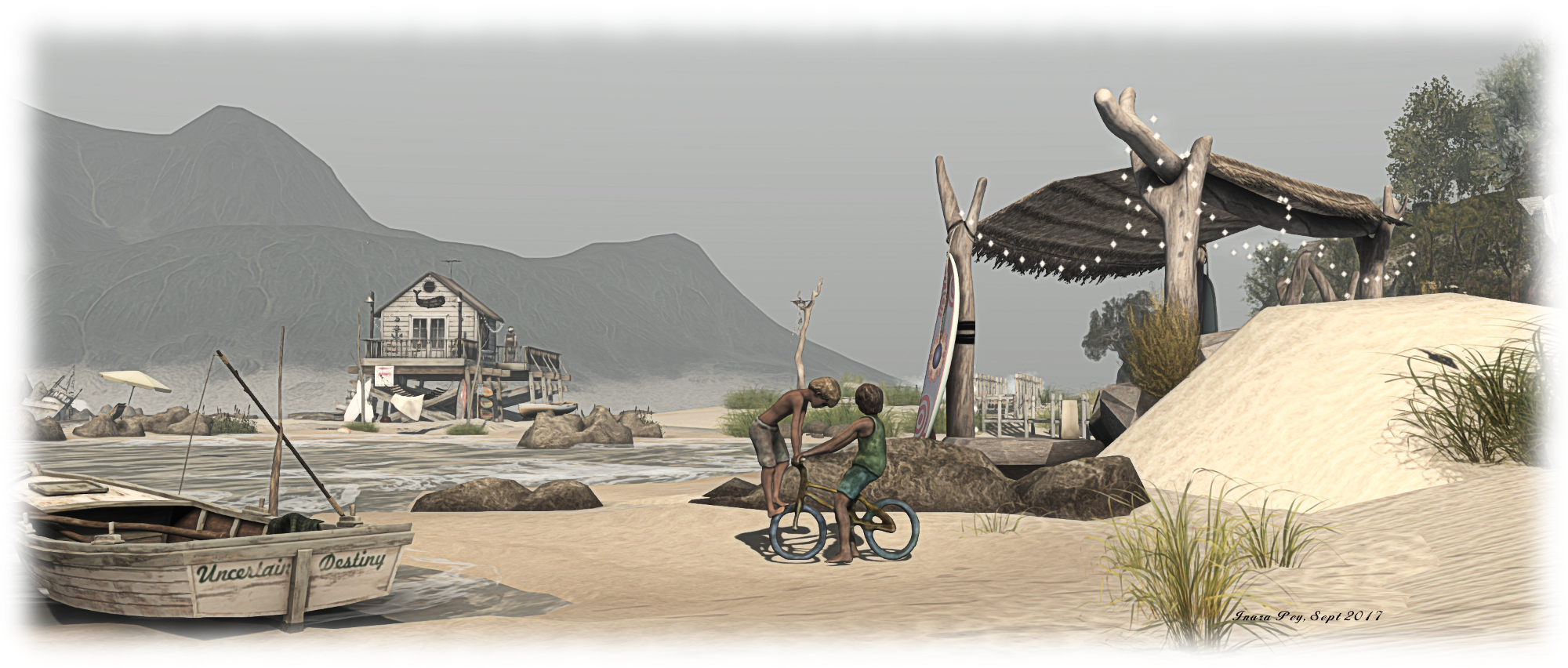
Gentle Breezes is truly a beautiful location – even now I’ve only just scratched the surface of all the details awaiting discovery – keep an eye out, for example for Rosy’s use of a sculpture by Silas Merlin to represent children playing on the beach. The setting is completely by a perfectly balanced ambient sound scape and for those so minded, a nicely considered chill-out music stream.

But there is also something more here as well. With its rugged hills, gentle beaches and offshore lighthouse, Gentle Breeze offers a remind of Rosy’s equally stunning Black Basalt Beach, which was open from 2013 through 2016, and about which I wrote in August 2013. For those of us who recall the latter, Gentle Breeze further offers a wonderful sense of memory whilst very much remaining its own landscape.

With thanks, once again, to Shakespeare and Max for the tip-off.

SLurl Details