Switch on the Lights at DixMix in Second Life

DixMix Gallery: Switch on the Lights

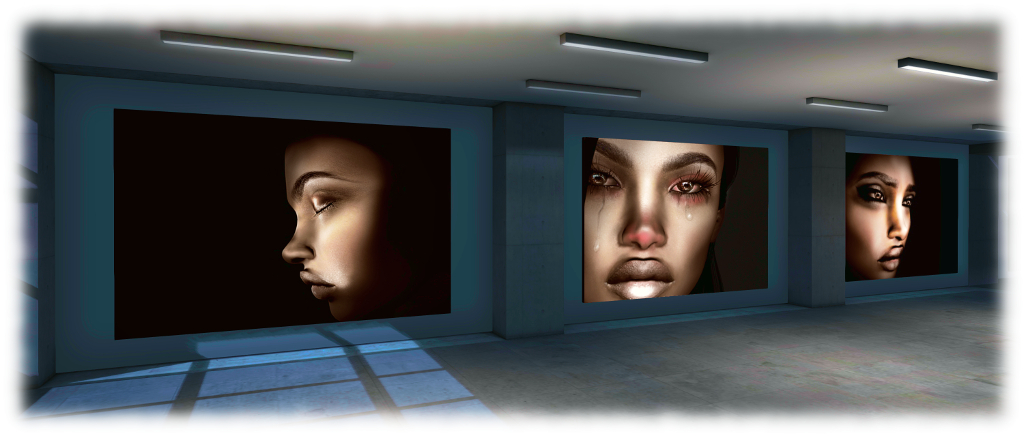
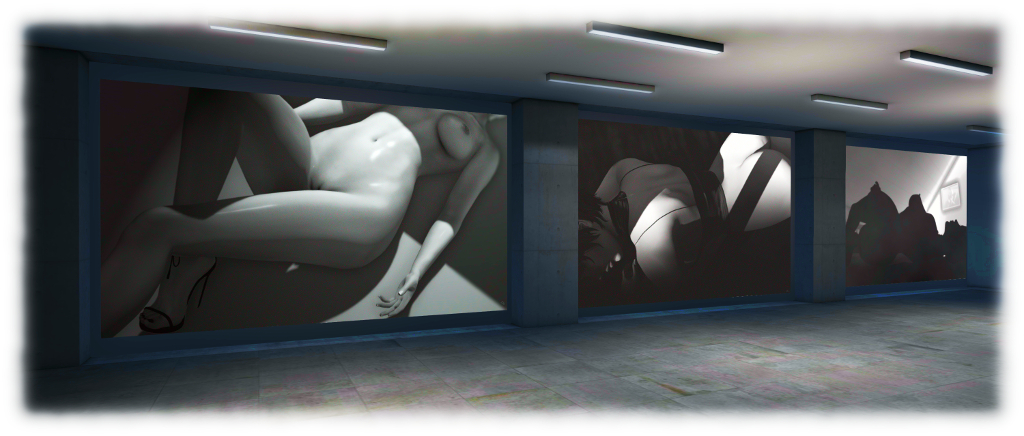
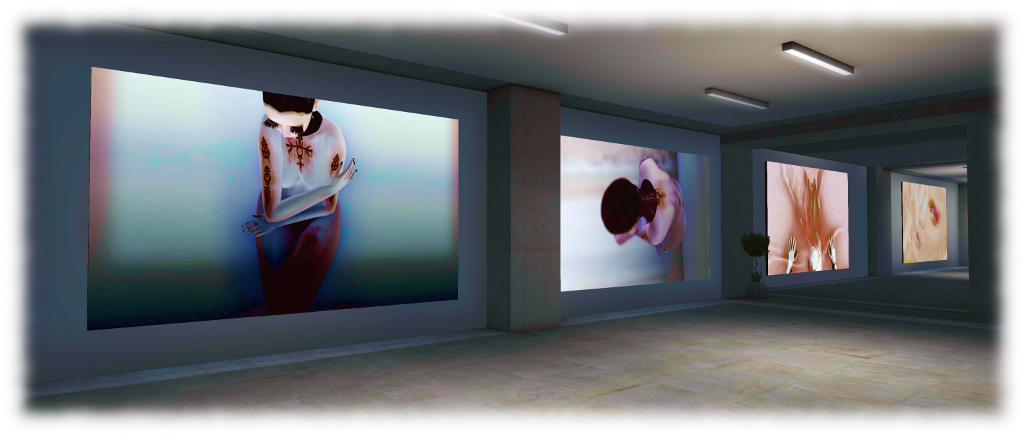
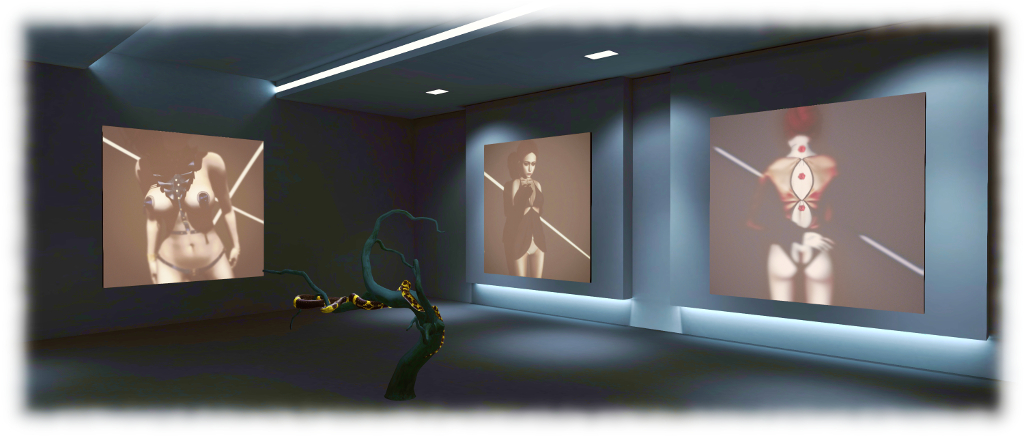
Now open at DixMix Gallery is an ensemble presentation of art entitled Switch on the Lights, which appears to be wither sponsored by, or a co-presentation with, LUMIPro, the commercial photography  lighting system, and the first to use projection prim capabilities.

So far as I can tell, the participating artists are  Jr Feiri, Reneesme Portland, xxstanislasxx resident, Kimma, Cyrece Delicioso, Angi Manners, DixMix Source,  Trixie Pinelli, Toxic Valentine, Sedona Silverpath, Peep Sideshow Darkward, Tazara Bailey, Kira Ragged, Scarlett Rhea, Ornella Batriani, Space Hurricane, Ilke Huygens, Freekency Banx, Wiwi Swot, Marleine Magic, Kevin De’Cypher,  Bettina, Ember Wulluf, Calypso Keng, Fleur Imagines SL, U.Sabra, Sedona Silverpath and Abi Latzo.

DixMix Gallery: Switch on the Lights

As one might expect with LUMIPro’s involvement, the majority of the pieces in the exhibition are avatar studies. However, if I sound a little uncertain about this display, it’s because the information relating to it is less than forthcoming. The invitation I received contained only the Gallery’s landmark and a note card advertising LUMIPro. There is a similar dearth of information actually at the gallery as well. Thus I had to resort to editing each image to grab the artist’s name. Not ideal when reviewing.

There are other minor annoyances as well. The exhibition is referred to as “selected photographies” – but how were they selected and what role did LUMIPro play in it? Given some artists appear to have only one piece submitted, others 2 or 3, what criteria were employed in the selection process? Did some artists only submit the one piece, and other several? Were submissions adjudicated? If so, how? And so on.

DixMix Gallery: Switch on the Lights

These may sound like minor niggles, but having this information to hand can add depth to an exhibit, whether or not you are reviewing it; and it’s not as if providing background notes is a particularly difficult task. As it is, the lack of available information does diminish the exhibition somewhat.

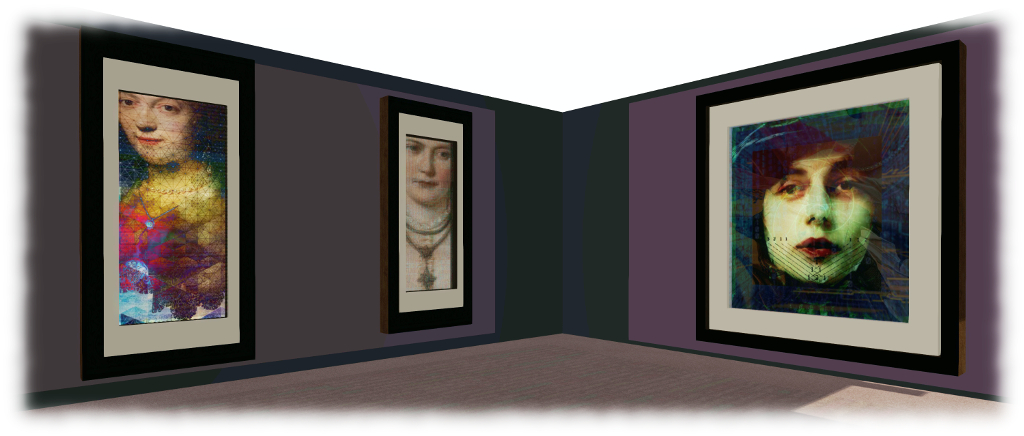
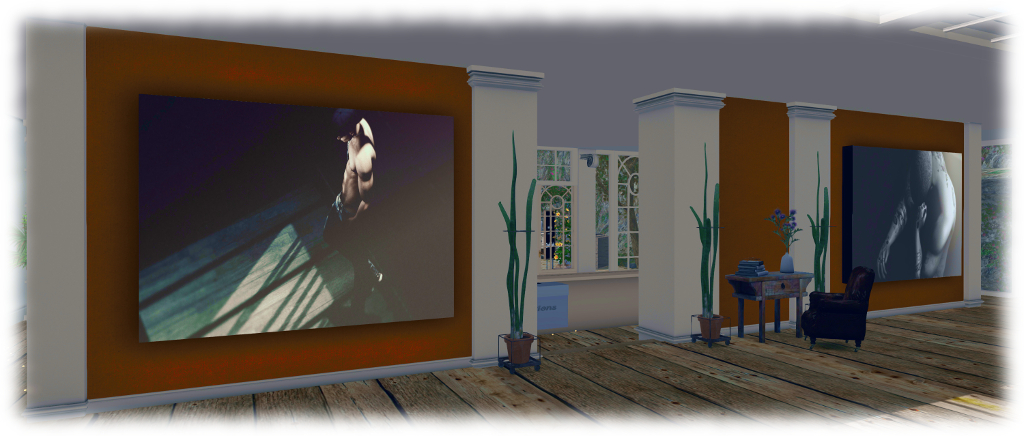
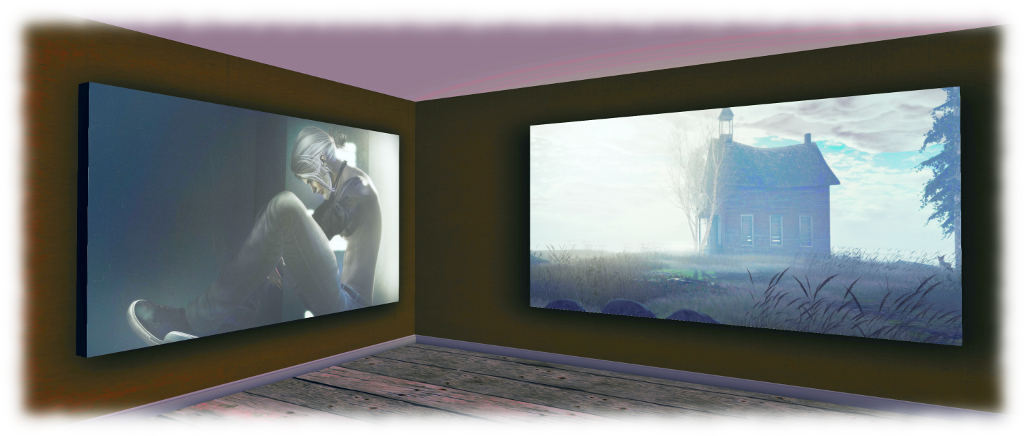
Which is a shame, as this is a striking exhibition. I was particularly drawn to the wall-sized format images, such as Crisis by U Sabra, and Marita Karu pileup by Jr Feiri (above) – which I found utterly mesmerizing. The range of styles and subject presented (colour, monochrome, individual, couples; indoor, outdoor, nude, dressed, etc), is equally eye-catching, drawing one into the exhibition. Given this, it is possible to look past the niggles and appreciate the exhibition as very much worth viewing.

DixMix Gallery: Switch on the Lights

SLurl Details

A different Saint Tropez in Second Life

The Incredible 4 – click any image for full size

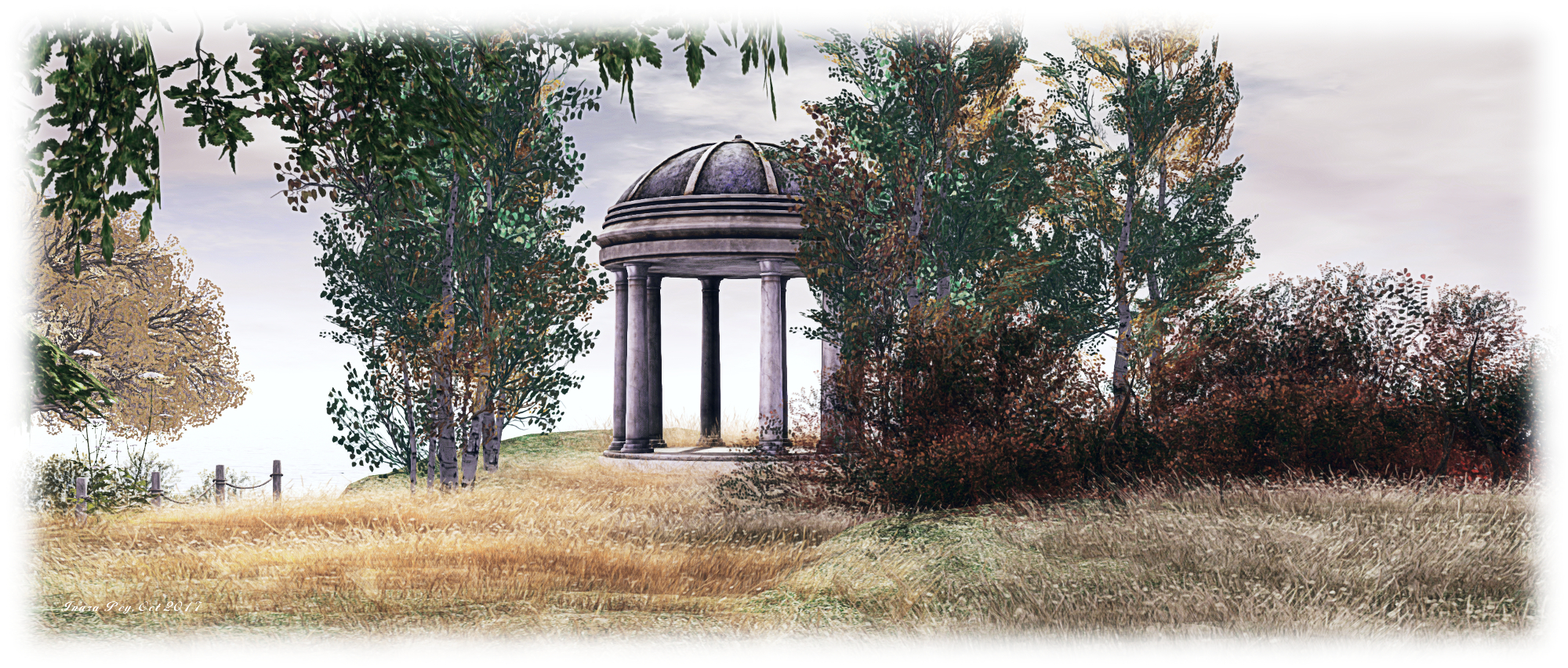
Hear or read the words “Saint-Tropez”, and the chances are your thoughts will turn to the French Riviera, blue Mediterranean waters, yachts and sun-kissed bodies. While there is a beach at Saint Tropez in Second Life, it’s probably not the kind you’re going to want to spend time visiting for a spot of sunbathing; nor is the boat lying next to it the kind of vessel which adds sleek lines and glittering decks to the scene.

Here, however, is something entirely different. A region with a very coastal feel to it as well it is a life style away from its physical world namesake. While it may have a little beach of its own, this is no Mediterranean playground with gleaming yachts and golden sands promising sun-bronzed looks. Which is not to say it is any the less interesting to visit. Rather the reverse: Siant Tropez has a defined look and feel of its own which make it an interesting curio to visit.

The Incredible 4

The work of Sugar (Sugar Planer) and Lea (Lea Pienaar), together with Lindus Lyne, the region operates under the name of The Incredible 4, presumably on account of it being divided into four quarters, all of which flow together to give a feeling they are all part of the same stretch of coastline somewhere in the world. There is no set landing point; any visit via map or search will drop you pretty centrally in the region, so where you wander is pretty much up to you.

To the south-east sits Crossroads Bar, operated by Lindus Lynes. It’s the only part of the region sitting under its own parcel-based windlight setting, which casts in under a darkening twilight sky. A home for blues, blue rock, southern rock and rock, the bar offers both indoor and outdoor music venues. One of the latter sits just across the road, while the other is located a little further away, in the south-east corner of the region, which it shares with outdoor cuddle spots reached via an old wooden bridge.

The Incredible 4

Running across the northern side of the region, and reached via either a winding paved road or a dirt track (I recommend the latter when exploring the region for the first time), is a more urbanised area, albeit own of distinctly two halves. The the east is little town centre well past its prime, but attempting to put a brave face on things. Two gay little shops smile brightly at visitors along one of the streets, while along another houses with a distinctly Mediterranean look offer splashes of colour with their tiled roofs and blooming windows boxes. Even so, it’s hard not escape the feeling this is a place well past its prime – as testified by the row of empty houses to the north, and the uninspired bulk of old apartment houses to the south.

West of this thing become more open, the buildings seemingly fresher.  Two large town houses stand here, together with a little row of apparently thriving businesses. A great steam loco sits in a siding, looking like a local attraction designed to entice those passing through to stop and explore, rather than being a working engine. But even here, the signs of time passing cannot be entire ignored. Roads are closed, the beach is looking grubby – something not helped by the carcass of an old fishing boat lying half-sunken nearby.

The Incredible 4

Through all of this, the main road of the region winds, drawing everything together into a continuous whole. And you follow it around and through the region, the feeling is not so much of simply going in a circle around a square region, but you’re travelling along a stretch of coastline.

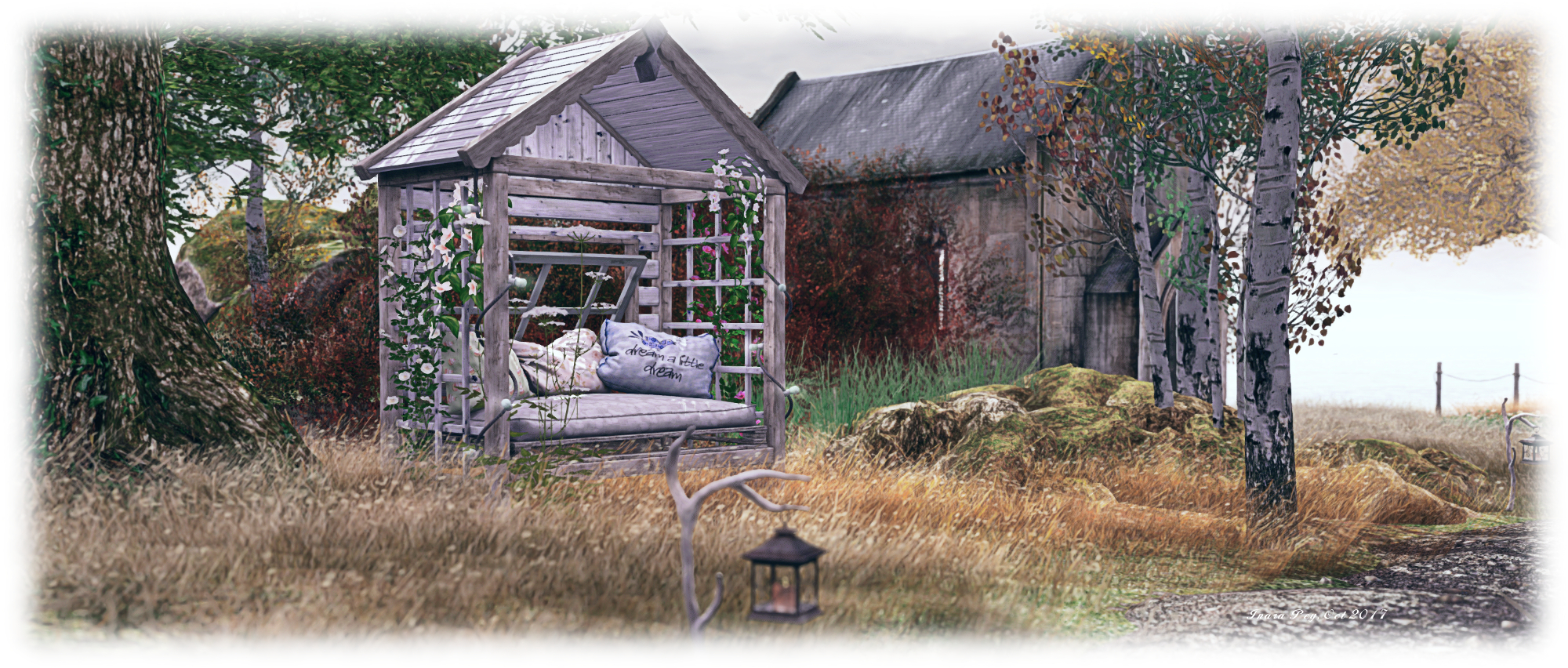
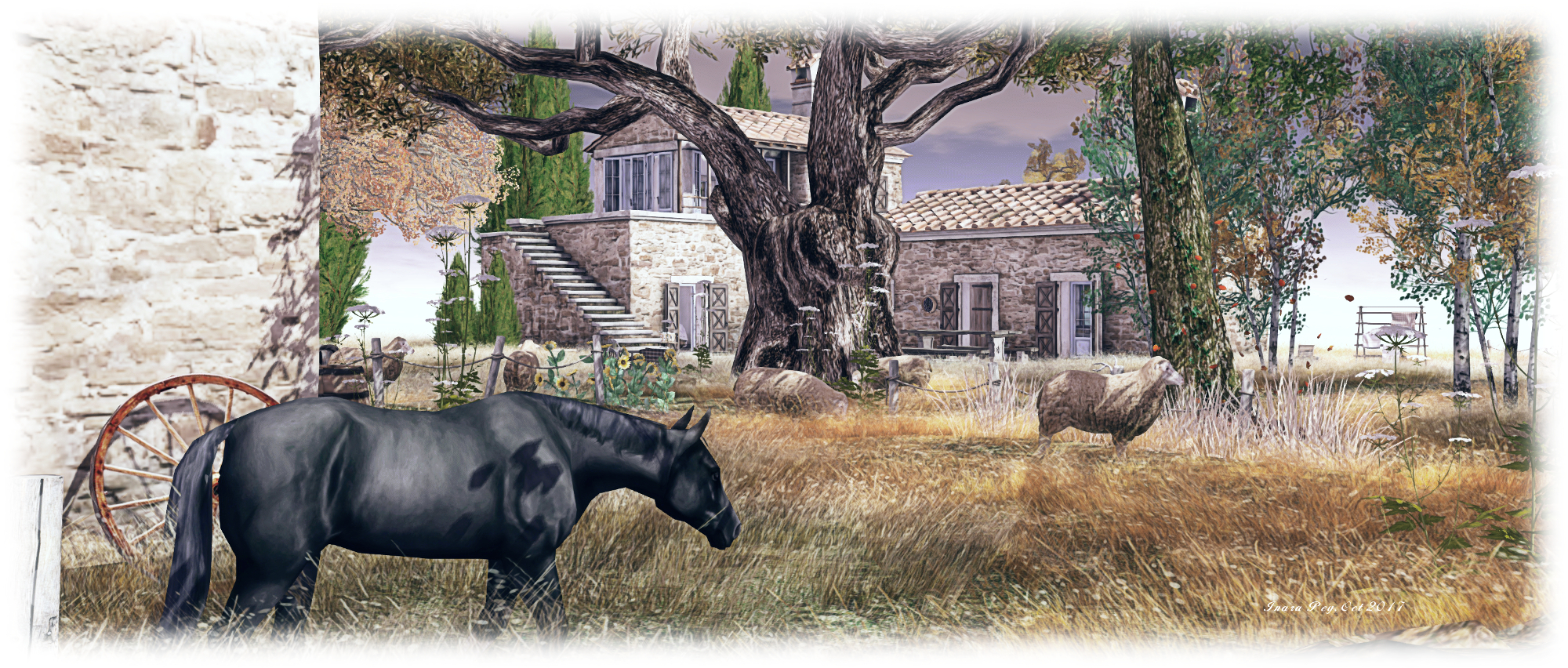
And just like a journey through and unknown land, The Incredible 4 offers a slice of the surprising. Follow the road back towards the Crossroads Bar and then turn right onto a woodland path before you get to the bar itself, and you be led to a little slice of Scandinavia. Here, on a rugged corner of coastline sit two houses, screened from the rest of the region by trees and rocky outcrops, the area comes as a rural retreat from the more urban feel of the rest, and coming across it is like arriving at the unexpected while on a long road-trip.

The Incredible 4

And this is the defining beauty of The Incredible 4 / Saint Tropez. Yes, a large part of the region might sound run-down and a little dreary, but it actually has a genuine beauty of its own. The meandering road, the footpaths and trails all serve to bring the various aspects of the region together as a living whole. It makes for an intriguing exploration, particularly given the various opportunities for back-story narrative which present themselves (just what is the town house in the north-west corner of the region all about?). As such, you might well be pleasantly surprised by a visit, as Caitlyn and I were.

SLurl Details

The Endless in Second Life

The Endless

The Endless is the title of an ensemble exhibition of art curated by Angelika Corral and Sheldon B as a part of their DaphneArt presentations. It features works by Ariel Brearley, Awesome Fallen, Kiki, Maloe Vansant, Nevereux, Paola Mills and Whiskey Monday, and it is a display where the art space itself might be considered as much a part of the exhibition as the images and pieces themselves.

Located high above ground, the exhibition space a place of geometries and reflections. A large grid forms the main platform crossed – literally – by two footpaths. At one end of this grid is a tiered seating area, split along one axis to presented a mirrored arrangement. Facing this, at the far end of the grid, sits a black hemisphere. set between the two are four cubes and two pyramids, neatly arrayed in two sets of three – again as if reflecting one another – either side of the path running from the seating area to the hemisphere. All of these elements  – seating, cubes, pyramids and hemisphere are additionally “reflected” by copies beneath the grid, mirroring their placement.

The Endless: Paola Mills

I’m not entirely clear on the significance of this arrangement beyond the idea that when placed correctly, two mirrors can give a sense of infinity through their endless reflections of one another, which might appear to echo the title of the exhibit. However, what I can say is, the design – by Sheldon B – is highly effective and eye-catching.

The work of the seven invited artists can be found within the various cubes, pyramids and hemisphere, which alternate in exterior finish between whites and black. Each artist presents at least one work, with not offering more than three. These again continue to mirrored them – each piece seemingly “reflected” in the floor of its display space.

The Endless: Awesome Fallen

The themes for the pieces are varied in style and tone. Again, I’m unclear as to the central theme (if there is one) – the DaphneArts website was down at the times of my visits, and the invitation I received to visit the exhibition was sans curator’s notes. Suffice it to say, there is a certain edge to all the pieces, be it sensuous, thought-provoking, nudity or a discomfiting reminder or two of out own mortality.

Certainly, each display is eye-catching, evocative (or provocative), emotive and variously attractive.  However – and for once – I’ll leave it to you to visit The Endless for yourself and discern your own understanding of the pieces and the exhibition as a whole. Which should not be taken to mean I’m being dismissive of it in any way. Rather, this is an ensemble of work and setting which deserves direct viewing and interpretation, rather than being filtered by my thoughts.

The Endless: Nevereux

SLurl Details

The Endless (Isle of Seduction, rated: Adult)

Dathúil: Lulu Jameson’s magic in Second Life

Lulu Jameson – Dathúil Gallery

Sunday, April 9th saw the opening of an exhibition of Lulu Jameson’s photography at Dathúil Gallery, curated and operated by Max Butoh and Lυcy (LucyDiam0nd). Apparently untitled, it offers just under 30 pieces of Lulu’s work bound together with a quote from Roald Dahl:

And above all, watch with glittering eyes the whole world around you because the greatest secrets are always hidden in the most unlikely places. Those who don’t believe in magic will never find it.

Lulu Jameson – Dathúil Gallery

The quote very much sets the tone for the pieces on offer. While the majority might appear to be avatar studies (one or two of which touch upon the NSFW boundary), the majority of them actually offer much more than this – although a careful eye – and a willing ear – is required to fully appreciate all that each image might have to say.

These are pieces which each tell a story – that’s guaranteed to get my attention, given my love of narrative. However, each story is in two distinct parts. The first comes when looking at it on your own. Each piece demonstrates an extraordinary use of tone, colour, depth of field, perspective, angle, and so on, in various combinations to make each piece harness our attention. Then within each of them is the story itself, conveyed through the emotions we see and sense:  love or loneliness; wonder, joy or sharing; regret, loss, contemplation or reflection; desire or passion.

Lulu Jameson – Dathúil Gallery

It’s an evolving narrative; one which grows as we take in more of the detail, focusing down while at the same time considering the whole. These are pictures that feel alive, as if responding to our appreciation.

The second part of the narrative comes from the artist as he directs our thoughts in examining his work. It is achieved in on or two ways, depending on the picture. The first and most obvious, common to all the pieces, is the name. Carefully chosen, the title of each paces draws our response in a certain direction. The second – and only present with some of the pieces – is through an audio link in the form of a volume button, which takes us to a song or poem on YouTube. Some of these reinforce initial impressions gained directly or through considering the title of an image, other carry our response and thoughts in an entirely new direction, encouraging a reconsideration of the picture and the story it may want to tell.

Lulu Jameson – Dathúil Gallery

This is a truly fascinating and magical exhibition. Lucy and Max have never really missed a beat with the exhibitions at Dathúil.  However, Lulu has provided something very special with this one; the mix of visual and aural art is perfect. And if you have an eye for detail – keep a look out for Lulu’s cat in the gallery 🙂 .

SLurl Details

The Drax Files 44: “It’s Istanbul and VR education”*

Professor Tuncer Can and student share time in the physical world and in Second Life

*With apologies to Jimmy Kennedy.

The Drax Files #44 arrived on Monday, April 10th. It is a somewhat timely piece in content, returning as it does to the subject of Second Life and its role as an educational tool (first examined far back in segment #19) which has arrived shortly after the 10th Virtual Worlds Best Practice in Education Conference has closed its doors in Second Life.

This segment is slightly longer than recent instalments of World Makers, running to one second under 6 minutes. The focus is very much on the work of Professors Tuncer Can and Irfan Simsek from Istanbul University, but the episode encompasses far more than examining looking at how the professors and the university use Second Life to enable and empower student learning.

Istanbul University’s virtual presence in Second Life

“I’m really trying to summarise what are the defining factors that make Second Life work for education,” Drax told me as we discussed the segment.

“I’ve striven to have some detail [through the examination of Istanbul University’s presence in SL] but moreover I’ve striven to give a feeling of the freedom Second Life brings to education. Not just for the teachers, but for students as well. The emphasis is on the fact that Second Life can create an atmosphere of freedom that unleashes energy in the students, encouraging them to participate in the learning process.”

A core part of this freedom is the fact that Second Life presents students full agency over how they represent themselves in-world and the security that they have control over how much they reveal about themselves – and how much (if anything) can be traced back to them. This aspect of identity / anonymity is something oft touched upon in many areas of Second Life, but it is perhaps not so well recognised when it comes to education, where one would perhaps expect things to be more regimented.

A skyborne language park at Istanbul University, Second Life

“They want to reflect their own real character that lies behind their social masks,” Tuncer Can notes in the video. “I had one student whose voice I had never heard in my life; and instantly, when we had this virtual education class, he started using all of his experiences! He said that the anonymity that Second Life allows, nobody looks at me, and I started sharing.”

Tuncer sees this as a vital part of encouraging learning and giving student a greater freedom, as Second Life encourages students to remove the affective filter, causing them to be more receptive to learning, their peers and their class leader.

“That’s why I dwell on these different avatars,” Drax continues. “I have the feeling this is not really a priority right now in many of the VR applications. The ability to openly define yourself, which has a kind of creative chaos which can be leveraged by a skilled educator to open out the learning process. That’s what I’m really trying to show.”

Istanbul University’s virtual presence in Second Life

Second Life can help remove the affective filter in other ways as well. For example: many – if not all – students today are at least semi computer literate. They have games, the Internet, social media, and so on. Thus, they have a natural curiosity when introduced to Second Life, a desire to find out what it is, what they can do within it. This naturally pushes their affective filtering to one side, generating a desire to learn.

“You see this in the shot of students playing with the prims. I have so much footage where you see prims floating all over the classroom” Drax says (starting at around the 1:25 mark). “We gave the students scripts and let them play with the prims, and we filmed everything in real-time in Second Life and in the classroom at the same time. It was not a structured lesson; we weren’t teaching them scripting or coding. They weren’t doing that per se, but they were learning as they played.”

Istanbul University is the perfect focal point for a broader examination of immersive environments in education for a number of factors. It has around 200,000 students, many of whom come from far afield, marking it a melting point of cultures and social influences, any of which might influence the depth of affective filtering any particular student might already naturally feel.

Professor Irfan Simsek offers a helping hand to a student

Through Tuncer Can and Irfan Simsek, the University has been involved in using Second Life as an educational tool for a decade. This give the professors an in-depth perspective on how immersive tools might be used, and – through their technical abilities – a keen understanding of what the future of VR might bring and what are, for the time being at least, the limitations of the new wave of VR systems.

Some of this is touched upon in the video. Again as an example, take Erasmus City, as visited in the segment. It’s a unique environment, allowing students who are about to study at the university to visit it in virtual form, and gain a broader understanding of what their time at the university – and after – will be like. It’s a fascinating take on student orientation which not only helps students better understand the university and manage their expectations, but also offers a unique opportunity for social interaction between students before they even arrive in Istanbul.

Technology-wise, the focus right now is on the new era of VR as personified by the broad range of VR systems from the high-end HTC Vive through to elements such as Cardboard and Daydream. But, as Tuncer touches upon in the video, this entire new ecosystem is actually a big unknown, and raises more questions than it answers. This is not just an issue of cost of high fidelity headsets – specifically mentioned towards the end of the piece – it is the whole ethos of approach.

Erasmus City – offering students a virtual orientation to life at the physical world Istanbul University

“VR is at a point of transition,” Drax elaborates in our conversation. “We don’t know where it is headed. It’s fascinating, but there is nothing out there that really works. That’s something a lot of educators are questioning; there really isn’t a platform like Second Life. High Fidelity is way too complicated, and Sansar is not open yet.

“So this is where we’re stuck right now. Of course there’s Google Expeditions, and things like that, but right now only Second Life is out there and is known to work. And the price point, raised by Tuncer, is a legitimate point.  People will of course say, ‘Well, you can always get Google Cardboard and let students us their own devices’. But students using their own devices is an issue for some schools. So, where VR is concerned, there’s a whole set of issues which no-one is really addressing.”

Second Life, however has addressed many of the questions. Its success as an educational tool lies within its track record of use across a range of teaching disciplines. It is not something that is going to go away as use of consumer-based VR grows in use. But it is something which will remain relevant for some time to come and – for the wise at least – inform them as to how VR should be considered in the educational realm.

Once again, Drax has delivered another outstanding segment for World Makers, one which in itself see a return to the seeds of the show, in that like the first in the series, it is led by Drax himself – although this time purely in the form of a narrative voice over. It’s the perfect way to round-out the circle for the series.

A World of Details in Second Life

Melusina Parkin – World of Details

“Although I love landscapes and broad views, my photographer’s eye needs to go close the things,” Melusina Parkin says of he recently opened exhibition World of Details. “Maybe I got impressed forever by the words said by Mies Van De Rohe – one of my favourite Masters of 20th Century aesthetics – ‘God is in the detail’.”

And so it is that we are led on a journey of fine detail through more than thirty images arranged around the split-level floor at Delmonico’s Artspace, where Melusina once again reveals that she truly does have an eye for detail and composition. In some respects, A World of Details shares a heritage with Closer Looks, and exhibition I reviewed in May 2014. As with that exhibition, the pieces here focus on the smaller details of a scene: instead of an entire workspace, we have a single typewriter or sewing machine; rather than the street, we have the street sign. Thus, common everyday things we might otherwise  never notice or which we take for granted are presented in a new light.

Melusina Parkin – World of Details

“Isolating a detail is an exercise of cleansing for our mind;” Melusina states. “It means to concentrate attention on a piece of reality,  until it loses its relationship with the environment and reveals its own meaning (or its own triviality). Then, we have to rebuild the context and to insert the detail into. These operations – made by our eye, that is: by our mind – can make true what Bertolt Brecht says in The Exception and the Rule: ‘We ask you expressly to discover that what happens all the time is not natural. For to say that something is natural […] is to regard it as unchangeable’.

She continues, “Moreover, attention to details can take us to the awareness that beauty and meanings aren’t compellingly in elaborated and sophisticated things, but they’re common and widespread.  I try to enhance all that by shooting everything I notice when I look close at anything. Sometimes I subtract or add light or colours, sometimes I isolate things deleting parts of their environment. Point of view, light and cut-off can enhance the subjects’ power of suggesting something.”

Melusina Parkin – World of Details

The majority of the pieces on display are new in terms of being exhibited; something which again helps with the feeling that World of Details and Closer Looks share a common bond. What is remark is – as noted above – the way in which the ordinary, the trivial, the things we regard as serving a physical function in life, become in and of themselves, art. The framing, colour palette, angle and focal point within each; the way each – as Melusina notes – offers a visual metonymy of a larger scene or of someone’s life.

Study is warranted, because each image reveals more than might at first be thought; as Melusina says, “All of them tell us something about their creators. All of them are both actors and silent spectators of the play we call ‘our life'”.

SLurl Details