A visit to a small corner of the grid

Rougham Town
Rougham Town

There’s a new entry in the Photogenic Spots category of the Destination Guide (which recently underwent a degree of culling to remove several entries which are, sadly, no more).

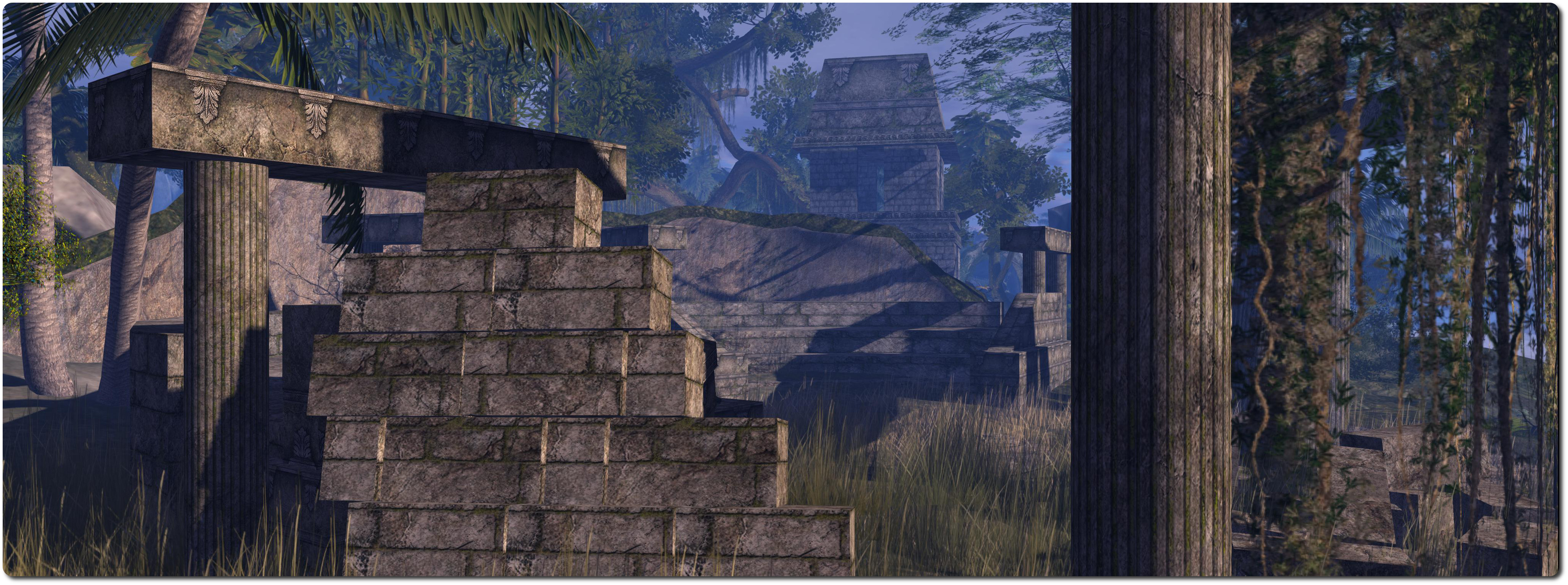
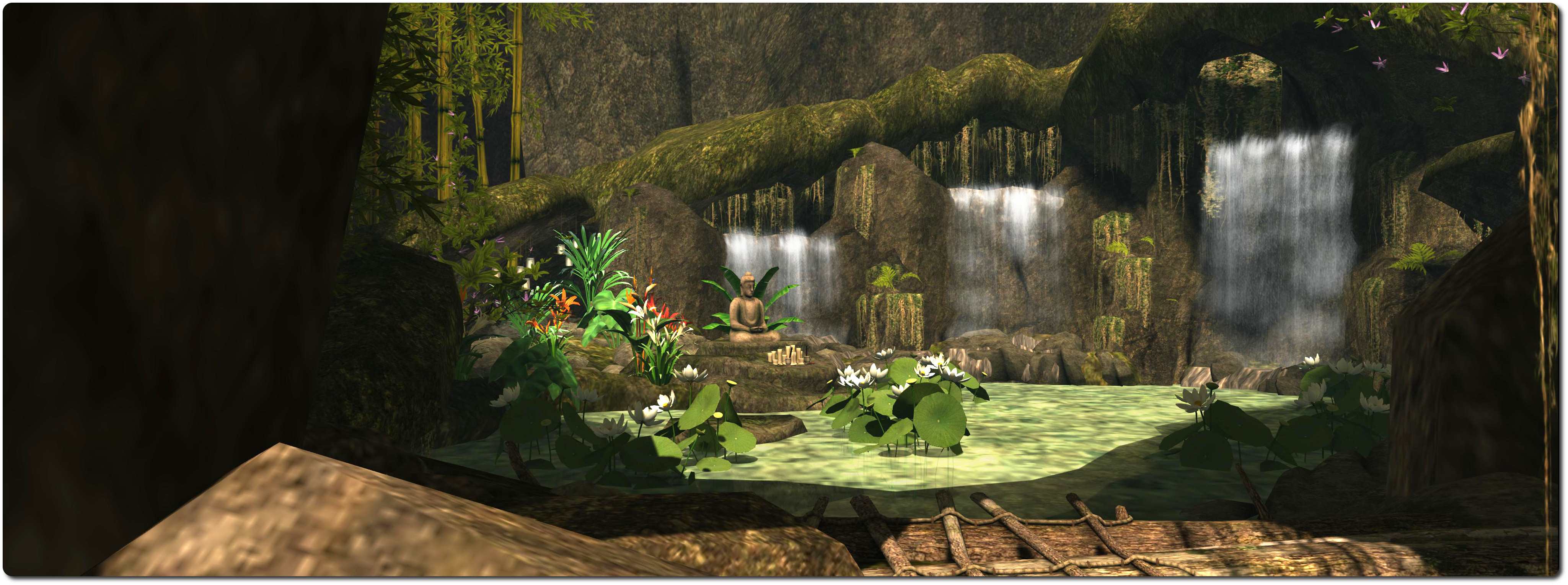
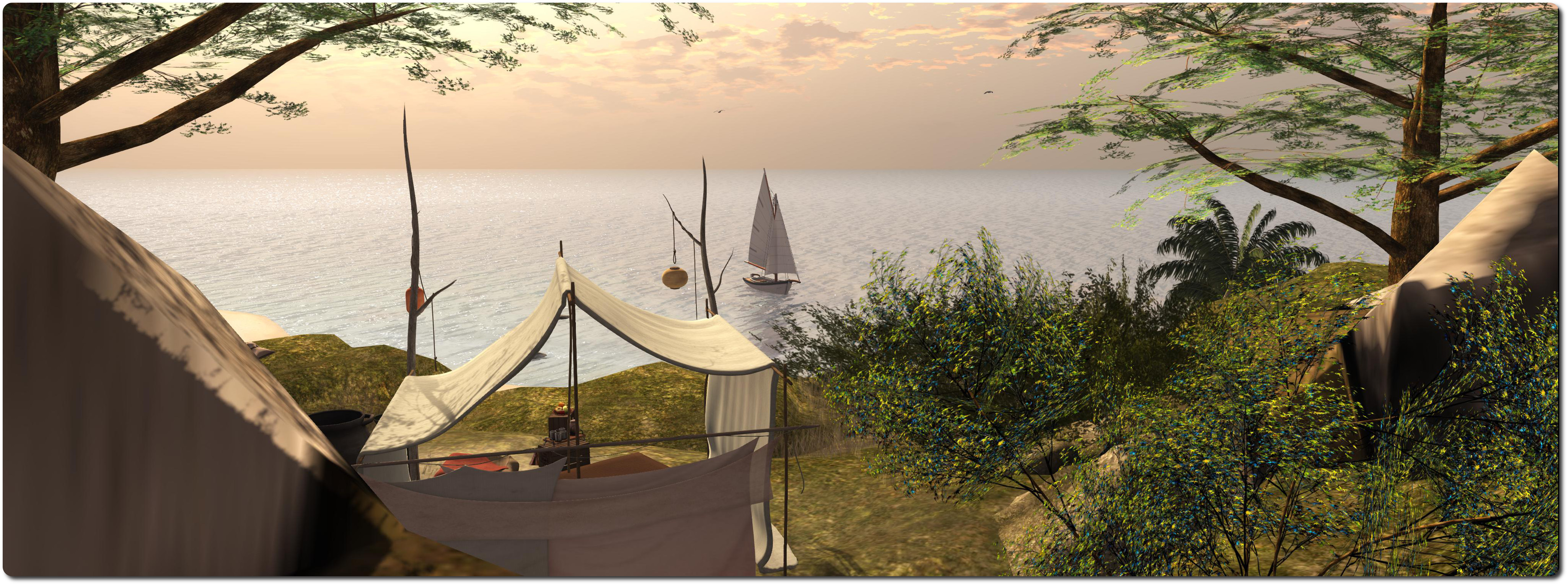
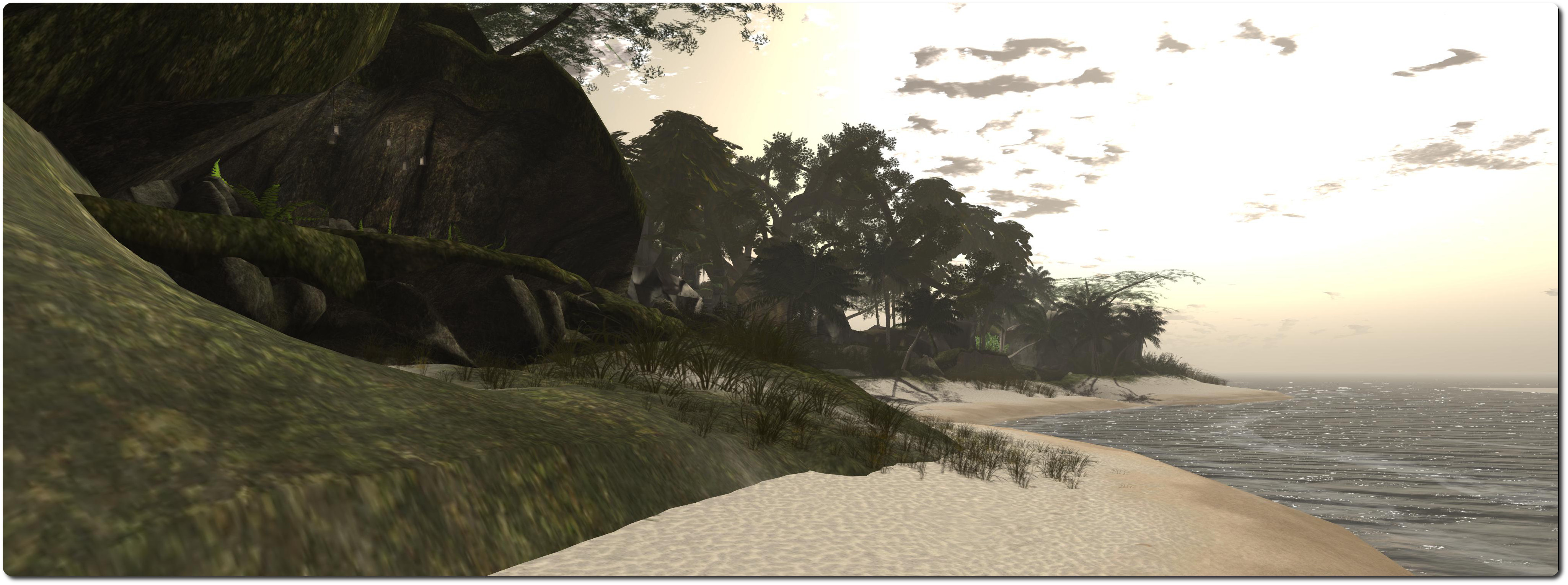
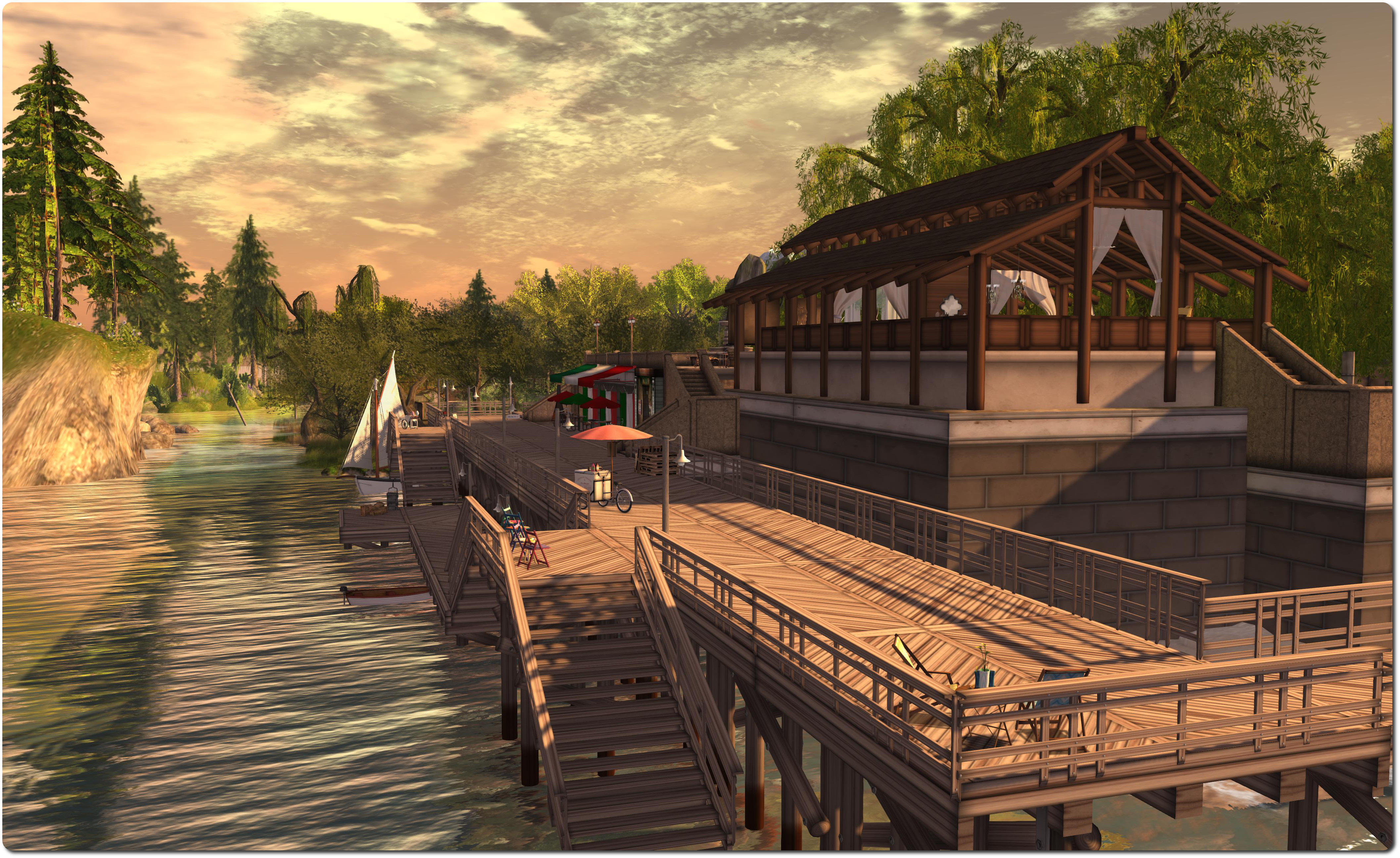
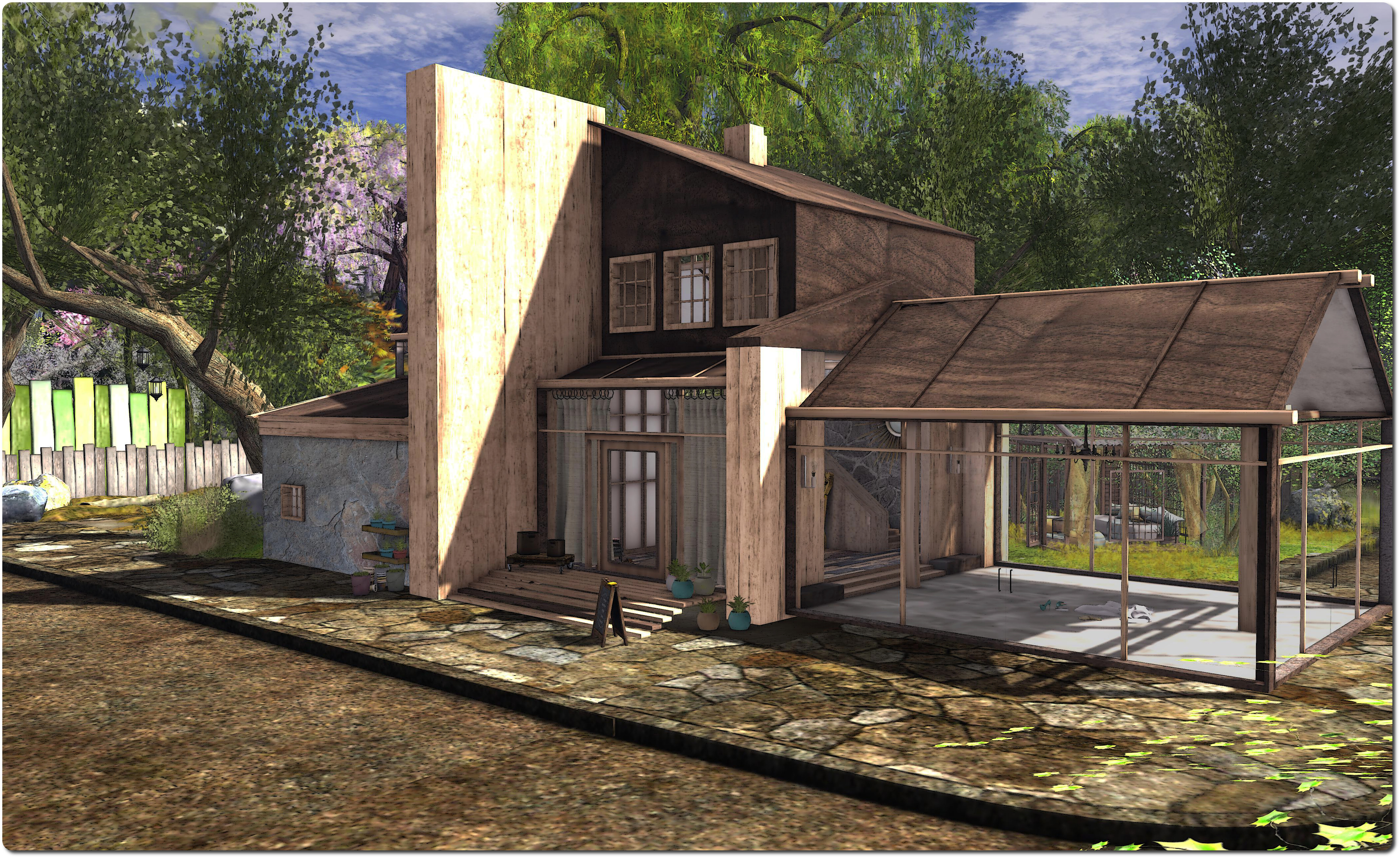
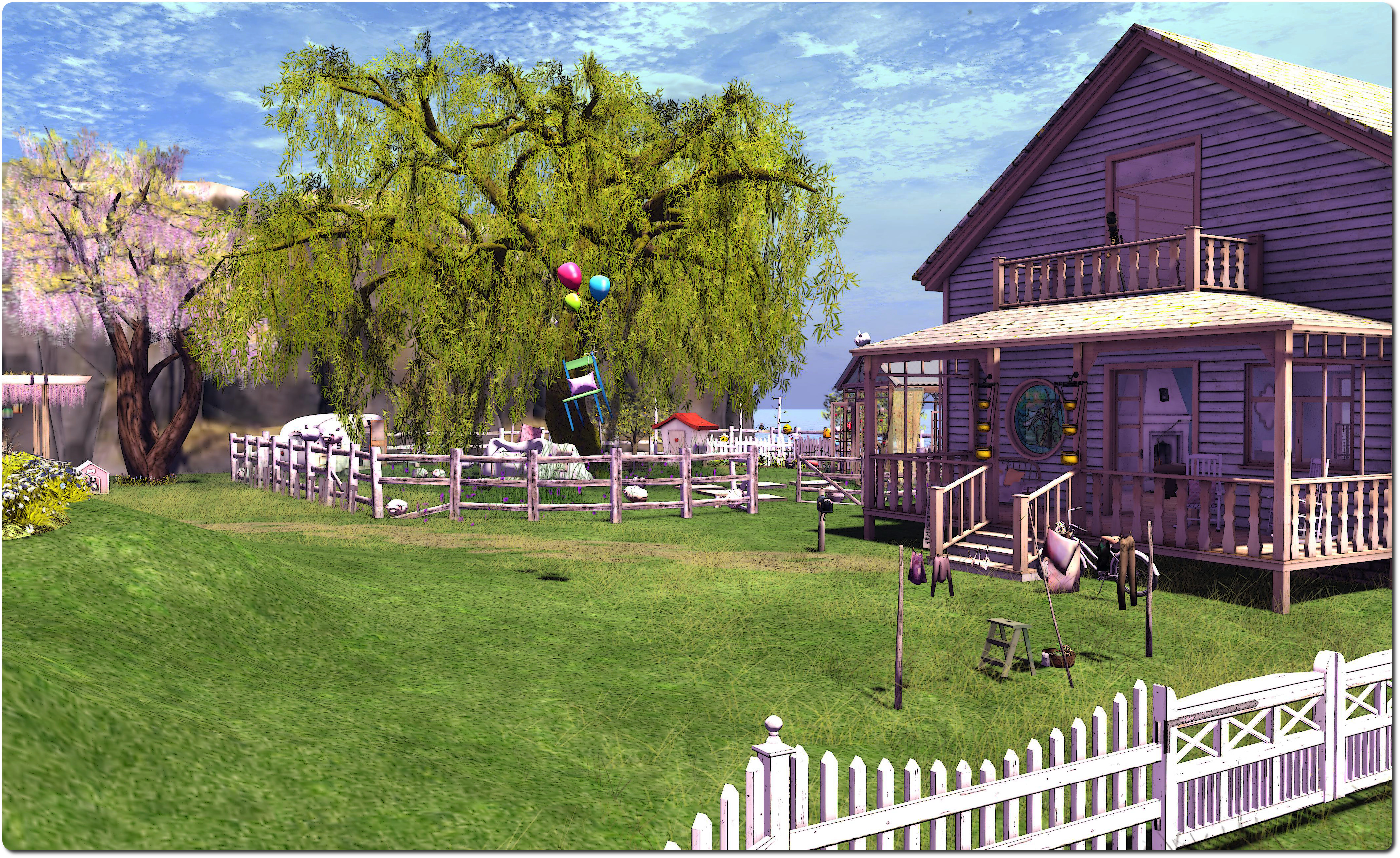
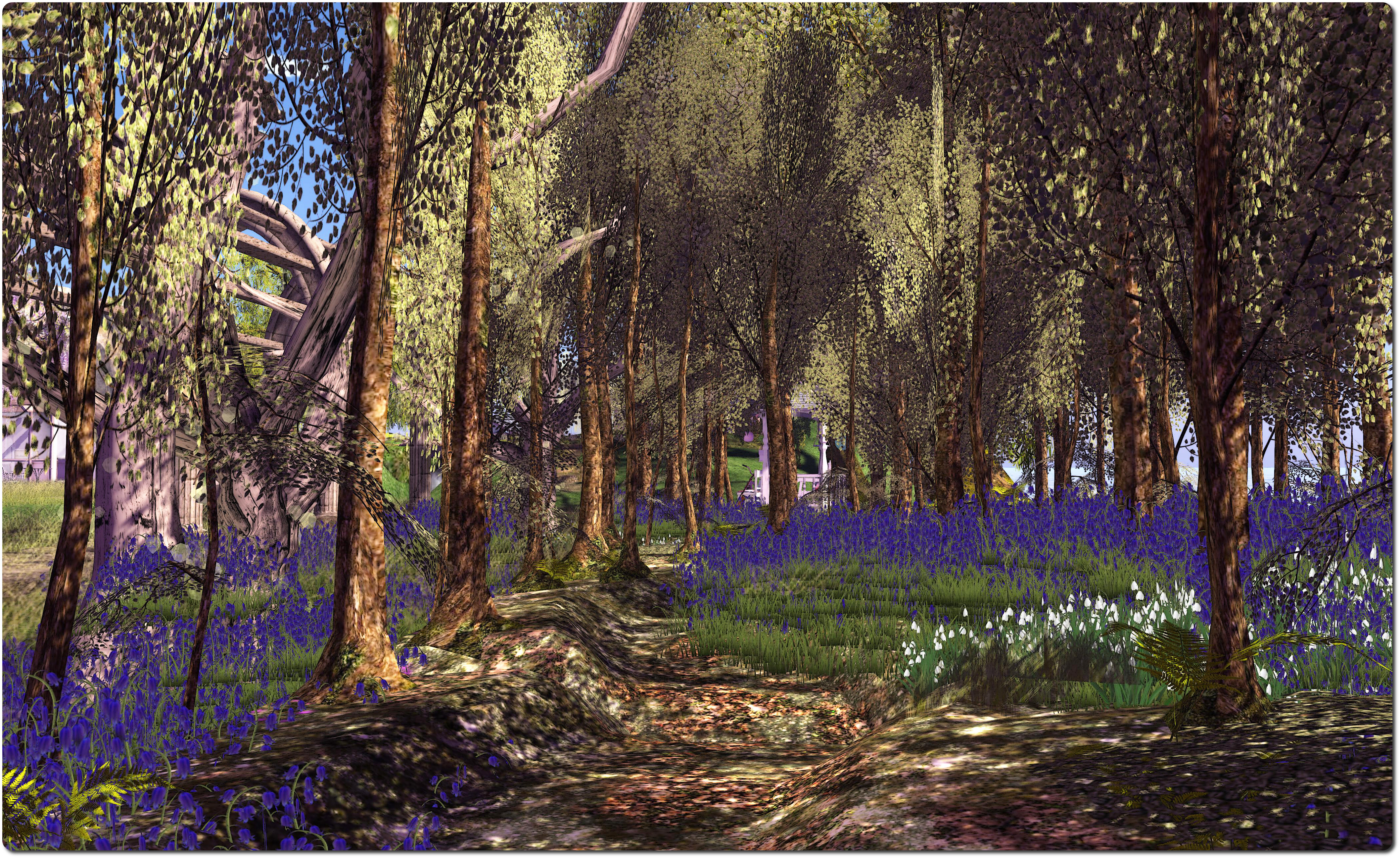
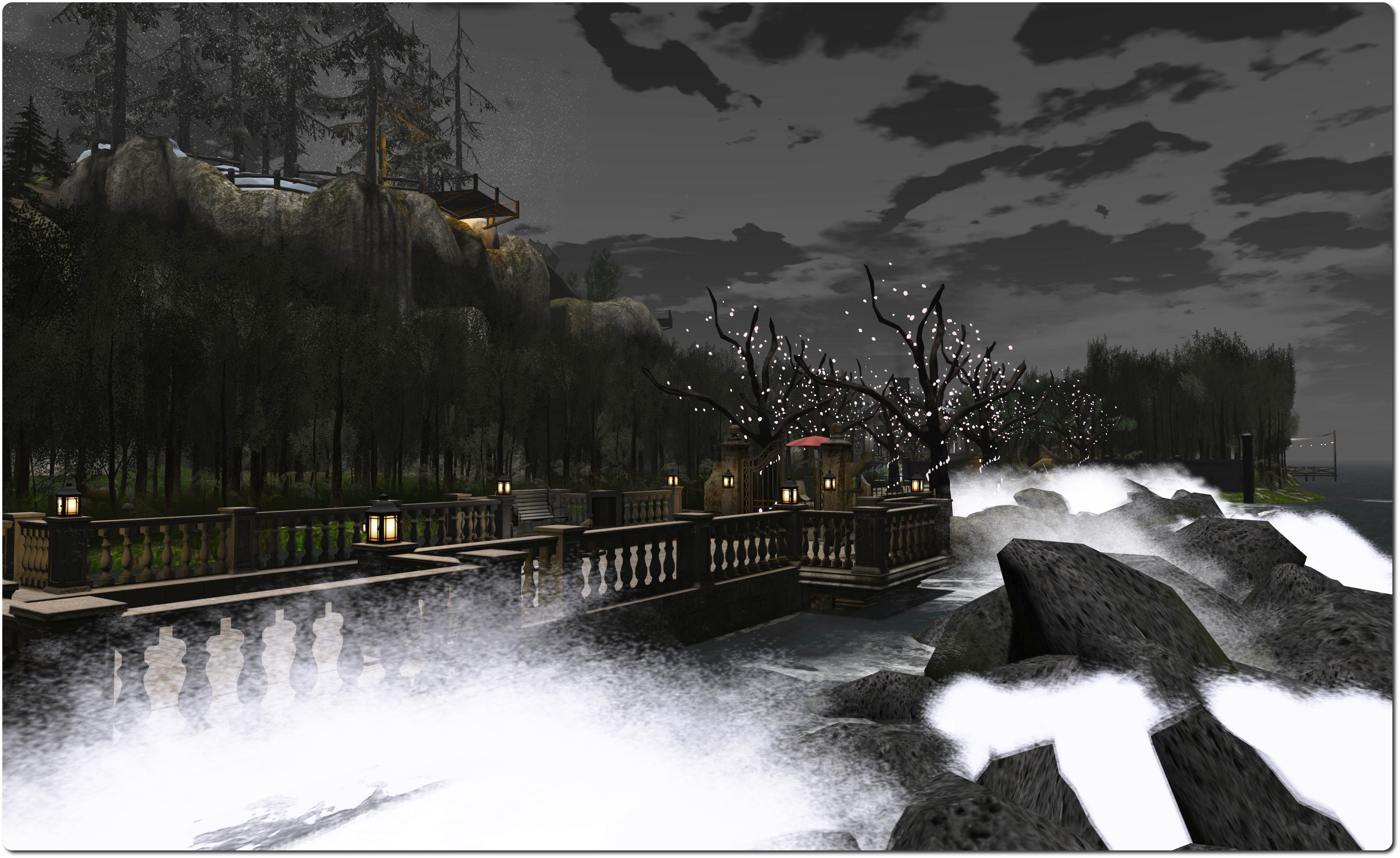
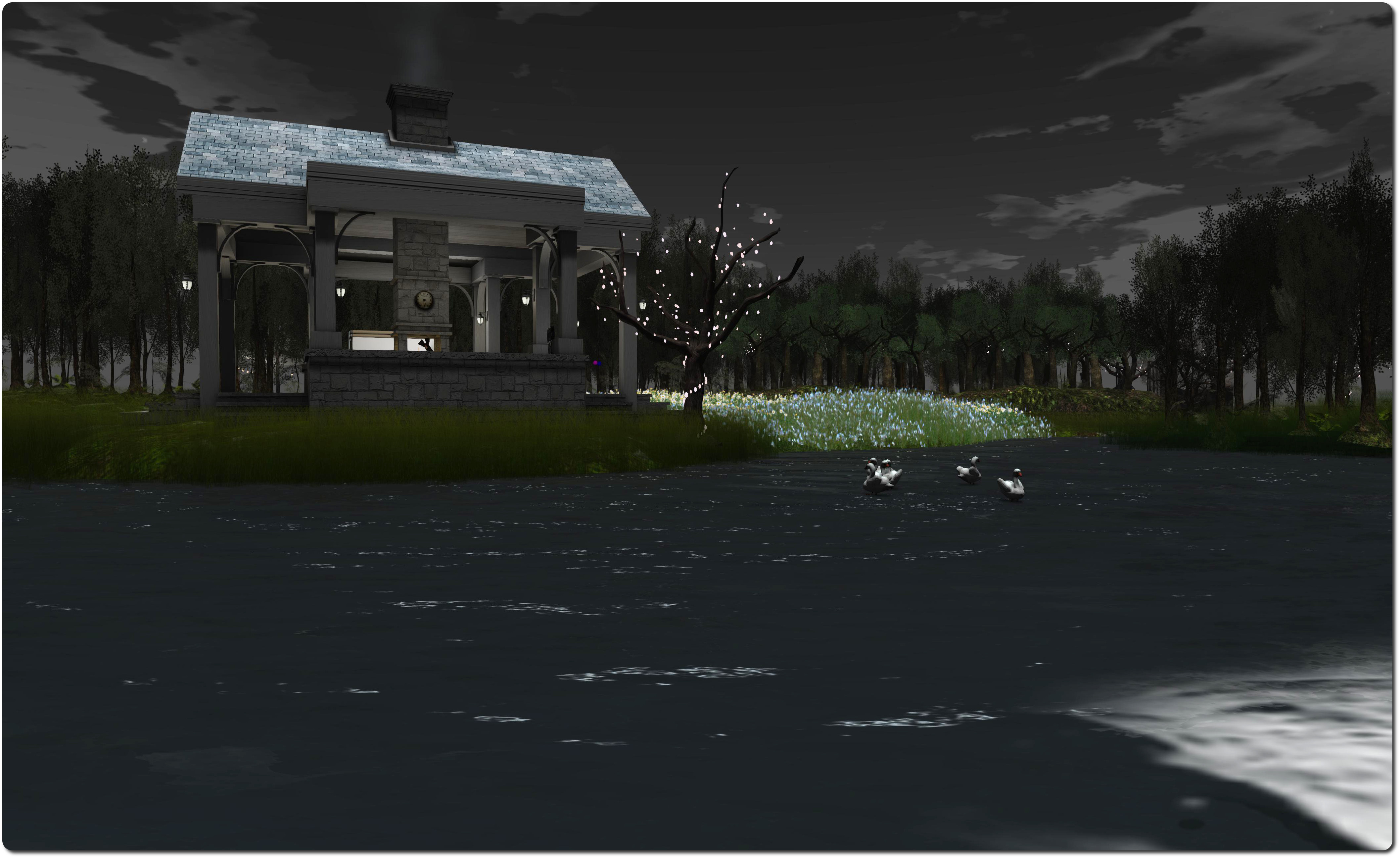
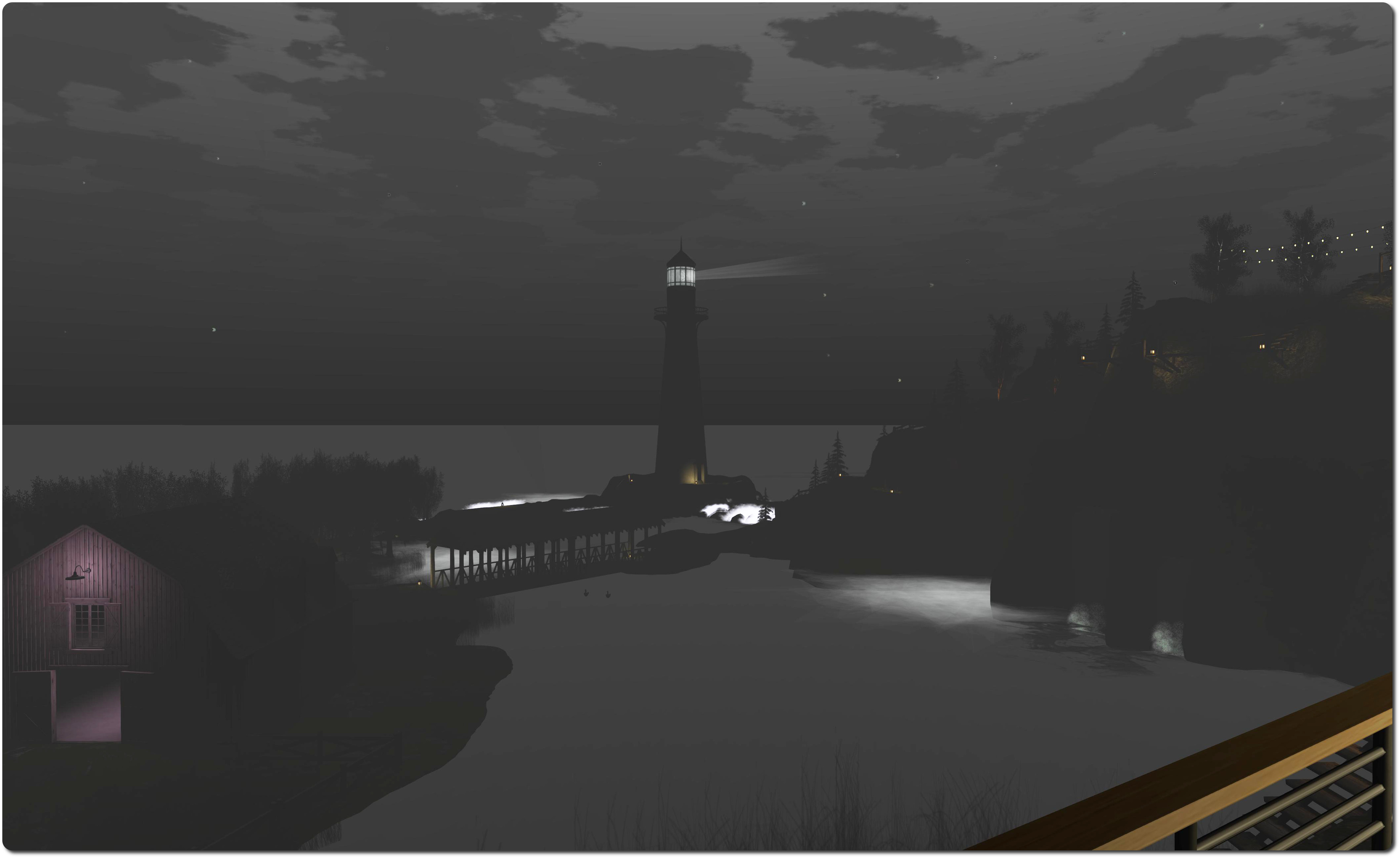
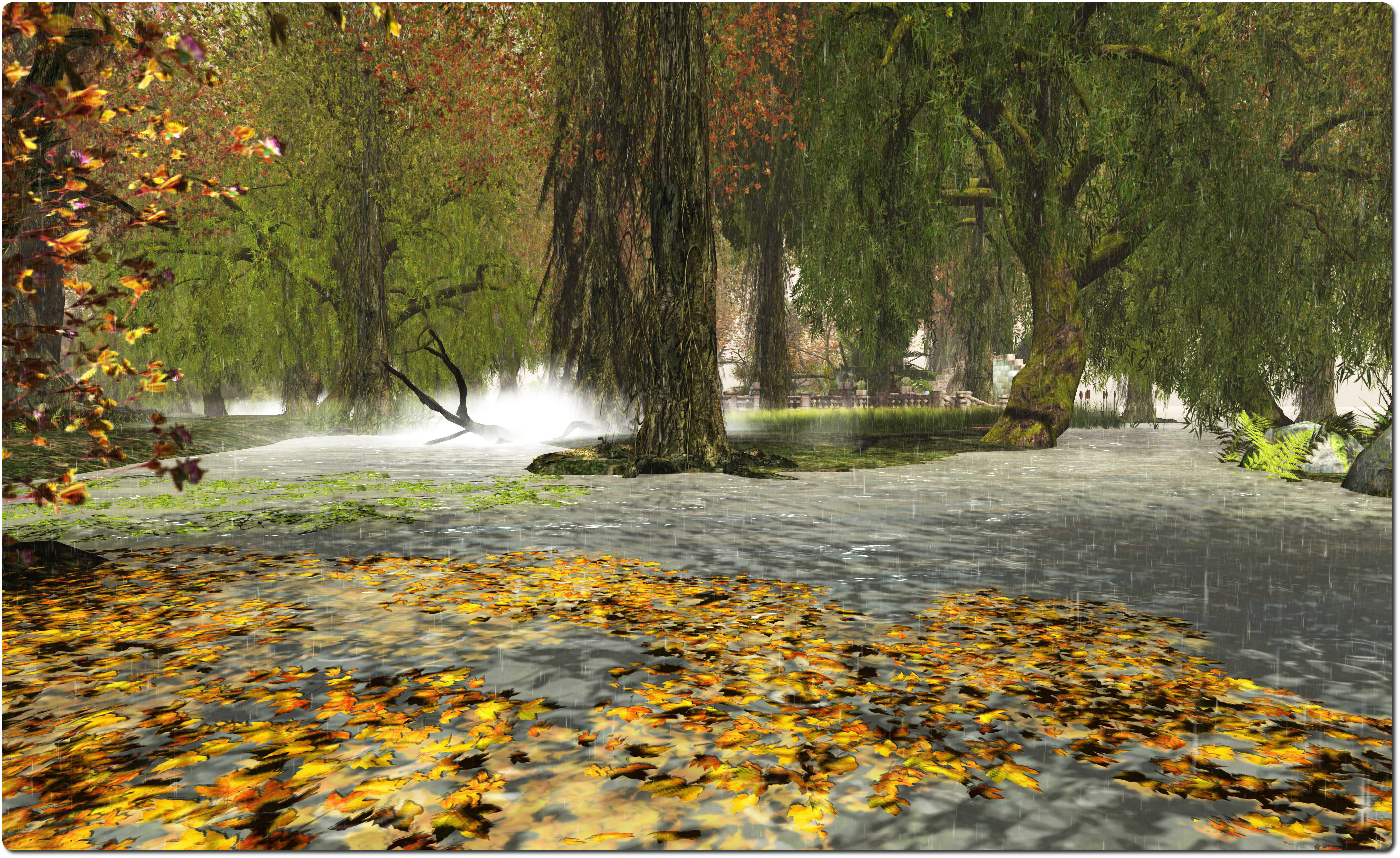
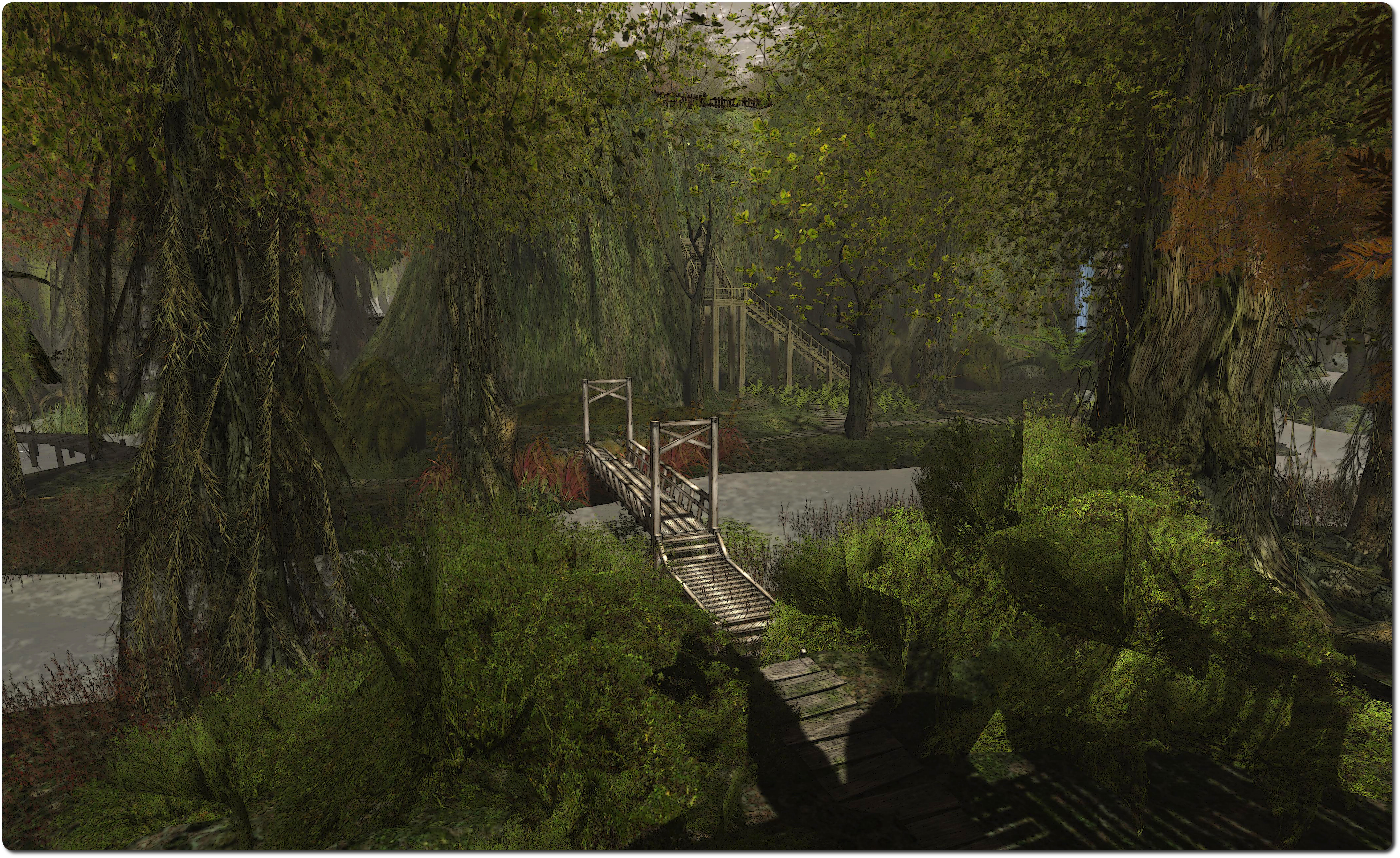
Rougham Town is billed as “a small Victorian port developed at the gates of Rougham Proper on the picturesque Britannia Isles.” And “small” really is the word here, the build occupies less than a quarter of the Britannia Isles region, the rest being almost completely water. I’ve no idea whether or not this means the region is still under development, or whether I simply missed a teleport to “Rougham Proper”, which leads to another region (and I admit, I was very pressed for time during my visit so may well have missed something). However, “small” doesn’t mean “not a lot to see”.

Rougham Town
Rougham Town

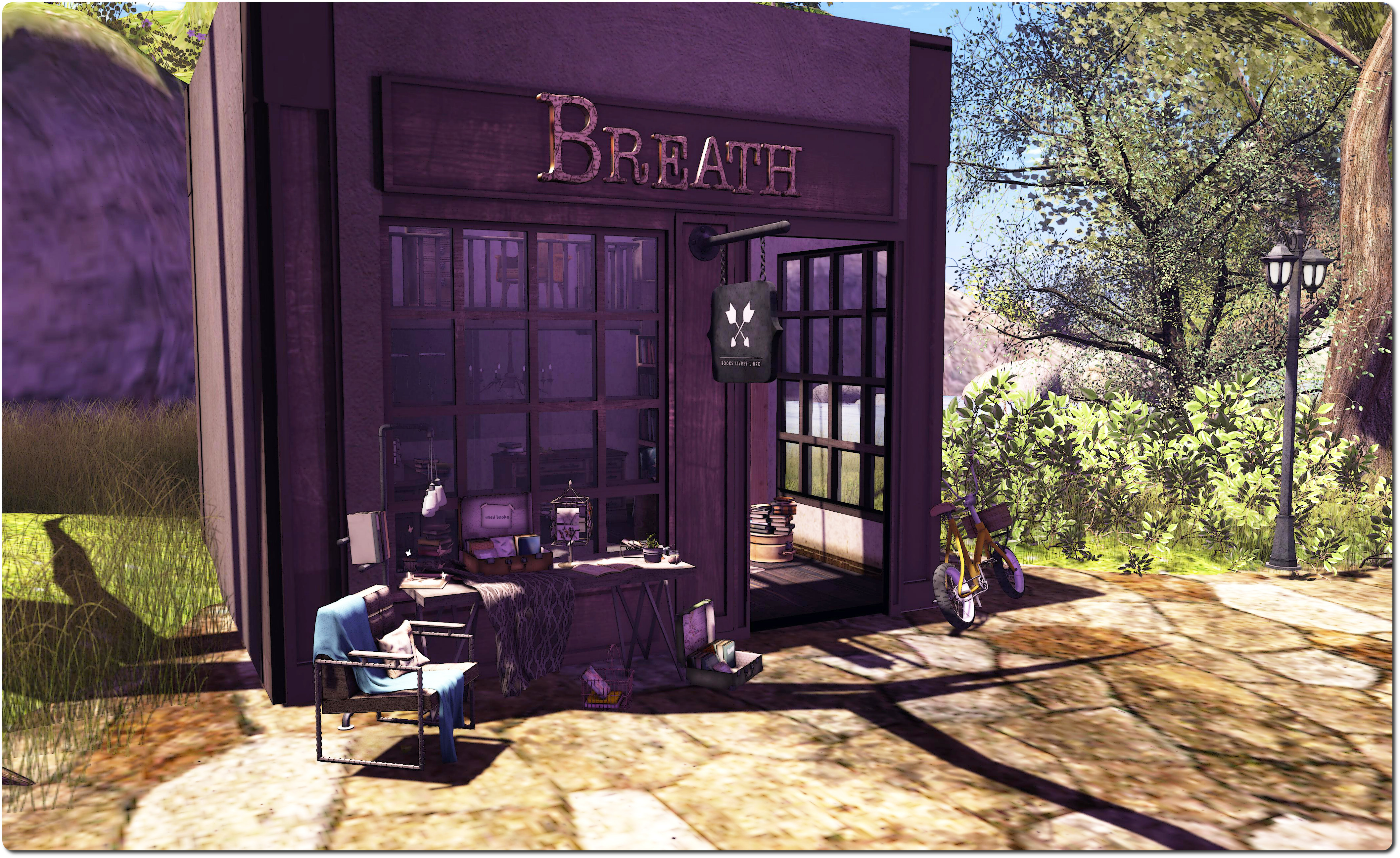
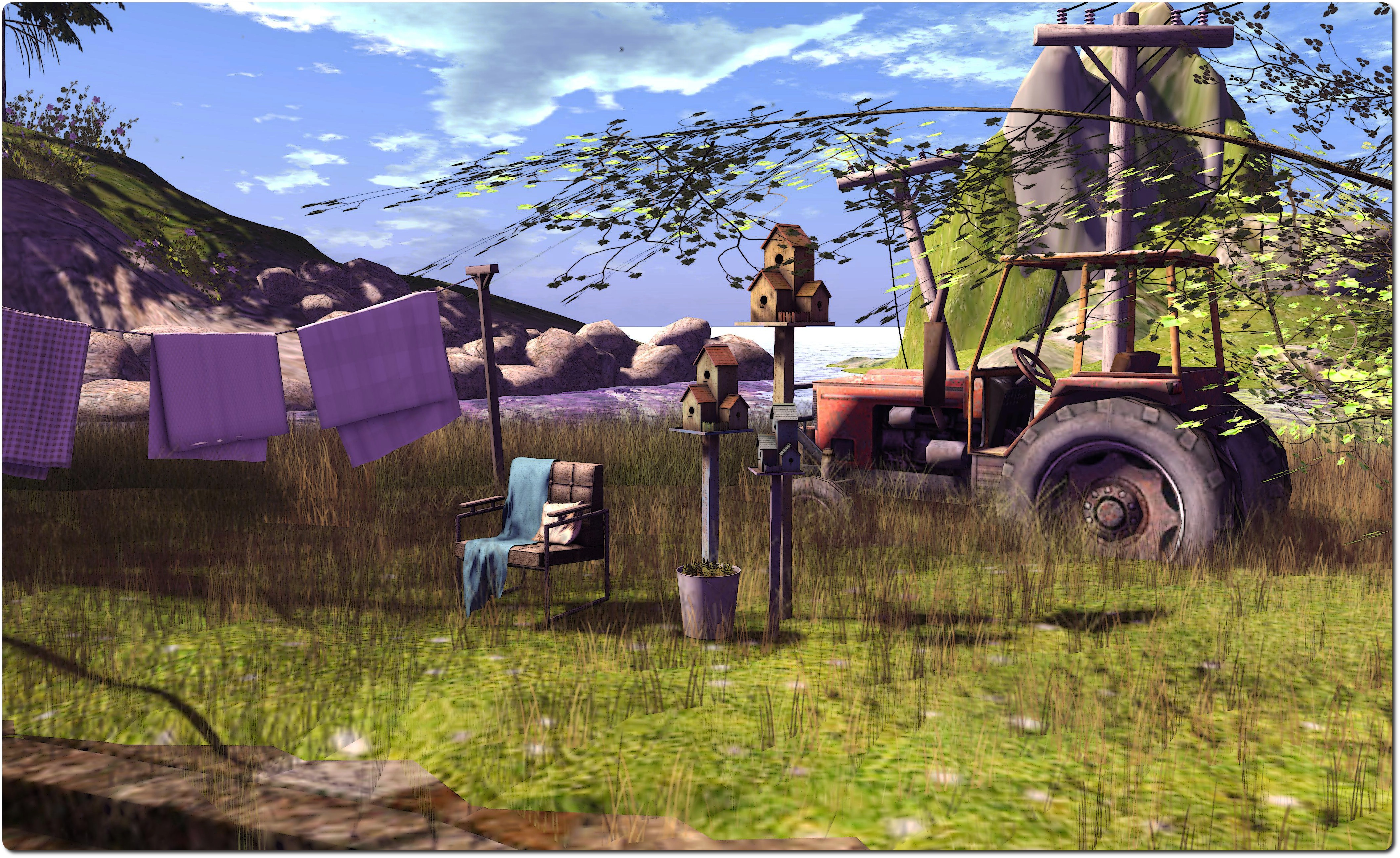
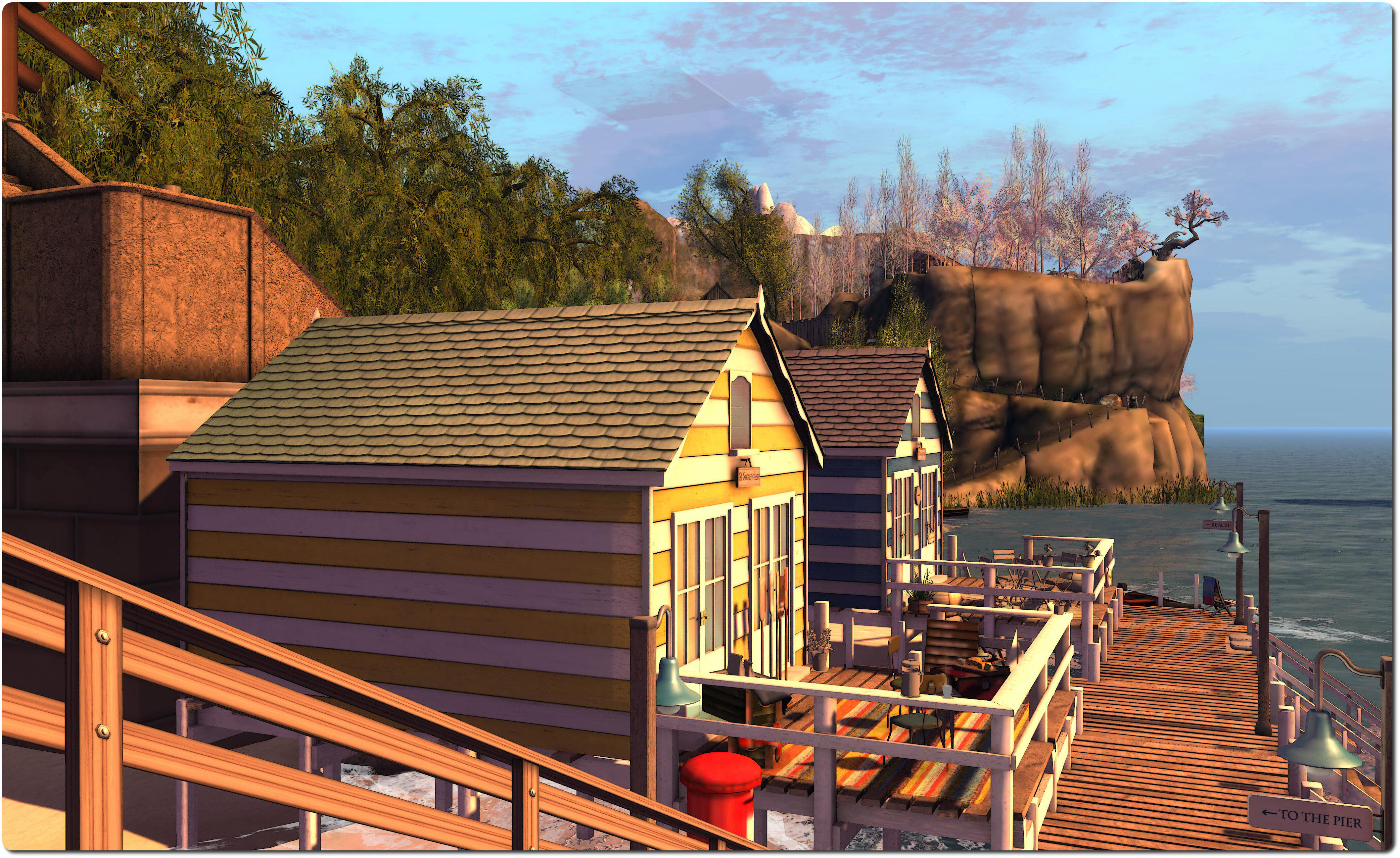
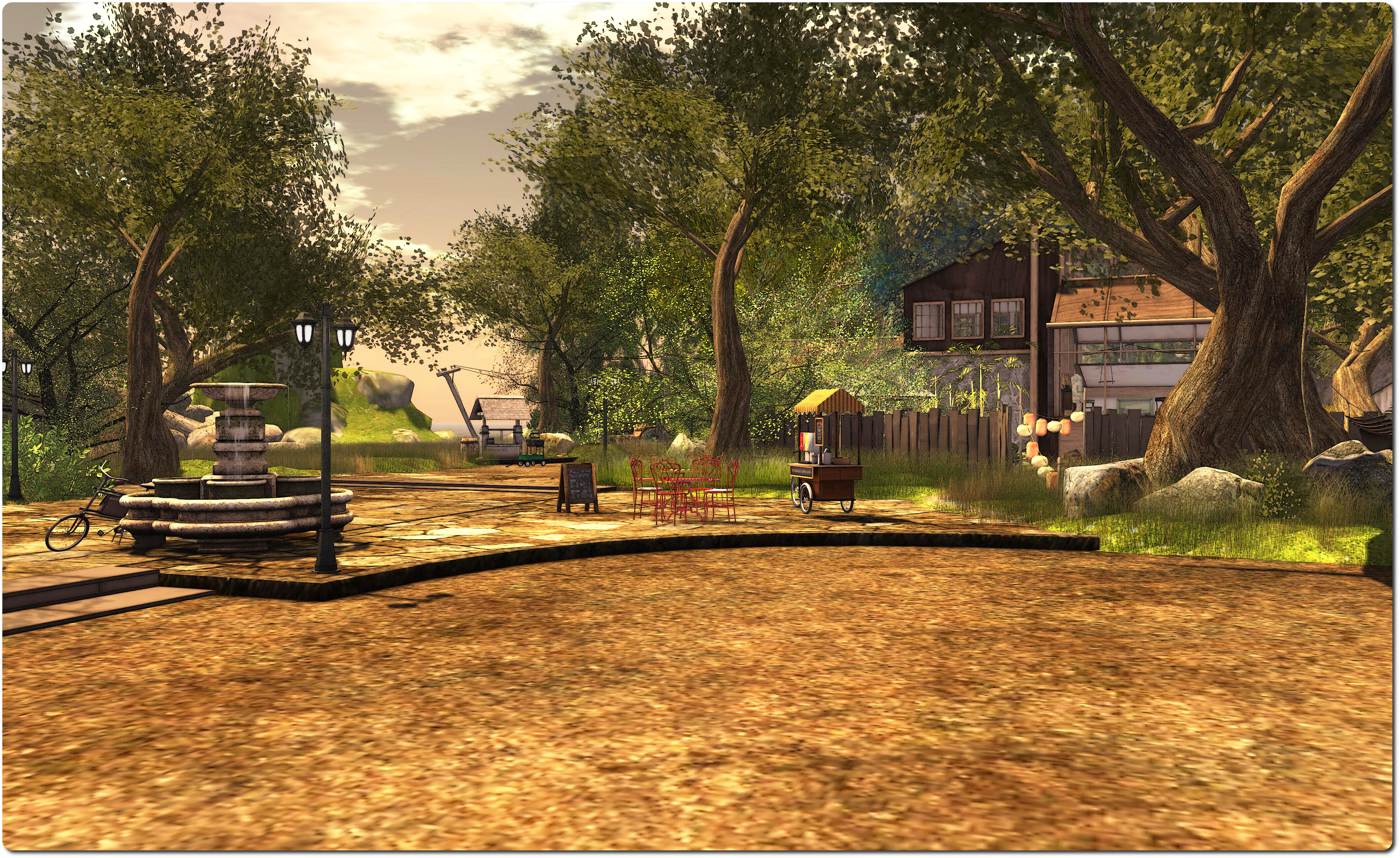
Rather the reverse is fact; there is actually a lot which has been packed into the scene, and any photographer looking for a range of backdrops for snapping may well to go take a look. There’s a beach, a dockside area, a couple of streets which present very different views to one another; one being a beachfront walk with a cafe, and the other a more industrial-like backstreet, while the tall facade of the Workhouse (this is a Victorian-era setting!), and the smoke stacks pouring forth black smoke offer opportunities of their own.

Wander around and you’ll find a marketplace, a small park area and places to sit and take-in the view.

Rougham Town
Rougham Town

For my part, I couldn’t resist snapping carious aspects of the build and then playing with them in GIMP afterwards, as you can no doubt tell from the images presented here :). There is something about Rougham which really encourages post-processing on snaps, the place has an atmosphere which  – for me at least – demands it be captured in ways other than just a simple snap.

This is not a place which will tax the SL explorer; as I said, the build is small and most of the buildings are facades – but this really doesn’t matter; and while a few of the textures used could perhaps do with a bit of an update, this is still a place SL photographers could have a lot of fun with. It’s also a place, I rather suspect, which could easily become a shining example of how the new materials capabilities could be showcased; the rough brick walls, the wooden window frames with peeled paint, the cobbled roads and iron gas lamps and the sand could look pretty amazing with the addition of normal maps.

Rougham Town
Rougham Town

Even so, I enjoyed my rapid-fire drop-in, maybe you will as well.

Related Links

The abbey on the hill

It’s been two years since I first blogged about Mont Saint Michel in Second Life. As I’ve been having a few issues with my GPU when logged-in the Second Life – particularly when taking snapshots with the various bells and whistles active – I stopped by the Mont in order to try things out after having fiddled with drivers and such-like, and grabbed a couple of snaps.

Mont Saint-Michel
Mont Saint Michel (windlight; no post-processing)

There have been a few changes over the years since my first review, with the “car park” region having long since vanished and a few more cars now on the island itself.

This is a great place to explore, with shops and parks to wander through en route up to the abbey itself and – for those willing to find it, a hidden secret which I actually missed during my original visit, but had to go back and find after several friend nudged me in the right direction.

If you’ve not paid a visit in the past, I cannot help but recommend you do.

Mont Saint-Michel (post-processed)
Mont Saint Michel (post-processed)

Related Links

A half hitch and a crow’s nest

As regulars here will know, I’m kind-of into SL sailing and flying, have written about both rather a lot since tumbling into both quite by chance, with my most recent acquisition for the former being the E-Tech Sparrow,  which is leaning me dangerously close to seeing if I can rent some water-front land somewhere (I have modest needs; nothing larger than 2048 sq metre & room enough for a cottage, a bit of landscaping and a dock…).

However, it occurred to me that while I have been out on (and over) the water rather a lot over the past few months, particularly on Blake Sea, I’ve never actually blogged about places there – and there is rather a lot to see and do, beside sailing / flying.

Blake Sea Half Hitch

Take Half Hitch, for example. This is one of the areas in Blake Sea where you can rez your own boat (or seaplane or submarine – whatever takes you), and set out to explore the ocean blue. It’s like that many people arriving there never get beyond the quayside landing point and rez zone, which is a shame, as there is a lot to poke about at on the island – just take a wander through the cave at the landward end of the quay.

Blake Sea Half Hitch

On the other side of the cave tunnel is a sheltered port, complete with breakwater, a lighthouse and warning buoys to guide boats in, and quays and buildings which form a part of a small fishing “community” – there’s even a trawler sitting dockside, either getting up steam to sail on the morning tide or which may have recently returned to port after a day’s fishing.

Blake Sea Half Hitch

Now, the build is admitted not state-of-the-art. Some of the rock formations on the north side of the island are decidedly spherical, some of the textures are a tad low-res – but remember, everything around Blake Sea is designed to be low-lag to aid the flying and sailing and – in particular – to assist with any racing which may be going on. And anyway, “dated” doesn’t necessarily mean “not worth exploring”.

Blake Sea Half Hitch

There are lots of little corners to poke and pry at here, and even more opportunities for the SL photographer. Those who want to try their hands with sailing can also find a demo boat rezzer which will help them take to the water and skim around a bit, and there are some nice little look-out points to watch the world go by or where you can watch any racing taking place.

Those who do take to the water and sail west may well encounter the Crow’s Nest Lighthouse, which has again featured in some pictures in this blog. This is actually a build based on a real life lighthouse (Fastnet Rock), and, if you have your draw distance down somewhat (something of a good idea when sailing / flying), appears as a reminded of what a lonely and isolated lives lighthouse keepers once had to lead.

Blake Sea Crows Nest

I managed to grab one shot in particular of the lighthouse while flying east out of Hollywood Airport a couple of months ago, which I think really demonstrates this last point, even if it’s not necessarily the most artistic of shots.

Blake Sea Crows Nest

Should you opt to land at the lighthouse, there’s not a lot to actually see inside the lighthouse – although if you look hard enough, you’ll find a picture of the real life original. – but that’s not the point, it’s a great little build in its own right which does much to enhance Blake Sea, as well as providing a useful way-point for sailors. Outside of the lighthouse tower, however – and as pointed out by Lance Corrimal in the comment below – there is a memorial for all members of the SL Sailing community who have passed away.

There’s a lot else to see out on the Sea  – so if you haven’t given it a try, why not have a mooch around the waters?

Related Links

B
Blake Sea Half Hitch

With thanks to Lance Corrimal for the update.

If maps are your thing, Rumsey’s the king!

The David Rumsey Map Collection is just about everything any cartographer with an interest in the history of the subject and a particular focus on the Americas could ever want. Over 39,000 maps are on file – although these also include various maps of Africa, Asia and Europe. The maps can be accessed through a number of online viewers and services – including Second Life!

David Rumsey Maps
David Rumsey Maps

The SL exhibit covers four adjoining regions and presents a number of displays, information boards and links to the main website which, taken together, form an interactive means of study and offers the opportunity to learn about cartography.

The arrival point comprises an information centre where you can learn about David Rumsey Maps, the SL exhibit and access teleports to the various displays. Directly outside of this is a push-pin map of the world, with the invitation for visitors to move one of several push-pin “givers” over their home location, add a pin and leave a message of up to 140 characters in length.

David
David Rumsey Maps

Below this, and covering all four regions is a gigantic topographical map of Yosemite Park and its surrounding areas, circa 1883, complete with a floating observation deck. Control options allow you to view the map with full bright on or off, and as a 3D relief display (using sculpts) or a conventional 2D map.

Above the 4-region map is a small orientation centre for those new to SL, and above that is a reproduction of J.H Colton’s 1836 map of New York. complete with models of some well-known landmarks (such as the Empire State Building, Brooklyn Bridge and City Hall) which help give the map context to modern eyes.

DR-5_001
David Rumsey Maps

Elsewhere in the build are touch-boards on the Map walk which surrounds all four regions and the gigantic Tower of Maps, which provide direct access to various maps and pages on the website. You can also hop inside two globe maps or admire a Japanese scroll map.

All-in-all this is an extensive and excellent use of Second Life, with the information centre also providing audio / video presentations as well as a range of collectibles (40 in all), which you can pick-up as you explore. There is also a skyborne auditorium, but I’m not sure if that is still running the advertised programme (I’ve managed to miss hopping over there at noon SLT to find out the last few times it has crossed my mind to check…).

DD
David Rumsey Maps

David Rumsey Maps makes for a worthwhile visit for anyone interested in cartography, and an engrossing use of Second Life. One word of advice should you visit – turn up your drawn distance to at least 512m to get the fullest benefit.

Related Links

More than an illusion…

August 2013: Flocke, asdescribed here, has gone & the region is under redevelopment.

The world seen through a child’s eye, is a world full of wonders. A world where imagination reveals many paths. The world seen within the eye of an adult can sometimes be scary and make us want to hide and close the eyes. Still we are, even if grown in age, children of this world … A journey about ‘Reality and Illusions’. A visual discussion where you might explore sometimes beauty and sometimes the strange and odd.

This is the description Joanna Corith gives to her new collaborative project at Flocke, which she has developed with Pale Illusion. It’s a region that is bound to grab my attention, as it features water, so I was pleased to get the nudge from Baz D. to go take a look.

Flocke
Flocke

Flocke is a place which can be explored as an art installation and simply as a place to visit. As an art installation, the introductory notecard for the region (tucked neatly aware in a little signboard .. somewhere … :)) reads, “We’d like to invite you to a little visual journey of a discussion we have about ‘REALITY’ and ‘ILLUSION’ and hope you’ll have fun to explore our thoughts, questions and perhaps conclusions we will make.”

As a place to visit, Flocke offers places to dance with a friend, or to sit and contemplate things (or one another) and a little open-air movie theatre.

Flocke
Flocke

Given recent world events, with tornadoes and floods making the headlines, the region’s design is also somewhat evocative and thought-provoking, with shattered houses suspended in the air, flooded ruins on the ground and even a ravaged houseboat.  As such, I admit I found my mind wandering in directions other than the nature of reality and illusion, despite the region’s designed being framed by Albert Einstein’s famous quote, “Reality is merely an illusion, albeit a very persistent one”. I also found the inclusion of the little rafts with floating candles on one side of the region particularly poignant as a result.

That I was reminded of recent real life tragedies is not to condemn the build in any way. Far from it; that Flocke is so evocative on a number of different levels is to me a demonstration of the visual power of this open, almost minimal design. So I look at my own thoughts while visiting as reflective of the fact that we cannot avoid carrying matters from the real world into our second lives, and can thus find those matters resonating with us in the most unexpected of ways.

Flocke
Flocke

Often, when I visit a region, I tend to tweak my windlight settings, even if the region owner has set a complementary setting of their own. It’s not necessarily that I don’t like the selected windlight; it’s more a case that I like to have a twiddle and a play and present things in a (hopefully) interesting way in my snaps which still allowing anyone who may visit off the back of these pieces the broadest measure of discovery & the opportunity to perhaps tweak and place with their own windlight options.

Flocke, however, is one of the exceptions to this approach. The use of the Bristol pre-set with the region is simply perfect, and gives the region all the atmosphere it needs, so all the pictures here are presented “as-is”, so to speak, although I admit to twiddling with GIMP a little with a couple to get the desired monochrome results on the Flickr slideshow.

Flocke
Flocke

This may be an open and minimalist region in terms of landscaping, but you should keep your eyes peeled; there are some very interesting, subtle, charming and whimsical touches to be found as your wander around.  For those wishing simply to relax, try the little movie theatre in the corner of the region or perhaps spend a little time sitting on the raft.

I spent a good two hours in Flocke with a roaming camera, poking, nosing and snapping – and the truth is, I could happily have spent another two doing exactly the same.  Sadly, the needs of a rumbly tummy and the matter of sustenance proved to be increasingly distracting, despite my attempts to convince myself otherwise by repeating another famous quote on the matter of illusions: “Time is an illusion, lunchtime doubly so.”

Rest assured, however, I’ll be returning to Flocke. It’s that kind of place. Hopefully, I might see you there …

Related Links

(view slideshow full-screen)

End of time for Alpha and Omega?

Two of my favourite builds in Second Life were Alpha Point and Omega Point. Developed by Masoon Ringo and Sweetlemon Jewell, these two regions were fabulous and intricate places to visit, offering stunning sci-fi and fantasy oriented builds both on the ground and in the sky overhead.

Nor were they static; Masoon and Sweetlemon periodically re-worked both Alpha Point and Omega Point in order to keep them fresh, interesting and well worth repeated visits.

Alpha Point and Omega Point, circa 2011

Now it seems both have gone from Second Life.

I was first alerted to their disappearance earlier in the week by Ayesha Askham-Ezvalt, who pinged me in-world to see if I knew what had happened. On checking the map, I discovered that both Alpha and Omega Points were coming up as “Not Found”. Remembering what had happened to the International Space Museum a couple of years ago, when both regions slipped off the map as a result of a payment mix-up on the part of the region holders, I dropped Sweetlemon a line to find out what had happened – but I’ve yet to receive a reply.

Today, I received an offline IM from another in-world friend, who had apparently heard the news that not only have the regions gone, but Masoon Ringo has departed SL. If this is true, then it may well mean that both Alpha Point and Omega Point have gone for good, which is a great shame because the regions were so well known to, and enjoyed by, a lot of people in Second Life.

Alpha Point and Omega Point circa 2012

Assuming both regions have now permanently passed into the annals of SL history, here’s a slide show of my last visit to them in 2012. It’s a little lengthy, I know, but as I said, both regions packed-in a lot to see.

(Click here to see the slideshow full-screen)

Related Links