Getting Derailed in Second Life

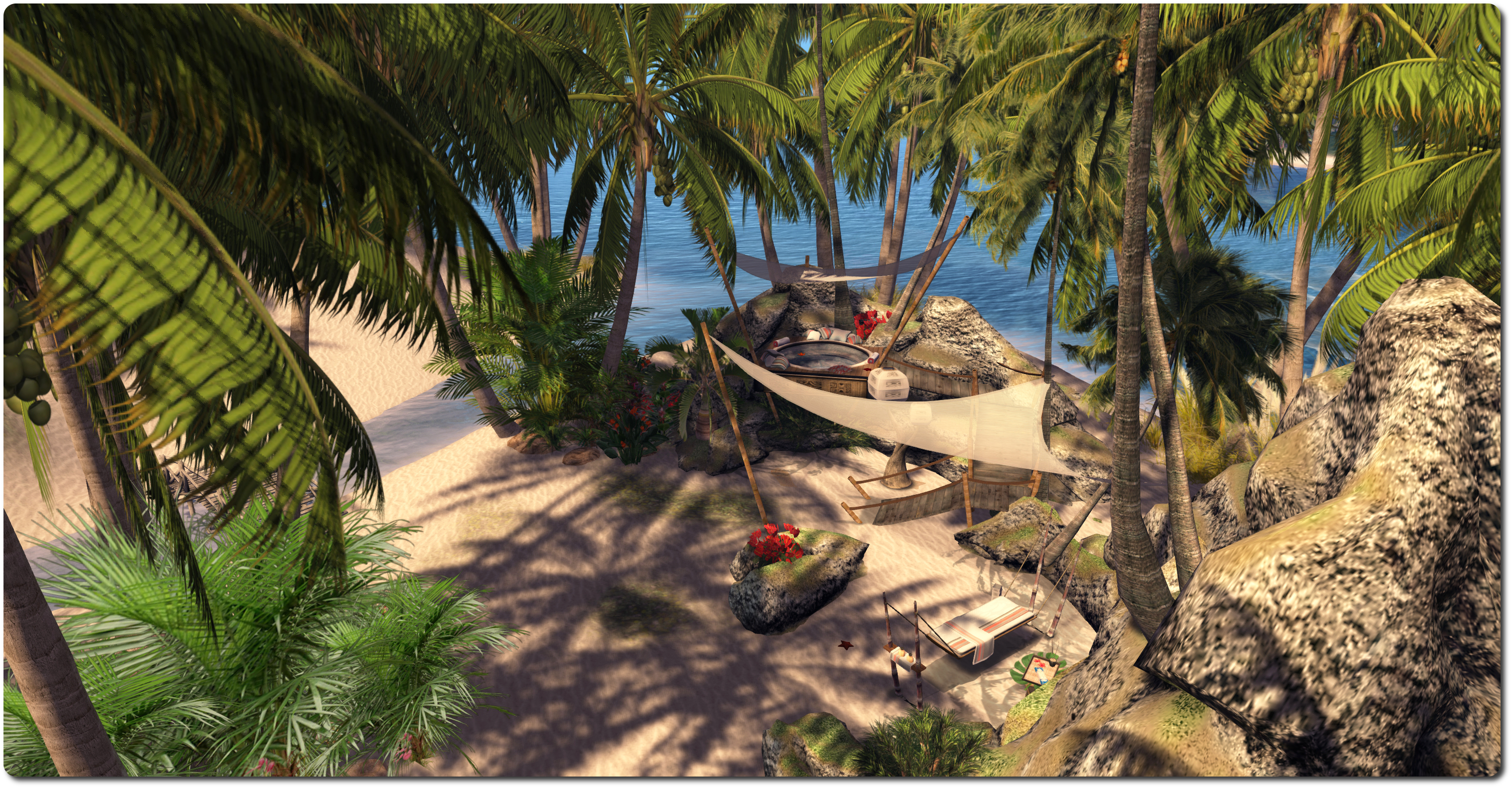
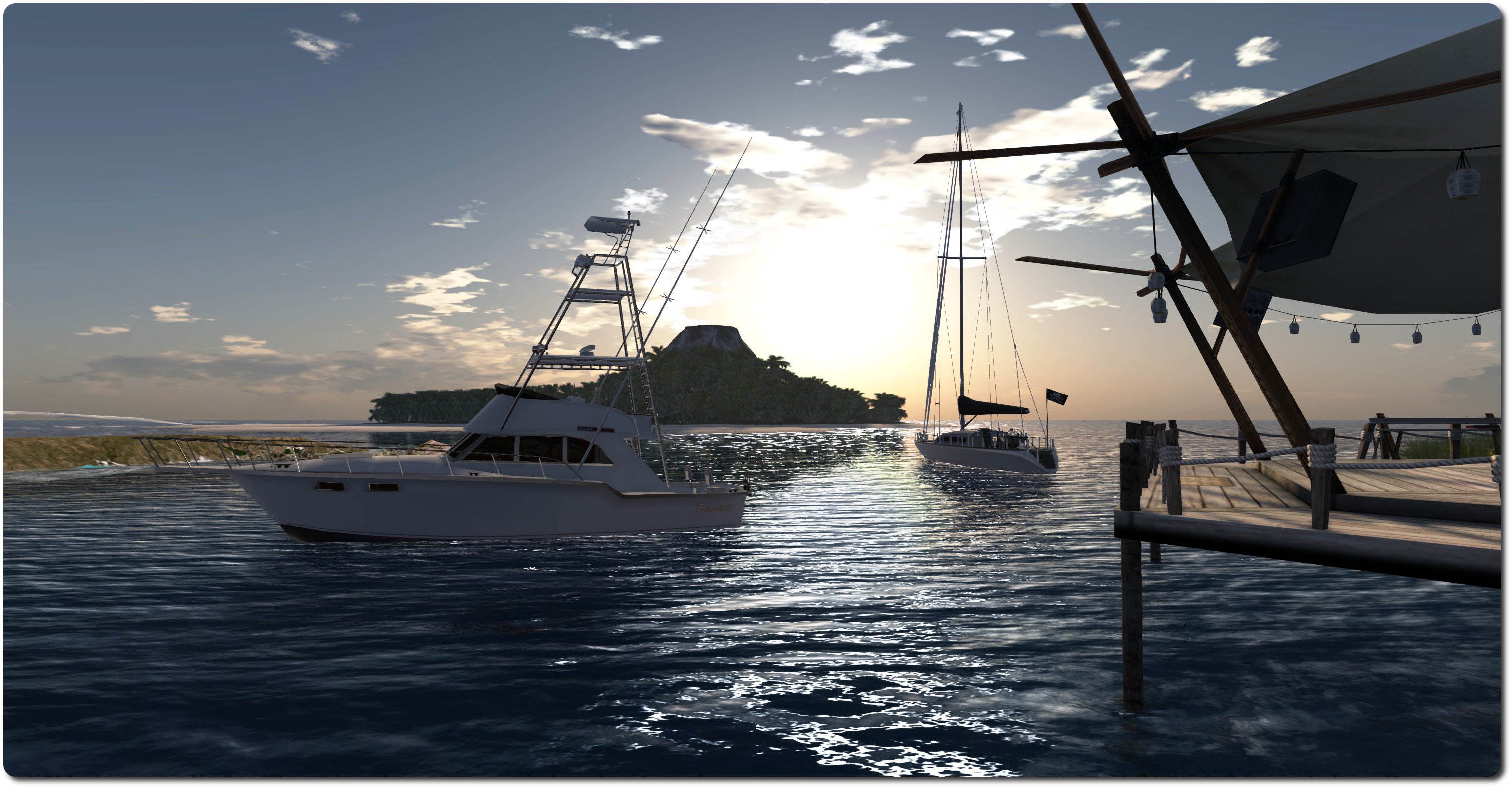
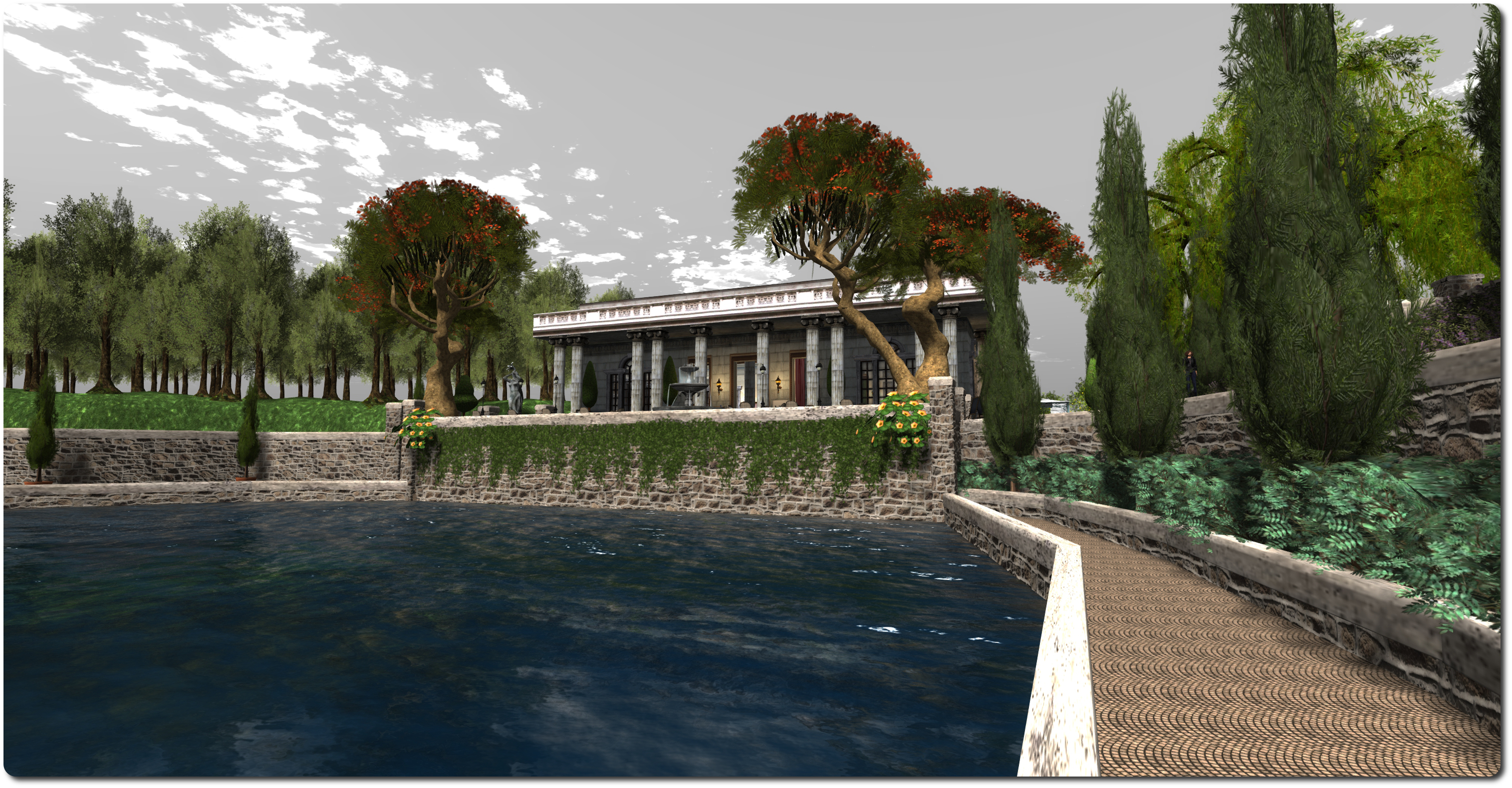
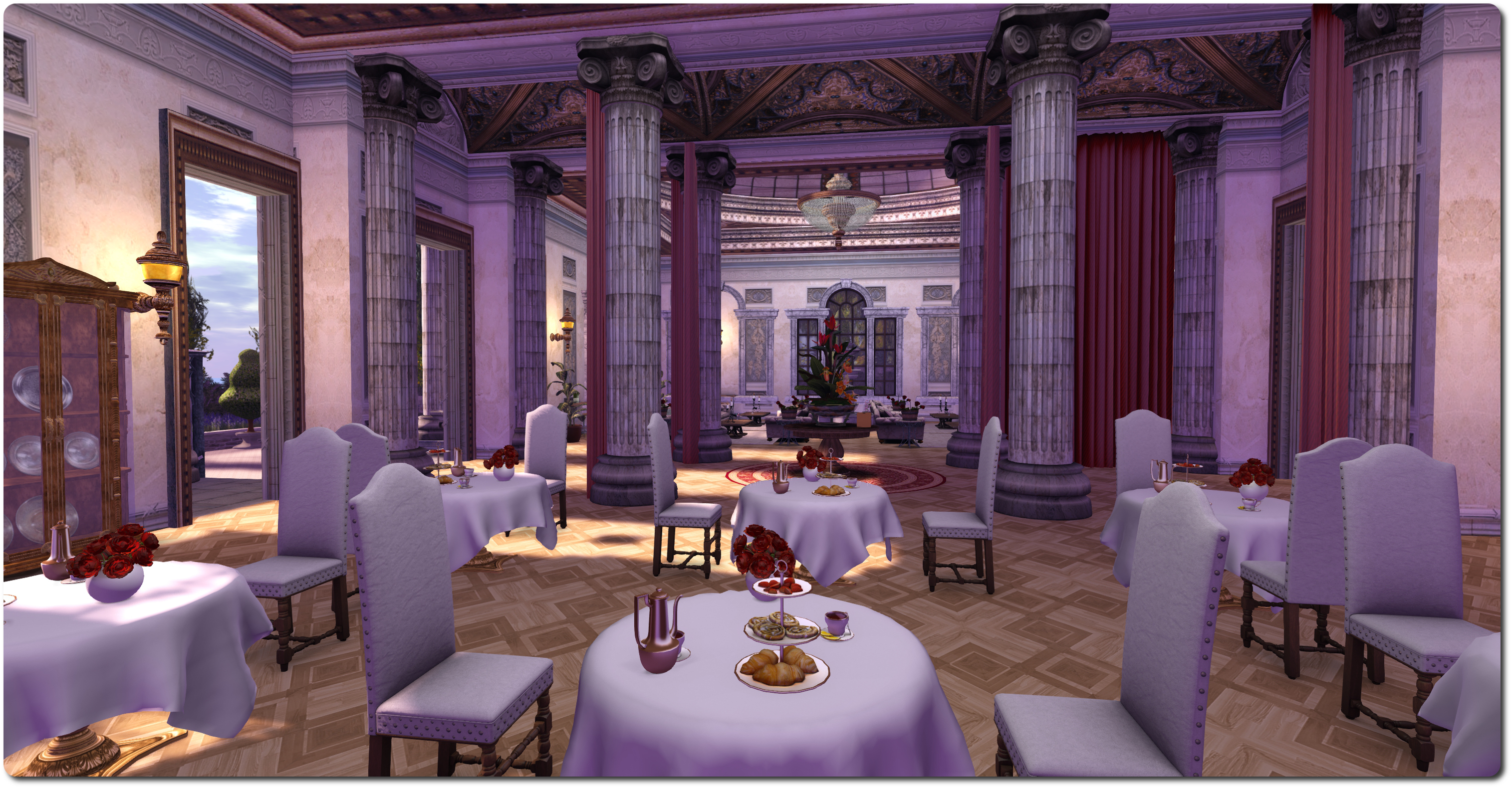
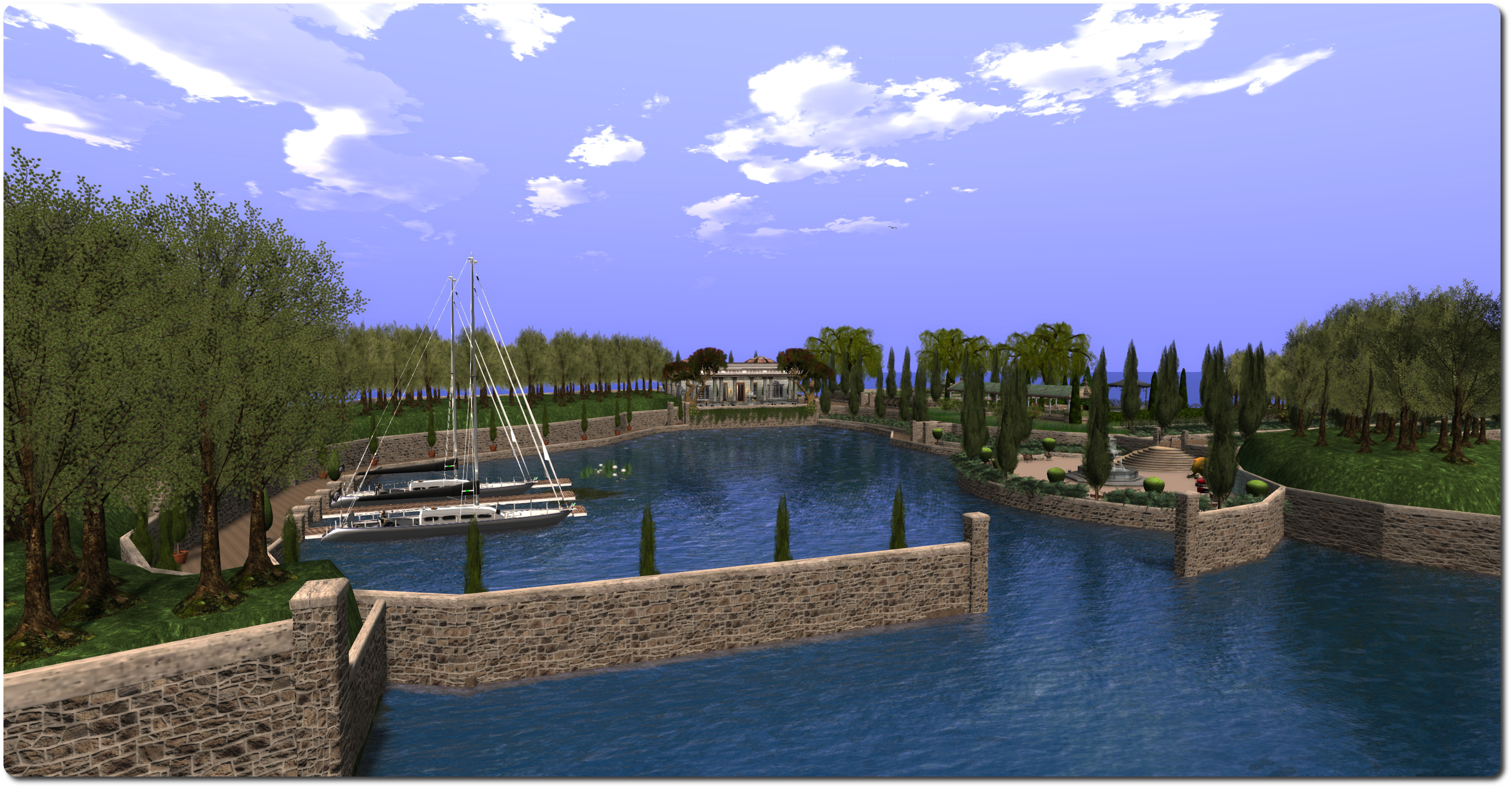
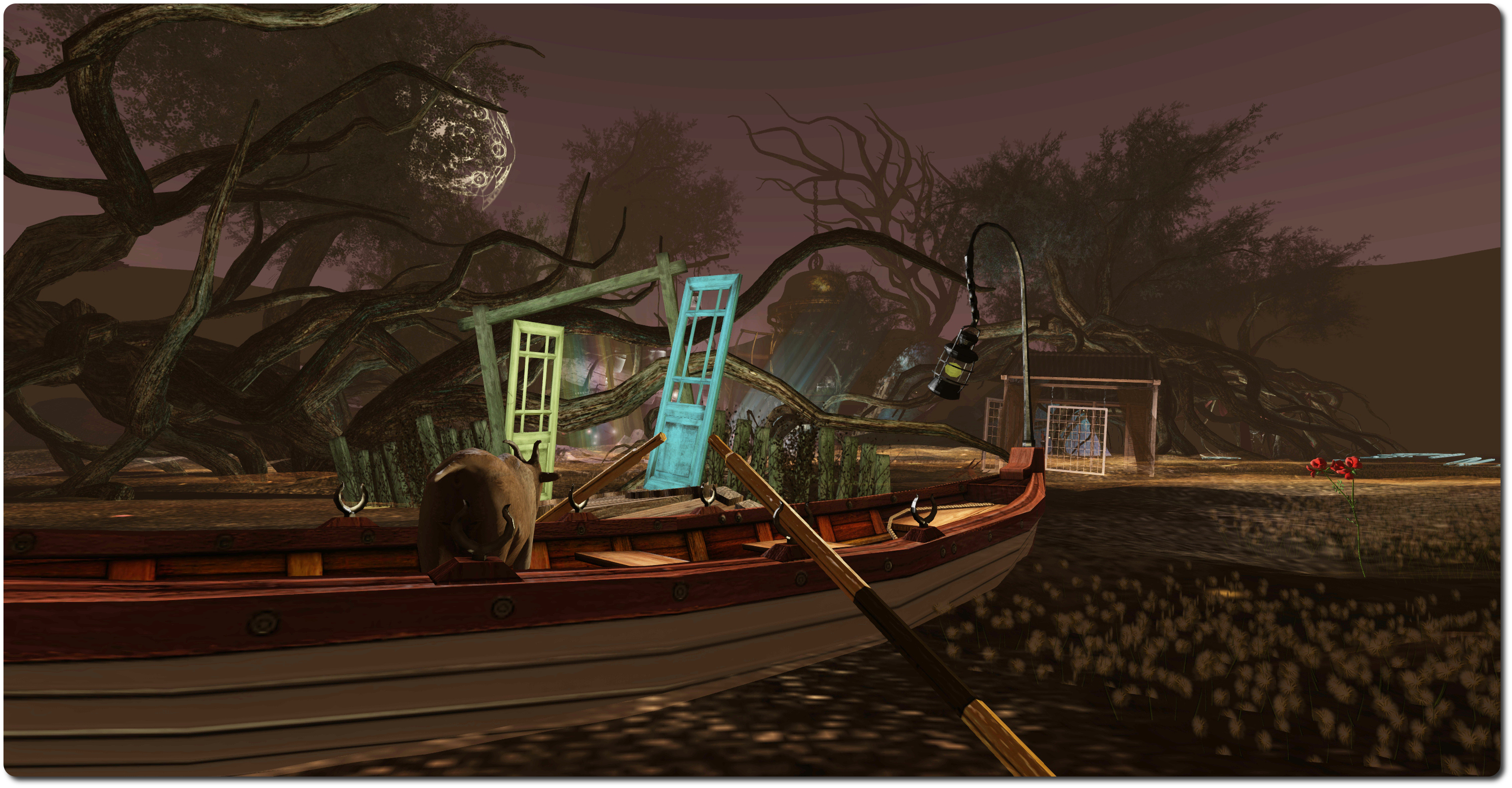
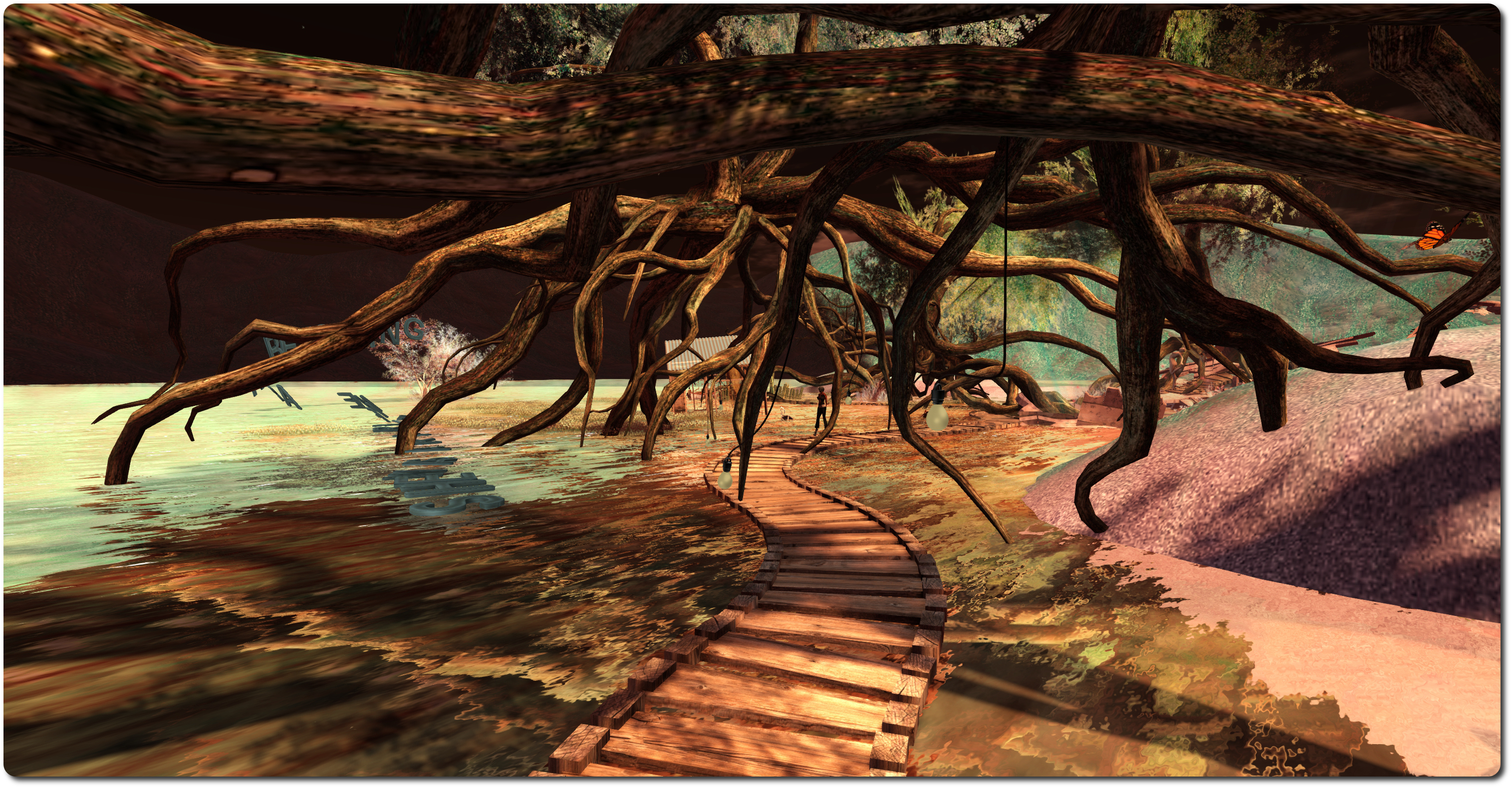
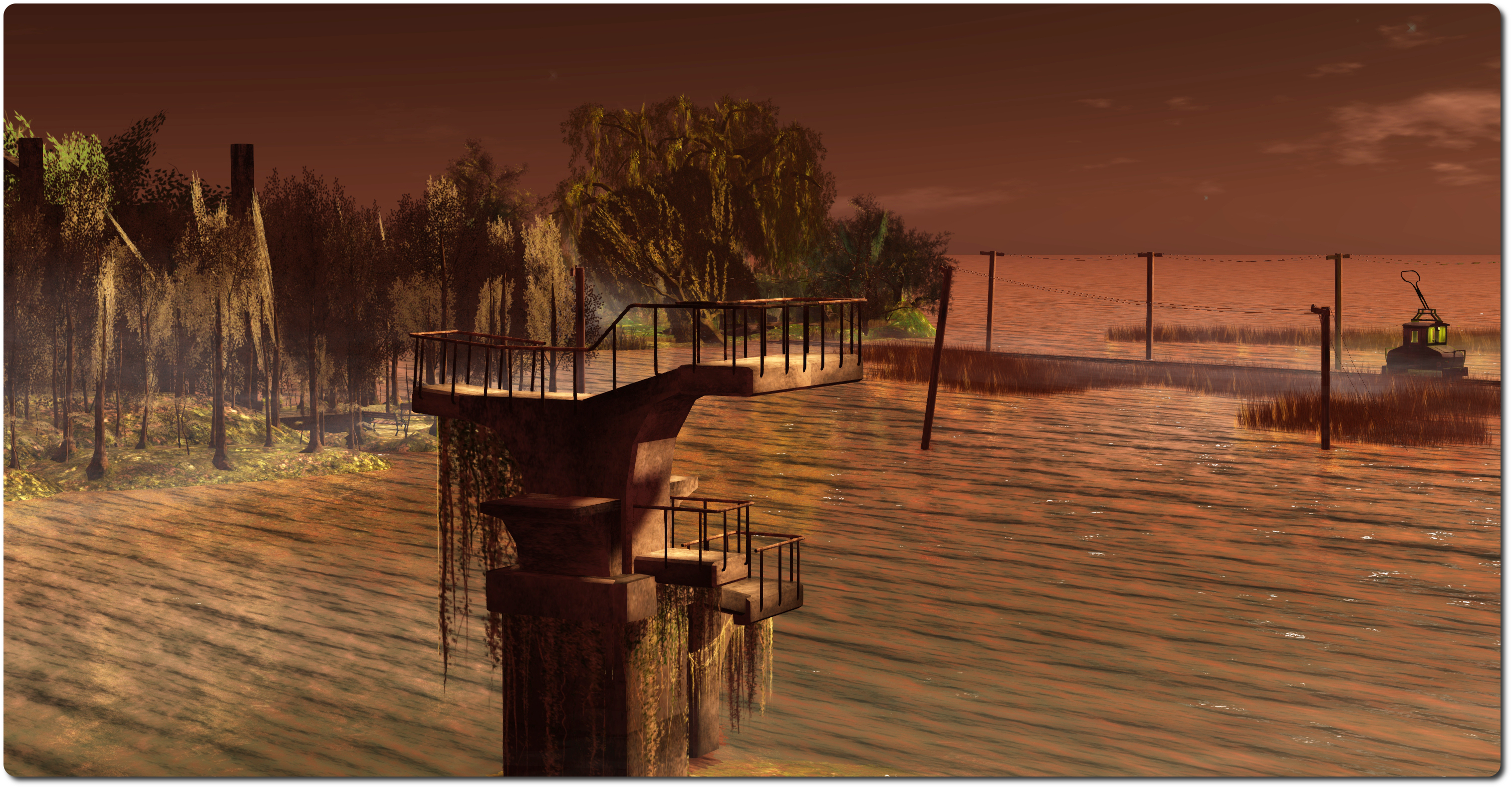
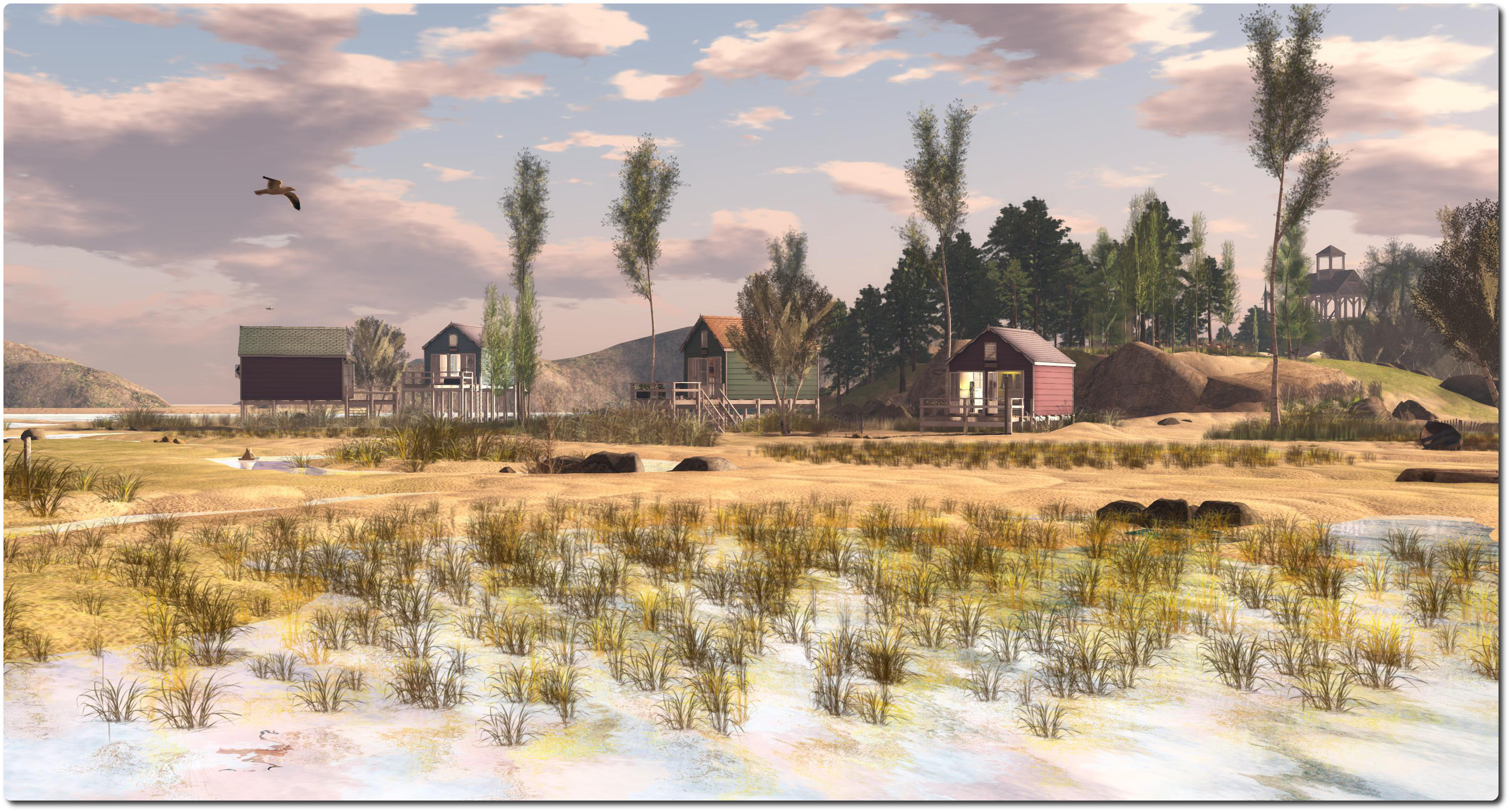
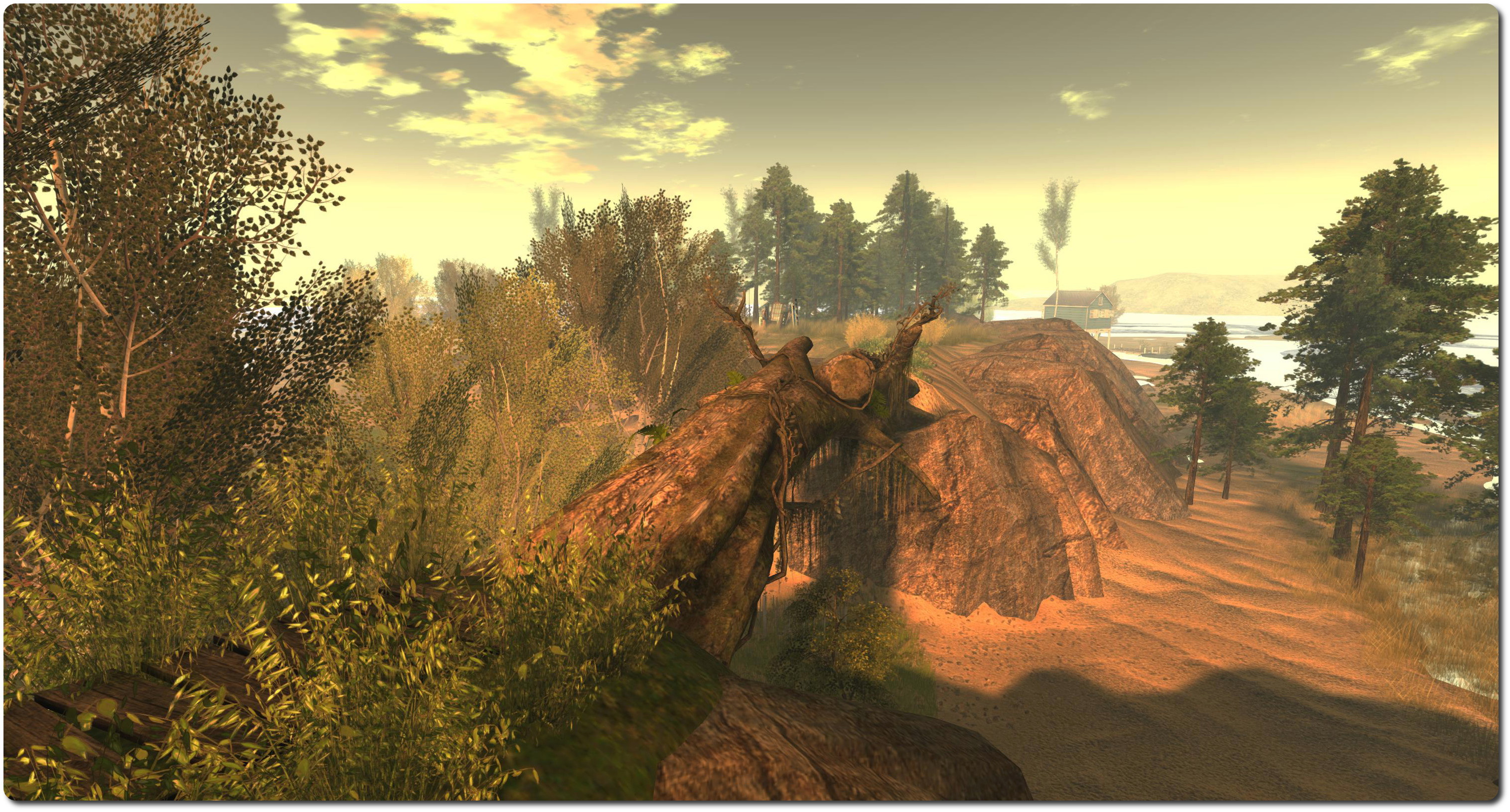
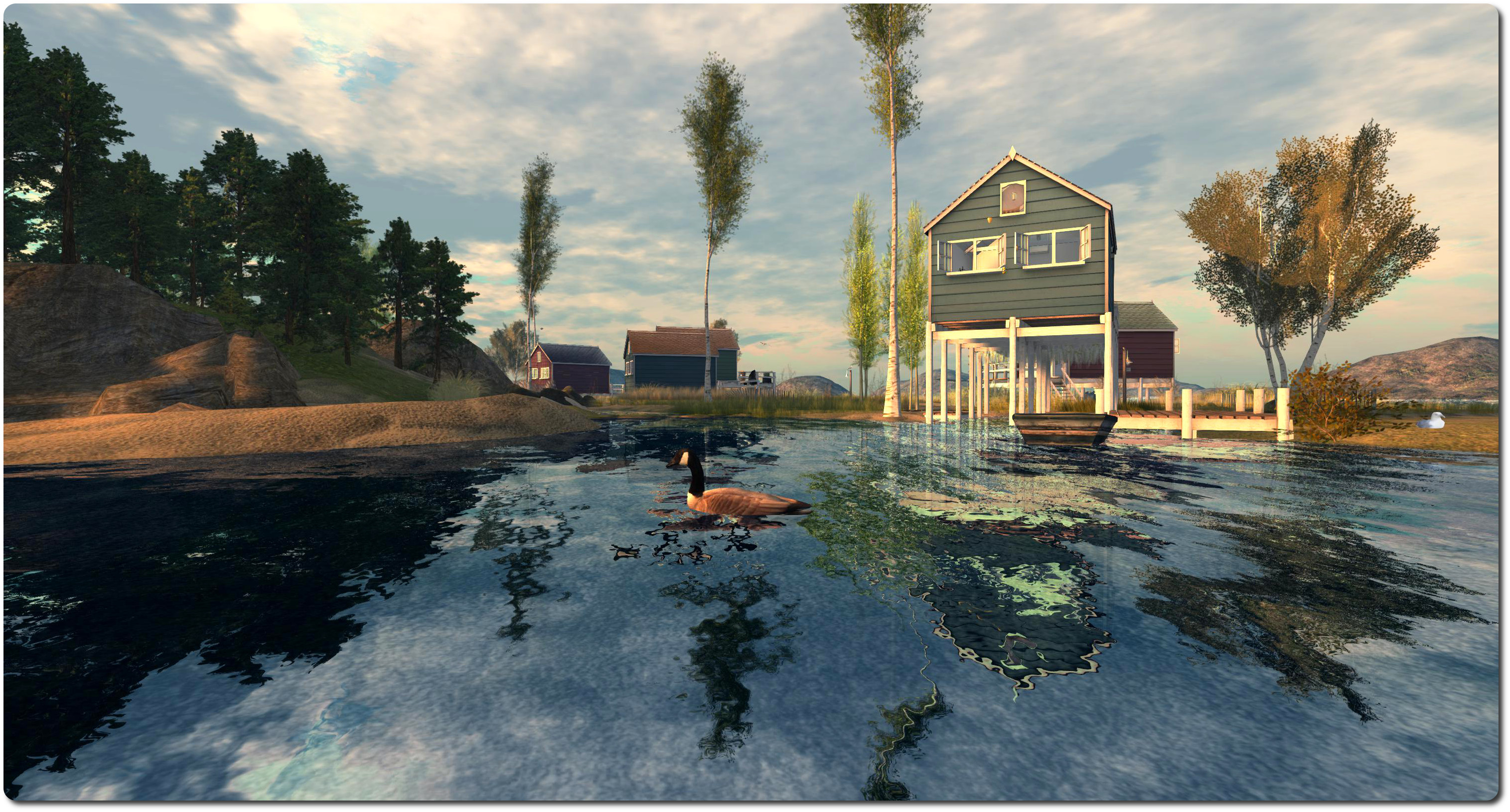
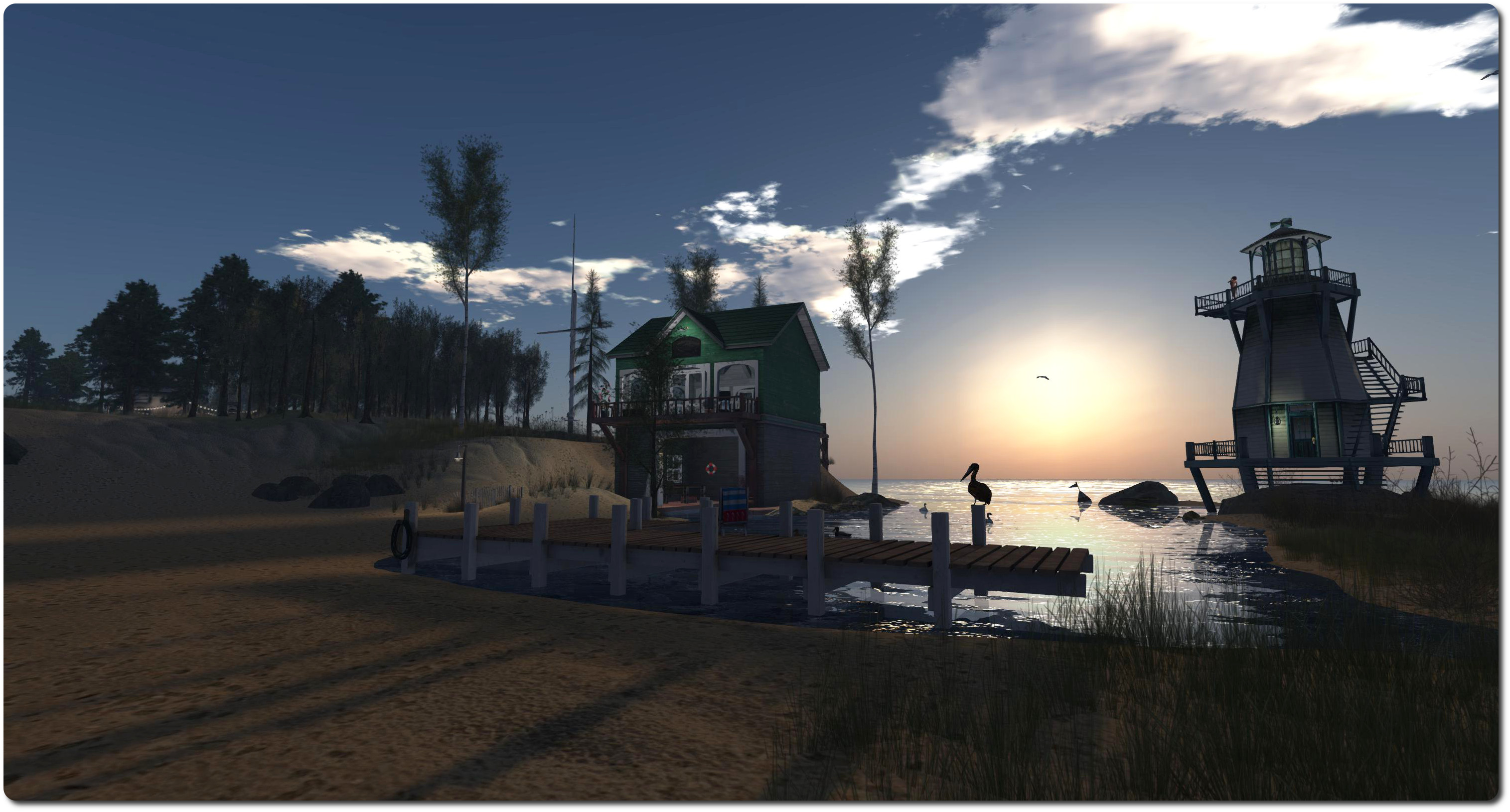
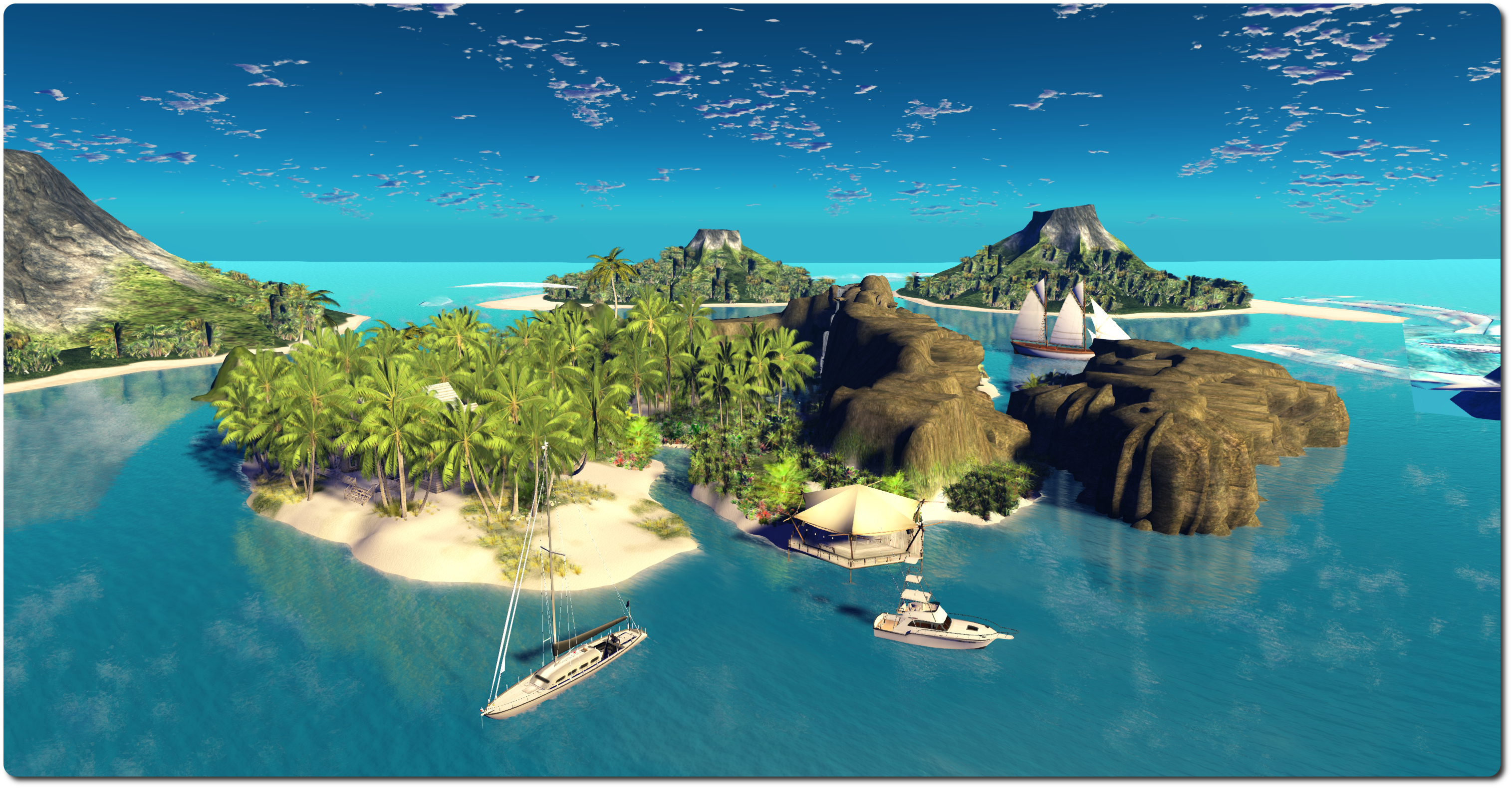
Derailed, located on the region of Crash Boat, is another of those places happily found by chance. Still under construction and the home of HISpose/El Patio Inc, attention to detail and an eye for landscaping already combine to present a place ready to be explored and enjoyed – and which makes full use of the ground space available.

Crash Boat / Derailed

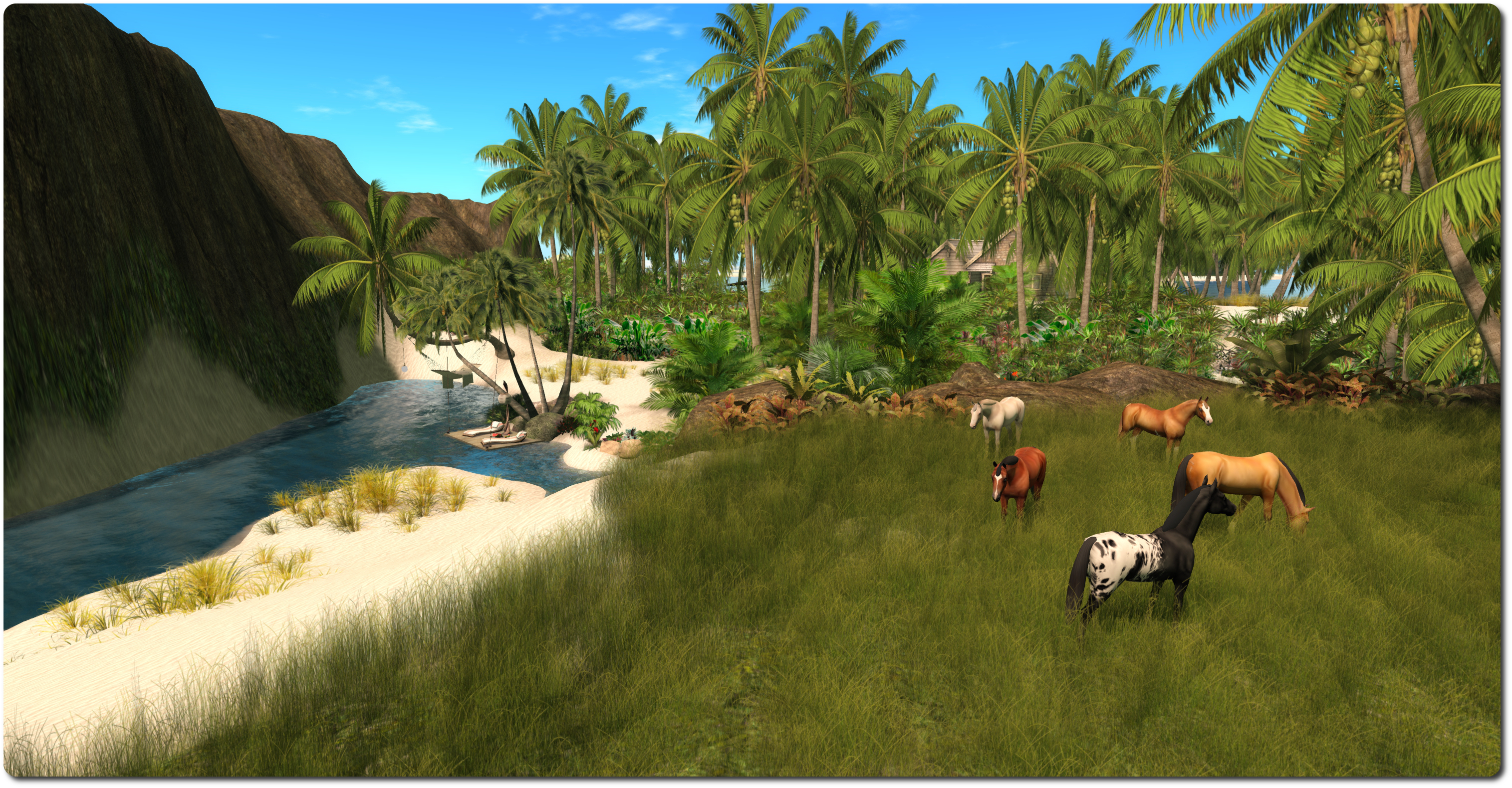
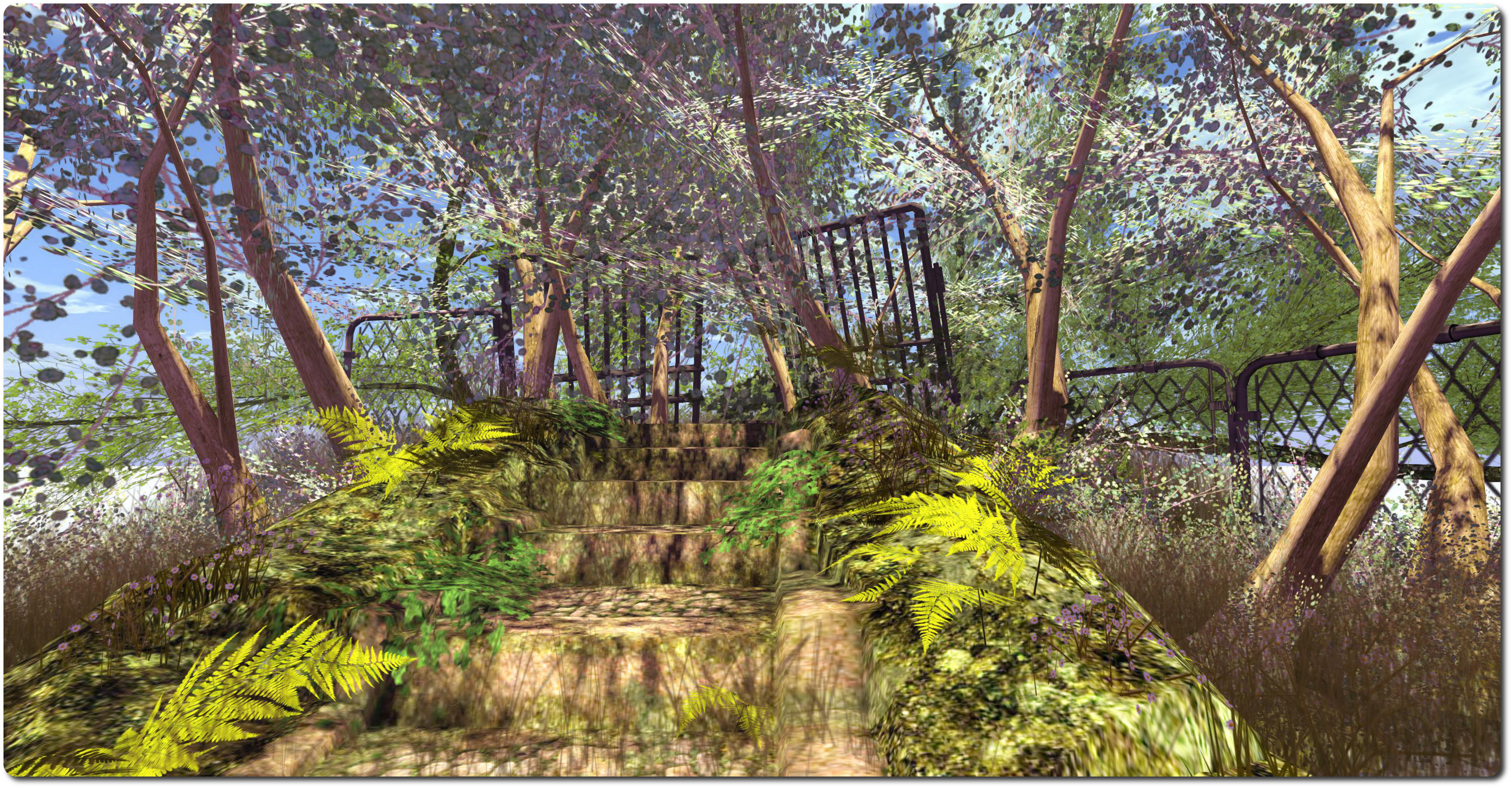
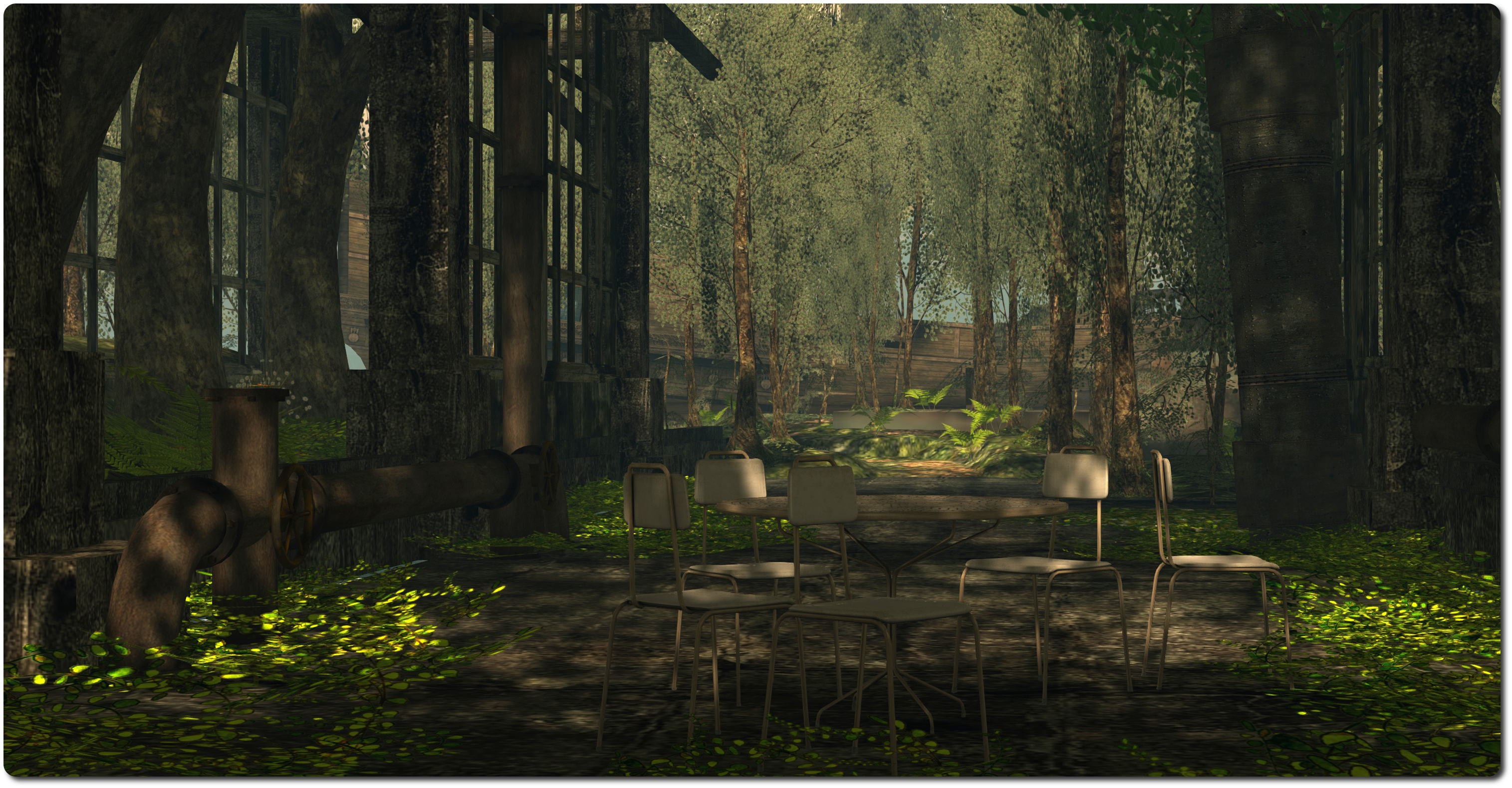
As well as the HISpose/El Patio store, there are beaches, a watchtower, paths to walk, a stream to follow, waterfalls, woodland, a ranch and even an old railway station and tracks apparently long-abandoned and overgrown / half-buried, even though old diesel engines and rolling-stock are present.

The ranch looks like it might be a private house, although I think the residents all live up in the sky. There is a sign at the gate warning you to beware of the dog, so keep an eye out in case ;). Otherwise the place has an open invitation to visitors to roam as they will.

Crash Boat / Derailed

Going from the flags which can be seen, this is clearly a rural  / coastal area of the USA: the Star and Stripes is proudly on display for the 4th July, and rightly so. A further hint as to where we might be can be found on the bench of the railway station, for the keen-eyed.

The Destination Guide offers several teleport points – the default central 128, 128 for the region, one for the beach, and the one I’m using here, which delivers you to the custom-made mesh railway station which is a delight to the eye.

Crash Boat / Derailed

From here you can roam freely around the region, visiting the store, following the paths, walking the boardwalks down to the beach – take your pick. I particularly like the walk through the wooded area to the west of the region; this is very mindful of a number of my favourite regions in SL, and very much gives me a feeling of being “at home” when exploring Derailed, even more so as the trees are by Alex Bader, as are a number of other notable landmarks and elements (such as the aforementioned boardwalks) in the region.

There are a number of lookout points around the region which offer good vantage points for those wanting to take photos, including the watchtower / lighthouse on the west side of the island – although the path up to it can be a little tricky to climb; I found myself getting thumped sideways a few times due to collisions. A rain coat, brolly and boots is also recommended for another climb as well – it’s a little wet at the top, although there is a weather shelter provided!

For those who need a break from their wanderings, there are places to sit down and relax – the woods have a hammock for the really tired, while the beach areas off sand, sitting and a chance to soak the UVs.

Crash Boat / Derailed

I’m not sure what else is planned for the region, although the main store itself is still undergoing some work – beware the Under Construction warning signs! As it is, it offers a very pleasant and photogenic environment, and it’s hard to see what else it needs given the balance which has already been achieved.

All told, a superb build, beautifully executed and well worth a visit – don’t forget to sign the guest book in the railway station when you do!

Related Links

(view slideshow full-screen)

When your curiosity is piqued in Second Life

Update November 22nd 2013: Taka no Sakaru has relocated. My review of the new build is available here.

Every so often you can stumble upon a region quite by chance which immediately captivates you. Whether you’re out shopping in-world or flipping through Destination Guide categories or simply happen to come across an interesting name somewhere, you can never tell when or how it’s going to happen.

Taka no Sakura
Taka no Sakura

Such is the case with my discovery of The Krull Empire. I came across the name entirely by chance and, while I could think of nothing other than the fantasy adventure film Krull which I saw when I was a lot younger than I am now, I felt my curiosity piqued and decided to go take a look. I’m glad I did.

Far from being a fantasy sim, The Krull Empire is home to Taka no Sakura, a Japanese Edo period village created by the Taka no Sakura team led by Misaki Yoko. And it is, in a word, exquisite.

Taka no Sakura
Taka no Sakura

Those who know me know I have a strong affinity with the far east, notably Hong Kong, Singapore and Sri Lanka. While I am no expert in its history or culture, ancient Japan also holds a fascination for me, so it was with a real sense of delight that I set about exploring the region.

The arrival point is to the south of the village itself, with an open market area. From here you can wander into the village – please do be aware that some of the buildings are private homes and respect people’s privacy. At the north end of the village, separated from it by a narrow channel of water spanned by a bridge, is a walled royal household (which I believe is open the to public) and which includes a small, walled flower garden. Alongside the royal house, but outside of its walls is a large pavilion, built out over the water on wooden piers.

Taka no Sakura
Taka no Sakura

Go west from the village, again crossing a channel of water, and you’ll come to formal Zen gardens and beyond them a smaller pavilion again standing over the water, and another formal garden similar in style to one to be found in the royal house grounds. The remainder of the region is landscaped into open spaces which perfectly complement the buildings.

I’m not sure if some of the buildings in the village are intended to be stores – several have that look about them, although they are currently empty. If so, all I can say that they are attractively designed. I’m also not clear on whether the region is intended to be used for role-play; if so, I’d say it’s not set to period, as there is a little boat with an outboard motor available for pootling around the waterways of the region, and the little vending wagon with a wood-burning stove had decidedly un-period setting bicycle wheels and tyres :). These, to me, mean that the village is one which has survived to see modern times.

Taka no Sakaru
Taka no Sakura

Whatever the period, this is a fabulous region for anyone who appreciates builds which present an immersive feel and / or who enjoy SL photography. The attention to detail is very good, and the mix of built-up and open areas, together with the considered use of water makes it a pleasant place to simply wander around. The default windlight for the region is Bristol, and I’d venture to say it is perfect for the build. If you have it included in your viewer-side windlights, you can flip over to local windlight and adjust the sun position for a range of lighting options without losing anything of the look and feel of the place in terms of how the Taka no Sakura team intended it to be seen.

To me, this is one of the regions which would really showcase materials. There is already a rich and complementary mix of textures here  – wood, plaster, stone – that it is already eye-catching. Add normal an specular maps to some of the surfaces and I can’t help but feel the “wow” factor would be  sky-high.

Nevertheless, even without materials, this is a picturesque and balanced region which is well worth the time to visit.

Related Links

At the point of inspiration in Second Life

Inspiration Point
Inspiration Point

A little while ago, I dropped into Inspiration Point and started to grab some snaps. This is a beautifully crafted full region which is home to four stores of varying sizes, and which again amply demonstrates the fact that while the SL Marketplace is a great shopping convenience, it can cause us to miss out on visiting a lot of quite delightful regions.

The stores operating here are House of Fox, Laviere & Tee*fy, The Secret Store, and Kirin, all of which are spread around a cafe sitting towards the centre of the region, and which forms something of a focal / meeting point, which I’ve used here as the default SLurl. All four stores are reasonably separated from one another, and each sits within its own landscaped area, all of which flow together into a whole which in turn both invites visitors to come and spend time exploring, and is itself framed by an offshore sim surround of green hills.

Inspiration Point
Inspiration Point

From the cafe, you can follow the paths leading around the island and find your way to each of the four stores and their surroundings. There are direct teleports available to three of the stores, in the form of the store logos pinned to a noticeboard (which is the technique used at each of the stores), but I really recommend that you ignore them and simply follow your nose, or you’ll risk missing a lot of the touches which make this region a really worthwhile visit – and for which I’m not sure the images here do justice.

As regular readers know, I’ve started having some issues with my current PC. Whether the issues are GPU-related or something more serious is proving a little hard to get sorted out (I’m no expert in these things), so the result is the images here (as with the majority in my recent posts) are not actually snapshots, but screen captures. I’m hoping this will change in the future, now that one or two RL issues have been sorted out, but time will tell on that.

Inspiration Point
Inspiration Point

For the photographer and artist there are a lot of opportunities here for some creative and memorable shots. The default windlight works well, and the region lends itself perfectly to windlight tweakings. All of the stares are themselves photogenic in various ways – but best to obtain prior permission if intending to use them in any form of photo shoot, etc.

There’s a great balance here between open spaces and buildings, and land and water, which gives the region a very harmonious feel. There are also some familiar set-pieces which the keen SL explorer will immediately recognise and which provide a feeling of comfortable familiarity with the reagion: Alex Bader’s Enchanted Tree Tunnel, trees and Boardwalk; Masomaso Quan’s mesh footpaths, Lilith Heart’s flora, and so on.

Inspiration Point
Inspiration Point

With the mix of open spaces, care in the design and water features, it’s pretty obvious why I’m drawn to Inspiration Point. Whether you are window shopping or exploring SL, it is well worth adding to your list of destinations. And of you’re trying to think of a place where you can meet-up with friends, why not try the cafe there? You can meet, chat, shop and explore, all in the one region!

Related Links


Finding some Zen on the mainland

So, the SL10B Community Celebration has come and gone. The regions will remain open until the 29th June, but in terms of the festivities, the music and the dancing, it’s all over and done with.

Doubtless, we’re all coming away from the event with mixed emotions and a lot of varied memories. For my part, I have very mixed feelings about the event – or at least, the exhibition part of the event and what I got to see of it. PC issues and other annoyances during the week meant I actually missed getting a decent look at three regions.

This being the case, I’m going to let matters percolate for a while before I blog any form out retrospective or commentary on things. Not only do I want to get around the bits I failed to reach last week, I also want to revisit a number of places I did get to take a look at (not the least of which is – no surprises here – the A’stra stage area!).

Kusanagi
Kusanagi

It’s the need to reflect and to think which drew me to Kusanagi.  Located on the mainland, it is the home of the  FTL main store and of the Kusanagi Jinja Shrine, both the work of Framboise Werribee.

The store is located high up in the sky, while the ground level features the shrine and a number of other buildings, including a 5-storey pagoda, all set-up amidst a wooded environment  and garden through which paths wind and a slow-moving river flows.

Kusanagi
Kusanagi

There is a notecard giver for the place – although you might not immediately find it (check the sign near the steps leading up to the shrine) – which provides a lovely description and explanation of the build:

The original Kusanagi Jinja was established as a small shrine in our store garden near the West Coast Road in Kusanagi, in 2007. After several years we built a more larger shrine and moved it to the present location. Kusanagi Jinja is dedicated to the deities of creation in Second Life. The kami enshrined are Philip Rosedale-Linden, Purimunushi (the master of prim) and Tekusuchiyahime the goddess of texture). Tradition says ancient people prayed to them for great skill, prosperous business, better luck and warding off evil.

The honden, main hall, is built in the style of Shinmei-zukuri. A default cube created by Philip Linden is kept as a sacred object inside the honden, and a sacred waterfall is hidden behind the honden. The honden is not open to the public, but if you’d like to worship in front of the honden, you are free to open the gates of the shinmon and enter to the area surrounded by a fence.

The red torii path leads to the small auxiliary shrine Smap Jinja which enshrines the five genius men as the tutelary kami of our clan.

Kusanagi
Kusanagi

The buildings here may not be new; as the card states, some of them date from around 2007, and so may appear a little dated in comparison to builds elsewhere  (although the paths are all mesh). But to dwell on points like this is to risk missing the simple charm of this place, which has a certain Zen feel to it.

The garden offers a walk around the pagoda and the lily covered lake beside it, and over the stream flowing from it (via a charming little bridge).

Kusanagi
Kusanagi

Follow the stone path up the hill and you’ll eventually come to the steps leading up to the shrine, with a small shop-like building off to one side offering a teleport up to the FTL store (an LM to the store is also included in the notecard, if you get that from the main sign).

This is a simple, charming build with no pretensions at being anything more than what you see as you explore. Despite being a mainland environment, Kusanagi offers more than enough trees to effectively screen most of the surrounding builds (providing you don’t have your draw distance ridiculously high). If you use a TPV, those which aren’t screened (there are a few low-level skyboxes and one very noticeable “sky” prim running along the edge of one of the nearby regions) can be easily taken care of with a suitable derendering option.

Kusanagi
Kusanagi

There is perhaps a tendency among many to avoid the mainland unless absolutely necessary because so much of it can be hard on the eyes for those used to private island living. This is a shame because in doing so, people can easily miss out on places like Kusanagi and the Beguiled Art Gallery and Studio, both of which are more than worth a visit, albeit for very different reasons.

I like Kusanagi because it is so restful, almost an oasis of peace in what can otherwise be the hustle of mainland living. It is a place which welcomes visitors and where one can recharge one’s avatarian batteries.

And after a week of bumping, jiving, jumping and wandering at SL10BCC, who can say fairer than that?

Related Links

More middle-eastern promise

I dropped-in at Sands of Time at the weekend, a marvellous region which offers a heaven of peace and tranquility – as well as a host of beautiful vistas – for the footsore and weary seeking shelter from the rush and excitement of SL10BCC.

Jordan First
Jordan First

Well, I’m staying with things of an middle-eastern flavour, because in playing catch-up with my explorations, I’ve opted to cover Jordan First, the home of Kingdom of Jordan, another stunning and very photogenic build; this one with a foot planted firmly in history (and one Ziki Questi visited about the same time I did, but beat me to the post, so I opted to hang back a while before Pressing an article of my own). A homestead region owned by Farah Loordes is described as a “hangout” area – which grossly undersells it.

The default arrival point kind-of gives away the secret of the build from the moment you arrive, so I’ve opted to give a SLurl that will bring you to a little wooden pier over the sea next to a sand-kissed beach. A long stone stairway leads up the cliffs to the top of the island which, if you’ve visited Hazardous, will immediately appear very familiar – not that Jordan First is in any way a copy of the latter.

Jordan First
Jordan First

Climb the steps, and you’ll find places to sit, chat and pass the time in a landscape which is again reflective of Hazardous (and which includes elements by Wendy Xeno and Mandingo Quan). On the far side of the island is another set of stone steps leading down to a further beach and more places to sit, relax and share. There is even a mix of table-top games to sometimes be found as well.

It’s another of those beautifully minimalist landscapes that speaks volumes, especially when there are just two or three of you there, and it is  – as ever – a place I think is utterly suited to the eye of the camera, and which really invites time and effort spent playing with the viewer’s windlight settings & fiddling around with things in post-process.

Jordan First
Jordan First

But that’s not all. Follow the beach (from either set of steps) and you will eventually come to a deep gorge cutting into the island, with stepping-stones leading you into it over the water. Follow them and you’ll find a reproduction of Al Khazneh (“The Treasury”), rightly regarded as one of the most elaborate temples in the ancient Jordanian city of Petra, and famed throughout the world thanks to numerous films and documentaries.

Catching a glimpse of The Treasury through the narrow ravine is a genuine “Oooo!” moment, and doubtless one which has / is / will be the subject of many SL snapshots…

Jordan First
Jordan First

The inclusion of Al Khazneh in the build wonderfully straddles the RL / SL divide; bring a genuine piece of historical culture into Second Life and presenting it in a manner which is visually appealing in an environment which is a pleasure to visit and enjoy.

Recommended.

Related Links

(view slideshow full-screen)

Seeking a little calm in Second Life

An island of worn ancient cliffs sheltering a garden of wonders; Lost for countless ages in the midst of a vast ocean, home to Jinn, Elves and gentle spirits.

So reads the description for The Sands of Time / Majilis Al Jinn. This is a stunning region created by Calein Flux which is well suited to both the SL photographer and the intrepid explorer. Given that we’re in the midst of many celebrations to mark SL’s 10th anniversary which are going on across the grid, as well as about to see the start of a biggest gathering of exhibitions and entertainment to mark this momentous occasion, The Sands of Time might also be a worthy retreat from the hustle and bustle of partying and fun.

The Sands of Time
The Sands of Time

For my part, I wanted to explore The Sands of Time for two reasons: it immediately captured my sense of “OoO” on seeing it, plus my graphics card is becoming increasingly poorly and I wanted to see if issues which started to really make themselves felt while trying to snap exhibits at the SL10BCC regions would occur anywhere else.

Sadly, my GPu problems do. I’ve no idea if my woes are related to the nVidia 320.18 driver snafu (I was experiencing issues before the driver came out, although things got noticeably worse after updating the driver), but I do know that I’m now reduced once more to taking snapshots in JPG and at something just a little above my monitor resolution if I want to avoid either the snapshots failing to save to my hard drive or the viewer simply falling over with a graphics-related memory issue.

Sands of Time
Sands of Time

Nevertheless, exploring Sands of Time brought a smile to my lips; this is a beautifully composed region, which brings together a mix of eastern and western mythologies (the Djinn or Jinni (genies)) of the east, and the elves of the west) together in an incredibly scenic and restful sim which, Calein informs us through a visitor’s notecard, took a year to visualise.

The notecard itself, available from a vendor at the underground arrival point, is very much worth taking and reading. It not so much sets the scene for any forthcoming explorations, but rather allows us a glimpse inside the creative process and Calein’s thoughts and ideals in bringing the region into being. And it is a fascinating insight at that.

Sand of Time
Sands of Time

You have a choice of directions when leaving the arrival point – out through a cave to a beach area at the base of the cliffs, or a climb up through underground chambers to the cliff-top. Personally, I preferred going the beach route and working my way around things from there – it left the discovery of what Calein refers to as one of his most interesting creations until later in my visit, giving me a greater sense of anticipation.

This is also a place for romantics. Up on the clifftops are gardens and the palace, with fountains and lots of places where you can sit, watch, talk, and share with a friend or loved one. These very much bring one the sense of walking through the more romanticised tales of the middle east, although hidden in the gardens are also hints of the far east as well.

Sands of Times
Sands of Time

This is a wonderful, absorbing build, offering chances to explore, to wonder, to sit and share and even to meditate. Make sure you explore up as well as down – even if the “up” is only looking up inside the palace building. There is a lot to see here, and it is all very much worth the time taken to make sure you see it all.

Now, time for me to go source a new GPU card before I’m reduced to bashing the keyboard in frustration…

Related Links

(view slideshow full-screen)