Moni’s Changing Moods in Second Life

Nitroglobus Roof Gallery: Changing Moods

Monique Beebe makes a further return to Nitroglobus Roof Gallery, curated by Dido Haas, with a new exhibition entitled Changing Moods, a must-see exhibition, although part of it should be considered NSFW.

This is Moni’s third appearance at the gallery, and having covered her first two – Hidden Faces (see here for more) and Sensuality (see here for more), I confess to having been excited by the news of her return, as I’ve found her to be one of the most sensuous, evocative artist and – given she is generally the subject of her own work – models in Second Life.

The traits of sensuality, strength, vulnerability and expressive beauty seen in both Hidden Faces and Sensuality are clearly present in the 14 images presented within Changing Moods, which takes a different direction to the two prior exhibitions by presenting all of the photographs in monochrome. This is a particularly striking decision as it richly casts Moni’s work in a new light: black-and-white photography can often lead to bold images bereft of the greater softening afforded by the blending of multiples hues and tones common in colour photography; it also tends to draw the eyes into the central figure(s) within a tableau.

Nitroglobus Roof Gallery: Changing Moods

This is very much the case with many of the images Moni present here. But while perhaps appearing more hard-edged than might have been the case had they been produced in colour, the monochrome presentation also serves to heighten the beauty within each piece and – to my eye – induces more of a feeling that we are witnessing Moni’s inner perspective of herself, as shaped by her moods and desires – some of which might be considered leaning towards the erotic.

Narrative is another powerful factor within Moni’s photography, and this is also brought to the fore within the pieces offered in this exhibition. Take for example Robotoca, Almost Real, and The Mask We All Wear. All offer up ideas of identity, place and self-image in an increasingly technological world where the demands to reveal all perhaps causes us to react with a greater desire to hide, while the pressure to conform evokes the need to be strikingly  different.

Moods and desire as also powerfully incorporated into these works in a variety of ways, from the direct – as with Captured, with its strong portrayal of erotic desire -, through the almost wistful subtext contained within Innocent, The Look and (to a degree) Wet.

Nitroglobus Roof Gallery: Changing Moods

There is also something else within these images which is salient for the times in which we live. It is an over-arching narrative that collectively runs through all of them and which, in so doing, completely alters the perspective they present. This is entirely intentional on Moni’s part, as Dido explains in the liner notes accompanying the exhibition:

Moni presents work that shows how her ‘Doll’ is created. She uses artificial arms, legs and face to illustrate this process. Moni gets the impression in SL women are often treated like Dolls; pampered, loved and dumped after usage.

When viewed with this in mind, the context of the images presented in Changing Moods is dramatically altered. We are no longer in the mindspace of personal thoughts, moods, and desires, but have stepped into that questionable space of how – as Dido notes – women can so often  be regarded and treated as objects. Thus is the subtext present within the images dramatically shifted. Take the way in which Captured, for  example, moves from being a sensually secretive desire within the mind of the subject to become a darker voyeuristic (and subjegative) desire to see a woman so helpless on the part of an observer.

Nitroglobus Roof Gallery: Changing Moods

Evocative, provocative, challenging and captivating is another stunning exhibition of photography by an exceptionally talented artist, Changing Moods is open through until the end of October 2018, and one not to be missed.

SLurl Details

2018 SL UG updates #40/2: TPVD meeting – EEP and Animesh

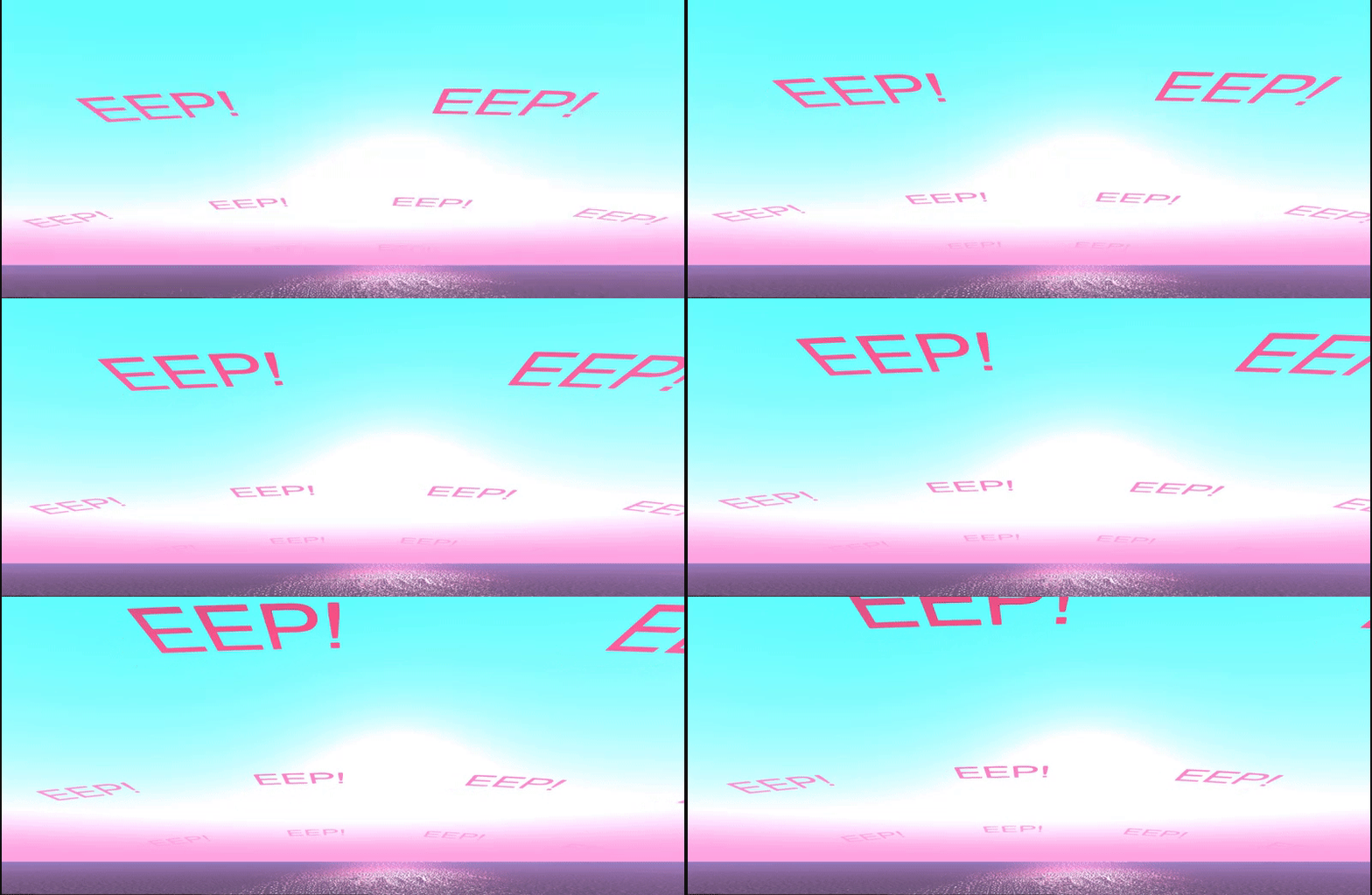
“Red and yellow and pink and green / Purple and orange and blue / I can sing a rainbow” – Graham Linden demonstrates a rainbow effect in Second Life using EEP. Credit: Graham Linden

The majority of the following notes are taken from the TPV Developer meeting held on Friday, October 5th, 2018. A video of the meeting is embedded below, my thanks as always to North for recording and providing it.

This is again a short meeting, with lengthy pauses in chat, so the following is a summary of key points. Note that due to a log-in issue occurring before the meeting, the discussion proper doesn’t start until the 3m 40s point in the video, having been delayed to give people still having issues the opportunity to log-in and get to the meeting.

Simulator Deployment Update

The planned deployment of server maintenance package 18#18.0924.19940, scheduled of Wednesday, October 3rd was cancelled after a last minutes issues was found in testing.

SL Viewer

[3:40-6:56]

The new Spotykach Maintenance RC viewer updated to version 5.1.10.520176 on October 4th.

The remaining viewers in the pipeline remain unchanged from the start of the week:

  • Current Release version 5.1.9.519298, dated September 5, promoted September 26. Formerly the Rakomelo Maintenance RC viewer.
  • Release channel cohorts:
    • Estate Access Management (EAM) RC viewer, version 5.2.0.520057, September 28.
    • BugSplat RC viewer, version 5.1.9.519462, September 10. This viewer uses BugSplat for crash reporting, rather than the Lab’s own Breakpad based tools.
    • Animesh RC viewer, version 6.0.0.518949, August 24.
    • Love Me Render RC viewer, version 5.1.8.518751, released on August 20.
  • Project viewers:
  • Linux Spur viewer, version 5.0.9.329906, dated November 17, 2017 and promoted to release status 29 November – offered pending a Linux version of the Alex Ivy viewer code.
  • Obsolete platform viewer, version 3.7.28.300847, May 8, 2015 – provided for users on Windows XP and OS X versions below 10.7.

Of the current RC viewers:

  • Animesh appears to be the leading contender, but this is unlikely to happen “immediately” due to apparent performance issues (see below).
  • Bugsplat is currently awaiting a change to the updater to be merged with it, so will likely remain at RC status, and the update may appear in week #41 (commencing Monday, October 8th, 2018).
  • [32:06-32:53] The Estate Access Management viewer is largely regarded as feature complete, although estate holders / managers are being encouraged to test the viewer and offer feedback to the Lab.
  • Bakes On Mesh has received the required simulator update (maintenance package 18#18.09.20.519894). This should just leave the Bake Service update before the capability will be available on Agni (the main grid).
  • EEP is now officially available for testing on Aditi – see EEP testing and project viewer officially announced for more, and the additional EEP news below.

EEP

[10:00-25:50] EEP permissions may cause some confusion. Please see the EEP documentation on permissions for additional information.

  • EEP assets can be set to be Mod(ify) or No Mod(ify); Transfer or No Transfer, but they are always Copy.
  • No Copy is not supported because  – like avatar shapes –  it is possible to manually copy settings values, even if the asset itself is No Copy.
  • No Mod(ify):
    • Is respected for a fixed sky / water asset if it is transferred / sold.
    • Is not respected if the asset is subsequently used as a day cycle frame (presumably to allow blending with other frames in the cycle).
    • No Mod EEP assets cannot be edited and saved; however, Save As can be used with them to create a new asset based on them.
  • No Transfer:
    • Adding a No Transfer asset as a frame in a day cycle will convert the entire day cycle to No Transfer.
    • This prevents No Transfer assets a creator does not want re-sold from being used in day cycles created by others.

The permissions appear confusing in order to allow people to be able to create and sell sky and water assets; however, there have already be calls for EEP assets ignore permissions altogether. This would mean they would be freely exchangeable – much as windlight XML settings are currently.

This feedback has been heard by the Lab and will be taken back to the project, but in the meantime the request is that TPVs do not alter the assigned permissions with EEP assets, due to the additional confusion this would likely cause.

Adjustable Vertical Zoning

[34:06-35:00] Note that the project viewer version of the EEP viewer allows the vertical position of sky settings to be adjusted, rather than being fixed at 1,000 metre intervals. However, Rider Linden has indicated some refinement is required on setting the slider values.

The vertical layers for EEP sky settings are now adjustable. Select the default level to be adjusted, then use the slider.

Animesh: Performance Issue

[30:00-31:45] There is an apparent performance issue with Animesh, which may be connected to the needsUpdate patch added to the viewer as a part of the changes for dynamic bounding boxes – see BUG-225584.

It was always expected that Animesh might introduce some performance hits – although up until the changes to the bounding box nothing major had been encountered – and the degree of impact this issue seems to produce was not anticipated.

Diagnosing the problem has been difficult from the Lab’s perspective, as issues have so far only been reported on the Black Dragon viewer and Firestorm’s Animesh test viewers – with the former suffered a far greater impact than the latter.

Vir Linden has started a forum thread on the issue (as Jira comments are limited to supported users at present). He has also asked for specific testing using the official Animesh viewer as well. Those wishing to test and offer feedback are asked to do so via the forum thread (although for those with permission to comment on Jiras, feedback on the bug report will also obviously be accepted).

There is an upcoming update for the viewer, but it does not include any fix for this issue. As of the TPV meeting, it hadn’t been decided if the issue was sufficient enough to be classified as a blocker to the promotion of the Animesh viewer to de facto release status.

Other Items

  • [8:50-9:06] BUG-225557: “Attaching an object from the ground causes inventory loss under certain circumstances” can be nasty. The Lab are aware of the issue and will be investigating it.

Virtual Ability: IDRAC 2018 in Second Life

via Virtual Ability

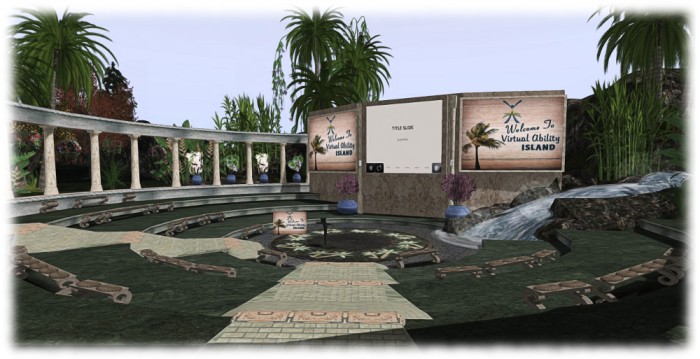
Currently underway in Second Life through October 5th and 6th, 2018 is the International Disability Rights Affirmation Conference (IDRAC), organised and hoted by Virtual Ability Inc. The theme for its years conference is Taking Care of Us, which the organisers note is very open to interpretation, offering the guest speakers opportunity to talk on a range of subjects related to disability rights and care.

The conference is taking place at the Sojourner Auditorium on Virtual Ability Island, and will feature presentations from Hong Kong, the UK, Nigeria, Saudi Arabia, Ghana, Mauritius, Canada, and the United States. Presentation will be of around 90 minutes duration, including time for discussion and breaks between.

Schedule of Sessions

The conference schedule, as it stood at the time of writing, was as follows. Please visit the conference page on the virtual Ability website for any updates and to read the biographies of the individual presenters. All times are SLT.

Friday, October 5th, 2018

07:00 Lusha Huang (Hong Kong): Enhancing Visually Impaired People’s Travelling Experience through Mobile Applications
08:30 Coomara Pyaneandee (Mauritius): The United Nations Committee on the Rights of Persons with Disabilities
10:00 Debbie Engelen-Eigles (USA): Learning from Korean Women with Disabilities: Lessons from the Field
11:30 Jason DaSilva (USA): Documenting Disability & Looking Towards the Future
13:00 Lauren Bruno and Cassandra Willis (USA): A Survey of Alternative and Traditional Special Education Teachers’ Perception of Preparedness
14:30 Panel discussion of care giving issues with caregivers and care recipients
The Sojourner Auditorium
The Sojourner Auditorium, virtual Ability Island

Saturday, October 6th, 2018

08:00 Patrick McKearney (UK): Care and Visibility: Modes of Agency in L’Arche
09:30
Reginald Nii Odoi (Ghana): We Are The World: Making It a Better Place
11:00
Peter Catapano,  Editor of the Opinion Section of the New York Times (USA): Interview
12:30 Rev. Olutayo Shodipo (Nigeria):
14:00 Amra Mohammed (Saudi Arabia): Creating Policies to Support Twice-Exceptional Students in Saudi Arabia
15:30 Panel discussion of care giving issues with caregivers and care recipients

Related Links

Exploring Malaika Park in Second Life

Malaika Park; Inara Pey, October 2018, on FlickrMalaika Park – click any image for full size

Malaika Park is, according to region holder Leroy Voorhees, “A happy place, and home to a very few people . The ground area and the mystical waters underneath are for exploring, photos and fun.” He goes on to note that changes may occur at time in décor, but visitors are invited to embrace and enjoy the setting.

I can vouch for the fact things change at Malaika Park; we’ve visited this full region numerous times over the past few months – although it has actually been around since 2014 – and each time there have been changes both large and small in the current design: a building moved from one side of the bay to the other here, the addition of a piece of art there, the arrival of a car… and so on. All if which have piqued curiosity and encouraged return trips.

Malaika Park; Inara Pey, October 2018, on FlickrMalaika Park

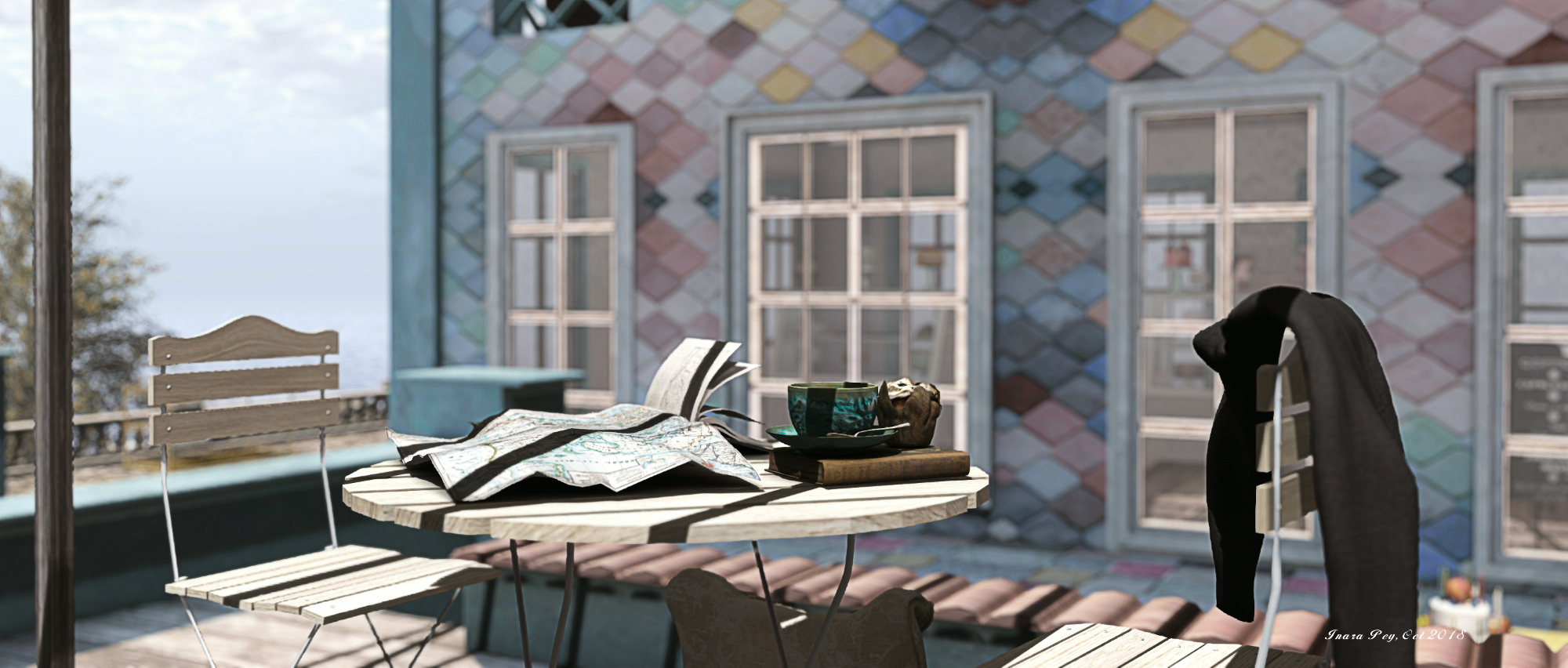
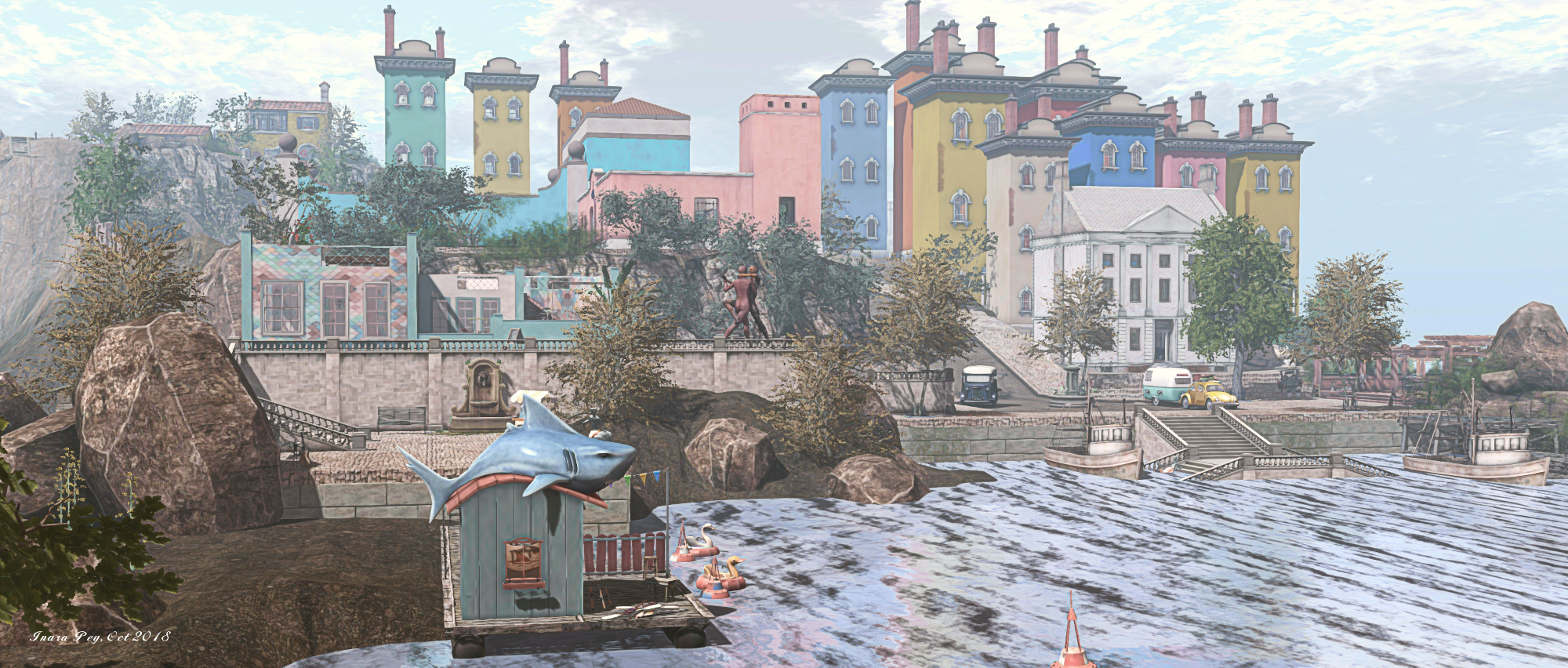
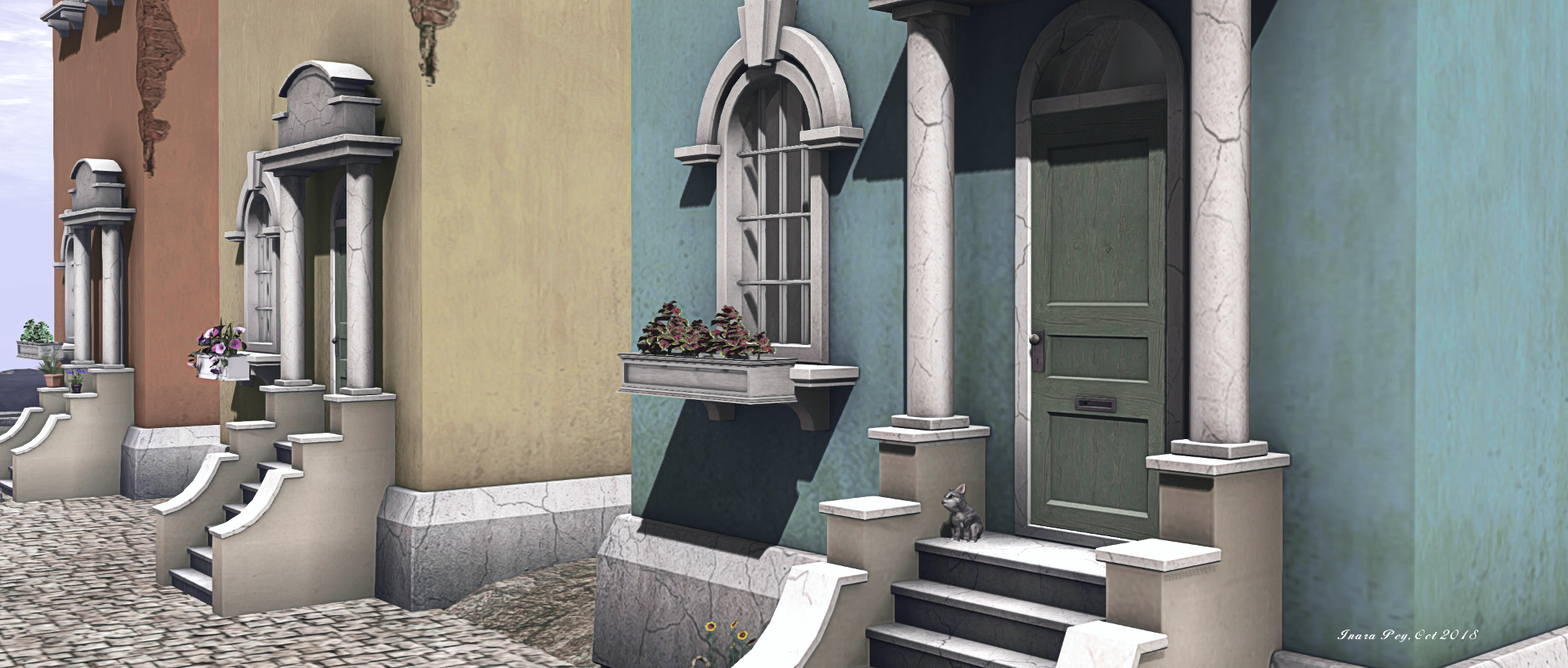
There is a certain eccentric look and feel to the region, marking it as a delightful curio among Second Life regions. Oriented north-to-south, it presents a island with a somewhat Mediterranean feel to it due in part due to some the architecture used, but which also feels a little as if it has been lifted from a storybook with its tall, slender houses rising like multi-hued bristles from the back of a hedgehog as they climb the island’s rocky hump.

The southern end of the region forms a small bay marked by an outstretched rocky promontory on one side and the long arm of wooden decks on the other as they stretch forth from the rocky coast, offering mooring for boats and yachts. A café and an open-air bar face one another across the inner face of the bay, where stone stairs step their way down to the water’s edge – and then under it, as if daring visitors to follow them below – although it wasn’t an invitation to be accepted at the time of our visits; the steps only led to the sensation of getting wet 🙂 .

Malaika Park; Inara Pey, October 2018, on FlickrMalaika Park

Instead, it is better to climb the hump of the island, either by taking the steps up the the terraced café and its rooftop pool or, for a longer walk, up the broad road leading uphill between the talk ranks of the island’s houses and they stand to attention behind what might be a gentleman’s club close to the waterfront.

None of the brightly coloured town houses are actually furnished, but this doesn’t mean there is nothing to appreciate within the town. Follow the road to the top of the hill, and an ageing, pavilion-like house awaits, the path down to a beach off to one side while just behind it, the north side of the island falls away to the sea. This isn’t, however, the highest point on the island.

Malaika Park; Inara Pey, October 2018, on FlickrMalaika Park

This is reserved for a high table of rock rising to the north-west of the island, the location for a studio and workplace set out by Gabriel2009, who along with Leroy, Sangi Phaeton, JJ Goodman, and WayneNZ (responsible for the former Toru homestead region – see here and here for more, and a curator of the former Holtwaye ArtSpace gallery), form the team responsible for the look of the region.

Below this, between it and the café by the bay are a couple of Mediterranean style buildings. One offers itself as a spa with swimming pool and the other a place of table-top and other games, a playable chess set sits on the cobble path outside the walled courtyard setting. Art can also be found at various points across the island, in the studio building up on the north-western plateau, and via sculptures by Mistero Hifeng and Lucas Lameth which sit both on land and in the water.

Malaika Park; Inara Pey, October 2018, on FlickrMalaika Park

And talking of water whilst also returning to our starting point: those who fancy a little on-the-water fun might try the bumper boats available from the deck on the west side of the island’s bay.

Malaika Park makes for a slightly different visit for those who enjoy exploring Second Life; there is no central theme, but enough hints in building styles to give it a certain air of familiarity. The setting is photogenic, and can make an ideal backdrop for photography (join the local group to obtain rezzing rights for props, but do please clean-up behind you.

Malaika Park; Inara Pey, October 2018, on FlickrMalaika Park

Stop Press

Malaika Park will be hosting a special Halloween setting, opening on Wednesday, October 10th, 2018 in the sky over the region.

It will be an adventure style thing, an explore and enjoy, thing, all of that plus a hunt with some fun toys and Halloween goodies!

Malaika Park co-designer Sangi Phaeton

So, if you fancy a few Halloween scares as well as a visit to a delightfully quirky and eye-watching region, make a note to visit Malaika Park this October!

Malaika Park; Inara Pey, October 2018, on FlickrMalaika Park

SLurl Details

EEP testing and project viewer officially announced

Courtesy of Linden Lab

On Wednesday, October 3rd, 2018, Linden Lab officially announced the opening up of EEP testing to Second Life users.

EEP  is the Environmental Enhancement Project – in short as series of in-development updates to the existing windlight capabilities in the viewer, and to environment settings / rendering across the board. In brief and in part EEP:

  • Gives region and parcel owners the ability to define the environment (sky, sun, moon, clouds, water settings) at the parcel level.
  • Provides new environment asset types (Sky, Water, Day) – referred to as “settings”  – that can be created in the viewer, stored in inventory and traded through the Marketplace / exchanged with other users.
  • Allows the Sun, Moon and Cloud textures to be replaced with custom textures.
  • An extended day cycle, supporting up to 7 days a week and 24-hour day / night cycles.

And that’s just to start. The project will also include rendering updates to allow for atmospheric effects such as crepuscular rays (“God rays”), plus scripted and experience support for the new environment asset types (e.g. assign specific environment settings to an experience, which all participants will automatically have applied in their view when visiting the experience).

A simple 5-minute (including uploading the textures) demo of replacing the Sun and Moon with Mars and Jupiter respectively, then adjusting their respective sizes & putting them in the same quadrant of the sky. Note the windlight clouds drifting in front of Mars.

Testing EEP can only be carried out on Aditi (the beta grid) for the time being, where there is a limited number of parcels available for purchase. Testing can only be carried out using the EEP project viewer.

  • Download the viewer via the Second Life Alternate Viewers Page.
    • At the time of writing, the viewer was version 5.1.10.520121 – but use the above link to get the most recent version.
  • Test region: Aditi EEP Testing (secondlife://Aditi/secondlife/EEPTesting/128/128/23).
    • Parcels cost L$1, but as Aditi funds are provided by Linden Lab, you are not paying for anything with your own money.
    • You MUST be using the EEP test viewer why trying to purchase a parcel on the test region – if you are using any other viewer, your purchase will time out.

Should you opt to test EEP and find issues, please be sure to raise a bug report, using the [EEP] tag. Reasonably feature requests may also be considered.

The parcel-level controls for using EEP, showing the Sun / Moon options and day cycle track

If you do not successfully purchase a parcel, or wish to see what others are doing with EEP, you can still visit the test region  – but you will need to be using the EEP test viewer in order to see anything.

There are a number of resources already available for EEP to get people started

EEP atmospherics via Graham Linden

I’ll continue to have EEP project news and updates through my Simulator User Group meeting, Content Creation meeting and TPV Developer meeting summaries.