Space Sunday: capsules, moles and underground water

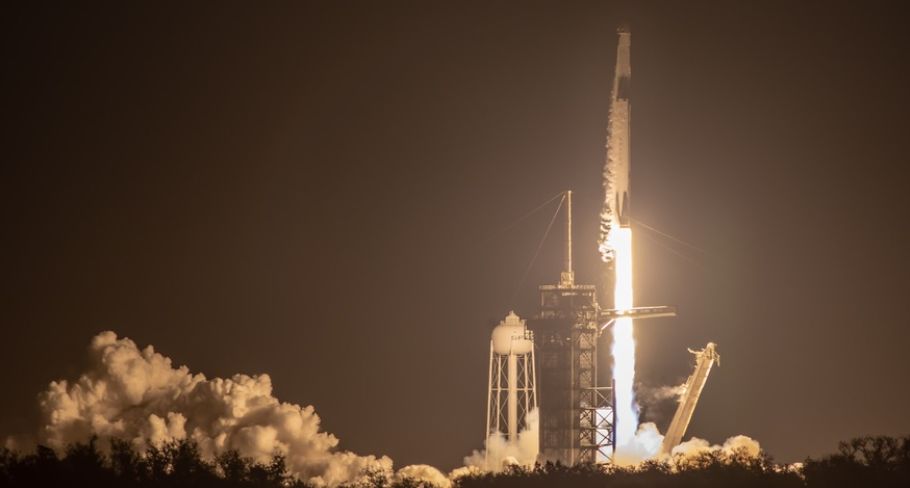
Lift-off: the SpaceX Crew Dragon DM1 rises from Launch Complex 39A at Kennedy Space Centre at 07:29 UT on March 2nd, 2019. Credit: Craig Vander Galien

The last time America had a capability to launch humans into space from US soil was back when the space shuttle – more formally the Space Transportation System – was still flying. However, the last shuttle flight was concluded on July 21st, 2011, when the shuttle Atlantis, with a career spanning 25 years and 33 flights into space that clocked-up 306 days, 14 hours, 12 minutes, 43 seconds in orbit, touched down at the shuttle Landing Facility at Kennedy Space Centre, Florida.

At that time, it was expected there would be just a four-year pause between the end of STS-135, the 135th shuttle flight, and the inception of a new generation of human-rated launch systems: the Boeing CST-100 Starliner, the SpaceX Crew Dragon and NASA’s own Orion system. However, development of these vehicles has been such that almost double that amount of time has passed.

But on Saturday, March 2nd, 2019, the United States did take a major step in it trek to resume a home-grown capability to launch people into space, with the successful first orbital launch of Crew Dragon.

Crew Dragon is a human-rated, reusable capsule system developed from the highly successful SpaceX Dragon cargo capsule currently used to fly supplies and equipment to and from the International Space Station (ISS). Officially designated Crew Dragon 2, it is designed to launch atop the Falcon 9 Block 5 launcher, and will operate alongside the Cargo Dragon 2, as the backbone of SpaceX’s involvement in ISS support activities. In addition, there are plans in hand to use Crew Dragon in commercial flights to the planned Bigelow Commercial Space Station, should that come to pass.
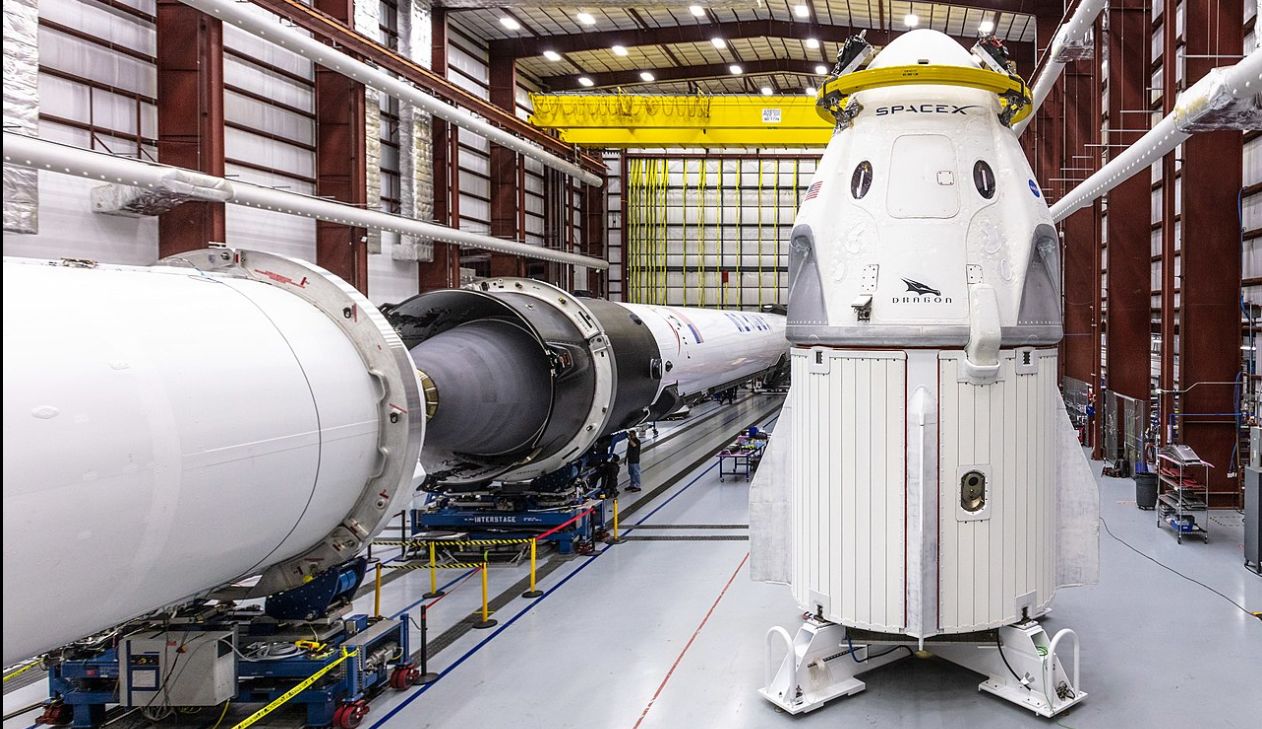
The Crew Dragon DM-1 vehicle, designated C201 and its service module, sitting within the SpaceX Horizontal Integration Facility at Kennedy Space Centre’s Launch Complex 39A, awaiting mating to its launch vehicle, December 18th, 2018. Credit: SpaceX / NASA

Once operational. it will be capable of flying up to seven crew into space, although for ISS flights, Crew Dragon will likely fly with a maximum of four crew, as NASA would like to use the added payload mass and volume ability to carry pressurised cargo to / from the ISS. Also, NASA initially do not want to use the Crew Dragon’s Super Draco motors for anything else but a propulsive assist right before final touchdown, otherwise relying on parachutes for the majority of the descent post-mission, limiting the all-up mass the capsule can bring back.

The “high-tech” zero-gee indicator installed aboard the Dragon vehicle: a plushy toy resembling the Earth, which would float free when the vehicle reached free-fall in orbit. Credit: Elon Musk

For the first orbital flight of the system – referred to as demonstration flight 1 (DM1), the Dragon 2 launched without a human crew – although it does carry an instrumented mannequin named “Ripley” after the iconic character played by Sigourney Weaver in the Alien(s) film franchise. Also on board is a small payload from NASA which the vehicle will deliver to the ISS, and a “high-tech” zero-gee indicator intended to show people watching the launch live stream the moment the vehicle achieved orbit.

Lift-off occurred precisely on time at 07:29 GMT – there was no extended window, so a failure to meet the launch time would have seen the flight postponed until March 5th, 2019. The first stage carried the vehicle through the denser part of the atmosphere, rapidly accelerating it.

Just over 2 minutes following launch, the nine first stage Merlin engines shut down, allowing the stage to separate. This continued to cost upwards as the single, vacuum-adjusted Merlin on the second stage fired, pushing it and the attached Crew Dragon on up towards orbit.

Reaching the termination point of its flight, the Falcon’s first stage carried out a series of manoeuvres that allowed it to re-ignite three of its motors in what is referred to as the “burn back” manoeuvres, designed to orient the stage for re-entry into the denser part of the atmosphere and cushion it through that re-entry phase.

These manoeuvres are a common part of Falcon 9 flights when the first stage is to be recovered post-flight. Such was the case here when, some 10 minutes after launch, the first stage made a successful landing on the SpaceX Autonomous Drone Landing Ship Of Course I Still Love You. Minutes later, the motor on the Falcon’s upper stage shut down, and the Crew Dragon separated from the stage.
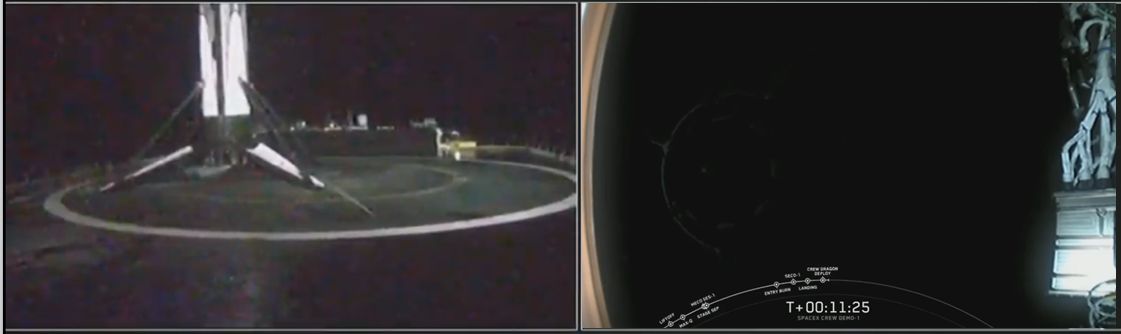
Left: the Falcon 1st stage on Of Course I Still Love You, post landing. Right: a slim crescent against the blackness on the left of the image marks where Crew Dragon has separated from the Falcon’s second stage. Credit: SpaceX

Once in orbit, the Crew Dragon tested its Draco thrusters and opened its nose cone to reveal the forward docking port as it commenced a gentle “chase” to catch the ISS, gradually raising its altitude in the process.

Docking with the station began at 10:51 GMT on Sunday, March 3rd, more than 400 km (248 mi) above the Earth’s surface north of New Zealand, 27 hours after launch. The spacecraft made an initial “soft capture” with the docking port on the station’s Harmony module, the docking mechanisms then pulled Dragon into a firm “hard capture” with the station about 10 minutes later.
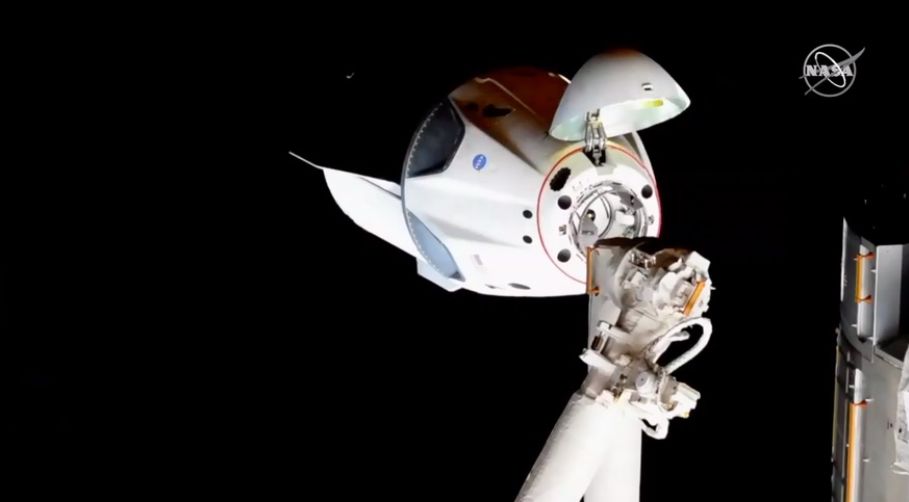
The Crew Dragon approaches the International Docking Adapter on one of the airlocks at the Harmony module of the ISS, March 3rd, 2019. Note the open nose cone and exposed docking port Credit: NASA.

Prior to docking the Crew Dragon closed to a distance of 150m from the station before halting its forward motion and then backing away again to 180m, testing its ability to move away from the station in the event of a problem. Once docked, a further series of checks were performed to “safe” the vehicle, prior to the hatches between it and the ISS being opened at 13:30 GMT. As a further precaution, Russian cosmonaut Oleg Kononenko and Canadian David Saint-Jacques wore gas masks to guard against any internal leaks of gas in the capsule when they first entered. After they had carried out atmospheric readings, NASA astronaut Anne McClain joined Saint-Jacques in starting to unload more than 180 kg of cargo included in the flight.

During the unloading, Saint-Jacques knocked the “high-tech” zero gee plushy, sending it carooming around the capsule, prompting mission control to observe, “Can you tell we’re in microgravity?”
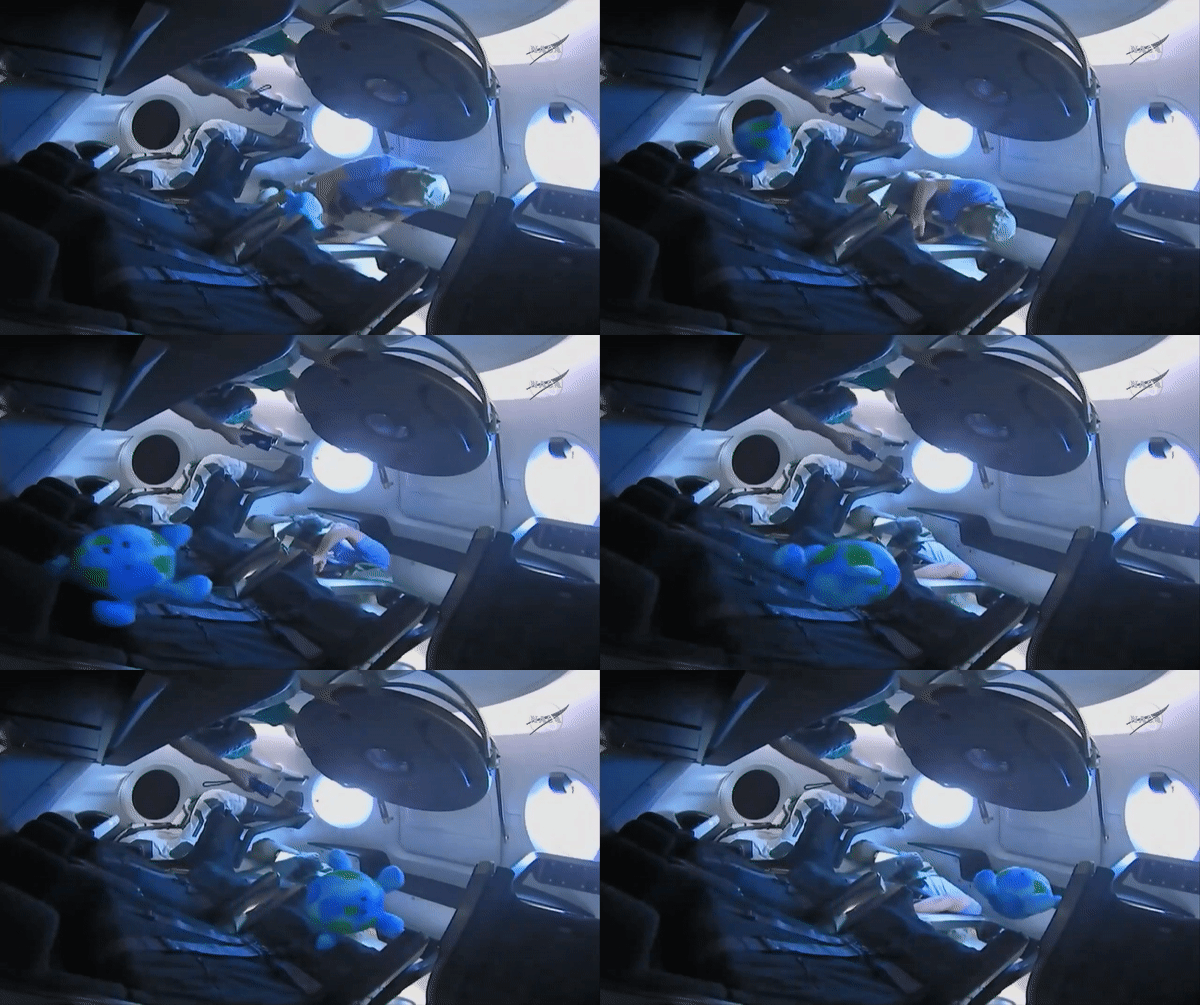
The “zero-g indicator” gets a bump from CSA astronaut David Saint-Jacques that sends it tumbling around the Crew Dragon. Credit: NASA / SpaceX

The Dragon will remain docked with the ISS through until Friday, March  8th, after which it will depart for a return to Earth, bringing a small amount of cargo with it. The capsule should splash down in the Atlantic Ocean at around 13:45 GMT that day, after a parachute descent through the atmosphere.

If all goes according to plan, the capsule used in this test (C201), will make a second uncrewed flight in June 2019, when it will be used to conduct an in-flight abort test, using its Draco motors to push it free of its Falcon 9 launcher to simulate what would happen in the event of a real booster malfunction. Following that flight, and assuming there are no further issues, the second demonstration flight (DM2) should take place in July 2019, when NASA astronauts Bob Behnken and Doug Hurley, both veterans of the space shuttle, will fly to the ISS aboard Crew Dragon C203, where they will remain for 2 weeks before making a return to Earth.

Assuming that flight (Demonstration Mission 2) is successful, Crew Dragon should then be cleared to start flying crews to and from the ISS at the end of 2019.

Continue reading “Space Sunday: capsules, moles and underground water”
Space Sunday: tourist flights, landers, moons and rovers

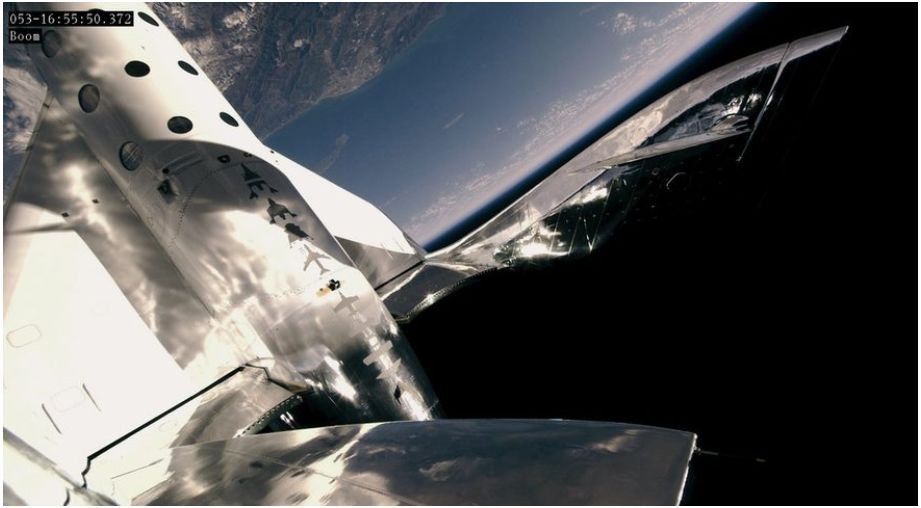
A dramatic shot from the tail boom camera on VSS Unity just after the tail boom has been triggered to its raised “feathered” position to commence the gentle drop back into the denser atmosphere following a flight to an altitude just shy of 90 km (56.25 mi). Credit: Virgin Galactic

On Friday, February 22nd, Virgin Galactic’s VSS Unity completed a further test flight, its second time in just over two months, and in doing so set itself a new altitude record.

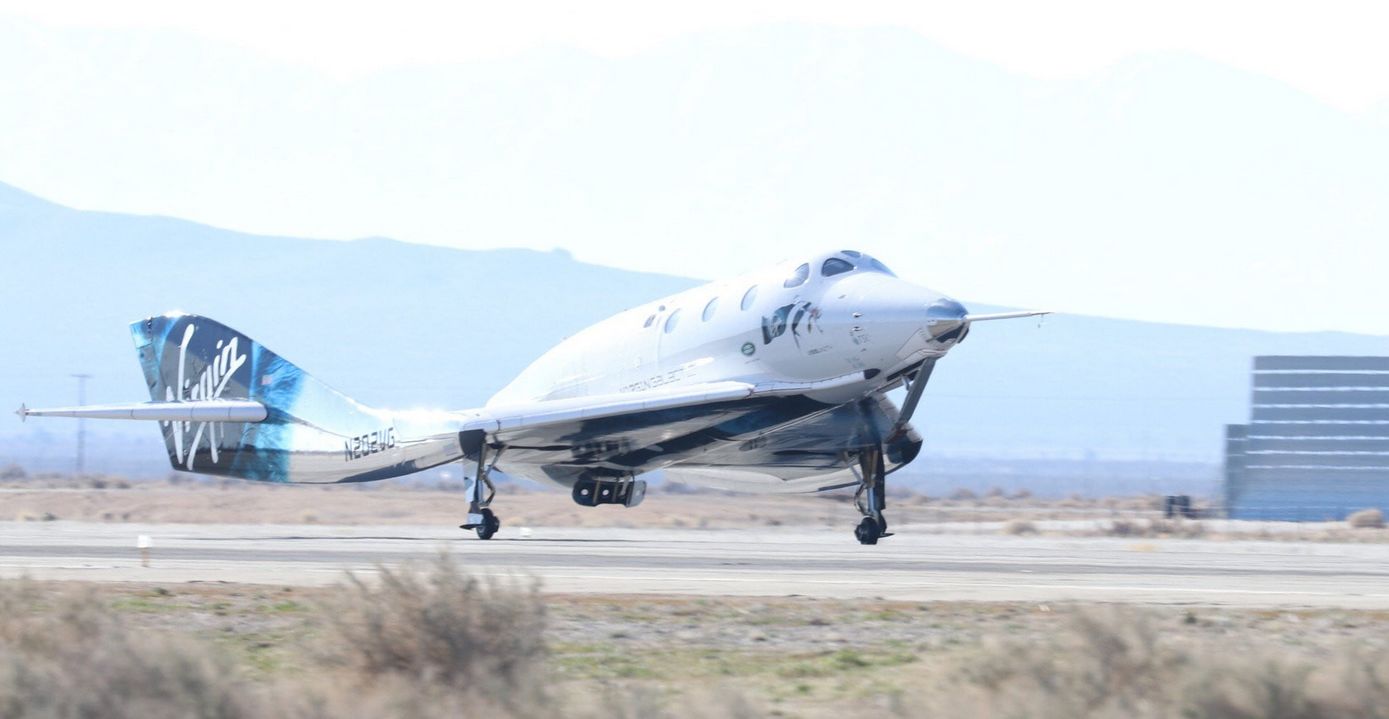
The space plane was released from its WhiteKnightTwo carrier, the VSM Eve at 16:53 UT, some 45 minutes after taking off from the Mojave Air and Space Port in California. The vehicle’s hybrid rocket moor was fired for roughly one minute, pushing the Unity and its crew of three to an altitude 89.9 km (56 mi), reaching a maximum velocity of Mach 3 in the process. After a successful “feathering” manoeuvre of the vehicle’s tail boom, Unity dropped back into the denser atmosphere and glided back to a runway landing in Mojave at 17:08 UT.

The flight, delayed by two days due to high winds over the planned flight test route, marked the first time the vehicle had carried a “passenger”: Beth Moses, Virgin Galactic’s chief astronaut instructor. She made the flight with David Mackay and Mike “Sooch” Masucci, respectively the company’s chief test pilot and lead trainer pilot. All three were making their first trips into space, Moses being aboard to provide practical validation and  data on aspects of the customer cabin and spaceflight environment from the perspective of “people in the back”. Her presence on the flight was not announced until after Unity had landed.

Beth, Sooch and I just enjoyed a pretty amazing flight which was beyond anything any of us has ever experienced. It was thrilling yet smooth and nicely controlled throughout with a view at the top, of the Earth from space, which exceeded all our expectations.

– Virgin Galactic chief test pilot David Mackay

Moses also kept an eye on the flight’s special payload – four science and technology demonstration packages provided by NASA under the agency’s Flight Opportunities Programme. Three of the packages had been flown on the Unity’s previous flight in December 2018.

Virgin Galactic have refused to indicate how many more test flights will be made before SpaceShipTwo starts carrying fare-paying passengers, although the company’s founder, Sir Richard Branson has indicated he hopes to fly on the vehicle in July 2019, possibly to mark the 50th anniversary of the Apollo 11 Moon landing. Speaking ahead of the February 22nd test flight, Mike Moses, president of Virgin Galactic and husband of Beth Moses, indicated that the company is in the “heart” of their flight test regime, and the focus is on expanding the envelope of flights, including their frequency, prior to committing to commercial flights.

VSS Unity touching down at Mojave Air and Space Port. Credit: Virgin Galactic

The altitudes reached by Unity thus far (just over 80 km / 50 mi on the December 2018 flight and now 89.9 km) have caused some to call into question whether or not VSS Unity has really been in space – including Jeff Bezos, who is heading Blue Origin, Virgin Galactic’s clearest rival in the sub-orbital passenger market.

Speaking about his own company’s test programme with their New Shephard launch system, Bezos emphasised the operational difference between the reusable New Shephard rock and its crew / passenger carrying capsule and Virgin’s SpaceShipTwo. The New Shephard is specifically designed to reach altitudes of 100 km (50 mi), somewhat higher that Virgin Galactic have thus far achieved. 100 km is important, as it marks the position of the Kármán Line, broadly (but not exclusively) considered to be the point above which where aerodynamics cease having any real influence over an aircraft’s performance, making it reliant on astronautics. Thus, it is seen by some as the boundary of space.

One of the issues that Virgin Galactic will have to address, eventually, is that they are not flying above the Kármán Line, not yet … We’ve always had as our mission that we wanted to fly above the Kármán Line, because we didn’t want there to be any asterisks next to your name about whether you’re an astronaut or not. That’s something they’re going to have to address, in my opinion.

– Jeff Bezos, New Origins founder, commenting on Virgin Galactic, February 20th, 2019

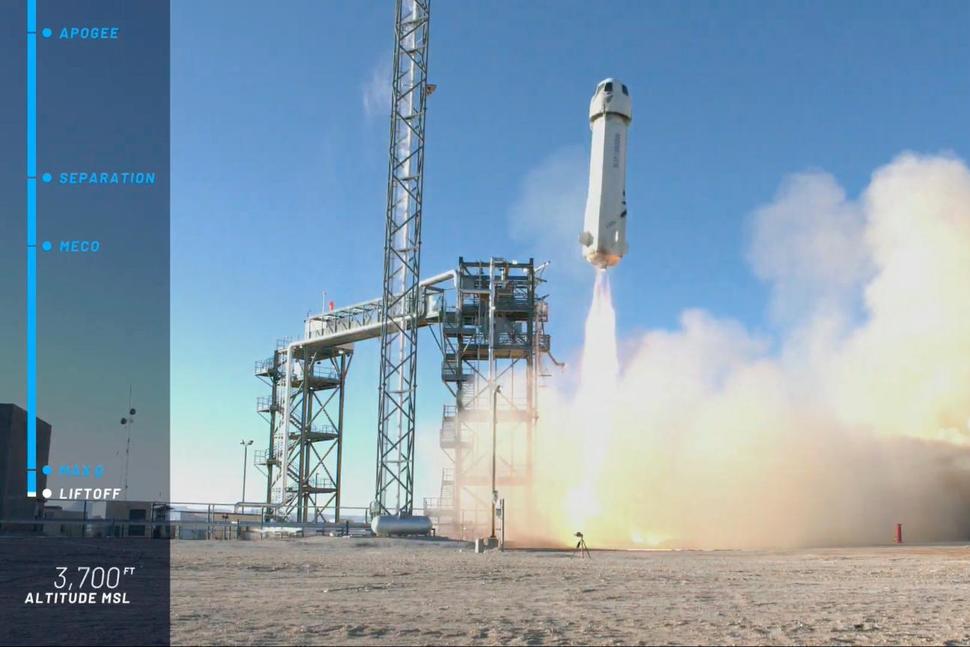
New Shephard is also in the midst of a test programme that could see it flying passengers before the end of 2019. Pictures is a text flight launch on January 23rd, 2019, the 10th test flight for the system, as captured via video. Credits: Blue Origin via CBS News

However, things are actually not that clear-cut. There is no international law defining the edge of space; for example, the United States – from which both New Shepherd and Virgin Galactic will fly (at least initially in the latter’s case) considers the boundary to be 80 km (50 mi), which Virgin Galactic can clearly exceed.

Further, Theodore von Kármán, after whom the line is named, suggested the boundary could lie anywhere between 91 km and 100 km altitude. The ambiguity is exacerbated by a proposal to set the “edge” of space in international law as the lowest perigee attainable by an orbiting space vehicle – which would place it somewhere between 130 km (81 mi) and 150 km (93 mi), somewhat beyond the capabilities of either SpaceShipTwo and New Shephard, which tends to render arguments about altitude and boundaries a little moot, particularly given the fact that whether at 80-90 km above the earth or at 100 km, passengers on either vehicle will experience the same degree of weightlessness.

Continue reading “Space Sunday: tourist flights, landers, moons and rovers”

Space Sunday: the little rover that could

MER Opportunity: the modest rover that cast a huge shadow to fit its larger-than-life perseverance. Credit: NASA/JPL / MSSS

It is therefore that I am standing here with a sense of deep appreciation and gratitude, that I declare the Opportunity mission as complete. For more than a decade, Opportunity has been an icon in the field of planetary exploration, teaching us about Mars’ ancient past as a wet, potentially habitable planet, and revealing uncharted Martian landscapes.

– Thomas Zurbuchen, Associate Administrator for NASA’s Science Mission Directorate

These words, spoken on February 13th, 2019, marked the official end of the longest running rover mission thus far to another planet.

Designed to last just 90 Martian days and travel 1,000 metres (1,100 yards), the Mars Exploration Rover (REM) Opportunity vastly surpassed all expectations in its endurance, scientific value and longevity. In addition to exceeding its life expectancy by 60 times, it travelled more than 45 km (28 mi) by the time it reached its most appropriate final resting spot on Mars – Perseverance Valley.

Across a decade and half, Opportunity – or “Oppy” to its fans – captivated people’s imaginations around the globe, and while it  became somewhat overshadowed by its much bigger cousin, Curiosity, from 2012 onwards, “Oppy” nevertheless broke the ground for the surface exploration of Mars, together (for a time, at least), with its sibling rover, Spirit.

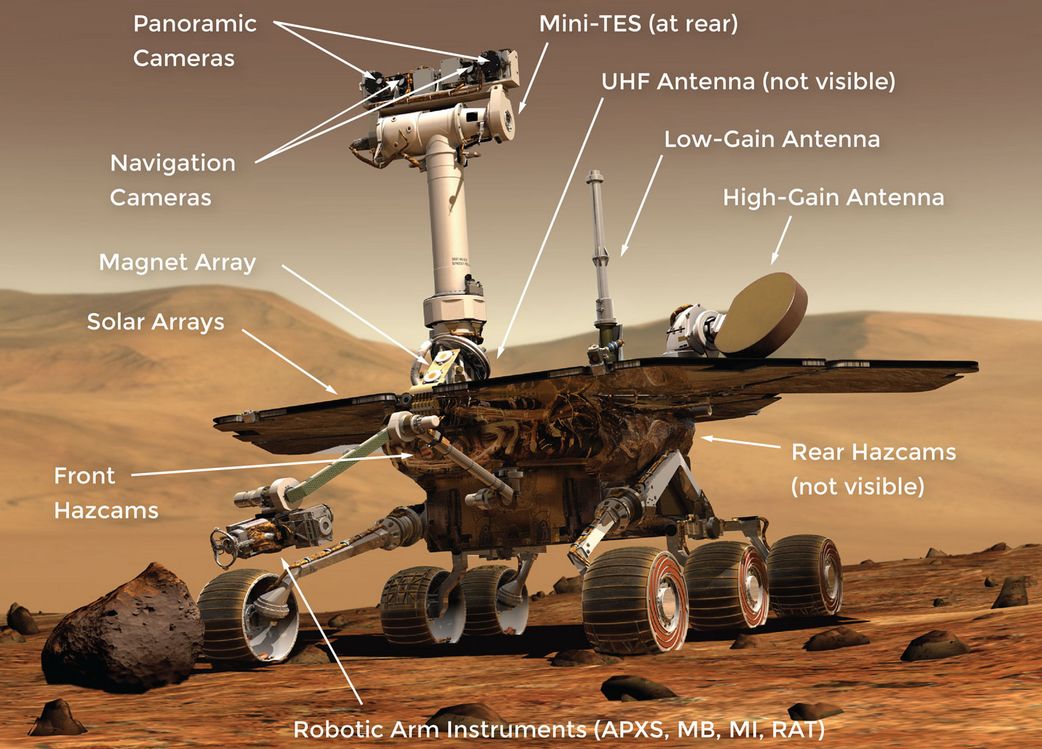
The MER rovers, Spirit and Opportunity and their instruments

From the outset, the MER programme was a daring one: to place two vehicles on the surface of Mars, capable of self-driving across the surface and carrying out a range of scientific tasks. At the time it was conceived, Mars was known to be a notoriously difficult target to reach: for some reason over one-third of the missions intended to reach the Red Planet failed. Some were lost shortly after launch; others failed whilst en route; other experienced upset or failure on arrival. Indeed this Hence why the MER project had two rovers: if one fell afoul of the Great Galactic Ghoul, the other would survive.

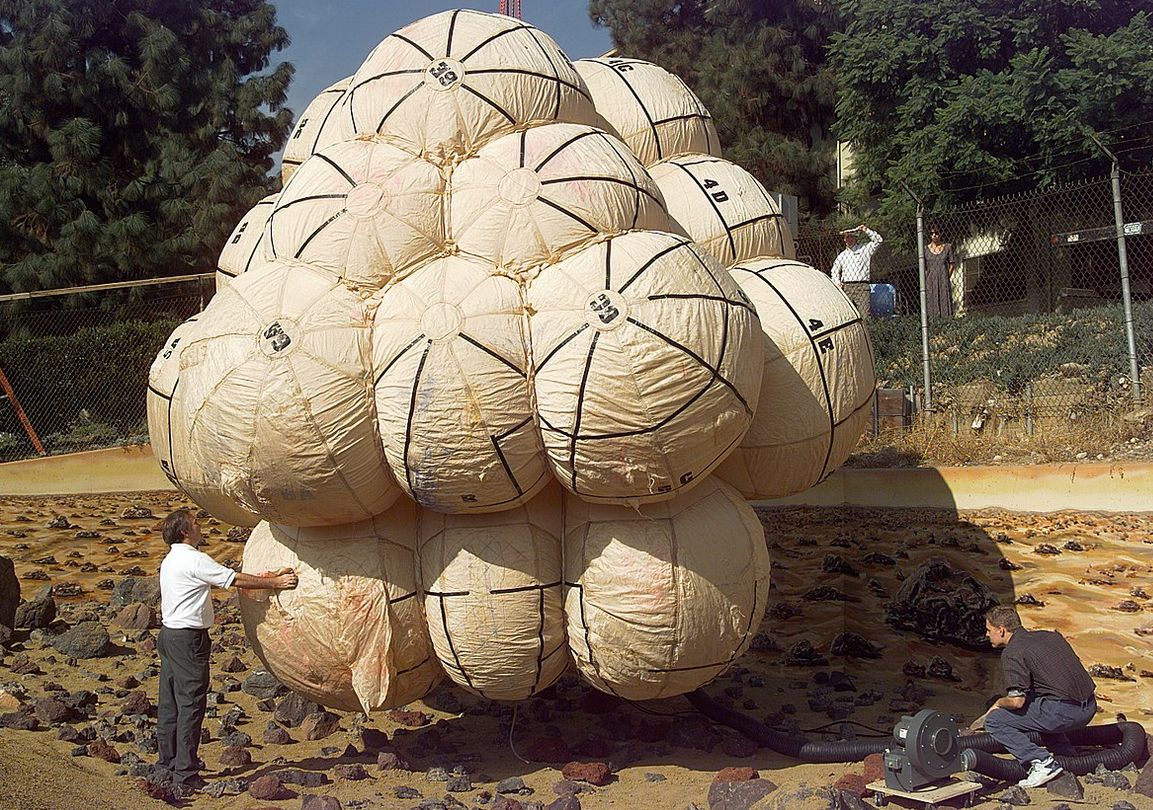
To pave the way for the rovers, NASA undertook the Pathfinder mission in the late 1990s. This comprised a Mars lander complete with a very small-scale (just 65 cm / 2.2ft in length) rover called Sojourner. While both the lander and the rover carried science instruments and carried out worthwhile science, a major element of the mission was to test the entry, descent and landing system the MER mission would use: a completely loopy sounding mix of parachutes and a cocoon of air bags designed to rapidly inflate around a payload just before it reached the surface of Mars and protect it and it bounced its way to a resting position before deflating, the payload automatically righting itself in the process.

The Pathfinder airbag system, very similar to the system used by the MER programme, on test at NASA’s Jet Propulsion Laboratory, June 1995. Credit: NASA/JPL

In many respects, the Pathfinder mission (the lander from which are later renamed the Carl Sagan Memorial Station, in honour of the great planetary scientist, humanitarian, global thinker and Mars exploration advocate, Carl Sagan) was the MER’s mission lucky charm.

Not only did the mission prove the landing system, necessary because “conventional” retro-rocket landing systems would have massively increased the complexity and cost of sending large rovers to Mars, both lander and rover operated far beyond their anticipated life spans: the lander for 9 months (compared to an anticipated 85 days) and the rover for 85 days (rather than the anticipated 7 days. Incidentally, it Sojourner was the first Mars mission to employ a form of VR: the “driver” on Earth would wear a set of 3D goggles that visualised the rover’s surroundings digitally, so a path to be mapped using a special “driving” system. The driving commands would be saved and later transmitted to Mars as a batch of commands the rover would then execute).

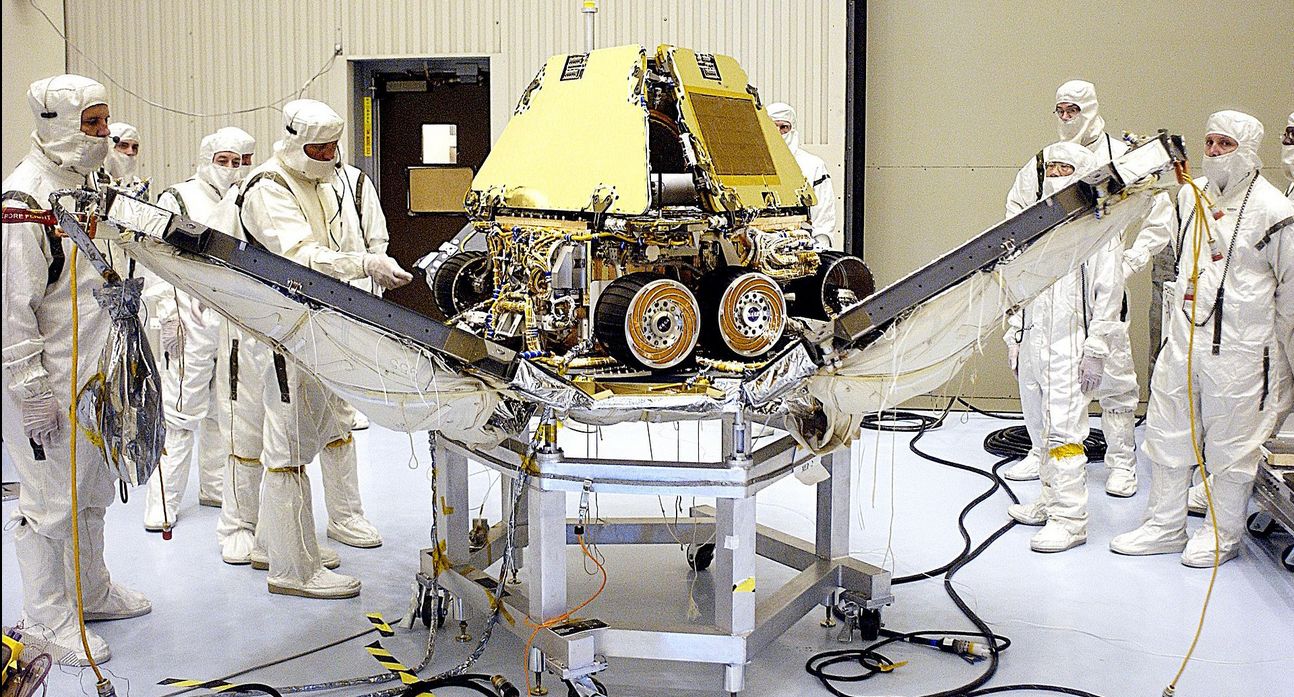
April 15th, 2003: Opportunity, with solar panel already folded and drive system collapsed, is prepared for enclosure within the petals of its landing system. Credit: NASA/JPL

The MER rovers were launched in June (Spirit) and July (Opportunity) of 2003, and arrived on Mars on January 4th and January 25th, 2004, respectively, just after Europe’s Mars Express mission had arrived in Martian orbit at Christmas, 2003. The landings were fraught with concerns: the UK’s Beagle 2 lander, delivered to Mars by Mars Express, had arrived on the planet on Christmas Day 2003, but all attempts to communicate with it had failed.

Obviously, the EDL systems for both landers worked perfectly. Spirit landed in Gusev crater, originally thought to be a dry lake bed. However, the rover’s findings disproved this, revealing the crater to be largely filled with natural debris. In all, Spirit operated on a mobile basis for almost 5 years and 4 months before it became bogged down in a “sand trap” on May 1st, 2009. When attempts to free it failed, the rover became a static station until it stopped communicating in March 2010. NASA then spent 14 months attempting to re-established contact before declaring Spirit’s, mission was at an end on May 24th, 2011.

Continue reading “Space Sunday: the little rover that could”

Space Sunday: Mars, Uranus and Neptune

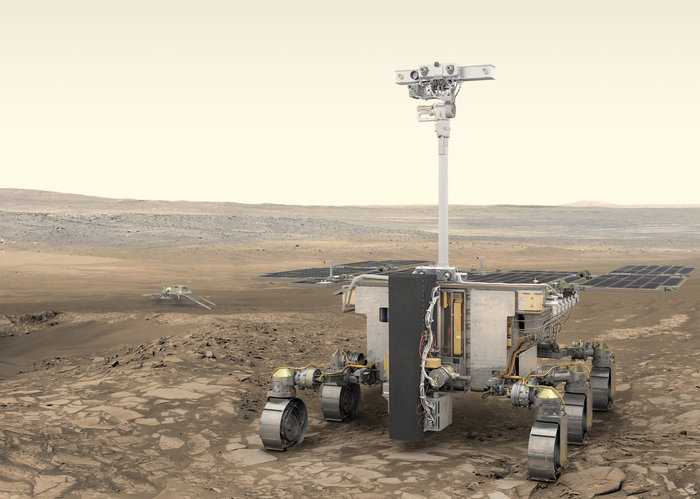
The ExoMars Rover Rosalind Franklin, 2018. Cedit: EADS Astrium UK

It’s been a mission almost 20 years in the making, but it finally has a vehicle name: the European Space Agency’s (ESA) ExoMars rover is now officially called Rosalind Franklin.

In 2001, ESA announced the goal of landing a large rover vehicle on Mars in 2009 as a part of its Aurora programme for the human exploration of the Red Planet. As an optional programme, Aurora allowed ESA member states to determine which elements they would like to support. In 2005, the UK’s EADS Astrium indicated it would undertake the design and construction of the rover, then referred to as ExoMars.

Over the next decade plus, ExoMars as a whole underwent numerous changes in scope and capability. Some of these changes were driven from within ESA. For example, in order to meet initial launch requirements using a Russian rocket, the rover was scaled down to just 180 kg. However, this left it was just 6 kg for the science payload, prompting a move to using a more powerful Ariane launcher, allowing for a larger rover and science payload – but at twice the price of a Russian launch.

Other changes came about through external influences. In 2009, ESA signed an agreement with America’s NASA, which would have seen the a joint ESA / NASA mission, with the US agency taking responsibility for the rover (renamed the Mars Astrobiology Explorer-Cacher, or MAX-C) and ESA producing the lander and an orbiter – the Trace Gas Orbiter. Less than a year later, MAX-C was scrapped in favour (once again) of a large 600 kg European rover.

The ExoMars rover over the years. Top left: 2007 (credit: Jastrow). Bottom left: 2009 (credit: Mike Peel) and 2015 (credit: Cmglee)

Then in 2011 NASA withdrew from the agreement, forcing a further reassessment of the rover and the ExoMars project overall. In 2013, ESA and Russia’s Roscosmos signed an agreement that would see a revised ExoMars mission  – the rover and the Trace Gas Orbiter (TGO) – flown atop two uprated Proton rockets in 2016 and 2018, with the first launch featuring the TGO, which arrived in Mars orbit in October 2016. The second would be the rover mission, intended for launch in 2018.

The switch back to using a Russian launch vehicle meant the rover had to go through a further redesign in order to shed 290 kg of mass. By 2016, all of this left the ExoMars project breaking through its budget cap of €1 billion. In order to secure the required €1000 million needed to complete the project’s development and launch costs, the launch would have to be pushed back until 2020. It is currently slated for lift-off on July 25th, 2020 and arrive on Mars on March 19th, 2021.

Rosalind Franklin. Credit: Jewish Chronicle Archive / Heritage-Images

The rover’s name has been given in honour of Rosalind Elsie Franklin (July 25th, 1920 – April 16th, 1958), an English chemist and X-ray crystallographer who made contributions to the understanding of the molecular structures of DNA (deoxyribonucleic acid), RNA (ribonucleic acid), viruses, coal, and graphite. Although her works on coal and viruses were appreciated in her lifetime, her contributions to the discovery of the structure of DNA were largely recognised posthumously.

Her name was one of 36,000 submissions by citizens from all ESA Member States, following a competition launched by the UK Space Agency in July 2018. It was selected by a panel of experts before being officially announced by UK astronaut Tim Peake on Thursday, February 7th, 2019 at an event in Stevenage UK, where the rover has been built.

Rosalind Franklin is one of science’s most influential women, and her part in the discovery of the structure of DNA was truly ground-breaking. It’s fitting that the robot bearing her name will search for the building blocks of life on Mars, as she did so on Earth through her work on DNA.

– Alice Bunn, international director of the U.K. Space Agency

In a slight tweak on the usual convention – most spacecraft named in honour of a person are referred to by the individual’s last name – the rover is already being referred to simply as “Rosalind” (although in fairness, its prototypes and test units have also been known by first names, such as “Bruno”).

Once on Mars, the rover will be the first of its kind to combine the capability to roam around Mars and to study it at depth. To do this, it is equipped with a drill capable of reaching down two metres (6ft 6in) below the surface, gather samples for analysis using a set of instruments collective called the Pasteur Suite, searching for evidence of past – and perhaps even present – life buried underground, where water is known to be present and where harsh solar radiation cannot penetrate. In addition, the rover has a suite of instruments to study the atmosphere, examine the sub-surface environment with radar to locate areas to drill for samples, identify deposits of water ice, etc. Further, ESA is currently considering including a small “scout” rover, designed to identify areas of soft sand, etc., where Rosalind might get stuck trying to traverse.

Rosalind will be delivered to the surface of Mars by a 1.8 tonne landing platform built by Roscosmos. This will use a combination of parachutes and retro-rockets to achieve a soft landing. The current primary landing site for the rover is Oxia Planum, a large plain in the northern hemisphere of Mars, which contains one of the largest exposures of clay-bearing rocks on the planet which are roughly 3.9 billion years old. These are rich in iron-magnesium, indicating water played a role in their formation. The area comprises numerous valley systems with the exposed rocks exhibiting different compositions, indicating a variety of deposition and wetting environments, making it an ideal subject for exploration.

Hubble Reveals Dynamic Atmospheres of Uranus and Neptune

As well as studying deep space, the Hubble Space Telescope routinely keeps its eye on the planets of the solar system. In doing so, it has uncovered a new mysterious dark storm on Neptune and provided a fresh look at a long-lived storm circling around the north polar region on Uranus.

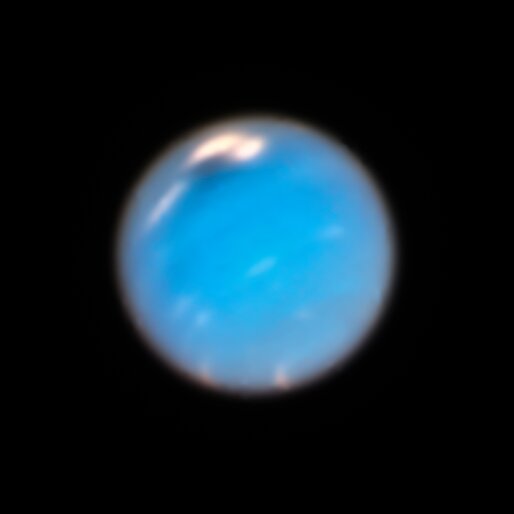
 A Hubble image of Neptune taken in September 2018 showing the latest storm vortex in the northern hemisphere. Credit: NASA, ESA, and M.H. Wong and A. Hsu (University of California, Berkeley)

The latest images of Neptune from Hubble show a large, dark storm in the planet’s northern hemisphere. It is fourth and latest mysterious dark vortex captured by Hubble since 1993. Prior to this, two other storms were spotted by Voyager 2 in 1989 as it flew by the remote planet. A study led by University of California, Berkeley, undergraduate student Andrew Hsu estimates that the storms appear every four to six years at different latitudes and disappear after about two years.

The current storm was spotted by Hubble in September 2018, and is estimated to be 10,880 km (6,800 mi) across. It is accompanied by white companion “clouds”, similar to those seen with previous vortices. Similar to the pancake-shaped clouds that appear when air is pushed up over mountains on Earth, these while formations are thought to be the result of the vortices perturbing the lower reaches of the atmosphere and diverting it upward, causing gases to freeze into methane ice crystals. The long, thin cloud to the left of the dark spot is a transient feature that is not part of the storm system.

Continue reading “Space Sunday: Mars, Uranus and Neptune”

Thoughts on VR and AR, part 2: AR, MR and beyond

via proximie.com

This article is designed to be the second part of a short series offering personal thoughts on the broad state of virtual reality (VR) and augmented reality (AR, together with mixed reality, or MR) as they appear to stand at the end of 2018, and where they might be going over the course of the next few years.

In doing so, I’m not attempting to set myself up as any kind of “expert” or offer predictions per se; I’ve simply been gorging myself on a wide range of articles and reports on VR and AR/MR over the last few weeks to make sure I’m caught up on things. In part one, I covered VR; This part therefore examines AR/MR, with an emphasis on headset / eye wear, as it is these tools that particularly interest me.

Compared to VR, AR/MR has been much more a slow burner in terms of press interest. The reason for this is simple: outside of a few headliners like the original Google Glass, Microsoft’s HoloLens and, most recently, Magic Leap One, AR/MR eye wear hasn’t really caught the media’s attention. However, in assessing the state of the VR and AR/MR markets over the next 3 years, SuperData predicts something of a rapid rise in AR/MR adoption, which could see the technology generate revenues very slightly in excess of those predicated by SuperData for VR by the start of 2022.

AR / MR revenue trends, 2018-2021. Credit; SuperData

Even allowing for these figures including smartphone AR applications, this forecast might seem optimistic, but there are reasonable grounds to suggest they are not beyond the realm of possibility – if, perhaps a slightly holistic view is taken. I say this for a number of reasons: the increasing use of AR/MR in a range of workplace  / service environments; the release of development platforms for AR on smartphones and mobile devices; and availability / development of new headsets; although there are some caveats.

I’d like to examine these ideas in turn, starting with adaptation of AR/MR in enterprise-type environments. In doing so, I’m limiting myself to briefly covering just three examples: Google’s Glass Enterprise Edition, Microsoft’s HoloLens and a company called Osterhout Design Group (ODG).

  • Using the basic Google Glass concept (2013-2015) Glass Enterprise Edition re-lunched in mid-2017 with 50 US companies using it in engineering, training and services including GE Aviation, Boeing, Volkswagen, AECO, and DHL, and with a range of healthcare uses, including Augmedix and Brain Power (see Google Glass: The Comeback?, July 2017 for more).

  • Microsoft’s HoloLens has been similar adopted by a range of companies including Volvo Cars, Japan Airlines, BlueScope Buildings and Trimble (architecture and building design), Autodesk, together with widespread adoption in healthcare from training through to major aspects of surgery in hospitals around the world. Most recently, the US Army has given Microsoft US $480 million to develop the HoloLens for troop training and combat missions, while NASA utilises it both on the International Space Station (Project Sidekick) and as a mission / prototyping visualisation tool (projects OnSight and ProtoSpace).

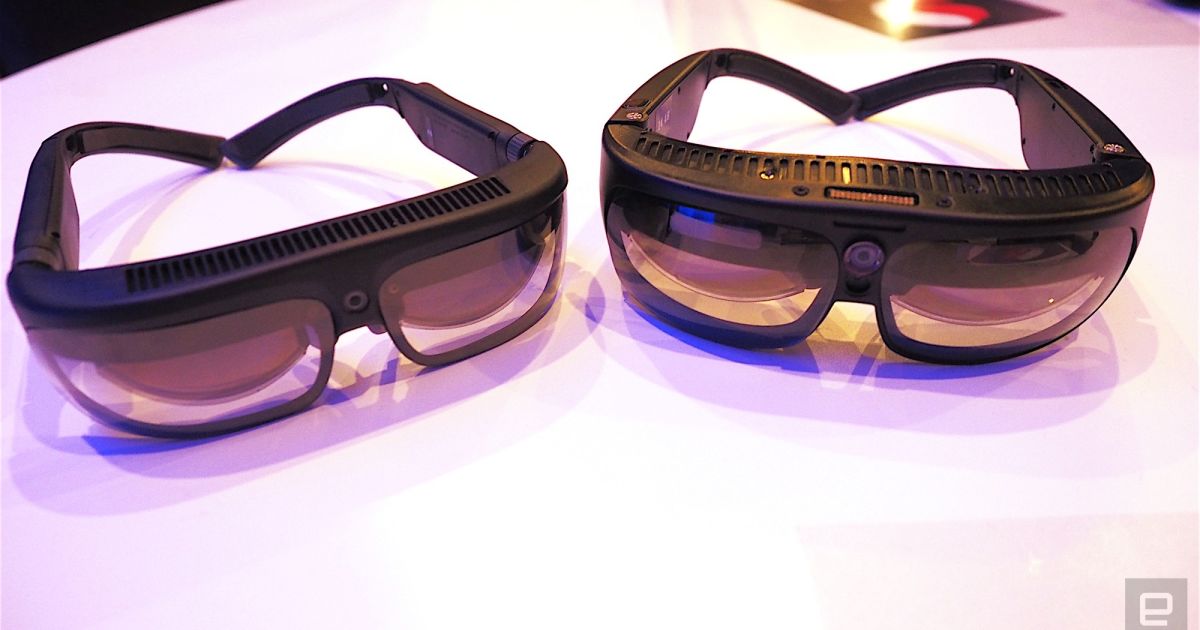
  • Osterhout Design Group (ODG) – a company that potentially help Microsoft develop the HoloLens when they sold 81 patents related to AR and head-worn computers to the software giant for US $150 million in 2014. Have released a family of AR glasses, the R-7 and R-7HL (“hazardous locations”) specifically designed for use across business and industrial applications, providing heads-up information displays and overlays. In 2017, ODG launched the R-8 and R-9 glasses, utilising Qualcomm’s more powerful Snapdragon 835, with R-8 intended to start bridging the gap between “enterprise” and consumer use.
The ODG R-8 and R-9 headsets, launched at CES 2017. Credit: Engadget

There are other examples of AR headset use in business (and entertainment) to be sure, but I hope the above are enough to make the point. Highlighting the use of AR systems in the workplace is important (as it is with VR – see part 1 of this series) because familiarity with them in the workplace could help spur people’s  willingness to bring it into the home as affordable consumer systems start to appear, because: because a) they have experienced it within their workplace and have seen it benefit them; b) the hardware involved is (more-or-less) the “same” as the hardware they are buying (familiarly encourages both trust and experimentation).

Continue reading “Thoughts on VR and AR, part 2: AR, MR and beyond”

Space Sunday: Mars,the Moon and space hotels

It has been some time since my last Mars Science Laboratory (MSL) rover report, so it’s time to play catch up with Curiosity, and take a look at what is happening with Opportunity.

For the last 16 months, Curiosity been engaged is studying “Vera Rubin Ridge”. Originally seen as a measn for the rover to traverse from one area of interest on “Mount Sharp” to another, the ridge became a point of interest itself when the rover imaged a rock formation that could fill a gap in the science team’s knowledge about the mound’s formation.

At the time the rock formation was noticed, engineers had been in the process of trying to overcome a issue with the rover’s drill that had prevented its use for several months. A potential work-around had been tested on Earth, so investigation of the rock formation offered the opportunity to test the updated drilling approach. Curiosity was therefore ordered to reverse course in the hope the tests would be successful and a sample of the rock could be gathered.

While successful, this was actually complicated – the issue with the drill feed mechanism also meant that the usual means of sorting samples post extraction had to be abandoned in favour of a new approach. However, the initial success meant Curiosity could resume drill-based sample gathering and analysis, marking the start of period of exploration around the ridge area – albeit it one interrupted by the 2018 global dust storm. In December 2018, this work concluded with the rover collecting its 19th overall sample on Mars, at a location on the ridge called “Rock Hall”.

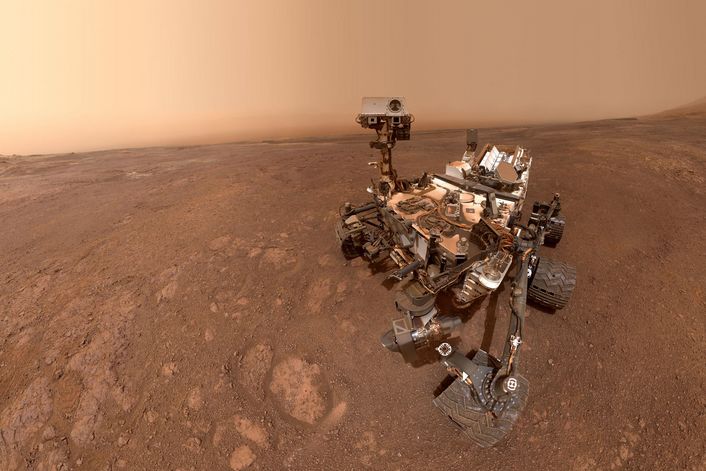
Since then, the rover has been completing its work on the ridge, which included taking a “selfie” on January 15th, comprising 57 individual images taken with the Mars Hand Lens Imager (MAHLI) camera on the end of its robotic arm. At the ed of January, Curiosity said farewell to “Vera Rubin Ridge”, resuming its traverse southward towards the “clay bearing unit” it was originally heading to when it stopped at the ridge in September 2017.

The January 2019 “selfie” taken by Curiosity Sol 2291 at the “Rock Hall” drill site, located on “Vera Rubin Ridge”. Note parts of the robot arm have been removed from the completed image due to the fact it would appear in multiple locations in the completed image. Credit: NASA/JPL / MSSS.

At the same time, the science team for the rover released a paper revealing a new mystery about “Mount Sharp” and showing how instruments aboard the rover were re-purposed to allow it to be made.

As I’ve previously reported, previous studies of “Mount Sharp”- more correctly called Aeolis Mons, the 5 km (3 mi) high mound at the centre of the crater – suggested it was formed over two billions years, the result of repeated flooding of the crater laying down bands of sedimentary deposits, some of which were blown away by wind action, others of which settled. Over the millennia, these layers were sculpted by wind action within the crater, until only the central mound was left.

However, this type of water-induced layering should have resulted in the lower slopes of Mount Sharp being heavily compressed; but measurements of the local gravity environment of the terrain Curiosity has been driving over in its ascent up “Mount Sharp”, indicate the layers of the lower slopes are less dense than thought, meaning it is relatively porous. This indicates they were not buried under successive layers as had been thought, and thus some other process must have given rise to the mound.

The measurements were obtained by re-purposing the accelerometers Curiosity uses as a part of its driving / navigation system. Normally, these are used to determine its location and the direction it is facing with enormous precision. But, through a subtle piece of reprogramming, engineers were able to turn them into a gravimeter, allowing Curiosity to measure local gravity every time it stopped driving, and with massively greater precision than can be achieved from orbit.

An image captured by NASA’s Mars Reconnaissance Orbiter (MRO) overlaid with part of Curiosity’s path, including the Bagnold dunes in Gale Crater and up the slopes of Mount Sharp via the Murray Formation. Credit: NASA/JPL

Given the results tend to dispel the idea that water action was primarily responsible for filling the crater with sediments subsequently added to and shaped by wind action, it’s been proposed that “Mount Sharp” has been formed almost entirely as a result of Aeolian (wind-driven) sedimentation. This would leave the layers forming the mound a lot less dense in comparison to layers laid down and built up as a result of water action and settling.

However, this doesn’t entirely explain why the mount was formed, and further study is required before it can be said with certainty that wind played the core part in building and sculpting “Mount Sharp”. In the meantime, the re-purposing of Curiosity’s accelerometers is another example of the flexibility found within NASA’s robot explorers, as Ashwin Vasavada, Curiosity’s project scientist, noted in response to the new information.

There are still many questions about how Mount Sharp developed, but this paper adds an important piece to the puzzle. I’m thrilled that creative scientists and engineers are still finding innovative ways to make new scientific discoveries with the rover.

– Ashwin Vasavada, Curiosity’s project scientist.

New Plan to Contact Opportunity

It is now seven months since communications with NASA’s other operational Mars rover, Opportunity, was lost as a result of the planet girdling dust storm that ran from late May until around the end of July 2018, and which forced the rover to go into a power saving safe mode as there were insufficient sunlight for its solar cells to recharge its batteries.

In late August, ith the skies over Opportunity clearing of dust, NASA initiated an attempt to nudge “Oppy” into trying to resume contact with mission control using what is called the “sweep and beep” method. This involved sending a series of wake up commands throughout the day, then listening for the “beep” signal that would indicated “Oppy” had received the signal and was once again awaiting commands, allowing attempts at recovery to commence.  Unfortunately, this has not been the case.

NASA’s MER rover Opportunity (MER-B) arrived on Mars in January 2004. Contact was lost in June 2018 as a result of a major dust storm on the planet. Since August 2018, attempts to re-establish communications with the rover have been unsuccessful. Credit: NASA/JPL

Originally, it had been intended that if no response was received in  45-day period, NASA would switch to a purely passive means of listening out for “Oppy” in the hope the rover might send a message. But on January 25th, 2019, the space agency indicated they would be taking a different tack.

The new approach means that the “sweep and beep” approach will be continued, but slightly differently. In order to account for the possibility that Opportunity has both and off-kilter clock and both of its primary X-band communications systems, the outward commands designed to nudge a simple “beep” response from the rover will be replace by a command for it to switch away from using its primary communications system(s) to it secondary, the hope being that it would allow the rover to respond, and enable a more detail assessment of Opportunity’s condition to be made.

This effort is expected to continue for “several weeks” before NASA will again reassess the likelihood of re-establishing contact with the rover. However, a new threat is in the offing for Opportunity as winter starts to settle in the hemisphere where it is operating; if its solar panels are not working efficiently, the exceptionally low winter temperatures could damage it beyond recovery.

Continue reading “Space Sunday: Mars,the Moon and space hotels”