High Fidelity changes direction: the reality of VR worlds today (& tomorrow?)

Philip Rosedale, High Fidelity founder and CEO (centre left) addresses the weekly General Assembly meeting in High Fidelity, Friday, April 5th, 2019. Credit: High Fidelity

On Friday, April 5th, Philip Rosedale stunned attendees at High Fildelity’s weekly General Assembly meeting (see the video here and embedded at the end of the article), when he announced that the company would no longer be sitting within the content creation / public space provisioning area with its platform, and that forthwith all public spaces hosted by the company, together with the large-scale events they have been hosting would cease as the company switches tracks to focus sole on software / platform development.

The news was greeted with a sense of shock by High Fidelity users, and the company certainly moved very quickly to follow through on the announcement, shutting down all of the public spaces it has hosted, included social spaces and their flagship Avatar Island, which opened just over a year ago as a means of showcase virtual commerce, shopping and the power of the platform’s micro payments capabilities (see Commerce in High Fidelity, this blog, February 2018).

One of the driving forces behind the decision is that High Fidelity is currently unable to gain major traction – and this despite major pushes to do so with some large-scale events pushed out to the media for promotion, and the former monthly stress tests of the system, trying to push concurrency rates up to determine just how well High Fidelity domains can handle multiple hundreds of avatars. Which is not to say all events are coming to an end: the platform’s popular bingo sessions are set to continue and – taking a leaf from Sansar’s book – High Fidelity is promoting coverage of the first operational launch of the SpaceX Falcon Heavy rocket with an in-world event on Thursday, April 11th.

High Fidelity have, until now, straddled themselves across the software development, content creation and event hosting environments in both trying to generate an audience for their platform and develop the platform itself. Going forward, they plan to focus solely on the latter

However, moving away from large-scale event hosting and hosting domains and environments to try to encourage user growth and instead turning to users and (I assume) suitable partners for audience-generating content, means the company will no longer be pulling against itself trying to both develop the software and platform and provide engaging content and events intended to acquire an audience and encourage their retention.

Which, when you think about it, is pretty much what Linden Lab have, for the most part, been trying to do with Sansar. While the company have provided various social spaces, for the most part they have left content development to users, or have facilitated content creation on behalf of partner organisations (Intel, HTC, the Smithsonian, OpTic Gaming, Roddenberry Entertainment to name a handful) through Sansar Studios – and it has recently been indicated that we’ll be seeing more of this in the future.

One potential benefit of the move for High Fidelity domain creators is the move will hopefully spur more interest in their environments, as Rosedale noted:

By shutting down our public servers, I actually make the prediction that there will be… more people concurrent across the servers that you guys run than us. So I’m not saying that we’re giving up on the servers, I’m saying that I want you to run them.

– Philip Rosedale, April 5th, 2019

Another aspect of the decision is the slow growth of VR in the broader public marketplace. In this, High Fidelity is possibly more vulnerable than other platforms, in that while it has a Desktop option, it has largely marketed itself as “the” VR virtual spaces company. All of their major event activities; for example, the monthly One Billion in VR events, the FutVRe Lands festival, etc. (bold emphasis my own), have all been VR-centric in their titles, potentially spurring a feeling among a broader audience that High Fidelity isn’t for them due to the lack of any personal HMD.

One of the factors influence High Fidelity’s decision is the slow take-up of consumer VR

Which is not so say others platform built to try to ride the wave of VR don’t also face issues building an audience. For example, much is made of the “success” of VRChat (which can be played both in VR and via desktop), yet the fact is, its average and peak hourly concurrency is only roughly one tenth that of Second Life. But, having said that, the take up is likely to come in time. In fact, as I’ve noted in other articles on VR, right now there are clear niche markets / environments where VR can have a significant impact  – if someone can leverage them correctly: education; training / simulation; architecture / design / prototyping; healthcare; visualisation and computer modelling, etc. And in the future, as VR / AR (or more particularly MR / XR)  do start to gain a broader consumer audience traction, then opportunities for broader virtual environments will arise.

There is perhaps a broader take-way from the High Fidelity announcement: and that is, companies like High Fidelity, Linden Lab, Altspace VR, etc, are likely to face something of an uphill battle to gain an audience for their emerging platforms, even when VR does gain a firmer consumer foothold.

This is not Second Life in 2004. Second Life actually took off like a rocket, once it got working. Even though it had tons and tons of problems… but it took off like an absolute rocket. And the reason that it did, I think, was that this experience of bringing a lot of people together and letting them build things together live, well, in the time frame when we built Second Life, it had never, ever been seen by anyone …

The problem we have today is that that’s just not true. The internet affords us many, many, many, many different ways to be together as people, for example, or just to chat. And so one of the things we are up against here is that there is not as much of a genesis moment … Coming on-line you just don’t have the kind of meme in the sense of a grand or cultural meme kind of written out there like Second Life did. That doesn’t mean that we’re not going to make it. It simply means that we have to be more clever and the strategy that we use to get people in here has to be somewhat different.

– Philip Rosedale, April 5th, 2019

In other words, Second Life has been successful because, at the time of its birth and in the years of its initial growth, it was largely unique on all fronts in the way it captured people’s imaginations*, and its broadness of scope and its ability to embrace people’s imaginations and desires meant it could gather an audience to its shores long before anything came along to seriously challenge it.

This is no longer the case. Today, the digital realms we have at our fingertips are limitless, be they for gaming, socialising, sharing, entire virtual environments, and so on. Whatever we might be seeking, the chances are there is already something there to sate appetites. Even creators can build and mod for a range of games and environments and – through the likes of Unity and Unreal and so on – build environments, all without necessarily getting too hung up on arcane tools built-in to platforms.

Thus, and even if / when VR does become far more consumer mainstream, any attempt to build a world-girdling, audience-rich metaverse is going to face something of a challenge without a significant fiscal weight behind it. Not just in terms of developing the technology, but also into the marketing and PR and – most importantly – the licensing of content. To put this last point another way: were OASIS real, would all the models, characters, and so on from major franchises / brands seen within it really be user-built, or would they more likely be the result of hefty licensing deals that brings the content to the platform whilst protecting the rights (and royalties) of the licensors?

But this is looking further down the road. Right now, High Fidelity’s decision is worth marking; how much of a wider impact it has is a matter yet to be seen.

* Revised, from the original after Will Burns correctly reminded me Active Worlds predated SL.
Space Sunday: Starliners, Martian “eclipses” and dates

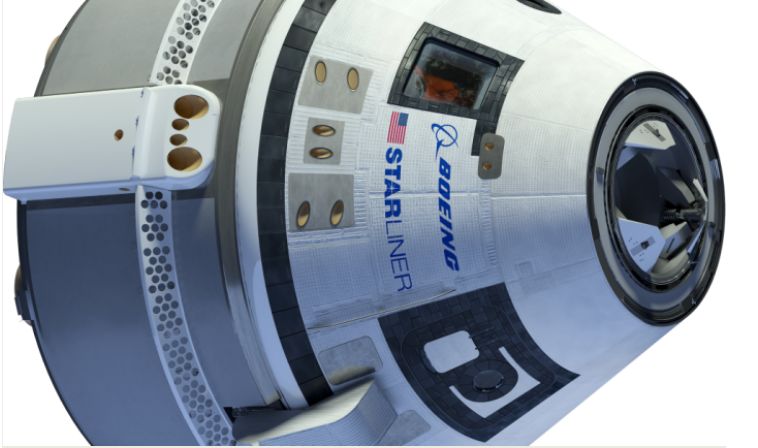
The CST-100 Starliner: further delays, with the crewed test flight potentially being extended into an “operational” flight – something NASA discussed with Boeing in 2016. Credit: NASA / Boeing

Boeing has opted to delay the first launch of its CST-100 Starliner, designed to fly crews to and from the International Space Station. The uncrewed launch, referred to as the Orbital Flight Test, has been pushed back from April to August 2019, with the company citing a tight schedule and conflicts with another launch – that of the Advanced Extremely High Frequency (AEHF) 5 military communications satellite due in June 2019 – as the reasons for the delay.

The “tight schedule” meant that the launch would likely slip into May – but the AEHF-5 launch would mean that the Starliner would only have a 2-day launch window before its own Atlas 5 booster would have to be removed from the launch complex in order to make way for the classified military launch.

Our Starliner team continues to press toward a launch readiness date later this spring,” the company said, which also included the completion of a final set of testing milestones. In order to avoid unnecessary schedule pressure, not interfere with a critical national security payload, and allow appropriate schedule margin to ensure the Boeing, United Launch Alliance and NASA teams are able to perform a successful first launch of Starliner, we made the most responsible decision available to us and will be ready for the next launch pad availability in August.

– Boeing statement

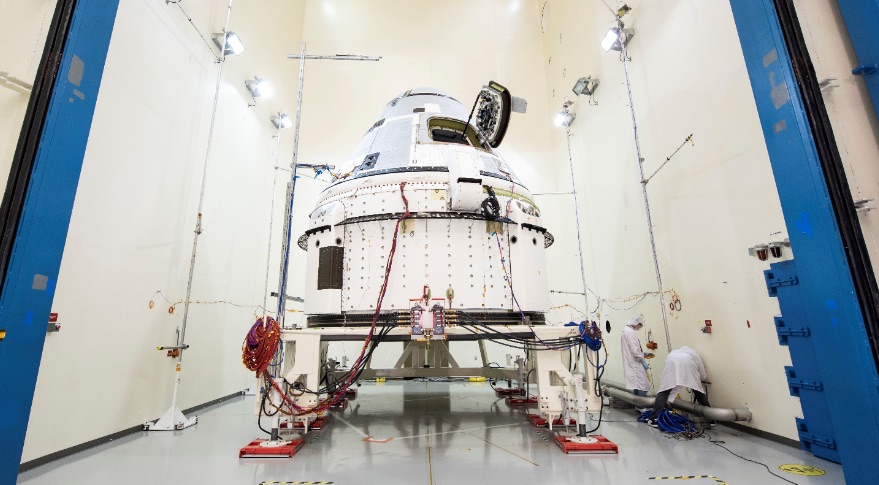
The CST-100 due to make the first crewed flight, at Boeing’s CST-100 processing facility. Credit: Boeing

The delay means that the second test flight of the vehicle, due to fly a crew of two NASA astronauts, Nicole Mann and Mike Fincke, together with Boeing test pilot Chris Ferguson, to the International Space Station, will also be delayed. That flight had been due to take place no earlier than August, but Boeing now state it will take place “later in the year”, with industry experts suggesting it will not proceed any earlier than November 2019.

Following the announcement, NASA indicated that the crewed flight for Starliner will include an extended stay at the International Space Station, lasting several months (the extract length of the stay still to be determined). This extension will effectively allow NASA to turn the mission from a test flight into a crew rotation mission – an idea that had been first mooted in 2016. All three of the crew have been training for ISS operations, and the move could offset the need for an extended use of Soyuz vehicles. As it is, in February, 2019, NASA issued a procurement notice to purchase two additional Soyuz seats from the Russian state space corporation Roscosmos, seats that the Russians didn’t plan to use for their own cosmonauts in order to help ease potential problems were either SpaceX or Boeing to encounter programme issues with their respective vehicles, the Crew Dragon and the CST-100.

While we have already made substantial progress this year, this shift gives us the time to continue building a safe, quality spacecraft capable of carrying crews over and over again after a successful uncrewed test, without adding unnecessary schedule pressure.

– John Mulholland, VP and Program Manager, Boeing CST-100 programme

Mars: of “Eclipses”, and Evidence of Ancient Life?

In March 2019, NASA’s Mars Science Laboratory rover Curiosity was able to record a “double eclipse” as the two Martian moons, Phobos and Deimos passed between the rover and the Sun; although while the media referred to them as “eclipses”, such is the size differential between the tiny moons and the Sun, they are technically transits.

The first transit took place on March 17th when Deimos, the more distant of Mars’ two captured moons, passed across the face of the Sun, its passage recorded by Curiosity’s Mastcam. The second event took place on Mars 26th, when the much larger – and closer – Phobos (11.5 km across) passed in front of the Sun, again filmed by Curiosity’s Mastcam. This event was the more dramatic of the two, not only because of the larger apparent size of Phobos, but because the Moon actually cast a visible shadow, which was captured by the rover’s navigation cameras. Images of all of the events were subsequently strung together to make a short video (below).

However, movie making isn’t the primary objective in observing the transits. Each set of these types of observations – which have also been made by the now-defunct Mars Exploration Rovers, help scientists further refine each moon’s orbit of Mars. When observations of Deimos commenced from the surface of Mars, for example, estimates for where it should be were about 40 km off.

According to NASA, scientists are in agreement present-day Mars is without life. However, whether there might once have been life there is open to debate, and a team from Hungary believe they have found organic material embedded in a Martian meteorite found here on Earth in the late 1970s.

Officially named ALH-77005, the Martian meteorite was found in the Antarctica’s Allan Hills during the Japanese National Institute of Polar Research mission of 1977 / 78. If the reference “ALH” and “Allan Hills” sounds familiar, it might be due to a furore that occurred around another Martian meteorite fragment in the late 1990s.

ALH-84001 caused a lot of controversy – not helped by the media – in the late 1990s

That fragment – ALH-84001, found in Allan Hills in 1984 – is one of the oldest fragments of Mars rock to have fallen to Earth, being dated at 4 billion years of age. When studying the fragment, a US team thought it might contain evidence for microscopic fossils of Martian bacteria within it.

From the start, the claims were considered controversial – although the way the White House and the media over-reacted at the time didn’t help. However, extensive and international study of shavings from the fragment revealed that all of the unusual features discovered within the meteorite could be explained without requiring the intervention of microbial life, and the wider scientific community rejected the hypothesis that the fragment offered evidence of past life. Nevertheless, the events surrounding ALH-84001 pushed the science of astrobiology firmly into thee public domain.

In their report on ALH-77005, Hungarian scientists Ildiko Gyollai, Marta Polgari and Szaniszlo Berczi state they have been able to determine the presence of mineralised organic matter within the rock, such as different forms of bacteria within the meteorite, suggesting that life could once have existed on the Red Planet.

Our work is important to a broad audience because it integrates planetary, earth, biological, chemical, and environmental sciences and will be of interest to many researchers in those fields. The research will also be of interest to planetologists, experts of meteorite and astrobiology as well as researchers of the origin of life, and to the general public since it offers an example of a novel aspect of microbial mediation in stone meteorites.

– Ildiko Gyollai from HAS Research Centre for Astronomy and Earth Sciences in Budapest

While the work will require independent study and review, and the lessons of ALH-84001 could result in some remaining sceptical of the Hungarians’ findings. Nevertheless, there report could change the examination of meteorites in the future. In light of their discovery, the authors posit that solar system materials should be studied to establish whether there is evidence of microbial forms within space rocks as well.

Continue reading “Space Sunday: Starliners, Martian “eclipses” and dates”

Space Sunday: rockets, planets and Martian helicopters

The Trump Administration has ordered NASA to achieve a human return to the Moon by 2024

After US space agency NASA indicated their schedule for the new Space Launch System (SLS) rocket is to undergo revision, with launches liable to be pushed back, the White House has stepped in with an apparent contradiction: NASA is to accelerate plans to return humans to the Moon, achieving the goal no later than 2024 –  a target that requires a fully operational SLS.

The order came via an address by Vice President Mike Pence at a meeting of the National Space Council on March 26th in Huntsville, Alabama. He couched the order in terms of addressing rising concerns about delays to SLS and the “threat” of international competition. However, alternative views are that the demand is more about the Trump administration trying to achieve a Kennedy-like legacy before any possible second term for the administration has expired.

Following the address, NASA Administrator James Bridenstine backpedalled away from statement made two weeks previously, in which he indicated that NASA would look at options for initial flights of the completed Orion capsule and its European-built Service Module using commercial launch vehicles, rather than relying on the SLS, to allow more time for troublesome elements of that vehicle to be completed. Instead, NASA will now attempt to focus on getting the SLS up and running for the initial Exploration Mission flights, themselves seen as necessary precursors to a Moon landing.

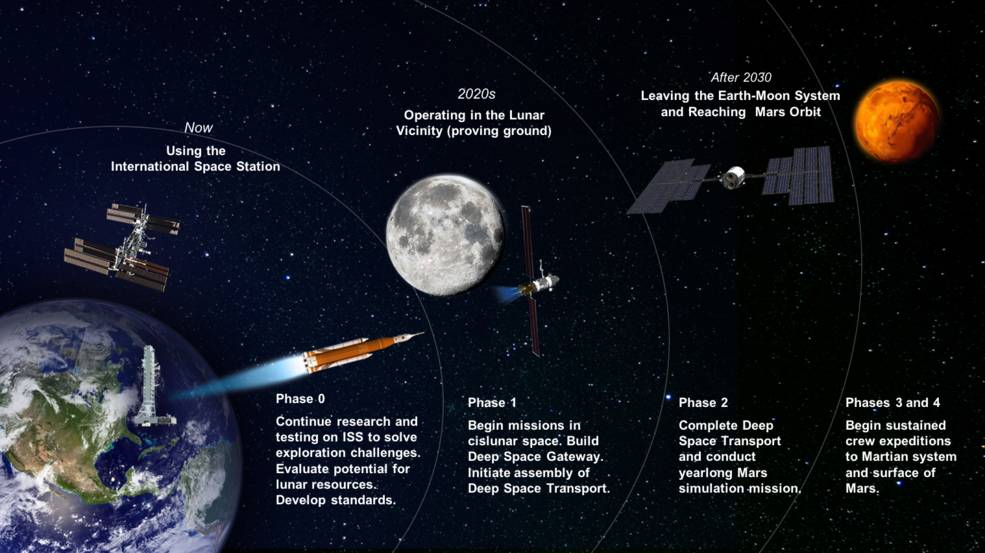
NASA’s plans for the human exploration of the Moon and Mars rely on the SLS – but the plans themselves have always been woolly. The White House is seeking to give aggressive focus to the lunar element – perhaps to aggressive. Credit: NASA

As I’ve noted in recent Space Sunday reports, there are some significant issues around the SLS core stage and its advanced Exploration Upper Stage (EUS) that has been seen as crucial to lunar operations. The issues with the latter were such that Brindenstine had indicated it would be placed on hold, and NASA would utilise the less powerful Interim Cryogenic Propulsion Stage (ICPS) at the rocket’s upper stage. Following Pence’s announcement, the NASA Adminstrator confirmed the emphasis would be back on getting the EUS completed, and a 45-day study has been initiated to determine how development of the rocket’s core stage might be accelerated.

One of the ideas for the latter that is being floated is to cut a “green run” test of the first completed core stage main engines at full power for 8 minutes, which would require the completed stage being shipped from the Michoud Assembly Facility, Louisiana, to the Stennis Space Centre, Mississippi, and instead deliver the completed  stage directly to Kennedy Space Centre for integration with the rest of the vehicle for its first launch. This would cut several months from the launch schedule, but also leave the stage untested.

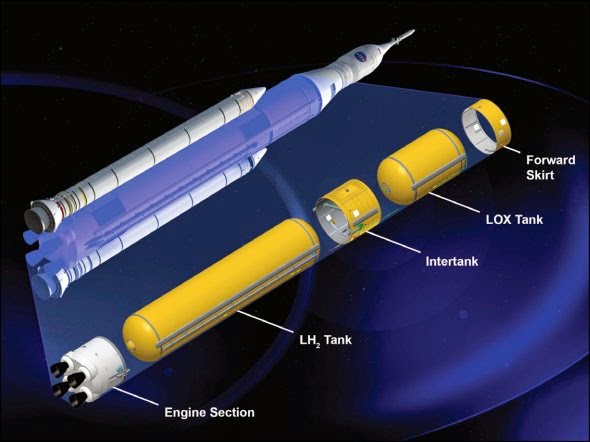
The massive core stage of the SLS is a massively complex undertaking, and somewhat behind schedule. Credit: NASA

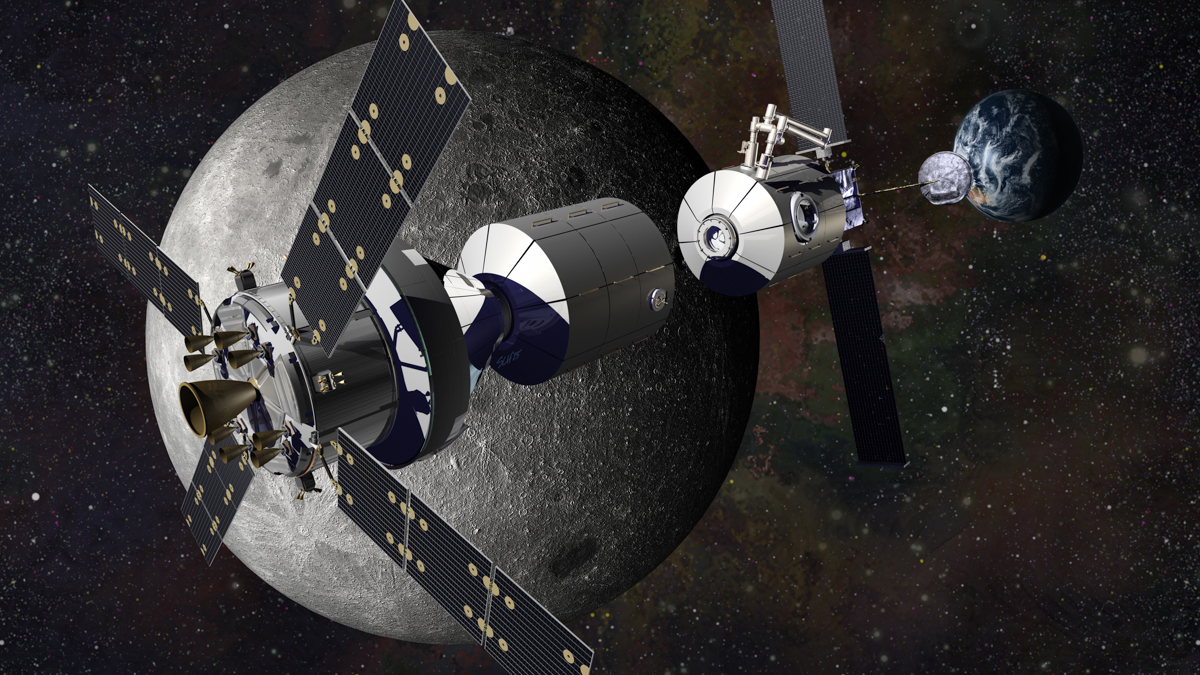
Bur even with such cuts, the 2024 goal is regarded as a “very aggressive goal”. To achieve it, NASA will not only have to accelerate work on the first SLS vehicle, they will need an increase in funding across multiple related projects. For example, following the first two EM launches, NASA would need to gear-up to two SLS launches a year in order to lay the groundwork for a lunar landing – including placing the initial elements of the Lunar Gateway in orbit around the Moon. This alone requires the building of a second mobile launch platform (yet to be funded by Congress).

Another issue is what will happen to the robotic precursor missions seen as stepping-stones towards a human mission. Currently, it is unlikely any of these will be ready to fly before 2021 – and no formal contracts have been awarded to the nine companies competing to fly them. Then there is the not insignificant question about the development and testing of the actual lunar lander vehicle. As such, while some organisations have responded enthusiastically to Pence’s announcement, others have sounded more cautionary notes.

Though we support the focus of this White House on deep space exploration and the sense of urgency instilled by aggressive timelines and goals, we also are cognizant of the resources that will be required to meet these objectives. Bold plans must be matched by bold resources made available in a consistent manner in order to assure successful execution.

– The Coalition for Deep Space Exploration

In order to meet a 2024 goal, many programmes would have to be accelerated: SLS, the Lunar Gateway, the development of a lunar lander, etc. Credit: NASA

Even some in NASA have voiced very public misgivings against the acceleration of goals given the overall state of the SLS and supporting programmes.

Do you want to kill astronauts? Because this is how you kill astronauts. There’s no reason to accelerate going to the Moon by four years. It’s ridiculous. 

– Holly Griffith Orion Vehicle Systems Engineer, speaking to AFP.

Certainly, if NASA is to meet a 2024 target date, it will need something of an increase in funding – and this is where Pence’s words fall flat: For 2020, the Trump Administration is seeking to decrease NASA’s budget by half a billion dollars compared to 2019 actual budget – and actually seek to decrease spending on SLS by 17.4% compared to 2019.

WFIRST on the Chopping Block. Again

Another programme hit by the Trump 2020 NASA budget proposal is the astrophysics flagship mission, the Wide Field Infrared Survey Telescope (WFIRST).

WFIRST’s layout and instruments. Credit: NASA

As I’ve previously noted in these updates, the Trump Administration tried to cancel WFIRST in their 2019 budget proposal, citing in part its expense – this despite the mission being one of the most cost-effective on NASA’s books, given it is able to use a lot of parts developed as back-ups to the Hubble Space Telescope – including the 2.4 metre diameter primary mirror.

A second reason for the 2019 cancellation – which was prevented by Congress – was a claim that WFIRST “duplicated” work to be undertaken by the James Webb Space Telescope (JWST), and other aspects of the WFIRST mission could be achieved via “cheaper” means. In actual fact, WFIRST and JWST are able to mutually support one another’s mission, rather than duplicating mission elements. Nevertheless, it is the ongoing delays with JWST which are now being pointed to as the reason to de-fund WFIRST, the argument being that until JWST is launched, WFIRST isn’t a priority.

NASA Administrator Brindenstine has suggested WFIRST’s funding could be brought back up to speed once JWST has been deployed. The problem here is that once a project has been de-funded, it can be very difficult to revive, as doing so tend to foreshorten desired time frames in order to get a mission launched, resulting in much larger additional costs than might have been the case had funding been allowed to continue through the intervening years. Further, 2020 is a crucial year from WFIRST: a design review for the overall mission is scheduled for October, and is due to be followed by what is called “Key Decision Point C”, and formal mission confirmation. Without funding, these milestones cannot be reached, potentially leaving the project in an uncomfortable limbo.

Continue reading “Space Sunday: rockets, planets and Martian helicopters”

Space Sunday: meteors and motors

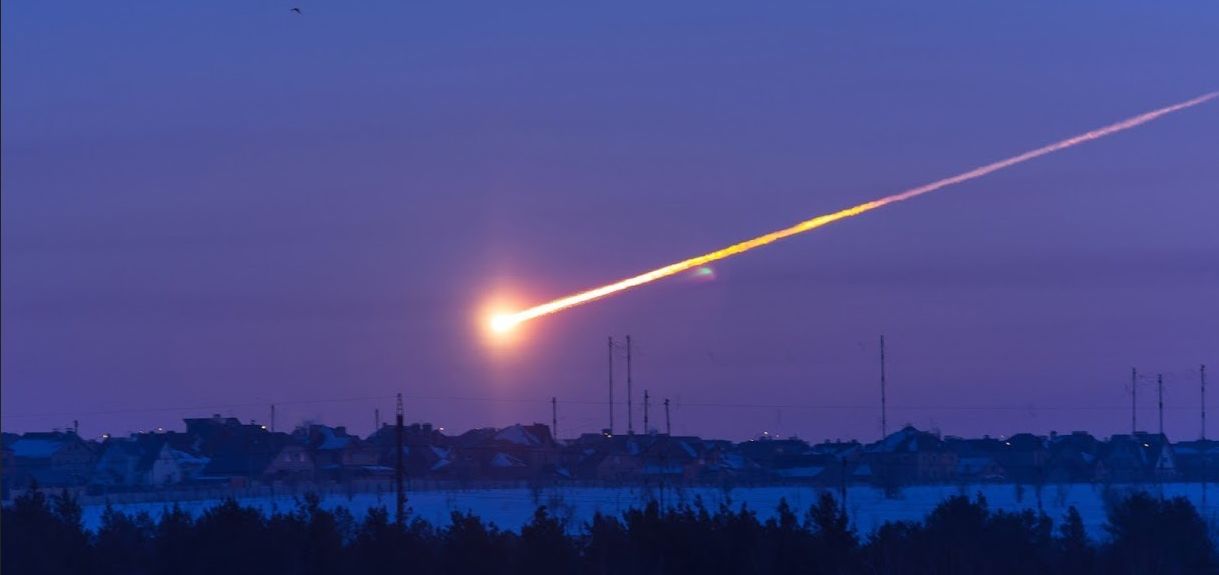
The 2013 Chelyabinsk meteor

A meteor is the fiery phenomenon resulting from an asteroid or other celestial body entering the Earth’s atmosphere. Often called a shooting star, if it does not fully vaporise and a part of it hits the Earth’s surface, it is called a meteorite.

On December 18th, 2018, a meteor roughly the size of a school bus blew apart under the pressures of entry into the Earth’s atmosphere 26 km (16 miles) above the Bering Sea. The explosion released some 173 kilotons of energy – about ten times more that released by the bomb dropped on Hiroshima in 1945. It is the second largest meteor explosion recorded since NASA started officially tracking them 30 years ago, after the 2013 Chelyabinsk explosion in Russia.

And no-one actually saw the meteor until after it had blown itself apart. In fact, no-one was aware of what had happened until three months later.

It was on March 8th, 2019 that the meteor’s arrival was noted by human eyes. Peter Brown, a meteor scientist at the Physics and Astronomy department of the University of Western Ontario, was reviewing data from the system used by the Comprehensive Test Ban Treaty Organization to detect atmospheric explosions caused by nuclear tests. This system is comprised of seismic and acoustic sensors capable of picking up infrasound, inaudible to the human ear, at a distance of tens of thousands of miles.

Brown noticed that many of the system’s sensors detected the sound waves from an explosion originating over the Bering Sea, and he calculated that had anyone been below it, the sound would have been deafening. He reported his findings to the United States Air Force, and a review of logs from their spy satellites revealed the passage of the meteor had been noted. A further check with NASA revealed their database of atmospheric impacts has logged the event, which was then officially announced.

This prompted a race to verify, and Simon Proud, a meteorologist and specialist in satellite data at Oxford University in the UK, decided to check the archive of images collected by a Japanese weather satellite that sends data to his department. He found that the satellite, Himawari, had indeed visually recorded the event. And it was not alone.

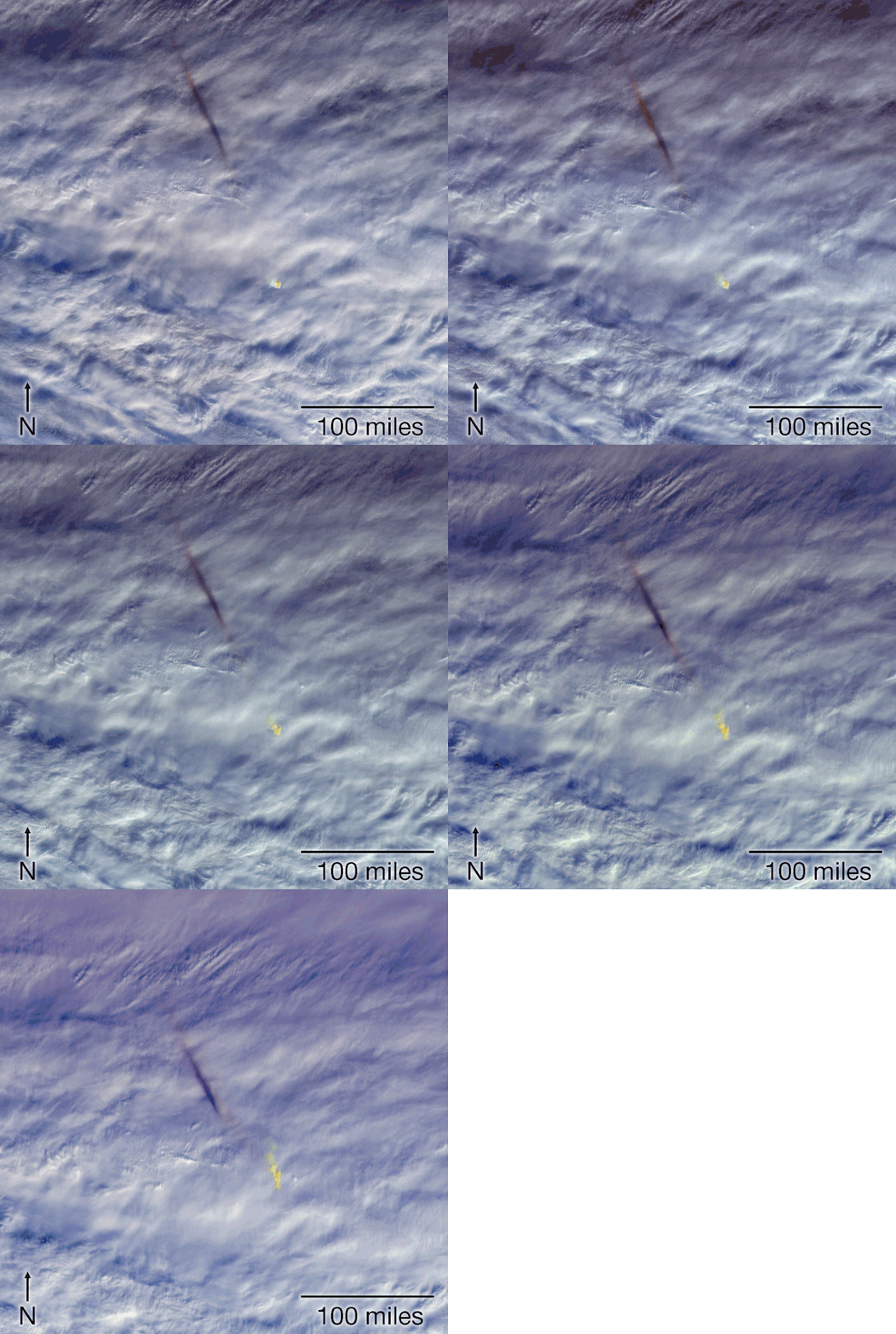
NASA’s Earth-observing Terra satellite also spotted the meteor with two different instruments — the Multi-angle Imaging SpectroRadiometer (MISR) and the Moderate Resolution Imaging SpectroRadiometer (MODIS). MISR team members combined some of their imagery into an animated GIF, which NASA released Friday, March 22nd.

An animated GIF of views from the Multi-angle Imaging SpectroRadiometer instrument on NASA’s Terra satellite, taken a few minutes after a fireball exploded over the Bering Sea on December 18th, 2018. Credit: NASA/GSFC/JPL / MISR Team

It is estimated that the meteor was some 10 metres (33 ft) across, and has a mass of around 1,360 metric tons. It probably entered the denser atmosphere at a speed of 115,200 km/h (71,600 mph). By comparison, the 2013 Chelyabinsk asteroid was about 20 m (65 ft) across, massed about 10,000 tonnes, and generated 440 kilotons of energy when it exploded. Even so, that event is dwarfed by the 1908 Tunguska event, which generated a force of 10-15 megatons (roughly 85 times greater than the December 18th, 2018 explosion), flattening 2,000 square km (800 sq mi) of forest through its air blast.

So why wasn’t the December meteor seen? Well, firstly, because it entered the Earth’s atmosphere above a very remote place in the world; simply put, there weren’t that many people under its path to see it. But more to the point, there is an awful lot of rocky debris in space; as I noted in my previous Space Sunday report, Earth shares its orbit around the Sun with a great cloud of dust and rock, and more is constantly falling in towards the Sun from further out in the solar system. As such, meteors are actually a common event – not that it makes them any the less dangerous.

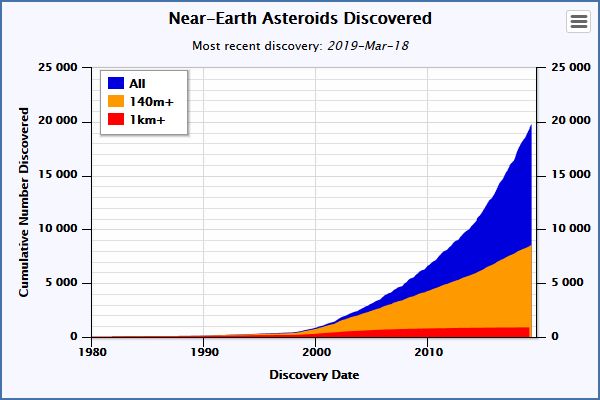
CENOS track of NEOs recorded over the last 30 years

Many of these lumps of rock and ice – as with the December 18th, 2018 rock – are simply too small to be easily located and tracked. Others, like the Chelyabinsk meteor, are occupying orbits that effectively mean they are hidden by the glare of the Sun, and remain unseen until the enter the atmosphere. Nevertheless, over the last 30 years, NASA’s Centre for Near Earth Object Studies CENOS has located and tracks some 20,000 near-Earth objects (NEOs) some of which may at some point come close enough to the Earth to enter the atmosphere, around 50% of them are between 140m and 1 km in size – large enough to pose a serious threat.

While none are as big as the one that struck Chicxulub, Mexico, 65 million years ago and brought about the extinction of the dinosaurs, those at the upper end of the scale could still result in serious loss of life were one to explode over a populated area. So tracking NEOs helps to reduce that risk by producing us with the advance warning needed to evacuate areas – or even to develop a plan to deflect the incoming object – something missions to asteroids like Ryugu and Bennu may also help us to achieve by teaching us more about the nature of asteroids.

Keeping with meteor impacts, roughly 12,800 years ago Earth went through a brief cold snap unrelated to any ice age. Geologists have, for decades, argued for and against the idea it was caused by a meteor airburst or impact, referred to as the Younger Dryas Impact Theory, which also caused the final demise of the Clovis culture in North America.

Now an international team of scientists believe they have found geological evidence in South America that could settle the debate. Led by Chilean palaeontologist Mario Pino, the team has discovered a large, young impact crater in the Osorno province in southern Chile, close to the tip of the continent. Analysis of the impact site suggest it was created around 13,000-12,800 years ago – a time coincident to the Younger Dryas Boundary (YDB), which marks the time of the Younger Dryas Impact Theory, when there were numerous impact events across the northern hemisphere.

However, it is the size of the crater that suggests it may have played a significant role in the climate change that occurred in this period, causing widespread destruction, characterised by enormous biomass burning – around 10% of the Earth’s land surface, megafaunal extinctions and global cooling. Minerals found in the region are consistent with rapid temperature changes, further indicating the impact and the fires that followed it did indeed have a catastrophic impact on the global climate at the time.

Continue reading “Space Sunday: meteors and motors”

Space Sunday: dust, rockets, landers and a last image

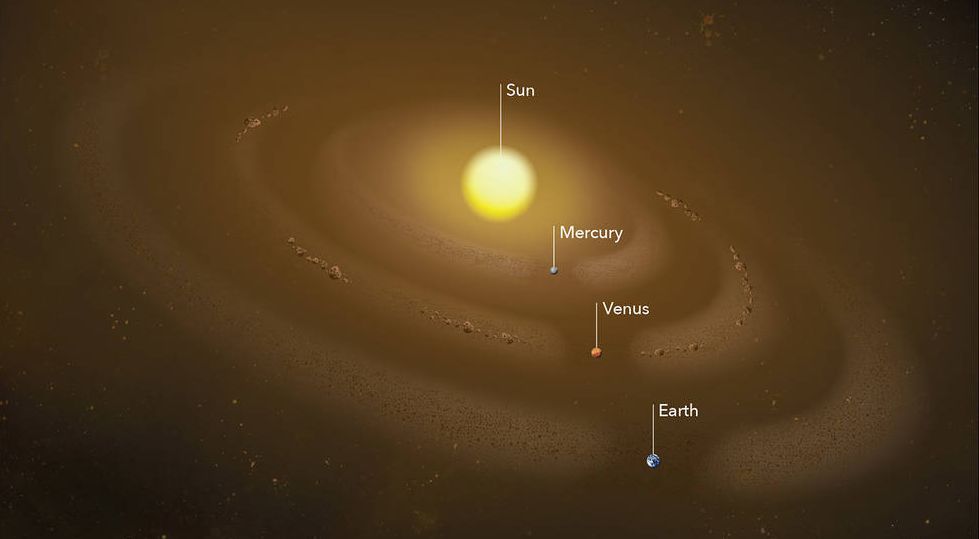
An illustration of the dust rings near the inner planets, circling the Sun. Credit:
NASA’s Goddard Space Flight Centre / Mary Pat Hrybyk-Keith

We tend to think of the Earth orbiting around the Sun along a path largely free from debris. However, this is not strictly true. Twenty-five years ago, scientists discovered that Earth orbits the Sun along with a giant ring of dust which appears to have originated within the asteroid belt that lies between Mars and Jupiter. This belt is made up of millions of rocks of all sizes, many of which over the millennia crash into one another and grind together, producing a lot of dust. This gradually falls towards the Sun as a result of gravity – but along the way, some of it is influenced by the Earth’s gravity, becoming trapped along and either side of the Earth’s orbit, forming a ring.

Observations of Mars by NASA’s Maven orbiter have also given indications that the Red Planet could have a ring – or at least, a proto-ring – occupying its orbit, while 10 years ago, astronomers discovered a ring straddling the orbit of Venus. Now a new study reveals little Mercury has a ring of dust lying along its orbit – although by rights, it shouldn’t.

Mercury’s ring was discovered entirely by accident – ironically, those responsible for its discovery, Guillermo Stenberg and Russell Howard of Naval Research Centre in Washington, DC, were attempting to find a dust-free region that is thought to surround the Sun, created by solar energy radiating outwards from our star. The idea being that determining the size of this dust-free region would both reveal more about the nature of the Sun and the evolution of the solar system. But instead of locating this area of “empty” space, the astronomers discovered the ring sharing Mercury’s orbit.

People thought that Mercury, unlike Earth or Venus, is too small and too close to the Sun to capture a dust ring. They expected that the solar wind and magnetic forces from the Sun would blow any excess dust at Mercury’s orbit away.

– Astronomer Guillermo Stenberg

The two scientists worked with images from NASA’s STEREO solar observatory. This pair of satellites  follow highly elliptical geocentric orbits. Over time, one of them pulls farther ahead of Earth while the other falls further behind. This means that together they provide stereo images of the Sun. In studying the images from the satellites, Stenberg and Howard noticed an area of enhanced brightness along Mercury’s orbit, indicative of a dust ring being present.

The question is – how did it form? There’s no answer to this yet; as Stenberg notes, the ring shouldn’t be there, and the lesson of Venus has revealed that it’s better not to assume common factors in the formation of these rings.

This is because initially, it was assumed the ring around Venus was the result of the same gravitational forces that have created the dust ring along Earth’s orbit. However, when astrophysicists Petr Pokorny and Mark Kuchner from NASA’s Goddard Space Flight Centre attempted to use extensive computer modelling to try to reproduce a dust ring matching the one in Venus’ orbit, they were unable to do so.

As a result, the two started researching and modelling possible explanations, and in a paper published on March 12th, 2019, the two suggest that the Venusian ring is the result of a previously undiscovered group of asteroids occupying the same orbit as Venus with a 1:1 resonance (that is, they complete one orbit of the Sun for every orbit Venus makes). Further, their research suggests that the group of asteroids are the remnants of a much larger asteroid ring that existed when the solar system was born.

The asteroid themselves have yet to be located – no easy task, assuming they do exist, as the Venusian dust ring is 25.5 million km (16 million mi) deep, and  9.6 million km (6 million mi) across, and bright enough to hide larger objects within it. However, if the asteroid are discovered, they would not only confirm the theory about how the dust ring around Venus’ orbit formed, but also hold clues to how the solar system formed.

Further SLS Changes

In my previous Space Sunday report, I covered the announcement by NASA that suggested  the Space Launch System rocket might have its initial launch delayed. Now it seems the system is to undergo further changes to both its initial flights and its future development.

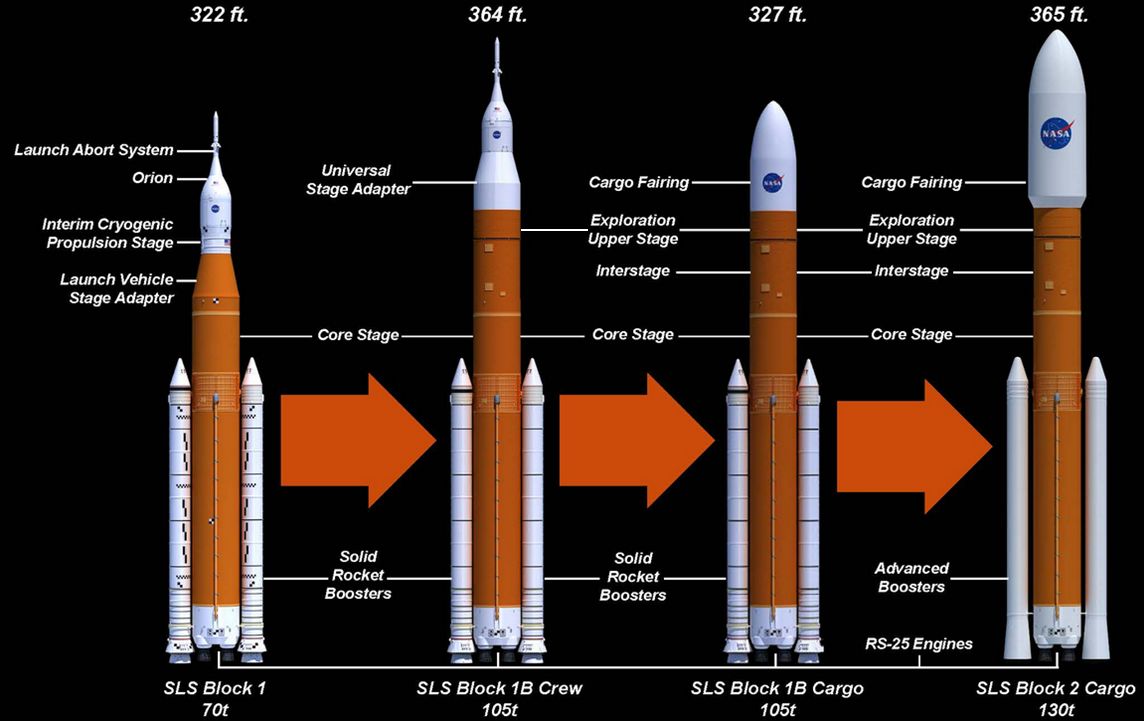
Planned SLS development: under the White House 2020 budget request, the Exploration Upper Stage (EUS) planned for the Block 1B variants is to be deferred. Credit: NASA

As it was originally planned, the SLS was to have been initially launched in its Block 1 configuration. This would see the vehicle use what is called the Interim Cryogenic Propulsion Stage (ICPS) as its upper stage. After that, launches would switch over to using the Block 1B version, intended to use a more powerful upper stage called the Exploration Upper Stage (EUS), being built by Boeing Aerospace.

Given issues with the development of the EUS, in late 2018 NASA announced the first two SLS launches, referred to as EM-1 and EM-2, and designed to send a Orion vehicle on a month-long trip around the Moon, the first uncrewed, the second crewed, will utilise the Block 1 version of the rocket, with flights thereafter shifting to the Block 1B rocket to undertake tasks such as launching elements of the Lunar Gateway. Now, under the Trump Administration’s 2020 budget request, it appears the introduction of the EUS is to be deferred – possibly indefinitely, with NASA ordered to carry out all initial flights using the Block 1 variant of the rocket.

The Space Launch System 2nd stage – the interim cryogenic propulsion stage (ICPS) at Kennedy Space Centre, Tuesday, March 7th, 2018. Credit: ULA

While the ICPS stage is more than sufficient to achieve the objectives established for EM-1 and EM-2, it is not powerful enough to meet all of the demandd of the proposed Lunar Gateway development. Instead, NASA is expected to supplement SLS flights to build the Gateway with the use of commercial launch vehicles, such as the United Launch Alliance Delta V, the SpaceX Falcon Heavy and  – potentially – Blue Origin’s New Glenn.

Continue reading “Space Sunday: dust, rockets, landers and a last image”

Space Sunday: capsules, rockets, hammers and stars

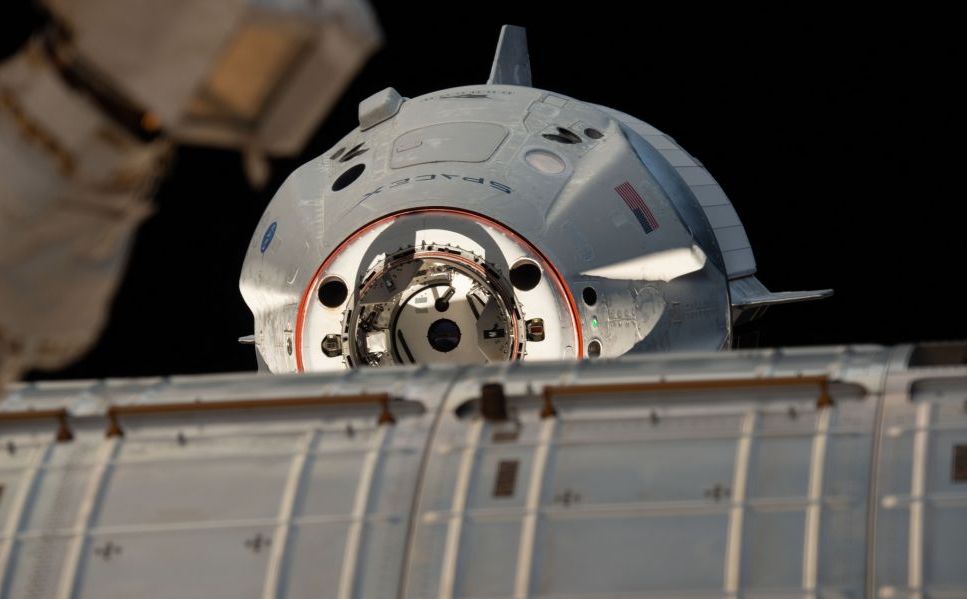
It might look like a model, but this is SpaceX C201 – Crew Dragon DM1 – closes on the docking adapter on the Harmony module (seen in the foreground) of the International Space Station, March 3rd, 2019. Credit: NASA

SpaceX successfully completed the first demonstration flight of the Crew Dragon Capsule on Friday, March 8th, when the vehicle returned to Earth after a visit to the International Space Station (ISS).

As I reported in my previous space Sunday article, DM1 lifted-off from Launch Complex 39A at Kennedy Space Centre on March 2nd, rendezvousing with the ISS 27 hours later, when it successfully docked with the station. It remained at the station through until Friday, March 8th. At 07:30 GMT that morning the capsule and its service module detached from the space station and moved to its own orbit ready to make a re-entry into the denser atmosphere and a splashdown in the Atlantic.

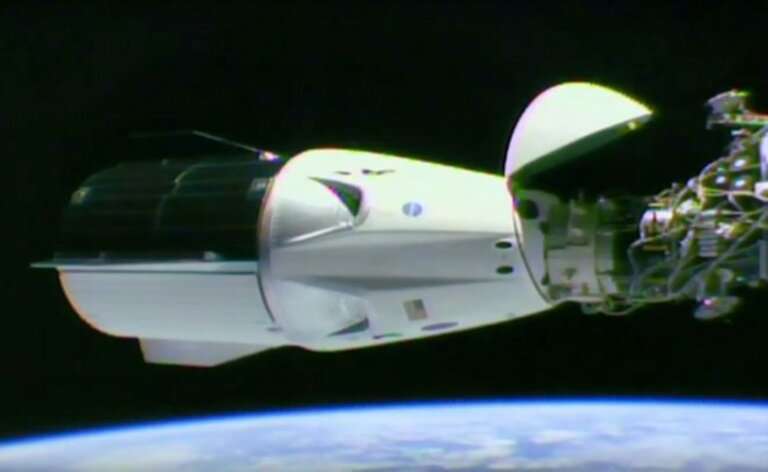
C201 docked with the ISS. Note the service module with its surface of solar cells that supply the vehicle with electrical power. Credit: NASA

This phase of the mission was regarded by SpaceX as the most critical part of the flight, and the one presenting the most risk to the vehicle. While based on Cargo Dragon, the Crew Dragon is a very different vehicle; the parachute system and backshell are new, the DM1 flight being the first time they would be used operationally. The Crew Dragon’s backshell, for example, is asymmetrical in order to accommodate the eight SuperDraco escape engines designed to get the capsule out of harm’s way in the event of a launch emergency, and which are not present in the Cargo Dragon. As SpaceX CEO commented ahead of the vehicle’s launch, this asymmetry could cause roll instability on re-entry, potentially resulting in vehicle loss.

As it turned out, after moving well clear of the ISS and positioned on a track for its eventual splashdown, C201, now separated from its service module, fired its thrusters at 12:53 GMT for a 15-minute re-entry burn. Once through the seating heat of re-entry, the craft  dropped into the denser atmosphere and passed the second of its final tests: deploying first its drogue parachute system and then the four main parachutes; in doing so, it recaptured the heyday of NASA’s Mercury, Gemini and Apollo capsules.

At 13:45 GMT, C201 splashed down in the Atlantic, close to the waiting SpaceX recovery ships. Making the return aboard the capsule was the instrument-laden flight dummy “Ripley” and a small payload from the ISS. The plushy toy used as a zero-gee indicator on the vehicle’s ascent to orbit remained aboard the ISS, where it has become a celebrity. Named “Earthie” (or “Earthy”, it’s not actually clear), the plushy has been treated to tours of the ISS, has been featured in photocalls and videos, and become something of a station mascot. It will be remaining on the ISS until the first crewed flight of the Dragon vehicle docks with the ISS later this year.

Fifty years after humans landed on the moon for the first time, America has driven a golden spike on the trail to new space exploration feat. It won’t be long before our astronaut colleagues are aboard Crew Dragon and Boeing’s Starliner vehicles, and we can’t wait.

 – NASA astronaut Anne McClain aboard the ISS, marking the depature
of Crew Dragon from the station

However, even before splashdown, NASA was indicating plans to start flying crew aboard the Crew Dragon might be subject to delay. Currently, a further flight of C201 is due in June. Again, uncrewed, it is intended to test the launch abort system. The first crewed flight is currently scheduled to follow that flight, some time in July. It will carry two astronauts up to the ISS where they will remain for several weeks. However, comments from NASA’s Aerospace Safety Advisory Panel seem to suggest the crewed demonstration flights of both Crew Dragon and Boeing’s CST-100.

There’s a lot of forward work to complete on both Crew Dragon and Boeing’s CST-100 Starliner vehicles. We’re not quite ready to put humans on either vehicle yet.

– Former astronaut Sandy Magnus, a member of NASA’s Aerospace Safety Advisory Panel

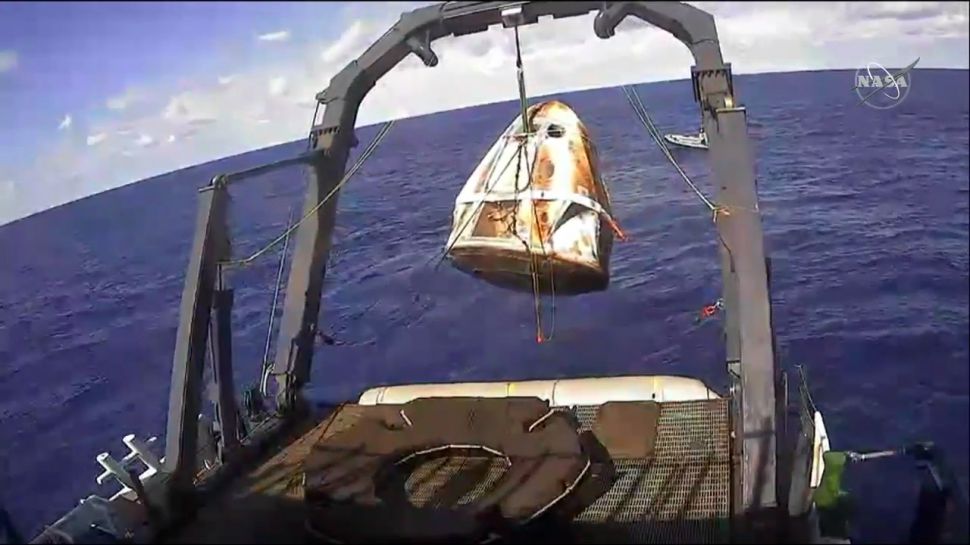
C201 is hoisted aboard the main recovery ship, its white sides scorched by the passing heat of re-entry giving it a “toasted marshmallow” look. Credit: NASA

These doubts notwithstanding, Boeing and NASA have indicated that the first uncrewed flight of the CST-100 Starliner could take place in April. Referred to as Orbital Flight Test (OFT), this mission will lift off from Florida’s Cape Canaveral Air Force Station atop a United Launch Alliance (ULA) Atlas V rocket, and follow a similar profile to that of SpaceX DM1.

NASA SLS May Face Launch Delay

We are reassessing those dates to see if that date will work, based on making sure we have the vehicle ready, and ready to go fly safely. We are assessing that date. Our launch readiness date is still 2020, and we’re doing everything within our power to make sure that we support that.

– Jody Singer, director of NASA’s Marshall Space Flight Centre,
March 5th, 2019

With this words, the director of NASA’s Marshall Space Flight Centre, responsible for overseeing the development and construction of NASA new Space Launch System super booster, suggested the maiden flight of the rocket could be subject to further delay.

Singer did not give specifics on what might cause the delay following the statement, but in October 2018, NASA’s Office of Inspector General was sharply critical of both NASA and Boeing, the prime contractor for the rocket’s massive core  stage, for problems with that element. At that time, the office concluded that the first flight of the rocket – designated EM-1 – could not take place in the first half of 2020 as had been planned, so the launch date was then moved back to the latter half of the year. October 2018 also saw NASA order Boeing to slow down work on the system’s Exploration Upper Stage (EUS). Originally scheduled to be flown on the second test launch of the SLS, NASA has opted not to fly it until the third flight of the system.

An artist’s impression of a Space Launch System / Orion combination lifting off from Kennedy Space Centre’s Pad 39B. Credit: NASA

Despite the concerns raised by Singer’s comments, the other major elements of the SLS are largely complete, including its two five-segment solid rocket boosters, upper stage and adapters, leading weight to the idea that it is the core stage that is causing problems. In the meantime, structural test articles of the vehicles, liquid hydrogen and liquid oxygen tanks will be tested in the coming months at Marshall, while the core stage is due to be transferred to NASA’s Stennis Space Centre in Mississippi for so-called “green run” testing which will see its four RS-25 engines are fired on a test stand, in late 2019 early 2020, a test that’s seen as a critical test on the road to launch readiness.

Continue reading “Space Sunday: capsules, rockets, hammers and stars”