2023 SL SUG meetings week #14 summary

Panjin, February 2023 – blog post

The following notes were taken from the Tuesday, April 4th Simulator User Group (SUG) meeting. They form a summary of the items discussed and is not intended to be a full transcript. A video of the entire meeting is embedded at the end of the article for those wishing to review the meeting in full – my thanks to Pantera for recording it.

Server Deployments

  • On Tuesday, April 4th, the SLS Main channel servers were updated with the simulator release 579022 which adds several new LSL methods, including methods to hash strings, replace substrings, and get additional data using llGetEnv and llGetSimStats. It also cleans up some unused codepaths to make future improvements easier.
  • On Wednesday, April 5th:
    • The majority of RC simhosts will be restarted and remain on simhost 579022.
    • The Bluesteel RC channel simhosts will be updated with simulator release 579248, an update to 579022 containing a series of bug fixes and doubles the linkset data memory limit to 128KB.

Wiki entries for the above functions are still in progress.

Upcoming Simulator Releases

The next two week or so should see simulator release intended to address some long standing bugs:

  • The issue with a vehicle colliding with the avatar that was riding it on a region crossing.
  • Throttling on erroneous llReturnObjectsByOwner.
  • A number of internal bugs plus some further issues if the fixes can be completed an passed to QA.

Viewer Updates

On Tuesday, April 4th: Performance Floater / Auto FPS RC viewer updated to version updated to version 6.6.11.579238.

The remaining viewer pipelines stand as:

  • Release viewer: Maintenance R viewer, version 6.6.10.579060, dated March 28, promoted March 30th.
  • Release channel cohorts (please see my notes on manually installing RC viewer versions if you wish to install any release candidate(s) yourself).
  • Project viewers:
    • PBR Materials project viewer, version 7.0.0.578921, March 23 – This viewer will only function on the following Aditi (beta grid) regions: Materials1; Materials Adult and Rumpus Room 1 through 4.
    • Puppetry project viewer, version 6.6.8.576972, December 8, 2022.

llReturnObjectsByOwner() and OnwerID

  • Leviathan Linden has been looking at a non-public bug, BUG-11770, regarding throttle behaviour for llReturnObjectsByOwner().
  • He has noted that if returns are too fast, it will block the owner_id, potentially indefinitely.
  • While there is a workaround – where if you try to return a different owner_id, then it will unblock the first – this is described as “not very useful” as it requires a 2-hour wait before it really has an effect, and even then might not work without a region restart.
  • Instead, Leviathan has suggested a more optimal throttle would be one that limits the rate of return if it threatens to kill the database service, but then gradually opens up again as the database catches-up with the returns requests.
  • Other suggests included:
    • Rather than llReturnObjectsByOwner() simply finding all the objects on the parcel and trying to return them all in a single operation (thus hitting the database service), the object are effective batched and returned by said batches, with a further suggestion that while this is happening, the selected objects are locked / frozen to prevent them being used / moved until returned.
      • One concern with this approach is people arriving during a return operation and witnessing objects in-world mysteriously vanishing.
    • If  BUG-8383 “Feature Request: Parcel and script options to return no-copy objects and delete copy objects” were to be implemented, it would reduce the strain on the data servers; however concern was raised that deletion of copy items could lead to lost work on sandboxes.
  • It was also suggested it would be useful if there was an LSL function to detect the amount of objects (e.g. a “llCountObjectsByOwner” function), which could compare it to the upper limit of returns, so that people could know if a return operation will fail due to the throttle before making the attempt.
  • Leviathan is taking the feedback gained to consider what can be done.

In Brief

  • The issue of Friends not correctly showing as on-line (or off-line) is receiving attention within LL, and apparently “multiple issues” have been found, which are likely to take “a bit of time to get them all fixed”.
  • Please refer to the video for the rest of the meeting discussions.

2023 SL viewer release summaries week #13

Logos representative only and should not be seen as an endorsement / preference / recommendation

Updates from the week through to Sunday, April 2nd, 2023

This summary is generally published every Monday, and is a list of SL viewer / client releases (official and TPV) made during the previous week. When reading it, please note:

  • It is based on my Current Viewer Releases Page, a list of all Second Life viewers and clients that are in popular use (and of which I am aware), and which are recognised as adhering to the TPV Policy. This page includes comprehensive links to download pages, blog notes, release notes, etc., as well as links to any / all reviews of specific viewers / clients made within this blog.
  • By its nature, this summary presented here will always be in arrears, please refer to the Current Viewer Release Page for more up-to-date information.
  • Note that for purposes of length, TPV test viewers, preview / beta viewers / nightly builds are generally not recorded in these summaries.

Official LL Viewers

  • Release viewer: Maintenance R viewer, version 6.6.10.579060, dated March 28, promoted March 30th.
  • Release channel cohorts (please see my notes on manually installing RC viewer versions if you wish to install any release candidate(s) yourself).
    • Maintenance S RC viewer, version 6.6.11.579153, March 31st.
    • Performance Floater / Auto FPS RC viewer updated to version 6.6.10.578172, February 21, 2023.
  • Project viewers:
    • No updates.

LL Viewer Resources

Third-party Viewers

V6-style

  • No updates.

V1-style

Mobile / Other Clients

  • No updates.

Additional TPV Resources

Related Links

SL20B: Volunteer, exhibitor applications open

via Linden Lab

June 2023 will mark the 20th anniversary of Second Life opening to public access on Thursday, June 22nd, and running through until Sunday, July 2nd; and as we’ve all come to expect, a portion of the month will be given over to celebrations at the Second Life Birthday (SLB). On Monday, April 3rd, the Lab opened applications for exhibitors and volunteers, and both will remain open through until Sunday, May 14th, 2023, alongside of the currently open applications for the SL20B Music Fest and Performer applications.

The theme for the event is Our Fantastic Future, which the Lab describes thus:

The cornerstone of this idea is what we would define as eco-futurism including sustainability, a focus on our environment, and the next generation of our world. Some might call this science fiction, but what is science fiction except a dream for a possible future? In Second Life we build worlds. Our worlds, our way. For SL20B, we invite you to show us your worlds of the future! 

SL20B Exhibitors – Notes and Changes

In terms of Exhibitor applications, and as with recent SLB events, the Lab notes:

Your exhibit does not need to stay in theme. Share your Second Life passions with us. Your interests. Your communities. Your world! Every year we celebrate because of you, the amazing and creative Residents who have chosen to call Second Life home. What has drawn you into this world, and what keeps you here? These annual festivities are an opportunity to show us what fuels your Second Life. Let’s celebrate that together! 

This year will see a number of changes to the Birthday for exhibitors, including:

  • There will be both General and Adult rated regions available to exhibitors.
  • Exhibitor parcels will be 4096 sq m in size, with a Land Capacity of 1872 LI.
  • Exhibitors can use there parcels for more than one exhibit, with the Lab suggesting those who wish to can re-display exhibits they have created for past Birthday events if they have them available, and there will be a Birthday Reboots category at SL20B in support of this.
  • There will also be a Second Life History category for those exhibits specifically celebrating SL’s past 20 years.

There are also the usual Exhibitor rules for applicants, and these can be found on the SL20B Exhibitor Application form.

Volunteers

Volunteers for SL20B are also being sought to help with the event and festivities. In particular LL are looking for: Stage Crew to help with the performances and entertainment; Stage Hosts to help manage and maintain the flow of performances; Stage Crew Technicians to be available on an on-call basis to help with stream management / issues; and Greeters working to help welcome those visiting the Birthday and answer any questions they might have, etc.

All volunteers will be expected to attend training sessions and to commit to completing at least two hour shifts at a time, and be available for more than just one or two days during the week of festivities.

Full guidelines and requirements can be found in the SL20B Volunteer Application form.

Related Links

A trio of Kultivate art exhibitions in Second Life

Kultivate Windlight Gallery, April 2023: Captainofmysoul, Veruca Tammas and Jamee Sandalwood

Now open at Kultivate Magazine’s Windlight and The Loft Galleries are a trio of exhibitions, one of which recently opened, the others of of which have been open a while (and so may be coming to an end – be warned).

The newer of the exhibitions is an ensemble selection of art waiting to be found in the ground floor level of the Windlight Gallery within its main hall. As always with the Kultivate ensemble exhibitions, it features a rich cross-section of artistic styles, with a focus on Second Life-derived landscape art.

Kultivate  Windlight Gallery, April 2023: Angel Heartsong

The participating artists comprise captainofmysoul, Sheba Blitz, Angel Heartsong, Johannes Huntsman, Jamee Sandalwood, Hannah Starlight and Veruca Tammas. Of these, Angel Heartsong offers an engaging series of images of Jade Koltai’s Panjin region, a place I wrote about in A Red Beach in Second Life. With little (or very light) post-processing, these are images which perfectly capture the spirit of the region.

Along the wing of the ground floor between the staircase is a second exhibition, with works mixing Second Life landscapes with avatar studies. This features the work of Pam Astonia, Reya Darkstone, Jesse Janick, Vaness Jane, Anouk Lefavre, Kalina Sands, and Jamee Sandalwood (again). Tempest Rosca Huntsman is also listed, but at the time of my visit was not displaying within the group.

Kultivate  Windlight Gallery: Reya Darkstone and Anouk Lefavre

Upstairs, meanwhile, and spanning both arms of the gallery’s mezzanine level which forms The Loft Gallery, is a richly engaging exhibition of single-frame stories by Myra Wildmist.

Always an evocative artist,  Myra is a regular exhibitor at Kultivate, and never fails to engage the eye and mind. Within this selection of art – which has been open since at least early March, she offers a series introspective pieces mixing monochrome and colour to present what might be seen as both a potentially personal series of images that reflect moods and emotions which are simultaneously recognisable and understandable as they all reflect feelings and dispositions we have all experienced for ourselves.

Kultivate  The Loft Gallery, April 2023: Myra Wildmist

With their rich cross-section of art and technique, these three exhibitions, housed within a single space, make for a rewards visit.

SLurl Details

Space Sunday: astronauts, water, images and launches

On Monday, April 3rd, NASA will announce the first crew it will send to the vicinity of the Moon since 1972.

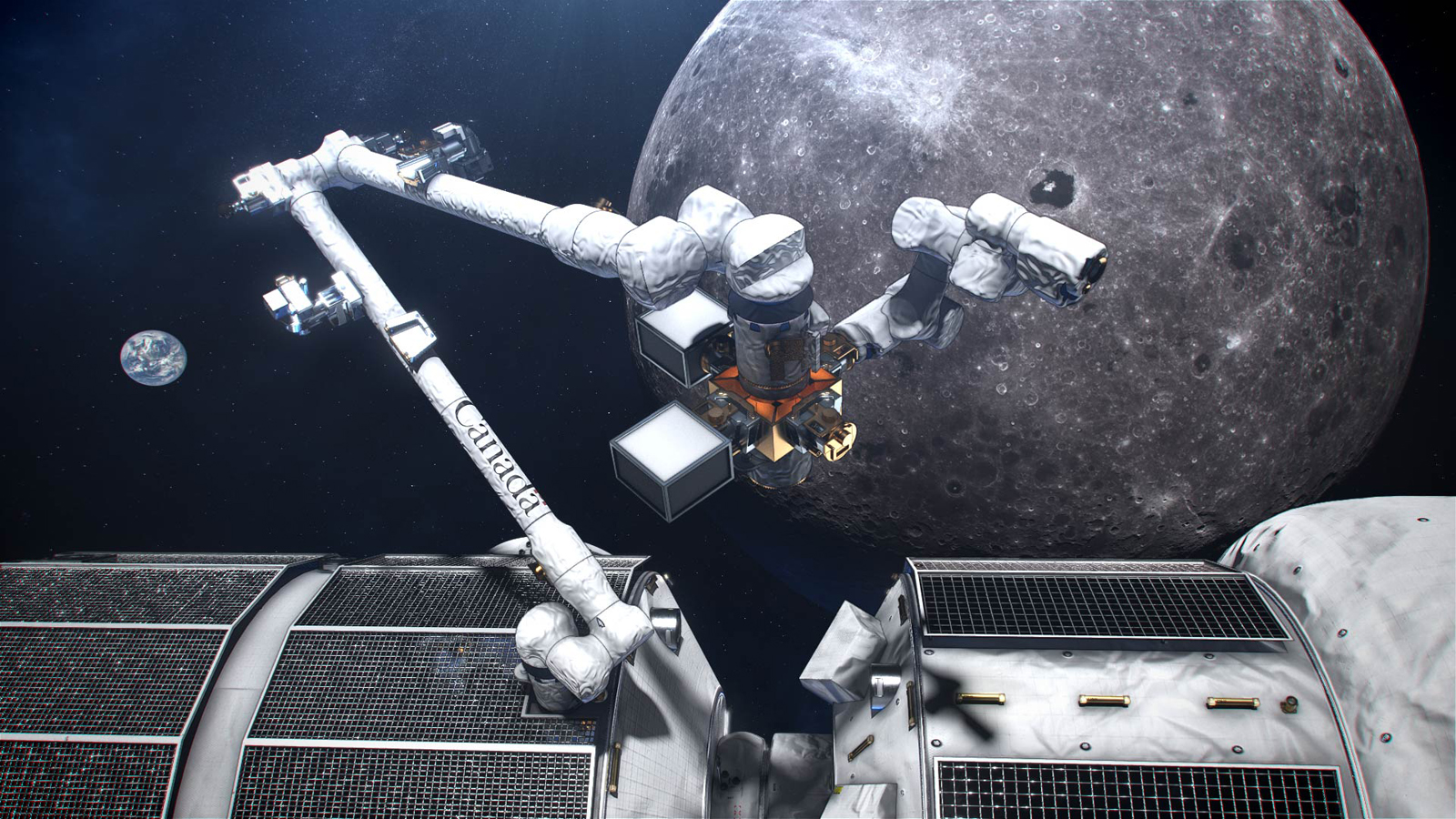
The four-person crew is due to lift-off aboard the Artemis 2 mission, scheduled for launch in late 2024 as what is seen as the leading edge of the 23-nation Project Artemis, intended to establish a human presence on the Moon. Also participating in the announcement will be the Canadian Space Agency – one of the named crewed will be a Canadian in recognition of the country’s pivotal role in the providing a robotic arm for the planned Lunar Gateway station, and which is viewed as crucial to the station’s overall development.

Ahead of the announcement, NASA has been turning to Hollywood-style trailers to amp up the anticipation around the mission, hence the video at the top of this article, which also carries some echoes of Project Apollo from the 1960s and 1970s.

Artemis 2 will be the second mission to utilise NASA’s huge Space Launch System rocket, which first flew in November / December 2022, and will also be the first crewed flight of the Orion Multi-Purpose Crew Vehicle (MPCV), designed to carry crews from the surface of Earth to cislunar space and back again.

Planned for between 10 and 21 days, Artemis 2 will carry the four astronauts (the other three all being from the United States) to Earth orbit and thence on to the vicinity of the Moon using a multi-trans lunar injection (MTLI) trajectory which will initially push the vehicle into an extended elliptical, 42-hour orbit of the Earth.

The Artemis 2 mission – click for full size. Credit: NASA

This extended orbit will allow the crew to conduct multiple vehicle and system checks. They will also perform multiple rendezvous and proximity operations using the spent Interim Cryogenic Propulsion Stage (ICPS) of their SLS rocket as a target vehicle. These operations will put Orion’s ability to carry out precise orbital manoeuvring of the kind till will have to perform when rendezvous with the Human Landing System vehicle (Artemis 3 mission) and the future Lunar Gateway station.

Once these operations have been completed and as the vehicle reaches perigee, it will fire the main motor of its European-build service module and start its journey to the Moon. Using a free return trajectory, allowing it to loop around the Moon and return to Earth for a splashdown in the Pacific Ocean and recovery by the US Navy.

One of the four Canadian astronauts currently on active duty will fly on Artemis 2 in recognition of Canada providing a robot arm for the planned lunar gateway station. Credit: Canadian Space Agency

Those wishing to watch the crew announcement live via You Tube on April 3rd.

Water Power in Space and Taking Your Own Pictures from Space

There are many ways to provide in-space manoeuvring for satellites and space vehicles. They range from the relatively “safe” options – cold gas thrusters utilising simple Newtonian physics whereby you direct a jet of inert gas in one direction, and its pressure through the nozzle pushes / turns your craft in the opposite direction – through to more energetic means, such as through the use of hypergolic propellants, which can be quite toxic and require extreme care in their handling prior to launch (or following the return to Earth of a vehicle using them).

But what about a system using plain old simple H2O? That’s precisely what a Japanese company called Pale Blue has been asking itself.

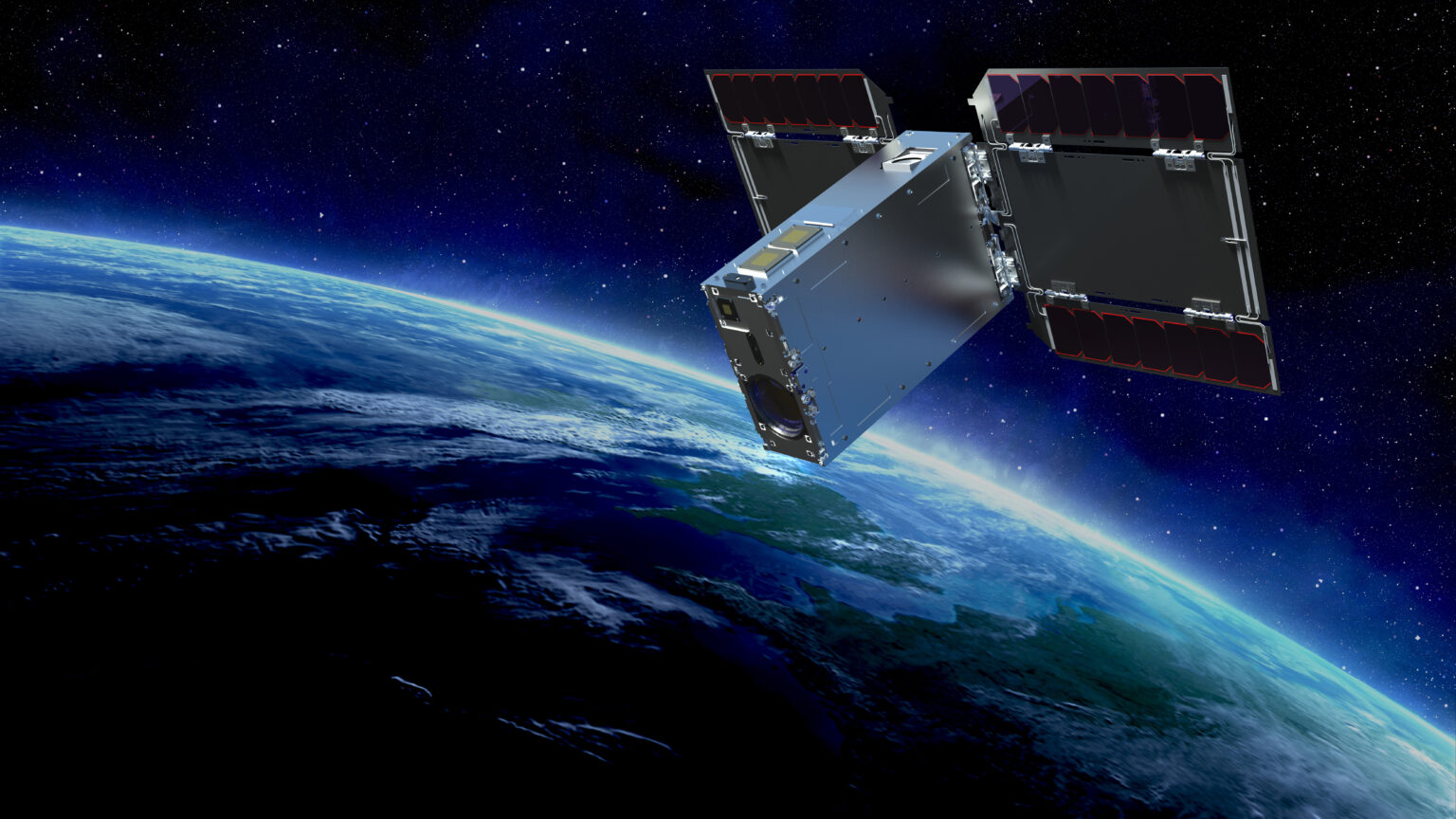
Spun out of research initially carried out by the University of Tokyo three years ago, Pale Blue has been researching various means of using water to propel / manoeuvre satellites in their orbits. Now they’re successfully shown it can be done, using a water-based propulsion system mounted on a nano-satellite built and operated by Sony Corporation as a part of its Star Sphere space inspiration project.

Sony Corporation’s tiny EYE nano-satellite, seen in an artist’s rendering as it orbits Earth. Credit: Sony Corporation

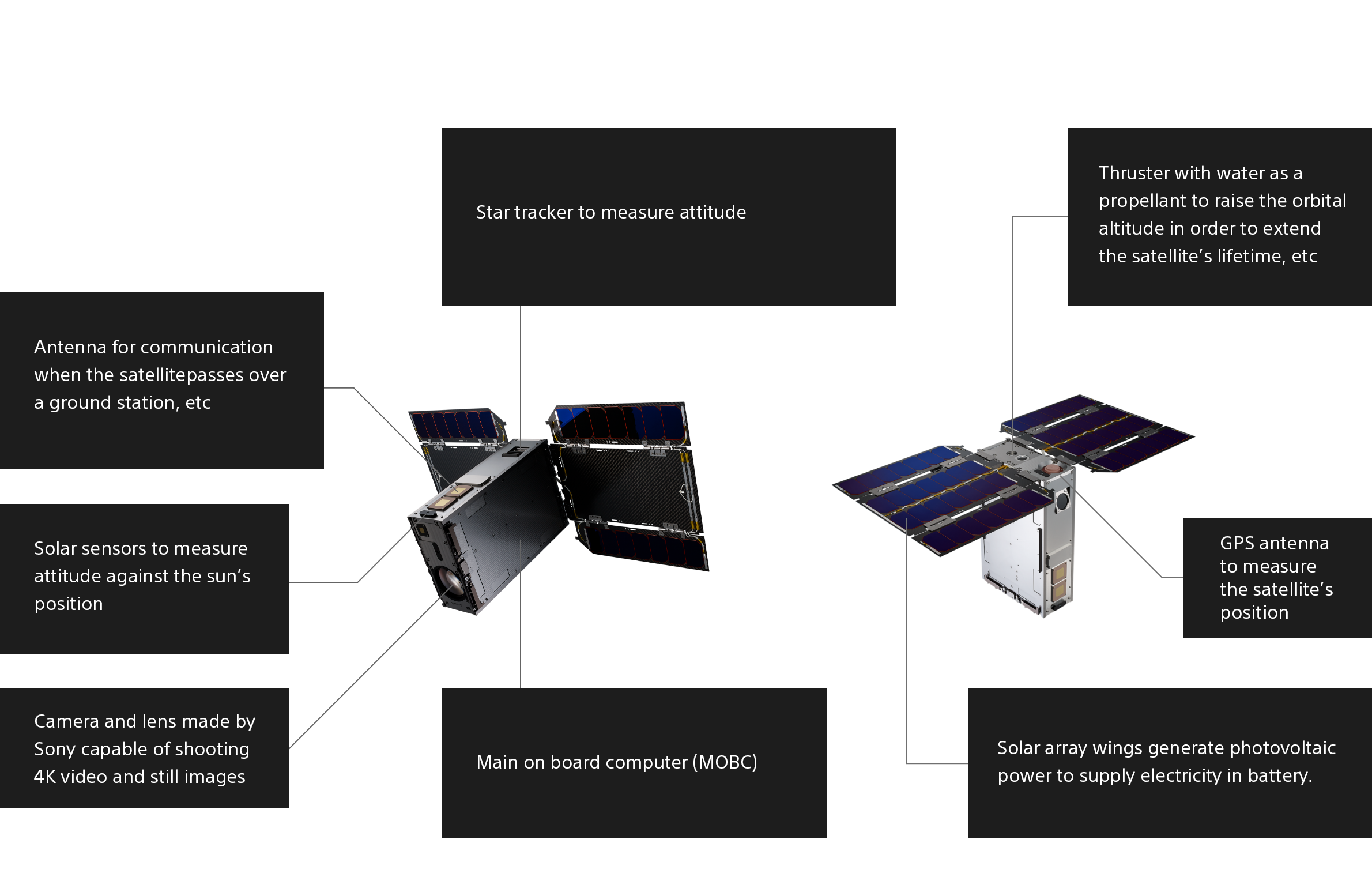
In March, a small resistojet water thruster on the tiny satellite to manoeuvre it over a period of two minutes. A resistojet is essentially a kind of Newtonian thruster mentioned above: water held at low pressure is pushed through a tube, where it naturally vaporises on exit, the expanding gas of the vaporisation used to orient / move the satellite.

The test is seen as proof-of-concept for a series of water-based systems Pale Blue are developing, one of which is intended for direct propulsion of satellites. This will operate in a similar manner to an ion drive: water is vaporised under pressure via a microwave source and the pressurised gas is then ejected as an energetic exhaust in one direction, propelling the vehicle in the opposite. This method could use low volumes of water to produce sustained thrust over extended periods. Combined with the resistojet system, this drive system could be used as a hybrid system using a single water supply to provide both thrust and precise manoeuvring.

Water-based systems have the advantage of being pollution-free and safe in their handling whilst on Earth compared to system using hypergolic systems, but water itself is not entirely mass-efficient compare to other propellant types, so it will be interesting to see where this research leads.

Take Your Own Images and Video of Earth from Space

Star Sphere itself is a uniquely interesting concept. Starting later this year (and initially only available to people in Japan and the United States), it aims to allow “crew members” of “spaceship Earth” to use the satellite to capture their own images and video of Earth and the satellite orbits it. Participants can book a single 90-minute orbit in which they get a 10-minute time slot of their choosing in which to direct the satellite’s cameras to capture up to 50 images or around 30 seconds of video as part of the base membership package, with more images and video to be possibly offered at extra cost once the service opens to public use. Once selected, the images and video is for the exclusive use by the user.

Sony’s EYE nano-satellite. Credit: Sony Corporation

Find out more at Star Sphere.

Continue reading “Space Sunday: astronauts, water, images and launches”

2023 week 13: SL CCUG meeting summary

Celestial Glade, February 2023 – blog post
The following notes were taken from my audio recording and chat log transcript of the Content Creation User Group (CCUG) meeting held on Thursday, March 30th, 2023 at 13:00 SLT.  These meetings are for discussion of work related to content creation in Second Life, including current work, upcoming work, and requests or comments from the community, together with viewer development work. They are chaired by Vir Linden, and dates and times can be obtained from the SL Public Calendar. Notes:
  • These meetings are conducted in mixed voice and text chat. Participants can use either to make comments / ask or respond to comments, but note that you will need Voice to be enabled to hear responses and comments from the Linden reps and other using it. If you have issues with hearing or following the voice discussions, please inform the Lindens at the meeting.
  • The following is a summary of the key topics discussed in the meeting, and is not intended to be a full transcript of all points raised.
Additional note: unfortunately, physical world matters meant I missed the initial part of the meeting, and as it is held in voice, there is little by way of chat transcript to reflect initial discussions prior to my arrival.

Official Viewer Status

  • On March 30th, the Maintenance R viewer, version 6.6.10.579060, was promoted to de facto release status.
  • On March 31st, the  Maintenance S RC viewer updated to version 6.6.11.579153, bringing it to parity with the above release viewer.
The rest of the current official viewers remain as:
  • Release channel cohorts:
    • Performance Floater / Auto FPS RC viewer updated to version 6.6.10.578172, February 21, 2023.
  • Project viewers:
    • PBR Materials project viewer, version 7.0.0.578921, March 23 – This viewer will only function on the following Aditi (beta grid) regions: Materials1; Materials Adult and Rumpus Room 1 through 4.
    • Puppetry project viewer, version 6.6.8.576972, December 8, 2022.

glTF Materials and Reflection Probes

Project Summary

  • To provide support for PBR materials using the core glTF 2.0 specification Section 3.9 and using mikkTSpace tangents, including the ability to have PBR Materials assets which can be applied to surfaces and also traded / sold.
  • To provide support for reflection probes and cubemap reflections.
  • The overall goal is to provide as much support for the glTF 2.0 specification as possible.
  • In the near-term, glTF materials assets are materials scenes that don’t have any nodes / geometry, they only have the materials array, and there is only one material in that array.
    • It is currently to early to state how this might change when glTF support is expanded to include entire objects.
  • The project viewer is available via the Alternate Viewers page, but will only work on the following regions on Aditi (the Beta grid):  Materials1; Materials Adult and Rumpus Room 1 through 4.
  • Please also see previous CCUG meeting summaries for further background on this project.

Status

  • The viewer is still being progressed, and will likely update to keep in line with the current release viewer.
    • There is still a bug with glow which needs to be addressed, but this is not seen as a significant issue in terms of fixing.
  • Information in support of PBR materials and reflection probes is in development. This includes new wiki pages and – at least for reflection probes, if not both, new tutorial videos.
    • A very much Work In Progress version of the wiki information can be found in: PBR Materials.
  • The methodology for modifying PBR materials via script is to have the materials contained within glTF assets which can be stored in inventory (containing an LLSD header and glTF JSON, with the texture / material UUID stored in the image URI field), with LSL APIs used to modify the parameters within the glTF file.
    • Manual modification of the parameters can be done via the viewer UI in a similar manner to manipulating textures, etc., currently offered by the viewer.
    • The LSL APIs will work in a similar manner to functions such as llSetPrimPratams, etc. The only thing that cannot be changed in is actual image data.
  • For testing, it was noted the “local materials” should allow Materials to be tested directly from a user’s computer in a similar manner to local textures (and only visible in that user’s world view), which dynamic updating of the materials in the session as they are locally modified.

In Brief

  • Requests have been made for a more visual coding capability in SL to help those who are not programmers  / scripters, with the likes of capabilities similar to Blueprints in Unreal Engine. While such tools as the latter are acknowledged as being useful for putting snippets of code together, the notion of a visual coding system is seen by LL as potentially cumbersome for the results they would garner.
  • A very general discussion on games in SL.

Next Meeting

  • Thursday, April 6th, 2023.