“Sordid Affair,” Chuisle Alecto says of her homestead region (also known as Grace Island), “is the end of a summer’s love affair, as told through a photogenic beach sim capped with mountain forest. In Sordid Affair time stands still in heartbreak, for photography and to explore. Watch for clues and interpret the story your way.”
That may sound like a bleak description of the region, but while it might express a state of mind come the end of a relationship, it belies the simple, rugged beauty of the region; a beauty within which a story awaits discovery. One which, as Chuisle notes, the visitor is free to interpret.
The landing point, in the south-east corner of the region, forms a part of the low-lying beach which covers more than half the island as it sweeps around from the south, along the east coast and then curves back around to the north. Separated from this by a narrow ribbon of water and itself sitting on a rim of sand, lies a rocky plateau with steep, craggy flanks.
The beach is home to a little group of summer huts and, close by, but set apart from them by a fence, a small cottage and flat-topped hall. all of them are in turn watched over by the tall red tower of a lighthouse tucked into the north-east corner of the region.
The plateau, reached by a single climb between rocky shoulders, is topped by woodland and grass which contrast strongly with the sands below. Amidst the trees can be found places to sit and a little pavilion, apparently awaiting guests for dinner. As one wander the island, other places to sit can be found scattered about, each of offering a hint of romance: places to snuggle and share. So, what then of story said to be waiting to be found?
This is actually to be found all around. The little snuggle spots form a part of it, as does the pavilion. Further part of it can be found when exploring. What at first appears to be a small camp fire blazing through the trees turns out, on closer inspection, the be the funeral pyre of burning pictures. Down on the beach sits the concrete box of a war-time pillbox, wherein the reason the affair ended might be found. And then, across the beach, amidst the trees of the plateau and within the hall can be found several of Mistero Hifeng’s sculptures, each of which adds a further page to the unfolding story.
This is a region which apparently changes in theme and design – and thus, I presume – story; as such, how long it will remain in its current form isn’t clear. So, if you do want to see how this particular story comes together for you, a visit sooner rather than later might be in order. For my part, I’m sure to be returning to Grace Island in the coming months to see what other treasures have been created there.
Tony Dyson, the creator of R2-D2 and Emmy-nominated film SFx supervisor who worked on films such as Superman 2 and Moonraker, Dragon Slayer, Saturn 3 and The Empire Strikes Back, has passed away.
Professor, author, educator, and more, Tony Dyson was also keenly interested in Second Life.
He first became involved with the platform, as Azar Shelman, while investigating distance learning mediums, and recognised the Second Life’s potential as a means of creating real-time animation, something he had tried to do outside of the platform without much success.
As a result of getting involved in SL, he was introduced to machinima producer and publisher Chantal Harvey, (via Phalen Fairchild), and they found they had much in common. Chantal invited Tony to head the jury in the 2012 48 Hour Film Project for machinima, and thus a working collaboration between the two of them was born.
As well as investigating ways and means to produce better machinima, this collaboration led to the development of Bobbekins, interactive e-books for children which would utilised advanced animation, music, and machinima shot in Second Life, and illustrated by another SL resident, Dawny Daviau.
Bobbekins was developed on the idea that children expect to engage all their senses when involved in a story or learning exercise – something to which educators can attest. Filming took place in Toy City, created by Tony as a constantly changing place discovered by the alien Bobbekins, who claimed it as their home. The books were developed under the Netdreamer Publications banner authored by Tony, illustrated by Dawny and edited by Chantal, and the first book in the series, Medieval Farm, is still available through Amazon (and you can read more on the project here).
Bobbekins
However, it is the builder of R2-D2 that he will be most clearly remembered. A regular guest at science-fiction conventions around the world, he never lost his love of the cylindrical little robot, and used the fame he gained through his involvement in star Wars to talk about creativity and learning and give ene[encouragement to young people to pursue their creative endeavours.
As well as building the original eight R2-D2 units, Tony Dyson was responsible for the design of Hector, the robotic antagonist in Saturn 3, and developed a robotic character modelled on (and voiced by) John Cleese for a series of television adverts aired in the 1980s for Sony. He also designed robots for Philips and Toshiba.
Tony Dyson had a wonderful view on creativity “Be playful,” he told the The Times of Malta newspaper in 2015. “Never stop playing. If you look at life the way it really should be – enjoyed – then you become very creative”. It’s a view he shared with Shad Engkilterra at the Malta Comic Con in 2015.
Tony Dyson passed away at his home on the island of Gozo, Malta. My condolences to his family, and to Chantal and Dawny, and those who knew him.
The following notes and audio were taken from the weekly Bento User Group meeting, held on Thursday, March 3rd at 13:00 SLT on Aditi. For details on each meeting and the location, please refer to the Bento User Group wiki page.
Note that this update does not present the discussion in chronological order; items discussed have, wherever possible and without compromising the discussion itself, have been grouped together to try to present a complete discussion of the topics raised in turn.
New Project Viewer and Bento Skeleton
A new version of the Bento project viewer has been released. Version 5.0.0.311861, dated March 2nd, 2016, includes the updated Bento skeleton, which the Lab hopes will be the final version. In particular this adds further new bones:
Four new spine joints: two between mPelvis and mTorso, and two between mTorso and mChest. By default these bones are folded up inside the current spine and will not affect the appearance of the avatar, but like other bones they can be repositioned in uploaded meshes, or animated according to need
New face bone root: rather than adding extra neck bones, the Lab have added an extra face bone root, which could be used as an extra neck bone if desired
Three new centre face bones along the mid-line of the face, two on the lips and one on the forehead
Two new joints for ears, allowing for floppy or otherwise more flexible ears
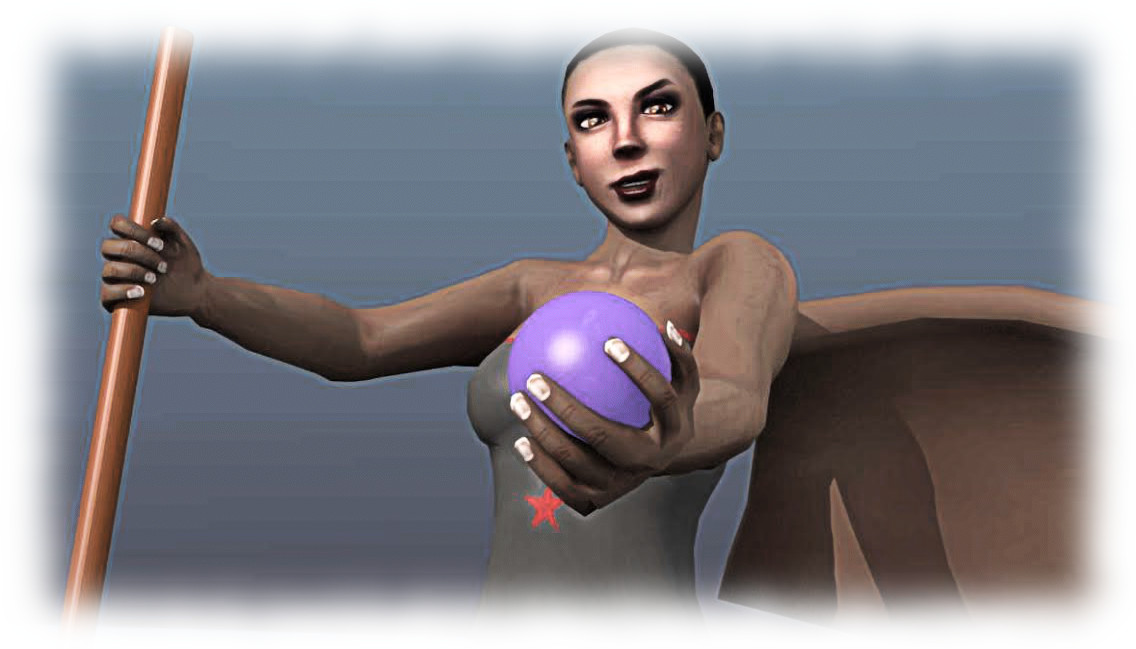
An additional pair of limbs, each with 3 joints apiece, and a new root bone to which they are connected. These are named “Hind” limbs, but using the root bone, the can be relocated to be used elsewhere – such as an extra pair of arms
One new bone for each wing to allow a simple fan as would be used in a bat-type wing.
Removal of two wing root bones: these were originally included as a workaround for the lack of joint translations. As this is now possible, only a single wing root bone is actually required
Various bone position changes.
As some of the existing bones have been removed or changed position, this does mean that content made using the original Bento skeleton will need to be updated in order to display as intended. Aditi servers have been updated with the new skeleton.
Vir discusses the new bones and the removal of some bones
The ability to add new spine bones is a direct result of the Lab being able to fix the two issues referred to in my last Bento update, the first of which would crash the Bento viewer if additional spine joints were added, while the second was that new spine bones would break the rendering of the default avatar.
In order for this to work, the new bones have an odd positioning / ordering within the skeleton, so they seem to “zig-zag” (spine 1 is located in chest, spine 2 in the pelvis, then comes the torso, etc). The reason for this was to allow all the original skeleton joints exactly where they had always been located, and to avoid the creation of any zero length bones, with the internal matrix maths (as well as some other programmes) doesn’t particularly like, as Vir explained which discussing the new spine bones.
Vir expands on the new spine bones and ordering
There may be some issues which are causing Blender to incorrectly display the new spine bone positions and orientation. One suggestion for those encountering similar issues is to visualise the bones by setting them to the polyhedral models where it is wider on one end than the other (I’m unfamiliar with blender, so not sure of the precise term for the visualisation) to make it easier to see the orientation of the bones, although this may not work.
Aki Shichiroji, who has experienced the problems, has indicated she’d talk a little more with the Avastar team about things. Certainly, Vir believes working with them is going to require a delicate touch when working with the spine bones in the likes of Maya and Blender, due to the risk of coincident bones.
Next Steps
The Lab intends to freeze the skeleton soon, and those wishing to test it are advised to do so over the next few days. Currently, the easiest way to obtain the latest version of the skeleton is directly from the new version of the project viewer (link above), although hopefully the wiki links, etc., will be updated soon.
There is liable to be one more update to the project viewer once the skeleton is frozen, after which the Lab will be turning attention to the avatar.LAD file, the other major configuration file for the skeleton, and finalising changes and corrections to the shape sliders and potentially adding some new attachment points which can leverage the revised skeleton.
The biggest issue as far as progress the project to initial deployment on the main grid is concerned, is bug fixing. There are still some significant problems yet to be resolved, which are dependent upon understanding the route cause of the problem and having the staff available to investigate them / resolve them:
Issues with the extra joints, such as the default avatar pose issue (see below)
The general avatar deformation issue seen within the Bento viewer (see here and here for further notes).
There are also a number of more general bugs to be corrected as well.
Overview of the next steps in the project from the Lab’s perspective
Default Avatar Pose Issue
foreleg crossing: issue may be deeper than thought
There has been further investigation into the default avatar pose issue which can see quadruped avatars unnaturally crossing or folding their forelegs when shifting between animations (for background see here, here, and here).
It had been thought that the issue was due to the way that scripted animation override systems (e.g. the ZHAO and ZHAO 2) overlay the default server-side avatar poses, occasionally allowing these server-side animation to start playing when shifting between poses as a result of a message timing issue between server and viewer. The suggested solution was therefore thought to be to encourage creators to write AO for their Bento avatars which would utilise the llSetAnimationOverride capability introduced in 2013, which overwrites the server-side defaults with the animations of the creator’s choosing, thus preventing the “wrong” animation starting to be played.
However, more recent testing suggests that the issue can still occur when using llSetAnimationOverride.
A problem here has been that the JIRA specifying the issue and providing information on various tests, etc., carried out to date by the Lab has, not been publicly viewable (for valid reasons), making it hard for other outside the Lab attempting to investigate the problem to understand what has happened to date and report their own findings back to the Lab. Arrangements are now being made to clone the JIRA and make is public to eliminate this problem.
Other Items
Removing Mesh Upload and Display Restrictions
Second Life has always had a number of upload and display restrictions wherein creators were required to include certain joint positions whether or not they were in fact using them (the uploader wouldn’t check to verify whether the positions were actually used, just that they are listed). There were some checks which insisted that if the positions of some of these bones were changed, they all had to be changed.
This obviously limited the number of meshes rigged to bones from different creators that an avatar could wear, because there would inevitably be conflicts between the listed joints in each mesh. The checks themselves date back to when the Lab used a different method for tracking joint positions, and they don’t make a lot of sense today, and so work is in hand to remove them, and should be completed with the next release of the project viewer.
The upshot of this is that once done and available, avatars will be able to wear meshes from different creators, providing the mesh items only list the joints they actually use. This would allow, for example, this will allow someone to wear a centaur avatar from one creator and add a set of wings from another creator without the risk that the meshes would conflict because they list the same “required” joint positions. However, for this to work, it does mean that creators will need to ensure they list only the joints they require in order to offer some degree of “interoperability” between meshes.
Vir discusses the removal of the upload and display restrictions
Using Bones to Animate Hair and Clothes
One benefit from being able to rig and list only the bones which are being used, is that it potentially opens the door to creators being about to use some of the additional bones to animate things like hair and dresses.
For example, as bipedal, humanoid avatars are unlikely to require the tail bones or the “hind” limb bones, these could potentially be used to naturally animate a mesh gown (particularly one with a long train) or long dresses. Similarly, the additional ear bones might be used to animate mesh hair.
Cathy Foil points-out the potential for clothing and hair makers as a result of the removal of the restrictions
Scripted Methods for Bone Positions
BUG-11407 is a feature request to provide scripted control of bone positions, allowing to an LSL command to pass an array of bone positions to the client to animate oneself, or, with permission granted, to animate another user.
Commenting on this at the meeting, Vir indicated that while such an approach is “interesting”, but due to the scope of things, has been considered to big an undertaking for the Bento project, and would likely have to be considered as a project in its own right. Rider Linden further suggested raising the idea for discussion at the Simulator User Group meeting.
Writing in Readwrite on March 2nd, Ryan Matthew Pierson looks at Linden Lab’s Project Sansar and the Future of Virtual Reality. It’s an interesting article in that Mr. Pierson is a journalist who likes to research his subject, rather than relying on cliché or the input of jaded pundits.
As such, what is presented is a brief, but fair potted history of Second Life, charting the highs and lows, and pointing out that while it can be “dark” it’s simply not all about the adult naughties and nasties. So it is that Mr. Pierson charts the highs and lows of Second Life, with input from someone who know it well: Gary Wisniewski (Wiz Nordberg in SL) the founder of Treet.TV.
Starting with the rise in SL’s popularity in 2006/7, thanks to the attention of the media, the reader who might be unfamiliar with Second Life is given glimpses into the platform’s magic which are painted as effectively with words as they might be illustrated by an image:
You could travel quickly from island to island, experiencing a fantasy world filled with a lush forest one minute and a sprawling post-apocalyptic CyberPunk-style city the next. Just about everywhere you went, there were crowds of people taking in the sights, chatting about their experiences, or dancing the night away in one of Second Life’s many nightclubs.
He also touches on the broad appeal of the platform:
This appeal extended well beyond tech-savvy early adopters. Many residents found that you could do things in Second Life that transcended physical disadvantages. For example, someone bound to a wheelchair could dance the night away in Second Life’s nightclubs, or even fly through a mountain range like a superhero.
Ryan Matthew Pierson
The darker side of SL isn’t shirked, as noted, with Mr. Pierson pointing out the platform did suffer from a reputation for seediness – and that the Lab sought to try to address it as best they could through maturity ratings and safeguards, and without impinging unnecessarily on people’s freedom of choice.
From here, and via an all-too-brief mention of Relay for Life (when, oh when will journalists realise the sheer depths of human interest these is to be found within Second Life’s ability to support global fund-raising events in what is – when compared to the physical world costs involved in trying anything nearly so large – so utterly cost-effective? But I digress, as charity isn’t the focus of this article), the piece gently segues into an overview of Project Sansar.
In this, nothing exceptionally new is mentioned regarding the Lab’s new platform, although the parallels with the likes of WordPress and YouTube are avoided. The familiar comments on the VR tech support, the shift in revenue model away from land, and the desire to make it easer for “creators” all get the usual mention, as do the plans to make Sansar more broadly accessible to consumers:
Linden Lab also wants to make Project Sansar more cross-platform accessible. Where Second Life is largely tied to a desktop-only experience, Project Sansar’s users will be able to log in and enjoy the virtual world from various other platforms including mobile devices as well as HMDs.
It’s likely that SL users will find the Readwrite article frustrating for its lack of new information on Project Sansar. However, that more information isn’t provided stems not only from the fact that the Lab isn’t as yet ready to divulge more details – assuming they keep to their desired time scales, I’d expect this to start happening from about the middle of 2016 onwards – but from the fact that Mr. Pierson isn’t actually writing for Second Life users. He’s addressing the audience the Lab is primarily trying to reach: those ready to invest themselves in opportunities presented by the emerging wave of new VR technology.
That said, it’s fair to say the Readwrite piece isn’t perhaps as engaging as Sophie Charara’s recent piece in Wearable, but as an attempt to encapsulate both Second Life and Project Sansar, it’s a pretty good overview of the past and the present – and the Lab’s hoped-for future.
I recently wrote aboutCasablanca in Second Life, a fabulous recreation of the film and its sets, built by TracyLynne Carpenter for Sommer Carpenter, who hosts the build in the sky over her home.
Following that article, Sommer and TracyLynne both contacted me, and Sommer extended an invitation for Caitlyn and I to visit another of TracyLynne’s builds which demonstrates their joint passion for art, films and literature, which this time takes the form of an homage to writer Ernest Hemingway. It’s a build that is not open to the public (in fact it can only be accessed via a number of secret, or hidden entrances, making fining your way in an adventure in itself) so I’m not including a SLurl, but Sommer did give me permission to write about it.
Hemingway’s Wine Cellar
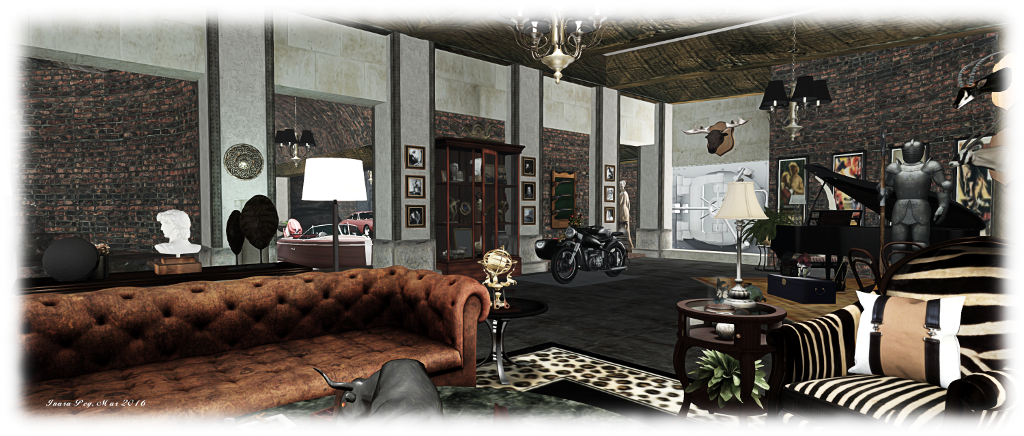
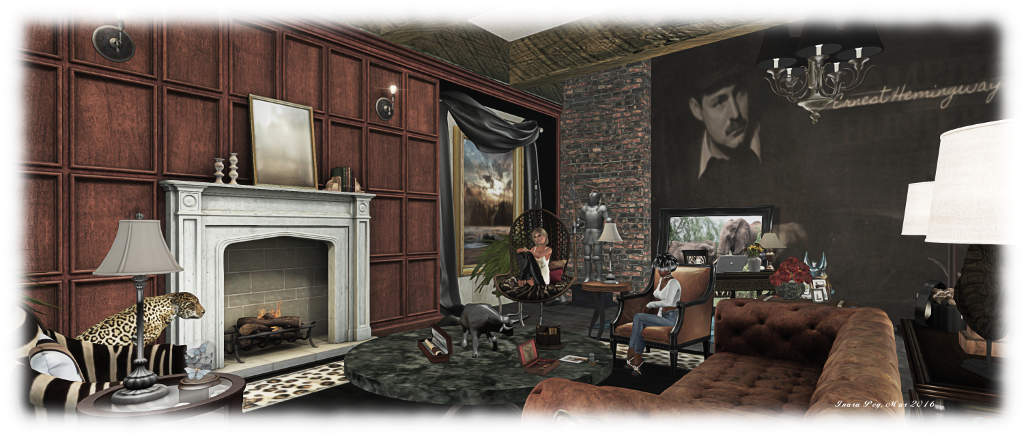
Residing under the grounds of a vineyard and winery, the “front door” to the build is cunningly hidden behind a secret door tucked away within a waterfront wine cellar, itself nested against the rocks of the vineyard island. Behind this, a brick-walled passageway leads the visitor to an underground lounge area. Comfortably furnished, this contains many nods and mementos to Hemingway, from the motorbike sitting against one wall, through to the posters of the film adaptations of his works, moving by way of nods to his love of hunting, enjoyment of cigars (and time in Cuba), photographs of the man himself, and more.
Adjoining this is a vaulted room, off of which sits a small bar area decorated in the manner of a gentlemen’s club. In both of these are more references to Hemingway – although some might be a little more esoteric. Is the model of the Titanic, for example, simply an adornment, or is it an oblique reference to Glenway Wescott, whom Hemingway unflatteringly presented through the character of Robert Prentiss in The Sun Also Rises, and once wished had perished, “with all his irk” in the Titanic disaster? Is the first aid cabinet a reference to Hemingway’s time as an ambulance driver in World War One?
Hemingway’s Wine Cellar
More obvious are the nods to Hemingway’s love of boats and fishing: tackle and rods are to be found, while on a wall hang images of Pilar, the fishing boat he acquired in 1934; and his love of the “occasional” tipple noted by the bar (and wine cellar setting).
There are further rooms to be found here as well. One of these, decorated in an oriental style, is hidden behind a further secret door, a tunnel leading from it back out to the sunlight and another nod to Hemingway’s love of sea fishing. Others are a little more obvious – such as the bathroom sitting behind the huge silver door normally found guarding a bank vault, while a bedroom, complete with a reminder of Hemingway’s time in Key West, Florida, can be found at the end of another brick walled passage opening of the main lounge area.
Hemingway’s Wine Cellar
Together with the above ground design of the island, this is another marvellous build by TracyLynne. Beautifully detailed, magnificently brought together and beautifully atmospheric, Caitlyn and I thoroughly enjoyed out time exploring.
Our thanks to Sommer for extending the invitation to visit, and allowing us to wander and enjoy the comforts of this hidden treasure.
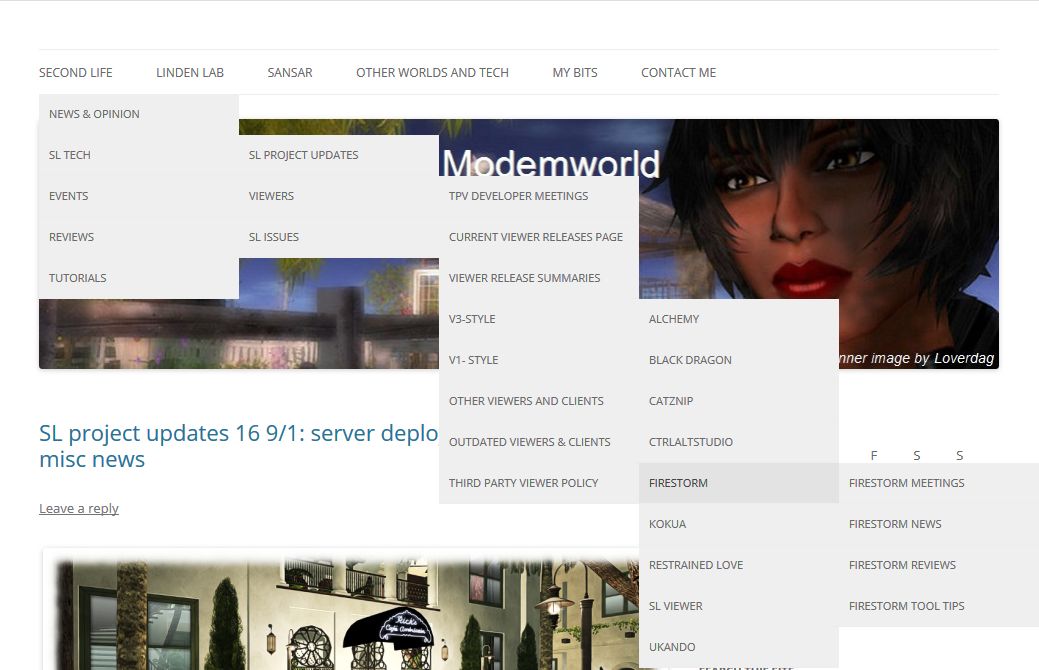
One of the things I’m striving to achieve within this blog is ease of access to information, be it through the way I use categories and tags for posts or through the use of the available menu options within the blog’s theme.
This inevitably means that I reshuffle things every so often: rationalising tags, re-ordering categories and fiddling with the menus. I hope that such re-orderings help make finding information and topics in this blog easier as things grow, be it via category searches or through general searches or the tag cloud, or through the menus.
It is the latter in particular which I’ve revised. The work isn’t finished, as I’ll be adding, tweaking and moving things over the next few days as time allows, but I think there is enough there to offer the menu for people to try, if they’re so-minded 🙂 .
There are now six main headings to the menu, most of which should be self-explanatory:
Second Life: which covers all things directly related to SL, and has five sub-menu items:
News and Opinion – for news and views on Second Life;
SL tech – for all my weekly SL project updates, news and reviews of the viewers and clients I cover in the blog; and news on significant SL issues
Events – all coverage of the events I’ve previewed / reported on, arranged by topic ( Bay City, BURN2, VWBPE, RFL, etc,)
Reviews – all my art previews and reviews, my reviews of SL regions, Sl product reviews, etc.
Tutorials – (hopefully) useful tutorials I’ve written or found and had permission to reproduce here
Linden Lab: news, views and reviews more directly related to the Lab than purely about Second Life, including things like tier, Blocksworld, meeting transcripts, etc
Sansar: news (via the Lab or the media) on Project Sansar, plus my own speculations / thoughts
Other Worlds and Tech: my coverage of other virtual world environments, my AR and VR related reports, my space and astronomy items and any general tech news I cover
My Bits: the About Me bit, with personal notes on blogging and other assorted bits
Contact Me form.
Hopefully, the topics in the menus and sub-menus will make it easier to find things, whether it is specific information you want on a topic (e.g by selecting “Firestorm News” for just that topic or all the articles I’ve published on Firestorm by clicking the “Firestorm” menu item)
As with previous iterations of the menu note that:
Clicking the menu title will display all articles related to all of the sub-menus associated with that item. So if you Click “Sansar”, you will get both the “Sansar News” and “Sansar Speculations” articles
Similarly, clicking on a sub-menu option will display all the articles listed under that menu item, and within any sub-menu associated with it. So if you navigate to SL Project Updates (Second Life > SL Tech > SL Project Updates), and click on it, all on my SL project update reports will be displayed in newest to oldest order. However, if you navigate to the 2015 Updates sub-menu item, only my 2015 updates will be displayed
Clicking the blog banner will return you to the front page.
Hopefully, these changes won’t confuse those who have made use of the old menus, and will further assist people in finding information in these pages.
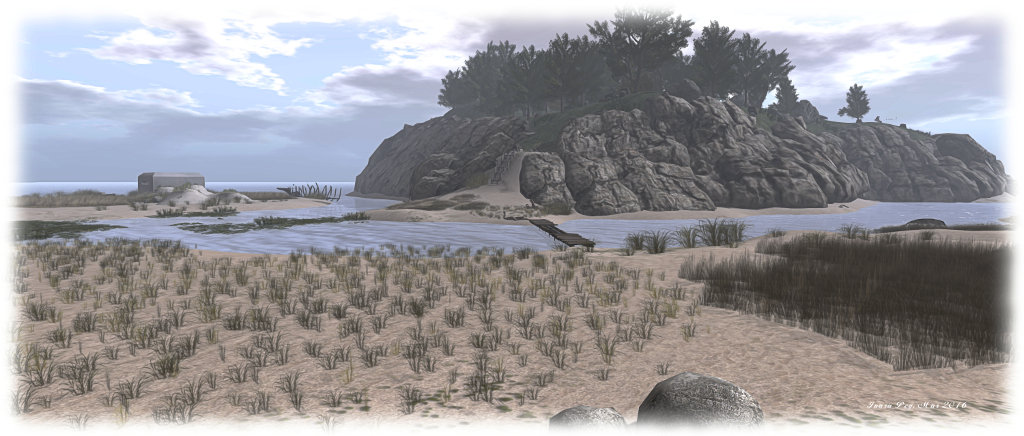 Sordid Affair, Grace Island – click any image for full size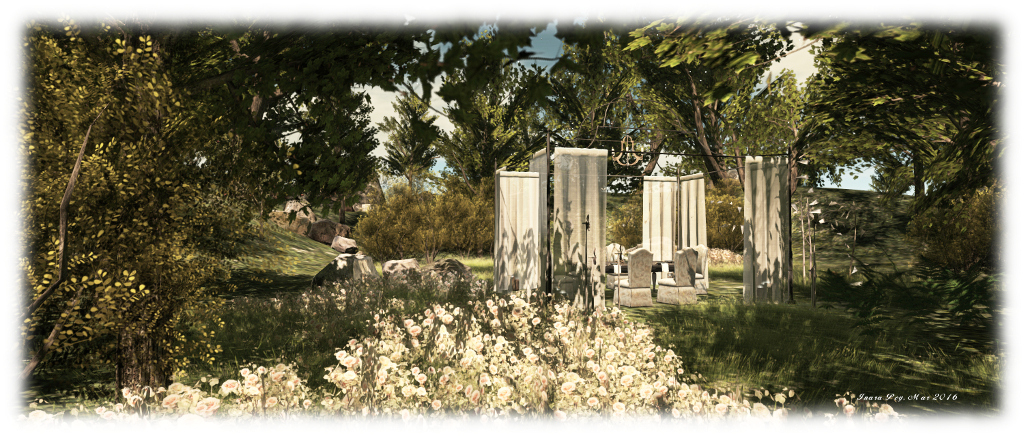
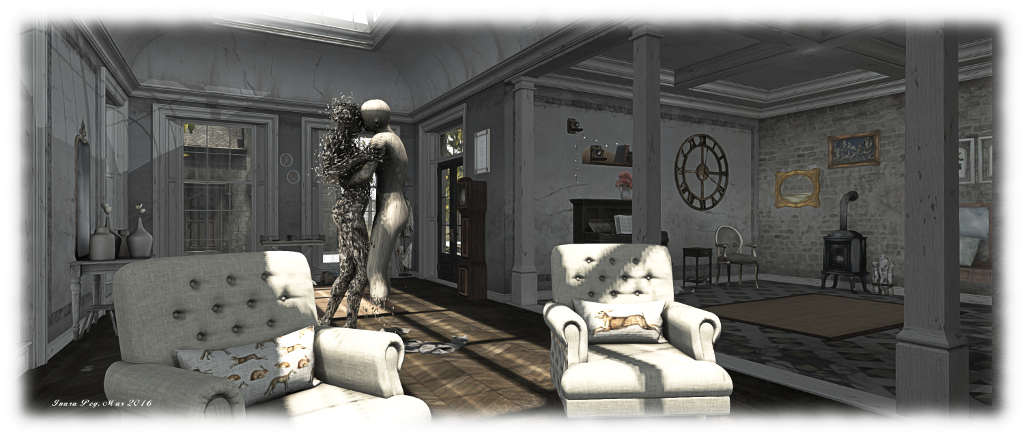 Sordid Affair, Grace Island – click any image for full size
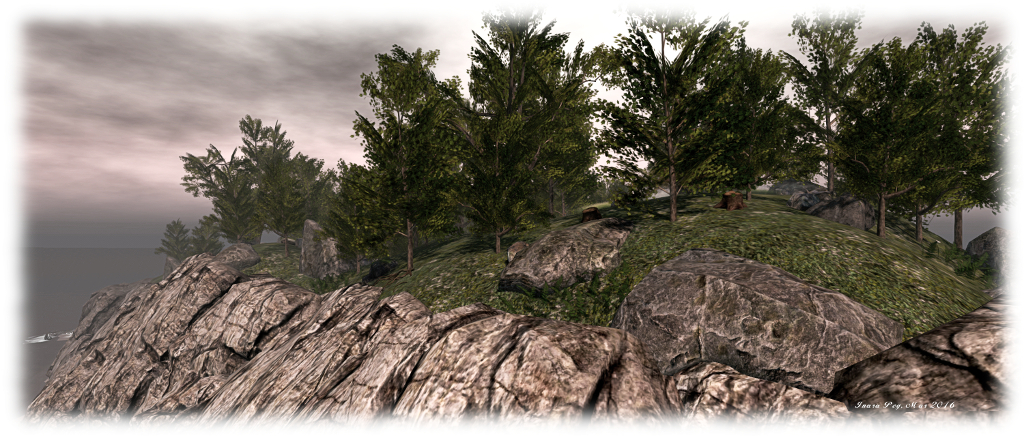 Sordid Affair, Grace Island – click any image for full size





 Inara Pey: Living in a Modemworld