On days like these in Second Life

Flux Sur Mer; Inara Pey, June 2015, on Flickr Flux Sur Mer (Flickr) – click and image for full size

For those of us in the northern hemisphere, we’re approaching that time of year when the days are expected to be warm and bright, the skies blue and the fields and grass green. A time of year when thoughts turn naturally to holidays and vacations, of spending time away from the demands of everyday life, strolling hand-in-hand along a beach or perhaps under the shade of tall trees or along a little street in another corner of the world, be it near or far. Perhaps, on days like these, we recall memories of past holidays in places we have enjoyed; recapturing the joy they brought, even while planning our next vacation excursion.

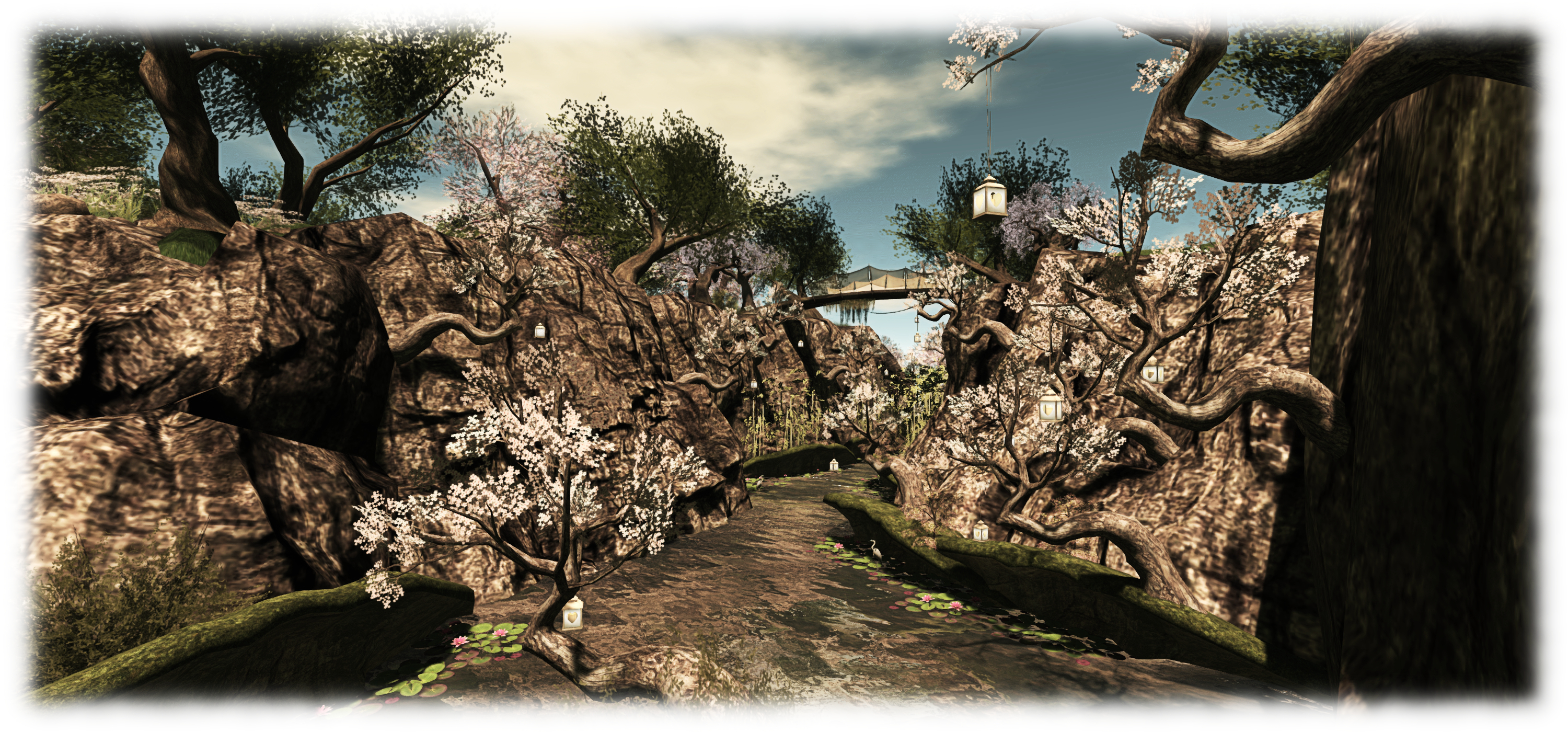
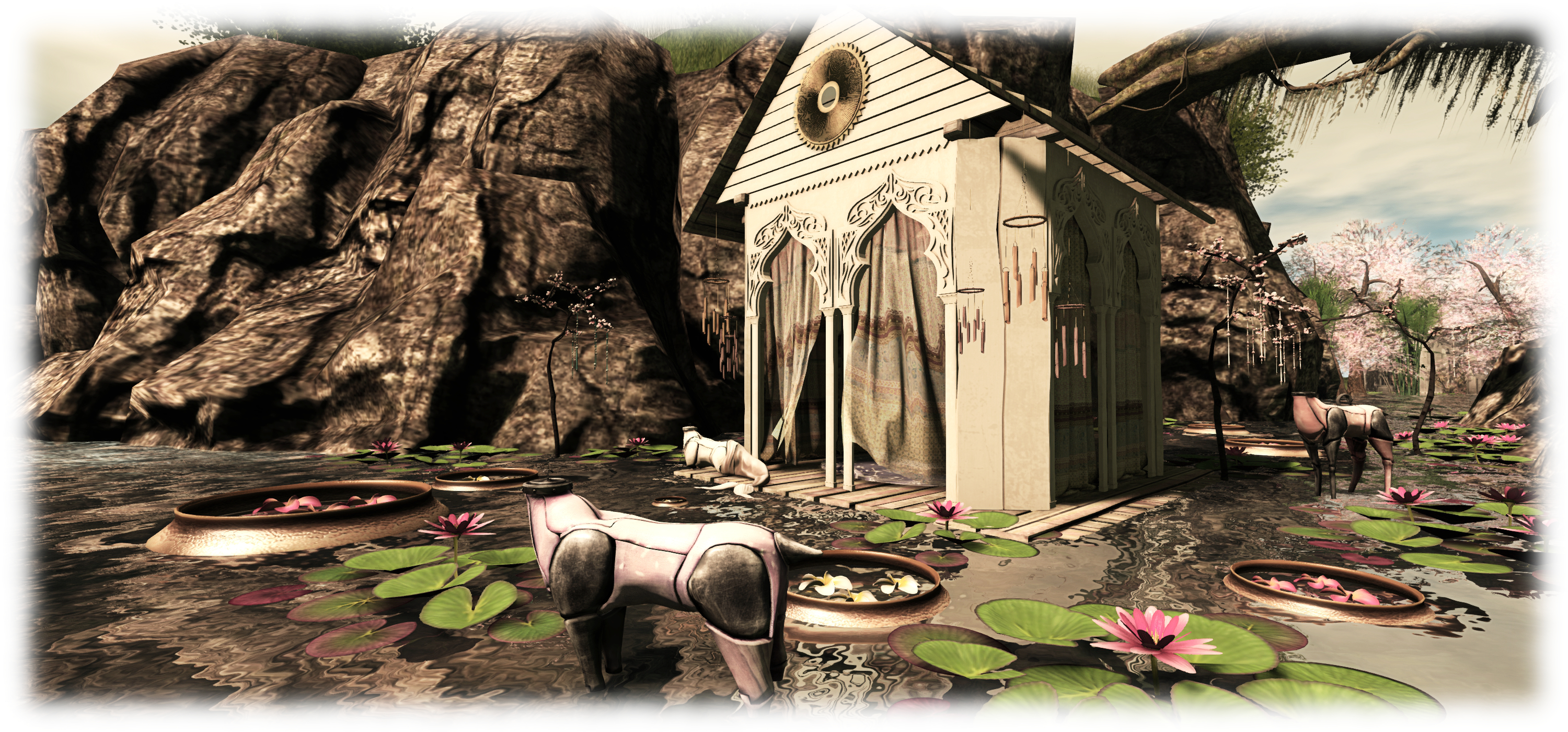
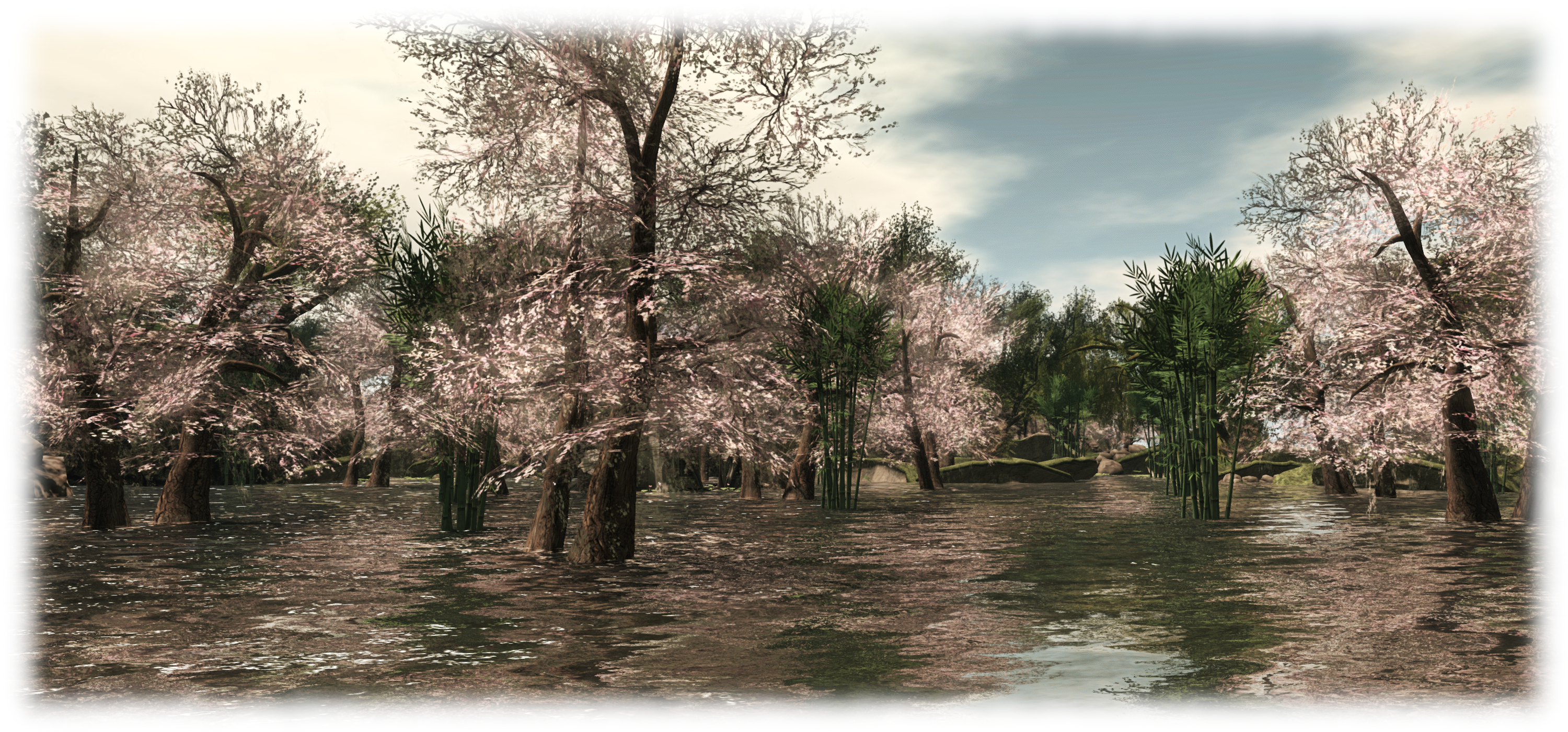
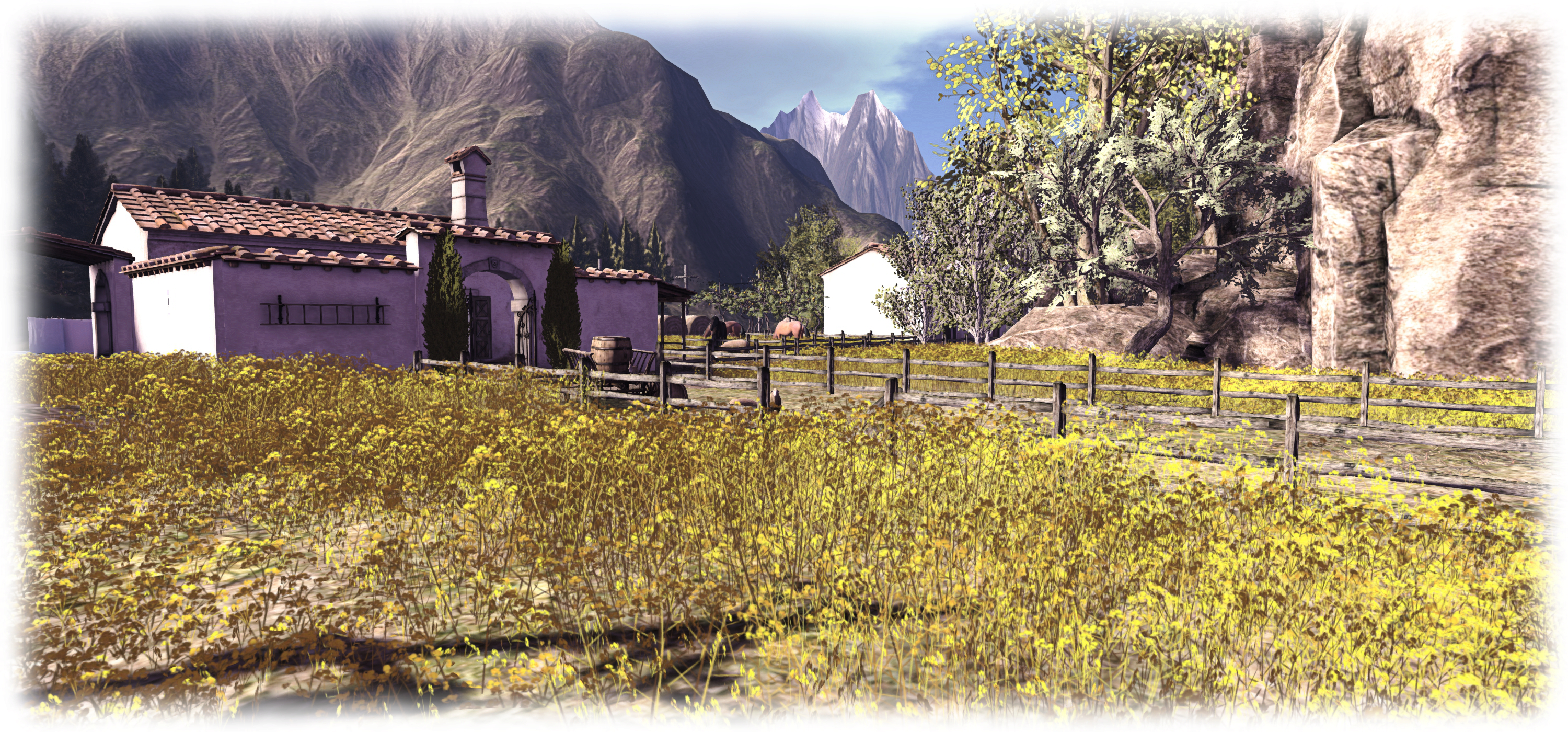
It is from such memories that the theme for Flux Sur Mer first arose. A full region collaborative design led by Mya Richards and Nic Bour, which includes the talents of Posh Jones and Imoken Neox, Flux Sur Mer seeks to recapture the rich beauty of the south of France and encapsulate it within the arms of a rural river estuary setting, which the lazy flow of rivers converge to meet the ebb and flow of a warm sea’s tide.

And it is, quite simply, breathtaking.

Flux Sur Mer; Inara Pey, June 2015, on Flickr Flux Sur Mer (Flickr)

From the moment you arrive in the region – which is newly-opened, and may not remain accessible to the public, depending upon whatever use to which it is eventually put. But while it is, anyone interested in sight-seeing in Second Life should make a point of visiting. And be sure you allow plenty of time to do so – because just like a vacation in the physical world, there really is an incredible amount to see here; far more than may at first be apparent.

There is a distinct east / west feel to the overall design of the region in keeping with the theme of it being a coastal area. The east side of the island definitely has an “inland” feel to it, and wandering that side of the island, it is easy to imagine that the eastward sea is in fact rolling green countryside through which the rivers cutting through the region wind off into the haze.

Flux Sur Mer; Inara Pey, June 2015, on Flickr Flux Sur Mer (Flickr)

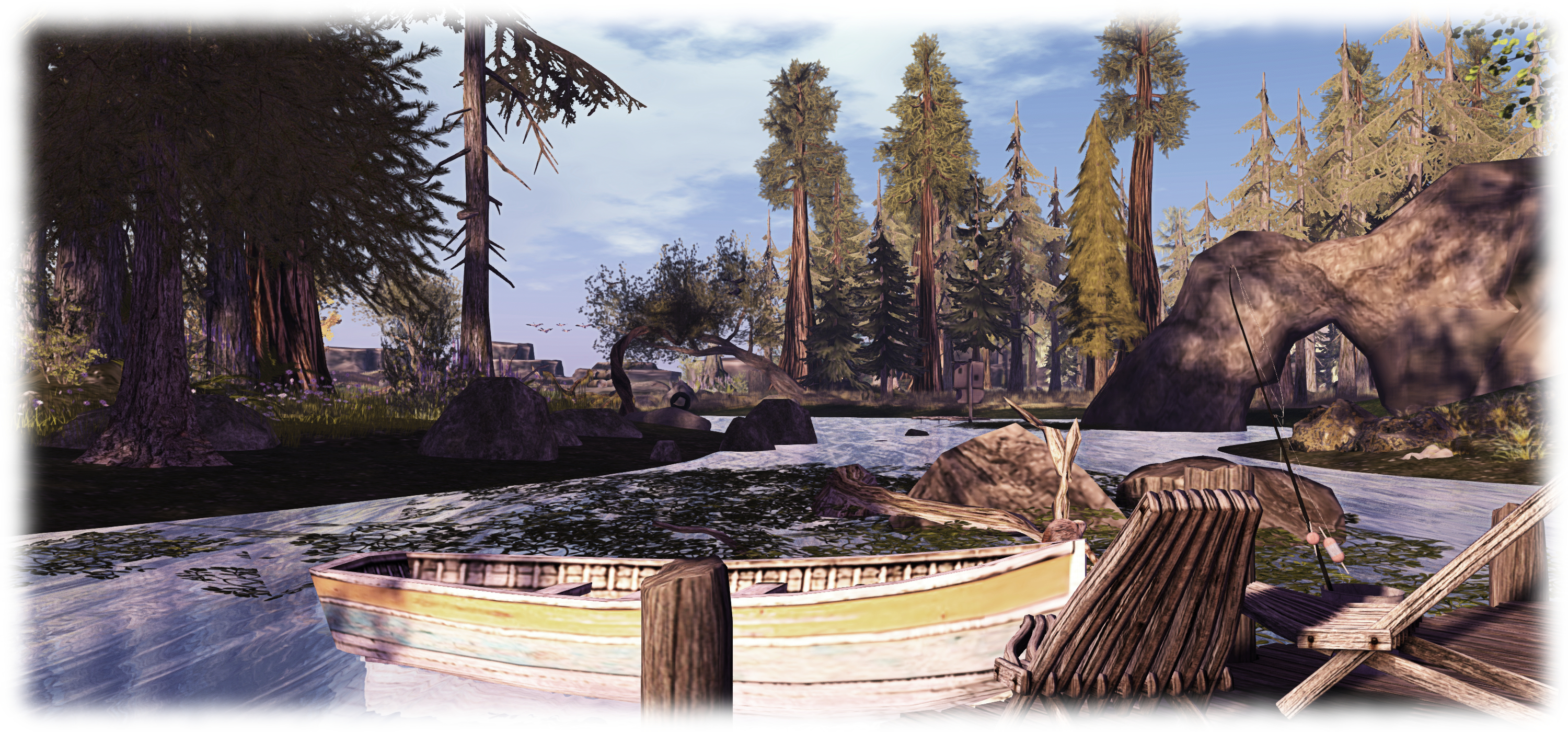
The west side of the region, however, which includes the landing point, has a distinctly coastal look and feel. It is here that the river, frequently crossed by bridges both wooden and stone, converge and meet the waiting sea. Here, as well, can be found a beach of golden sand, with motor cruisers and sailboats sitting at anchor just off the central tongue of land that sits between the rivers, which are themselves flanked by flat-topped plateaux to the north and south.

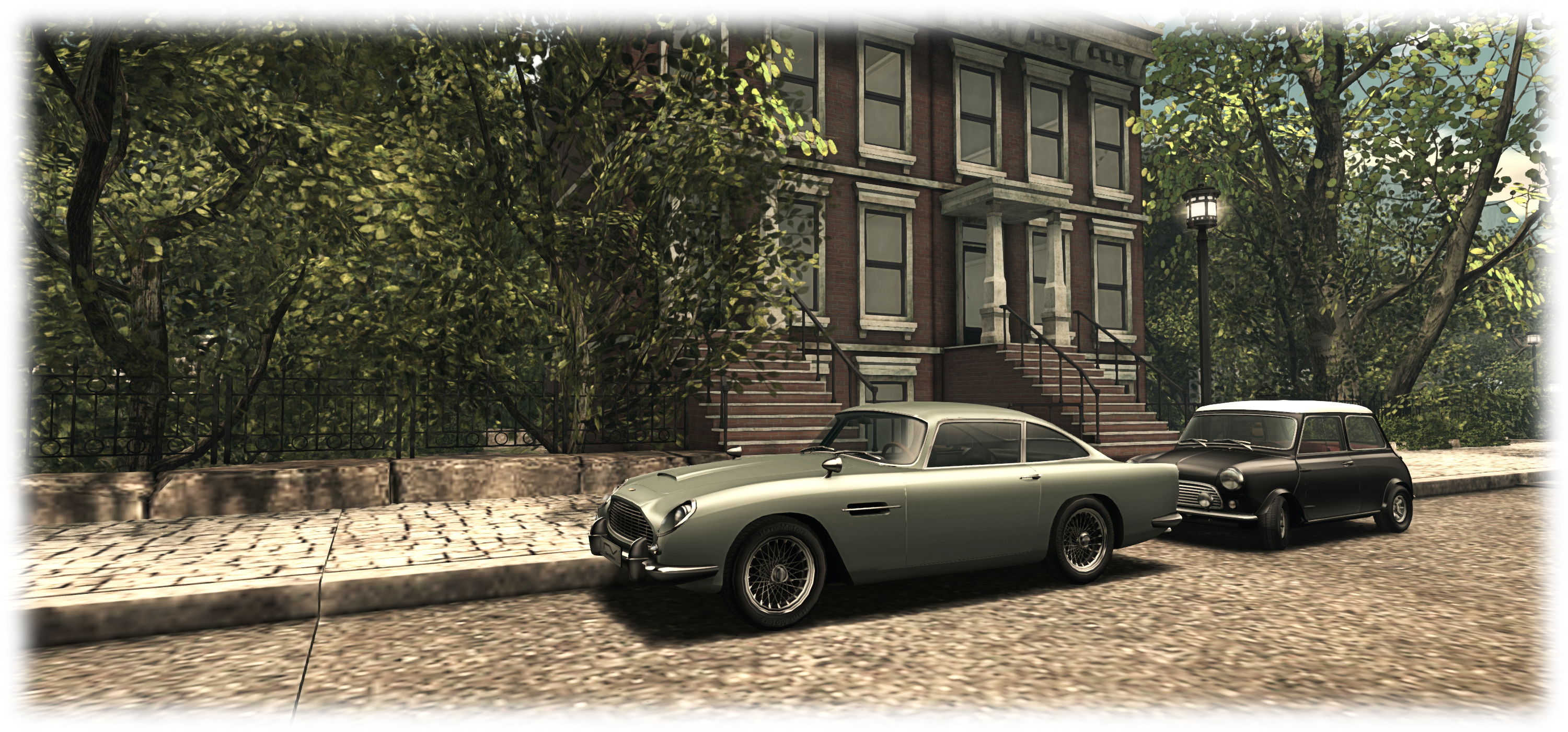
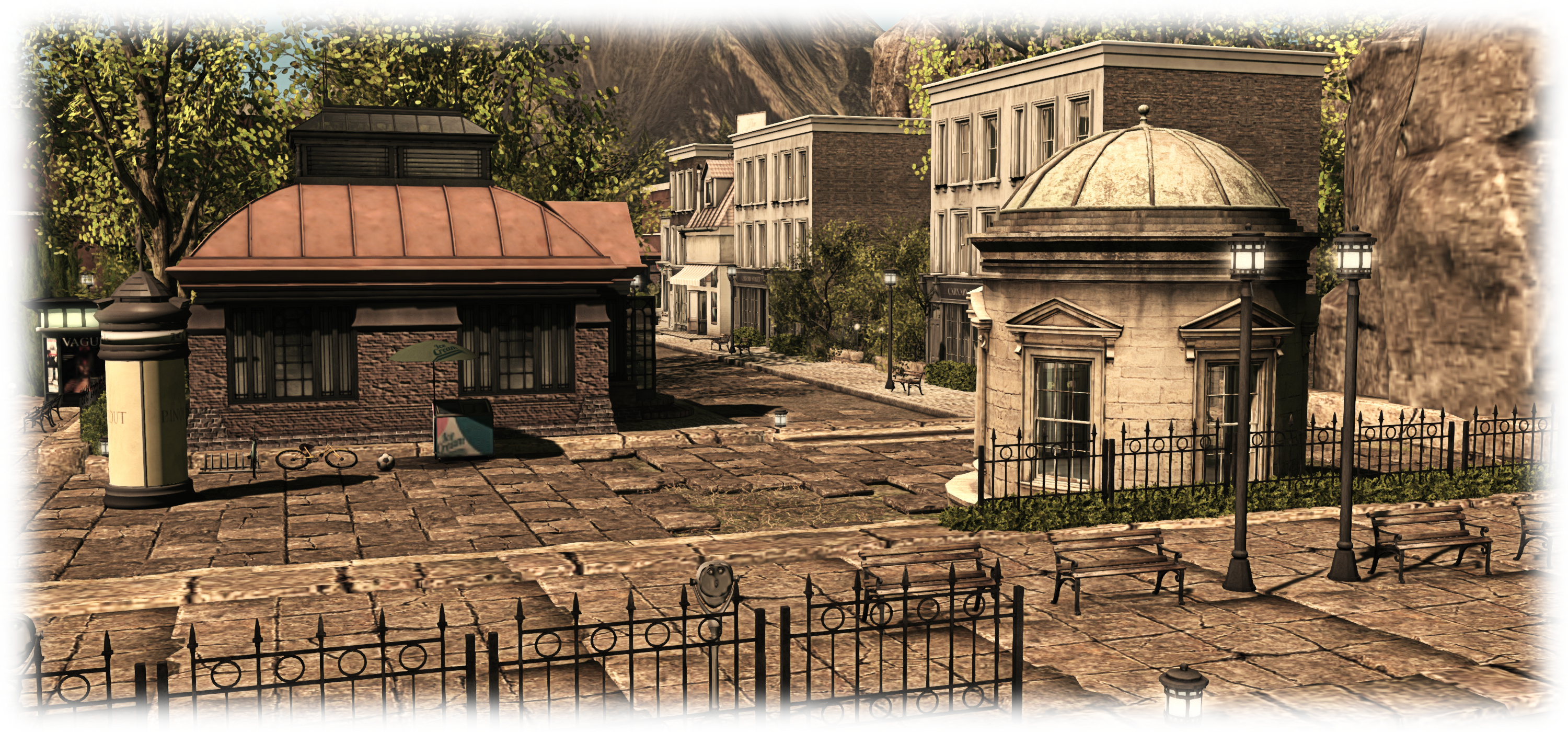
The feel of rural southern France is brought to life in so many ways here that anyone who has spent time in that part of the world is liable to find their memories being stirred and smiles crossing their faces, whether it is while seeing the houses and cottages, or spending time at one of the many little roadside, sea front  or hilltop cafes, or browsing through the little vide grenier in the tiny village centre, watched over by the silent sails of an old stone windmill.

Flux Sur Mer; Inara Pey, June 2015, on Flickr Flux Sur Mer (Flickr)

To describe everything that can be found here would really be a waste; Flux Sur Mer is a place that really has to be seen – no, more than that, it has to be experienced. Whether your interest is in coastal meandering, streetside wandering or hilltop strolling makes no difference, there is something here to suit every traveller’s taste in walks and explorations. This is a place where the little market places, the winding roads and even the down-and-heel opera house (which looks like it might also offer a little helping of night life), have so much to offer the eye and the camera; there are surprises that await you at almost every turn. In this respect, don’t forget to collect a list of landmarks from the little black signboards found across the region, should you need a guiding hand.

So on those days when the mind strays to thoughts of vacations and times away, only to be shadowed by the knowledge it may well be a while before we can do so within the physical world, it’s good to know there are places to which we can escape in Second Life. Places which allow us to both to recall times past and to share in the memories of others. Flux Sur Mer is just such a place. Be sure to book your stay.

Flux Sur Mer; Inara Pey, June 2015, on Flickr Flux Sur Mer (Flickr)

SLurl Details

Small town living in Second Life

Crestwick Island; Inara Pey, June 2015, on Flickr Crestwick Island (Flickr) – click and image for full size

Crestwick Island is a small town sited in a picturesque bay, and it’s not unreasonable to state that it has perhaps been better days; the streets are a little careworn, some of the houses equally so. And while there are attempts at colour and gaiety in the town centre, it’s hard not to escape the feeling that you’re visiting a little corner of the world that has passed its prime while seeking to hang on to it as best it can.

Which is not to say it is in any way a place that shouldn’t be seen – entirely the opposite, in fact. Designed by Isa Messioptra and Ciphertazi Wandin, Crestwick Island is actually a joy to see and wander through, and considerable care has been taken to offer a place that has a very genuine feel to it while enfolding the kind of quirks and whimsy that will bring a smile to the face of any visitor as they perambulate through the streets and along the footpaths and tracks. There’s even a few nods towards the the realm of Hollywood – although they may escape immediate recognition except to the film buffs among us.

Crestwick Island; Inara Pey, June 2015, on Flickr Crestwick Island (Flickr)

Take, for example, the town’s beauty salon; the sign over the windows proudly proclaims it to be The Best Little Hair House in Crestwick – a play on the title of a certain musical and 1982 film about a Chicken Ranch in Texas, and starring Dolly Parton and Burt Reynolds.

The beauty salon shares the town’s main street with the local medical centre, newspaper offices, bank, books shop and dance studio, with the town hall presiding sternly over all of them. Sitting kitty-corner to the beauty salon is the still chic Rosewater Cafe, offering refreshments, a place to while away the hours and dancing for those in the mood.

At the opposite end of the street to the town hall can be found the art gallery, featuring Isa’s stunning artwork (which can also be found on Flickr, as can Cipher’s) and which sits under a fading billboard which will take movie buffs Back To …. another  film from the 1980s starring Michael J. Fox…

Crestwick Island; Inara Pey, June 2015, on Flickr Crestwick Island (Flickr)

Nor is art limited to the gallery; there is some impressive graffiti to be found on the walls of certain buildings, and it can also be found in doors as well. In this respect, do make sure you pay a visit to the local place of worship; it has something quite novel to offer visitors, and a trip to Crestwick Island would be incomplete without stopping by!

Further out from the town the landscape is a little more rugged, and a tall plateau rises to the north west, topped by what looks like an old observatory dome and a smaller building. Stone steps with rusting iron handrails offer a way up to the dome, as does a winding sandy track – and anyone who has visited Griffiths Park and Observatory in Los Angeles might has a slight sense of deja-vu walking up the track; I know I did.

Crestwick Island; Inara Pey, June 2015, on Flickr Crestwick Island (Flickr)

Do take note, however, that like the town’s church, the observatory isn’t all it seems, and I wouldn’t be at all surprised if the name “Roswell” slips into your thoughts once you’ve climbed the ageing metal stairs up to the dome…

All told, Crestwick island is a visual treat, whether seen under the default windlight (to which I made only minor tweaks for most of the picture here) or under … well, probably just about any one you care to choose; it’s instantly picturesque, the slightly running-to-seed look actually adding to the look and feel of the town. If you’ve not visited already, it’s well worth the time in stopping by; you can even enjoy a little wine in the park or a snuggle at the cliff side camp…

Crestwick Island; Inara Pey, June 2015, on Flickr Crestwick Island (Flickr)

SLurl Details

Wine and Checkmate in Second Life

The Vineyard, Checkmate; Inara Pey, May 2015, on Flickr The Vineyard, Checkmate (Flickr)

Checkmate is the homestead region designed by Amae Moriarty which is, without a shadow of a doubt, one of the most breathtaking places in Second Life I’ve yet visited. I first came across it as a result of seeing Goizane Latzo’s photos on Bitacora Vajera about a week ago, and they promoted me to hop over and have a look – only to bump into Ziki Questi, who had  the same idea!

The region description sums the place up perfectly, “a rambling vineyard enveloped by a hazy sky. Wander through the grapes as they soak up the sun, producing the best vintage of pixel wine on the grid” – or to put it another way, a beautifully crafted island that offers visitors a lot to see and enjoy, with rich scenery and plenty of opportunities for photographs, and for cuddles and chats.

The Vineyard, Checkmate; Inara Pey, May 2015, on Flickr The Vineyard, Checkmate (Flickr)

The arrival point sits above the vineyards atop a plateau to the south, on one of a number of rocky uprisings – which, in difference to the rest of the region, is partially awash in a very local shower of rain, making a pond of the landing point. Fortunately, it’s only a short walk to get out of the rain, although which direction you take is up to you;  I’d suggest heading a little northwards, and up to the edge of the cliff and a commanding view over the vineyards in the valley below.

For those who wish to climb a little higher, a set of stone steps leads the way to an old Edwardian folly and a view out to sea past the lighthouse. however, to get down to the vineyards, one must follow the switchback path down the side of the cliffs to the valley below.

The Vineyard, Checkmate; Inara Pey, May 2015, on Flickr The Vineyard, Checkmate (Flickr)

Here sit tidy rows of vines, heavy with lush red grapes ready for picking. Going on the scale of the operation, this looks to be a family operated business, specialising in reds. They clearly enjoy visitors – alongside the vines sits a square pergola where guests can sample the wine with cheese and meat slices while playing a memory game; further tastings can be had in the winery itself. A rounded pergola sitting amidst the vines suggests the folk here enjoy a good end-of-day dance and music, while in a small bay, protected by a beachy headland sits a dock and a Loonetta 31, ready for those days off and trips out into the opens waters.

Footpaths pass around the island, providing an easy means to explore, encompassing as they do the local house with its own beach. In fact, beaches are aplenty here, each of them nicely situated to offer those using them a degree of privacy one from another as they sit and chat. My favourite sits at the end of a path turning between the tall rocky cliffs, where an old garden atelier sits on the rocky edge of a beach, and which has been converted for comfortable uses and pastimes, such as painting.

The Vineyard, Checkmate; Inara Pey, May 2015, on Flickr The Vineyard, Checkmate (Flickr)

Throughout the region there are plenty of places to simply sit and relax, be it in a seafront cuddle space such as the atelier or the little cabin nestled under the cliffs, or sitting from a bough-hanging bench swing for two. For those who like to hike, the plateau to the  north-east offers a hot tub to make the wake even more worthwhile, the cosy fireplace in the old converted greenhouse nearby presenting a place for warm, after-tub chats in old, comforting armchairs, or the opportunity to catch-up on some reading.

Such is the delight and design of Checkmate, it seems that where ever you go whenever you visit, there is a new charm waiting to surprise you. For the romantics, for the explorers, for the photographers, the is a place that offers so much; so don’t be surprised if you find yourself tarrying a lot longer than you’d anticipated when paying a visit.

The Vineyard, Checkmate; Inara Pey, May 2015, on Flickr The Vineyard, Checkmate (Flickr)

And the wine? Most assuredly the best pixel vintage available on the grid!

SLurl Details

Into the Abyss and beyond: exploring our world

The Abyss Observatory

For the last several years, The Abyss Observatory has been a collaborative project formulated by the Japan Agency for Marine-Earth Science and Technology (JAMSTEC) and involving the support of a number of organisations including the National Oceanographic and Atmospheric Administration (NOAA), who host the core elements of Abyss Observatory, the Open University in the UK, and the Digital Hollywood University, Tokyo.

At the start of May, Vick Forcella nudged me about Abyss, and the fact that it will be going offline in early June. I actually hopped over to have a look around then, but it has taken me a while to get this article sorted and written. My apologies to Vick and to the organisers of the Abyss that this has been the case.

The Calypso at the Abyss Observatory

The Observatory grew out of work initially started as the Abyss Museum of Ocean Science, which closed in May 2009, and two follow-on projects. The first of these projects was Vi and Yan’s Undersea Lab, founded by the current co-creator of The Abyss Observatory (August 2009), Yan Lauria from JAMSTEC, and Vianka Scorfield, one of the creators of the exhibits at the Observatory; the second project was the Ocean Observation Museum (November 2009), which saw Rezago Kokorin, one of the creators of the original Abyss museum join the team as co-curator, and Comet Morigi join as Artistic Advisor.

The focus of the Observatory is presenting information on Earth sciences in an immersive, informative manner. As such, it covers multiple levels, extended both under the water and into the skies overhead and is also linked to a number of “external” regions, including a related Earth studies facility located at Farwell.

Finding your way around the facilities can take a little time; I personally recommend starting at the arrival hub, and taking the ground level / underwater walks which can be accessed via the beach, and which will take you under the waves, introducing you to marine life, marine monitoring, conservation and studies.

The Tektite underwater habitat at the Abyss Observatory

As well as meeting various members of our marine populace, the underwater walks take you through various information areas, with display models, infographics and information boards covering a wide range of subjects, including the unique Tektite Habitat, which in 1969 / 70 was the centre of research into reef ecosystems and human physiology studies related to both saturation diving and possible long-duration space missions.  The Abyss facilities provide an overview of the Tektite studies, together with a cutaway model of the habitat (shown above).

Close to the Tektite habitat, visitors can find models of the bathyscaphe Triseste, which reached a record maximum depth of some 10,911 metres (35,797 ft), in the deepest known part of the ocean,  the Challenger Deep, in the Mariana Trench in the Pacific in 1960. Alongside this sits Jacques Cousteau’s famous yellow underwater “flying saucer”, exploring the deeps while the Calypso is moored nearby. This part of the Observatory also includes a model of Ictineo I, a wooden hulled submarine dating from 1858.

However, the Observatory is not all about ships and submarines – as noted, there is plenty of information on marine life and on marine conservation, and there are skyborne exhibits which offer opportunities to experience very deep sea diving. There’s even the option of relaxing in an underwater bar!

Only One Earth
Only One Earth

The Abyss Earth studies exhibit at Farwell is entitled Only One Earth, and presents the visitor with a tour of the Earth, starting with a basic introduction to the planet on the lowest level, progressing onwards and upwards through a history of the planet measured by the geological ages, which traces the development of life on Earth. This is a fairly interactive exhibit, with information boards, info givers visitors are encouraged to click on (which display information in local chat), and buttons underneath graphics and images that reveal further information – and of course, links to assorted web pages, as with the main Abyss Observatory displays.

The former climate studies exhibit

Unfortunately, as I am getting to this write-up a little late, some of the exhibition spaces created for the Abyss Observatory appear to have already been dismantled. The very excellent climate studies are that was once at Farwell (see above) no longer seems to be available, for example; teleports to it simply return the visitor to ground level.

When visiting the Abyss Observatory, it would be easy to dismiss it as being “old school” – the builds are prim, there is little or no mesh in evidence, etc. It’s also true that some sections of the observatory never seem to have been entirely finished. However, this doesn’t mean that the information which is presented is lacking; there is much on offer here. With a final guided tour of the facilities coming up on Saturday, May 30th at 07:30 PDT, I do recommend that anyone with an interest in marine ecology and / or the history of Earth consider paying the Observatory a visit.

SLurl Links

Urban decay in Second Life

Xin; Inara Pey, May 2015, on Flickr Xin (Flickr)

Xin is the home region for the store of the same name, a place I was drawn to it after seeing images by Goizane Latzo. It is one of a number of regions which have taken a theme of disaster / apocalypse as a theme – perhaps the most notable (in terms of bloggers) being Sera Bellic’s The End of the World As We Know it, which I visited last month, although I’ve yet to blog about it.  

In the case of Xin, designed and built be Alice Pvke (although apparently, ” Jaix helped for like nine seconds”! 🙂 ) it’s unclear as to precisely what has happened; the arriving visitor is presented with a town surrounded by mountains, and which is in a state of ruin. High-rise building stand broken or have toppled over to crash into their neighbours, while down below, the streets are slowly decaying, and the local freeway overpass is in a state of collapse.

Xin; Inara Pey, May 2015, on Flickr Xin (Flickr)

Has there been an earthquake or some other natural disaster? Or is the destruction the result of a war or some other man-made catastrophe? Whatever the cause, it would appear it left the local citizens in a state of turmoil; while the streets are now deserted, there are signs of city-wide violence; vehicle sit riddled with bullets, and even one of the city’s fire trucks appears to have been the target of deliberate assault, its once pristine bodywork battered and dented, its windscreens and side windows smashed-in.

Across town sits an old amusement park, the bumper cars sitting pathetically amidst the ruin of their track, while a once proud Ferris wheel lies broken across the street, its cars sitting in a jumbled heap.

Xin; Inara Pey, May 2015, on Flickr Xin (Flickr)

Everything about this town speaks to a once thriving metropolis; now humanity appears to have fled, and slowly, but surely, nature is gradually reclaiming the neighbourhood. Grass, the seeds of which no doubt carried by the wind, has started to lay claim to the flat roofs of some of the smaller buildings, while vines and creepers climb the sides of others, and to spread themselves along the old power lines that connect some of the skyscrapers. The streets themselves are starting to crack and break-up as roots and grass force their way up through ever-widening gaps in the ageing tarmac.

For those seeking an atmospheric backdrop for photos, Xin might provide a useful option – although admittedly, rezzing is disabled. Those looking for the store should take a look underground near the landing point.

Xin; Inara Pey, May 2015, on Flickr Xin (Flickr)

Additional Links

Roxeter: where the arts meet in Second Life

Roxeter; Inara Pey, May 2015, on Flickr Roxeter (Flickr) – click any image to enlarge

Friend and content creator Vivienne Daguerre tapped me about her new collaborative venture, Roxeter, located on her own region, bearing the same name and which is also still the home to her Black Rose brand.

“Roxeter is intended to be a place supporting and featuring SL artists and live musicians,” Vivienne informed me, “and in future we hope to add writers and theatre performances to the list.”

Having opened in March, Roxeter already offers a number of indoor and outdoor venues for music and live performances, and the theatre is currently under construction, with work progressing well.

Roxeter; Inara Pey, May 2015, on Flickr Roxeter (Flickr)

The region itself has something of a New England feel to it, with the core venues built around a small town-like locale centred around two squares. The first of these features an open air café which offers something of a social hub, around which sit a small number of commercial properties, the Roxeter library, and the pub (which offers an indoor venue for music) with the black rose radio station and media centre right next door. Beyond these sits an open-air music venue flanked on the one side by a large events stage built out over a beach, and on the other by the theatre.

The second square, this one with a fountain as its central feature, can be found behind the library building, with the Roxeter Place for the Visual Arts facing the library facade across it. At the time of my visit, Roxeter Place featured small displays of works by Darkyn Dover and John (Johannes1977), both of whom I admire for their exceptional photography, and Altarn Damon Bach – whom I admit is a new name to me, but whose work is equally stunning.

Roxeter; Inara Pey, May 2015, on Flickr Roxeter (Flickr)

Community is very much a part of Vivienne’s focus in Second Life, and this is reflected in the fact that not only offers venues to the arts and music communities, but uphill from the Roxeter Place for the Visual Arts still a number of private houses available for rent to interested parties (please keep in mind some are already occupied); there is a small realtor’s office down in the town offering details of the available lots. Finally, and as no town should be without one, just across a narrow stream sits the local church and manse. The latter is also a private residence, so again, do keep that in mind when visiting, although you might want to look around the church grounds for the entrance to the catacombs below!

From this description, you might think everything sounds a little cramped in the region. Well, not so; considerable time and effort has gone into developing Roxeter and its venues, so the entire region has a feeling of open spaces as well as having something of a small town look. Indeed, with the off-sim islands on one side and craggy peaks on the other, the entire effect is that of being in a coastal town as it looks out over the open sea.

Roxeter; Inara Pey, May 2015, on Flickr Roxeter (Flickr)

A major aspect of Roxeter is that it is entirely non-profit: the region is paid for entire out of the revenue generated by Vivienne’s Black Rose store (which is located high overhead and can be reached by the teleport point inside the little Black Rose shop in the town), with the aim of the venues here being, as Vivienne described, to promote music and the arts in Second Life and provide a means by which artists, musicians, DJ’s the theatre groups can present their music and work.

Obviously, operating a group of venues like this takes time and effort, and Vivienne has brought together a team of talented individuals to help keep Roxeter moving forward.  Freya Lovenkraft is managing the live entertainments, and has started a video series, Behind the SL Music, hosted at Roxeter’s Black Rose Radio, in which she interviews and chats to people from SL’s music industry. Her first interview, with Mason Thorne, is available for viewing.

Artist Shakti Adored curates the Roxeter Place for Visual Arts, while Ercila Robbins manages the library, which had a literary / knowledge focus. Filling out the current team is Trinity Taryn Ansome, who is Roxeter’s Second Life Arts, Music and Culture blogger.

Roxeter; Inara Pey, May 2015, on Flickr Roxeter (Flickr)

All told, Roxeter is quite a superb undertaking with an already very impressive events calendar. There is also an in-world group to keep abreast of news and event notices, while all the latest from the region can also be found on the Roxeter web site.

If you’re looking for a new music / arts / theatre venue, then this is a place you should definitely make a point of visiting.

Related Links