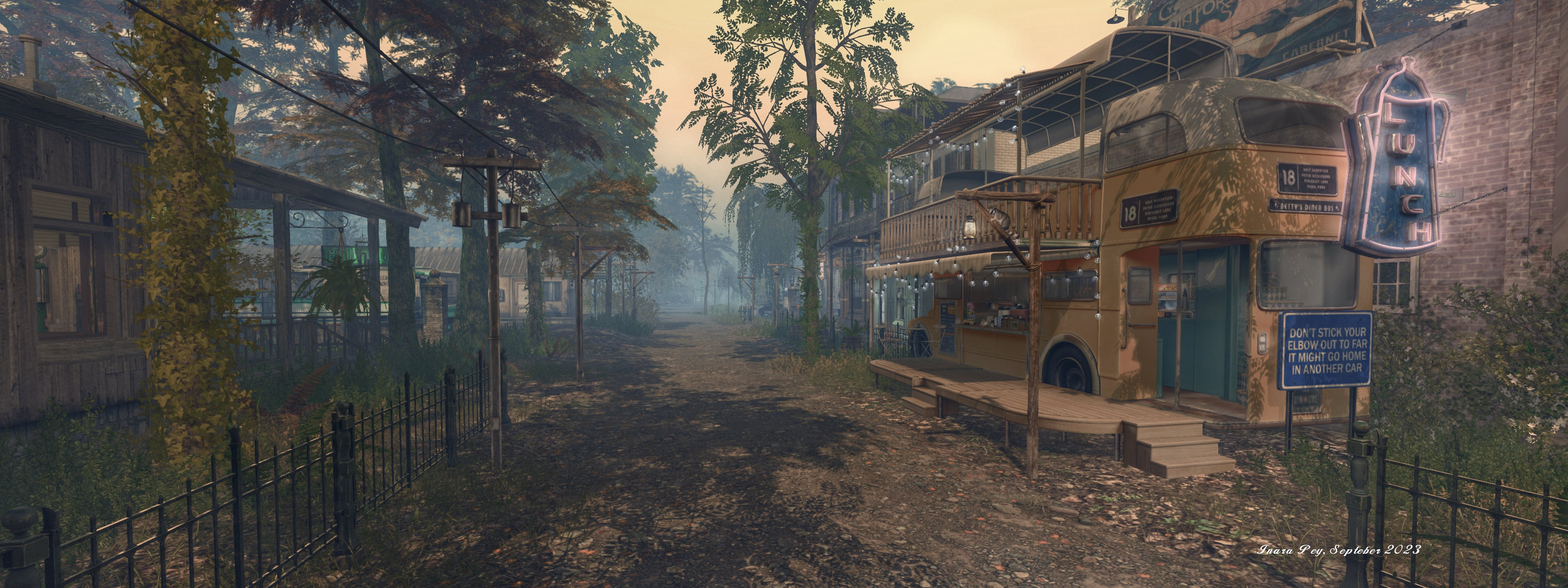
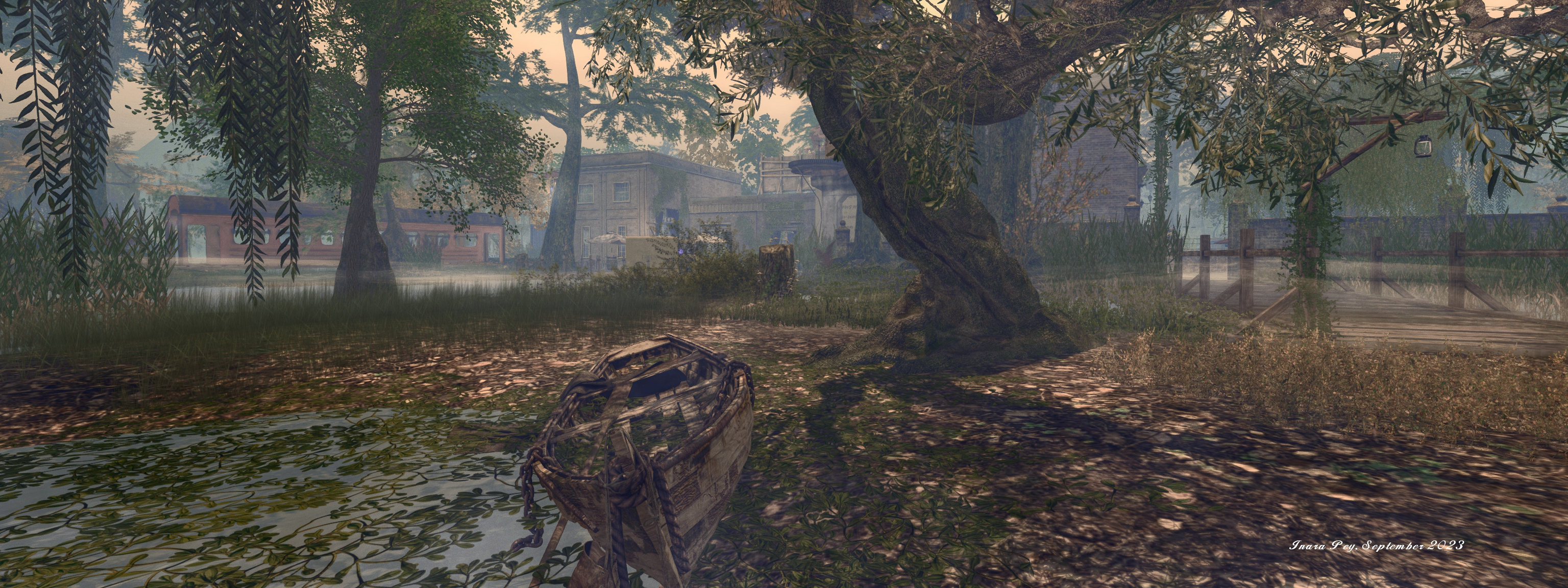
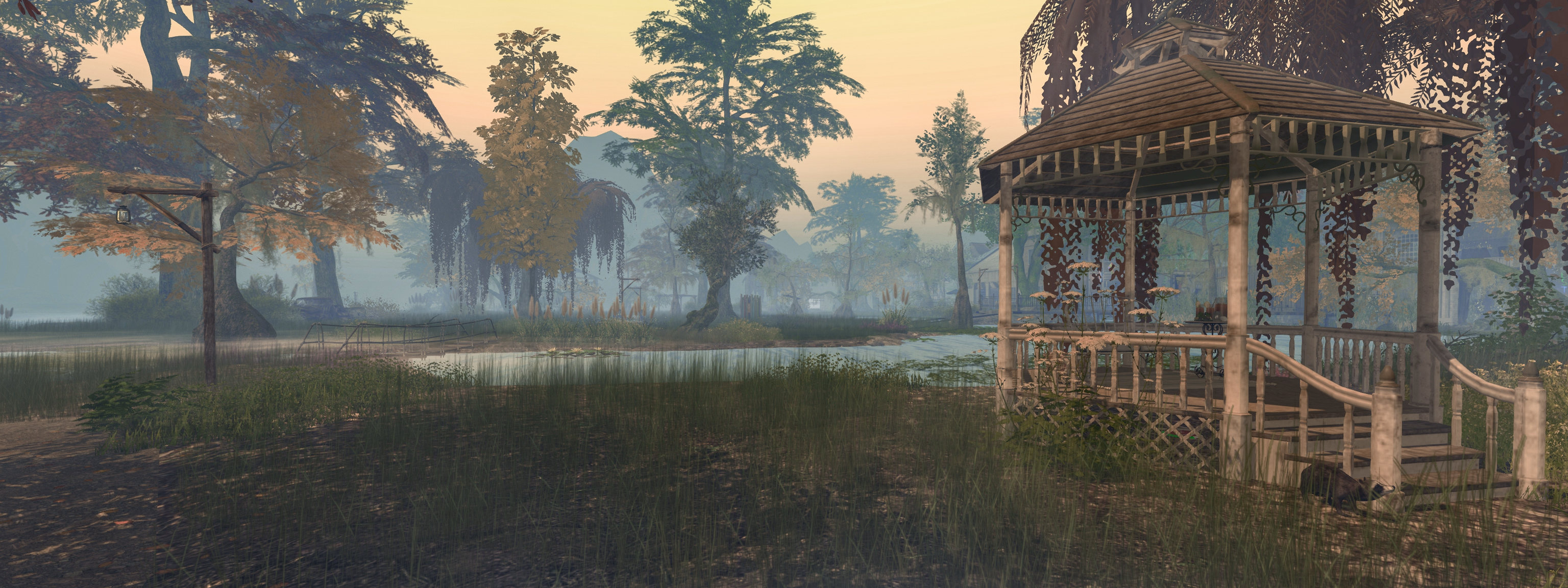
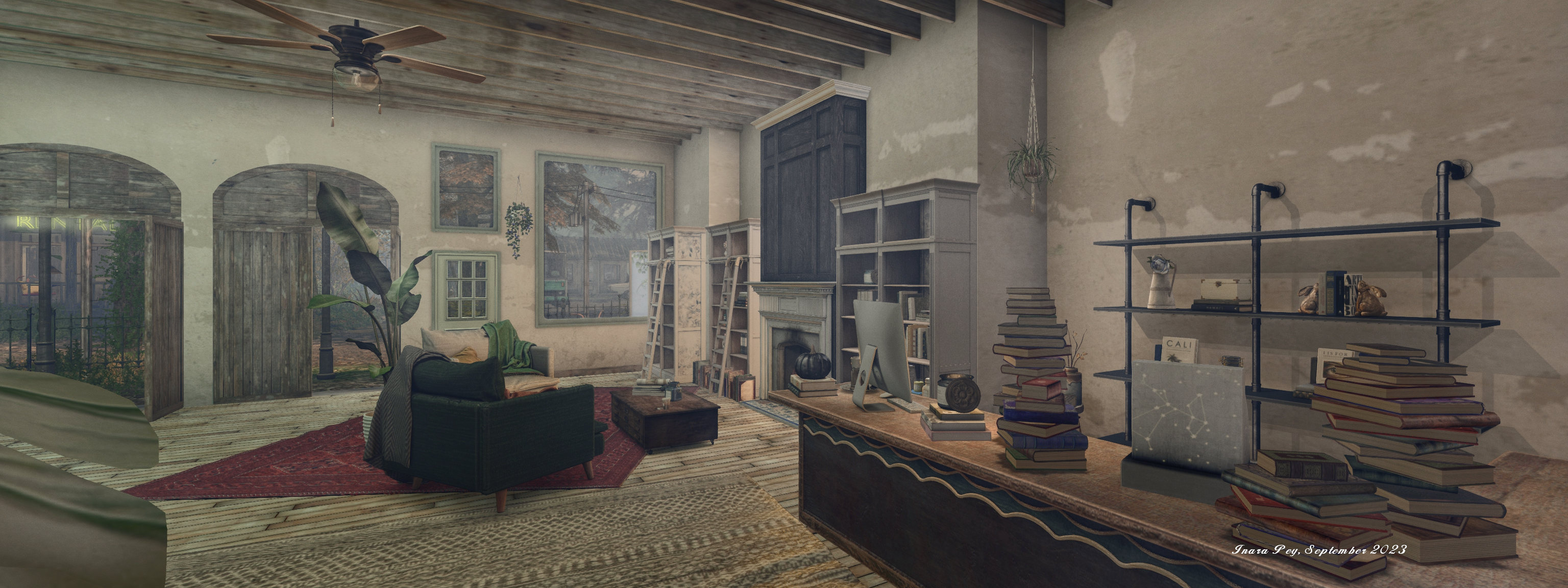
Triple Sweet Café, September 2023 – click any image for full size
I’ve been back on my café-hopping again of late, with a recent stop being that of Triple Sweet Café, designed and operated by Nisha Nebula (StarfireNebula).
Located within a Homestead region and sitting on the largest of five islands located therein, the Triple Sweet Café would – but for the trees which form the island’s major occupiers – offer a commanding view out over the waters towards two of the other four islands. It would also provide a broke of the island’s foreshore, where a dock points out from the land, a place where rowing boats await those who fancy taking a trip out on the water. However, should you opt to do so, please note that with the exception of the little island closest to the café’s (and linked to it via a humpbacked bridge), the small islands are private residences, so please do not approach or explore without permission.
Triple Sweet Café, September 2023
However, as noted above, the café is screened from the westward island by trees and they climb up the rugged hillside to its flat top, giving the café and its aged terrace and foreland a cosy sense of privacy and detachment; marking them as a place where people can come and forget worries and upsets and simply relax and let the time pass without care.
The converted cottage in which the Triple Sweet is located is the only building on the island. It offers a snug main room complete with a counter where coffee and pastries might be purchased and comfortable armchairs and sofas sit around an open fire – something likely to prove popular with visitors as the nights start to drawn in here in the northern hemisphere.
Triple Sweet Café, September 2023
A second little snug space sits above, on a half-floor reached via a spiral stairway. Should the main room, with its armchairs and tables and chairs prove to be a little busy, a connecting hall offers the way to a glass-roofed side room. This also offers comfortable armchairs before a fireplace, together with counter seating. It’s a genuinely warm, friendly place, whilst the old terrace outside the front door has seating for those who enjoy coffee and sunshine.
The café shares the hilltop with a wooden deck presented as an event space; dances are available for the romantically-inclined, while tables to one side offer further places to sit and enjoy a drink and a nibble.
Triple Sweet Café, September 2023
Nor is sitting in or close to the café the only options for visitors to the island. Follow the steps at the front of the café’s grounds to the lowland area, and it will not open lead to the small dock mentioned above, but also opens the way to most of the other places where people can sit and cuddle or chat and pass the time. One of these – the little campsite – has a path curving away to it to where a second set of steps descend the hill from the café to reach the stone bridge as it hops of the water to the little island I also referenced above.
Low-lying and circular in nature, the island is home to ruins of an equally circular form. What they may represent is up to the imagination, but with the surrounding trees and flow of vines over the stonework, it forms another place of romance for dancers, the fountain at its centre completing the attraction of this quiet location.
Triple Sweet Café, September 2023
Like many places in Second Life, Triple Sweet Café is dressed for the Autumn / Fall, with many of the trees around the café heavy with leaves turning brown, gold and red, while some of the leaves having decided to make the jump for the ground, where the colours also reflect the time of year, even as racoons and squirrels roam. Also given the time of year, the trappings of Halloween have started to appear, both indoors and out.
Highly photogenic and finished with a fitting local soundscape, Triple Sweet Café makes for an inviting and engaging visit. Now, if you’ll excuse me, I have a coffee and a cinnamon roll with my name on them 🙂 .
Two of the things I can appreciate in life are coffee and art. When it comes to the former, I take pride in being both an appreciator and a creator; I very much believe in the “old” saying life is too short for bad coffee, and always enjoy a well-made cup and genuinely enjoy making my own from beans to cup (by way of automatic prosumer coffee maker or a Cafetiere / French Press or a Moka pot, depending on mood / company). When it comes to the latter, however, I’m strictly an appreciator because I can neither draw nor paint.
However, with LiThO Gallery I’ve found that I can enjoy both – and can combine my coverage of the arts in SL with my occasional series of cafés and coffee houses in Second Life whilst also making my way back to the Corsica South Coasters community, which I’ve also written about on numerous occasions (most notably in covering exhibitions at NovaOwl Galleries). Sub-titling itself the tiny art(ist) Café, LiThO offers a neat little play on words whilst also fulfilling its primary purpose: a place to relax and enjoy art.
LiThO – The Tiny Art(ist) Gallery
The play on words – as the notes from owners Lizzy Swordthain and Tom Willis available from the café’s terrace explain – first off takes the short-form of lithography, the planographic method of printing developed by author and actor Alois Senefelder, and most frequently used initially for musical scores and maps. In the second, it is a tease on their SL names. It occupies one of three parcels the couple have developed, the one alongside the café offering an open-air event space (although the café also has one of its own up on the roof and reached via stairs to one side of the building). The reaming parcel, to the rear of the café, is a private home, the two separated by the gully and bridge – the latter marking the limit of public spaces.
As a gallery space, the café hosts modest exhibitions in casual boutique style. Pieces from the invited artist are displayed the the two covered wings of the terrace and on the walls of the café’s rooms. At the time of my visit the gallery was playing host to an exhibition of Second Life landscapes by Michiel Bechir – an artist whose work is always worth seeing. It opened on September 3rd, 2023, so has a while to run for those wishing to visit without feeling rushed. The select of pieces – 15 in total are well-suited to the ambience of the café and offer engaging views of some of Second Life’s most popular public regions, past and present.
LiThO – The Tiny Art(ist) Gallery
Cosy and nicely presented, LiThO makes for an easy-going visit, and the trails and paths around it offer opportunities for exploration.
The following notes were taken from the Tuesday, September 12th Simulator User Group (SUG) meeting. They form a summary of the items discussed and is not intended to be a full transcript. A video of the entire meeting is embedded at the end of the article for those wishing to review the meeting in full – my thanks to Pantera for recording it.
Meeting Overview
The Simulator User Group (also referred to by its older name of Server User Group) exists to provide an opportunity for discussion about simulator technology, bugs, and feature ideas.
They are open to anyone with a concern / interest in the above topics, and form one of a series of regular / semi-regular User Group meetings conducted by Linden Lab.
Dates and times of all current meetings can be found on the Second Life Public Calendar, and descriptions of meetings are defined on the SL wiki.
Server Deployments
On Tuesday, September 12th, SLS Main channel was updated to simulator update 581292, previously on the majority of the RC channels.
On Wednesday, September 13th, the “Dog Days” update should be deployed across all RC channels. This update includes:
The unbinding of the Experience KVP database read / write functions from land (users will still require an Experience to access the KVP database).
A scripted ability to set CLICK_ACTION_IGNORE, allowing an object to be clicked-through to reach an object behind it – a flag supporting this is included in the Maintenance U RC viewer promoted to Release status in week #34.
PRIM_CLICK_ACTION is added to llSet/GetPrimParams so you can set the click action on prims in a linkset.
It was noted that as LL has “changed some of the tools that we use for simulator builds … the version number is now longer”.
Viewer Updates
No updates to the official SL viewers at the start of the week, leaving the current list as:
Release viewer, version 6.6.14.581101, promoted August 23.
Release channel cohorts:
Maintenance W RC viewer, version 6.6.15.581670, September 11.
glTF / PBR Materials viewer, version 7.0.0.581684, September 8.
Inventory Extensions RC viewer, version 6.6.15.581692, September 8.
Maintenance V(ersatility) RC viewer, version 6.6.15.581557, August 30.
Project viewers:
Puppetry project viewer, version 6.6.12.579958, May 11.
Note: the alternate viewer page also lists “Win32+MacOS<10.13 – 6.6.12.579987” as an RC viewer. However, the Win 32 + pre-Mac OS 10.13 was promoted to release status on July 5th, and viewer version 6.6.12.579987 points to the Maintenance S viewer, promoted to release status on May 16th.
Potential for Improving Vehicle Control Options
Further to recent meetings, Leviathan Linden gave the following update.
Last week it was suggested (although I missed it, Signal later pointed it out to me) that instead of using a new specific library for detecting devices we should use SDL (Simple DirectMedia Layer) since it is already used by various 3rd party viewers for Linux support. So, I’ve gone ahead and starting walking that road, FYI. This will bring the official SL viewer closer in compliance to some 3rd party viewers and won’t add a new dependency.
This led to an interim agreement that the API could be analog_control, and a discussion on the control events it should recognise / support, how the data should be transmitted, etc. This conversation commenced during the last 20 minutes of the meeting and continued through until then end.
In Brief
Please refer to the video for:
A potential issue with llRezAtRoot generating unexpected results.
Rider Linden indicated he’d like to implement an extended rez function similar to BUG-233084 “Rez function with prim properties, primarily for projectiles”, “soon”.
a discussion on llkeyframedmotion. and whether or not an object using can reliably differentiate between “I stopped moving because I ran out of keyframes” and “I stopped moving because someone with edit perms selected me”, which broadened into a discussion on kfm objects.
† The header images included in these summaries are not intended to represent anything discussed at the meetings; they are simply here to avoid a repeated image of a rooftop of people every week. They are taken from my list of region visits, with a link to the post for those interested.
Tilheyra, September 2023 – click any image for full size
In May 2022, I visited Tilheyra, a Full region leveraging the private region land capacity bonus and designed by Teagan Lefevre as a means to showcase her TL Designs brand. It’s a place blogged about here – but that was spring 16 months ago; time has marched on, and those of us in the northern hemisphere are watching autumn stride towards us, and Second Life being what it is, Tilheyra has also marched forward.
I was recently made aware of this by Teagan herself, who invited me to re-visit the region and view its latest redressing. In particular, the estate has been extended with the additional of a Homestead region, which Teagan and her team have called Kuulua. It has been combined with Tilheyra to form a continuous landscape modelled after US swamplands.
Tilheyra, September 2023
Fall unfurls its colours in such splendour, we are but forced to take notice of it. Tilheyra, welcomes you to wade through the everglades, tour the swamps by foot or by boat, and taste the delicious flavours that autumn in the bayou brings.
– Tilheyra About Land
Given this description, and as one would expect, both of the regions present a low-lying landscape rich in trees and cut through with water as it forms natural channels and pools. Some of the latter are open, others increasingly choked by reeds and wetlands grasses, the greenery providing – if any were needed – perfect cover for local alligators as they prowl the shallows.
Tilheyra, September 2023
Sitting solidly towards the centre of this setting is a town. It is a place of indeterminate age; some of the buildings within it have the appearance of belonging to a grander setting whilst others – well, perhaps not so much; however all are showing signs of being past their prime. Roads, tracks and trails spread outward from the town, some of them crossing the water by means of bridges, all of variable designs and solidity – including one which started life as railway carriage! It a network of trails and paths which might be seen as a web spreading out through the swamplands, the town being the spider so often at the heart of a web; only rather than waiting for prey, the town awaits visitors to get caught in the unusual beauty of the landscape and itself.
During my May 2022 visit to Tilheyra I noted that while most of the region was open to the public, it also presented a number of rental properties. This is still the case with this latest iteration, with houseboats and cabins available for rent. All are clearly signed as private, so the risk of trespass should be minimised.
Tilheyra, September 2023
Those wanting to explore will find a lot to see, from places to eat to hangouts for passing the time – there’s even a corner memorial to pets that have passed on, tucked away in a corner. For the more adventurous, there’s a small dock on the shoreline of Kuulua, offering rowing boats and little Culprit speed boats for those who wish to explore the waterways.
Caught under the reds, greens and golds of autumn and framed by a sky in which both the Sun and the Moon might be found, the Tilheyra wetlands avoids the clichés often found within swamp-themed regions (such as an over-abundance of alligators or a “haunted” cabin or two), and instead presents an engaging and very natural setting, available for those seeking a home, and a destination for explorers and photographers.
Logos representative only and should not be seen as an endorsement / preference / recommendation
Updates from the week through to Sunday, September 10th, 2023
This summary is generally published every Monday, and is a list of SL viewer / client releases (official and TPV) made during the previous week. When reading it, please note:
It is based on my Current Viewer Releases Page, a list of all Second Life viewers and clients that are in popular use (and of which I am aware), and which are recognised as adhering to the TPV Policy. This page includes comprehensive links to download pages, blog notes, release notes, etc., as well as links to any / all reviews of specific viewers / clients made within this blog.
By its nature, this summary presented here will always be in arrears, please refer to the Current Viewer Release Page for more up-to-date information.
Note that for purposes of length, TPV test viewers, preview / beta viewers / nightly builds are generally not recorded in these summaries.
Official LL Viewers
Release viewer, version 6.6.13.580918, formerly the Maintenance U(pdate) RC viewer, version 6.6.14.581101, promoted August 23.
Release channel cohorts:
The glTF / PBR Materials viewer, updated to version 7.0.0.581684 on September 8.
The Inventory Extensions RC viewer, updated to version 6.6.15.581692, September 8.
Project viewers:
No updates.
Note: The Alternative Viewers page appears to have suffered a hiccup, listing version 6.6.12.579987 as the “Win32+MacOS<10.13” RC viewer. However, the Win 32 + Pre-MAC OS 10.3 viewer was actually version 6.6.13.580794, promoted to release status on July 5; 6.6.12.579987 was the version number assigned to the Maintenance S RC viewer promoted to release status on May 16th.
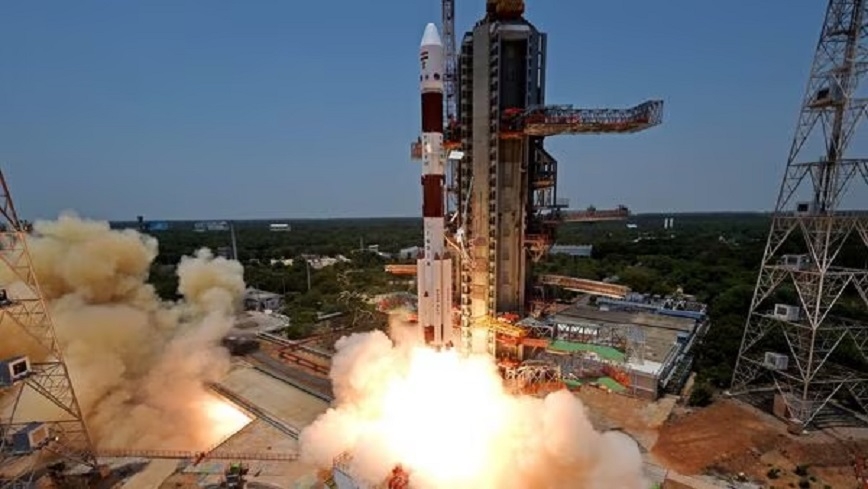
An Indian Polar Satellite Launch Vehicle (PSLV) lifts-off from the Satish Dhawan Space Centre (SDSC) at 06:20 UTC on September 2nd, 2023, marking the start of the Aditya-L1 mission to observe the atmosphere of the Sun and solve some of its mysteries. Credit: ISRO
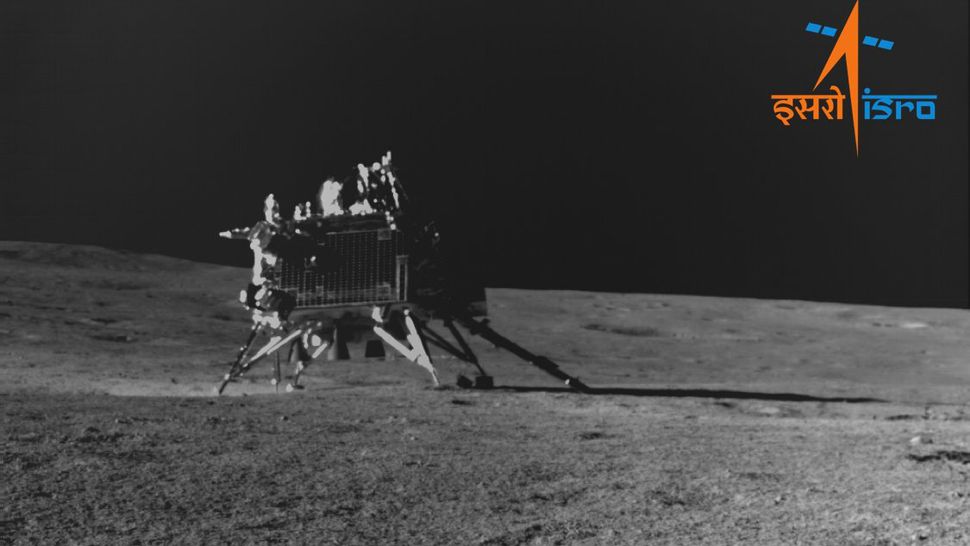
In my previous update, I noted that the Pragyan rover element of India’s Chandrayaan-3 lunar mission had been put to sleep in preparation for the onset of the long lunar night settling in, the little rover having completed its core mission. Within hours of that report being published, and again, a little ahead of schedule, the Vikram lander was commanded to place itself in hibernation in readiness for some 15 days without sunlight.
Again, the reason for this was simple: the lander had completed its entire primary mission, and controllers hoped that by allowing it time to fully charge its batteries ahead of the onset of the lunar night-time, it will have sufficient power to run its electrical circuits through until the Sun rises over the landing zone on around September 22nd, 2023.
This image of the Vikram lander was captured by the navigation camera on the Pragyan rover during the Chandrayaan 3 mission to the Moon’s South Polar Region. Credit: ISRO
Neither lander nor rover have any direct heating systems with which to keep themselves warm, and so both are reliant on the heat produced by the batteries being sufficient to keep their electrical circuits from freezing in temperatures which may get as low as -120oC, and that the batteries will last long enough so they can be recharged once sunlight does return.
Most impressively, shortly before the command to go into sleep mode was sent, Vikram was commanded to perform a short “hop” on September 2nd, using its landing motor to jump around half a metre, turning itself in the process so its solar array will more directly face the rising Sun.
The mission’s success and catapulted India’s growing space ambitions into the spotlight – the country is well along the road to gaining a human spaceflight capability thanks to the in-development Gaganyaan vehicle, capable of flying up to 3 people to orbit for up to 7 days. Currently, this project is targeting 2024 for two uncrewed test flights for the craft, to be followed by a crewed launch in 2025, which would make India the 4th nation to have an independent humans-to-orbit capability after Russia, the United States and China.
An artist’s impression of India’s Gaganyaan crewed space capsule and service module, due to make its first uncrewed test flight in 2024. Credit: ISRO
Meanwhile, and in terms of science missions, India has already followed Chandrayaan-3’s success with another ambitious mission: that of its first dedicated solar observatory, Aditya-L1 (“Aditya” being the Sanskrit for “Sun”).
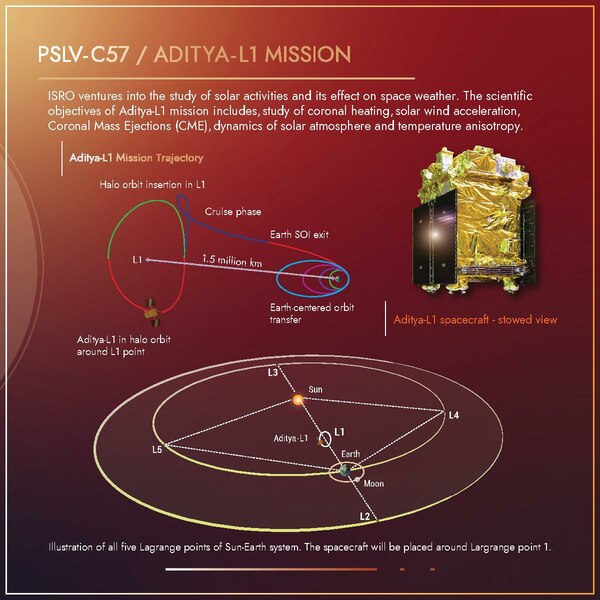
Launched via India’s medium-lift Polar Satellite Launch Vehicle (PSLV) from the Satish Dhawan Space Centre (SDSC), Sriharikota, at 06:20 UTC on September 2nd, the observatory separated from the launch vehicle around 63 minutes into the flight to start a 109-day journey to the Sun-Earth Lagrange L1 position, 1.5 million km from Earth, and lying between Earth and the Sun.
The first part of this comprised a series of polar orbits around the Earth carried out through until September 10th, which increased the vehicle’s apogee to move it further from Earth using minimum propellants. Two more such manoeuvres will take place during mid-September, allowing the observatory to transfer itself across to a halo orbit around the L1 position, which it should reach in early December 2023, and from where it can observe the Sun continuously.
The Sun-Earth Lagrange points and the flight of India’s Aditya-L1. Credit: ISRO
The mission’s primary objectives are:
Observation of the dynamics of the Sun’s chromosphere and corona. In particular, to engage in studies of chromospheric and coronal heating, examine the physics of partially ionised plasma, of coronal mass ejections (CMEs) and their origins, and observe coronal magnetic field and heat transfer mechanisms, and flare exchanges.
Observation of the physical particle environment of its immediate surroundings.
Probe drivers for space weather, and the origin, composition and dynamics of solar wind.
A unique aspect of the telescope will be its ability to obtain near-simultaneous images of the different layers of the solar atmosphere, allowing scientists to observe how energy is channelled through it. This will allow scientists to make determinations about the sequence of processes in multiple layers below the corona that lead to solar eruptions. One of the mysteries of the Sun is that its upper atmosphere has a temperature of 1,000,000ºK, as opposed to just 6,000ºK at the Sun’s surface. As such, it is hoped that this kind of simultaneous observation of multiple layers of the Sun’s atmosphere will reveal a new understanding of solar dynamics and the interplay of solar weather and Earth which had thus far escaped understanding.
Japan Launches XRISM and SLIM
Although 10 days later than originally planned, Japan has launched its XRISM (pronounced “crism”) space observatory and SLIM Moon lander (also called “Sniper”), when a H-2A rocket lifted off from Tanegashima Space Centre at 23:42 UTC, and both craft deployed successfully less than an hours after the launch.
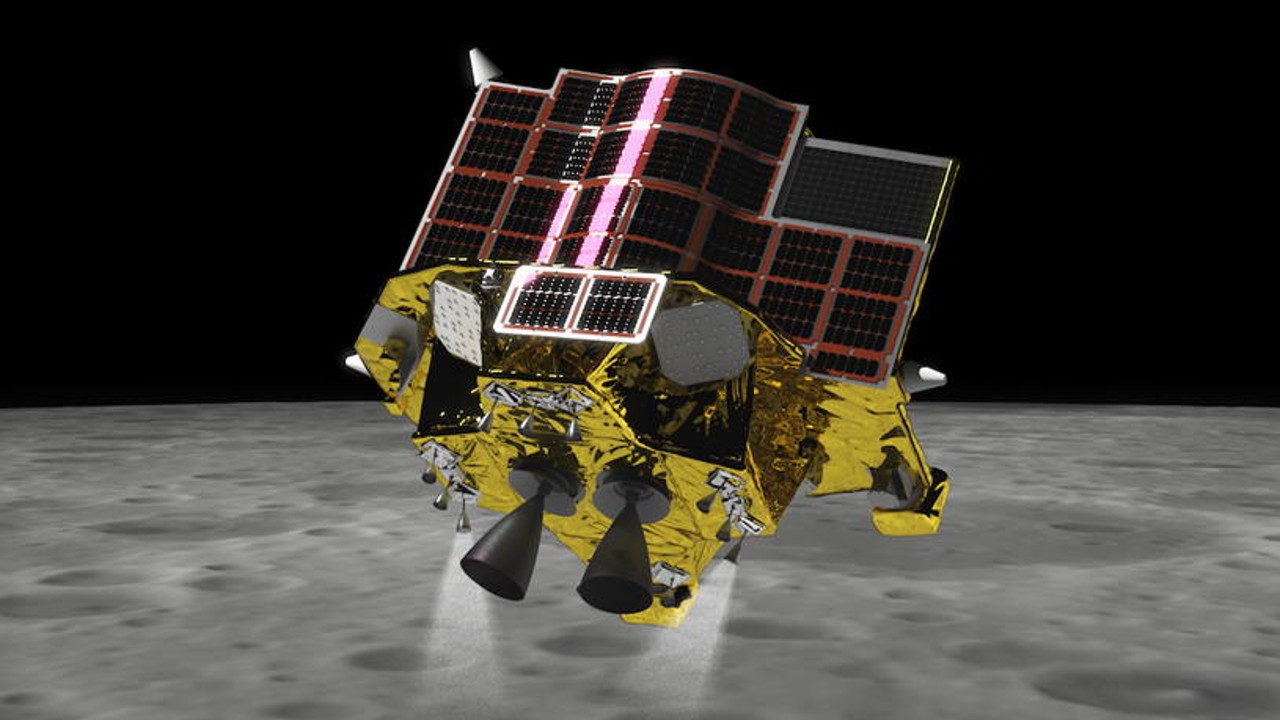
As I’ve previously reported, the Smart Lander for Investigating Moon, massing the 590 kg including its propellants, is Japan’s first attempt to land on the Moon. It is primarily a technology demonstrator, due to land within the relatively young (and small – just 270m across) Shioli impact crater, located just below the Moon’s equator, in 3 to 4 months time. Despite its tiny size, the lander is equipped with a suite of science instruments and will also deploy two palm-sized lunar rovers.
An illustration of SLIM approaching the moon’s surface. Credit: ISAS/JAXA
XRISM – the X-Ray Imaging and Spectroscopy Mission – has a much closer destination than the Moon: an orbit just 550 km above the surface of Earth. Here, over an initial primary mission of 3 years, the 2.3 tonne telescope – defined officially as an “interim” observatory, which should not be taken to mean its role is unimportant – will attempt to provide breakthroughs in the study of structure and formation of the universe, outflows from galaxy nuclei, and dark matter.
A successor to Japan’s Hitomi X-Ray telescope, lost in March 2016, just a month after its launch in February 2016 thanks to an attitude control system failure, XRISM is also an international venture, involving both NASA and the European Space Agency. In particular, it will not only be a science instrument but also a technology demonstrator for ESA’s Advanced Telescope for High Energy Astrophysics (ATHENA) telescope, due to be launched in 2035.
XRISM carries two instruments for studying the soft X-ray energy range, Resolve and Xtend, each with its own telescope. Resolve is an X-ray micro calorimeter developed by NASA’s Goddard Space Flight Centre, whilst Xtend is an X-ray CCD camera. Both will operate in concert with one another, with a combine focal length of 5.6 metres.
NASA’s SLS “Unsustainable”
The US Government Accountability Office (GAO) has issued an audit report in which it notes that NASA’s Space Launch System (SLS), the backbone of the American-led Artemis Project to return humans to the Moon, is at risk of becoming “unsustainable”.
With one successful flight under its belt – Artemis 1 – the project has thus far cost NASA US $11.2 billion since development commenced in 2011 (an amount which covered everything up to and including Artemis 1). A further US $11.2 billion has been requested by the White House to sustain SLS from 2024 through until the end of 2028, to allow NASA to further develop and enhance the system.
The core stage of the Artemis 2 SLS launch vehicle under construction. the US GAO suggests the costs associated with the SLS programme are “unsustainable” unless NASA becomes more transparent in its costings. Credit: NASA
This is somewhat at odds with a 2022 announcement by NASA that it plans to develop a contract with Boeing and Northrop Grumman, the prime contractors for SLS and operating under the name Deep Space Transport, which the agency states will include up to 10 SLS launches while will over time reduce the production costs for those vehicles by up to 50%.
In their report, the GAO points out that the methodologies NASA uses to determine the costs associated with SLS are not easy to define. As, such, while there has been “some progress” in the agreement with Deep Space Transport, there is a real risk SLS costs will spiral, and suggests NASA starts to be more transparent in their SLS estimates and in how it manages expenditure.
NASA does not plan to measure production costs to monitor the affordability of the SLS programme. These ongoing production costs to support the SLS program for Artemis missions are not captured in a cost baseline, which limits transparency and efforts to monitor the program’s long-term affordability.
US GAO Audit, September 2023
In this regard, the GAO notes that while NASA has been forced to acknowledge the overall timeline for Artemis continues to slip for assorted reasons, costs associated with various missions have not been updated to reflect this. As such, whilst NASA has stated the cost of building the SLS vehicles to be used with Artemis 3 and 4, the reality is that the costs for these vehicles are actually increasing. As a result, an despite statements to the contrary by NASA, GAO believes SLS launches are liable to remain at around US $4.1 billion each rather than decreasing over time to around US $2 billion each.
The report is the latest of a string of GAO audits across almost a decade, all of which have critiqued NASA over a lack of proper baselining and transparency with regards to Artemis and SLS. At the time of writing, NASA had yet to respond.
SpaceX Starship Update
The Federal Aviation Authority (FAA) has issued the final version of a report into the failures of the first orbital launch attempt by SpaceX using their massive Starship / Super Heavy vehicle. The report, production of which was led by SpaceX, will not be made public due to “proprietary and export-controlled information”, identified “multiple root causes” for the failure of the Booster 7 / Starship 24 combination – none of which are to be made public either.
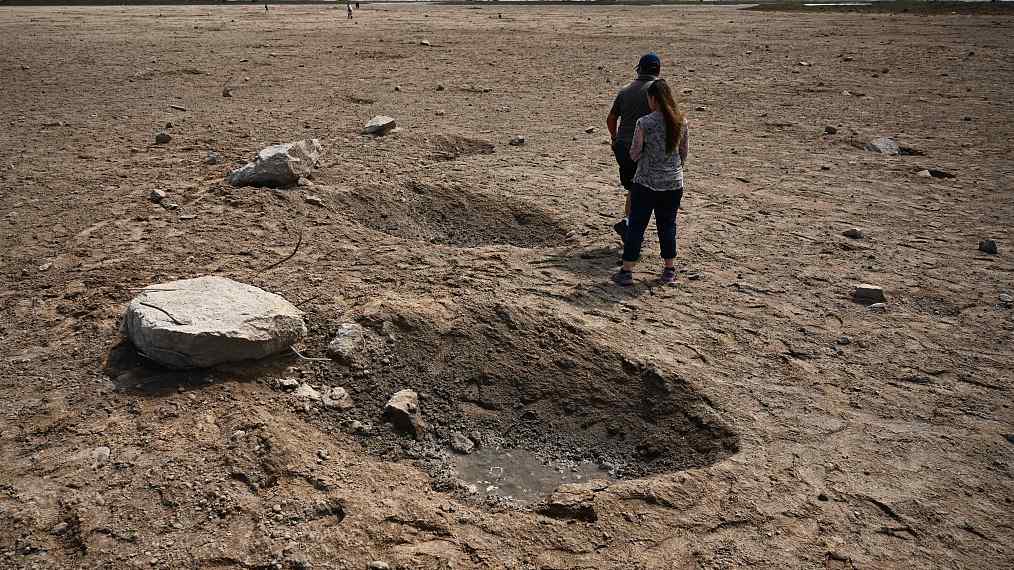
In a separate statement, SpaceX pointed to “propellant leaks” within the engine bay resulting in fires which severed connections with the primary computer system being a significant factor on the vehicle loss. Whilst in essence accurate, the statement totally avoids mention of the fact the leaks were most likely due to the force of the Super Heavy’s thrust excavating the unprotected concrete apron directly under the the launch mount, throwing significant amounts of concrete up to a kilometre from the launch site – and almost certainly into the engine bay to cause damage which may have resulted in at least dome of the leaks.
Some of the concrete debris scattered on the beaches of the Boca Chica wildlife reserve following the failed launch attempt of SpaceX Starship 24 / Booter 7, April 20th, 2023. Credit: AP News
As many – myself included – noted, the April 20th flight was on questionable value even before it lifted-off. Since then SpaceX have sought to rectify the most glaring omission from the launch facility – a water deluge / sound suppression system (which has shown promise under a couple of short, partial-power tests, but which has yet to prove itself under the full thrust of a Super Heavy booster, and likely will not do so until the next launch).
In addition, there have been multiple changes to the flight software and systems, together with a wide range of physical updates to the vehicles, some of which pre-dated the April 20th launch attempt and rendered Booster 7 pretty much obsolete. How many of the modifications count towards the 63 “corrective actions” the FAA report states must be made before it will grant SpaceX a license for a further launch attempt, is unclear. Finally, and whilst unrelated to the launch failure, SpaceX have further altered the design to allow for “hot staging”: allowing Starship to ignite some of its engines prior to separation from the Booster, potentially increasing the payload-to-orbit capability.
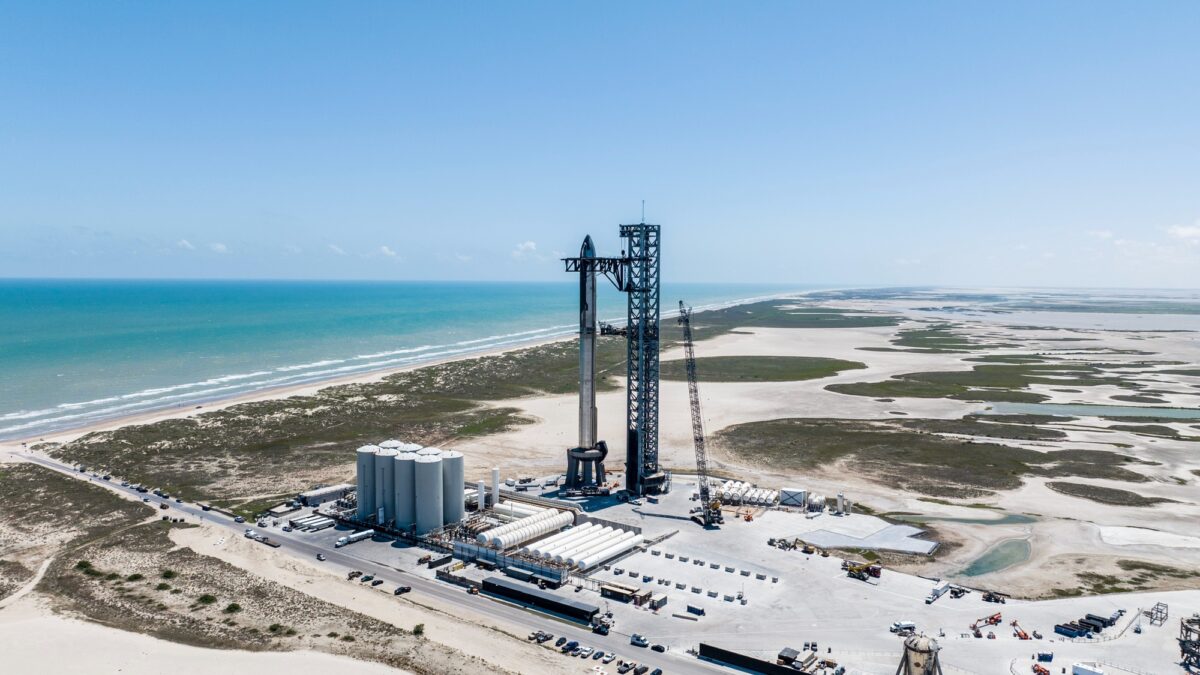
Booster 9 and Starship 25 stacked at the SpaceX orbital launch facility in Boca Chica, Texas. Credit: SpaceX
And if it sounds odd that SpaceX led the investigation into the loss of its own vehicle, it is not. The FAA simply doesn’t have the breadth of expertise to complete such an investigation itself. Instead, it relies on input from a range of agencies as required – such as the National Transportation Safety Board (NTSB), the US Air Force, the US Space Force, NASA, etc., and, in the case of a commercial launch provider – the provider and its contractors, as and where required.
Meanwhile, in a move which has SpaceX fans making assorted proclamations about an imminent further launch, the next vehicles designated to attempt to reach orbit – Booster 9 and Starship 25 – have been “stacked” on the repaired and updated launch mount. However, and in response to comments on such an “imminent” launch from fans (and Musk himself), the FAA has indicated that the original launch license was only for the April 20th launch – so SpaceX must show it has complied with the accident report and apply for a further license before it will be allowed to proceed.
A further twist to this is that the FAA is itself being sued by a number of environmental and other groups over the SpaceX site at Boca Chica. They claim that by allowing SpaceX to largely author the original Programmatic Environment Assessment (PEA) relating to SpaceX’s use of the site, combined with the April 20th failure, the FAA has materially failed to meet its obligations, and should therefore be ordered to carry out a full Environmental Impact Study (EIS) – a process which could take 2-3 years. Depending on when hearing on the case are held, it is possible the groups involved could seek an injunction on launches until the court rules in the matter of the EIS.