Dryland: closing down

Dryland
Dryland

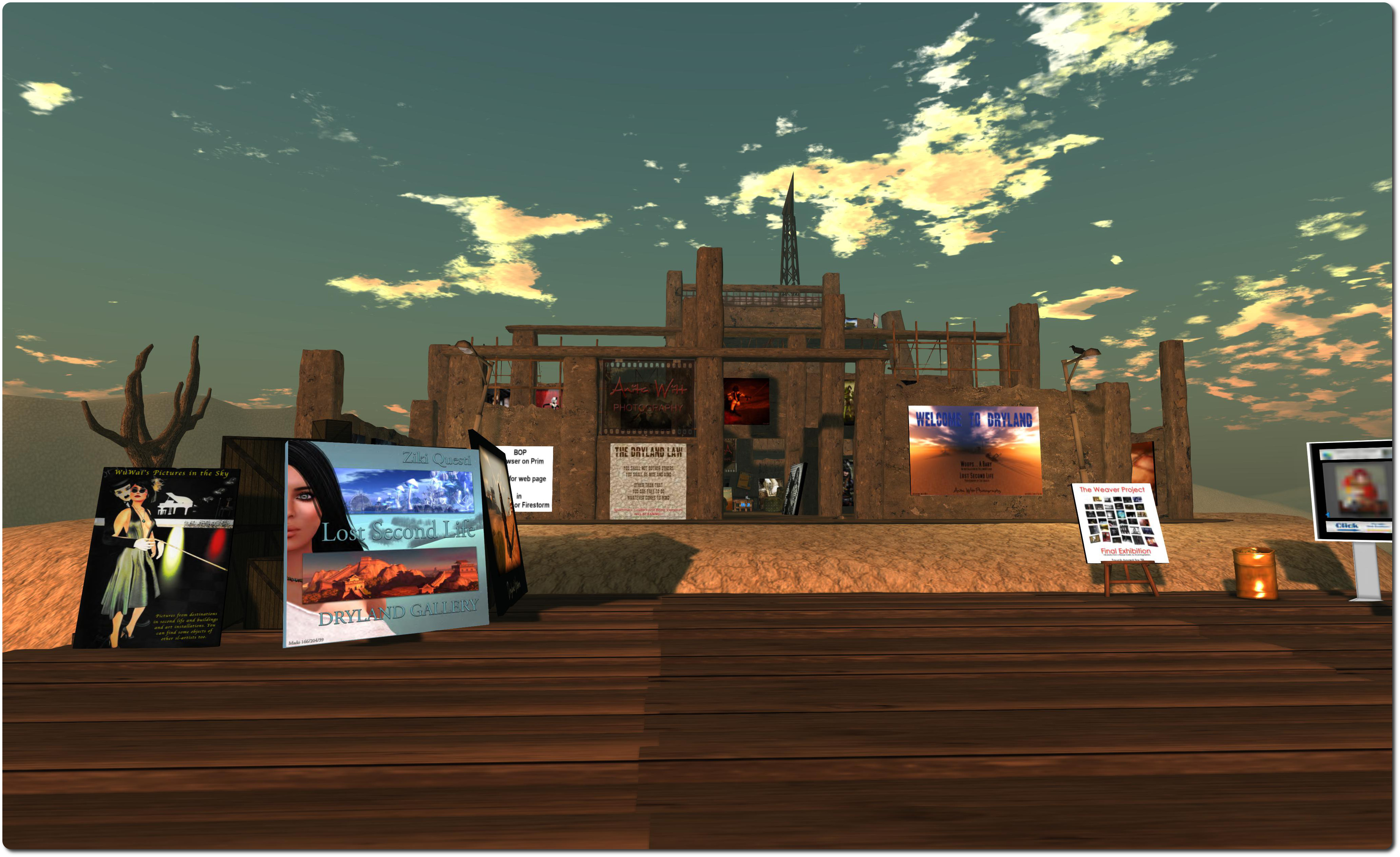
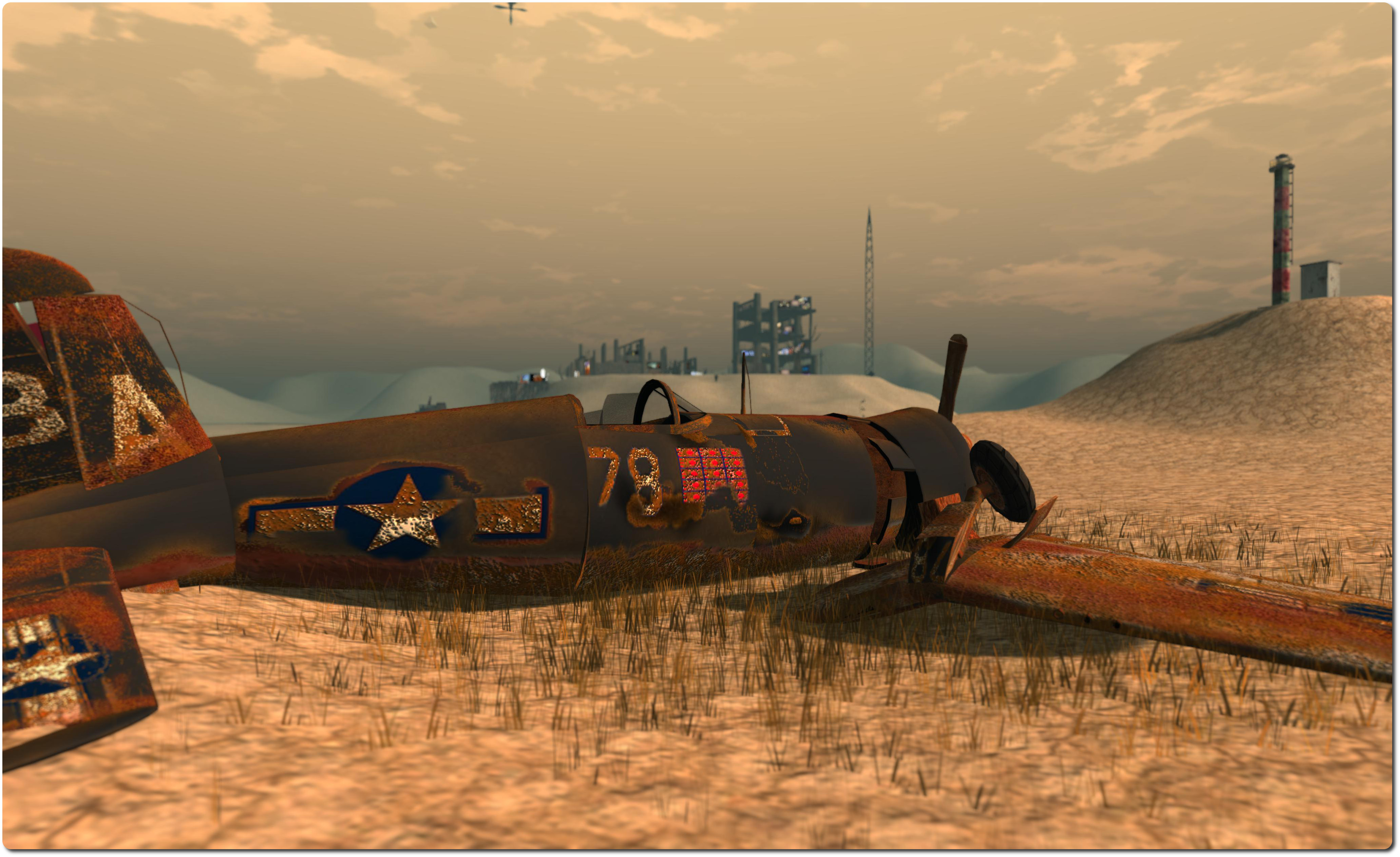
Dryland, Anita Wit’s full region art gallery, is to close.

Over the years, Dryland has been the home to a range of remarkable and entertaining exhibitions, and has been a popular destination for photographers and machinima makers.

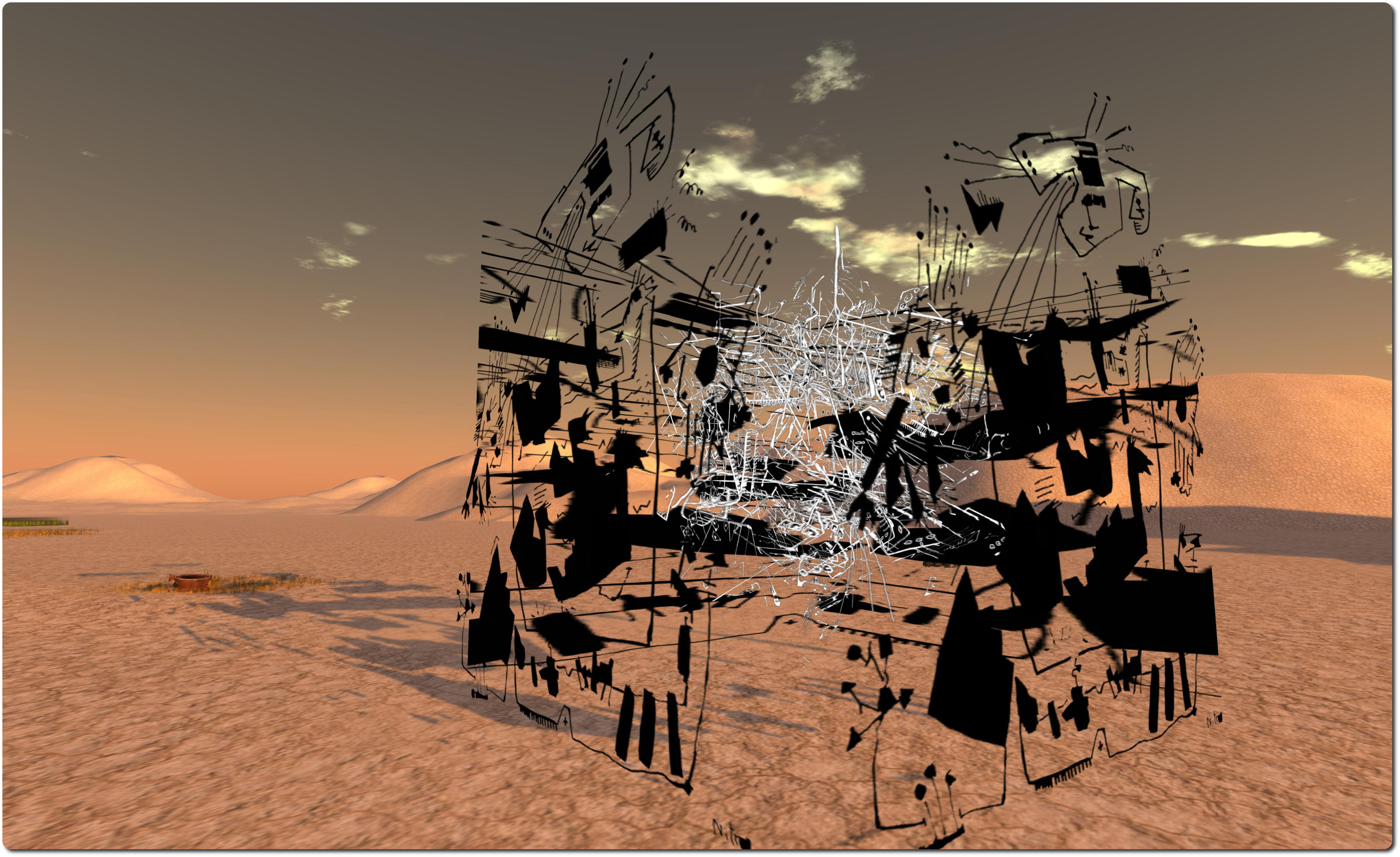
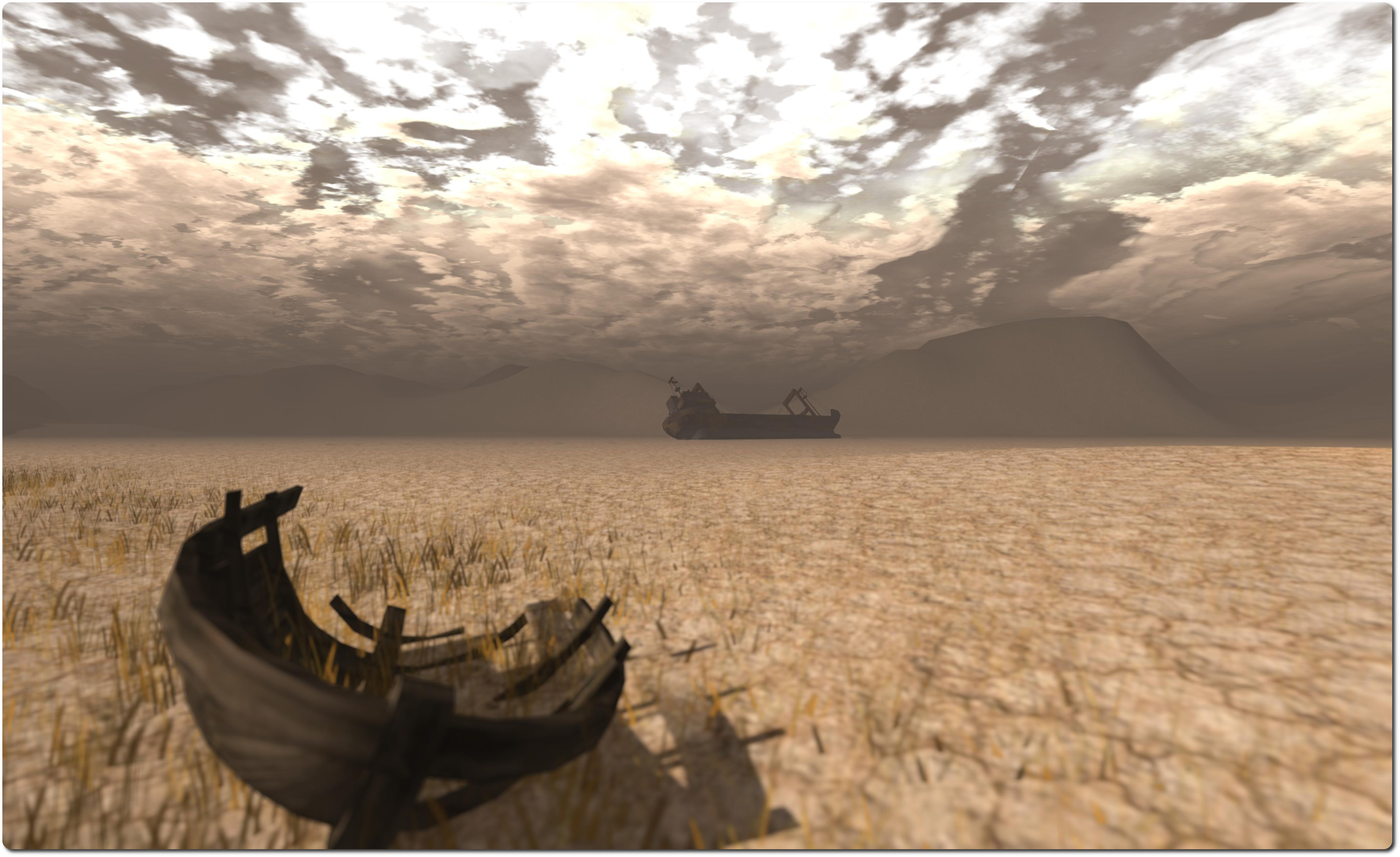
My own first visit to the region was relatively late in the day, December 2012, even so I was immediately struck by the desolate splendour of the place. My last visit was in November 2013, for Ziki Questi’s Lost Second Life, which is still on display in the rear part of the gallery.
Dryland
Dryland

Anita has given notice of the closure in a snapshot posted to her Flickr stream. In it, she explains her reasons for letting the region go, and passes on her thanks to all who have been involved in the region as artists exhibiting their work, as photographers and machinima makers, and as patrons and visitors.
Dryland
Dryland

There is no set date for the closure, although Anita is looking to the latter half of March, advising those wishing to avail themselves of Dryland:

I thought I’d give you all a fair warning in case you have photos or machinimas to make that requires a Dryland background, or if you’d just like to hang out one last time before it’s all gone.
Dryland
Dryland

I’d like to add my voice to all those who are passing on thanks to Anita for all of her work in developing the region and curating so many exhibitions there. Dryland will be missed.

With thanks to Caitlin Tobias.

Return to Isla Okiddo

Isla Okiddo, February 2014Isla Okiddo

In November 2013, I was allowed a sneak peek at Liara Okiddo’s work-in-progress designing and developing her homestead region, Isla Okiddo. It’s been a long road for her, only reaching a point at which she was happy with everything to announce the region as officially open to the public on Wednesday February 25th.

I’ve been a fan of Liara’s work ever since coming across her old home. Garden of Eden, and to be perfectly honest, I’ve been eagerly awaiting getting to see her new place once it was ready for its public debut (I resisted the urge to hurry over prior to the opening, as I wanted to experience the same reaction as a new visitor, rather than seeing any work-in-progress).

Isla Okiddo, February 2014Isla Okiddo

And I can say without a doubt that it is a marvel to behold. Already stunning when I saw the early work back in November, the island has been somewhat reworked – particularly the gallery spaces – and the results really are magnificent.  This is another of those regions I love for the attention to detail, the careful placement and design, all of which comes together to present the visitor with something completely awe-inspiring.

From the wooden quay arrival point, the visitor walks under a rocky arch and along flagged stones. Signs point the way to the dome house, the beach – reached by a wooden walkway and with the upper levels of the island beyond – and the Expodome.

Isla Okiddo, February 2014Isla Okiddo

The Expodome is Liara’s gallery space. It an incredible tour de force is design and execution, a place that makes wonderful use of space both above and under water, and which presents artwork in a thoroughly creative way.

The first part of the exhibit space is underwater. Do make sure you have your graphics cranked-up as far as you can, particles enabled and Advanced Lighting Model checked to fully appreciate all that has gone into this area of the build. And don’t hurry through too fast, or you’ll miss the art items which are being displayed through the use of particle projectors alongside the footpath. Beyond this, the path winds back up above the waves and takes visitors to the three exhibition domes, each with its own display and theme.

Isla Okiddo, February 2014Isla Okiddo

I spent several hours camming and exploring the island; there really is a lot of see – some of it which can be easily missed if you’re not careful, so take your time while wandering, and give yourself time to soak up the environment. You really won’t be disappointed.

Thoroughly recommended.

Related Links

Somato: create textures and shadows for sculpts and mesh

Over the course of the past year or so, I’ve covered several of the Kanae Project applications developed by Yuzuru Jewell and aimed at the Second Life content creator. Innovative, and easy-to-use, the Kanae products are a suite of applications which can be used individually or side-by side (and in the case of the Tatara tool, contain several of the other apps).

On February 23rd 2014, Yuzuru released the latest version of Somato (4.58, available for Windows in 32-bit and 64-bit flavours, and Mac OSX), and dropped me a line about it.

Somato is an application which allows the user to take an image or picture and project it onto a 3D model (sculpted prim or Collada object), specify the direction and strength of light (ambient or diffuse), and add the model’s natural shadow to the texture. The finished texture can then be baked and saved, ready to be uploaded and applied to the shape in-world.

The somato user interface

Details on the tool and its capabilities can be found on the Kanae Project website, where a simple tutorial demonstrates how to apply an image and shadows to a complex sculpted prim. The tool itself can be downloaded for free on a three-day trial basis. This provides full access to all of the application’s capabilities, except that of being able to save finished textures, and should be sufficient for users to familiarise themselves with the application’s features. A full licence for the application can be purchased in-world at the Kanae Project store (L$4,750 at the time of writing).

There are a couple of warnings which come with the product (which I’ve sadly not had time to really play with), and these are:

  • It is possible that a texture modelled within Somato may not display on a sculpted prim in SL in precisely the manner shown within the application
  • Due to an issue with AMD/ATI graphics drivers, Somato may not operate correctly on systems using these drivers. Potential purchasers are advised to use the trail period to check the application against their AMD/ATI graphics.

As well as the written tutorial, Yuzuru has produced two videos demonstrating how to use Somato. In the first he takes users through creating a texture to be used with a sculpted prim. In the second, he demonstrates adding shadow effects to the texture. I’ve included the second video here.

Both videos are also very good demonstrations of his Keshiki (Landscape) screen capture utility, which I looked at in September 2013.

Related Links

Polychronies: looking upon an ancient future

Polychronies
Polychronies

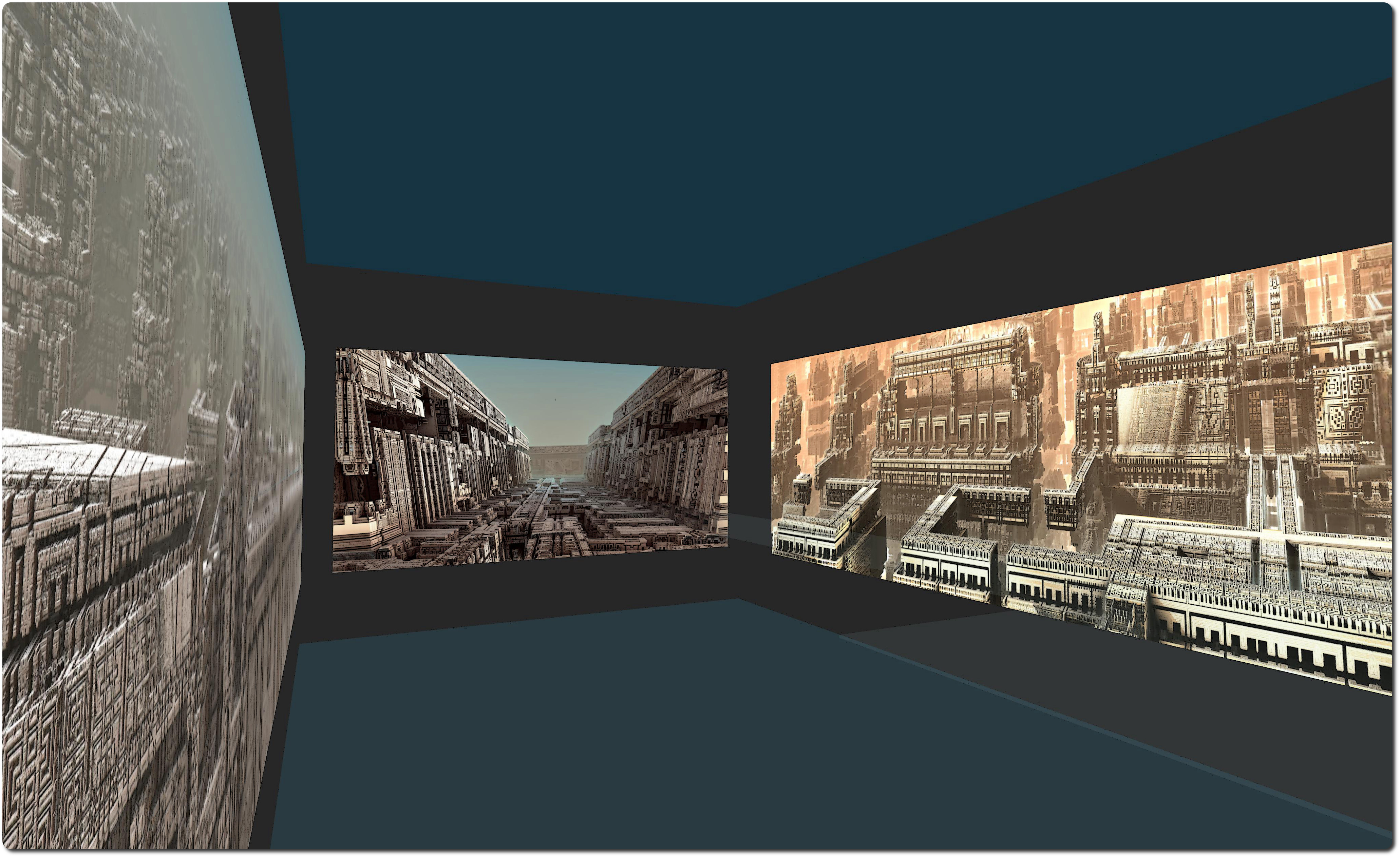
Polychronies, Gem Preiz’s latest exhibition of his RL fractal artwork opened on Monday February 24th at the Le Bronx gallery. As with his recent exhibits Cathedral Dreamer, and Ride The Universe, both of which I’ve reviewed in these pages, it’s a fascinating exhibit, with some seventeen of Gem’s pieces on display across seven rooms.

As with his previous exhibitions, there is a central theme to this piece; this one somewhat a mix of ancient astronauts and futuristic science-fiction. It seems a race of ancients one populated the universe and built great temple-like structures and enormous cityscapes which have survived them. Having stood empty for millennia, these great structures now stand as an enigmatic reminder of a much older race as our own descendents reach outward to the stars. Yet who or what that race was, and how they may or may not be related to us, remains a mystery perhaps hidden in the depths of these magnificent temples.

Polychronies
Polychronies

To get to the exhibition, teleport down from the region’s landing point to the ground (Le Bronx). You’ll arrive alongside the gallery’s foyer, where you can pick-up a catalogue of paintings featured in the exhibition, which also includes the backstory. There’s also a freebie spacesuit on offer if you feel like really getting into the mood. Three circular teleports are available to transfer people to the exhibition space itself.

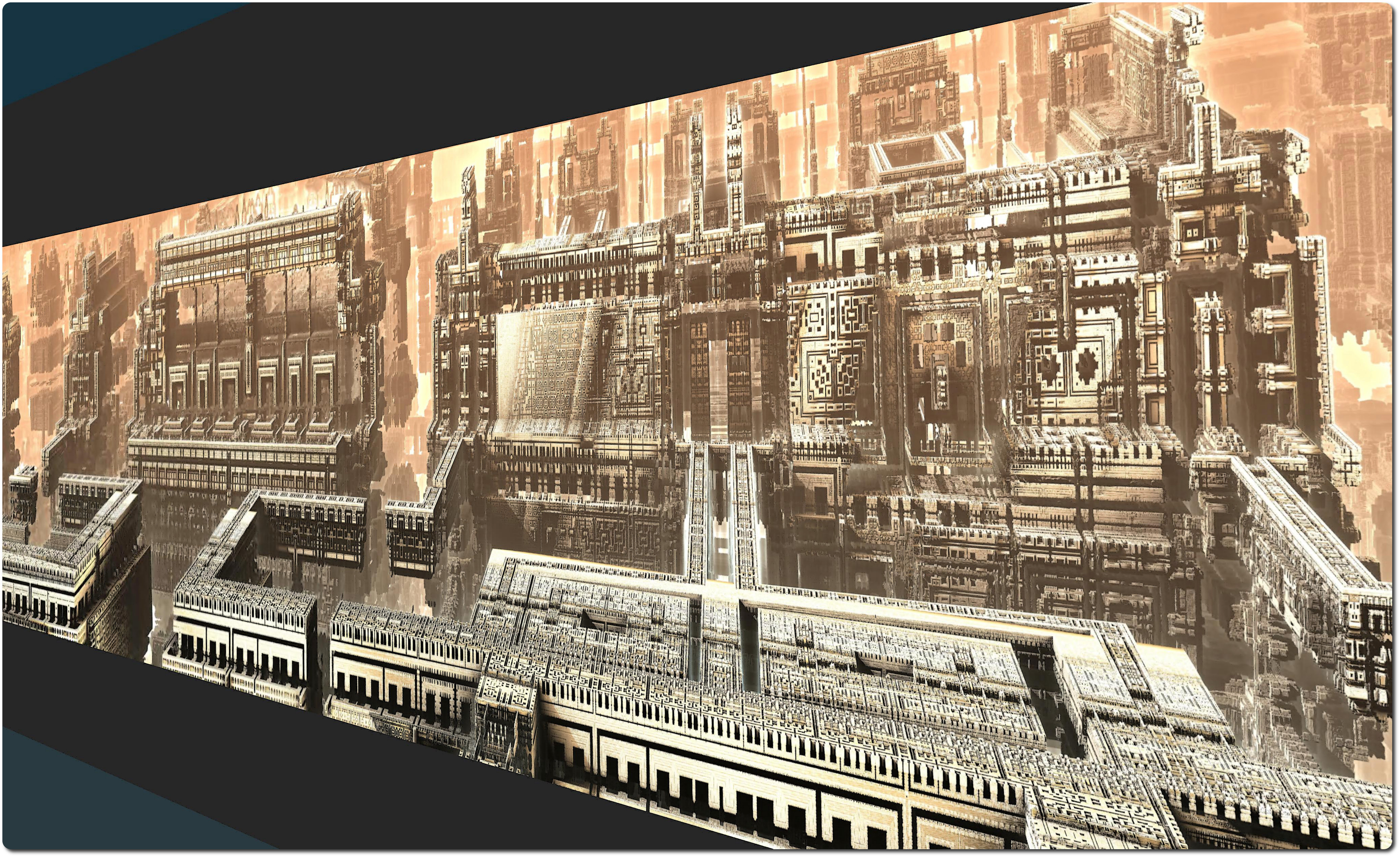
Here Gem’s work is displayed within a series of interconnected rooms, with two or three pieces mounted on the walls per room. Semi-transparent walkways direct you through the exhibit, passing through some of the images or through bare walls along the way.  The images themselves are truly stupendous, and Gem has done a huge amount of work to bring his pieces into SL and present them in what are effectively seamless montages up to 50 or 60 metres in length. Such is the wealth of detail, I’m not sure the pictures here are going to do any of them justice; they really do have to be seen.

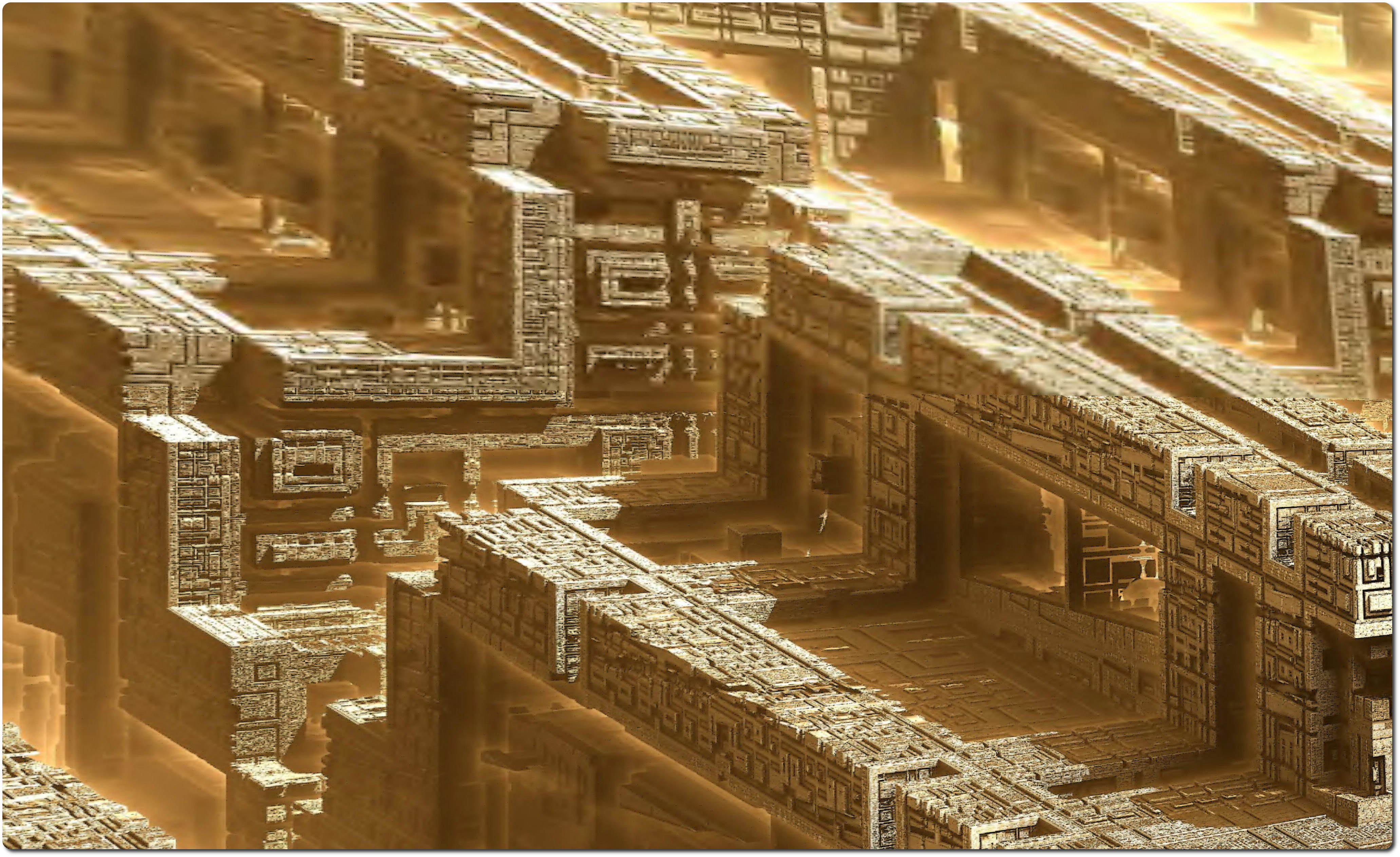
Polychronies - the detail evident in the individual pieces is captivating
Polychronies – the detail evident in the individual pieces is captivating

As with Cathedral Dreamer,  a powerful feeling is evoked when camming slowly over the incredible structures displayed in each painting; the three-dimensional feel within each of them makes one long to be able to step into it, to see the tall towers reaching into strange skies from within, to look out over their majestic vistas and feel the light of the alien suns which have warmed them through the long millennia and, ultimately, step into their myriad rooms and discover the secrets they hide. In short, to truly be an astronaut explorer making the most incredible archaeological finds of human history.

Polychronies is another marvellous examination of the beauty of fractal art, and for those who have the physical in-world space, one which can be enjoyed at home, as each of the pieces on display is also available for sale.

Definitely not one to be missed.

Polychronies
Polychronies

Related Links

On Jacob’s Pond

Jacob's Pond, End of Time February 2014The Pines at Jacobs Pond, End of Time, February 2014 – click any image for the full-size version

The Pines at Jacob’s Pond is a part of the End of Time estate, which I first visited in September 2012 (and which I really should get back to and re-explore). The region gained a lot of exposure over the winter period, when it was covered in snow and was featured  in a number of blogs. While I did drop-in back then, I decided to wait for the snow to melt before paying a “proper” visit.

Jacob's Pond, End of Time February 2014The Pines at Jacobs Pond, End of Time, February 2014

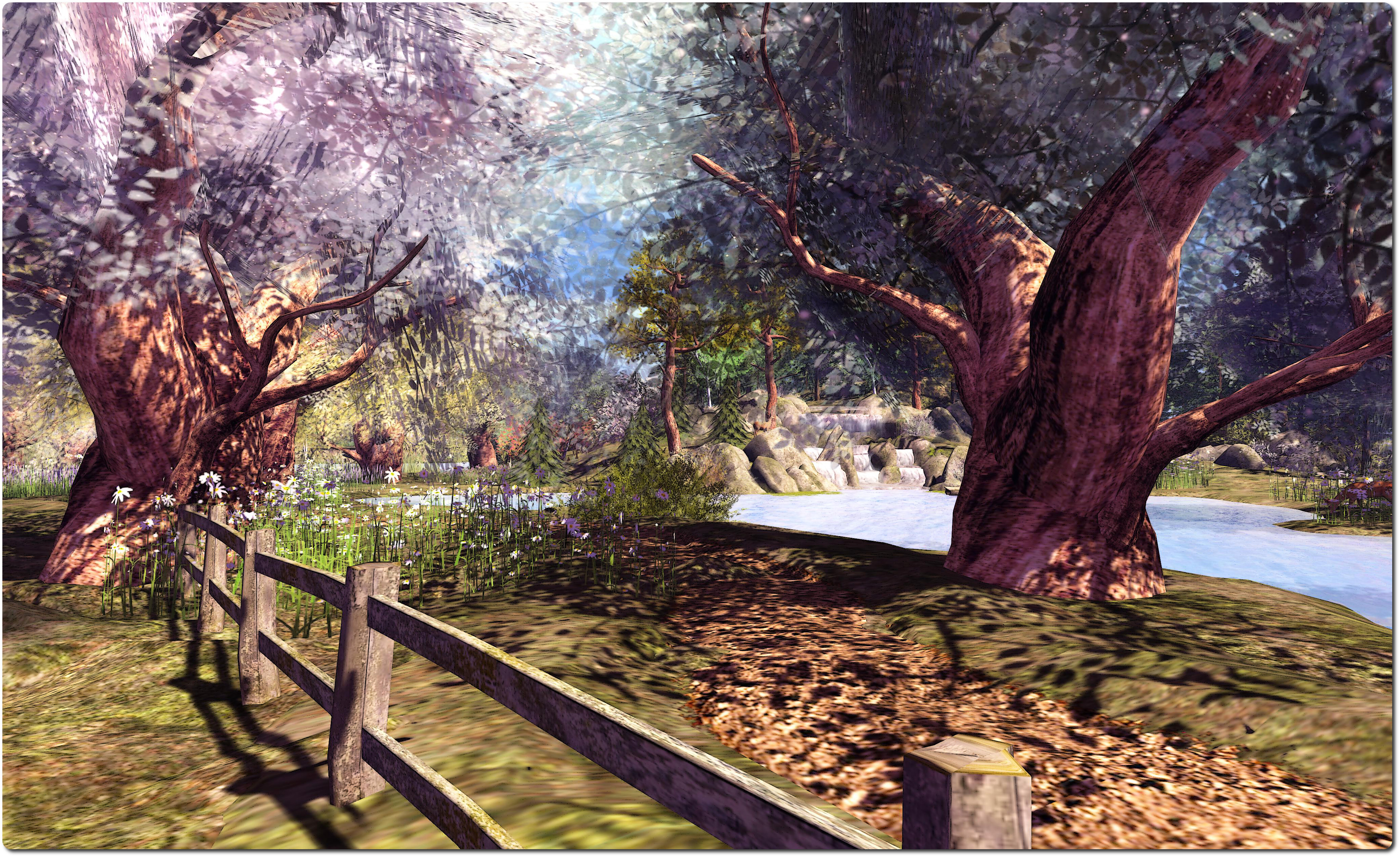
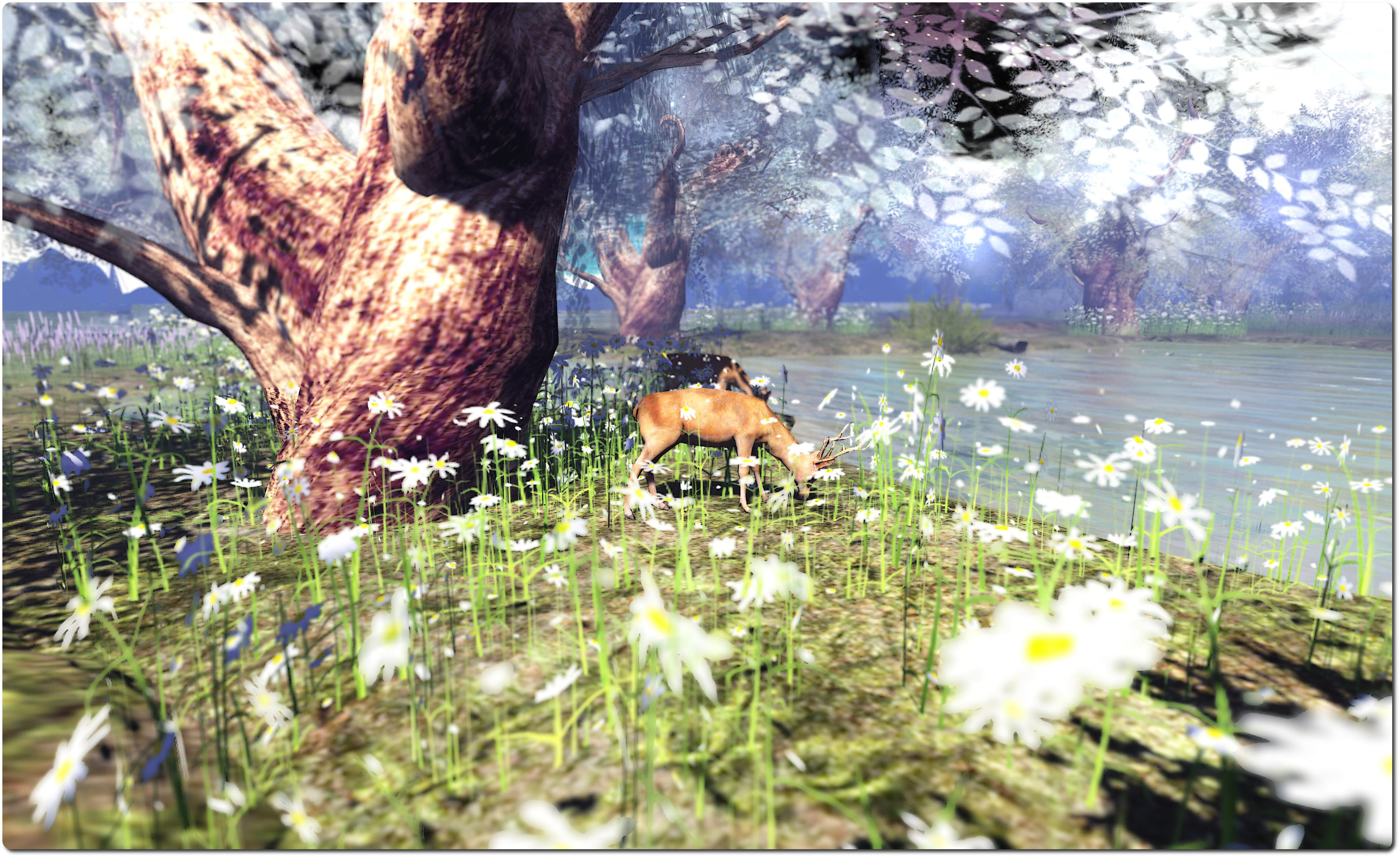
As with most of the rest of the estate, “The Pines” is open to the public to wander and enjoy – and it is a beautiful place to visit and photograph. Central to the region is the “pond” from the name, although given its size, “lake” would perhaps be a better description! Around this sits a fabulous landscape in places heavily wooded, in others relatively open, with all of it being a haven for deer.

Jacob's Pond, End of Time February 2014The Pines at Jacobs Pond, End of Time, February 2014

From the arrival point, paths wind around and through the island, offering plenty of opportunities to explore and discover photogenic views and spots as well as one or two hidden secrets.  One the far side of the island from the arrival point sits a small farm, complete with a thatched roof barn, with horses grazing nearby.

Jacob's Pond, End of Time February 2014The Pines at Jacobs Pond, End of Time, February 2014

Wandering along the paths and up over the hills, the amount of care put into the region is obvious; there is a completely natural feel to the lay of the land and the various elements all roll together to present a genuinely natural environment which feels much larger than the region in which it sits. It is also a place where  not everything may reveal itself to first looks; patience and care will be rewarded the longer you explore and take the time to carefully look around.

This is one of those regions where it would be so easy to wax lyrical about, and in doing so perhaps sound like you’re over-egging it. But the fact is, it really is gorgeously done. Don’t just take my word for it, however, go see for yourself 🙂 .

Jacob's Pond, End of Time February 2014The Pines at Jacobs Pond, End of Time, February 2014

Related Links

The eyes have it

Eyelands
Time Tunnel and Eyelands

I enjoy a little bit of science-fiction, as regulars here will know; I also like a little touch of the surreal as well. Given both are in evidence in artist and photographer Ronda Saunders’ Time Tunnel / Eyelands exhibit, I was bound to want to take a look.

These are actually two individual installations linked together to form a whole. The first, Time Tunnel, is where explorations start. The second part of the piece, Eyelands (or Eyeworld), is based upon on a piece Ronda created and exhibited at the Nitroglobus gallery in February / March 2013.

I have to admit, the warning sitting alongside the stargate-like wormhole which forms the starting-point for your journey into these immersive spaces isn’t entirely reassuring. Cybertech industries thanks you  for using their intra-dimensional transport systems it reads, kindly enough. However, it then continues, And accepts no responsibility for your safety. Eep! Other warnings are visible which may discourage the faint-hearted; however, follow their guidance, and you’ll be quite safe.

Eyelands
Time Tunnel and Eyelands

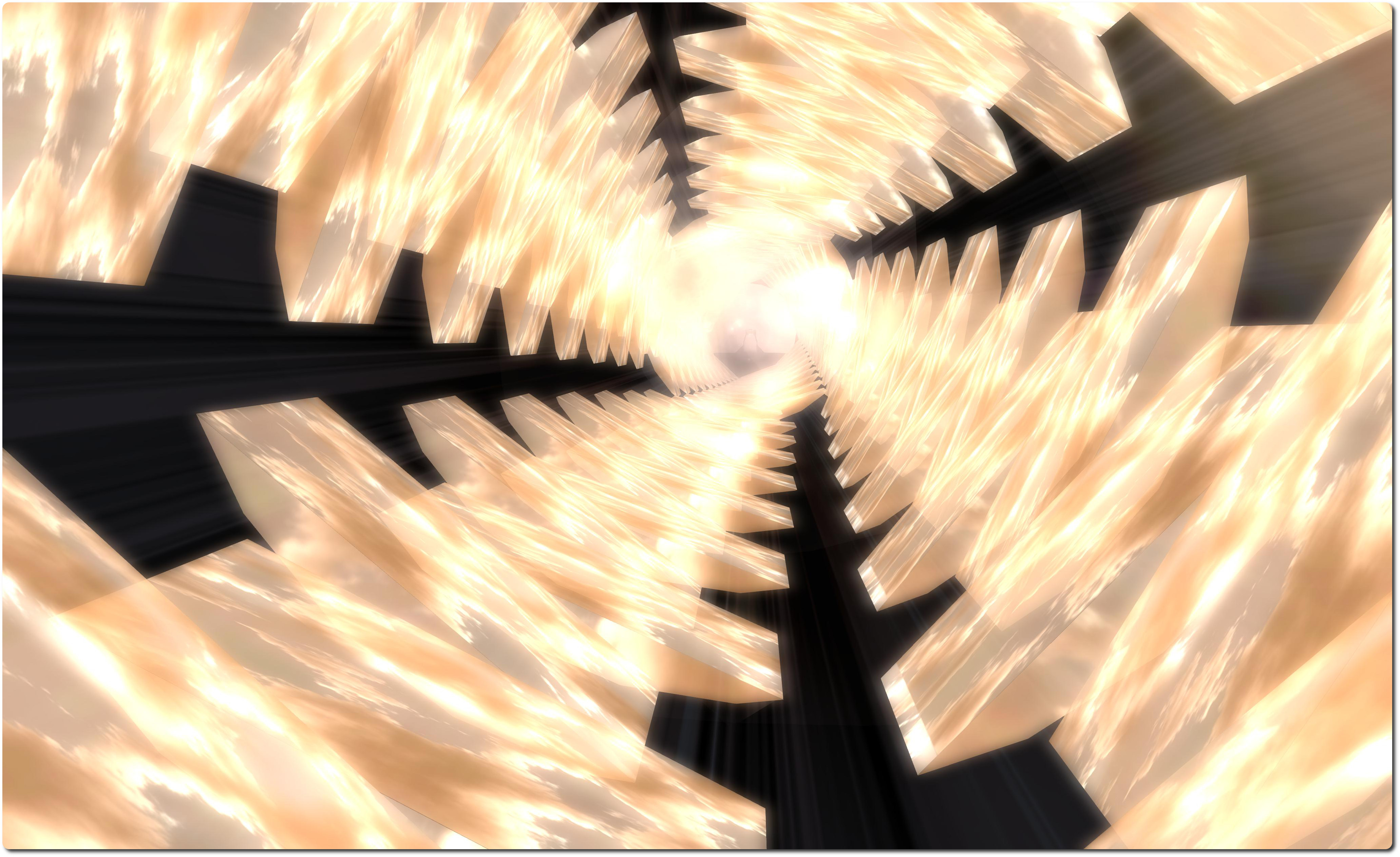
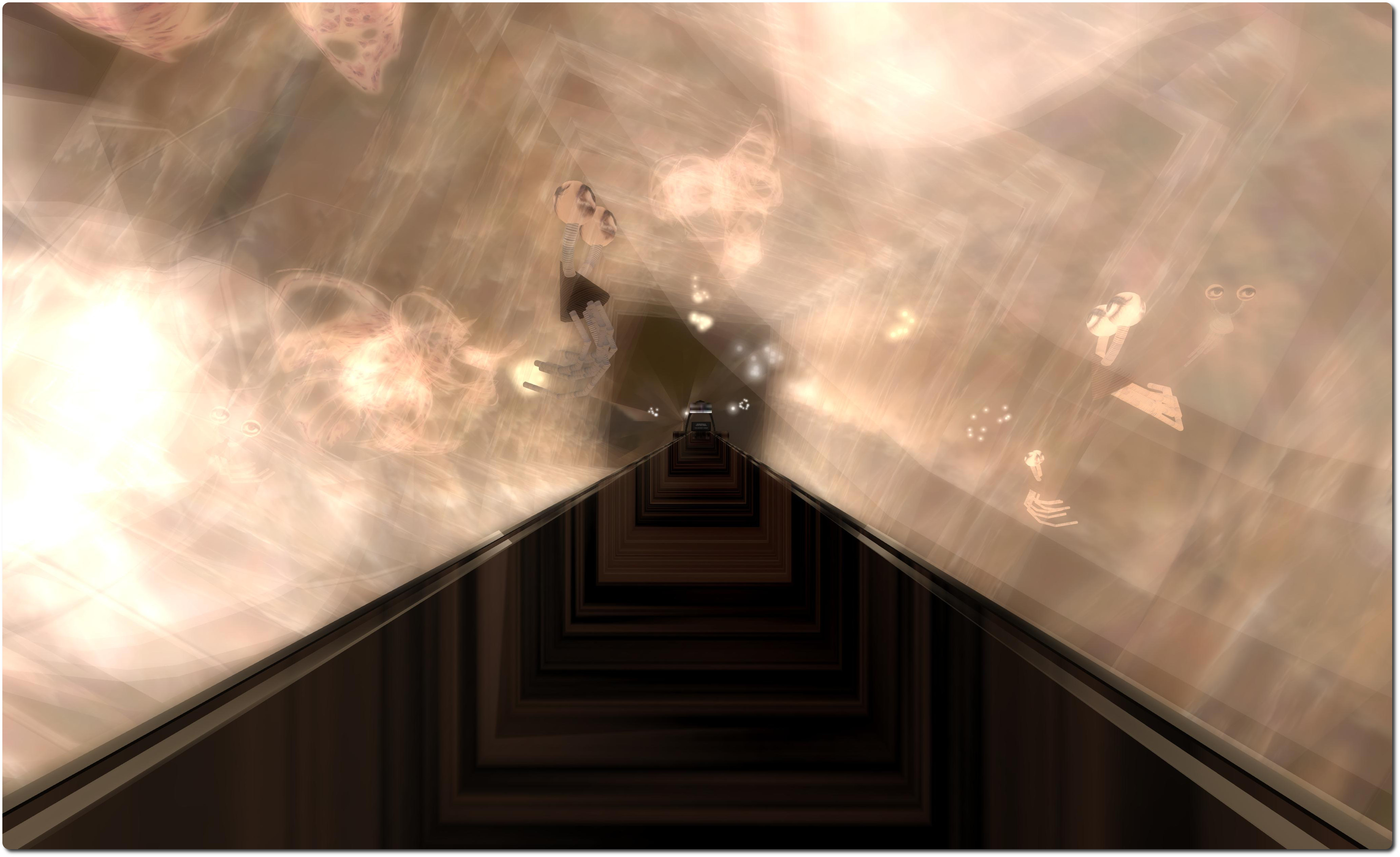
Step through the event horizon of the wormhole, and you enter a rotating tunnel which leads to a further walkway. Beyond the protective walls of the surrounding tunnel strange life forms can be seen: plasma-like creatures, swirling, rising, falling and moving as if on an invisible tide. Between them flit and flicker other creatures, their eyes protruding stalk-like, while groups of lights, mindful of the Phoenix Asteroids1, zoom by.

Eyelands
Time Tunnel and Eyelands

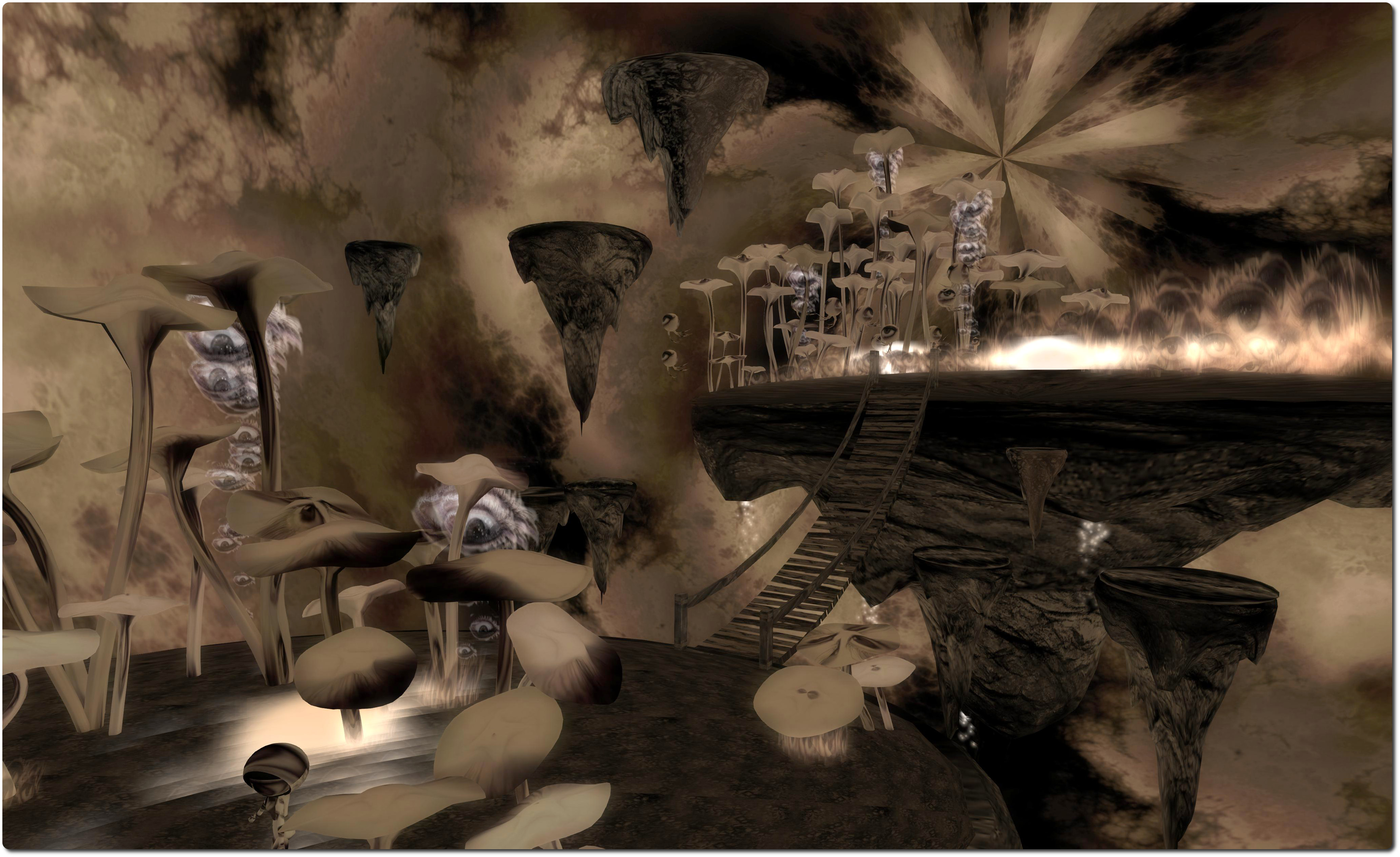
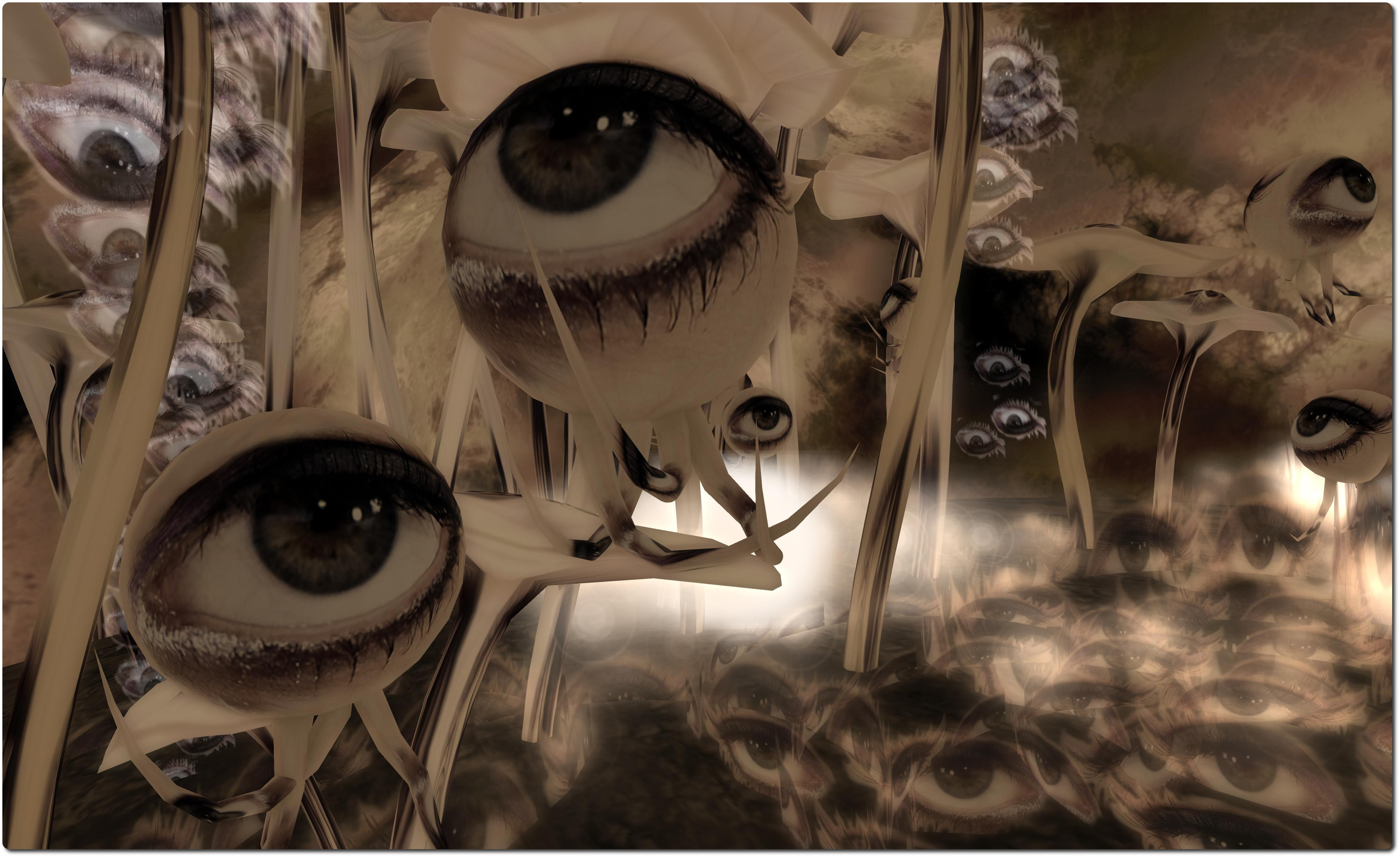
At the end of the tunnel sits a teleport system, set to deliver you to the second half of the exhibit. It is here that things get very surreal.  Rocky outcrops float in a strange sky, the two largest of which can be reached by wood-and rope bridges. Upon these, tall, mushroom-like plants grow, their tops featuring eyes which turn, split, swirl and slide in a series of repeating patterns, and from which more eyes cascade in silent torrents to the ground under them. Between these growths are more eyes, flittering back and forth skittishly, while grass-like expanses of eyes of all sizes seem to ripple in an unfelt breeze.

It’s a strangely hypnotic landscape (more so if you have the music stream on); one I’m not sure words and images really do justice; as such, I can only urge you to go and see this remarkable piece for yourself.

Eyelands
Time Tunnel and Eyelands

Related Links