i4 Galleries: of abstracts and postcards

Leko Catnip - i4 Galleries
Ieko Catnip – i4 Galleries

Kayly Iali is an artist and the owner  / curator of i4 Galleries of Art. A suite of four gallery spaces within the Port Lydius region, i4 Galleries occupies the same quarter of the region’s sky space as Lusus Saule, whose work I also recently reviewed.

February saw the start of four new exhibits at i4 Galleries, three of which sit within the abstract school, while the fourth presents an delight take on the idea of vintage postcards.

I’ve encountered the work of JudiLynn India previously in SL, and have always been struck by her bold use of colour and materials. An artist working in acrylics and digital art in the physical world, JudiLynn here presents 14 striking pieces of her art which demonstrate her work to its fullest advantage.

Judilynn India - i4 Galleries
Judilynn India – i4 Galleries

The large format in which the works are presented allows the rich detail in each, including the texturing apparent within it, to be clearly seen, adding to their vibrant look and feel.  number also exhibit a rich, dynamic energy in both the use of colour and line; there is a sense of power and movement within them, while other are more restful in nature, presenting a calming influence whilst retaining a strong use of form and colour.

A former graphic artist working in advertising, Ieko Catnip switched to painting some 20 years ago, inspired by the work of Zao-Wou-Ki, Pierre Soulages, Antoni Tàpies and Hans Hartung. She specialises in lyric abstraction and has her own contemporary art gallery in SL.

The fifteen pieces displayed here are of  similar large format presentation to JudiLynn, which again allows the riches and dynamism of each item to be shown to its fullest.

Leko Catnip - i4 Galleries
Ieko Catnip – i4 Galleries

Also, as with JudiLynn’s work, there is a striking dynamism to the pieces on display, although one somewhat different in nature. The shapes within several of the pieces are far more anthropomorphic in nature, more suggestive of the human form in motion, while in others there is sense of movement and form which might suggest a ship in a storm or lily pads on the water.

Vonnie the Fox is a relative newcomer to Second Life. An artist in the physical world, the exhibition at i4 Galleries marking the first public display of her work. She sees SL as a means of exploring and experimenting with digital art and expression, listing both SL art and building as two of her interests.

Vonnie the Fox - i4 Galleries
Vonnie the Fox – i4 Galleries

Here she takes an interesting approach to abstract works, presenting a series of colour images of scenes in Second Life shot through the medium of Linden Water. This gives the pieces a rather unique sense of motion / distortion, while the use of bright colours, either within the subjects of the pieces or through the selection of windlights, leads to a set of highly individual pieces. Don’t forget to check his Flickr stream, either.

The final exhibit in this quartet steps away from abstract foundations and is, perhaps, the most interesting in both idea and format – and one which offers a unique way of showing appreciation to a friend.

David Peyton - i4 Glleries
David Peyton – i4 Galleries

David Peyton works mostly in photography and mixed media, and his exhibit at i4 combines both to present a series of vintage postcards featuring a range of sights from around Second Life

Not only is a delightful series of postcards offered for admiration and (like the works in the other three exhibits) also for sale, it is presented with a wonderful dash of humour through the Kisses on a Postcard element of the display, which feature imagined missives from the likes of Napoleon to Josephine or Georgia O’Keeffe to Alfred Stieglitz, and others. What’s more, David also offers a special service: select a postcard, pen your own message and David will supply you with a set of 20 individually numbered postcards you can send to friends in SL.

Kayly Iali - i4 Galleries Skyloft
Kayly Iali – i4 Galleries Skyloft

As an added bonus, once you’ve toured the main gallery spaces, you can also teleport to the Skyloft (ou can also reach it via the teleport board at the gallery landing point). Here you’ll find Kayly’s own work on display, a beautiful mix of abstract and still life work, presented in an ambient environment that really shows them to their best advantage, making it easy to see any of the pieces displayed on a wall in your own home.

All four exhibits in the main gallery spaces will be open through until April 2015. Given their proximity to one another (The Vonnie the Fox and David Peyton exhibitions are just around the corner to Judilynn India and Ieko Catnip), they can be enjoyed together. This is something especially worthwhile given the abstract theme carried within three of them, while David’s exhibit offers a unique and charming approach to art in SL. A trip to Kayly’s skyloft will also round-out any visit perfectly.

Related Links

The mathematical artistry of Lusus Saule

Lusus Saute - Fractals
Lusus Saule – Fractals

“Presently striving to become an artist in Second Life”, is how Lusus Saule describes himself. I think he’s being far too modest; his artistry is clearly evident in his work, and I find it remarkable that I haven’t seen more of his pieces exhibited through SL galleries.

As it is, his work can primarily be found on display in his own Lusus Art gallery complex, a suite of four gallery spaces located in the Port Lydius art region and nested behind the i4 Galleries.

Officially opened in October 2014, the spaces are currently displaying four aspects of his work which all have a decidedly mathematical leaning, and which each present a series of fascinating studies.

Lusus Saule - Fractals
Lusus Saule – Fractals

I was actually drawn to his work when I spied one of his fractal images on a poster while visiting Port Lydius for other reasons. As regular readers know, this particular form of art has a specific attraction for me, so seeing the poster encouraged me to go take a look, and I was quite delighted by all I discovered.

“These images were created with the 3D fractal software called Mandelbulber,” Lusus says of the pieces on display in his Fractals exhibit. Five of these are quite strikingly offered in the kind of panoramic format I personally feel is ideal for capturing the beauty of this type of work. Intriguingly, Lusus says that these items were the result of getting sidetracked using the software while working on a larger project.

“I originally wanted to see if it was possible to create an immersive experience by creating fractal images that surrounded the viewer,” he says. “[So] look out for these some time in the near future!” I can say that it is something I’ll certainly be doing.

Lusus Saute - Droste Images
Lusus Saule – Droste Images

Alongside of the fractal exhibition can be found Droste Images. Here Lusus presents  series of images taken in, and of, regions in Second Life which he has then manipulated to create finished works based on the Droste effect. This essentially sees the same image repeated within itself, each version geometrically reduced. Such images form visual instances of strange loops, itself a foundation of fractal geometry, making it the ideal partner to the fractals exhibit. Indeed, some of the images on display here are suggestive  of another mathematical form which utilises fractal properties: mandelbrots.

Across the courtyard from Fractals and Droste Images can be found Op Art and Animated Gifs.

Op Art blends of Op Art and Kinetic Art in a series of striking pieces which have a geometric / mathematical foundations. Traditionally, Kinetic Art relies on the observer’s movement around the art (be it 2D or 3D) to generate the sensation of motion. While this is clearly evident in the pieces displayed here, Lusus has added to it through the use of scripts to generate additional movement.

Lusus Saute - Op Art
Lusus Saule – Op Art

This actually gives these pieces considerably greater depth, and when combined with slow, simple camera movement when viewing them, can result in some startling effects, most of which are rather difficult to capture in a still image. The movement and depth within individual pieces can also change simply as a result of the distance from which they are viewed, giving rise to a range of optical effects and illusions that enhance the Op Art aspect of the works.

Animated Gifs,as the name implies, presents a series of animated GIFs to the observer – although they may not appear to be animated when first viewed. This is because Lusus is utilising SL’s Media On a Prim capability for his work. This means that in order to be correctly seen, media needs to be enabled within the viewer, and individual images clicked upon (the frames may go white for a few seconds prior to the images displaying).

Lusus Saute - Animated Gifs
Lusus Saule – Animated Gifs

The result of this is a series of animated images and abstracts, all following geometric patterns which are perhaps both more fluid and complex than might otherwise be achieved through purely scripted means of showing animated gifs. Again, still images don’t really capture the dynamic nature of these pieces, they have to be viewed first-hand.

Whether viewed individually, or toured together, Lusus’ gallery spaces are more than worth a visit. You can also find out more about his activities in SL via his website, and if you’re ever in need of a helping hand with an aspect of using Second Life, be aware that he also curates the Metaverse Tutorials website as well.

Related Links

Misted waters, dream themes and nightmare scenes

oporuto, “”” oporuto””” (Flickr) – click any image for full size

“”” Oporuto “”” is one of those places in Second life that can defy definition. Designed by ダックスフンド (Dachshunds), this homestead region is a curious blending of intent and motifs. There is a small mall here, to be sure, offering avatars, household items and more from a number of creators; but finding it might take a little time, as there are curios visible on your arrival which offer distraction and demand investigation as you wade through the ankle-deep water, heavy with a blanket of low-lying mist.

Aside from the store area, ringed by trees and quite hidden from view behind ancient walls, four island-like areas present themselves to visitors, scattered between which are individual pieces of sculpture and other items that give the place something of a feel of being an art display.

oporuto, “”” oporuto””” (Flickr) – click any image for full size

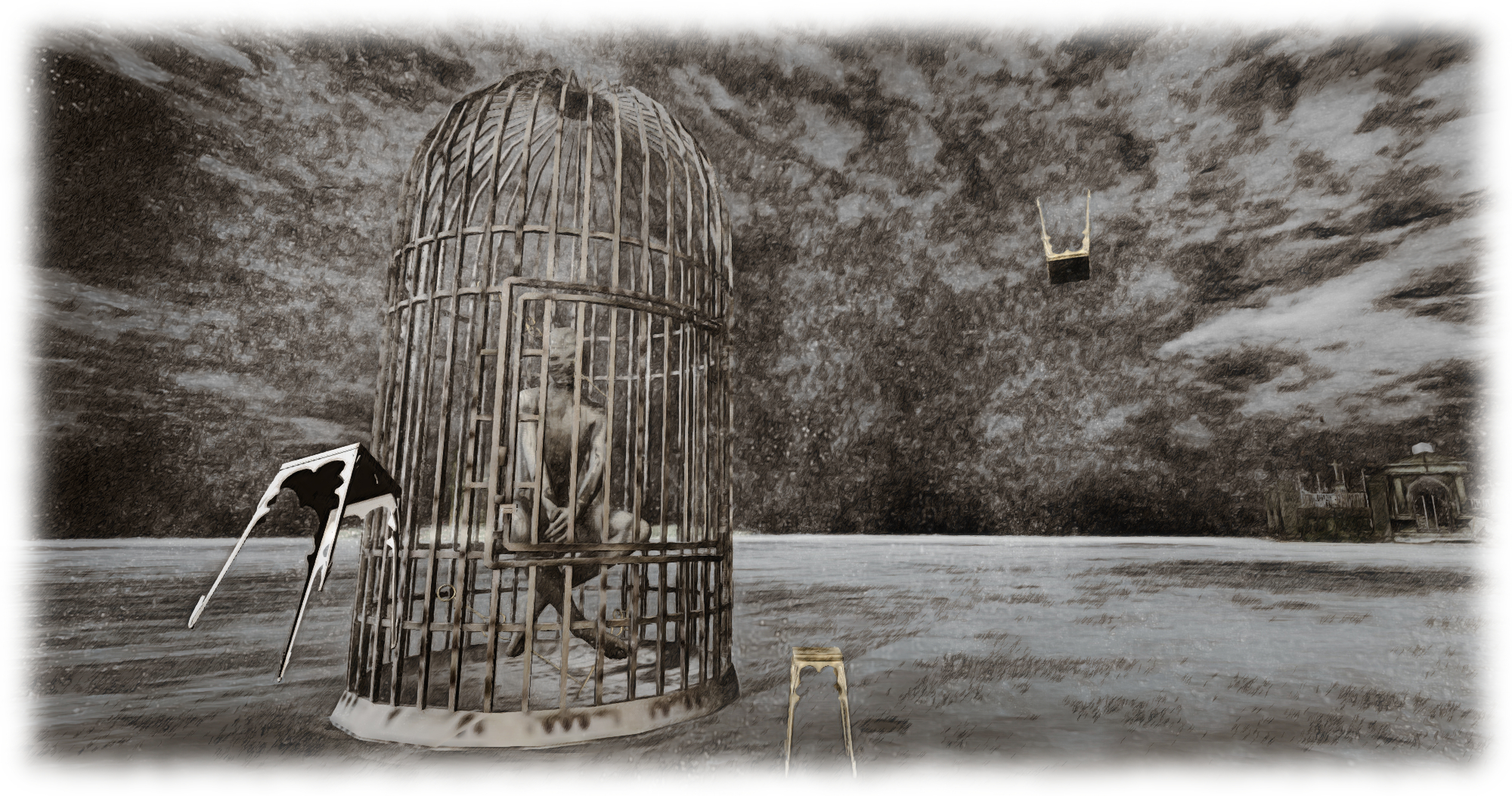
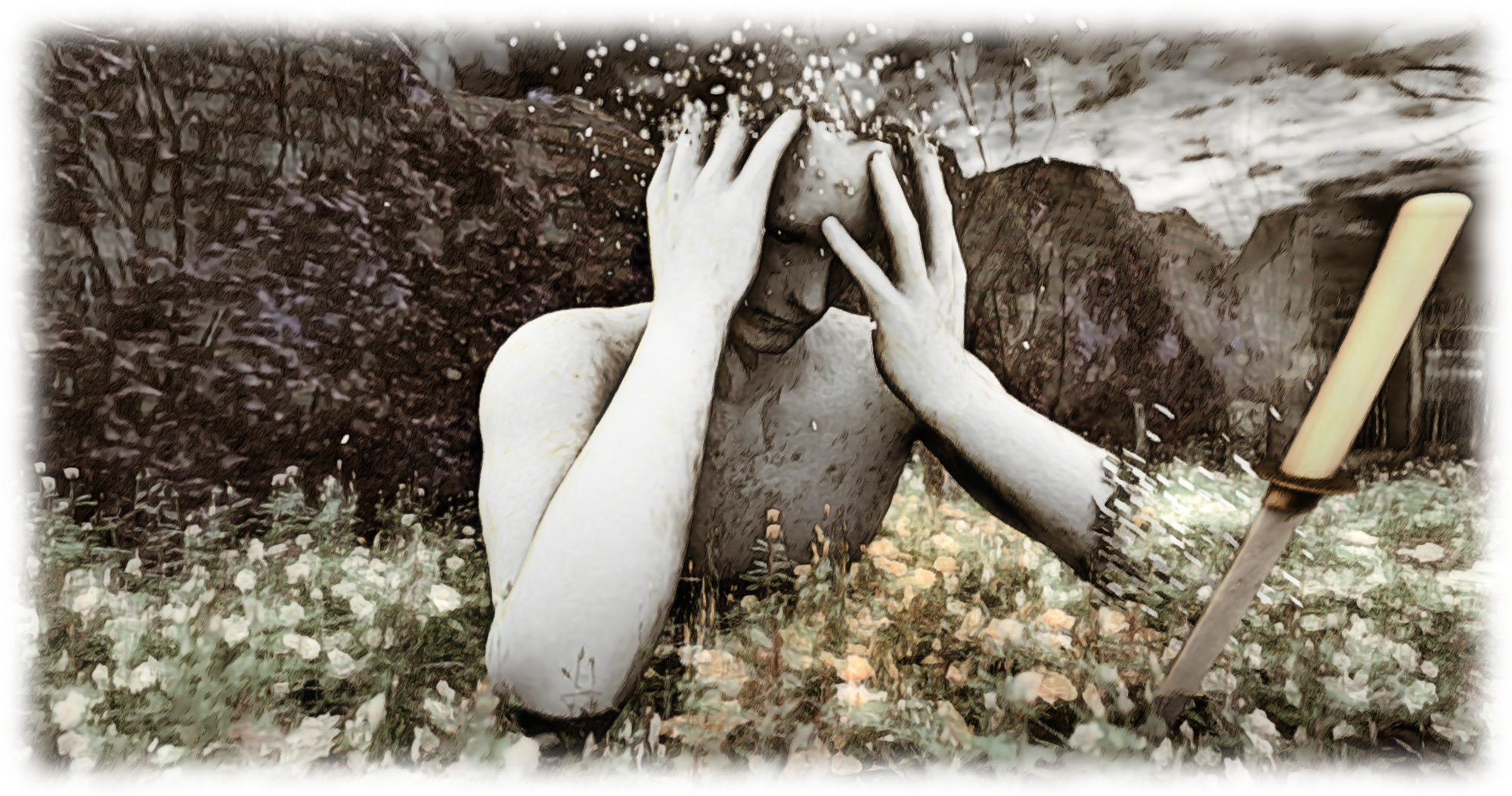
There are dark elements to be found here; graveyards rise from the mist, shadowy forms floating through them, and cages and sharply-pointed instruments can be found. But so to are themes of love, and hints of fairy-tale memories.

Charm and menace can also be found intertwined, perhaps most noticeably through the tiny figure peeking through the window of a shattered house at an empty bed. Depending on one’s mood, the painted smile on the little face can at first give a poignant feel to the tableau before perhaps turning a little more sinister  – or can do exactly the reverse: first appear sinister and threatening before become gentler and more caring.

oporuto, “”” oporuto””” (Flickr) – click any image for full size

There are elements of whimsy to be discovered as well, such as with the oversized cats frolicking around a rowing boat with translucent fish. For those of a contemplative mood, and snowbound window opens out onto a warm summer sky from the pages of a fairytale book, offering a place for one to sit and ponder.

All told, this is a strange place, rich in imagery and not above odd little contradictions in tone, as noted. Rezzing is closed, but the opportunities for photography are many, although I would perhaps warn that there is a lot going on in places in terms of particle effects, etc., that I found my GTX660 labouring at times. Wandering the region is a little like wandering through a landscape shaded by the memories of dreams and nightmares; what can be found here might not appeal to everyone, but that doesn’t make it any the less captivating.

oporuto, “”” oporuto””” (Flickr)

Related Links

Urban scenes in Purple Crayons

Purple Crayons, Private Property; Inara Pey, February 2015, on Flickr“The Lost Town” – Purple Crayons (Flickr) – click any image for full size

Update, February 26th: I’ve received a note saying that Purple Crayons and Square Pegs in Round Holes will be closing on March 5th, 2015.

My recent visit to The Lost Town, Jordy B. Zipdash’s build on Rawh’s homestead region of Square Pegs in Round Holes, reminded me that I had yet to blog about another of Rwah’s builds, that of Purple Crayons, which I visited a little while ago, but had yet to write about; so I decided to correct that oversight.

Rwah charmingly describes Purple Crayons as a place where “colouring outside the lines is the norm,” and “nothing makes much sense, where there is little reason or rhyme as to why, it just happened.” The result is a build with mixes urban, rural and coastal builds into an interesting and photogenic whole, and which offers the curious much to explore.

Purple Crayons, Private Property; Inara Pey, February 2015, on Flickr“The Lost Town” – Purple Crayons (Flickr) – click any image for full size

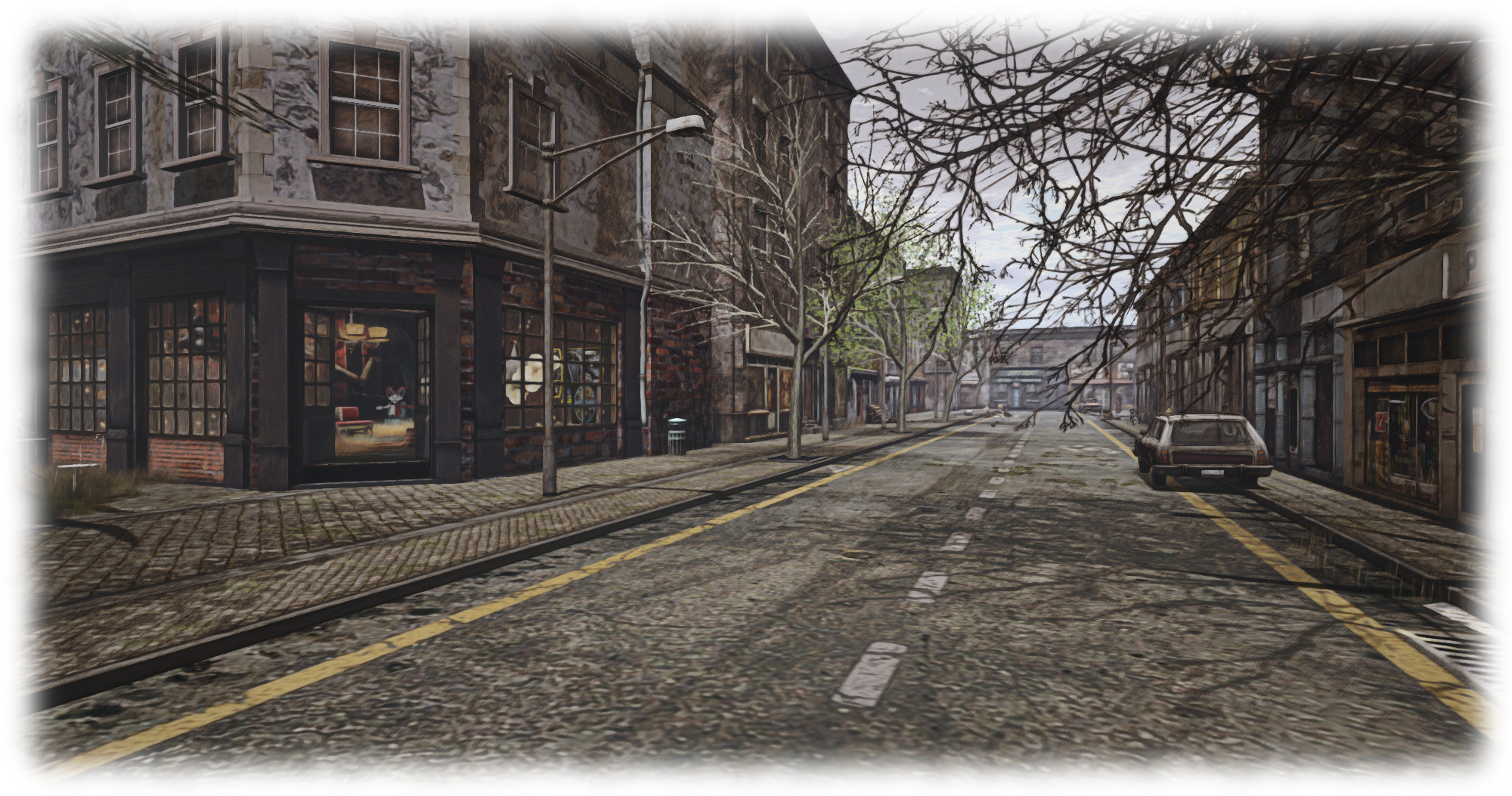
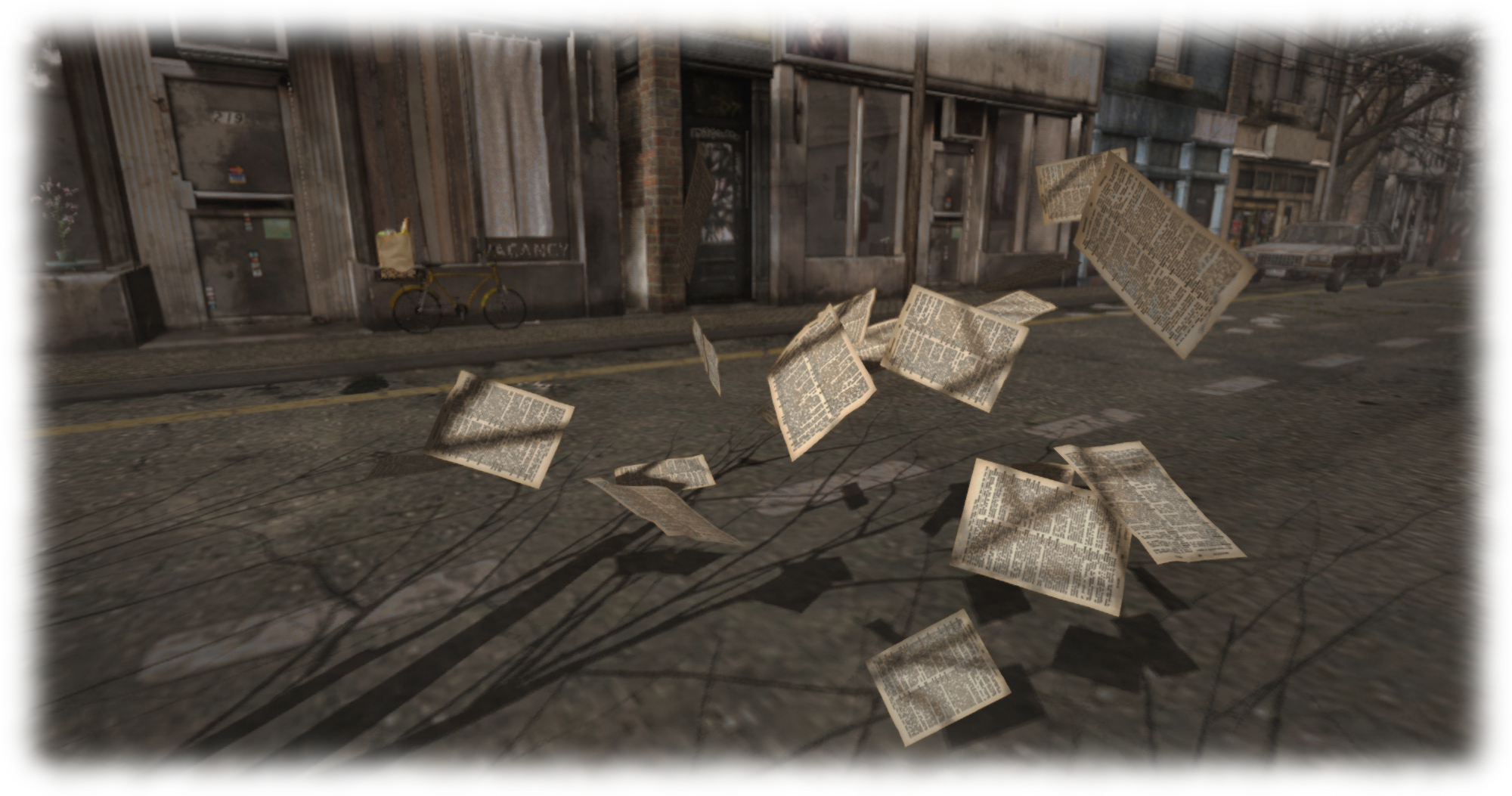
Visitors arrive at the mouth of a tunnel, from which stretches a paved road lined on either side by somewhat run-down shops; clearly a place which has seen better days. Several of the premises lining the street are façades, but equally, several are not, and can be entered. It’s worthwhile taking a little time to discover which these are, as some contain small art gallery spaces, including a studio by Thorn Arisen, who offers evocative portraits of SL avatars and life through his Flickr stream.

One of the things that makes Purple Crayons so natural in appearance is the “stepped” nature of the urban build; above and behind the main street is a raised section of the town, reached via steps. It is something that helps give the place more of that feeling there there is no rhyme or reason to the design of this little urbanised corner of the world – it just happened.

Beyond the buildings sits a small area of woodland which separates the urban grunge from a pristine beach to the north, complete with a prim little pier which appears to be far better maintained than the buildings in town. The beach itself seems to grow a little shabbier the further it travels to the east and west and approaches the edges of the town. To the east, for example, sits another wooden jetty, this time with was appears to be a slightly beaten-up bar promising Girls! Girls! Girls! To the west, shade from the sun is provided by the hulk of an old bus.

Purple Crayons, Private Property; Inara Pey, February 2015, on Flickr“The Lost Town” – Purple Crayons (Flickr) – click any image for full size

Yet there seems to be more here than meets the eye; the questions is, is it intentional, or purely happenstance, as the region’s description might suggest? The aforementioned bar, for example, is anything but, and if you look around carefully enough, a story seems to suggest itself, perhaps involving lost love and regret. The walk through the woodland to the pristine beach to the north also nudges the subconscious into perhaps making connections and drawing conclusions: past times of happy picnics, carefree vacations, all separated from the present just as the beach is separated from the town by the trees.

Or perhaps it really is just a design of contrasts, without intent, existing simply to be enjoyed. Only you can decide.

With rezzing open, and auto-return set to 30 minutes (but, as always, do please clean-up behind you anyway), Rwah invites people to make use of Purple Crayons for the photography, if they wish, and provides a few simple rules she asks people to observe during their visit.  Do abide by them and enjoy your explorations.

Purple Crayons, Private Property; Inara Pey, February 2015, on Flickr“The Lost Town” – Purple Crayons (Flickr) – click any image for full size

Related Links

In the hall of the Centaurs

The Centaurs' Hall
The Centaurs’ Hall – click and image for full size

Ziki Questi posted word that there’s a new build on Verdigris, home of the fabled (and quite lovely) Vintage Village by Oriolus Oliva (a place I last wrote about in July 2013), what’s more, it’s by none other than Haveit Neox, someone whose work in SL I’ve come to really appreciate and enjoy over the last few years.

The Centaurs’ Hall was apparently put together fairly rapidly, the majority of it being put in place in just three days from the start of the month, which is really quite remarkable given the complexity and beauty of the build.

The new build occupies the opposite side of the gorge above which Vintage Village is perched, the great wooden bridge built by Oriolus linking the two. When first viewed, there is something of a similarity between both the Vintage Village and The Centaurs’ Hall. Both occupy hilltop locations bordering the deep gorge which cuts through the region, and both are built out over huge piers rising skyward, their weight cantilevered to a degree: the Vintage Village in a south-north direction, The Centaurs’ Hall along an east-west line.

The Centaurs' Hall
The Centaurs’ Hall

However, that the two are different builds quickly becomes apparent as you cross the amphitheatre that forms the entrance to The Centaurs’ Hall; Haveit’s distinctive style is unmistakable, not only in the architecture, but in the overall harmony of design and use of textures and colour, and the presentation of space.

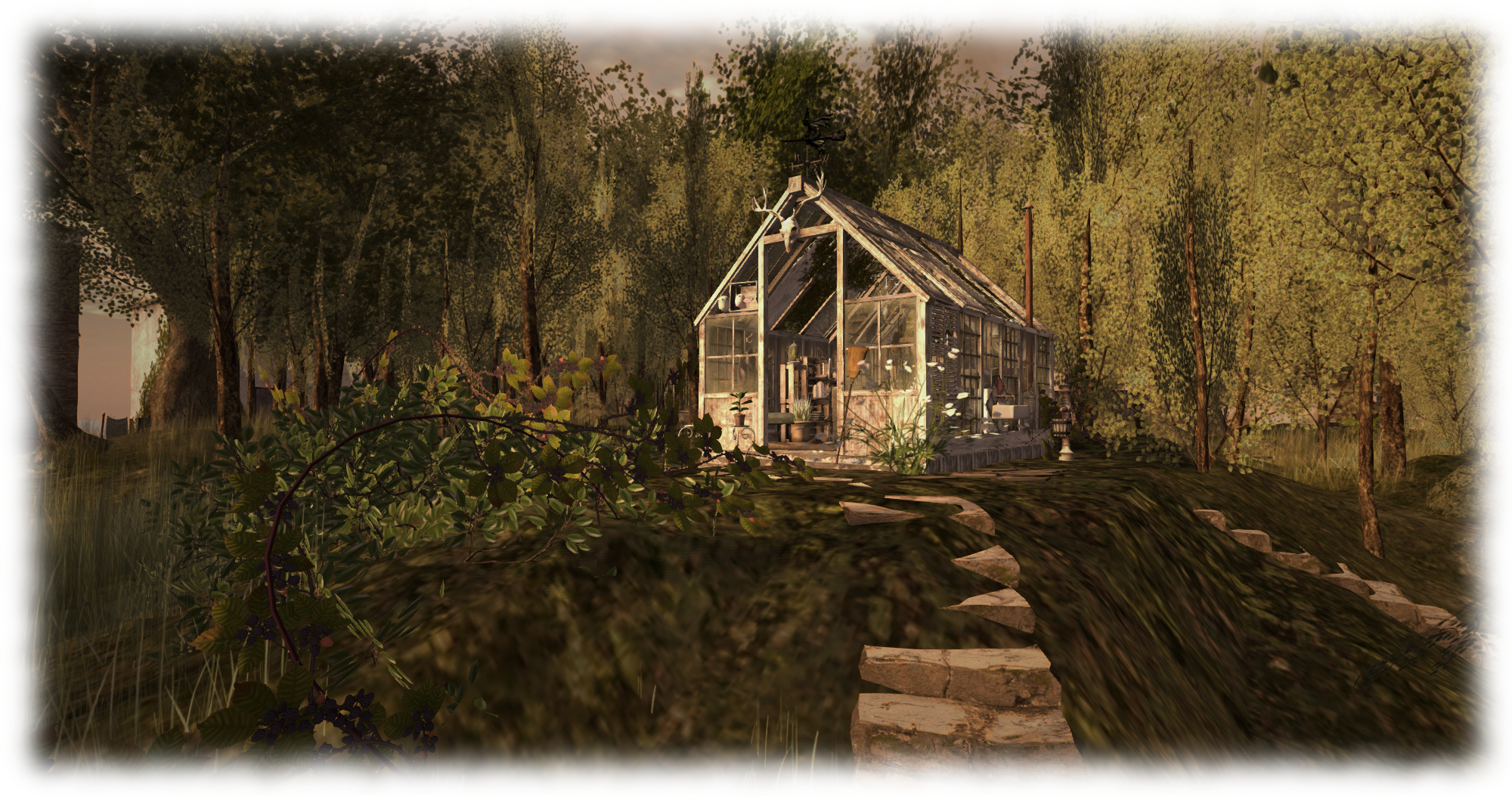
Inside the arched vaults of the Hall there is much to see, including a reproduction of The Miniature Goal, originally displayed at the Art India Galley exactly a year ago (see my review), and included here on Ziki’s suggestion. Follow the dusty tracks through the upper halls and they well lead you past some of Haveit’s glorious sculptures to the Czardas Greenhouse. While there might not be a lot of floor space available for dancing, this great room with its huge, glass-panelled walls and ceiling, offers plenty of food and drink in keeping with the origins of the name upon which it draws. Beyond the greenhouse, a broad stone terrace, dizzyingly set over the waters at the edge of the region, offers a panoramic view across the gorge to the Vintage Village.

The Centaurs' Hall
The Centaurs’ Hall

This is a quite a magnificent build, one while compliments the vintage village perfectly. Long may both continue together.

Related Links

A visit to a Lost Town

Square Pegs in Round Holes, Kashmir Dreams; Inara Pey, February 2015, on Flickr“The Lost Town” – Square Pegs in Round Holes (Flickr) – click any image for full size

Update, February 26th: I’ve received a note saying that Square Pegs in Round Holes and Purple Crayons, Rwah’s other region (see my post on it), will be closing on March 5th, 2015.

When I last visited Square Pegs in Round Holes, the region hadn’t long been opened. As I reported at that time – September 2014 – it was largely a water-based region, with a series of islands visitors could explore. Since then, much has changed.

Rwah, the region holder has decided to offer the homestead region to those builders with a serious desire to build a region-sized installation which can be enjoyed by the public at large. To start things off, Jordy B. Zipdash was invited to create something in the region, and he came up with a darkly atmospheric build in the form of The Lost Town.

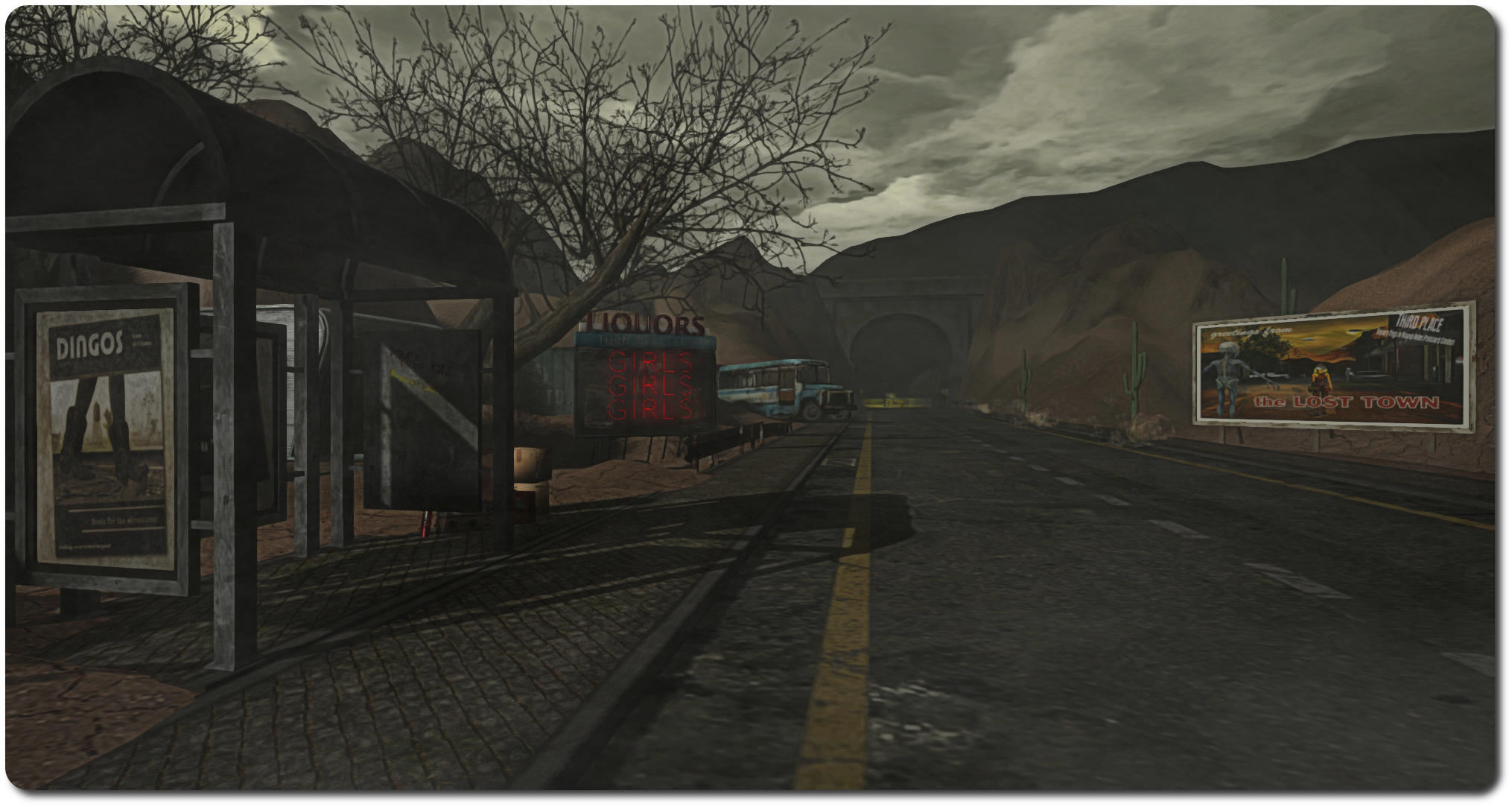
A lonely wind moans its way down a long road from a distant tunnel, passing between the careworn buildings of a run-down town. Tumble-weeds roll their way across the asphalt at the wind’s behest, while tall hills, bare rock denuded of vegetation, hem the town in, their bulk adding a sinister edge to the fading light.

Square Pegs in Round Holes, Kashmir Dreams; Inara Pey, February 2015, on Flickr“The Lost Town” – Square Pegs in Round Holes (Flickr) – click any image for full size

At the far end of town, the road makes a hard right turn before running arrow-straight to the mouth of another tunnel, passing a deserted trailer park and other human detritus before finally leaving this shabby corner of the world behind.

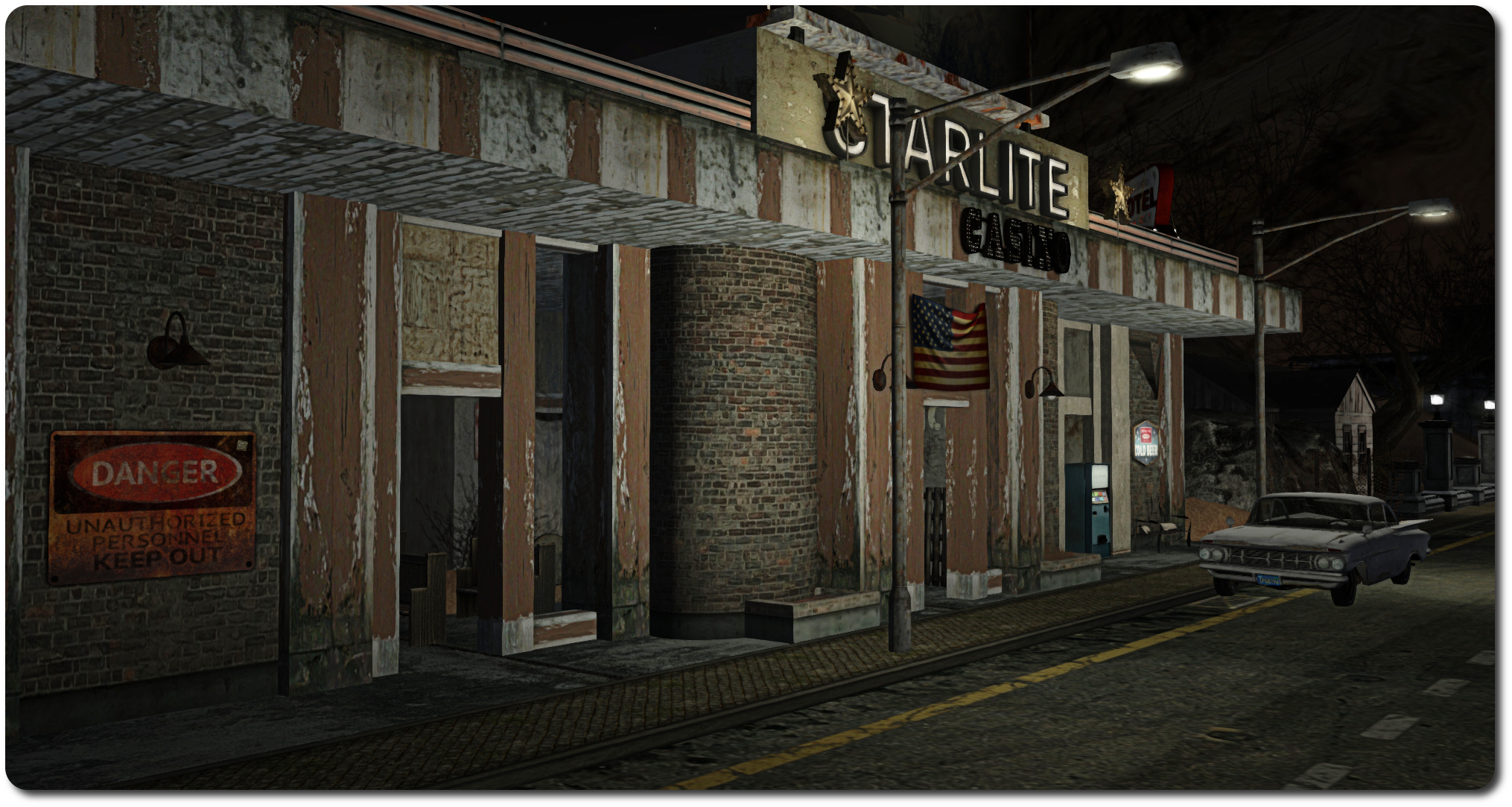
This might once have been a thriving town; there’s the imposing form of a bank on one side of the street (long-since converted to a bar), and the place even boasted a casino – the Starlite, although this has also gone through something of a transformation, becoming some kind of church; and even this seems to be well beyond any regular use, the desert sands drifting in through a back doorway and taking up residence between the pews.

But this isn’t to say the town is deserted; across the road from the shell of the old casino sits a small store and three well-maintained houses, the gleaming form of a car sitting on the driveway to one of them. Fires glow in the hearths of both places, and all have a feeling of cosy warmth about them, and by day look as if they’ve been lifted from quiet suburbia. Even so, within them, things seem a little odd; where are the occupants, given all three houses appear to have been in recent use? And why are all three bedrooms devoid of any furnishings whatsoever…?

Square Pegs in Round Holes, Kashmir Dreams; Inara Pey, February 2015, on Flickr“The Lost Town” – Square Pegs in Round Holes (Flickr) – click any image for full size

“Have you ever heard of a little mining town called Centralia?” Jordy asks by way of citing the inspiration for this installation. “If not, fire up your  search engine and read up on the place and how it came to be a little deserted town. Here in the Lost Town, the same abandonment happened.  Not by fire or elemental damage  but something far more sinister.”

Indeed, the air of mystery here, with its sinister undertones, is hard to avoid. It comes not only in the perpetual, wind-shrouded dusk that lies over the place, but also from the signs and portents hidden within some of the buildings. However, to find the whole truth, you may well have to venture out into the desert, beyond the little lake with its dilapidated barn. but be careful! “Don’t venture out too far in the desert,” Jordy warns, “Mighty strange goings-on out there, if you ask me.”

So don’t say he didn’t warn you…

Related Links