The Drax Files 32: facilitating art and machinima in Second Life

Jay Jay Jegathesan (Jayjay Zifanwe in SL) patron to the arts in Second Life and founder of the University of Western Australia's presence in Second Life
Jay Jay Jegathesan (Jayjay Zifanwe in SL) patron to the arts in Second Life and founder of the University of Western Australia’s presence in Second Life

With machinima, you are getting a glimpse into the soul of the artist. They’re not making this film so they can sell tickets at the movies. They are making this to show you who they are.

– Jayjay Jegathesan

The above statement comes at the start of The Drax Files World Makers episode 32, and perhaps perfectly encapsulates a good part of the message offered within it. It also encompasses much of what Second Life is for so many of us: a means of expressing ourselves fully and freely and without the burdens we often face in the physical world – a point Jay Jay also makes later in the film.

This segment is a slight departure from previous episodes, in that it could be said to cover two different, if related, themes. On the one hand, it offers insight into the amazing world of Second Life machinima and the ways in which the platform  offers many unique ways of artistic freedom for film-makers. On the other it is a personal look at Jay Jay’s own role within the platform, both at founder and manager of the University of Western Australia’s presence in-world and through it  a patron and champion of the arts and machinima through his in-world alter-ego, Jayjay Zifanwe.

Natascha Randt and Karima Hoisan are two of the featured machinima-makers in segment #32 of The Drax Files, their work helping to illustrate both the rich diversity of machinima films made in SL and the unique opportunities for collaboration across the world offered by the platform

These two threads, woven together through the UWA’s ongoing series of art and machinima challenges, make for one of the most complex pieces yet produced by Drax as a part of the World Maker series. In it, he precisely balances insight and understanding into the appeal of machinima and the creative potential Second Life offers the medium with a clearly understandable examination of Jay Jay’s and the UWA’s work in-world, presenting audiences not necessarily well-versed in Second Life with a narrative flow combining both elements into a cohesive whole.

UWA's Winthrop Clock Tower & Reflection Pond as reproduced in Second Life and a landmark frequenctly featured in UWA machinima contest entries
UWA’s Winthrop Clock Tower & Reflection Pond as reproduced in Second Life and a landmark frequently featured in UWA machinima contest entries

From Jay Jay’s opening comment, we see machinima initially framed through the UWA’s ongoing series of art and machinima competitions (such as Pursue Impossible, which is currently underway), and which serves also to underline the fact that just about every kind of film genre and type known in the physical world can be produced within the virtual – and to extremely high standards.

This richness of opportunity is further underlined with brief statements on their art by some of second Life’s top machinima makers such as Rysan Fall (long a personal favourite), with clips from films by others such as Tutsy Navarathna (ditto). Through this comments, albeit  individually brief, the audience gains a well-rounded view of machinima and its creative power and value, as well as into way so many find it so personally satisfying.

And just in case there are any doubts over machinima’s position as a genuine form or artistic and creative expression, I’d at least point to Rysan Fall’s short film Invisible City. This not only topped-out the machinima category for the Project Homeless competition sponsored by the City of Parramatta, new South Wales, it took second position overall in the competition, beating many films made solely in the physical world with its context, narrative and production quality.


Rysan Fall’s brilliant Invisible City

Art and machinima serve many purposes in Second Life, just as they do in the real world, and it is to the UWA’s credit that they have sought to embrace this as much as possible through their promotion of virtual arts – such as with their involvement in Project Homeless, as mentioned above.

Continue reading “The Drax Files 32: facilitating art and machinima in Second Life” →
A little bit of Junk in Second Life

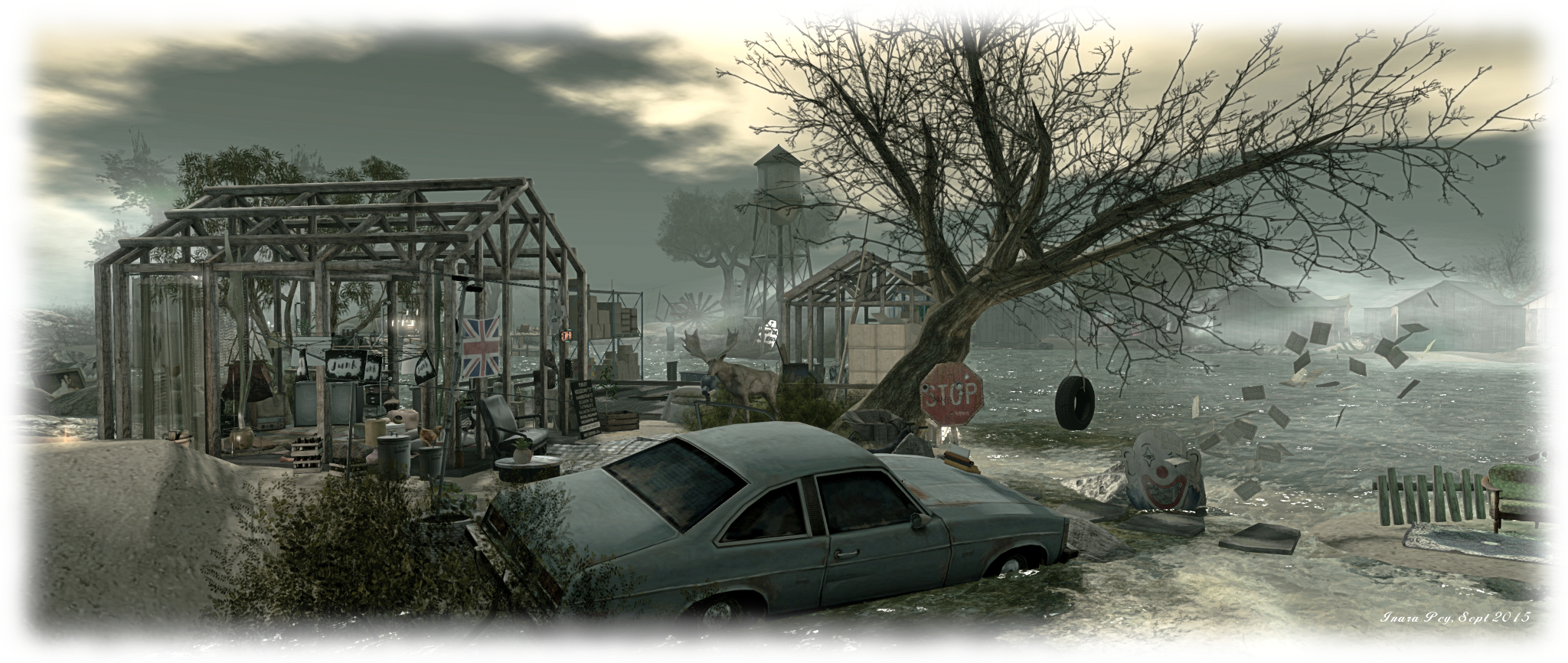
Junk; Inara Pey, September 2015, on FlickrJunk September 2015 (Flickr)

I’ve written a few times about some of the advantages shopping in-world can have, quite aside from the benefits of easy browsing, sharing time with friends, etc., simply because many content creators with land of their own put as much care and effort into providing a place people will want to visit as much for itself as for the shopping experience.

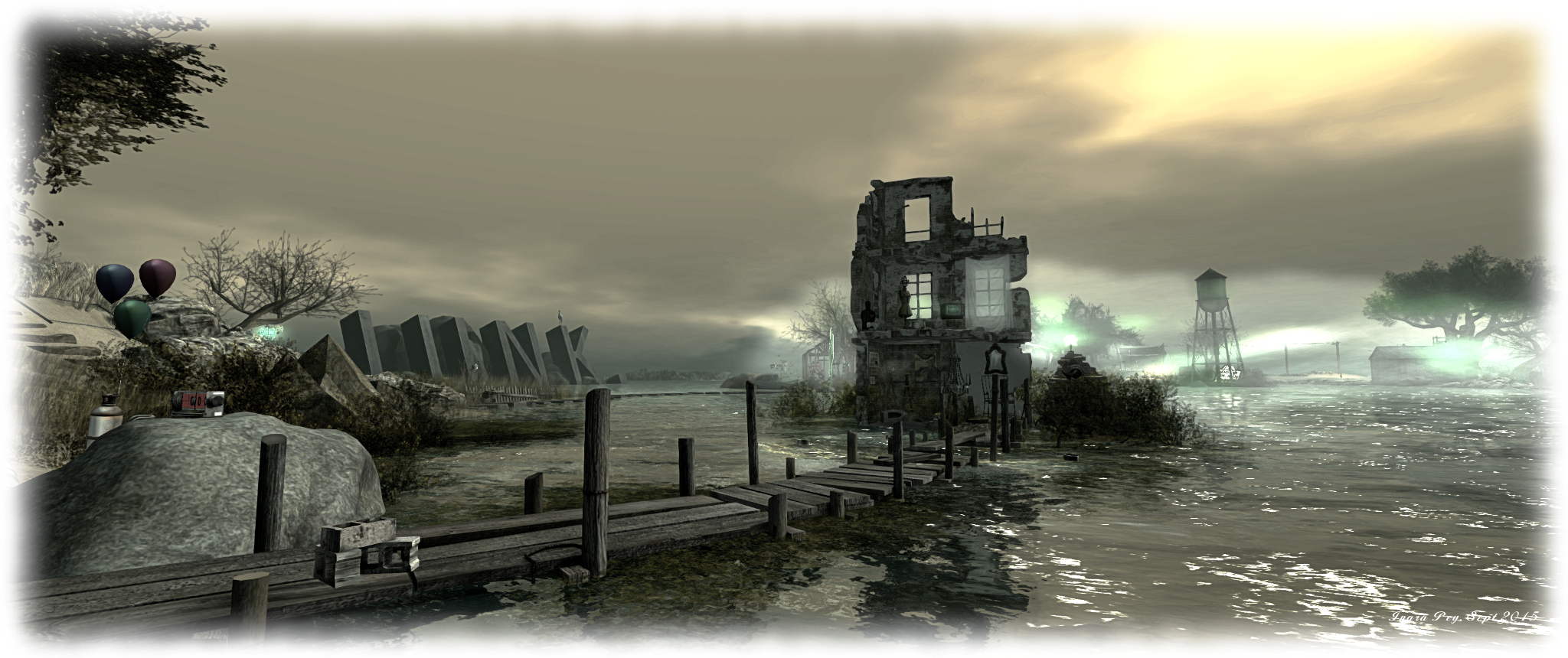
Tab Tatham is one such creator. Her region, called simply Junk, the name of her store, is wonderfully atmospheric in design and execution. So much so that not only does it provide an eye-catching place to visit as well as to spend time shopping, for me it is also mindful of another region design I always enjoyed and admired: Jordan Giant’s The Colder Water, which makes it doubly attractive.

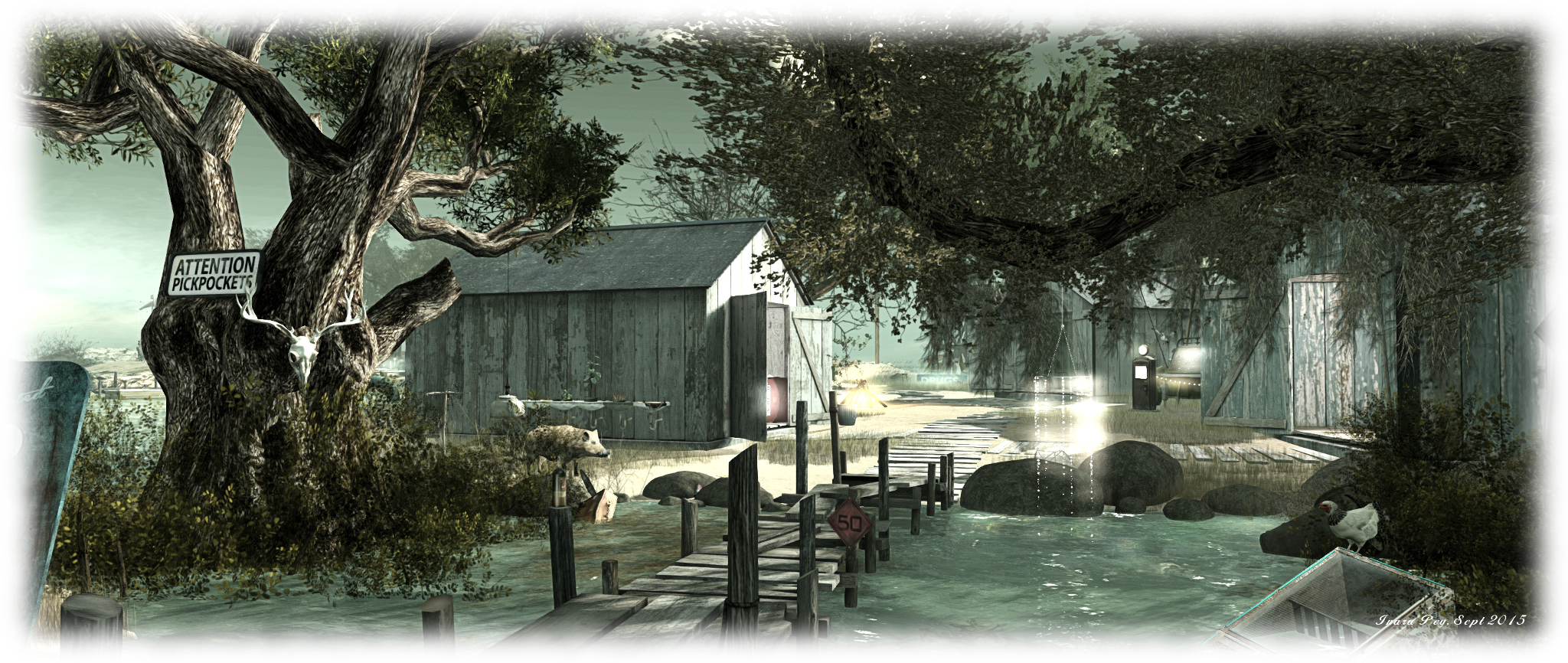
Junk; Inara Pey, September 2015, on FlickrJunk September 2015 (Flickr)

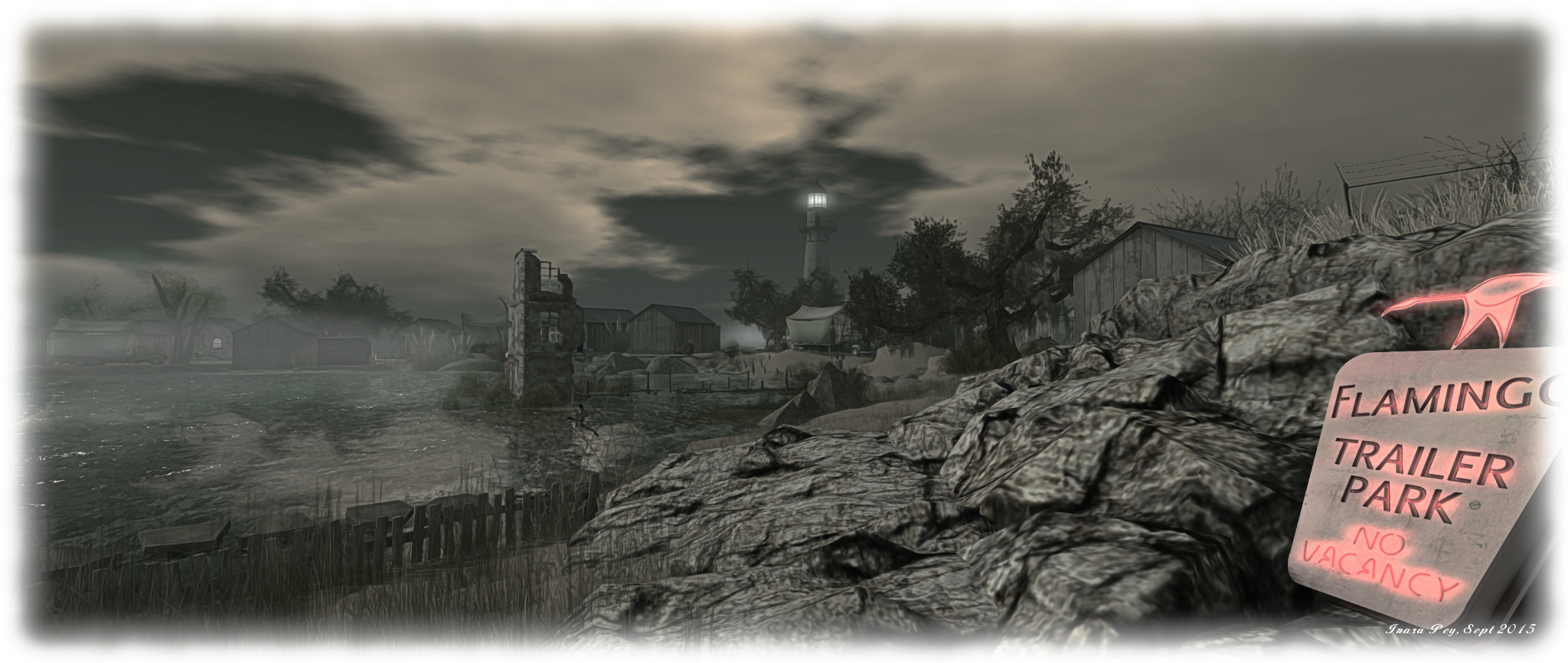
Like The Colder Water, Junk offers a crescent island with a landing area atop a broad, rocky plateau at one end, which sweeps down and around to rocky “tail”. It is also cast within a twilight world which suits it admirably, watched over by the slender finger of a tall lighthouse sitting just off the coast of the main island, something which again carries an echo of The Colder Water, although this lighthouse is very much still functional.

Which is not to say the one is in any way modelled on the other, there is also much which stands the two designs apart and make them entirely unique and individually attractive. My comparison is purely a means of showing how my memories of one had me feeling a comforting warmth of familiarity on my arrival at the other.

Junk; Inara Pey, September 2015, on FlickrJunk September 2015 (Flickr)

From the arrival area, which also forms the store’s information area, the visitor can wander the length of the island, Tab’s store being laid out as a series of sheds (Tab’s own designs) and awning-draped flat-bed trucks either side of the island’s sandy ribbon. Between these winds a board walk of loose-laid planks, enticing the visitor onwards in exploration.

At the far end of the island’s curve sits a live events area, built out over the water, with seating areas both on and near it, and the stage provisioned by another awning-hung truck. Braziers made from old oil drums, glowing with the heat of the fires burning inside them offer warmth should the sea breeze turn cold,  while the seating – whether made by Tab or by others – is wonderfully home-spun in styling, adding enormously to the overall ambience of the place.

Junk; Inara Pey, September 2015, on FlickrJunk September 2015 (Flickr)

Just off the main island, and sitting within its curve, are two little islands. On the first, barely more than a rocky outcrop, sits what appears to be the last remnants of an old factory. Further out, and reached via a set of stone flagstones which allow visitors to keep their feet dry, is a little warehouse area which offers cosy places to sit as well.

For those who like spending time meandering around market stalls or poking through little stores of bric-a-brac and suchlike, then a wander through Junk is liable to delight; it evokes such feelings perfectly, quite aside from any real or imagined sense of familiarity the region design may evoke. There is also a whimsical quirkiness present as well, which adds to a visit enormously, be it through spotting Nessie sitting in the water or smiling at the lantern carrying crane lighting the board walk, or any one of a dozen or more little touches which bring a smile to the lips.

Junk; Inara Pey, September 2015, on FlickrJunk September 2015 (Flickr)

Whether you are shopping for something that’s a little unusual and pleasing to the eye design-wise, or just out to see what you can find when it comes to furnishings and decor, be sure to take a look at Junk – you’re liable to find it is anything but.

SLurl and Other Details

Pursue Impossible: as the entries continue

Mistero Hifeng: "Dream", Pursue Impossible
Mistero Hifeng: “Dream”, Pursue Impossible

With the prize pool standing at over L$560,000, the list of entries in the University of Western Australia’s (UWA)  Pursue Impossible Art & Film Challenge continues to grow while the clock slowly counts away the days to the deadline for submissions at midnight SLT, on October 31st, 2015.

The Pursue Impossible theme is in recognition of the UWA adopting Pursue Impossible as their clarion call to students in the physical world to achieve their fullest possible potential by studying with the university.

Within the competition, entrants are invited to consider what their “impossible” might be. Perhaps it is the goal they have achieved or which they’ve seen achieved by their loved ones, friends or family; or perhaps it is a consideration of those things we deem to be impossible, but which we may still pursue and conquer as individuals or collectively. Or maybe it is an illustration of how virtual environments empower people to visualise, create and push the boundaries of the possible. There are many options and opportunities to consider.

Art submissions must have COPY permissions, and must not exceed 150 LI, and must be free from any copyright issues – if third-party content is used in an entry, permission must and been sought and granted from the creator for its inclusion in the Challenge. Machinima entries should preferably no longer than 4 minutes and 30 seconds, must be specifically made for this challenge. All submissions should allow casual viewers to interpret how the theme is represented, or provide a means by which the piece can be understood in the context of the challenge theme.

For full details on the challenge, including submission guidelines and rules, please refer to the UWA’s Pursue Impossible announcement.

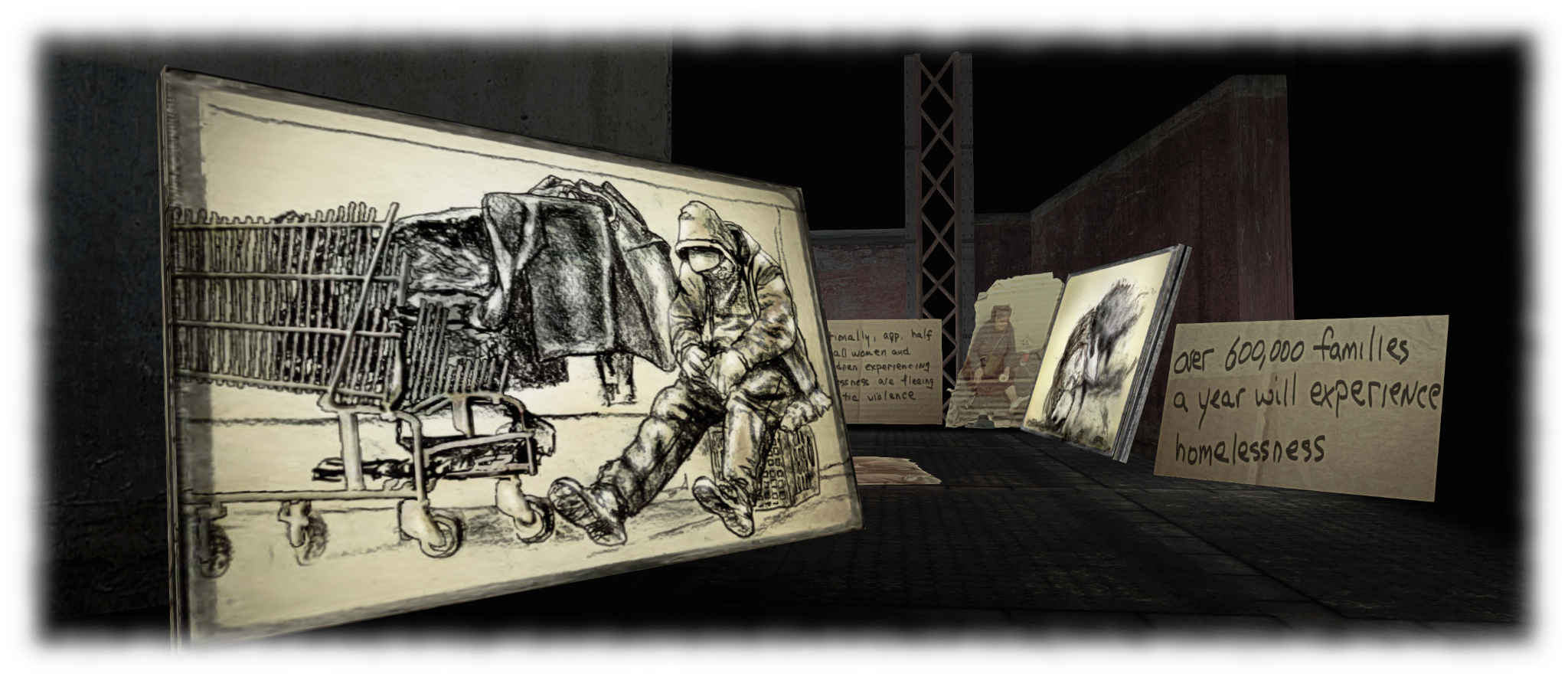
Nino Vichan: Pursue the End of Homelessness - Pursue Impossible
Nino Vichan: Pursue the End of Homelessness – Pursue Impossible

As well as the art and machinima category prizes, there will also be special cash prizes for audience participation. The prize pool for this currently stands at L$15,000 apiece for the two categories (art and machinima).

I’ll have news on the audience participation requirements once they have been officially announced by the UWA directly. In the meantime, don’t forget to check the art entries at the UWA Gallery and the video submissions on the UWA blog.

Related Links

A little Hollandaise in Second Life

Cape Juniper; Inara Pey, September 2015, on FlickrCape Juniper September 2015 (Flickr)

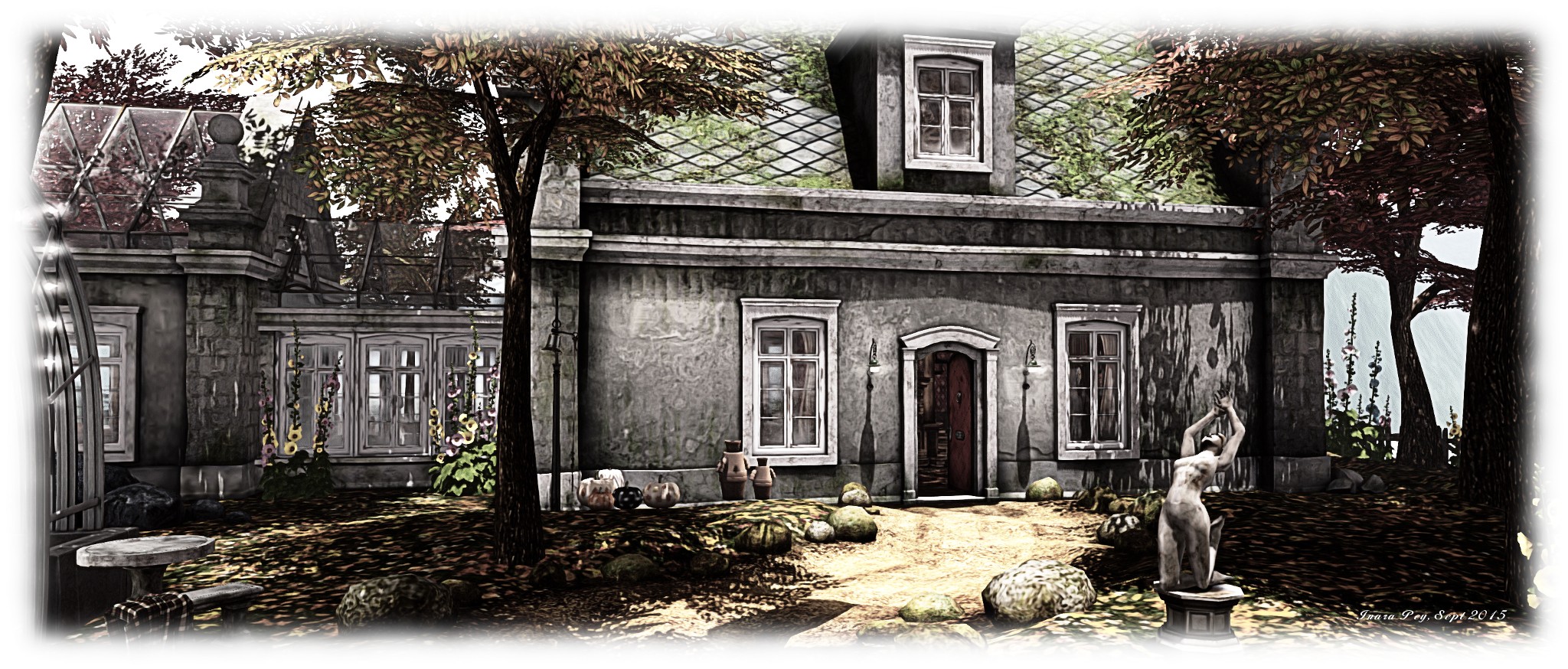
I was led to Danii Lyric’s Cape Juniper after seeing a series of images by Goizane Latzo on the ever excellent Bitacora Viajera blog, and was immediately attracted by all I saw.

The region – Hollandaise – is home to Danii’s businesses as a photographer and interior & landscape designer, and Cape Juniper offers a tour de force of her skills in both. Within it sit a series of environments beautifully crafted to attract the eye and camera, and which offer plenty of ideas for home design and landscaping.

Cape Juniper; Inara Pey, September 2015, on FlickrCape Juniper September 2015 (Flickr)

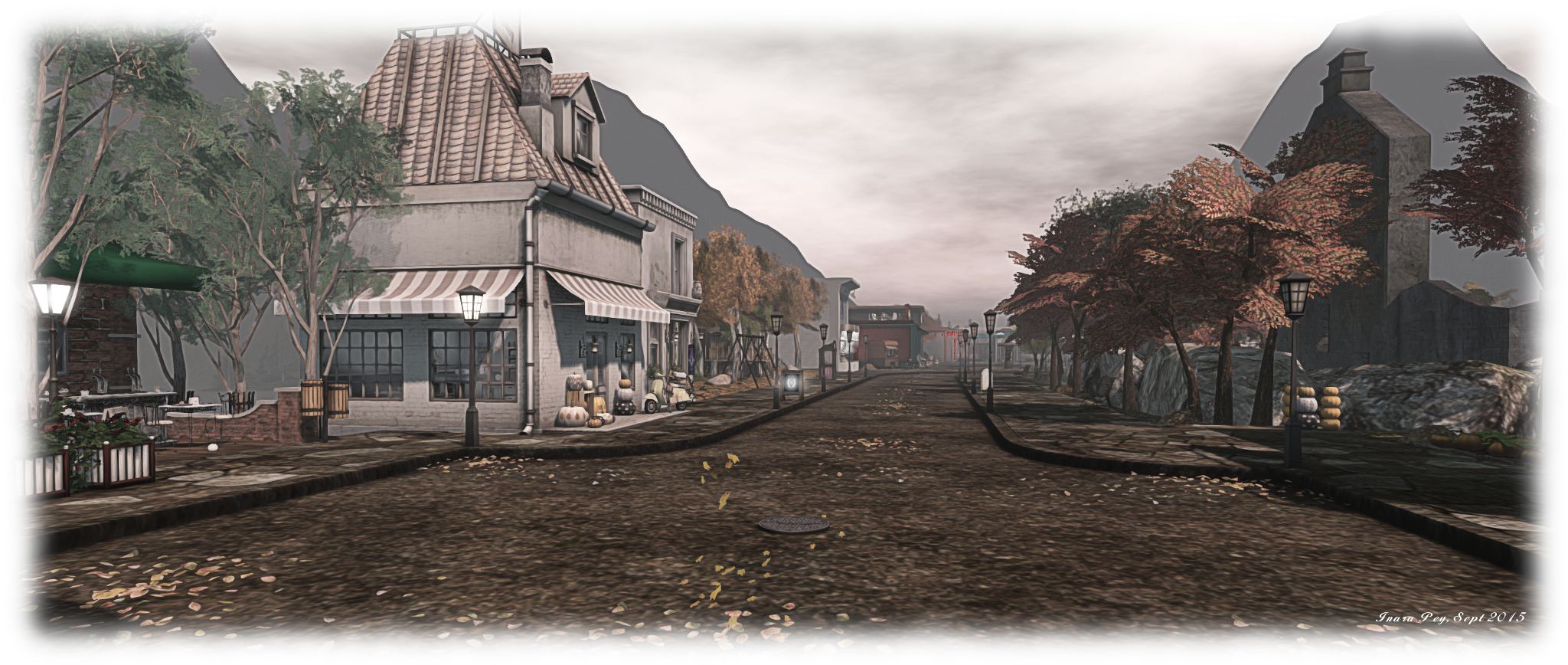
The Cape Juniper LM / SLurl deposits visitors at one end of the largest of five islands making up the region. A road runs the length of the island, bordered on one side by a range of little shops, places to eat, playgrounds, and so on, leading the way from the motel next to the landing point to Danii’s offices on the little town square at the far end of the island, sitting nestled between a small pub and a 50’s style diner..

The other side of the road looks out over the rest of the region, visible beyond the ruins of an old castle, and offers cosy little seating areas at the roadside nearer to the main square, together with a broad set of steps leading down to a grassy headland on which sits a charming outdoor wedding area. A large barn to one said offers plenty of space for receptions, while the boat slips are set ready for the arrival of a bride by water. Those wishing to explore the old castle can find their way to it at the foot of the steps leading to the wedding area and mooring slips.

The four smaller islands all offer ideas for home designs, both exterior and interior, which are again beautifully presented. I confess to being unclear as to how they can be reached, save by flying; I didn’t notice and boat rezzers during my explorations. Three out of the four appear to be open to visitors, and include donation points. The fourth, located in the north-east corner of the region, appears to be a private residence.

Cape Juniper; Inara Pey, September 2015, on FlickrCape Juniper September 2015 (Flickr)

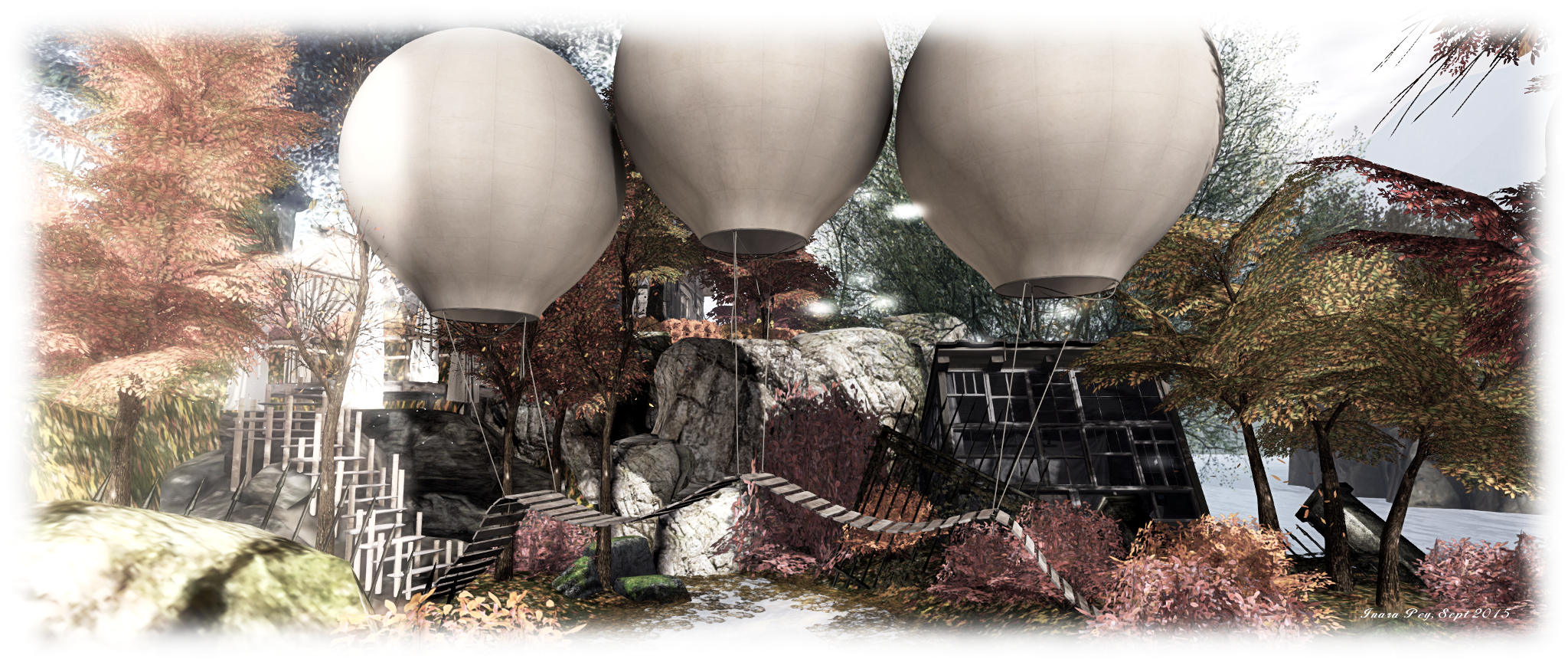
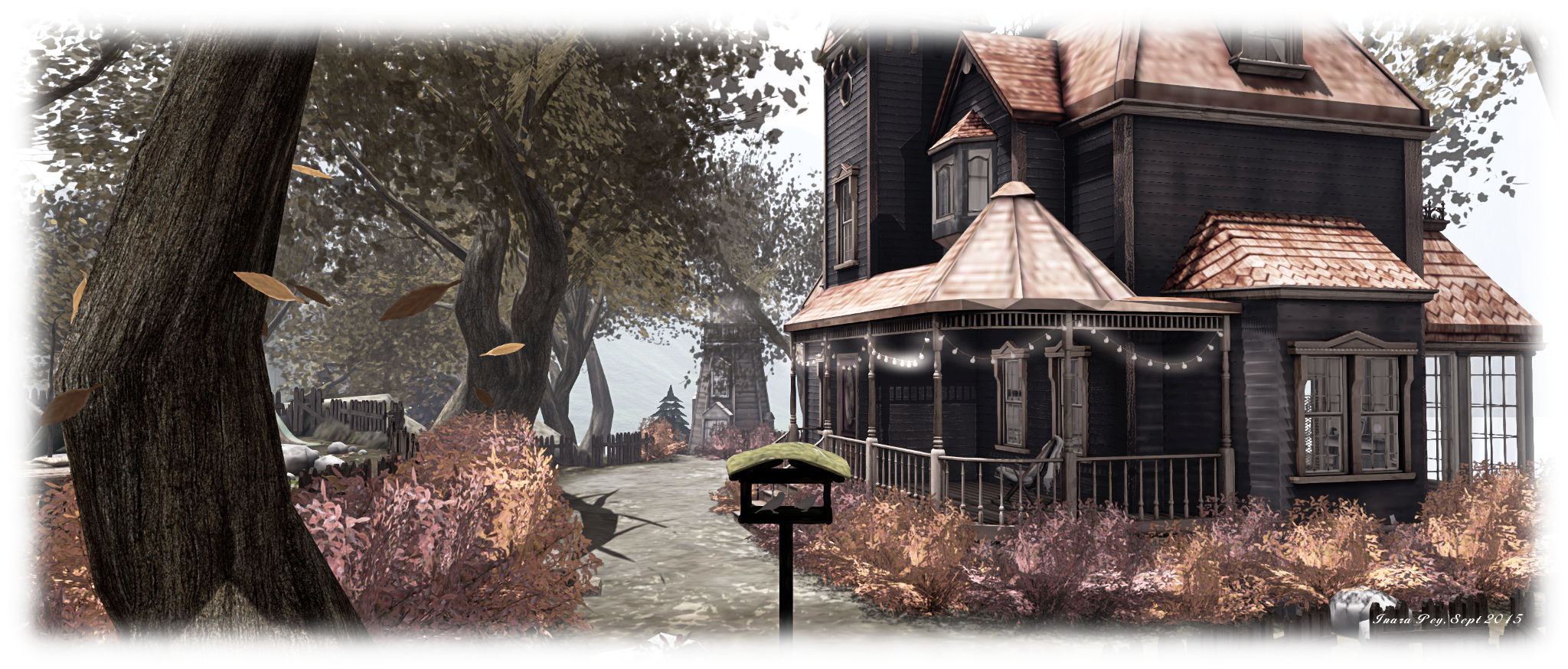
Each island offers a unique design whilst keeping in tune with the overall slightly autumnal theme to the region. Given the size of the islands, superb use is made of the available space, and those with a copy of the Fanatik Rocky Island sitting in their inventory may well find their own creative thoughts on how to put it to good use flow as a result of a visit.

I must also confess to being drawn to one of the islands using this piece of landscaping myself, partly due to the fact I’ve used it in my own home island design, but also because the island in question stands apart from the others in having a decidedly Japanese look and feel to it. This makes it unique within the region without it appearing at odds with the surrounding designs.

Cape Juniper; Inara Pey, September 2015, on FlickrCape Juniper September 2015 (Flickr)

All told, this is another quite lovely region, beautifully presented to visitors and offering a wide range of photo opportunities, places to sit and relax, and plenty to see and enjoy. In other words: a delight to visit. Should you find it as charming as I, please do consider making a donation towards the continuance of the region.

SLurl Details

Pop-up art in Second Life

Derry McMahon
Derry McMahon – Pop-up Art

Noted SL photographers Derry McMahon and Bear Silvershade have come up with a new approach to exhibiting art in Second Life, and they’re calling it “pop up art”. Bear explains the idea in a press release thus:

We’ve watched as galleries flicker in and out of existence, and had shows at several. Two things are consistent: nothing is permanent, and even with the most relentless, ongoing promotion, visitor numbers drop off dramatically after the opening and reach near zero long before a month – the usual length of gallery shows – is up.

Instead of fighting it, we’ve decided to embrace the ephemeral nature of Second Life and experiment with pop-up galleries. It goes like this: Rent a piece of suitable land, set up our work and open it to the public, but just for a couple of weeks.

Derry McMahon
Bear Silvershade – Pop-up Art

For their inaugural exhibition using the idea, the couple have rented an open-air space in Bay City – Falconmoon, where they’ll be opening a joint exhibit at 14:00 SLT on Saturday, September 19th. Derry’s half of the exhibit is called Double Vision and presents pairs of images she has created – one from the physical world, one from the virtual. These are not designed to offer pairs of similar images (although a couple are wonderfully alike), but rather offer insight into Derry art on both sides of the digital divide.

Bear’s pieces, as he notes, are largely taken from his monochrome Lonely Streets of Second Life series – a series I’ve always particularly admired, mixing a couple of his physical world images in with them as well. Taken together, the rich colours on Derry’s work facing Bear’s austere black-and-white pieces serve to complement one another very well.

Derry McMahon
Derry McMahon – Pop-up Art

Continuing the press release notes, Bear says of the approach – which originated as an idea with Derry:

The short time frame is key. For the patrons, it gives them more incentive to get out and see the show; no putting it off because “There’s plenty of time.” For us, it gives us the freedom to experiment and not feel tied down.

We can set up when and where we want, with whatever style we want. They might happen in different places once a month, or once every six months – whatever feels right.

Bear Silvershade
Bear Silvershade – Pop-up Art

I think it’s potentially a clever approach. As Bear says, it overcomes the issues of holding a gallery permanently open, generates interest in an exhibition due to the shorter time frame and could, if due consideration is given to the spaces which are rented-out for such exhibits, perhaps make them a part of an exhibition as much as the images on display. Kudos to Derry for the idea, and to her and Bear both for taking it on the road, so to speak.

SLurl Details

Kerupa Flow Unveiled in Second Life

The Portraits of Kerupa Flow Unveiled

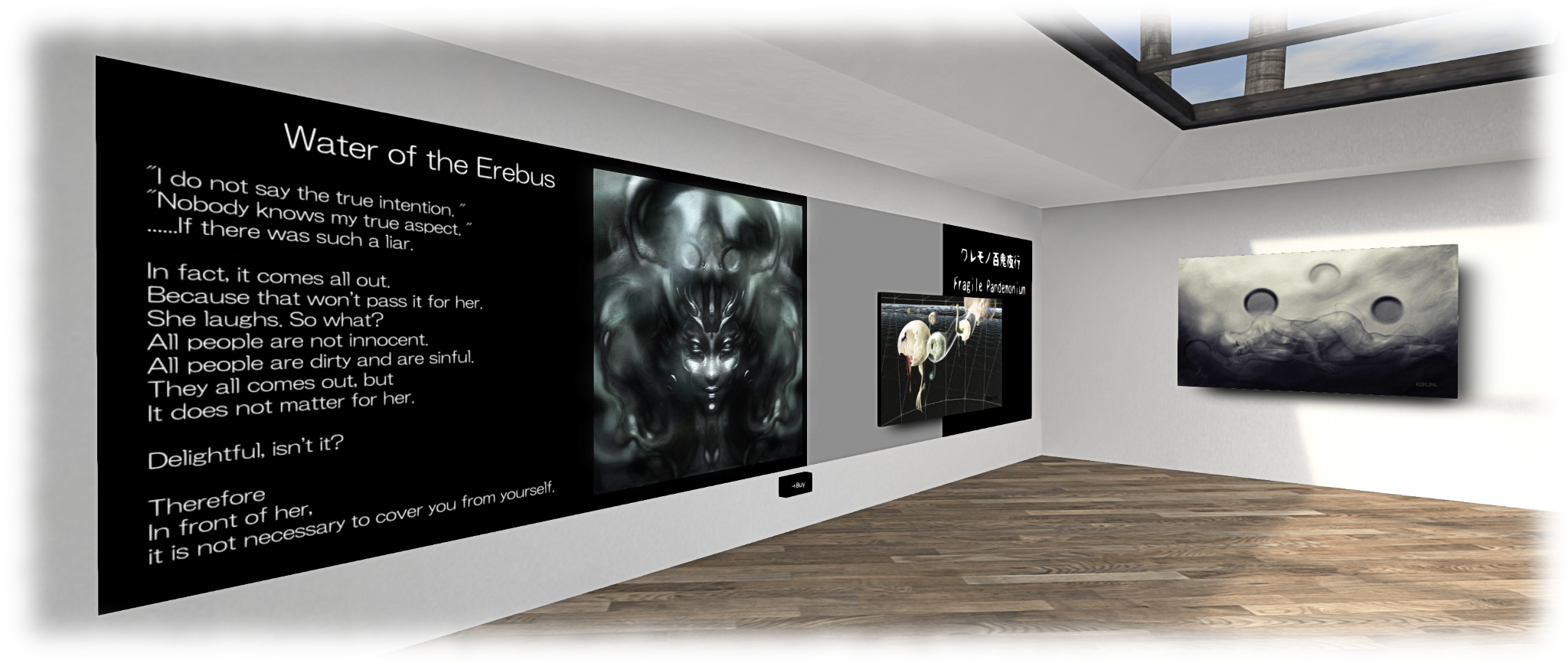
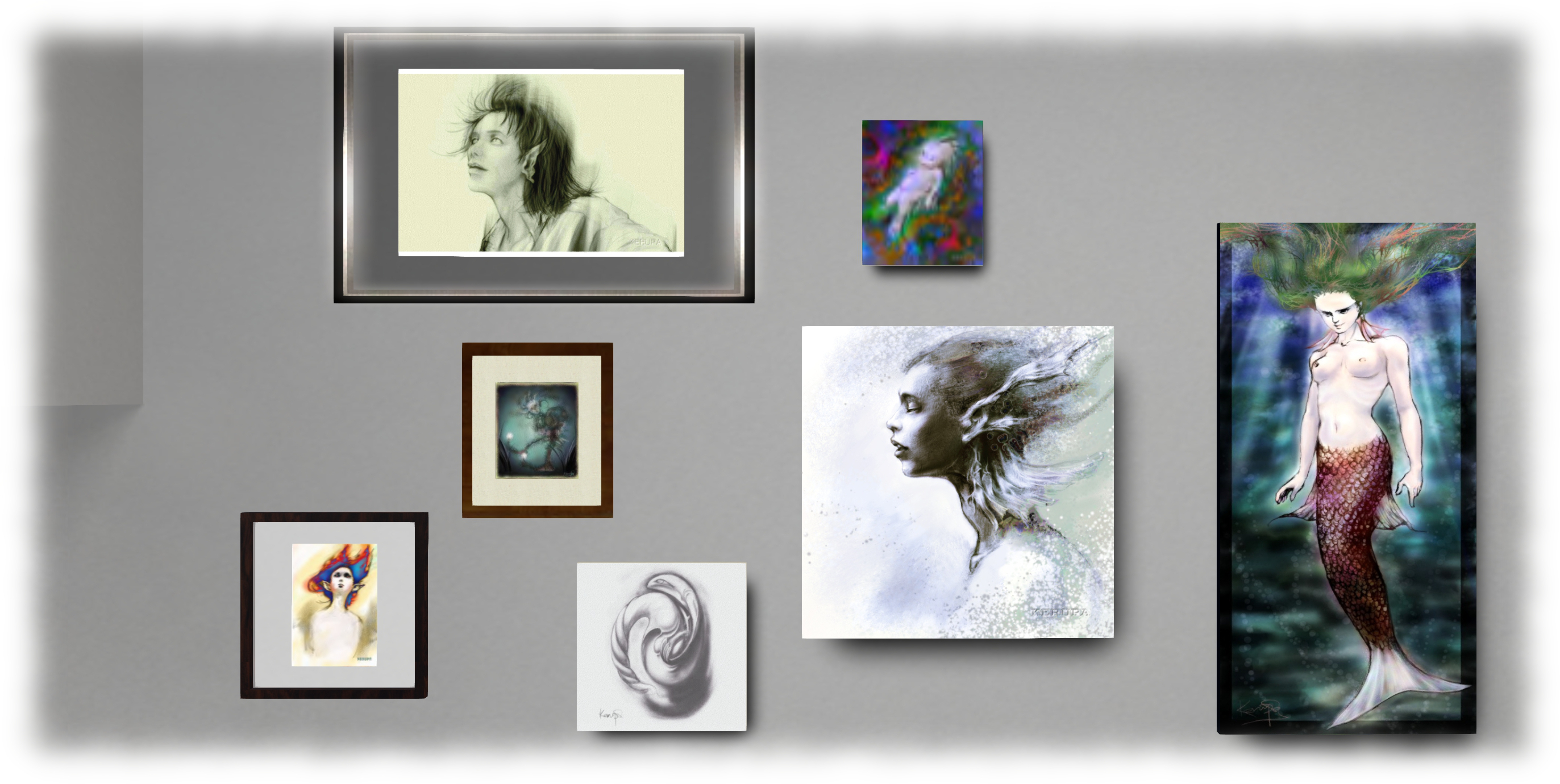
On display at Tabula Rasta’s Gallery 24 is some of work by Kerupa Flow. Entitled The Portraits of Kerupa Flow Unveiled, it presents a series of the artist’s real life portraiture brought into Second Life and offered as a cosy exhibition curated by Kayly Igali.

“I am a Japanese artist.  The art you see here was made on a computer, using a pen tablet,” Kerupa says of her work. “SL allows me to display my art in its purest form.  Digital data is revealed via graphic pixels.  SL helps make my art come alive, makes it real, more even than in 1st life, because to show it there I would have to transform it, by printout or posting on the web.  Here I can upload and it is a real life experience inside SL.  I find that so exciting!”

The Portraits of Kerupa Flow Unveiled

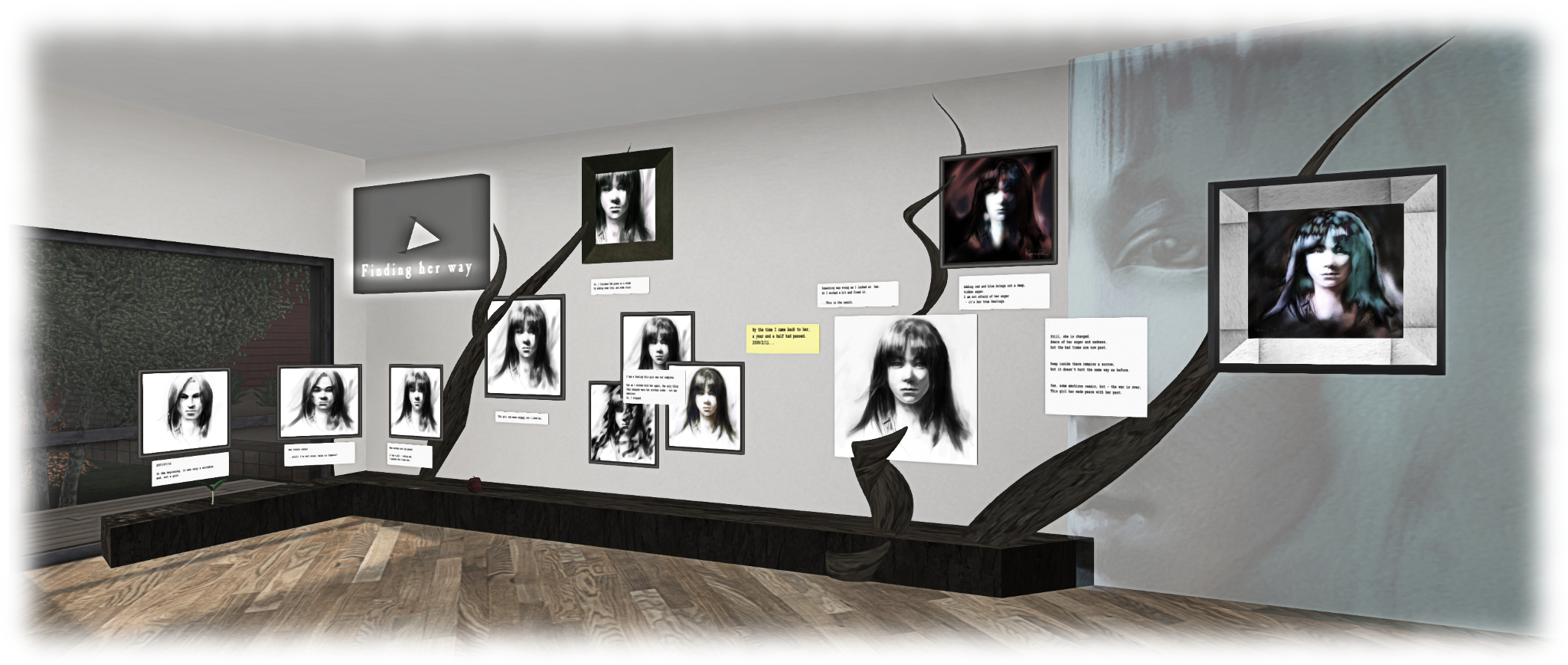
The result is a collection of largely black-and white drawings and images spread across the front floors of the gallery. Most of them stand-alone, but within which sits a fascinating examination of the artist’s creative process at work. It commences with a simple androgynous portrait, dated July 2007, which progresses through to a finished” image – only for Kerupa to later return to it and continue working with it. You can see the study in brief in the image at the top of this piece – but an up-close look is recommended.

What makes this set of images particularly interesting, is that the artist presents a series of comments alongside the pictures. These not only serve to illustrate how the image developed over the passage of time, but also offers insight into Kerupa’s evolving relationship with the individual within it, the latter’s expression and the emotions it conveys serving to influence Kerupa’s own responses with each iteration of the work.  The result is a lovely narrative  leading from initial sketch to a final painting.

The Portraits of Kerupa Flow Unveiled

As noted, this is a small, but fascinating display of an artist’s work – and one I thoroughly enjoyed visiting. My only regret is that I missed the opportunity to hear the artist talk about her work on September 14th.

SLurl Details