2 Lei: No Violence in Second Life

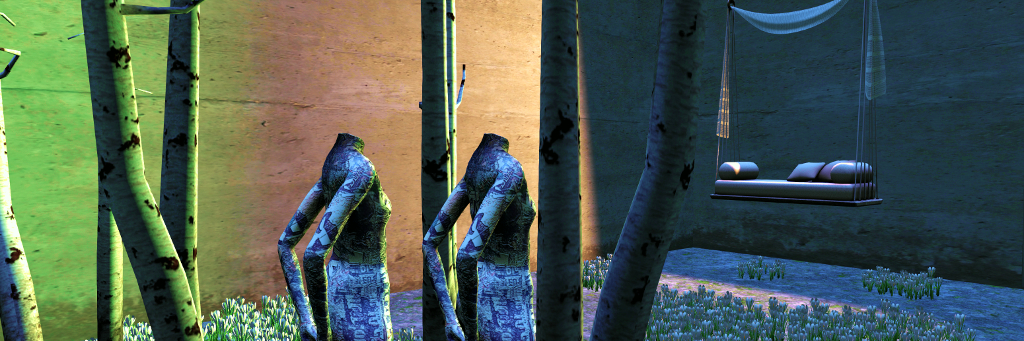
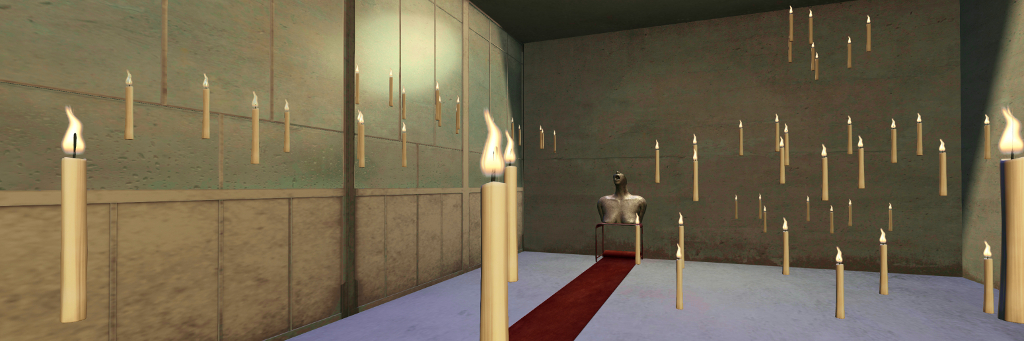
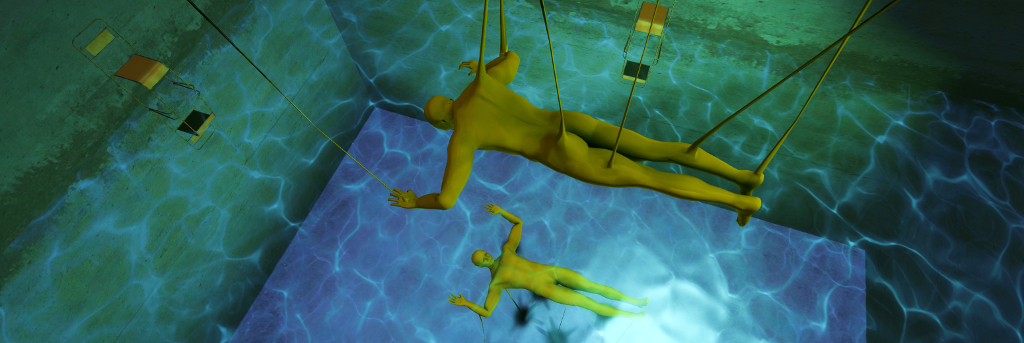
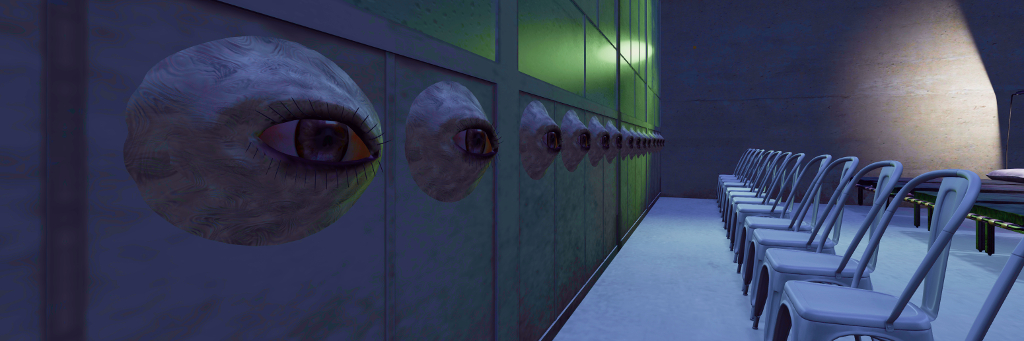
2Lei – No Violence: Solkide Auer and Magda Schmidtzau

November 25th is International Day for the Elimination of Violence Against Women, and since 2010, the day has been marked in Second Life by the collaborative arts group, 2Lei.

They do so by bringing together artists, galleries, event organisers, musicians and speakers in a multi-faceted, art-centric season intended to focus on the levels of physical, sexual and psychological violence that are specifically directed towards women and girls around the globe, and raise awareness of the need to put an end to what is one of the most widespread, persistent and devastating human rights violations in our world today.

2Lei No Violence: Mistero Hifeng

Some of the facts surrounding violence against women are horrifying:

  • 1 in 3 women and girls experience physical or sexual violence in their lifetime, most frequently by an intimate partner.
  • 1 in 2 women killed worldwide were killed by their partners or family in 2012; while only 1 out of 20 men were killed under similar circumstances.
  • Only 52% of women married or in a union freely make their own decisions about sexual relations, contraceptive use and health care.
  • Worldwide, almost 750 million women and girls alive today were married before their 18th birthday, and often in force / arranged marriages, including in countries such as the United States where between 2000 and 2010, more than 167,000 children — almost all of them girls, some as young 12 — were married in 38 states, mostly to men 18 or older
  • While 200 million women and girls have undergone female genital mutilation (FGM).
  • 71% of all human trafficking victims worldwide are women and girls, and 3 out of 4 of these women and girls are sexually exploited.
2Lei No Violence: Storie’s Helendale (glitterprincess.destiny)

For 2018, 2Lei is presenting No Violence, an installation that brings together some 73 artists from across Second Life, as well as offering a range of daily presentations and music events, details of which can be found on the 2Lei blog, or via the note cards provided at the installation’s central landing point.

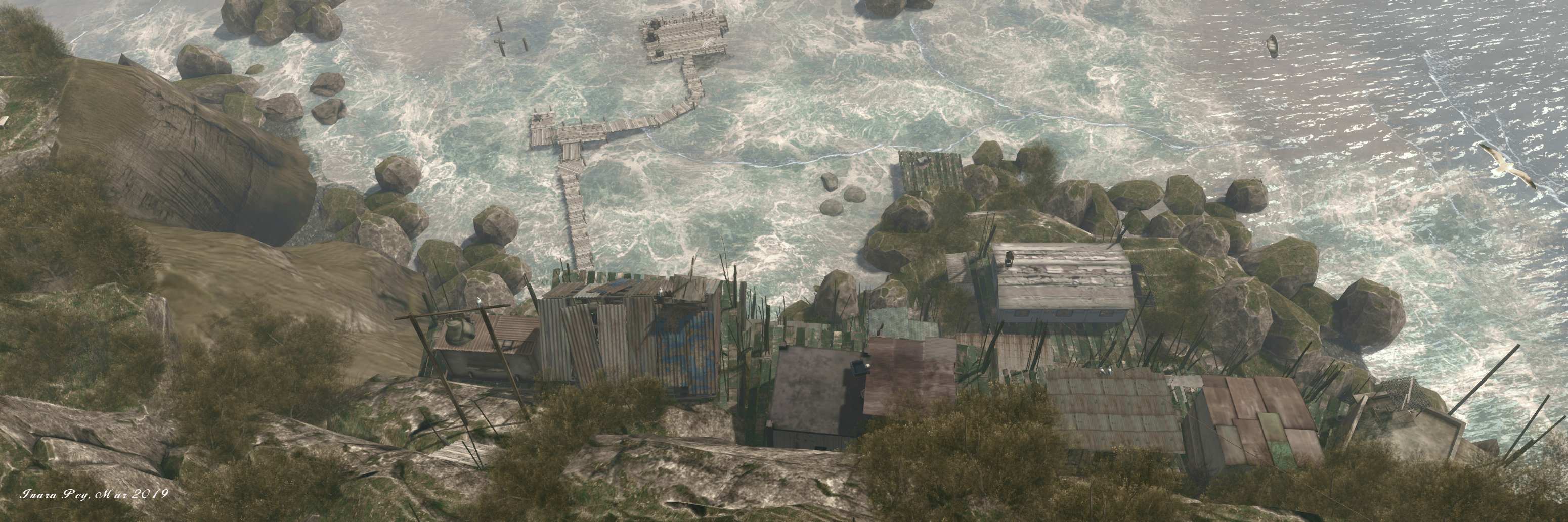
As with the 2017 event, No Violence is one of the more involved art installations I’ve visited in Second Life. The core of the installation is spread across three levels, starting at ground level in the region and connected by spiral staircases. In addition, teleport stones at the landing point provided access to My Name is #25 / A Wrong Party, by Storie’s Helendale (glitterprincess.destiny). Others may also involve teleport elements, so careful exploration is recommended.

Such is the size of this installation, and the message it contains, a single visit is perhaps not the most ideal way in which to appreciate all that is presented by No Violence. Simply put, there is a real risk of visual and / or emotional overload that could leave one numbed to the core message.

2Lei No Violence: Betty Tureaud

Hence the use of daily events, both presentations and musical. These allow visitors to break up time within the region over numerous days – not necessarily back-to-back – and perhaps focus their attention on two or three of the individual displays and installations at a time. And even if you’re not drawn the any of the live events, breaking your visit down in a similar manner may still help both with appreciation of the art offered within No Violence and it’s central, and important message.

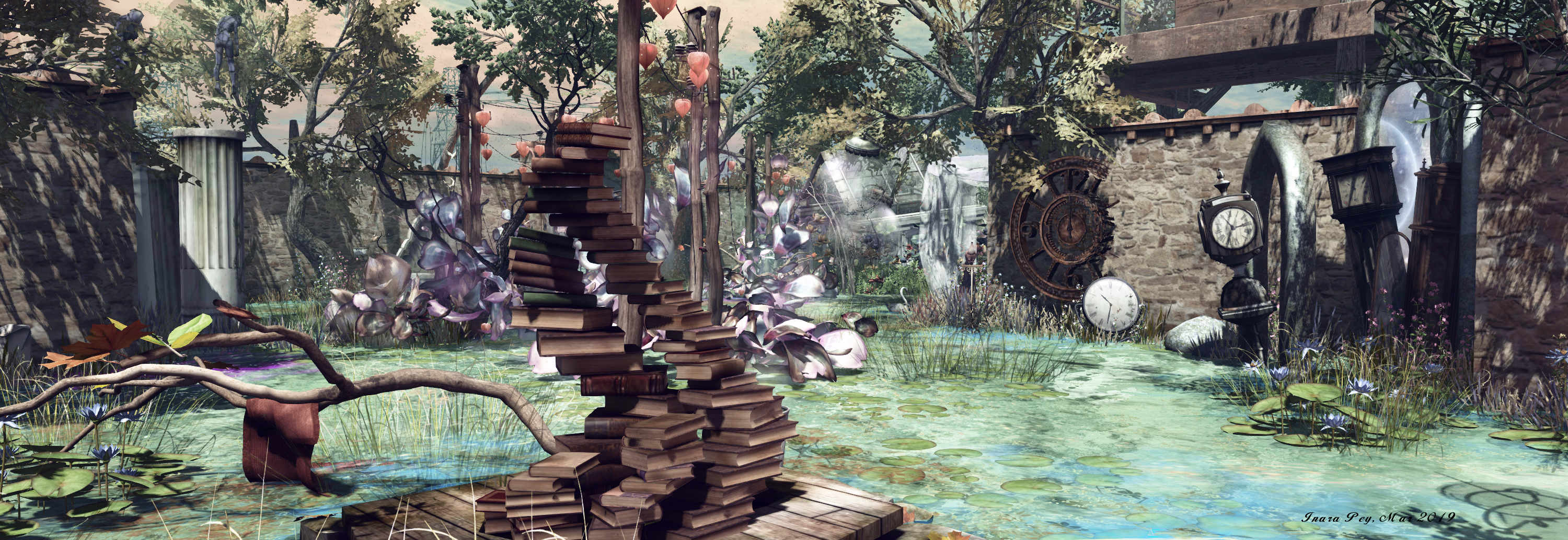
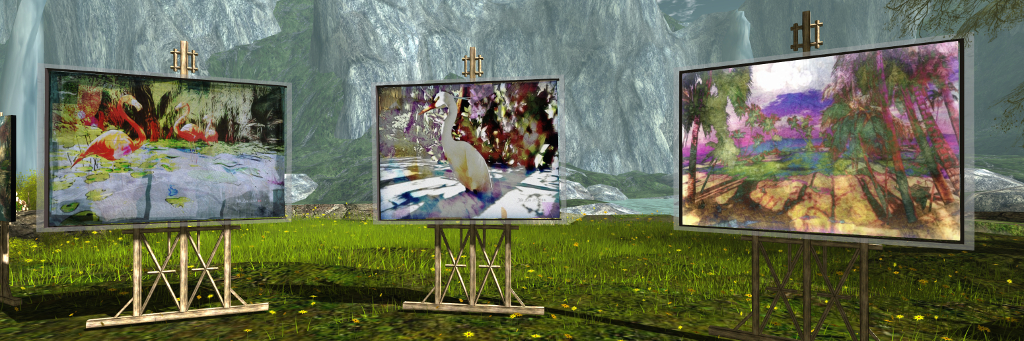
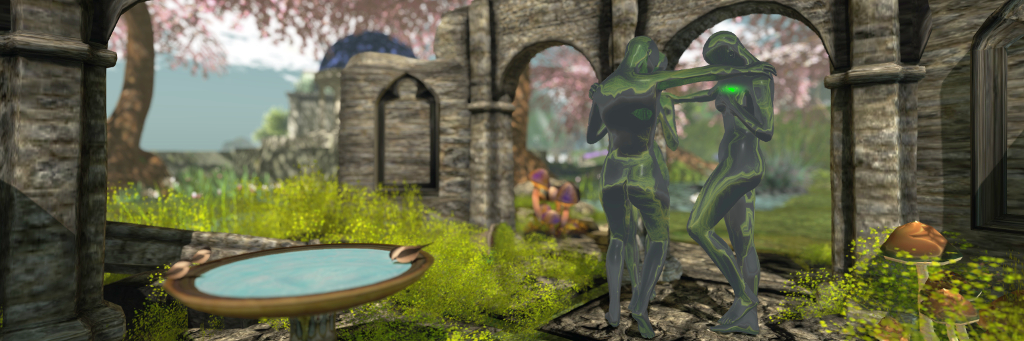
Installations vary in form: some are static, some are interactive, several  – such as My Name is #25 / A Wrong Party – are narrative in nature. Information plaques are placed with each, offering background and depth to pieces, as well as providing information on the artist responsible. Some, as with Betty Tureaud’s The Book Keeper Says, offer links to practical advice for those who may be the victims of violence and abuse (in this installation’s case, domestic violence / abuse).

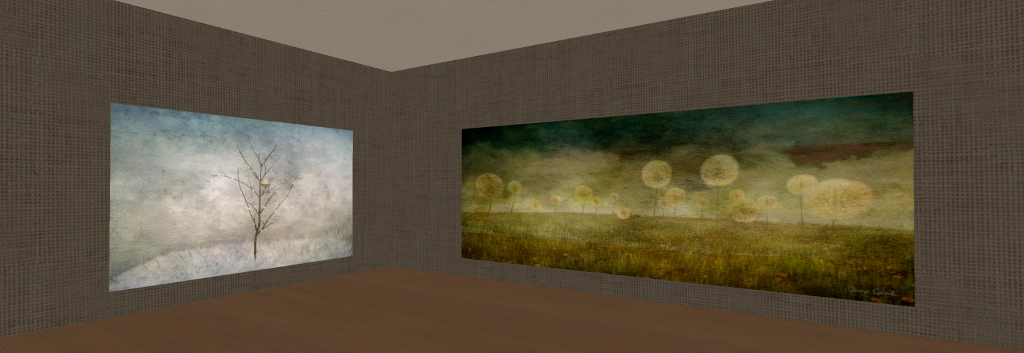
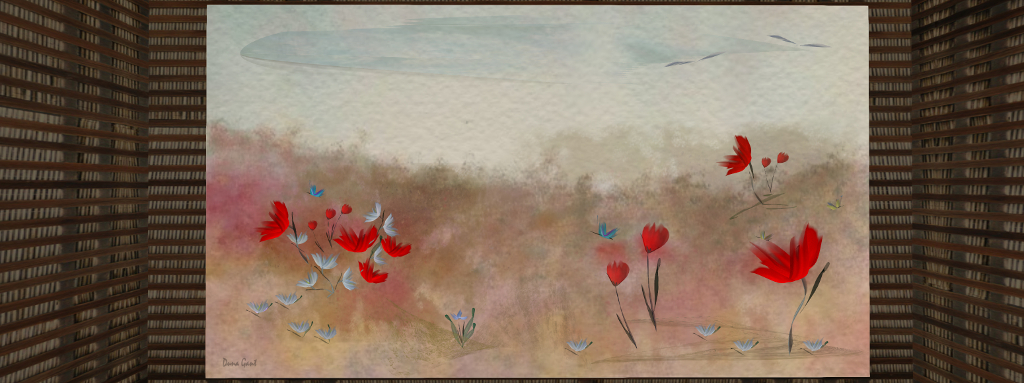
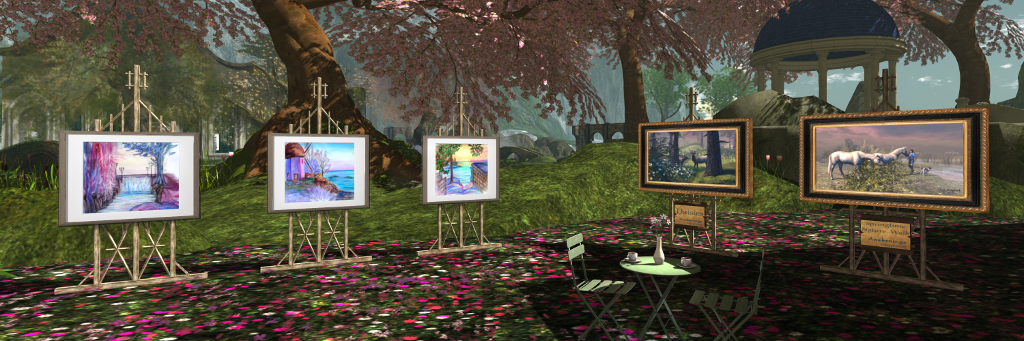
2Lei No Violence: 2D art gallery

No Violence will remain open through until the end of 2018, with the list of supporting events for December still apparently in development at the time of writing this review, so be sure to keep an eye on the 2Lei website, in-world group and other resources.

SLurl and Additional Links

A Cherished visit in Second Life

Cherished; Inara Pey, November 2018, on FlickrCherished – click any image for full size

Cherished is the latest region design from Arol Lightfoot that opened recently to visitors. A homestead region, it differs from the current trend towards wintertime themes and opts to stay with autumn, as Arol loves that time of the year – and I can’t say I blame her.

This is  – as would be the case given Arol is responsible for its design – a fabulous region, uncluttered by an off-sim surround and offering plenty to see and enjoy as your travel through it. A visit begins out on the east side, on a headland sitting between a small bay and a narrow channel of water that cuts deep inland. A single cabin sits here, connected to a the rest of the region by an ageing, low-slung bridge running over a rocky finger.

Cherished; Inara Pey, November 2018, on FlickrCherished

A track points west from the bridge, leading the way to where the ground rises to a rocky bluff, bracketed on one side by the water channel and on the other by a path that leads either up to the top of the bluff or down to where another track continues inland. The bluff, with a second bridge running between it and a rocky hill on the far side of the channel offers the perfect vantage point from which to observe the rest of the island.

To the west stands a large house, the only genuine abode to be found on the island. Calling it a farmhouse, however, would perhaps be misleading; while there is a barn close by and a traditional American-style windmill, the house itself seems too big and grand to be a working home. Rather, it has the feeling of being a coastal getaway home, one complete with swimming pool – albeit drained and partially covered ready for the eventual arrival of winter, and a luggage-laden (if humble) VW Beetle parked outside.

Cherished; Inara Pey, November 2018, on FlickrCherished

Cows are grazing outside of the barn, while horses shelter within it – together with a couple of turkeys – but not even the presence of a tractor close by can leave visitors with a feeling this is all part of a working farm; so perhaps the horse are purely from the riding pleasure of those using the house, and the barn is under the care of the landowner who otherwise rents the property out.

The main body of water extending inland turns south close to the house, running before the barn and facing it across another track, before turning east once more to end in a narrow, reed-lined pool from which morning mist slowly rises. This southern and western extent of the island is a rough grassland and rolling humps of grey rock, standing like a frozen tide caught in time as it rolled over the landscape. Tall trees grow throughout, presenting plenty of discrete spots where deer roam and people can camp out in peace.

Cherished; Inara Pey, November 2018, on FlickrCherished

To the north, the land beyond the little headland and its landing point is gently rugged, but more denuded of trees. A low ridge angling away from the rocky bluff here offers a good place to appreciate the lighthouse sitting on is own rocky spur, as it is framed against the early morning Sun.

What might be a fisherman’s dock sits between the arms of the headland the lighthouse spur, and testimony of the dangerous nature of the waters here can be found in the wreck of a fishing boat lying close to the lighthouse rocks.

Cherished; Inara Pey, November 2018, on FlickrCherished

Throughout the region are places for individuals and couples to sit and appreciate the setting, while the trails offer plenty and very clever, given the way they tend to naturally connect to one another, opportunities for exploration. Similarly, the gentle sound scape included with the region offer a very subtle added depth to the setting, further encouraging time to be spent within it.

Unsurprisingly, this is a highly photogenic region, one in which photography is actively encouraged, as Arol notes in the About Land description, “If you take photos and want to share please add them to the Flickr group. I would love to see them!”

Cherished; Inara Pey, November 2018, on FlickrCherished

For those not quite ready to face exploring all the winter themed regions popping up over the grid, or who need a break from the snow and ice, Cherished is likely to make for an ideal visit. Appreciation for Arol’s work can also be shown by “feeding” the Labrador inside the cabin at the landing point. My thanks to Shakespeare for the landmark!

SLurl Details

A return to Let It Snow! in Second Life

Let It Snow!; Inara Pey, November 2018, on FlickrLet It Snow! – click any image for full size

It is with a good deal of delight that I received an invite from Milly Sharple to visit her winter themed Let It Snow!, which has once again returned to Second Life for the holiday season.

With the exception of 2017, Let It Snow! has been something of a winter tradition in Second Life for the last few years, so I’d been looking forward to visiting the latest iteration ever since Milly hinted she might try for it this year.  So as soon as the invite came in, Caitlyn and I donned our winter woolies and set out to explore.

Let It Snow!; Inara Pey, November 2018, on FlickrLet It Snow!

What I’ve always loved about Milly’s wintertime designs is both the natural simplicity with which they are designed, blending little scenes with open spaces and trails to explore, and the way she create little vignettes across her regions. When coupled with the opportunities for people to simply enjoy one another’s company, Let It Snow! has always offered something for everyone – and 2018 is no exception.

Another aspect of her winter regions I love is the use of certain elements that act as motifs linking each new design with its progenitors, helping to give a feeling of continuity down the years between designs. And so is the case with this iteration, be it with the great crystal greenhouse that harks directly back to 2016, or the cottages and  Harleywan Haggwood’s charming snow kids that encompass 2015 and 2016.

Let It Snow!; Inara Pey, November 2018, on FlickrLet It Snow!

Which is not to say Let It Snow! 2018 is in any way a re-run of previous builds; far from it. It is unique in is design in and of itself, from the Elven house that forms the landing point and which gives the region a little slant towards fantasy. At the end of a rutted, snow-filled track lies a little village square, home to Santa’s cottage. Close by, DJ Cat is waiting to entertain those wishing to dance (he’ll also accept tips towards the region’s upkeep!), while the snow kids can be found at play.

Dancing is very much part of the theme here, with heart-shaped dance machines scattered throughout the region (you may have to cam in close to some due to the snow), including inside the crystal greenhouse, which also offers the opportunity of romantic dining.

Let It Snow!; Inara Pey, November 2018, on FlickrLet It Snow!

Elsewhere across the region lie various places to sit and enjoy close companionship, be it a gazebo out among the trees, a bench suspended from the bough of a tree at the side of a path, a horse-drawn sleigh or an underground grotto (you’ll have to find that for yourself!).

As the region is caught under a steady snowfall that can at times obscure the star field of the surrounding skydome, it’s worth taking the time to experiment with environment settings when photographing Let It Snow! – as I’ve done with a couple of the images here, opting to use one of Stevie Davros’ sky settings (you can read about those here).

Let It Snow!; Inara Pey, November 2018, on FlickrLet It Snow!

Let It Snow! is, as always, a delight to visit: just be sure to take your time to let things load should you drop in when it has a significant number of visitors.

SLurl Details

Let It Snow!; Inara Pey, November 2018, on FlickrLet It Snow!

Monroe Snook’s Art Bistro in Second Life

Monroe Snook Art Bistro

Monroe Snook has a new home for her art, courtesy of Milly Sharple. Called the Art Bistro, it offers an impressive insight into Monroe’s art, both from the physical world and from within SL.

Art expression for me is in the experience of the creative process. The thrill of a piece as it unveils itself as I work. The process can be slow and tedious or a quick snap. The work is in command – I am but its servant.

– Monroe Snook

Monroe Snook Art Bistro

Monroe’s physical art is a fascinating blend of nature and abstract; wonderful plant-like creations, some mindful of sea anemones or even triffids, others organic forms of fractal images. There is a rich vibrancy on the use of colours in these images that adds depth to the feeling they are each alive, whether plant-like in form or more crustacean in shape and feel.

Within her photography, Monroe demonstrates an equally rich ability to present mood or narrative – so much so, that I actually regretted finding three example of her photographic work on display in the gallery space.

Art expression for the viewer is in the interaction with the completed work. Spend time to get to know a work. Make [it] yours. Listen to its song.

– Monroe Snook

Monroe Snook Art Bistro

This is a selection of pieces that also demonstrate the richness of Monroe’s approach to her art: and approach that encompasses paints and brushes, scans of objects, original sketches, digital art tools such as fractal generation programs and tools like Photoshop.

All told, a welcome return to exhibiting her art from a talented artist.

SLurl Details

Of time in Lutz City, Second Life

Lutz City; Inara Pey, November 2018, on FlickrLutz City – click any image for full size

Update: it appears the landing point had been temporarily reset to deliver people to the events venue mentioned into this article for a live event. The default landing point is in fact the railway station on the south side of the city.

Lutz City, which opened its doors on November 16th, 2018, is the latest is a series of region designs by Luis Lockjaw, another of Second Life’s superb creators of regions and setting that capture the imagination and sit within the mind’s eye long after a visit. In in, he continues his tradition of presenting captivating settings under his Templemore banner.

I first encountered Luis’ work through Hesperia of Templemore, although sadly, I never got to blog about it – although I did get as far as writing about its sister region the Isle of Mousai, also by Luis, and made sure I did not miss out on his Elysium City of Templemore (which you can read about here). Lutz City very much carries on many of the traditions seen within these previous builds, as Luis notes in his own description of the region:

As a celebration of art, Lutz City continues the Templemore tradition of offering the greatest musical experiences. The live music venue features a grand stage where musicians become part of a living painting that reaches out to your very soul. Lutz City of Templemore isn’t just a sim, it’s home for your creative spirit.

Lutz City; Inara Pey, November 2018, on FlickrLutz City

And it is with the musical element in mind that visitors arriving in the city find themselves in one of the major venues for the city, the Lutz Theatre, standing block-like on its own island on the west side of this magnificent Full region design. Just how magnificent a build it is only requires stepping out through the foyer of the theatre to the cobbled road outside.

This is a place cut neatly into blocks by waterways that flow along brick-sided channels, the water passing under the bridges that connect them and occasionally through tunnels. Aiding them in the division of the city are the roads, sometimes running parallel to the canals, at others sitting at right angles to them, extending over the stone bridges to link distracts one to the next whilst also denoting their boundaries.

Lutz City; Inara Pey, November 2018, on FlickrLutz City

There is an air about the design of Lutz City that gives it very much a feeling of being a place, part of something larger, but invisible, lying beyond the high mountain peaks that surround it. While separated from these by surrounding water, Luis has cleverly made the city feel a part of the mountains through the use of an off-sum tunnel and steel bridge that carries a railway track to the south side of the city, where a rural-looking halt waits to greet arriving trains while the tracks pass onward over a second steel bridge and vanish into yet another tunnel at the foot of the southern mountains. At the same time, the region has been cut to roughly match the three channels of open water dividing the mountains, giving the feel that the land on which the city stands has been as much formed by the action of water as the mountainside gorges.

There is also a wonderful sense of age and development imbued in Lutz City. Bracketed to the west and east by the massive forms of music venues, the central area has the feeling of evolving as a modern centre of commerce, art and music. a grand brick-built gateway facing the railway halt across the bridge lying between them. But to the north, the buildings are more mixed in age and style, some becoming more careworn and tumble-down until the paved road gives way to a rutted, dry dirt track running under trees and between purely wood-built houses, and shacks, all bar one of which have seen better days, time having moved on to the city’s newer stone and cement heart.

Lutz City; Inara Pey, November 2018, on FlickrLutz City

What I particularly like about Lutz City is the design lends itself to a sense that it has different neighbourhoods. These may be defined by the age or style of buildings within in (such as with the north side), or by the way they are divided by road and water channel. Not only does this give the design a feeling of being somewhat bigger than its 256 metres on a side, it also helps flesh out another aspect of the city Luis references in his description:

Beyond the iron wrought gates and stone sculptures that usher you past the brick archway lies Lutz City of Templemore. True to its name, you’ll find yourself immediately immersed in a whimsical world reminiscent of Peter Pan and Hogwarts. But Lutz City goes beyond that. Here your imagination can be engaged in a place and time that defies the limitations of such concepts. Every detail of Lutz City tells a story, every building creates a unique experience.

Lutz City; Inara Pey, November 2018, on FlickrLutz City

Caught in the colours of autumn and by default under a dusty evening sky, the setting also has a certain atmosphere about it for the weaving of stories. But, if I’m honest, I found it came more to life under a brighter sky – hence the pictures here – which breathed more life into the narratives the buildings suggested as I walked and cammed by them, and helped bring their voices more to the fore.

For those who enjoy photography, Lutz City has a huge amount to offer – including a Flickr group for sharing pictures with others. Those wishing to keep abreast of the music events in the region can do so by joining the in-world group – there is a joiner board within the landing point theatre, together with a tip board where appreciation can be shown for the region and assistance given towards its upkeep.

Lutz City; Inara Pey, November 2018, on FlickrLutz City

Seeing the Templemore tradition return to Second Life is a treat; my thanks to Shakespeare for passing word to me that Luis has been building again, and thanks as well to Luis for once again sharing his vision and passion with us.

SLurl Details

  • Lutz City (Templemore City, rated: Moderate)

A touch of Frost (and more) in Second Life

The Vordun: Frost: Visions of Winter

Wintertime in the northern hemisphere is when thoughts turn to snow and holidays, and within Second Life, this is no exception. Many regions take on a winter look and feel, the ground, trees and buildings caught under white blankets or dusted with snow, even as more often falls from the sky. For many in the physical world, despite the cold, it is a time of joy and for treks through virgin drifts of snow or – in the case of the younger at heart snow fairies, snowmen and sledges and sleighs.

Celebrating this time of year is not new; people have always found enjoyment with winter and the changes it brings to the world, and right now we can witness this for ourselves at a recently opened exhibition of art at The Vordun Museum and Gallery, created and curated by Jake Vordun.

Entitled Frost: Visions of Winter, it offers selected reproductions of classical pieces of art spanning 500 years, celebrating winter in all its glory, as the introductory notes explain:

In this exhibition, you will see twenty painting, drawings, prints and manuscripts depicting different aspects of the season. Be it landscapes, winter costumes or feasts by the fire, these pieces will show you glimpses of winter from the  15th century to the 20th.

The Vordun: Frost: Visions of Winter

The Vordun has a reputation – thoroughly deserved – for bringing high-quality reproductions of physical world art, properly licensed, into Second Life. This exhibition, located in the gallery’s rearmost hall, is no exception. Including paintings and drawings by the likes of Francesc Masriera i Manovens, Jacob van Ruisdael, Sebastiaan Vrancx, Claude MonetJean-Baptiste Pater, Francis Wheatley and Hendrick Avercamp, this might at first be considered a wholly European view of winter – but not so; America is represented via James Abbott McNeill Whistler, as is China through the ink on paper Winter Forest in Flying Snow by Wen Zhengming, with Scandinavian artists also being present among the images.

I really cannot stress the quality of these pieces, which together with the environment in which they are set. As I noted when it first opened in July 2016, The Vordun beautifully recreates the experience of visiting a physical world art gallery – so much so that it one of the those select Second Life experiences that leaves me regretting we cannot have fully immersive virtual reality in Second Life. Certainly, for those building in Sansar, it is perhaps the model of how to plan and build a virtual gallery space.

The Vordun: Frost: Visions of Winter

This is not only because of the look and feel of The Vordun, but in the way Jake has developed a visit as a Second Life experience in the technical sense of the word, presenting visitors with the opportunity to view the works in the main hall exhibition of European Masters: 300 Years of Painting as immersively as possible, via scripted camera control and the use of both voice and text to impart information on each piece on display.

Sadly, this aspect of The Vordun doesn’t extend into Frost: Visions of Winter, but that is not to say the latter is lessened in any way; rather the reverse. Frost stands as a captivating exhibition in its own right, while for those who haven’t visited The Vordun before, the presentation of European Masters: 300 Years of Painting, makes a visit to the gallery doubly worthwhile – and also gives the opportunity to appreciate two other long-running exhibitions there: Pictures of the Floating World and Dutch Proverbs (both of which you can read about here), which are as equally stunning as Frost and European Masters, and sample Postcrossing, a celebration of the website of the same name and the use of postcards to bring half a million people around the world a little closer together.

The Vordun: Frost: Visions of Winter

SLurl Details