The virtual reality of the Russian avant-garde

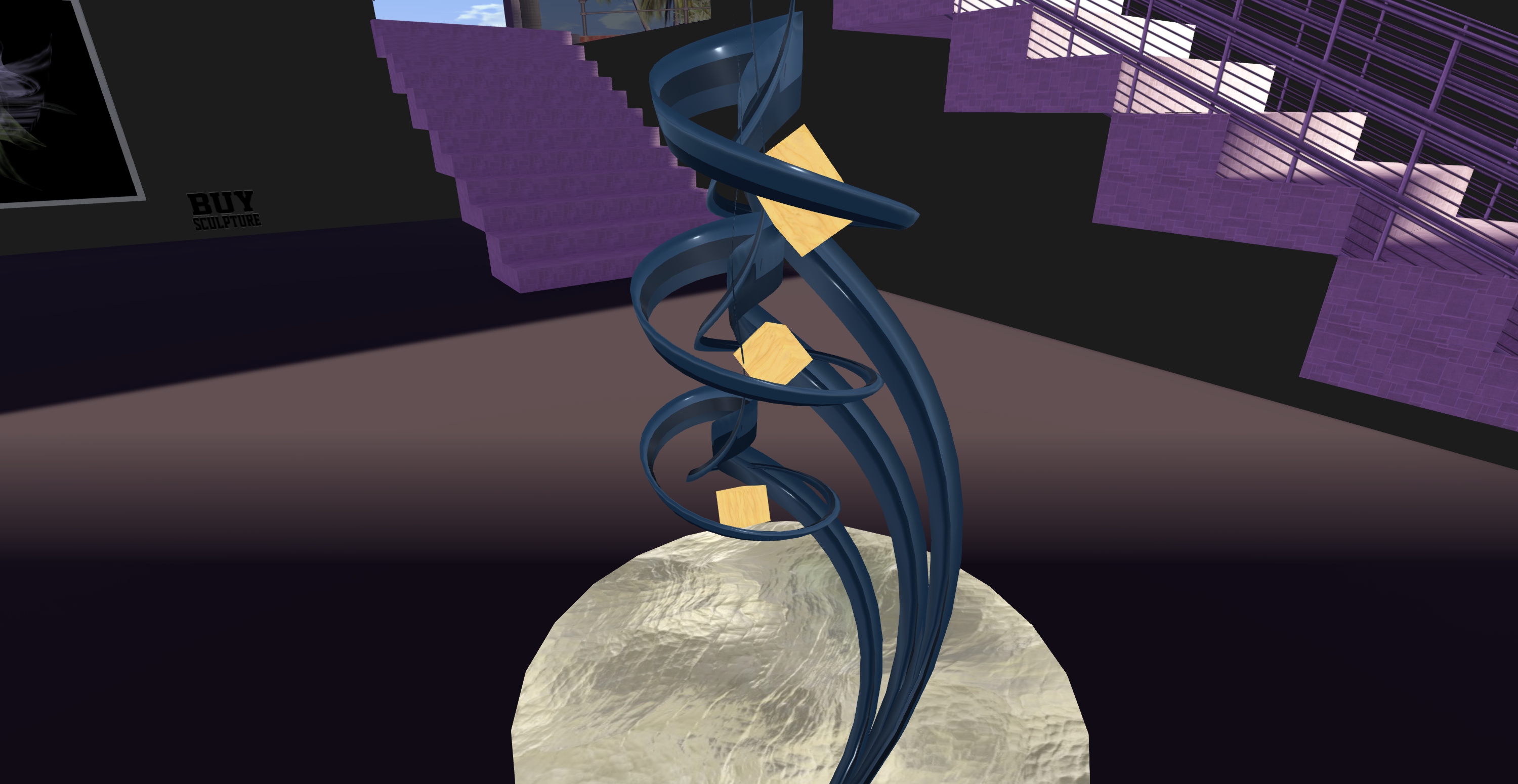
Alpha Auer / El Lissitzky's "For the Voice", The Golden Age of the Russian Avant-Garde, LEA8
The Golden Age of the Russian Avant-Garde, LEA8

History has a tendency to be a little ironic at times. Thirteen months ago, the United Kingdom and Russia issued a joint declaration that 2014 would be the bi-lateral UK-Russia Year of Culture. At the time they sat down to sign that agreement, little did Sergey Lavrov, the Minister of Foreign Affairs of the Russian Federation and William Hague, Secretary of State for Foreign and Commonwealth Affairs of the United Kingdom, would be facing one another across a quite different table and under less convivial circumstances in April 2014.

Not that the one should in any way negate or cancel the other. Rather the reverse, in fact. In the face of mounting political tensions, one would hope that the events staged in both the UK and in Russia as a part of the bi-lateral UK-Russia Year of Culture would stand as a reminder of each side’s humanity and the benefits of people of different nationalities looking beyond superficial national boundaries and collaborating with one another.

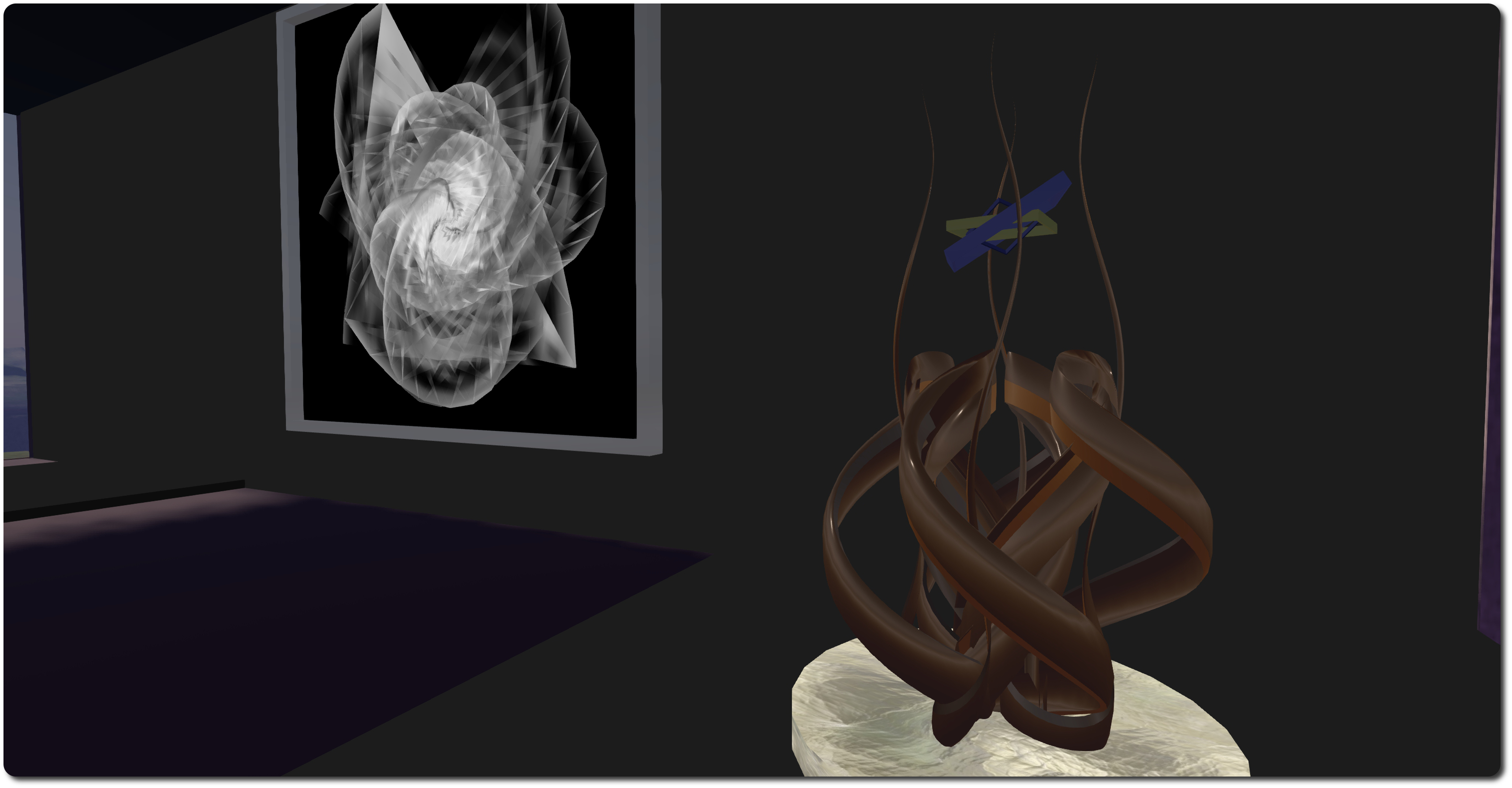
Bryn Oh / Vladimir Tatlin: Monument to the Third International, The Golden Age of the Russian Avant-Garde, LEA8

And collaboration is very much the focal-point of one of the pieces selected by the British Council for display in Russia, and it is one that crosses not only the political divide, but also the digital divide as well.

The Golden Age of Russian Avant-Garde is a large-scale exhibition project, created especially for the main exhibition hall of Moscow’s Manege Museum by Peter Greenaway (UK) and Saskia Boddeke (Holland) supported by the British Council. The primary part of this exhibition opened in Moscow on April 15th, and will run through until May 18th, 2014, in an exhibition space totalling some 5,000 square metres – which is enormous by any standards. This multimedia installation will feature, in the words of the British Council:

Polyscreen installations made with the help of the most up-to-date projection, light and sound equipment. It will represent a new approach to the history of art, creating new visuals and new possibilities for learning about the world around us through images. Using polyscreens as an artistic method not only allows us to explore new aspects in paintings or sculptures: synchronised images, bound together by a single idea, create new architectonics, bringing another dimension to the exhibition. Combining film and painting, animation and 3D technology helps create a unified atmospheric work, drawing the viewer into the space of Russian avant-garde.

But this is more than a real-world exhibition. A major element of the piece exists not in the real-world, but in Second Life, at LEA8, to be precise.

It is here that Saskia Boddeke, perhaps better known to many of us as artist Rose Borchovski has brought together seven artists from around the world, each with the task of recreating a famous element of the Russian avant-garde movement, also known as Constructivism, in-world (and some in the real world as well), and which forms a part of the overall exhibition space, real and virtual.

Nessuno Myoo / Lubov Popova, the stage for Meyerhold's production of "The Magnanimous Cuckold", The Golden Age of the Russian Avant-Garde, LEA8
Nessuno Myoo / Lubov Popova, the stage for Vsevolod Meyerhold’s production of “The Magnanimous Cuckold”, The Golden Age of the Russian Avant-Garde, LEA8

A post-World War I development of Russian Futurism, Constructivism became a movement combining art and architecture as a means of illustrating and expressing the ideals of the socialist system. It encompassed artists, sculptors and designers such as Vladimir Tatlin, one of the pre-eminent Russian Futurists, Antoine Pevsner, Naum Gabo Liubov Popova, Alexander Vesnin, Aleksander Rodchenko, Varvara Stepanova, and Vsevolod Meyerhold and the theorists Alexei Gan, Boris Arvatov and Osip Brik.

The SL exhibits are placed on multiple, interactive levels within a pseudo-industrial setting. Here direct re-interpretations of famous elements from the Constructivist movement – such as Bryn Oh’s representation of the never-built (at least in full size) Monument to the Third International by Tatlin (and also known  as “Tatlin’s Tower” and regarded as a key work of the movement) and Popova’s stage design for theatrical director / actor Vsevolod Meyerhold, recreated by Nessuno Myoo through to broader pieces drawn from within and beyond the Constructivist movement and presented in both 2D and 3D installations.

Alpha Auer /El Lissitzky's + V. Mayakovsky's "For the Voice", The Golden Age of the Russian Avant-Garde, LEA8
Alpha Auer /El Lissitzky’s + V. Mayakovsky’s “For the Voice”, The Golden Age of the Russian Avant-Garde, LEA8

A further cross-cultural element is evident in the SL installation. When exploring, you might come across avatars named AvanteGarde001 through AvanteGarde004. These are in fact controlled by visitors to the Manege Museum in Moscow, who are invited to extend their visit to the real-world pieces there into the realm of the virtual – and have been able to do so since the real-world exhibition opened.

Exploration of the SL exhibit space requires a reasonable amount of time – there is a lot to see; even the environment itself, designed by Bryn, makes a powerful statement. Not only does it frame the pieces on display and provides the means by which they can be explored, it also reflects the form and context of the Constructivist movement and the age they represented.

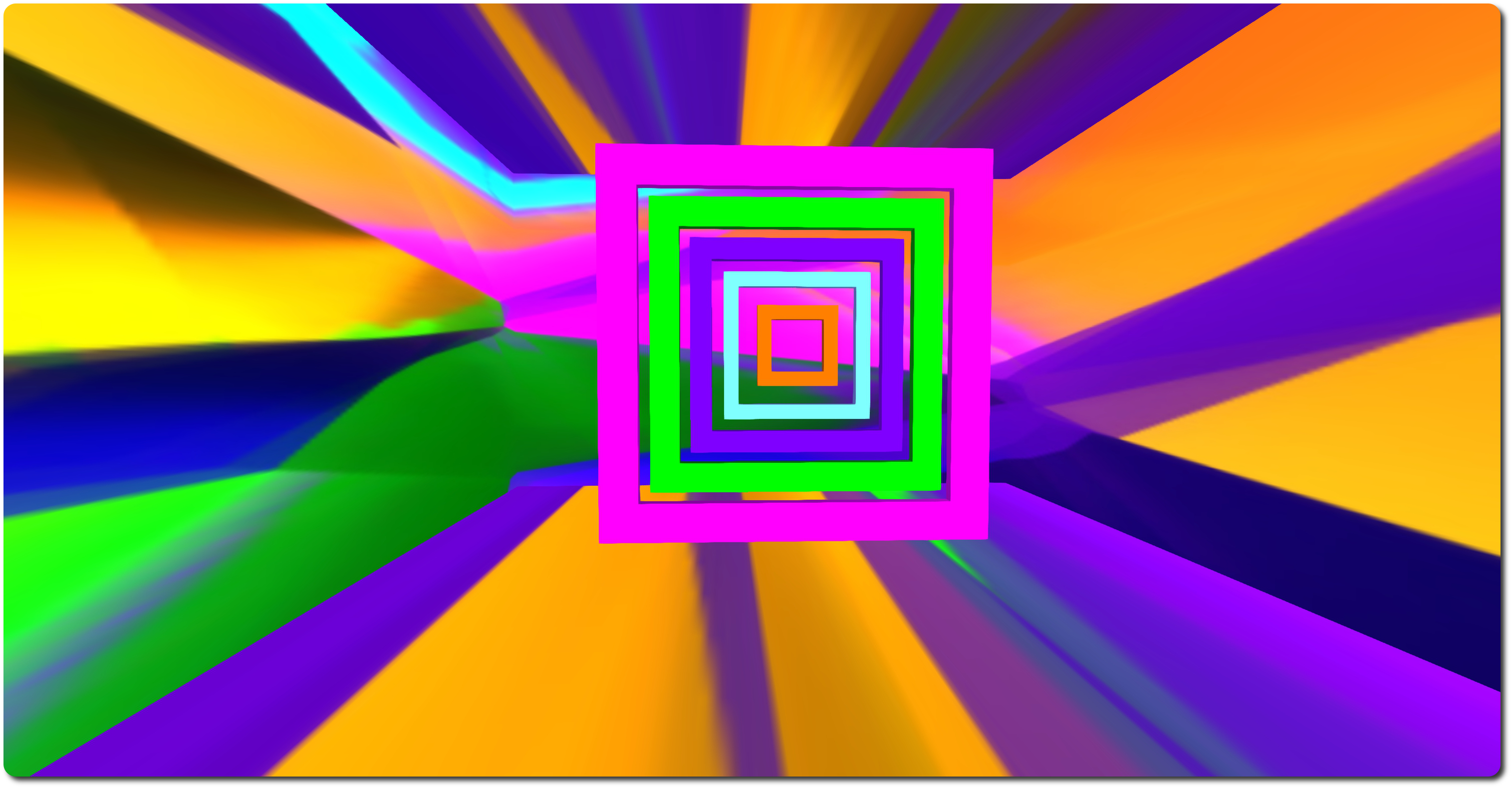
Eupalinos Ugajin / Yevgeny Zamiatine's "We", The Golden Age of the Russian Avant-Garde, LEA8
Eupalinos Ugajin / Yevgeny Zamiatine’s “We”, The Golden Age of the Russian Avant-Garde, LEA8

In terms of the pieces on display, each offers a unique view on the movement and / or the era. In this, I found Eupalinos Ugajin’s interpretation of We, Yevgeny Zamiatine’s dystopian novel particularly interesting, given its historical context. While the Constructivist movement celebrated and promoted the ideals of the socialist state, Zamiatine’s novel painted a far more negative image of socialism: that of a repressive police state. In doing so, it became the first work to be banned by the Soviet censorship board shortly after its publication.  The inclusion of a piece reflective of We is given greater depth when one considers the manner in which Constructivism itself was to be suppressed (and some of its proponents forced into exile or murdered) following Stalin’s rise to power and repressive leadership of the state machine.

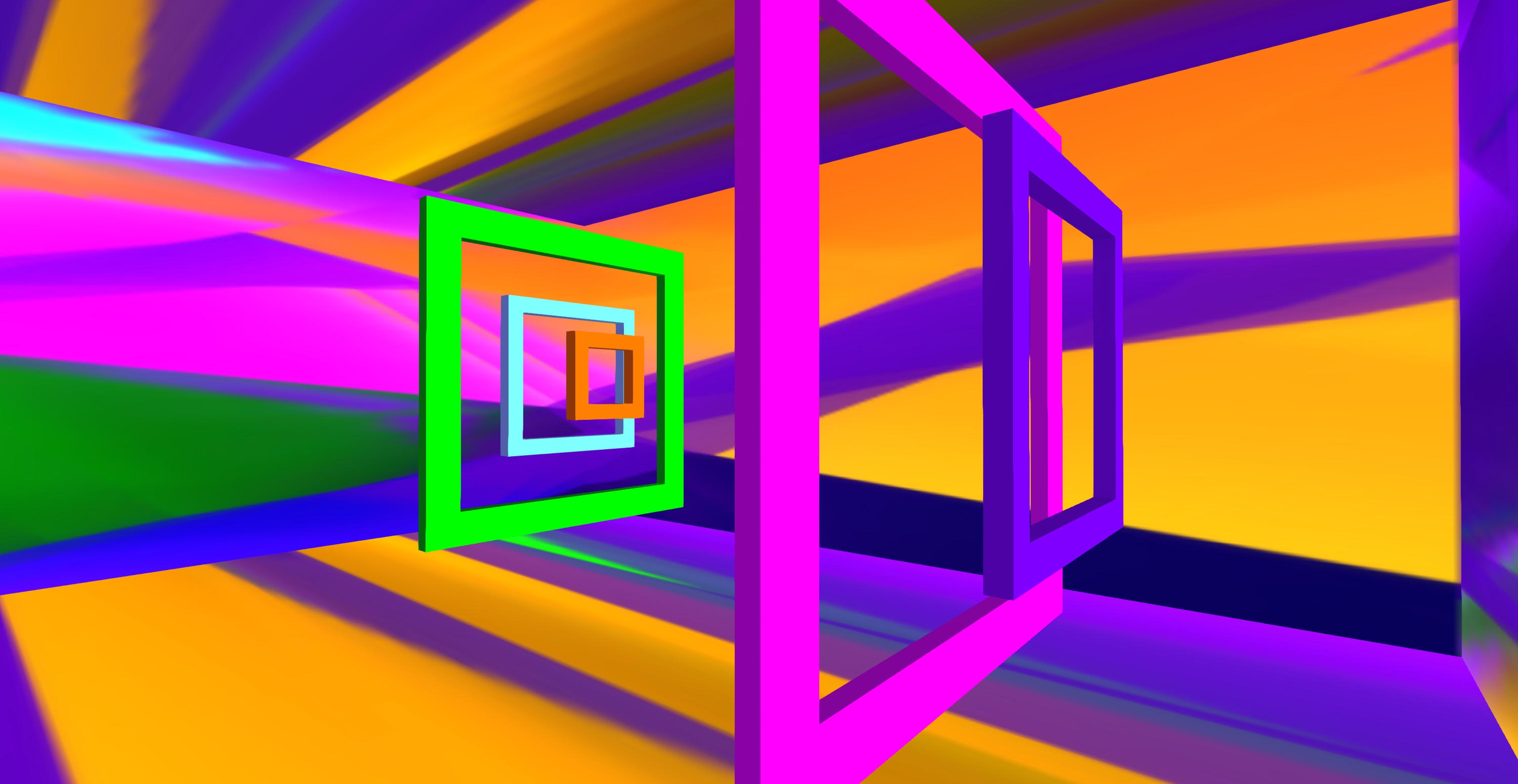
Soror Nishi / Wassily Kandinsky's abstractions, The Golden Age of the Russian Avant-Garde, LEA8
Soror Nishi / Wassily Kandinsky’s abstractions, The Golden Age of the Russian Avant-Garde, LEA8

However, perhaps the most remarkable piece  in the installation is Jo Ellsmere’s representation of V. Meyerhold’s biomechanics, a system he developed for training actors. This uses five beautifully scripted avatars moving in a series of synchronised movements which sees them move both as an individual unit, and as five unique elements of the whole, a slight syncopation to their movements giving them a time-lapsed grace which cannot easily be captured in still images and really has to be seen to be appreciated. There is much here that reaches beyond the immediacy of the installation and offers a lot of potential for synchronised movement in art and dance.

As one might expect, a piece of this magnitude, whether real or virtual, takes a huge amount of effort to bring together, and I am for one very glad that RL events didn’t result in either the real or the virtual aspects of this remarkable celebration from being derailed. This is not an exhibition to be missed  and if you are fortunate enough to be able to see the real-world elements at the Manege, I envy you.

Jo Ellsmere / Vsevolod Meyerhold "Biomechanics", The Golden Age of the Russian Avant-Garde, LEA8
Jo Ellsmere / Vsevolod Meyerhold “Biomechanics”, The Golden Age of the Russian Avant-Garde, LEA8

Definitely one for the books – and kudos to all those involved. When visiting the LEA installation, don’t forget you can also pick-up one of several  (or all, if you like), avatars near the arrival point and make yourself a part of the exhibits offered for your delight and consideration. For my part, the LEA installation only presents one problem; such are the pieces on display here, that they each really deserve an individual review / exploration.

Related Links

Your gateway to the LEA

LEA_square_logo_60Most people in SL are familiar with the Linden Endowment for the Arts (LEA) at least in name, if not in purpose.

The LEA is a collaborative venture between Linden Lab and the arts community, established to help create a center of arts activity in Second Life. It is committed to providing access to engaging experiences in the arts for the SL community, through exhibitions, programmes and events, all helping to foster awareness of artists’ contributions to our virtual world and encouraging others to get involved or to be inspired.

While the regions used by the LEA (some 29 in total) are provided by Linden Lab, the LEA itself is run by a committee of SL artists and residents, supported by an advisory board. However, given the LEA does have 29 regions, all playing host to a range of art installations (some permanent fixtures, others representing the LEA’s Artist In Residence programme or other dedicated activities), finding one’s way around all the regions and knowing what is going on at any given time isn’t always easy.

One of the art pieces (by Maya Paris)  at the new LEA gateway
One of the art pieces (by Maya Paris) at the new LEA gateway

True, there is the LEA blog, with notifications of upcoming openings and events, and there’s the LEA website, for information on the various LEA programmes, and the regions almost always offer visitors the opportunity to grab a HUD to help them navigate their way around all the exhibits. However, there has never really been anything resembling a central gateway, a place where visitors can go to and find out what is going on and where, ask questions, and have the means to teleport to anything that interests them, and then back again should they wish to continue their explorations.

Until now.

A part of the new LEA3 gateway

LEA Committee member Honour McMillian recently blogged on behalf of the LEA that LEA3 is being re-purposed as a gateway / hub for the LEA regions. The work is being carried out by LEA committee members and volunteers (of which more in a moment), and while it has yet to be completed, much is already in place.

Central to the gateway is a map to all 29 LEA regions, complete with teleport links, while nearby is an event board listing all upcoming events and activities. A short walk from this is a set of information givers which provide note cards on the various installations within the LEA. Around these areas is a mixed land / water park wherein a number of pieces from various SL artists are displayed and open to be explored. The selected items will change over time, helping to reflect the diverse range of art on offer within the LEA regions.

The information boards
The information boards at the LEA gateway

The welcome area will be staffed, as time an availability, by the LEA Volunteers, overseen by Honour herself. Although there are over 40 volunteers already, they undertake a variety of tasks, including providing guided tours of the regions, assisting the artists using the regions, helping with opening events and other activities, and so on. As such, new recruits are always being sought; so if you’re of a mind to volunteer your time, contact Honour in-world, and she’ll get you into the group and onto the training and orientation course.

As noted above, there’s still more work to be done at the gateway, but it as now open, so if you’re thinking of exploring the LEA regions, there’s now an even easier way to get yourself started!

Related Links

A Petrovsky Flux to continue

A Petrovsky Flux, April 2014 by Inara PeyA Petrovsky Flux, April 2014

Back at the start of April 2014, and following Ziki’s lead, I wrote about A Petrovsky Flux, the amazing living installation created by Cutea Benelli and blotto Epsilon and curated by the Spencer Museum of Art at the University of Kansas.

At the time I originally covered the piece, there was some confusion over whether or not the Flux would be able to continue at the Spencer Art Museum. This being the case, I opted to write to Stephen Goddard, the Spencer’s Associate Director/Senior Curator of Prints & Drawings on the matter, in order to better understand where the problems lie, and what, if anything could be done to help in ensuring the Flux could remain open.

As a result of that contact, and as I indicated in my original post, it appeared that any decisions on the future of the Flux appeared to reside largely with Cutea and blotto (both of whom indicated through other channels that they’d like to see the piece continue), and the Spencer Art Museum.

A Petrovsky Flux, April 2014 by Inara PeyA Petrovsky Flux, April 2014

It’s taken a little bit of time for the rest of the pieces to fall into place, but Stephen has e-mailed both Ziki and myself with the following update:

We will be able to keep Petrovsky going, thanks to good communication and clarity with Linden Lab and to the generosity of those who have been contributing to the tip jar near the landing point  … I’ve decided to just have the one tip jar near the rest of our propaganda so as not to muck up the experience any more than that. I’ll send along any updates about changes to the sim. Again, many thanks for your support. Let me know if you have ideas for events on the sim.

So it looks like A Petrovsky Flux is now set to continue in its accustomed home, complete with an updated tip jar (the total can now be reset each month). I’m personally glad that this did get sorted out OK, as the piece really is a staple of Second Life and quite amazing to witness.

If you’ve not visited it before, now’s the time to do so, and by tipping the jar, you’ll be helping to ensure this piece continues to be enjoyed by Second Life residents in future months and years.

My thanks to Stephen for the update.

A Petrovsky Flux, April 2014 by Inara PeyA Petrovsky Flux, April 2014

Related Links


Raglan Shire 2014 Artwalk: call for artists

The Raglan Shire Artwalk is  one of the staples of the SL art calendar. With 2014 marking the Walk’s ninth year, it will take place between Sunday May 4th and Sunday May 25, 2014  (inclusive).

Every year over 100 artists and residents in Second Life display 2D and 3D art across a number of exhibition spaces across all the regions of the Raglan Shire cluster. 2D art is displayed on hedgerows in and around the regions, offering visitors the chance to view pieces as they explore the Shire, while sculptures and 3D art is displayed in a number of designated areas across the regions.

Those wishing to exhibit their work at the 2014 Artwalk are invited to complete the  Artist Registration Form, which should be submitted for inclusion no later than 21:00 SLT on Sunday April 27th.

A part of the Raglan Shire Art Walk 2013

There is a full set of guidelines and requirements for participation in the event, but in brief:

  • The event is a non-juried show
  • Artists can display more than one piece if they wish
      • 2D (“flat” art pieces will be awarded a maximum of 15 prims, and individual pictures should be 1 prim, including the frame (a kit for 1-prim framing can be obtained at the Raglan Shire Welcome Centre)
      • 3D art (sculptures, etc.), will be awarded a maximum of 500 prims for up to three pieces of work. Artists are requested to state the number of prims per piece in their application
      • Sales of works are allowed
  • All the above art forms are welcome, but should be rated PG / G – so no nudity, please!
  • Group membership will be required in order to display work
  • Questions and enquiries should be forwarded via note card to Artwalk Director Karmagirl Avro, or Artwalk Assistants Dagmar Klaar & Liandras Jameson.
The arrival point for Art Walk 2012

Key Dates

  • Sunday April 27th: Applications close at 21:00 SLT
  • Thursday, May 1st: Notification of exhibit space location issued to artists
  • Friday, May 2nd / Saturday May 3rd: Artist set-up days
  • Sunday, May 4th: ARTWALK OPENS
  • Sunday, May 25th: Artwalk closes
  • Sunday, May 25th (after 18:00 SLT) / Monday, May 26th: Takedown of works.

Related Links

Take a walk in The Wild Side

Heartseed: The Wild Side, April 2014 by Inara PeyHeartseed: The Wild Side, April 2014

One of the things I love about creating in this medium is that you can express the energy so easily.

– Jedda Zenovka

Heartseed: The Wild Side is a Full Sim Art series immersive environment which opened on LEA6 on April 12th and will remain open through until the end of the month.

Precisely how to describe the region is a little hard – other than to say it is a most fantastical landscape, one which extends both above and below the water. So I’ll let Jedda Zenovka, its creator, carry the load, description-wise:

Animism is the spiritual belief that everything is alive. I try  to recreate this within the digital domain. Cybertech designs that fuse naturally with organic forms; water, sounds, plant-creatures, inter-dimensional entities that blend into the ocean forest ecology of my environments so that it is impossible to tell where one ends and another starts.

Take a wander  through a textured cyboriginal landscape which evokes healing emotions and crystallises into moving, living sculptures; descriptions of ideas and experiences inspired by both human life of aspirations and necessities and with the practicality of hands-on permaculture in the rain forest.

Heartseed: The Wild Side, April 2014 by Inara PeyHeartseed: The Wild Side, April 2014

From the landing point, one steps out in to what might at first appear to be a fountain and water feature of a formal garden; it is not until one is fully outside of building that one fully appreciates the sheer alienness of what is presented here: a rocky landscape upon which the strangest plant life grows, some of it seemingly part plant, rock, some of it sculpted into anthropomorphic shapes, much of it appearing as if it has perhaps evolved from underwater life, and has found a new home on land.

Look up, and you’ll see more strange  – if not bizarre – forms sitting still in the air or moving through assigned orbits; inanimate objects which are both animated and filled with a life of their own. Here and there electrical discharges flicker across this strange landscape like cybernetic will o’ the wisps while other plant-like forms flicker in and out of existence.

Heartseed: The Wild Side, April 2014 by Inara PeyHeartseed: The Wild Side, April 2014

The cumulative effect of all this is to create a dream-like environment which can be degrees be soothing, filling with the gentle chiming of prayer bells but which can in places offer s hint of something darker, such as the rows of odd television-like formations, each with what appears to be a disembodied head within it.

The dreamlike feel of the installation isn’t accidental, as Jedda’s description explains:

While our minds and imagination evolves into the digital domain, our hands and naked feet remember the earth and other elements from which we are made. Dreamtime in this sense is the crossing over of two worlds; vision becomes solid and solid becomes visionary. It is instinct and the heart which guide us into and through this journey. The freshness of water, the spirit of a particular plant or mineral, is crafted into new form; the artist becomes the living conduit through which such essences express themselves.

Heartseed: The Wild Side, April 2014 by Inara PeyHeartseed: The Wild Side, April 2014

Exploring here take takes time – several items are interactive (including the trained attack fish, which can be set to chase others!), and there are number places where one can simply sit and enjoy the immersion – a music stream offers a suitably cyber-istic background for those who like to have more than just the ambient sounds around them while exploring. A particularly interesting interactive piece can be found at the end of one of the pier-like walkways, where visitors can sit and have their camera slaved to a script which will either move their camera through a series of “live” views of the installation, presenting a tour of many of the different elements in the build, or which allows the visitor to select specific views of the installation, moving their camera directly to the selected point.

And speaking of the piers – don’t forget this piece extends underwater as well.

This is  quite fascinating build, and if you like your art with a twist of the unusual and a hint of organic cybertech, taking a walk in The Wild Side may be just for you!

Related Links

The art of surfing

Spanish Wells, April 2014 by Inara PeySpanish Wells, April 2014

Surfing is one of many sports related past times available to all of us in SLn and it is  something I’ve tried and enjoyed from time-to-time while bouncing around the grid. So when I read Ziki’s post about Spanish Wells, a surfing sim that has been landscaped by none other than Cica Ghost, I took the time to hop over to take a look; and I can honestly say that anyone who appreciates Cica’s work or who likes surfing is going to enjoy this whimsical creation.

Spanish Wells belongs to Shannon Cardalines, and she’s worked with Cica to create an environment that offers considerable space for surfers, complete with a crescent island where Cica’s creations sit.

Spanish Wells, April 2014 by Inara PeySpanish Wells, April 2014

The latter comprise a series of sand sculptures, including a slightly wobbly looking castle that  – aside from its size – would not look entirely out-of-place were it to be found at Cica’s Little Village. The scale of this castle and the other sand sculptures on the island suggest it has been the playground of a giant with a bucket, although I rather suspect the sand man standing almost in the centre of the island, spade in hand and bucket of sand near by, may actually be responsible!

Around and between the sand creations grows wild grass, beds of white flowers and tall, dark trees. The local wildlife comprises a number of  quirky birds which are instantly recognisable as Cica’s delightful handiwork, together with an oversized lizard that looks to be in more of a playful mood than being out after mischief.

Amidst all of this are places to sit and / or cuddle, either on your own or with a friend or close companion. For those wishing to enjoy a little music during their visit, Ziki informs us that Ingwë Weames has proved a dedicated music stream – and some of it is certainly apt for surfing!

Spanish Wells, April 2014 by Inara PeySpanish Wells, April 2014

With regards to the latter, should you wish to have a go riding the waves, wander down to the  edge of the beach towards the middle of the crescent and touch the flowerpot there. You’ll be offered a choice of boards. Select one, sit on it, then paddle out to the waves. When you catch one, you’ll start surfing and then it’s a case of riding it back into the shallows.

For those who enjoy seeing things from above, there’s a hang glider rezzer up in the sand castle, offering visitors a chance to fly around the island and out over the water. While up in the castle, don’t forget to admire Shannon’s own surfing awards and cups, gathered from competitions around the grid.

Spanish Wells, April 2014 by Inara PeySpanish Wells, April 2014

All told, this is a great little find, and for those looking for something to do as well as having somewhere new to explore might want to add Spanish Wells to their list of places to visit.

Related links