Lost dreams in Second Life

Le Sixième Sens, Les Reves Perdus; Inara Pey, June 2017, on Flickr Les Reves Perdus – click any image for full size

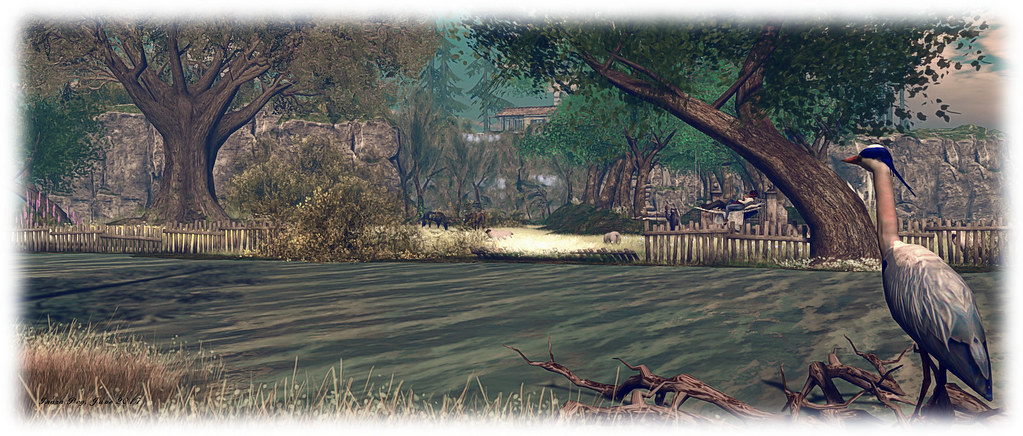
Les Reves Perdus (“Dreams Lost”) is a public homestead region designed by Chanell (zaziaa), which Caitlyn and I were drawn to visiting after seeing a photo by Wurfi, a fellow photographer and blogger. Described as “an original world of dreams and creativity, with the atmosphere of nature,” it is a place visitors are invited to enjoy and photograph, and it does indeed present a relaxing landscape in which to wander and spend time.

Placing the region is a little hard; there is a touch of provincial France about it, together with a little twist of Tuscany, thanks to the villa occupying part of the region. The low-lying parts of the island, however, could be representative of just about any temperate coastal / marshland area in the world. Nevertheless, the theme works, and everything comes together to create a charming, photogenic scene.
Le Sixième Sens, Les Reves Perdus; Inara Pey, June 2017, on Flickr Les Reves Perdus

A visit starts on the low-lying part of the island, at the end of a dirt track which gently undulates along an avenue of trees, leading the way to a set of stone steps which rise to the highland reaches of the region, of which more anon.

Mostly grass-covered, this lowland is home to grazing sheep and horses, with the greenery broken up by bright splashes of rapeseed and wild flowers.  It is also split into two, linked via stone and log bridges, with some marshy outlying areas sitting a short distance across the water to the north and north-west. Over the bridges, the land is more divided between grass and sand, the former giving way to a widening arc of the latter, offering plenty of places to sit and enjoy the view out over the open waters to a sailing ship lying off the coast, or inland over a shallow bay, fed in part by a horseshoe waterfall, to the cliffs of the highlands.

Le Sixième Sens, Les Reves Perdus; Inara Pey, June 2017, on Flickr Les Reves Perdus

A lone outcrop of rock rises from the south-eastern end of the beach, a wooden cabin sitting on its flat top. A rope bridge spans the narrow neck of water separating it from a promontory on which sits another cabin, the two offering a cosy place for couples. From here, it is possible to climb up onto the higher ground – but I don’t recommend it: there is neither a path for doing so, nor is the immediate landscape designed to be seen from this side.

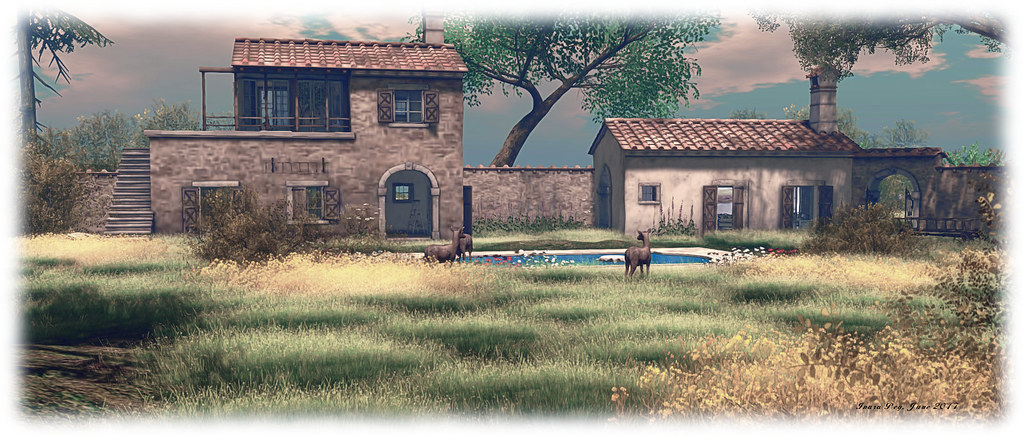
Instead, the best way to appreciate the upland area is via the track and stone stairs near the landing point. These will take you up to a broad, largely flat plateau where the Tuscan villa sits, a tide of wild grass and rapeseed washing around it and held at bay from reaching the pool in front of the villa by bushes and bright flowers. Deer roam this wild garden, while the villa’s dining room is set for a formal meal, and its outhouse offers a lounge area with light refreshments. Climb the stairs of the villa, and you’ll enter the realm of an artist, whilst beyond the walls of the villa, the land grows wild on one side, and offers a small orchard on the other, an old pick-up truck offering another place for couples to snuggle.
Le Sixième Sens, Les Reves Perdus; Inara Pey, June 2017, on Flickr Les Reves Perdus

Les Reves Perdus makes for a charming visit, and the default windlight offers plenty of scope for photographs and the region as a whole presents plenty of scope for those who like to use their preferred windlights or like to experiment. This is an ideal place to visit if you’re seeking some quiet time on your own or with a friend. Caitlyn and I took certainly found it relaxing to sit on a hammock chatting, while looking out over the water to where the little folly sits amidst the pinks and greens of the marshy outlands.

SLurl Details

A sixth sense in Second Life

Le Sixième Sens, Le Sixième Sens; Inara Pey, June 2017, on Flickr Le Sixième Sens – click any image for full size

We first visited Le Sixième Sens (“the sixth sense”) in January of 2017, at a time when the region was popping up in blogs and photo streams. As I didn’t get to write about it then, I recently found myself hopping back to see what had changed and to catch-up on my own write-up for the region.

Designed by Natacha Haroldsen, the region presents itself as a little corner of Tuscany, where “a plaza surrounded by old shops that give you a rustic feeling,” sits beneath a pale azure sky, and a vineyard climbs the slope of a hill, beckoning those who stand at the archway of the plaza to explore the land before them.

Le Sixième Sens, Le Sixième Sens; Inara Pey, June 2017, on Flickr Le Sixième Sens

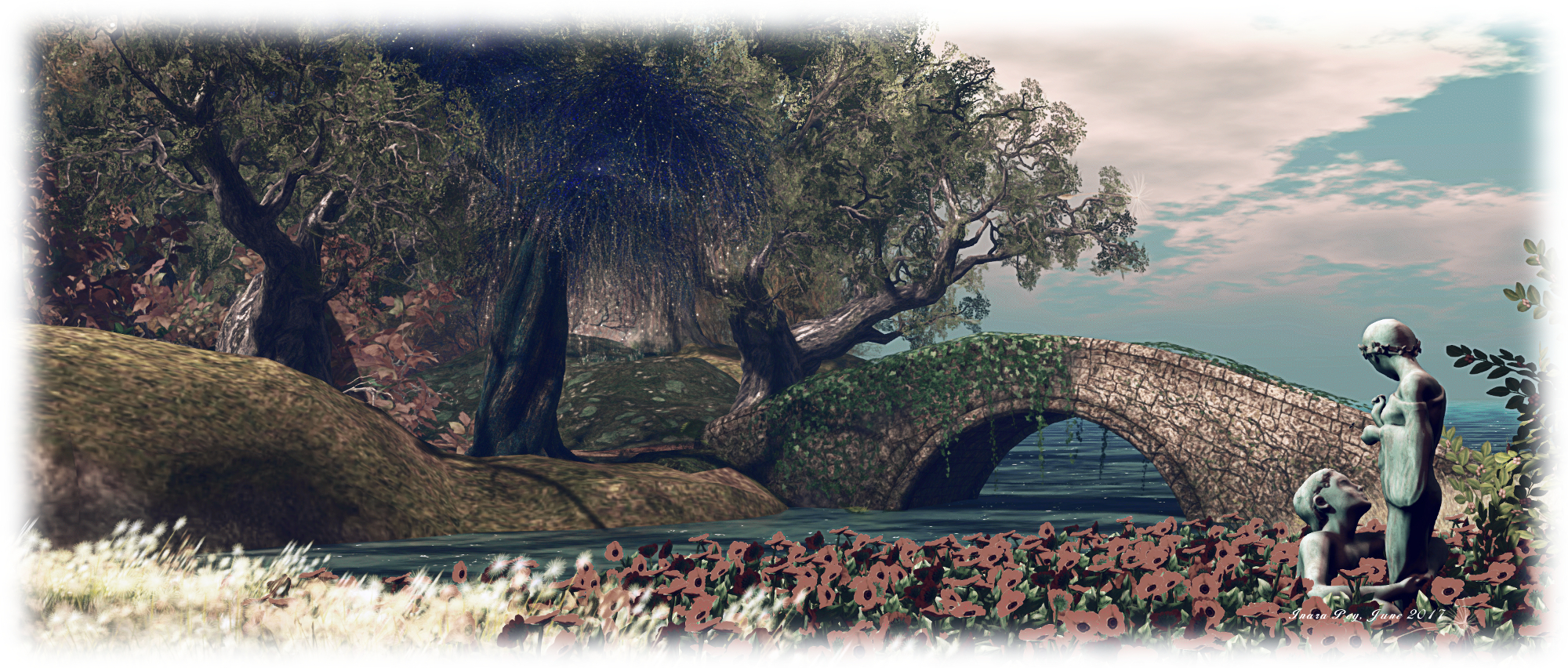
Six months may have passed since Caitlyn and I first followed the track down from the boutique shops gathered around the landing point and out over the arched back of a stone bridge, but little has changed in that time. Le Sixième Sens retains a wonderfully relaxed feel, offering the kind of setting you hope to find whilst travelling on vacation; a place that calls on you to stop, explore, run your fingers lightly over the delicate curl of flower petals and watch the water slip slowly under bridge and bough.

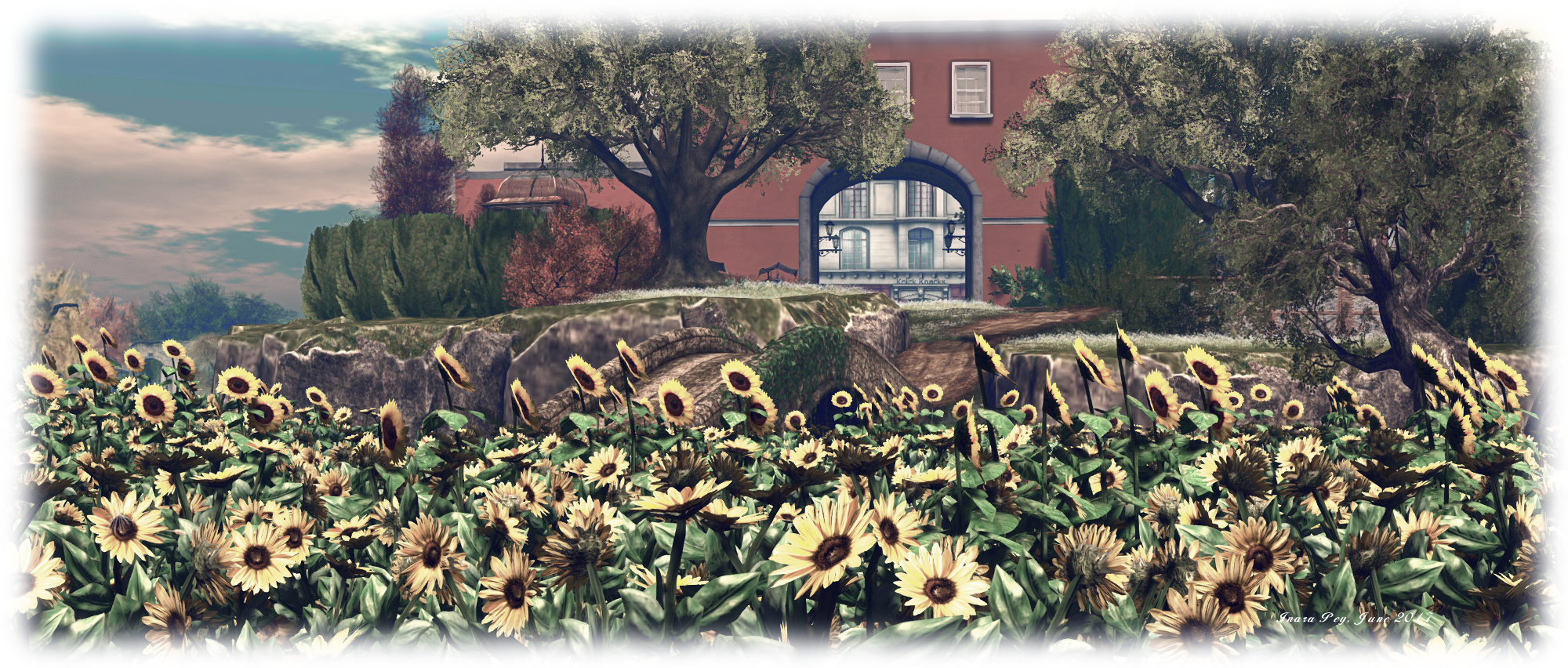
From the little piazza, visitors can wander across this gentle, rocky landscape, passing over the waters which divide it into three islands, and meander among the sunflowers, poppies and trees, going wherever their feet my take them.

Le Sixième Sens, Le Sixième Sens; Inara Pey, June 2017, on Flickr Le Sixième Sens

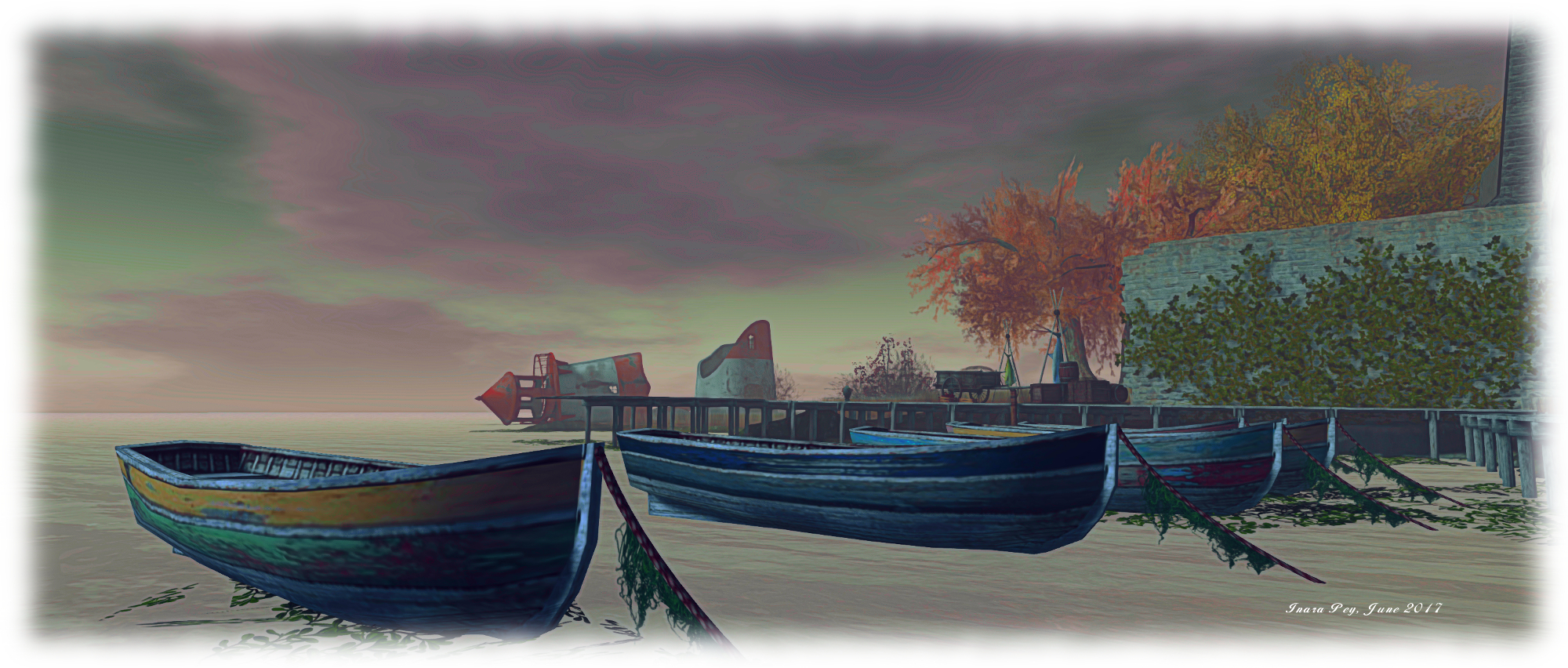
There are, of course, the vines mentioned above, paraded in neat rows up the slope of a hill to where a villa-style farmhouse sits. The lower slopes of this hill are covered in tall grass, on which horses graze and sheep roam and chickens cluck their way around another, smaller farmhouse. On this northern headland, extending out from the vineyard’s hill, sit old ruins which both face the piazza of shops across the water to one side and shelter moored rowing boats on the other, before the land ends in the broken finger of a lighthouse.

South and east, separated from the other island by bay and channel, sits a tall rocky plateau. A path rising from the trees below it forms a switch-backs up one of the otherwise sheer cliffs to where a small studio, gracefully called The Writer’s Workshop, sits. It commands a view out over the water, and offers the perfect vantage point for a painter. Linked to the rest of the land by a single bridge and with its screen of trees guarding the path from that bridge, the plateau gives a sense of tranquil separation from the rest of the region without ever feeling apart from it.

Le Sixième Sens, Le Sixième Sens; Inara Pey, June 2017, on Flickr Le Sixième Sens

Throughout this landscape, filled with the sounds of birds singing, can be found numerous places to sit and relax, or share a cuddle or a dance. A picnic blanket awaits under the shade of bushes in one direction, a chess set and sofa can be found among the farm’s outbuildings, the ruins hide a swing chair, while the rowing boats offer their own places to sit and contemplate the world – or one another. And that’s just the start; much more awaits those who take the time to explore.

Wherever you roam in Le Sixième Sens, there is something to be found and enjoyed, whether you are seeking a place to relax or a location to photograph (join the region’s group and you’ll get rezzing rights as well). The default windlight setting presents the region under what might be one of the cooler days of late summer or autumn – the hay bales in particular adding to this autumnal suggestion; but this is a place which invites tweaking and playing with windlights, and I couldn’t resist taking some photos suggestive of warmer summer days.

Le Sixième Sens, Le Sixième Sens; Inara Pey, June 2017, on Flickr Le Sixième Sens

SLurl Details

A little (Bento) horse riding at Calas Galadhon in Second Life

Out on the Calas horse trails, Caitlyn leading the way

I’m not a horse owner, but riding is something I’ve had the good fortunate to enjoy from time to time, and on both sides of the Atlantic. It’s also something I’ve occasionally enjoyed in Second Life, although I’m now long past the point, land-wise, where keeping a horse in-world makes a lot of sense. So, in the latter regard, my riding enjoyment is restricted to taking the opportunity in those regions where riding options are offered.

One such location is Calas Galadhon Park, which offers for Teegle and Breeder’s Choice horses and, since March of 2017, the Water Horse Bento horse. Although Ty Tenk of Calas dropped me a line about the Bento horses when they were added, we weren’t in a position to try things then, and to be honest, it just slipped my mind). However, the news that there’s a new Coast Trail for horse riding through the Calas regions gave Caitlyn and I just the excuse to hop over and try things out.

The Water Horse Bento horse makes for a very natural feeling ride, while the Coast Trail at Calas still takes you through the redwood forest

The new Coast Trail forms a circular route around several of the Calas regions. It nominally starts at the bridge linking Dimirill Dale to Calas Galadhon, then runs around the lake at Calas Galadhon and up through the redwood forest of Mirromere, before curving around the cliffs of the Misty Mountains and dropping down into the islands of Long Lake. From there it arcs down through Belegear, touches the Grey Havens, and so returns to Dimrill Dale. Along the way, it offers some stunning views over the Calas park lands and waters.

As we were commencing our ride further south, at the Bento horse giver in Glanduin, (another horse giver can be found at Mirromere), Caitlyn and I opted to start our ride from there – and do things “backwards”, looping up through Dimrill Dale to Belegear, and then swinging through Long Lake and down through the Misty Mountains and Mirromere, to reach Calas Galadhon.

The Coast Ride takes you through the wilds of Calas Galadhon Park, and past some of its picturesque landmarks, such as the Greek Village, a reminder of “old Armenelos”

The Water Horse giver is easy to use, with the instructions clearly visible on the sign. Follow them, and you really can’t go wrong. The supplied horse is provided as a temp attachment (so nothing in your inventory), and is a demo version with about an hour’s duration, after which it will be removed / deleted. As it is a demo version, I can’t offer a comprehensive review  of it here; but what I can say is that as a Bento extension to the avatar skeleton, the horse handles very naturally (just remember to turn off your AO!), and you do get the four motion speeds – walk, trot, canter and gallop. Given the lay of the land at Calas, there are plenty of opportunities to try all of them.

Being a demo with an hour’s duration, the horse provided by the giver isn’t as fully featured as the actual Water Horse Bento horses, so I can’t offer a review here. What I can say, however, is that it is more than enough to give you a basic feel for riding the horse, and to demonstrate just how well the horse works as an extension to your avatar. You do get the four speed options – walk, trot, canter and gallop, and the Calas trails provide plenty of places where each can be tired.

Trotting across a bridge

The trails through Calas are a joy to ride – whichever horse system you have / use – and are fairly clearly signposted throughout. As the newest, the  Coast Trail is beautifully picturesque, particularly if you tackle it clockwise, as we did. To do this, follow the track up from the horse giver and through the farm and across the covered bridge. Then follow the trail under the rock arch, and then bear left before the next bridge, following the water’s edge westwards towards the Grey Heavens, and over the marshes to Belegear’s slender peninsula.

Going around the trail this way really opens out the park’s fabulous beauty from the start, leaving the lakeside buildings of Calas Galadhon itself until last, where a well-deserved drink can be had. The hour-long duration of the demo Water Horse means there is plenty of time to take the trail without having to unduly hurry.

Resting in the saddle near the cliffs of the Misty Mountains

I’ve always enjoyed Calas Galadhon, whether on horseback or foot, and the new Coast Trail is a delight, bringing home the natural beauty of the parklands, whether riding a Bento horse or any other horse type available from the rezzers in the regions (and if you’re a member of the Calas group, yo can always hop along and ride your own, if you haven’t already).

My only regret with our little foray is that as my video software still isn’t playing nice with the viewer at times, leaving me unable to record our meanderings. Fortunately, Ty made this point moot, having produced his own video highlighting both the Water Horse Bento horse and the riding trails of Calas. So I’ll leave you with that instead 🙂 .

SLurls and Links

All Calas Galadhon regions are rated Moderate.

A Chess Wonderland in Second Life

Chess Wonderland, Egypt; Inara Pey, May 2017, on Flickr Chess Wonderland – click any image for full size

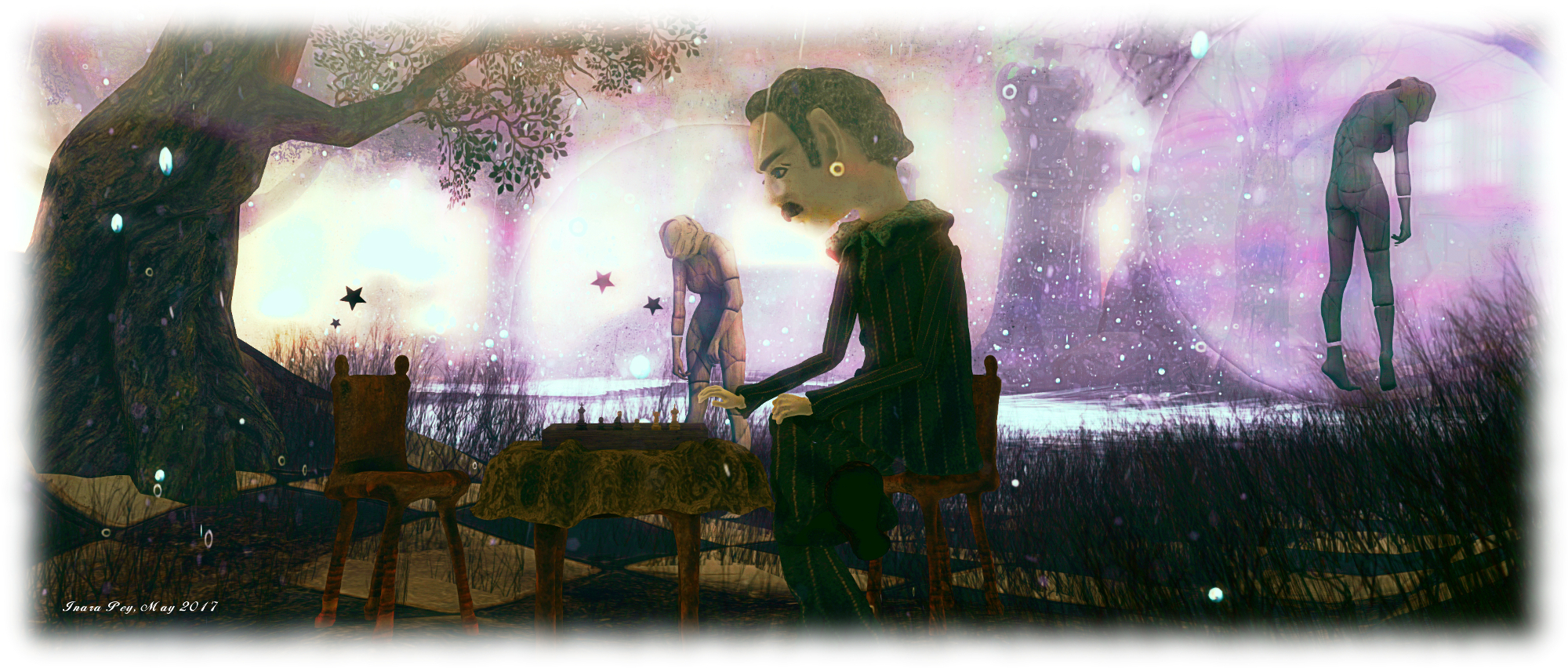
Chess Wonderland, is a fascinating Homestead region which caught my eye a couple of weeks ago after seeing images pop-up on  Twitter and Flickr, marking it as a place to visit as time allowed.  Designed by EgyptRocker, it is a surreal place with the focus – as indicated in the name – on chess, which is seen not so much as a game of strategy but as an eternal melee of close-quarter fighting.

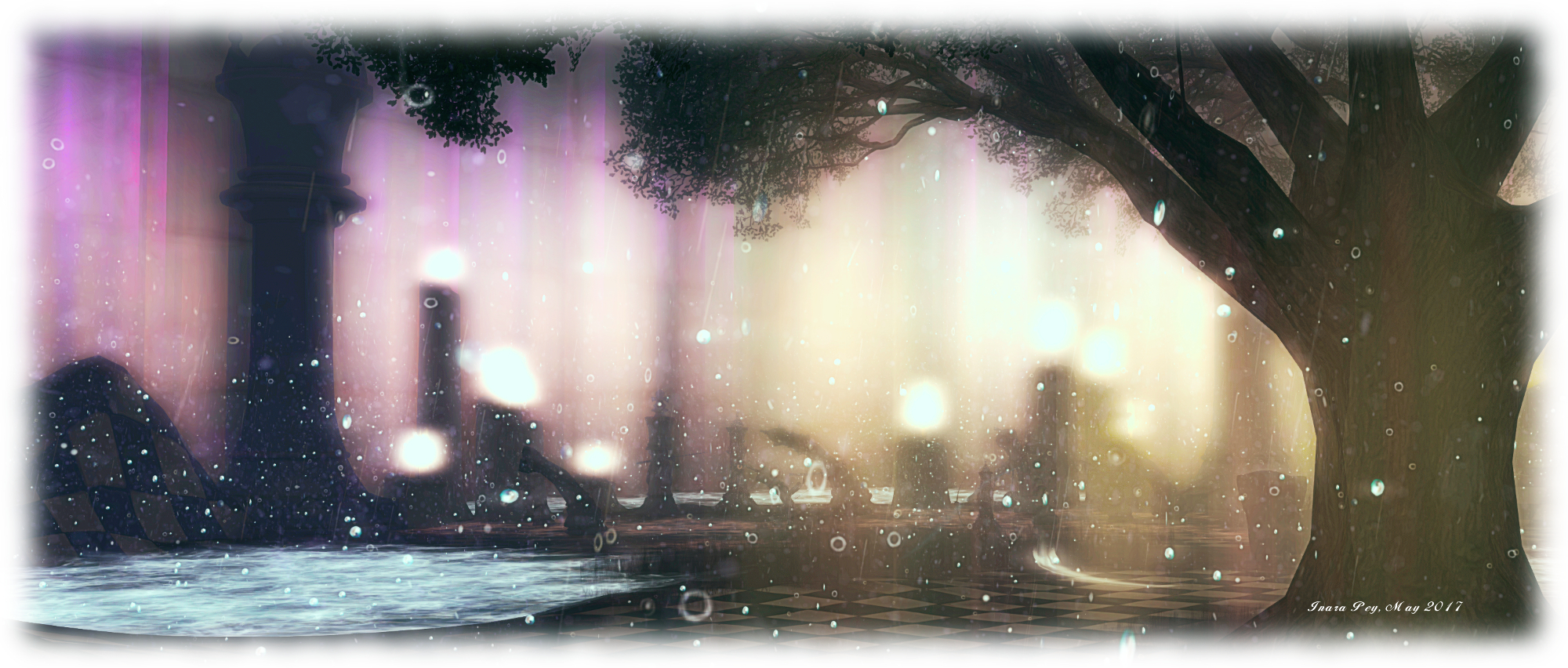
Visitors are presented with an undulating landscape covered in the black and white tiles of a chess board, which rises into chequered monochrome walls surrounding the region. These walls in turn rise into a roof high overhead, giving the region a gigantic, room-like feel, heightened by the great ceiling light suspended from high overhead which casts a glowing aurora over the top of a great tree occupying the centre of the region.

Chess Wonderland, Egypt; Inara Pey, May 2017, on Flickr Chess Wonderland

This aurora is mirrored by softly rippling sheets around the edge of the landscape as misted pools slowly turn between the hills, and sheets of ocean mist drift beneath the boughs of gigantic trees. Unmissable due to their size, the trees are matched in height by massive chess pieces – knights, rooks, bishops and queens – apparently standing guard over the region while candles cast additional ghostly light.

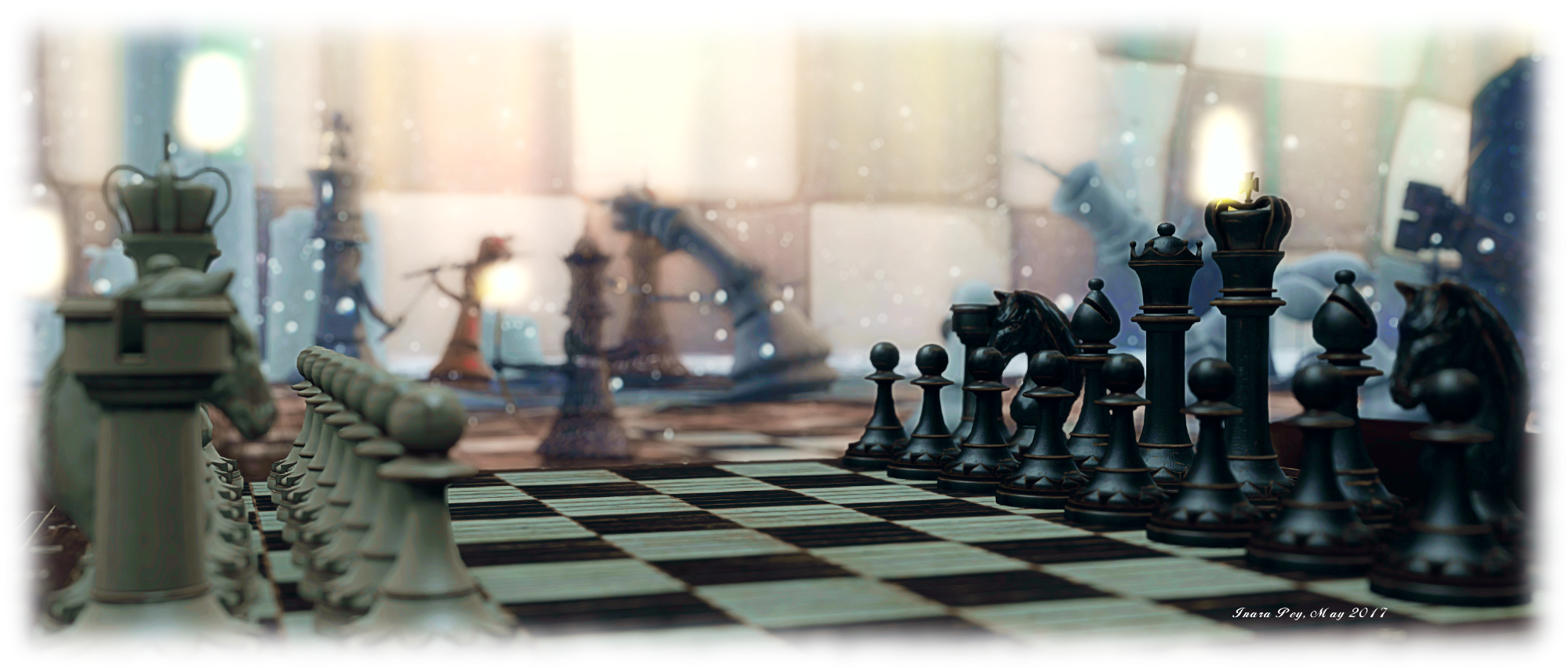
The battle between black and white is located across the region from the landing point, where Mistero’s Hifeng’s chess pieces have been placed on the tiles of the land. Far from presenting a genteel game of carved pieces on a flat board, they are engaged in a vicious a battle involving blade and arrow.

Chess Wonderland, Egypt; Inara Pey, May 2017, on Flickr Chess Wonderland

Close by sits a huge table, braced by two equally huge armchairs. The table holds a traditional chess board and pieces, and the armchairs smaller copies of themselves suitable for avatars to sit in. The chess board is playable, offering those who sit in the smaller armchairs the opportunity to engage in a more traditional match or two.

Further around the region, guarded by a pair of giant chess kings, sits a castle. Possibly the point of contention between the warring pieces, it also appears to be the location for events – on our visit, a fair few people were gathered with its walls.

Chess Wonderland, Egypt; Inara Pey, May 2017, on Flickr Chess Wonderland

Mistero Hifeng isn’t the only artist represented here, both through his chess pieces and several other sculptures. Sitting close to the landing point is Cica Ghost’s chess player from Strings (which you can read about here), while the string quartet and their pianist from the same installation can be found further around the region, playing under the cover of a fold in the land.

Chess Wonderland is a surreal, beautiful region, unusual in form, softened in look through the considered windlight and use of auroral effects (probably best appreciated with Advanced Lighting Model enabled in the viewer). The presentation of the art pieces by Mistero and Cica – two of my favourite 3D artists – is both imaginative and eye-catching, making for a fascinating and rewarding visit.

Chess Wonderland, Egypt; Inara Pey, May 2017, on Flickr Chess Wonderland

SLurl Details

A Meadow Rose in Second Life

Meadow Rose III, Tyme; Inara Pey, May 2017, on Flickr Meadow Rose III – click any image for full size

Note: Meadow Rose has relocated to Forever Neverland – see my more recent review here. SLurl is this article have been removed.

Meadow Rose III, designed by Rye Falmer, is a homestead region open to the public offering a  romantic setting for visitors, with much to see and do – and appreciate. For those reading the region’s descriptions, there’s even an extract of a story they might decide to continue for themselves.

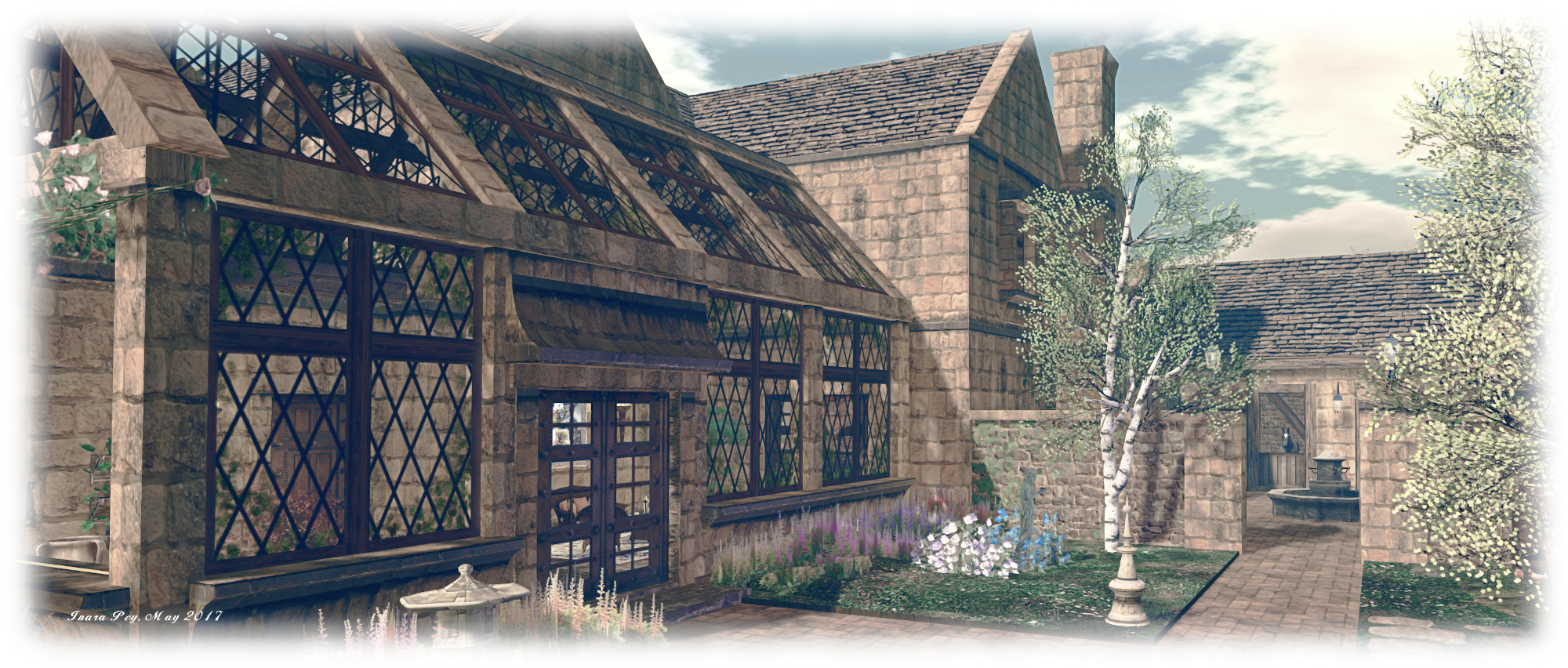
The overall design may initially strike one as a period setting. There is a Tudor look to many of the buildings which can easily lean one in that direction. However, there are more than enough clues to reveal that while the buildings are period, the setting is modern.

Meadow Rose III, Tyme; Inara Pey, May 2017, on Flickr Meadow Rose III

Instead, what we appear to have is a stately home sitting amidst extensive grounds with formal gardens  of the region suggests this is the ground of a stately home, one which may well have been built centuries ago, but which undoubtedly sits in modern times, the grounds around it pointing to even older occupation, containing as they do the ruins of a more fortified former home, the stone from which may well have gone into the building the current house and some of the other buildings to be found here.

For both Caitlyn and I the overall impression of Meadow Rose is akin to that of many of the grand estates managed by the National Trust here in the UK. That is, lands held for generations by a family, bearing all the hallmarks of their long ownership during which the passing of time gave rise to different forms of house – castle to manor, for example – but which are now maintained for the wider appreciation of the general public, their gates and doors open to visitors to enjoy them in their natural splendour.

Meadow Rose III, Tyme; Inara Pey, May 2017, on Flickr Meadow Rose III

The land is broadly arranged in a U-shape around a central channel of water which runs northwards from the middle of the region. The landing point sits on the north-west arm of the U, and the manor house on the north-east, reached via a gated, covered bridge from the landing point. The latter sits between a chapel and a stone-built house, and features an events deck offering live musicians and DJ sessions on a regular basis.

The manor house – open to exploration – sits within formal walled and hedged gardens offering opportunities for walks amidst flowers and hedgerows. It is backed by stables where horses can be obtained should people like to take a ride through the landscape. The glass roof of one wing of the house and the greenhouse alongside the stables, with its scattering of modern gardening implements, are two of the hints that this isn’t a period setting.

Meadow Rose III, Tyme; Inara Pey, May 2017, on Flickr Meadow Rose III

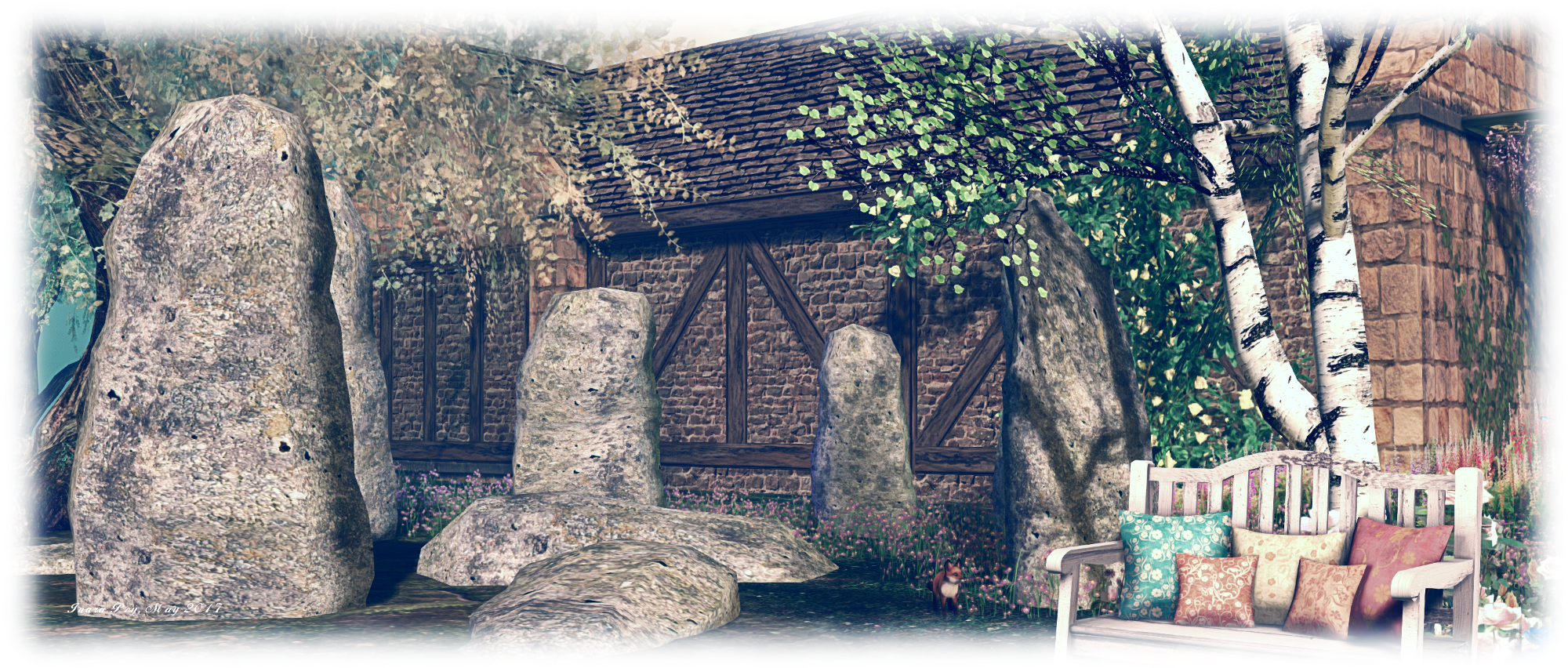
To the north side of the manor house is  a small group of standing stones, again suggesting this place has long been a place of human habitation. To the south and east, beyond the more formal gardens and reached via path and stair, is a pavilion sitting out over the water overlooking the neighbouring regions.

Paths and trails wind through the region, leading the way to the points of interest – such as the aforementioned ruins of a castle, or to a Romany camp, where fortunes might be read, before returning to manor house or landing point (depending upon the initial route taken). Throughout it all, there are places to sit and enjoy the views or to snuggle, enjoy a romantic dance, go fishing – or even have a swim. Those seeking a more active pursuit can enjoy a round of bumper boats on the water of the little lake.

Meadow Rose III, Tyme; Inara Pey, May 2017, on Flickr Meadow Rose III

Meadow Rose III is a charming, romantic setting; ideal for quiet exploration, photography, and idling the time away. By day the region is softly lit by a late summer sun; by night torches and braziers light the paths and mark doorways, again offering an air of romance beneath a glittering aurora. To the south and east, the region connects to the other in the estate – although these might not all be open for the public to freely explore. However, a teleport board at the landing point offers access to those areas within the estate open to public visits, for those interested in exploring further afield.

This is truly a delightful region to visit, and if you have not already done so, we can very heartily recommended.

Costa Blanco in Second Life

Costa Blanco, Costa Blanco; Inara Pey, May 2017, on Flickr Costa Blanco – click any image for full size

Update, December 2017: As per the comment from AJ, below, Costa Blanco appears to be under new ownership; the build has described here no longer exists.

Caitlyn and I first visited Costa Blanco in January 2017, but I didn’t get to blog about it at the time, so a re-visit seemed in order.

Designed by Gabrian Lascelles (Gothicgaylord), the region is described as “situated in the southernmost province of Sweden, and is connected by weather and theme with Bretagne in France.” It’s an interesting description, and the general environment for the region has much of a feel of being suited to either southern Sweden or Bretagne (or even here in the UK!). However, the design of the region throws in multiple elements – a Mediterranean style villa by the landing point, for example – such that Costa Blanco has an eclectic feel to it which makes exploring interesting and offers many opportunities for photography.

Costa Blanco, Costa Blanco; Inara Pey, May 2017, on Flickr Costa Blanco

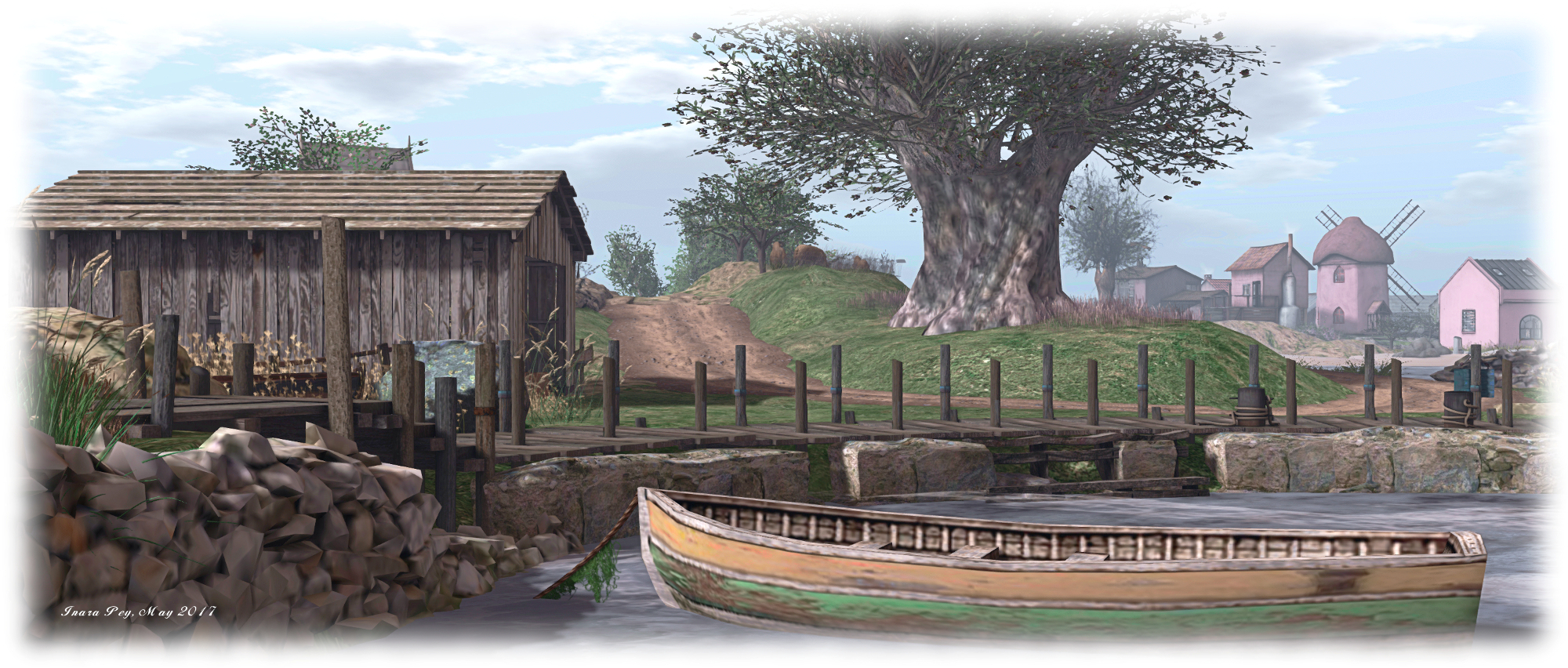
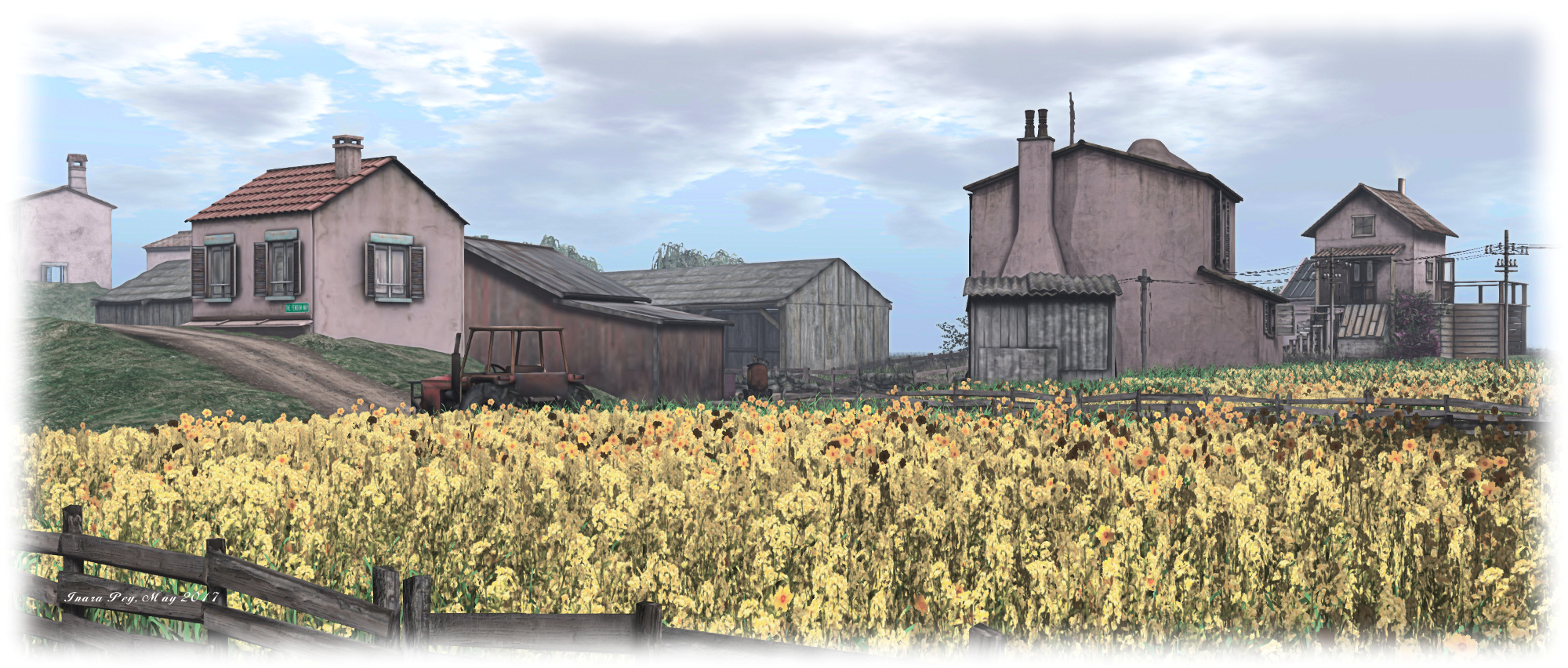
The aforementioned landing point is in the north-west part of the region, directly outside of the villa. Grapes are growing on the vine here, as a cobbled drive leads down the slope of a low hill to where a scattering of farm outhouses and barns sit. Some of these have clearly seen better days, as their boarded windows and doorways can attest, while the tractors sitting in and around them also speak of age and hard-working lives. Given the way the hay is baled, it would seem this is still a working farm, but the overall impression is that the focus is now more on providing stables for horses, than working the land.

Costa Blanco, Costa Blanco; Inara Pey, May 2017, on Flickr Costa Blanco

Dirt tracks run around and through the farm, offering multiple choices for wandering. To the south, a single track runs along a finger of land pointing eastwards. At the end of this sits another old outhouse in which sits a little display of photographs captured in the physical world. This tumbledown galley shares the headland with an old barn and a cosy little cove, around which places to sit and snuggle can be found, some of many to be found throughout the region.

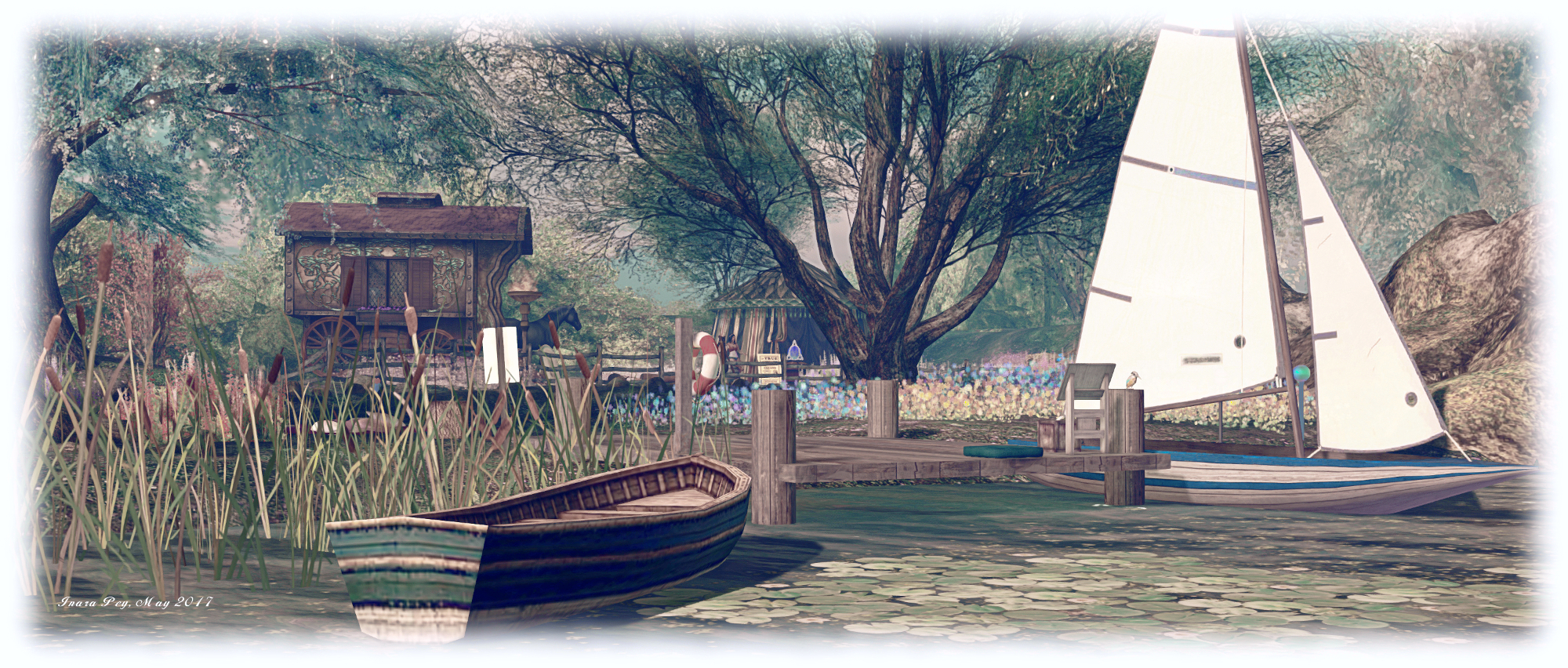
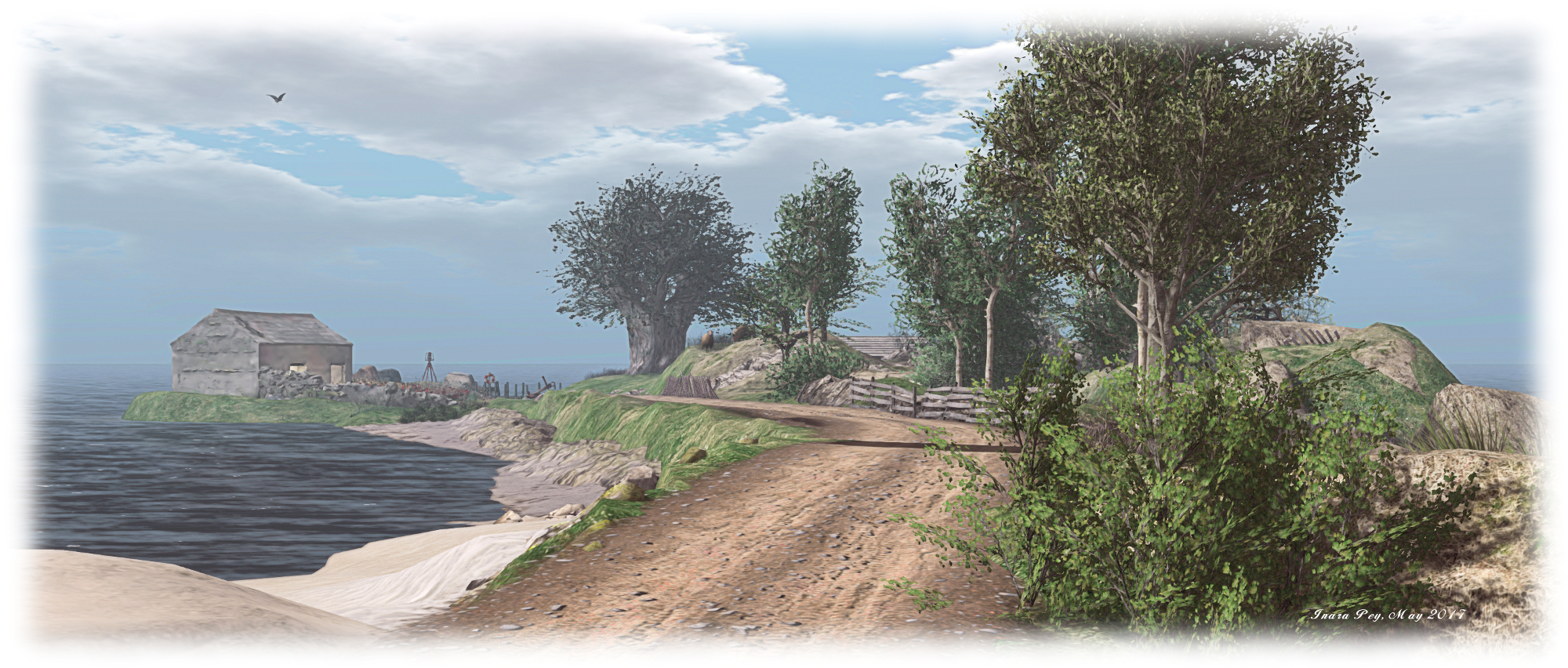
A sandy beach sweeps  down the eastern shoreline of the land from the north, and out onto the slender headland, giving the impression that this is a stretch of coastline facing east, looking out to where a smaller island sits. Reached via a little motor boat available from a beach-side pier, this rocky island offers a little retreat, complete with summer-house,  and a look-out point in the form of the disintegrating wreck of a boat made fast against the rocks. As the motor boat poofs when you leave it, getting back the mainland appears to be a case of flying or of teleporting back to the landing point.

Costa Blanco, Costa Blanco; Inara Pey, May 2017, on Flickr Costa Blanco

Given the number of cuddle spots here – we particularly enjoyed the secluded hot spa – Costa Blanco is ideal for romantics. Those seeking more active pursuits can ride the region’s horses while photographers can have a field day with the setting as a whole. There is something about the air of age and general shabbiness present in the buildings, coupled with the natural unkempt nature of the trees, grass and bushes which make Costa Blanco an eye-catching visit.

Costa Blanco, Costa Blanco; Inara Pey, May 2017, on Flickr Costa Blanco

SLurl Details