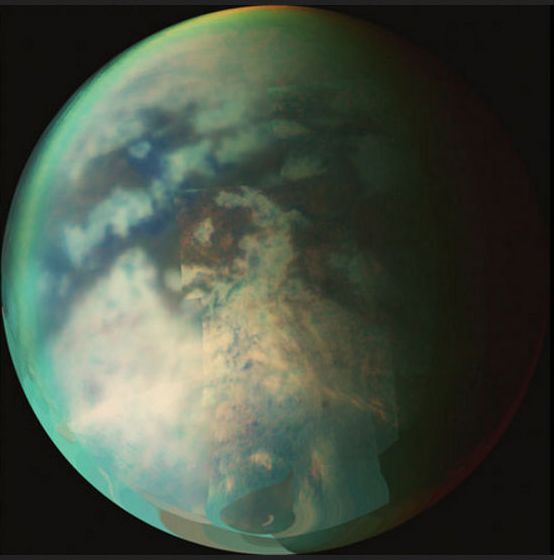
NASA’s Cassini mission has completed the first of its final 22 “dives” through the gap between Saturn its ring system. In the process, the craft came to its closest past so far over the planet’s cloud tops.
As I noted in my previous Space Sunday update, after 20 years in service and with manoeuvring fuel running out, the mission is set to end on September 15th, 2017, when the veteran spacecraft will enter the upper reaches of Saturn’s atmosphere and burn up, preventing any risk of the vehicle colliding with one of Saturn’s moons and risk contaminating it with the radiation from its plutonium power cells.

This first pass between planet and rings was a complete dive into the unknown – so much so, that the spacecraft was out of contact for 20 hours during the critical part of the pass. This was because prior to making the pass, the vehicle had to be oriented so that its 4-metre (13 ft) diameter communications dish was facing away from Earth and into the direction of flight, so it could act as a shield to prevent any dust particles within gap impacting more sensitive parts of the vehicle.
NASA’s Deep Space Communications network lost contact with the vehicle at 09:00 UT, on April 26th, as Cassini cross Saturn’s ring plane. The signal was successfully re-acquired at 06:56 UT on April 27th, after the vehicle had cleared the gap and could re-orient itself and point its communications dish back towards Earth. The transfer of data gathered during the pass commenced a few minutes later.
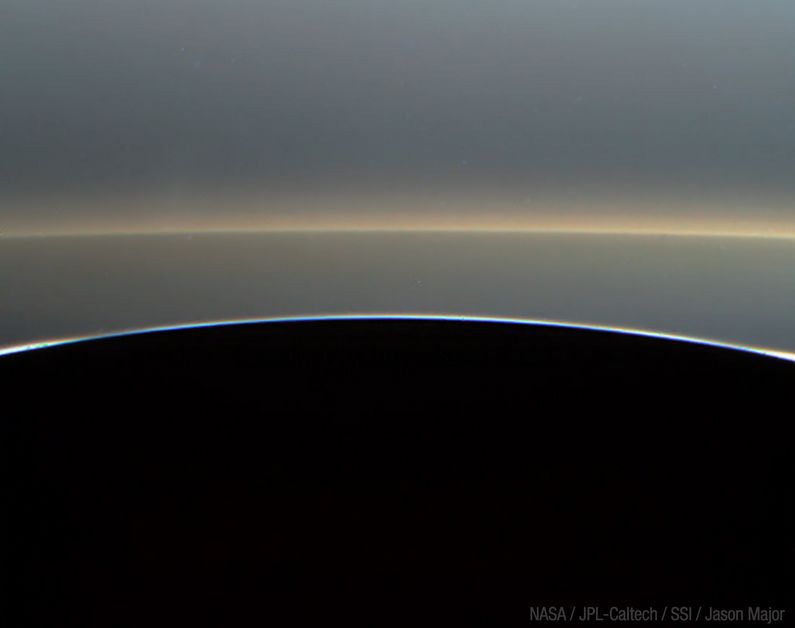
“No spacecraft has ever been this close to Saturn before. We could only rely on predictions, based on our experience with Saturn’s other rings, of what we thought this gap between the rings and Saturn would be like,” said Cassini Project Manager Earl Maize at NASA’s Jet Propulsion Laboratory, California, as the data from the spacecraft started flowing. “I am delighted to report that Cassini shot through the gap just as we planned and has come out the other side in excellent shape.”
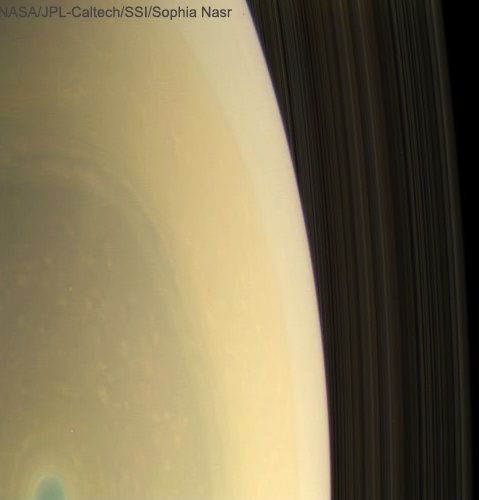
The gap between the rings and the top of Saturn’s atmosphere is about 2,000 km (1500 mi) wide, and Cassini came within 3,000 km (1900 mi) of Saturn’s cloud tops, in an area where there was a risk of smoke particle sized motes of dust being encountered. Small as they might be, the fact that the probe was travelling at some 124,000 km/h (77,000 mph) relative to Saturn meant that any dust striking an unprotected part of the vehicle could have been catastrophic, hence using the communications antenna (which could suffer some damage without serve loss of capability) as a shield.
“In the grandest tradition of exploration, NASA’s Cassini spacecraft has once again blazed a trail, showing us new wonders and demonstrating where our curiosity can take us if we dare,” said Jim Green, director of the Planetary Science Division at NASA Headquarters.
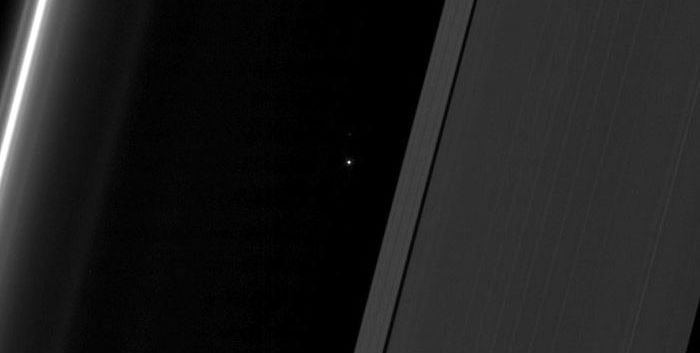
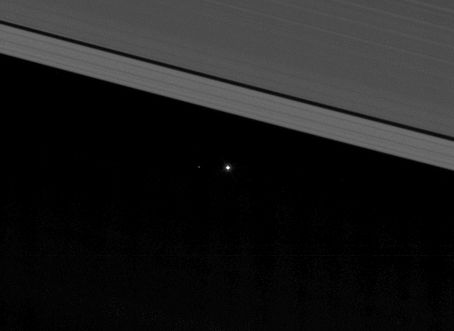
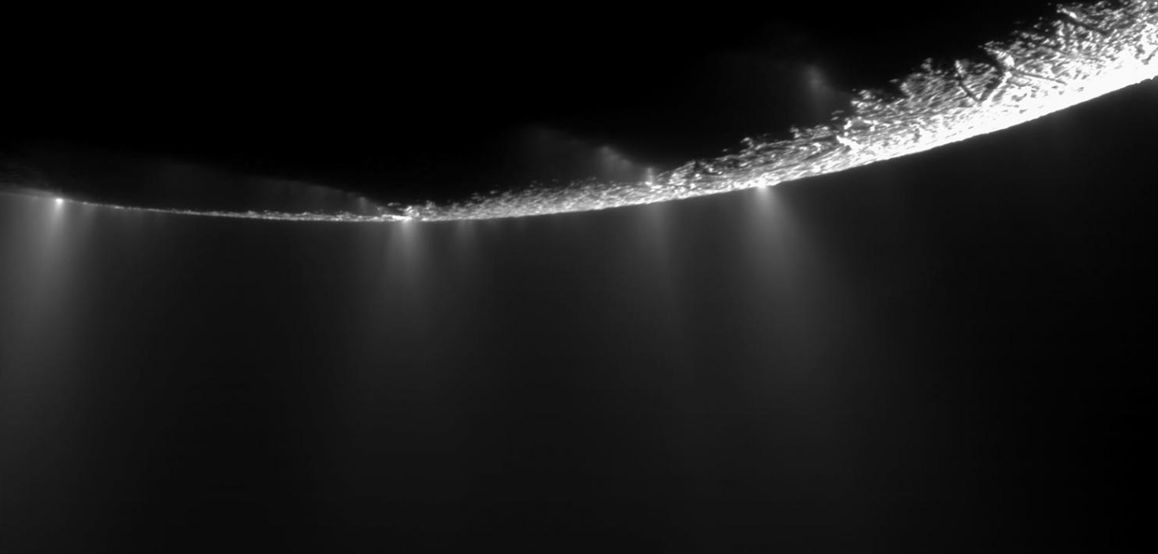
The data from Cassini is already being analysed and revealing more about Saturn and it’s atmosphere, but it has been the images that were released following the pass which have stunned observers on Social media – although some needed to have their perspective adjusted as the first of the raw images appeared.
“Hey, it’s a GIF of something you think’s gonna be cool, but it’s Cassini proving it’s no better at camera s*** than somebody getting shot at,” one commentator chose to Tweet. This prompted a quick response from fellow space enthusiast, Jason Major (whose images are used in this article); “Cute. Now realise Cassini is taking these pics w/a camera built in 1996 while travelling 65,000 mph where sunlight is 100x dimmer than here.”
Cassini’s second ring-dive will occur on Tuesday, May 2nd.
Continue reading “Space Sunday: Saturn, spacesuits and printing a base on the Moon”