The February 24th, 2024, Chinese state media broadcast formally announcing the naming of the vehicle classes that will fly taikonauts to the Moon. Credit: CCTV
The China’s Manned Spaceflight Agency (CMSA) has revealed the names and preliminary drawings of the vehicles China plans to use to deliver its own astronauts – called taikonauts in Chinese – to the lunar South Polar Region.
For their human missions to the Moon, China is going the “easy” (that is, largely tested) way. No complicated drives to HALO orbits around the Moon and high-risk approaches such as 14 refuelling flights for the lunar lander after it has reached Earth orbit just so it can get to the Moon (yes, I’m looking at you, NASA – chuck the SpaceX idiocy, will you, please?). Instead, China is going a-la Apollo, using a two-ship system.
Chinese next-generation crewed spacecraft mock-up with its solar panels in the stowed launch position, displayed at the National Museum of China, September 2023. Credit: Shujianyang
The first of these has been in development for a while, and has been referred to in the past as China’s “next generation crewed spacecraft” designed to replace the Soyuz-inspired Shenzhou vehicle the country currently uses to reach low Earth orbit, as well as forming a basis for excursions further afield – such as to the Moon.
As announced by via Chinese state media on February 24th, 2024 during the Lantern Festival – the last day of traditional Chinese new year festivities and which takes place, appropriately enough during a full Moon -, the new class of crewed space vehicle will now be called Mengzhou (“Dream Vessel”). The name was selected after China held a national competition to name the programme, and is in keeping with the naming convention for its orbital classes of space vehicle (e.g. Shenzhou and Tianzhou).
Mengzhou is a two-stage craft comprising a useable capsule system capable of seating up to six taikonaut, and an expendable service module providing propulsion, power and life support. The vehicle’s overdesign is fairly advanced: a scale model version of the capsule was flown in space in 2016 on a mission designed to provide engineers with the data they required to finalise the capsule’s overall design and flight characteristics.
A second flight in 2020 using a full-scale proof-of-concept vehicle used to evaluate vehicle avionics, orbit performance, new heat shielding, parachute deployment and a cushioned airbag landing and recovery system. Currently, the first crewed test flight of the craft in either 2026 or 2027.
Four lunar missions, Mengzhou will fly with a crew of three and extended life support capabilities and additional supplies. It will be joined on missions by the Lanyue (“embracing the Moon”) lander. This again borrows somewhat from the Apollo missions of the late 1960s / early 1970s, being a spindly-legged craft built around a squat crew compartment supporting (initially) two taikonauts. Like the Apollo lunar lander, the craft is two staged; unlike the American lunar lander – which landed on the Moon fully intact, with the lower (“descent”) stage becoming a launch pad for the upper (“ascent”) stage for getting the crew back up to lunar orbit – Lanyue will use the same stage for both the landing and ascent phases of a mission.
Two views of a mock-up of a Lanyue lunar lander (top) mated to its large propulsion module. The black panels at the top of the lander are its solar panels in their stowed configuration. Note the collapsed rover vehicle mounted on the lander in the right-hand picture. Credit: Shujianyang
The second stage of the vehicle will be a propulsion module which will power the lander to lunar orbit and then “park” it there. The crew will then travel to lunar orbit aboard a Mengzhou vehicle and dock with Lanyue. Two will transfer to the lander vehicle and undock to use the lander’s propulsion module to decelerate out of lunar orbit and into a descent towards the surface. Once the descent commences, the propulsion stage will be jettisoned to crash on the Moon, while the lander/ascent stage will continue on to a soft landing.
Information on how long a time the initial crews will spend on the Moon is unclear, as the details thus fair released are ambiguous in their interpretation. For example: the term “six hour stay” is used, but both in terms of the complete surface mission and in reference to crew EVA time. Most analysts in the west believe the first missions will equate to the stays of Apollo 11 and Apollo 12 – so “six hours” refers to actual EVA time -, with subsequent missions staying for increasingly extended periods, up to the limitations of the lander in terms of consumable supplies.
Artist’s illustration of a Chinese astronaut on the moon. Credit: CCTV
Plans for Lanyue include the provision of a collapsible rover vehicle of a similar nature to the Apollo Lunar Rover, and several models of the lander show the rover stored on its flank. However, it is not clear if it will be part of the first landing(s) or a subsequent addition to missions.
For lunar missions, both Mengzhou and Lanyue will be launched by China’s upcoming Heavy Lift Launch Vehicle (HLLV) Long March 10. Due to make a maiden flight possibly as early as the latter half 2025, this booster is an evolution of China’s Long March 5, and is slated to be able to deliver up to 70 tonnes to LEO or send up to 27 tonnes on its way to the Moon. As noted above, each lunar mission will comprise two Long March 10 launches, one for the lander vehicle and its propulsion module, and one for the crewed vehicle. In addition and when used on Earth orbital missions, elements of the Long March 10 might be evolved to be reusable.
Currently, China is looking at 2030 for their first crewed landing on the Moon, with subsequent mission intended to establish a research outpost in the lunar South Polar Region. From around 2034/35 onwards, China claims this outpost will be expanded into a permanently occupied base open to all countries joining its International Lunar Research Station Cooperation Organization (ILRSCO), seen as a direct alternative / “competitor” to the American-lead Artemis Programme.
One Lander Goes to Sleep, Another Unexpectedly Awakens
They are in many ways the joint tale of two lunar landers, both of which suffered mishaps as they arrived on the Moon, and both of which have nevertheless met the majority of their mission expectations.
Japan’s SLIM
On January 19th, 2024, the Japanese Smart Lander for Investigating Moon (SLIM – also called “Moon Sniper”) arrived on the lunar surface – upside down (see Space Sunday: a helicopter that could; a lander on its head). Despite this, the landing meant Japan had become only the fifth nation to successfully land a vehicle on the Moon after America, Russian and India, and the mission carried out most of its assigned science despite being inverted, prior to the long lunar night (14 terrestrial days long) settling over it.
Japan Aerospace Exploration Agency (JAXA) released this image, captured by the LEV-2 mini-rover, of their SLIM lander upside down on the Moon. Credit: JAXA
Lacking sunlight to provide energy for its batteries, the chances of SLIM making it through the long, cold night were low, but the mission team at JAXA, the Japan Aerospace Exploration Agency, powered-down the craft ahead of night arriving in the hopes its batteries might retain sufficient power to keep the electronics warm until the Sun rose over the landing site once more.
On February 25th, this optimism was rewarded: following sunrise over SLIM, the team were able to establish contact – albeit it intermittently. Attempts were then made to resume some of the lander’s science work, notably with the multiband spectroscopic camera (MBC). Unfortunately, these were unsuccessful, mission engineers believing MBC may have suffered damage as a result of the extreme low night-time temperatures.
Attempts to engage the system were abandoned on February 29th when, with night again approaching, SLIM was once again ordered to go to sleep in the hope its batteries will again see it through to the next lunar midday period in the latter part of March, when the sunlight will again be directly on its solar array.
As it should have looked: an artist’s impression of the Intuitive Machine IM-1 Odysseus Nova-C lander on the surface of the Moon. Credit: Intuitive Machines / Columbia Sportswear
The second private mission to fly to the Moon under NASA’s Commercial Lunar Payload Services (CLPS) programme, and launched on February 15th, arrived on the lunar surface on February 22nd.
Following a successful launch, the mission – referred to as IM-1, for Intuitive Machines (the company that built the vehicle) mission 1, and the Nova-C lander itself christened Odysseus, had a slight wobbly start to its time in space after successfully being delivered into Earth orbit by a SpaceX Falcon 9 rocket.
Following its separation from the launch vehicle’s upper stage, the 675 kg Odysseus had been due to carry a “commissioning burn” of its main liquid methane / liquid oxygen (“methlox”) engine, firing it, then stopping it and then restarting it, a critical requirement of the motor if the lander was to enter lunar orbit and land. However, issues with the lander’s navigational star tracker and then with the liquid oxygen tank’s cooling lines meant the test had to be delayed until February 16th, when it was completed successfully, marking the first time a methlox propulsion system had ever been successfully re-started in space.
Intuitive Machines’ Nova-C lander Odysseus returned this selfie on Feb. 16th, 2024 as it orbited Earth in preparation for the commissioning test of its main motor. Credit: Intuitive Machines
Following its departure from Earth, the craft had been scheduled to make three trajectory adjustment manoeuvres whilst en route to the Moon, but only required the first two, such was the accuracy with which it matched its flight plan. On February 21st, the lander performed a Lunar Orbit Insert (LOI) manoeuvre, firing the main engine for 408 seconds to slow its velocity by 88 metres per second and place it in a 92 km orbit around the Moon.
After 24 hours in orbit, returning high-resolution images of the lunar surface to Earth, the vehicle was prepared to start its decent – and the mission hit another slight hiccup: a safety switch on the primary descent laser rangefinder had not been correctly set prior to launch, leaving the lander unable to accurately determine its distance from the Moon’s surface.
To compensate, the IM team worked with NASA to allow the latter’s experimental Navigation Doppler Lidar for Precise Velocity and Range Sensing system (called simply NDL to avoid a mouthful of an acronym) carried by the lander to take over the role of the laser rangefinder (and thereby also proving the NDL’s ability to guide a vehicle to a precise landing on another celestial body). This allowed the lander to commence its descent; unfortunately, it also meant that one of the other payloads on the lander had to be powered down.
Gazing at the Moon: Intuitive Machines’ Nova-C lander Odysseus catches a look at the Moon after entering lunar orbit, February 21st, 2024. Credit: Intuitive Machines
This was EagleCam, a small box of cameras developed by students and designed to be ejected from the lander when it was some 30 metres above the Moon in the hope that it would land ahead of Odysseus and provide the first-ever images of a space vehicle landing on the Moon. But the need to re-route power to NDL meant the ejection system for the camera had to be turned off.
Everything else with the descent seemed to go exactly as planned, and at 23:53 UTC on February 22nd, the lander settled on the Moon close to the crater Malapert A, about 300 km from the lunar south pole, only for another issue to occur: the mission team could not fully acquire the lander’s transmissions. After 15 minutes, it became apparent that whilst the vehicle was safely on the Moon, something was preventing it from sending a full-strength signal, leaving the mission team unable to lock-on to it. During the next several hours, the team worked to establish a firm contact with the lander – which they managed, to a degree – and obtain data on its approach and landing on the Moon, and general condition. The data received allowed them to reach a conclusion as to what had happened.
It had been thought that the 4.3 metre tall craft had made a proper vertical descent, slowing its horizontal speed to zero before lowering itself onto the Moon vertically at a rate of 3.6 km/h. But the telemetry finally obtained by the mission team revealed that at touchdown, the vehicle was vertically descending at close to 10 km/h, and moving horizontally at 3.2 km/h.
As it should have been compared to how it is believed to be (inset), as demonstrated by Intuitive Machines’ CEO Steve Altemus during a February 23rd media briefing. The small blue model of the lander represents the rock the lander is believed to be leaning against. Credit: NASA TV
This has led Intuitive Machines to conclude the lander was crabbbing sideways immediately before landing, rather than hovering in place, and one of the landing legs snagged on a rock or lip of a crevice, causing the vehicle to gently topple onto its side. Further data suggested that in toppling, Odysseus had ended-up leaning against a rock, allowing it to communicate, but with its antenna mis-aligned.
While communications had been stabilised, as of the time of writing the piece, it was unclear how many of the lander’s science packages would be able to function successfully. Even so, the landing is both a success – the first time an operational lunar lander built and operated by the private sector has landed on another celestial body, and the first time America has returned to the surface of the Moon since Gene Cernan and Harrison Schmitt departed on Apollo 17 in 1972 – and a warning.
Like the planned SpaceX Starship Human Landing System vehicle (HLS) intended to return humans to the lunar surface as a part of the Artemis Project, Odysseus is a tall, slim vehicle in terms of its overall proportions. Even with two extra landing legs compared to the SpaceX HLS (a altogether taller vehicle with a higher centre of mass), The IM-1 mission demonstrates how just a slight horizontal drift can be sufficient for such a vehicle to topple itself where a squatter, broader vehicle probably would not have done so.
Currently, IM-1 has sufficient sunlight to remain in operation through until the latter part of the coming week, after which the sun will set relative to its location on the Moon, depriving it of energy to power its battery systems.
Wooden Wonder
Want to have more eco-friendly satellites? Then why not make them out of … wood.
No, I’m not being sarcastic nor have I gone space happy. The above proposition was first put forward in 2019/2020 by a team of Japanese researchers at Kyoto University. It was born out of concern about the on-going practice of allowing / causing expired satellites to re-enter the upper atmosphere to burn up as a result of the frictional heat created by their passage through the atmosphere.
Whilst this generally results in the destruction of the greater portion of a lump of debris entering the atmosphere and helps reduce the dangerous clutter of junk whipping around the Earth, it is not entirely “clean”: every satellite or piece of rocket that burns up in this way leaves behind a trail of alumina particles which remain suspended in the atmosphere for decades. With the explosion of the private space sector and the growing use of “constellations” of thousands of low-orbiting, expendable satellites such as the (as of January 2024) 5,289 SpaceX Starlink network, these trails or clouds of alumina particles are set to increase exponentially, potentially having an undesirable impact on the upper reaches of the denser atmosphere and the environment as a whole.
So the researchers set out to find an alternative material for making satellites – and came to the conclusion that wood might be the best. Thus, the LignoStella Space Wood Project was born.
When you use wood on Earth, you have the problems of burning, rotting and deformation, but in space, you don’t have those problems: There is no oxygen in space, so it doesn’t burn, and no living creatures live in them, so they don’t rot. Some woods are extremely durable, so we set out to see if wood could be practically applied for use in small satellite systems.
– Koji Murata, LignoStella Space Wood Project
To test their ideas, the team examined various types of wood and determined three – Erman’s birch, Japanese cherry and magnolia bovate – had the precise properties required of a satellite body: they are lightweight, strong and durable. Just how durable was demonstrated when samples of the woods were flown to the International S[ace Station (ISS) in 2022 and exposed to the vacuum of space and the unfettered blasting of solar radiation for 290 days, being returned to Earth in mid 2023.
An artist’s depiction of LignoSat wooden satellite in orbit, with mini solar arrays mounted on its wooden surface. Credit: Kyoto University.
Analysis for the samples revealed that despite the harsh conditions to which they had been exposed, they had no measurable changes in mass and showed no signs of decomposition or damage. Meanwhile, tests of the woods on Earth indicated that of the three flown on the ISS, the magnolia wood – Hoonoki in Japanese – offers the best choice in terms of “workability, dimensional stability and overall strength” for use in a satellite design.
Now, and with the involvement of the Japanese Aerospace Exploration Agency (JAXA) and America’s NASA, the researcher are aiming to launch their first wooden satellite this coming summer. Currently, the plan is to carry it to orbit aboard an Orbital Sciences Cygnus automated resupply vehicle delivering supplies and equipment to the ISS. If all goes according to plan, the Cygnus vehicle will release the little satellite into its own orbit, where it will remain for 6 months.
LignoStella Space Wood Project’s Koji Murata with mock-ups of the LignoSat-2 satellite. Credit: Kyoto University
Called LignoSat-2, the vehicle is roughly the size of a cubesat – no more than 10cm on a side. Its primary purpose will be to test a number of factors in the use of wood which could dramatically change the design of such small satellites, which are growing increasingly popular in a growing number of roles. For example, wood can be penetrated by electromagnetic waves, so delicate and awkward elements of a satellite – sensors and antennae – could be mounted inside the satellite’s overall structure, helping to protect them whilst simplifying the overall design of the vehicle.
The overall durability of wood will also be monitored, as will be the eventual destruction of the satellite, the majority of which should burn-up “cleanly” in the atmosphere at the end of the mission, leaving only minute amounts of trace particulates.
One of the missions of the satellite is to measure the deformation of the wooden structure in space. Wood is durable and stable in one direction but may be prone to dimensional changes and cracking in the other direction.
– Koji Murata, LignoStella Space Wood Project
The LignoSat project is not the only team to consider the use of wood in satellites. Working entirely independently to them, a consortium of researchers and businesses out of Finland, supported by the European Space Agency (ESA) and Rocket Lab were developed a similar project with a cubesat built primarily out of plywood and called WISA Woodsat.
Heavily promoted and slated to fly in 2022, the project as (and still is) billed as the “world’s first wooden satellite”. However, since mid-2022 the project has been stalled, with no website updates or further information from ESA since April of that year.
Medical Crystals Grown in Space
One of the major promises of near-Earth space operations has long been that of leveraging the micro-gravity environment in the manufacture of ultra-pure drugs and the components used within them. Multiple experiments in this regard have been carried out over the decades, using facilities on space stations such as Mir and the ISS, or aboard the space shttle when it flew the European Spacelab, and so on.
Now a US company is looking to take matters a stage further – and have just successfully recovered their first attempt.
Touchdown: Varda Space’s off-Earth manufacturing capsule on the desert floor of the Utah Test and Training Range (UTTR) on Feb. 21st, 2024. Credit: Varda Space/John Kraus
Varda Space Industries is a relative new US start-up which has grand designs on microgravity manufacturing involving pharmaceuticals, fibre optics and computer chips. And they’ve moved fast. In 2021 the company purchased three Photon satellite buses from Rocket Lab to provide power, propulsion and navigation capabilities for the company’s “Winnebago” automated production satellites, the first of which – Winnebago-1 (W-1) – launched in June 2023, as a payload within a SpaceX Falcon 9 Transporter rideshare launch.
Originally, the craft was supposed to spend three months in orbit, growing exceptionally pure, “near-perfect” crystals used in an anti-viral medication called Ritonavir, a highly active antiretroviral therapy (HAART). The selection of a pharmaceutical product for the first Winnebago mission as this is seen as the largest market which might benefit from the benefits of microgravity production techniques. However, the capsule remained in orbit far longer than intended, thanks to the US Department of Defense (DOD), having originally agreed in principle to allowing Varda to use its Utah Test and Training Range (UTTR) as their landing site, withdrew that permission after the mission had been launched.
Thus began a multi-month series of negotiations involving the DOD, the Federal Aviation Administration (FAA), Varda and Rocket Lab to try and reach an agreement on the use of UTTR to recover the capsule. So protracted did this became that Varda, rather than lose their product, actually started looking at overseas recovery options such as the Koonnibba Test Range in Australia.
A Varda technician evaluated the company’s off-Earth manufacturing capsule prior to it being taken by helicopter to a receiving facility. Credit: Varda Space/John Kraus
On February 14th, however, the required agreement to use UTTR was reached and the FAA expedited granting Varda a licence to carry out a controlled re-entry into, and descent through, Earth’s atmosphere. As a result, on February 21st, 2024, Varda were finally able to bring their W-1 mission home on February 21st, 2024.
After the Photon buss had been used in a de-orbit manoeuvre, the capsule containing the automated manufacturing plant successfully re-entered the atmosphere and deployed its main parachute, touching down within the UTTR at 21:40 UTC in February 21st, marking the second time the range has been used for the recovery of space science capsules – the first being NASA’s OSIRIS-REx capsule, bringing samples from asteroid Bennu back to Earth for analysis.
Following touchdown, the capsule was subject to analysis and cooling prior to being harnessed to a helicopter for transfer to a Varda receiving station where it could be opened in suitable lab conditions, and the crystals produced initially assessed.
From there, the Ritonavir vials onboard the spacecraft will be shipped to our collaborators Improved Pharma for post-flight characterisation. Additionally, data collected throughout the entirety of the capsule’s flight — including a portion where we reached hypersonic speeds — will be shared with the Air Force and NASA under a contract Varda has with those agencies.
– Varda statement
No information has been given on the next Varda mission, called Winnebago-2, or its likely payload.
An artist’s rendering of the PACE Earth observation platform in orbit. Credit: NASA
On Thursday, February 10th, 2024, NASA launched a critical Earth observation satellite intended to study the world’s oceans and atmosphere in the face of increasing climate change.
PACE – the Plankton, Aerosol, Cloud, ocean Ecosystem remote sensing platform – is designed to operate in a geocentric, near-polar Sun-synchronous orbit, allowing it to observe all of Earth’s atmosphere and oceans over time. In doing so, it will study how the ocean and atmosphere exchange carbon dioxide and how microscopic particles (aerosols) in our atmosphere might fuel phytoplankton growth in the ocean. The data it accumulates will be used to identify the extent and duration of harmful algae blooms and extend NASA’s long-term observations of our changing climate.
Referred to as autotrophic (self-feeding), phytoplankton are present in both oceanic and freshwater ecosystems and play a key role in sustaining them – and in managing the planet’s carbon dioxide absorption and oxygen production. With the former, phytoplankton absorb carbon dioxide from the atmosphere and convert it into their cellular material, serving as the base of the global aquatic food web, a critical resource for countless species – including humans. In terms of the latter, phytoplankton are responsible for around half the planet’s natural oxygen production despite being around just 1% of the global plant biomass.
Phytoplankton can be imaged in a range of wavelengths (visible light, infra-red, ultraviolet, etc.), allowing colours to be used to assess their bloom size, drift, health, etc. In this 2016 image captured by the Visible Infrared Imaging Radiometer Suite (VIIRS) on the Suomi NPP satellite, the Southern Ocean phytoplankton bloom extending outwards from either side of the South American continent and down to the Antarctic Peninsula is clearly visible. Credit: NASA
Occupying the photic zone of oceans, where photosynthesis is possible, phytoplankton are crucially dependent on large quantities of nutrients, including nitrate, phosphate or silicic acid, iron, and also large amount of vitamin B. The availability of these nutrients is governed by a range of factors: the so-called ocean carbon biological pump; nutrients delivered into the photic zone via freshwater sources emptying into the oceans, natural organic decay, etc.
Both anthropogenic global warming and pollution are particularly harmful to phytoplankton; the former can lead to both changes in the vertical stratification of the water column and the supply of nutrients vital to phytoplankton. Similarly, increased acidity within ocean waters and currents can also adversely affect phytoplankton, up to an including causing biochemical and physical changes. In this, the colour changes exhibited by phytoplankton are considered important indicators of estuarine and coastal ecological condition and health.
Thus, the study of the global distribution and health of phytoplankton communities could profoundly advance our knowledge of the ocean’s role in the climate cycle, whilst at the same time providing real-time data on the negative effects of coastal and deep-water pollution and the impact of climate change and increasing temperatures on the world’s aquatic ecosystem.
A SpaceX Falcon 9 rocket lifts-off from Cape Canaveral Space Force Station, Florida, carrying NASA’ PACE platform up to orbit. Credit: SpaceX
In this, PACE will operate in unison with the French-American Surface Water and Ocean Topography (SWOT) mission. Launched in 2022, SWOT is designed to make the first global survey of the Earth’s surface water, to observe the fine details of the ocean surface topography, and to measure how terrestrial surface water bodies change over time to allow a more complete picture of the impact of anthropogenic global warming and pollution on the planet’s aquatic biodiversity and life-giving water cycle.
“Death Star” Moon’s Underground Ocean
We’re becoming increasingly familiar with the solar system being potentially full of so-called “water worlds” – bodies that may be home to vast subsurface oceans. Jupiter’s Europa and Saturn’s Enceladus are perhaps the most well-known, with both showing visible signs of water vapour escaping in geyser plumes through cracks in their surfaces. However, there are other bodies scattered around the solar system where water could be present beneath their surfaces, if not in liquid form, then at least in either a semi-liquid icy slush or solid ice.
Now a team of French-led scientists believe they have another candidate for holding a sub-surface ocean: Saturn’s moon Mimas.
Mimas, moon of Saturn, compared roughly to scale to the original Death Star and from a similar viewing angle, helping to show why it is often compared to the fictional battle station. Credit: Jason Major
This tiny moon – officially designated Saturn I – is the smallest astronomical body yet found in our solar system known to be roughly rounded in shape due to its own gravity. However, Mimas – with a mean diameter of 396.4 km – is perhaps most famous for resembling the fictional Death Stars of the Star Wars franchise. This is because one face of the moon is dominated by a huge, shallow impact crater 139 kilometres across, which has an almost sinister resemblance to the depression housing the primary weapon found on the fictional doomsday space vehicle.
Discovered in 1789 by William Herschel – after whom the distinctive crater is named – Mimas is responsible for one of the largest gaps in Saturn’s complex ring system, the Cassini Division, and had long be thought to be primarily made up of water ice rather than rock, simply because of its relatively low density (1.15 g/cm³).
However, the research team, using data gathered by the NASA / ESA Cassini mission which studied Saturn and its complex system of moons and rings between July 1st, 2004 and September 15th, 2017 (Space Sunday: Cassini – a journey’s end), believe that Mimas most likely has a watery ocean which exists at around the freezing point of water where it is closest to the moon’s surface, whilst potentially being several degrees warmer at the sea floor.
“That’s no moon… No, wait – yes it is!” – Mimas (lower left) shown to scale with the Moon (upper left) and Earth. Credit: unknown.
Building models to account for the moon’s mass and motion, and which also incorporate data on potential core warming and tidal flexing due to the influence of Saturn and other bodies orbiting the planet, the research team concluded that it is likely the ocean on Mimas accounts for around 50% of its total volume, and reach up to around 30 or 20 km below the moon’s crust. This would put the total amount of water within the moon at around 1.2%-1.4% that of all the Earth’s oceans; a not inconsiderable volume, given Mimas’ tiny size.
What has excited planetary astronomers the most, though, is the suggestion that this ocean might only be around 15 million years old – too young to have influenced the moon’s surface, but old enough that – assuming the conditions within it were right – it might actually be home to basic life still in the earliest stages of development; not that actually studying that life would be in any way easy (if at all possible). Even so, Mimas has possibly revealed that even the tiniest bodies in our solar system, if given the right circumstances, could be home to bodies of liquid water and perhaps to the basics of life.
Second CLPS Lunar Mission Set for Valentine’s Day Launch
The second private mission to fly to the Moon under NASA’s Commercial Lunar Payload Services (CLPS) programme is set to launch on February 14th, 2024.
The 675 kg IM-1 lander, also known as a Nova-C lander and christened Odysseus by its makers, has been built by Intuitive Machines, a Texas-based start-up. It had originally been scheduled to be the first lunar lander to be launched under the CLPS programme, in October 2021. However, a series of slippages – one of which one of the losing parties (Deep Space Systems) for the CLPS contract unsuccessfully challenging the US $77 million award – led to the mission being pushed back several times, enabling the recent Astrobotic Peregrine Mission One to claim the title of the first successful CLPS mission launch (January 8th, 2024 and the maiden flight of the ULA Vulcan Centaur rocket).
Intuitive Machines’ IM-1 lunar lander Odysseus undergoing testing. The vehicle is due to launch on February 14t, 2024. Credit: Intuitive Machines
Intuitive machines, who will be using a SpaceX Falcon 9 rocket as their launch vehicle, are hoping for a better result than that of Astrobotic – as I reported at the time, whilst the launch of the latter mission was successful, the lander suffered a malfunction and never reached the Moon, instead eventually re-entering Earth’s atmosphere and burning up.
Odysseus will be carrying 12 payloads to the Moon – six provided by NASA and 6 privately-funded. Included in the latter are sculptures by artist Jeff Koons entitled Moon Phases, and are tied to his first foray into the rabbit hole of NFTs (and in the process potentially furthering his critics’ view that his work could be considered little more than cynical self-merchandising). However, its sculptures will form the first set of sculptures to reach the Moon since 1971, when Apollo 15 astronaut David Scott placed the 9-cm tall Fallen Astronaut by Belgian artist Paul Van Hoeydonck on the Moon alongside a plaque commemorating the astronauts and cosmonauts who have lost their lives in space missions up until that time.
Also aboard the lander is a system called EagleCAM, a camera system designed to gain the first ever “third-person” images of a vehicle landing on the Moon. It will attempt to achieve this by being ejected from the lander when it is 30 metres above the lunar surface. Falling ahead of the lander, it is hoped EagleCAM will arrive on the Moon in such a way that one of his lens will be pointing at the landing site, allowing it to record Odysseus’ arrival. Any images it does capture will be transmitted to the lander via a wi-fi connection for transfer to Earth.
Thew utterly unassuming EagleCAM by Embry-Riddle University. Credit: ERU
The NASA instruments include a laser retro-reflector array (LRA), designed to provide precise measurements of the distance between the Earth and the Moon using lasers fired from Earth. Six LRAs were left on the Moon by the Apollo missions, and three more have been placed by the two Soviet Lunokhod rover missions of the 1970s, and one by the Indian Vikram lander in 2023.
The lander also carries the Lunar Node-1 (LN-1) prototype for a radio navigation system NASA hopes to utilise on the Moon for precise geolocation (or should that be selenolocation?) and navigation. The idea is that every unit on the Moon – base camps, rovers, astronauts, landers – and incoming vehicles – will have such beacons, and will be able to use the signals from multiple beacons to precisely confirm their position relative to one another. In theory, such a system would allow an automated lander make a precise landing wherever it was required, or allow two rovers to rendezvous with one another without the need for mission controller Earthside to direct them. LN-1 would therefore provide a local radio navigation system, one of several options for surface vehicle and lander navigation being investigated by NASA.
Following its launch at 05:57 UTC on February 14th, Odysseus will make a 5-day cruise to the Moon and has a provisional landing date of February 19th, 2024. It is due to land at Malapert A, an impact crater near the southern limb of the Moon and once on the surface, it is expected to operate for some 14 days – as long as the Sun is above the horizon to provide it with energy.
The total cost of the mission to NASA has been US $118 million, including some US $40 million towards launch and operation costs associated with the Falcon 9 rocket.
Welcome to Volcano Central: A Stunning View of Io
On December 30th, 2023, the NASA Juno spacecraft (of the mission of the same name), which has been orbiting Jupiter since July 2016, returning a huge amount of data and images of the solar system’s largest planet and its retinue of moons, made its closest approach to Io, the most volcanically active place in the solar system.
At that time, the orbiter passed over the north hemisphere of Io at a distance of 1,500 km. In February 2024, the spacecraft made a second pass over Io, this time over the moon’s southern hemisphere, and these two passes have allowed the production of the sharpest images of the moon ever seen to date.
At the innermost of the four large Galilean Moons of Jupiter, Io is very slightly larger than our Moon, and has the highest density of any moon in the solar system. With some 400 active volcanoes being recorded on its surface, it is not only the most volcanically active place in the solar system – it is the most geologically active, courtesy of its surface being almost constantly re-shaped by volcanic outflows.
The cause on all this volcanism is primarily because Io is constantly being tidally flexed: on the one side, it has massive Jupiter pulling away at it and its molten core. On the other, it has the three other Galilean moons, each of which exerts its own pull on Io, and all of which periodically combine their forces to counter Jupiter. In addition, Io sits well inside Jupiter’s immensely powerful magnetic field, which also imposes tidal forces on the moon’s core, further causing it to flex and generate heat and energy.
Jupiter’s moon Io, its night side (left) illuminated by reflected sunlight from Jupiter, or “Jupitershine.” Credits: original image data via NASA/JPL / MSSS. Image processing and image production: Emma Wälimäki
The images from the two recent passes over Io by Juno have been combined into a single true-colour mosaic, with the moon almost equally lit on two sides by direct sunlight and sunlight reflected onto it by Jupiter’s nearby bulk. The result is an image stunning in its clarity and depth of detail.
Many of Io’s volcanoes are visible, with at least one puffing out a plume of ejecta. On the sunward side of the moon (to the right) the light of the Sun is sufficient to reveal the moon’s hazy, mineral-rich atmosphere, whilst large parts of the surface appear bland and smooth due to the outflow of lava from multiple eruptions, and upon which volcanic island appear to be dotted.
A further impressive aspect of this image is that it was not created by NASA or anyone at Malin Space Science Systems (MSSS), who made and manage the mission’s JunoCAM imager. Instead, it was pieced together and processed by citizen-scientist Emma Wälimäki, using raw Juno images presented by NASA for public consumption, as a part of her involvement in the NASA citizen-science programme.
An artist’s concept of a space elevator moving along a long tether between its base on a Pacific island and a space station. Credit: unknown
A recent comment on Space Sunday, from Gwyneth Llewelwyn concerning the concept of space elevators got me thinking as to whether or not I should cover this idea in a little more detail – or as much as I can in under 2,500 words! So here we go.
For those unfamiliar with the concept, a space elevator is a proposed means of payload transfer (cargo and people) between Earth and geostationary equatorial orbit (GEO – 35,786 km) by means of large scale transport units called “climbers” moving up and down a cable system generally referred to as a tether. Such a system would, it is claimed, make routine, shirt-sleeve access available to everyone, and would reduce the cost of payloads from the current average of around US $12,125 per kg to as little as US $200 per kg and without the need for all that tedious mucking about with cylindrical things using propellants with a propensity to go BANG! in unwanted ways if given the chance.
Konstantin Tsiolkovsky as he looked around the time he first toyed with the idea of what would become known as a the space elevator. Credit: unknown
The concept actually dates back as far as 1895, when the “grandfather of modern rocketry”, Konstantin Eduardovich Tsiolkovsky (1857-1935) was inspired by Eiffel’s tower in Paris. He calculated that any object carried up a tower reaching as far as GEO would acquire sufficient horizontal velocity during its ascent so has to remain in orbit on reaching 35,786 km altitude and being released.
Tsiolkovsky’s idea was more an exercise in mathematics and orbital mechanics than an actual design proposal; even the title of his paper on the subject was Day-Dreams of Heaven and Earth. He was well aware that any tower built from the ground up would increase in mass to a point where it could no longer support itself and so collapse under its own weight long before reaching any significant altitude.
However, with the arrival of the space age, the concept was reborn, thanks to Yuri Nikolaevich Artsutanov (1929-2019). He actually never heard of Tsiolkovsky’s paper, although he was similarly aware that building up was a non-starter, so he came up with the idea of building down – starting from GEO and using a tensile structure.
He first published his idea in 1959, outlining how a large space station in GEO could be used as an “anchor point” for two cables – one going towards Earth, and the other on the opposite side of the station to counter the mass of the first cable, helping to keep the station in place and, once the Earth cable was anchored to the planet, act as a counterweight to maintain tension throughout the structure.
In writing his paper, Artsutanov also calculated that in order to maintain a constant stress throughout its length, aiding its stability and strength, the cable extending down to Earth would need to tape as it descended, becoming gently narrower and narrower. Thus, he laid the foundations for what has become the most recognised concept for building a space elevator.
A simplified diagram of the space elevator concept. Credit: Skyway and Booyabazooka
Unfortunately, Artsutanov’s work didn’t reach an audience outside of the former Soviet Union until the mid-1960s. By that time, and quite independently, similar proposals for a tensile space elevator had by written by David Edward Hugh Jones (1938-2017) in the UK (1964) and by US engineers J.D. Isaacs, A. C. Vine, H. Bradner and G. E. Bachus in 1966 (although they called their idea the “sky hook”), which led to Artsutanov’s ideas passing largely uncredited until the late 1970s, when his paper finally gained the international recognition it deserved.
Only of the key points of the tensile system has is its potential flexibility of use, as identified and proposed by numerous researchers over the past 60 years. For example, if a waystation were to be built some 8,900 km above the Earth as the tether descended, it would have a gravity environment equivalent to that of the Moon, while a second waystation built some 3,900 km altitude would have a gravity environment equivalent to Mars. These could thus be used as training facilities for crews heading for the Moon and Mars, allowing them to acclimatise to the lower gravity environments.
Similarly a waystation built on the counterweight tether at a distance of 23,750 km from Earth would mean that any satellites or craft released from it would have insufficient velocity to maintain a stable orbit. Instead, they would spiral down towards Earth, gaining a small degree of angular momentum in the process, such that by the time they reached an altitude of 300-400 km, they would be moving at orbital velocity and remain there.
Further, if the counterweight tether was extended out to 100,000 km from Earth, it would provide points from which vehicles and payloads could be released with sufficient velocity to enter transfer orbits to the Moon or the L1 or L2 Earth-Sun Lagrange points; whilst those released from the end of the tether could be sent on their way to Mars and beyond.
All of these ideas helped promote the concept as both potentially viable and very desirable, and by the late 1970s, the idea of the space elevator was starting to enter public consciousness – helped, no doubt in part by science fiction authors like Arthur C. Clarke, who made the space elevator the nucleus for his 1979 novel The Fountains of Paradise (in fact Clarke became so enamoured with the idea, he wrote his own scientific paper on the subject, also published in 1979,entitled The Space Elevator: “Thought Experiment” or Key to the Universe?).
However, despite decades of research and ideas – and even s further resurgence of the idea in the last decade or so, the space elevator is still only a concept and despite predictions to the contrary, is likely to remain so for the foreseeable future.
This is because right now, we simply do not have a material with the necessary tensile strength / density ratio required for a space elevator to support both its own mass and the mass of anything built on it or travelling along it whilst also remaining somewhat flexible. This ratio has been calculated as being 77 megapascal (MPa)/(kg/m³). By comparison, titanium, steel or aluminium alloys have a tensile strength / density ratio of just 0.2–0.3 MPa/ kg/m³ (and would result in a structure far too heavy and rigid even if they could be used), whilst Kevlar and carbon/graphite fibre are more flexible, lighter a, stronger and better suited – but still only have a ratio of 1.0–4.0 MPa/ kg/m³.
So far, individual CNTs have not been grown any longer than 50 cm, whilst CNT “forests” – CNTs grown together so that they can used to form structures – have yet to go beyond 14 cm length before their structure collapse (for reference, the forest shown above is some 13 cm long and 4 cm across. Credit: Waseda University
Much has been made of carbon nanotubes (CNTs) providing the solution. First invented in the early 1990s, these are tiny tubes about 100,000 times smaller than the width of a human hair with a huge amount of tensile strength for their mass (perhaps as much as 100 MPa / kg/m³. But there is a snag. Thus far, the longest researchers have been able to grow individual CNTS is just 50 cm, whilst CNT “forests” (hundreds of CNTs grown together so that they can be drawn out into a thread-like length (the idea being that the threads can then be woven together in increasing thickness to produce super-strong cables, as well as being used in other ways) haven’t exceeded 14 cm in length when drown out before they start to collapse. Thus, there is a long way to go before CNTs can be used to manufacture something as massive as a space elevator cable.
Diagram showing the (exaggerated for clarity) flexing and bending a space elevator tether undergoes as a result of Coriolis force being impacted on it by an ascending climber. Credit: Skyway
The reason the tether must be capable of flexing and moving is two-fold. Firstly, as climbers ascend and descend along the tether, they either gain or shed angular momentum. This means that an ascending climber will reach a point where its angular momentum is greater than that of the cable it is travelling along. As a result, a Coriolis force will be applied, causing the cable to bend to the west. Similarly, a descending climber will reach a point where its angular velocity is less than that of the section of tether it is travelling along, and the resultant Coriolis force with flex the tether to the east.
Whilst some of this flexing (and the oscillations it might induce in the entire structure) can be mitigated to some degree – the oscillations can be countered by placed the structure’s centre of mass somewhere above GEO, for example, whilst pairing-up climbers so that when one is ascending another of an identical mass is descending so that the forces they apply to the cables of the tether can cancel one another out to some degree – it will still be necessary for the tether to be able to bend, flex and sway (within reason!) in response to forces placed on it through the movement of climbers (as well as natural forces like winds).
The second reason for the tether being capable of movement is a matter of safety: much of the space it will be moving through is cluttered with thousands of satellites and millions of piece of space debris on 10 cm or grater in size. While collisions between such debris and space vehicles are rare, they do occur – so it is essential the tether has a means – however limited – to avoid any debris large enough to be tracked (and thus risk significant damage on impact) and any satellites in orbit which cannot get out of its way should their orbits intersect with its passage through space.
There are other issues – location of the base station (most of the Earth’s equator is open ocean, after all), power requirements (which will be huge), and so on. However, none of these are actually insurmountable, so in the interests of brevity I’ll take them as read here.
All of which mean that, while the construction of a space elevator is not beyond the realms of possibility – technologies such as CNT production will improve, for example – it is not something we’re likely to see happen in the next few decades. Not that this has stopped some like Japan’s Obayashi Corporation from dreaming, as the video below demonstrates – just take the timeline with a pinch of salt!
But were a space elevator to be built, what would travelling it be like? Well, for a start you can forget the zooming ride depicted on the above video! Whilst being cost-effective means getting payloads to and from GEO as quickly as possible, there are actually limitations as to how fast climbers can realistically ascend / descend in order to avoid over-stressing the cables section they are travelling along.
Speed also needs to be limited to ensure passengers are not subjected to prolonged periods of excess of G-forces. As such, a speed of between 300-400 km/h has been suggested for climbers. Whilst this might sound fast, it actually means that a trip to GEO would take as long as crossing the Atlantic on an ocean liner – 4 to 5 days. Given this, climbers used for passenger operations will have to offer a range of passenger amenities – including the ability to move around relatively feely. All of which means climbers will be fairly substantial vehicles, even if only carrying a modest number of passengers – so forget the Disney-esque all sitting in a little capsule and watching Earth recede behind you and *ping* you’re there; riding a space elevator to GEO is liable to be quite the experience!
Which brings me to a final point in this rapid-fire run-down of the concept. And that’s the fact that perhaps the space elevator is best suited for use not here on Earth, but on Mars (as identified by Kim Stanley Robinson in his Mars trilogy). There are several reasons for this.
Mars’ gravity is 38% that of Earths. This means its equatorial orbit distance is just 17,032 km above the planet. These facts combine to mean that not only can a Mars space elevator be much smaller (or shorter, if you prefer) than one on Earth, it could be built out of existing materials – no need for exotic CNTs. That said, there are two slight hiccups with this idea. first, we have to actually get to Mars and reach a point in its development where a space elevator is warranted. Secondly, Mars’ inner moon, Phobos, orbits inside the planet’s equatorial orbit distance, crossing the equator every 5.8 hours. As such, it presents a significant threat to any space elevator, which must therefore have an ability to move itself aside on those occasions went it and Phobos would otherwise be occupying the same volume of space.
However, most intriguingly is an idea to use Phobos itself – which is tidally locked with Mars, so always has the same side facing the planet) as the platform for a novel space elevator system. This would see two tethers built out from the Moon – one towards Mars and the other as the counterweight – to a distance of 6,000 km. This would place the end of the Mars-facing tether just above the denser atmosphere of the planet, and travelling some 0.52 km/s fast that the planet is rotating. Craft could then be launched from Mars with a delta-V of just 1,872 km, much less than required to reach orbit, to dock with the tether as it skims around the planet, and / or landers could be dropped off to touch down without the need to slam into the atmosphere at Mach 25.
The Phobos space elevator concept. Credit: National Space Society
Meanwhile, the counterweight end of the tether would by moving at 3.2 km/s – just 1.8 km/s short of Mars escape velocity. So it could be used to start payloads on their way back to Earth with only minimal propellant needs at launch – or it could give a kick-start to crewed vehicles designed to rendezvous with a Mars cycler craft as it skips around the planet, allowing the crew to make a return to Earth aboard the cycler, again for far least propellant use than would be required with a launch from the planet’s surface.
Again, this is not intended to be an in-depth look at space elevators, so there are aspects I’ve not mentioned or glossed over to piece this piece to a reasonable length. However, if the subject is new to you, I hope this acts as a reasonable primer, and we’ll be back to the more usual format for Space Sunday next week!
A NASA promotional image showing Ingenuity flying as the Mars 2020 rover Perseverance looks on. Credit: NASA
Ingenuity, the remarkable helicopter drone which forms a part of NASA’s Mars 2020 mission, has made its last flight and is now officially “retired” – and with full honours. Whilst very much an experimental vehicle, the craft achieved far more than the teams responsible for developing and building it and for operating it could ever have hoped for – and in doing to, the helicopter caught the imaginations of people around the world.
The vehicle’s remarkable history started in 2012 when the then director of NASA’s Jet Propulsion Laboratory (JPL) , Charles Elachi, met with members of the Autonomous Systems Division (ASD). They persuaded him that a concept study for aerial rover vehicles in support of surface missions on Mars had merit to the point where although NASA senior management had no interest in such a project, he used his influence to get the team sufficient funding for an initial design to be produced.
This demonstrator proved so impressive to NASA management that it was agreed the project should receive further funding to allow several engineering models to be built – even though there was still no mission on which any developed aircraft could join. It was not until March 2018, with the engineering models showing genuine promise for real flight capabilities on Mars that it was agreed that the helicopter project should go ahead – and should be flown as a part of the up-coming Mars 2020 rover mission, which was itself already at an advanced stage of development.
The imaging system mounted on Perseverance’s robot arm observes a partially-deployed Ingenuity as it sits under the rover. Two of the helicopter’s legs can be seen deployed, with the remaining tow still folded in their stow position until the helicopter is swung down from the rover’s belly. Above Ingenuity’s boxy fuselage can be seen the two sets of contra-rotating blades, with the helicopter’s solar array above them. Credit: NASA/JPL
This resulted in a crash course of design and development – from engineering demonstrator to full-blown, mission-ready vehicle in just two years, including a deployment system which would allow the helicopter to be stowed against the rover’s belly and deployed from there once on the surface of Mars.
Originally called the Mars Helicopter Scout, the inclusion of the helicopter in the Mars 2020 mission angered some in the NASA hierarchy – and within the rover team itself. Jennifer Trosper, Perseverance’s mission systems development manager and project manager stated her belief that such were the capabilities of the rover’s autonomous driving system, it would simply outpace the helicopter, rendering any idea of the latter being a useful scout moot.
To help counter such opposition, the scope of the helicopter’s mission was intentionally limited. Named Ingenuity, as suggested by (then) schoolgirl Vaneeza Rupani as a name for the rover, it was related to the role of technology demonstrator and its mission initially limited to a 30-day period at the start of Perseverance’s time on Mars in order to limit any impact on the rover’s mission in having to sit by and observe what was expected to be a maximum of five flights. Even so, opponents of the helicopter’s inclusion in the mission remained vocal in their objections.
I have personally been opposed to it because we are working very hard for efficiencies and spending 30 days working on a technology demonstration does not further those goals directly from the science point of view [this] helicopter is a distraction from the priority scientific tasks, unacceptable even for a short time.
Ingenuity on the surface of Jezero Crater, post-deployment by Perseverance. This image was taken using the Hazcam (HAZard avoidance CAMera) system on Perseverance on Sol 43 of the mission (April 4th, 2021), at a local mean solar time of 15:14:28. It has not been white balanced for typical Earth lighting conditions. Credit: NASA/JPL
This opposition is why Ingenuity’s project lead, MiMi Aung and her little team – who initially were not even awarded space in the Mars 2020 mission control room, but had to operate out of a meeting room they converted into their own operations centre – were so determined to see Ingenuity not only fulfil its initial primary mission but to exceed all expectations, even if it meant aggressively pursuing goals and extending flight parameters to a point of putting their little craft at risk.
The first opportunity for the team to prove their vehicle came on April 19th, 2021, almost two months after the mission had arrived within Jezero Crater, and almost two weeks after Ingenuity had successfully deployed onto the planet’s surface. In the intervening period, the helicopter’s electrical system had been charged and tested, the twin sets of contra-rotating blades unlocked for their stowed position and run through a series of ground tests – some of which didn’t quite go to plan –, with a finally high-speed test of the rotors being carried out 2 days prior to the first flight, confirming the motors could safely power the blades to their required 2400 rpm.
The first flight was brief: a simple lift-off to 3 metres above ground, then an axial rotation of around 90º prior to a descent and landing – simple, that is, until you consider that Ingenuity was attempting to take flight at within an atmosphere with a density equivalent to that of Earth’s at 34,000 metres (112,000 ft) – well above the capabilities of any Earth-based rotary craft.
The remaining four test flights came rapidly thereafter, initially testing the craft’s ability to transition from a hover to horizontal flight (covering 4 metres in its second flight, then just 3 cm shy of 100 metres in its third, before smashing its planned maximum horizontal flight capability (160 m) by covering 270 metres in its fourth flight prior to a more modest 130m in the final test flight). By this time, opposition to the helicopter’s presence on the mission was rapidly thawing, and continued operations were given the green light – providing they did not impeded on Perseverance starting into it primary mission of investigation and exploration.
This mission extension period saw the helicopter move from being a technology demonstrator to being more of a general testbed aircraft which could also gradually take up the mantle of its intended role as a scout for the rover. In this capacity it gradually flew flights of both longer duration (the longest being 169.5 seconds in August 201), and greater distance (peaking at 709 metres in a single flight on April 8th, 2022). But the end of 2022, Ingenuity was largely operating in support of Perseverance, not only keeping up with the rover in defiance of Trosper’s prediction, but also actually increasing the effectiveness of the rover’s autonomous driving capabilities by providing the mission team with data which allowed them to more efficiency plan routes wherein the rover could more easily navigate for itself, reducing the punctuation of drive, stop, survey and allow the drive team to plan and upload new instructions then drive, stop, survey and allow the drive team to plan and upload new instructions, common to a lot of the rover’s initial explorations.
Whilst there were some problems encountered with flight software and concerns over motor and rotor performance in the face of slowly decline electrical power generation, overall, Ingenuity proved remarkably robust and capable of exceeding many of the parameters originally set to safeguard it. On October 2023, for example, it achieved an altitude of 24 metres (79 ft) above the ground – over double the 10-metre maximum originally envisioned as its operational ceiling – and this during a time when several flights exceeded that limit. It also withstood the ravages of Martian winter with its harsh cold weather, as well as the challenge of seasonal dust storms.
Map of the total flight path of Ingenuity (yellow), together with the ground track of the Perseverance rover (grey), between landing on Mars in 2021 (the right end of the tracks) and the helicopter’s final flight on 18 January 2024, as the pair explored the ancient river delta within Jezero Crater, Mars. Credit: NASA/JPL
Nevertheless, it was acknowledged that the longer the mission went on, the greater the risk of something happening that could unexpectedly curtail flights. And at the start of 2024, these risks were made manifest.
By this time Ingenuity was operating over what the flight team called “difficult” terrain. To explain: Ingenuity’s flights are entirely autonomous. They are planned on Earth in terms of timings, direction, altitudes, etc., together with waypoints – static ground features and rocks the helicopter can be told to identify using its navigation cameras, and use to make changes in direction or its orientation and as reference points for landing.
However, since its 68th flight, Ingenuity has been flying over terrain where such definable waypoints are few and far between. On the helicopter’s 71st flight – which took place on January 6th, 2024 – this sparseness of waypoints resulted in Ingenuity becoming confused as to where it was and where it was going, triggering automatic a landing. Unfortunately, it seems one of the rotors suffered a very slight deformation on touch-down, as revealed in post-flight images the helicopter took of its own shadow – a trick the flight team had long used to help assess Ingenuity’s status after each flight when Perseverance was too far away to provide suitable images.
As a result, it was decided that prior to continuing in its scouting mission, Ingenuity should complete a straight up-and-down hop to test the rotor systems. This took place on January 18th, 2024 and initially looked to be successful: the rotors spun up to speed, and the helicopter rose to 10 metres and then descended for a landing. However, as I reported in my previous Space Sunday update, communications abruptly cut-off when it was still around a metre off the ground, and took a little while to restore.
Once communications had been recovered, the helicopter was ordered to again image its own shadow to help in the assessment of its overall condition as the flight team went back through the flight data to try to determine what caused the communications drop-out. In one of the the returned photos, the shadow of a rotor blades clearly shows its end has suffered damage, appearing broken and buckled.
An image returned by Ingenuity after its 72nd flight included a shadow of one of its rotors, showing damage to the blade sustained on the flight. Credit: NASA/JPL
This image suggests that at some point Ingenuity ended up at an angle as it descended at the end of flight 72. Whether this was the result of the deformation in a blade seen at the end of flight 71 or has some other cause, is unknown. However, it is clear than whatever happened, it was sufficient to bring at least one blade tip in contact with the ground, even if for a fraction of a second, causing it noticeable damage.
Whether it was the sudden jolt which likely accompanied the impact which caused the drop in communications or whether there may have been a general electrical glitch which caused both the communications drop and the blade impact is currently the subject of JPL assessments of the flight data. But whatever the cause, and even if the damage is to the one blade-tip, it has put paid to Ingenuity’s ability to fly: the damaged blade will simply cause too much turbulence and vibration for the little helicopter to remain stable. Thus, the mission has been declared over and Ingenuity retired from active duty, an event marked with the release of a short video by NASA, celebrating the mission and its achievements.
And celebration is the right word. During its 32-month operational period, Ingenuity conclusively proved the viability and value of rotary drones on Mars operating in support of other missions. In doing so, it not only itself covered a horizontal distance of 17.242 km (reaching a maximum speed of 36 km/h during some flights) and clocking up a total of 2 hours 8 minutes and 55 seconds in the Martian air, it has successfully laid for foundation for future generations of automated and – come human missions to Mars – teleoperated drones on the Red Planet.
In additional to the “official” video, NASA JPL release a more personal video from some of the members of the Ingenuity team, allowing them to say some final words about the Little Helicopter That Could – And Did.
SLIM Landed… On Its “Head”
In my previous Space Sunday, as well as commenting on Ingenuity’s 72nd flight (which at the time had not been identified as terminating its flying career) I reported on Japan’s SLIM mission to the surface of the Moon, which had met with some mixed results.
As I noted in that report, SLIM – Smart Lander for Investigating Moon – had apparently successfully landed right on target to make Japan the fifth nation to have successfully landed on the Moon, but potentially incorrectly oriented for its solar array to capture sunlight and convert it into usable energy.
At the time of that article, it was unclear precisely what had happened to the lander. The telemetry received and broadcast during the livestream seemed to suggest it was upside down – which many saw as unlikely, particularly as the lander’s systems and science instruments did appear to be working. However, in the hours between touchdown and the lander being placed in a dormant mode as battery levels dropped to a critical level, some of the images returned by the lander seemed to back-up the livestream graphics portrayal that the lander was inverted.
Even so, it was not until the two tiny rovers – LEV-1 (for “lunar excursion vehicle”) and LEV-2, released by the lander shortly before touch down – reported in that the status of the lander could be confirmed. After establishing contact with Earth with LEV-1 acting as a relay for LEV-2 (also called “Sora-Q”), the rovers returned images of their immediate surroundings before being tasked with making their way over to the lander and imaging it; and both return some remarkable shots of the lander sitting on its head, one of its descent engine nozzles pointing up into the lunar sky.
Japan Aerospace Exploration Agency (JAXA) released this image, captured by the LEV-2 mini-rover, of their SLIM lander upside down on the Moon. Credit: JAXA
It’s not clear exactly what occurred, but JAXA – the Japan Aerospace Exploration Agency – believes one of the lander’s decent engines failed during landing, causing it to touch-down harder than intended and then toppling over as a result of landing on a slope, or possibly the off-axis thrust from the remaining descent engine cause it to flip over following initial ground contact.
As I previously noted, mission operators had hoped that as the lunar day progressed, the Sun would move into a position where light would strike SLIM’s solar array and perhaps furnish it with power. The images from the LEV rovers have confirmed this is indeed possible – the array is facing west, and so will encounter sunlight the the Sun moves towards the local horizon. However, given that nightfall commences of February 1st/2nd, and the lander is not equipped to withstand the harsh night-time lunar temperatures, SLIM may only have a couple of days in which to resume gathering data, even if it can be revived. Even so, the fact that the lander has gathered and returned images and data post-landing, and its two little rovers are operational means this mission can still be counted a success.
A mini league of nations in space: the Expedition 70 (back) and Axiom 3 (front) crews. From left to right: Michael Lopez-Alegria (AX-3); Satoshi Furukawa (JAXA/Ex 70); Loral O’Hara (NASA/Ex 70); Walter Villadei (AX-3); Konstantin Borisov (Roscosmos/Ex 70; Andreas Mogensen (ESA / EX 70, with microphone); Oleg Kononenko (Roscosmos / Ex 70 – in orange); Alper Gezeravcı (AX-3); Jasmin Moghbeli (NASA / Ex 70); Marcus Wandt (Ax-3) and Nikolai Chub (Roscosmos / EX 70). Credit: NASA TV
The first all-European crewed space mission is currently underway at the International Space Station (ISS) – albeit through the auspices of two US-based companies and NASA.
The Axiom AX-3 mission lifted-off from Launch complex 39A at Kennedy Space Centre, Florida at 21:49 UTC on January 18th, carrying a crew of four aboard the Crew Dragon Freedom. As its name suggests, the mission is the third crewed flight to the ISS undertaken on a private basis by Axiom Space, utilising the launch capabilities of the SpaceX Falcon 9 booster and Crew Dragon capsule.
Delayed by 24 hours to allow for additional pre-flight checks, the launch was perfect, carrying mission commander and former NASA astronaut Michael López-Alegría, representing Spain, his nation of birth (he holds dual Spanish and American citizenry), vehicle pilot Walter Villadei of the Italian Air Force, making his first fully orbital flight into space, having previously flown as a member of Italy’s sub-orbital flight with Virgin Galactic, and mission specialists Marcus Wandt, a reservist in the European Astronaut Corps, and Turk Alper Gezeravcı who becomes his country’s first astronaut.
The Falcon 9 booster carrying Crew Dragon Freedom and AX-3 crew, rises from Launch Complex 39A at Kennedy Space Centre, January 18th, 2024. The tall structure to the right of the Falcon launch pad is the new launch support tower for the SpaceX Starship / Super Heavy combination. Credit: Future / Josh Dinner
Following launch, the Falcon 9’s first stage made a successful landing at Cape Canaveral Space Force Base south of Kennedy Space Centre, whilst the dragon went on to a successful orbital insertion and separation from the booster’s upper stage, to start a 36-hour gentle rendezvous with the ISS, the Crew Dragon gently raising its orbital altitude to match that of the ISS before closing to dock with the station.
The latter took place at 10:42 UTC on Saturday, January 20th, 2024, when Freedom latched on to the forward docking port on the station’s Harmony module and pulled into for a hard dock. 90 minutes later, with post-flight checks completed and the AX-3 crew able to change from their pressure suits to less restrictive flight wear, the hatches between station and capsule were opened, and López-Alegría led his crew out to be greeted 7 members of ISS Expedition 70.
Freedom, complete with Axiom Space logo, contacts the docking mechanism at the forward port of the ISS Harmony module, prior to being pulled into a hard dock, January 20th, 2024. Credit: NASA TV
The mission – which is due to last some 14 days at the station – marks the sixth orbital flight for López-Alegría. He first flew in 1995 on the second mission of the US microgravity laboratory, a research module carried within the payload bay of the space shuttle prior to the development of the ISS. He subsequently flew on STS-92 and STS-113 whilst the ISS was being constructed, prior to serving as ISS mission commander for the Expedition 14 rotation in 2006-2007. He also served as the head of NASA’s ISS Crew Operations office (1995-2000) and is also a former NASA aquanaut, serving on the first NASA Extreme Environment Mission Operations (NEEMO) crew aboard the Aquarius underwater laboratory, in October 2001. Having joined Axiom in 2017, he first flew aboard Crew Dragon in the AX-1 mission in April 2022.
The remaining three AX-3 crew are all orbital rookies making their first stay in space. However, their presence on the ISS means that the station now has its largest ever international crew, with two US citizens, three Russians, a Dane, and a Japanese astronaut making up the ISS expedition crew.
We’ve got so many nationalities represented on board, and this is really symbolic of what we’re trying to do to open it up not only to other nations, also to individuals to researchers to continue the great work that’s been going on onboard the ISS for the last two decades plus.
– Michael López-Alegría
While aboard, Ax-3 crewmembers will live and work alongside the station’s current residents, performing experiments and research started with the first two Axiom missions, with a focus on human spaceflight and habitability in microgravity environments, a goal very much in keeping with international research on the station and of particular interest to Axiom Space, which plans to operate its own orbital facilities, initially docked their own modules with the ISS prior to separating them to become a dedicated orbital facility when the ISS is decommissioned in 2030.
In addition, the AX-3 crew will conduct research into AI and human health – the mission includes an experiment from Turkey called Vokalkord, which uses AI algorithms to diagnose several dozen diseases by analysing a cough or someone’s speech -; experiments with high-strength alloys, with implications for in-space construction and assemblies as well as other biology and physics-related work.
China’s SpaceX? Sort-of, But Not Exactly
The Zhuque-3 VTVL-1 test article during it’s first lift-off / landing test at the Jiuquan spaceport, China, January 19th, 2024. Credit: Landspace
A glance at the image above might initially suggest it is one from the history books: an early flight test of the Falcon 9 reusable first stage out of SpaceX’s flight test centre at McGregor, Texas. However, the landscape isn’t entirely in keeping with that of McLennan and Coryell counties, Texas, whilst a closer look at the booster might reveal something of the truth, thanks to the large red flag painted thereon.
The craft is in fact the Zhuque-3 vertical take-off, vertical landing unit 1 (VTVL-1), a test article developed by Chinese private sector launch start-up Landspace. It is intended to pave the way for a semi-reusable launch vehicle called Zhuque-3 (“Vermillion bird-3”), which is intended to have the same overall launch capabilities as Falcon 9 (up to some 21 tonnes to low-Earth orbit (LEO) when flown fully expendable, and between 12.5 and 18.4 tonnes when the first stage is to be re-used). However, to call it an outright “Falcon 9 clone”, or a “copy” of SpaceX’s work would not be strictly accurate.
Whilst there is much about Falcon 9 which likely influenced the Zhuque-3 design, the fact is that its looks are as much about the old axiom, form follows function, as much as any “copying” of SpaceX; the overall design and appearance of the booster and its landing legs are simply the result of their form being the most logical to meet the requirements of their functionality (hence why, in aircraft design, for example, vehicles designed for a specific task by different nations can often end up appearing quite similar, even if not direct copies).
Similarly, and while SpaceX fans have pointed to Landspace also “copying “SpaceX in the use of stainless steel for the rocket and the use of methlox – liquid methane/liquid oxygen – engines (all of which are used by SpaceX in their Starship / Super Heavy combination), the fact is that the Chinese commercial space sector has been dabbling in methlox propellants since around 2015, pre-dated Starship development, whilst the use of stainless steel in the Zhuque-3 rocket is perhaps more the result of Landspace already having experience in fabricating rocket cores out of it via their operational Zheque-2 launch vehicle than any attempt to copy someone else’s work. While also is not to say that SpaceX haven’t cut a path that other companies around the world can follow.
The first (expendable) launch of Zhuque-3 is expected in 2025, and will mark a further expansion of China’s commercial space sector, in which Landspace is just one of a number of companies developing or operating launch systems and developing semi-reusable launchers. Just how much competition there is already in the market is perhaps illustrated by the fact that some news agencies reported on the Zhuque-3 test flight by using video footage of the second test carried out by China’s iSpace company of their Hyperbola-2 VTVL test vehicle, which took place in December 2023!
Such is the broad and rapid pace of reusable booter development in China’s commercial space sector, footage similar to this video showing the first VTVL test of the iSpace Hyperbola-2 booster VTVL test article (and which I covered at the time), was mistakenly used by some news outlets to report on the January 19th Zhuque-3 VTVL test. Video credit: iSpace via SciNews
Overall, the Chinese commercial market is as richly diverse as the developing commercial space sector in the US, and with China enjoying good trade relations with a number of Asian countries looking to develop space-based capabilities, there is good potentially for interest in using these vehicles to gain something of an international footprint.
Three Mini Mission Updates
Peregrine Mission One
Astrobotic’s Peregrine Mission One (aka Peregrine or Peregrine One), is now officially over. As I’ve previously reported, the NASA-funded private mission to put a lander on the surface of the Moon under the agency’s Commercial Lunar Payload Services (CLPS) programme, got off to a flying start with a January 8th, 2024 ride to TLI (trans-lunar injection) aboard the maiden flight of United Launch Alliance’s Vulcan Centaur rocket. However, some time after the separation of the lander from the rocket’s Centaur upper stage, a propellant leak occurred which resulted in the lander entering an uncontrolled tumble, shifting it away from its rendezvous with the Moon and starving it of the propellants needed to make a landing even if it could get there.
The Peregrine Lander, now lost. Credit: ULA
On January 14th, the lander crossed the orbital path of the Moon, and shortly after that, gravity took over and started pulling it back towards Earth. As a result, on January 18th, 2024, the craft re-entered the atmosphere over the South Pacific, where it proceeded to burn-up. However, analysis of data returned by the craft as it headed back to Earth revealed a possible cause of the propellant system failure, as related by Astrobotic CEO John Thornton during a press briefing on January 18th:
The valve separating the helium and oxidiser in the lander’s propulsion system did not re-seal properly. This allowed a rush of helium to enter the oxidiser tank, raising the pressure to the point where the tank ruptured.
This knowledge actually helped in securing the lander’s final demise: by characterising the nature and direction of the leak, together with the rate of loss of remaining gases, flight engineers were able to put the lander into a more controlled entry into the atmosphere, pushing itself farther over the South Pacific to avoid the risk of any components surviving re-entry from falling over land masses.
Despite the loss, Astrobotic remain upbeat about their next lunar mission – again supported by NASA – which will hopefully see the company’s Griffin lander deliver NASA’s VIPER rover to the Moon in 2024.
Japan’s “Sniper” Achieves Lunar Landing But Not Without Issues
Meanwhile, Japan became the 5th country to successfully land a spacecraft on the Moon when their Smart Lander for Investigating Moon (SLIM) touched-down near Shoji Crater close the Moon’s equator at 15:20 UTC on January 19th, 2024 (00:20 on January 20th, Tokyo time).
Launched in September 2023 alongside Japan’s X-Ray Imaging and Spectroscopy Mission (XRISM), SLIM – nicknamed “Moon Sniper” – took a leisurely trip to the Moon, spiralling slowly away from Earth to enter lunar orbit on Christmas Day 2023, orbiting the Moon at an altitude of just under 600 km. The orbit was then eased down to around 50 km, and than further reduced to a point just 20 km above the lunar surface, where the descent proper began, curving the lander in towards its target zone. At 5 km above the Moon, the descent became vertical, with livestream telemetry showing everything to be spot-on.
An artist’s impression of Japan’s SLIM lander descending towards the surface of the Moon. Credit: JAXA
At 50 metres above the surface, the vehicle translated in flight, moving horizontally to position itself directly over a pre-planned landing point, before descending to a successful soft-landing. It was this final manoeuvre which formed one of the key goals for the mission. Usually, landing zones for robot vehicles are planned well in advance and encompass elliptical areas around 10 km wide and a couple of dozen in length. However, SLIM carried modified facial recognition software which allowing it to monitor its descent and adjust its position autonomously by matching surface features scanned by its cameras with high-resolution images of the landing site stored in its navigation system. At 50 metres, the craft was able to confirm its desired landing point – an area just 100 metres across by contrast to normal landing zones and then manoeuvre itself to a landing with it.
But while the landing was successful, it became clear something was wrong; there was no sign that the battery system powering the craft was receiving energy from the lander’s solar array. After investigating the issue for a number of hours, engineers at the Japan Aerospace Exploration Agency (JAXA) concluded that while SLIM had landed within the desired zone, for some reason its wasn’t correctly oriented for its solar array to receive sunlight, leaving it trapped on battery power, which would expire within hours.
Prior to completely exhausting the battery, attempts were made to put the lander in a dormant mode, the hope being that as the Moon moves in its orbit over the next few days, sunlight will fall onto the lander’s solar array, and power will start to be generated, allowing to to wake itself up and start surface operations.
A Model of the tiny LEV-2 lunar rover, called SORA-Q, in its spherical form. The 250 gram rover is equipped with camera systems (the yellow/tan elements visible inside it), and can change shape by opening its two halves to form a more cylindrical shape. It was designed to operate independently of the SLIM lander for around 2 hours after landing, but at the time of writing, it is not clear what data, if any had been received from it. Credit: JAXA / Doshisha University / Sony
While both of the mini-rovers – LEV-1 and LEV-2 are thought to have successfully reached the surface of the Moon, at the time of writing, their status is unknown.
Even if the lander cannot recover itself with the aid of sunlight, SLIM is a very successful mission: demonstrating the means to make landings on other bodies with near pinpoint accuracy will be of vital importance in unfolding efforts to explore and develop the Moon and to further explore Mars both robotically and (eventually) with human missions.
Ingenuity Suffers Communications Glitch
NASA’s Mars Helicopter Ingenuity completed its 72nd flight on January 18th, 2024, but not without incident. Lifting-off from sand dunes some 800-900 metres from the Mars 2020 rover Perseverance, the helicopter was engaged in a brief “pop-up” test flight intended to see it climb vertically to 12 metres altitude, hover, and then descend back to a landing.
Telemetry received via the rover indicated that the first elements of the flight were successful – but all contact was lost during the descent phase. For a time it was unclear if the use was a communications drop-out, or something more drastic, and with Perseverance out of direct line-of-sight with the helicopter, determining which was initially difficult.
In recent flights Ingenuity has been ranging ahead of the rover, acting as an airborne scout for possible driving routes. At the end of its 71st flight, the helicopter suffered a slight issue, causing a premature landing somewhat further than planned from the rover; as a result this flight was to confirm all flight systems and software were operating nominally, prior to resuming normal operations and allowing the helicopter to come back closer to the rover.
Following the loss of signal, telemetry was reviewed to see if it revealed any indication of a serious issue and possible vehicle loss. None was found, so engineers determined it was likely a comms problem and ordered Perseverance to change its communications parameters and lengthen the time periods it listens for Ingenuity’s transmissions.
The relative positions of Ingenuity and Perseverance, January 19th, 2024. Credit: NASA/JPL
As a result, in the early hours of January 21st (UTC), communications were once again established, allowing more data on the final phase of the flight to be relayed to Earth for study. Currently, Ingenuity remains grounded, and mission planners are considering ordering Perseverance to drive a point where it can see Ingenuity to allow for a visual inspection of the helicopter.
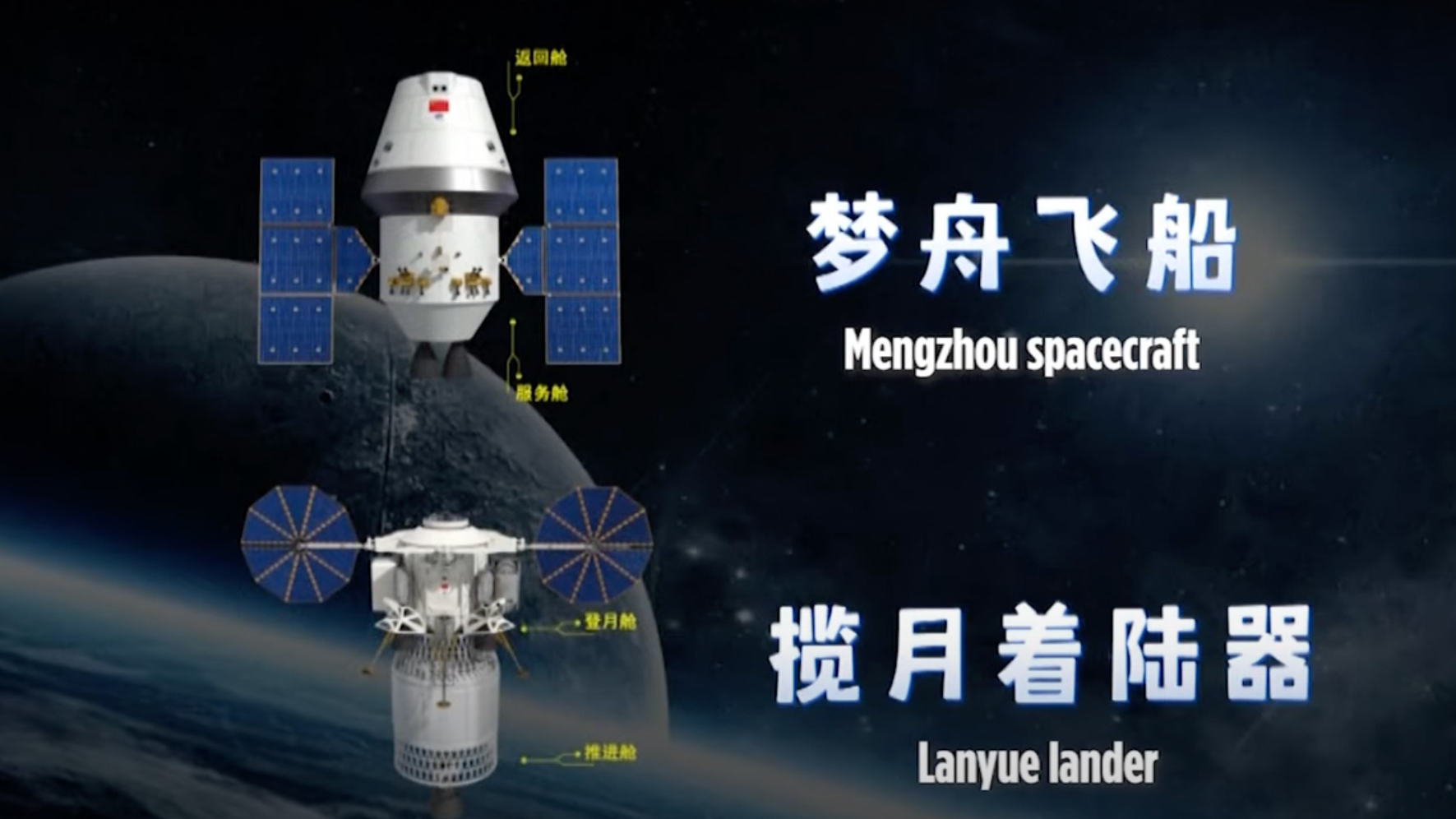

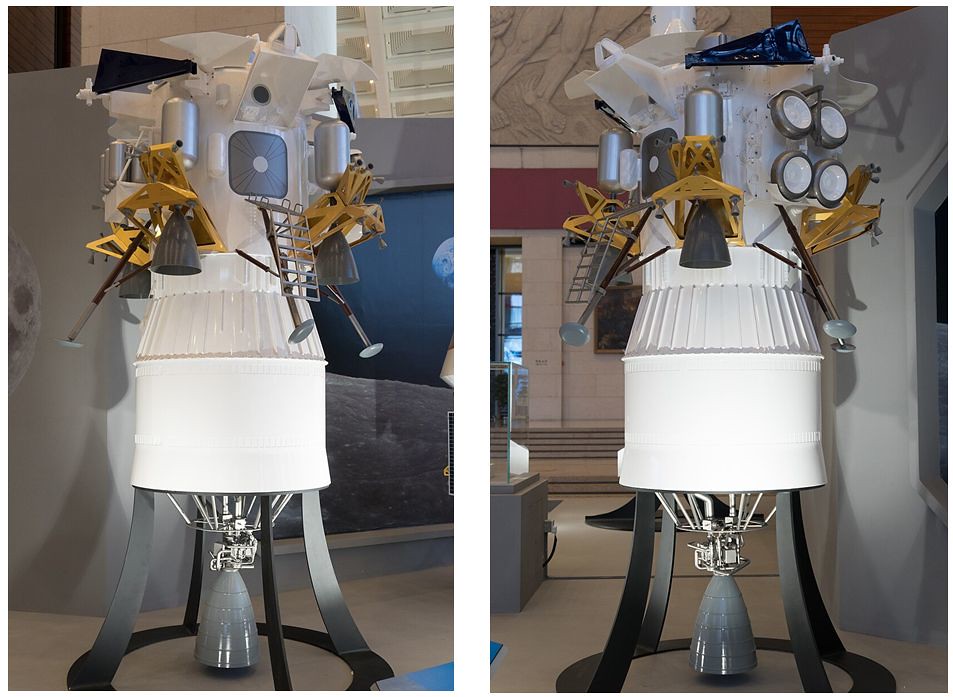
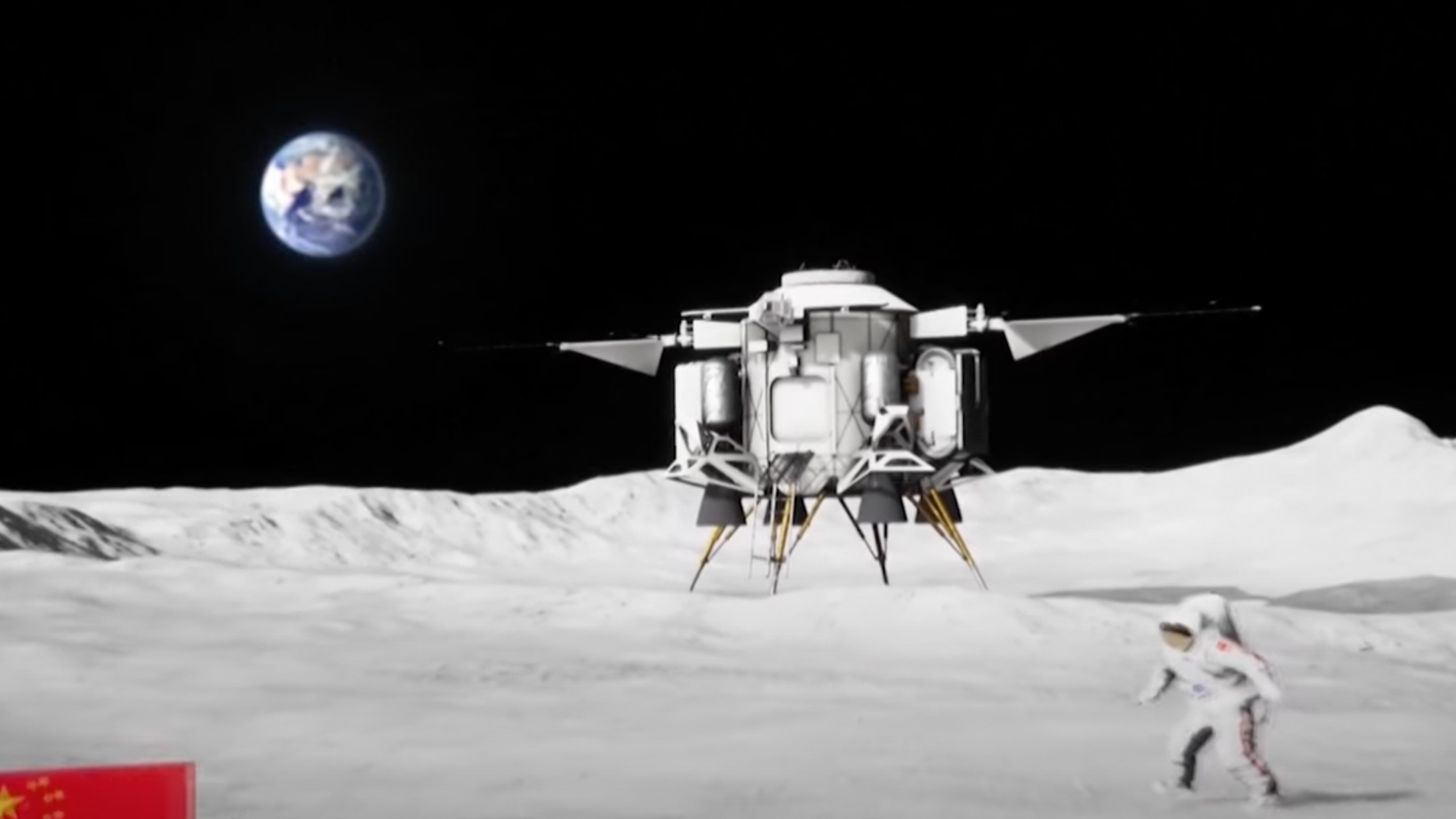
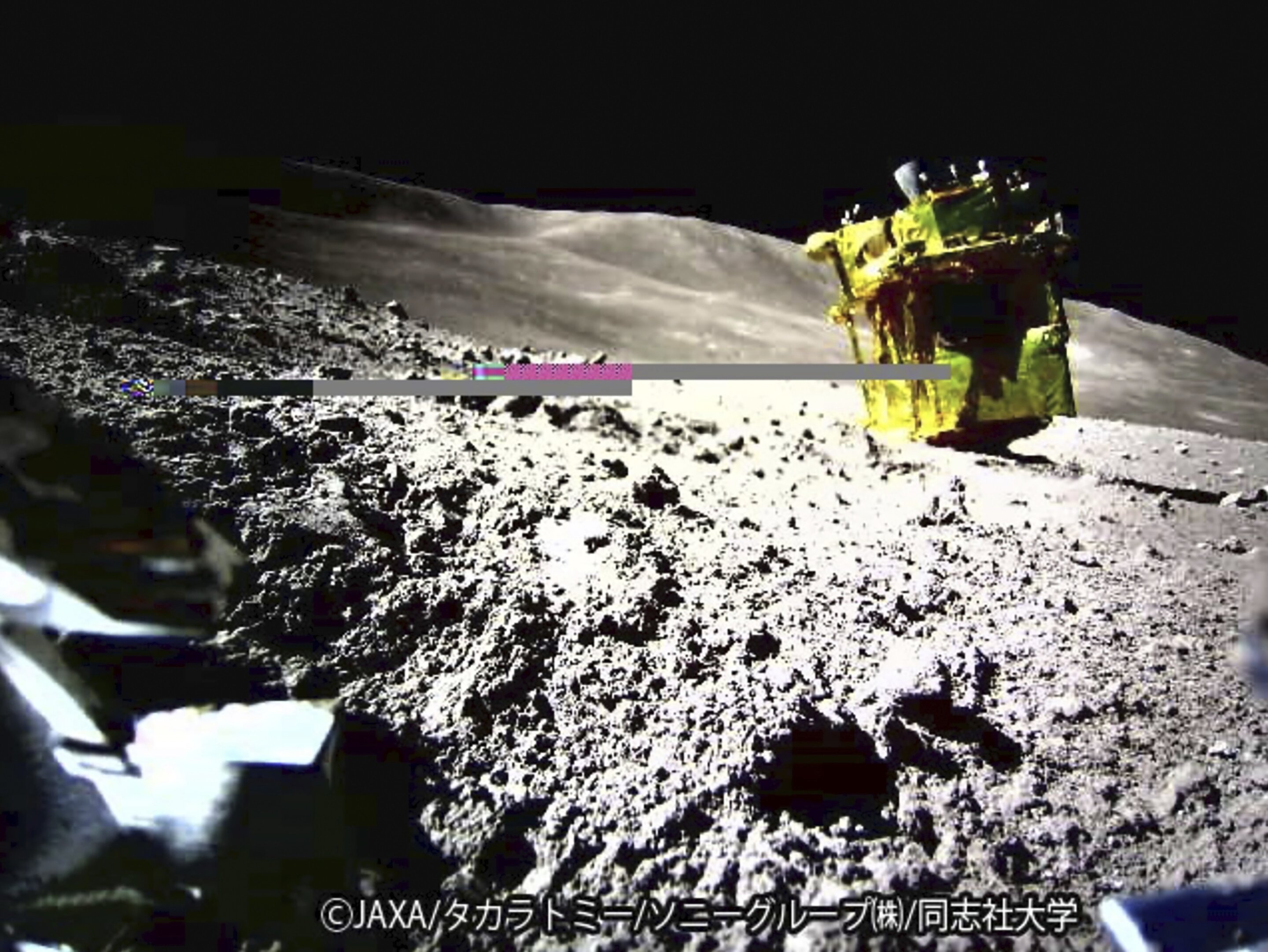

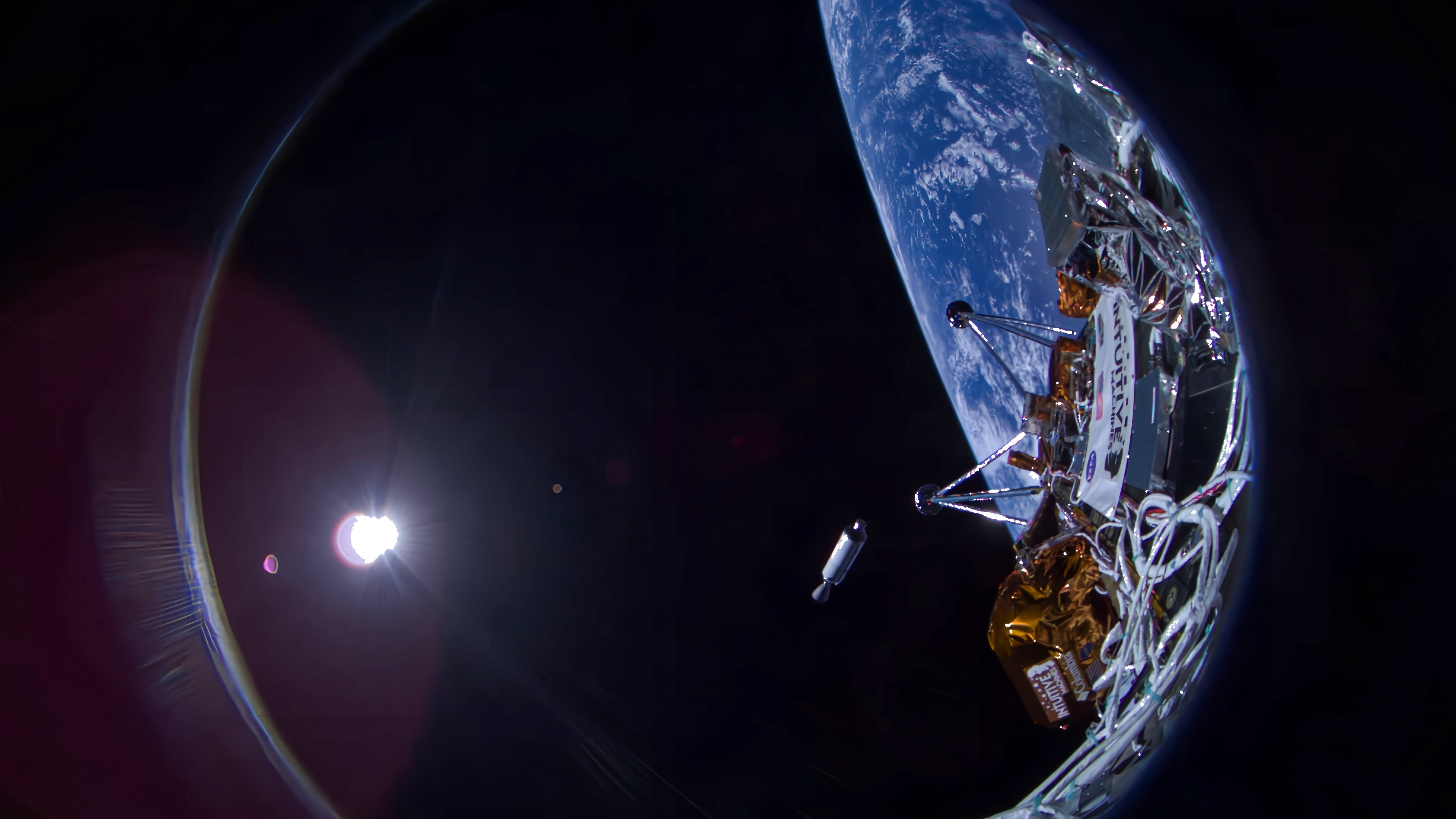
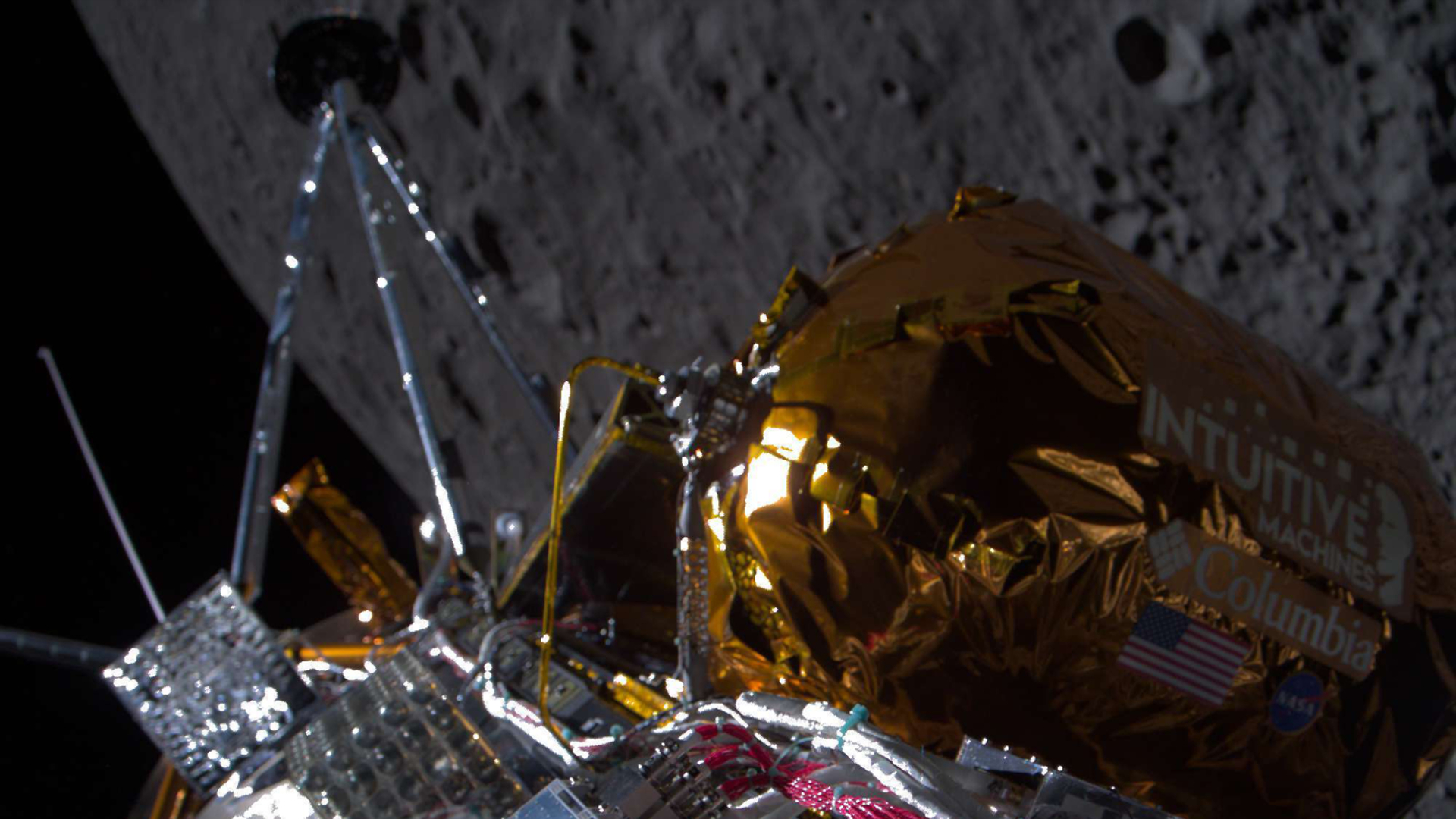
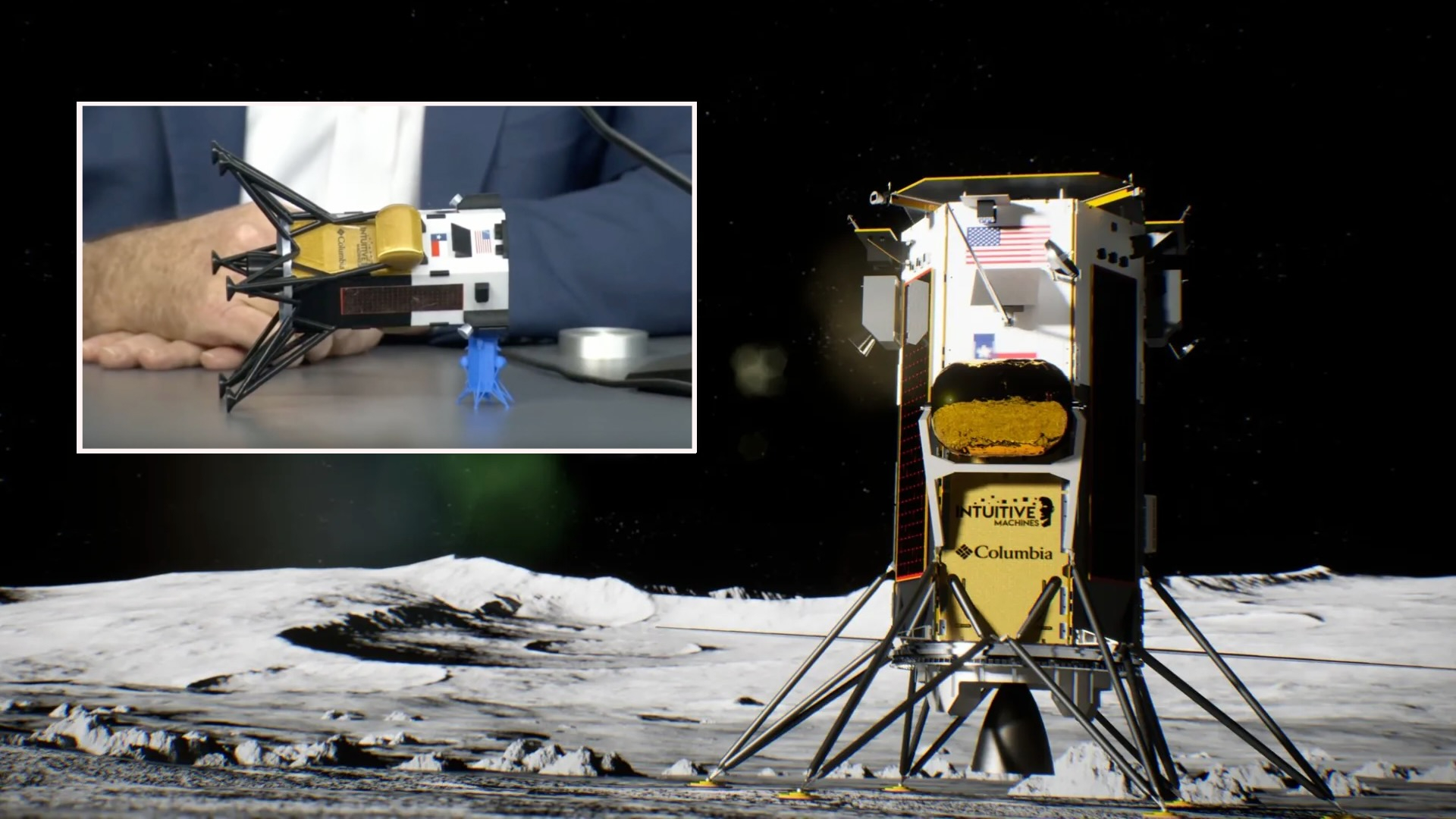
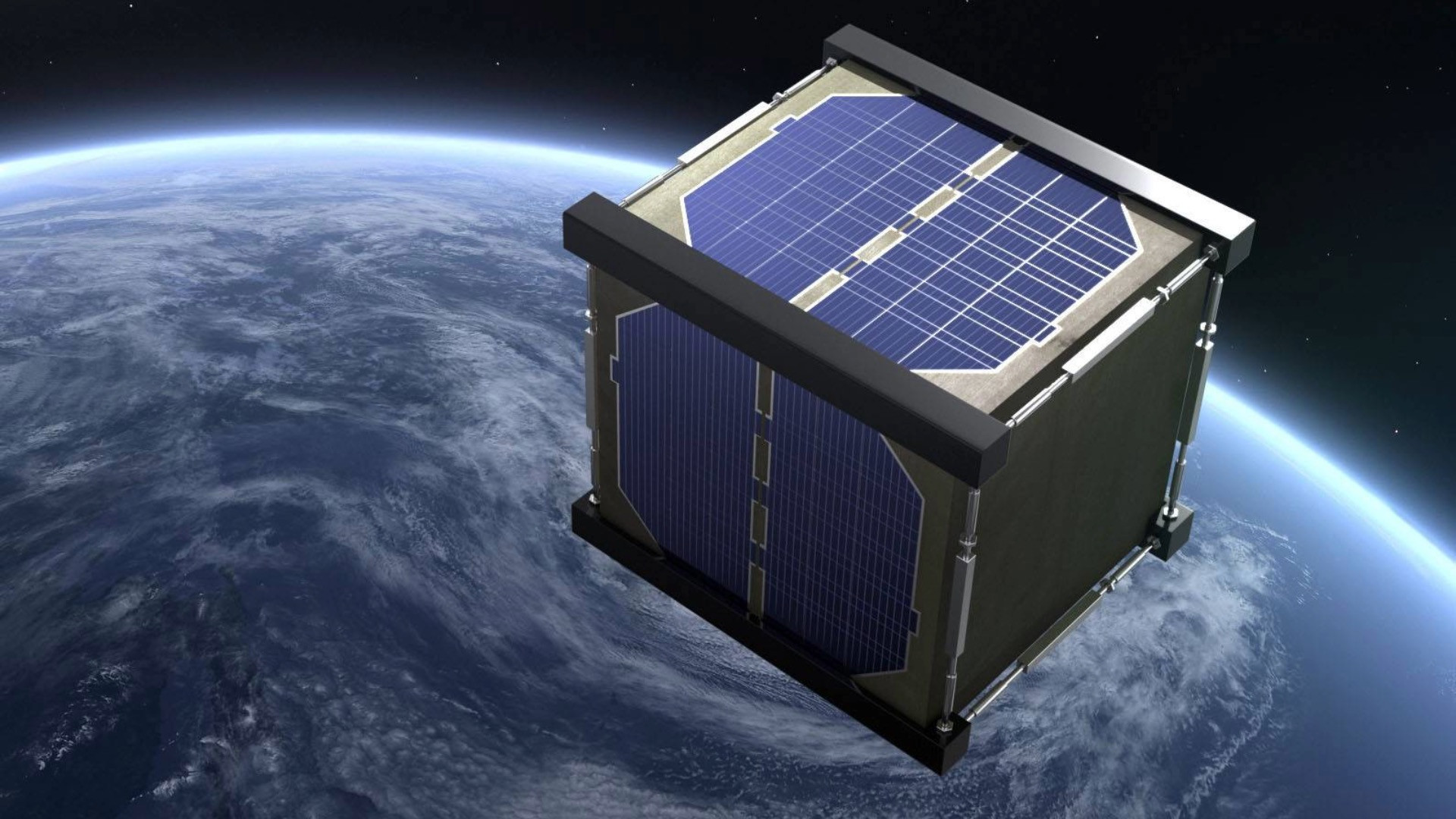
:focal(400x267:401x268)/https://tf-cmsv2-smithsonianmag-media.s3.amazonaws.com/filer_public/6a/53/6a53ca5e-436e-4aae-91fc-2ffdb3bd420d/img_interview_murata_03_1.jpg)
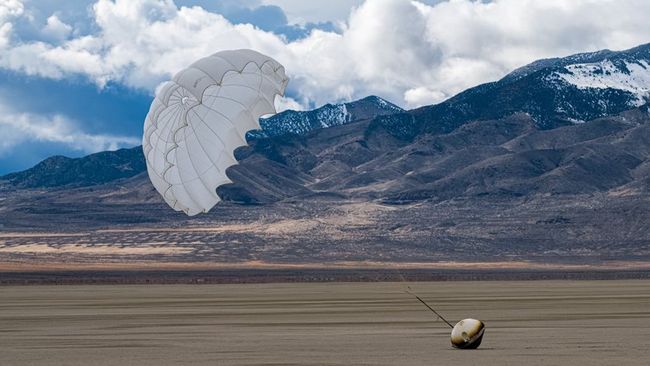
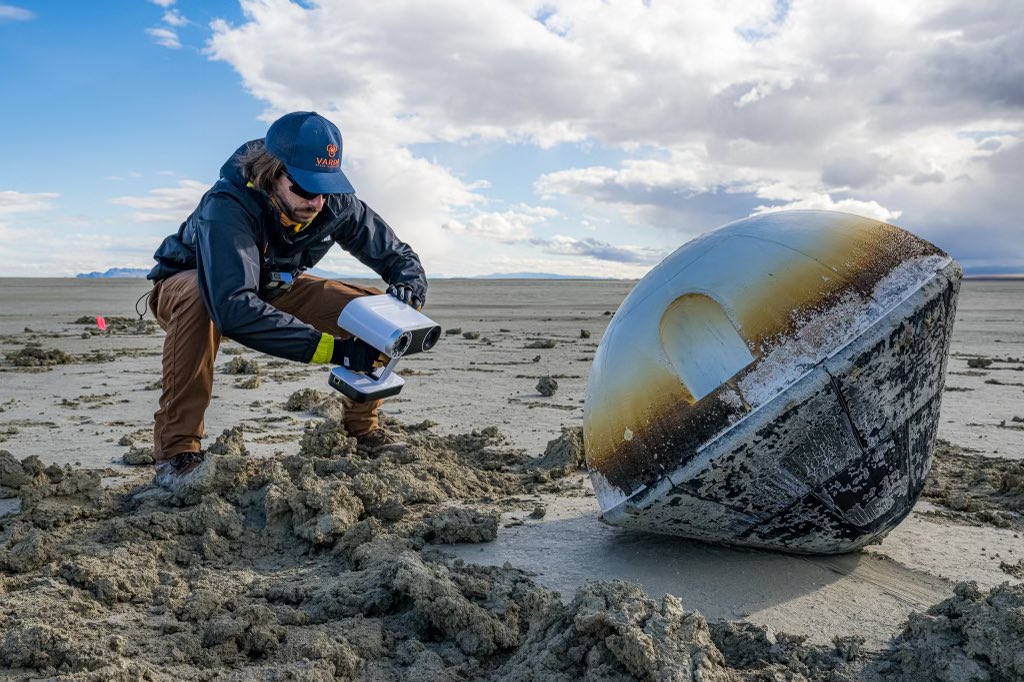
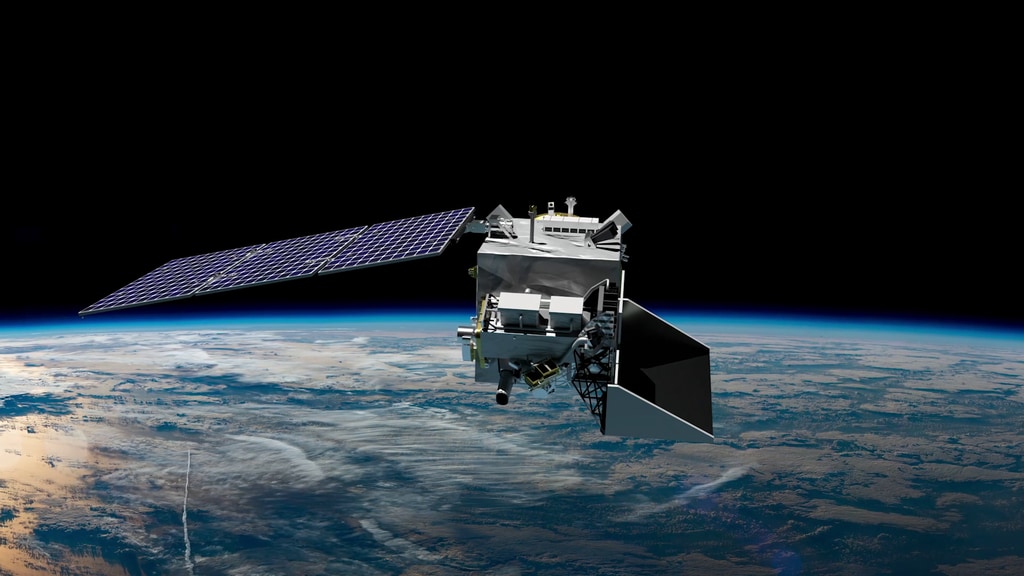

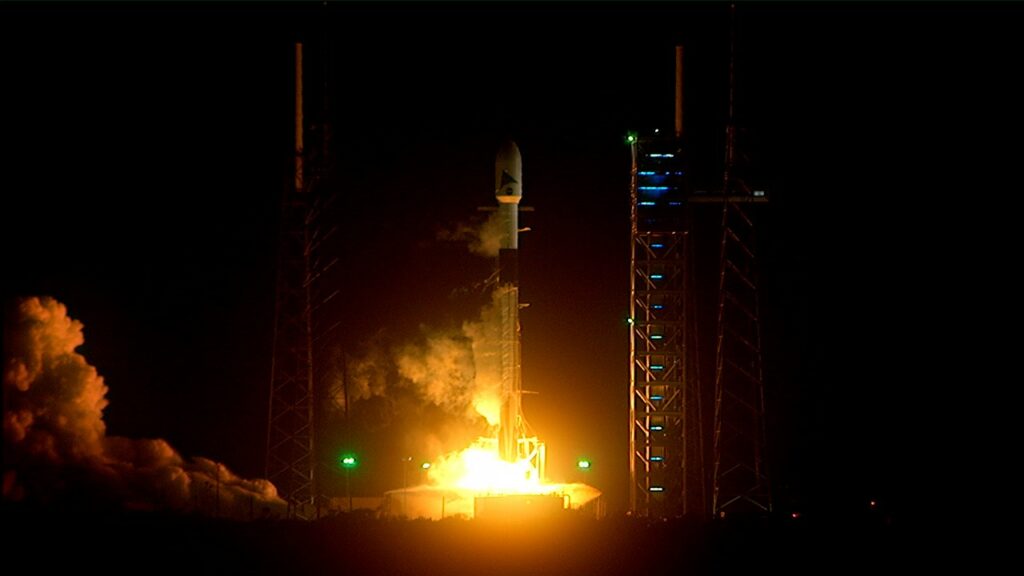


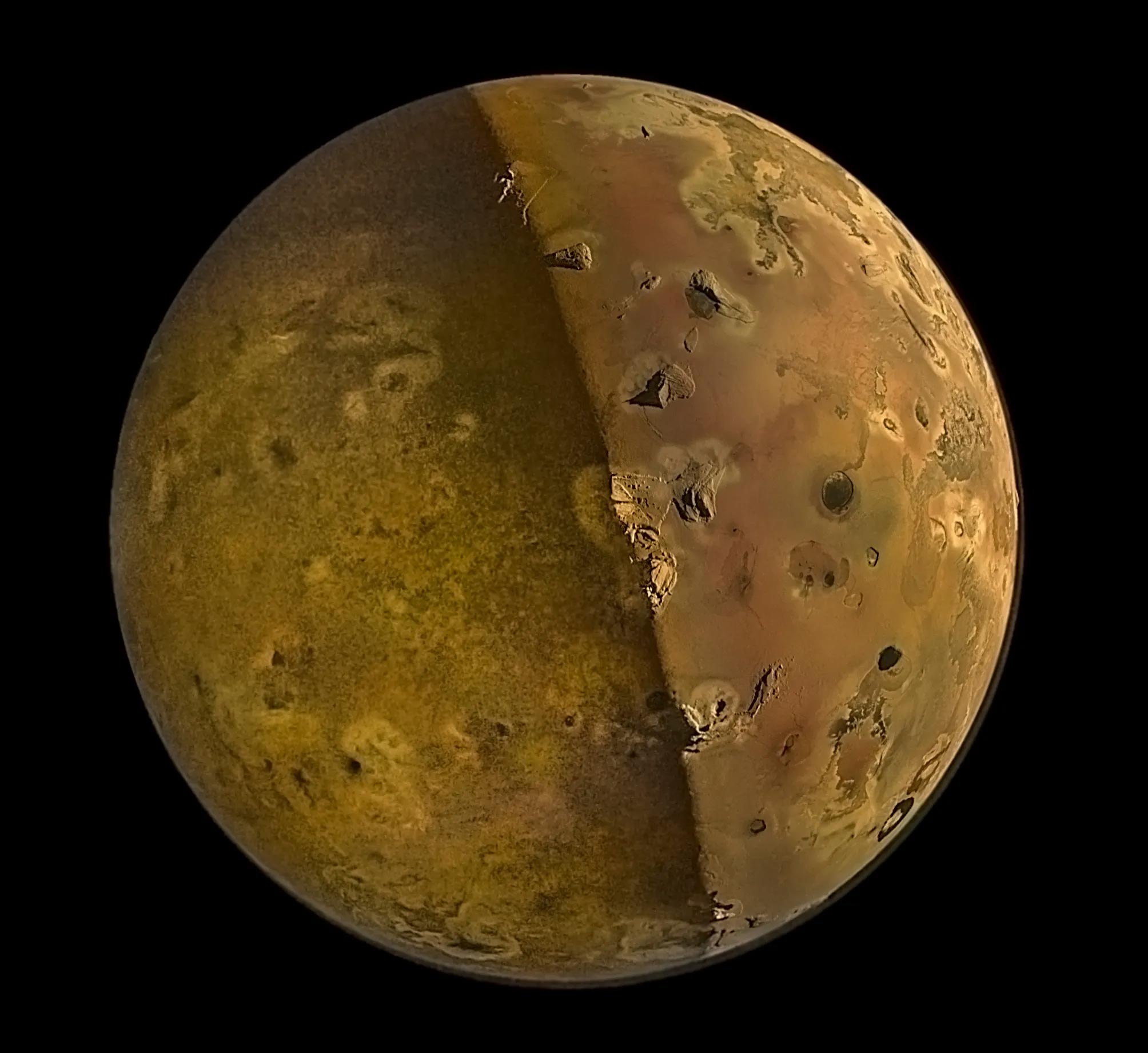



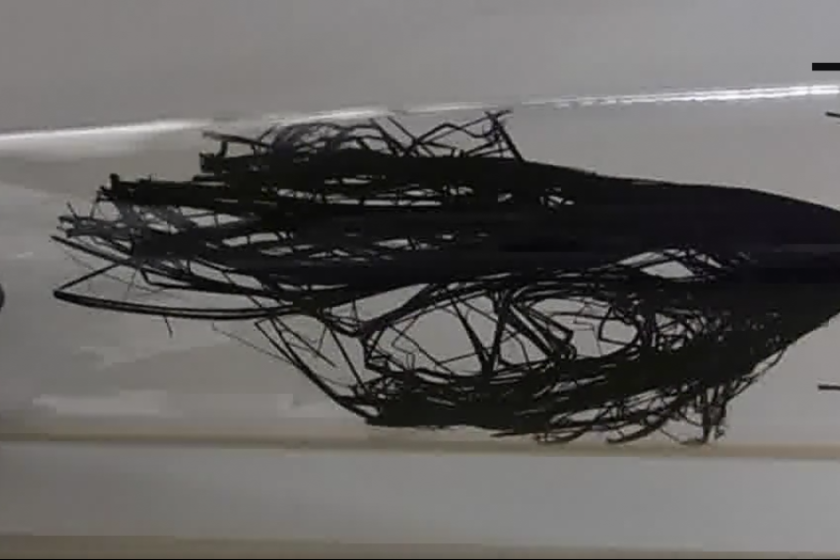


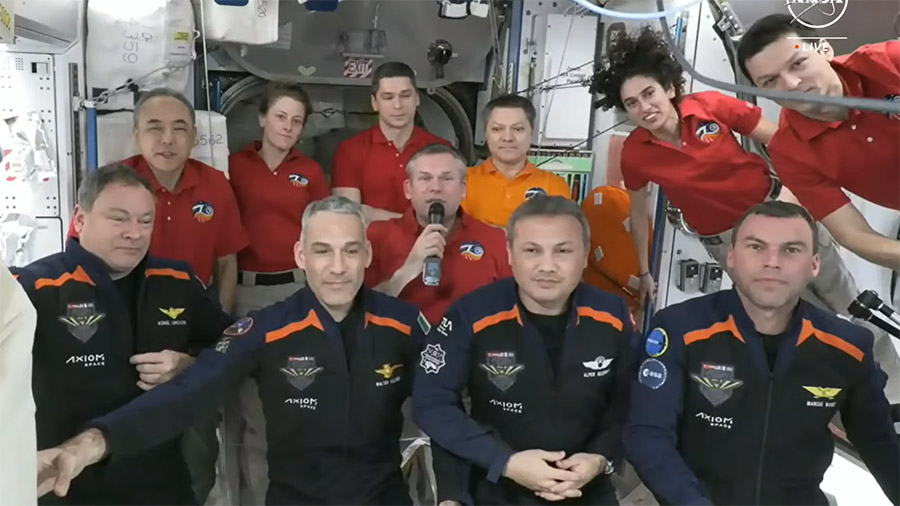
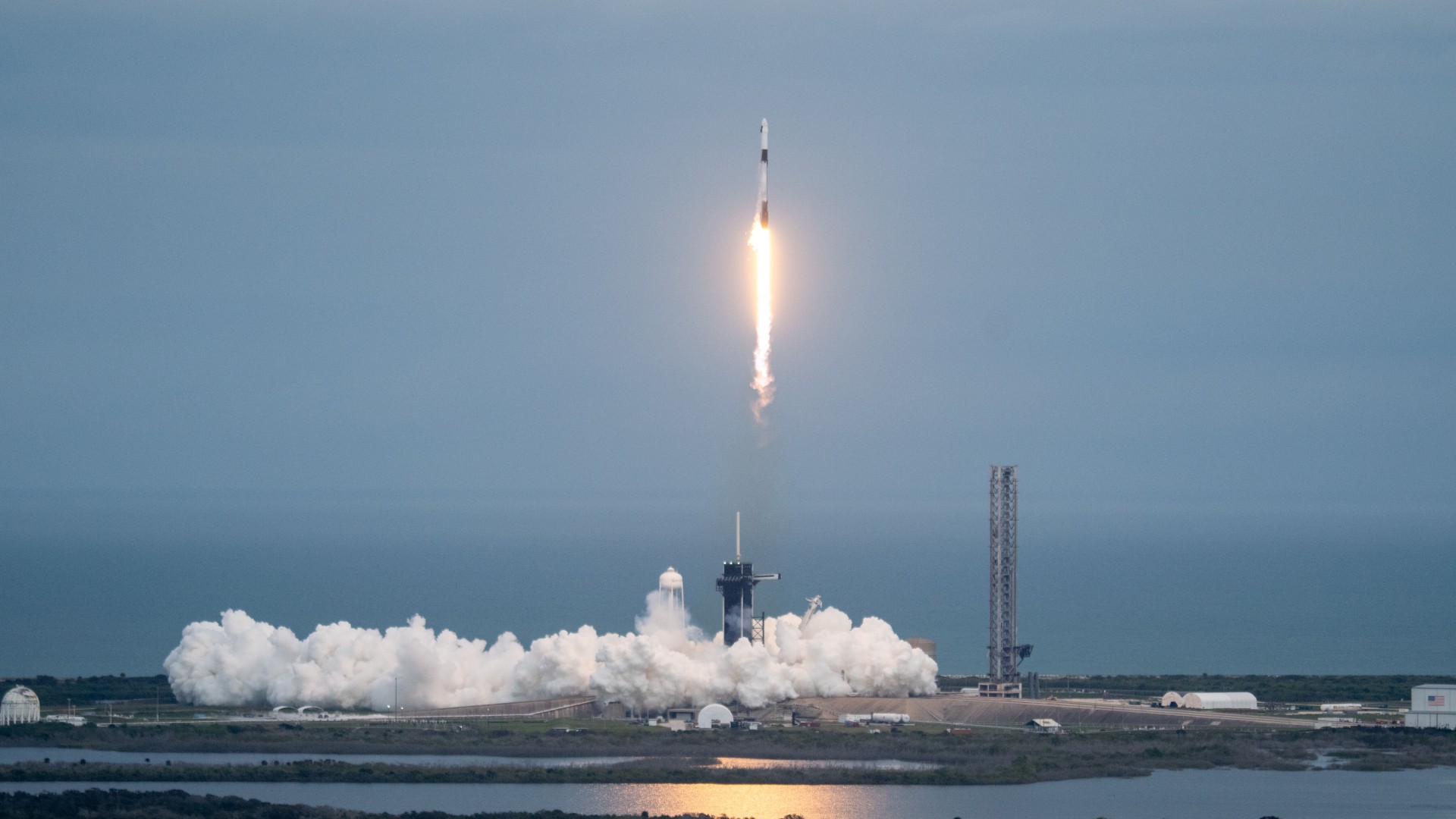
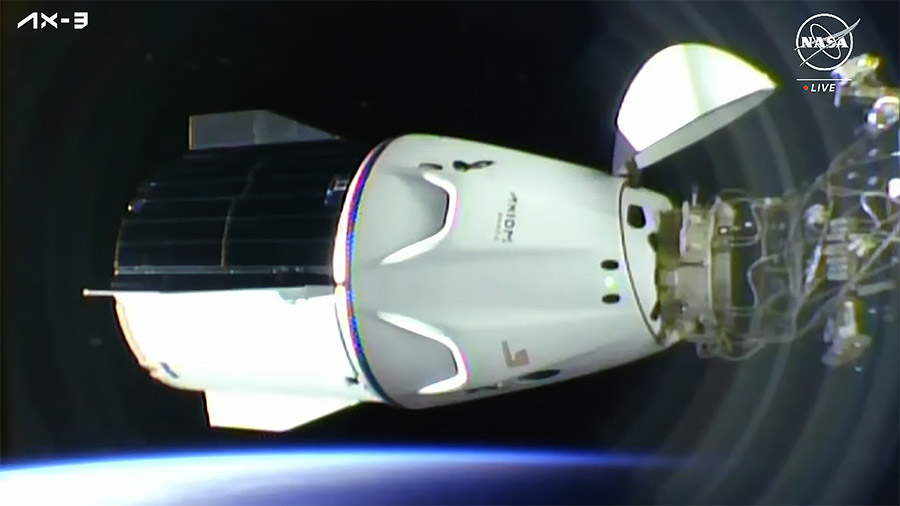

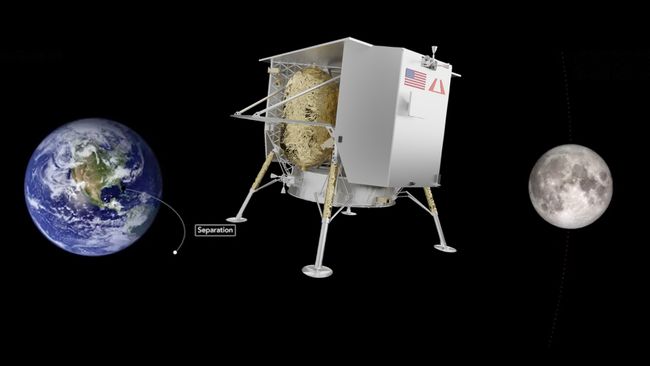
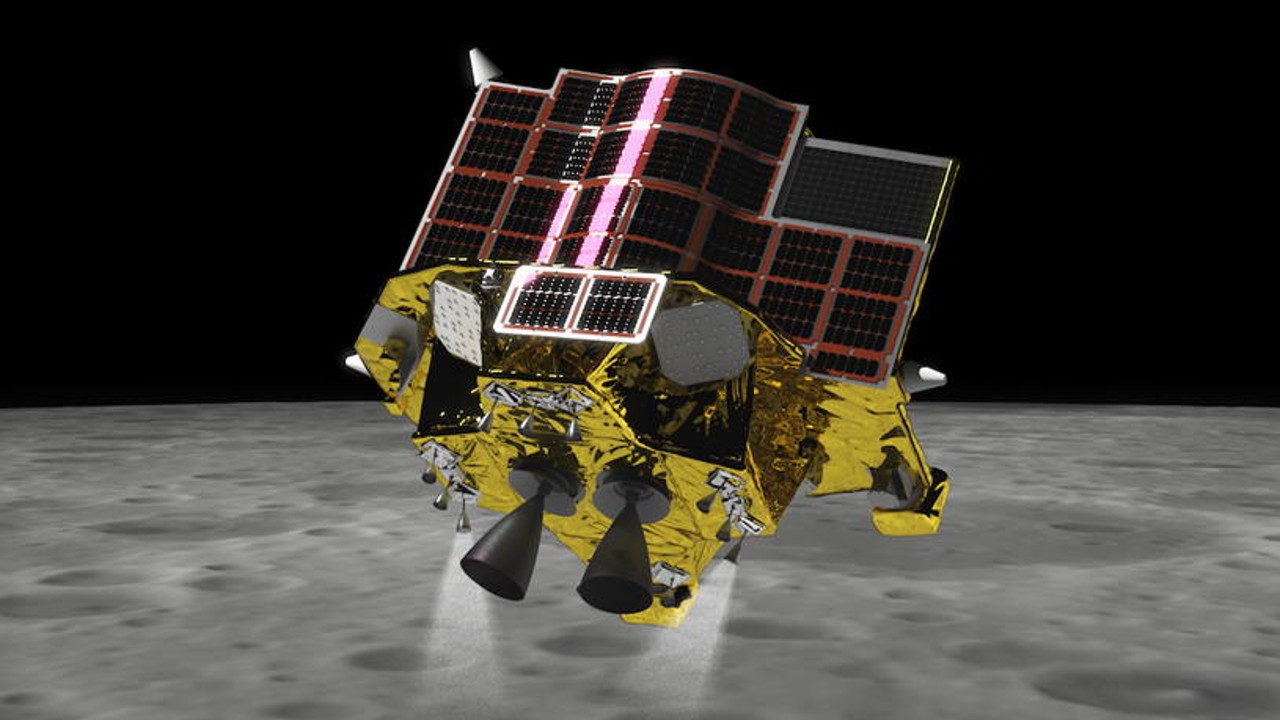

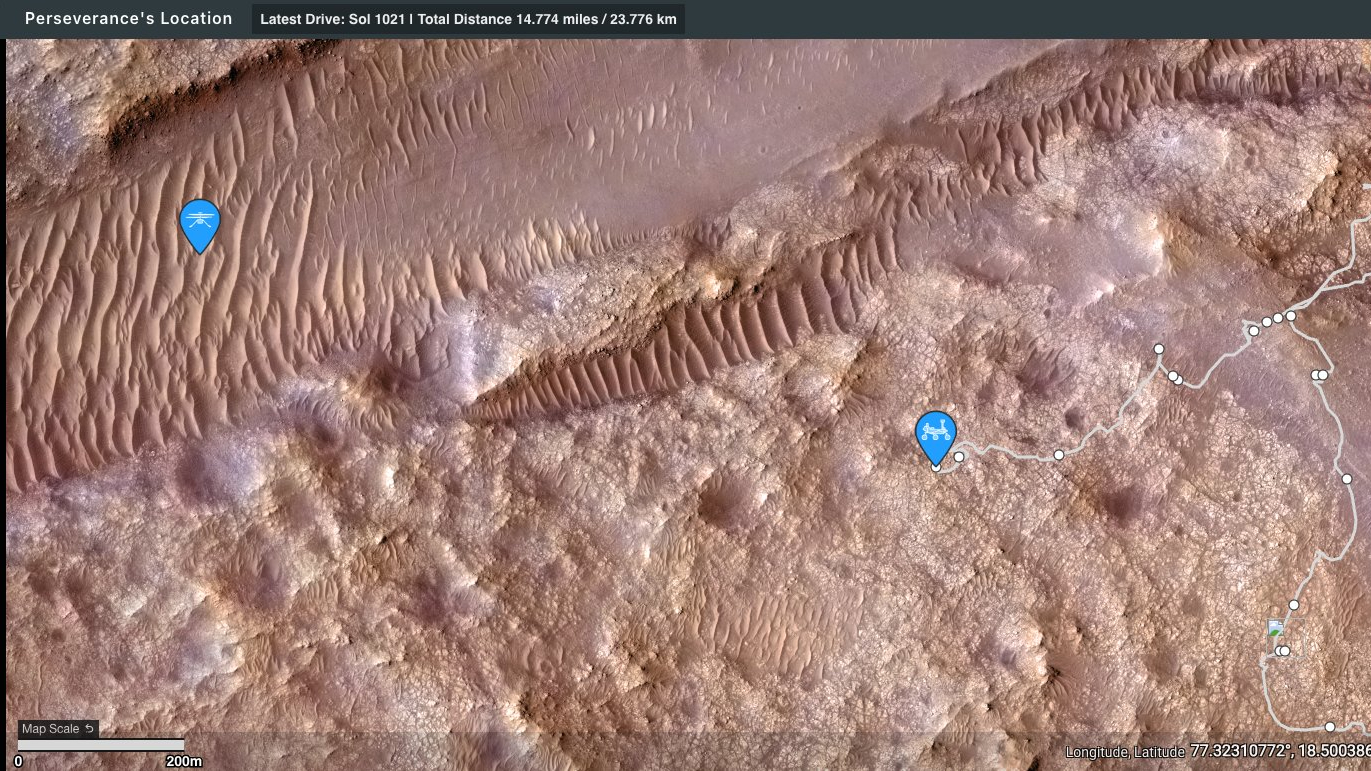
 Inara Pey: Living in a Modemworld