SL Go proved itself very popular among SL users running low-end hardware
On Thursday, April 2nd, it was announced that SL Go, the streaming service for accessing SL provided by OnLive, is to shut-down on April 30th alongside OnLive’s other consumer services. The reason for this is because OnLive has sold the IP and patents associated with the services to Sony Computer Entertainment.
Since the news broke, there have been numerous calls made for Sony to maintain SL Go as a service, including an on-line petition. However, as painful as it is, all such calls and petitions to Sony are unlikely to succeed, as I explained in a recent blog post.
In that article, I also considered whether or not the Lab might invest time and effort in offering something that might fill the void. At the time, I thought the answer to this would most likely be “no”, as the Lab seem to have enough on its plate already with Second Life and its next generation platform.
But the more I think about it, the more I feel that the Lab should endeavour to offer some kind of “SL Go replacement”.
One potential means by which they might do so could be via Amazon AppStream.
Obviously, there are issues involved in providing such a service beyond the physical provisioning. Anything which requires some form of external hosting is going to incur costs, for example. However, the flip side to this is it’s fair to say the SL Go has demonstrated that if users believe they are getting a beneficial service, they are willing to pay for it, providing the price is not prohibitively high.
Certainly, there are a wide range of potential benefits to be had from such an endeavour, particularly if implemented through something like Amazon AppStream:
It offers an easily scaled means by which the Lab could provide an “SL streaming service” to users on low-end hardware and those on mobile devices – something long demanded by SL users
It could provide the means by which SL could be accessed through web browsers – again, a long-desired means of attracting new users to the platform who might otherwise be put off by having to download and install the viewer
It obviously means that those SL users on low-end systems can enjoy the full graphical richness of SL in the manner LL would like to see all users experience it
It could help those preferring to run older operating systems – such as Windows XP – to continue accessing SL even after they might otherwise be unable to even install the viewer
It might even help the Lab map and test options which might be beneficial for their nascent next generation platform.
While developing such a service might not necessarily be easy, the Lab isn’t entirely without any experience in this area. As I and many others have pointed out, in 2010 they did experimenting with streaming the viewer, using the Japanese company Gaikai (coincidentally purchased by Sony Computer Entertainment in 2012), which delivered the viewer to web browsers, as shown in the video below. If there is anything remaining of this work at the Lab, it might possible to put it to work through something like Amazon AppStream.
That said, there is a lot for the Lab to consider in attempting to fill the forthcoming void that will be left by SL Go. And while I would not be at all surprised to learn they are already doing so, they might still require some encouragement to take things beyond just considering options. Something which might encourage them, or at least demonstrate to them that there really could be a worthwhile demand for such a service, could be for users to politely speak up.
One way to do this might be to add your name to the existing petition – I would hope someone at the Lab is keeping an eye on it.
Another could well be to leave a positive and polite comment on the subject following this article, as (and all ego aside) I do know eyes at the Lab pass over this blog (just as they do many others).
There is no guarantee that Lab will move to provide some kind of “SL Go replacement”, but on the other hand, as someone once said, nothing ventured, nothing gained.
On Wednesday, March 18th, Ebbe Altberg gave the keynote presentation at the 8th annual Virtual Worlds Best Practice in Education conference, which runs through until Saturday, March 21st inclusive, in both Second Life and OpenSimulator.
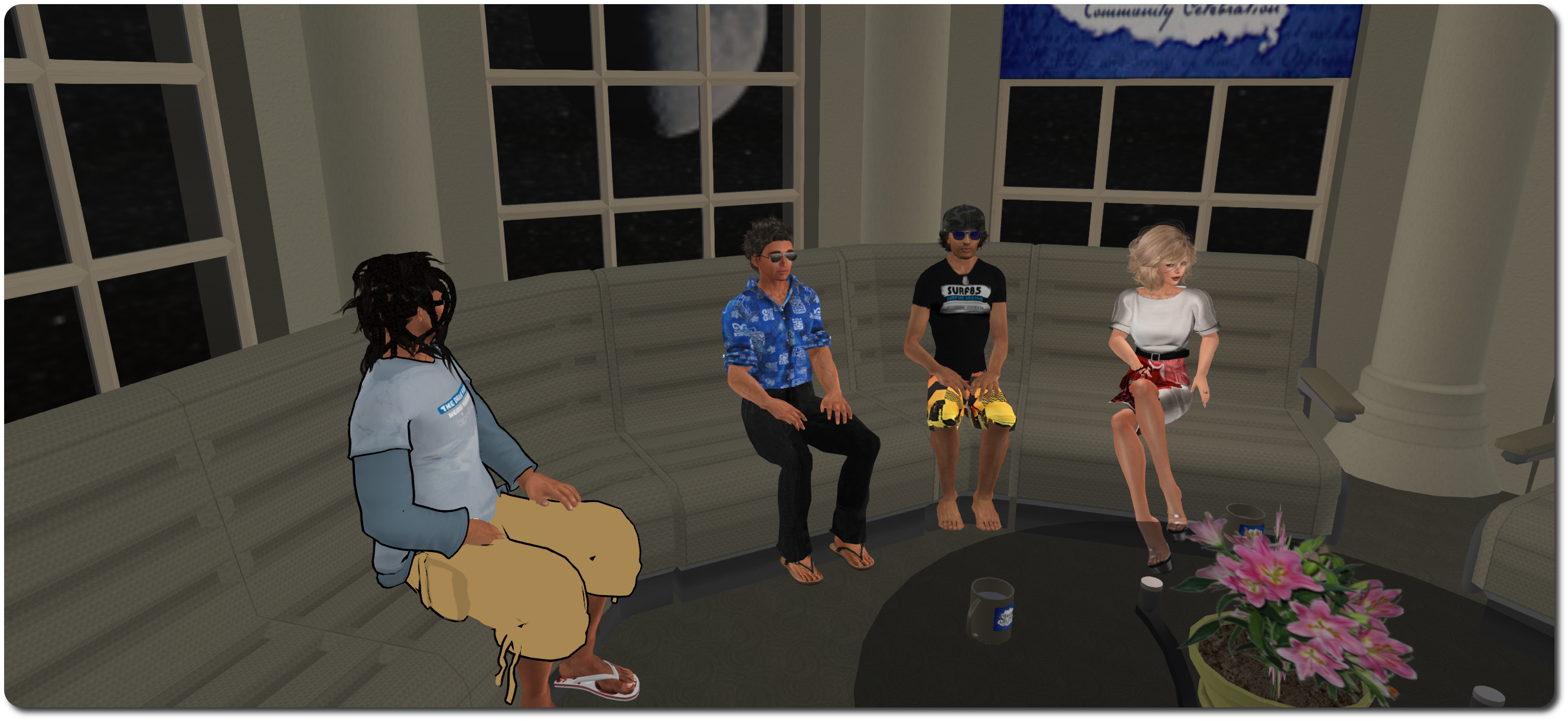
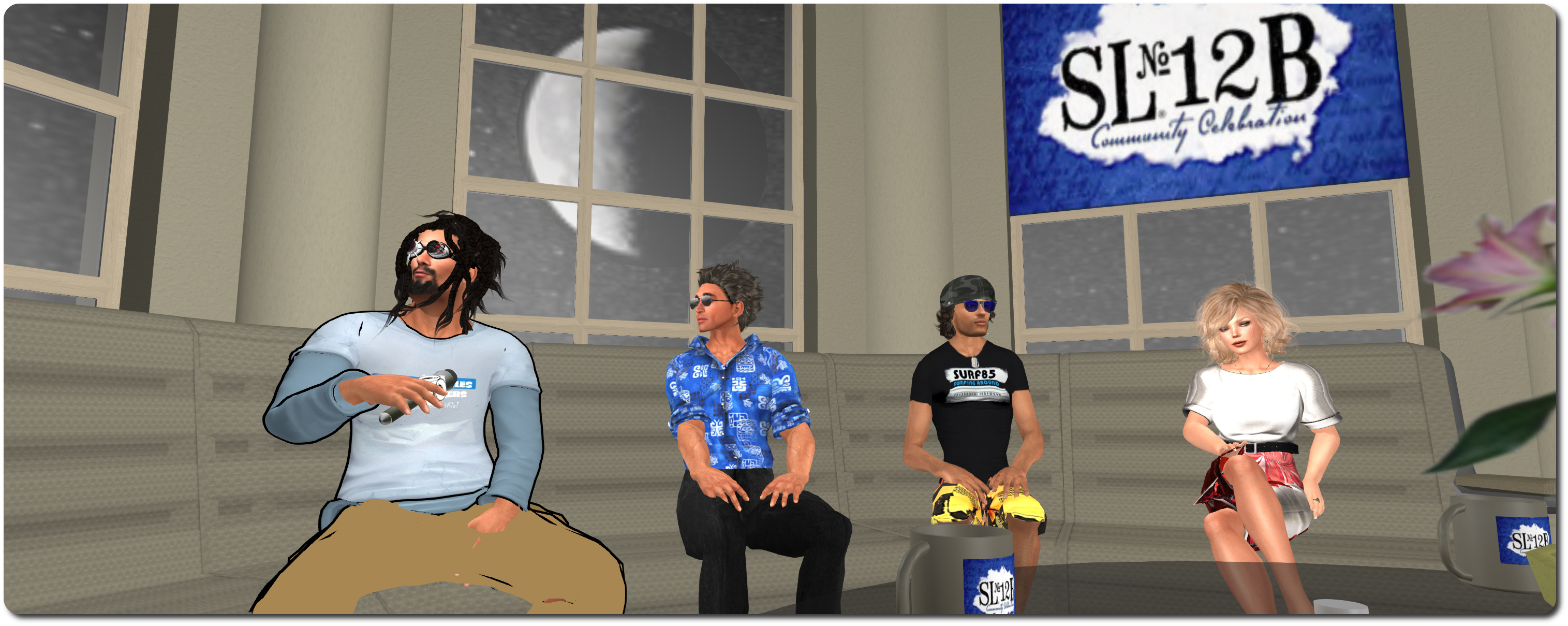
Ebbe Altberg: opening keynote at the 2015 Virtual worlds Best Practice in Education conference, March 18th
His key address lasted a little over an hour, in which he outlined the Lab’s approach to education and non-profits, provided some insight into what Lab’s future plans, and discussed further information on the Next Generation platform. Following this, he entered into a Q&A session, which ran beyond the main session time, switching from voice to text chat in the process.
The following is a transcript of his initial comments and review of the Lab’s relationship with the education sector, his overview of Second Life as it is today, a look to the future, and his concluding comments. I have produced a separate transcript dealing with his comments on the next generation platform.
As well as including the official video, embedded below, I’ve included audio playback of each part of Ebbe’s talk for those who prefer to listen while reading. Timestamps to both the audio segments and the video are provided.
[00:00 / 02:55] First off, I’m really, really happy to be back at the VWBPE. Last year, I was pretty much brand new at Linden Lab, and we’ve had a year since then, and a lot of good and interesting things have happened that we’ll talk about. Like you heard in the introduction, we’re going to leave plenty of time at the end for Q&A so that we can talk about all [the] things that are on your minds.
Changes at the Lab
[00:38 / 03:34] So, since last year there have been a lot of changes at the Lab, We have simplified the portfolio of products that we are working on. Since I was here last year, we’ve discontinued work on six products [actually five (that were known about): Creatorverse, dio, and versu, and Patterns and Desura].
The little “Dorito man” headed off into the sunset in October, as Patterns followed Creatorverse, dio and Versu in being axed from the Lab’s nascent product portfolio. It was followed in November by news that Desura had been sold.
[01:02 / 04:00] So we have a much more focused company now, and we’re focused on things that are all relevant to user generated content, either through Second Life, or blocksworld, or through this next generation platform you have yet to see but we’re working on very, very hard to bring to you all.
[01:21 / 04:30] So focus has greatly improved. The other thing I wanted to talk about is some of the improvements made in Second Life. Performance and quality has greatly improved over the course of the last year, with the CDN work and the HTTP pipelining work some of you may have heard of, which should make access to worlds snappier than it used to be. i still feel we still have a lot to do to make it even more performant, but we’ve made great strides in that area.
[02:04 / 05:01] We also brought you the ability to experience Second life with the Oculus, so you can get sort-of an introduction to virtual reality if you have a chance to get your hands on an Oculus device.
The Lab’s Relationship with Users
[02:19 / 05:18] And we’ve also, I think, made a lot of improvements in how we market ourselves, how we’re connecting with you and many other customers and different audiences. I would say that when I showed up here a year ago, the relationship between the Lab and customers and partner was not great; and I think that’s improved greatly. We’ve spent quite a bit of effort, particularly Pete and myself, but also many other Lindens, socialising with you all, talking to you about what we can do better, how we can do things differently, better understand what you’re trying to accomplish. and so I think today, the relationships between us and you are much improved.
The Media, SL and VR
[03:19 / 06:18] We’ve spent quite a bit [of time] talking to the press; Pete and I have spoken to many. I would say a year ago, that was a difficult thing to do; Second Life was seen as old and not particularly relevant. Since the, we’ve had a tremendous boom and boost in all things virtual reality. It sort-of kicked-off with the big acquisition Facebook did when they acquired Oculus for two billion, and when the world started to realise that virtual reality was something that could be achievable much sooner than people [who] had been working in this area had previously thought. So there has been a massive acceleration in people’s mind of what virtual reality can and will do.
[04:16 / 07:15] So now it’s pretty easy to find people who want to talk to us, whether partners or press, about what we’re doing, and people are realising that our experience running Second Life is actually extremely valuable now that virtual reality and virtual worlds are all a sort-of hot topic again. So it’s very exciting for all of us to have the rest of the world sort-of get re-introduced and re-energised by what’s possible in virtual reality.
The Lab and the Education Community
[04:50 / 07:50] We’ve also spent quite a bit of time focusing and understanding education specifically in the context of Second Life, and also understanding it so that we can do a better job with our next generation platform to meet your needs in even better ways. And it’s absolutely clear that the capabilities of 3D and virtual experiences such as visualisation and simulation, and the ability to interact within those environments is an extremely strong component of how we can improve learning and teaching.
[05:33 / 08:32] We see evidence over and over again of how it’s proven that people can more quickly understand subject matter, content and experiences much better and much faster with much better retention of information, if they can experience something in a virtual context where they can do things, not just read or watch.
300+ Organisations and Success Stories
[06:00 / 08:58] We have well over 300 organisations that are taking advantage of our discount programme for educators and non-profits. I think there used to be more than that in the past, and we’re looking forward to making that grow back as we do a better job of meeting your needs.
[06:26 / 09:24] And we continue to hear over and over again just great stories from the community of educators about what they’re doing in Second Life, the success they’re having in Second Life to teach and learn all kinds of subjects from languages to chemistry to economics to health. The stories just keep going and going, and that’s really motivating for us to hear these success stories.
[06:56 / 09:54] And we started a thread on our forum, and I know there’s quite a few stories elsewhere out there, especially on [the] VWBPE.org site. so please continue to share these stories and successes with us; it helps motivate people, it energises us, and also helps us learn what we can do to help you be even more successful.
Collaborating with the Community and Prioritising Needs
[07:25 / 10:24] Like I said, we’ve spent quite a bit of time collaborating and communicating with various groups in the educational community in Second Life, and that’s absolutely great. It’s a great group of people to interact with, and often times I’ve asked these groups to work together to come up with the things that they find [as] the most important things for us to work on.
[07:54 / 10:53] Sometimes it can be difficult for us to filter all of the ideas and wishes and needs from a community as large as yours, and when you take the time to collaborate among yourselves to further refine priorities and needs for us, it helps a lot. We have to do less guesswork to understand what really matters to you all.
[08:19 / 11:17] I’d particularly like to thank Serenek Timeless, Aldo Stern, JJ Drinkwater Lorelei Juno who, at the end of last year took that request to heart and talked to … more than 60 educators to come up with a sort-of prioritised list of issues and concerns and opportunities for us to think about and focus on to help you all. so I’ll speak to some of these, and what I don’t speak to, obviously feel free to ask questions about afterwards in the Q&A session.
Platform Pricing and Discounts
[08:57 / 11:56] One thing that comes up quite frequently, and probably because we’ve made mistakes in the past, is the question about pricing. I just want to make it very clear that we have absolutely no intention of repeating the mistake we did in the past of removing the discount or increasing the pricing.
[09:17 / 12:15] So we have absolutely nointention whatsoever to make it more costly for you.
[09:22 / 12:21] We spend no time thinking how to make it more costly for you. We spend actually quite a bit of time thinking about how we can make it less costly for you; and it might be difficult to do in the context of Second Life, but we will try. But as we think about the next generation platform, this is something that’s thought about from the beginning, about how we can make it more economically feasible for more people to participate.
Content Creation and Creators
[09:51 / 12:49] Another thing that comes up is the ability to easily create content. you know, simplified building and scripting capabilities so that all users can create something.
[10:07 /13:06] We do think of creators in sort-of three categories of users that we believe we have to meet the needs of. You have the sort-of artisan or professional people that can create some really high-end experiences. We have the hobbyist, which I would say is where there’s a lot of them in Second life, who don’t necessarily have a formal background in 3D or animation or CGI, but are able to use Second life to create incredible things.
[10:43 / 13:41] And then we have the vast majority of people, who we call “customisers”; they don’t necessarily create original content, but they take bits and pieces by shopping or finding or being given items that they can then place, whether it’s to get dressed or to make their space laid-out just as they like it. So they don’t necessarily make the chair, but they put the chair where they want it. It’s sort-of like real life; most of us don’t build the clothes and cars and homes that we live in and use every day. We’re customisers, most of us; we get dressed in clothes that others make, and that’s probably how it’s going to be in the virtual space as well.
[11:30 / 14:28] We do want to make it as easy as possible for people to create content and contribute content. and I don’t expect there to be huge changes in Second life in this area, although we are working to improve the ability to import content from the outside world.
[11:50 / 14:48] As we think about the next generation platform, which I will talk about more later on, we’ll make a number of difference I’ll speak about then. But the scripting language will change, support for third-party will be very important to us; but I’ll talk about that in a bit.
New User Experience (1)
[12:08 / 15:06] Another thing [is] an improved and customisable new user experience, including entry points. This is something I’ve spoken about before. We feel it’s important to make it very easy for the creators of an experience to be able to attract an audience to come directly to that experience without the need of having to go through some generic front door to get going.
The Lab wishes to move away from the idea of a centralised, generic new user experience within the next gen platform, to something over which experience creators have more control – this might filter into Second Life
[12:39 / 15:37] And so we will continue to think about that in the context of Second Life, of how can we bring back notions we’ve had in the past of community portals or some such, and also how SL URLs, or SLurls, can be optimised to be [a] more efficient way of bringing users directly into a particular place. I would say the SLurl today is kind-of a crooked path to come on-board from from the outside world.
[13:10 / 16:09] So we want to improve all these things, so it is easier for all of you to bring users into the experiences you want them to come into.
On Wednesday, March 18th, Ebbe Altberg gave the keynote presentation at the 8th annual Virtual Worlds Best Practice in Education (VWBPE) conference, which runs from March 18th through 21st inclusive, in both Second Life and OpenSimulator.
Ebbe Altberg: opening keynote at the 2015 Virtual worlds Best Practice in Education conference, March 18th
His key address lasted a little over an hour, in which he outlined the Lab’s approach to education and non-profits, provided some insight into what Lab’s future plans, and discussed further information on the Next Generation platform. Following this, he entered into a Q&A session, which ran beyond the main session time, switching from voice to text chat in the process.
The following is a transcript of his core comments on the Lab’s next generation platform. These commence at the 31:20 mark into the official video of the event, although obviously, mention is made of both in reference to education earlier on in his presentation, as Ebbe discusses education, issues of accessibility, etc. I’ve included audio excerpts here as well, for further ease of listening to his comments whilst reading. Time stamps to both the audio tracks and the video are supplied.
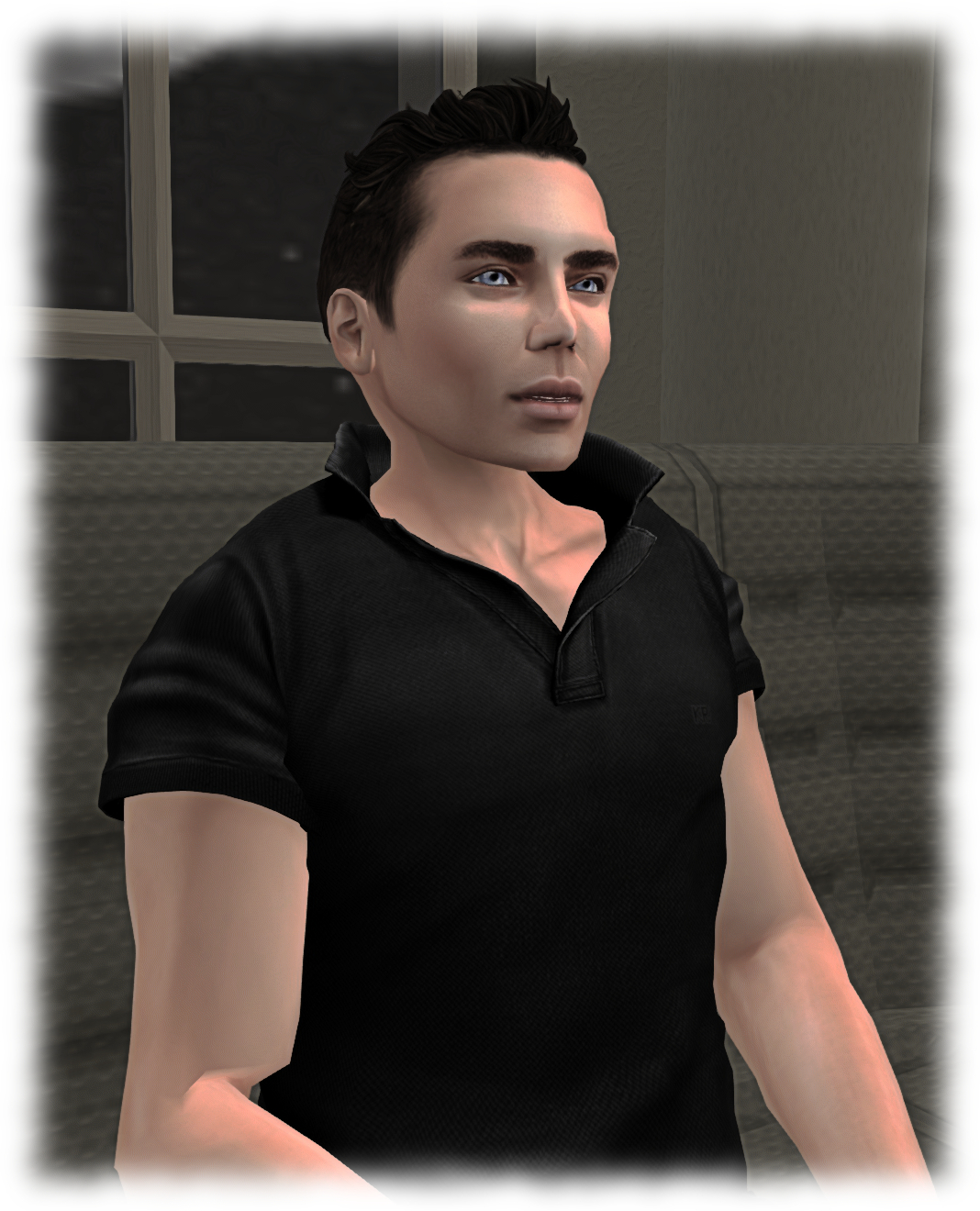
Ebbe Linden as he appeared in-world at the VWBPE 2015 conference
On the Name
[00:00 / 31:20] So, the future platform for virtual experiences. We’ve said that the next generation platform, we still don’t have a name for this thing; we have a code name internally, but we don’t want to leak that out or use that, because that could just be confusing and distracting, and it’s probably going to change soon anyway. So we just refer to it as “the next generation platform”.
[00:21 / 31:42] We do notrefer to it as “SL 2.0”, because that might imply a little too much linearity, and we don’t want to necessarily constrain ourselves by the past; but we also want to obviously take advantage of, and leverage, our learnings from the past.
Progress to Date
[00:39 / 31:38] But the progress is going every well. I would say we’re about 8-9 months in on working on this; I would say the last six months have been absolute, full-on with a big crew. We’re talking close to 40 people or more; probably 30+ just engineers, and then obviously a bunch of product managers and designers working on this product.
New User Discovery and Experience
[01:12 / 33:33] And there’s a number of areas where we think about it quite differently from Second Life, and we did spend quite a lot of time thinking about why did Second Life hit the ceiling, if you will. You know, many years ago it peaked at 1.1 million monthly users and these days it’s around 900,000, so it’s not a huge difference from the highs and where we are today,
[01:38 / 32:59] But why didn’t it go to five million, ten million, 100 million? And what can we do to solve some of the things we thought caused it to sort-of max out there?
The Lab is hoping their next generation platform will bridge the gap between niche and mass adoption. This may prove easier said than done
[01:52 / 33:11] One area where we want to think quite differently is discovery; how do I discover an experience? Today you pretty much have to be inside Second Life to discover an experience, and we want to make it a lot easier for people to be able to discover an experience from the outside. So that you can create an experience, and [people can] much more easily find your experience and enter your experience without having to necessarily at that point being aware of the notion of this platform or what other types of things are available to them. They can discover those as they go along. Make it easier for you to bring your audience directly into your experiences.
Platform Accessibility
[02:36 / 33:55] Accessibility. Today, when you leave your PC, you pretty much leave Second Life behind, [so] what can we do to make sure it’s available on more platforms? It’s obviously getting more complicated now with all these VR platforms, so what used to be PC, windows and Mac, which we support today; and then mobile, which you can get access to today if you use a third-party service like SL Go or some other clients that support mobile.
[03:10 / 34:29] But we want to think about mobile as something we can support form the beginning; but again, the number of platforms across mobile, PCs and VR … [there’s] more and more of them. so it’s tough to keep up. So we are building a next generation platform from the ground up to make possible for us to take advantage of all these different platforms.
Scalability and Creativity
[03:37 / 34:57] Scalability. This is a really important one; an event like this highlights it. There’s a tremendous amount of effort that goes into putting on a meeting like this with just a couple of hundred people in-world. We have to put together four corners and you have to do a lot of work, and it’s still creaking at the seams as we speak, to put something like this on.
[04:06 / 35:25] We want [with the] next generation platform to make the size of an event like this to be a trivial exercise, and then figure out how, with various techniques, to make it possible to do events like this for tens of thousands of people.
[04:26 / 35:46] That’s one way to think of scalability: how do you get more people in a region, how do you get more people to be able to participate in an event at the same time. but [there’s] also the scalability for creators. How do you make it possible for creators to not only be able to reach a larger audience, but also make more money, too.
[04:44 / 36:14] Take the classroom that Texas A&M put together for teaching kids chemistry. The developers of that experience of teaching chemistry, they probably did as a one-off, for some fee, job for Texas A&M to create that classroom. When the classroom is used by students at Texas A&M, you know, 20 students, whatever, then that experience is fully in use.
[05:22 / 36:41] What if that developer could have an unlimited number of copies of that experience to rent out or sell, and every institution could use that virtual classroom all at the same time? That makes for a much more appealing prospect for a creator of an experience, and gives them a greater opportunity to monetise their experience. And then we’ll get more high-quality content creators introduced into the economy, and then everything sort-of heads upwards. So that’s something we think about a lot.
Quality and Ease of Use: Physics, Avatar Design, Shopping
[05:56 / 37:16] We also think about quality. Quality is a range of things: ease of use, quality of physics, lighting, basic performance of how smooth are things, how easy is it to do things, how natural an avatar can we make.
[06:21 / 37:41] The skeleton system in the new avatars we’re working on are way, way, way, more complex than what we have in Second Life.
[06:29 / 37:48] How can we make it easier for people to shop and get dressed and do these types of activities with much higher visual fidelity at the same time. So we think a lot about that.
Revenue Generation for the Lab
[06:46 / 38:05] And then monetisation – the way we [Linden Lab] monetise. I’d say our business model is a little be strange in Second Life today. We charge you a lot for land, and then we charge you almost nothing for all of the transactions that happen in-world. So, I’ve said this before, but generally we think about how do we lower our property taxes by a lot and at the same time, we’ll have to raise sales taxes to make some of the difference.
[07:15 / 38:35] And then also how can we build a platform that [is] technically less demanding, so that it costs us less to operate all of this content that we’re running all of the time, so that we can have a lower barrier to entry, and make it possible for people to come it and create some really interesting things at very low cost. And so that’s a big focus for us. How can we make less money per user, almost, but have a lot more users, is kind-of the core of the puzzle we’re trying to solve for.
At the end of 2014, Mitch Kapor stepped back as an active member of Linden Lab’s board of directors.
While no formal announcement was made at the time, I recently noticed Mr. Kapor’s name and biography to be absent from the Leadership section of the Lab’s corporate website’s About page, and contacted Peter Gray, the Lab’s Director of Global Communications to enquire.
“Although he remains an investor in and supporter of Linden Lab,” Peter said in reply to my enquiry, “Mitch Kapor stepped back from his role as an active member of the board of directors at the end of 2014, allowing him to devote more of his focus to the mission of the Kapor Center for Social Impact.”
Mitch Kapor (via Twitter)
Mr Kapor, who founded Lotus Development Corporation in 1982 and designed of Lotus 1-2-3, is also a co-founder of the Electronic Frontier Foundation, was one of the first investors in Linden Lab, and was the company’s very first Chairman of the board, taking on the role in April, 2003.
His decision leaves Dana L. Evan, Bill Gurley and Jed Smith listed as board members for the company.
Dana L Evan joined the board in 2008, bringing with her 20 years of of leadership experience in global finance and operations management, including 12 years as CFO of VeriSign, Inc., where she was a founding executive and a significant contributor to the company’s growth and profitability.
Mr. Gurley joined the board in late 2004, following a financing round which raised $8 million for the company. The round was led by Benchmark Capital, where Mr. Gurley is a general partner, and with participation from Omidyar Network.
Jed Smith was, alongside Mitch Kapor, both one of the early investors in Linden Lab, and an initial member of the board, most recently serving in the capacity of the board’s Chair. In that role, he was largely responsible for identifying Ebbe Altberg as the right candidate for the Lab’s new CEO, following Rod Humble’s departure at the end of 2013, and was also largely responsible for persuading Mr. Altberg to make the move to the Lab.
The Lab’s board (l-to-r): Bill Gurley, Dana L. Evan and Jed Smith
Dean Takahashi has a new article up at VentureBeat’s GamesBeat column, featuring a conversation with CEO Ebbe Altberg.
I admit to finding the title of the article, Linden Lab explores VR for its next-generation virtual world (interview), a little bit of a misnomer, given the article actually covers more ground than just the Lab’s new platform and VR. In fact, it’s fair to say that much of the focus of the piece is on Blocksworld, and not the new VW platform – which doesn’t make the piece any less interesting a read.
Ebbe Altberg discusses the Lab’s next gen platform, Blocksworld and SL with VentureBeat
The article starts out by noting the company’s longevity and the fact that it has been in something of a transitional state (as we all know), divesting itself of almost all its existing products save Blocksworld and SL, while at the same time announcing it is heading down the road of building a new virtual world platform.
Takahashi suggests the reason for the Lab divesting itself of products is down to some of the products failing to have the right mix of talent, traction and resources to make their mark.
This is perhaps debatable; while Creatorverse and dio were perhaps lame ducks in terms of appeal, it has to be pointed out that both Versu and Patterns had potential – the former has since gone on to stand on its own two feet, and the latter already had a reasonable user-base even whilst still in a pre-release status (and its termination drew no small amount of upset from Patterns user on Steam).
In fairness to Ebbe Altberg, he does acknowledge the fact that some of the Lab’s nascent products didn’t really get a chance to grown their own legs, and that some of them might well have worked out for the good of the company. However, hard choices were required, the Lab really being too small to handle everything at once (and we know what happens when it grows beyond its means: remember, the June 2010 layoffs came after a sustained 18 months of recruiting that saw staffing numbers increase by 50% for no demonstrable increase in revenue).
Turning to the meat of the article, it has to be said the the recent sale of Desura had led to some questions over Blocksworld’s future. However, Altberg’s replies to Takahashi about that product should put paid to speculation:
We’re also very excited about Blocksworld. I don’t know if you’ve had a chance to check that out before, but it’s a small up-and-comer. It’s one of the portfolio of non-Second Life products that we decided to stick with. We liked the user experience, the ease of creation, and the audience it targets: a much younger demographic than Second Life. Also, right now, it’s iPad only. It gets us into a lot of experience dealing with a younger audience. … You need to think about ease of use and simplicity but still enable them to create really powerful things, as well as working with the new medium of mobile. We’ve had good progress with this product. It’s still early, but we have good traction. The kids love it.
Linden Lab are said to be “very pleased” with Blocksworld’s performance
In addition, and further into the interview, Altberg indicates that the game has around 400,000 monthly users. How this translates to revenue flow beyond the actual purchase of the game is hard to judge. While additional building sets and expansion packs are available as in-game “purchases”, these are paid for through “coins” which users can earn, rather than having to necessarily buy. Even so, buying coins is the easier option, particularly where the expansion packs are concerned (see the video below), so there’s a reasonable chance that Blocksworld is proving a “nice little earner” for the Lab, even if it is nowhere on the scale of SL.
Beyond this, it would seem clear that the Lab have further plans to enhance Blocksworld, including the development of an in-game user-to-user economy, which will allow the sale of creations and builds between users, somewhat a-la SL. Also, Altberg’s statement that, “right now it’s iPad only”, suggests that an Android version of the game is still under consideration.
In a press release made on Wednesday, November 5th, Linden Lab announced the sale of Desura, the on-line digital distribution service which they acquired under Rod Humble’s leadership in July 2013.
Desura has been sold to Bad Juju Games, the Indie Game and Middleware Tools Developer for the Mobile, Console and PC Gaming markets, and based in Aliso Viejo, California. In the brief press release, the Lab state:
Bad Juju has taken over all day-to-day support, maintenance, and ongoing enhancements to the Desura website and service platform. The Bad Juju team will be reaching out directly to developers with games on Desura and are happy to respond to any questions they may have.
Transitioning Desura to a new owner is great for Linden Lab and our customers, as it allows us to further enhance our focus on creating the ambitious next-generation virtual world, while continuing to improve Second Life and growing Blocksworld.
Desura is a fantastic platform for game developers and players, and we look forward to seeing it continue to evolve and grow, now as part of Bad Juju Games.
Desura: just 16 months in the Lab’s portfolio
A press release from Bad Juju themselves indicates that negotiations over the future of Desura have been underway for some months:
Indie Game and Middleware Tools Developer Bad Juju Games®, today announced that it has officially acquired Desura™, a comprehensive digital distribution service for PC, Mac and Linux gamers from its former owner and operator Linden Lab®. The move comes after several months of coordinated planning by the companies to ensure uninterrupted operation of the Desura service as well as a comprehensive roadmap of new features that will significantly benefit both its users and game developers during the upcoming months and beyond.
It is unclear what the sale of Desura may mean for Scott Reismanis, if indeed it means anything at all. Reismanis, who founded the digital distribution service, and who joined Linden Lab as “Director of Digital” not long after the acquisition. With his experience in empowering creators to benefit from their digital content, Mr. Reismanis may already be involved in the development of the company’s “next generation” virtual worlds platform.
While this may sound a little like 20/20 hindsight, I confess to being unsurprised by the sale of Deura; I’ve actually been expecting news of this kind for the past couple of months, and particularly since the Designing Worlds interview with Ebbe Altberg. During that programme, Mr. Altberg referred to the Lab being in a process of cleaning up their product portfolio (some 3 minutes into the show), with the use of the present tense suggesting to me that the process was still going on, rather than him simply referring to the company’s removal of Versu, Creatoverse and dio from their portfolio. Given the statements of support that have been repeatedly given about Blocksworld, the comment in the DW show seemed to indicate something would be happening to Desura and / or Patterns.
To be totally honest, at the time I felt it more likely that Desura would be let-go than Patterns, as the latter at least seemed to fit with the Lab’s sandbox creativity philosophy, while Desura always seemed more of an awkward fit, and something more likely to generate a decent return if offered for sale. Of course, as it turned out, Patterns went first.
Confirmation also seemed to come when an enquiry on an unrelated matter led to a response from the Lab that all remaining advertising including Desura, would be removed from their remaining web properties (my.secondlife.com and search.secondlife.com). The reference to Desura chiming as odd, given it was ostensibly a Lab product.
I was broadly supportive of the Lab’s attempts to diversify their product portfolio, even iff the effort always did seem half-hearted. Companies with all their eggs in one basket tend to by very vulnerable to any number of circumstances not always of their own making – although equally, they can also sit very comfortably in a niche and enjoy a long life. Even with Blocksworld still on the books – and another repeated statement that the company will be standing beside that product – it now seems that for better or worse, the Lab has opted to keep only their golden egg, Second Life, and focus on perhaps producing another they can nurture alongside it.