A farewell to Matoluta Sanctuary in Second Life

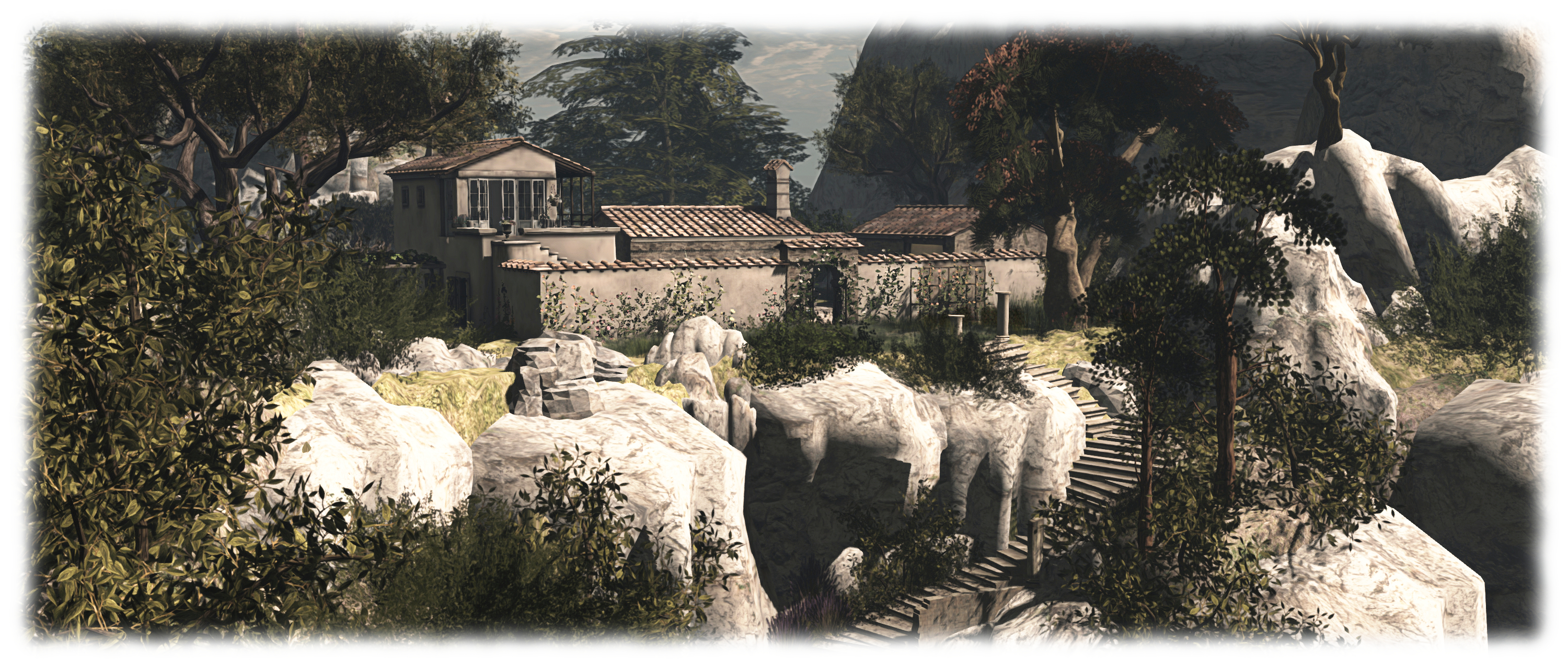
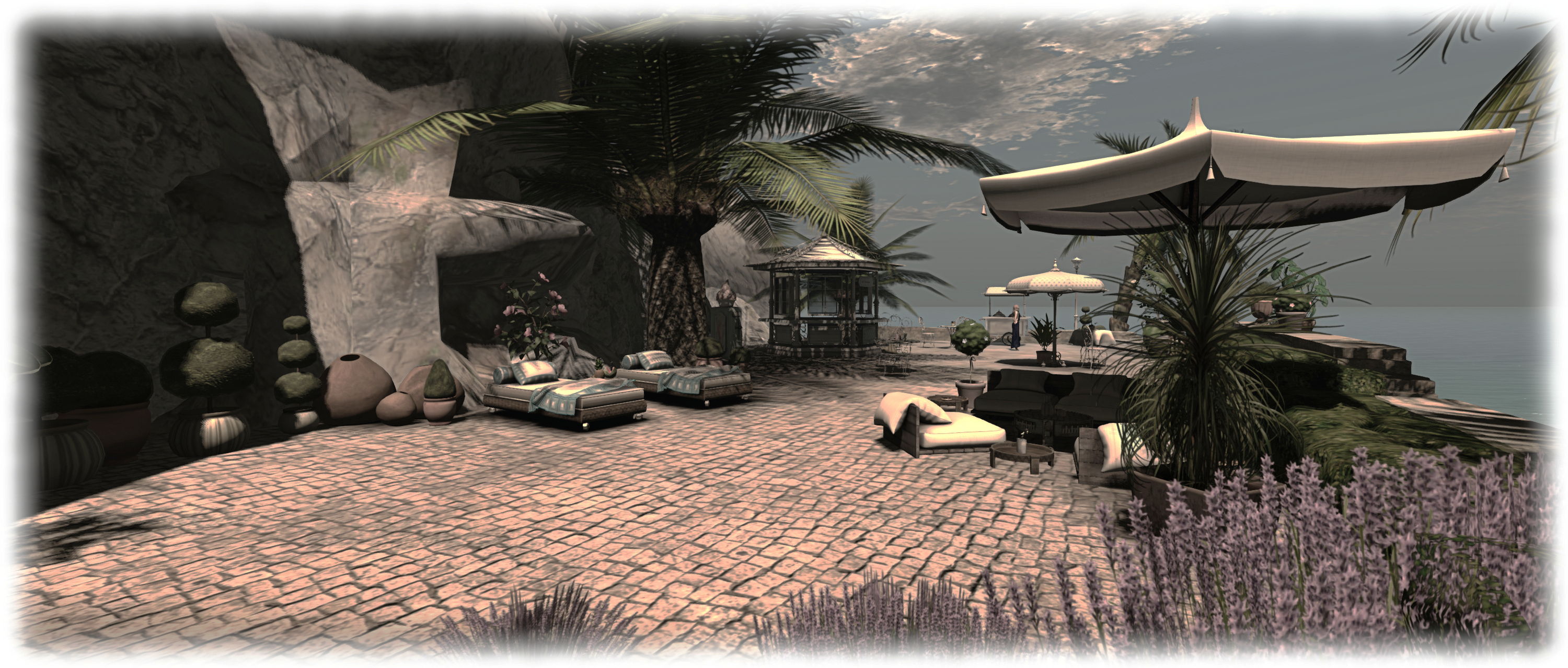
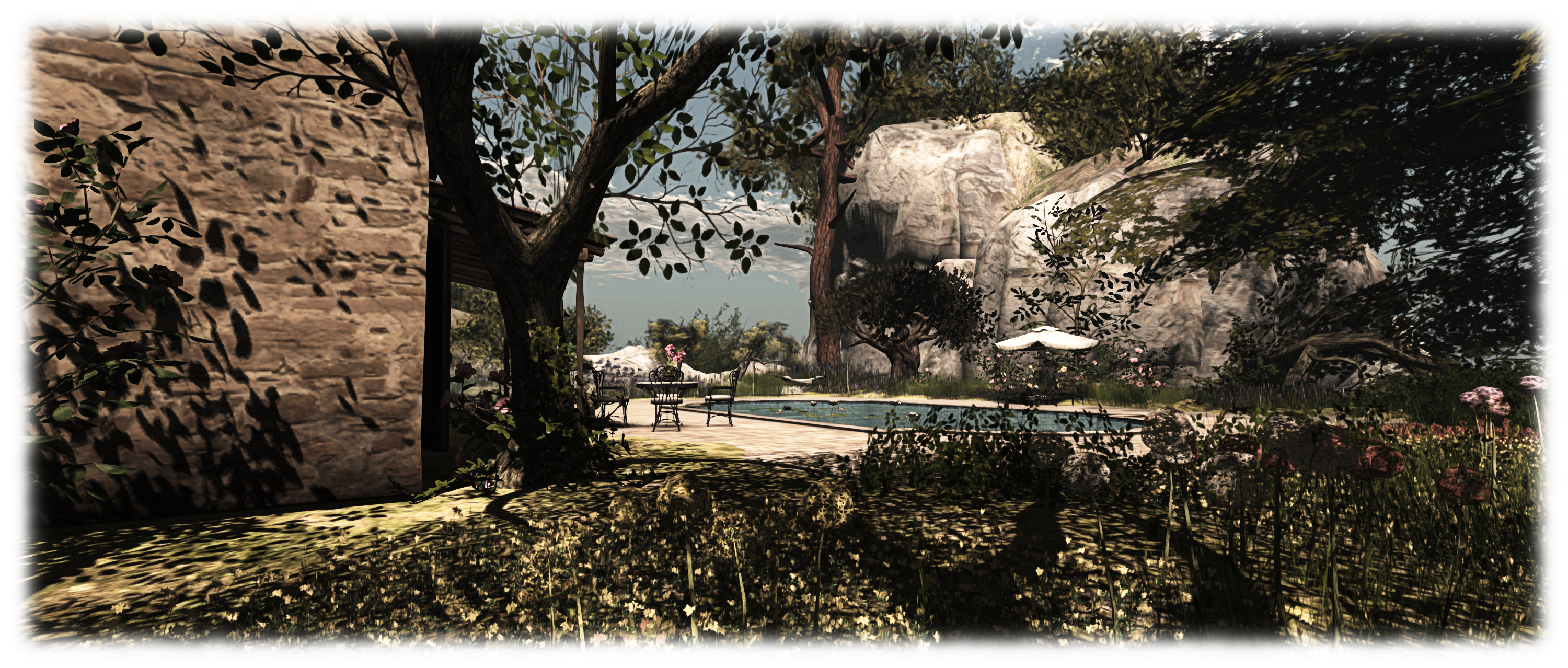
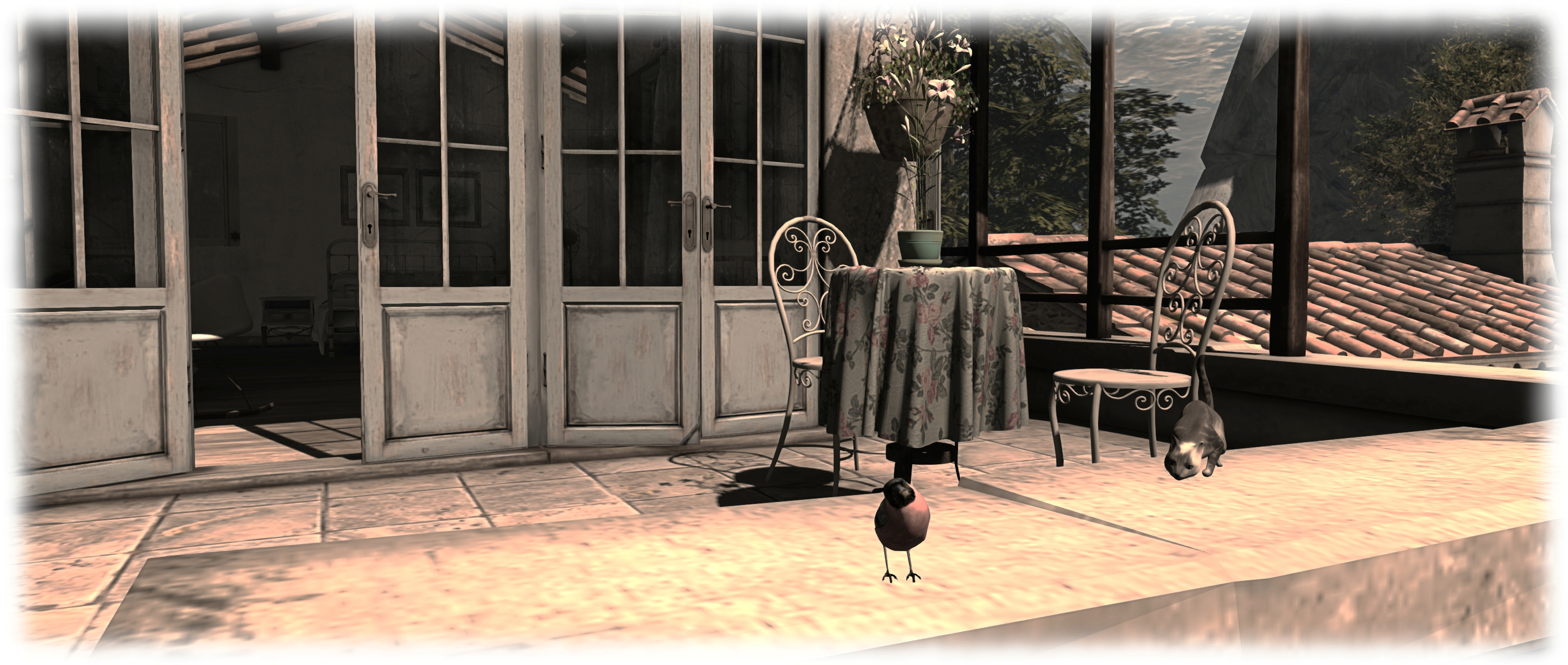
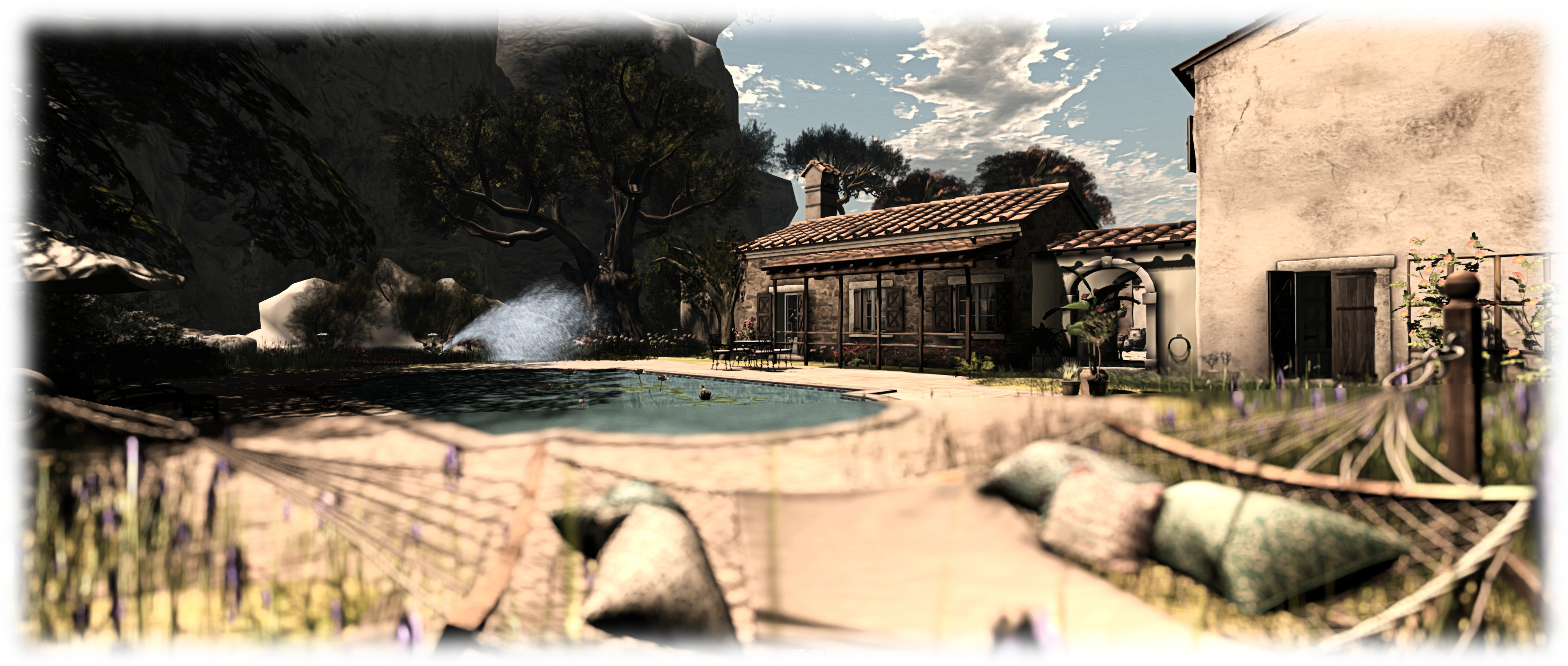
Matoluta Sanctuary, Sartre; Inara Pey, March 2015, on Flickr Matoluta Sanctuary (Flickr), March 2015 – click any image for full size

Manatou (Ursus Broono), who along with Mz Marville, has been a driving force behind the Matoluta Sanctuary has announced the two regions on which it is located  (Hudhufushi and Sartre) are to close on or around Monday, July 20th and Tuesday July 21st, 2015.

Having opened in July 2014, Matoluta Sanctuary was established with a unique aim in mind: to offer people the opportunity to engage in equine role-play (i.e. actually taking on a horse avatar), and to learn about the plight of the Colonial Spanish Horse on the North American continent –  and in doing so, donate to the ongoing conservation of these horses.

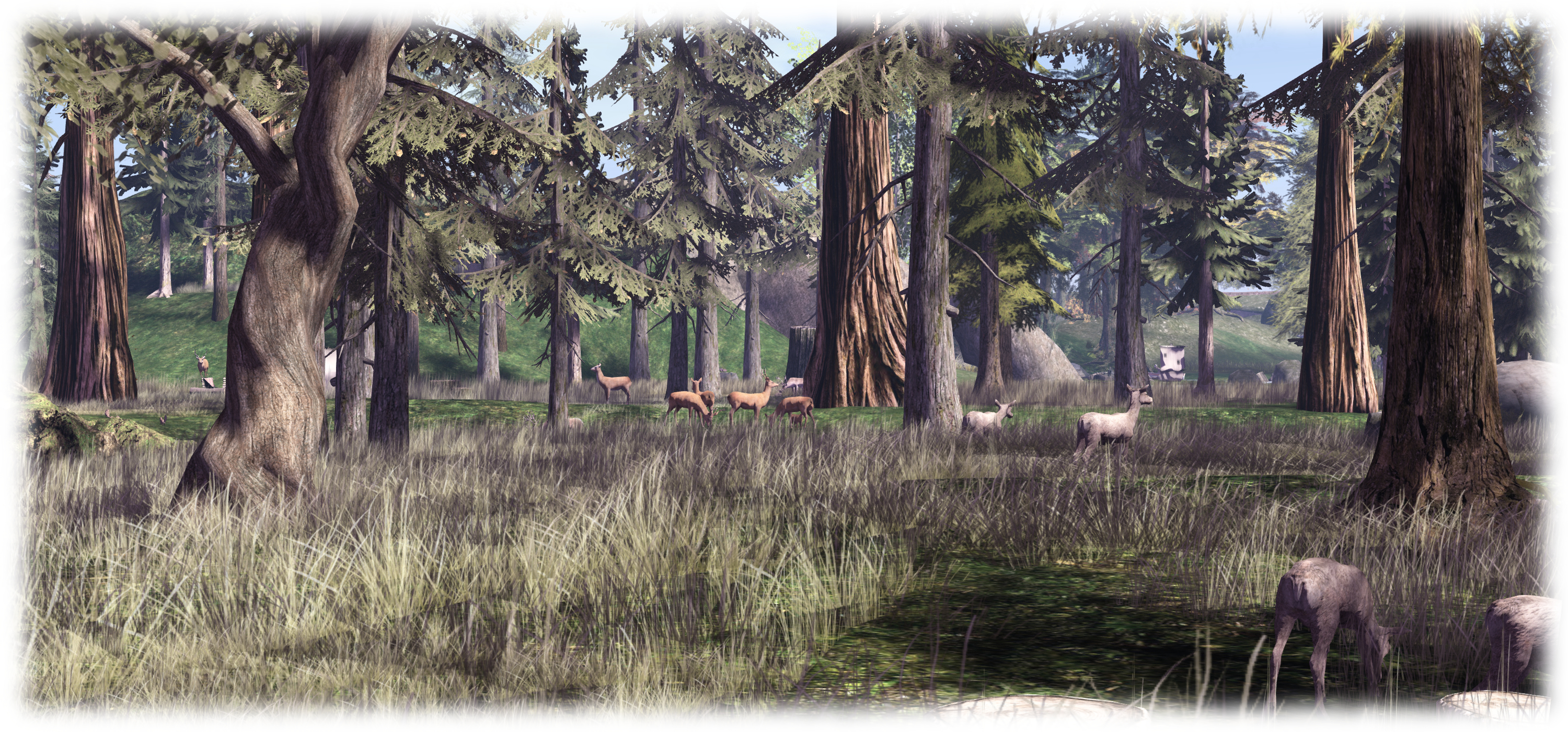
Matoluta Sanctuary, Sartre; Inara Pey, July 2014, on FlickrMatoluta Sanctuary (Flickr), July 2014

The Colonial Spanish Horse, perhaps more familiarly known as the Spanish Mustang,  is descended from the original Iberian horse stock brought to America from Spain, and are one of only a very few genetically unique horse breeds worldwide. Following their arrival in North America, some of the breed escaped into the wild. In time, due to their nature and abilities, they became the preferred mount of the Great Plains tribes of native Americans. Unfortunately, in more recent times their numbers have greatly reduced,  and the breed’s extinction status is regarded as critical.

To assist in the preservation of the breed, donations made when visiting Matoluta Sanctuary go to Return to Freedom, an organisation dedicated to “preserving the freedom, diversity, and habitat of America’s wild horses through sanctuary, education, and conservation, while enriching the human spirit through direct experience with the natural world”.  Return to Freedom is fully aware of the activities at Matoluta, and representatives from the organisation have been into Second Life to  witness activities in the regions first-hand.

Manatou (Ursus Broono) at Matoluta Sanctuary
Manatou (Ursus Broono) at Matoluta Sanctuary, July 2015

Since opening, Matoluta has evolved, both in terms of its expansion to a second region in September 2014, and in terms of activities offered: equine care, conservation awareness, special events aimed at raising donations for Return to Freedom, and so on. However, while both Manatou  and Mz Marville have met the cost of the regions directly in order to ensure donations go to Return to Freedom, the situation has been gradually changing, prompting the decision to close the regions.

“We’ve had good traffic since we opened,” Manatou informed me as we discussed the decision, “but to be honest, it has slackened off to the point where we’re better off donating the money we spend on tier directly to the charity, rather than relying just on donations.”

Matoluta Sanctuary, July 2015

Not that he is in any way blaming the situation on a lack of traffic. “It has been helpful in encouraging people become aware of the need to preserve wild horses,” he said. “It has led to others to join in with giving aid, so it has surely been of worth.”

Nor does it mean the end of in-world activities related to equine preservation, as Manatou informed me. “We will still do activities to raise money to help wild horses; we’ll open up a special region a few times a year for this, most likely once a quarter. That way we can continue involving people in raising money to benefit these efforts of preservation, and keep awareness of the need to preserve wild horses in people’s minds. Return to Freedom is very conscientious about how they allocate funds, most of every cent they receive go towards rescue efforts, very little goes towards administration.”
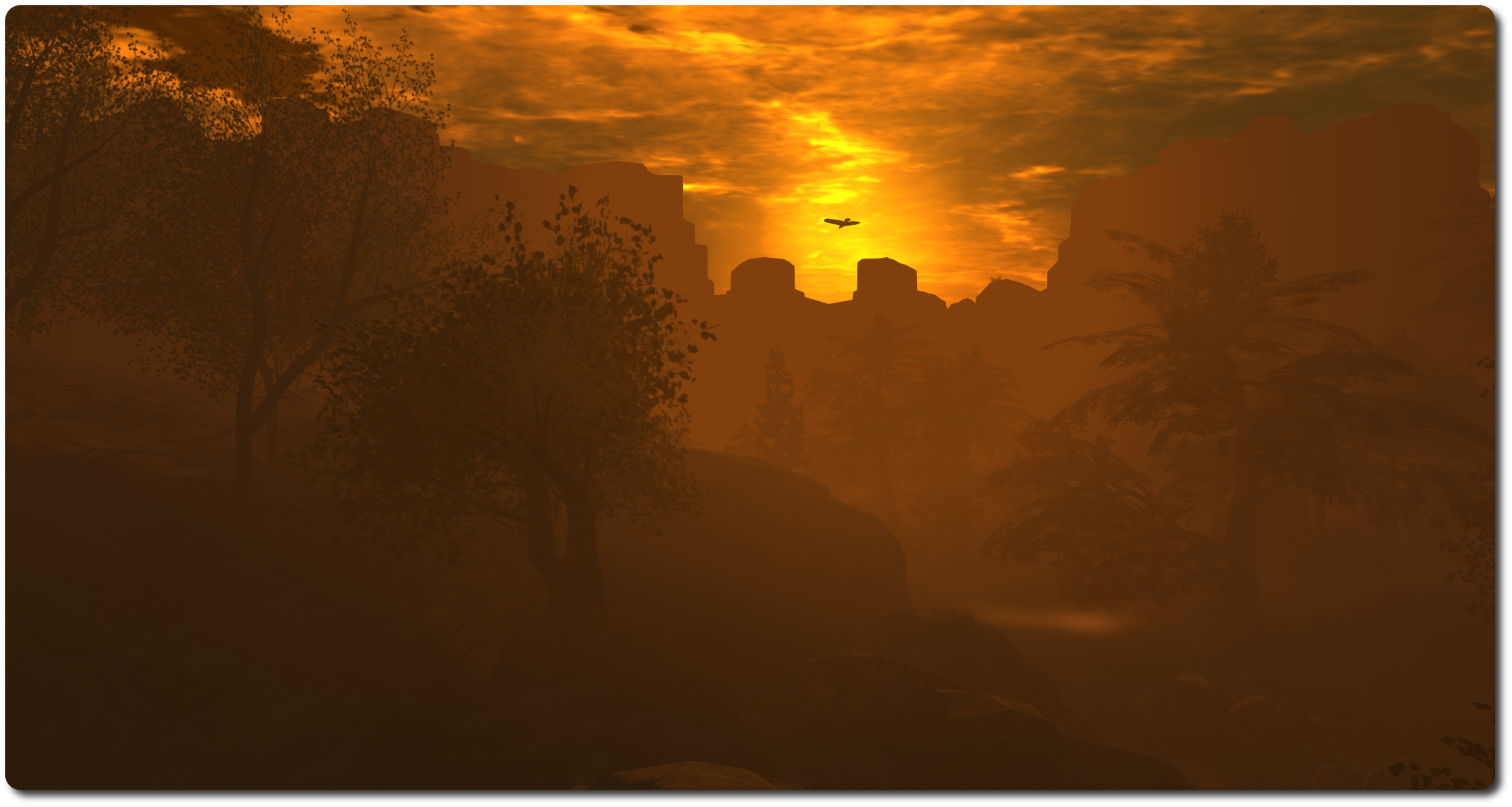
Matoluta Sanctuary and Bay; Inara Pey, September 2014, on FlickrMatoluta Sanctuary (Flickr), September 2014

In the meantime, Matoluta Sanctuary is still open to visitors, with the regions due to close, as noted, on Monday, July 20th (Hudhufushi) and Tuesday July 21st (Sartre)  and might be around a little bit beyond that. So if you want to visit them before they go and enjoy their natural beauty, do make the time over the weekend. And, if you’re so minded, feel free to make a donation towards Return to Freedom’s work.

SLurl Details

Firestorm ask “viewer translations, can you help?”

firestorm-logoOn Friday, July 17th, Jessica Lyon of the Firestorm team issued a blog post updating users on the progress of the upcoming release, together with an appeal for assistance.

The last release of Firestorm – which I overviewed here – was officially referred to as a “beta” release, as it was rolled out at a time when further updates were expected from the Lab which would prompt a further Firestorm release, possibly in short order. In particular, Firestorm were waiting for the following “big three” from the Lab to reach release status with the Lab:

  • Experience tools, (which were promoted to release status by the Lab at the end of June)
  • The Project Big Bird fixes for viewer-side attachment issues (promoted to the official release viewer on Tuesday, July 14th)
  • Viewer-Managed Marketplace  (which the Lab have just announced as “released”, ahead of the start of the automated migration process for Merchants, despite the viewer code still being at RC status at the time of writing).

While the Firestorm post doesn’t commit to a date when the new release might appear, but does make it clear that the release is coming soon. Also, as well as these particular updates, the blog post indicates it will include additional fixes and updates from the Firestorm team and contributors – including updates from Kitty Barnett for RLVa (one of the most frequently requested updates), and other goodies beside – such as updates to the Unified Snapshot floater.

For those not overly keen on the preview pane in the Unified Snapshot Floater (see above left), the next release of Firestorm should see the return of the "old" snapshot preview (seen above right), with the option to freely switch between the two
For those not overly keen on the preview pane in the Unified Snapshot Floater (above left), the next release of Firestorm should see the return of the “old” snapshot preview (above right), with the option to freely switch between the two via the arrow button

As well as hinting at what is to come, the Firestorm post also includes an appeal for help, as Jessica explains:

There was a time when Linden Lab had the interface translated in multiple languages, and we did, too, since we are based on the Linden code. However, as time passed, new additions to the interface were added, and the translation of these interface elements fell behind. Today most translated language interfaces actually contain more English than the chosen language, and it is becoming more and more difficult to merge these half-translated UI elements with upstream code.

Because of this, the team have decided to discontinue and remove translations which might be regarded as “incomplete” and for which they do not have the internal expertise to correctly maintain.  These comprise: Chinese, Danish, French, Portuguese, Spanish, and Turkish.

However, the team is will re-introduce any of these languages if there are people willing to commit to providing UI translations for them, and maintaining the translations long-term. As such, the Firestorm team is looking to hear from volunteers willing to do so. However, as Jessica notes:

UI translation involves more work than merely providing the terms for the correct language. Volunteers must be comfortable with editing and properly formatting xml files or should be able to learn how to do so.

If you have the necessary language and technical expertise, and are confident you can provide the required commitment to update and maintain a viewer translation for one of the languages listed above, please read the Translating Firestorm wiki page for further information, and then express your interest directly to the Firestorm team via e-mail to  admin@phoenixviewer.com.

Viewer-Managed Marketplace migration commences July 23rd

secondlifeUpdate, July 30th: The lab has issued a new version of the VMM viewer, and the links to the download in this article have been updated accordingly.

Update, July 20th: Linden Lab have given the following explanation for the acceleration with VMM migration: “As many of you noticed, we did shorten the time line to get Merchants migrated to VMM. This is due primarily to the need to get Merchants off of Xstreet, as it was down for a weekend in early July, forcing us to accelerate our dates.” (With thanks to Whirly Fizzle for the pointer to the comment.)

Coming by way of the Commerce blog, Linden Lab has announced that the Viewer-Managed Marketplace (VMM) capabilities are now released, and that automated migrations of SL Marketplace items is to commence on Thursday, July 23rd.

Migration will commence at 21:00 on July 23rd, and each weekday thereafter until all all stores on the Marketplace have been migrated.

The blog post lays out the core aspects of the migration process, which I’ve summarised below – but do still please read the official post:

  • All merchants will receive e-mail at the beginning of the migration process, and another once it has completed
  • Merchants with around 5K or more of listings will have their migration scheduled, and will receive an additional e-mail for the Lab providing them with advanced notice – see additional notes below
  • Migration will occur weekdays between 21:00 SLT in the evening and 09:00 SLT the following morning
  • A Merchant will not be able to modify their store while items are being migrated, but sales of items that are not in the process of being migrated will continue
  • Merchants who have had their stores migrated to VMM  should use the  Second Life VMM Viewer (or a TPV which offers VMM support) in order to manage their Marketplace inventory.
If you have the viewer configured to use its internal browser (the SL viewer allows you it set it for *just* links to SL websites), you can
Viewer-Managed Marketplace allows items sold through the Marketplace to be managed directly from the Merchant’s viewer using the Marketplace Listings panel – there is no need to upload items to the Marketplace servers. Listings can then be created and amended from within the viewer using the built-in browser or, if preferred, can still be edited directly from a Merchant’s Marketplace pages via a web browser

It’s also worth pointing out that the automatic migration process will not run against Magic Box items; these must be manually migrated, and no date has yet been given as to when support for Magic Boxes will discontinue. However, this notice from the Lab should perhaps be taken by those who do still have items in Magic Boxes as indicative that they should start planning to migrate them to VMM.

Both the automated and manual migration process have been undergoing beta testing for some time now, and most reports on both have been positive.

VMM has been moving in this direction for that last couple of months. However, it had been thought that actual migration wouldn’t commence until after the VMM viewer code had been promoted to the release viewer. Given that the Lab tends to prefer promoted a viewer every other week, and this week (week #29) has already seen the attachment fixes viewer to release status, it would appear that migration might be starting prior to the VMM viewer being similarly promoted.

To help people get to grips with the Viewer-Managed Marketplace, the Lab have produced a number of resources, and those unfamiliar with VMM are referred to them for further information.

Rooftop art in Second Life

Art on Roofs
Art on Roofs

Running through until July 23rd at Solodonna Land, operated by Sniper Siemens and Elettra Beardmore, is an exhibition featuring the work of a personal favourite of mine in Second Life: Mistero Hifeng.

Art on Roofs is precisely that: a display of Mistero’s work imaginatively placed across a series of tiled rooftops, complete with courtyards and narrow streets below. These are overlooked from a terraced landing point, giving visitors the impression they standing on a hillside terrace looking out across the packed rooftops of an old Mediterranean town or village.

Art of Roofs
Art of Roofs

The overall effect, beautifully framed by Annan Adored’s Dusty windlight setting, is visually impressive. The feeling of looking out over a small town is complete, and Mistero’s art, reached via wooden board walks which guide the visitor around the roofs, has been integrated into the scene with both flair and care.

Anyone familiar with Mistero’s work will instantly recognise many of the 3D pieces displayed here: E rubero’ per te la Luna, floating over the town, the bubbles of Una vita quasi Umana rising slowly from a courtyard, the figures of Volare once again playing out their quite deadly game of chess..

Art on Roofs
Art on Roofs

I was particularly drawn to the placement of Siamo ciechi…io…e…te and Il tempo Perfetto. (seen below). The two figures in the  former make a magnificent statement about love, the blindness it can bring. The couple are beautifully framed by the four pocket watches of Il tempo Perfetto ticking quietly behind them, perhaps counting away the time the lovers have – and to which they may also be blind.

While Mistero’s 3D work can be widely seen across Second Life in a variety of settings, his 2D artwork may not be so familiar to some; so its good to see a number of his paintings included here.

Art on Roofs
Art on Roofs

I’ve always found Mistero’s art to be a powerful draw (indeed, his beautifully evocative Per te is displayed in my garden). The imagery and emotion evident in some of his pieces may be discomfiting to some – but this doesn’t deny either the beauty or power of his work, all of which can be seen at his own gallery space at Cammino e Vivo Capovolto.

As noted, Art on Roofs will be open through to July 23rd, and my apologies to Sniper, Elettra and curator Terrygold for not covering the exhibition sooner.  When visiting, do please consider donating to the venue via the tip jar. Also, keep an eye out for some sculptures by CioTToLiNa Xue, which are also present on the rooftop board walks. She is someone else who most certainly deserves exhibition space of her own.

SLurl Details

More Timeless Memories in Second Life

Timeless Memories; Inara Pey, July 2015, on FlickrTimeless Memories, July 2015 (Flickr) – click any image for full size

Timeless Memories, the homestead region held by Elvira Kytori, captivated me the first time I visited it back at the start of 2015. Since then, the region has undergone a redesign to match the season here in the northern hemisphere and prompting me to make a re-visit.

In its current iteration, the region draws its inspiration and name from coastline at Tropea, southern Italy, and the monastery of Santa Maria dell’isola. In doing so, it presents another quite stunning landscape which is highly photogenic as well as offering some charming locations in which to relax.

Timeless Memories; Inara Pey, July 2015, on FlickrTimeless Memories, July 2015 (Flickr)

The 7th century monastery may be absent from the scene, but the coral cliffs upon which it sits have been recreated, offering a high perch on which sits one of the delightful Italian-style villas designed by iBi (8f8). This is reached from the beach, itself reached from the landing point via a short walk along a charming, palm-shaded terrazzo hugging the foot of the south-east side of the cliffs.

This offers plenty of opportunity for relaxation: sun loungers, seats shaded by parasols with a kiosk offering refreshing gelato close to hand. Meanwhile, the golden sands of the beach stretch their way around the south side of the island, offering superb views out over the open sea. Look westward, and you’ll spy a float-plane heading towards a gentle splashdown just off the coast, perhaps bringing new visitors to the island (and the temptation to stand up on the cliffs of the villa and call out, “The plane, boss! The plane!” while waving towards its arrival 🙂 ). That said, the pilot had better keep an eye on the water below, as it is the playground of orcas and dolphins.

Timeless Memories; Inara Pey, July 2015, on FlickrTimeless Memories, July 2015 (Flickr)

The villa is reached by a flight of stone steps snaking up the side of the cliffs, guarded in places by stone walls which appear to be quite aged. Together with the columns also to be found on the climb, the walls suggest that perhaps the stairs and one time gave access to something much older than the villa which now occupies the grassy plateau just below the island’s peak.

Here there is more on offer to please the eye; the villa itself is a work of art, and beautifully decorated with rustic charm both inside and in the stone-flagged courtyard around which it is built. Behind the house is a garden area with a stone swimming pool surrounded by cobbles, the flower borders to one side being watered by a gently rotating sprinkler. However, if you opt for a swim, do take note that the pool is already occupied by a couple of little chaps!

Timeless Memories; Inara Pey, July 2015, on FlickrTimeless Memories, July 2015 (Flickr)

Such is the design of the island that is it hard to pull oneself away from it; the terazzo and beach offer plenty of places to relax in the sun (Jodi and I spent a couple of hours lounging  and chatting, lost in the surroundings), while the villa offers a cool retreat for those who might want to escape to the shade.

When I first wrote about Timeless Memories, the About Land notes indicated that it might not survive. I’m glad this has turned out not to be the case; with this second build, Elvira has provided yet another utterly captivating design, and I have no hesitation in recommending you visit and see for yourself. And please, when doing so, do consider tipping the laptop at the landing point and help Elvira to keep Timeless Memories alive so that we can all continue to enjoy it.

Timeless Memories; Inara Pey, July 2015, on FlickrTimeless Memories, July 2015 (Flickr) – click any image for full size

And as it is a romantic location with an Italian theme, I’m going to bow out with Matt Monro’s One Days Like These, a song I love quite apart from its links to a certain 1969 film; and who wouldn’t, given Mr. Monro’s silken voice?

SLurl Details

A look at Dr. Phil’s show “featuring” Second Life

Dr. Phil McGraw is a psychologist turned television talk show host who first rose to prominence in The Oprah Winfrey Show in the 1990s prior to migrating to his own show in 2002, simply entitled Dr Phil. In it, he deals with a wide range of topics, offering advice in the form of “life strategies” based on his experiences as a psychologist.

Dr. Phil McGraw (courtesy CBS Television)

The show is a staple in the diet of US weekday television, and in the run-up to the July 14th show, Won’t Work, Won’t Go to School: “My Son Just Wants to Game All Day”, there was much brouhaha about the announcement that Second Life would be featured in the segment.

“Featured” tends to suggest a major role; as such, there were many efforts to promote the platform’s inclusion in the show through social media. There were also a number of blog posts expressing some concern as to how SL would be represented in the show.

Such reactions are understandable. This is our platform after all, so promoting it when the mainstream media will result in a natural reaction of anticipation. However, given the focus of this segment was advertised as being about  computer game addiction, the anticipation was countered by a degree of concern as to how the platform might be portrayed.

In the event, any concerns regarding just how Second Life might be portrayed proved to be without cause. Not so much because SL is shown fairly positively within the programme, but rather because, quite frankly, its role in the show was pretty minor; the overall focus for the programme was  squarely on the stated subject of computer game addiction.

Yes, Dr Phil is shown in-world at places like Creations Park and Mont Saint-Michel, but really, SL is completely secondary to the show's focus
Yes, Dr Phil is shown in-world at places like Creations Park and Mont Saint-Michel, but really, SL is completely secondary to the show’s focus

We often joke about being “addicted” to this or that – including computer games; but the truth is that in extreme cases, “addiction” is precisely the correct term. Those suffering from it demonstrate the same responses and reasoning as those caught in more “traditional” forms of addiction such as drugs or alcohol; so much so that it is now beginning to be treated as a clinical condition by healthcare specialists.

Such is the case with the focus of the show: 23-year-old Justin, who is in every sense of the word, an addict. He is almost completely dependent upon playing computer games to the exclusion of all else (other than marijuana), including caring for his own body.

To be honest, it was this aspect of the show which caused me more concern than how Second Life might be presented.

Justin - the young man at the centre of the show
Justin – the young man at the centre of the show

Addiction of any sort can be a traumatic situation for all parties caught within it; be it the person with the addiction or their family or loved ones. As such, I couldn’t help but wonder just how Dr Phil  –  a programme I’ve admittedly never seen before, but which has oft been accused of taking a “simplistic” approach to the topics covered – would handle the issue. Would it sensationalising the issue and Justin’s situation, or would it reduce the issue  to platitudes and sound bites for the sake of daytime television?

However, what we actually get is a reasonable study of Justin’s life and the factors which have contributed to his situation. These include long-standing family history (suicides, mental illness, alcohol and drug abuse); his mother’s own reticence to constructively deal with his childhood obsession with video games; his own personal trauma of being hit by a car at age 15, with a possible undiagnosed closed head injury that brought about a subsequent change in his nature. All of these are covered in a manner which is neither accusatory nor gratuitous, with Dr. Kenneth Woog of the Computer Addiction Treatment Program, providing context for the similarities between computer gaming addiction and more recognised forms of addiction.

There are the inevitable elements of drama in the show – notably around Justin’s examination by Dr. Rachael Ross and the clips of his home lifestyle; but on the whole what is presented here is a balanced look at a young man’s addiction, although it has to be said that given the segment is just 38 minutes in length, some matters are only lightly touched upon; at several points I found myself wanting Phil McGraw to follow-up more closely on comments passed by both Justin and his mother.

However, for a show that does get critiqued at times for its manner in addressing some issues, as noted above, this one did seem to offer a solid means by which Justin could obtain further help, both through the Lawlis Peavey PNP Centre (often used as a referral centre in the show) to further evaluate Justin’s condition, and the offer of a stay at a dual diagnosis treatment centre to help Justin deal with his addiction, depression and anxiety. I’d also hope that some measure of support was also extended to his mother and step-father, both of whom could perhaps use some counselling in how to more positively support Justin in handling his addiction.

I’m still not overly convinced as to the amount of clinical good that comes out of programmes like this, and there is certainly a good deal that could be debated about their merits or otherwise. As it is, and strictly in terms of this particular segment, it would be interesting to see a follow-up, say a year or so hence, so that we might learn how Justin has managed with his addiction and the results of the assistance offered to him.

As far as Second Life is concerned, the show references it twice. The first time is just after the opening titles, when there is around 90 second of footage showing McGraw’s avatar in-world (and McGraw initially manipulating it). Then, around two-thirds of the way through the show, Lab CEO Ebbe Altberg gets to talk about the more positive influences of virtual environments, overlaid with further clips from in-world, for about 60 seconds. In both instances, the platform is used to underline the fact that engaging in computer games and virtual environments is not in itself necessarily toxic, and to counterpoint any generalisations that might be drawn that this is the case. As such, I’d say the platform stood up well in the show.