Jeremy Bailenson talks potential and pitfalls in VR

A Tweet by Loki Eliot drew my attention to a Q&A article in the San Jose Mercury News with Professor Jeremy Bailenson, in which he discusses Virtual Reality and raises some interesting points to consider on the future of the technology as a mass-market product.

Professor Bailenson is well qualified to comment on VR. He’s the founding director of Stanford University’s Virtual Human Interaction Lab, and his main area of interest is the phenomenon of digital human representation, especially in the context of immersive virtual reality. His work has been consistently funded by the National Science Foundation for fifteen years, and his findings have been published in over 100 academic papers in the fields of communication, computer science, education, environmental science, law, medicine, political science, and psychology.

Professor Jeremy Bailenson (image: Stanford University)

While he is immersed (no pun intended) in the technology and believes in its potential, as he tells Mercury News reporter Troy Wolverton, he is no VR evangelist. In fact he harbours mixed views about some of the uses being touted for VR in the future, and is convinced the current emphasis on VR within the gaming environment isn’t the best use for the technology.

“When Commissioner Adam Silver of the NBA came to my lab, he thought that I was going to try to convince him that one should watch an NBA game from VR. And I can’t imagine what would be worse than that,” he tells Wolverton early in the interview.

He continues, “I’ve never worn an HMD (head-mounted device) for more than a half an hour in my life, and nowadays, I rarely wear one for more than five or 10 minutes. And a two-hour NBA game would be pretty brutal on the perceptual system. I believe VR’s really good for these very intense experiences, but it’s not a 12-hour-day thing.

In terms of VR and games, he says, “I don’t believe that video games are an appropriate market for this. Especially when you get into the highly violent games — do you really want to feel that blood splatter on you? I don’t think it’s the right use case.”

His belief is that VR is best suited to specific uses, rather than a catch-all new wonder technology. But even then, he sees limits on how much VR will be used. Not because of any technological limitations, but simply because of the physical impact they have on our vision, and what flows out from that.

“Think about how much time you spend on your device a day. It’s more than six to eight hours, and that’s a long time to be wearing a pair of goggles,” he says. “But even if that wasn’t the case, the real problem is that the visual experience with an HMD necessarily produces some eye strain, and that gets fatiguing over time.”

It’s hard to argue with him on this; computer vision syndrome is a recognised condition affecting around 90% of those who use a computer for more than 3 hours a day. The effects are temporary, but can include headaches, blurred or double vision, neck pain, dry or irritated eyes, dizziness and polyopia. With HMDs placing screens mere centimetres from the eyes to the exclusion of all else, there is a risk the symptoms could be more particularly felt, thus limiting the degree to which we remain physically and mentally comfortable when using them.

Computer vision syndrome (CVS) already affects around 90% of people who use a computer screen for more than 3 hours a day. The affects are temporary, and more irritating than harmful - but could they nevertheless impact the degree with which we use VR HMDs?
Computer vision syndrome (CVS) already affects around 90% of people who use a computer screen for more than 3 hours a day. The symptoms are temporary, and more irritating than harmful – but could they nevertheless impact the degree with which we use VR HMDs?

So where does he see VR having particular application?

Part of his work involves him in building VR systems which allow physically remote people to meet and interact. He uses these to study how such systems change the nature of verbal and non-verbal interaction (hence why High Fidelity ask him to become an advisor), as well as exploring how VR might change the way we think about education, environmental behaviour, empathy, and health. It’s perhaps not surprising that he sees these as the primary uses for VR.

“VR experience changes the way you think of yourself and others and changes your behaviour,” he notes. “And when VR’s done well, it’s a proxy for a natural experience, and we know experiences physically change us.”

Even so, he does remain concerned of the potential negative influence of VR on people.

“Am I terrified of the world where anyone can create really horrible experiences?” He asks rhetorically. “Yes, it does worry me. I worry what happens when a violent video game feels like murder. And when pornography feels like sex. How does that change the way humans interact, function as a society?

“The technology is powerful. It’s like uranium. It can heat homes and destroy nations.”

All told, the interview is an interesting read which serves to get the grey matter boggling a little more on the subject of VR, how it might be used and the impacts it might have.

Related Links

It’s Up to U in Second Life

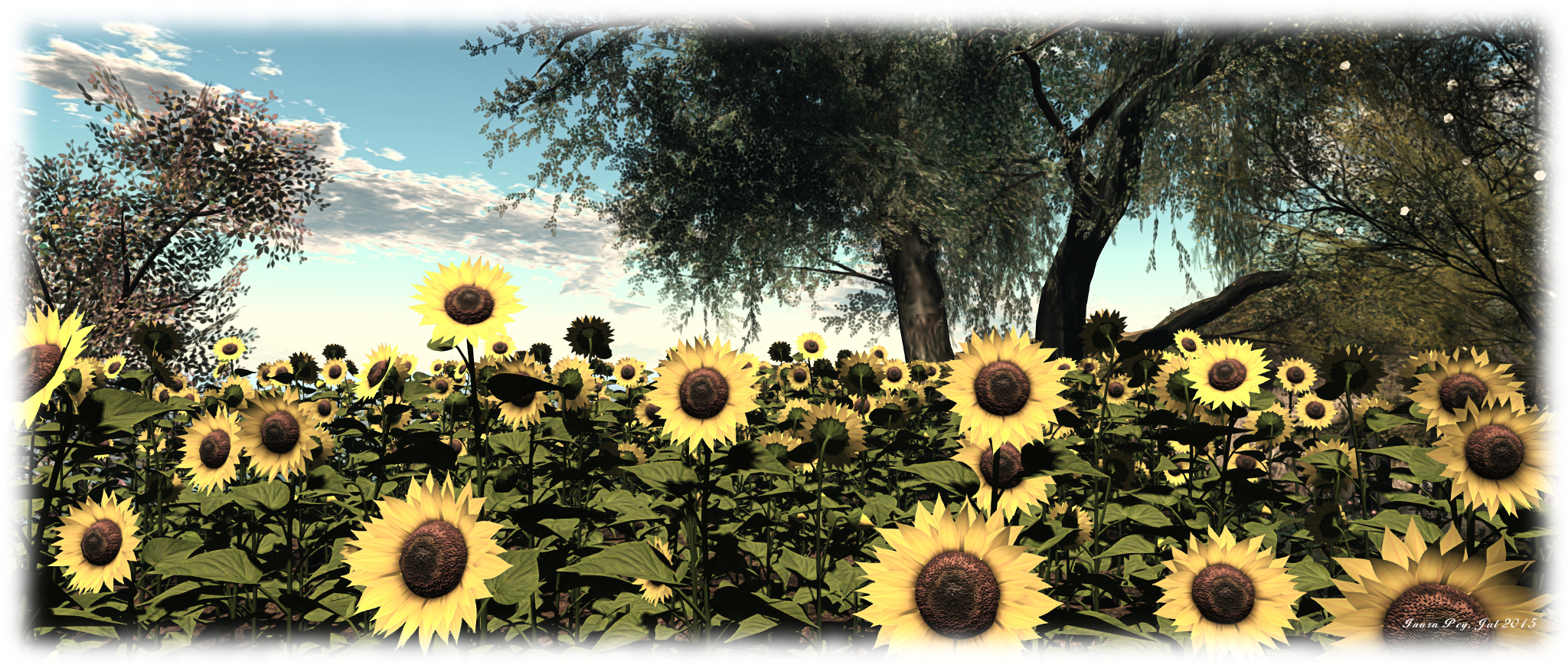
Up to U; Inara Pey, July 2015, on FlickrUp to U, July 2015 (Flickr) – click any image for full size

Ricco Saenz recently posted that while Roche as we know it may be gone, the region remains, but under new ownership. Ricco’s post offers considerable food for thought on aspects of the region’s new look, which prompted me to go take a look for myself.

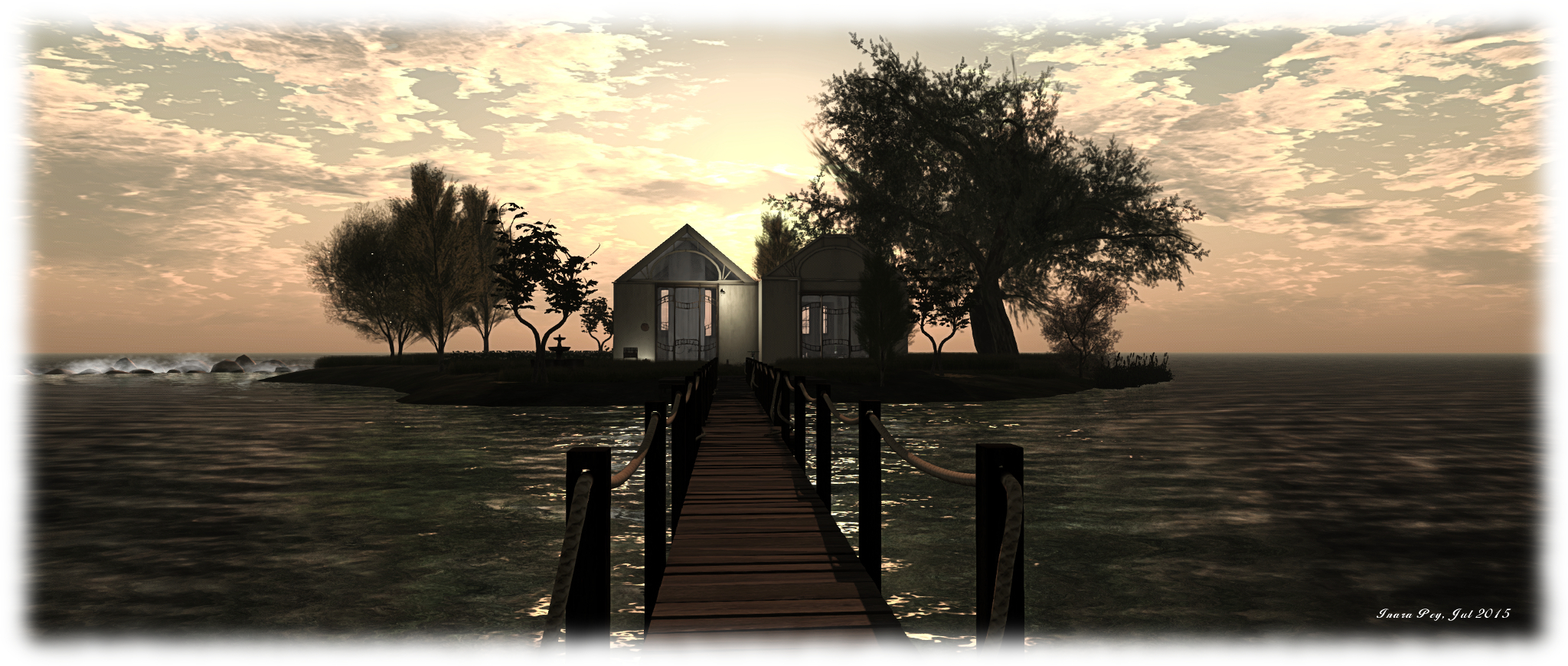
Roche is now held by ๑๑Ŧﻨσ๑๑ (Fio Bravin), who has given it the name Up To U. The make-over appears to be a shared activity between Fio and ありえす (ArieS Magic), and it sees the region split into two islands connected by a lone wooden bridge, while further out on the water sit a couple smaller islands, one of which has a lighthouse located on it.

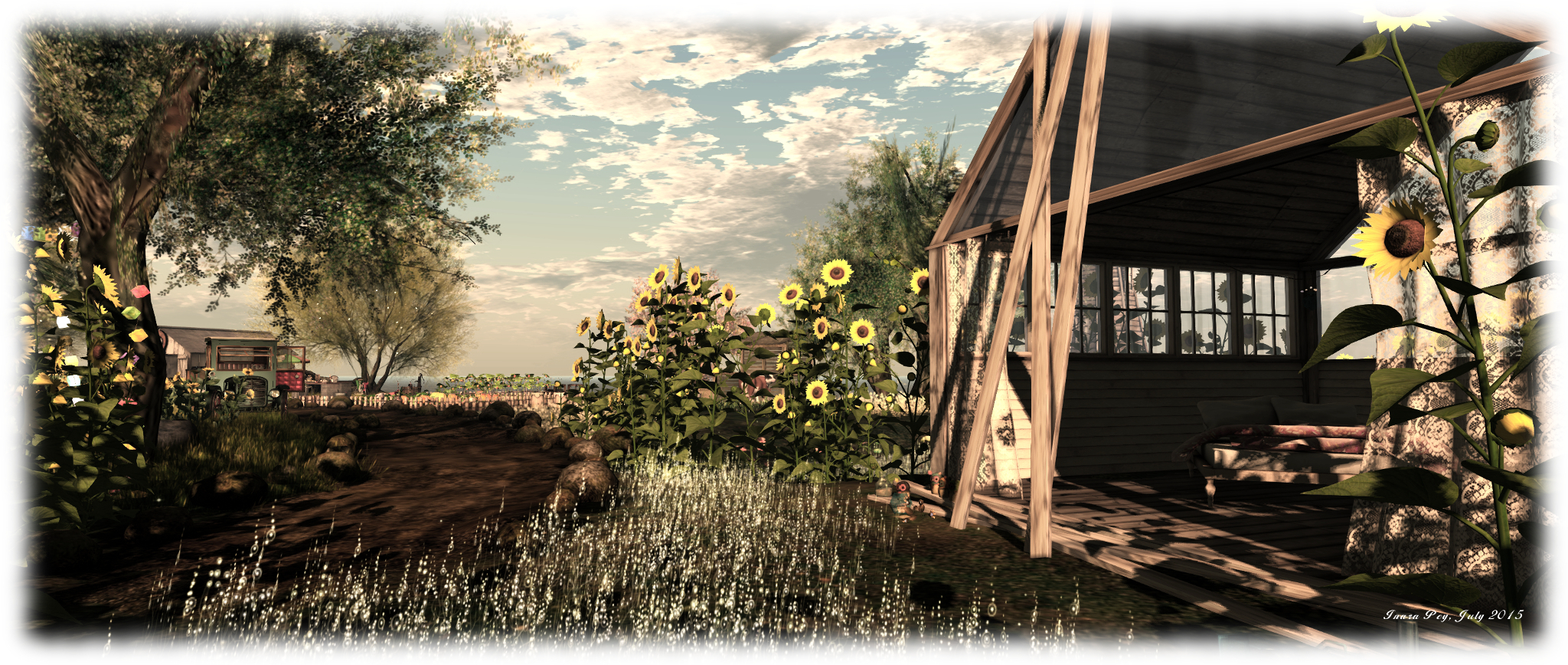
Up to U; Inara Pey, July 2015, on FlickrUp to U, July 2015 (Flickr)

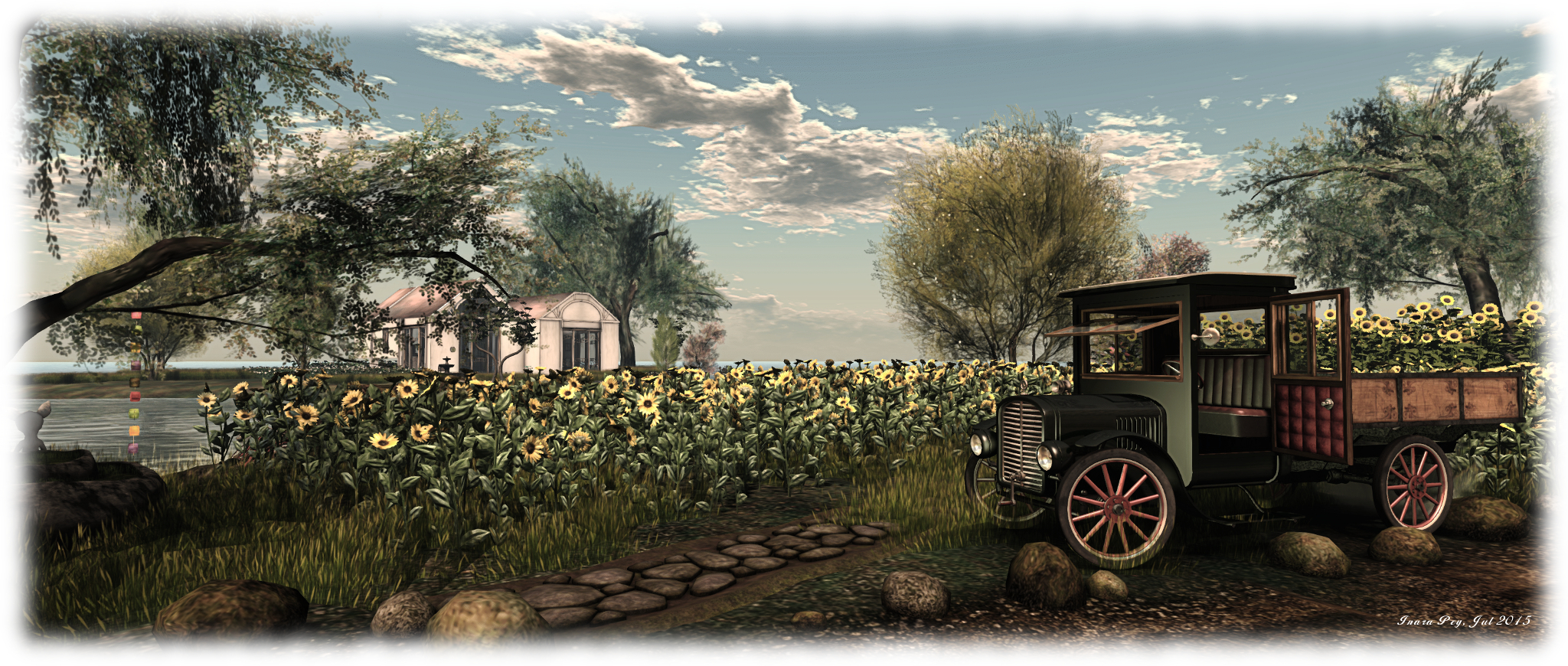
The larger of the two islands is awash with sunflowers neatly planted as if being cultivated. A dirt track curves across part of the island, passing a working barn and between the neat rows of sunflowers to arrive at a small summer-house still under construction, itself surround by a ring of the tall, yellow flowers. The entire scene is suggestive of country living, but there’s more.

Alongside the track sits a small area set-up for a barbecue, offering plenty to refresh the weary traveller. Nearby is a vegetable patch in the process of becoming a playground for rabbits and foxes. Further afield, things become a little more whimsical: alongside the barn float a trio ethereal blue leaves, inviting visitors to repose upon them and forget the world. Not too much further away, and in part hidden by the long grass and a fallen log, sits one of the little scenes which had Ricco turning his thoughts very eloquently to the subject of  anthropomorphism.

Up to U; Inara Pey, July 2015, on FlickrUp to U, July 2015 (Flickr)

Across the water and the wooden bridge, the smaller of the two islands is the setting for a whitewashed house surrounded by white flowers and long grass. I’ve no idea if it is open to the public or a pied-a-terre for Fio and ArieS when visiting the region, so I didn’t intrude inside; although a quick peep through the windows suggested it is a place where cats rule!

Taking over a region which has been so well-known and so well-loved for so long is no easy task. No matter how things are made over, there is always a risk that those who visit and who remember the “old” look are going to be haunted by ghosts of the past.

Up to U; Inara Pey, July 2015, on FlickrUp to U, July 2015 (Flickr)

Perhaps Up to U, as a name, reflects this, and is intended to offer the visitor with a simple choice when exploring the region: to see it with new eyes or with old. If so, I’ll opt for the former; Up to U brings a fresh and very different look to Roche, one that has its own charm and attractiveness, offering plenty of opportunities of those who want to take photos or want to sit and ponder or chat – and even those who fancy a little whimsy to stir their thinking!

SLurl Details

A Bloom-ing Evolution

Artist Evolution
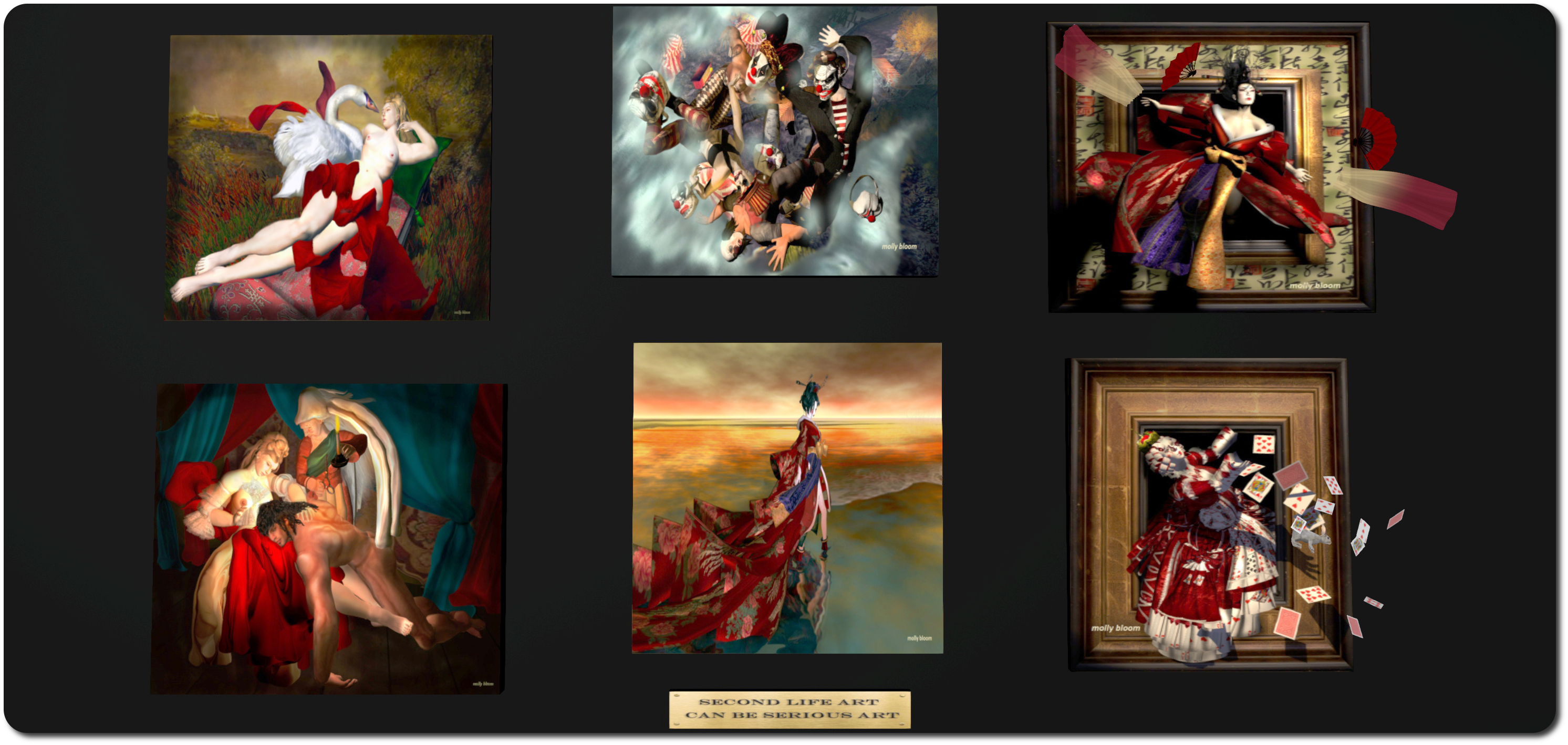
Artist Evolution – Renaissance Gallery

“When I started in Second Life, I’d never worked in digital art, and photography for me in either world was a mystery.  When a friend mentioned I might enjoy this activity in Second Life, I laughed at him.  I am the person with the shaky, blurry picture in RL photos, even with an automatic zoom. Slowly and tentatively I started trying to be artistic with pictures, which were of course initially hideous.  I became obsessed with the effort.”

So open the introductory notes Molly Bloom has provided for the latest exhibition of her work, which opens at the Renaissance Gallery, curated by JolieElle Parfort, which officially opens on Monday, July 27th.

Artist Evolution
Artist Evolution – Renaissance Gallery

Entitled Artist Evolution,  the exhibit offers an examination of Molly’s SL art as it has evolved together with her mastery of the many composite elements that go into her work. As such it is a fascinating piece, not only for those who – like me – enjoy Molly’s work immensely, but for anyone interested in how an artist develops their eye, style, skill and artistry.

The pieces on display present the visitor with something of a historical look at Molly’s work as it has evolved, from her first “flat” snapshot (seen on the left wall as one enters the gallery), and progressing through her learning to build sets and make poses, discovering the power of lighting and lighting tools, to the influence of physical world art on her digital work as a result of her studies as an art history student.

Artist Evolution
Artist Evolution – Renaissance Gallery

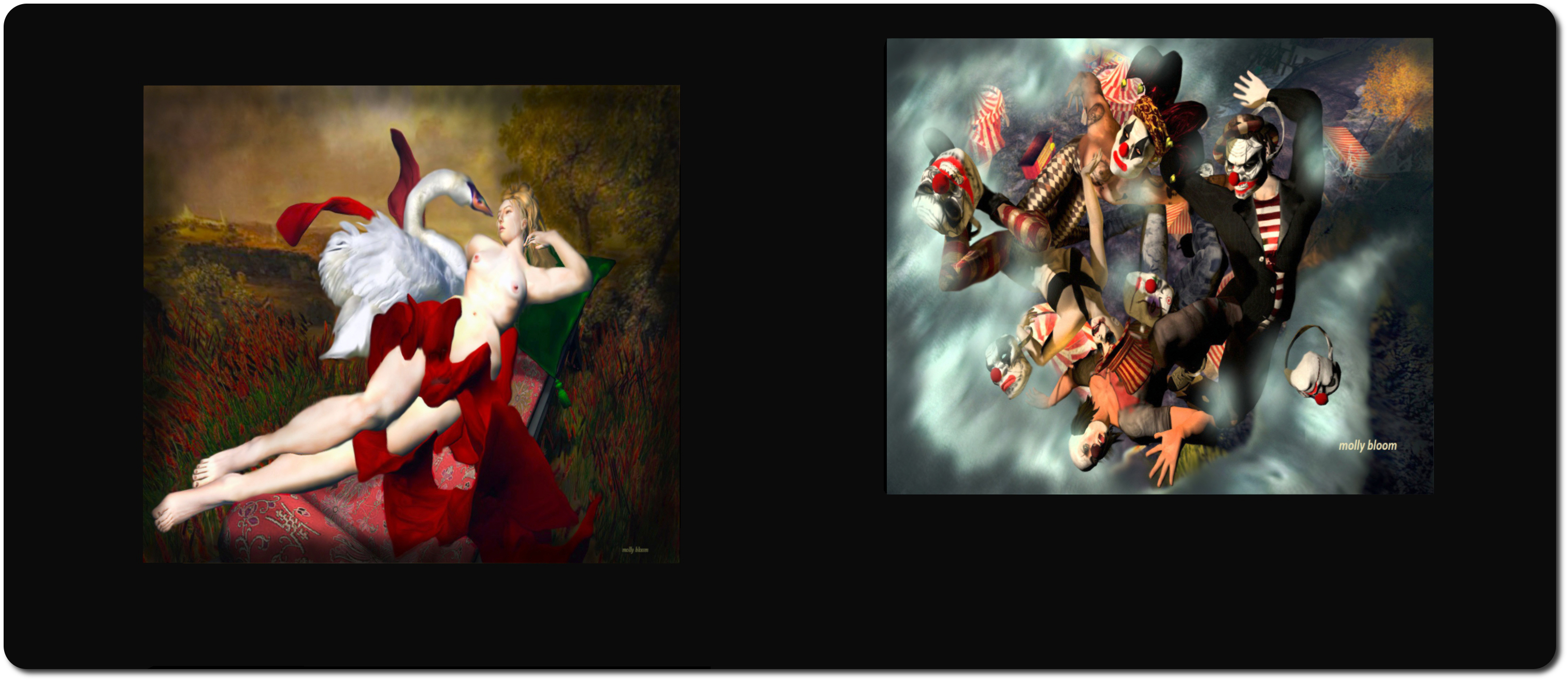
“[I] have always been fascinated with Chiaroscuro, or the use of strong contrasts of dark and light.  Artists Raphael, Caravaggio, Rubens and a host of others from the 15th Century are known for this technique,” Molly says.  “My first very serious work was a reproduction of this lighting technique set in a classical style [shown in the headline image for this review, and in more detail directly above, left] … That lighting technique became my signature.  From there I started playing with adding 3D elements to my work …”

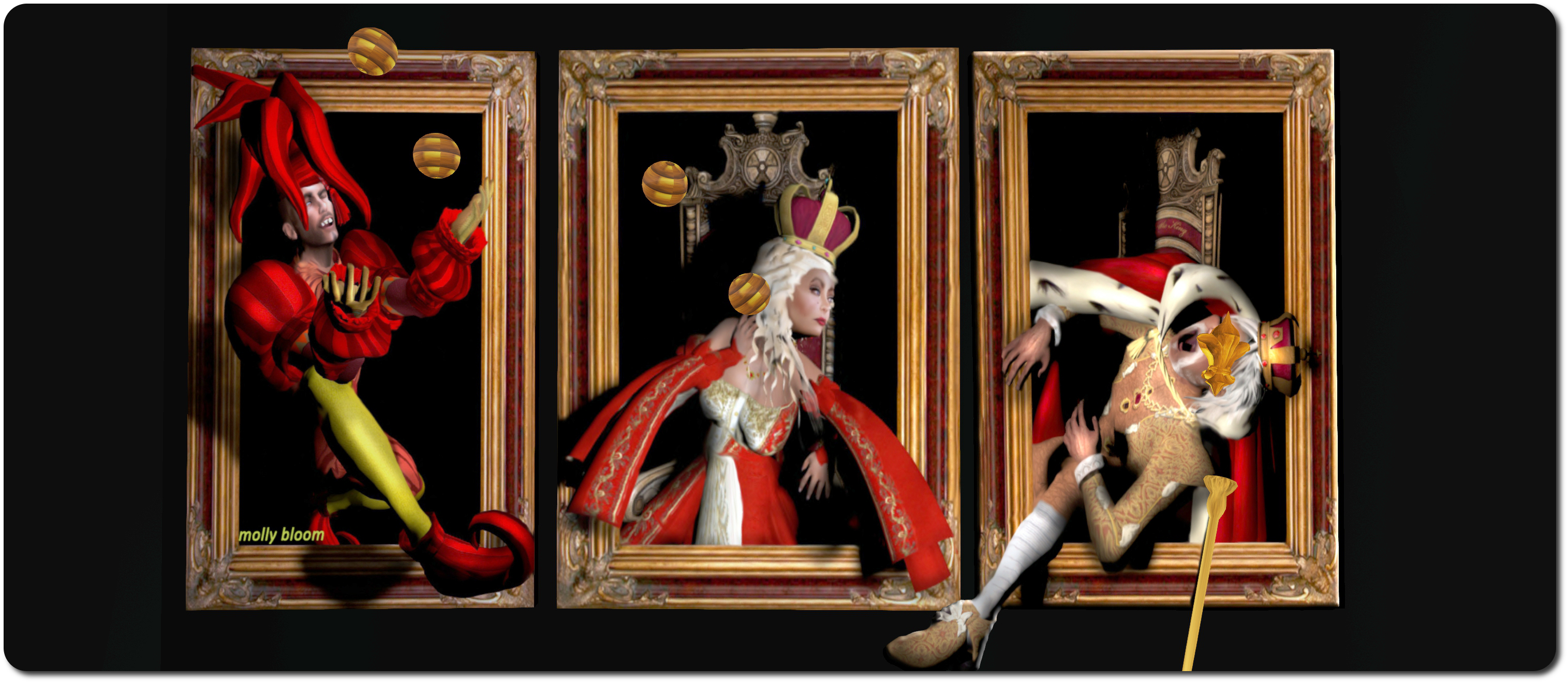
…And thus we come to Molly’s stunning 3D art pieces which have so delighted audiences in Second Life wherever they’ve been displayed, and which I’ve previously covered in the pages of this blog when reviewing exhibitions such as Brain-Gasm, Rock’n’Roll, and Depth Perception.

Artist Evolution
Artist Evolution – Renaissance Gallery

The evolution of style and content is clear through the pieces displayed. But more than that, this exhibit also reveals more about the artist herself; through the works displayed here, we also catch a sight of her drive, her determination to master new techniques, to expand her own abilities and her range of creative expression. There’s a joy in art to be witnessed here that underlines the fact that this is both an insightful and delightful exhibition; one not to be missed.

SLurl Details

2015 viewer release summaries: week 30

Updates for the week ending: Sunday, July 26th, 2015

This summary is published every Monday, and is a list of SL viewer / client releases (official and TPV) made during the previous week. When reading it, please note:

  • It is based on my Current Viewer Releases Page, a list of all Second Life viewers and clients that are in popular use (and of which I am aware), and which are recognised as adhering to the TPV Policy. This page includes comprehensive links to download pages, blog notes, release notes, etc., as well as links to any / all reviews of specific viewers / clients made within this blog
  • By its nature, this summary presented here will always be in arrears, please refer to the Current Viewer Release Page for more up-to-date information.

Official LL Viewers

  • Current Release version: Current Release version: 3.8.1.303130 – no change
  • Release channel cohorts (See my notes on manually installing RC viewer versions if you wish to install any release candidate(s) yourself):
    • No updates
  • Project viewers:
    • No updates.

LL Viewer Resources

Third-party Viewers

V3-style

  • Black Dragon updated to version 2.4.4 on July 22nd and then to version 2.4.4.1 on July 23rd – core updates: incorporation of the Viewer-Managed Marketplace functionality – change logs

V1-style

  • Cool VL Viewer Stable branch updated to version 1.26.14.1 and the Experimental branch updated to 1.26.15.0, both on July 25th – release notes

Mobile / Other Clients

  • No updates.

Additional TPV Resources

Related Links

Space update: Pluto, Mars, and Earth’s big cousin

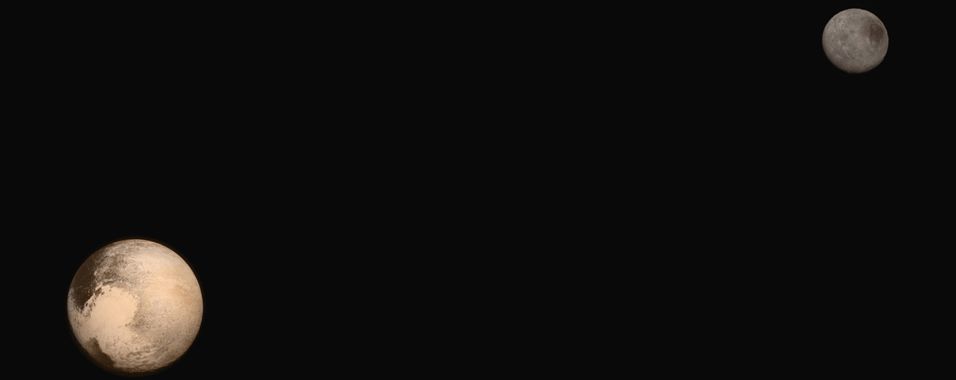
A composite image of Pluto an Charon, show to scale with one another and in true colour, as they were images by New Horizons on July 15th, 2015 (image courtesy of  NASA/ APL / JHU)
A composite image of Pluto and Charon, show to scale with one another and in true colour, as they were imaged by New Horizons on July 14th, 2015

New Horizons is continuing outbound from the Pluto-Charon system, its primary mission  complete. A new phase of the mission has now begun: returning all the data gathered safely to Earth; a process that is going to take an estimated 16 months to complete. Even so, and as indicated in my last report, what has already been received has been enough to turn much of planetary science on its head.

During a mission briefing on July 24th, 2015, Alan Stern, the New Horizons principal investigator and members of the science team provided a further update on the mission, and revealed some of the more stunning images captured by the spacecraft during the close approach phase of the mission. One of the most striking of these was a picture snapped by New Horizons just seven hours after close approach, when it was already 2 million kilometres (1.2 million miles) from Pluto.

The image shows the dark disc of Pluto’s night side (which will not see the light of the Sun for another 20 years), surrounded by a halo of atmosphere, 130 kilometres (80 miles) thick, backlit by the distant Sun. Within the atmosphere sit two bands of thick haze, one around 50 kilometres (30 miles) altitude and the second at around 80 kilometres (50 miles) altitude.

Taken from a distance of 2 million kilometres (1.25 million million) beyond Pluto, this black-and-white LORRI images, captured 24 hours after closest approach, reveals the haze of Pluto's atmosphere as sunlight is filtered through it
Taken from 2 million kilometres (1.25 million miles) beyond Pluto, this black-and-white LORRI images, captured just 7 hours after closest approach, reveals the haze of Pluto’s atmosphere as sunlight is filtered through it

These bands of haze are believed to be the result of ultraviolet sunlight striking the upper reaches of Pluto’s atmosphere, breaking apart the methane gas there, giving rise to more complex hydrocarbon gases such as ethylene and acetylene. These heavier gases then descend into the colder regions of Pluto’s atmosphere, condensing as ice particles, which are seen by New Horizon’s instruments as the bands of haze.

The ice particles are further acted upon by ultraviolet sunlight so that tholins are formed. Tholins are large complex organic aerosols thought to contain some of the chemical precursors of life. These gradually fall out of the atmosphere to mix with hydrocarbons on Pluto’s surface, giving it the distinctive colouring we see in images like those given below.

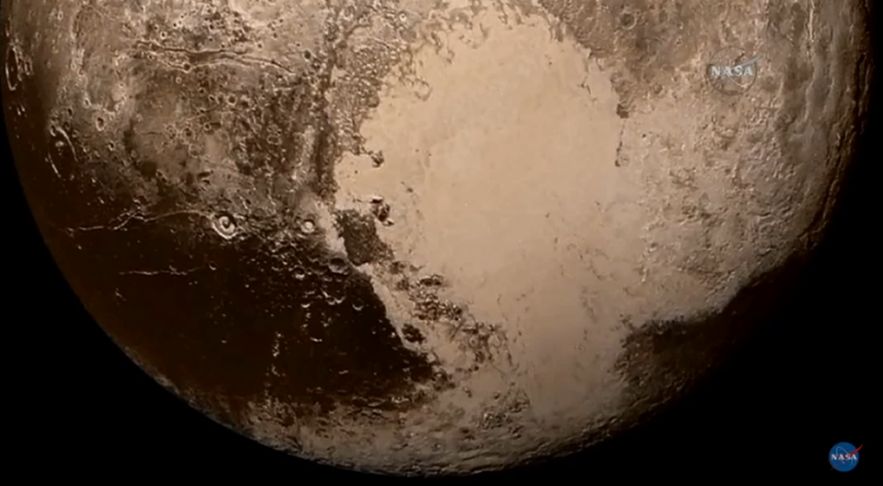
Pluto by day: this image of Pluto, captured on July 14th, is the clearest true-colour image of the dwarf planet so far returned by New Horizons and shows deails down to 2.2 kilometres across
Pluto by day: this image of Pluto, captured on July 14th, is the clearest true-colour image of the dwarf planet so far returned by New Horizons, and shows details down to 2.2 kilometres across

The July 24th briefing also revealed some of the most detailed images of Pluto’s sunlit side yet published, starting with the true colour image shown above. This shows Pluto in twice the level of detail as the July 13th image published by NASA, revealing surface features as small as two kilometres across (the ultra-high resolution images LORRI has captured will eventually reveal surface features as small as 50 metres across). Featured prominently and unmistakably in the image is Pluto’s light-coloured “heart”, informally named the “Tombaugh Regio” in honour of Pluto’s discoverer, Clyde Tombaugh.

This huge region is divided into two parts, defined by the two “lobes” of the heart. On the left (west side) is the relatively smooth expanse of the “Sputnik Planum”, roughly the size of Texas.The is largely composed of a thick layer of nitrogen, methane and carbon monoxide ice. That it is almost completely without craters suggests it is much younger than the rest of Pluto’s visible surface; but how it formed has yet to be determined.

An increased magnification image of “Tombaugh Regio” and its surroundings. On the left of the “heart” (the western side of the planet) lies the smooth form of “Sputnik Planum”; to the right, is the eastern “lobe” of the “heart”, which shows similar bright material to that found on “Sputnik Planum”, but spread within more chaotic terrain

The right side of the “heart” is also brightly-coloured, indicating the presence of ices similar in nature to those in “Sputnik Planum”, but it also shows a much rougher terrain as well. Further bright, icy material also extends from the “point” of the “heart” into the southern polar regions of Pluto, again mixing with rougher terrain.

While it is not clear what actually gave rise to the icy expanse of “Sputnik Planum”, it is not believed the same mechanism is responsible for the ice in either eastern lobe or which extends southwards from the “heart”. These are believed to be the result of material from “Sputnik Planum” being carried into these areas, where it is gradually “painting over” surface features there.

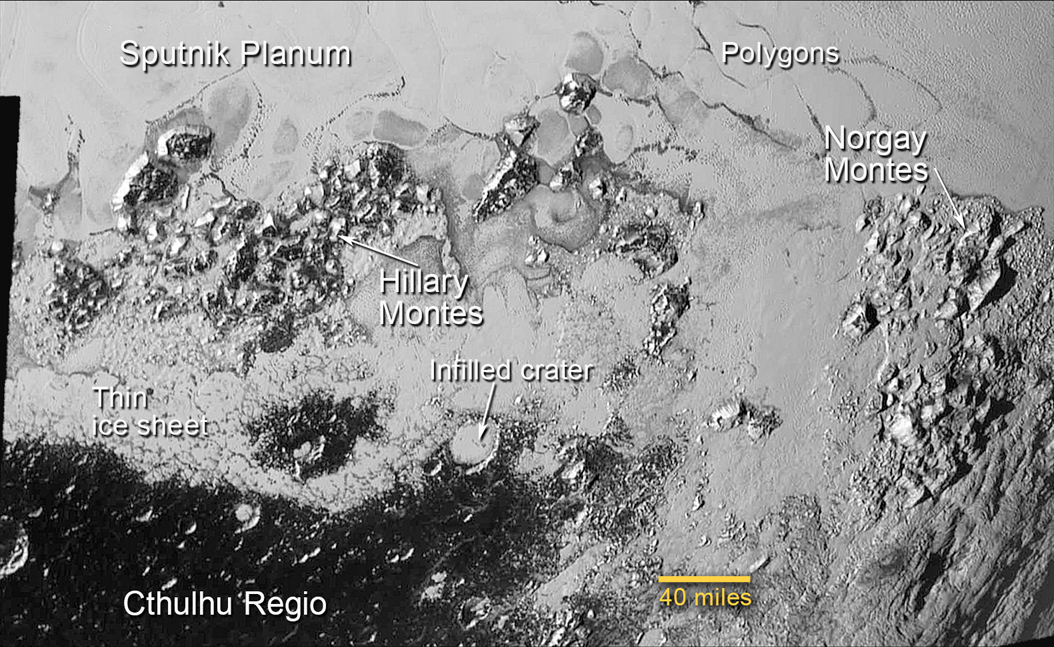
An enlarged view of the southern area “Sputnik Planum” bordering the Lovecraft-inspired “Cthulhu Region” showing how the chaotic terrain around the “Hillary Montes” and “Norgay Montes” has been invaded by icy deposits, possibly carried into them as snow by wind action, or even the result of glacial activity

Continue reading “Space update: Pluto, Mars, and Earth’s big cousin”

Windlight Magazine: Return to the Beach Photography Contest L$10k prize pool

WindlightTo mark the passing of the summer months, Windlight magazine has launched its first annual Return to the Beach photography competition.

“We are nearing the end of summer and we know that you would want to capture those special beach moments in Second Life”, said John (Johannes1977 Resident) Windlight’s founder and editor, in announcing the competition.

He continued, “select a beach in Second Life. If you are stumped where to find beaches, try the destinations guide: http://secondlife.com/destinations/beaches. Once you choose your beach or beaches, start snapping!”

On offer is a prize pool totalling L$10,000, together with some special extras:

  • 1st Place – L$5,000, 1 double page advertisement and a magazine article, plus a blog article
  • 2nd Place – L$3000, 1 double page advertisement and a blog article
  • 3rd Place – L$2000, 1 double page advertisement.

All entries should be posted in the Windlight Magazine Flickr group, and entrants are allowed 3 submissions total. In addition, the following guidelines should be observed:

  • When posting your photos please use the following naming convention: Windlight Magazine-Beach Photo Contest – SL Name-Photo #1, (or #2 or #3 for additional entries)
  • All photos must:
    • Be your original work, and must not have been posted elsewhere on Flickr or used elsewhere previously
    • Must include the SLurl of the beach where they were taken
  • Nudity is allowed if done in a non pornographic and non sexual way
  • Post-processing using external tools is permitted.
Jodi and I enjoy some beach-side relaxation at Timeless Memories. Where will your entries for the Windlight Magazine photo contest take you?

Please be respectful of region covenants and rules when visiting beaches, estates, or any location in Second Life, and ensure permission is granted for the taking of photographs.

Deadlines and Judging

  • Photos must be uploaded to the Windlight Magazine Flickr group no later than the end of Saturday, August 15th, 2015
  • Judging will be by an invited panel, who will assess entries on the following criteria:  creativity, originality, technique and the incorporation of the location in the photograph.
  • Winners will be announced on Thursday, August 20th, via the Windlight Magazine website and on the Windlight social media channels. All winners will be contacted in Second Life and via Flickr messaging.

So – if you haven’t already done so, it’s time to get down to the beach and start snapping! Good luck to all who enter!