Realm of Light in Second Life

Realm Of Light; Inara Pey, February 2018, on Flickr Realm Of Light – click any image for full size

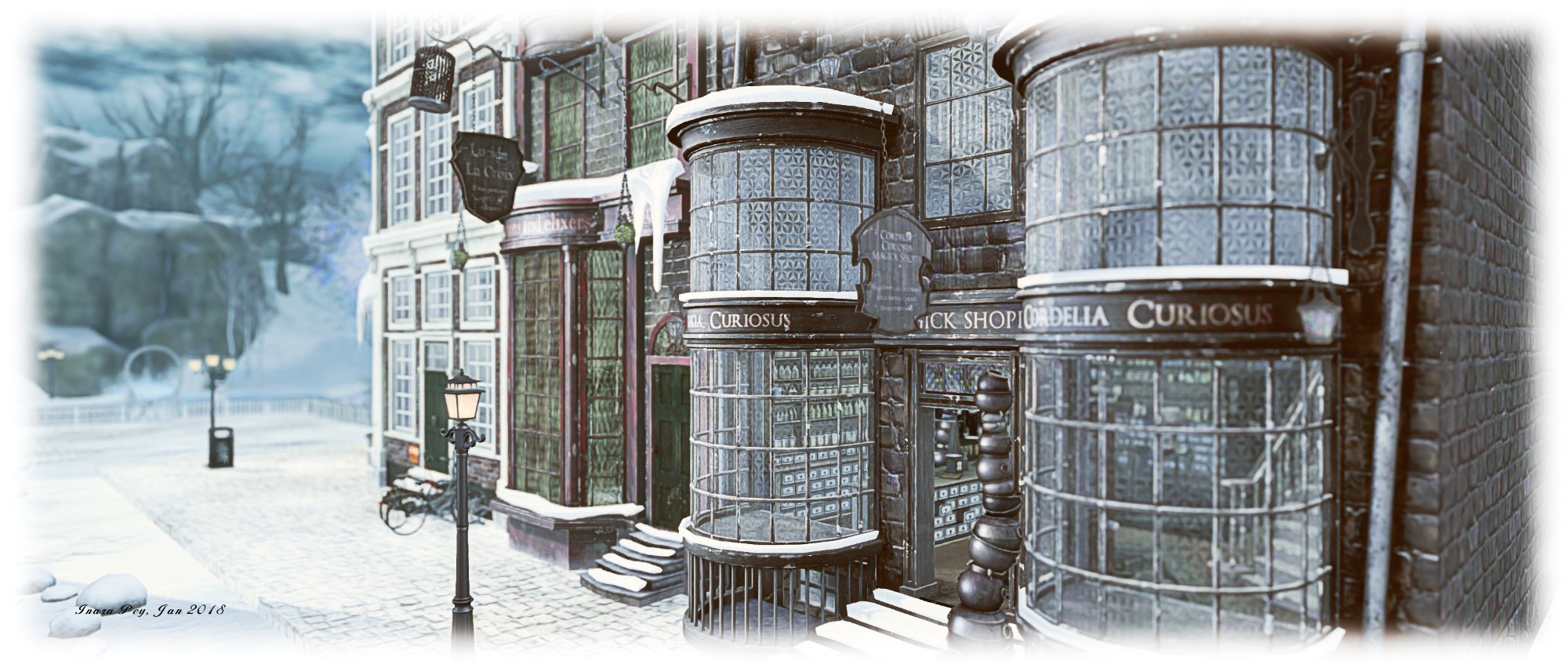
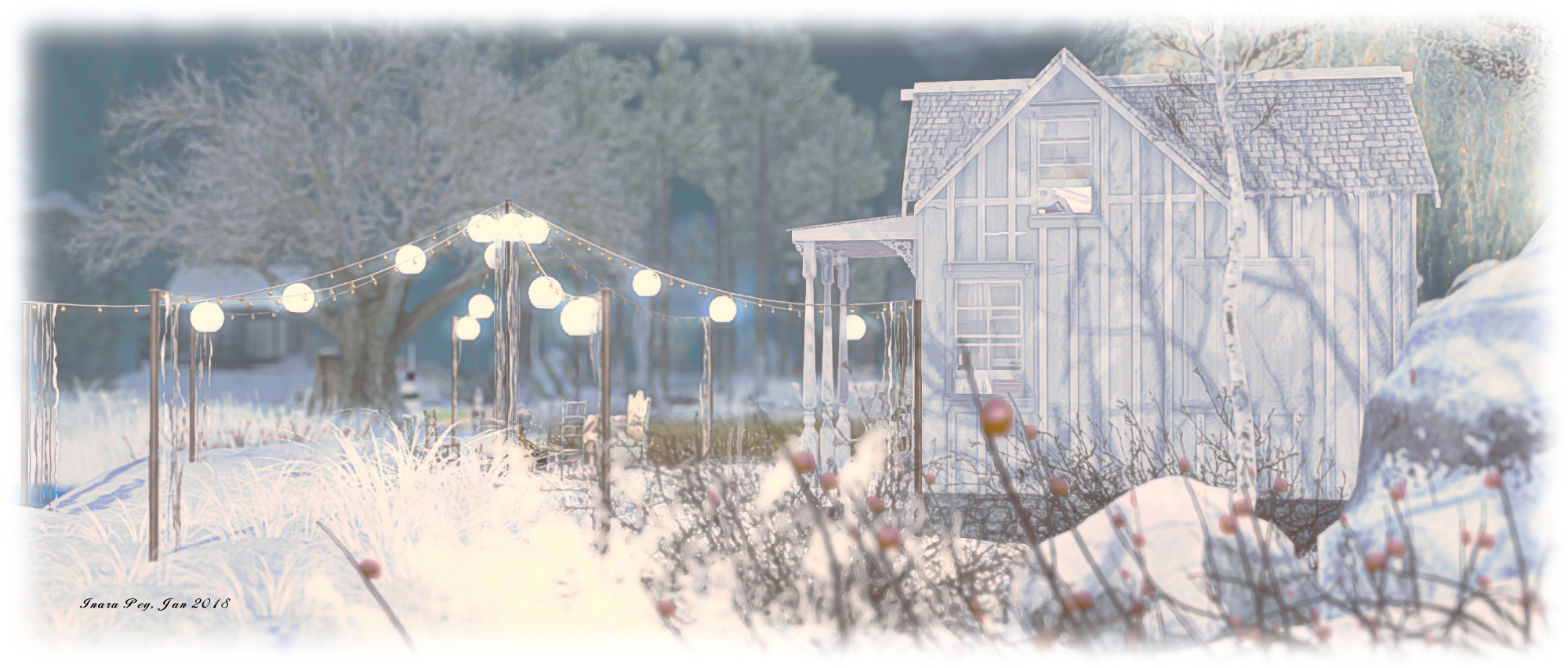
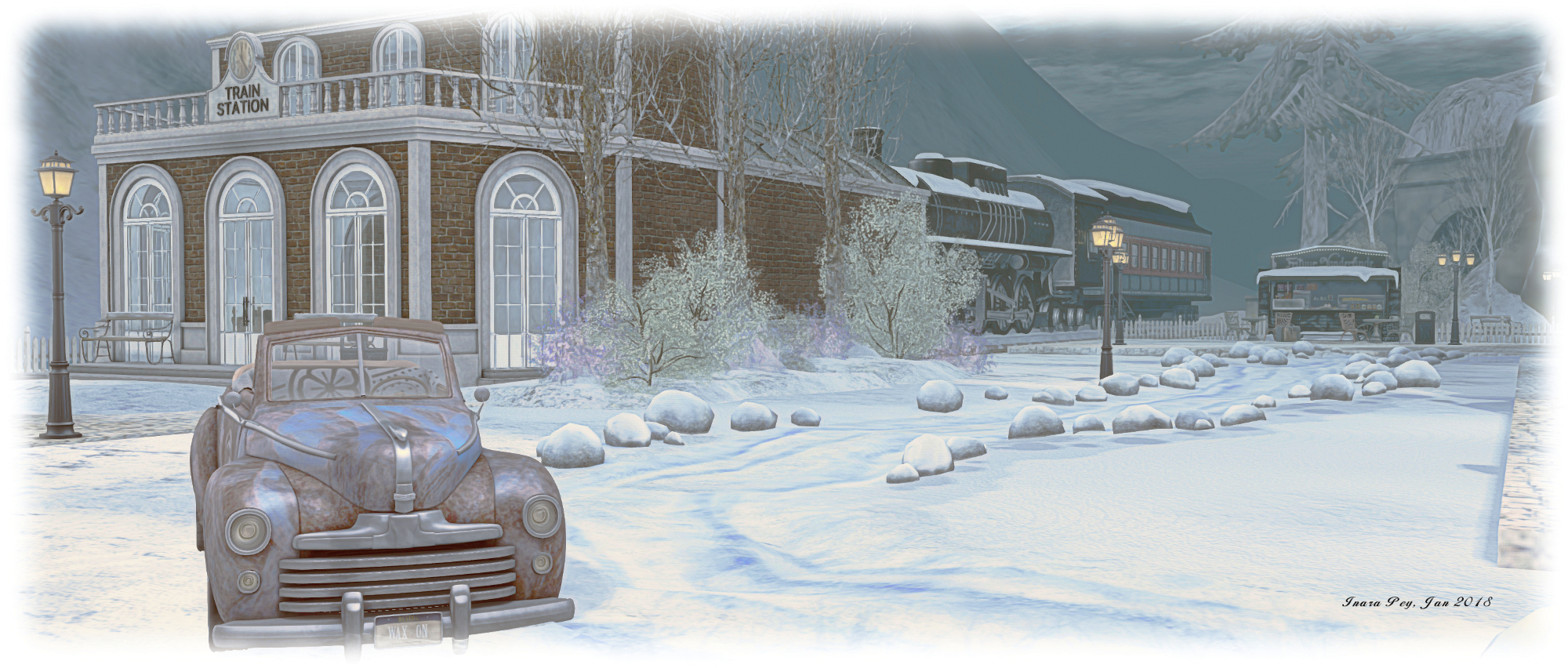
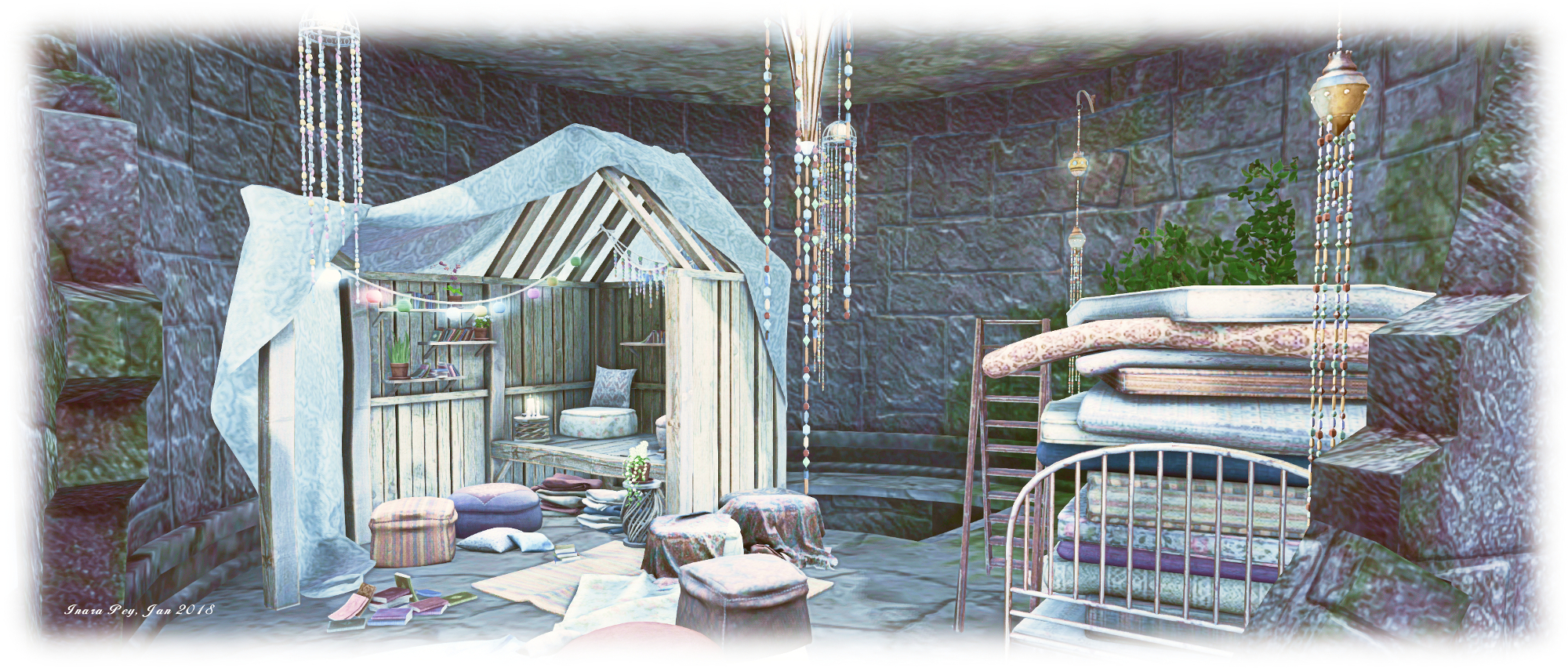
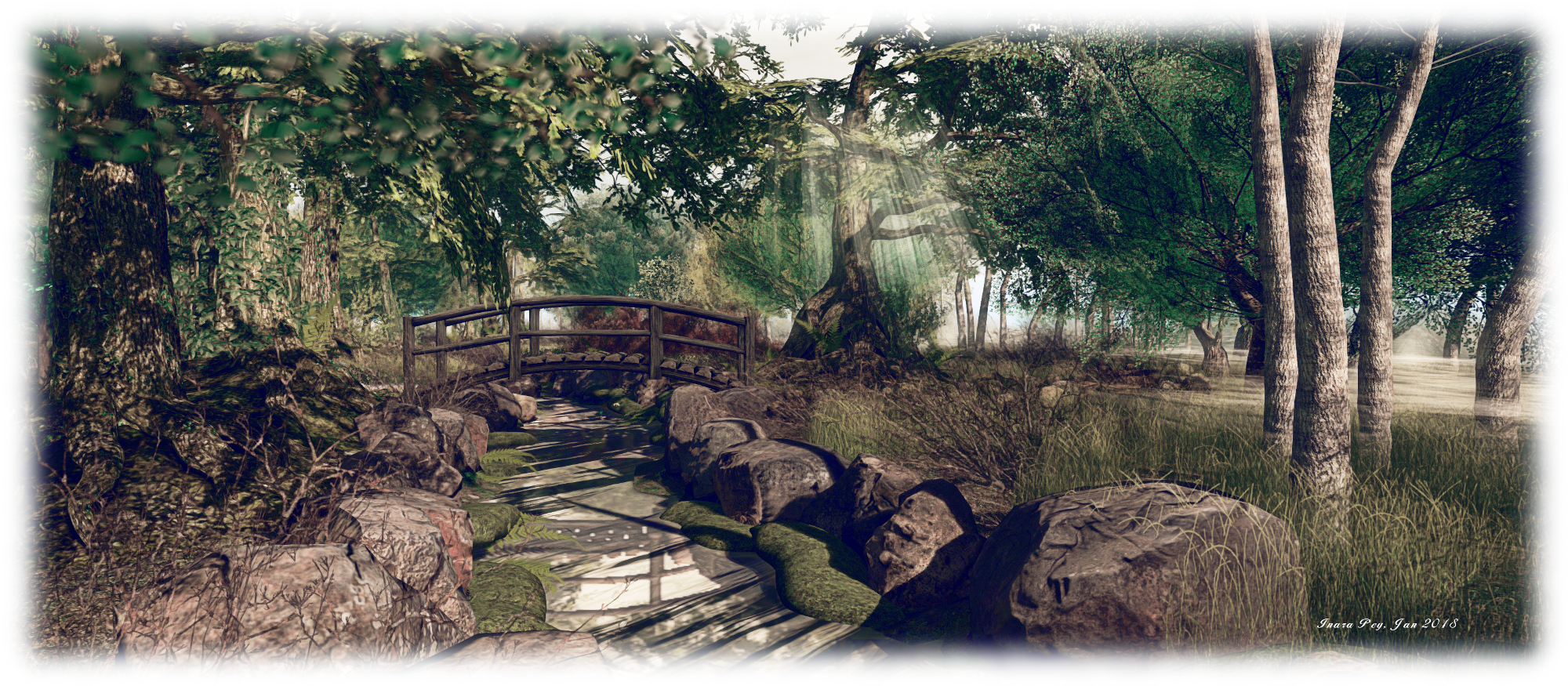
Annie Brightstar led us to take a visit to Realm Of Light, a Full region designed by Varielle and Tai (Taionia). Described as a “medieval/fantasy sim”, I’d definitely place it as the latter more than the former; it has a delightfully elven / fae feel to it with more than enough fantasy touches to mark it in that direction rather than medieval.

The landing point immediately evokes the fantasy feel, offering a faery circle, trees with windowed trunks lit from within and clearly the homes of the little folk dancing around the landing point on gossamer wings. Four paths offer routes of departure from the ring – three meandering through the tall trees, the third a bridge over one of the region’s rivers. Which you take is entirely up to you – and guaranteed, if I might paraphrase Tolkien, to bring you a place to which you may not have been going, but where your presence is welcomed.

Realm Of Light; Inara Pey, February 2018, on Flickr Realm Of Light

Travel east along one of the paths, and you’ll quickly come to another stream, bridged by interlocking tree trunks, the greensward beyond offering a place to sit and relax – or float- among exotic and colourful plants and fungi. South of this, and sitting on a tiny island separated from the rest of the region by narrow channels, is a great tree supporting a wooden platform on which is built the most marvellous windmill-come-house. At ground level and in the shade of the tree, is a smaller cottage – but be warned! The dragon guarding both is not there purely for show; this little island is a private residence, so please be respectful and avoid trespassing.

Take the path to the north, and it will take you – by way of another bridge – to a garden and elven pavilion. The garden a place of fountains, cuddle spots, a teleport to a floating meditation island. It is dominated by a great mallorn-like tree, a passage cut through its trunk, great lanterns hanging from its boughs and a platformed house held within its crown.

Realm Of Light; Inara Pey, February 2018, on Flickr Realm Of Light

Go south from the landing point, and the path will branch and fork, bringing you to a number of places – what might be an alchemist’s retreat, an ancient walled garden, a mystical tree cave and another greensward ending at a fae waystone circle.

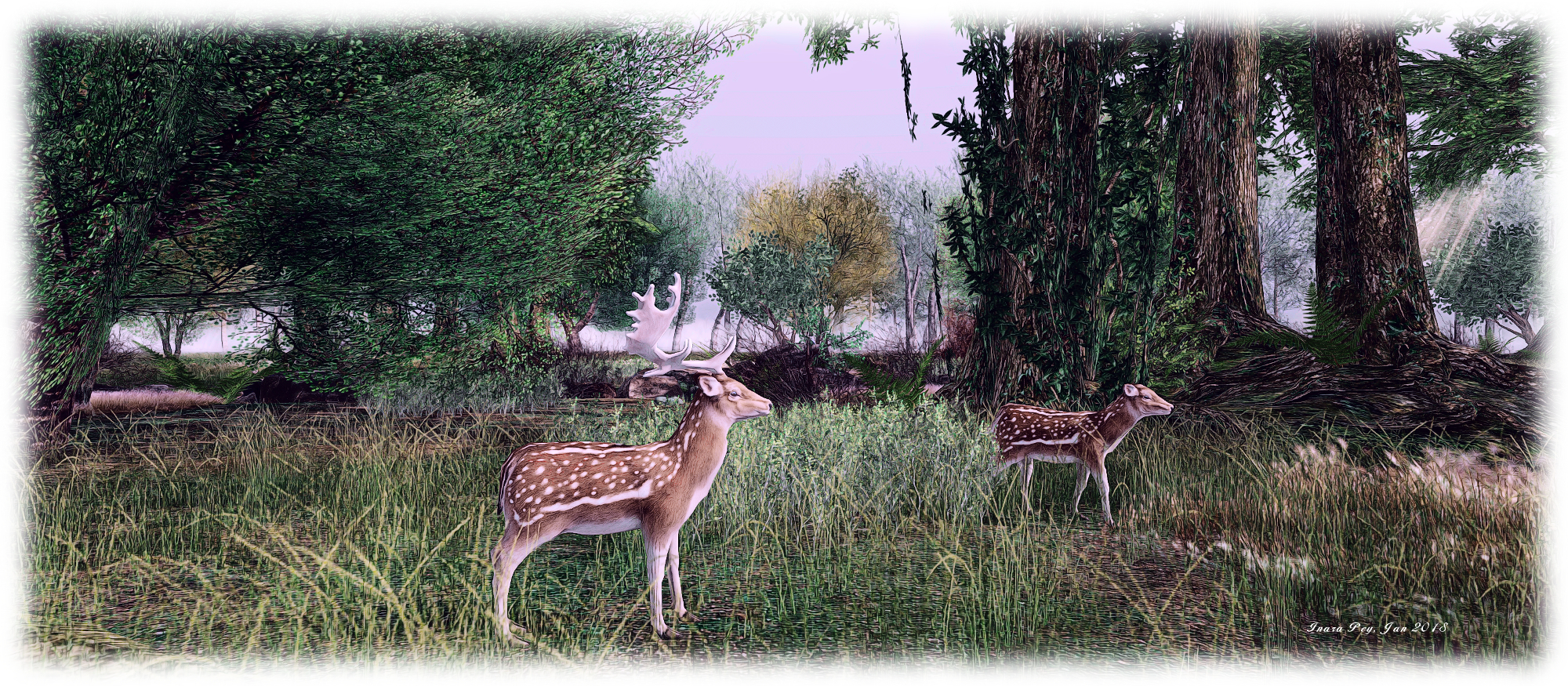
A stone bridge near to the waystone circle offers a way across a narrow river gorge to where elven tree houses sit within the woods, stone paths and steps running between them, the grasses in their shade home to deer and rabbits. The tree houses are connected by bridges spanning the gaps between their ornate platforms, allowing easy passage from one to the next and back without the need to descend to ground level. North-west of the tree houses sits another island, reached by two bridges; again be aware that the properties here are available for rent and may be occupied – so please resist the temptation to enter them.

Realm Of Light; Inara Pey, February 2018, on Flickr Realm Of Light

All of this is just scratching the surface of this region. Along the rivers – and overhead – one might find more dragons; to the north-east lies ship wrecks and a mermaid cove with places underwater to explore. Unicorns are to be found among the trees, while translucent butterflies flutter over plants and toadstools. Keep an eye out for the tiny houses and towers scattered around, and the fae folk who flutter about or are engaged in different activities.

Realm Of Light could perhaps benefit from a more appealing windlight, but as most photographers tend to use their own, this isn’t a drawback – but I do encourage experimenting with options when visiting; this is a place which really comes into its own under many sunlight settings. As it is, Realm Of Light makes for an engaging visit and offers plenty of opportunities for photography and exploration.

Realm Of Light; Inara Pey, February 2018, on Flickr Realm Of Light

SLurl Details

Kamigami, Pandora Resort in Second Life

Kamigami, Pandora Resort Town; Inara Pey, February 2018, on Flickr Kamigami, Pandora Resort

Note: this vision of Pandora Box of Dreams closed on August 1st, 2018, so the SLurl have been removed.

Lokhe Angel Verlack (Jackson Verlack) is a master in creating immersive environments, and I’ve covered a number of his region designs over the last few years – the most recent being Namaste, under their Pandora Resort/Pandora Box of Dreams banner (read here for more). Recently, he had his partner, Miza-Cupcake-Verlack (Mizaki) opened a new destination at Pandora Resort – Kamigami, a Japanese themed, down-town style environment with some nice little touches.

As with Namaste, a visit to Kamigami commences on the upper deck of an airliner zapping through the sky. Arrows on the floor direct passengers down to the lower deck and to teleport boards sit nestled in the cabin door lobby. One of these takes visitors to Namaste, the other to Kamigami, where they are delivered to the lower entrance to a metro station – the steps to street level offering the only way forward.

Kamigami, Pandora Resort Town; Inara Pey, February 2018, on Flickr Kamigami, Pandora Resort

Climbing the steps reveals this is not the better part of town; the red-bricked buildings are grimy with age, the streets – although apparently pristine tarmac, possibly washed clean by the falling rain – are lined with piles of rubbish, old oil cans and signs that some attempts are being made at renovation.The metro sign on the wall of the steps suggests we’re in Kyoto, in which case, this might be an older, more outlying part of that city.

More signs, neon and painted boards, hang from walls, extend from posts carrying overhead power lines and are mounted on overhead gantries. Some of these are typically Japanese while others offer a more Chinese lean, and some have a distinctly western look and feel; all of which gives the setting an eclectic look and feel.

Kamigami, Pandora Resort Town; Inara Pey, February 2018, on Flickr Kamigami, Pandora Resort

Most of the builds are admittedly shells, but part of the interest in a visit is finding your way around the streets separating them into blocks, taking in all the little details. I say “most”, because wander far enough and you will find places that are open to avatars to explore, such as the magic shop along one street and, most particularly, in the south-east of the build where a series of covered alleys offer little market stalls, eateries and curio shops.

The largest buildings in the setting are of distinctly European / western design. They sit within formal gardens positioned on the rugged table of rock that raises them above the surrounding town, an aloof position befitting their imposing looks. A narrow cutting in the rock,, marked by stone steps, presents the route up to these two manor-like buildings, both of which appear to be places of learning … or of dark acts.

Kamigami, Pandora Resort Town; Inara Pey, February 2018, on Flickr Kamigami, Pandora Resort

Keep an eye out, as well, for the town’s canal; not because of the water or for boats, but because of its unique display of fish that are literally flying along its course, rather and swimming. These can be seen from the road running alongside part of the canal, or from the old stone bridge spanning it.

As with all of  Lokhe ‘s builds – and as one might expect from my description of him at the top of this piece – Kamigami is eye-catching in its level of detail and touches.  Visually, it is as engaging as Namaste, down on the ground level below it – but in a very different way. There are opportunities for photography among the streets. As such, a visit is once again recommended.

Kamigami, Pandora Resort Town; Inara Pey, February 2018, on Flickr Kamigami, Pandora Resort

Kisaragi Town in Second Life

Kisaragi Town; Inara Pey, February 2018, on Flickr Kisaragi Town – click on any image for full size

We were first made aware of Kisaragi Town early in January 2018, when Shakespeare (SkinnyNilla) dropped a landmark over to me. Various things prevented a visit at the time, so it wasn’t until the start of February that we finally got to go and see it – and I’m glad we did.

Covering a half region, the build has been designed by xLinzerTortex, who from his profile appears to be a relative newcomer to Second Life. While profile age is no guarantee of overall time in SL, if he has only been in-world a year and a half then additional kudos to him for presenting such a carefully designed, richly detailed location for people to enjoy.
Kisaragi Town; Inara Pey, February 2018, on Flickr Kisaragi Town

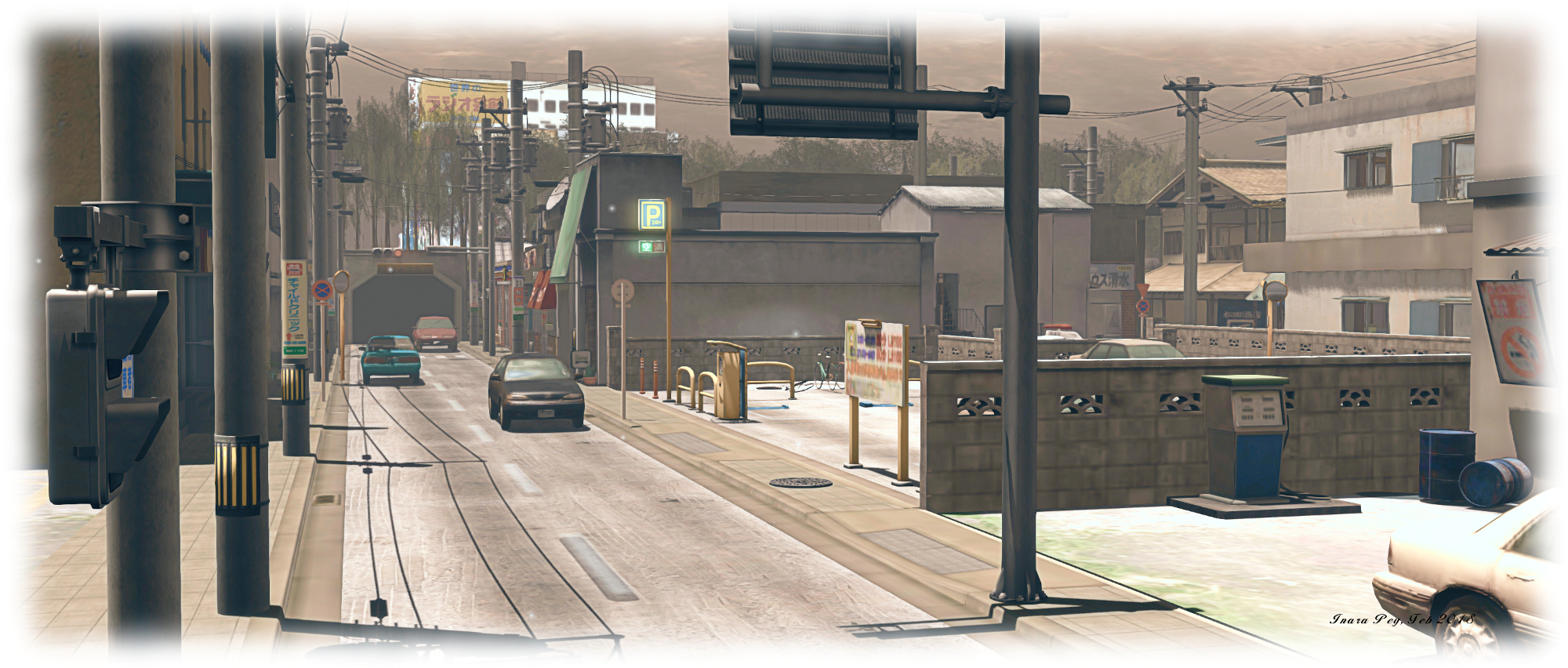
A visit begins on a main road running west-to-east through the town, with tunnels at either end linking Kisaragi Town with the two neighbouring parcels / region (the town sits within a series of Japanese themed private regions). Along this road are assorted businesses: a post office, movie theatre, garage, coffee shop, metro store, eatery and so on. Cars are scattered along the streets or sit parked in assigned bays; traffic lights blink, and advertising hoardings hang from buildings, with posters wrapped around lamp posts and sign poles.

From the style of the buildings, this would appear to be an older part of town; many of the structures are flat, cement-sided blocks, colour provided in splashes by small tiled areas of walls or by the advertising boards or the simple contrast of wood against cement. The exceptions to this are the movie theatre, located towards the eastern end of the street with its painted façade and tiling, and the metro store and gacha standing either side of a small shopping arcade – or alley, if you prefer – running southwards from the eastern end of the street.
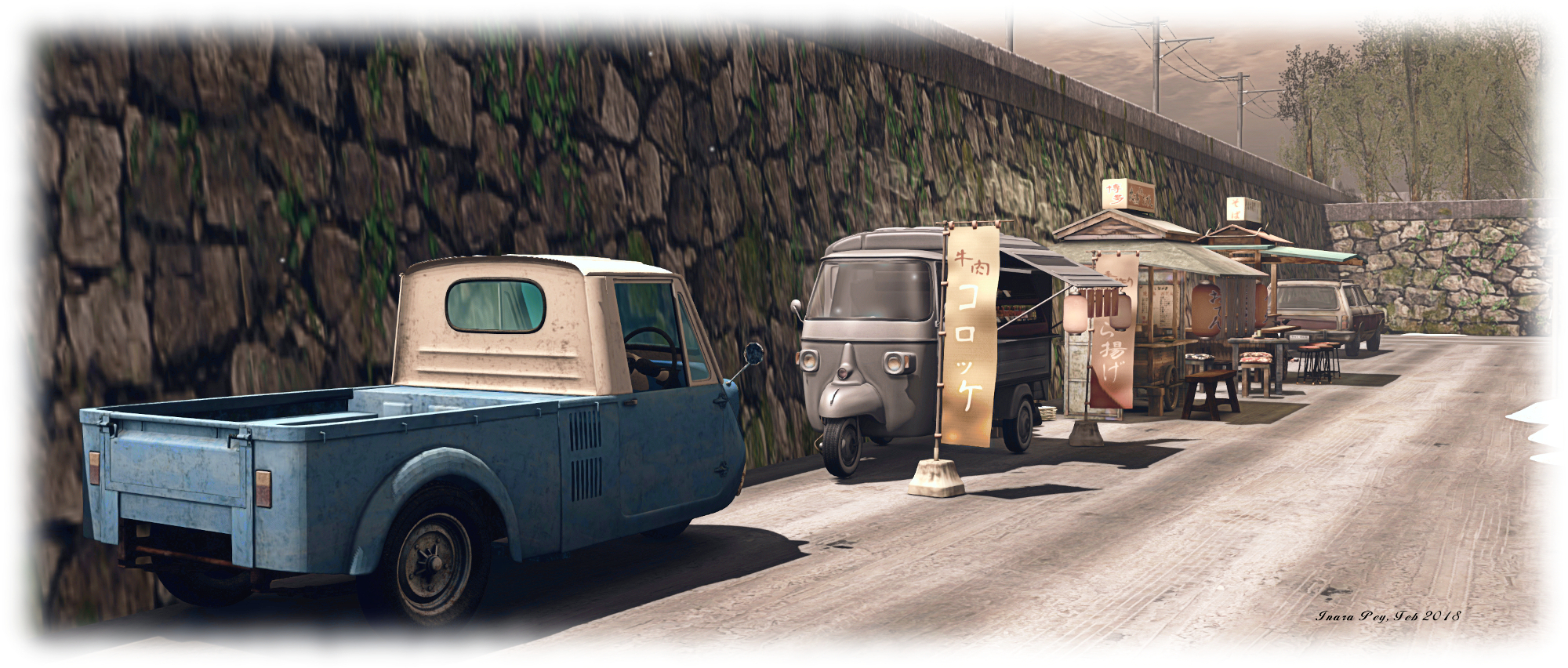
Kisaragi Town; Inara Pey, February 2018, on Flickr Kisaragi Town

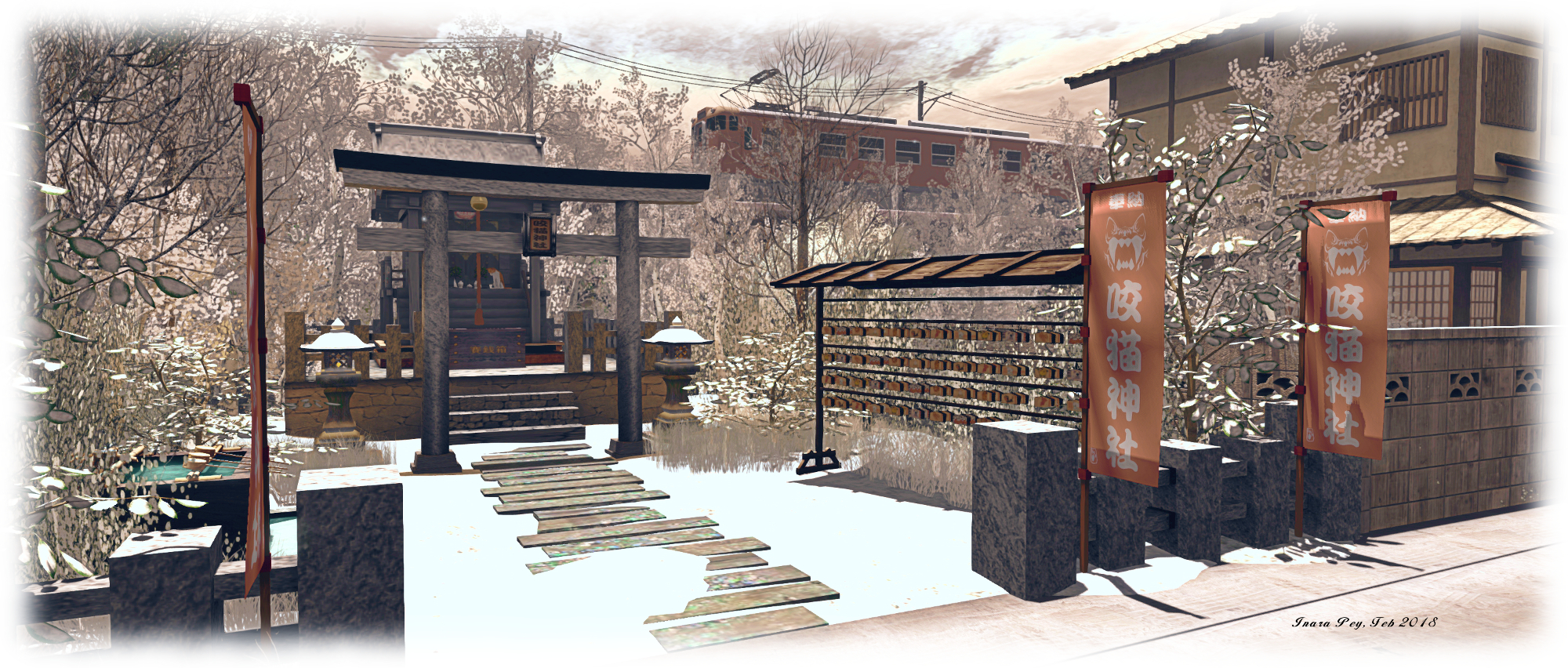
This little precinct, protected from the elements by a discoloured glass roof, again suggesting it has some age to it, has little boutique stores on either side and offers a route to a back street where the snow is falling a little harder. A small temple is huddled into a corner, banners offering greeting, the shrine subject to occasional rattling as cantilevered train cars rumble by on the elevated track behind it. A house and flat-roofed apartment buildings also occupy this southern side of the town, again subject to the passage of trains on the elevated track. A little row of market stalls sits beneath the wall supporting the rails, perhaps serving the locals living in the apartments.

Small it might be, but the design of Kisaragi Town is such that when walking the streets, it is easy to get a feel you are exploring a corner of a much larger setting. To the north, forming a natural border along one edge of the parcel, rise as series of more modern apartment blocks. These serve to both contain the town and suggest that if we were to travel beyond them, we’d find yet more of this town to explore. Similarly, to the east and west are raised lines of trees which again provide a natural border for the town and break-up the rooftops of the regions beyond, further adding to the sense that Kisaragi Town is part of something bigger, even though it is not in any way thematically connected to its surroundings.
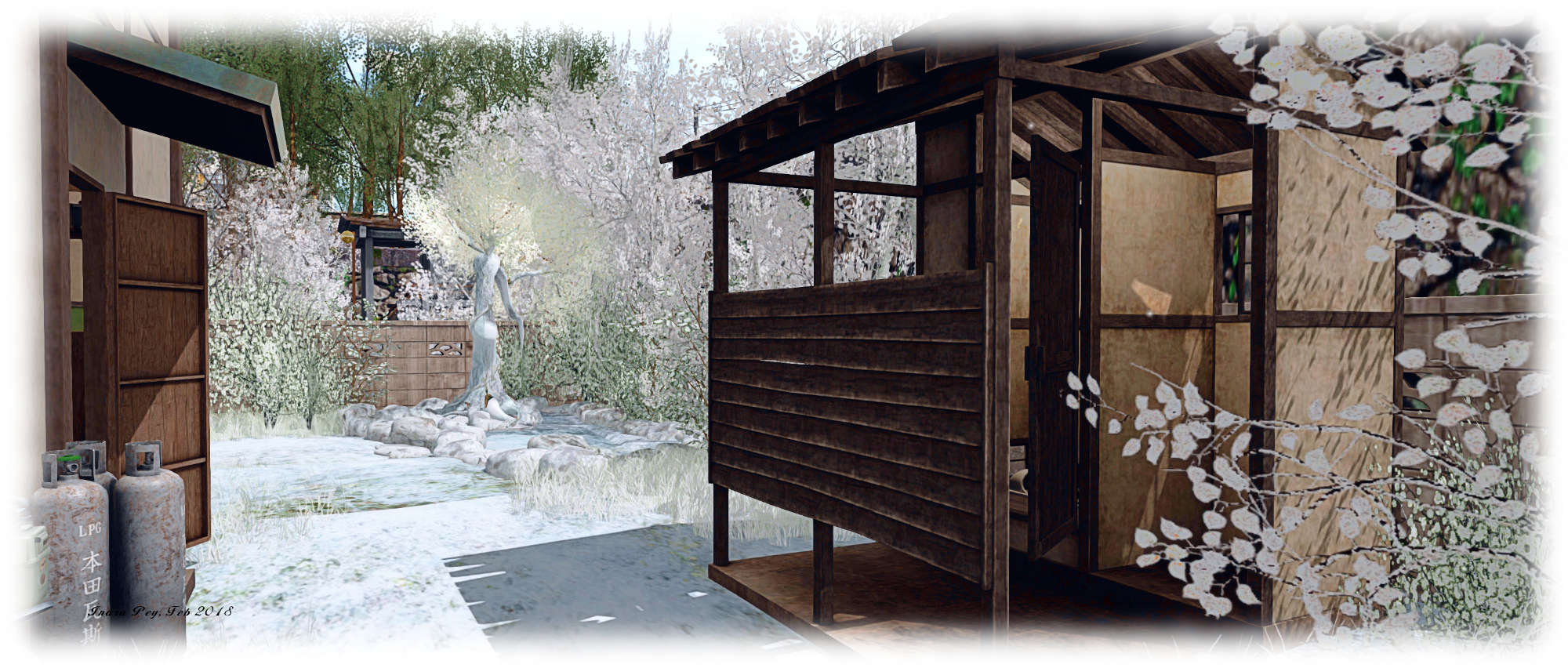
Kisaragi Town; Inara Pey, February 2018, on Flickr Kisaragi Town

What we liked most about this build is the sheer attention to detail that bring it to life. There’s the vending machines and bicycles racked up under the lee of a building at one end of the street; the parking ticket machines and sign board outlining the use of the car park at the other; the waste bags at the side of a street awaiting collection; the just-delivered bundles of the morning’s papers outside a store; the care taken in selecting the cars on the streets; the overhead power distribution system… it all adds up.  Climb a set of steps up from one end of the main road and you’ll find a little rooftop area where people can practice their baseball batting – so typical of the use of space seen in places like Japan, where land can come at a premium price.

I also liked the way that the western end of the parcel has a small undeveloped “buffer zone” beyond the road tunnel. This not only offers a break between Kisaragi Town and its immediate neighbours (currently undeveloped at ground level), but also potentially offers room for expansion.
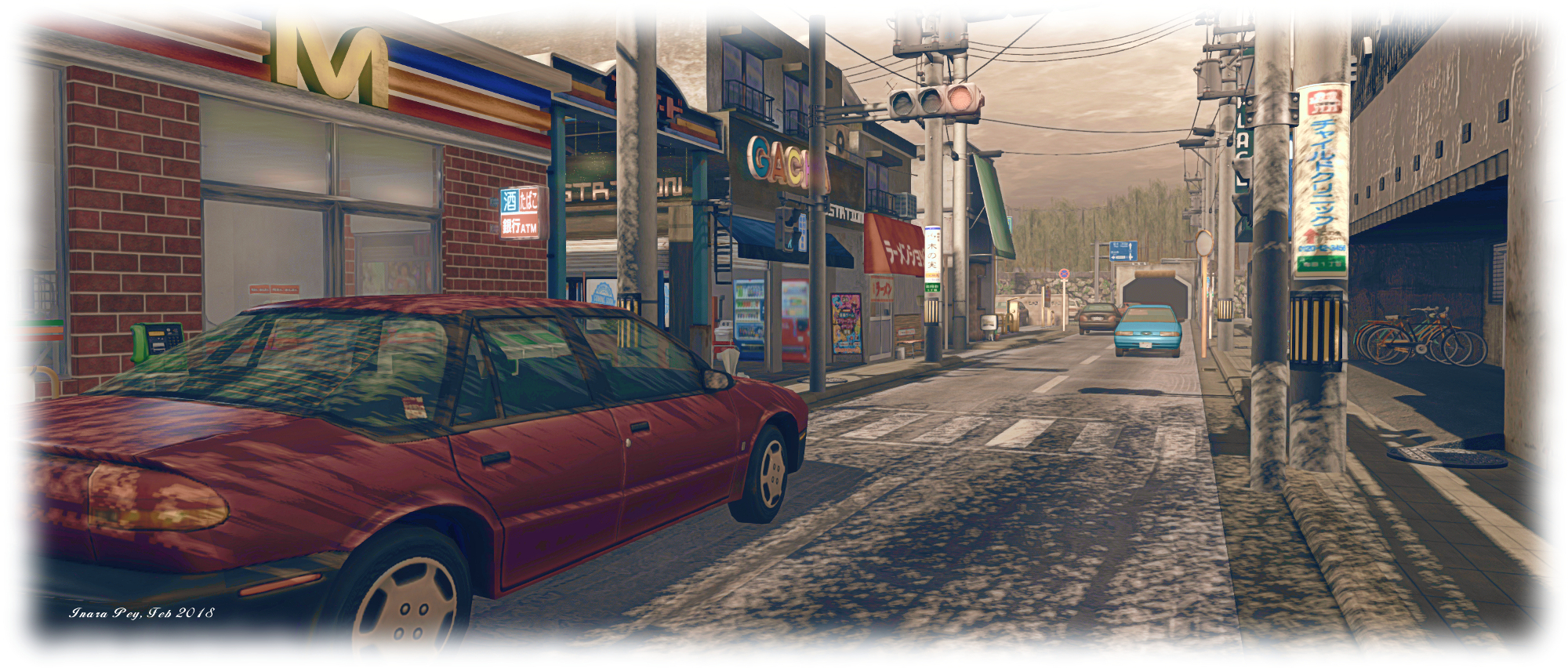
Kisaragi Town; Inara Pey, February 2018, on Flickr Kisaragi Town

Kisaragi Town is a treat to visit. Small, finely detailed, and offering a compact opportunity for exploring and discovering. Should you visit and enjoy the setting, please consider a donation towards its upkeep at the temple in the south-east corner.

SLurl Details

Cece’s Secret in Second Life

Cece's Secret; Inara Pey, January 2018, on Flickr Cece’s Secret – click on any image for full size

I was drawn to Cece’s Secret, a homestead region designed by CeCeGy, as a result of seeing it as an Editor’s Pick in the Destination Guide. For those still keen to enjoy winter themes, it currently offers a snowy environment which makes for a pleasing visit and a charming location with hints of romance.

A visit starts on the largest of five islands, and almost at the centre of the region. This island is home to a parade of shops facing a railway station terminus, a single track curving out of the station to vanish into a tunnel. A train is halted before the awning of the station – which is just as well; the smoke stack of the engine is taller than the steel frame of the awning, so any attempt to go any further might have been damaging to both. Instead, the train sits under the early morning sky, a small square alongside the track.

Cece's Secret; Inara Pey, January 2018, on Flickr Cece’s Secret

A café sits on the square, a frozen pond nearby, reached via a set of gates. Further to the east, beyond the rocks rising from the ground beyond the pond, sits a whitewashed cabin with roaring fire outside and an interior setting suitable for newly weds and the romantic at heart. With the ground covered in snow, a path marked by small rocks winds its way around the shops and down to the south to where two bridges span narrow channels to the nearer two of the four southern islands.

Of the two islands reached via these bridges, one is a rocky outcrop. Stone steps curl up the snow and rock to where a large tower rises, inviting people to explore. With its walls holed and its turret broken, this tower still offers another cosy retreat. Across the water the second island is lower, flatter. Reached via a low bridge, it is home to another comfortable cabin facing a vagabond trailer across another frozen pond.

Cece's Secret; Inara Pey, January 2018, on Flickr Cece’s Secret

The remaining two islands sit further out and are far more rugged in nature; one on the edge of the region and deserted; the second – which appears to be only reachable by flying – is also rugged, with a garden cottages sitting on the top of it, again making presenting another comfortable escape from the rest of the world.

There is one more accessible offshore point; not so much an island as a tiny islet on the west side of the region. Reached by a little iron bridge, and devoid of trees, it offers a bed under a canopy, while a deck with seats and burning brazier faces it from across the region on the east side.

Cece's Secret; Inara Pey, January 2018, on Flickr Cece’s Secret

There are one or two little issues with the design, but nothing to spoil the overall setting. There are some gates that don’t open, for example, but can easily be walked around, while one or two plants could do with being phantom. Do note, as well, that scripts are disabled; so if you re-log whilst visiting, you many find any scripted AO you use and scripted attachments may not work as expected.

It’s important to note that these are own little issues, and they don’t spoil a visit. As such, were I to use one word to describe Cece’s Secret, it might be placid. The winter set to the region, coupled with the surrounding mountains, the region has a feeling of being a secluded place; somewhere to escape to and relax. As well as the cabins and the bed on its islet, there are numerous places to sit and relax or cuddle.

Cece's Secret; Inara Pey, January 2018, on Flickr Cece’s Secret

SLurl Details

An oriental Les Reves Perdus in Second Life

Les Reves Perdus; Inara Pey, January 2018, on Flickr Les Reves Perdus – click on any image for full size

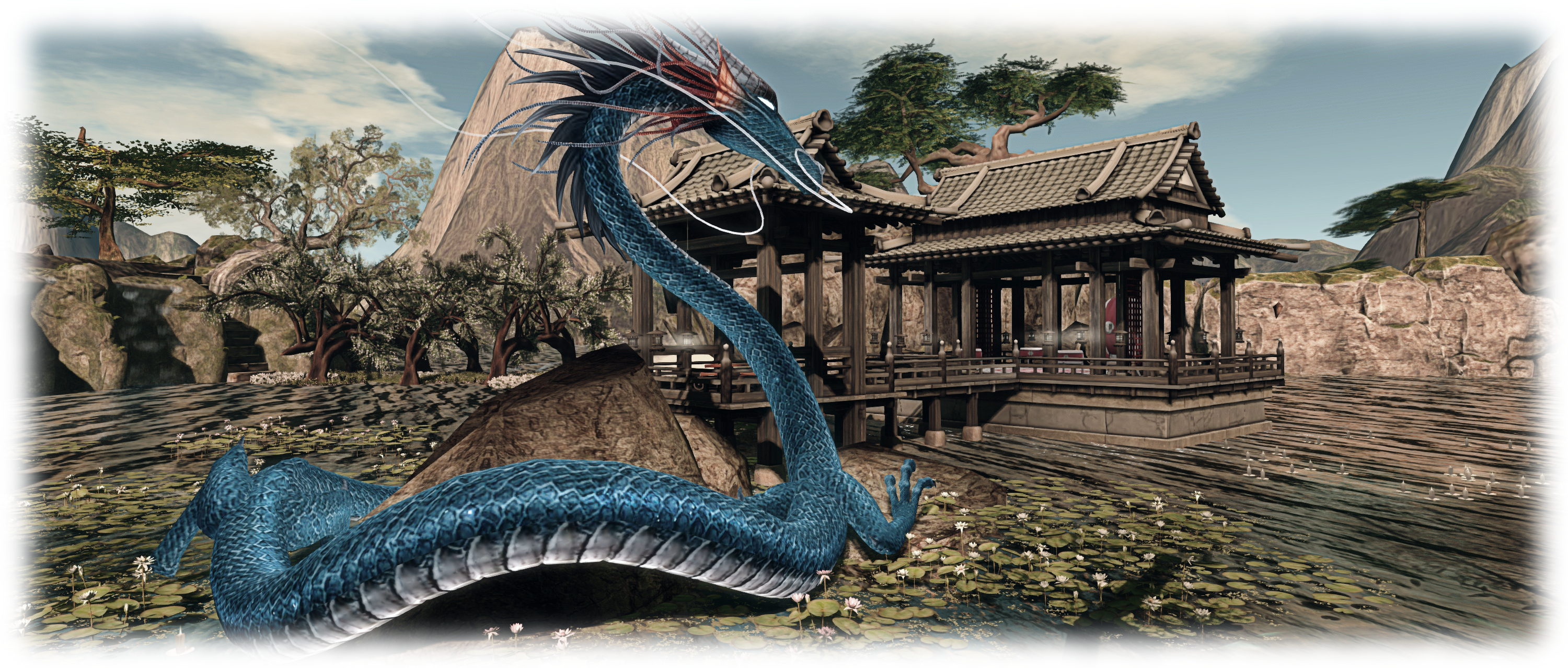
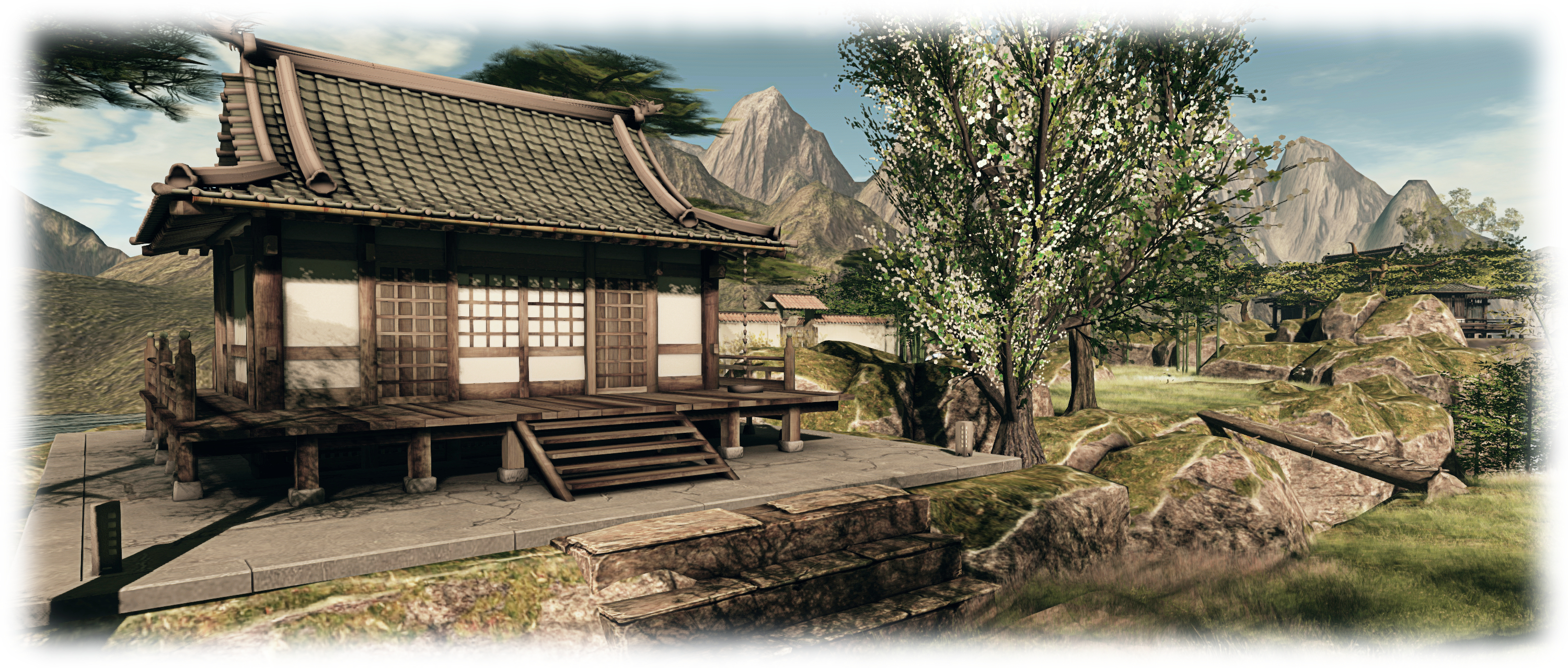
Miro Collas drew my attention to Les Reves Perdus (“Dreams Lost”). It’s a place we’ve enjoyed visiting in the past and which I’ve previously written about here and here, so we were more that happy to make a return visit. Designed by Cathy (zaziaa), she relocated to a new Homestead region in November 2017, and with the move offers a design with a distinctly oriental flavour that also encompasses a nice use of water.

Visitors arrive before a memorial gate, lit by floating lanterns. A trail of firefly-like lights float just above the water, leading the way to the largest of three islands in the region, which rise from the water on sheer cliffs to form a table-like top. Water tumbles from a series of falls on the west side of the island, alongside a set of stone steps rising from the water to provide a way to the top.

Les Reves Perdus; Inara Pey, January 2018, on Flickr Les Reves Perdus

A small temple sits on the island, a formal walled garden beyond it, reach by a couple of bridges that span two small channels cutting into the rock. While the garden and temple have a distinct Japanese look to them, there is bamboo growing alongside the wall of the garden which has attracted an embarrassment of pandas, giving the setting a Chinese flavour. More waterfalls tumble from the north side of the island, while around the cliffs can be found rock carvings, a Buddha and floating candles, all of which add subtle touches to the setting.

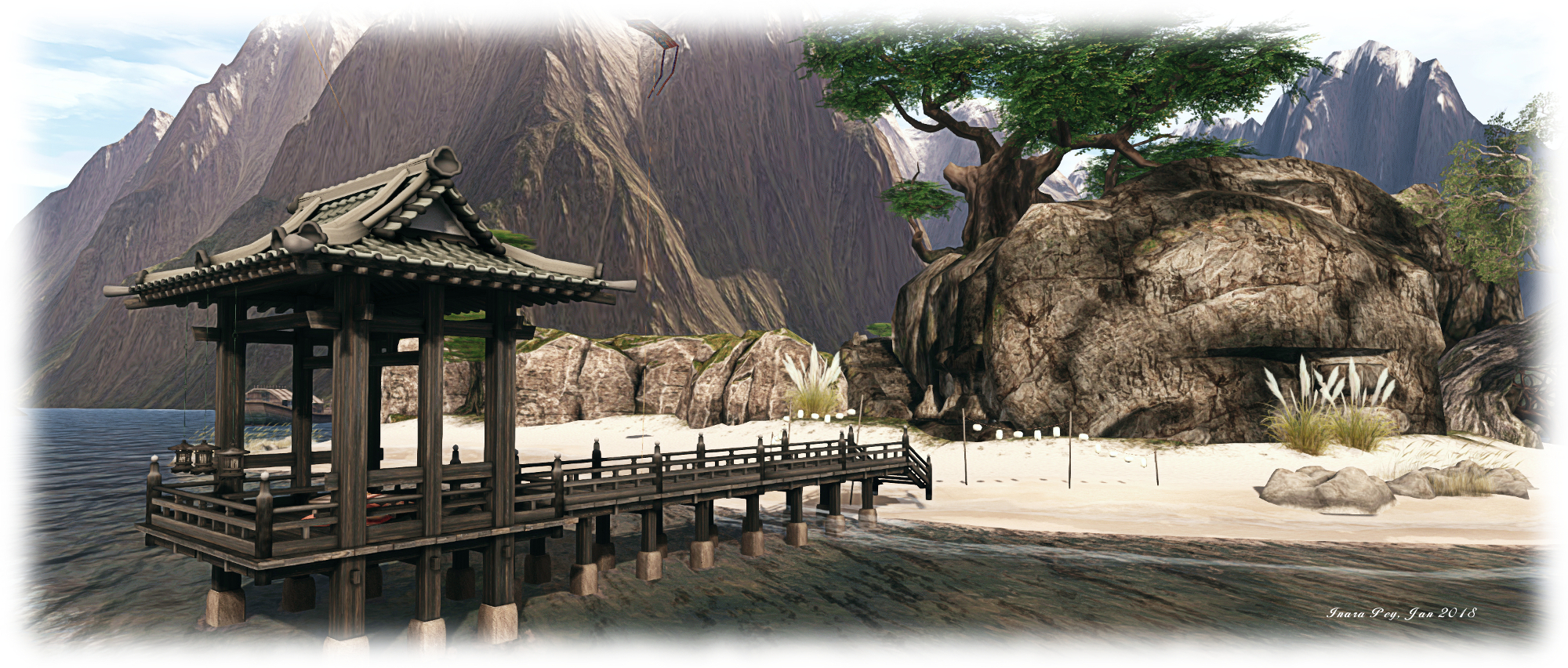
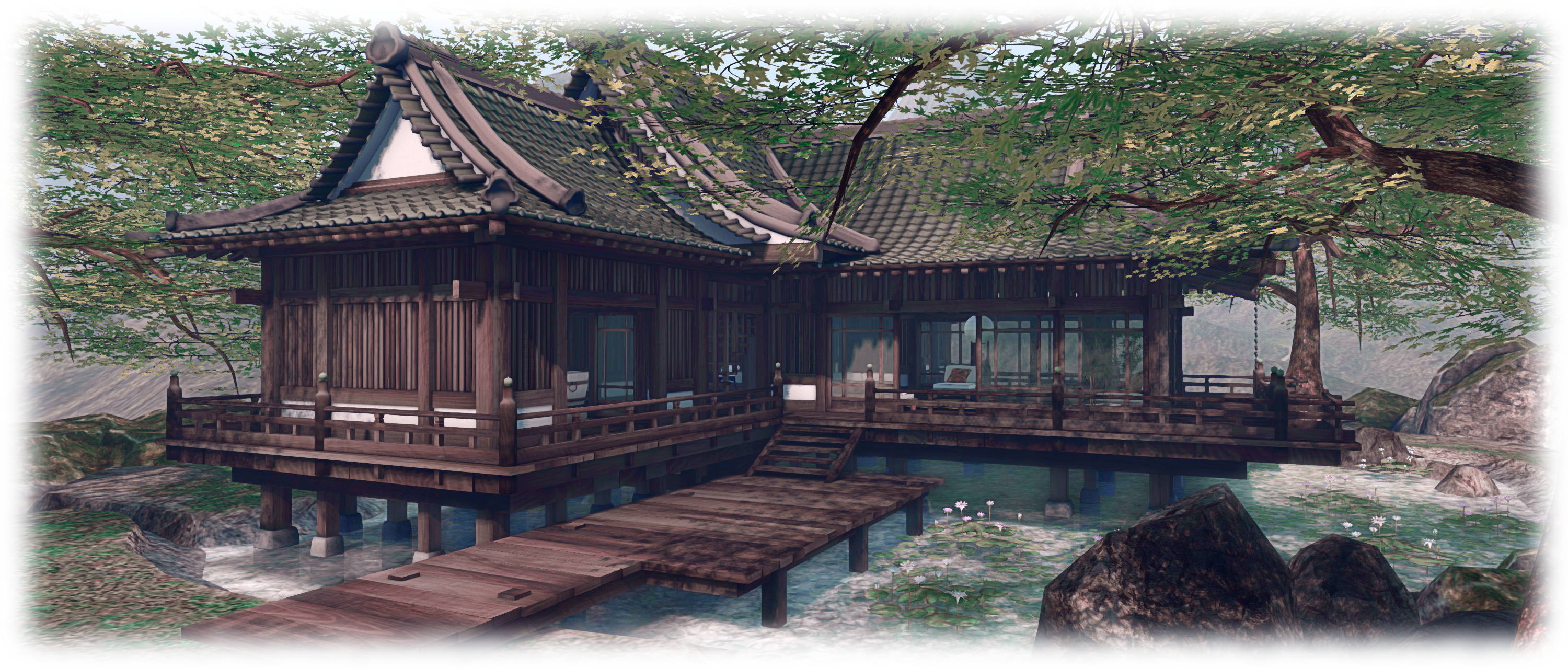
To the south-east of this large island is a second. Again flat-topped and with sheer cliffs, it is home a large Japanese-style house, sitting over a body of water which doesn’t quite feed the falls tumbling from the rocks – at least, not on the surface. The steps leading up to the house also link it with an avenue of trees running to the beach at the base of the region’s third island. Follow this and you’ll find an ancient pier pointing out to sea, facing a path winding up the side of the island’s cliffs, with the entrance to a cavern at its base.

Les Reves Perdus; Inara Pey, January 2018, on Flickr Les Reves Perdus

All of this just scratches the surface of the region’s beauty. Near to the arrival gate is pavilion where Chinese drums and Zheng can be played, all under the watchful eyes of a dragon. Candles float over the water alongside the pavilion, while plants hug the waters at the base of the islands. as well as the drums and Zheng, the pavilion offers the opportunity to enjoy Tai Chi, while the house on the “middle” of the three islands offers a place to relax and simply enjoy the setting. There are a couple of adult elements in the caverns under one of the islands – but there are not anything that should give offence.

One of the delights in visiting Les Reves Perdus is that each iteration is entirely difference to the previous, making every visit after a redesign both a pleasure and an opportunity for discovery. This latest build is no exception; it is wonderfully tranquil, with a subtle sound scape and, for those so minds, a reflective audio stream courtesy of  Chouchou.

Les Reves Perdus; Inara Pey, January 2018, on Flickr Les Reves Perdus

As someone who delights in oriental themes and a considered use of water in a region build, I  admit to thoroughly enjoying reacquainting myself with Les Reves Perdux in its new home, as did Caitlyn. We both look forward to future visits.

SLurl Details

Flying Coyote River in Second Life

Flying Coyote River; Inara Pey, January 2018, on Flickr Flying Coyote River – click on any image for full size

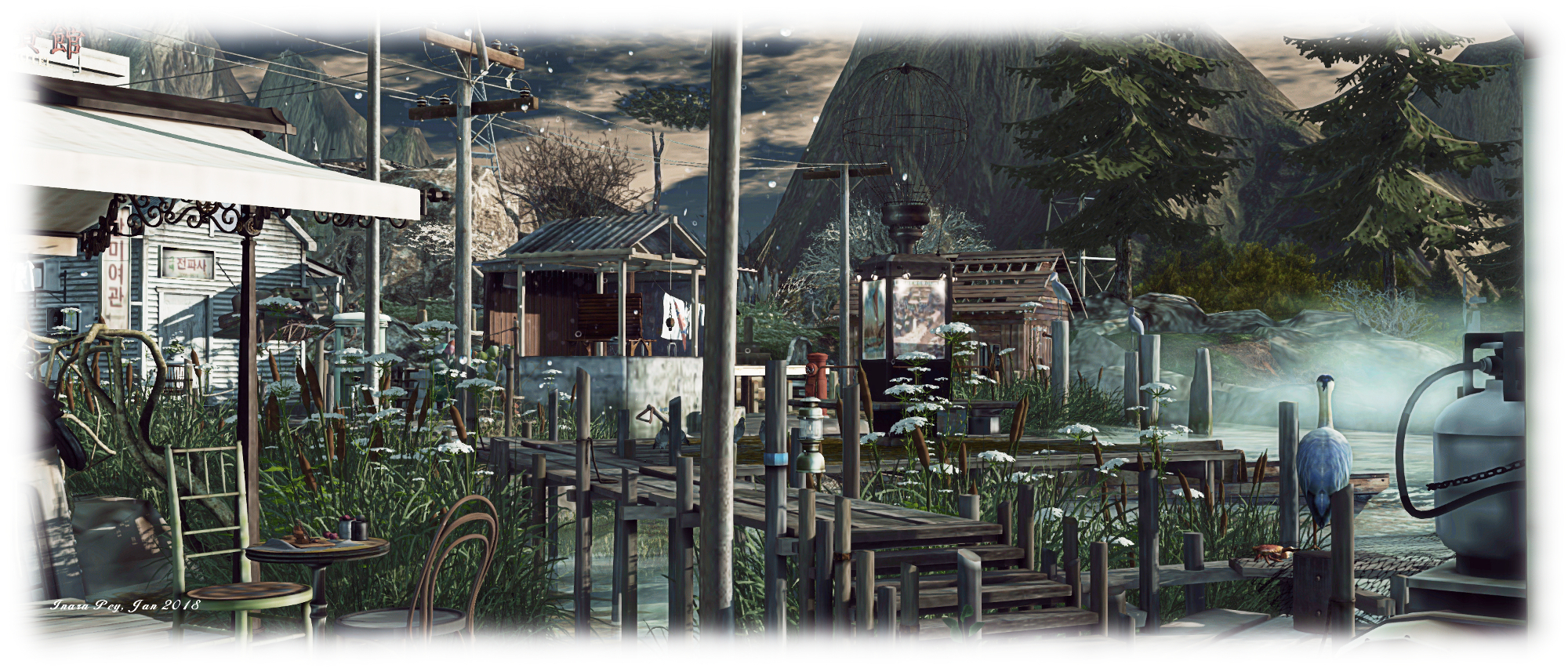
Miro Collas passed on a suggestion we pay a visit to Flying Coyote River, a Full region designed by Lila Rose (Masha Eilde) and open to people with Payment Information On File (PIOF). It’s a strangely eclectic wilderness region with plenty to see, and which can be very photogenic under a wide variety of windlight settings.

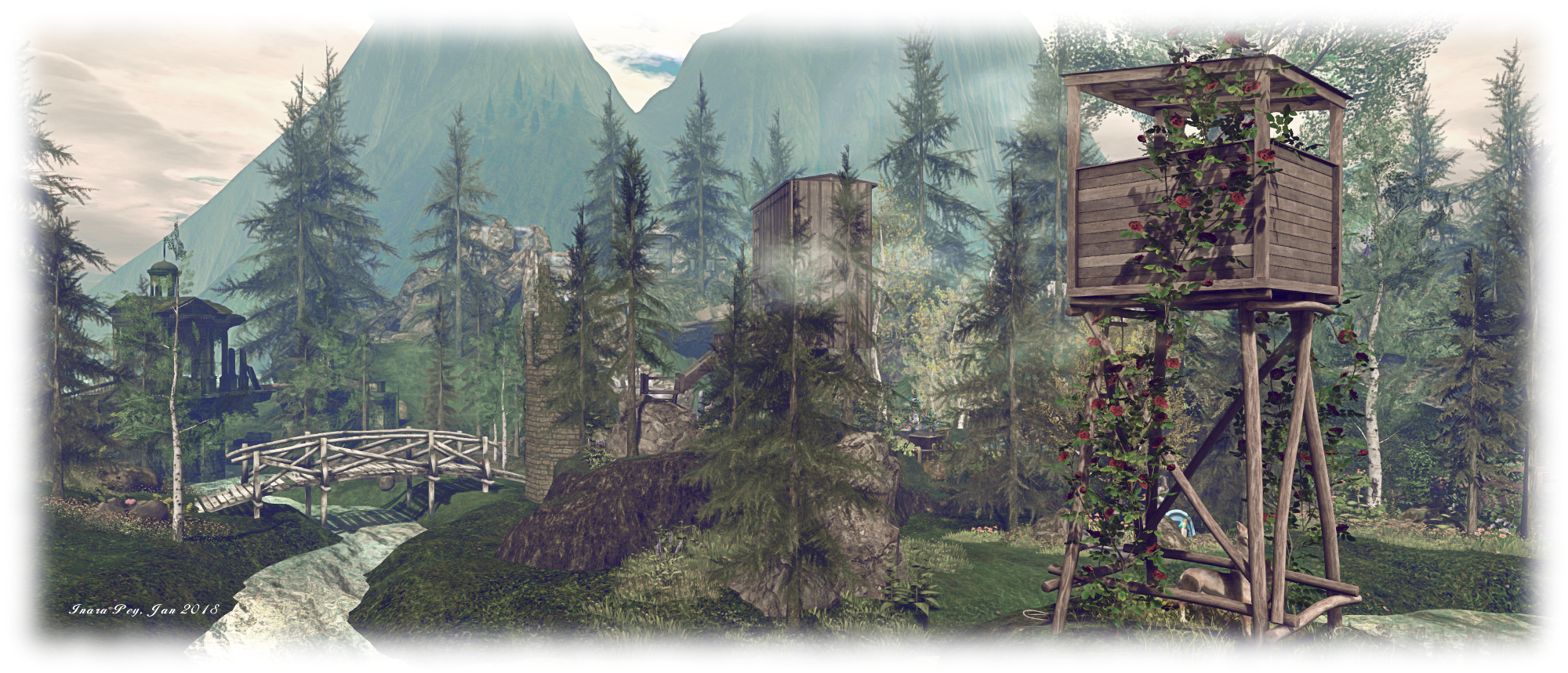
The landing point sits in the middle of the region on a small island, the rest of the land divided into four, each part ruggedly terraformed using a mix of the natural terrain and mesh elements. Precisely where you go from the landing point is entirely a matter of personal choice. Before doing so, and if you want to get a feel for the immediate surroundings, there’s a small watchtower offering a vantage point for a look around (you might also want to see what is under the little hillock of the island).

Flying Coyote River; Inara Pey, January 2018, on Flickr Flying Coyote River

However, whichever route you choose, you’ll be setting off on a voyage of discovery, because there is an awful lot to be found right across the region. So much so, in fact, that attempting to describe everything here would lead to a long article and spoil the fun. However, were I to be asked to define a possible single-word theme for the region, then it might be in “community”.

Not that there is an actual community of users here per se, but rather that the region has been designed to give a feeling that it has been established by a group of people; although quite why they’ve done so here in the wilds surrounded by mountains, is a story perhaps best left to individual imaginations. It’s also the kind of place that looks ripe for casual role-play for like minds paying in a visit – and that’s something that visitors are invited to try, as noted in the About Land description.

Flying Coyote River; Inara Pey, January 2018, on Flickr Flying Coyote River

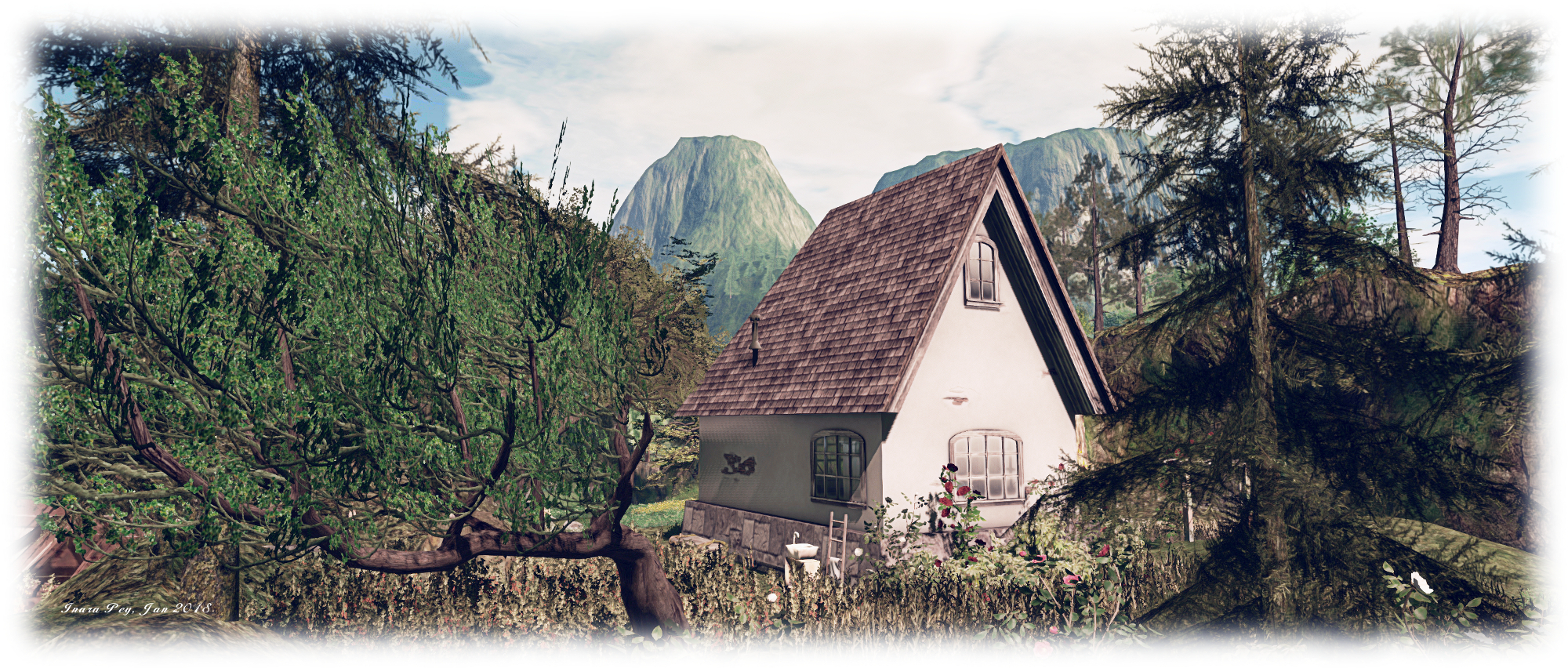
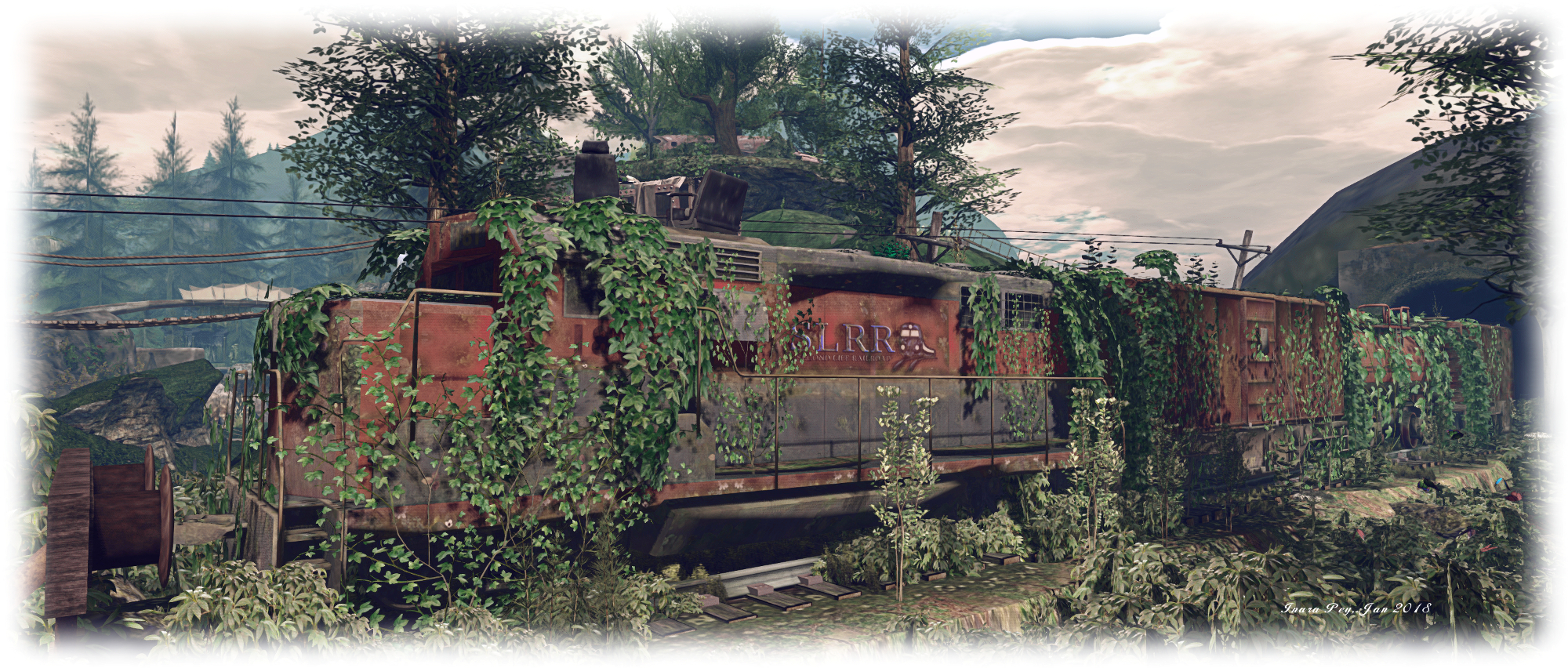
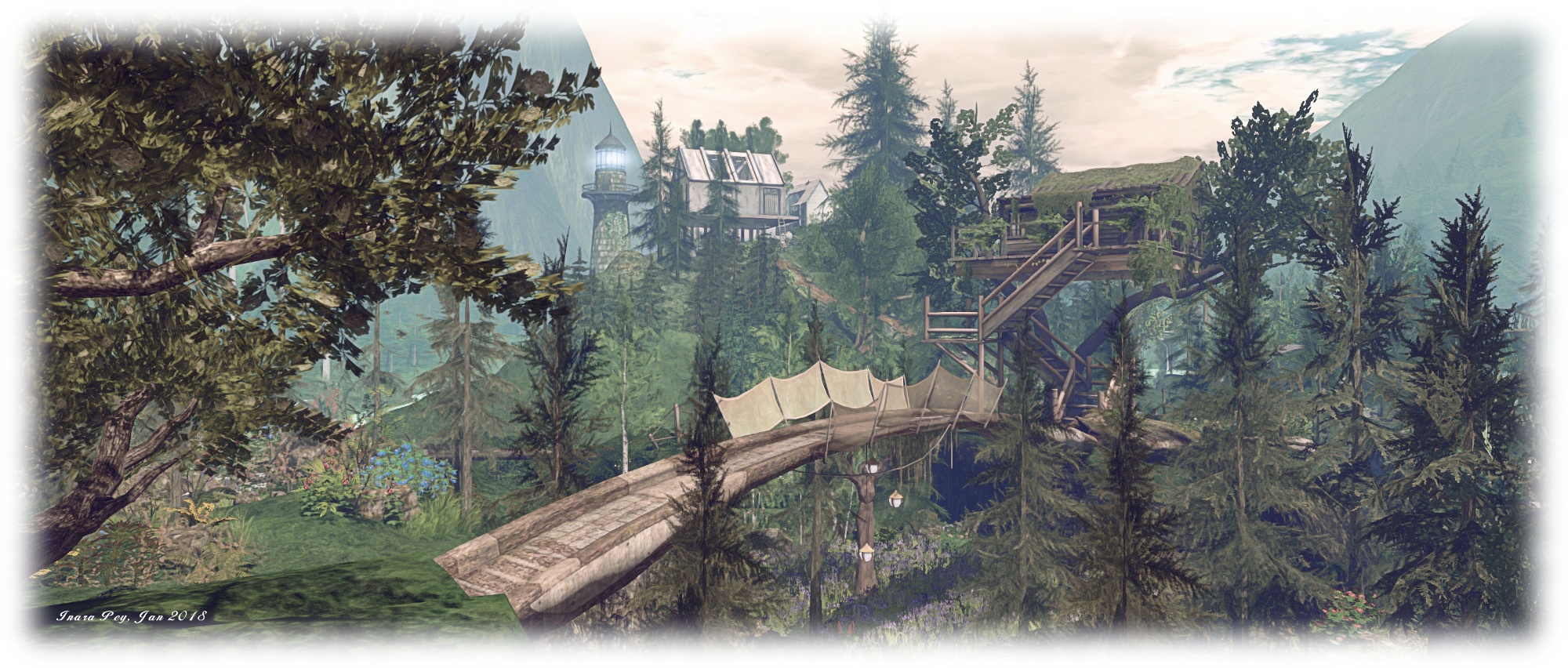
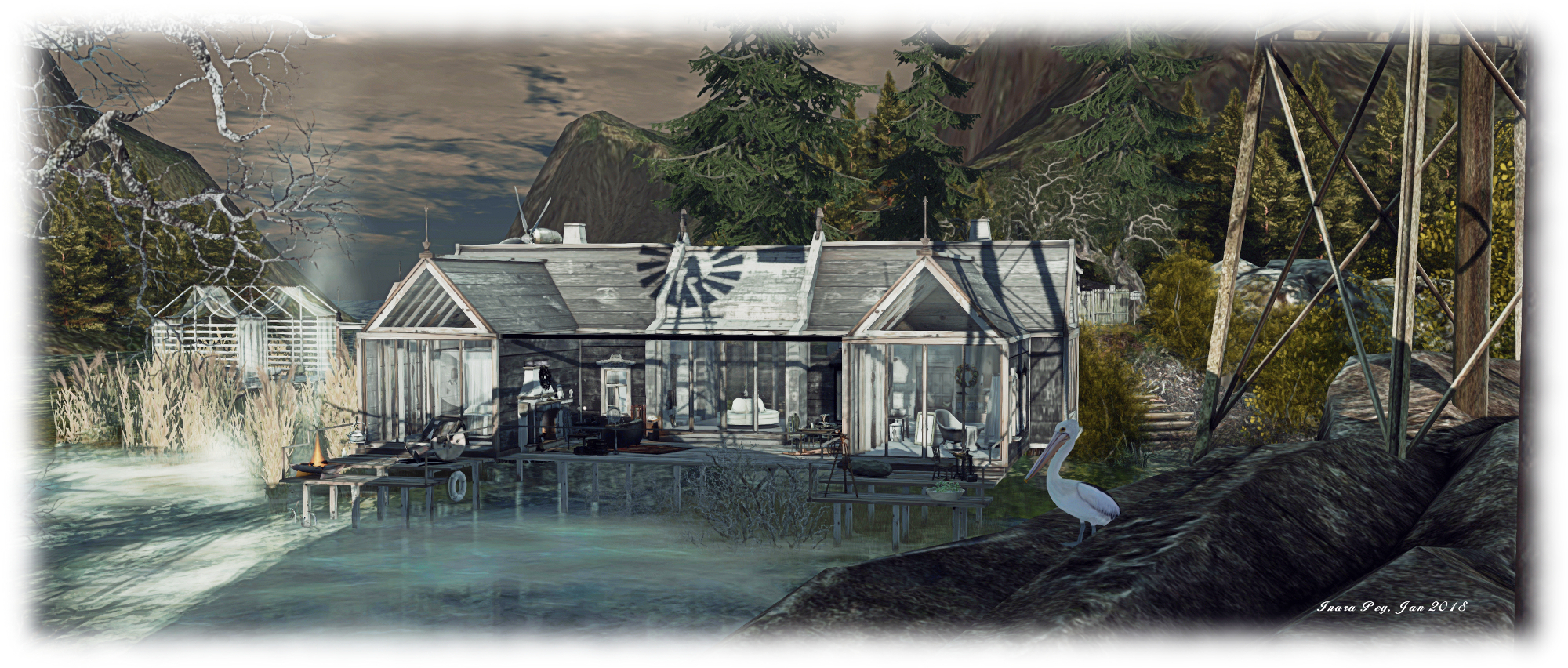
Buildings here come in all forms: houses, tree houses, converted rail cars, cottages, lighthouses, towers – even caves and hollows. All are scattered across the landscape, atop hills, improbably perched on cliffs, nestled along the coast or sitting in the branches of trees. Linking them one to the next is a series of trails, paths, bridges, ladders, tunnels and stairways, some of which are quite imaginatively placed, with others offering more than one way to reach a destination.

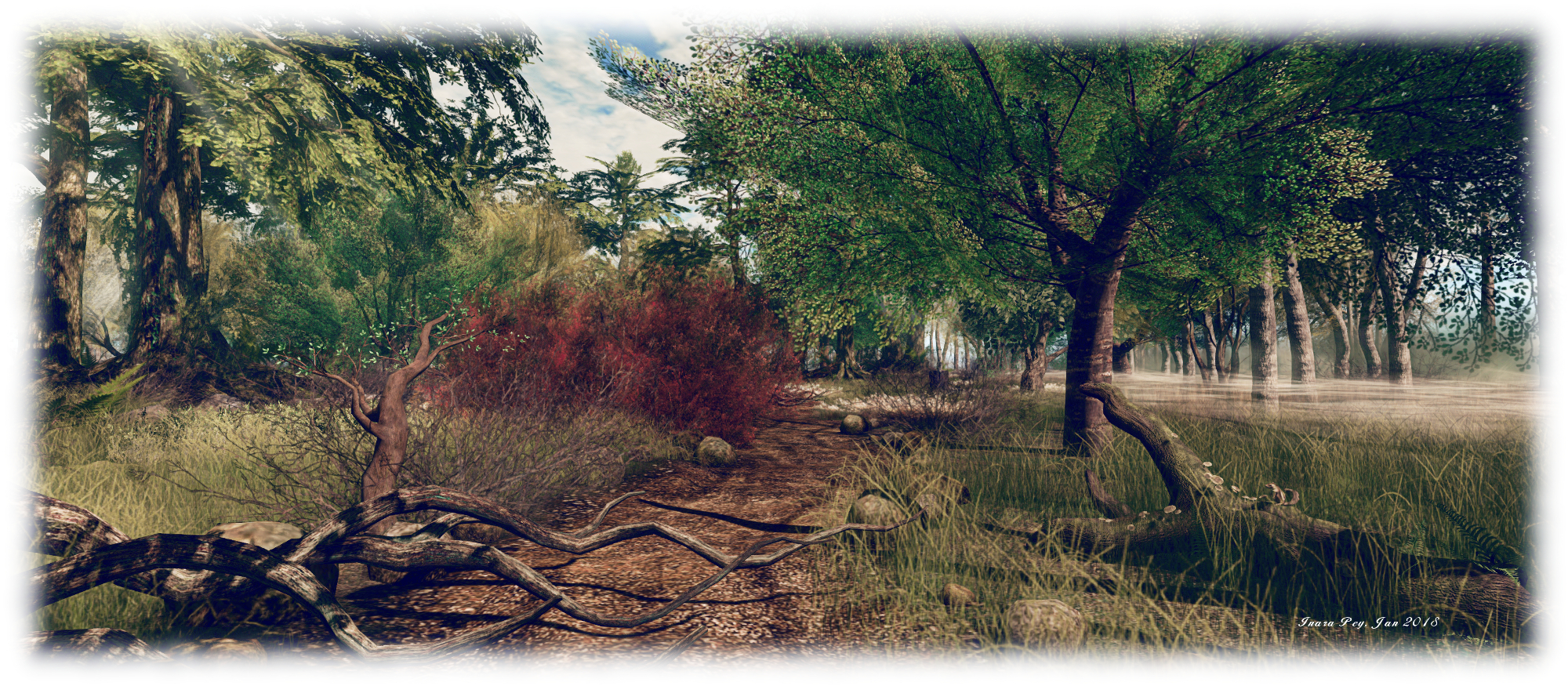
The best way of exploring the region is not to flycam / cam ahead – at least not to start with. It is far more fun to follow the paths and climb the hills to see what lies beyond the next ridge or hilltop then it is to constantly cam ahead. This way, you really get the feeling of being out in the wilds; and such is the design of the region, it can quickly start to feel as if is it far larger than its 256 metres on a side. Just as you feel you must have seen everything, there is something the pops into view or is at least hinted at just over the next rise – and so you’re drawn onwards.

Flying Coyote River; Inara Pey, January 2018, on Flickr Flying Coyote River

In this way, places like the garden with its wrecks of cars and bursts of flowery colour amidst the greenery of hills and trees raises a smile far more than when simply camming to it, while it hint of what might be a cavern or tunnel entices you further around the base of a hill or over a bridge and up a gravel path.  Gentle exploration also brings out the very mixed aspects of the region’s design, which brings together something of a post-apocalyptic flavour with twists of fantasy, all stirred into the feeling of being in the great outdoors – including a rope slide for the adventurous.

It is true that elements of the design are a little rough here and there – platform legs not quite reaching the ground, footings of bridges and buildings perhaps not as firmly placed into ledges and cliffs as they might be. But really, this doesn’t matter: Flying Coyote River offers so much to see, the attractions more than outweigh the niggles. There are also plenty of places to sit and rest, or look out over the landscape, from both indoors and from outside, again making a visit more than worthwhile.

Flying Coyote River; Inara Pey, January 2018, on Flickr Flying Coyote River

Again, when visiting the region, please remember access is restricted to those with PIOF, and note also that scripts are disabled if you re-log directly to the region. Our thanks again to Milo for suggesting we take a look.

SLurl Details