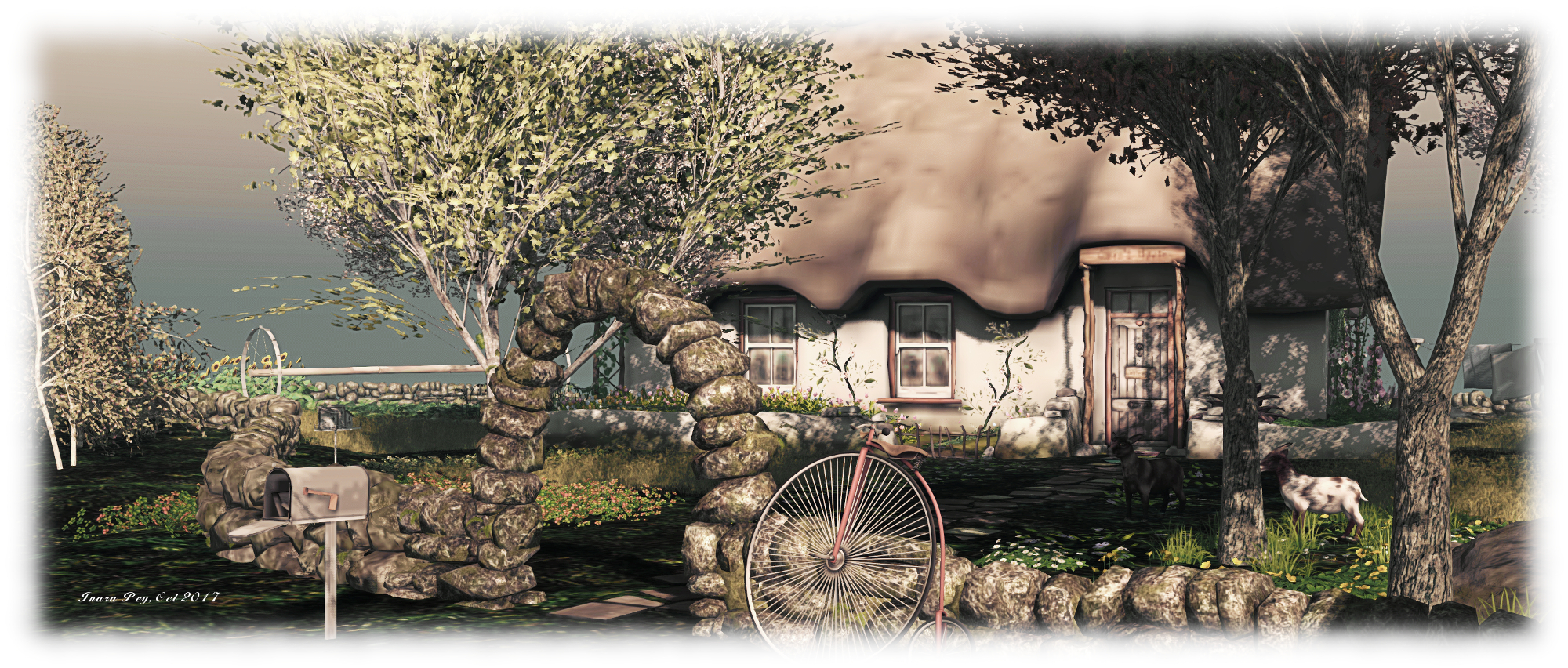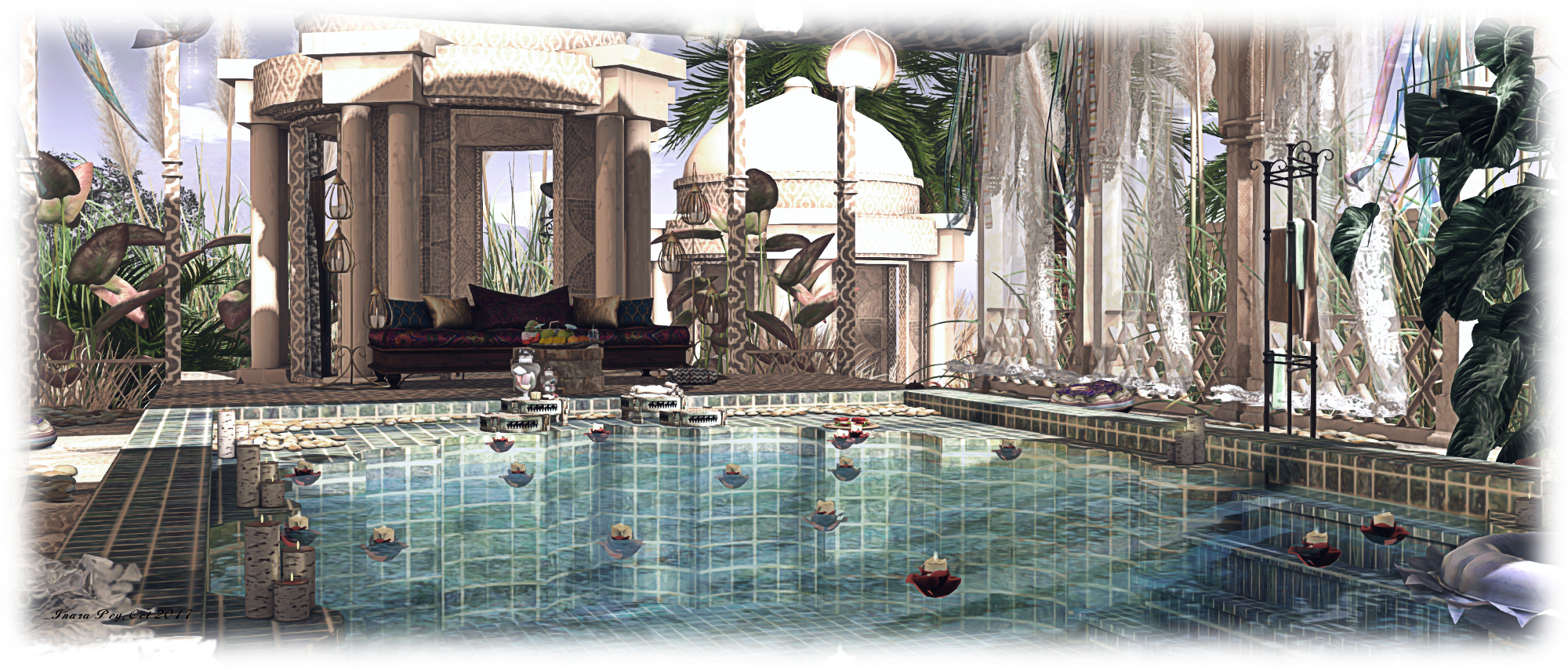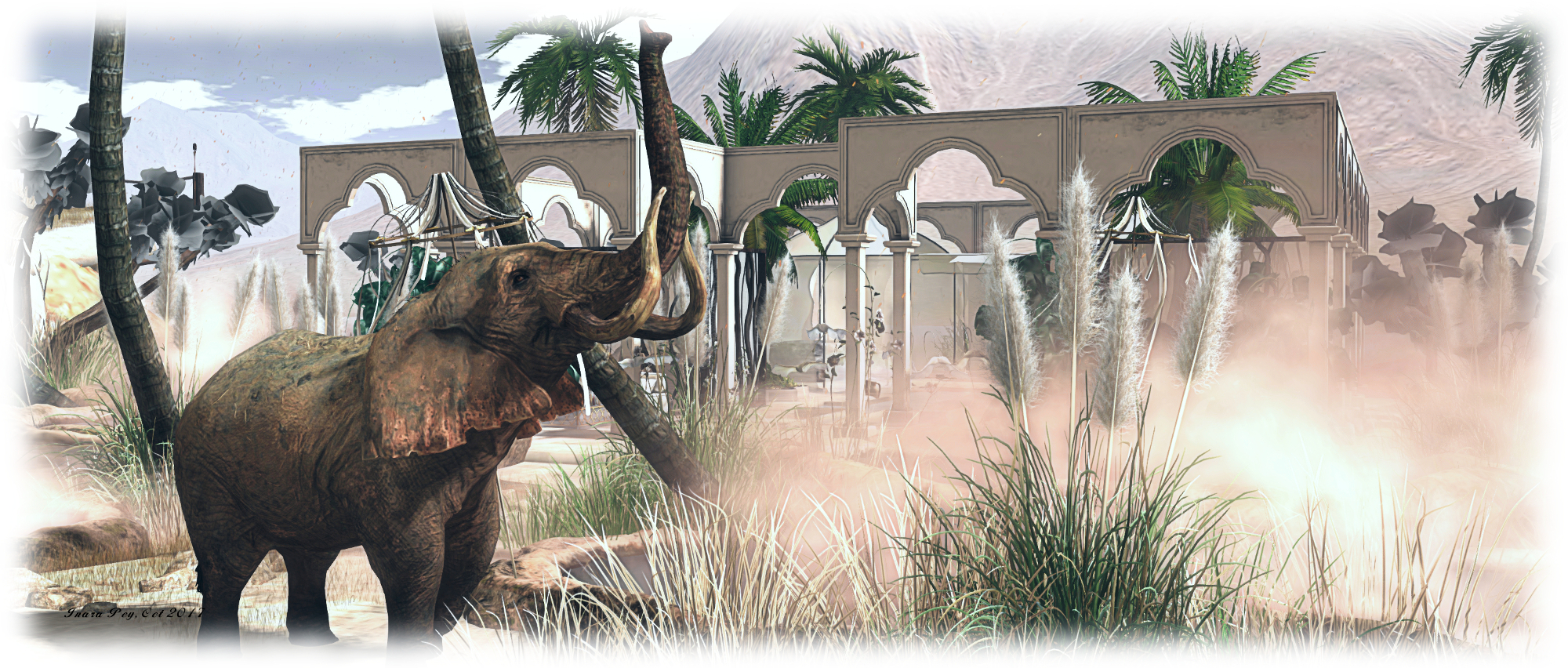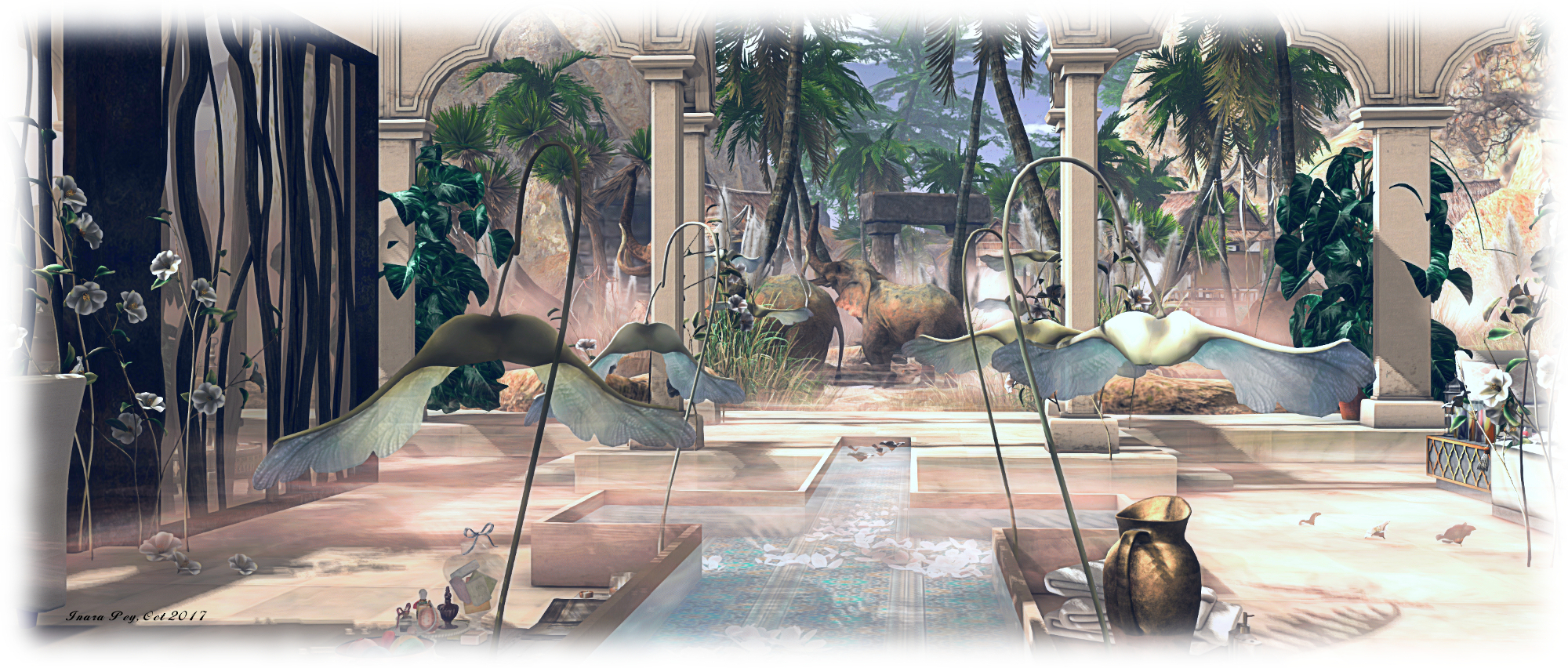
Once more down The Well in Second Life

The Well: Ultimum

After a two-year absence, Loki Eliot’s The Well has returned to Second Life for the Haunted Season. This is the fourth instalment of hat had been intended to be a 3-part series, as Loki explains, ” I thought that, with The Well Infirmos, that was it with regards to The Well. But here we are again with a 4th and this time (I promise) final chapter!”

The Well The Well first appeared in 2012, offering a horror themed mystery adventure centred on attempts to rescue a little boy who had fallen down an old well and into the labyrinth of tunnels and caverns which lay beneath it. In 2013, he followed this with The Well: Sollicitus (see here for more). There then followed a two-year break before the aforementioned The Well Infirmos appeared in 2015 (see here for more).
The Well: Ultimum

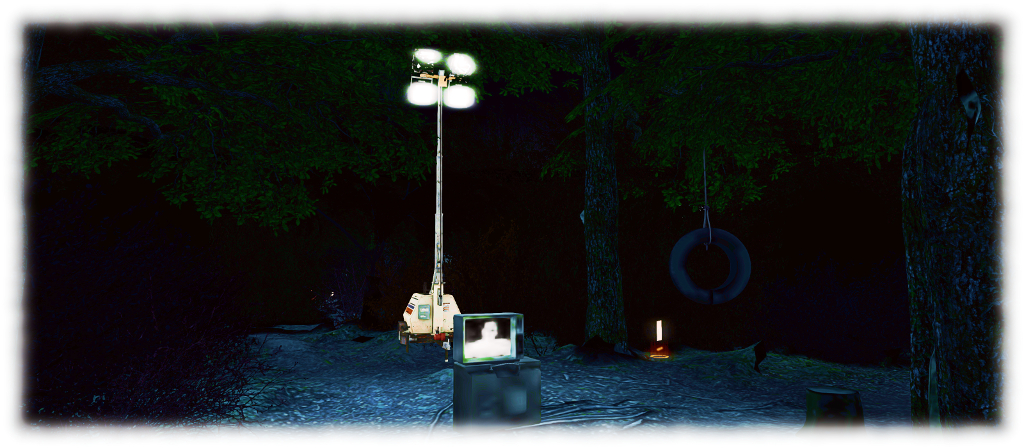
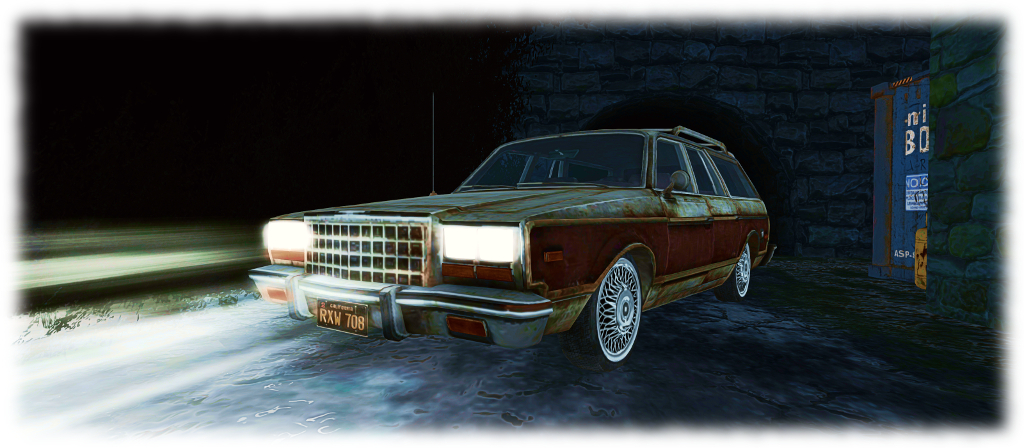
With each iteration, Loki has expanded The Well to incorporate various capabilities which were, at the time, either new to Second life (such as materials and Experience Keys), or new to Loki. The latest instalment continues this tradition, Loki having used  photogrammetry to help him develop the build:

I went out into real woods and took photo surveys of muddy pathways. These were then used to create 3D models of the woods which I then used in The Wells woodland scenes in the hope of adding realism to the spooky atmosphere.

Having spent well over an hour within the latest instalment in the series, I can say the Loki’s efforts in modelling this way were well worth it. His woodlands look and feel “real”, and are about as confusing as walking at night through a dense woodland can be.
The Well: Ultimum

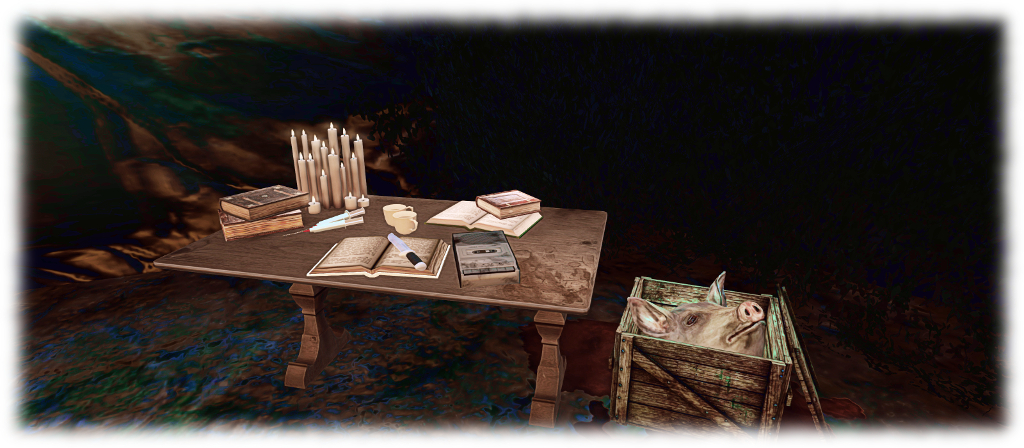
So, what is The Well: Ultimum all about? To start with, it is something of a prequel to the other instalments, the story focusing on a young boy (the one from the original 2012 instalment?). He perhaps doesn’t live in the happiest of households, as we learn through his diary. It’s a place where strange activities take place, and even the youngster himself seems to be drawn to the dark things that may be creeping through the woods – and to the mysterious well of the title, which he sees as a maw waiting to devour people, spurring him to wonder what it might be like to be eaten alive…

Those who have played previous instalments of The Well will recognise the basic format: read the information regarding viewer settings, join the game experience (if you’ve previously played The Well Infirmos and have not revoked permissions, you’ll already have the Experience permissions enabled), pay a fee (L$200) to gain the game HUD (which will attach to the bottom of your screen and needs to remain attached through your visit), then read the instructions which are initially displayed on your screen once the HUD is attached.
The Well: Ultimum

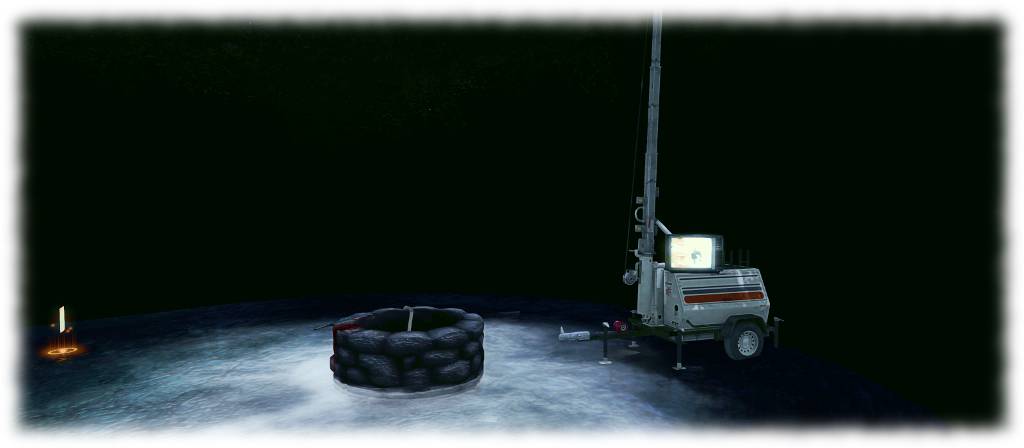
I don’t want to give too much away as to what you’ll find / encounter along the way. Suffice it to say, the game is interactive – there are items scattered around  the various locations you must stand near – or avoid.

Those you must stand near are located in the first two locations in the game  – the boy’s bedroom and the woodlands outside his home. They are signified by rising orange particles, and when close to them, an orange-on-black information icon is display on the game HUD – clicking it will display instructions or a page from the boy’s diary. Returning to any of these information points will display the Information icon as yellow-on-black, indicating you have previously read it.

There is one piece of information you must obtain before you can leave the boy’s bedroom, while the woodlands have multiple information points scattered through it, although the goal is to reach the titular well. It’s worth spending a little time in the woods to make sure find most or all of the information points. There are also additional interactive points in both the bedroom and woods, which give insight into the boy’s interests.

The Well: Ultimum

The well itself drops you into a labyrinth of tunnels. It is here that the SANITY bar in the HUD comes into play, as you are warned on arrival Do Not Touch The Shadows. These are blood-red apparitions which will appear and attempt to touch you (so don’t stand still for too long!). If they do, you’ll find your sanity slipping away. There are other things in the tunnels which can drain your sanity – but oddly, they can also give rewards!

As with the woods, the aim is to find your way through the tunnels to where another portal lies. This leads you on to – well, I’ll let you find that out on your own.
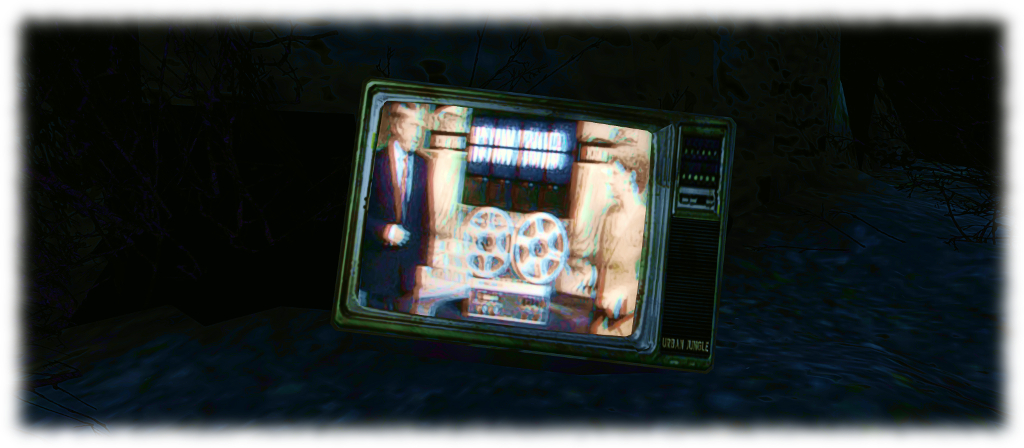
The Well: Ultimum – for those from England, there are some Easter eggs to be found: poetry by Robert Duncan and an appearance by Michael Parkinson (above). “He’s a throw back to when I was a kid watching Ghost Watch,” Loki said. “It was one of the first ever reality TV shows. The fact Parkinson was presenting it convinced many it was all true.”

The Well: Ultimum is as enjoyable as the previous instalments of The Well, and well worth the L$200 HUD price to play – although I’d recommend giving yourself at least an hour to do so, particularly as this really is the last instalment in the series.

“Next year will be even more terrifying with Animesh!” Loki informed me as we chatted about the adventure. “But I think I’ve done enough with wells. It will be something new!”

SLurl Details

Khodovarikha’s lonely beauty in Second Life

Khodovarikha; Inara Pey, October 2017, on Flickr Khodovarikha – click any image for full size

Serene Footman, the man behind Furillen, (see here, here and here for more) and La Digue du Braek (see here) opened a further region in August 2017. Once again it is an atmospheric setting based on a location in the physical world.

Khodovarikha, a Homestead region, is modelled after the spit of land going by the same name which projects eastwards into the Pechora Sea off the coast of north-west Russia. As you might expect from this description, it is a lonely and desolate place – and such places hold an appeal with Serene. In 2015, the area was the focus of a Russian Television documentary, Arctic Limbo, and this appears to have served as Serene’s inspiration in designing the region.

Khodovarikha; Inara Pey, October 2017, on Flickr Khodovarikha

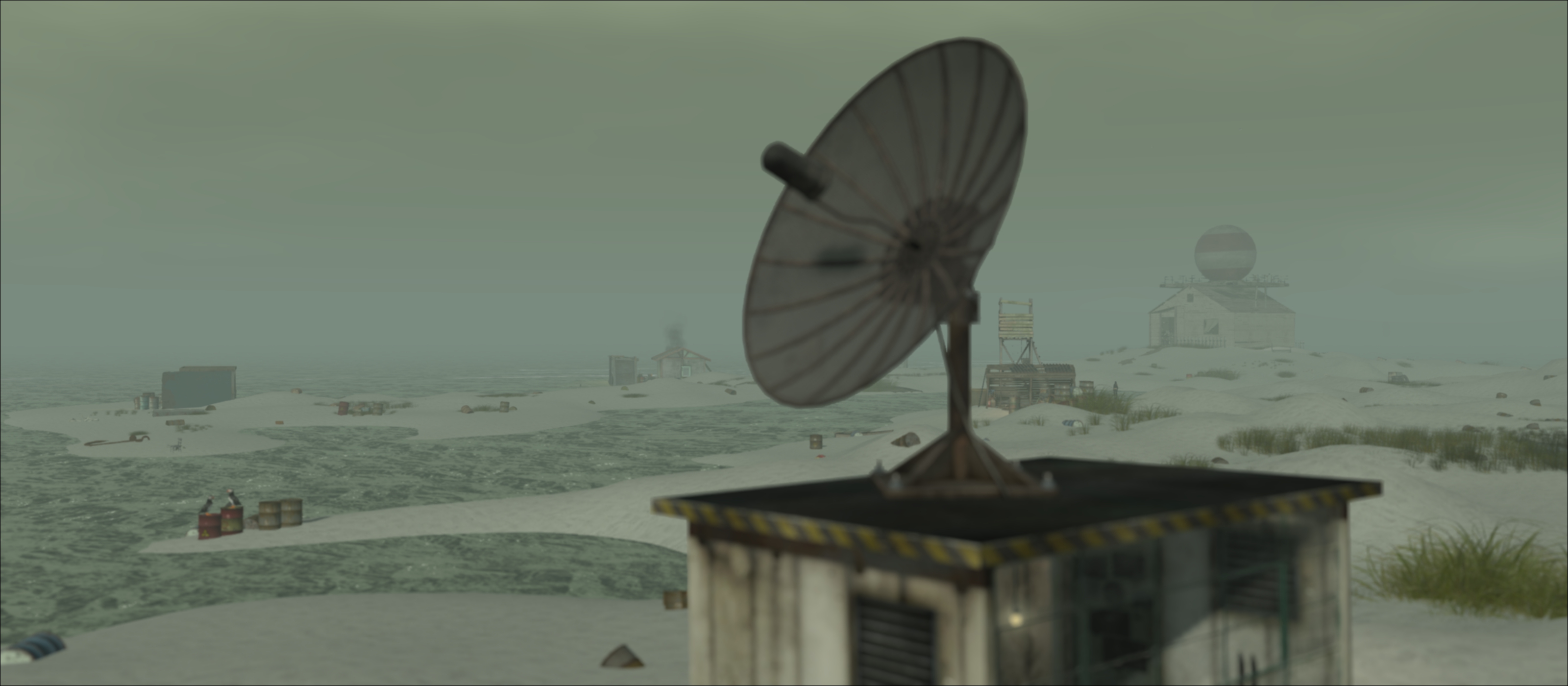
Serene’s vision of Khodovarikha captures the desolate isolation of the area perfectly – and provides a magnificent  reproduction of its most notable landmark: the great wooden lighthouse. This ceased operation in 1996, but played an important role in guiding the convoys bringing supplies and munitions to Russia during World War Two. Within Serene’s setting, the lighthouse is both operational and truly dominates the landscape, but otherwise closely resembles the original right down to a hole in the tower’s base.

The region itself is split into two, with a slender finger running west-to-east to the north, a narrow channel of water separating it from the larger land mass to the south, where the lighthouse resides. The landing point is towards the western end of the northern finger of land, and the easiest route around the island is clockwise, following the rough wooden board walk pointing east from the landing point. This leads visitors over sand and past ageing buildings to where a large wooden warehouse-like structure topped by the dome of a Doppler radar system faces the lighthouse across the neck of water, an old wooden bridge linking the two.

Khodovarikha; Inara Pey, October 2017, on Flickr Khodovarikha

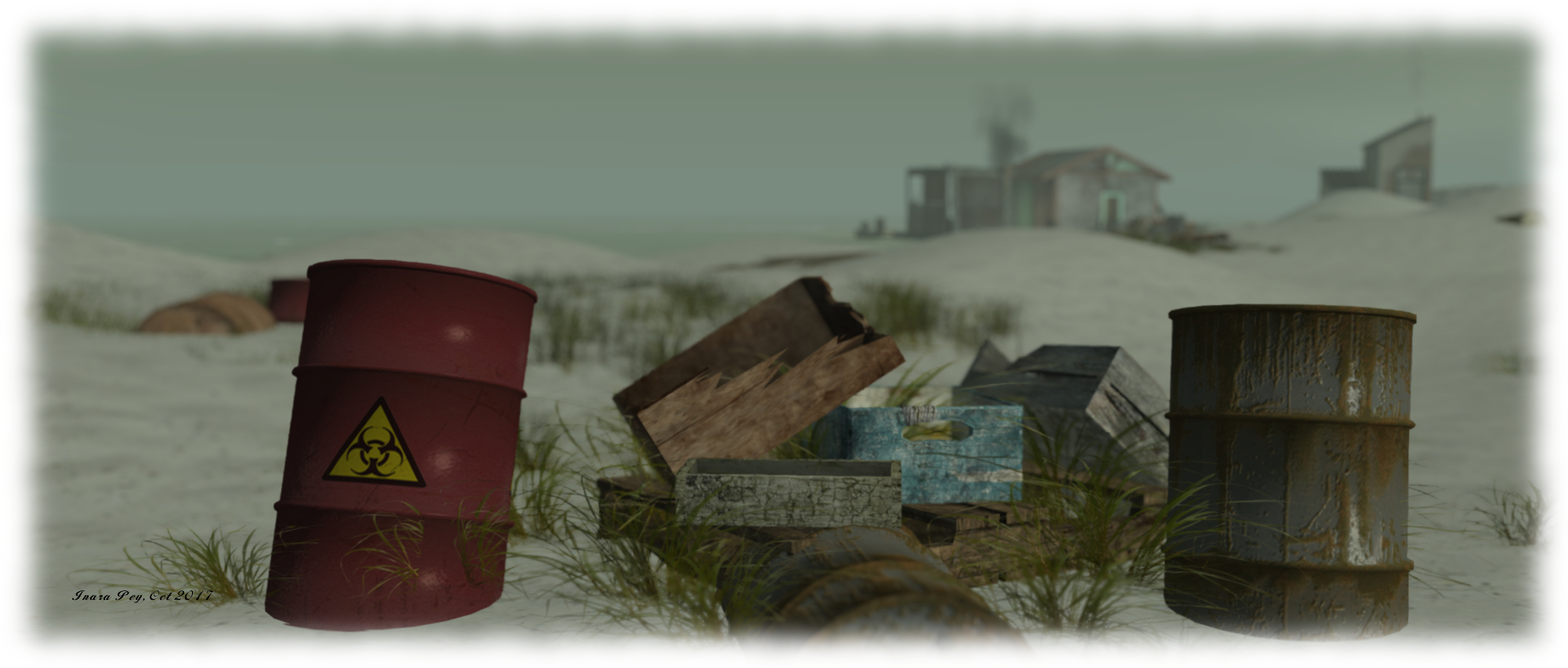
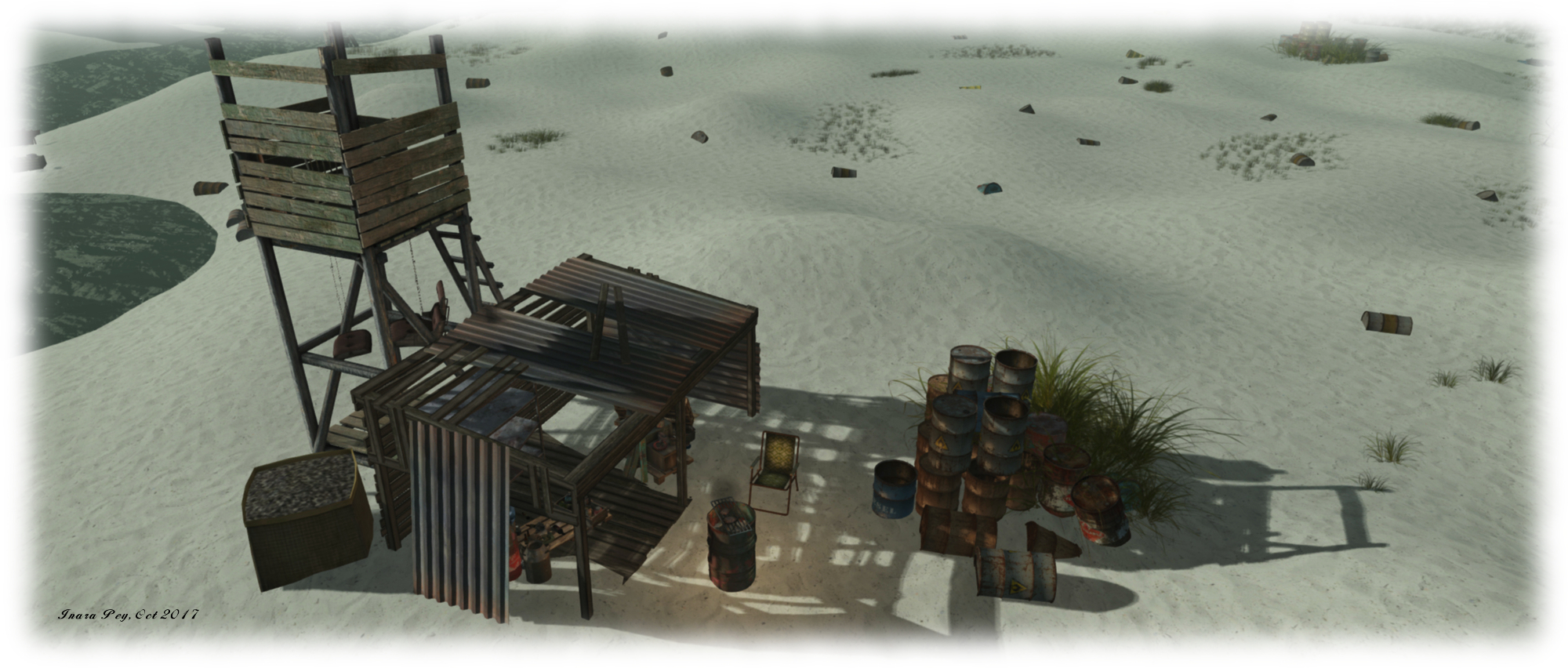
The loneliness of the island is encapsulate in the spread of the building and their generally dilapidated state. The detritus of human living – oil barrels scattered across the sand, sanding in untidy groups or part-buried, sacks of rubbish left to freeze outdoors, and the spoils of collapsed walls and bonfires – all add to the sense of isolation. This is not a place where appearance and neatness matter.

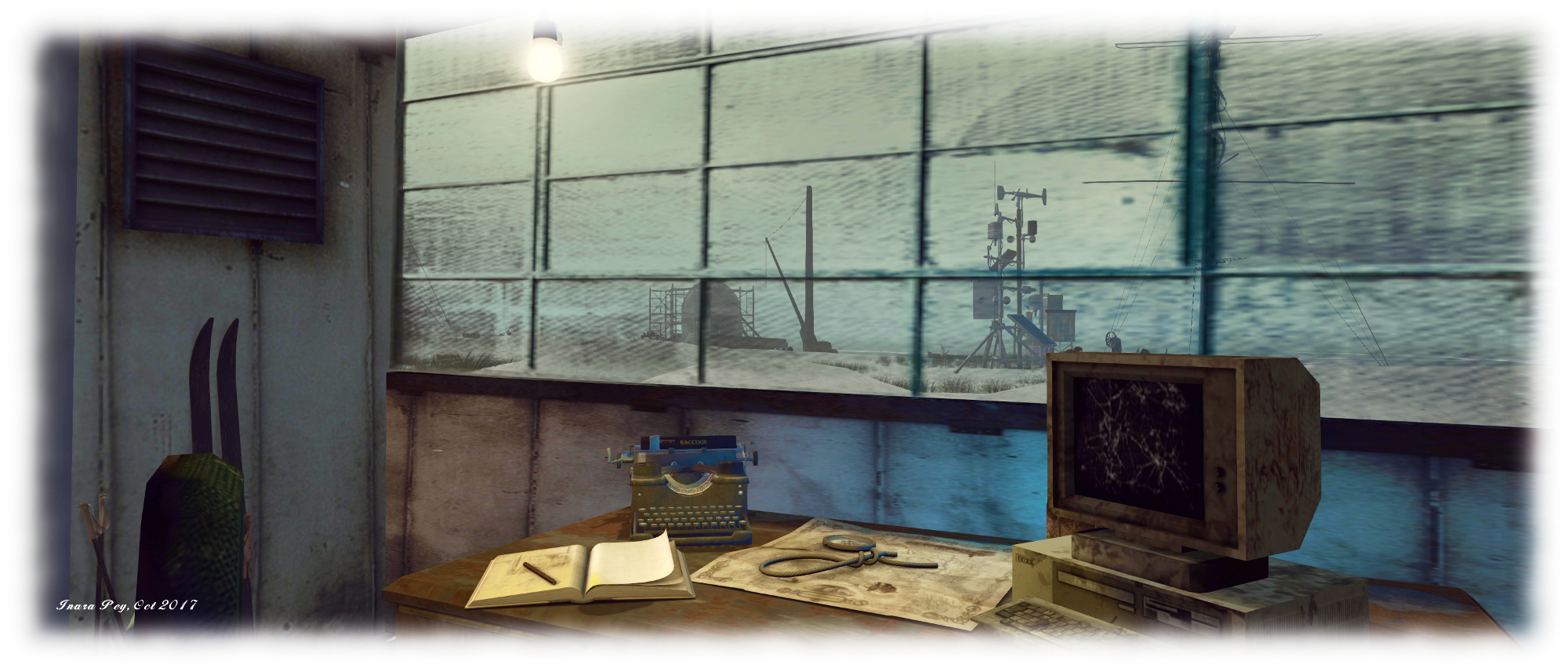
There is also a wealth of detail to be found here that further adds to the remoteness of the setting, particularly inside several of the buildings, where care has been taken to reflect the lonely lifestyle of Khodovarikha’s one full-time inhabitant, Slava, and the work involved in keeping things running – if that’s the right term. The air of untidiness around some of these work spaces perhaps offers a subtle suggestion of  Slava’s one-time assistant, Ustin, moving listlessly around the scattered buildings, carrying out assigned tasks during his year-long stay, missing his family and home.

Khodovarikha; Inara Pey, October 2017, on Flickr Khodovarikha

There is a gentle beauty always present in Serene’s builds, and this is certainly the case here. The overcast sky fading to a distant horizon haze, softens the setting and adds to the mystery. Looking out towards that distant horizon, it’s not too difficult to imagine the research vessel  Mikhail Somov looming out of the mists on its annual visit to deliver supplies to Slava. Or, for the more imaginative mind, to see the faint, distant shadows of the wartime convoys slipping past in the distance, ghostly shadows within the grey-blue haze.

Khodovarikha is a magnificent build, reflecting its physical world namesake almost perfectly. It is hauntingly beautiful rendering of desolation and loneliness, richly echoing the RT documentary. It is a perfect destination for those who – like Slava – wish to escape the world (at least for a while). And for those who do, there are plenty of opportunities not just for exploration, but for sitting and pondering or talking, indoors and out – some of which are quite imaginatively placed for the keen-eyed.

Khodovarikha; Inara Pey, October 2017, on Flickr Khodovarikha

This is a place most definitely deserving of a visit, and you can find out more on the background of the build and on Khodovarikha in general by reading Serene’s own blog post on his inspiration in designing the region, which delves into things like the meaning behind the big building with its striped radar dome and the inclusion of a half-finished Rawin Dome on the south side of the island, all of which adds further depth and context to the build.

SLurl Details

A return to Sol Existence in Second Life

Sol Existence; Inara Pey, October 2017, on FlickrSol Existence – click any image for full size

It’s been over four years since my last visit to Sol Existence, the Full region held by Sunshine Amelia Gilmore; as such, I thought it high time Caitlyn and I returned to spend a little time exploring. (Sunshine Zhangsun). At the time of my 2013 visit, Sunshine was collaborating with Jac Mornington; the current build appears to be largely Sunshine’s own design.

“Somewhat reminiscent of another time,” Sunshine says of the design, “Created with love and happiness. A small seaside island offering solace to the wanderer.” And so it is – albeit, perhaps, a seaside island approaching its off-season given the cast of the sky.

Sol Existence; Inara Pey, October 2017, on FlickrSol Existence

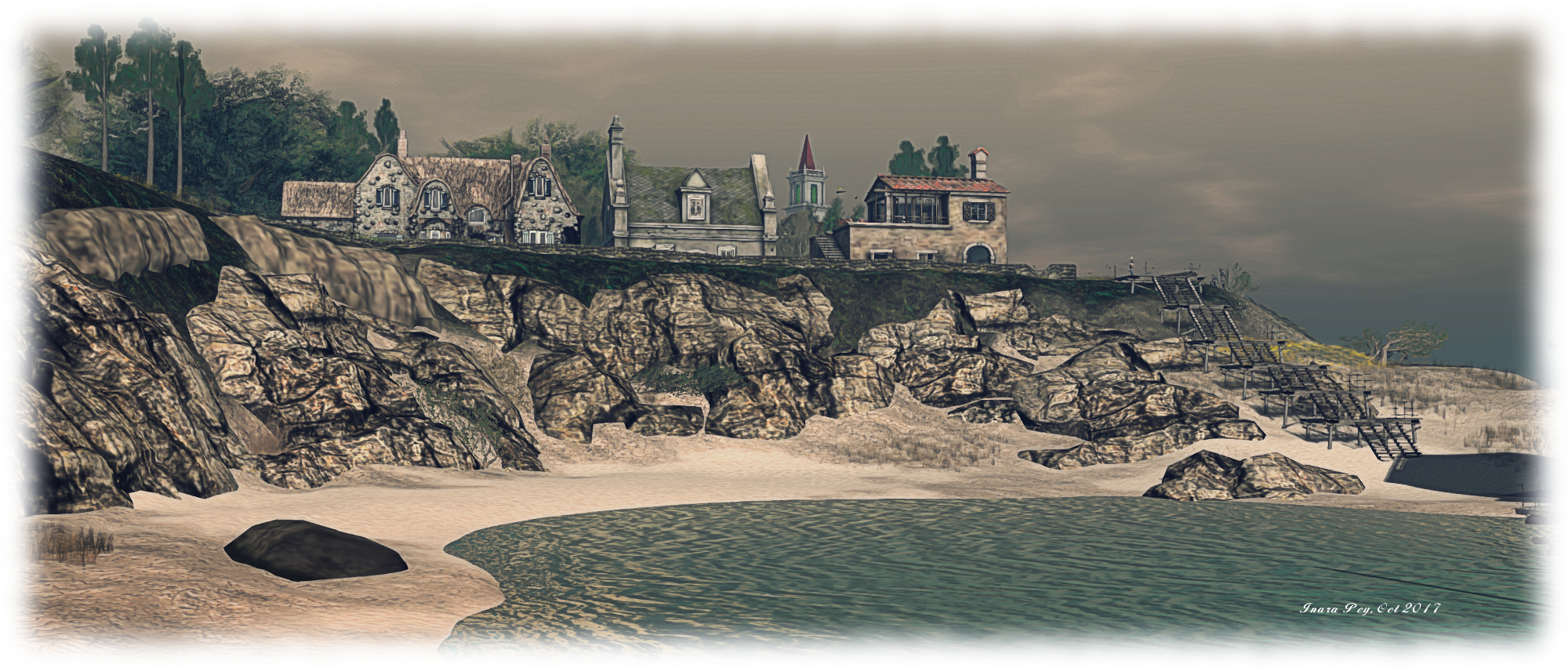
A visit starts on the east side of the island, above the curving “c”  of a sandy bay, reached via broad wooden steps which descend gently sloping rocks in a series of platformed tiers.  The beach is dominated by a large warehouse with a low wooden key, and a trawler appears to be rounding the headline en route to coming alongside. However, a look inside the warehouse reveals it is not a place of work, but actually a place of recreation, housing a bar on the upper floor.  It might be the first indication that some of the buildings here are not as they might first appear.

Atop the cliffs, a little row of shops point the way eastwards, sitting within a ring of cart tracks which set them aside from a chapel and the second lighthouse, both of which sit to the north of them. The lighthouse again is not all it appears, being a centre for Relay for Life, reflecting Sunshine’s long-standing involvement with, and support of, RFL.

Sol Existence; Inara Pey, October 2017, on FlickrSol Existence

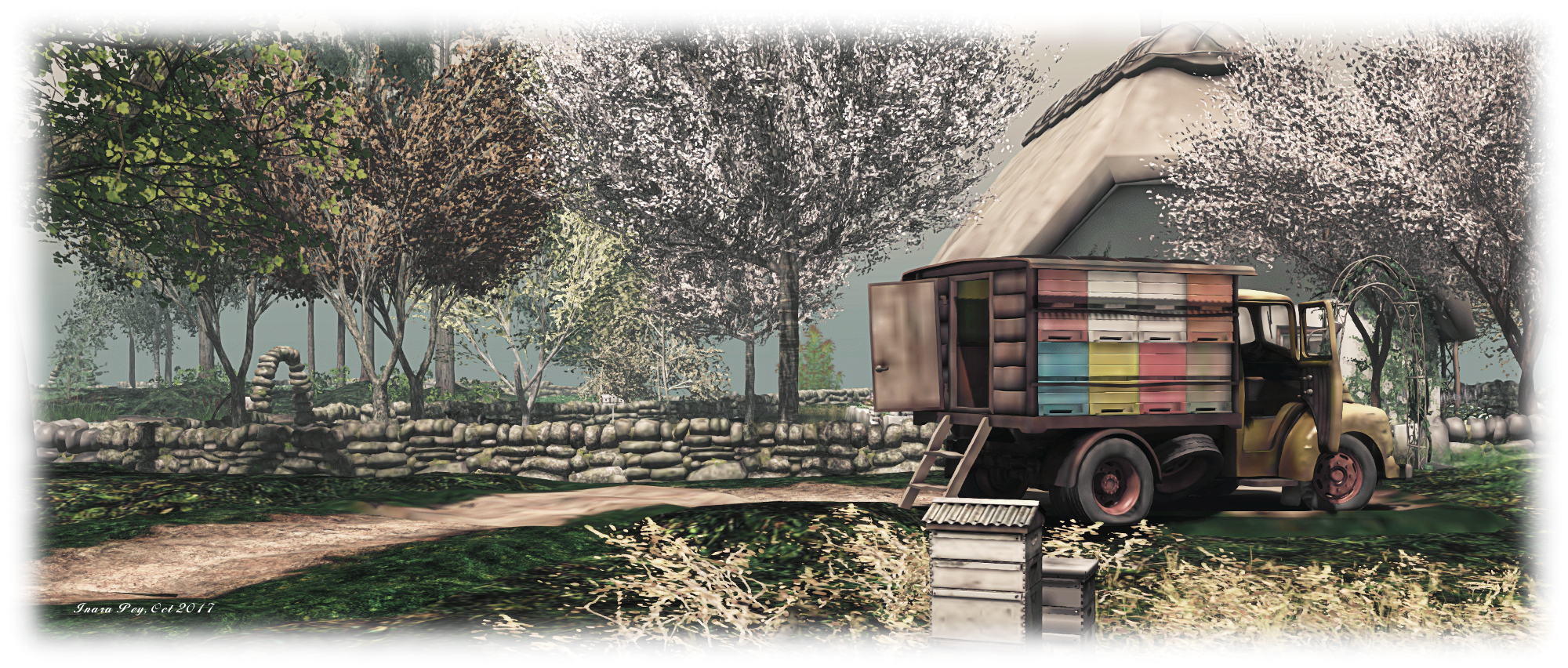
Another chapel lies to the east of the houses, appearing to guard the south and west sides of the island. This is the home of Epilogue, described as a “special place for creation and imagination,” where  Charlotte Gilmore hosts reading clubs and craft creating sessions. Beyond this chapel is a pond and farm, the latter with geese, chickens and goats within the walls of its garden, the ruins of an old fortification close by. As with the east side f the island, cart tracks circle this part of the island, including the large pond fronting the farm-house, and a couple of old vehicles, a four-wheeled truck and a Tuk Tuk style mobile library.

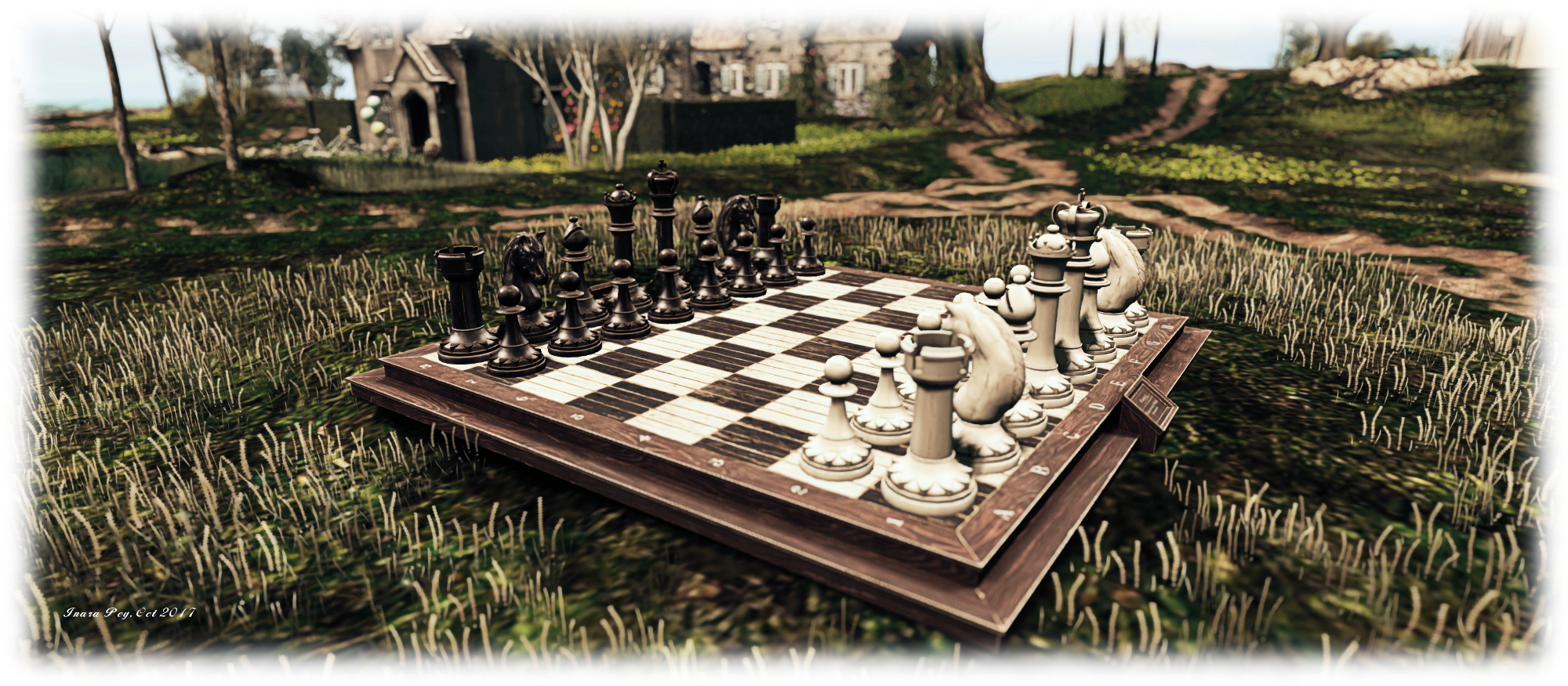
A second beach sits in the north-west corner of the island offers another place to relax and enjoy the Sun when it is present over the island. At the top of the slopes above this, and nestled close to the lighthouse, is a hot air balloon and a playable game of chess, available to those so minded for a game. Nor is this the only opportunity for recreation – another little game sits inside Epilogue, while seagulls scattered around the island will be happy to offer dances to those touching them. There are also a number of places where visitors can sit and relax.

Sol Existence; Inara Pey, October 2017, on FlickrSol Existence

Sol Existence is still and picturesque as it has always been, and photography is encouraged across the island, with Sunshine requesting those who do take pictures consider submitting them to the region’s Flickr group. Those who would like to rez props for their photographs can join the region’s Group by clicking on the seagull perched above village sign at the landing point.

All-in-all another pleasing visit whether exploring on your own or with a friend, with plenty of opportunities for photography and plenty of places to sit and relax. For me, the was a welcome return to a region which caught my eye, and which I’ve been away from for a little too long.

Sol Existence; Inara Pey, October 2017, on FlickrSol Existence

SLurl Details

A new vacation at Pandora Resort, Second Life

Pandora Resort; Inara Pey, October 2017, on FlickrPandora Resort – click any image for full size

Note: this vision of Pandora Box of Dreams closes on August 1st, 2018.

A little over a year ago, I had the pleasure of previewing Pandora Resort, the full region venture by Lokhe Angel Verlack (Jackson Verlack) and his Second Life partner, Miza Cupcake-Verlack (Mizaki) – see here, and then writing about it post-opening.  Given the passage of time since those visits, and having seen a number of group notices about the region, I thought Caitlyn and I should hop over and have a look.

Back in September 2016, Pandora Resort was a winter location, high in the mountains. Now it is a tropical paradise – in Miza’s words, “An exotic island resort just off the coast to India is open to cater to the needs of fun, warmth and relaxing experience exposed to vivid lush wildlife and other hidden paradise”, a description which certainly piqued my interest given the time I’ve spent in Sri Lanka and the deep fondness I have for that country.

Pandora Resort; Inara Pey, October 2017, on FlickrPandora Resort – click any image for full size

A visit commences high over the region, on the upper deck of an airliner. Green arrows on the floor direct arrivals down to the lower deck and thence to the cabin door, where a teleport carries people to ground level, and a chance to debark the airliner.  Outside of the ‘plane is a tropical setting,  the “airport” sitting high on a plateau, sandy mountains visible on all horizons, a cobbled path leading the way past swimming pools shaded by pergolas on one side and an open-air dance area on the other, and on down to a reception lobby located part-way down the plateau’s east side.

The reception area offers an opportunity to rest and to look down on the lowland to the north and south. Ancient steps lead the way down through palm trees and lush grasses and along the side of the plateau and so to the to the beach in the south-east corner of the region. A portion of this is given over to a water-side pavilion – a bath house with outdoor seating, shaded baths and massage tables. Hot pools sit on the sands outside of the pavilion, and a path points the way westward, through a further spa area sitting in a rocky cleft, and on to ancient ruins on the west side of the island.

Pandora Resort; Inara Pey, October 2017, on FlickrPandora Resort – click any image for full size

Here lies one of the places visitors need to take a little care. Tucked into the corner of these ruins is an Asian-styled house available for private rent, and off-limits to those not a member to the region’s group even when not occupied. The north side of the island, reached via a wooden board walk and east-side public beach, is similarly given over to private chalets available for rent and forming a discrete resort of their own.

It was here that I was put in mind of beach-side resorts in places like Sri Lanka; individual chalets with an open-plan layout; all it needs is for the landscape to be a little more lush and green, and it would be easy to imagine the essence of Sri Lanka had been captured here. The chalets sit out over water, and offer a  considerable amount of living space for those wishing to rent one. However, casual visitors should again be aware that when occupied, the chalets can be understandably off-limits – but the watery path between them does remain open to free passage.

Pandora Resort; Inara Pey, October 2017, on FlickrPandora Resort – click any image for full size

The west side of the island offers two bays of shallow water, one of which cuts quite deeply into the land, ending in a small, secluded beach under the lee of the central plateaus. A second beach on deep cut of this bay, and located under an ancient, broken aqueduct, provides another area for swimmers to enjoy.

There are one or two incongruities with the region – the little airport with its huge jet, for example, or the fact that the island – whilst quoted as being off the coast of India – is inhabited by African elephants. However, the latter is likely to be down to the availability of elephants on the Marketplace, which is biased towards the African variety. The former doesn’t actually detract from a visit, simply because once within the region, the airport

Pandora Resort; Inara Pey, October 2017, on FlickrPandora Resort – click any image for full size

For those of us facing the onset of winter, Pandora Resort – Namaste – offers a welcome retreat to reminder of sunshine, vacations and warm seas. It might even, for those fortunate enough to have travelled to tropical climes, open a doorway to past holidays and time spent at luxurious resorts.

SLurl and Website

Autumn comes to La Vie in Second Life

La Vie; Inara Pey, October 2017, on FlickrLa Vie – click any image for full size

La Vie has reopened! Please come pay a visit! And don’t forget to put your pics in the Flickr group. I can’t wait to see you and all of your art!

Thus read the invitation Krys Vita sent out to members her group a few days ago, inviting folk to drop into her homestead region of La Vie and enjoy its new look, and with an additional prod from Max and Shakespeare, Caitlyn and I hopped across to see how things had changed. The last time we were in the region, it was a tropical paradise designed by Krys and TreMeldazis; for this iteration, Krys has once again collaborated with Arol Lightfoot.

La Vie; Inara Pey, October 2017, on FlickrLa Vie

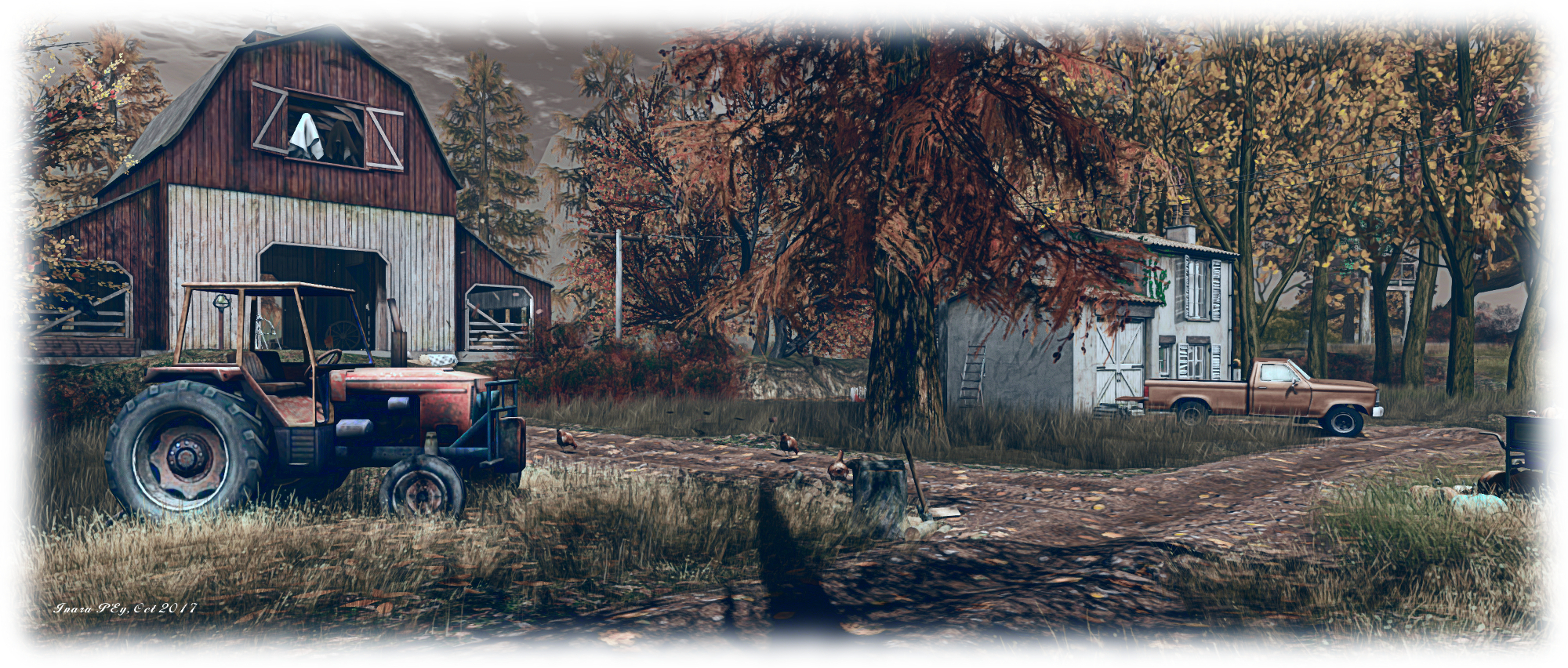
“It was time for a change I think,” Krys said as we arrived. “La Vie has been around a long time!” Seasonal changes are not uncommon within Second life regions, and with this rebuild, Krys and Arol have embraced the look and feel of autumn – with just a hint here and there of Halloween, some obvious (such as the pumpkins dotted around), others perhaps not so (such as the ghost-like blankets hanging in the windows of a barn!).

On arriving, visitors find themselves close to a farm-house and the aforementioned barn. A pick-up truck and tractor are parked close by, just off the track running by the farm. This offers explorers a choice of directions in which to most obviously head: east or west. Follow it east, and it quickly curls to the north, taking you by grassy banks, a little stall perched atop of them selling apples, to a box bridge crossing the narrow vee of a sluggish stream.

La Vie; Inara Pey, October 2017, on FlickrLa Vie

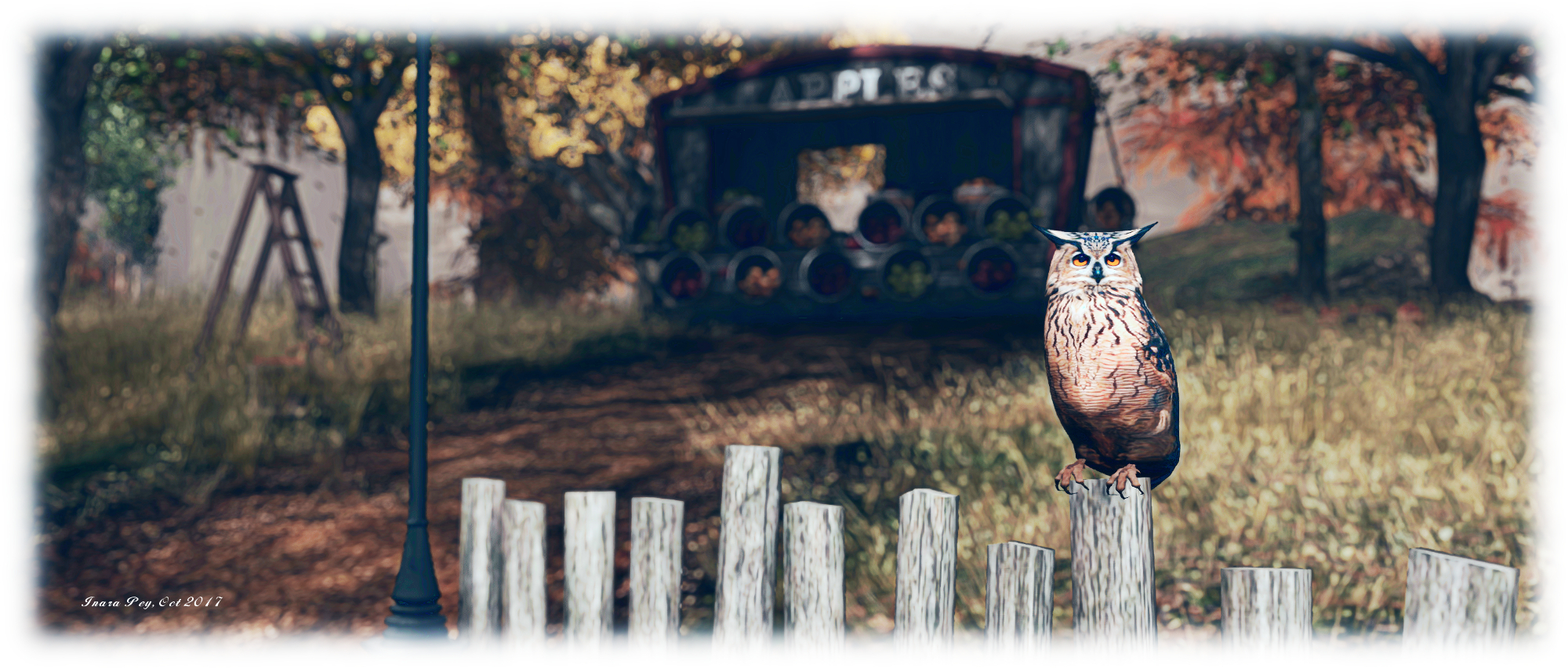
Another pick-up truck is sitting on the rack beyond the bridge, a trailer hitched to its tow bar, the track itself coming to an end a short distance beyond it. Across a short expanse of long grass and under the lee of gnarled trees, the old stone walls of a graveyard beckon – perhaps another nod towards Halloween, with the mist gathering about the aged tombstones and a raven keeping a cocked eye on those who visit.

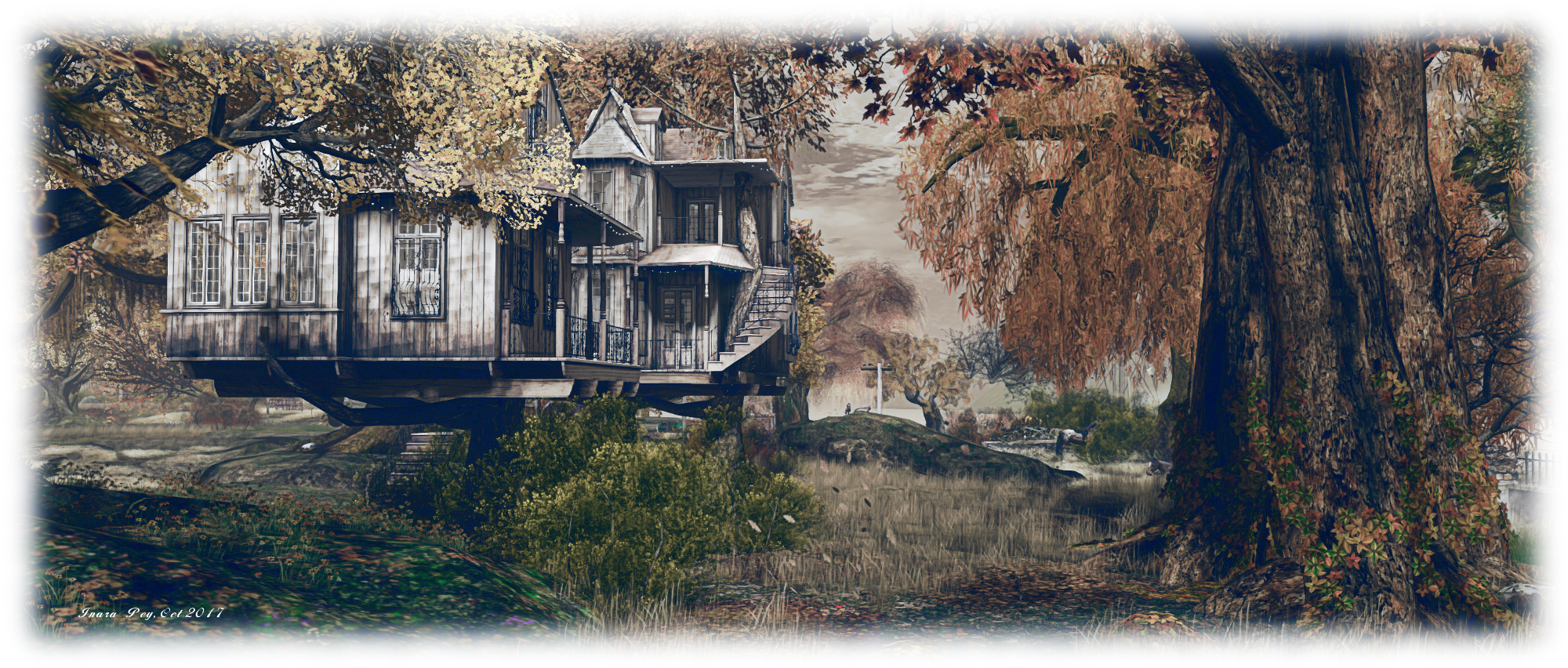
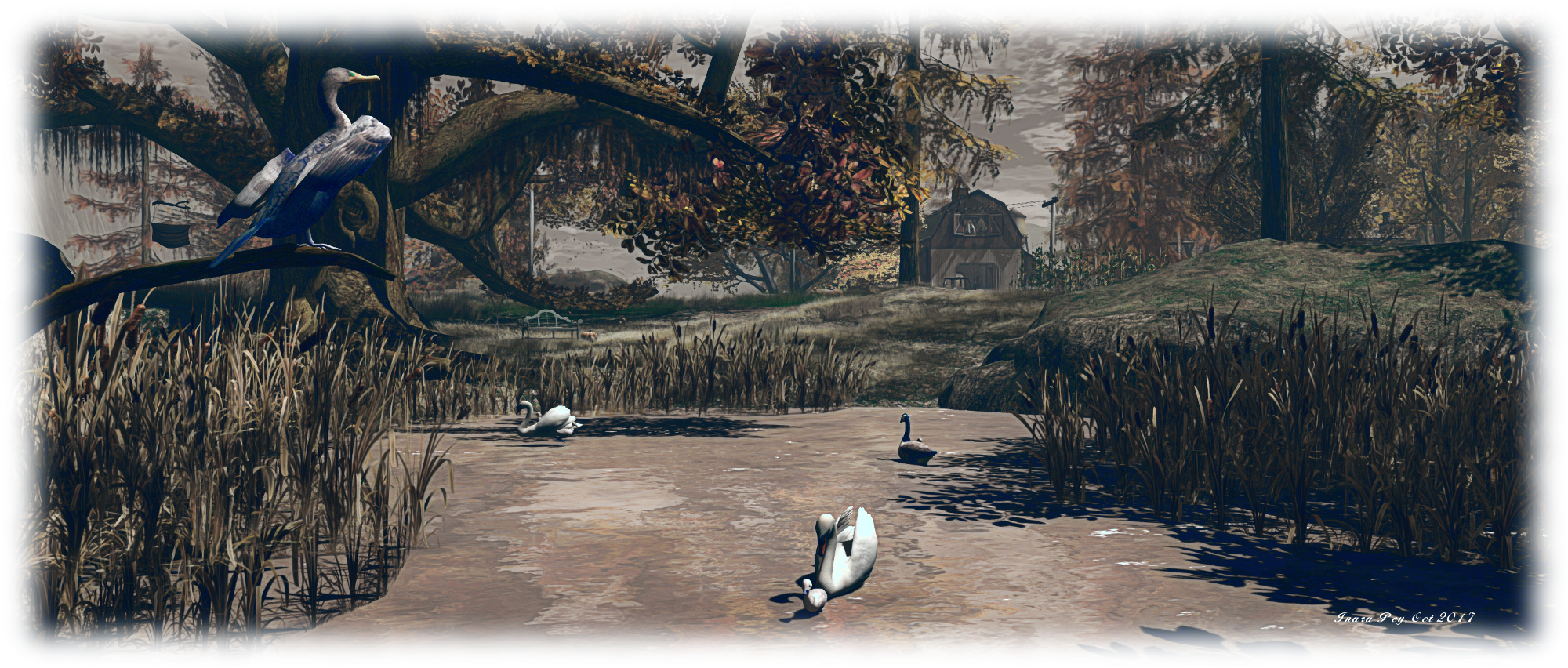
The graveyard is overlooked by the back of a tree house with adjoining artist’s studio, both of which sit just above the ground on the splayed fingers of strong branches. Connected to one another by a quaint little wood and rope bridge, they look northwards across a quiet pond where swans and geese share the water with cormorant and heron. More rugged and wooded land lies westward of these tree houses, deer roaming beneath boughs still heavy with yellowing leaves, before the landscape opens a little, offering a quarter corner for a single trailer camp site, before the track resumes its meander back to the farm.

La Vie; Inara Pey, October 2017, on FlickrLa Vie

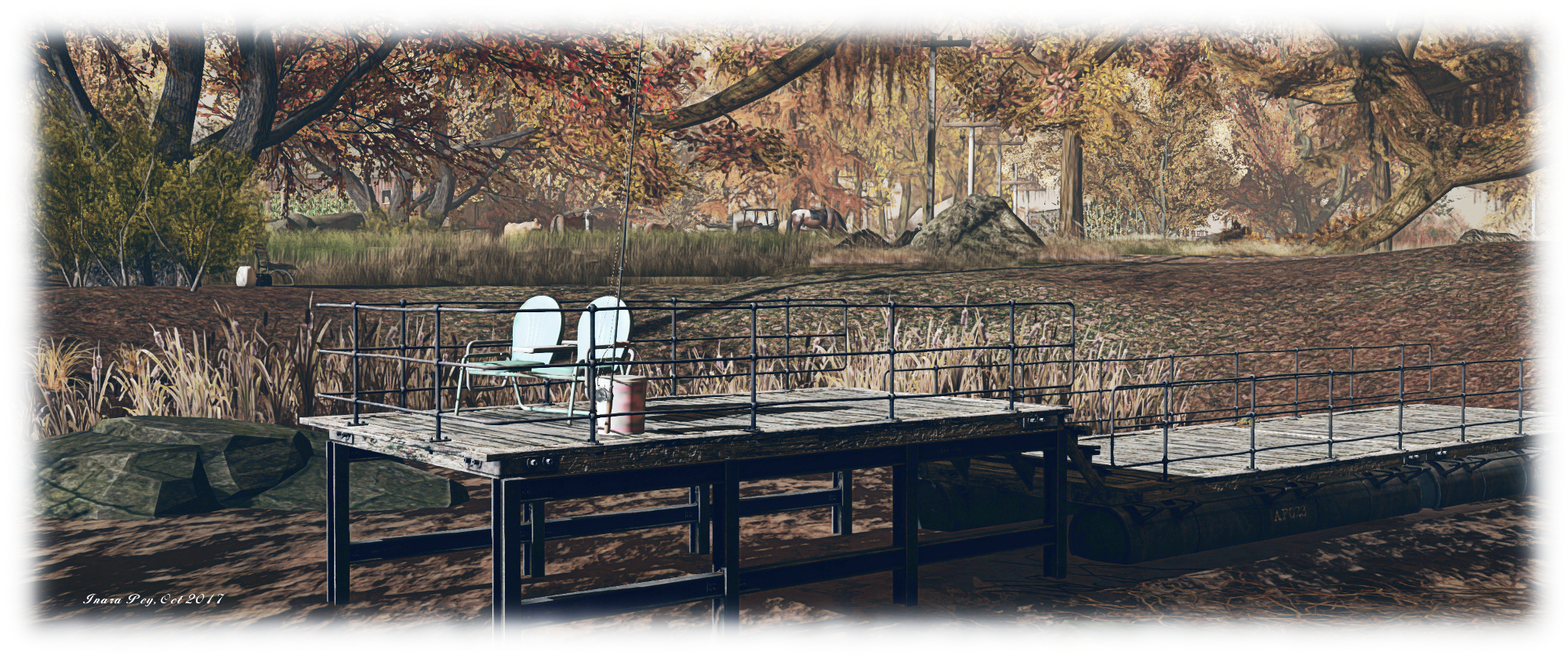
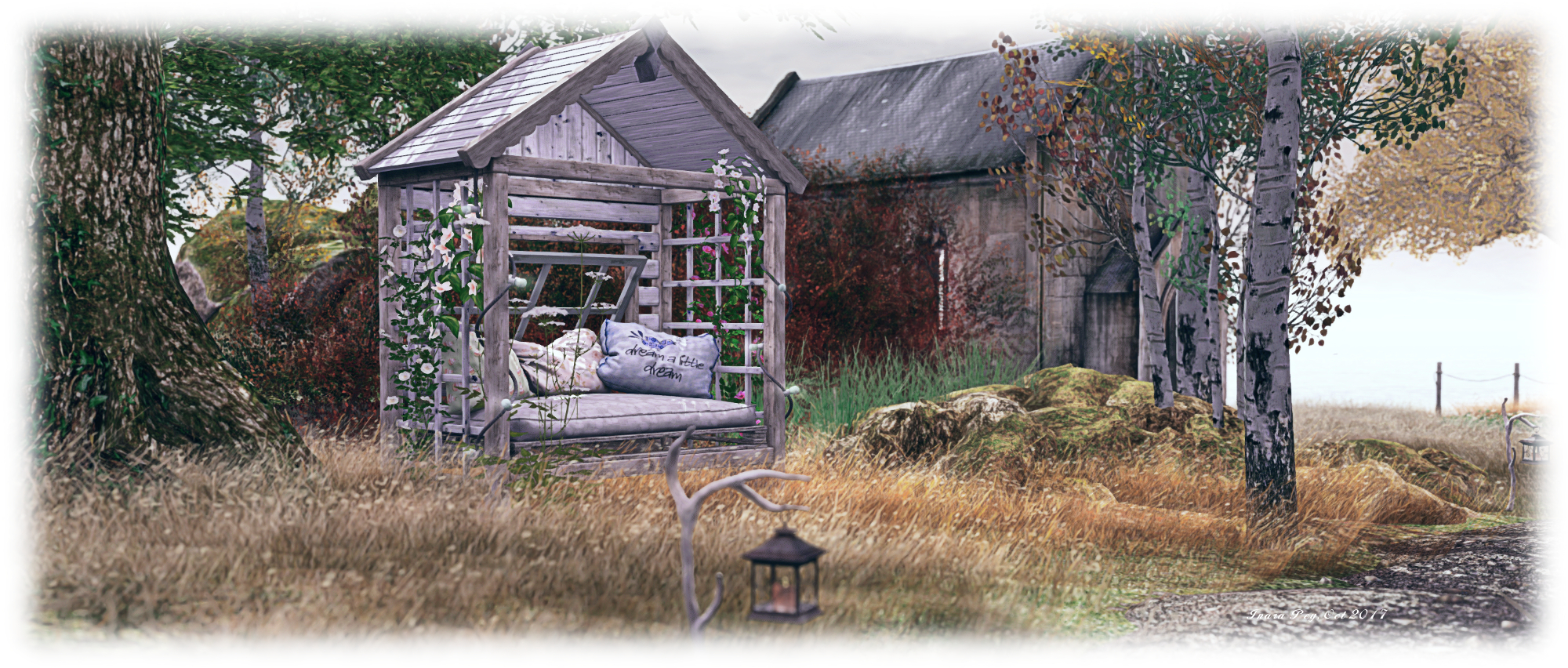
This is a place of muted colour, where gulls wheel, fishing boats and nets lie offshore, and farm animals wander and graze. Away from the main track, explorers may find little nooks and places to sit – a little camp fire here, and old picnic bench there, or cosy tree hut hidden among branches and leaves, a swing slung beneath…

Saddled horses also roam the land, or sit and lie in the shade of trees. Touching any of them will allow you to haul yourself up into the saddle and then take a ride around the land; when you dismount, the horse will be content to wander or lie down once more.

La Vie; Inara Pey, October 2017, on FlickrLa Vie

Finished with another fitting sound scape, Lie Vie in autumn is the latest in a series of wonderful designs by Krys and Arol, and a setting that shouldn’t be missed.

SLurl Details

  • La Vie (La Vie, rated; Moderate)

Tavana Island’s autumnal beauty in Second Life

Tavana Island; Inara Pey, October 2017, on FlickrTavana Island – click any image for full size

I was drawn to suggest Tavana Island as a place Caitlyn and I should explore on the basis it is designed by Brayan Friller (Brayan26 Friller) and Elyjia (Elyjia Baxton). They were the couple behind the gorgeous Au Petit Jour (see here for more) and The Heart of the Sea (see here for more), so I was keen to see what they had cooked up with their latest design. As it turned out, we weren’t the only ones: digging into my inventory I found Shakespeare and Max had also sent me a landmark for the region!

If there is a word to sum-up Tavana Island, it has to be “exquisite”. This is a place we and I arrived in with the intention of having a leisurely exploratory wander – and ended up spending the better part of our evening within. It’s also a place with strong echoes of Heart of the Sea – so much so, that it was easy to imagine we’d just sailed from there aboard the schooner anchored offshore, popping over the horizon to arrive at Tavana Island and then row ourselves to shore via one of the rowing bows moored down by the beach.

Tavana Island; Inara Pey, October 2017, on FlickrTavana Island

Visitors arrive on the largest – by far – of five rugged islands. It sits towards the north-east of the region,   four of the remaining islands sweeping in an arc from west to south around it. The landing point is set close to the southern cliffs of the island, near a set of iron gates. These point the way to a set of wooden steps leading down to the beach, which looks out towards the southern isles in the group, while a gravel path runs from the leading point in the other direction, offering a route around the major sites of interest on the island.

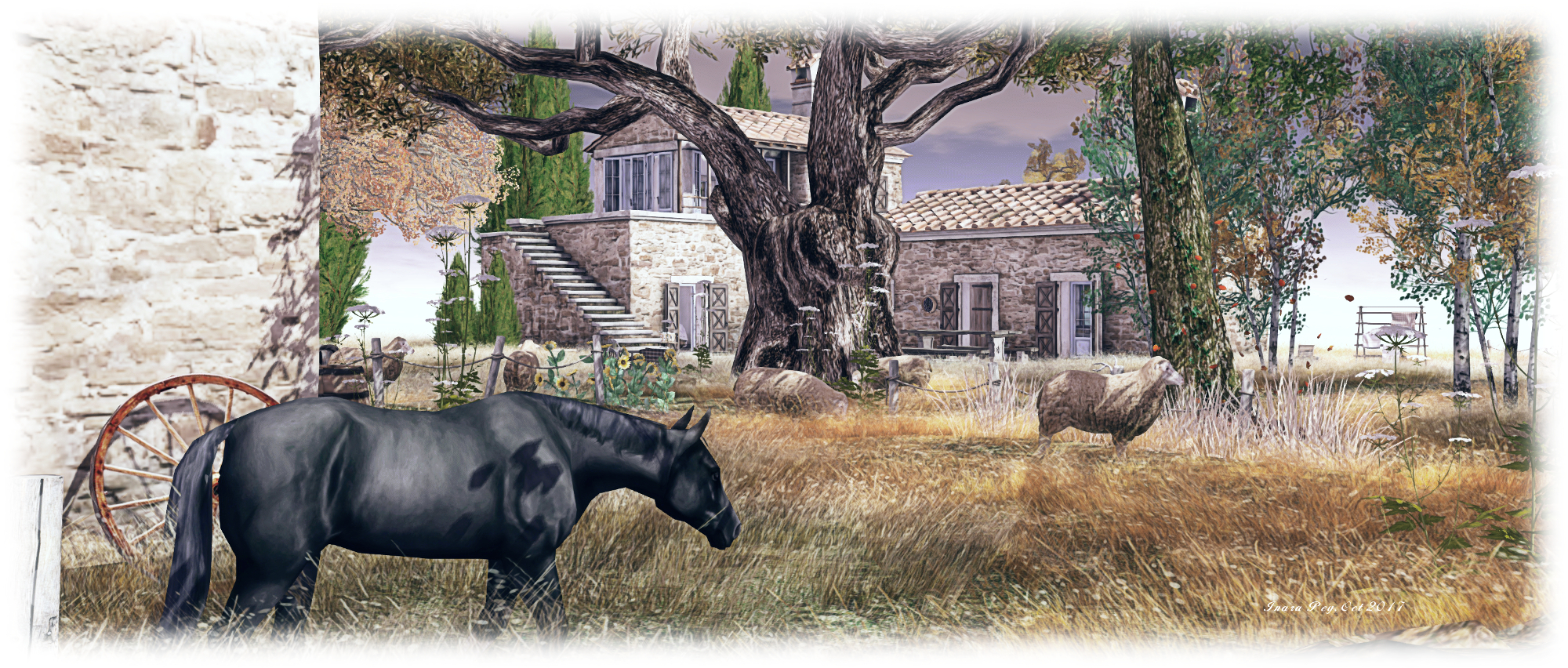
The most obvious of these is the Tuscan villa a short distance from the landing point.  This might be a holiday home or farm-house (there is a barn nearby and both horses and sheep grazing on the island). It looks out over the waters to the north, where two outcrops of rock rise from the sea, like sentinels standing guard.

Tavana Island; Inara Pey, October 2017, on FlickrTavana Island

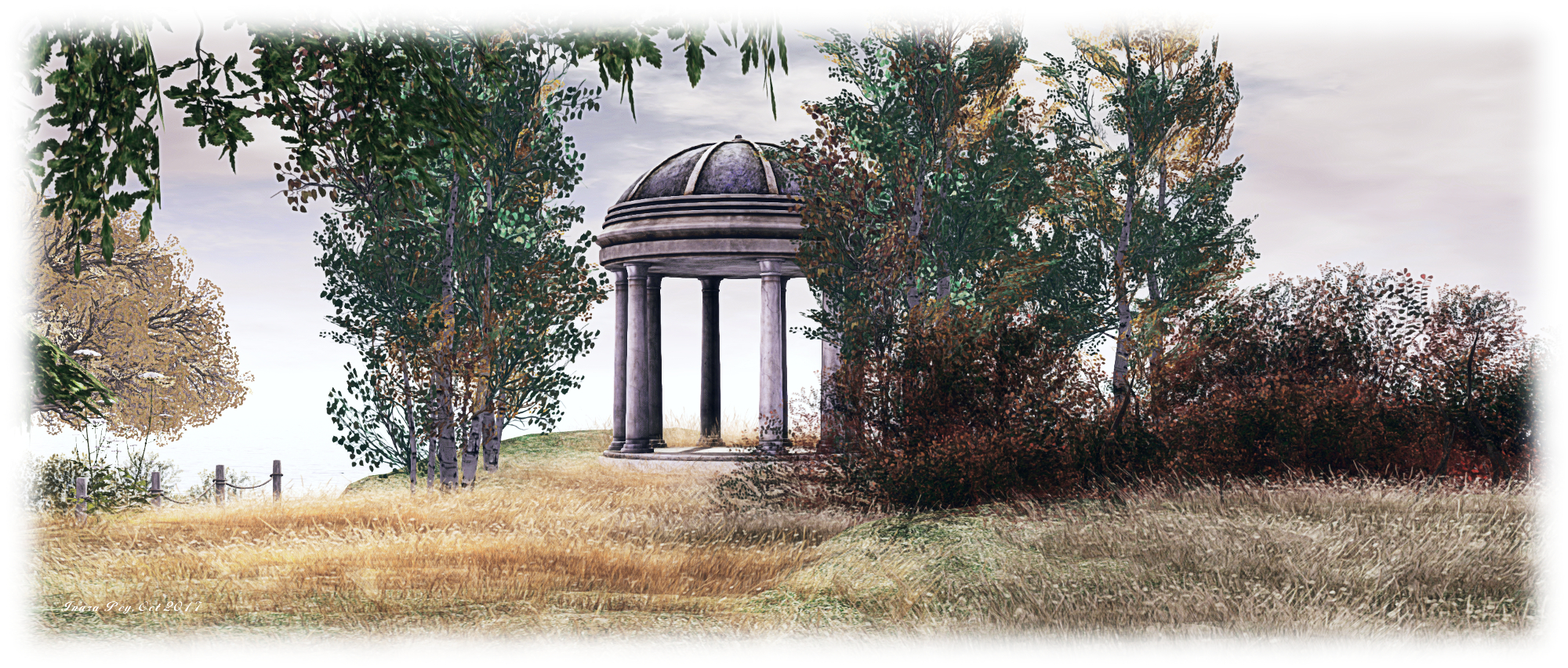
A short distance way along the path from the house is a little cuddle spot and an old chapel, while those following the path from the landing point to the villa might be tempted to turn aside and take the little junction leading the way up to a grassy plateau on the south side of the island. There is a gazebo here, complete with a dance machine (with another machine out on the grass) – and the audio stream featuring music from films makes for a perfect time dancing.

I’m not certain if either of the two islands to the south which show signs of habitation are open to the public – there is no direct way to reach them. With Au Petit Jour, Elyjia and Brayan did set a small island off to one side for private use, so this might be the case here. I haven’t been able to check with them if this is the case here, so it might be better to view them from afar rather than risk unintended intrusion. There’s certainly opportunities to this, either from the sun loungers on the sand or from the rowing boats moored by the little pier at the beach, or from the grassy plateau mentioned above.

Tavana Island; Inara Pey, October 2017, on FlickrTavana Island

There is a natural beauty to Tavana Island which makes it an absolute delight not just to visit, but to spend time enjoying, be it sitting (on land or in a rowing boat), dancing, or simply wandering and looking. There’s a subtle sound scape perfectly matching the seasonal look for the islands, so keep local sounds enabled.

All told, another superb design by Brayan and Elyjia, one more than worth time to visit. Should you do so, and enjoy your time as much as we did, please consider a donation towards the upkeep of the region for others to enjoy as well.

Tavana Island; Inara Pey, October 2017, on FlickrTavana Island

SLurl Details