Return to the Abyss: science in Second Life

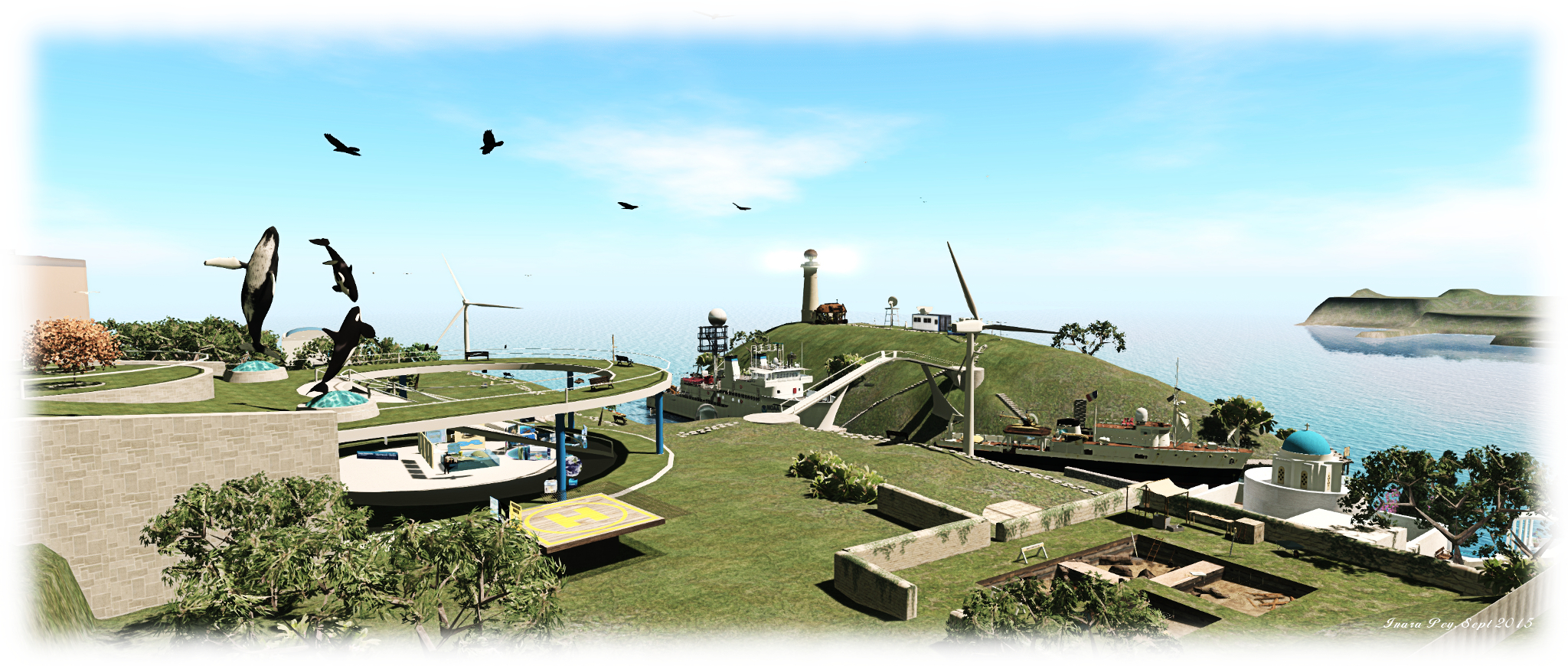
The Abyss Observatory's main facilities at Farwell
The Abyss Observatory’s main facilities at Farwell

January 8th, 2016: Update: as per the comment below from Yan, SLurls for the observatory’s facilities have changed, and the article hand images have been updated to reflect this.

In May 2015, I wrote about the The Abyss Observatory, a collaborative project formulated by the Japan Agency for Marine-Earth Science and Technology (JAMSTEC) and involving the support of a number of organisations including the National Oceanographic and Atmospheric Administration (NOAA) and the Open University in the UK.

At the time I wrote that piece, it appeared that a good part of the Observatory’s operations in Second Life would be going off-line in June. fortunately, rather than this being the case, the team behind the Observatory have been busy relocating the exhibits and also taking the opportunity to renew many of them, and they’re now once more moving forward in their work of fostering a greater understanding of the world around us.
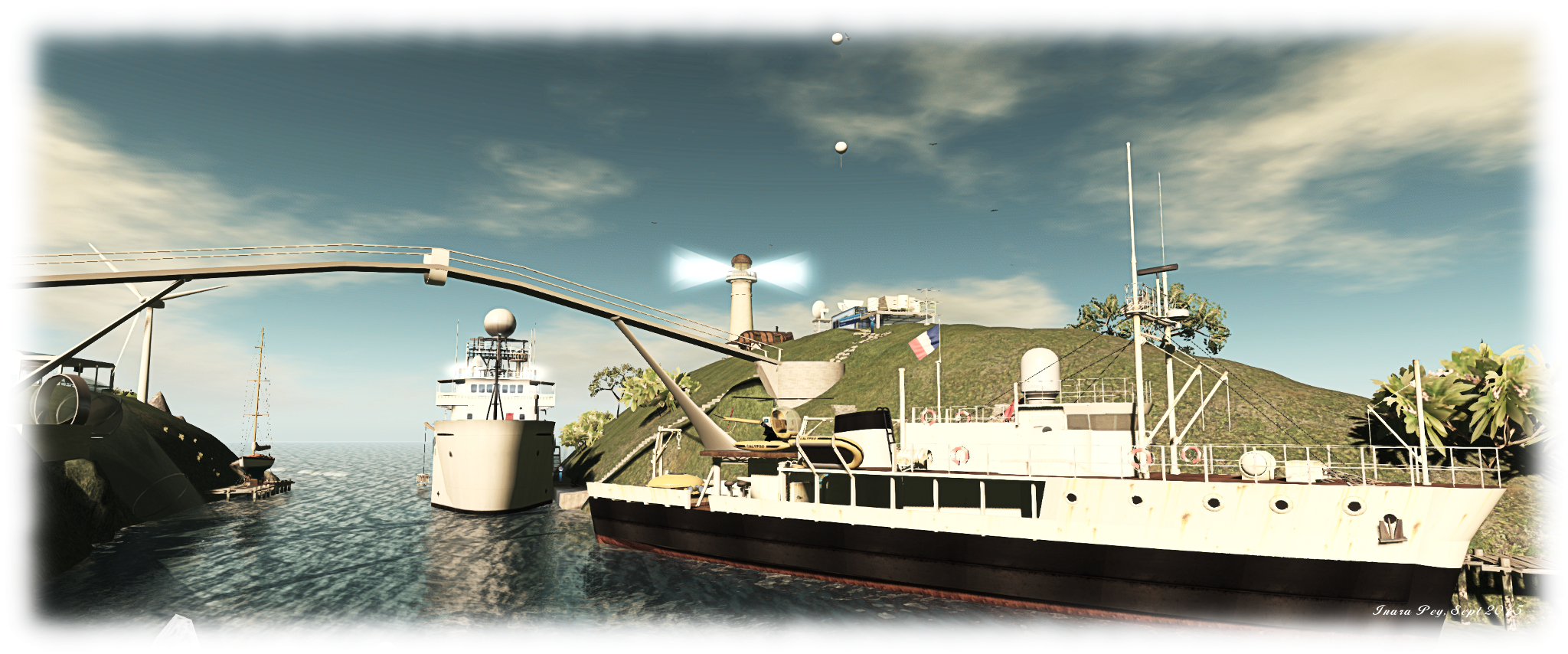
Weather balloons rise from the atmospheric research facility at the Abyss Observatory, with the Calypso and Okeanos Explorer moored bat the foot of the island
Weather balloons rise from the atmospheric research facility at The Abyss Observatory, with the RV Calypso and Okeanos Explorer moored bat the foot of the island

“Since the closing of Second Earth 3 in June 2015, we have been working on five new areas,” Abyss co-founder Yan Lauria informed me during a recent visit to the Observatory’s new hub at Farwell. “We now have installations at Farwell, Jabara Land Atlantis, STEM Island and Lily, although some parts are still under construction.”

The re-working of the Abyss facilities has also led to increased collaboration with other science and eduction groups and organisations in Second Life, and also to expand a presence in OpenSim as well.Supporting the venture from the physical world are the National Institute of Education, Singapore and The Science Circle.

Yan, who is also a lecturer at The Science Circle in Second Life, as well as working at JAMSTEC, went on,”We continue to develop Earth, Ocean and Life science exhibits and cross-disciplinary collaboration in SL and JOGrid with TUIS, JAMSTEC, NIE, UIW, The Science Circle and other organisations,”
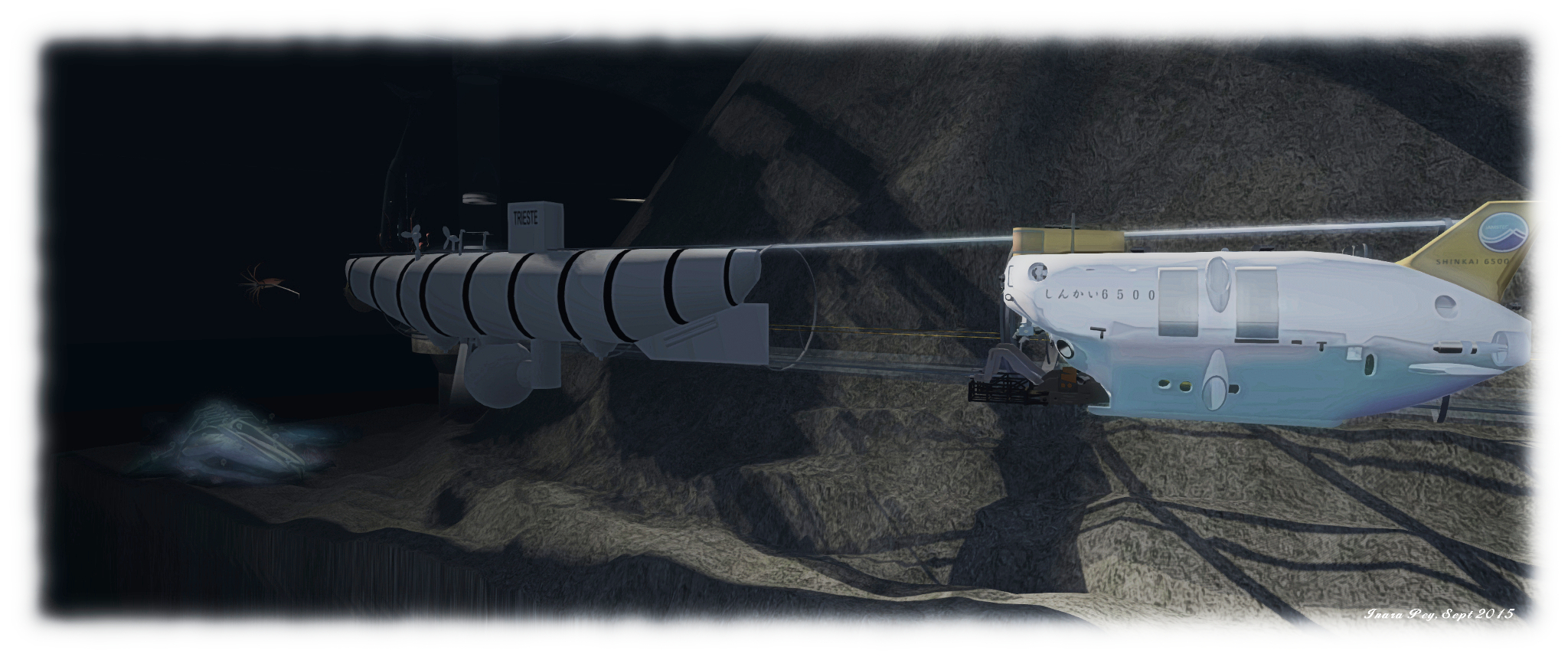
Underwater at the Abyss Observatory, visitors can learn about deep submersibles like the Treste (left) and JAMSTEC's Shinkai 6500 (right)
Underwater at The Abyss Observatory, visitors can learn about deep submersibles like the Triseste (left) and JAMSTEC’s Shinkai 6500 (right)

Most of the exhibits from the earlier iterations of the Abyss Observatory have now been placed in new locations across the five regions, and a new cross-navigation teleport system has been implemented to ease movement between the different locations and exhibits. These are largely centred on the  Observatory’s land at Farwell, which is perhaps the best place to start any planned tour or visit.

It is at Farwell that those new to The Abyss Observatory can gain a general introduction to it and the purposes behind it, visit several of the main exhibition locations, including the Sunken City Excavation by Kichimaru Haystack, the Cetological Museum by Dugong Janu, Jacques Cousteau’s Calypso and the NOAA Okeanos Explorer (and you can read about the latter’s studies in the physical world as well). And that’s just the start of things.
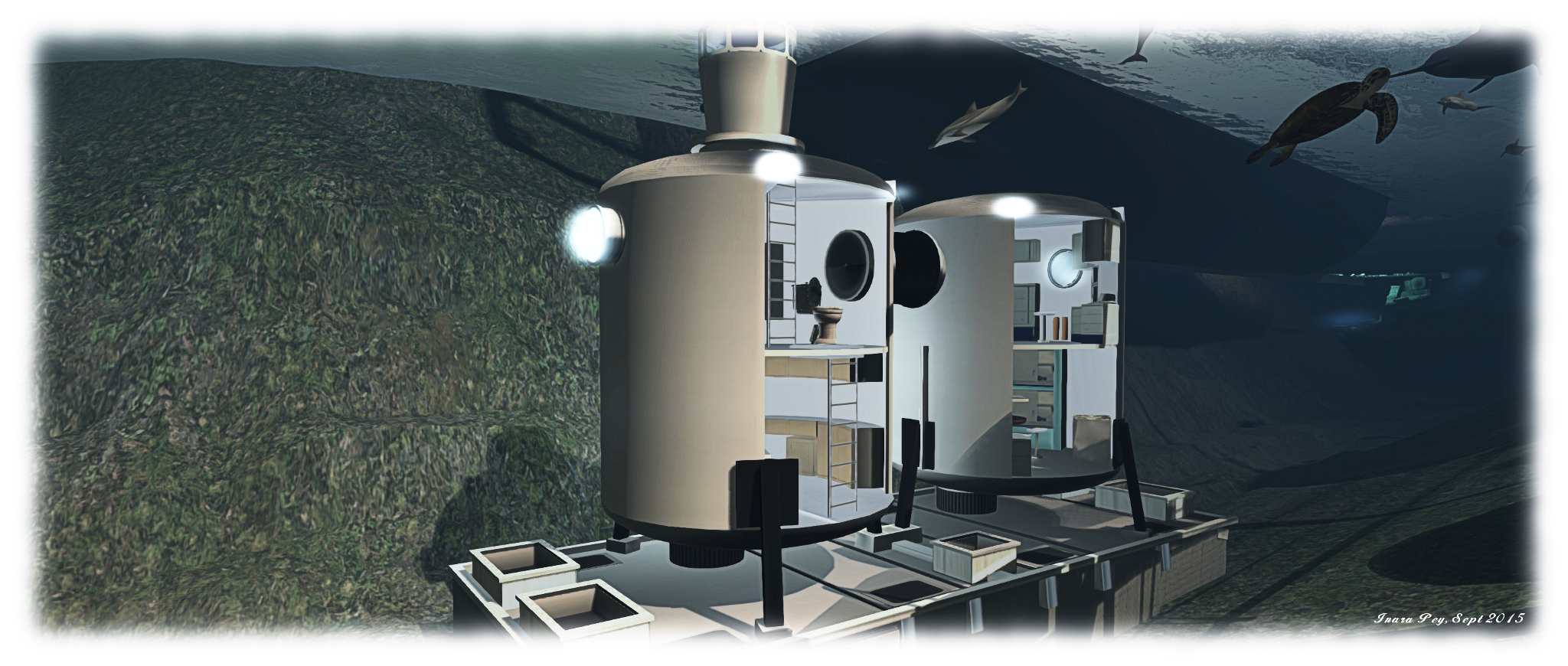
The Tet
The Tektite Habitat also now resides at The Abyss Observatory’s facilities at Farwell

The travel system on Farwell’s shore will take you down to one of two further undersea exhibit areas, the Dophin Promenade, where you can see the unique Tektite Habitat, which in 1969 / 70 was the centre of research into reef ecosystems and human physiology studies related to both saturation diving and possible long-duration space missions. Simply wait for the travel sphere to arrive when you stand at the entrance to the system, then step inside and let it carry you down to the promenade, where you can walk through the glass tunnel to the travel system at the far end.

Just offshore from the island on the east side of Farwell is a further underwater exhibit, reached via elevator. Here you can wander glass observation tunnels on two levels, the lower of which take you into the world of deep diving exploration, and the likes of craft such as the bathyscaphe Triseste, which in 1960, descended the Challenger Deep within the Mariana Trench, to reach a record maximum depth of some 10,911 metres (35,797 ft).
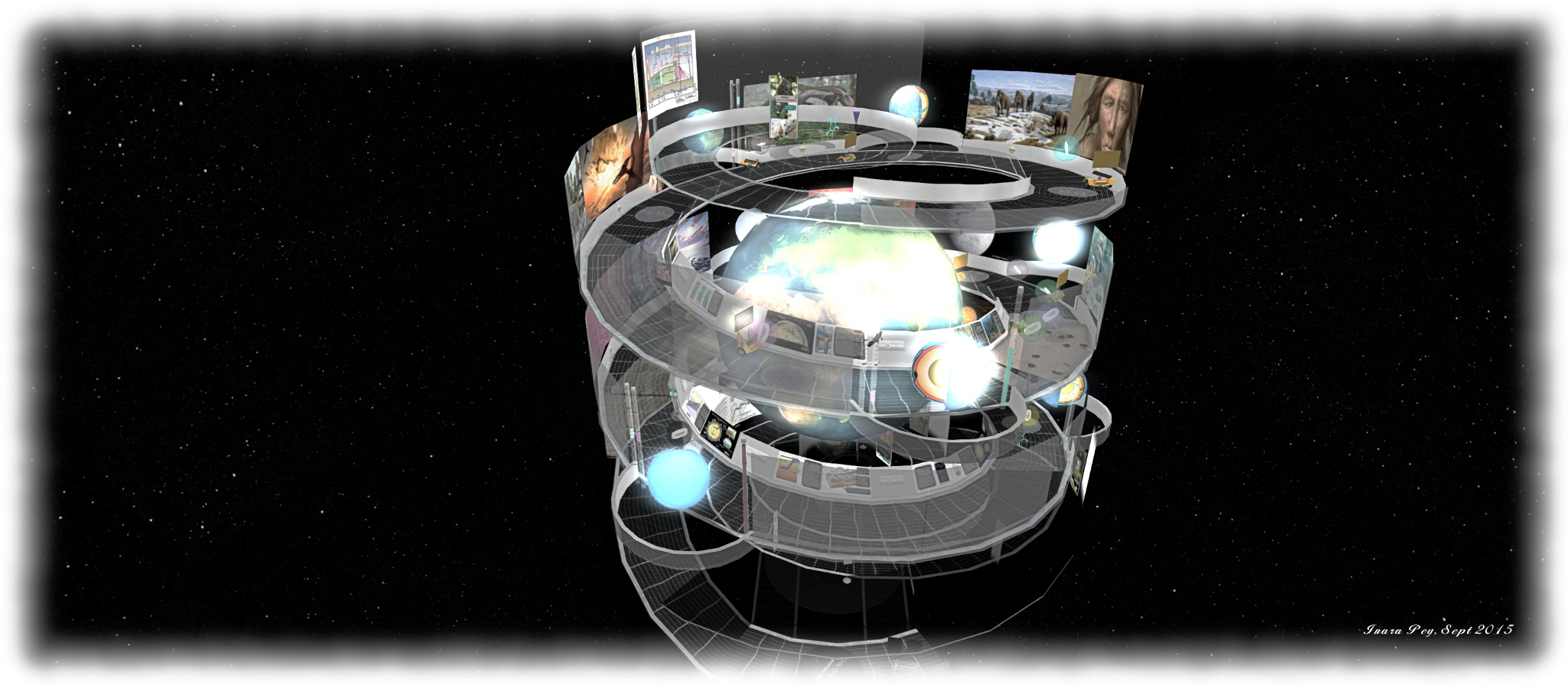
The One Earth interactive exhibit deserves a visit in its own right
The Only One Earth interactive exhibit deserves a visit in its own right

For those who prefer, the navigation system – which comprises a series of clickable image boards which supply SLurls to their destinations in chat  – will take you up into the sky to the aforementioned Cetological Museum, the Underwater World and Submarine Design Project, and the visually stunning and informative Only One Earth interactive exhibit – which in itself is worth a visit, quite apart from the rest of the Observatory’s offerings.  The navigation boards also provide access to the Abyss exhibits at Shamash, Jabara Land Atlantis, STEM Island and Lily, all of which are worth the time to visit and explore.

Continue reading “Return to the Abyss: science in Second Life”

Farewell to Mont Saint Michel in Second Life

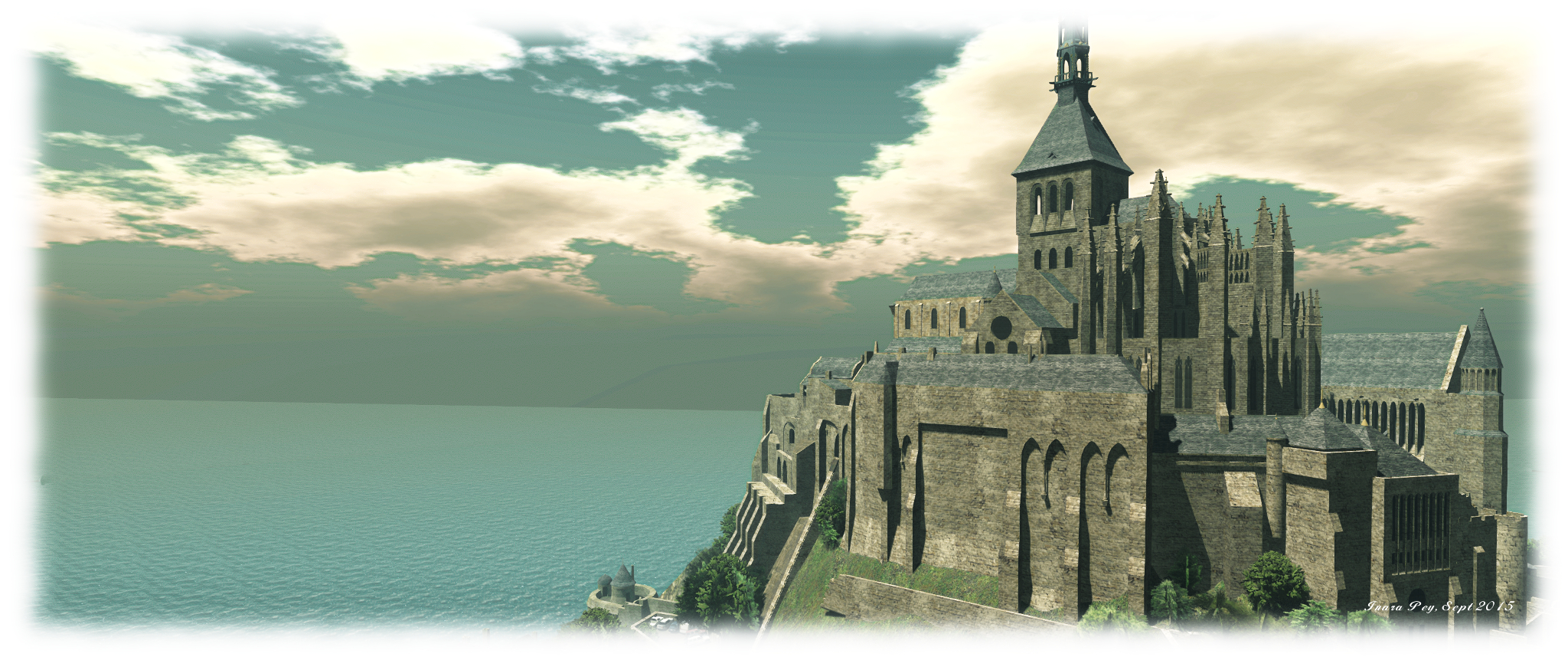
Mont Saint-Michel
Mont Saint Michel – click and image for full size

Update: November 21st 2016: Mont Saint Michel is now back in Second Life, same SLurl.

Update: October 10th, 2016: almost a year after it had first been indicated the region was closing, Mont St Michel has now gone from Second Life. Tyche Shepherd noted its depature during her August end-of-month survey of the grid.

Update, November 3rd: Mont Saint Michel remains open at the start of November, as pointed out to me by Petr Hastings-Vanbeeck. see my update for more.

I saw via Ciaran’s blog that one of Second Life’s landmark sites, Mont Saint Michel, is to close at the end of September 2015.

Region holder and owner of the *Edwelweiss* brand, Moeka Kohime, announced the closure in a brief note on her Flickr stream, citing an “economical reason”. whether this refers to finding tier an increasing burden or a fall-off in donations and / or rentals (or a combination of all three), isn’t clear. However, given her Edelweiss brand will be relocating in-world, tier does seem to possibly be the culprit here.

The hidden secret within Mont Saint-Michel
The hidden secret within Mont Saint Michel

For my part, I paid my first visit to Mont Saint Michel far back in 2011, back when two regions existed: Mont Saint Michel, the beautiful reproduction of the Abbey citadel at the mouth of the Couesnon River in France, and a region representing the causeway and vehicle park outside of the citadel’s walls.  While I’d been aware of the build for a long time prior to that visit, it wasn’t until that first visit that I really understood why it was a popular attraction for residents (even if I did miss its hidden secret at the time!). Since then, I’ve often been back over the years to wander the streets and climb the stairs up to the great abbey, although I’ve only blogged about it once between then and now, and that was in 2013.

What is impressive about the region is the level of detail within it, and the fact that it is navigable by avatar. As I said back in 2011:

The Mont faithfully reproduces the original in almost every visual aspect; no mean feat given it occupies an area a quarter of the size of the original. Yet it is not just a mere “look but don’t touch” showpiece: it is also scaled to allow avatar access, providing a fully immersive experience for visitors who can walk through the narrow streets, browse shops and wend their way up to the magnificent monastery that crowns the island.

Given this, Mont Saint Michel has always struck me as an ideal candidate for exploration using something like the Oculus Rift, and losing it before HMDs allow us to do so, and to see it so fully and immersively is to be counted our loss.

Mont Saint-Michel
Mont Saint Michel

It’s not clear precisely when the region will close, but if you do wish to pay a last (or first) visit, I’d recommend you do so sooner rather than leaving things right until the end of the month, sometimes regions have a habit of vanishing a little earlier than anticipated. To Moeka, I would like to add my thanks to those from many others, for creating and sharing such an incredible build with us over the years.

SLurl Details

A little bit of Junk in Second Life

Junk; Inara Pey, September 2015, on FlickrJunk September 2015 (Flickr)

I’ve written a few times about some of the advantages shopping in-world can have, quite aside from the benefits of easy browsing, sharing time with friends, etc., simply because many content creators with land of their own put as much care and effort into providing a place people will want to visit as much for itself as for the shopping experience.

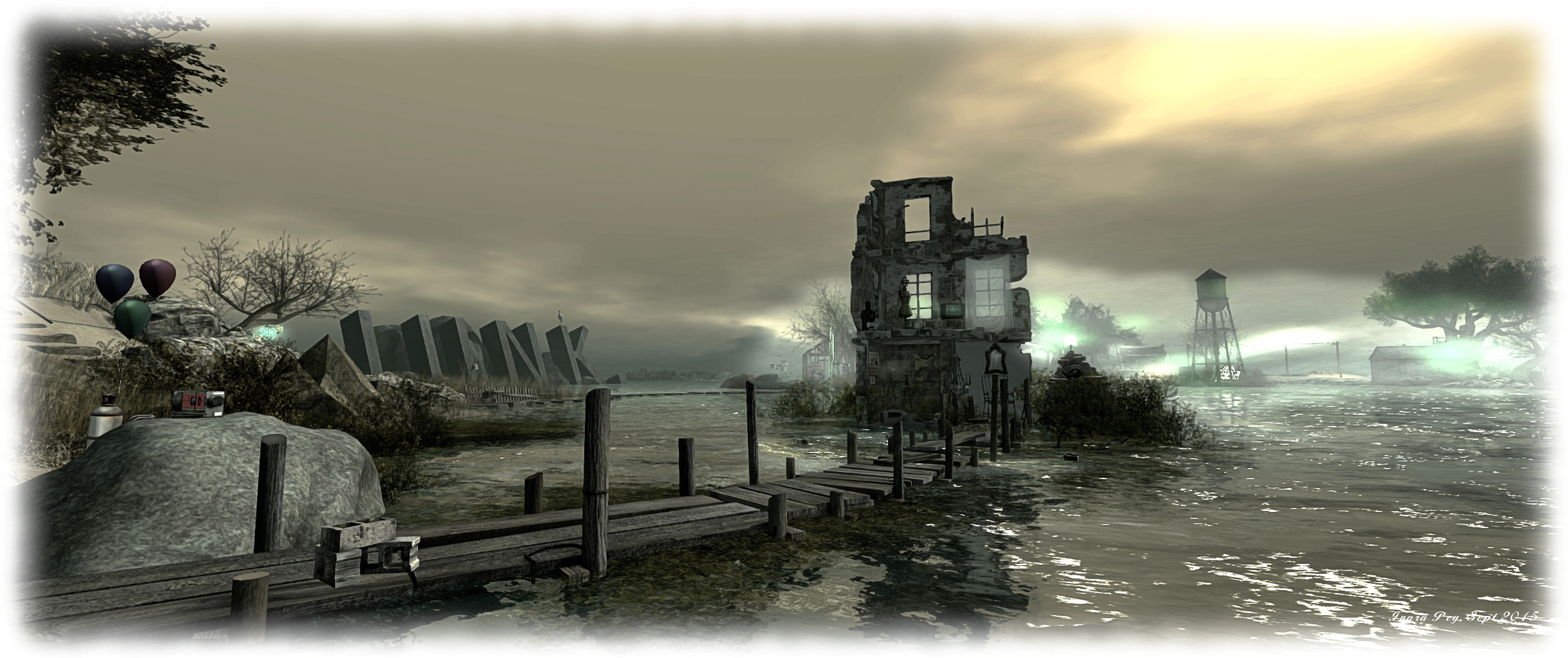
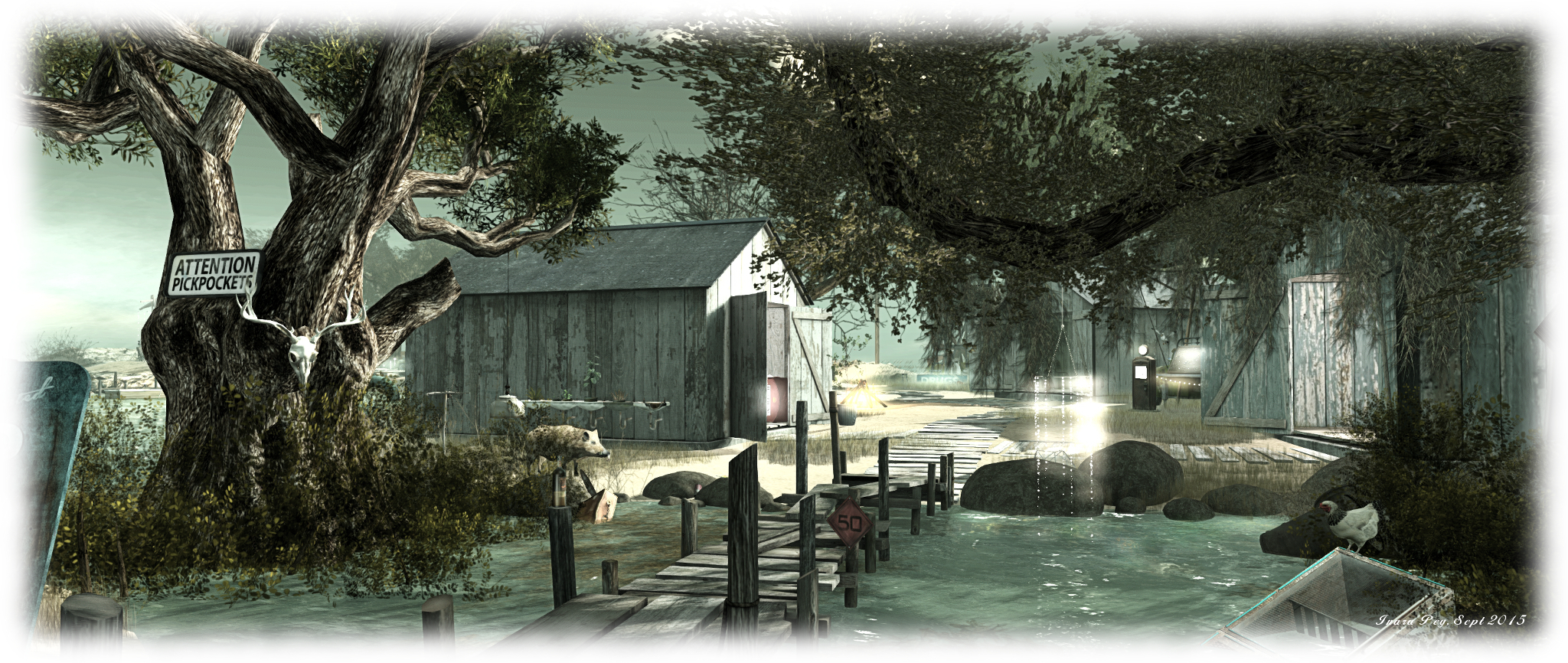
Tab Tatham is one such creator. Her region, called simply Junk, the name of her store, is wonderfully atmospheric in design and execution. So much so that not only does it provide an eye-catching place to visit as well as to spend time shopping, for me it is also mindful of another region design I always enjoyed and admired: Jordan Giant’s The Colder Water, which makes it doubly attractive.

Junk; Inara Pey, September 2015, on FlickrJunk September 2015 (Flickr)

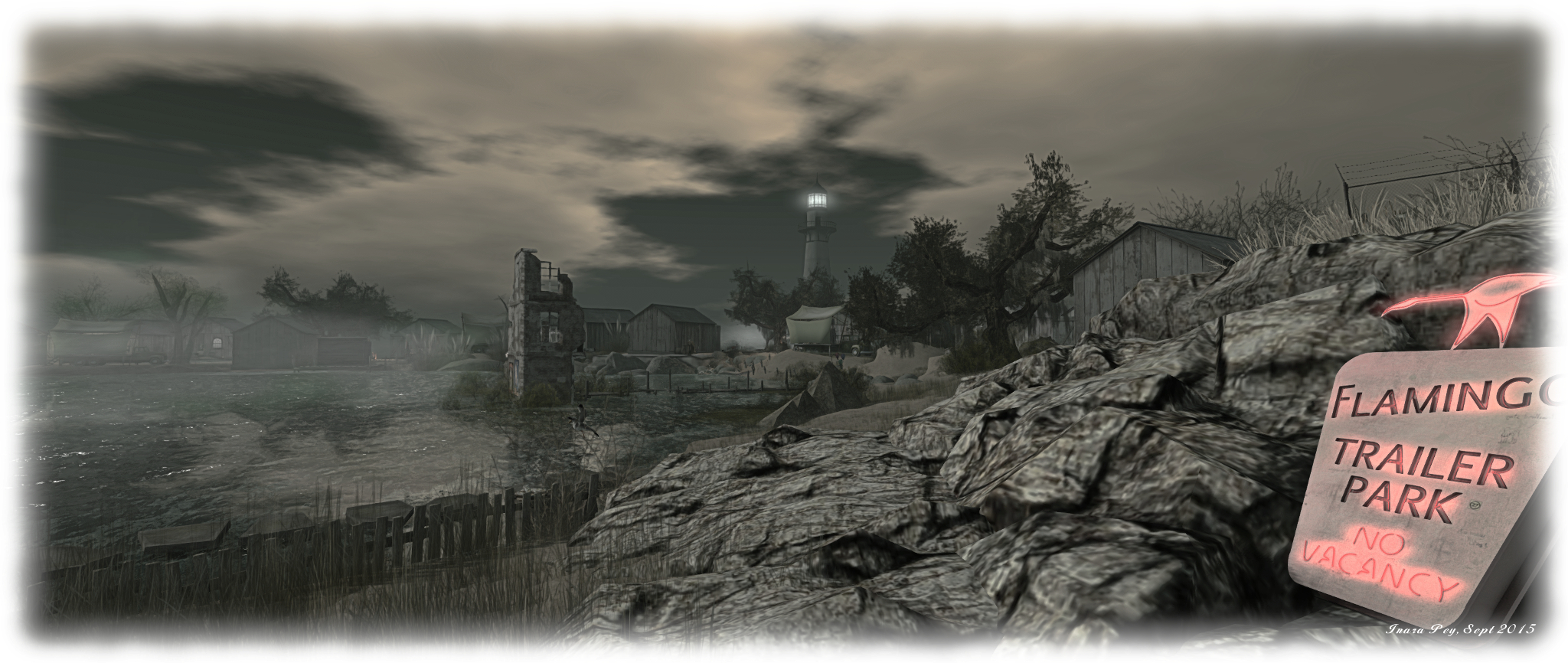
Like The Colder Water, Junk offers a crescent island with a landing area atop a broad, rocky plateau at one end, which sweeps down and around to rocky “tail”. It is also cast within a twilight world which suits it admirably, watched over by the slender finger of a tall lighthouse sitting just off the coast of the main island, something which again carries an echo of The Colder Water, although this lighthouse is very much still functional.

Which is not to say the one is in any way modelled on the other, there is also much which stands the two designs apart and make them entirely unique and individually attractive. My comparison is purely a means of showing how my memories of one had me feeling a comforting warmth of familiarity on my arrival at the other.

Junk; Inara Pey, September 2015, on FlickrJunk September 2015 (Flickr)

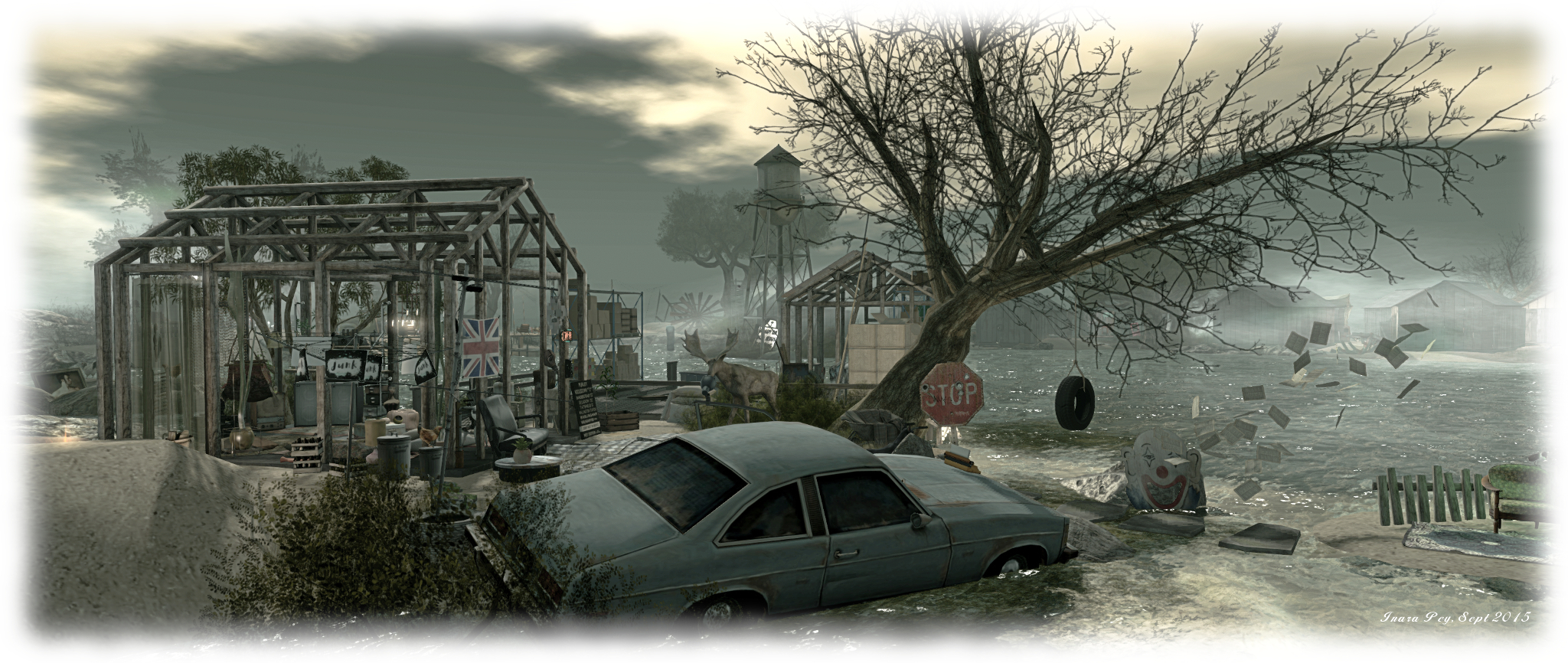
From the arrival area, which also forms the store’s information area, the visitor can wander the length of the island, Tab’s store being laid out as a series of sheds (Tab’s own designs) and awning-draped flat-bed trucks either side of the island’s sandy ribbon. Between these winds a board walk of loose-laid planks, enticing the visitor onwards in exploration.

At the far end of the island’s curve sits a live events area, built out over the water, with seating areas both on and near it, and the stage provisioned by another awning-hung truck. Braziers made from old oil drums, glowing with the heat of the fires burning inside them offer warmth should the sea breeze turn cold,  while the seating – whether made by Tab or by others – is wonderfully home-spun in styling, adding enormously to the overall ambience of the place.

Junk; Inara Pey, September 2015, on FlickrJunk September 2015 (Flickr)

Just off the main island, and sitting within its curve, are two little islands. On the first, barely more than a rocky outcrop, sits what appears to be the last remnants of an old factory. Further out, and reached via a set of stone flagstones which allow visitors to keep their feet dry, is a little warehouse area which offers cosy places to sit as well.

For those who like spending time meandering around market stalls or poking through little stores of bric-a-brac and suchlike, then a wander through Junk is liable to delight; it evokes such feelings perfectly, quite aside from any real or imagined sense of familiarity the region design may evoke. There is also a whimsical quirkiness present as well, which adds to a visit enormously, be it through spotting Nessie sitting in the water or smiling at the lantern carrying crane lighting the board walk, or any one of a dozen or more little touches which bring a smile to the lips.

Junk; Inara Pey, September 2015, on FlickrJunk September 2015 (Flickr)

Whether you are shopping for something that’s a little unusual and pleasing to the eye design-wise, or just out to see what you can find when it comes to furnishings and decor, be sure to take a look at Junk – you’re liable to find it is anything but.

SLurl and Other Details

A little Hollandaise in Second Life

Cape Juniper; Inara Pey, September 2015, on FlickrCape Juniper September 2015 (Flickr)

I was led to Danii Lyric’s Cape Juniper after seeing a series of images by Goizane Latzo on the ever excellent Bitacora Viajera blog, and was immediately attracted by all I saw.

The region – Hollandaise – is home to Danii’s businesses as a photographer and interior & landscape designer, and Cape Juniper offers a tour de force of her skills in both. Within it sit a series of environments beautifully crafted to attract the eye and camera, and which offer plenty of ideas for home design and landscaping.

Cape Juniper; Inara Pey, September 2015, on FlickrCape Juniper September 2015 (Flickr)

The Cape Juniper LM / SLurl deposits visitors at one end of the largest of five islands making up the region. A road runs the length of the island, bordered on one side by a range of little shops, places to eat, playgrounds, and so on, leading the way from the motel next to the landing point to Danii’s offices on the little town square at the far end of the island, sitting nestled between a small pub and a 50’s style diner..

The other side of the road looks out over the rest of the region, visible beyond the ruins of an old castle, and offers cosy little seating areas at the roadside nearer to the main square, together with a broad set of steps leading down to a grassy headland on which sits a charming outdoor wedding area. A large barn to one said offers plenty of space for receptions, while the boat slips are set ready for the arrival of a bride by water. Those wishing to explore the old castle can find their way to it at the foot of the steps leading to the wedding area and mooring slips.

The four smaller islands all offer ideas for home designs, both exterior and interior, which are again beautifully presented. I confess to being unclear as to how they can be reached, save by flying; I didn’t notice and boat rezzers during my explorations. Three out of the four appear to be open to visitors, and include donation points. The fourth, located in the north-east corner of the region, appears to be a private residence.

Cape Juniper; Inara Pey, September 2015, on FlickrCape Juniper September 2015 (Flickr)

Each island offers a unique design whilst keeping in tune with the overall slightly autumnal theme to the region. Given the size of the islands, superb use is made of the available space, and those with a copy of the Fanatik Rocky Island sitting in their inventory may well find their own creative thoughts on how to put it to good use flow as a result of a visit.

I must also confess to being drawn to one of the islands using this piece of landscaping myself, partly due to the fact I’ve used it in my own home island design, but also because the island in question stands apart from the others in having a decidedly Japanese look and feel to it. This makes it unique within the region without it appearing at odds with the surrounding designs.

Cape Juniper; Inara Pey, September 2015, on FlickrCape Juniper September 2015 (Flickr)

All told, this is another quite lovely region, beautifully presented to visitors and offering a wide range of photo opportunities, places to sit and relax, and plenty to see and enjoy. In other words: a delight to visit. Should you find it as charming as I, please do consider making a donation towards the continuance of the region.

SLurl Details

A Pandora’s Box of autumnal dreams in Second Life

Pandora's box of Dreams; Inara Pey, September 2015, on FlickrPandora Box of Dreams September 2015 (Flickr)

Note: this vision of Pandora Box of Dreams has closed.

Lokhe Angel Verlack (Jackson Verlack) has opened the latest in his Dreams series at Pandora Box of Dreams. I’ve been following the progression of his builds since I came across the second iteration back in April 2015 (although I admit missing the opportunity to blog the iteration immediately prior to this one after my visit).

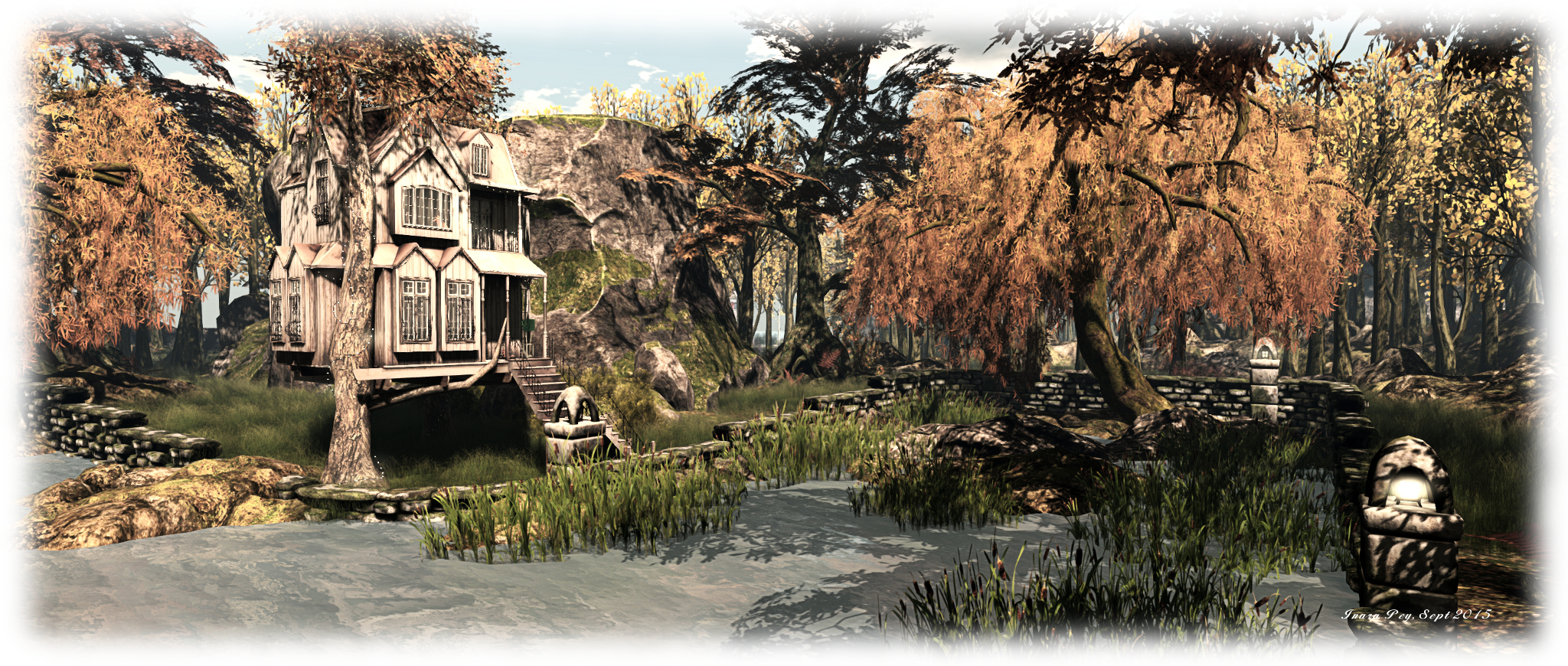
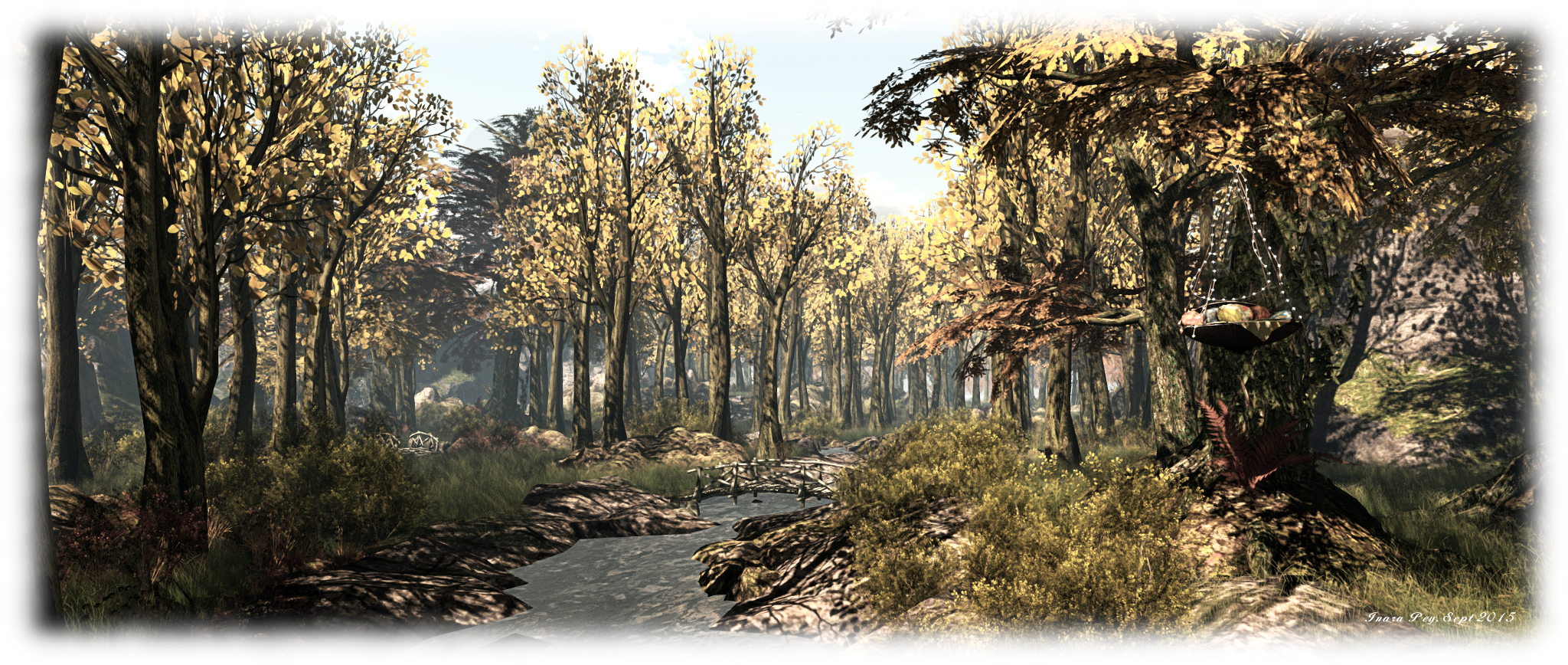
For this, the fifth Dreams iteration, Lokhe has opted to again reflect the season, and is given us a distinctly autumnal environment in which to wander, sit, contemplate, and dream. And it is an absolute delight.

Pandora's box of Dreams; Inara Pey, September 2015, on FlickrPandora Box of Dreams September 2015 (Flickr)

Subtitled Dreams of Secrets, it offers visitors the familiar starting point, up in a skybox which gives a small flavour of what is to come as you sand in a small walled garden, the leaves of the birch tress a rich gold, and a footpath leading to a door in the wall. Touch this, and you’ll be transported the to ground.

Now the first thing to note here is do please have local sounds enabled; the sound scape is as rich as the landscape, and offers additional depth when exploring. Also, have a play with the windlights;  I used [NB] – Misty Day – 5pm for the images here, but the region really does lend itself to a wide range of options  and times of day.

Pandora's box of Dreams; Inara Pey, September 2015, on FlickrPandora Box of Dreams September 2015 (Flickr)

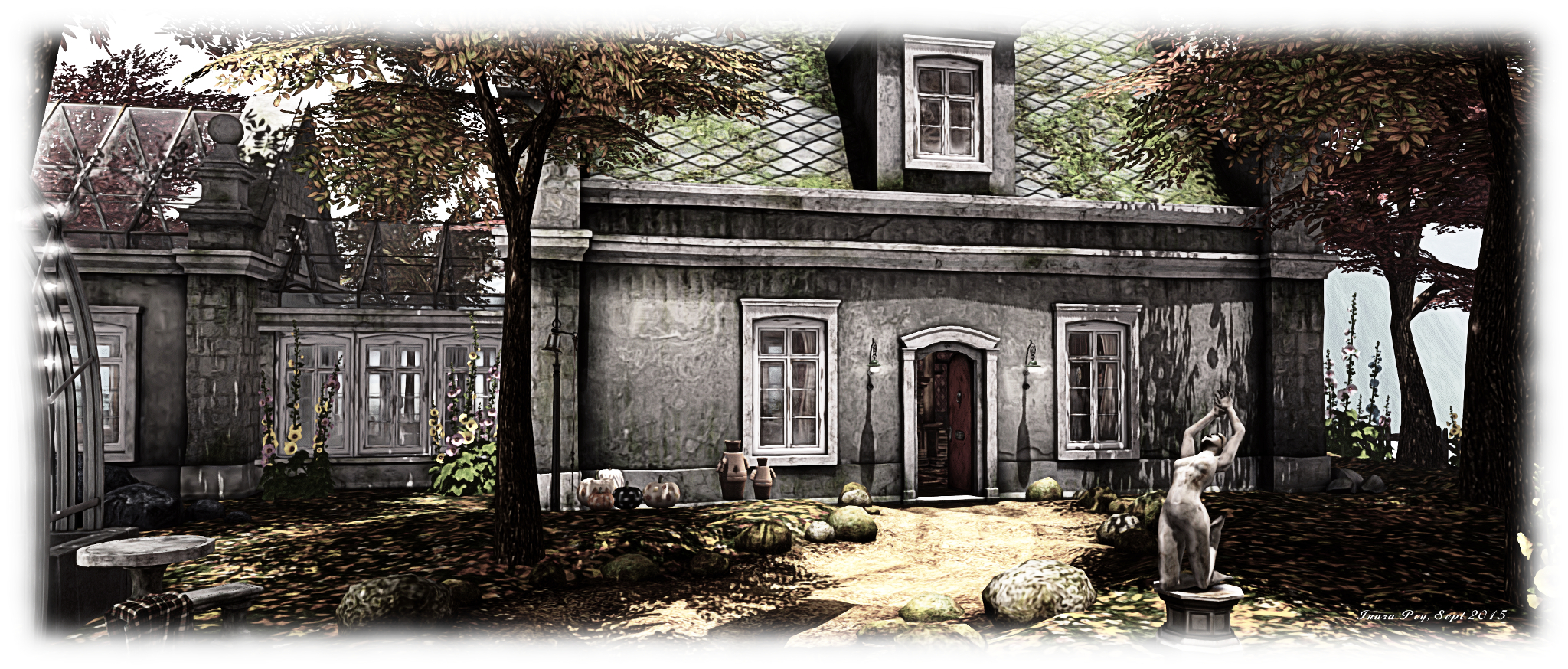
The grassy path continues from the door, and following it, you’ll wind through more laced with the colours of autumn, and come to a flight of stone steps leading downwards to a dirt track which you can follow – or you can branch off, climb more steps and just wander under the trees and through the long grass.

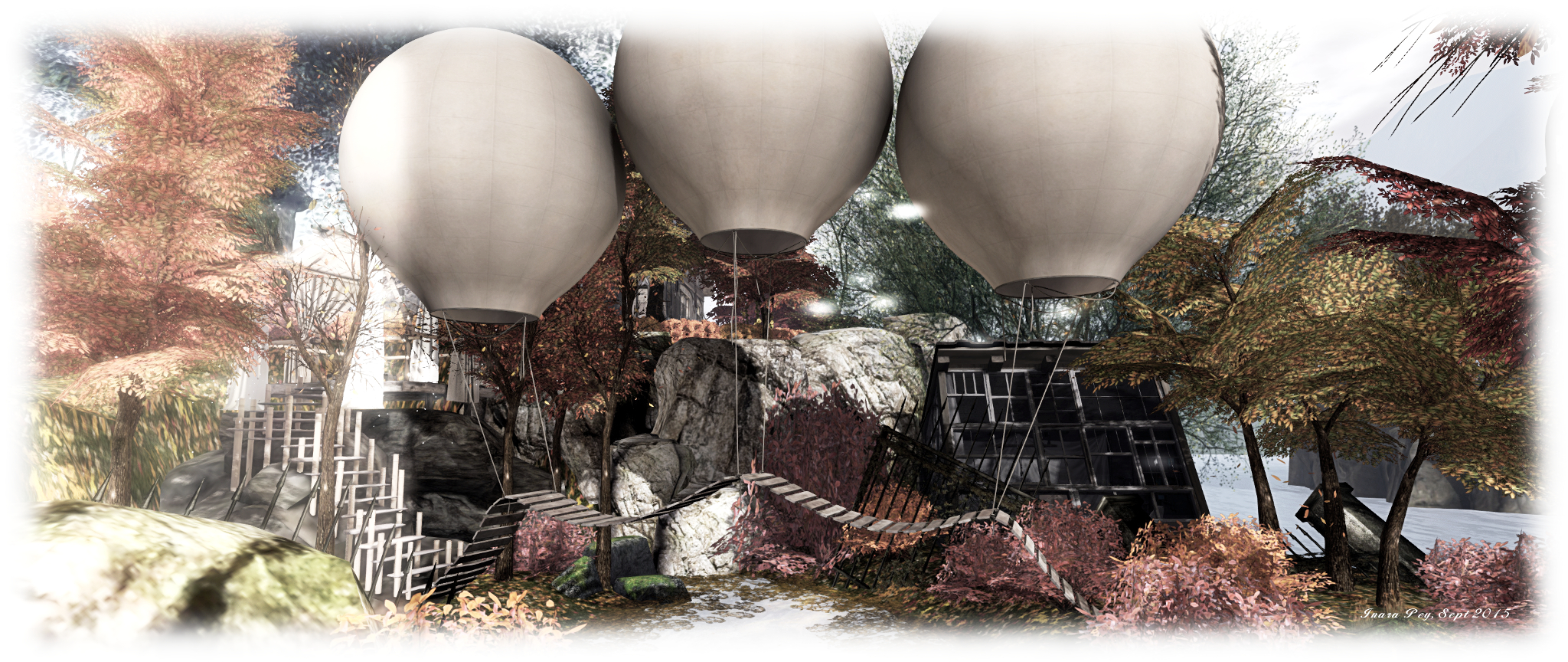
Whichever route you take, you’ll find much to please the eye: leafy groves, coastal views, the odd building or two, quiet streams and brooks crossed by little wooden bridges, and plenty of places to simply sit and ponder or spend time with a companion.

Pandora's box of Dreams; Inara Pey, September 2015, on FlickrPandora Box of Dreams September 2015 (Flickr)

This is another fabulous build in a series that has proven to be eye-catching and immersive with each iteration, and quite possibly the one I’ve enjoyed the most so far. Highly recommended.

Amidst the Mysts of Eyr in Second Life

Mysts of Eyr; Inara Pey, September 2015, on FlickrMysts of Eyr September 2015 (Flickr)

Cube Republic recently sent me a snapshot he’s taken at Mysts of Eyr with a suggestion I should perhaps hop over and take a look. As I always tend to enjoy recommendations, and given Cube and I share an eye for natural beauty, I added Mysts of Eyr to the top of my list of places to visit “next” – although a couple of things have kept me from getting there sooner.

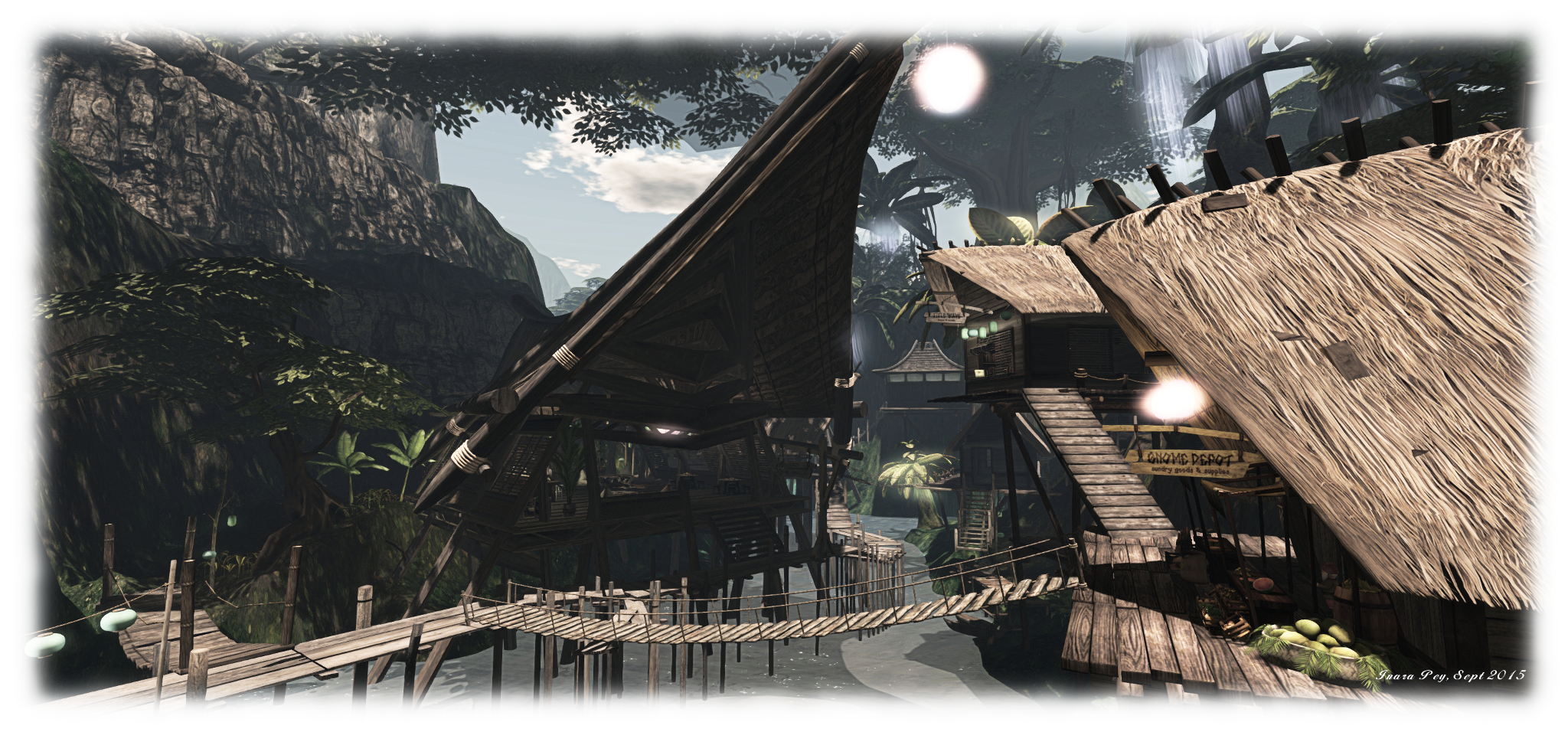
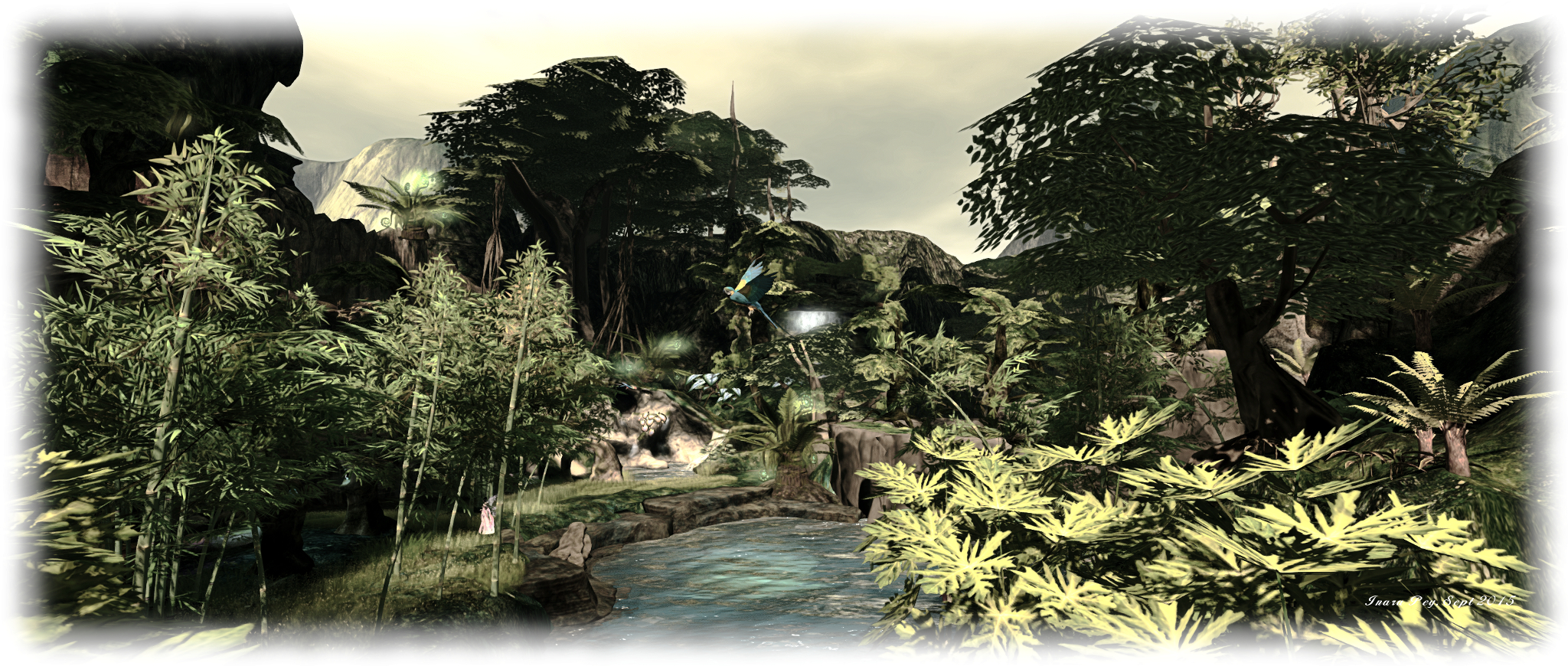
The region was once the home of Mystara and is now under new management. However, the storyline within it offers those who enjoyed Mystara with something of a new volume of tales set within the same universe, while opening the doors to broader RP as well. The setting is now that of one of the many jungle islands of the Eyr archipelago, where survivors of Mystara’s vanishing are attempting to settle – albeit not always with the blessings or support of the locals and other parties with an interest in the island.

Mysts of Eyr; Inara Pey, September 2015, on FlickrMysts of Eyr September 2015 (Flickr)

The Mysts of Eyr web site notes of the new environment:

Our vision is to bring you an immersive, high quality roleplay environment in a unique new setting, within a familiar campaign – the Realm of Mystara universe. We believe that a roleplay sim built community first, crafted with heart and soul, and operating on fair principles provides the best platform for expression.  For former members of Mystara, it is our aim to provide you a home for your character and continuity of storyline. Mysts of Eyr was founded on that hope.

The core concept of Eyr is about stepping out of your comfort zone and embracing your wild side! You will find no quaint medieval villages or towering stone castles in Eyr: a vast jagged island with many hidden secrets not to be underestimated. In Mysts of Eyr, high fantasy meets dense, otherworldly jungle life — and unlike Mystara, a realm ruled by race kings and queens — Eyr is ruled by powerful faction leaders warring for territory.

Mysts of Eyr; Inara Pey, September 2015, on FlickrMysts of Eyr September 2015 (Flickr)

I cannot speak directly for the communities involved in Mysts of Eyr, mainly because I explored the region whilst most who are involved there were most likely either in bed or at work. But I can say this of the region itself – like Mystara before it, it is beautifully conceived and designed, and utterly captivating to the eye, the build brought together under the creative skills of Annie Ibanez.

The care and artistry invested in the design is evident from the moment you arrive in the aerial Welcome Area. Here you’ll find directions for getting started, either as a player or an observer (the latter being the recommended way to learn about Mysts of Eyr, even if you are keen to join the RP). There is also information on the admins, the mentors and the various groups and factions operating in the region, all with web links and information note cards. Thus the new arrival is presented with a thorough grounding in a very relaxed approach and eye-catching build.

Mysts of Eyr; Inara Pey, September 2015, on FlickrMysts of Eyr September 2015 (Flickr)

A teleport provides access to the role-play environs, and you can select one of several destinations. For my first visit, I opted for the tavern at Stormstead, the small village / town built by the survivors from Mystara. It proved to be a sound choice as the tavern’s owner, Alteripseity, was on hand to greet me. Not only is he a charming fellow (and someone well-versed in all manner of role-play!), he is also a mentor at Mysts of Eyr, and thus well-placed to help those newly arrived. His establishment is also a most charming hostelry, and I recommend casual visitors can do no better than seeking it as their starting-point for explorations; particularly as not all destinations in the teleport system are necessarily open to public use or on the ground.

There is no enforced dress code for visitors, but I would perhaps suggest a perusal of the Mysts of Eyr website and the various groups, factions and character types found there and an effort to find something that helps you blend a little more, even when wearing the Observer Tag, would likely be appreciated. My usual black pants, blouse and heels certainly looked out-of-place, although I compensated for this by using an animation to vanish underground and letting my flycam explore for me.

Mysts of Eyr; Inara Pey, September 2015, on FlickrMysts of Eyr September 2015 (Flickr)

The range of environments to be found here really is extraordinary. the exist above ground, below ground, under water and in the air – and so discovering them all is something unlikely to be achieved via a casual visit: immersion is required – and rightfully so, even the nature of the role-play here.  Such is the nature of the design that when exploring the ground level, it can feel as if Mysts of Eyr extends far beyond the limits of a 256×256 metre region, particulalr as one finds the cave and cavern entrances and starts underground explorations.

All told, this is a stunning region, one which offers role-players considerable depth and opportunity, and which is supported by a well conceived and constructed web site. I’m not much of a role-player myself, but Mysts of Eyr is certainly enticing and I thoroughly enjoyed my visit and have no hesitation in recommending it to those who are looking for a new role-play home.

My thinks to Cube again for the tip, and to  Alteripseity for his guidance.

SLurl and Web Details