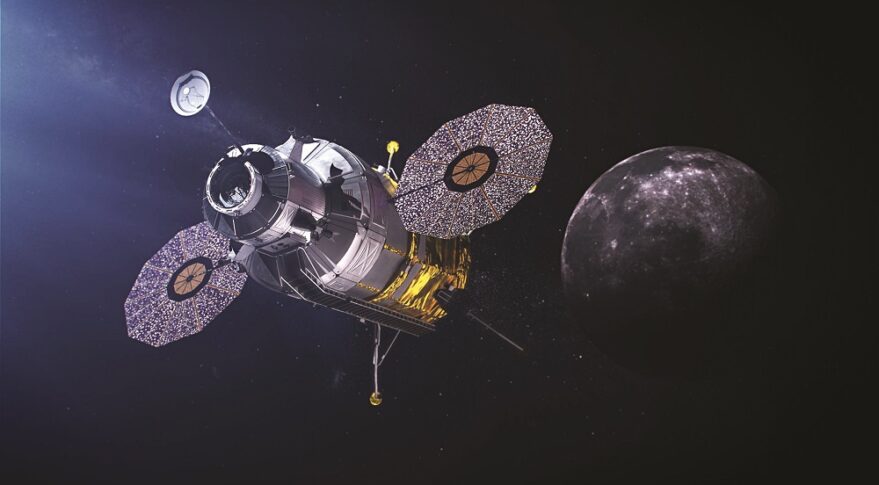
The launch of Artemis 1, provisionally scheduled for September 23rd has been … postponed, just days after NASA indicated the date was their preferred new target for the uncrewed mission to cislunar space.
As I noted in my previous Space Sunday update, this date and the one following it (September 27th 2022), hinged on a number of factors, including a test of the repaired propellant feed lines on the mobile launch platform which have proven to be the thorn in NASA’s paw when it comes to the first launch of the massive Space Launch System rocket.
This test had been scheduled for Saturday, September 17th. However, it was decided to push it back to the 21st to allow more time for the ground crew to have more time to prepare for the load test. Attention has therefore switched to attempting the launch on September 27th with October 2nd a provisional back-up date. However, the latter remains under review as NASA plan to launch a crew to the International Space Station (ISS) aboard the SpaceX Crew 5 Falcon 9 / Crew Dragon combination from Pad 39A on October 3rd.

A further potential hurdle for meeting either launch date is the need for the US Space Force to grant a waiver on the recertification of the Flight Termination System (FTS) – the package used to remotely destroy the rocket if it veers off-course during its ascent through the atmosphere. The request for a waiver is still being evaluated at Canaveral Space Force station; if denied, then the rocket will have to be rolled back to the Vehicle Assembly Building (VAB) so the FTS can be fully re-certified – a porcess that is liable to push any launch back until after October 2nd.
The September 27th launch window opens at 15:37 UTC for 70 minutes and presents a “long class” mission for the uncrewed Orion space vehicle, lasting 41 days, with splashdown occurring on November 5th, off the coast of San Diego, California.
NASA Requests Proposals for Additional Lunar Landers
On September 16th, NASA issued a call for proposals for a lunar lander vehicle in support for crewed lunar missions beyond the initial Artemis 3 mission – the first mission to land an American crew on the Moon since 1972’s Apollo 17 mission.
That first mission is due to utilise a modified version of SpaceX’s Starship for place a crew of two on the surface of the Moon and return them to orbit. However, the contract granted to SpaceX – which has yet to actually proceed with work on the modified vehicle in earnest – was viewed as controversial at the time it was given, being granted in the face of two far more capable – if more expensive – proposals. As a result, NASA was ordered by Congress to seek an additional lander vehicle under what is referred to as the Sustaining Lunar Development (SLD) project. Companies interested in responding to the call have until November 15th, 2022 to do so.
The call is for a far more versatile vehicle than that defined by the contract for the initial Human Landing System (HLS) contract awarded to SpaceX. It calls for a lander vehicle type capable of “sortie” style missions with crews of 2 and landing up to 25 days apiece, with the crew living aboard the vehicle. These missions will likely be “scout missions” to evaluate potential sites on the Moon where a base might be established.

In addition, and supported by habitat units delivered separately to the lunar surface, the vehicle must be capable of landing crews of 4 astronauts on the Moon for up to 33 days at a time. Finally the vehicle design must be capable of automated cargo landings on the Moon in support of crewed missions.
It is not currently clear whether the two completing proposals for the original HLS contract – led respectively by Blue Origin and Dynetics – will participate in submitting proposals. Two of Blue Origin’s partners for the original HLS contract, Lockheed Martin and Northrop Grumman, have remained non-committal towards further participation in any additional lander projects since the SLD project was formally announced in March 2022.
Dynetics, however, were one of five companies to receive US $40.8 million each from NASA as a part of a 15-month initial SLD study initated in September 2021. As a part of this work, Dynetics committed to risk-reduction activities and provide feedback on NASA’s requirements to cultivate industry capabilities for crewed lunar landing missions. Of the three original HLS proposals, the Dynetics design – whilst the most expensive – most closely matched the requirements outlined in the SLD call and offered the advantage of being launched to the Moon using vehicles other than SLS. As such, there is some speculation they will respond to this new call for proposals.

SpaceX is excluded from responding to this new call for proposal. However, NASA indicating it plans to exercise an option in SpaceX’s existing contract and call on SpaceX to evolve is lunar Starship design “to meet an extended set of requirements for sustaining missions at the moon and conduct another crewed demonstration landing.”
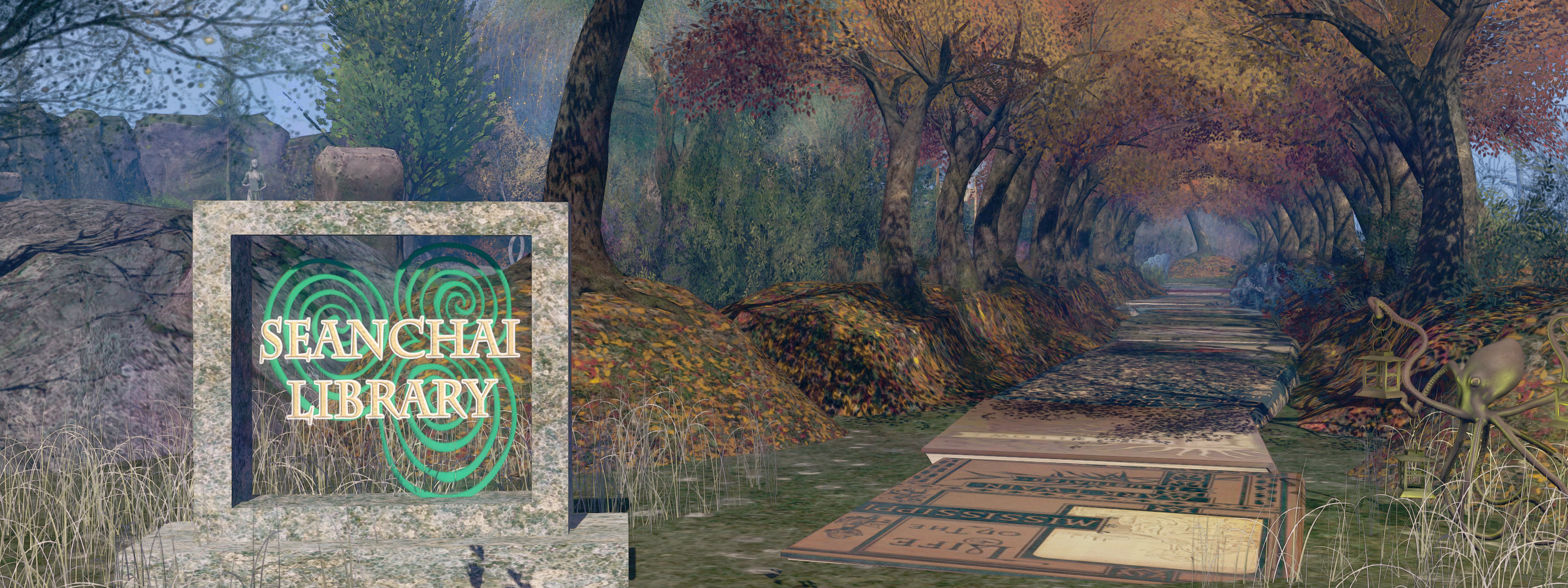


 Sophie has the great misfortune of being the eldest of three daughters, destined to fail miserably should she ever leave home to seek her fate. But when she unwittingly attracts the ire of the Witch of the Waste, Sophie finds herself under a horrid spell that transforms her into an old lady. Her only chance at breaking it lies in the ever-moving castle in the hills: the Wizard Howl’s castle.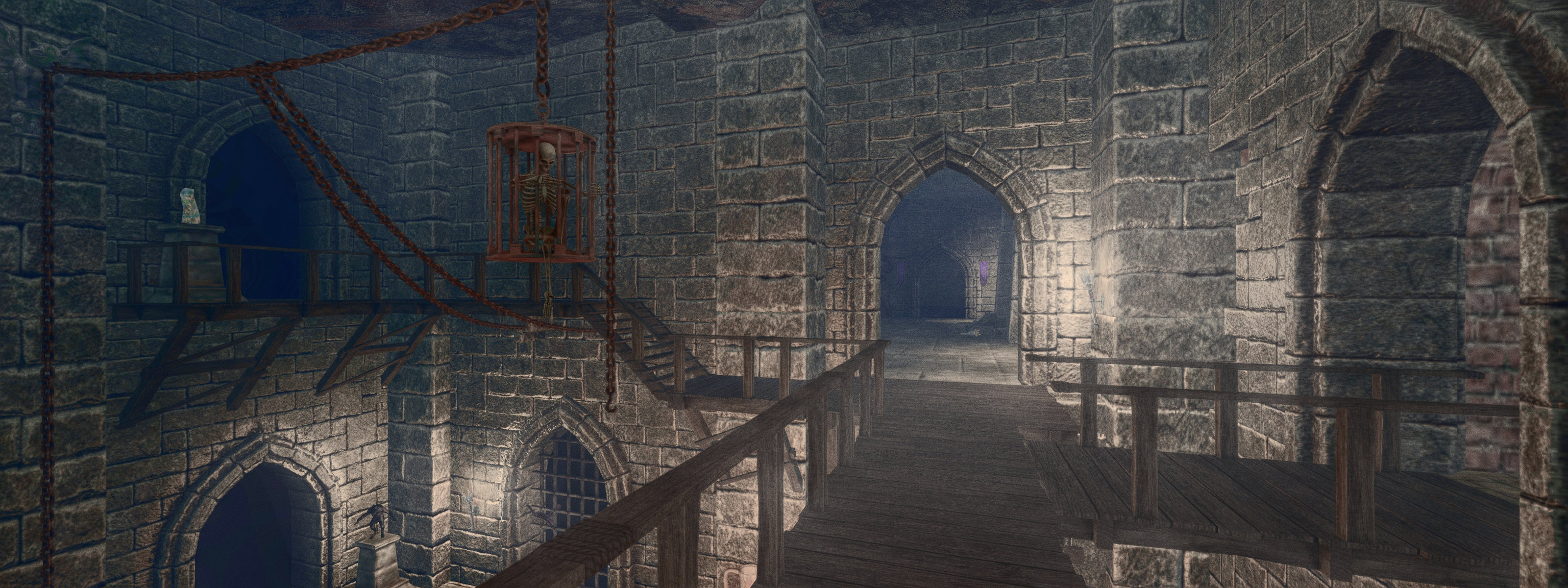




 Inara Pey: Living in a Modemworld