The Drax Files 41: animating Second Life

The vista Animation team: adding action to Second Life since 208 - and now in 360-degree Technicolor!
The Vista Animation team: adding action to Second Life since 208 – and we can see their work in 360-degrees thanks to The Drax Files World Makers

The Drax Files World Makers #41 arrived on Wednesday, October 12th, 2016. At just a shade under four minutes in length, it is an intriguing beast, exploring in-world animations and motion capture through a 360-degree video format.

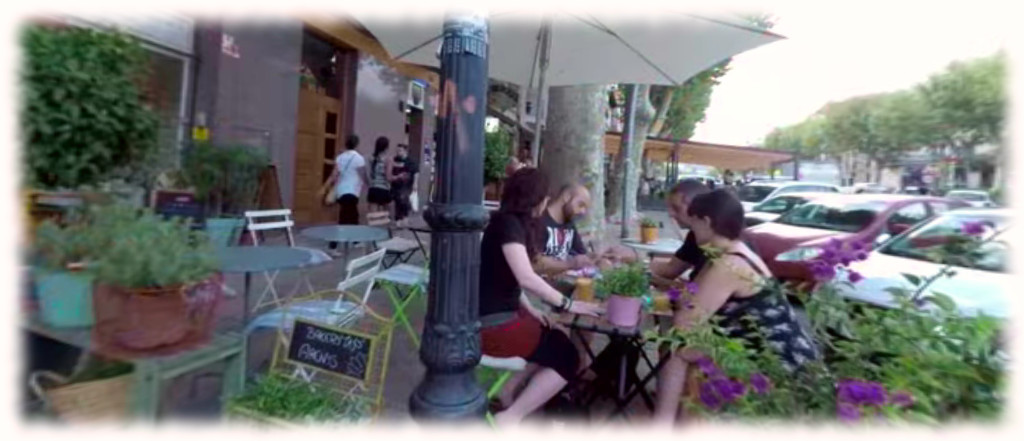
The latter is suitably underplayed at the start of the video, as Drax introduces it – but the clue comes much sooner when watching on a flat monitor – the 360-degree cursor located up in the top left of the screen, which you can use to steer your way around the video view, or you can left click and drag. Obviously, if you’re using a mobile device, you can tilt and turn the device, allowing the gyro to move the image around, and those with a head mounted display can instantly enjoy in in 360-degree surround.
Motion Capture in the Vista Animation Studios

“I’ve been playing with some of the cheaper systems available,” Drax told me, as we discussed the video, and why he opted to go with the 360-degree format for this segment of World Makers. “Like the Ricoh Theta and Samsung Gear 360, and Mambo Morane has been working in real life with the Go Pro array, so I started thinking in June about how we could do this in SL.”

This turned out to be harder than anticipated. The first attempt involved using an array individual viewers synchronised by a device built by Arduenn Schwarztmann which would enable simultaneous filming through all six viewers, and included additional audio cues to further assist in the post-production stitching process. Unfortunately, this approach revealed that differences in how GPUs process the recording, even with the same windlight and camera defaults in the viewer, could result in recorded clips sufficiently different one to another that stitching them together failed to produce a smooth result.
And translated to Second Life

“Then Mambo Morane came up with the idea of filming in six instance of the viewer running on the same machine, using Open Broadcaster Software to bring them all up together,” Drax continued. “We could then pull them apart in post-production and stitch the individual clips together using 360-editing software, with all of them having the same look and feel. Unfortunately, this may not be something for many machinima makers right now. The software for editing and stitching the video cost US $800.”

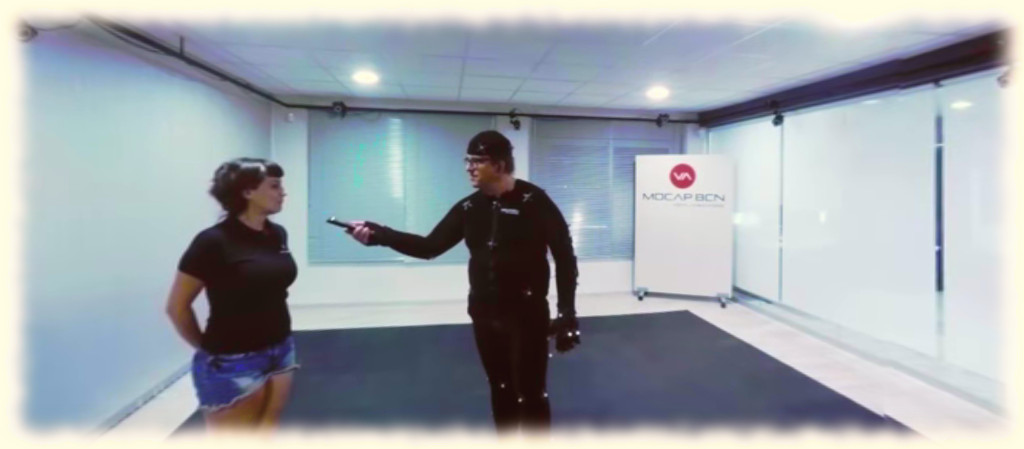
The result is a very smooth video, freely intermixing physical world footage shot at Vista Animation’s offices near Barcelona, with footage stages and shot in Second Life which presents an exceptionally immersive and unique view of Second Life, even when seen on the flat screen of a video monitor.

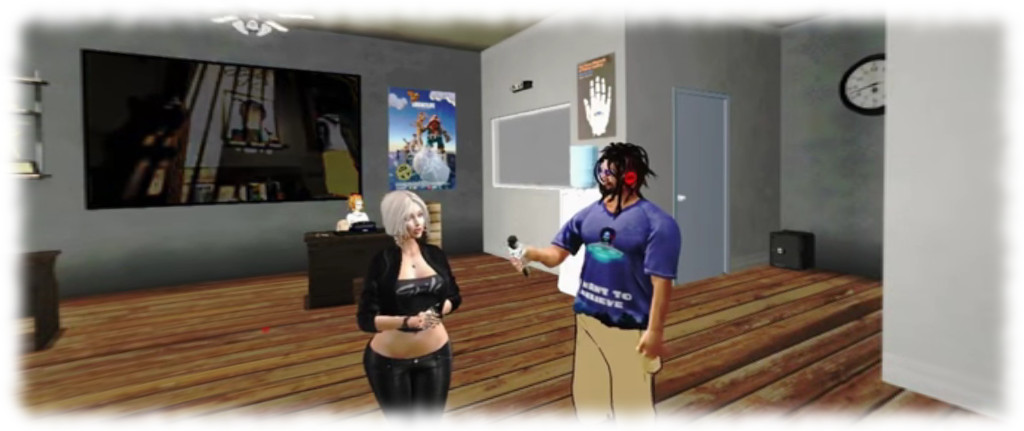
Certainly, the 360-degree aspect is guaranteed to be one which will have people watching the video at least twice, simply because scrolling / looking around in side SL is addictive, and there are some nice little touches to be found – such as little Marianne McCann gamely holding up a boom microphone in some of the in-world footage. This inevitably means it is easy to become wrapped-up in scrolling and looking, without paying attention to what is being said, prompting a second viewing to focus on the main aspect of the audio narrative: animations.
Animations for an important, if often taken-for-granted aspect of Second Life

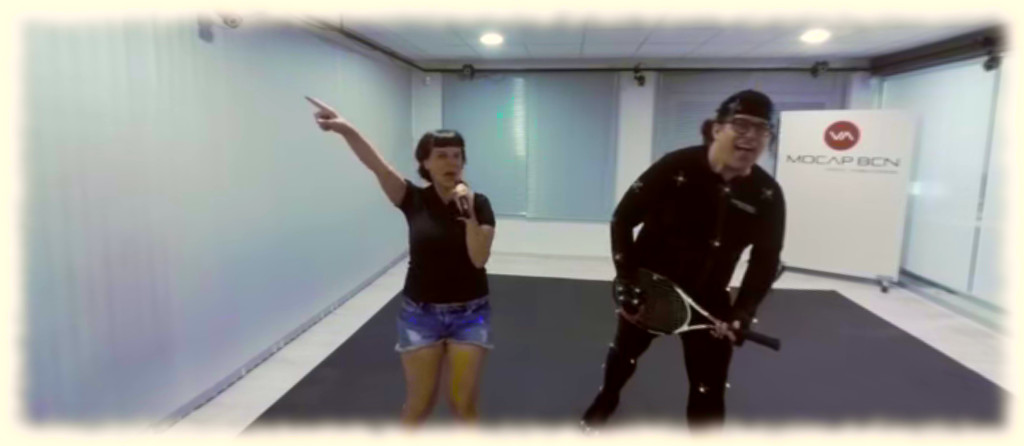
Animations – walks, stands, sits, dances, runs, hops, crawls – whatever form they take – are something we’re all familiar with to some degree. An animation override system can often be one of the first purchases made in Second Life (allowing for the worn AOs now supplied with starter avatars and those supplied by the makers of avatars, human or otherwise), and we’re all familiar with the idea of mocap – motion capture – going into their production.

Vista Animations is widely regarded as one of the premier providers of animation packs for overriders, dances, etc., and World Makers #41 offers something of a glimpse into their work, albeit it without going too in-depth with matters of production and workflow (although Drax has previously covered elements of MoCap in Drax Files World Makers #6, so this sits as a good companion piece, and Vista Animations also offer a look at their work for those interested in other aspects of animation creation.

What is offered here is a feel for both the complexity of motion capture and how rapidly the field is changing, as well as a look behind the curtain at a small, successful business which has grown out of Second Life. It terms of the former, the Vista team point out that when they started with their first MoCap suite in 2008, it cost them US $45,000. The system they use today, which I believe was purchased in around 2012/13, set them back US $2,000.
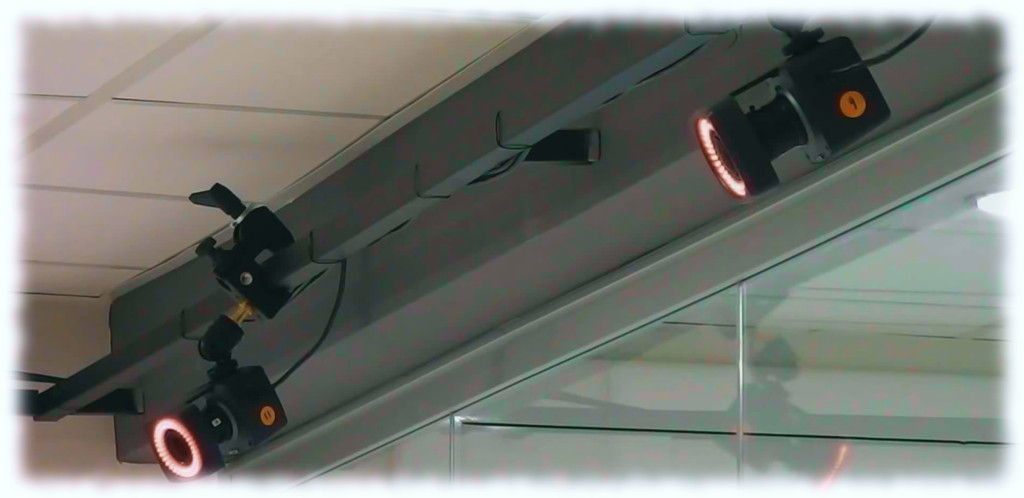
Two of the 12-camera rif vista Animation use in their motion capture process
Two of the 12-camera rif vista Animation use in their motion capture process. Image courtesy of Vista Animations

The MoCap process isn’t just a case of pulling on a suit of sensors and then moving around with the cameras running. Everything has to be calibrated – sensors (50+ for the body and additional elements for the hands), skeleton, props, etc. – to ensure a smooth capture process, which can be time-consuming. Then, once captured, there is the entire editing and post-process work required to produce the finished animation files which can be uploaded to Second Life.

While this latter aspect isn’t really touched upon in the video, what is fascinating to see is how physical world actions translate in-world through the clever use of cross-fading in the segment. This is particularly effective as we see Drax doing a mock interview while being motion captured, then transition to him carrying out an interview in-world.
Continue reading “The Drax Files 41: animating Second Life” →

Tone and ambience in Second Life

Lorin Tone
Lorin Tone

Lorin Tone is the name of a new aural installation, open through to the end of 2016, intended to to demonstrate the wide variety of uses in-world sounds can be put to within Second Life. The installation takes it name from the master of ambient sound, Lorin Tone, who shares the environment with Nance Clowes “and others” (one of whom I assume could be Lorin’s partner, Judi Newall).

For those who travel the grid extensively with local sound enabled, this might sound a “well, duh!”, kind of idea: many region designers spend a good deal of time adding a soundscape to their environment, so we’re accustomed to hearing them every day (although that in itself can cause us to “tune them out”).

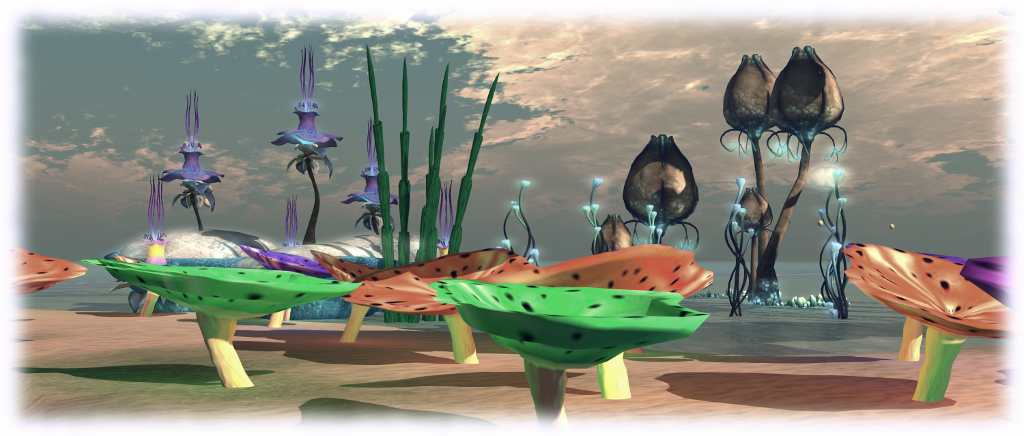
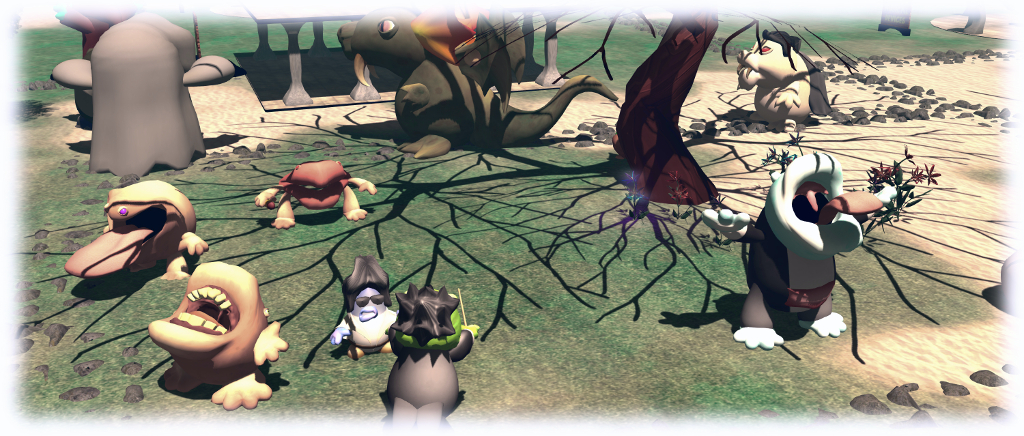
Lorin Tone - Madcow Cosmos' whimsical sound creatures
Lorin Tone – Madcow Cosmos’ whimsical sound creatures

But sounds are also more than just ambient background; they can be used in a wide variety of ways to add atmosphere to an environment, both passively and actively, triggered or experienced in a wide variety of ways – touch, collision, proximity, and so on.

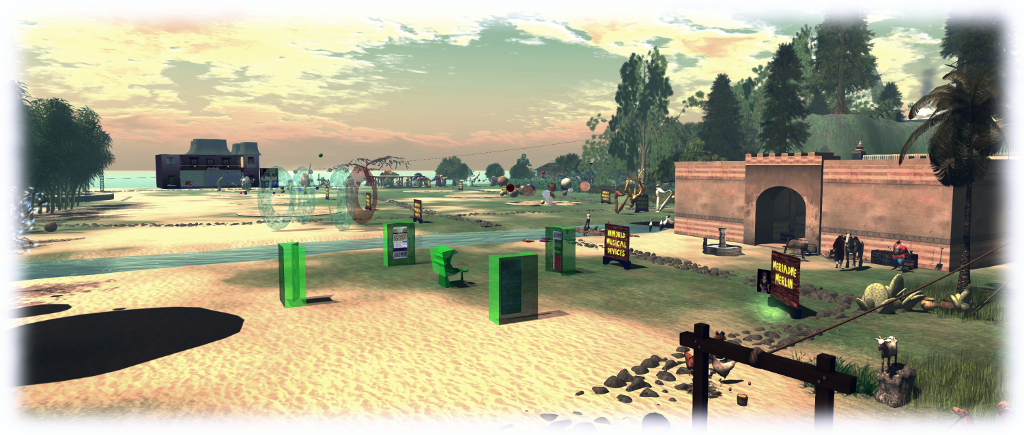
So it is that this installation offers a series of individual parcels (denoted by the stone paths running between them) in which various sound scape can be experienced. The layout might not be that visually appealing, but a slow exploration through it will reveal how aurally rich they are, and the cornucopia of sound options available for in-world use. There are things to touch, walk past and through; to step on, play, bounce across and ride.

Lorin Tone
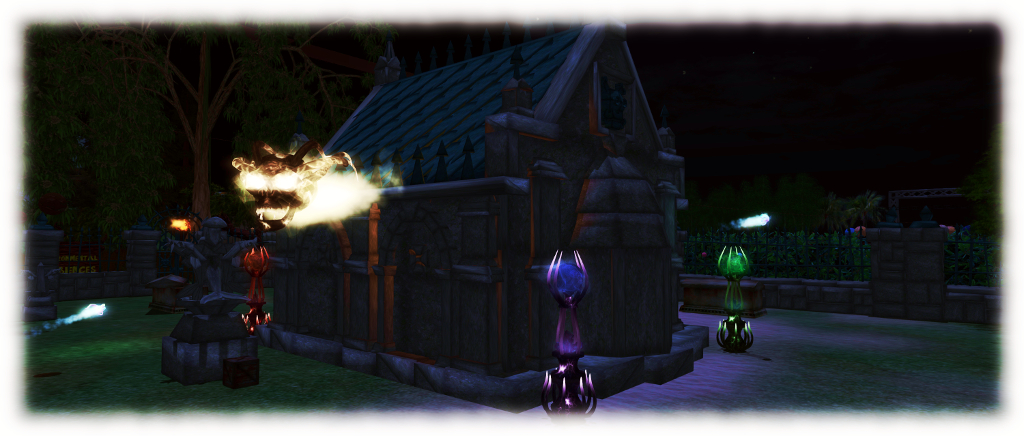
Lorin Tone – hunated graveyard (set your environment to midnight 🙂 )

Signs throughout the installation offer an introduction to each area and when touched will furnish some additional information on what is being achieved (and how to use each area). There is a certain degree of fun to be had in exploring and colliding with or touching things, and it is hard not to end up smiling. The bouncy (sand) castles got things off to a good start for Caitlyn and I (take the rope slide to the right of the landing point as you face them), while a skyborne race track offers something for petrol heads.

But – there is sadly a “but”, albeit a small one. The soundscapes largely stand as parcels without visual theme, and some might be seen as slightly repetitive in form. While this is intended to be an aural environment, I couldn’t help but feel more might have been gained by making it more visually immersive as well.

Lorin Tone
Lorin Tone

That said, for anyone interested in the depth and range to which in-world sounds can be put to good effect, the installation is well worth a visit. As noted, it will be open through until the end of December 2016.

SLurl Details

All UWA regions to remain in Second Life through mid-2017

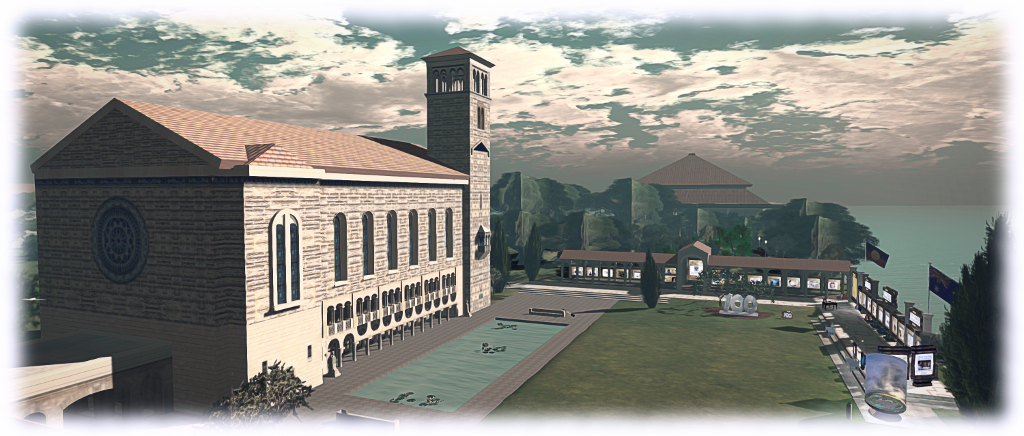
UWA: Winthrop Clocktower and the Reflection Pond, with the SLeducate area on the right, which you can read about here
University of WA: Winthrop Clocktower and the Reflecting Pond

On September 13th, I relayed the news that the University of Western Australia would be scaling back its presence in Second Life to just one region; with three others being retired and the fourth to be transferred to the San Jose State University. Well, things have now changed for the better.

In a blog post issued on Monday, October 10th, the day after two of the regions had been scheduled to close, FreeWee Ling gave the news that all three originally slated to vanish from Second Life will now remain in place through until July 2017, while UWA Virtlantis has now changed hands as originally planned.

UWA campus
UWA campus

This means that through until July 2017, the regions will comprise:

  • University of WA: the “main” region, this is home to the iconic Winthrop Hall clock tower, Sunken Gardens, and Somerville Theatre facilities, as well as the new starter resource facility, and is set to remain in place for at least another year
  • UWA: home to the UWA gallery, which is currently hosting the IMMATERIAL exhibition, now set to remain in place until July 2017
  • UWA Winthrop: home to the UWA’s permanent exhibition of art from past winners and selected pieces from previous 3D art challenges are displayed, now set to remain in place until July 2017
  • WASP Land: the technical region, and home to the St Basil’s Cathedral model, fractal works, etc, now set to remain in place until July 2017
  • SJSU Virlantis: is now under the management of Sonicity Fitzroy (aka Dr Phylis Johnson) of the San Jose State University. It remains attached to the UWA regions, but has a revised name/ SLurl.

Following the original announcement of the three region closure, Second Life artists and residents wrote to UWA Central concerning the plans, and this may have contributed to the decision to extend a lease of life to those three regions. Either way, that they have been granted an extended lease of life to remain an active part of Second Life is most welcome.

Additional links

Note; at the time of writing this article, WASP Land and UWA Winthrop were off-line, having been scheduled to close on October 9th, 2016. Given Jayjay’s announcement, they will hopefully be back on-line very shortly.

The Chamber Society’s artistic expression in Second Life

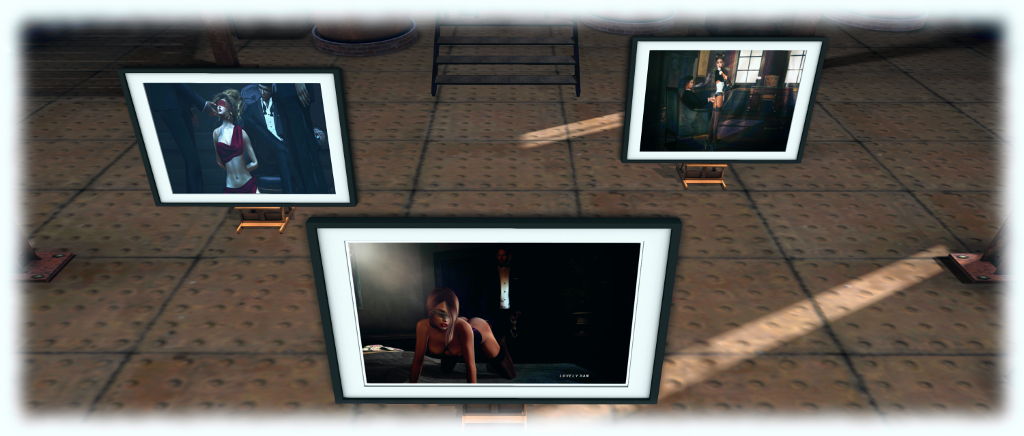
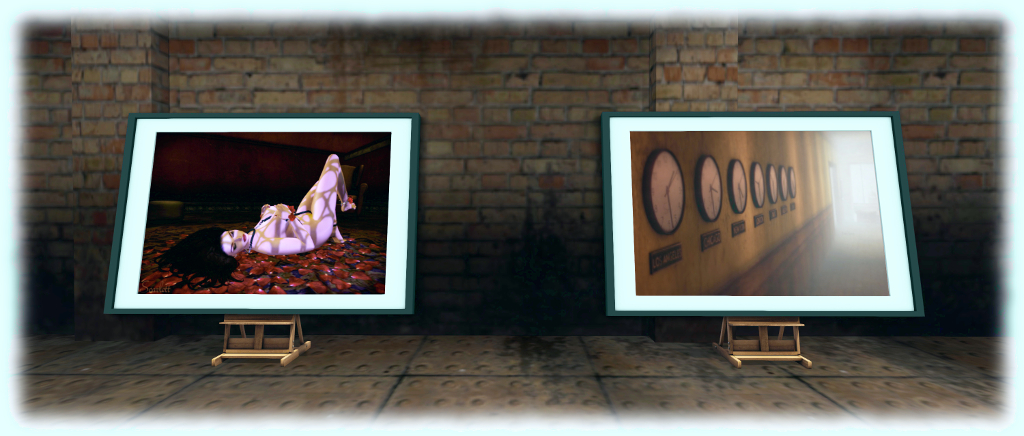
The Chamber Society 4th Annual Photography Competition: the three main prize winers - Dathúil Gallery
The Chamber Society 4th Annual Photography Competition: the three main prize winners – Dathúil Gallery

Now open at Dathúil Gallery, curated by Max Butoh and Lυcy (LucyDiam0nd), is a display of selected entries from the 4th annual The Chamber Society Photography competition.

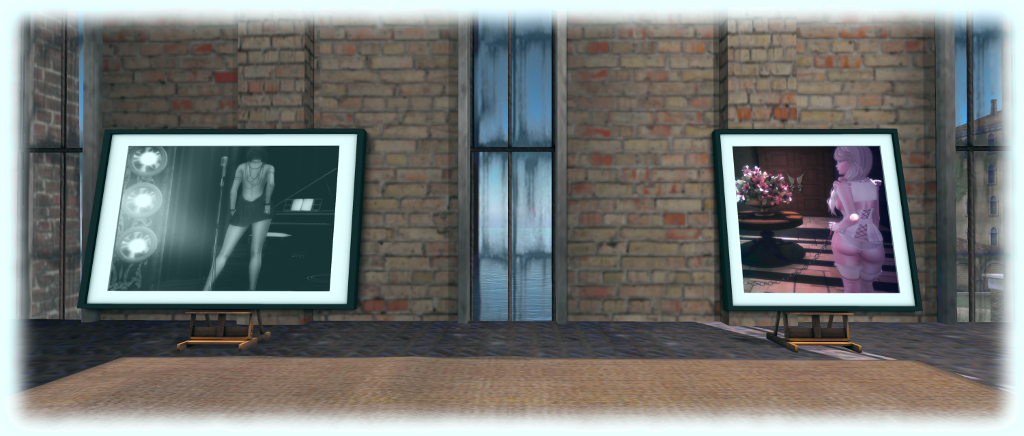
Unlike the usual monthly exhibitions at the gallery, which focus on a single artist, the October 2016 exhibition features individual works from the “top twenty” entrants from this year’s edition of the competition, which challenges members of the Chamber Society –  a private member’s club – to explore the club’s home region (which is also home to Dathúil Gallery) and capture images reflective of the club’s theme, for submission in the competition.

he Chamber Society 4th Annual Photography Competition - Dathúil Gallery
he Chamber Society 4th Annual Photography Competition – Dathúil Gallery

The aim of the club is “to create a deep and erotic atmosphere for role-play and erotic chat for members. We focus on politeness and manners with a twist. Our members expect intelligent, lively conversation and imagination along with beautiful and detailed surroundings.” Membership requires adherence to a dress code, an understood code of conduct, and observation of the society’s rules.

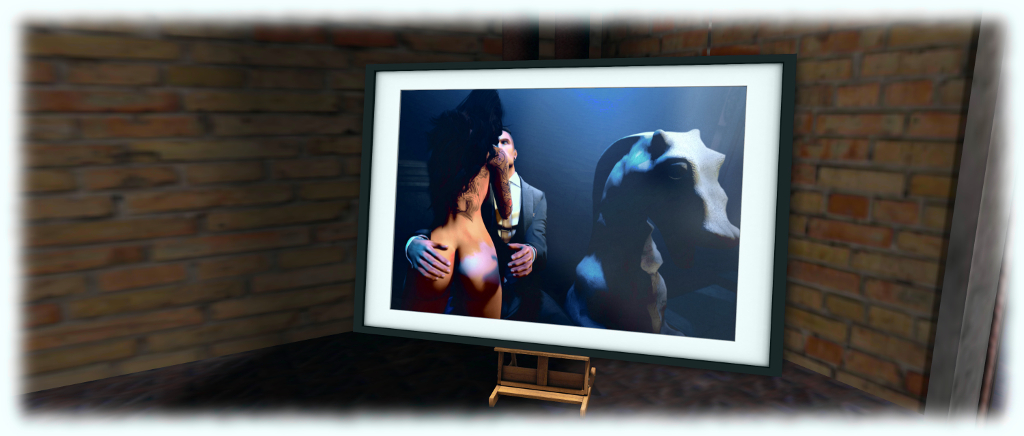
As one might imagine, given the erotic overtures within [the Chamber], the images on display within the gallery  are of a similarly erotic nature, with many among them perhaps NSFW – which doesn’t make them any the less artistic. In fact, the range of styles and approaches seen in the images displayed at this annual event make it an intriguing and eye-catching exhibition.

he Chamber Society 4th Annual Photography Competition - Dathúil Gallery
he Chamber Society 4th Annual Photography Competition – Dathúil Gallery

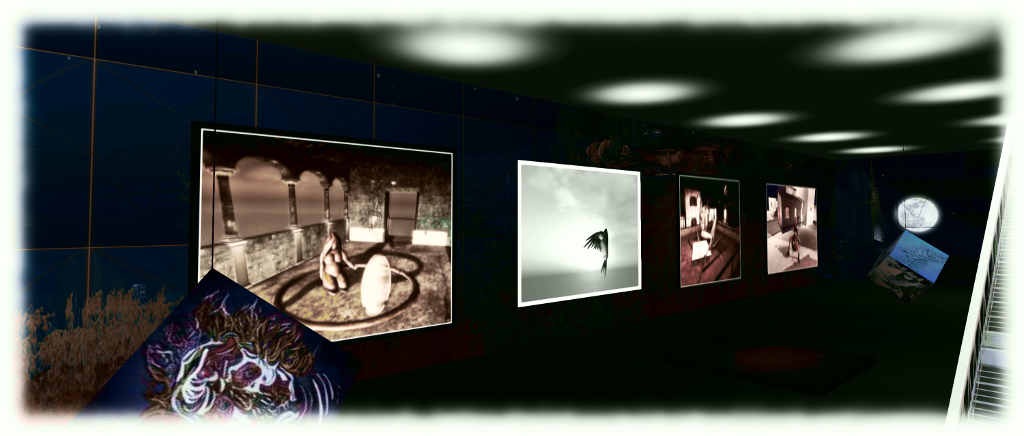
A prize purse totalling a generous L$42,000 was on offer this year, with L$12,000 going to LoVeLy (lovelyxan), L$8,000 to Annjalyk Storm (annjalykh2o) and L$5,000 to Ravi Schou, all of whom have their pieces displayed on the ground floor of the gallery facing the main entrance (and seen in the banner image for this article). The remaining 17 selected pieces are arranged around the walls of the gallery on the ground and mezzanine levels, the members responsible for them each having received L$1,000.

“This is not exactly a regular exhibit,” Lucy said as she accompanied me while I previewed the exhibition ahead of the opening. “But it’s a very special one; during the whole month of September you see people running around all over the region, rezzing props and poses which Max loves!”

he Chamber Society 4th Annual Photography Competition - Dathúil Gallery
he Chamber Society 4th Annual Photography Competition – Dathúil Gallery

“In events like this it’s kinda more about the development throughout the month than the show itself, because of the goals of the whole thing,” Lucy continued, her enthusiasm for both the lead-up to the exhibition and the exhibition itself, obvious. “With the regular shows, it’s just the one artist, and a focus on the gallery. With this, it’s our members letting go creatively, which is a lot of fun for everyone!”

The exhibit runs through until the end of October 2016, and as is always the case with exhibitions at Dathúil, I have no hesitation in recommending it.

SLurl Details

Nessuno and Kicca in Second Life

The White Gallery
The White Gallery

Tucked away in a corner of a region called Battlestar and rising from calm waters are two galleries of modern, open design. They are the respective homes for art by Nessuno Myoo and Kicca Igaly.

The White Gallery is  a glass-sided C-shape building rising three levels above the water. It is home to Nessuno’s 2D and 3D art, and includes a rooftop auditorium for presentations – although I’m not sure how active this is; the last event shown on the screen dates back to 2012.

The White Gallery
The White Gallery

Between the auditorium and the water, however, there is much to see; Nessuno’s sculptures are highly stylised in form, captivating the eye and drawing the observer into their narrative with ease. Some offer a twist of humour, others a sharp observation, all are evocative. His 2D art is equally attention-grabbing and can be sharply observational (iGirl). When visiting, do keep an eye out for the cubes displaying his art from the physical world.

Across the water, Kicca’s Art Gallery also rises three to three levels above the water as a C-shaped building. It is slightly offset to Nessuno’s gallery as they face one another, with the three levels connected by a central spiral ramp. Kicca makes similar use of the space to display her 2D and 3D art, including pieces from the physical world.

Kicca Igaly's Gallery
Kicca Igaly’s Gallery

Kicca’s 3D work can also be stylised in looks, but also carries sentiment and narrative which draw the observer into each piece. Her 2D art, static and animated, offers excellent pieces for home display. Such is the diversity of pieces displayed, it is easy to find oneself drawn back to particular pieces – I freely confess to being attracted to her physical world art on display on the upper level of the gallery (three of which are imaged below).

Like the artists themselves, the two galleries complement one another and offer an overlapping display of fine 3D and 2D art. Almost all of the pieces on display at both are for sale if you are collector, and if you have enjoyed Nessuno’s and Kicca’s work and installations on display elsewhere in Second Life, but haven’t previously visited their galleries, then this is a destination very much worth adding to your itinerary.

Kicca Igaly's Gallery
Kicca Igaly’s Gallery

SLurl Details

Venta Silurum in Second Life

Venta Silurum; Inara Pey, October 2016, on Flickr Venta Silurum – click any image for full size

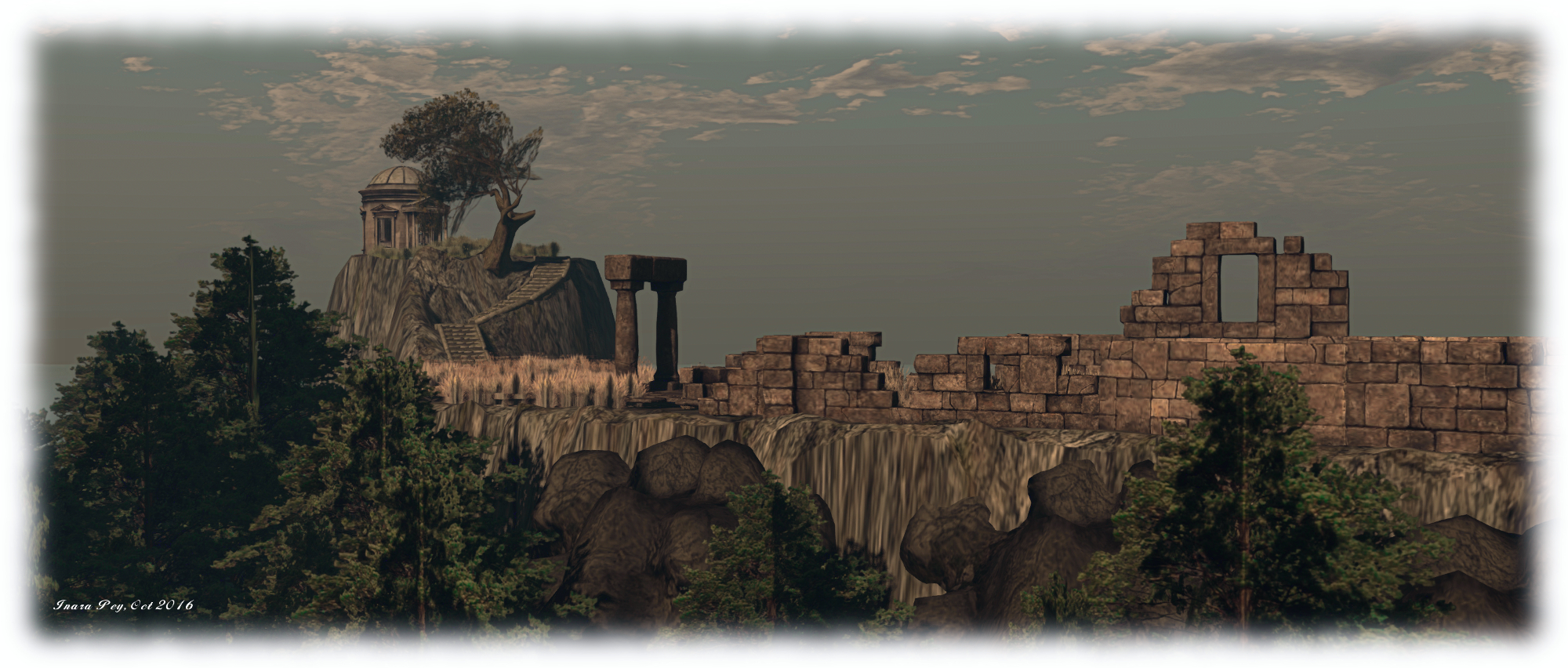
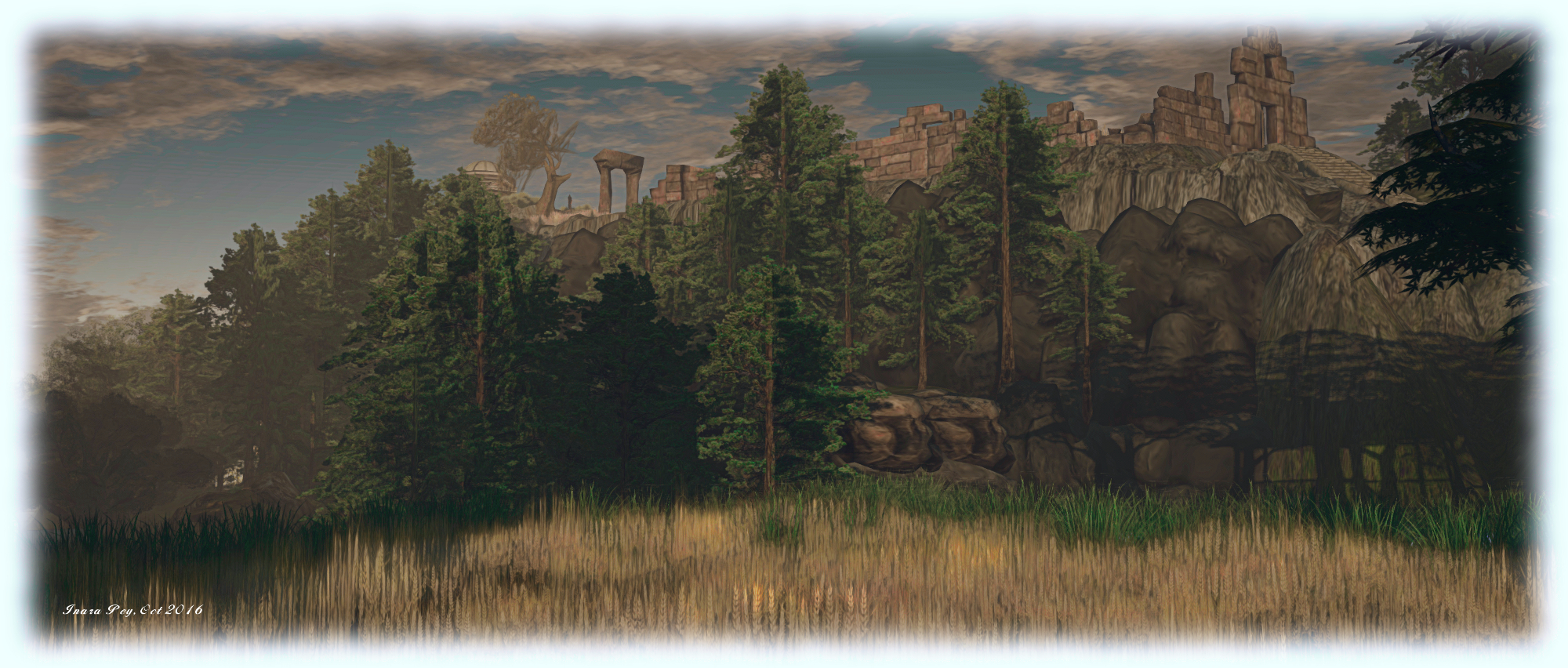
Venta Silurum, a homestead region by Tally (Tallyesin) and Kiana  (kiana Jarman), takes its name from a small town which once existed in the Roman province of Britannia (Britain), the remains of which now lie in the village of Caerwent, Monmouthshire, south-east Wales. It also, in part, reflects its physical world namesake, in that it includes a number of ruins open to the public to explore, while part of the landscape pays homage to the more rugged parts of Wales.

However, a facsimile of ancient Venta Silurum this most certainly isn’t; as the About Land notes state, this region is a place for adventure and exploration – and it offers one or two unexpected surprises along the way.

Venta Silurum; Inara Pey, October 2016, on Flickr Venta Silurum

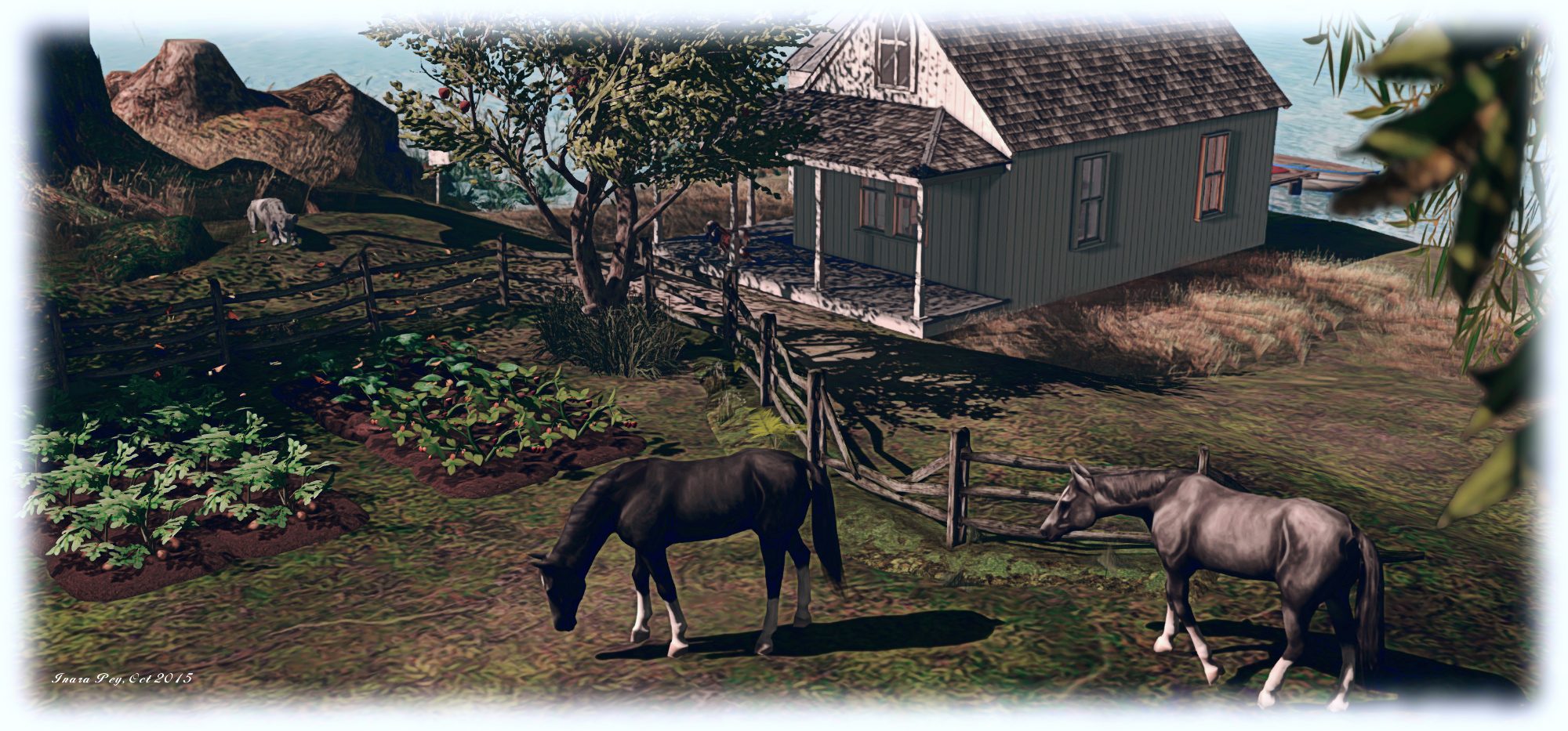
An explorer’s visit commences on the west side of the region, atop a grassy plateau fronted by jumbled rocks dropping sharply to the waters below. A lighthouse stands at this small headland, while behind it are the narrow fields of a small farm, watched over by the whitewashed tower of a windmill. Caught in the spell of a forever dusk, the region inspires and immediate air of mystery, which is heightened by the distant line of ruins and a single  finger of a folly standing before the eastern sky.

How one reaches these may not immediately be apparent; wooden steps offer a way down between the rocks beneath the lighthouse, and thence out across the reedy waters that cut into the land, pointing the way to a lone farmhouse to the north. However, a careful examination to the south and east, over the still waters of a flooded quarry, will reveal stone steps winding their way up the ridge on which the ruins sit, and which are reached by following the rutted track past the squeaking sails of the windmill.

Venta Silurum; Inara Pey, October 2016, on Flickr Venta Silurum

Following the track will bring you, by way of a narrow gorge spanned by a covered bridge and a gated fence, to the foot of the stone steps. These in fact lead both up and down – up to the ruins, and down to a secluded southerly beach with ramshackle bar and places to sit and cuddle or lie quietly on the sand. Beside these stone stairways sits one of wood, dropping away into the heart of the region.

Climb the stone stairs and you’ll find your way through ancient walls of square-cut stone and flgstone floors to the folly, now apparently the lonely sanctum of someone interested in the sciences – or perhaps magic. Take the wooden steps and you’ll be led under rock to where more mysteries await beneath the boughs of trees, and onward and northward to where more ruins sit under the shoulder of the sheer ridge, a stone bridge spanning a channel of water, leading the way back to the small farmhouse first glimpsed from the landing point.Venta Silurum; Inara Pey, October 2016, on Flickr Venta Silurum

Set beneath a marvellous windlight, filled with ambient sounds and rich in opportunities for photographs, Venta Silurum offers an intriguing and delightful visit, sure to conjure up stories about its various sights and offerings, ancient or more modern.

SLurl Details