Enjoying Rosemoor in Second Life

Rosemoor; Inara Pey, May 2016, on FlickrRosemoor – click any image for full size

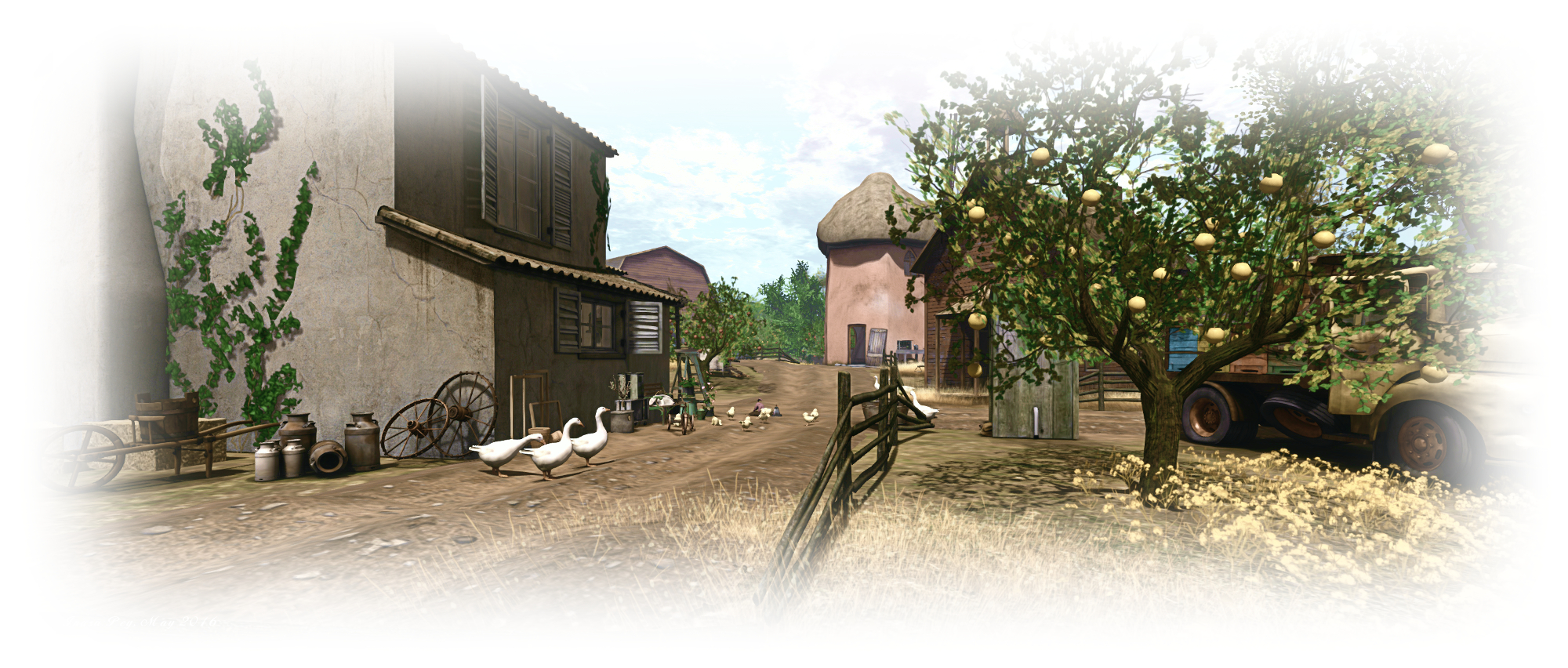
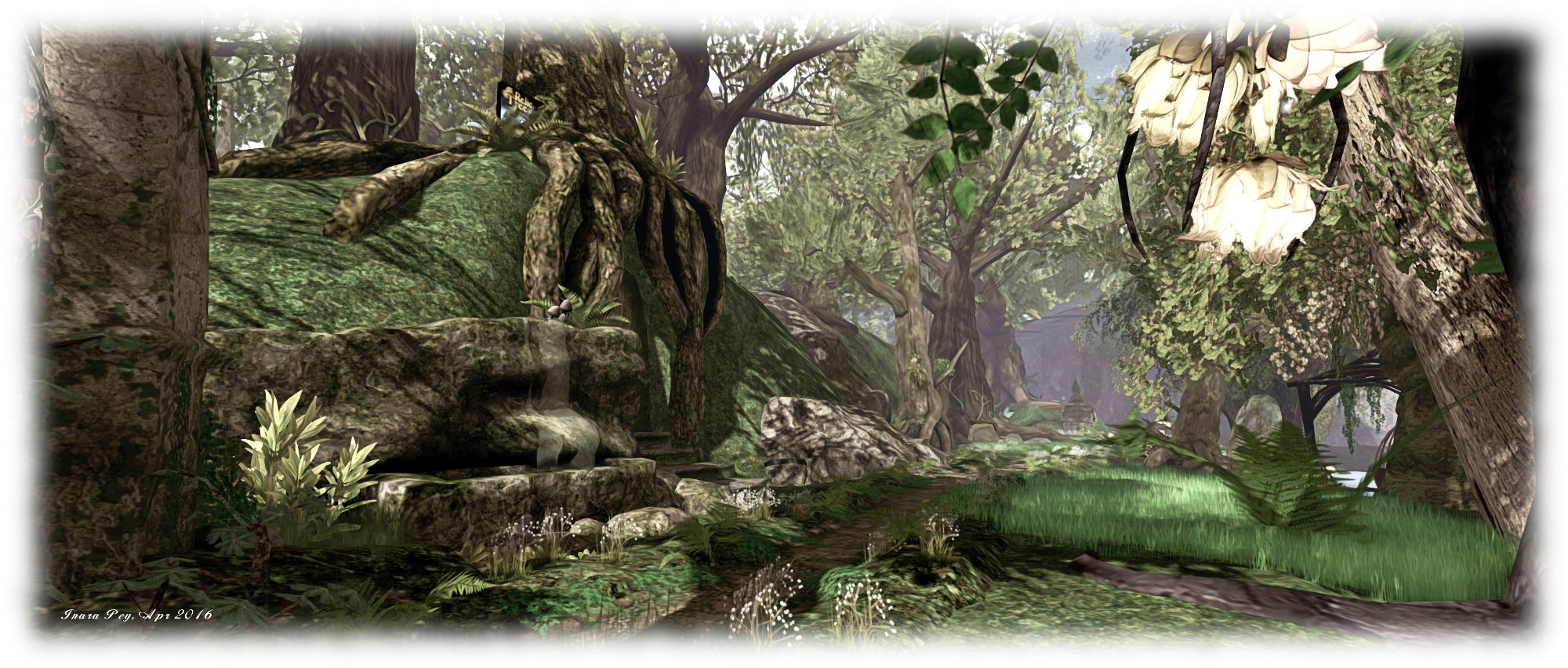
Rosemoor is the name of a collaborative region design by Arol Lightfoot and Krys Vita (who designed the popular Kaleidoscope I wrote about here). “This one was meant to be fun!” Krys told me as Caitlyn and I paid a visit a few hours after the region had opened its doors slightly ahead of schedule, “welcome to our zoo 😛 .”

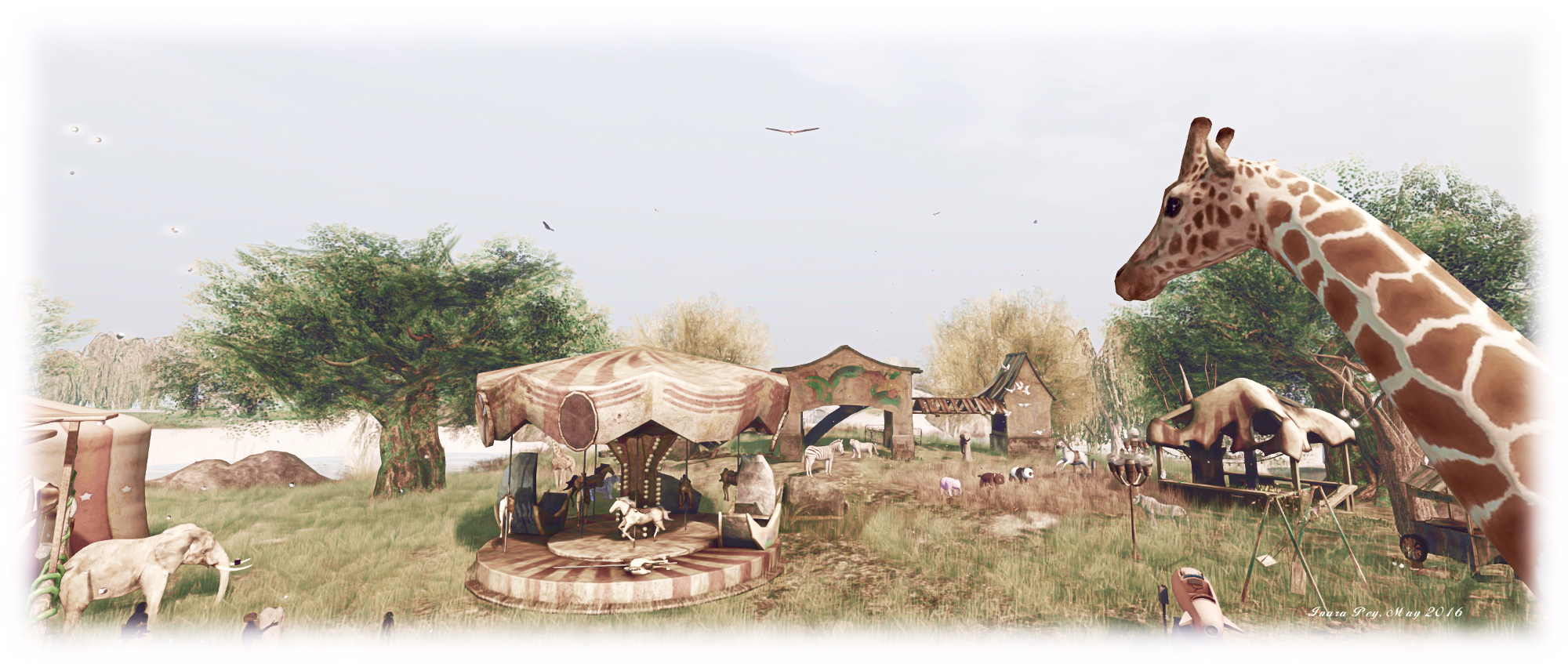
Rosemoor presents visitors with a low-lying island of grass and sands, just a couple of craggy plateaus offering genuine elevation in the south-west corner. The “zoo” Krys mentioned as we chatted, sits to the north-west, close to the landing point. It takes the form of Everlag Park – a place which has clearly seen better days at some point. Now the paint is fading, dirty and chipped on the entrance, the sign having partially fallen from its place above the archway, while the buildings either side showing similar distress.

Rosemoor; Inara Pey, May 2016, on FlickrRosemoor

Within the park, the carousel and big wheel stand broken and dejected, while the bumper cars look to have been the victims of a fire, while rides sit overgrown and forgotten in the grounds. Only the circus tent appears to be in reasonable condition, but even this fails to hold the attention for long, thanks to the animals standing and roaming the park – or as I put it to Krys, “tigers and zebras and giraffes, oh my!”

“Ha ha!” Krys replied, “the craziest thing is in the other corner 😉 Our little addiction found itself a home!”
Rosemoor; Inara Pey, May 2016, on FlickrRosemoor

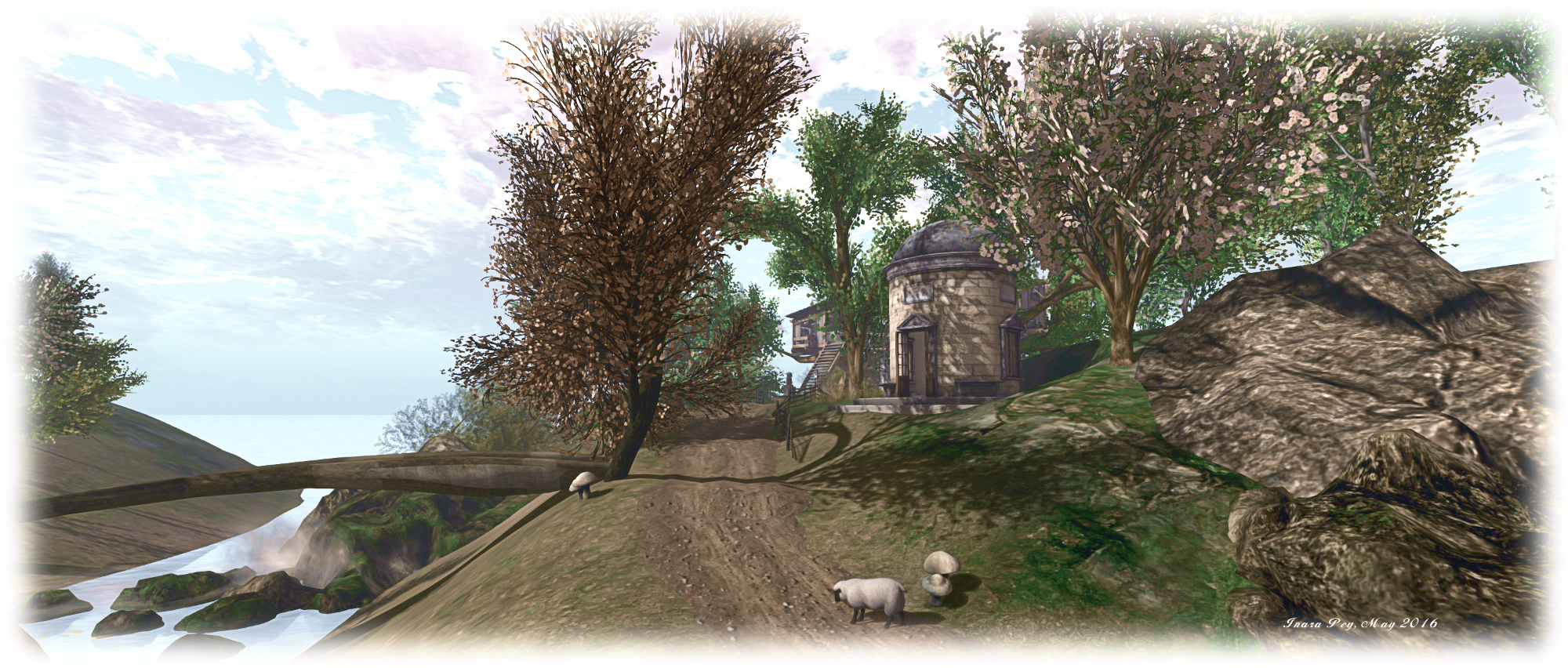
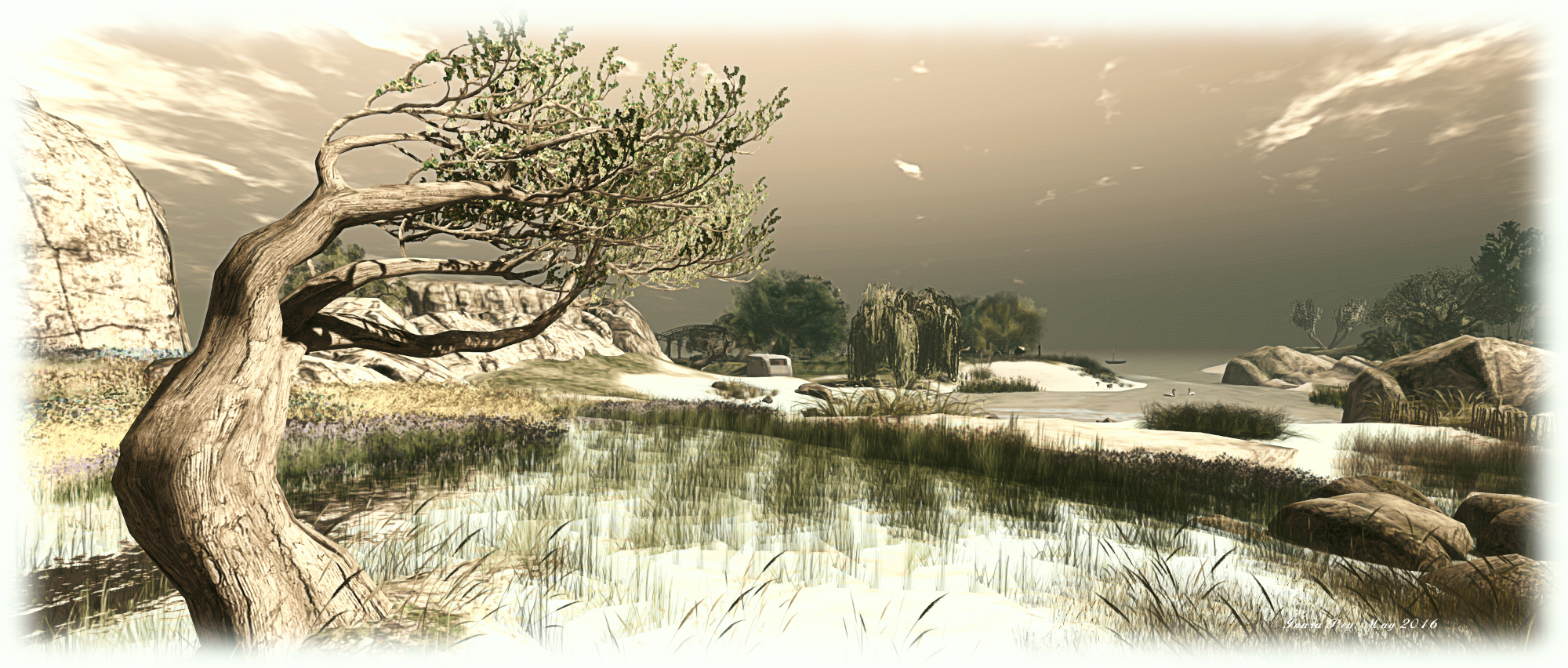
To the south and east, around and across the bay cutting into the island, the land is sandier and offers a couple of homes between which horses contentedly wander, grazing on the stubble of grass poking above the gently undulating dunes and hills of sand. Those which are roaming freely and saddled can be ridden by visitors.

And it was southwards and eastward that I was drawn, wondering what the addiction Krys mentioned might be.  It can actually be found on a little island just off the coast. I’m saying nothing else on this, as to write about it would spoil a visit for others 🙂 . All I will do is repeat Krys’ explanation for things: “D-Lab… the gacha got us! 😉 ”
Rosemoor; Inara Pey, May 2016, on FlickrRosemoor – click any image for full size

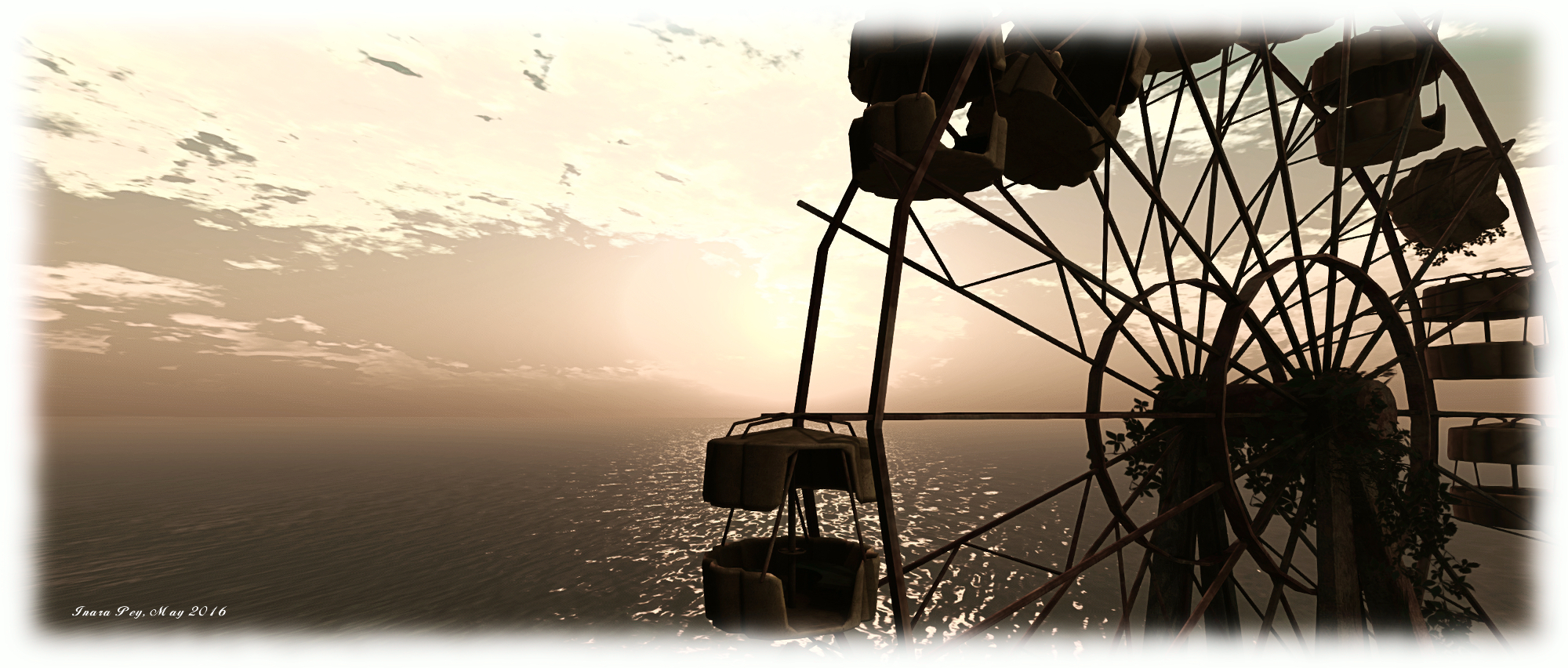
With places to sit and to snuggle scattered around, particularly along the coastline, Rosemoor has a wonderfully coastal feel to it; somewhere perhaps not too far from civilisation, but far enough to offer a sense of isolation and being off the beaten track (hence why the Everlag Park may not have succeeded, despite the picturesque surroundings).

The default windlight suggests an early morning, but the region is ideal for photography under many different environment settings, as I hope the images here demonstrate. Very thoroughly recommended as a place to visit!

SLurl Details

A Playa of a different kind in Second Life

Playa Flamingo; Inara Pey, May 2016, on Flickr Playa Flamingo – click any image for full size

Playa Flamingo is a beautifully landscaped Homestead region designed by Marcus (Marcus68), which Caitlyn and I have dropped into a couple of times and been fascinated by its mix of picturesque landscaping and touches of whimsy.

Those familiar with the term “playa” might be expecting a desert-like environment, perhaps with a little water covering it; or maybe a beach-type location in keeping with the region’s physical world namesake in Costa Rica. Instead, what visitors find is a perfect island environment which packs an incredible about into it without ever once feeling crowded or overdone.

Playa Flamingo; Inara Pey, May 2016, on Flickr Playa Flamingo

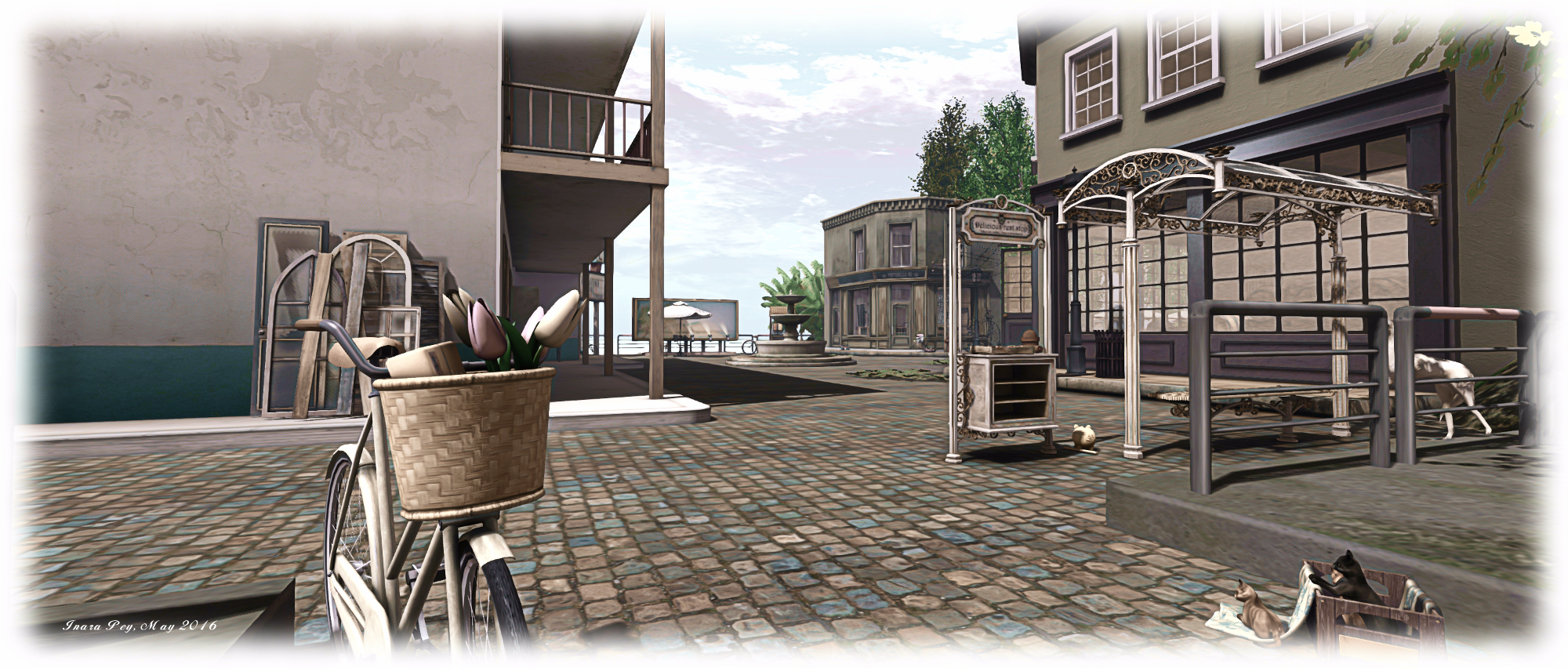
Visitors arrive in a small business area on the westward side of the island, a comfortable gathering of business premises gathered along a cobbled road and around a fountain.  Bounded to the south by one of the broad bays cutting into the land, and to the west by the local beach, this offers two routes by which the rest of the island can be explored: north and east.

North takes you, by way of a large walled square, to the local railway line pointing the way eastwards. The first touch of whimsy is to be found here: a trio of Iakua Arriga’s little animals whiling away the time sitting at the side of the track. Follow the latter eastwards and it’ll take you past some old bungalows before turning inland and coming to an abrupt end above the shoreline of the island’s major inlet.

Playa Flamingo; Inara Pey, May 2016, on Flickr Playa Flamingo

A bridge spans the neck of the inlet to reach the east side, the headland there occupied by private property. However, the track beyond the bridge turns south, offering visitors the opportunity to wander down to a farm sitting on the south-eastern headland. This is overlooked by the Cyclopean eye of a lighthouse sitting on a rugged island  to the south, and reach by taking the eastward exit from the arrival point.

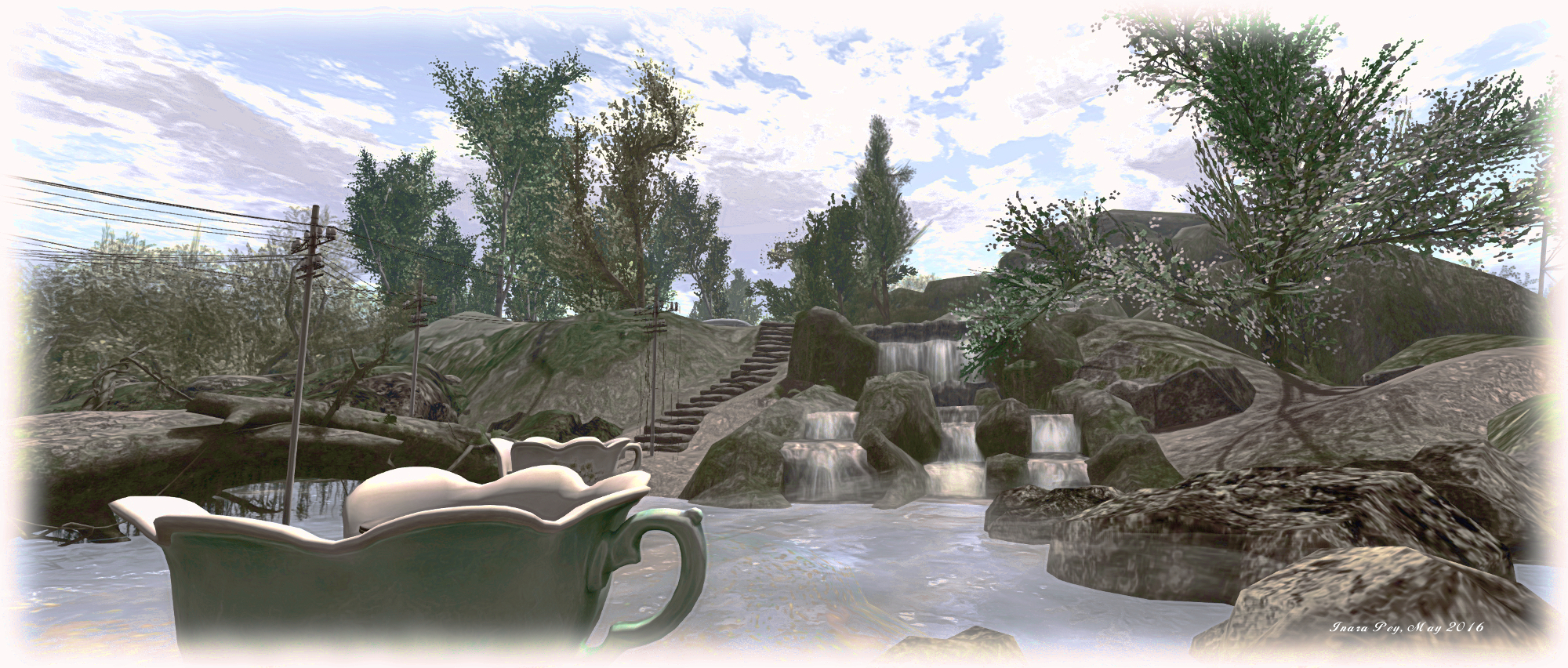
This route will take you, by way of a trailer park with just one occupant, down past the steps of  waterfalls tumbling from the rocky heart of the region, to the bank of the channel separating the islands, spanned by a bridge made from the trunks of two ancient trees, locked together as if shaking hands across the water.

Playa Flamingo; Inara Pey, May 2016, on Flickr Playa Flamingo

Here lies another touch of whimsy: large teacups sit on their saucers, floating on the misty water, offering visitors a place to sit and relax. Across the bridge, the steps up to the lighthouse take visitors past three tall turbines looking for all the world like giant children’s windmills, their sticks plunged into the ground. Just a little further around the curve of the channel, in the bay behind the landing point, sits a little gathering of rowing boats, some of which offer further places to sit and rest, huddled around an old fishing pier.

Playa Flamingo is another delight to explore and photograph, completed by a delicate ambient sound scape which further presents the region as a haven of tranquillity. Caught in a forever sunset, the region lends itself to almost any windlight setting you might happen to like, and it’s hard to find a camera angle which doesn’t lend itself to a snap or two. Should you enjoy your visit, please considered showing your appreciation by leaving a donation at the piggy bank by the landing point..

Playa Flamingo; Inara Pey, May 2016, on Flickr Playa Flamingo

SLurl Details

Savouring a Honeycomb in Second Life

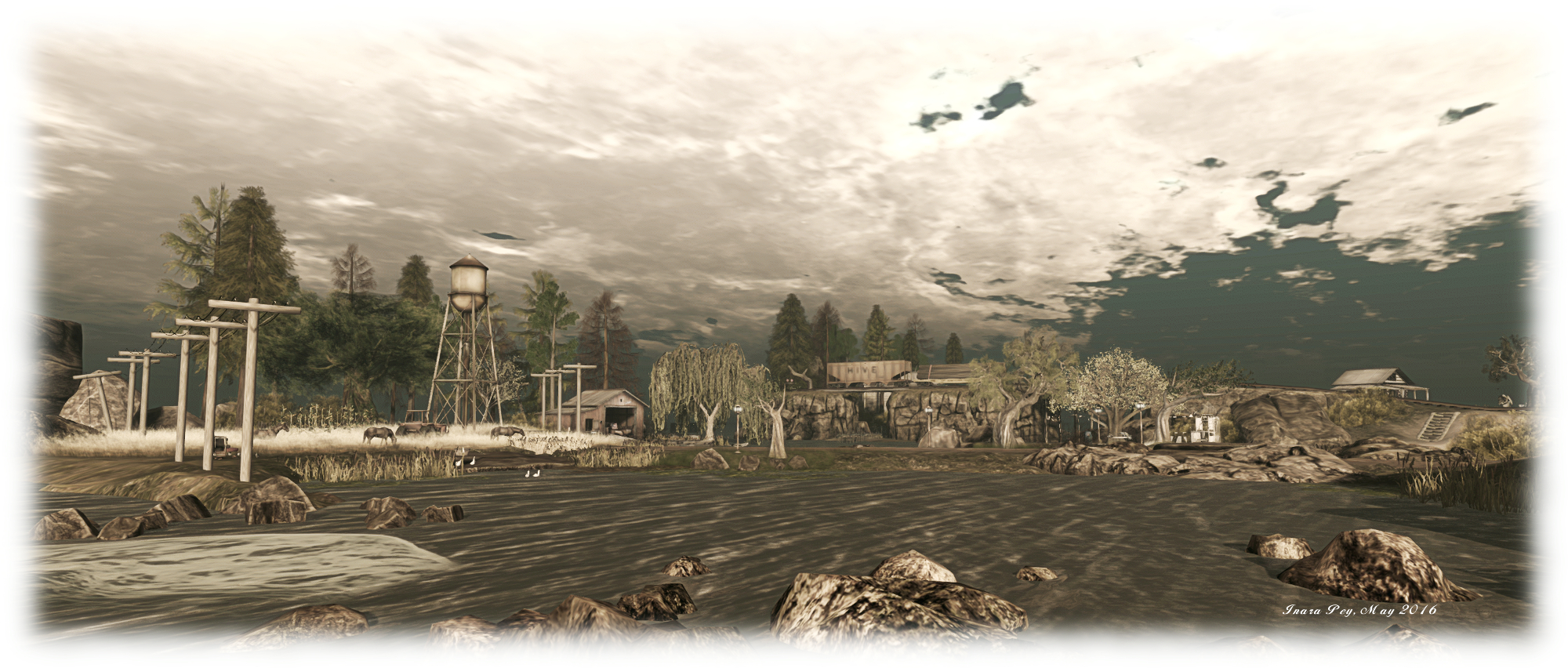
Honeycomb; Inara Pey, May 2016, on Flickr Honeycomb – click any image for full size

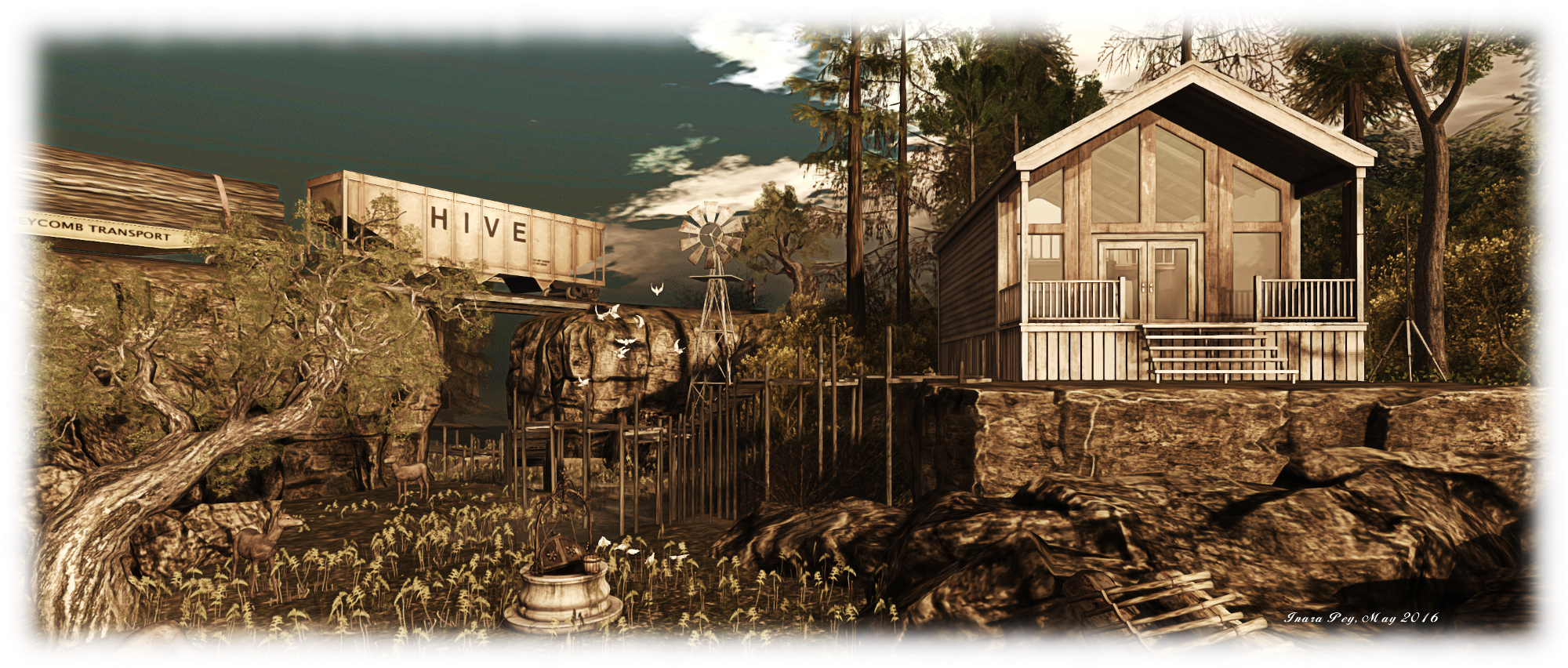
Lundy De Luca (Londinia Leistone) is a maker of mesh home and garden furnishings under the Hive brand. She also offers her store’s homestead region of Honeycomb as a place others are welcome to visit and explore, as indicated in a recent Destination Guide Highlights blog post from the Lab.

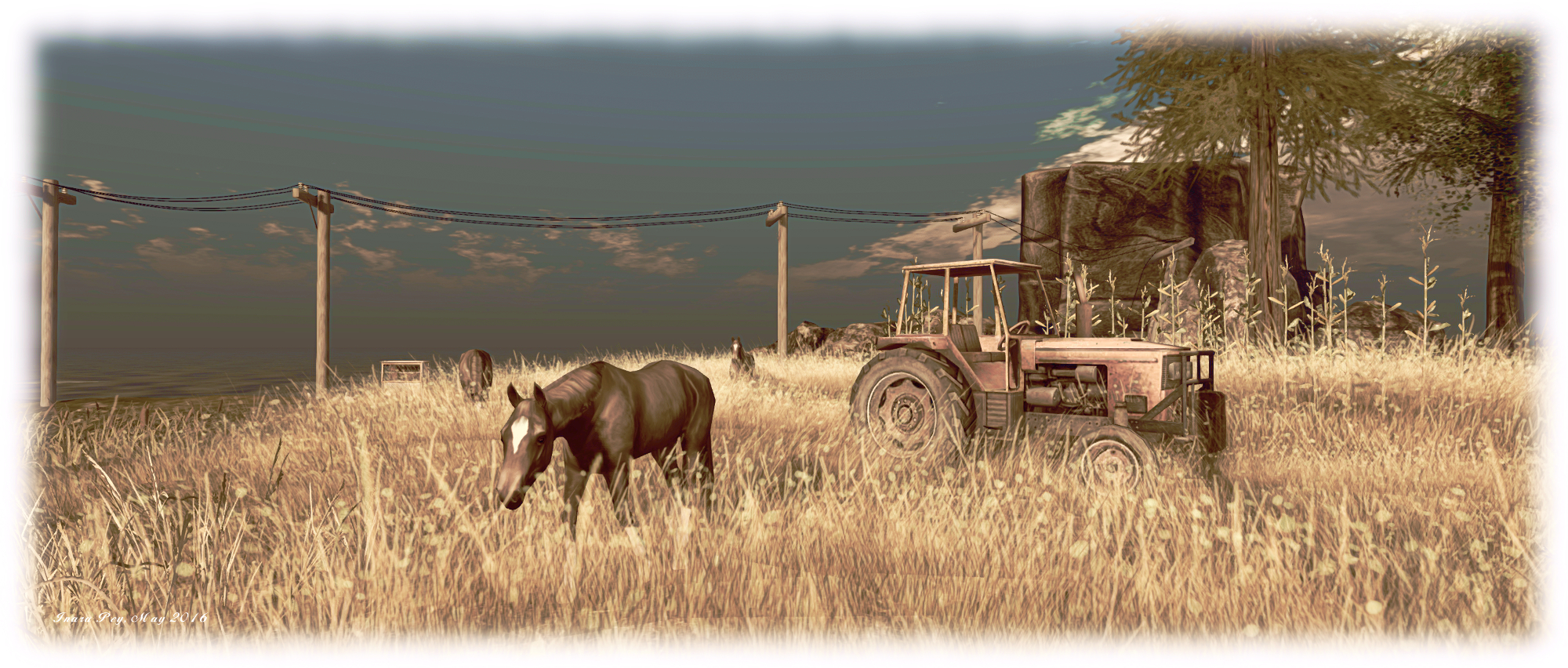
Honeycomb presents a rugged landscape, deeply cut by the sea into a series of headlands linked by a low, forked tongue of land, and two equally rugged islands. The store and landing point occupy the largest of the headlands, located in the north-west of the region, a dirt track dipping down from it, turning north-east at the fork of the tongue, to arrive at small farmstead where horses peacefully graze in a field of grass turned golden brown by the sun. Here sits an old garage with a makeshift wooden deck before it, looking out across one of the inlets towards the middle headland.

Honeycomb; Inara Pey, May 2016, on Flickr Honeycomb

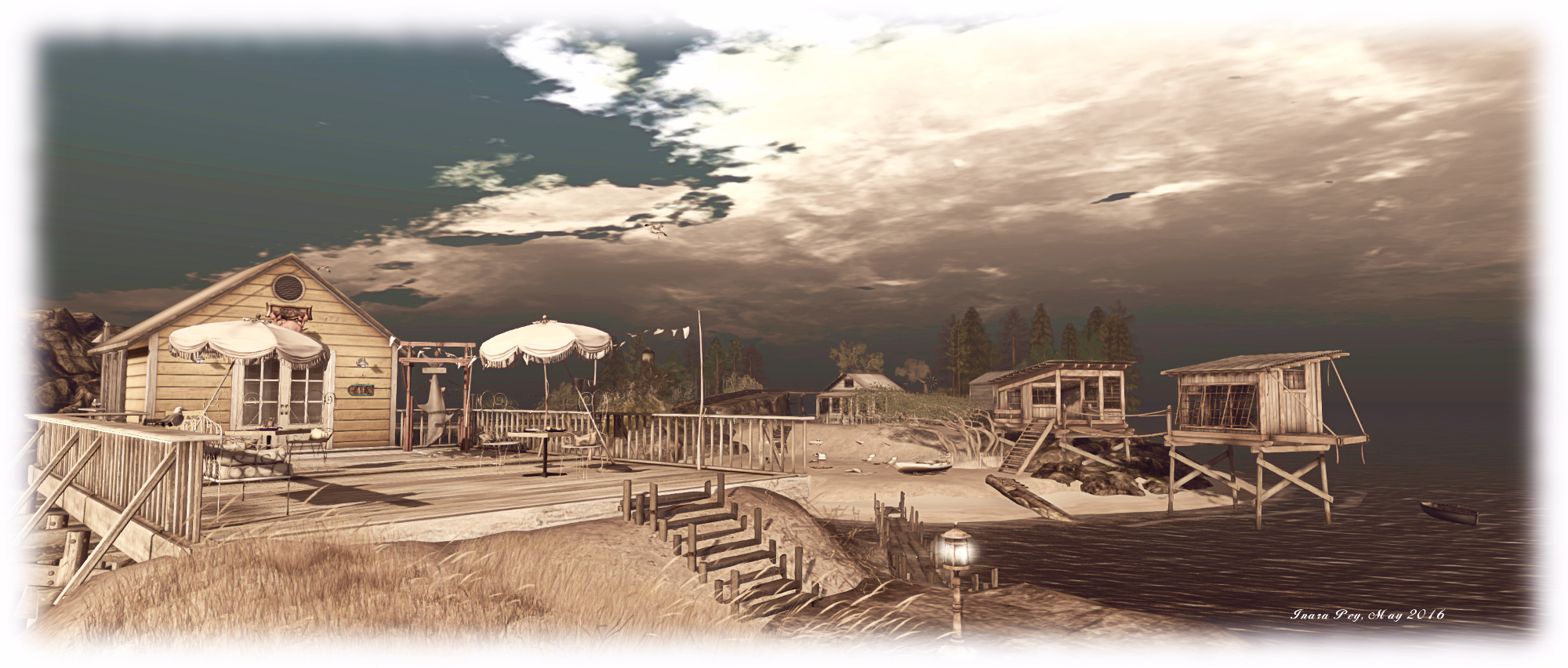
Reached by crossing the local railway line, this middle headland offers a careworn beach on its west side, backed by a tired cabins built on or over its rocky eastern shore. A rickety looking bridge runs out from the beach to the smaller of the two islands, scarcely more than a table of rock rising from the sea, which is surrounded by a small skirt of sand and topped by a tall pier.

The railway line, which emerges from a tunnel beneath the Hive store, curls its way across two trestle bridges and the middle headland to arrive at the larger of the two islands, where it abruptly ends. Here sits another cabin on top of a rocky table, looking westwards towards the setting sun. A board walk and wooden steps offer a means to get down to the water’s edge on the east side of the island, passing under the railway. but to get to the gravelly, overgrown western shoreline of the island requires a bit of a scramble over rocks.

Honeycomb; Inara Pey, May 2016, on Flickr  Honeycomb

While it might sound tired and a little past its prime, the landscape of Honeycomb is nevertheless highly photogenic and evocative, and it is hard to avoid turning the camera slightly left or right and finding another view worthy of a photo. Gulls call from overhead, waves wash against the shores with soft hisses, while geese wander, horses and deer graze, and trawlers work just off the coast. From the tatty/chic beach through the connecting lowlands there are numerous places to sit and while away the time, with rowing boats out on the water offering a chance for a quiet cuddle with a loved one.

All in all, another great place to visit and, if you’re looking for something for your home or garden, or with which to further decorate you land, you might just find the answer in the Hive store!

Honeycomb; Inara Pey, May 2016, on Flickr Honeycomb

SLurl Details

Of pirates and airships in Second Life

Airship Pirates Town; Inara Pey, May 2016, on Flickr Airship Pirates Town – click any image for full size

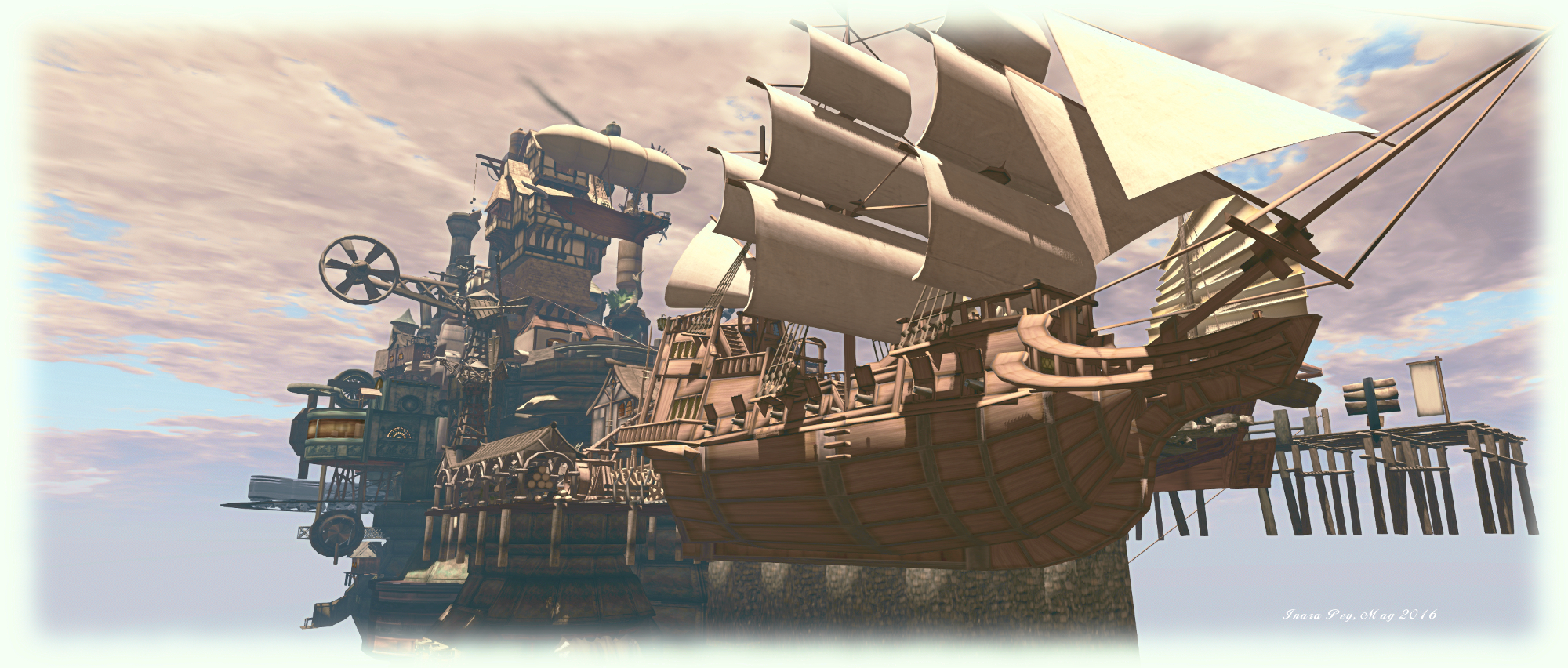
Jamisson Burnstein recently drew my attention to a store called Airships Pirates Town, located high over the island of Hakone, and the work of へき (hekirekika Jinn). “Airship Pirates” is actually enough to get a quizzical eyebrow rising, but the build itself really has to be seen to be believed.

The “airships” in this case are not what you might think: they are neither dirigibles, nor are they (well, for the most part!) great galleons sung beneath gigantic gasbags or held aloft by whirling propellers. Rather, they are regular sailing vessels  – a man of war and an armed Chinese junk – berthed against a stone quay, all of which just happen to be 3,500 metres in the air, with the quay attached to the most fantastical and delightful to the eye steampunk town which also extends outwards blow the great stone piers of the quay.

Airship Pirates Town; Inara Pey, May 2016, on Flickr Airship Pirates Town

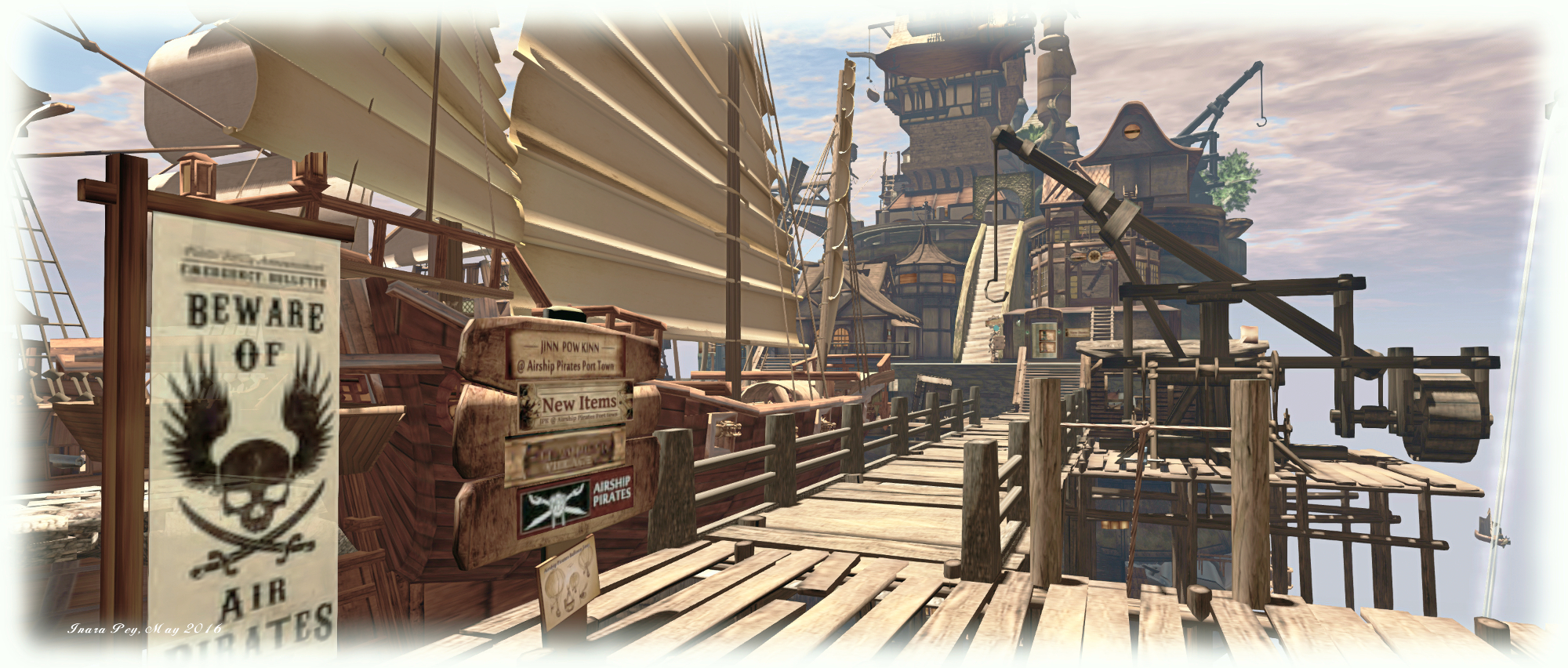
The landing point for this eye-catching build is a wooden dock, somewhat in need of repair, running out alongside the berthed Chinese junk. Wooden cranes sit idle alongside the dock while a zip line offers a rapid transfer down to the lower levels. However, it is likely to be the strange, piled-up charm of the town, reached by solid wooden stairs, will initially attract visitors on their arrival.

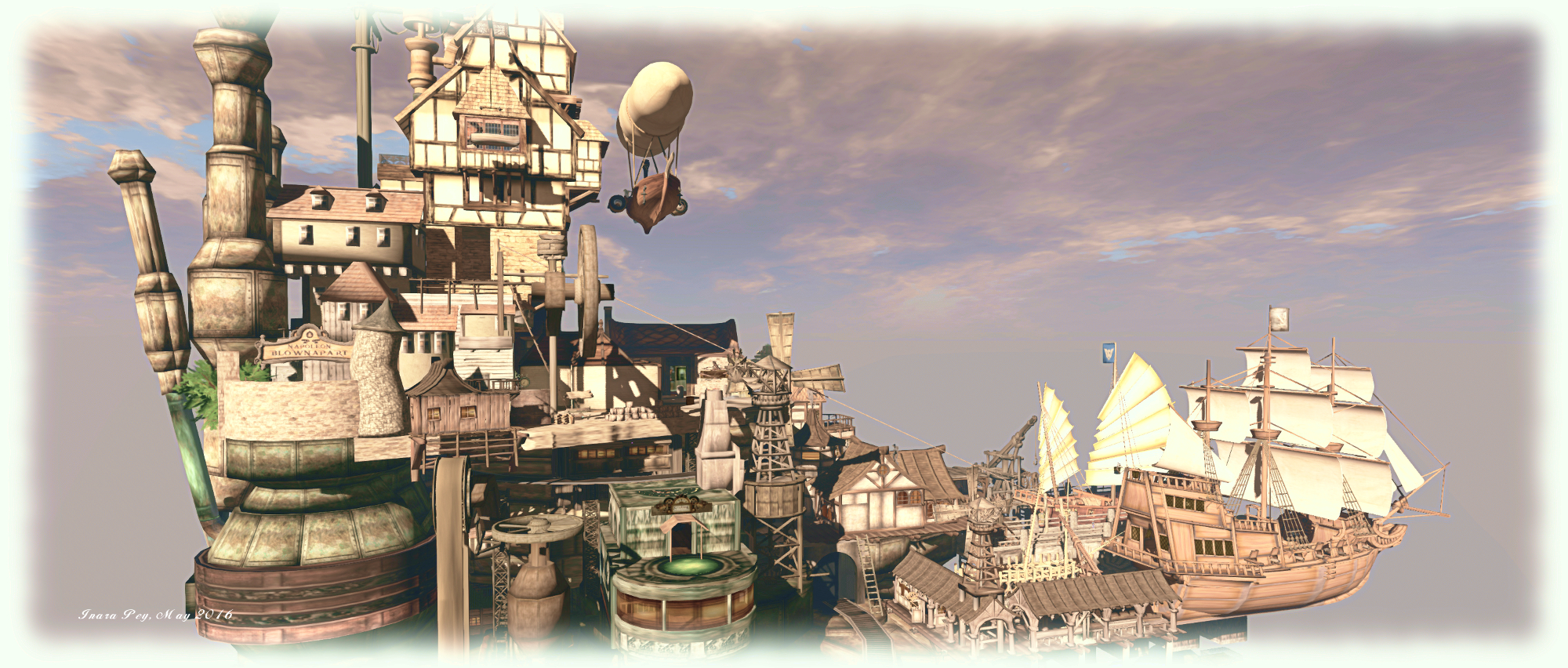
The town is an eclectic mix of buildings, some made of wood, others of brick, still others of wood-framed stone, all of random shapes and sometimes piled one on top of the other without regard – brick upon wood, for example. They are all clustered around one face of an enormous iron, steel and glass island from which huge chimneys and stacks rise and great pipes descend and around which little flying ships circle and even a great black locomotive chugs an endless circular journey from tunnel to wall.

Airship Pirates Town; Inara Pey, May 2016, on Flickr Airship Pirates Town

Clinging to the sides of this strange place on platforms of wood or steel or brick stand huge, slowly turning wheels or creaking wooden windmills. Stairways and steps and ladders provide routes upwards, while individual buildings invite visitors inside. Most are shops, but some offer living and working space. Getting around can be confusing, so look out for the teleport hub at the top of the stone steps or for the TP signs scattered around and within the buildings. Climb high enough, and you’ll find another zip line waiting to carry you back down to the quay.

Nor are explorations restricted to the shops and various levels of the floating island: find the right teleport or the right entrance, and you can enter the heart of the iron island, where sit both  the great generator which presumably keeps the place hovering in the sky, and also an Indiana Jones style course involving switching, swinging bridges, and dodging cogwheels – although the end of this journey is a little abrupt.

Airship Pirates Town; Inara Pey, May 2016, on Flickr Airship Pirates Town

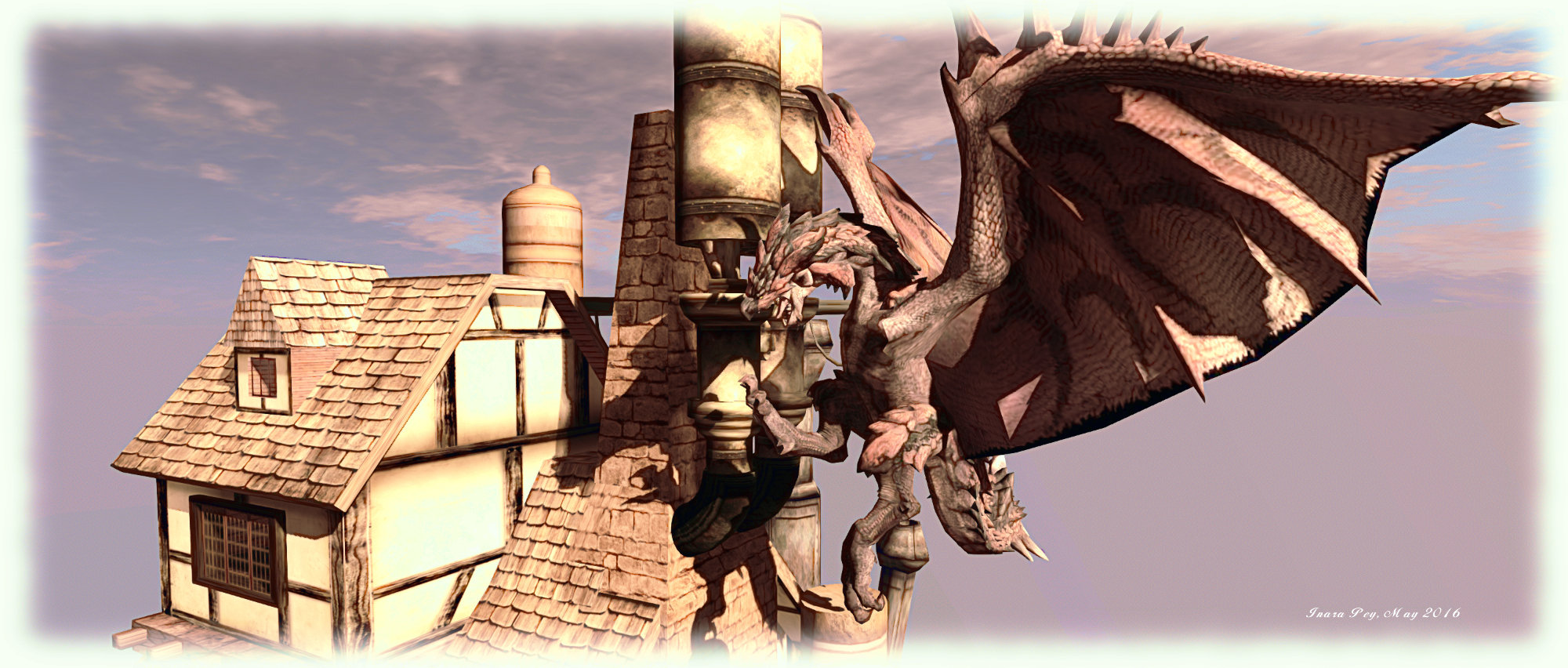
With a dragon keeping an eye on things, and the odd genuine flying boat (emphasis on boat!) either moored higher up or circling the sky and a lot packed into what is a very small area, not to mention the phenomenal steampunk look, Airship Pirates Town is well worth a visit and explore, standing as a wonderful demonstration of the creative whimsy possible in this digital world.

SLurl Details

The hidden paths of Osprey Ridge in Second Life

Osprey Ridge; Inara Pey, April 2016, on Flickr Osprey Ridge – click any image for full size

Osprey Ridge has passed into the annals of SL history. SLurls have therefor been removed.

Osprey Ridge is a homestead region within the United Sailing Sims located eastward of Blake Sea and a place we’ve often passed when our sailing or boating. Open to the public, the region has been landscaped by Markarius Viper and is cared for by Flo (SweetFloXO) and presents a pleasing environment in which to spend time.

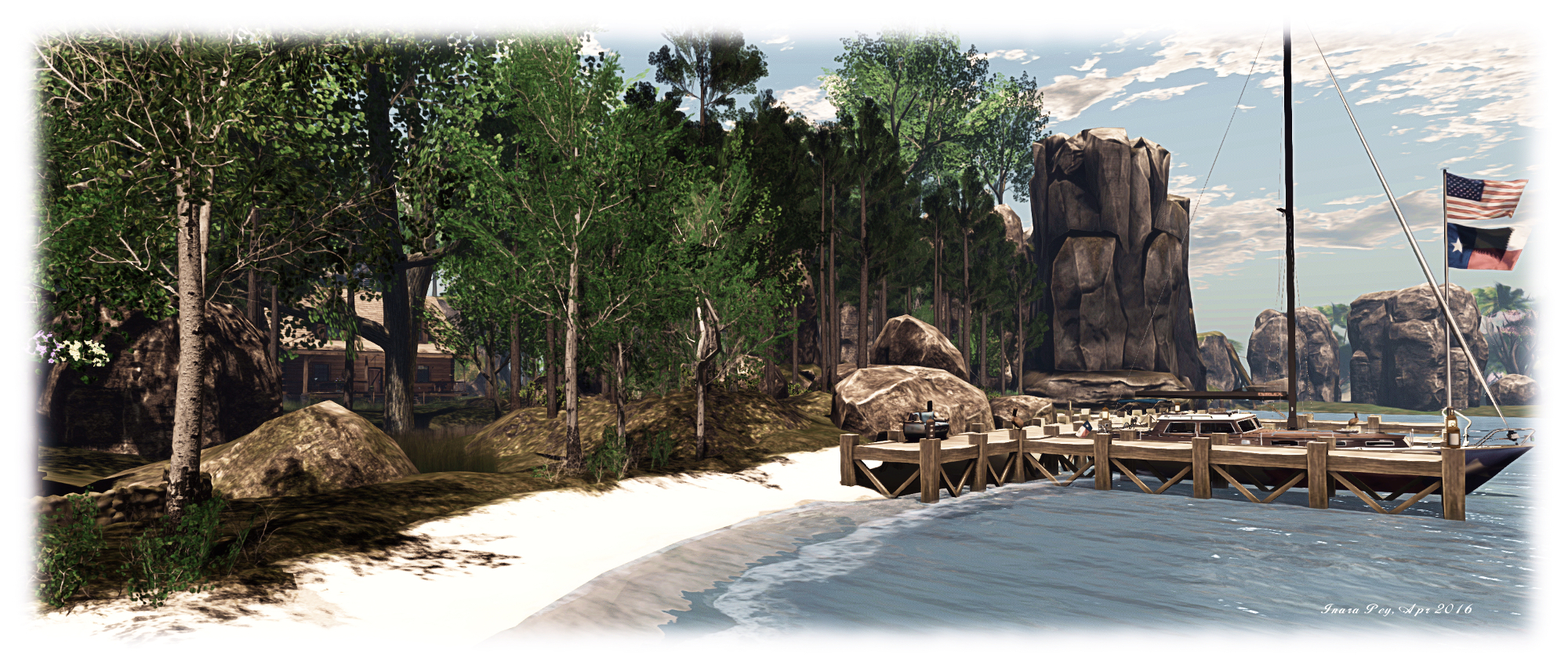
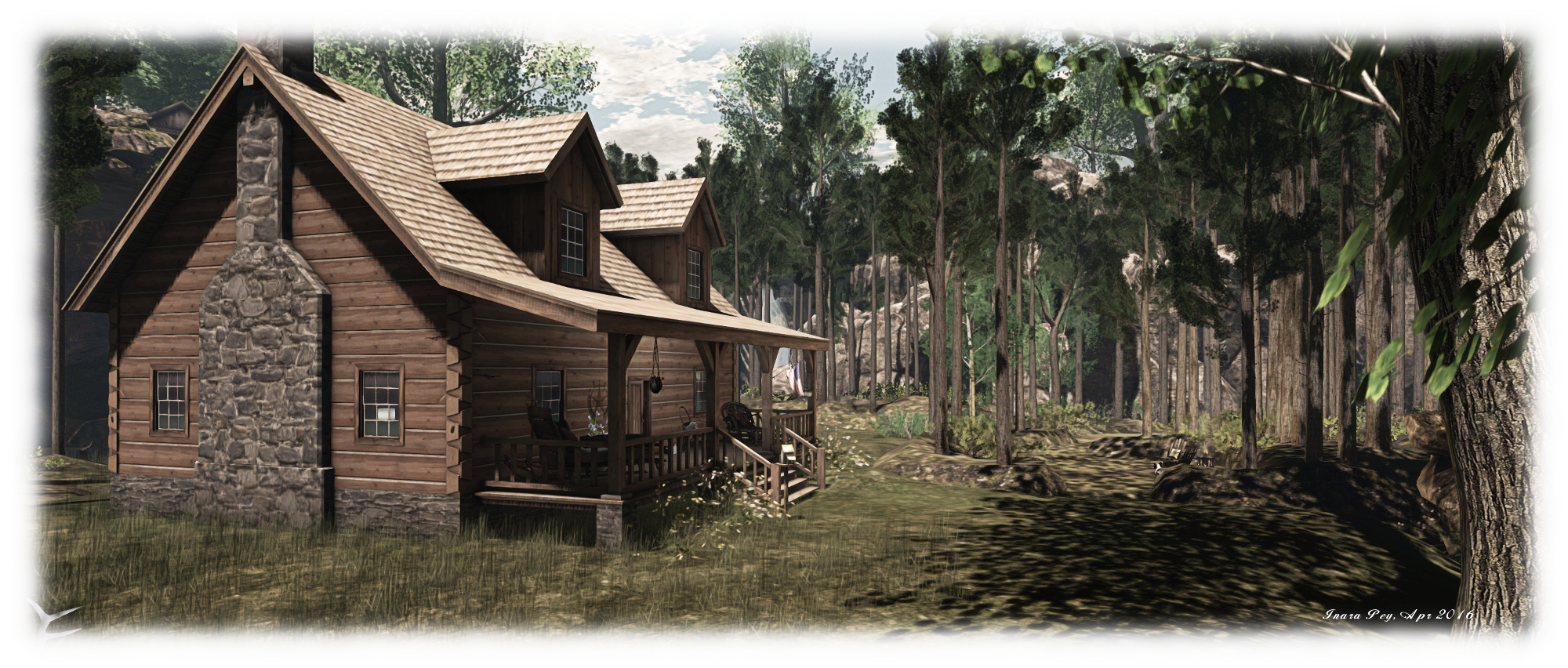
The best place to start a visit is at the moorings on the north side of the island, sheltered from the passage linking Blake Sea with Second Norway by a natural grassy breakwater. From here, visitors can walk eastwards along the moorings and the beach to come to a cosy summer gazebo sitting alongside a reedy pond, or head inland along a wooded track which winds its way to a sturdy and comfortable log cabin.

Osprey Ridge; Inara Pey, April 2016, on Flickr Osprey Ridge

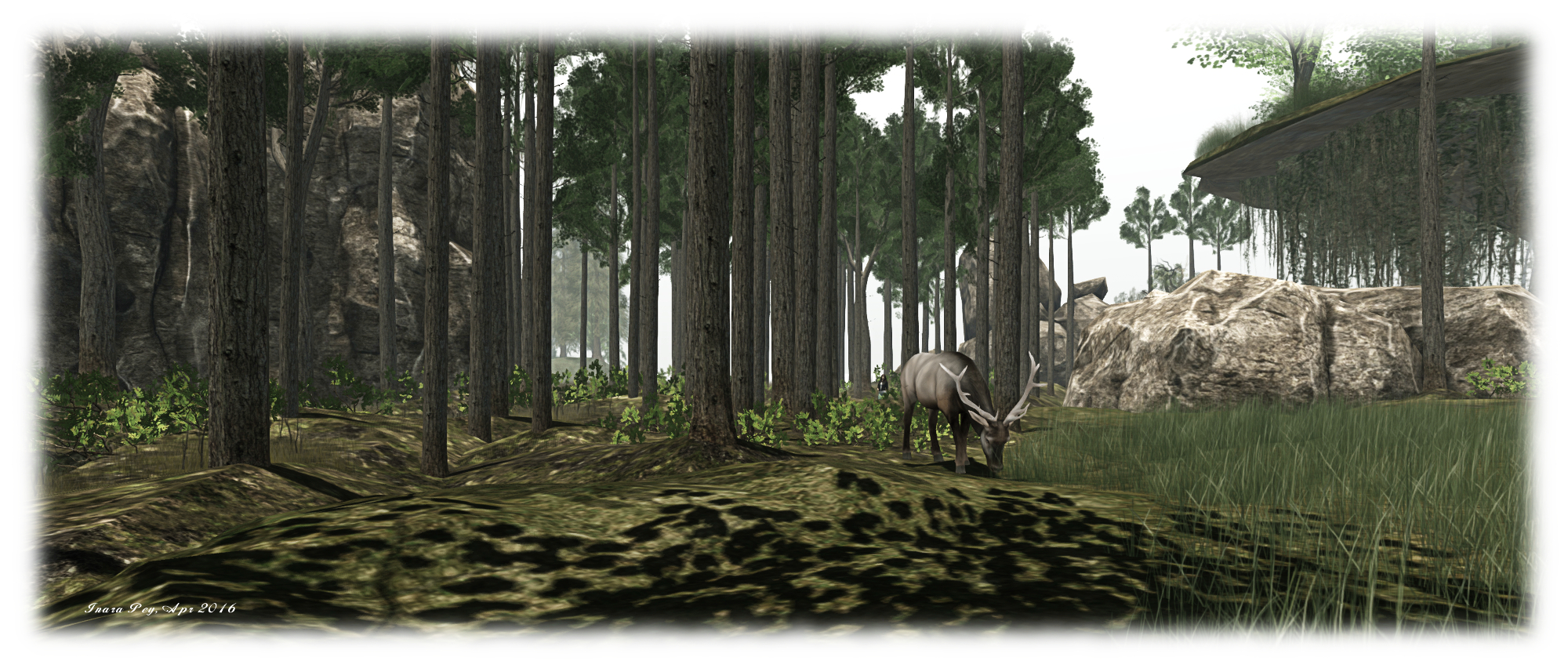
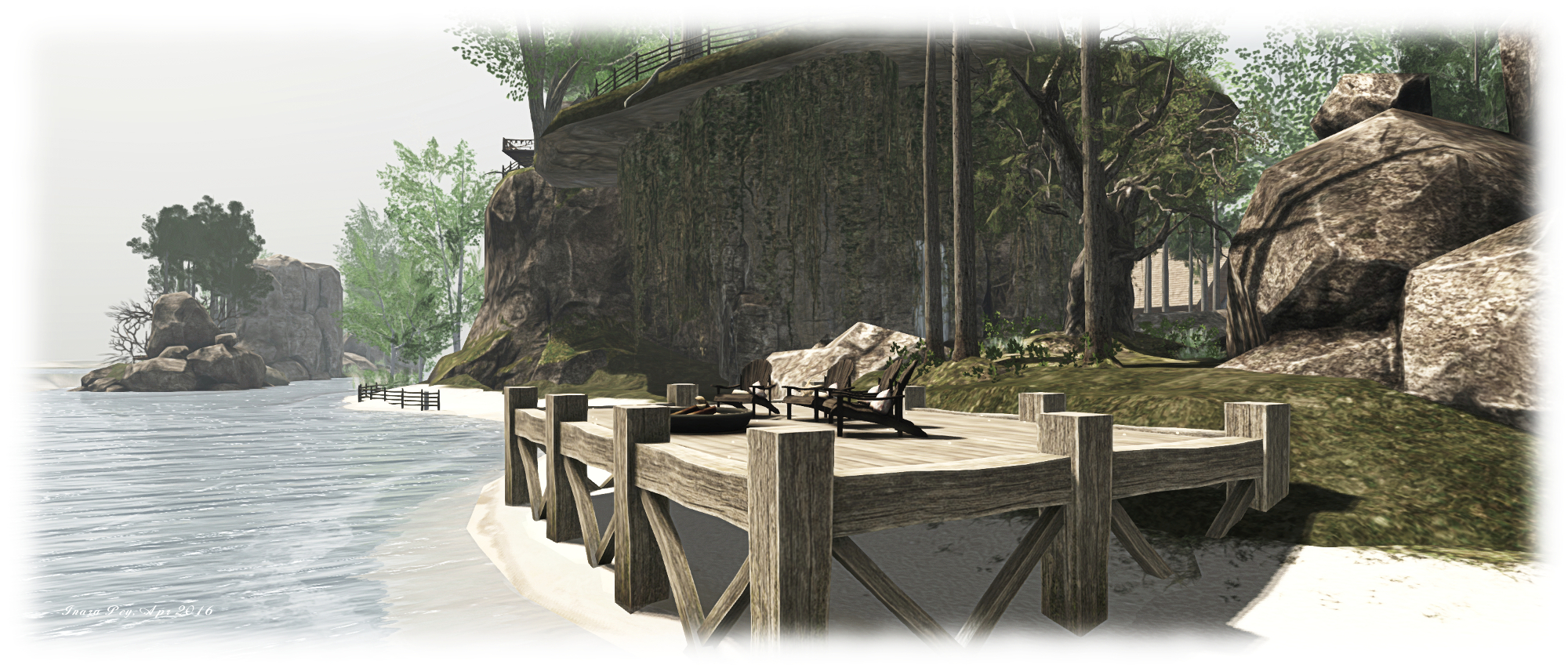
The cabin sits nestled between tall columns and plateaus rising to the south and west of it, topped by tables of grass from which tress grow. Of these more anon; for now however, take the path onwards around the front of the cabin, and it will turn southwards and lead you between more trees and under the shadow of a another mesa on the east side of the region bore your arrive at the southern shore, a deck overlooking the open waters, with another ribbon of beach pointing westwards.

If you prefer, there is a track on the west side of the cabin, just within the tree line, which leads the way to the waters at the foot of the rocky cliffs, which are in turn spanned by a bridge made from the trunk of an old, fallen tree. From here it is possible to pass between the tall mesas on either side to reach the south-western corner of the island, or scramble over the rocks and into the cavern beneath the west side plateau.

Osprey Ridge; Inara Pey, April 2016, on Flickr Osprey Ridge

The cavern is a place of peace, watched over by a fae waystone which, for those running with ALM enabled, casts patterns of light across the surrounding rock faces and over the pool of water in which it sits. A narrow opening on the north side of the carven provides a short-cut back to the moorings, which eagle-eyed visitors may have spotted as they followed the rack down towards the cabin from the north side of the island.

The broad, grassy tops of the plateaus are home to a tree house, a camp site, Greedy, Greedy and a romantic cuddle swing. A wooden bridge connects the two plateaus, but how to get up to them without flying or double-click teleporting actually defeated Caitlyn and I (we eventually went the double-click TP route).

Osprey Ridge; Inara Pey, April 2016, on Flickr Osprey Ridge

The region could perhaps benefit from having the moorings on the north side parcelled-off so that auto-return could be set to say, 60 minutes, to allow those arriving by boat to come ashore and explore without fear of their vessel poofing to Lost and Found as soon as they do so, but this is a minor point. Osprey Ridge offers a pleasing visit to those passing or who are looking for photogenic spots within Second Life, with plenty of places up high and at ground level for simply sitting and enjoying the environment or having an intimate cuddle (including a bed suspended from the trees in the woods!).

Landing at New Caelestium in Second Life

New Caelestium; Inara Pey, April 2016, on Flickr New Caelestium – click any image for full size

Reader Evelyn Held recently sent me a note card about New Caelestium, “a realistic medieval lifestyle sim with a touch of fantasy”, which celebrated its re-opening on Saturday, April 23rd. I’d actually written about the original Caelstivm (Caelestium) back in March 2014, but had lost rack of it in the intervening years;  so intrigued by Evelyn’s note, I hopped over to take a look.

The location of the original Caelestium was, so far as I can remember, unspecified; not so with the new build, which is described as, “a Celtic Isle with Scottish roots, a realistic medieval lifestyle sim with a touch of fantasy”, and I have to say that, as with the original, it is something of an eclectic mix of elements.

New Caelestium; Inara Pey, April 2016, on Flickr New Caelestium

Those arriving at the region receive a back story note card, together with the rules of the region and some additional notes on this being a “lifestyle” role-play environment – meaning that visitors are encouraged to wear appropriate clothing and adopt a fitting behaviour and language for a medieval period setting, although as the region encompasses fantasy elements, “dragons, elves, faes, gnomes and other fantasy fellows” are also welcome.

New Caelestium can be broadly divided into four areas: the medieval town and docks, which takes up the largest portion of the region, the jousting area, transported here from the original Caelestium, a coastal area with period manor house, and the fantasy area, dominated by a gigantic tree of life, and over which hovers a set of floating islands.

New Caelestium; Inara Pey, April 2016, on Flickr New Caelestium

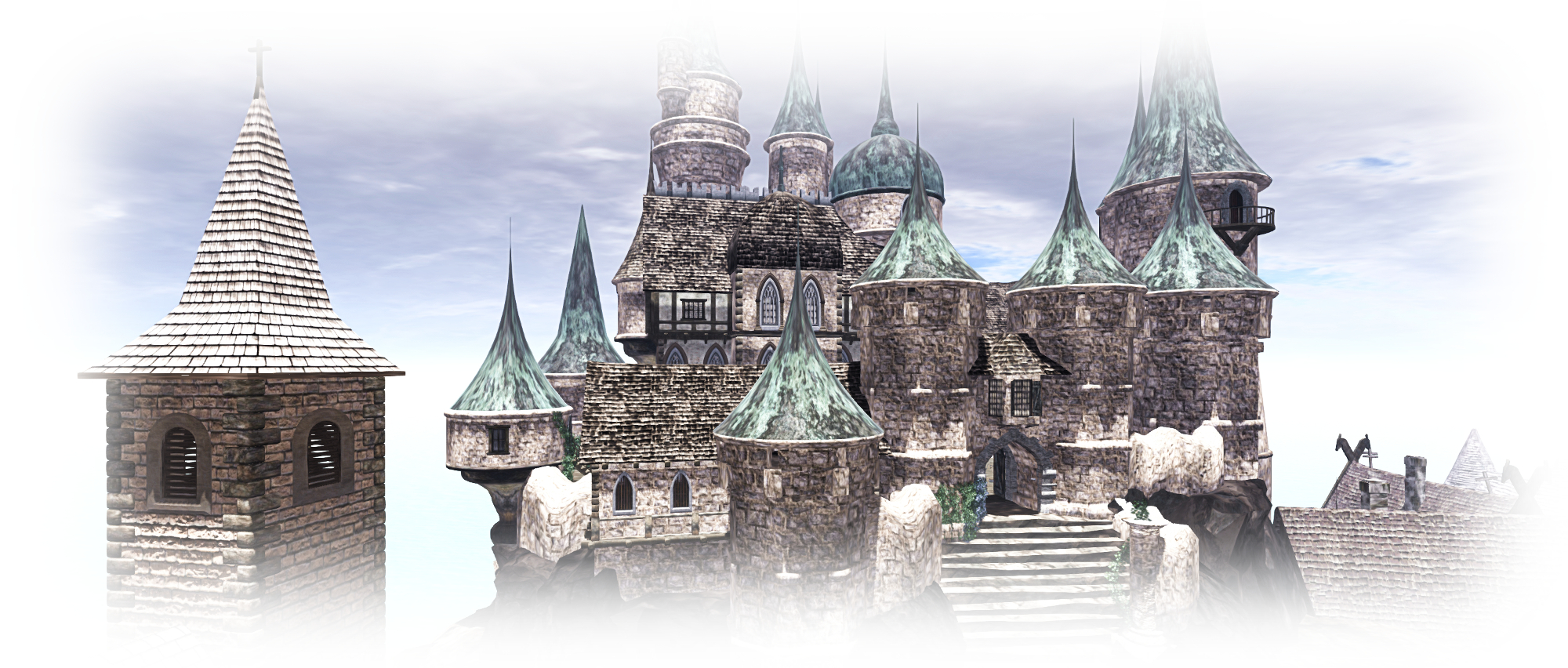
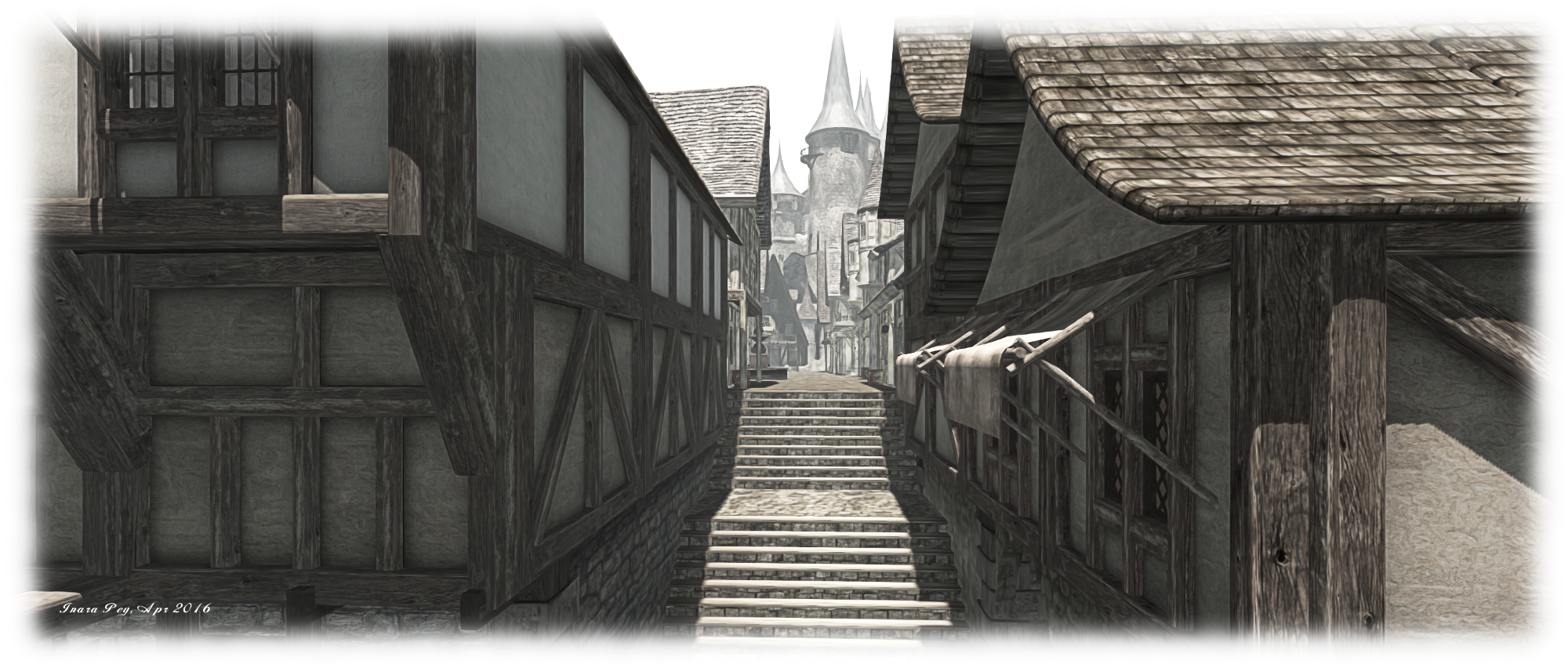
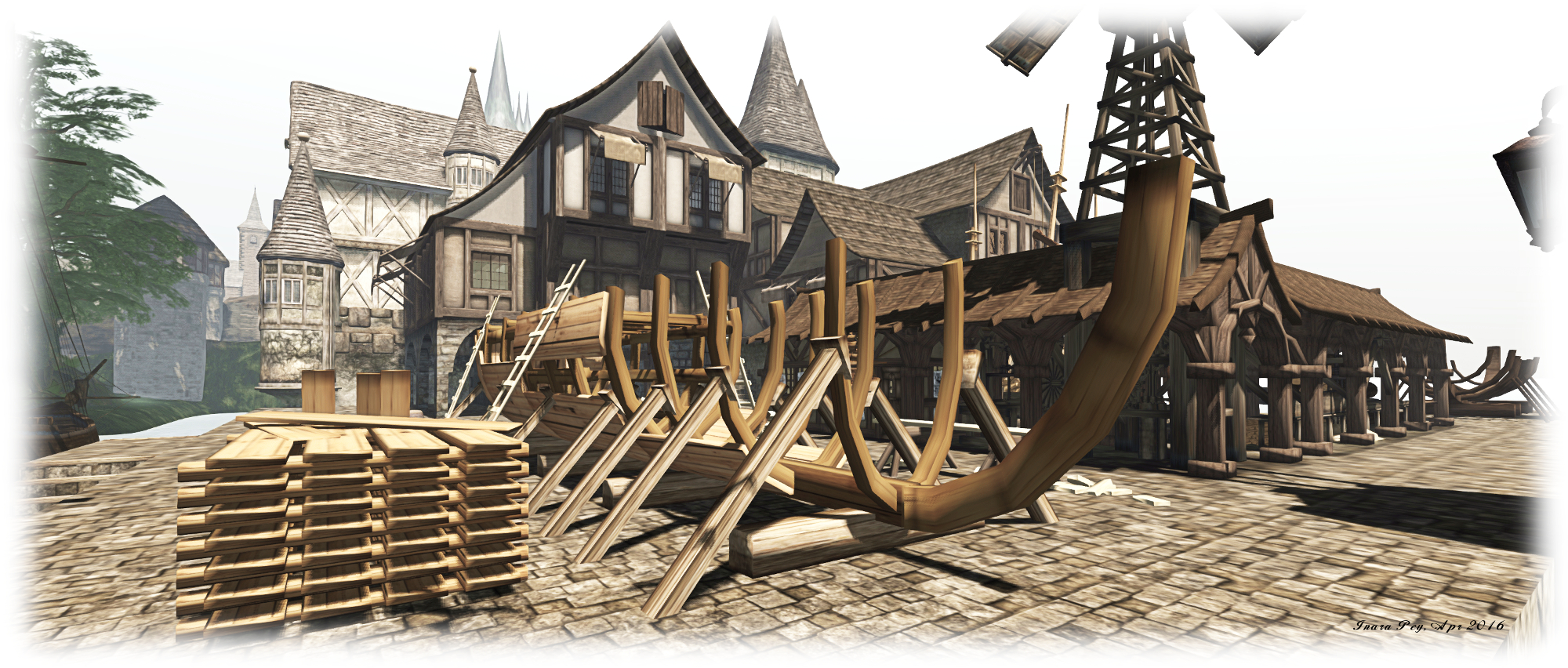
The town and docks are mindful of the original Caelestium, although the quays are a lot busier, several of Lia Woodget’s unmistakable ships being tied-up alongside. The town forms an L-shape, and is dominated by a great castle sitting atop a rocky crag in its corner. Beneath this, a long street points the way to the docks in one direction, whilst the other arm of the L holds the market square and shops, beyond which lies the jousting lists.

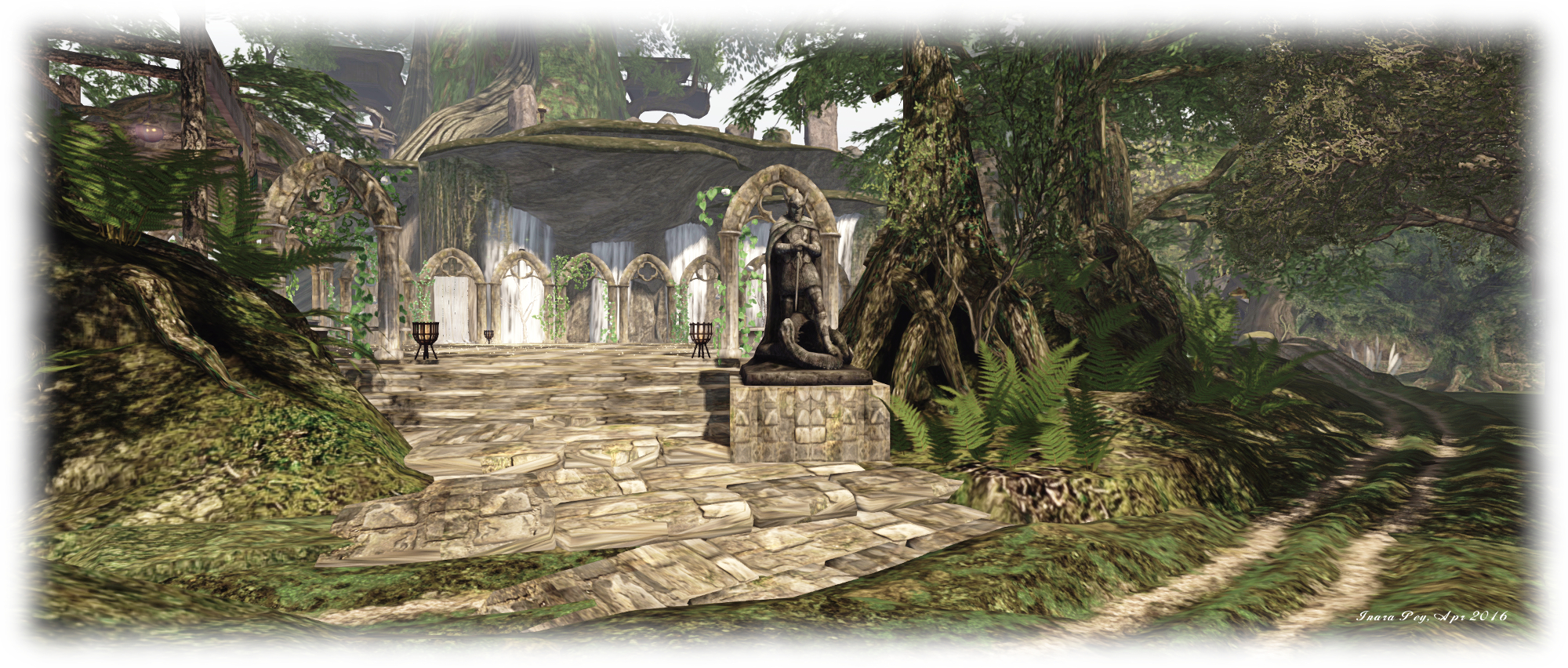
The fantasy / fae area of the region lies separated from the town by narrow ribbons of water crossed here and there by bridges and rutted cart tracks. Here can be found paths to wander, and fae homes to rent (human houses can be rented in the town), while waterfalls tumble from narrow shoulders of rock, and the aforementioned enormous tree of life rises into the sky. It is on the south side of the region, and under lee of these rocky shoulders and the shadow of the great tree, that the coastal area can be found, trees surrounding a ribbon of beach and hiding the manor house from prying eyes.

New Caelestium; Inara Pey, April 2016, on Flickr New Caelestium

Photogenically, the region has a lot to offer, as I hope at least some of the images here demonstrate. There is also a lot to see when exploring, however, I’m not entirely sure how well it all works.

As I noted in my review of the original Caelestium, that region was also very much a place of two halves – medieval and fantasy – but the overall landscaping was such that the two elements naturally blended together as a single, contiguous landscape through which visitors and players could ebb and flow. That sense of continuity feels a little lost within New Caelestium; rather than existing as parts of a whole, the medieval and fantasy aspects of the region came across to me as vying with one another for space and attention.

New Caelestium; Inara Pey, April 2016, on Flickr New Caelestium

Nevertheless, if you are interested in fantasy or medieval role-play, or are looking for a medieval environment ripe for photographs, Caelestium is certainly more than worth a visit.

SLurl Details