Tavana Island’s autumnal beauty in Second Life

Tavana Island; Inara Pey, October 2017, on FlickrTavana Island – click any image for full size

I was drawn to suggest Tavana Island as a place Caitlyn and I should explore on the basis it is designed by Brayan Friller (Brayan26 Friller) and Elyjia (Elyjia Baxton). They were the couple behind the gorgeous Au Petit Jour (see here for more) and The Heart of the Sea (see here for more), so I was keen to see what they had cooked up with their latest design. As it turned out, we weren’t the only ones: digging into my inventory I found Shakespeare and Max had also sent me a landmark for the region!

If there is a word to sum-up Tavana Island, it has to be “exquisite”. This is a place we and I arrived in with the intention of having a leisurely exploratory wander – and ended up spending the better part of our evening within. It’s also a place with strong echoes of Heart of the Sea – so much so, that it was easy to imagine we’d just sailed from there aboard the schooner anchored offshore, popping over the horizon to arrive at Tavana Island and then row ourselves to shore via one of the rowing bows moored down by the beach.
Tavana Island; Inara Pey, October 2017, on FlickrTavana Island

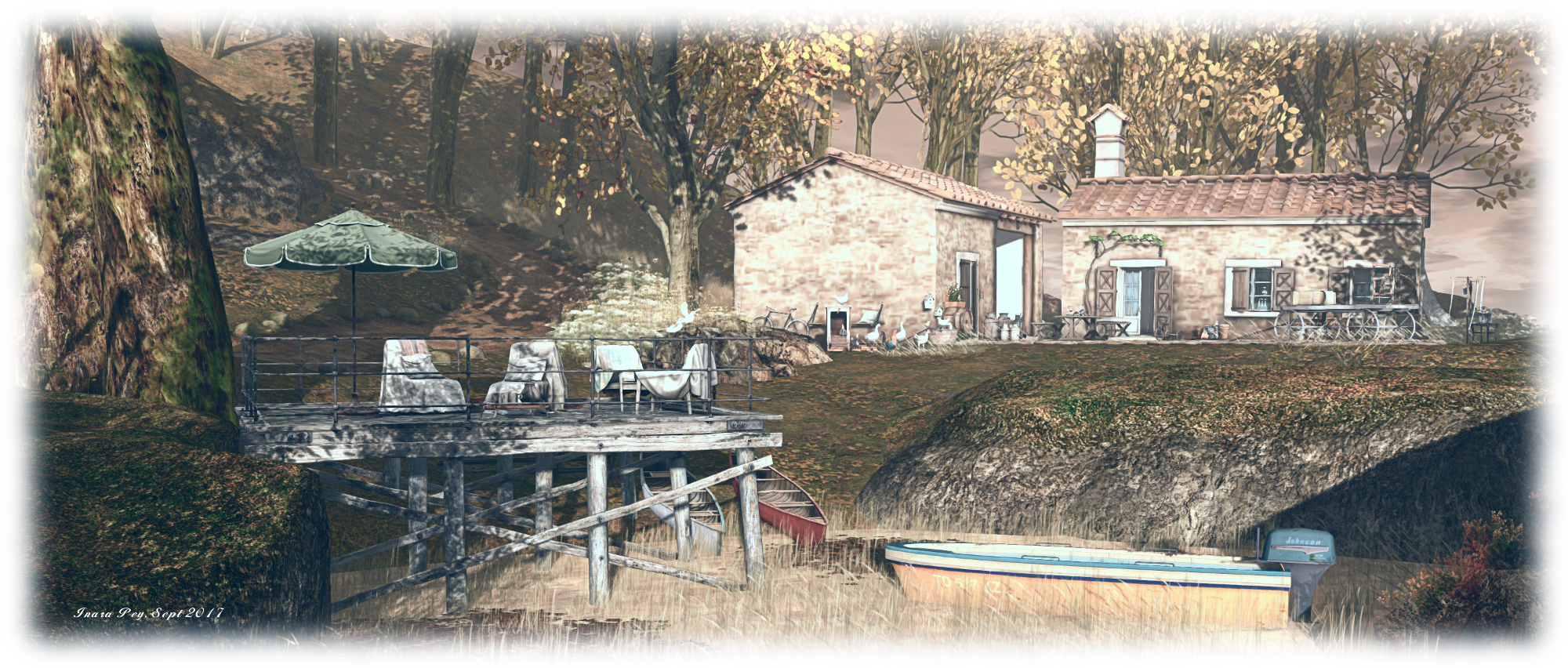
Visitors arrive on the largest – by far – of five rugged islands. It sits towards the north-east of the region,   four of the remaining islands sweeping in an arc from west to south around it. The landing point is set close to the southern cliffs of the island, near a set of iron gates. These point the way to a set of wooden steps leading down to the beach, which looks out towards the southern isles in the group, while a gravel path runs from the leading point in the other direction, offering a route around the major sites of interest on the island.

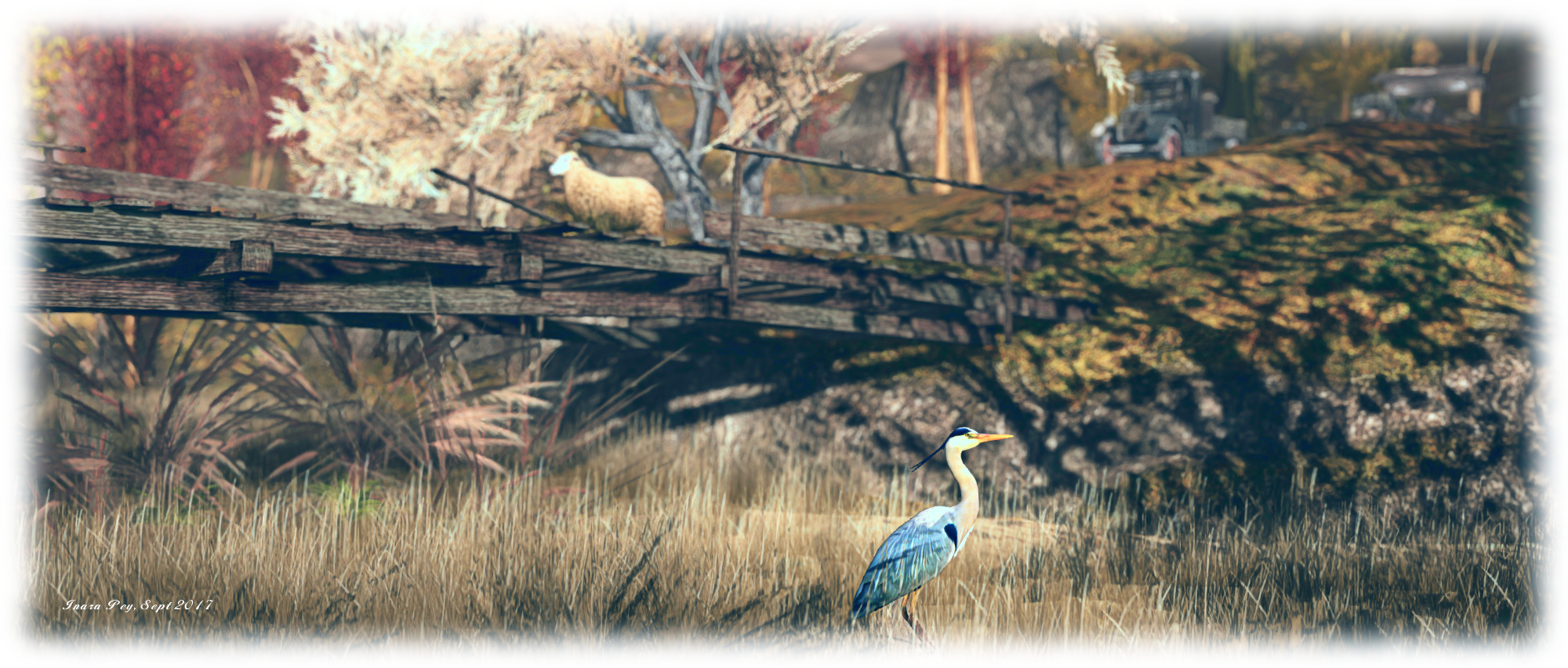
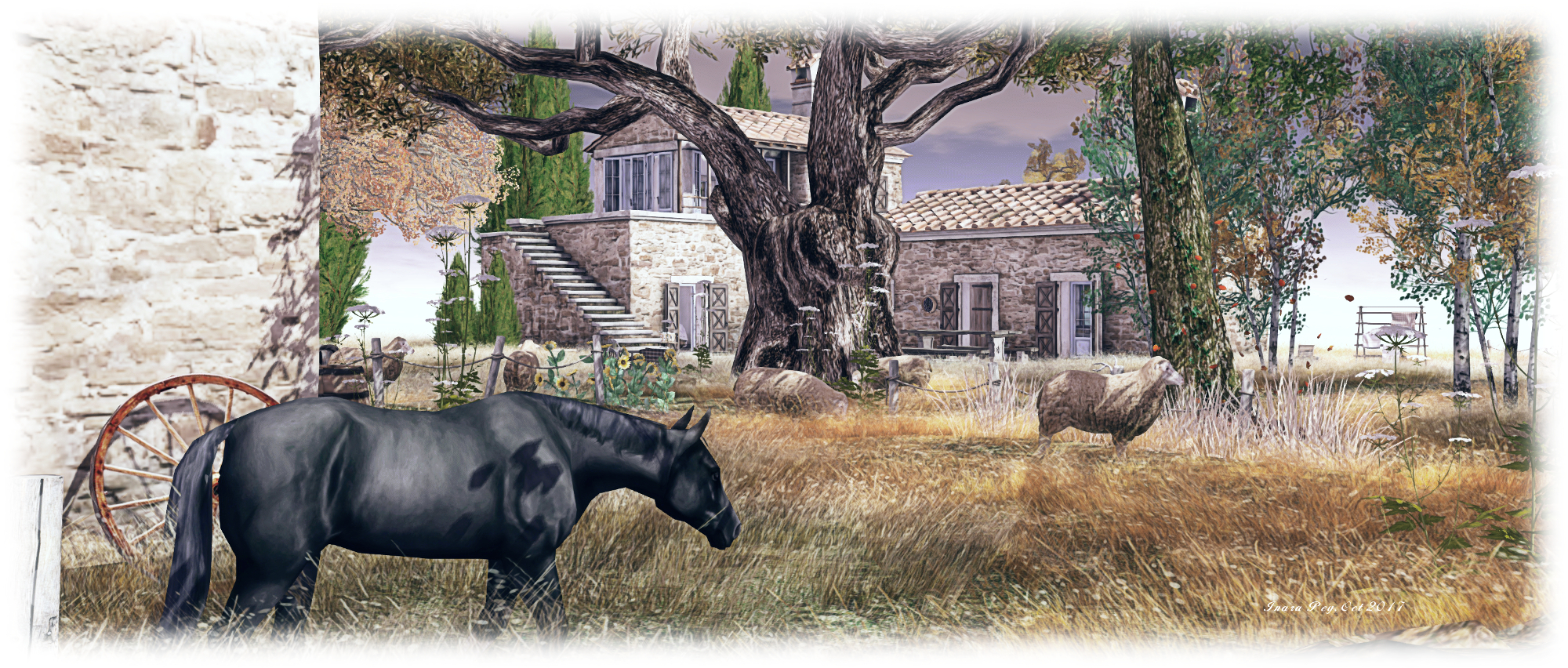
The most obvious of these is the Tuscan villa a short distance from the landing point.  This might be a holiday home or farm-house (there is a barn nearby and both horses and sheep grazing on the island). It looks out over the waters to the north, where two outcrops of rock rise from the sea, like sentinels standing guard.
Tavana Island; Inara Pey, October 2017, on FlickrTavana Island

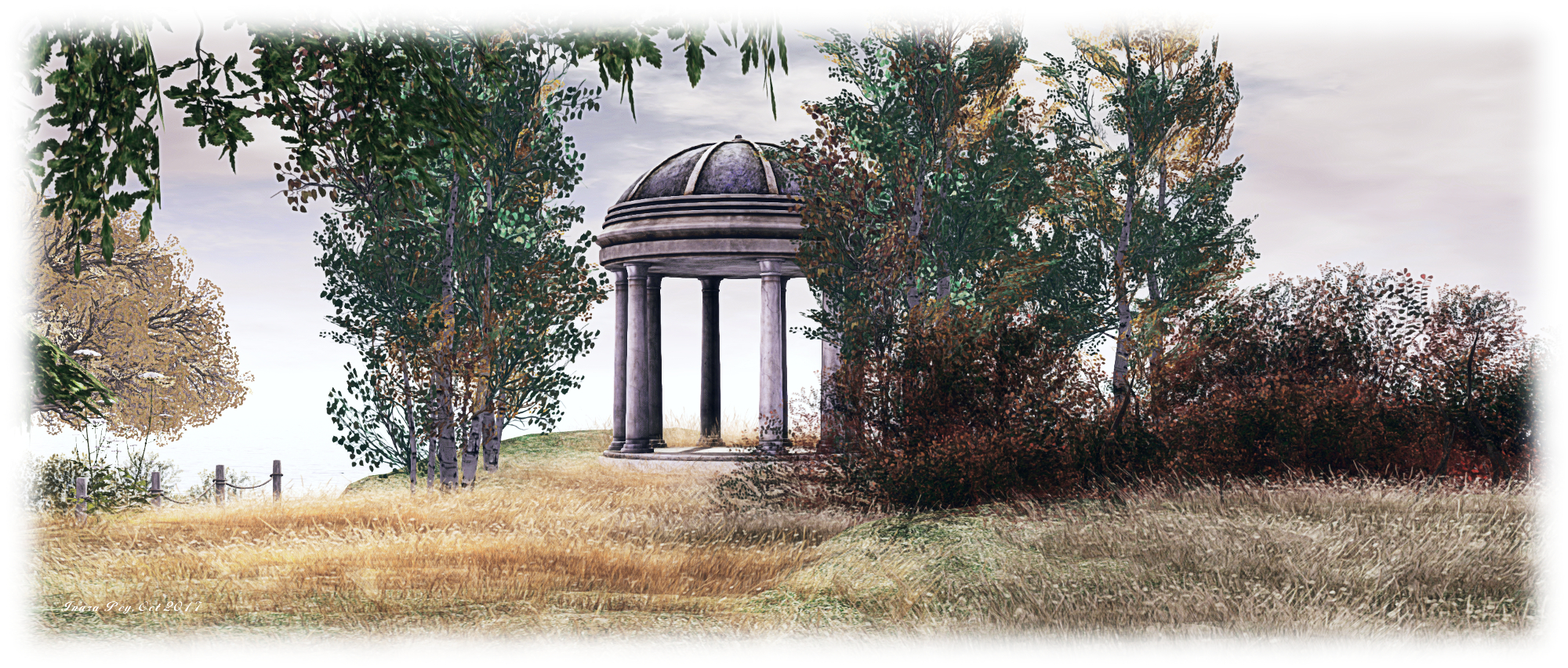
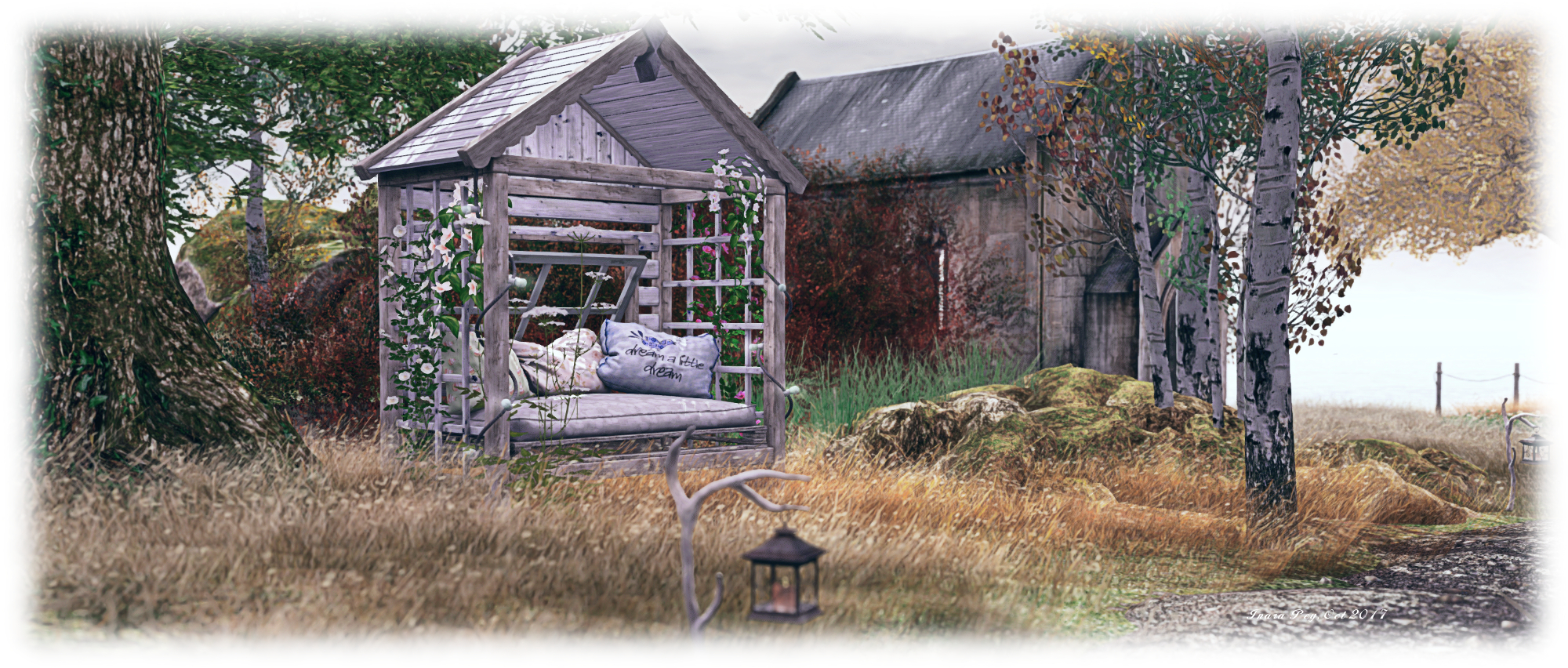
A short distance way along the path from the house is a little cuddle spot and an old chapel, while those following the path from the landing point to the villa might be tempted to turn aside and take the little junction leading the way up to a grassy plateau on the south side of the island. There is a gazebo here, complete with a dance machine (with another machine out on the grass) – and the audio stream featuring music from films makes for a perfect time dancing.

I’m not certain if either of the two islands to the south which show signs of habitation are open to the public – there is no direct way to reach them. With Au Petit Jour, Elyjia and Brayan did set a small island off to one side for private use, so this might be the case here. I haven’t been able to check with them if this is the case here, so it might be better to view them from afar rather than risk unintended intrusion. There’s certainly opportunities to this, either from the sun loungers on the sand or from the rowing boats moored by the little pier at the beach, or from the grassy plateau mentioned above.
Tavana Island; Inara Pey, October 2017, on FlickrTavana Island

There is a natural beauty to Tavana Island which makes it an absolute delight not just to visit, but to spend time enjoying, be it sitting (on land or in a rowing boat), dancing, or simply wandering and looking. There’s a subtle sound scape perfectly matching the seasonal look for the islands, so keep local sounds enabled.

All told, another superb design by Brayan and Elyjia, one more than worth time to visit. Should you do so, and enjoy your time as much as we did, please consider a donation towards the upkeep of the region for others to enjoy as well.

Tavana Island; Inara Pey, October 2017, on FlickrTavana Island

SLurl Details

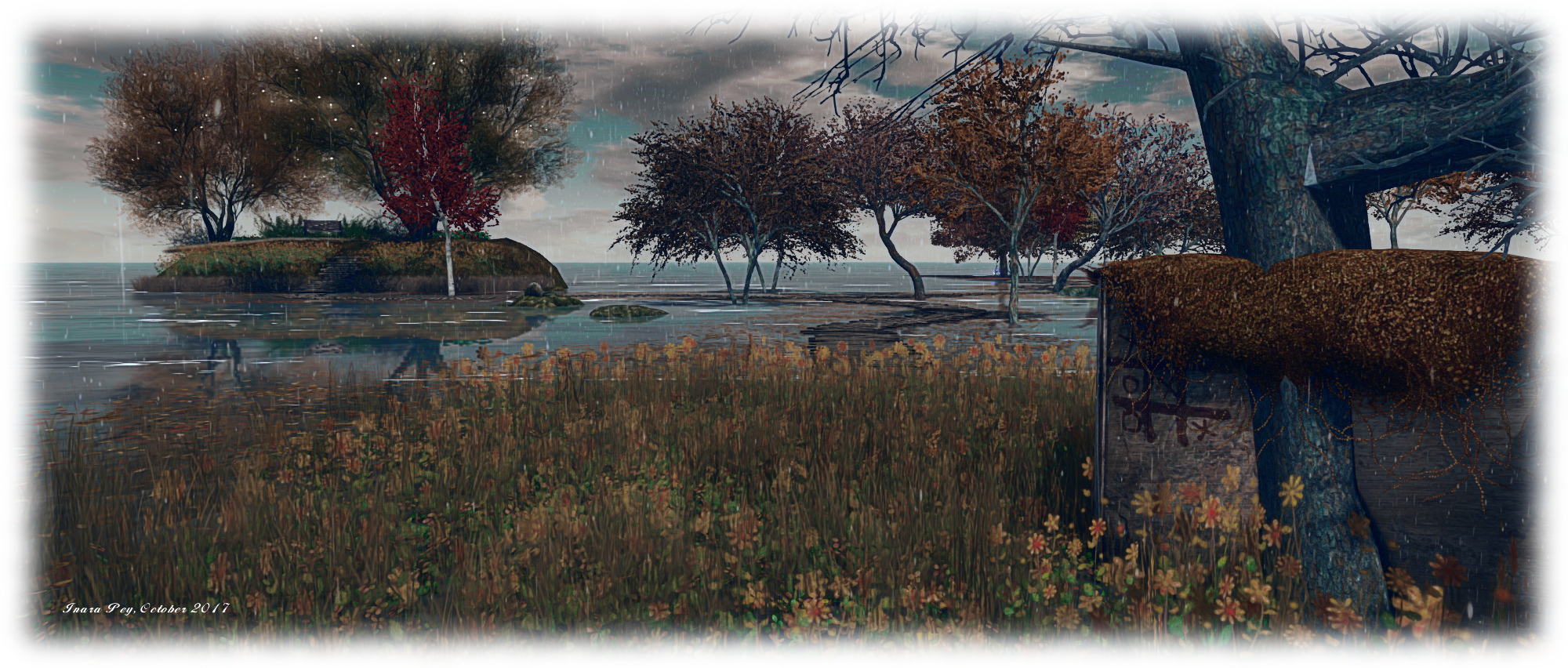
Oh Deer: a taste of Heavenly Waters in Second Life

Oh Deer, Heavenly Waters; Inara Pey, October 2017, on FlickrOh Deer – click any image for full size

Update: Oh Deer has closed, and Bambi now operates Missing Melody – see here for more). SLurls have therefore been removed from this article.

Oh Deer is the name Bambi (NorahBrent) has chosen for her Homestead region of Heavenly Waters. Designated as “under construction” at the time of our visit, the region already demonstrates a charm and romance perfect for the Second Life photographer.

“What started as an intimate sweet café grew into an Autumn Dream,” Bambi says of the design, “with the leaves crackling under your feet and the wind blowing in your hair. It’s a place to enjoy this magical season.” And the leaves do indeed pattern the ground and swirl on the occasional gust of wind as this little corner of Second Life sits beneath a cloudy evening sky.

Oh Deer, Heavenly Waters; Inara Pey, October 2017, on FlickrOh Deer

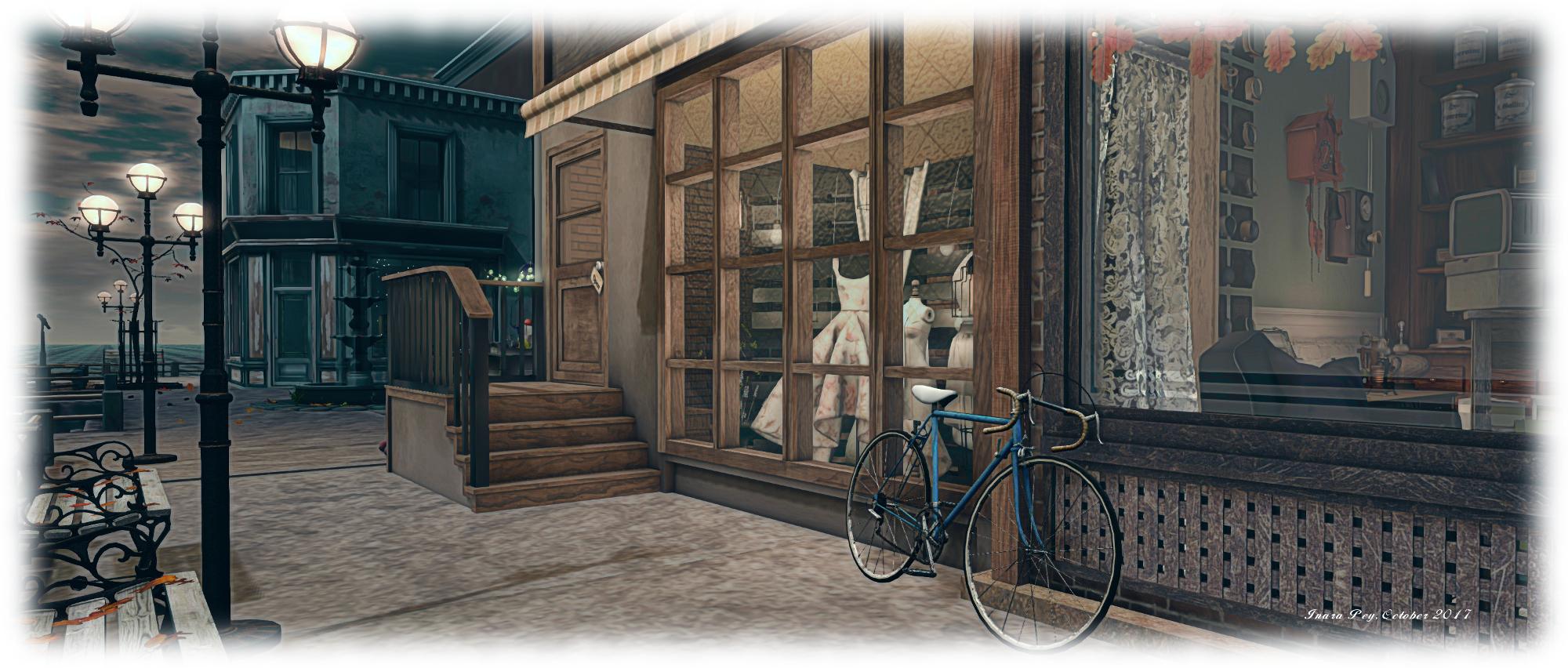
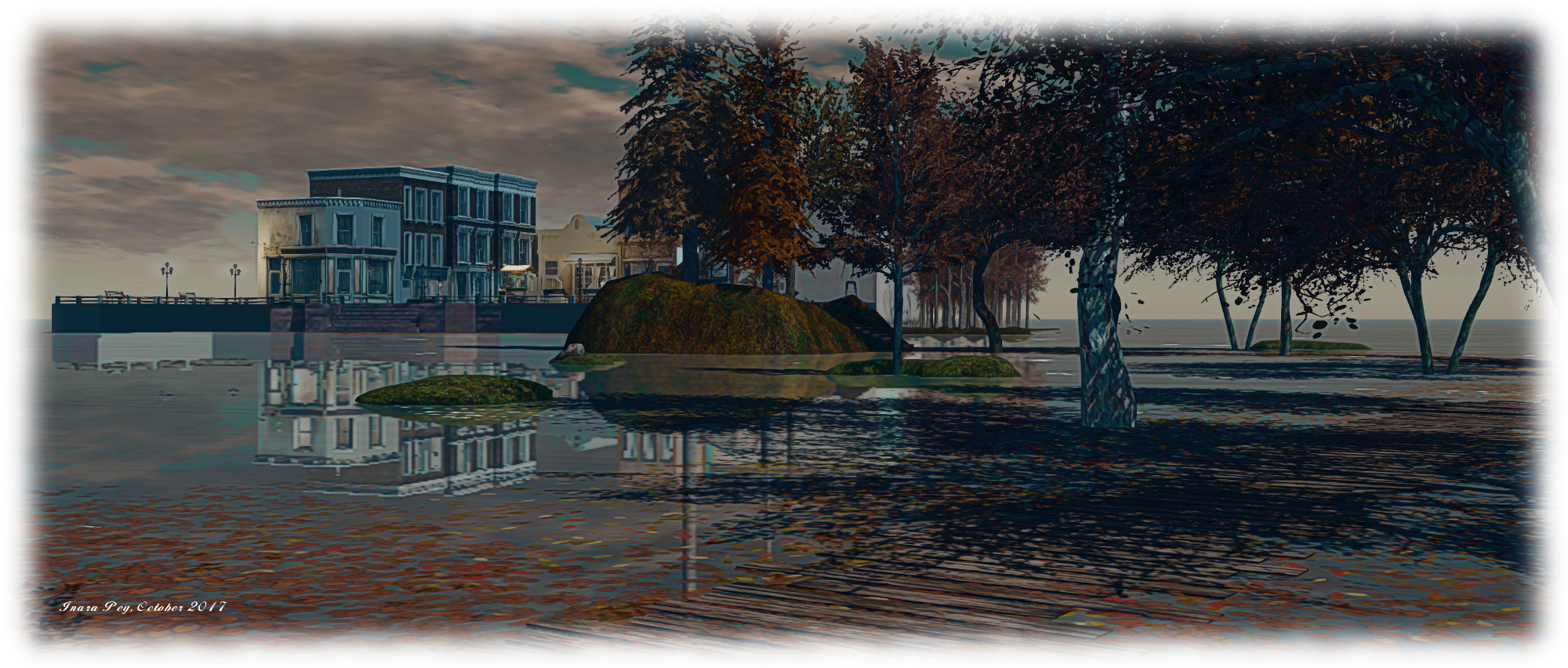
Visitors arrive in a small square lined on two sides by buildings and the third by a red brick wall. The fourth, reached via a short flight of stone steps, looks out over waters reflecting the evening sky towards a little group of islets and floating wooden walkways. A fountain splashes before this waterfront view, formed by a quay-like section of foot path running east-to west across the scene. Steps are also cut into the seaward side of the wall, suggesting perhaps moorings for boats might be added, and with them, a way to reach the offshore islets.

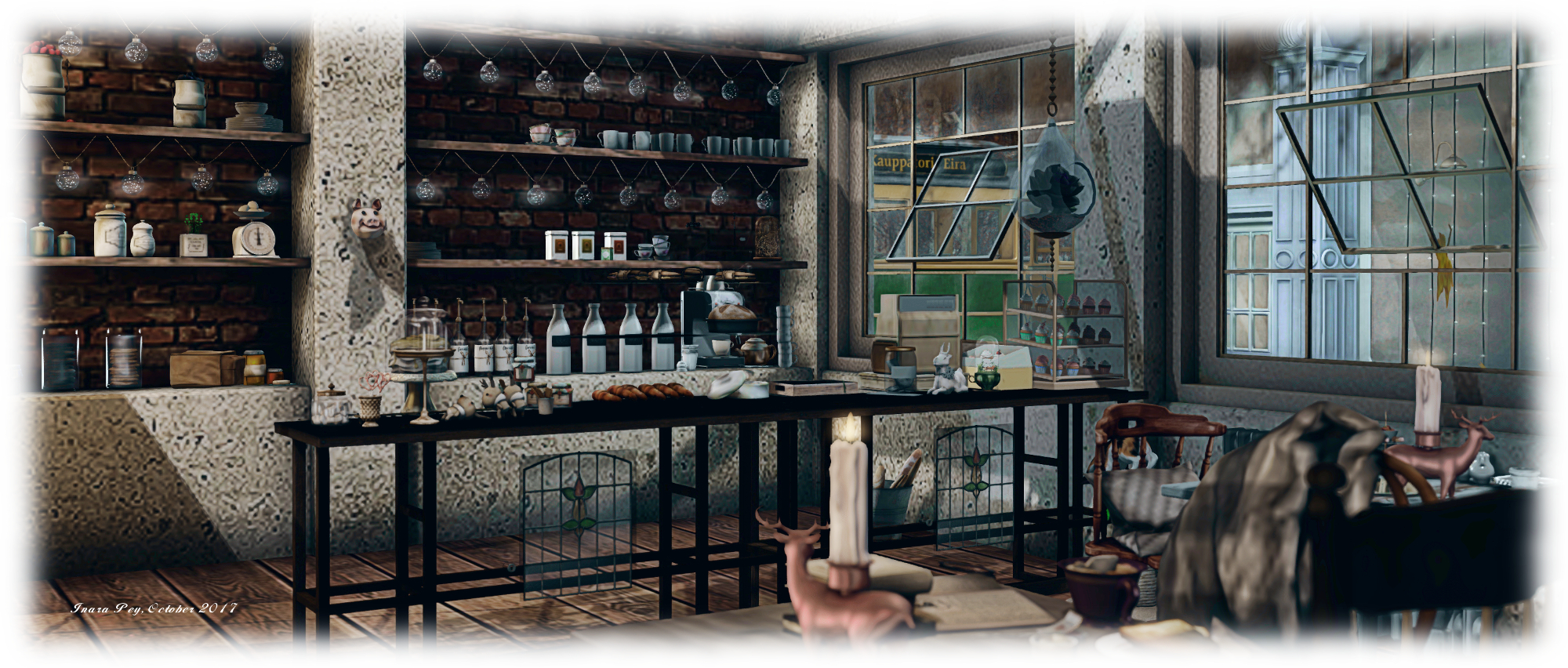
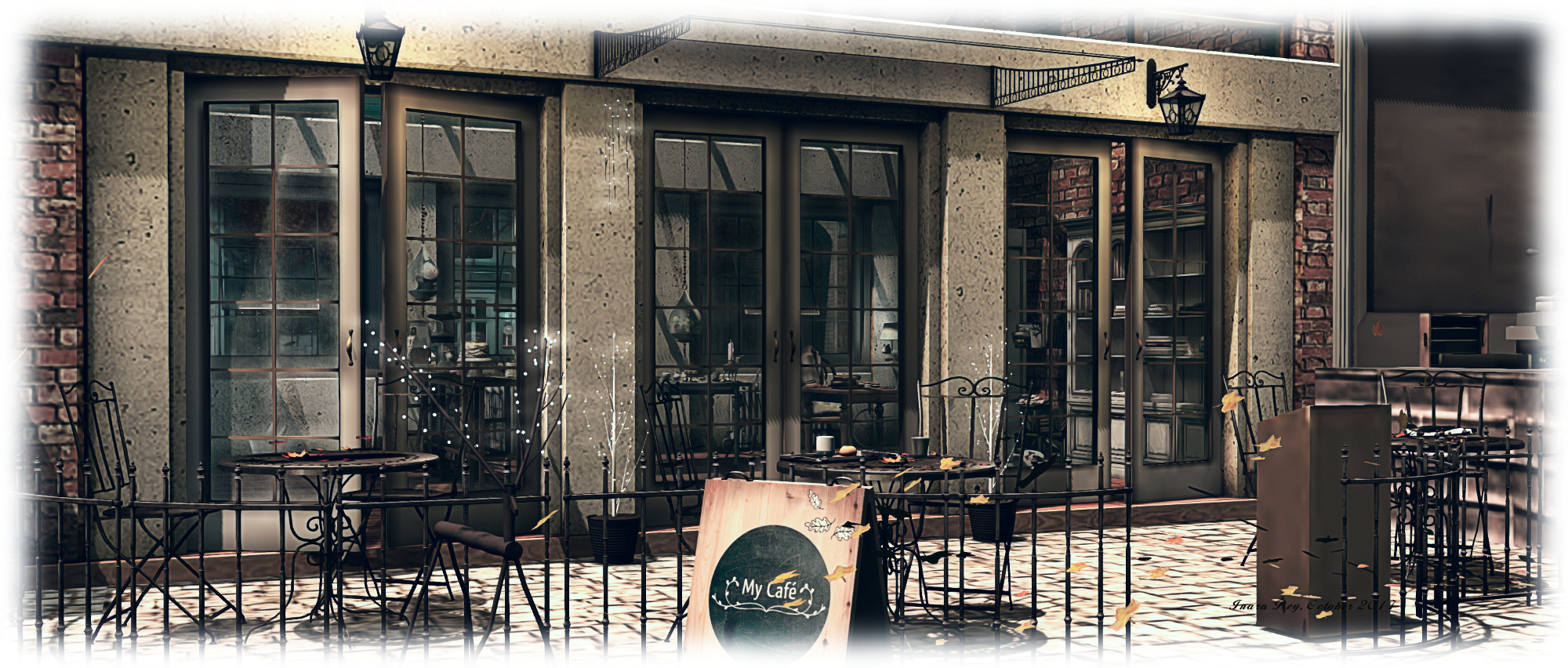
Of the buildings in the little square, these are split between commercial properties on the east side, sitting with portico’d town houses. More shops occupy the west side of the square, extending around to the north facing water front. Centre stage among this little parade, and facing the square, is a glass-roofed café with seating indoors and out. It is a delightfully cosy setting – cosy enough for someone to apparently be settled in for the evening, blanket and cushion draped on a chair, book and magnifying glass on the table alongside a huge mug of cappuccino and a rack of warm toast – and knitting awaiting attention in a carpet-bag occupying another of the chairs at the table.

Oh Deer, Heavenly Waters; Inara Pey, October 2017, on FlickrOh Deer

The windows to the rear of the café offer an intriguing view out to a small alley and courtyard, dominated by the green and yellow flank of an old electric tram. But how does one reach it? There is no door from the café  to either the ally or the courtyard.

The answer instead lies in the florist’s next door to the café. Equally as cosy, and with doors flung wide, it offer a route through to the courtyard and a chance to examine the tram and wander the short distance to the door of what was called – at the start of our visit, at least! – Deer Beer, a micro brewery occupying the building directly behind the café. I say “at the start of”, because by the time we were ready to depart, the sign had vanished in a demonstration that things really were still under construction!

Oh Deer, Heavenly Waters; Inara Pey, October 2017, on FlickrOh Deer

Beyond the high wall at the back of the courtyard stands a tall ribbon of woodland – doubtless the cause of the leaves which swirl and flutter their way across the stones of the courtyard and square. Many of these are eventually blown to the waterfront, where they fall to draft lazily on the calm waters below; islands without substance, drawing the eye to the little group of islets further out over the water.

At the time of our visit, these could only be reached by flying – although I hope a rowing boat or two (perhaps a rezzing system?) gets added for reaching them. Connected by wooden board walks floating serenely on the water, and which meander from isle to isle, this little group has much to offer, from cuddle spots and seating areas, to little climbs up hills –  and even a touch of gentle autumn rain.

Oh Deer, Heavenly Waters; Inara Pey, October 2017, on FlickrOh Deer

Oh Deer is always an idyllic setting, even though apparently not yet complete. There are some minor little bumps that need smoothing, but nothing which detracts for the serenity of the setting, or which unduly protrudes into a visit.

For the photographer there are many opportunities to be found here, and rezzing is allowed (30 minute auto-return, but do please clear up for yourself afterwards!). Those who do take photos here are invited to share them on the region’s Flickr group. Should  you enjoy your visit, please consider a contribution towards the region’s upkeep via one of the tip jars scattered through the scene.

Oh Deer, Heavenly Waters; Inara Pey, October 2017, on FlickrOh Deer

A Dark Moon rises for Halloween in Second Life

MDark Moon, Calas Halloween 201; Inara Pey, September 2017, on FlickrDark Moon, Calas Halloween 2017 – click any image for full size

Every year, Ty Tenk and Truck Meredith produce a stunning immersive environment in Second Life to celebrate Halloween and to help support their Calas Galadhon regions. In 2017, they opted for a sci-fi design with the title Dark Moon; it carries a degree of emphasis on a certain film franchise ideal for  Halloween, richly re-imagined and with little twists of humour along the way.

“It’s something that’s been fun putting together, and a little bit different for us,” Ty informed me when inviting Caitlyn and I over for a sneak peek shortly before the region opened to members of the Calas Galadhon group.  To be honest, “different” is not the word I would use – not unless it is spelt “astonishing”, at least; because Dark Moon is a stunning build. It will open to the public on Sunday, October 1st, 2017 and will remain so through to the end of the month. However, until then, anyone joining the Calas Galadhon in-world group can enjoy advanced access.

MDark Moon, Calas Halloween 201; Inara Pey, September 2017, on FlickrDark Moon, Calas Halloween 2017

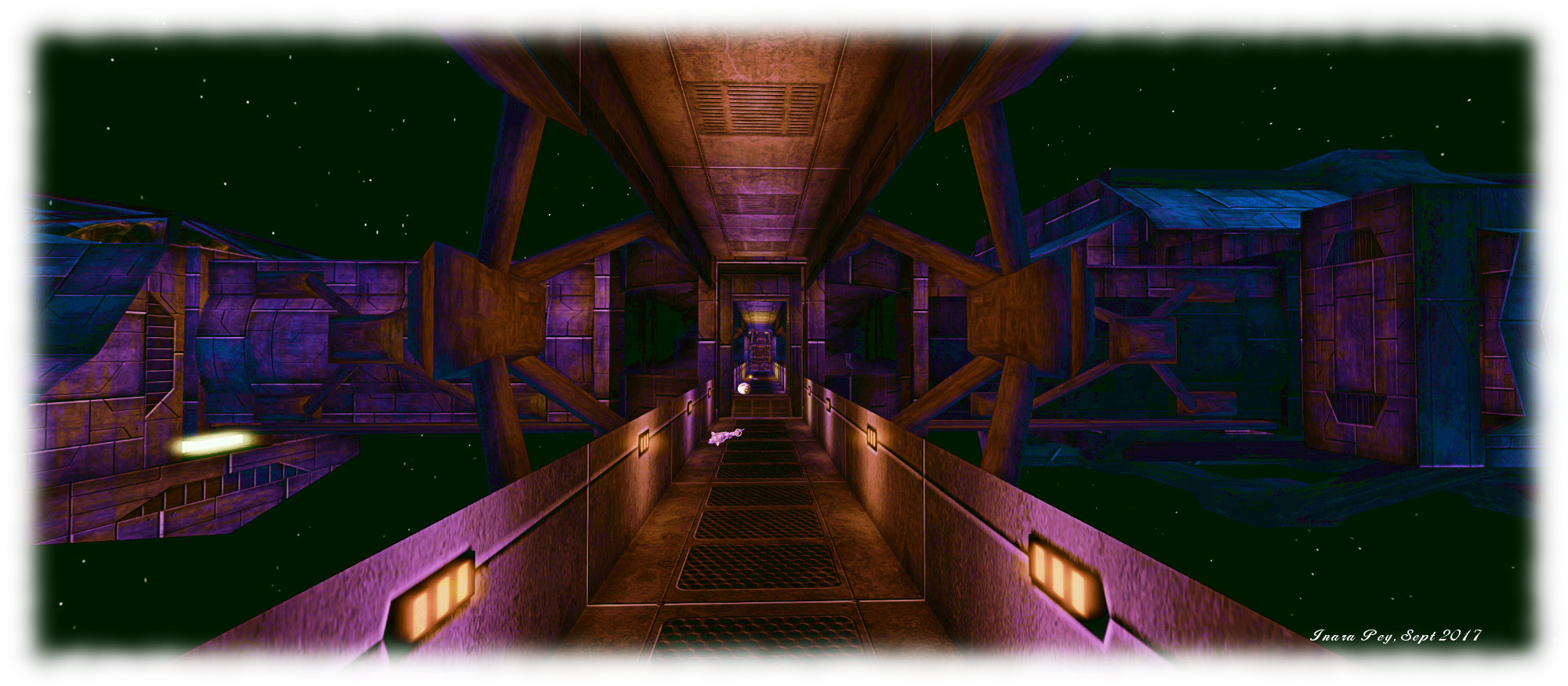
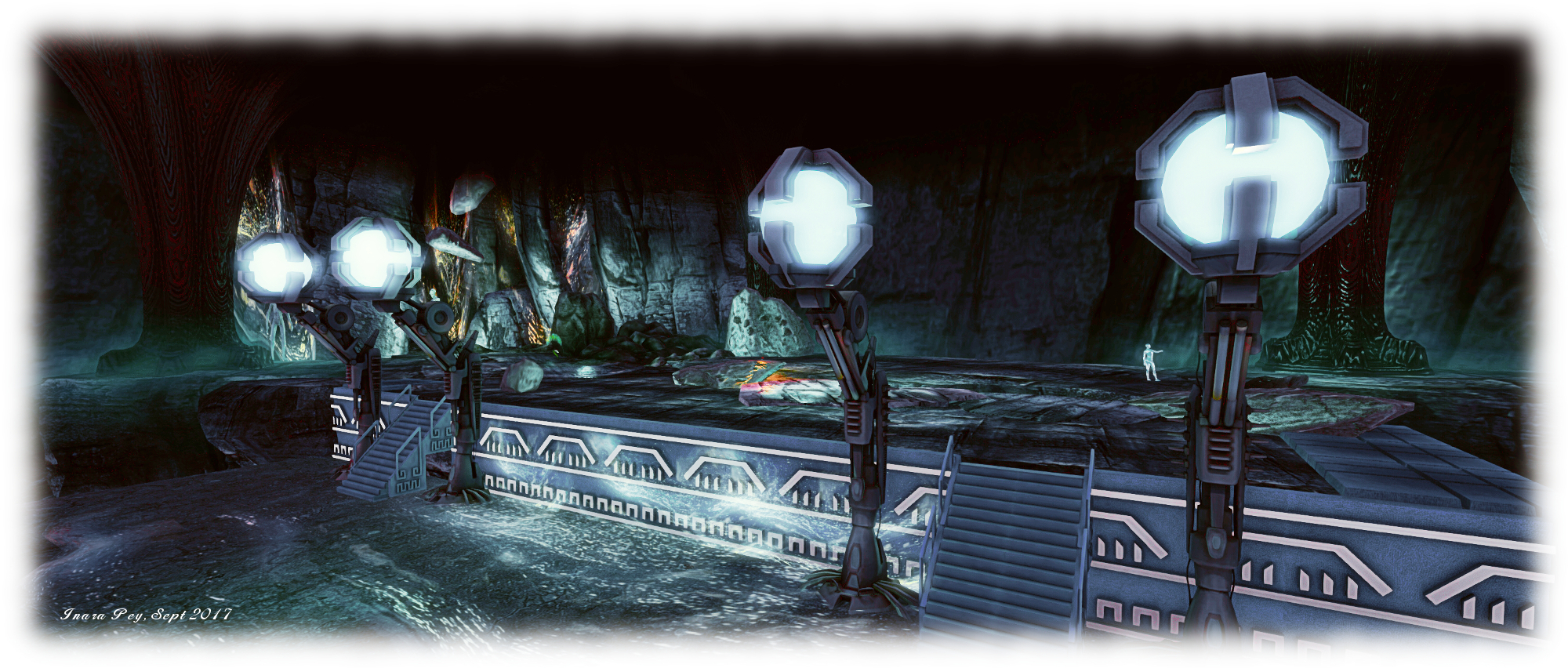
Spanning several levels, Dark Moon carries visitors on an adventure from space ship to moon’s core, with much to discover along the way. The voyage begins on the EVA / cargo handling deck of the Cargo Ship Utopia, where visitors can find instructions for best viewing the installation. In short order, make sure you have Graphics > Preferences > Advanced Lighting Model enabled (you do not need to enable shadows, so hopefully the performance hint won’t be too great), set your viewer to the region Windlight settings (Midnight) and make sure both local sounds and the audio stream are active. I’d also recommend dropping draw distance down as well; this is largely an enclosed build, and except for one or two points along the way, a draw distance of 128 metres is more than sufficient.

It’s pretty clear that the Utopia has encountered serious troubles. The cargo deck is in disarray, and many of the crew appear to have taken to space suits to escape the ship – some of them perishing in their attempts, smashed visors and broken suits testament to the violence which overcame them. Corridors are splashed with blood, and the causes of the panic await visitors within the ship’s biodomes, which might be encountered whilst seeking the teleport portal off the ship.

MDark Moon, Calas Halloween 201; Inara Pey, September 2017, on FlickrDark Moon, Calas Halloween 2017

This will lead visitors down to the surface of a moon. Here the tour shuttle awaits visitors, waiting to whisk them through the remaining levels of the build and to the Dark Moon itself. I recommend the ride; it gives a feel for the explorations to come – although it far from reveals all. However, Caitlyn and I did at times find the default camera positioning in the shuttles a little troublesome.

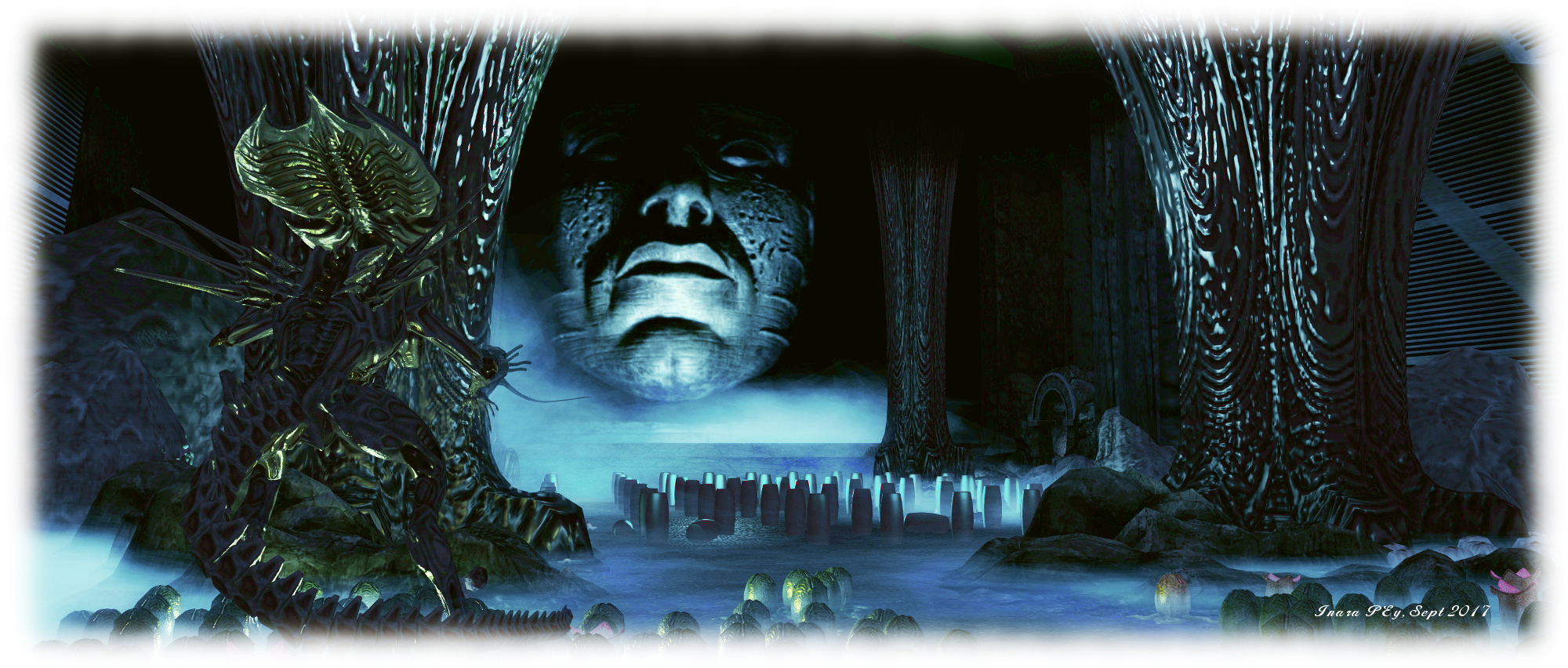
At the end of the tour is a teleport to get back to the moon’s surface – and from there a further portal, once reached, carries visitors into the bowels of the satellite, on the first step of a progressive downward journey. This take you through stunning aliens scenes from the gigantic setting of a high-tech civilisation, through a field of very familiar mist-enshrouded eggs and down into catacomb-like halls. to where a final portal awaits those who find it.

MDark Moon, Calas Halloween 201; Inara Pey, September 2017, on FlickrDark Moon, Calas Halloween 2017

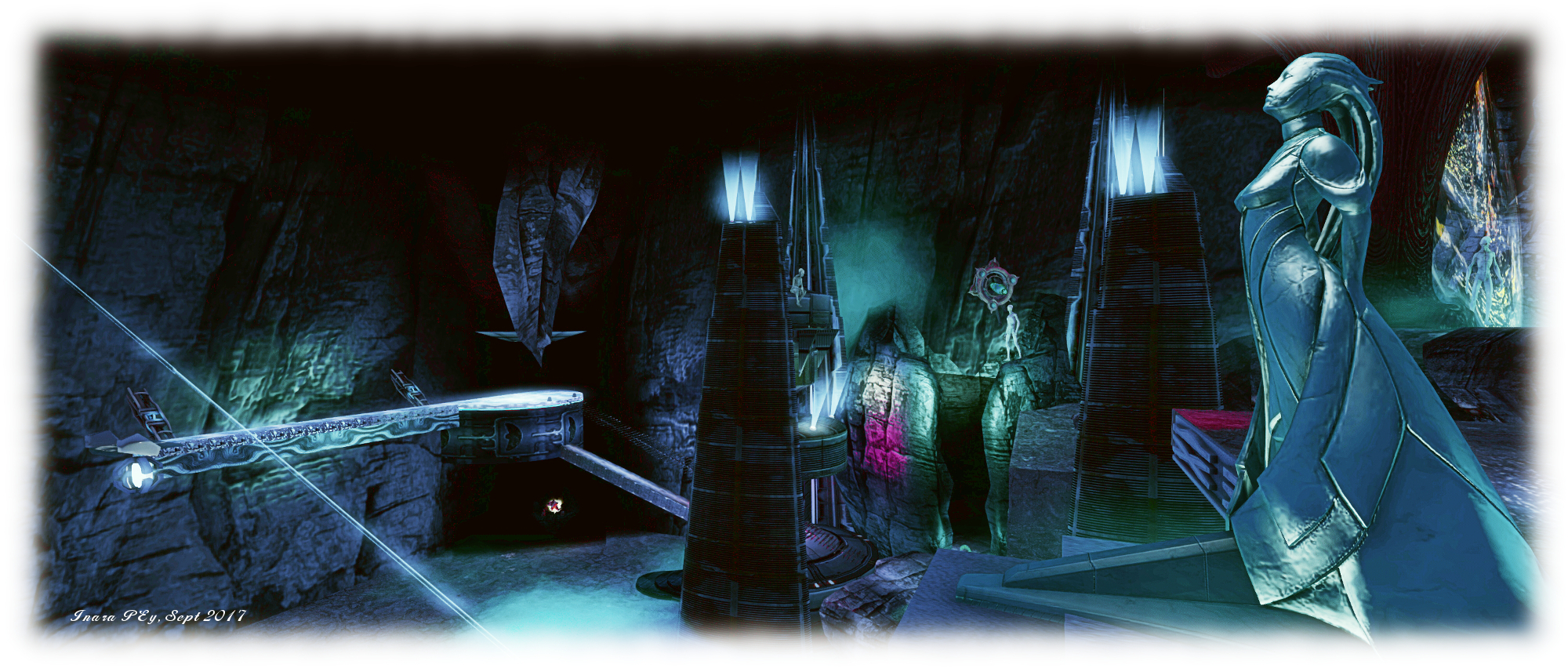
The sheer scale of these builds is such that it can be hard to find the way – so look for the silver figures as they point towards routes which can be taken. There are also secret ways, tunnels and chambers awaiting discovery, one of which holds the famous Space Jockey. These may not have obvious points of entry – or have entry points which take you by surprise; such as dropping through a coruscating pattern on the “ground”.

And there is a touch of familiar humour as well – when aboard the Utopia,  for example, take a look at one or two of the spacesuited figures nearer the ship’s hull; you might note a familiar someone. There are also nods in place to other sci-fi franchises  – such as the guardians of the final portal lading to the Dark Moon, where a month of entertainment is planned throughout October. Keep your eyes out, as well, for the zero gee dispenser in the catacombs and an opportunity to float around parts of the installation.

MDark Moon, Calas Halloween 201; Inara Pey, September 2017, on FlickrDark Moon, Calas Halloween 2017

The Calas Galadhon Halloween and Christmas builds are ways a joy to visit. They are a reminder of the rich vein of creativity evident in Second Life and offer superb opportunities for exploration, photography, and fun and socialising through the events held within them. However, they also serve another purpose: to help raise the funds needed to keep the Calas Galadhon regions open for the enjoyment of everyone in Second Life. Ty and Tuck meet 40% of the cost of the eleven regions (including Erebor, the home of the Halloween / Christmas builds) out of their own pockets – so, when you come across the donation kiosks scattered throughout the Dark Moon builds, please do drop some Lindens into one of them.

To (hopefully) entice you into visiting, here’s a little video I shot ahead of the opening – and I hope 20th Century Fox don’t mind the choice of music! 🙂 .

SLurl Details

Taking a drift through Tokyo in Second Life

Mitsumi-Town in Tokyo; Inara Pey, September 2017, on FlickrMitsumi-Town in Tokyo – click any image for full size

Stretching across the skies of three Full regions (each making use of the additional 10K LI allowance available to private region holders to increase their overall capacity to 30K), is Mitsumi-Town in Tokyo.

Designed by a team led by Eripom Moonwall, it’s a meticulous build, one which has taken several months to bring together, but which is stunning in its look. Blending together elements powerfully evocative of modern-day Japan and periods from the city’s earlier history, it is awash with detail, and only lacking an active population- hopefully that will change over time.

Mitsumi-Town in Tokyo; Inara Pey, September 2017, on FlickrMitsumi-Town in Tokyo

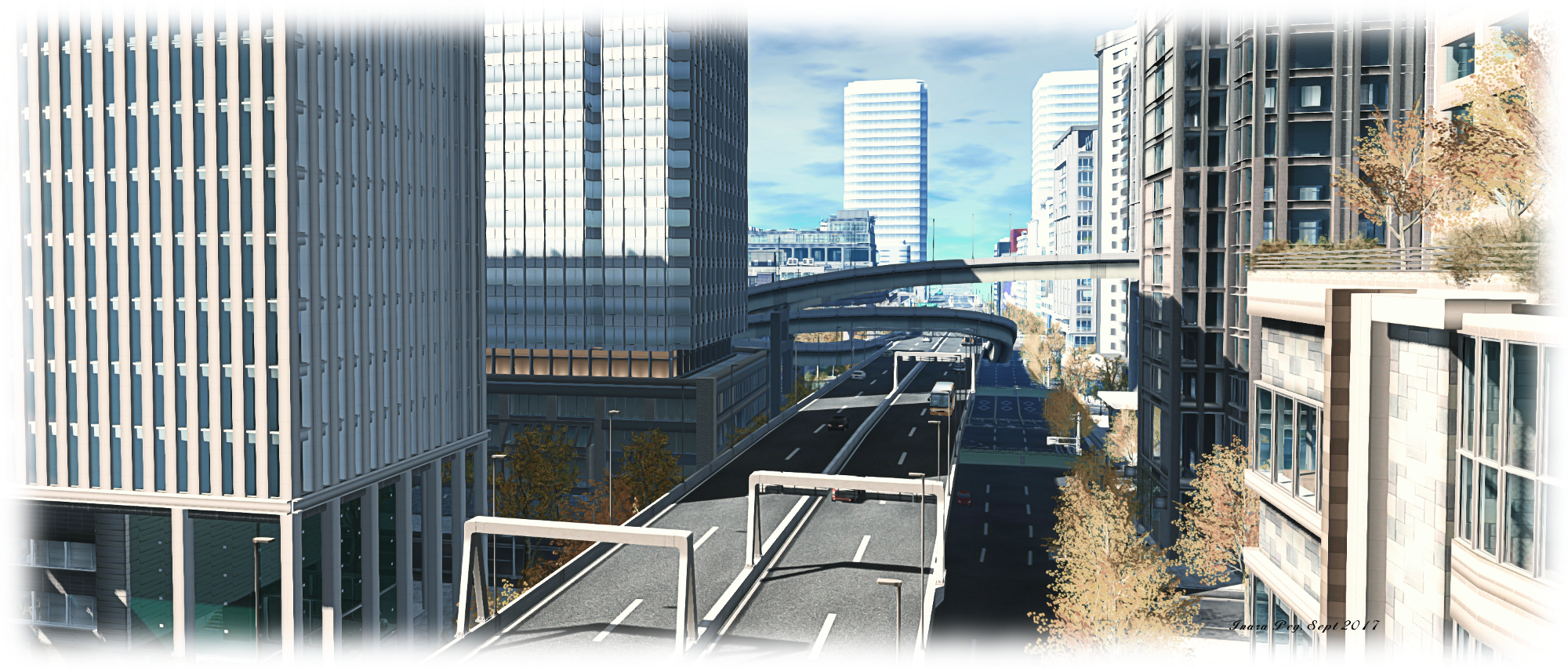
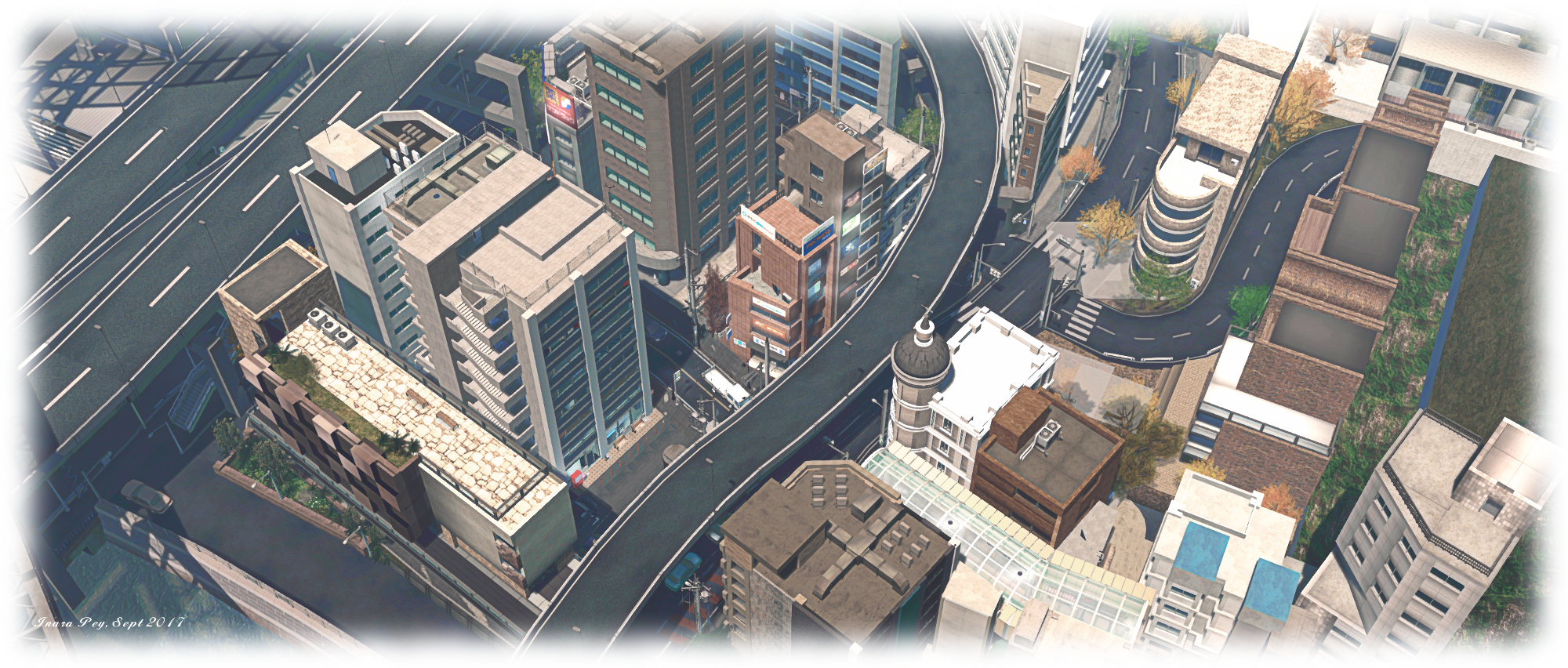
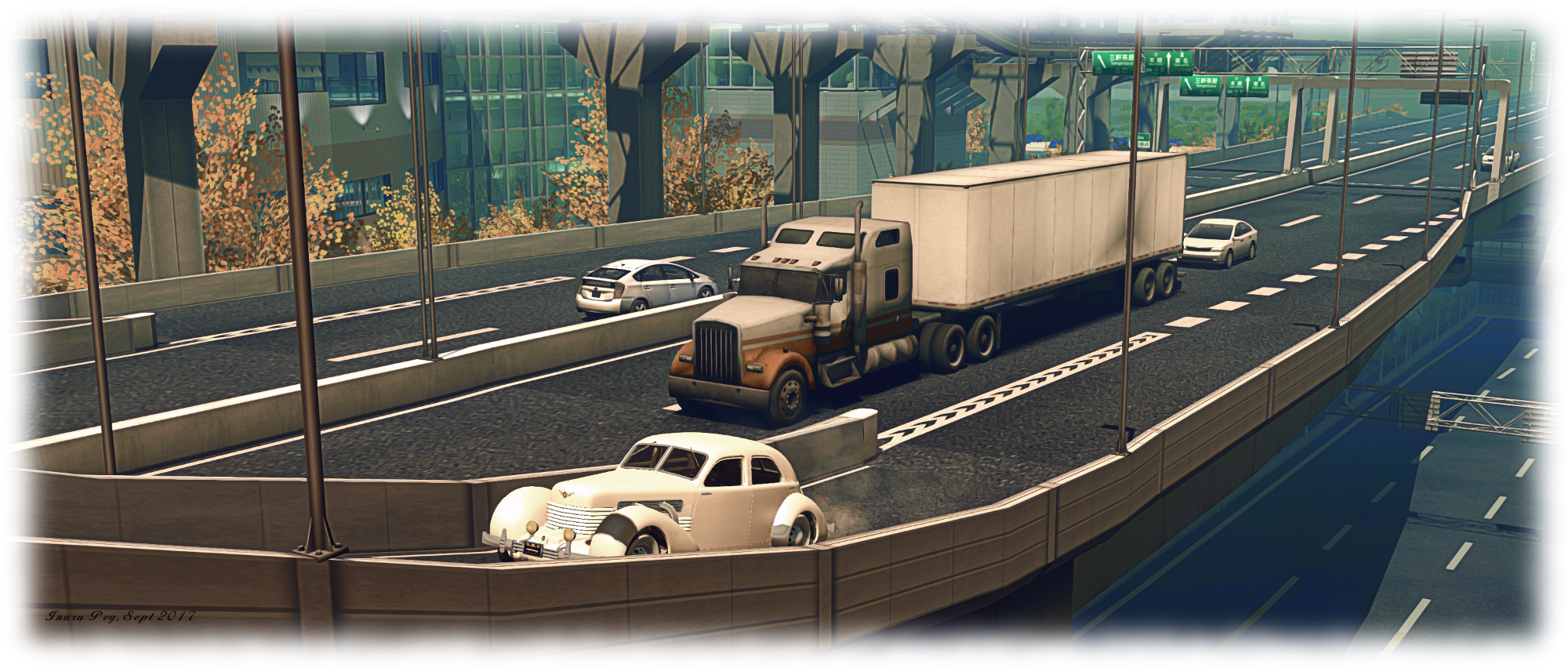
As the build is spread across three regions, it can be a little bewildering to find your way around – and there is a heck of a lot to see and discover. The middle of the three LMs for the city – which delivers visitors to the Morpire City downtown area – is a good place to start, setting visitors down in a small open air area alongside a cafeteria-style restaurant (the Mitsumi-Town LM disconcertingly drops visitors in the middle of one of the city’s expressways). The restaurant provides access to a shopping mall awaiting occupation, and is bracketed on the other side by an elevated train track paralleled by part of the city’s impressive road system, while skyscrapers push their why into the heavens beyond.

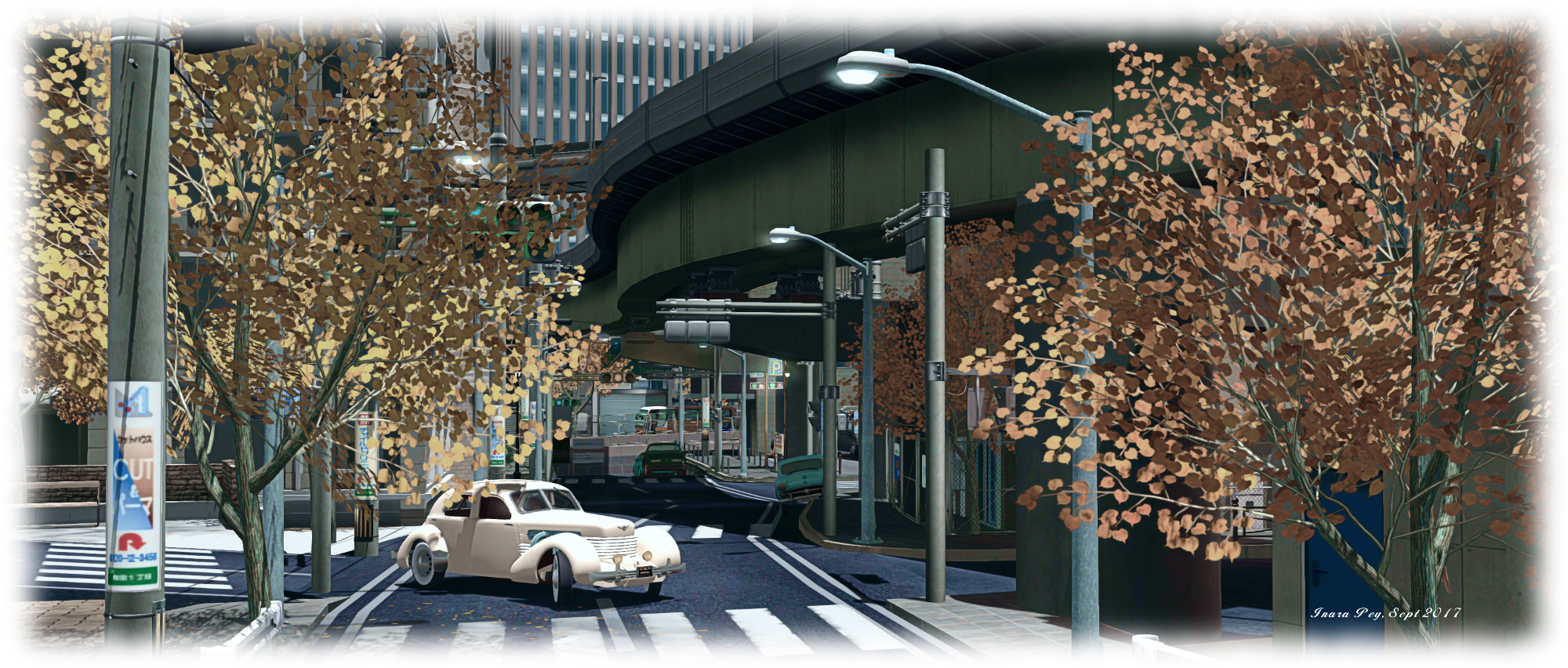
The road system winds its way around, over, through, and under the city, slicing it into blocks and districts, which can vary in look and feel – just like no two areas of a physical world city really resemble one another beyond superficial similarities in building height, possible road layout, etc. It’s a system which can also – with consideration and care – be driven along. Rezzing in the city is (at the time of writing) allowed, and auto-return is set to five minutes.  This being the case, I pulled out the Beverly 812 that so far has only really seen one outing as a prop, and we took a little drive around the streets.

Mitsumi-Town in Tokyo; Inara Pey, September 2017, on FlickrMitsumi-Town in Tokyo

However, exploration on foot is perhaps the best way to fully appreciate the overall design. Head westward from the landing point, for example, and you’ll pass through canyons standing between high rises towering overhead, pass entrances to subway stations and then – suddenly – come to the “old town”, where the skyscrapers have yet to encroach.

This is an area where the buildings are clearly of an older period – the 1960s or 1970s, perhaps. Advertising boards are mounted on walls, awnings shade doorways and vending machines, street lamps fight off the long finger shadows from the neighbouring towers of steel and glass. Among these older building, the streets are narrower, often lined with ranks of power distribution poles bringing electricity to the shops and apartments.  Little arcades vie with low-level plazas to tempt the wandering feet into exploring.

Mitsumi-Town in Tokyo; Inara Pey, September 2017, on FlickrMitsumi-Town in Tokyo

Here and elsewhere, many of the buildings are accessible. Climb the stairs in one and you might find your way to a roof garden or all the way to a rooftop coffee-house; ride the elevator in another, and you could find yourself in a dragon-decorated restaurant. Teleport disks might also be found here and there, waiting to whisk you some place, while pedestrian walkways and travelators offer competition to the roads and rail tacks in pointing ways around the city.

Some businesses are already talking up residence in Mitsumi-Town. Eripom’s own combat weapons business sits towards the east end of the city, with fashion stores close by. To the west, hanging in the sky over it is the huge glass and steel edifice of the R2 Fashion headquarters. This looks down on the hanger-like hall of where US military hardware can be found. Other building look like they are awaiting occupancy – although this is an assumption on my part.

Mitsumi-Town in Tokyo; Inara Pey, September 2017, on FlickrMitsumi-Town in Tokyo

What helps to make this build immersive is that it actually extends beyond the boundaries of the three regions on which it sits. Off-sim builds have been used to extend the look of the city to great effect (so much so that on a couple of roads, it’s easy to miss the fact you’re heading towards a region boundary until you bounce off of it!). The most impressive of these off-sim areas – which appears to be still under construction – is to the north, where two massive bulk carrier vessels lie alongside the makings of a docks area.

Presented under a bright sky in which horizon haze has been used to good effect, softening the more distant views over the city, Mitsumi-Town is a magnificent build offering plenty of scope for photography – and perhaps more over time. Certain more than worth a visit!

Mitsumi-Town in Tokyo; Inara Pey, September 2017, on FlickrMitsumi-Town in Tokyo

SLurl Details

A break for coffee in Second Life

BarDeco and Kekeland - Coffee Island; Inara Pey, September 2017, on FlickrBarDeco and Kekeland – Coffee Island – click any image for full size

Coffee Island is a beautifully atmospheric homestead region designed by Dandy Warhlol (terry Fotherington) and Belle des Champs (Bridget Genna). It forms the latest iteration of BarDeco, the music venue and club (see here for more), carrying the name BarDeco & Kekeland – and it is truly an atmospheric place.

Split into three – a primary, sheer-sided island flanked by two smaller isles, one of which has been left to nature – the region sits shrouded in a gathering twilight through which wisps and ripples of mist are creeping. Visitors arrive on a dusty track on the main island, the slender form of an old chapel rising from the end of the track. In the other direction, the path curls south to follow the line of the cliffs, before turning west to cut across the island and again turning at the westward cliffs to turn again to follow them northwards.

BarDeco and Kekeland - Coffee Island; Inara Pey, September 2017, on FlickrBarDeco and Kekeland – Coffee Island

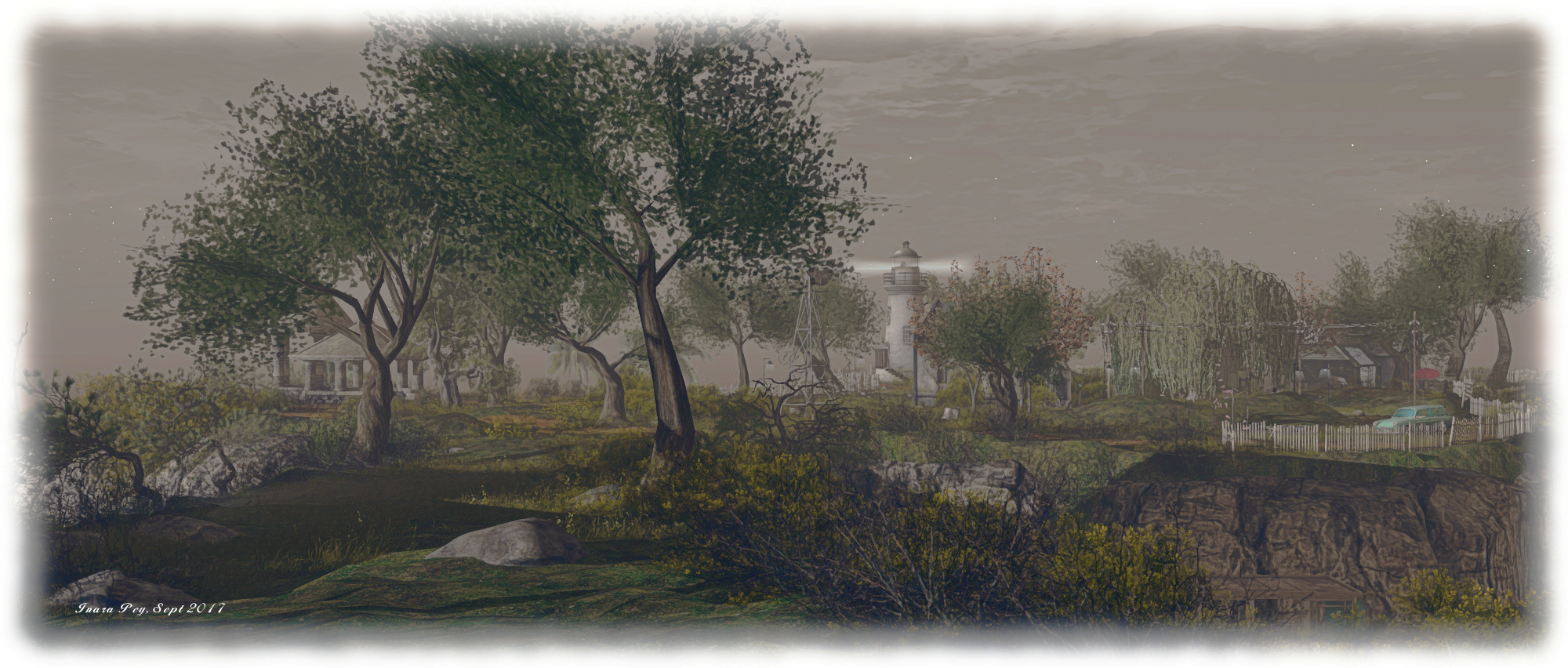
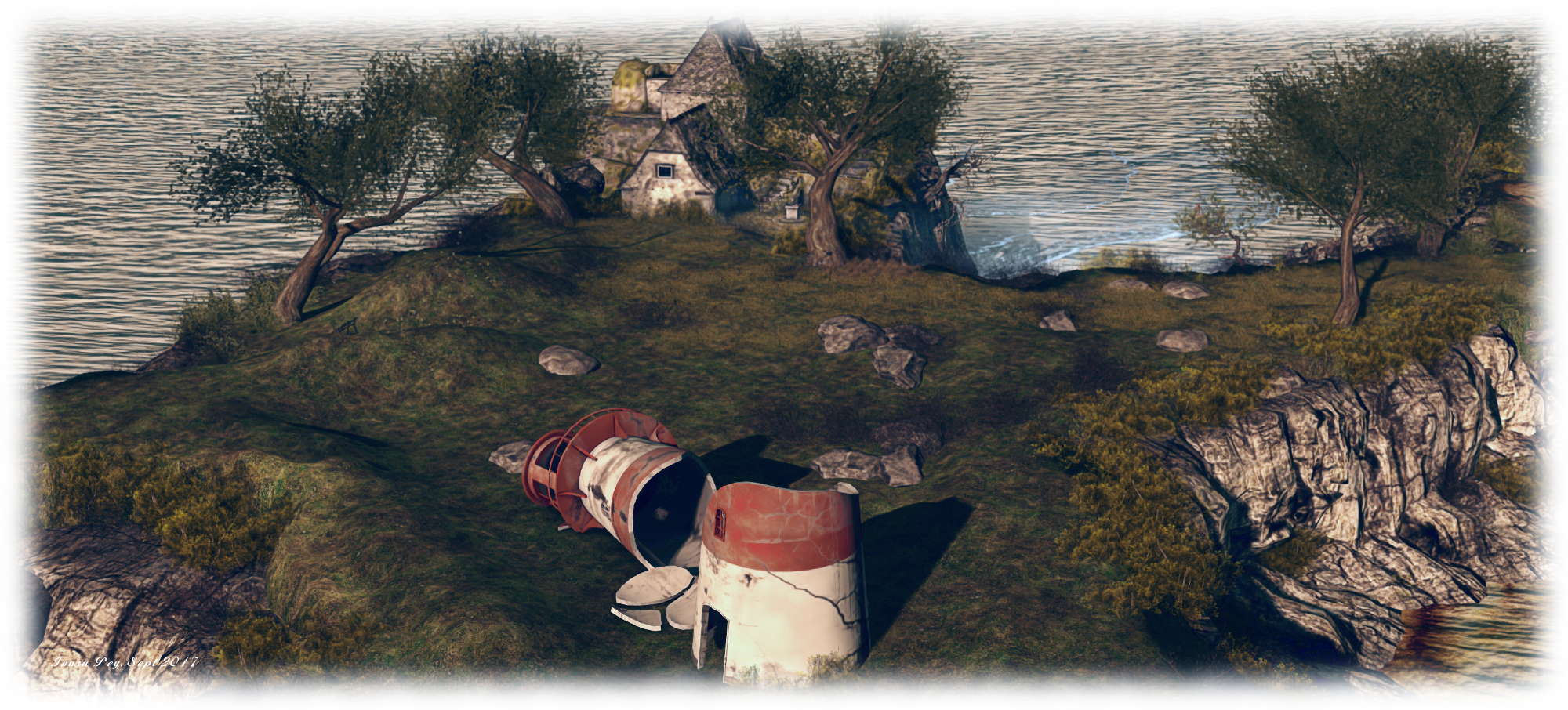
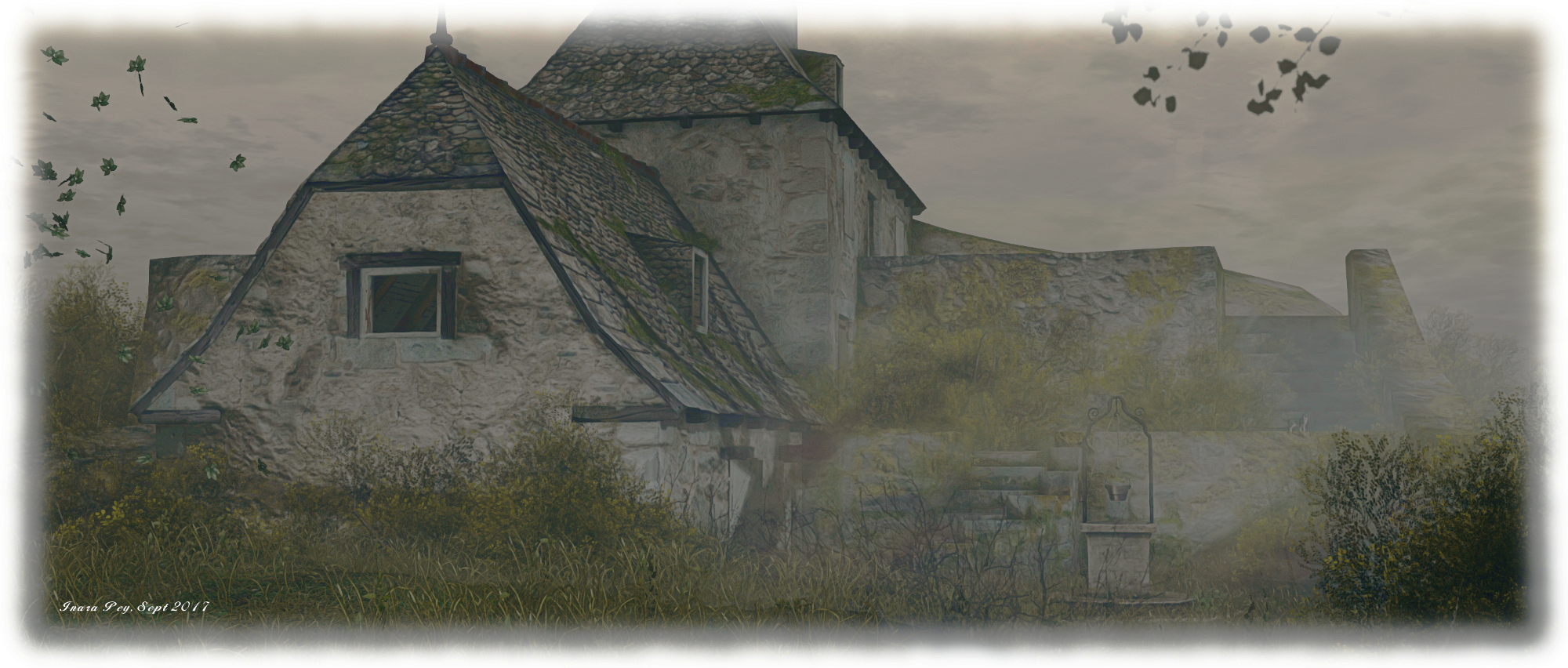
South of this track a narrow neck leads to the south side of the island, a bulbous headland where a broken carcass of an old lighthouse sits. This seems to point accusingly towards the shadowy bulk of a ruined farmhouse sitting hunched against a rocky shoulder, gathering the mist about itself forebodingly. A sandy bay sits below the ruined house, but even this has its own warning – the wreck of a trawler lays against the foot of the cliffs.

To replace the fallen lighthouse, a new one stands above the cliffs in the north-west corner of the island, looking westward out over the low hump of one of the accompanying islands while also casting an eye over the beach, which starts against the northern cliffs and runs round much of the east side of the island. An old bridge, in need of some repair reaches out over sand and sea from the beach, almost reaching the sands of the second of the smaller islands, which is home to a little coffee shop sitting on its rugged shoulders.

BarDeco and Kekeland - Coffee Island; Inara Pey, September 2017, on FlickrBarDeco and Kekeland – Coffee Island

The main islands’ curving beach is reached via a switch back path which descends from the northern  end of the track circling the island.  And old warehouse, filled with an artist’s bric-a-brac sits overlooking the path down to the beach, a barbed wire fence discouraging the local sheep from wandering too close. This warehouse / studio brings visitors almost full circle, standing as it does a short distance from the chapel and the landing point. But this is far from all there is to be discovered here.

Walk along the path to the chapel, and you’ll find that it is not all it appears to be. Just inside the doorway, and surrounded on three sides by undergrowth which almost looks like it is trying to take over the place, is a set of steps leading down. Follow these, and you’ll find the club mentioned in the region’s description.

BarDeco and Kekeland - Coffee Island; Inara Pey, September 2017, on FlickrBarDeco and Kekeland – Coffee Island

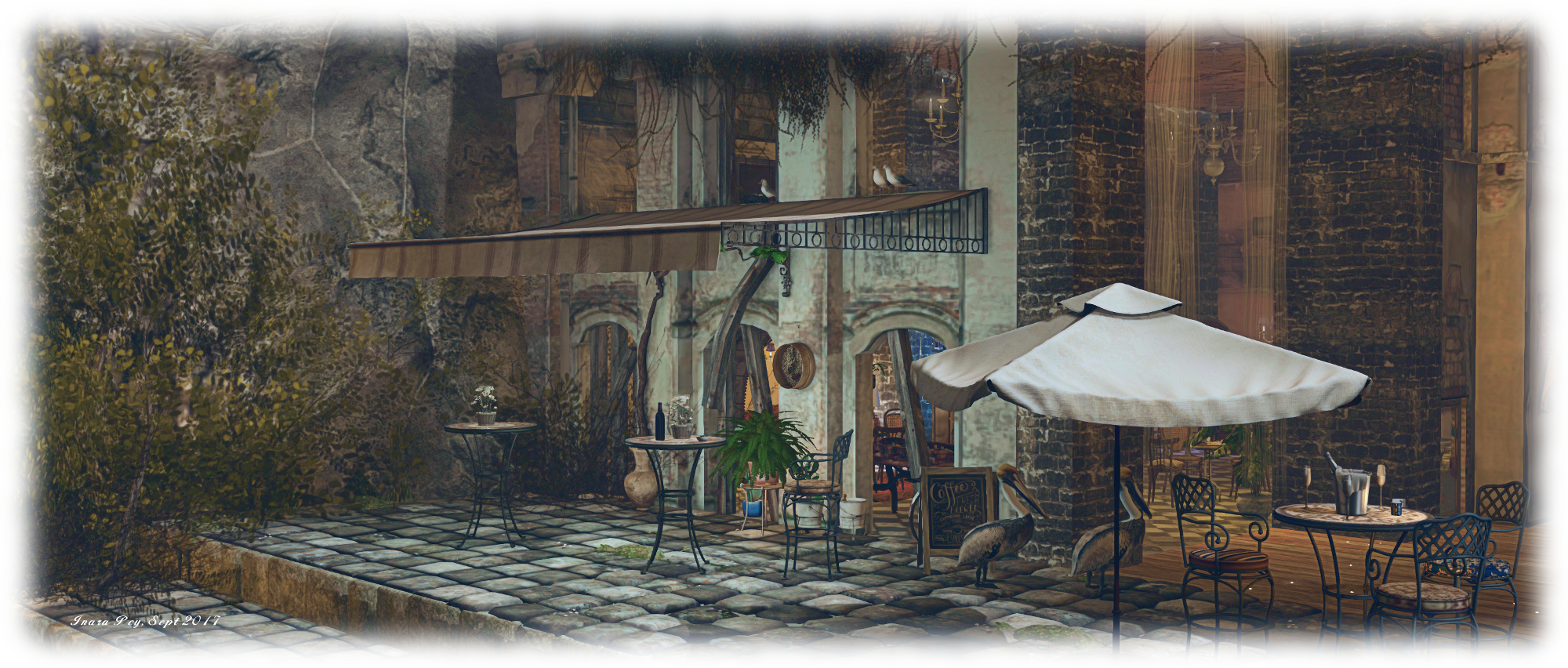
This is, quite frankly, beautifully done, with tall pillars of brick supporting a high ceiling, a frontage of old, weathered buildings offering a view out over a terrace and secluded bay. The bar offers a homely if roughshod welcome while a dance area sit at the foot of the steps leading down from the chapel. Two side rooms off of this offer a taste of shoddy-chic where patrons can relax. Almost entirely invisible from the ground above, with atmosphere added by the passing trawler off-shore passing ghost-like in the haze, the club area is an exquisite outpouring of imaginative design.

In fact, the entire region is an exquisite design. While the default environment settings add considerable atmosphere – as used in fur of the images here – the land really does lend itself to a wide range of windlight settings and different times of day, making it perfect for photographers. There are also several spots for sitting and passing the time – not just in the bar, but up along the path running around the islands and over at the coffee-house, making it the kind of place people may want to sit and enjoy, even if they don’t fancy mingling with those down in the club.

BarDeco and Kekeland - Coffee Island; Inara Pey, September 2017, on FlickrBarDeco and Kekeland – Coffee Island

Once again, a rewarding visit, and our thanks to Dandy and Belle for continuing to share their vision with us.

SLurl Details

Autumn returns to The Mill in Second Life

The Mill; Inara Pey, September 2017, on FlickrThe Mill – click any image for full size

Friends Shakespeare and (SkinnyNilla) and Max (Maxie Daviau) are not only highly adept at finding regions to photograph (and poke me about visiting!), they also maintain their own exceptionally photogenic region, The Mill. This undergoes seasonal changes which not only match the passing of the year, presenting visitors with the opportunity of re-visiting throughout the year and see something new in the region’s layout, whilst retaining some familiar elements with each new design.

With autumn now on our doorstep in the northern hemisphere, Shakespeare and Max dropped me word that the latest iteration of their region is now open and available to visit, so as soon as the opportunity arose, I had to hop over to see what new delights await. And once again, doing so is more than worth the effort.

The Mill; Inara Pey, September 2017, on FlickrThe Mill

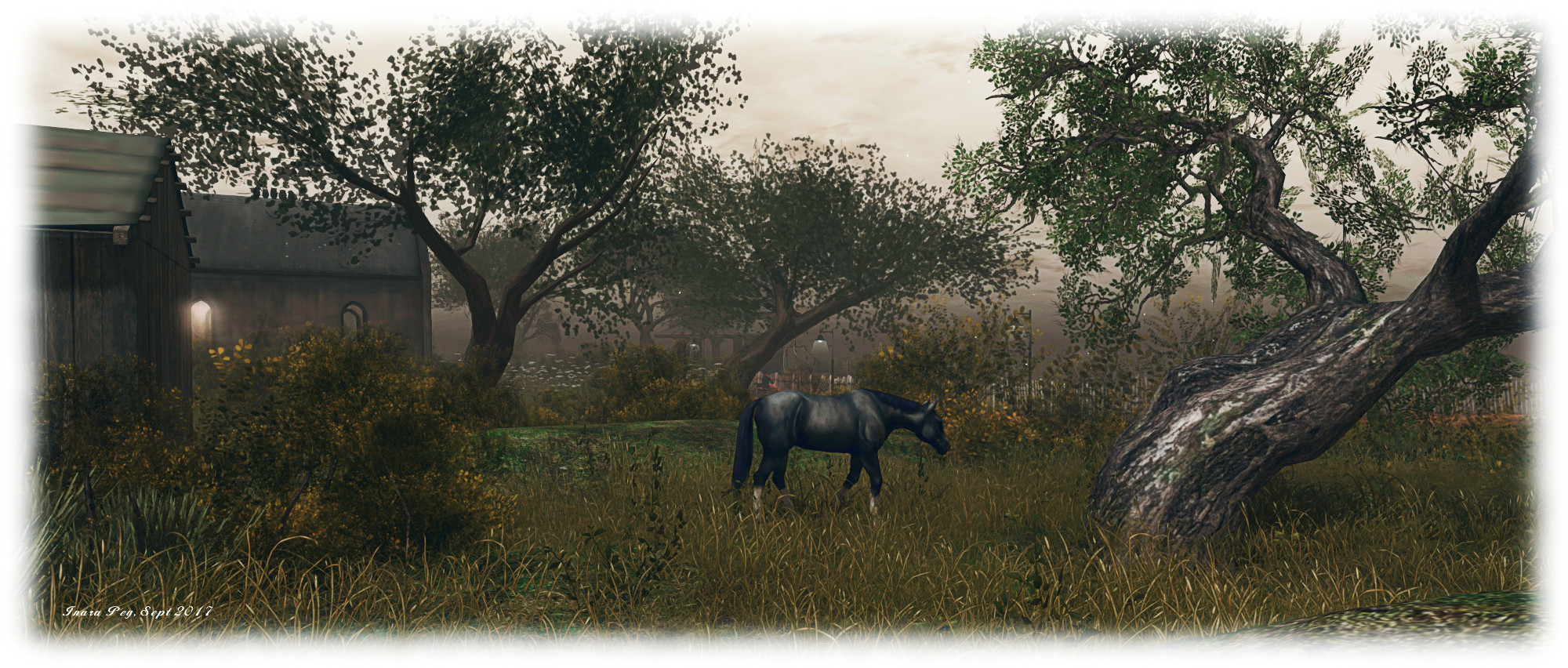
A visit begins in the south-eat of the region, beneath the slowly turning sails of the titular (and familiar to regular visitors!) mill as it sits just above the surrounding sea, quietly watching over the land under its care. A cart track winds westwards, passing under the great boughs of an ancient oak to lead visitors on to where two more windmills, tops thatched and walls whitewashed, standing like smaller siblings to the region’s primary mill. Horses graze both in the field occupied by these smaller windmills and on the far side of the track, a passing soul having left the gate open to leave them free to wander.

Beyond the field, the tracks meanders onward, splitting to pass either side of a copse before coming to where a greenhouse, converted into a cosy little café, sits by the western sea, close to a river which cuts its way through the landscape from west to east, slicing it neatly in two. The river, rich in grasses and reeds, is crossed in three places – one of them being an ageing wooden bridge a short distance away, although those feeling adventurous can use the logs which span the water alongside of the café.

The Mill; Inara Pey, September 2017, on FlickrThe Mill

The north side of the land rises gently to form a grassy backbone, studded with rocky outcrops. Another track winds its way around and up the hills to where and old industrial unit has been converted into a writer’s hideaway, typewriter awaiting its owner’s return. How you reach this little getaway depends on which path you take on crossing the river. Climb the slopes of the hill to the north-west, and you’ll come to an old shed which has clearly seen better days – although someone is clearly using it as a little snug -, an equally aged pick-up truck sitting close by. From here, another track winds up the hillside through trees and around shoulder to arrive at the aforementioned study.

Take the track pointing eastwards from the little market overlooking the river, however, and this will take you down back eastwards, following the dip of the river to where a deck has been built out over the water, kayaks drawn up on the grass beside it. It is here that the third river crossing can be found, another rough-and ready bridge of logs nailed together, and which takes advantage of rocks in the middle of the water to hold itself in place – not that any current here is particularly swift, thanks to the reeds and grass choking the water.

The Mill; Inara Pey, September 2017, on FlickrThe Mill

Just beyond the deck and bridge, and with a view back along the path of the river as well as to where the mill sits, is a cosy little Tuscan-style farmhouse, chickens and geese outside and washing on the line. The track turns sharply left as it reaches the farm, switching back on itself to climb the hill up to where the writer’s retreat lies, offering visitors the chance to walk full circle around the northern side of the island.

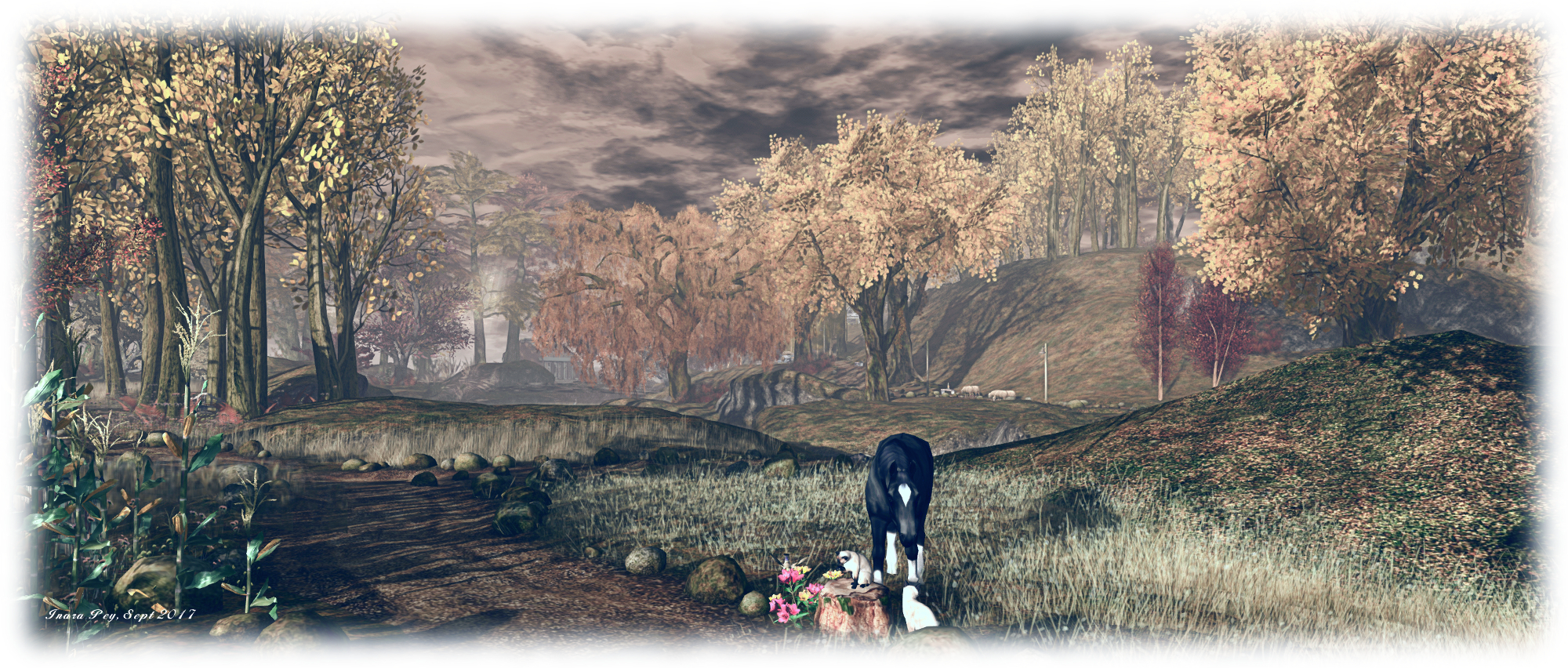
And this is a design intended for walking. The tracks offer routes through the landscape to all the major points of interest, and the trees with their reds and golds add a touch of autumnal romance to the setting. Perfectly set beneath the evening sky, The Mill offers places to tarry as you explore, not only with the riverside deck, encouraging visitors to loiter and take in the quiet beauty of the region.

The Mill; Inara Pey, September 2017, on FlickrThe Mill

The Mill is always a beautiful region to visit, and the current design is the perfect way to welcome a traditional autumn where the sun softly shines, the trees turn from green to rich hues of red, yellow, gold and brown, inviting us to amble through fallen leaves and relish that first wintery tang in the air.

SLurl Details

  • The Mill (Pale Moonlight, rated: Moderate)