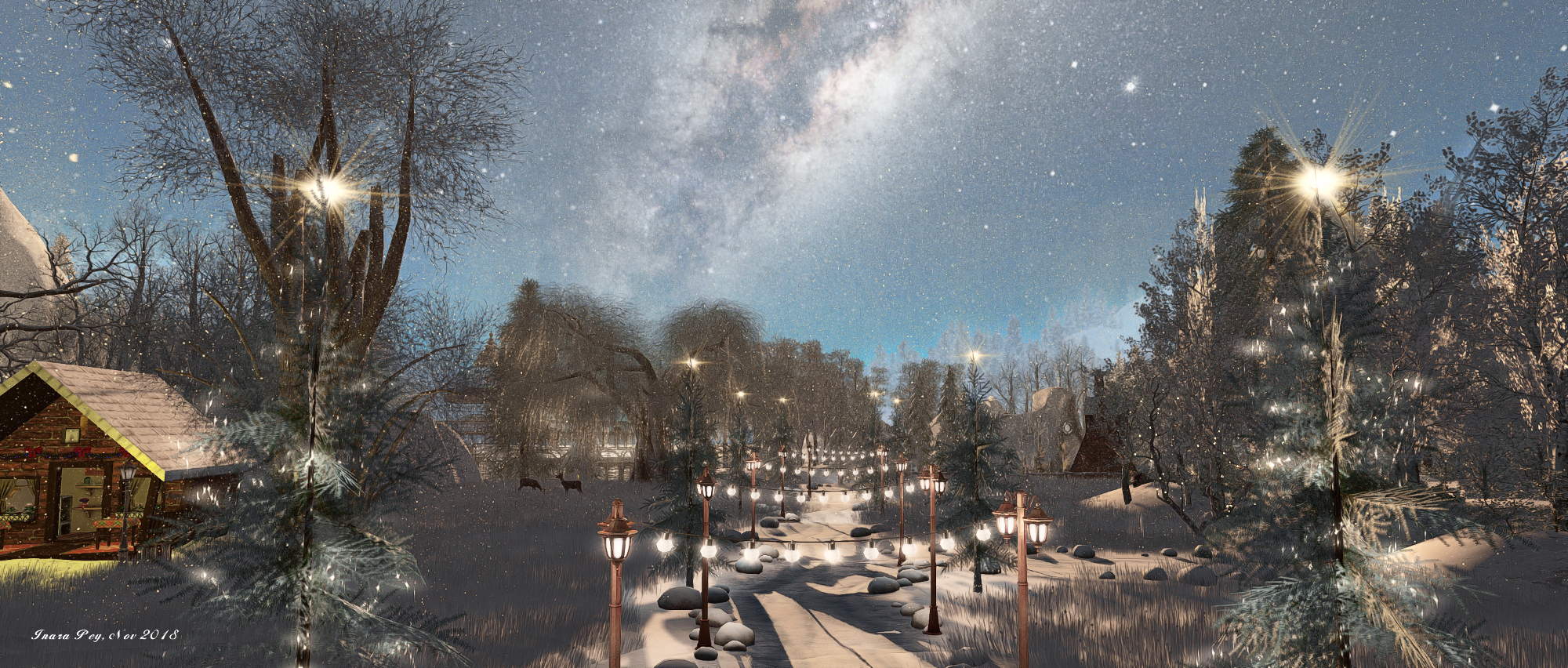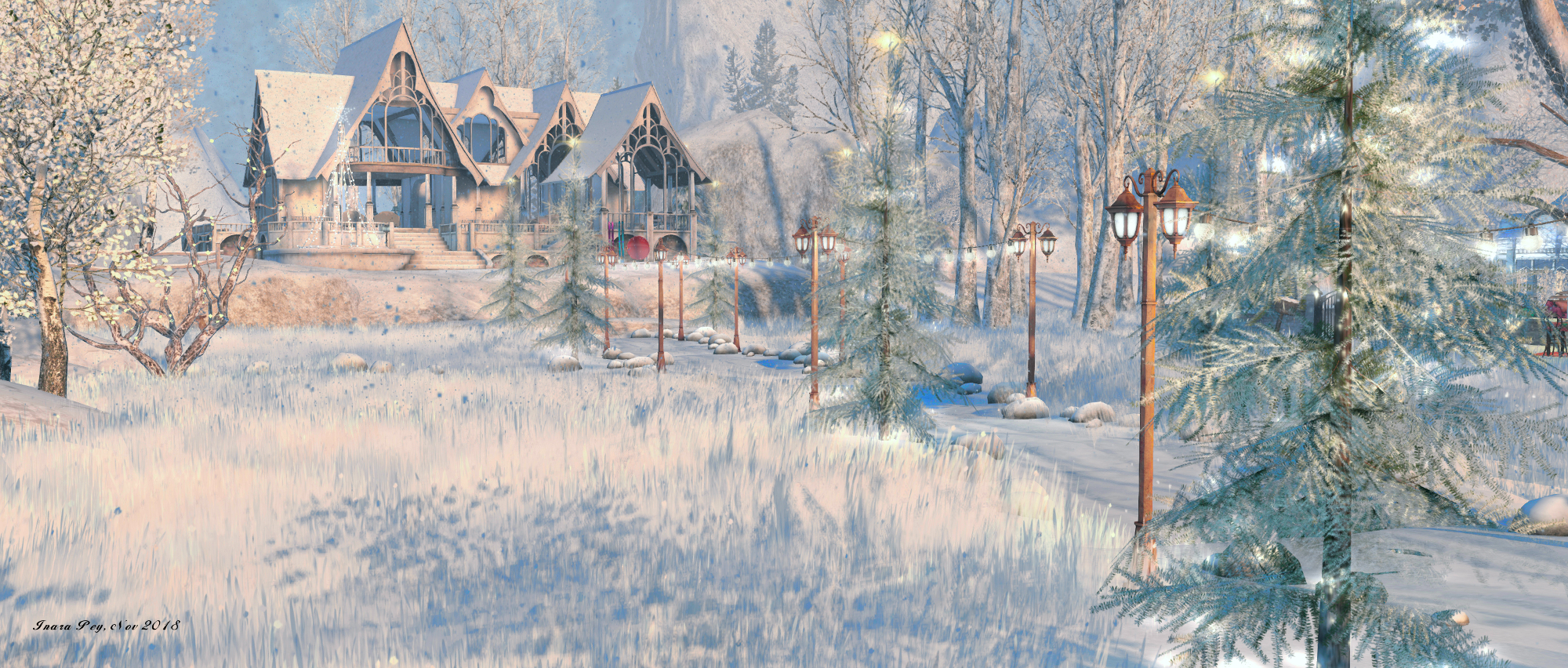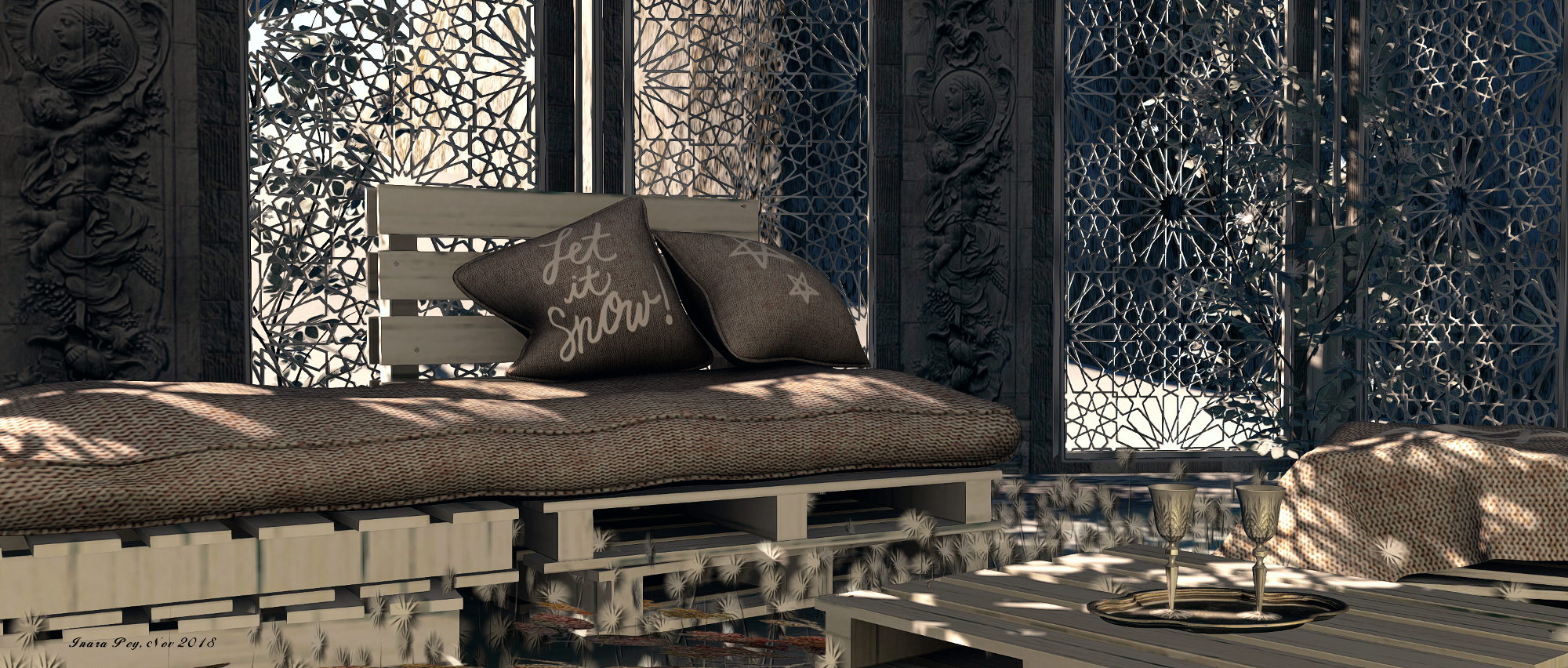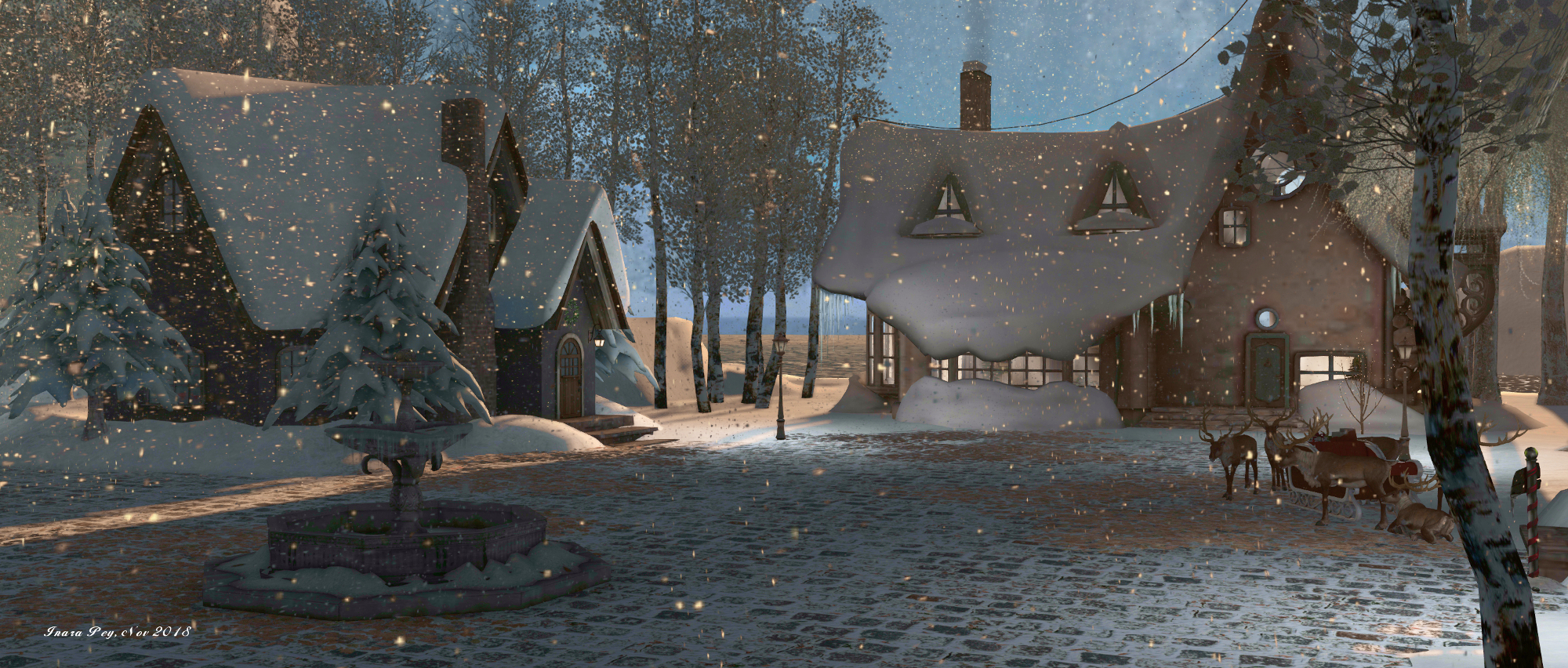
A Cherished visit in Second Life

Cherished; Inara Pey, November 2018, on FlickrCherished – click any image for full size

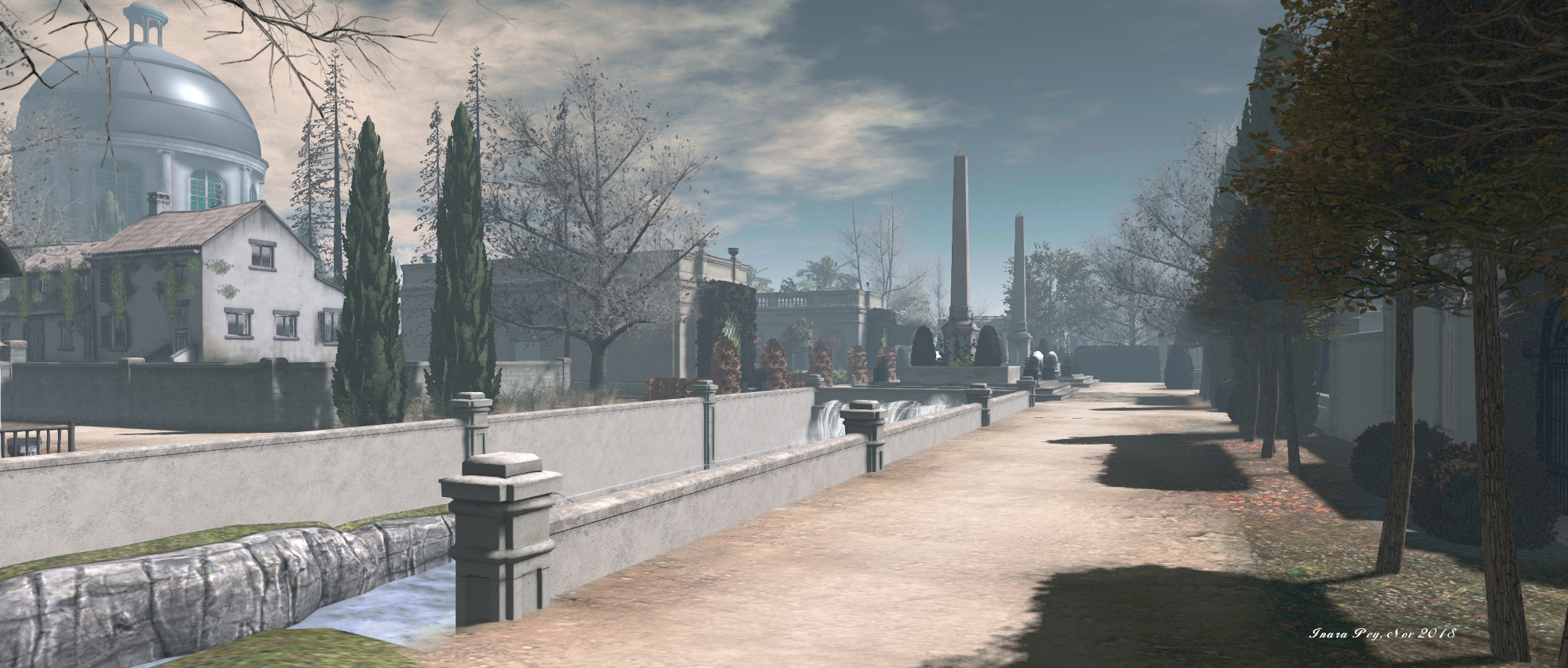
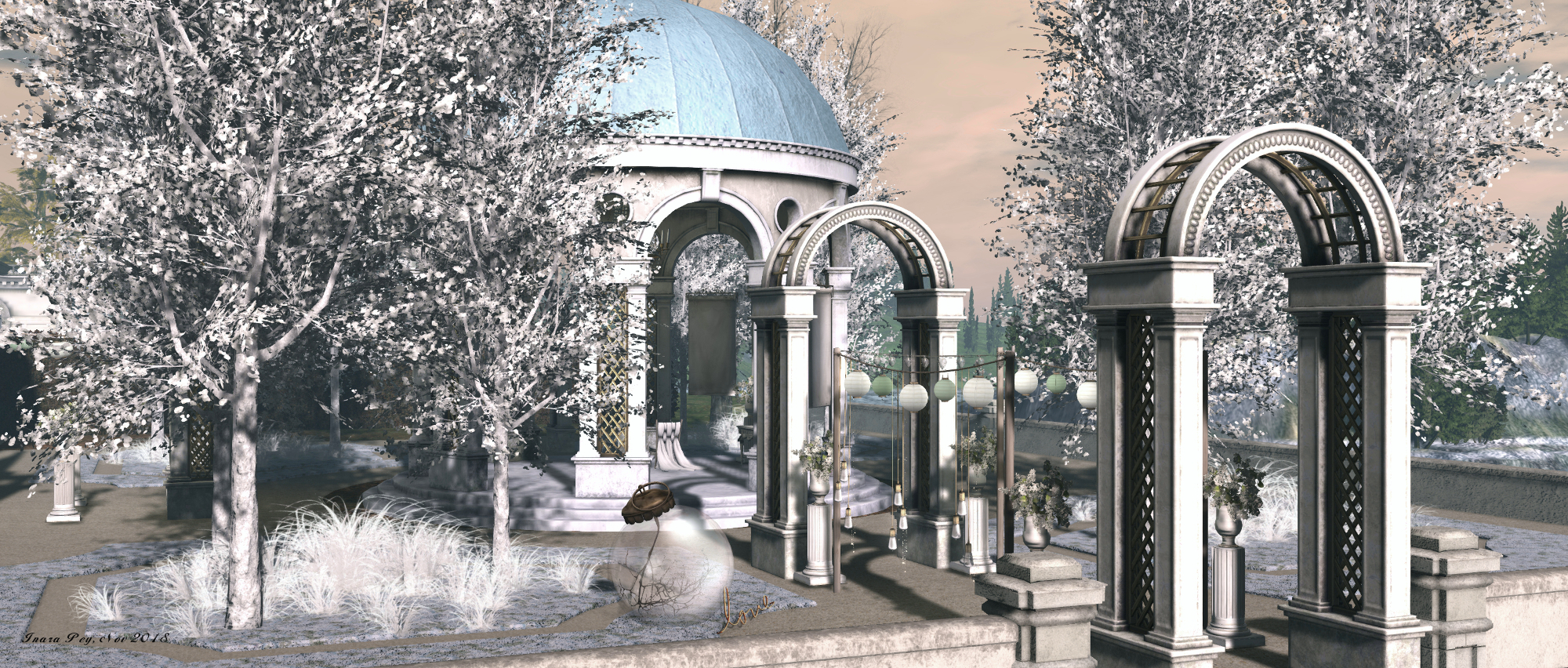
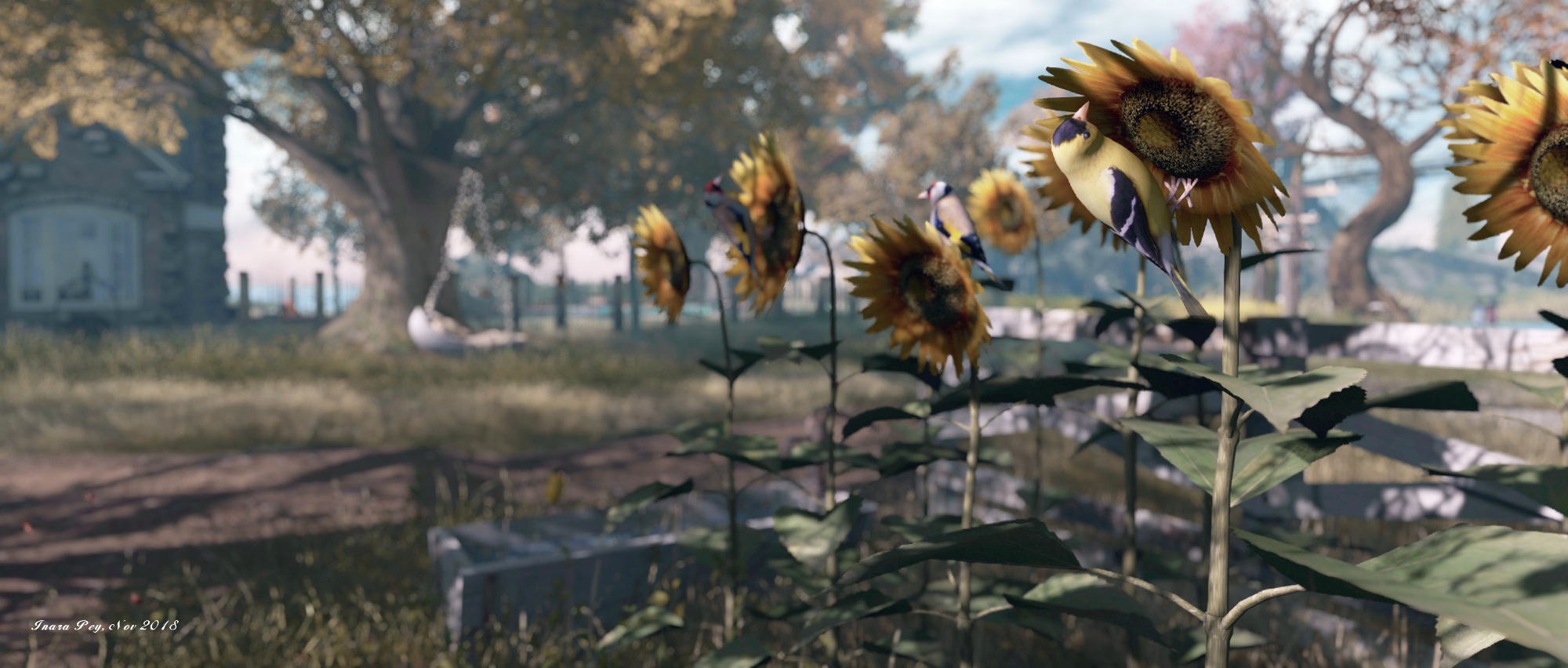
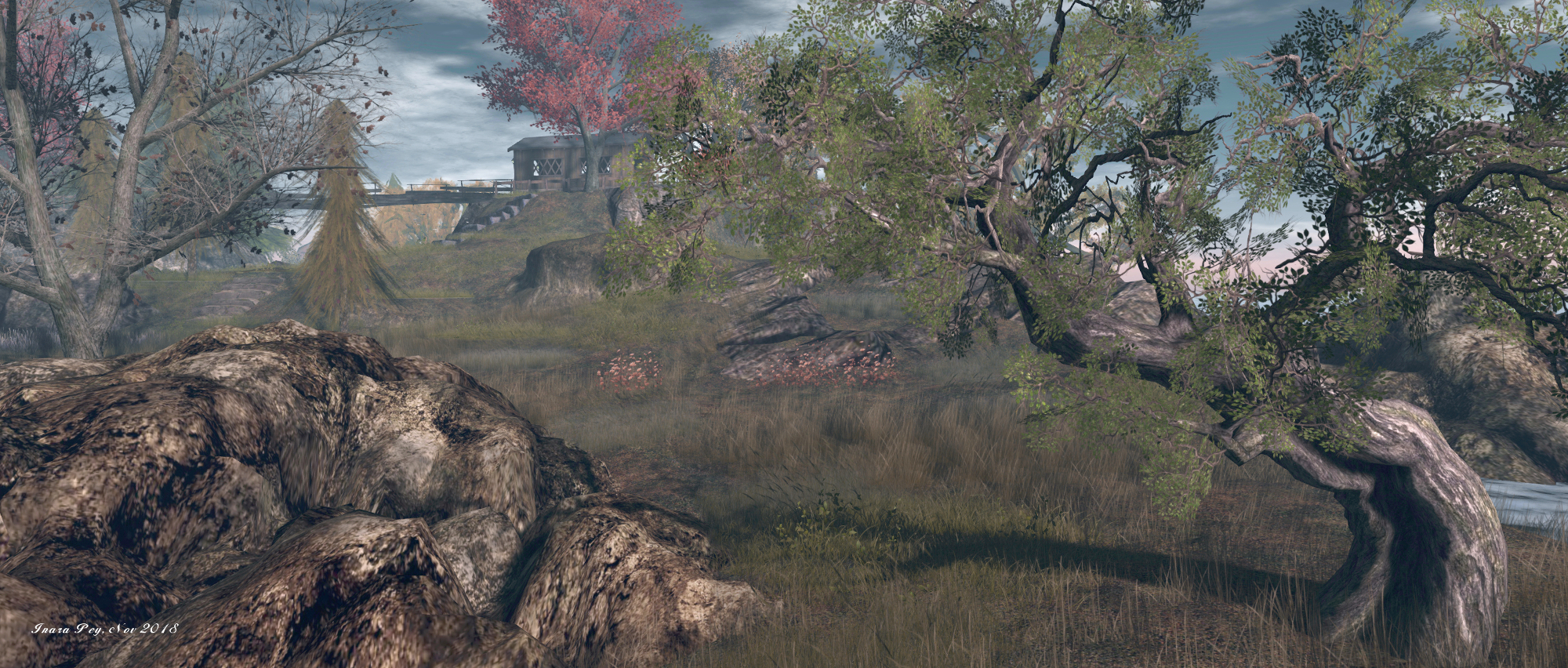
Cherished is the latest region design from Arol Lightfoot that opened recently to visitors. A homestead region, it differs from the current trend towards wintertime themes and opts to stay with autumn, as Arol loves that time of the year – and I can’t say I blame her.

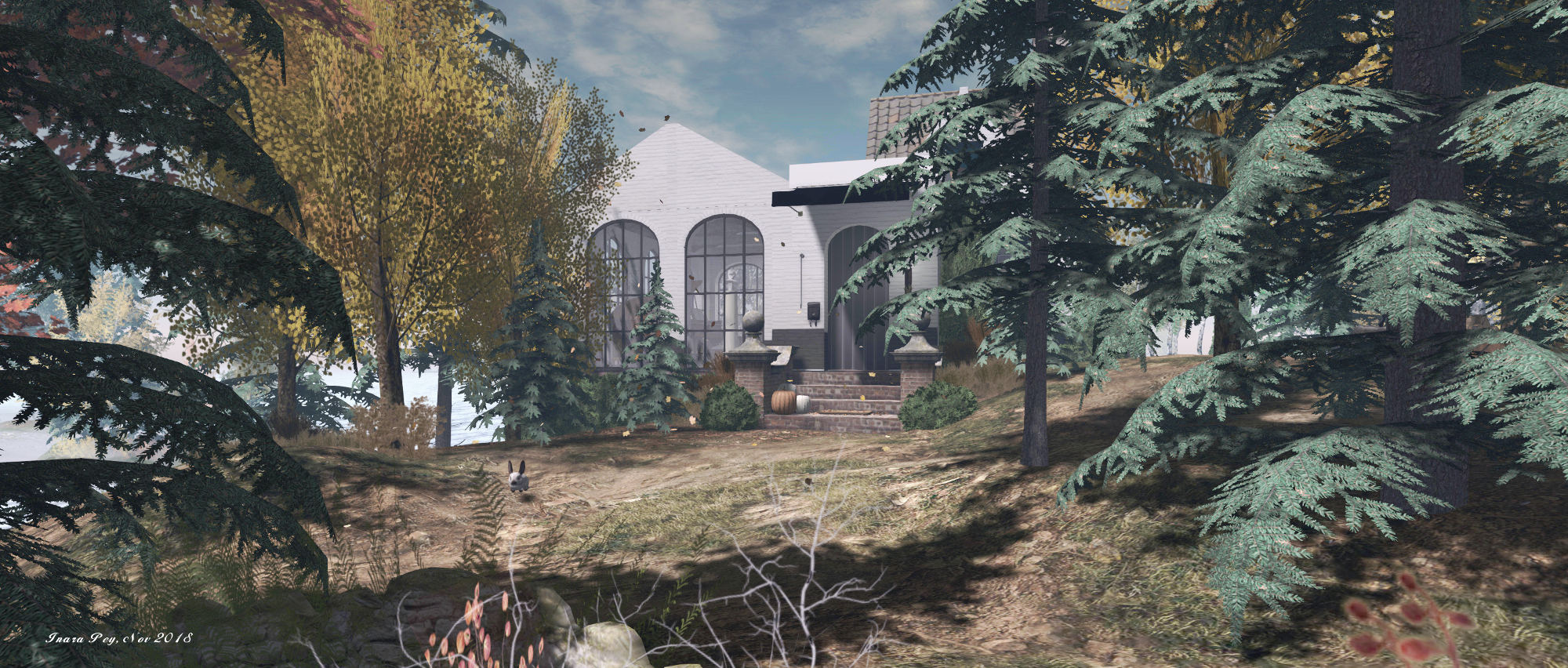
This is  – as would be the case given Arol is responsible for its design – a fabulous region, uncluttered by an off-sim surround and offering plenty to see and enjoy as your travel through it. A visit begins out on the east side, on a headland sitting between a small bay and a narrow channel of water that cuts deep inland. A single cabin sits here, connected to a the rest of the region by an ageing, low-slung bridge running over a rocky finger.
Cherished; Inara Pey, November 2018, on FlickrCherished

A track points west from the bridge, leading the way to where the ground rises to a rocky bluff, bracketed on one side by the water channel and on the other by a path that leads either up to the top of the bluff or down to where another track continues inland. The bluff, with a second bridge running between it and a rocky hill on the far side of the channel offers the perfect vantage point from which to observe the rest of the island.

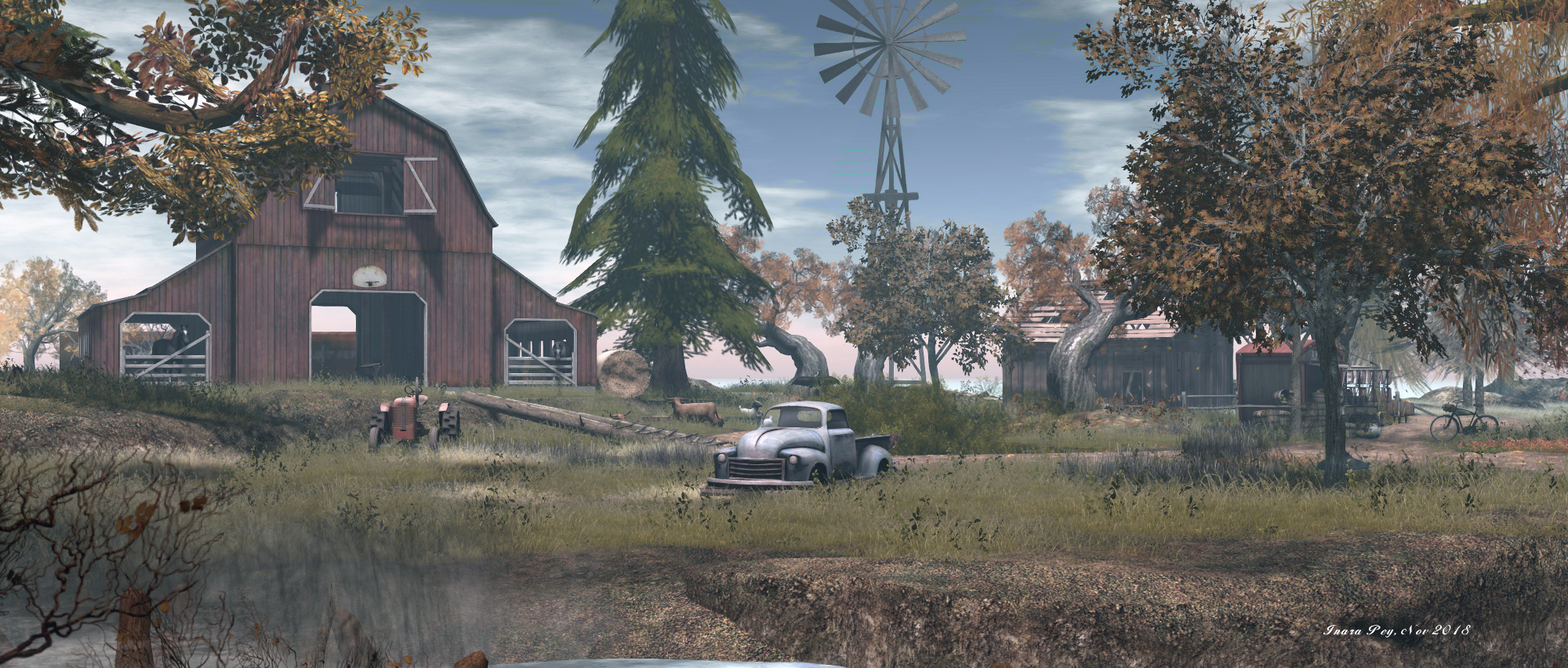
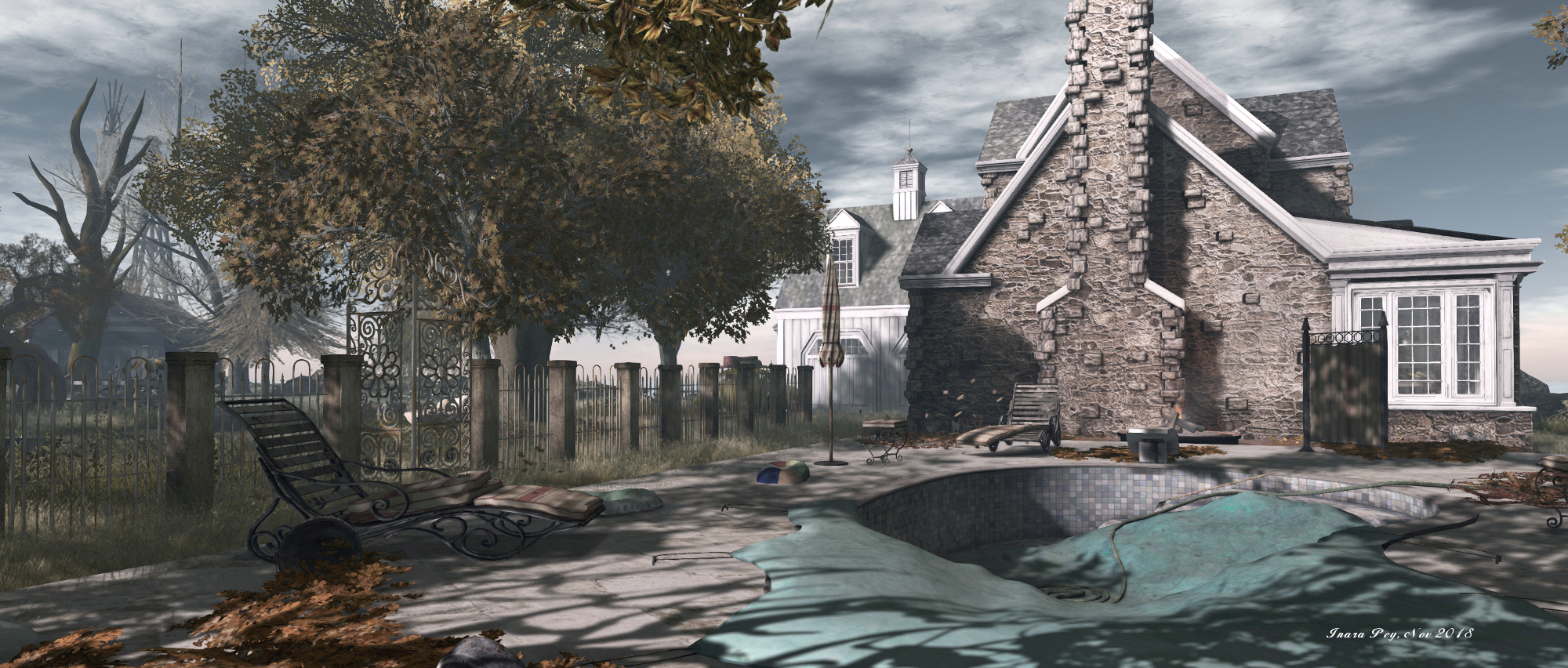
To the west stands a large house, the only genuine abode to be found on the island. Calling it a farmhouse, however, would perhaps be misleading; while there is a barn close by and a traditional American-style windmill, the house itself seems too big and grand to be a working home. Rather, it has the feeling of being a coastal getaway home, one complete with swimming pool – albeit drained and partially covered ready for the eventual arrival of winter, and a luggage-laden (if humble) VW Beetle parked outside.
Cherished; Inara Pey, November 2018, on FlickrCherished

Cows are grazing outside of the barn, while horses shelter within it – together with a couple of turkeys – but not even the presence of a tractor close by can leave visitors with a feeling this is all part of a working farm; so perhaps the horse are purely from the riding pleasure of those using the house, and the barn is under the care of the landowner who otherwise rents the property out.

The main body of water extending inland turns south close to the house, running before the barn and facing it across another track, before turning east once more to end in a narrow, reed-lined pool from which morning mist slowly rises. This southern and western extent of the island is a rough grassland and rolling humps of grey rock, standing like a frozen tide caught in time as it rolled over the landscape. Tall trees grow throughout, presenting plenty of discrete spots where deer roam and people can camp out in peace.
Cherished; Inara Pey, November 2018, on FlickrCherished

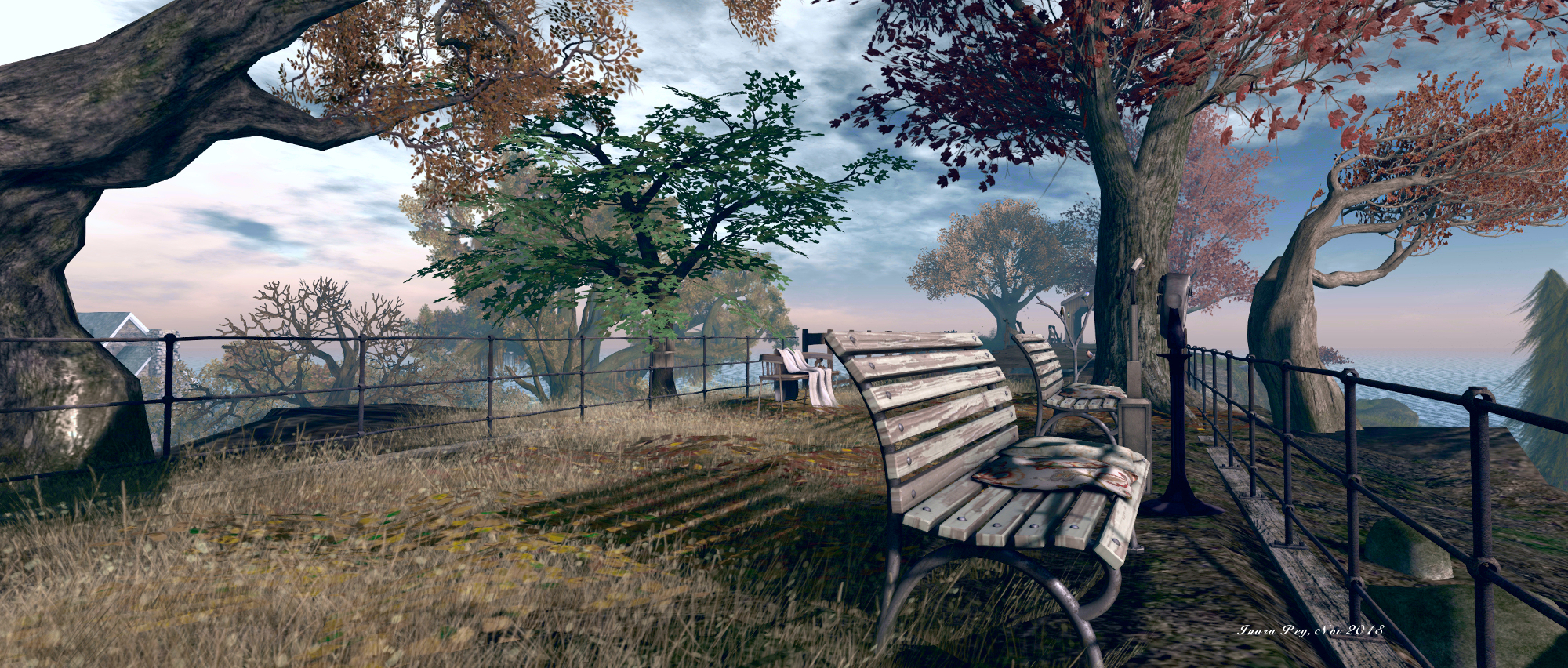
To the north, the land beyond the little headland and its landing point is gently rugged, but more denuded of trees. A low ridge angling away from the rocky bluff here offers a good place to appreciate the lighthouse sitting on is own rocky spur, as it is framed against the early morning Sun.

What might be a fisherman’s dock sits between the arms of the headland the lighthouse spur, and testimony of the dangerous nature of the waters here can be found in the wreck of a fishing boat lying close to the lighthouse rocks.
Cherished; Inara Pey, November 2018, on FlickrCherished

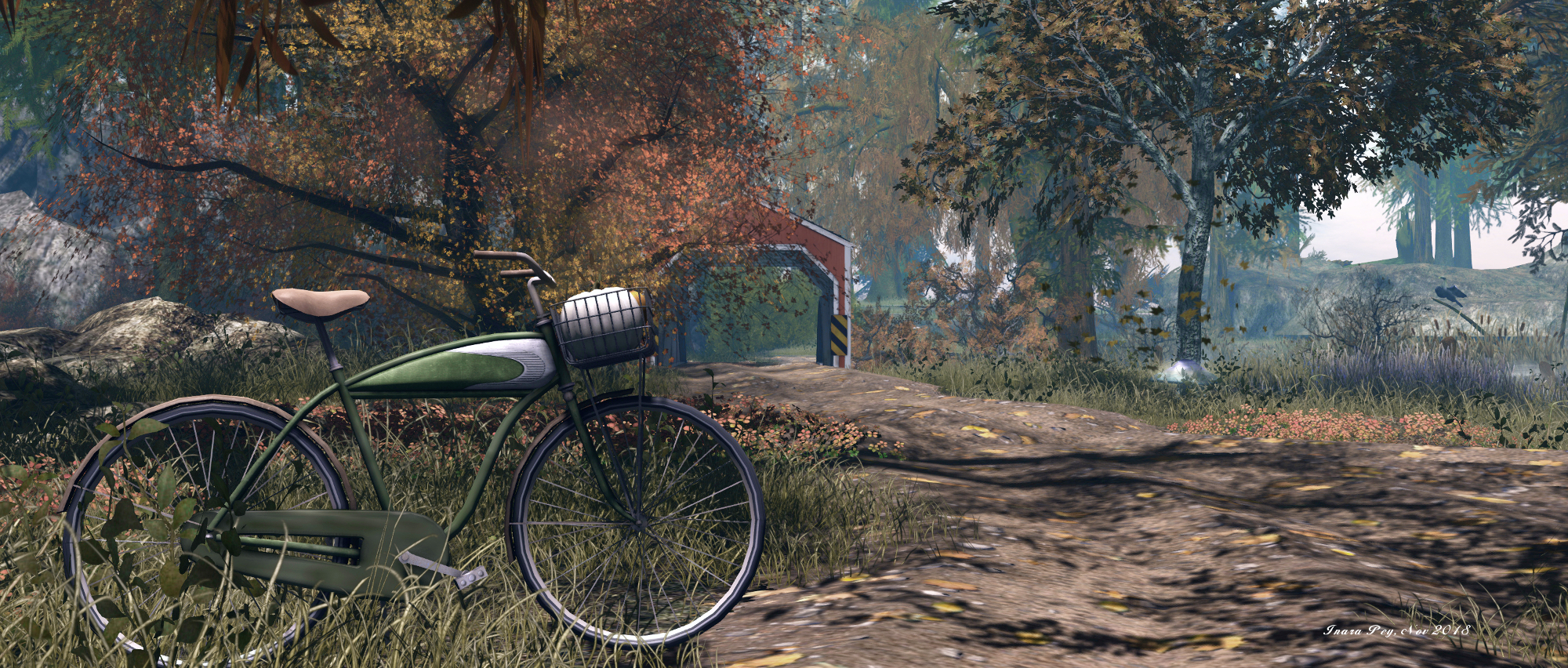
Throughout the region are places for individuals and couples to sit and appreciate the setting, while the trails offer plenty and very clever, given the way they tend to naturally connect to one another, opportunities for exploration. Similarly, the gentle sound scape included with the region offer a very subtle added depth to the setting, further encouraging time to be spent within it.

Unsurprisingly, this is a highly photogenic region, one in which photography is actively encouraged, as Arol notes in the About Land description, “If you take photos and want to share please add them to the Flickr group. I would love to see them!”
Cherished; Inara Pey, November 2018, on FlickrCherished

For those not quite ready to face exploring all the winter themed regions popping up over the grid, or who need a break from the snow and ice, Cherished is likely to make for an ideal visit. Appreciation for Arol’s work can also be shown by “feeding” the Labrador inside the cabin at the landing point. My thanks to Shakespeare for the landmark!

SLurl Details

A return to Let It Snow! in Second Life

Let It Snow!; Inara Pey, November 2018, on FlickrLet It Snow! – click any image for full size

It is with a good deal of delight that I received an invite from Milly Sharple to visit her winter themed Let It Snow!, which has once again returned to Second Life for the holiday season.

With the exception of 2017, Let It Snow! has been something of a winter tradition in Second Life for the last few years, so I’d been looking forward to visiting the latest iteration ever since Milly hinted she might try for it this year.  So as soon as the invite came in, Caitlyn and I donned our winter woolies and set out to explore.

Let It Snow!; Inara Pey, November 2018, on FlickrLet It Snow!

What I’ve always loved about Milly’s wintertime designs is both the natural simplicity with which they are designed, blending little scenes with open spaces and trails to explore, and the way she create little vignettes across her regions. When coupled with the opportunities for people to simply enjoy one another’s company, Let It Snow! has always offered something for everyone – and 2018 is no exception.

Another aspect of her winter regions I love is the use of certain elements that act as motifs linking each new design with its progenitors, helping to give a feeling of continuity down the years between designs. And so is the case with this iteration, be it with the great crystal greenhouse that harks directly back to 2016, or the cottages and  Harleywan Haggwood’s charming snow kids that encompass 2015 and 2016.

Let It Snow!; Inara Pey, November 2018, on FlickrLet It Snow!

Which is not to say Let It Snow! 2018 is in any way a re-run of previous builds; far from it. It is unique in is design in and of itself, from the Elven house that forms the landing point and which gives the region a little slant towards fantasy. At the end of a rutted, snow-filled track lies a little village square, home to Santa’s cottage. Close by, DJ Cat is waiting to entertain those wishing to dance (he’ll also accept tips towards the region’s upkeep!), while the snow kids can be found at play.

Dancing is very much part of the theme here, with heart-shaped dance machines scattered throughout the region (you may have to cam in close to some due to the snow), including inside the crystal greenhouse, which also offers the opportunity of romantic dining.

Let It Snow!; Inara Pey, November 2018, on FlickrLet It Snow!

Elsewhere across the region lie various places to sit and enjoy close companionship, be it a gazebo out among the trees, a bench suspended from the bough of a tree at the side of a path, a horse-drawn sleigh or an underground grotto (you’ll have to find that for yourself!).

As the region is caught under a steady snowfall that can at times obscure the star field of the surrounding skydome, it’s worth taking the time to experiment with environment settings when photographing Let It Snow! – as I’ve done with a couple of the images here, opting to use one of Stevie Davros’ sky settings (you can read about those here).

Let It Snow!; Inara Pey, November 2018, on FlickrLet It Snow!

Let It Snow! is, as always, a delight to visit: just be sure to take your time to let things load should you drop in when it has a significant number of visitors.

SLurl Details

Let It Snow!; Inara Pey, November 2018, on FlickrLet It Snow!

Of time in Lutz City, Second Life

Lutz City; Inara Pey, November 2018, on FlickrLutz City – click any image for full size

Update: it appears the landing point had been temporarily reset to deliver people to the events venue mentioned into this article for a live event. The default landing point is in fact the railway station on the south side of the city.

Lutz City, which opened its doors on November 16th, 2018, is the latest is a series of region designs by Luis Lockjaw, another of Second Life’s superb creators of regions and setting that capture the imagination and sit within the mind’s eye long after a visit. In in, he continues his tradition of presenting captivating settings under his Templemore banner.

I first encountered Luis’ work through Hesperia of Templemore, although sadly, I never got to blog about it – although I did get as far as writing about its sister region the Isle of Mousai, also by Luis, and made sure I did not miss out on his Elysium City of Templemore (which you can read about here). Lutz City very much carries on many of the traditions seen within these previous builds, as Luis notes in his own description of the region:

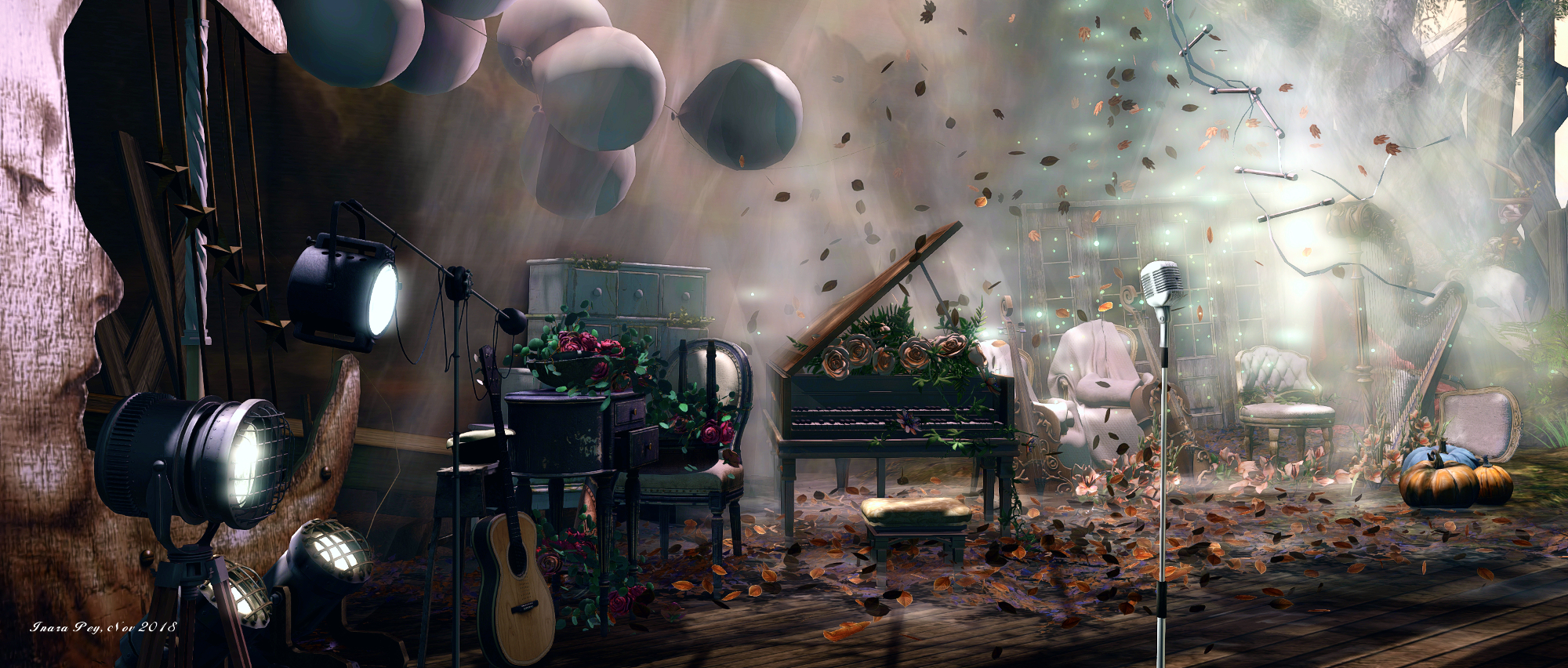
As a celebration of art, Lutz City continues the Templemore tradition of offering the greatest musical experiences. The live music venue features a grand stage where musicians become part of a living painting that reaches out to your very soul. Lutz City of Templemore isn’t just a sim, it’s home for your creative spirit.

Lutz City; Inara Pey, November 2018, on FlickrLutz City

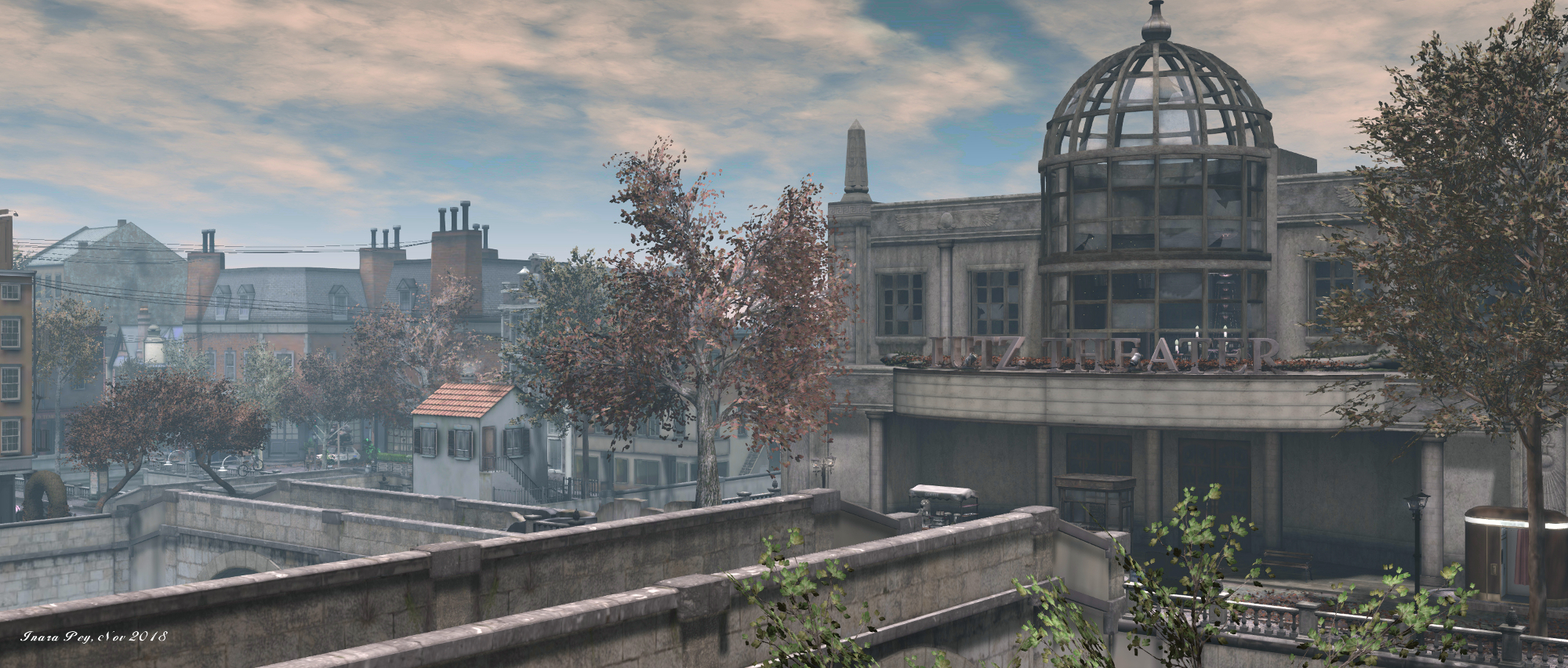
And it is with the musical element in mind that visitors arriving in the city find themselves in one of the major venues for the city, the Lutz Theatre, standing block-like on its own island on the west side of this magnificent Full region design. Just how magnificent a build it is only requires stepping out through the foyer of the theatre to the cobbled road outside.

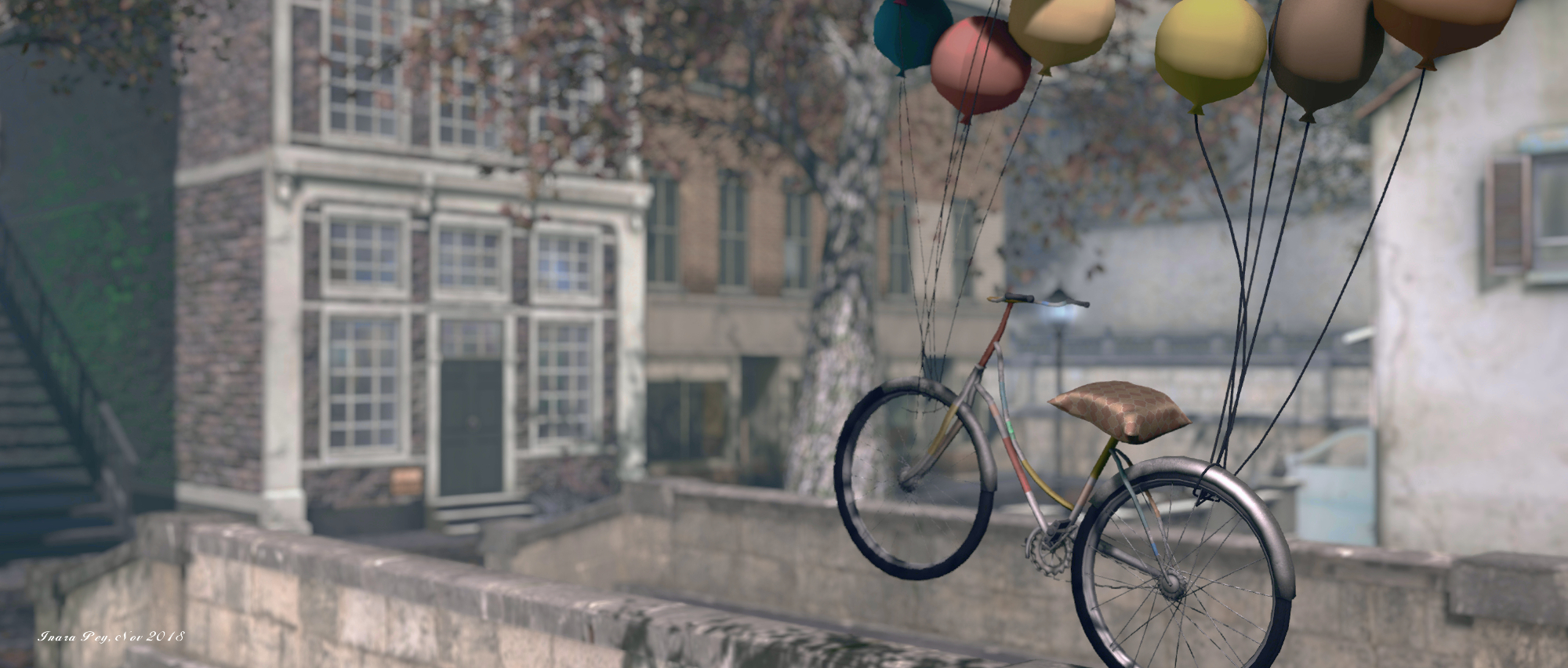
This is a place cut neatly into blocks by waterways that flow along brick-sided channels, the water passing under the bridges that connect them and occasionally through tunnels. Aiding them in the division of the city are the roads, sometimes running parallel to the canals, at others sitting at right angles to them, extending over the stone bridges to link distracts one to the next whilst also denoting their boundaries.

Lutz City; Inara Pey, November 2018, on FlickrLutz City

There is an air about the design of Lutz City that gives it very much a feeling of being a place, part of something larger, but invisible, lying beyond the high mountain peaks that surround it. While separated from these by surrounding water, Luis has cleverly made the city feel a part of the mountains through the use of an off-sum tunnel and steel bridge that carries a railway track to the south side of the city, where a rural-looking halt waits to greet arriving trains while the tracks pass onward over a second steel bridge and vanish into yet another tunnel at the foot of the southern mountains. At the same time, the region has been cut to roughly match the three channels of open water dividing the mountains, giving the feel that the land on which the city stands has been as much formed by the action of water as the mountainside gorges.

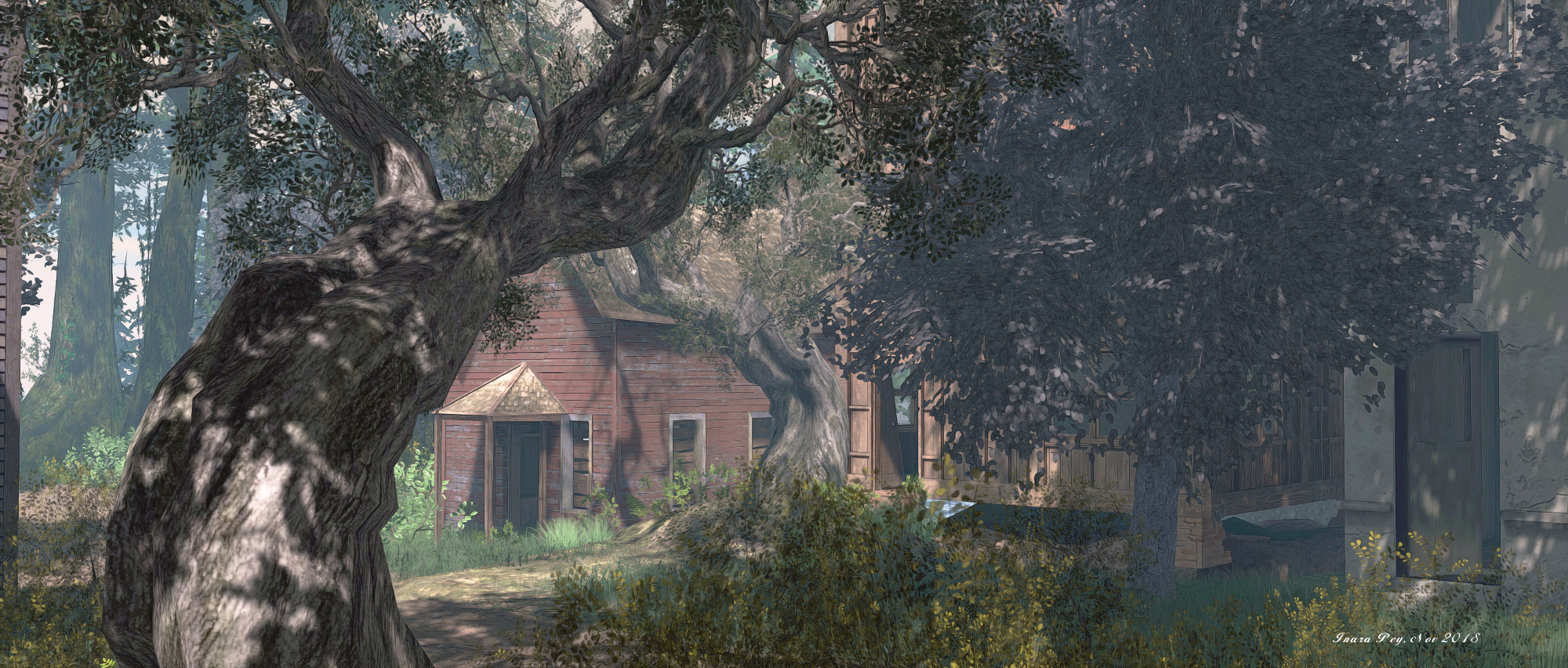
There is also a wonderful sense of age and development imbued in Lutz City. Bracketed to the west and east by the massive forms of music venues, the central area has the feeling of evolving as a modern centre of commerce, art and music. a grand brick-built gateway facing the railway halt across the bridge lying between them. But to the north, the buildings are more mixed in age and style, some becoming more careworn and tumble-down until the paved road gives way to a rutted, dry dirt track running under trees and between purely wood-built houses, and shacks, all bar one of which have seen better days, time having moved on to the city’s newer stone and cement heart.

Lutz City; Inara Pey, November 2018, on FlickrLutz City

What I particularly like about Lutz City is the design lends itself to a sense that it has different neighbourhoods. These may be defined by the age or style of buildings within in (such as with the north side), or by the way they are divided by road and water channel. Not only does this give the design a feeling of being somewhat bigger than its 256 metres on a side, it also helps flesh out another aspect of the city Luis references in his description:

Beyond the iron wrought gates and stone sculptures that usher you past the brick archway lies Lutz City of Templemore. True to its name, you’ll find yourself immediately immersed in a whimsical world reminiscent of Peter Pan and Hogwarts. But Lutz City goes beyond that. Here your imagination can be engaged in a place and time that defies the limitations of such concepts. Every detail of Lutz City tells a story, every building creates a unique experience.

Lutz City; Inara Pey, November 2018, on FlickrLutz City

Caught in the colours of autumn and by default under a dusty evening sky, the setting also has a certain atmosphere about it for the weaving of stories. But, if I’m honest, I found it came more to life under a brighter sky – hence the pictures here – which breathed more life into the narratives the buildings suggested as I walked and cammed by them, and helped bring their voices more to the fore.

For those who enjoy photography, Lutz City has a huge amount to offer – including a Flickr group for sharing pictures with others. Those wishing to keep abreast of the music events in the region can do so by joining the in-world group – there is a joiner board within the landing point theatre, together with a tip board where appreciation can be shown for the region and assistance given towards its upkeep.

Lutz City; Inara Pey, November 2018, on FlickrLutz City

Seeing the Templemore tradition return to Second Life is a treat; my thanks to Shakespeare for passing word to me that Luis has been building again, and thanks as well to Luis for once again sharing his vision and passion with us.

SLurl Details

  • Lutz City (Templemore City, rated: Moderate)

Enjoying some Snow Falls in Second Life

Snow Falls; Inara Pey, November 2018, on FlickrSnow Falls – click any image for full size

Update February 27th: Hrodas Fen, the region held by Elyjia and once the home of A Way of Life (formerly Snow Falls) is now under new management.

Update: Snow Falls is now known as A Way of Life, see A Way of Life in Second Life for more.

It’s been a while since we’ve visited a region design by Elyjia (Elyjia Baxton) and Brayan Friller (Brayan26 Friller), so when Shakespeare passed me the LM to Snow Falls, we were delighted to hop over and explore.

As the name suggests, this is a winter region, a Homestead designed to look like a small island sitting within a bay of icy-looking water. Clouds scud across the sky, as if in a hurry to get somewhere, remaining overhead just long enough to drop snow as they scurry on their way. Or perhaps the falling flakes are actually snow blown free from the surrounding high mountain peaks, then left to find their way down to the ground as the wind set them free.

Snow Falls; Inara Pey, November 2018, on FlickrSnow Falls

A cobbled waterfront sits on the shoulders of neatly lain bricks, the edge guarded by tall railings set between brick pillars to avoid the risk of anyone falling into the frigid waters below. This little lane – it is barely more than that – is  home to a nest of little businesses that have perhaps seen busier times as they look out across the water (these actually offer gacha resales for those interested).

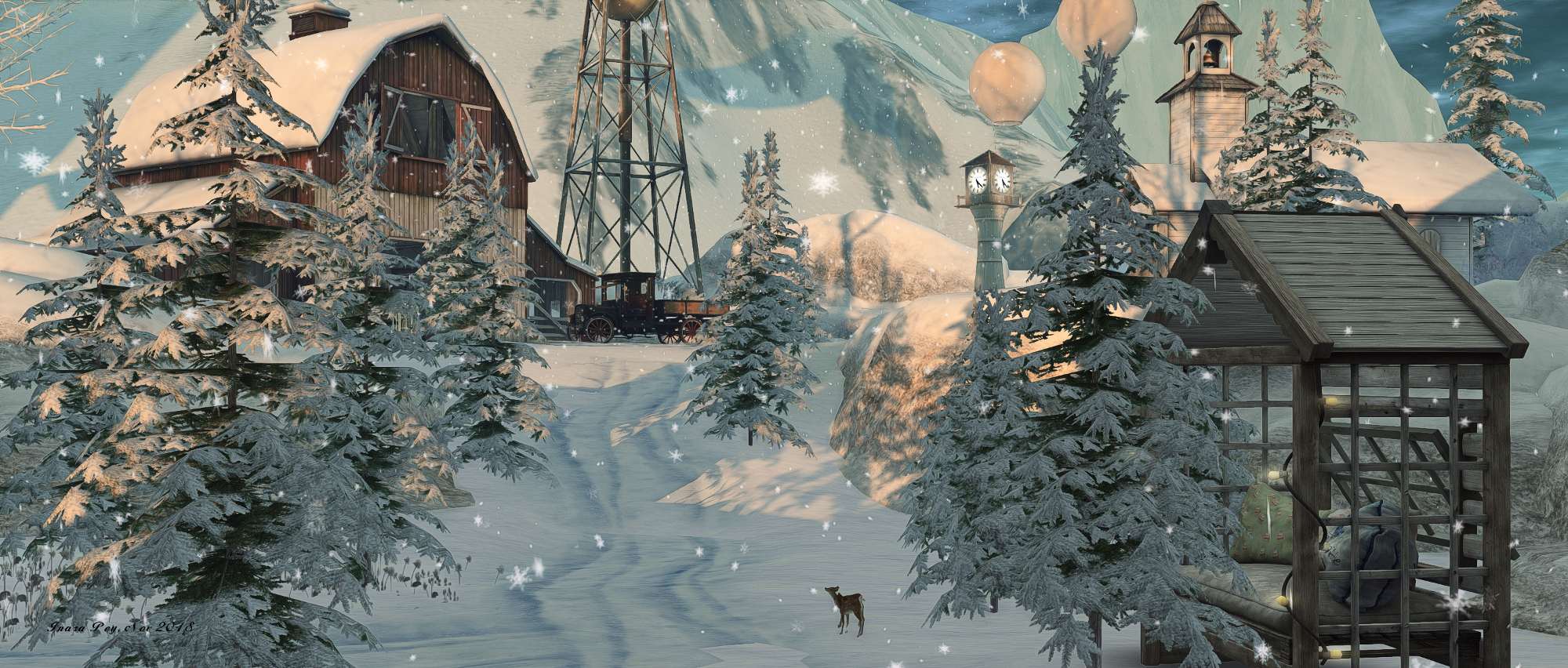
To the north, just beyond one set of gates guarding the shops, the land climbs up to where a barn and chapel occupy the hilltop, a tall water tower rising between them. the blanket of snow is rutted by the tracks left by an old flat-bed truck they appears to have been puttering back and forth – perhaps delivering Santa and his gifts to the barn.

Snow Falls; Inara Pey, November 2018, on FlickrSnow Falls

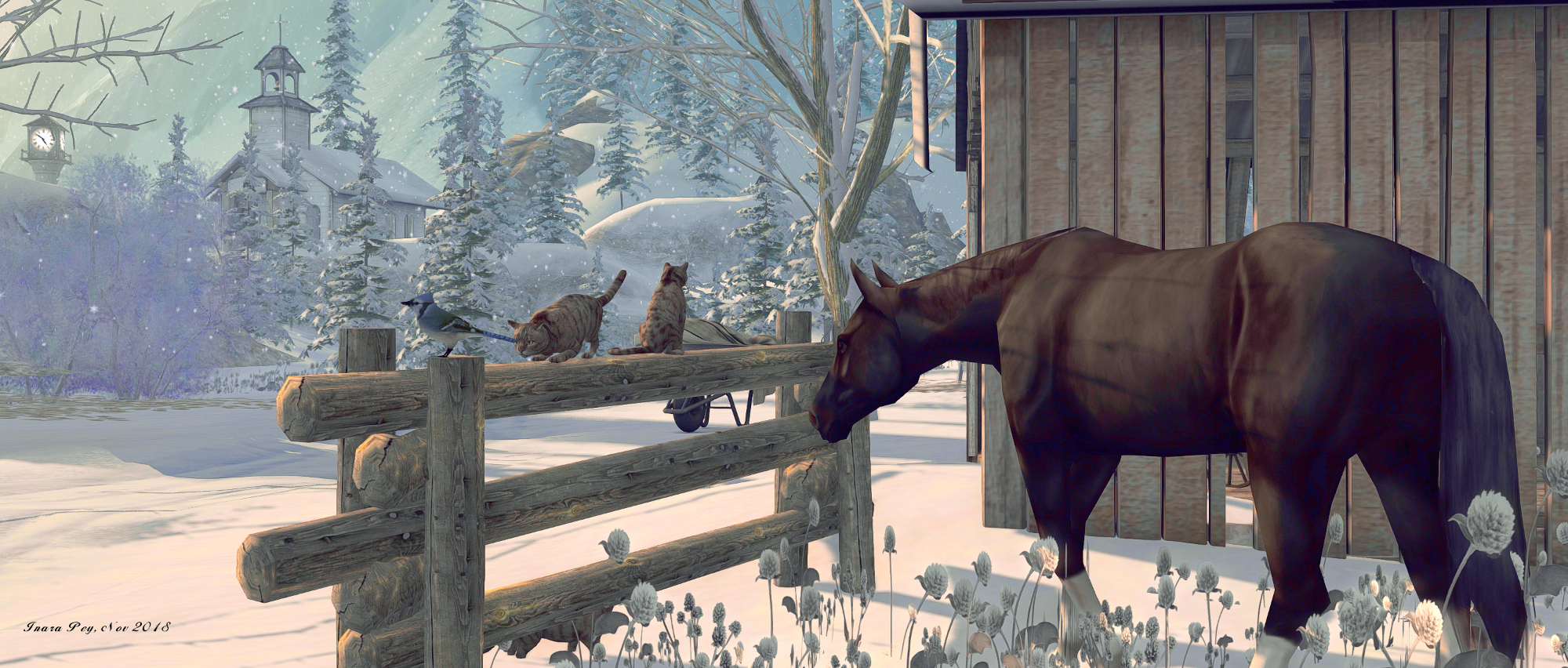
A second set of tracks at the foot the hill lead to what might be the farmhouse associated with the hilltop barn.  Cats are playing close by, outside another barn while a horse looks on.

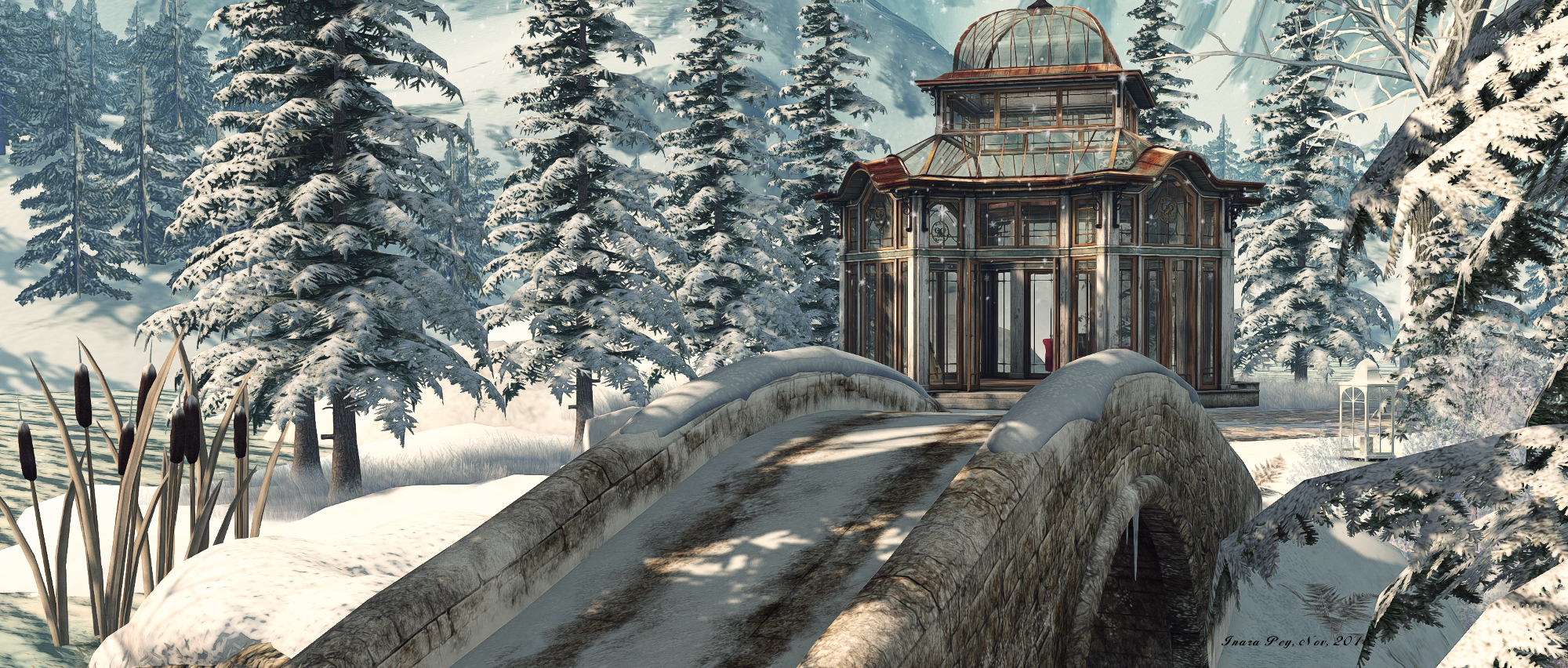
Go south along the shop fronts to the second set of gates and the land again opens up, snow-laden fir trees pointing the way towards a small stone bridge connecting to one of three further islands making up the region. It is home to a pavilion offering a break from the weather, and which is watched over by the lighthouse sitting on the neighbouring small island.

Snow Falls; Inara Pey, November 2018, on FlickrDagger Bay – click any image for full size

This is a flat-topped square of rock rising from frigid waters, the finger of the lighthouse giving fair warning that the waters around the rock can be dangerous – a fact underlined by the wreck of a trawler lying close by, deck canted over, ice forming around it.

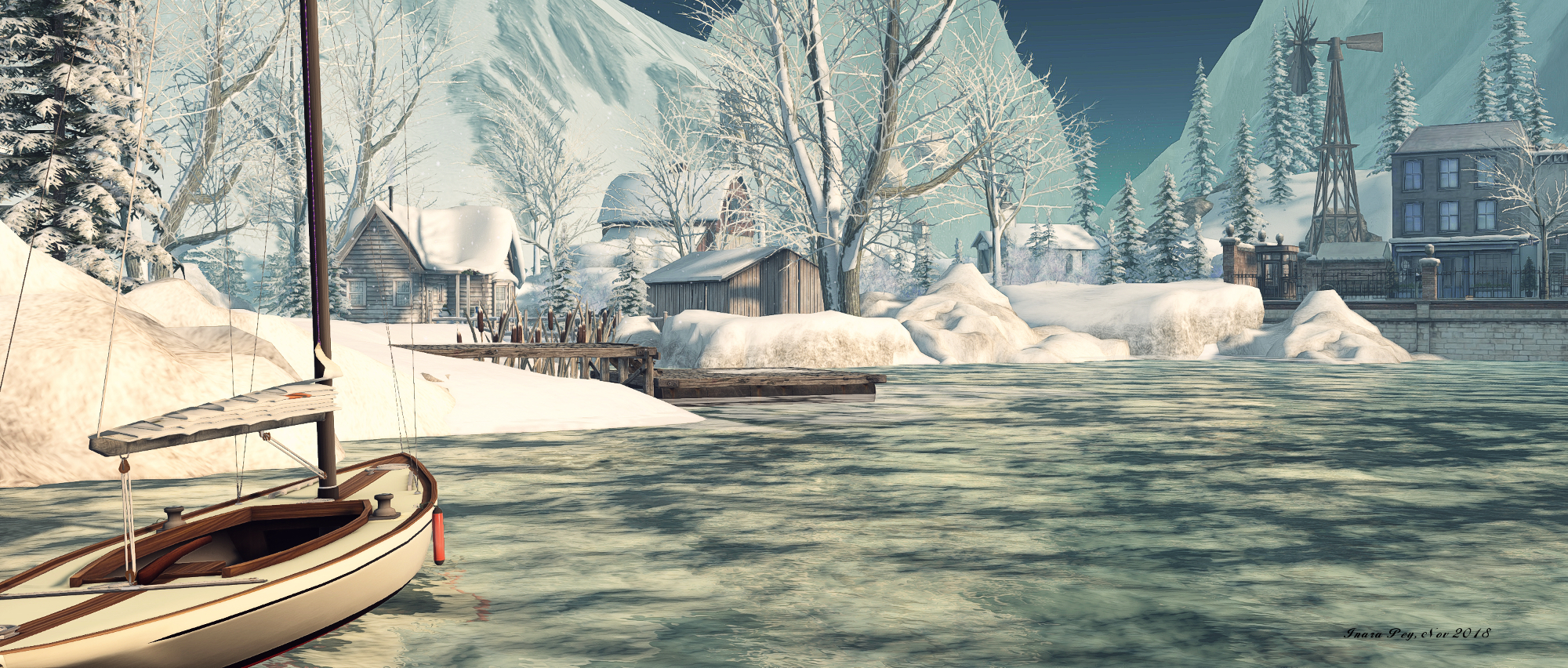
The remaining island lies to the north, close to the farm. A single, empty cabin sits on it, a sail boat close by suggesting it might occasionally see use.

Snow Falls; Inara Pey, November 2018, on FlickrSnow Falls

For those seeking places to relax and appreciate the views, there are a number to be found – in the Pavilion, in a couple of arbours, out on the water, courtesy of a rowing boat – and even up on a couple of balloons floating above the farm, as well as on benches to be found on the waterfront outside of the shops and scattered around the region in the snow.

There are one or two small rough edges to the regions – the odd floating tree or snowman – but nothing that really interferes with the overall lay of the land or the opportunity for taking photos. For those who do enjoy photography, the regions a Flick group for sharing pictures.

Snow Falls; Inara Pey, November 2018, on FlickrSnow Falls

All told, another picturesque region by Elyjia and Brayan, and well in keeping with the time of the year in the northern hemisphere.

SLurl Details

Exploring Dagger Bay in Second Life

Dagger Bay; Inara Pey, November 2018, on FlickrDagger Bay – click any image for full size

Dagger Bay offers visitors a taste of Bruges and the Flemmish region of Belgium. A full region using the full 30K LI allowance, it has been designed as something of a team effort, led by region holder  Jaysun Dagger,  and it is a joy to visit and see.

We invite you to visit the beautiful Village of the Beguinage of Bruges and surrounding countryside. Please enjoy a walk on the forest path or relax in the coffee-house along the canal with a snack or something to drink.

– Dagger Bay About Land

Dagger Bay; Inara Pey, November 2018, on FlickrDagger Bay

A visit begins on the north side of the region, close to a bridge linking it with South Haven Bay, a Homestead region that appears to be an extension of Dagger Bay. As it also appears to be the location of private homes, exploring it should be taken with care to avoid trespass.

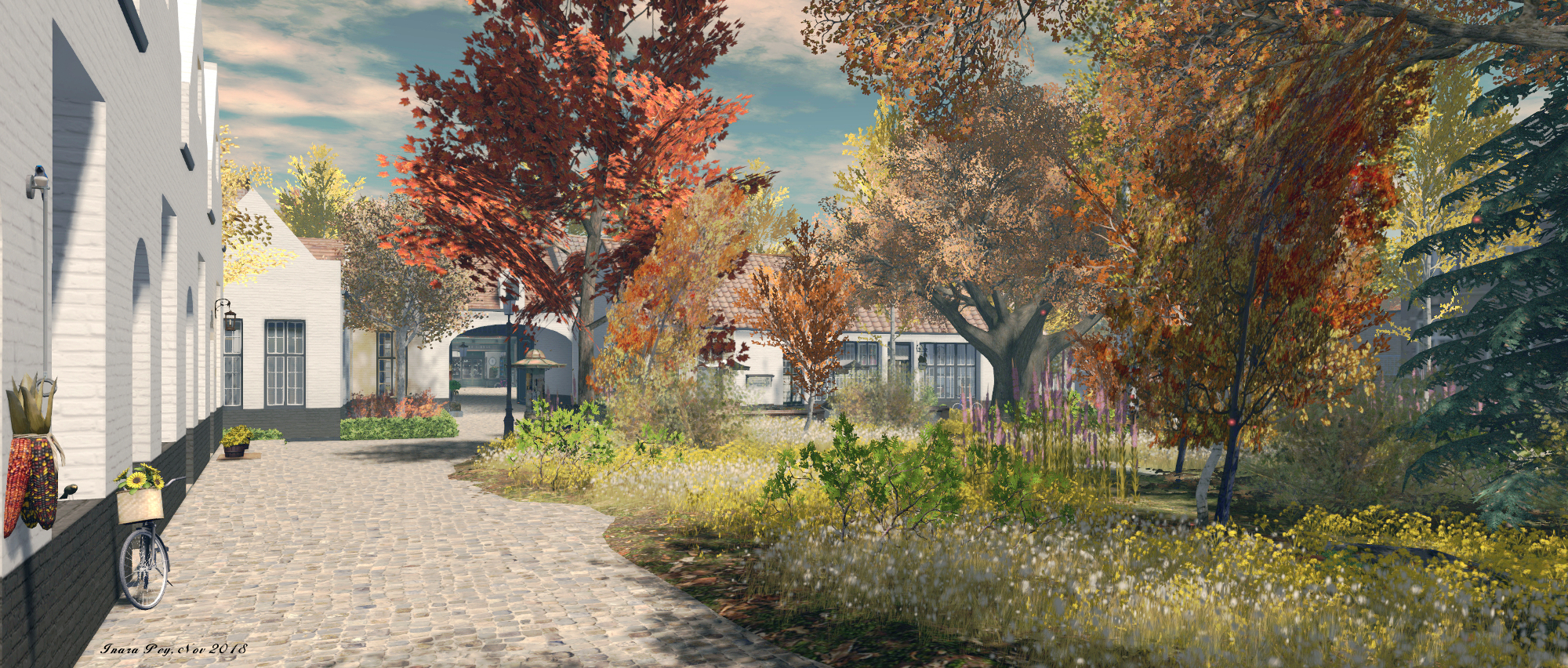
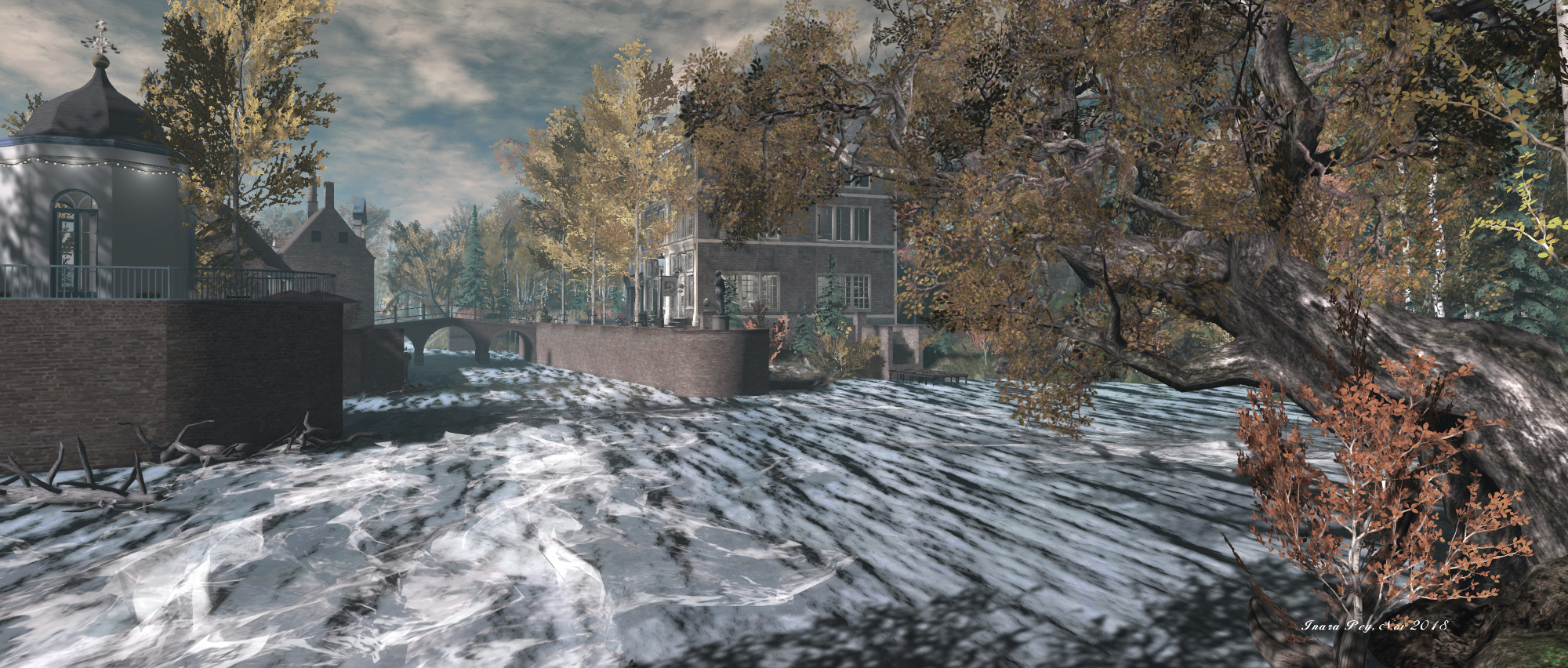
A second bridge spans one of the canals mentioned in the region’s About Land description, leading the way via grand gateway possibly once belonging to a manor house, to a gardened courtyard. What were once most likely outhouses lining two sides of the courtyard have been converted into places of business: a museum, a tea house, a studio, together with a cosy apartment, some of which have large modern windows cut into walls to offer views out over the water between the regions. Facing the gateway across the courtyard with its free-growing flowers and grasses, lies the manor house, now a residence on its own, but with the family chapel still adjoining it.

Dagger Bay; Inara Pey, November 2018, on FlickrDagger Bay

The grounds of this white-walled house and its outbuildings is neatly proscribed by more canals, along  which stand the tall, high gabled town houses of the kind anyone who has visited Bruges will recognise. The grandest of these suggest they were once the homes of wealthy merchants who kept goods in the cellars under them, wooden doors just above the canal waters providing a means of them to be easily moved between storage and barge.

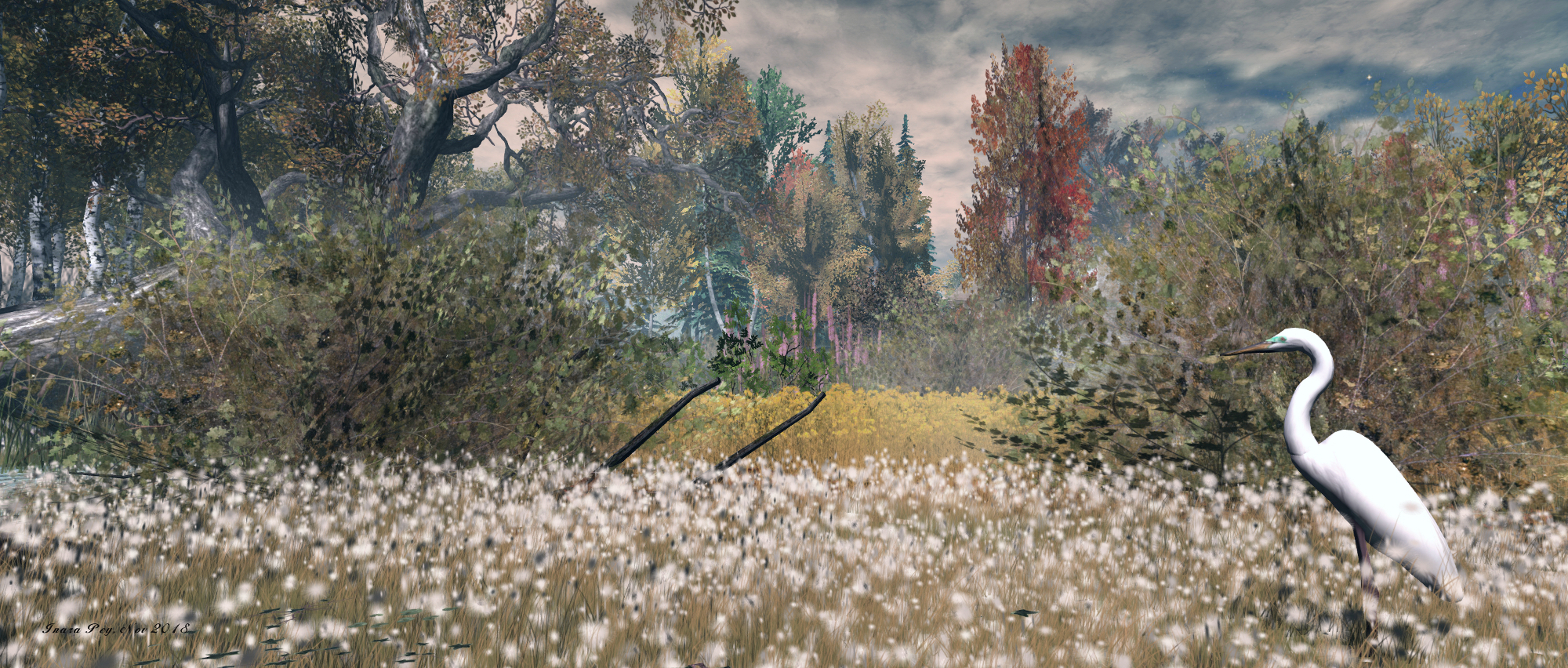
Beyond the town houses to the south, the land opens out. Broad waterways run through the middle of the region, the water breaking over weirs between low-lying islands. Wild looking, and rich in autumn’s colours at the time of our visit, these central islands can be reached via footbridge or a ford (do take note of the warning on the fallen sign alongside the ford!). Reaching these islands demand an exploration of the rest of the lands.

Dagger Bay; Inara Pey, November 2018, on FlickrDagger Bay

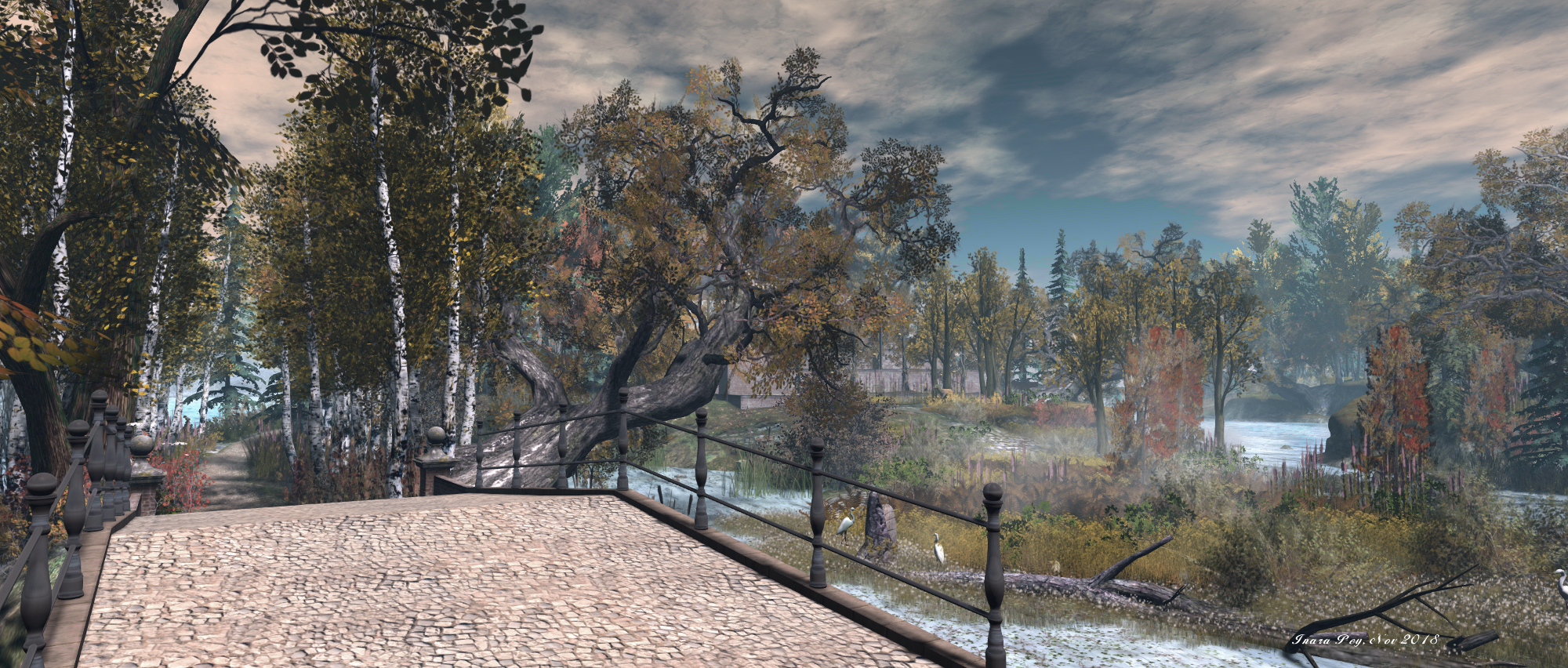
This can be down by heading east from the landing point, along the shoreline separating the two regions. A cobbled path leads the way around a rocky hill that itself offers a look-out point across the region. It converts to a gravel path running between tall trees to where another brick bridge that carries it over another water channel.

From here, explorers have a choice: continue to follow the path to the imposing house occupying the south-east corner of the region, or take a right turn where the wooden fence marking one side of the path end, and thus find the way through the middle of the region, hopping from island to island.

Dagger Bay; Inara Pey, November 2018, on FlickrDagger Bay

The big house doesn’t appear to be private property – there were no visible warnings as we approached it – but care should probably be taken in case it is. Certain its name – The Cloister – has a suggestion of quietness and privacy about it.

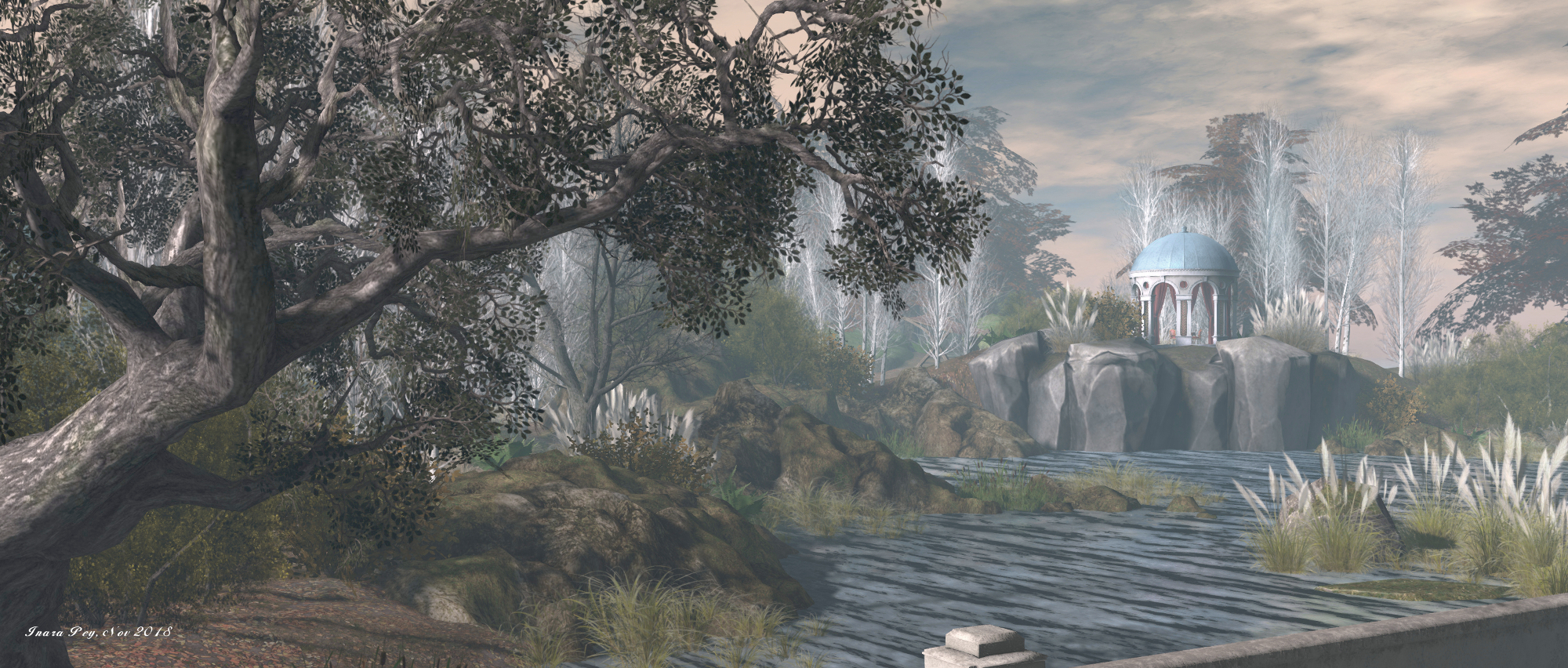
For those not wishing to risk trespassing, the path passes around the south side of the house, below the hight brick walls, to meet with a pair of bridges spanning the widest water channel cutting into the region. These lead the way to an imposing pavilion, screened by trees and with sheep and horses grazing peacefully around it. Furnished in an 18th century style, it has the feel of a refined summer-house offering a place to sit and appreciate the region, perhaps over a little tea.

Dagger Bay; Inara Pey, November 2018, on FlickrDagger Bay

Fabulously designed and laid-out, albeit it with a couple of rough edges that could be smoothed out, Dagger Island is a joy to visit; a marvellous palette of colour and design to explore, photograph and enjoy.

SLurl Details

A trip to 18th Century France in Second Life

Magritte; Inara Pey, November 2018, on FlickrMagritte – click any image for full size

Magritte is a two-region estate – Full (using the full 30K allowance) and Homestead – offering Second Life residents the opportunity to travel back in time and participate in the life of the people of southern France in the 1750s, just over half-way through the reign of Louis XV.

Designed by Benoit de Montgelas (ZeustheImmortal) and Florens de Montgelas (EganObelius), the town and noble houses here are said to be located close to the town of Bergerac, a sub-prefecture of the Dordogne. The introductory notes for the estate point out that the south-west of France was somewhat independent of the king’s rule (in the time of Louis XIII, some of the nobility here had even tried to separate from the rest of France), and there was also much rivalry between families and houses, all of which makes for a rich backdrop for potential role-play.

Magritte; Inara Pey, November 2018, on FlickrMagritte

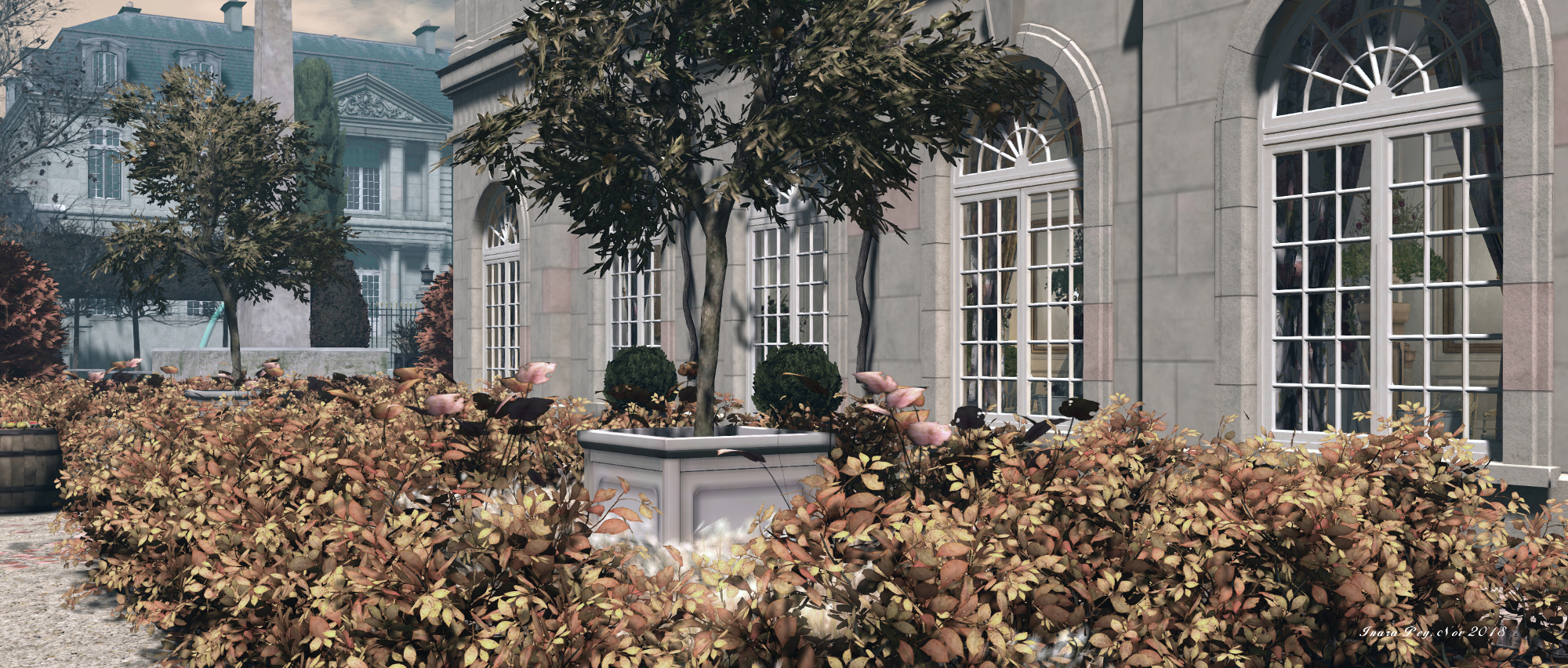
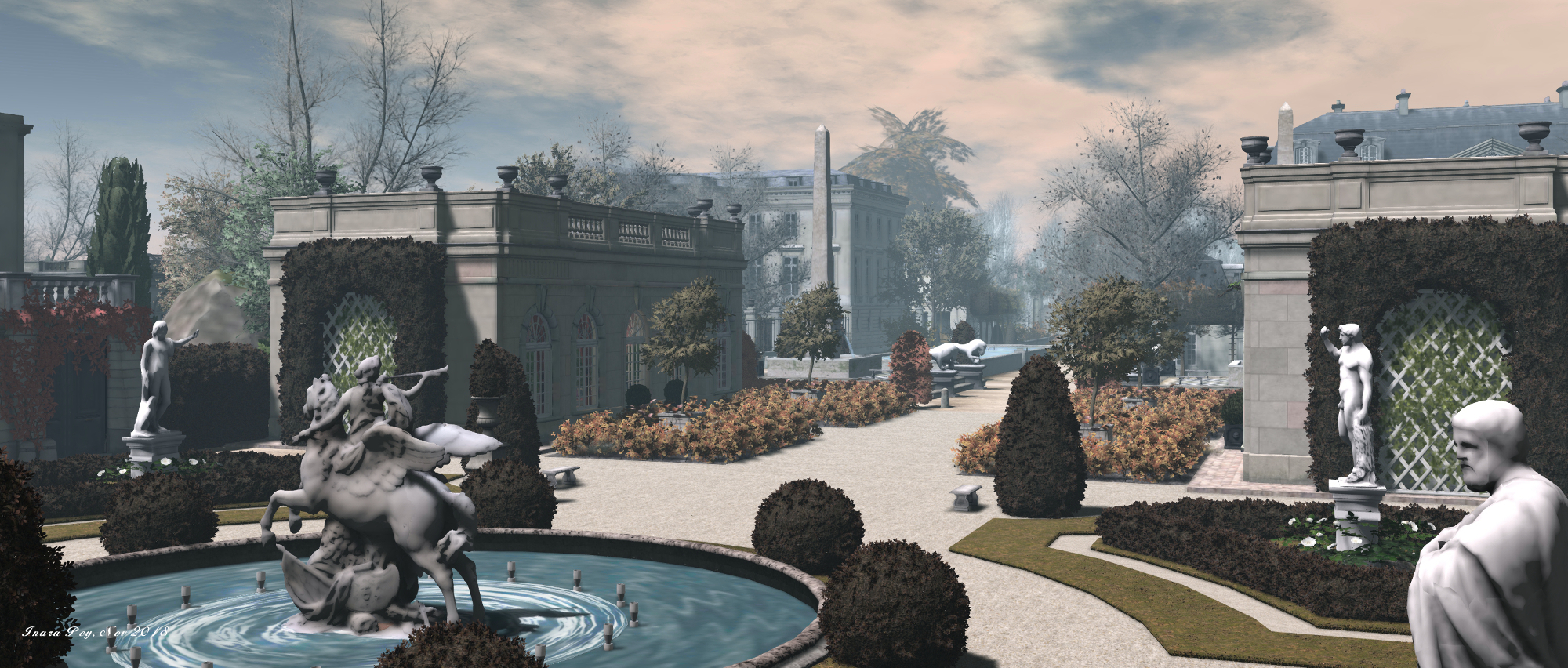
In terms of the layout, most of the estate reflects the wealth of the region: the houses of the wealthy and landed are proud and expansive, encompassing formal gardens, high walls presenting an air of aloft privacy as they face one another across wide, cobbled boulevards.

The largest of these fine houses sits to the south, forming a grand estate, Maison du Printemps. Modelled in the style of Robert de Cotte, this is a private setting  – one of several in the estate, so do be careful to avoid trespass. However, it sits on land open to visitors, where horse riding and archery are both available. The horse riding is available to most types of horses available in Second Life, and championship races and fox hunts are announced through the estate’s role-play group. The archery system can be used with all types of range weapons – although obviously, it is preferred that weapons are kept to the period, there is also a request that the weapons available from the estate’s blacksmith, operating out of dock-side marketplace, are used.

Magritte; Inara Pey, November 2018, on FlickrMagritte

Role-play in the region is open to anyone wishing to join, and roles can be among the aristocracy, the bourgeois or the peasantry. Details of RP are available from the information centre at the landing point. So too are period outfits for those who don’t have them – simply join the estate’s group and take either the male or female outfit and collect the Out Of Character (OOC) tag also available to make it clear you are just visiting.

The town and docks, located to the west of the estate, stands in strong contrast of the grand houses of the nobles. Here the building are huddled together, clustered around the docks, almost medieval in style. This helps to give the town a busy feel, and is entirely in keeping with the period, where many towns hadn’t really changed too much over the years when compared to the fineries of architecture afford by the wealthy.

Magritte; Inara Pey, November 2018, on FlickrMagritte

As well as the horse riding and archery, fishing can be had within the estate and – for the nobles, perhaps – there are also formal dances and, the estate’s notes offering the following:

The “Salon blanc” is a ballroom for concerts, banquets and dancing. Festivities will be announced in our groups.
If you wish to host your own event, like a ball or concert, please contact the Barons for further information and planning.

In addition, a pavilion on the southern estate offers a place where a pleasing rest can be had following a walk under the trees, complete with a view across the river to Margitte.

Magritte; Inara Pey, November 2018, on FlickrMagritte

There are perhaps a couple of small incongruities in the estate; for example, the docks are home to a sailing vessel that might actually have found it a little difficult navigating this far up the Dordogne (there’s also a second lying a little off-shore as well). But this is Second Life, and a little license is allowed in how ideas are presented, and the docks do help add character to the town.

Overall, the estate is genuinely photogenic, and during my visit there were resident players to be found (OOC visitors are encouraged not to interact in open chat but keep questions, etc., to IM). I’d certainly like to thank Le Baron de Magritte for his gracious hospitality during my time at the estate, and for asking after my well-being.

Magritte; Inara Pey, November 2018, on FlickrMagritte

SLurl Details