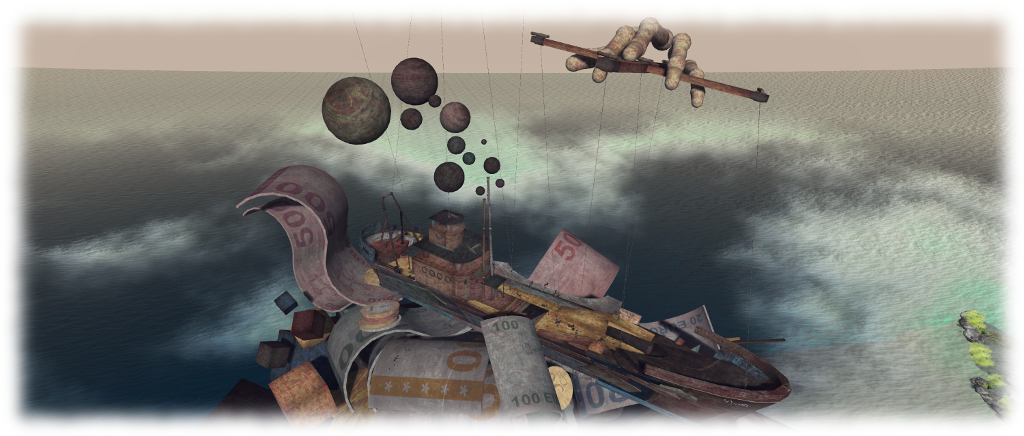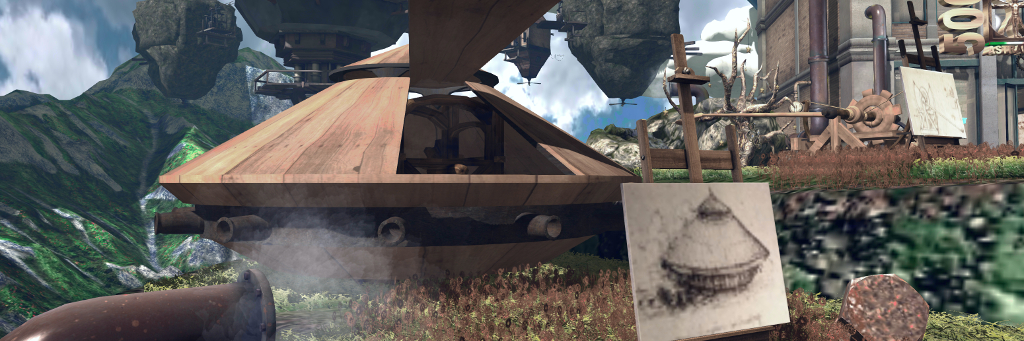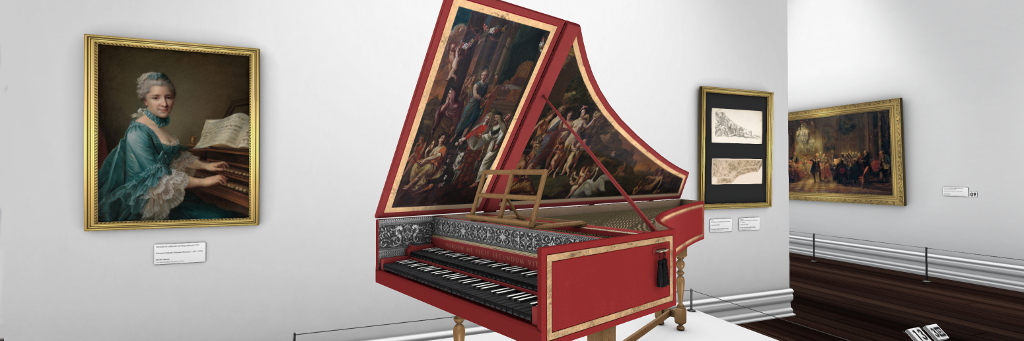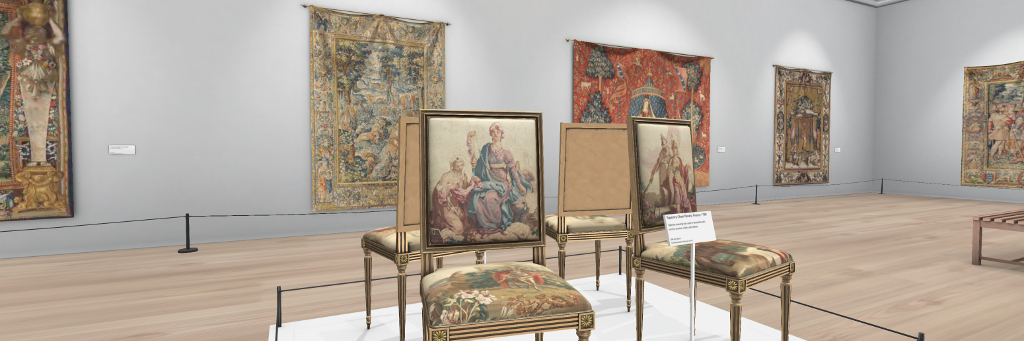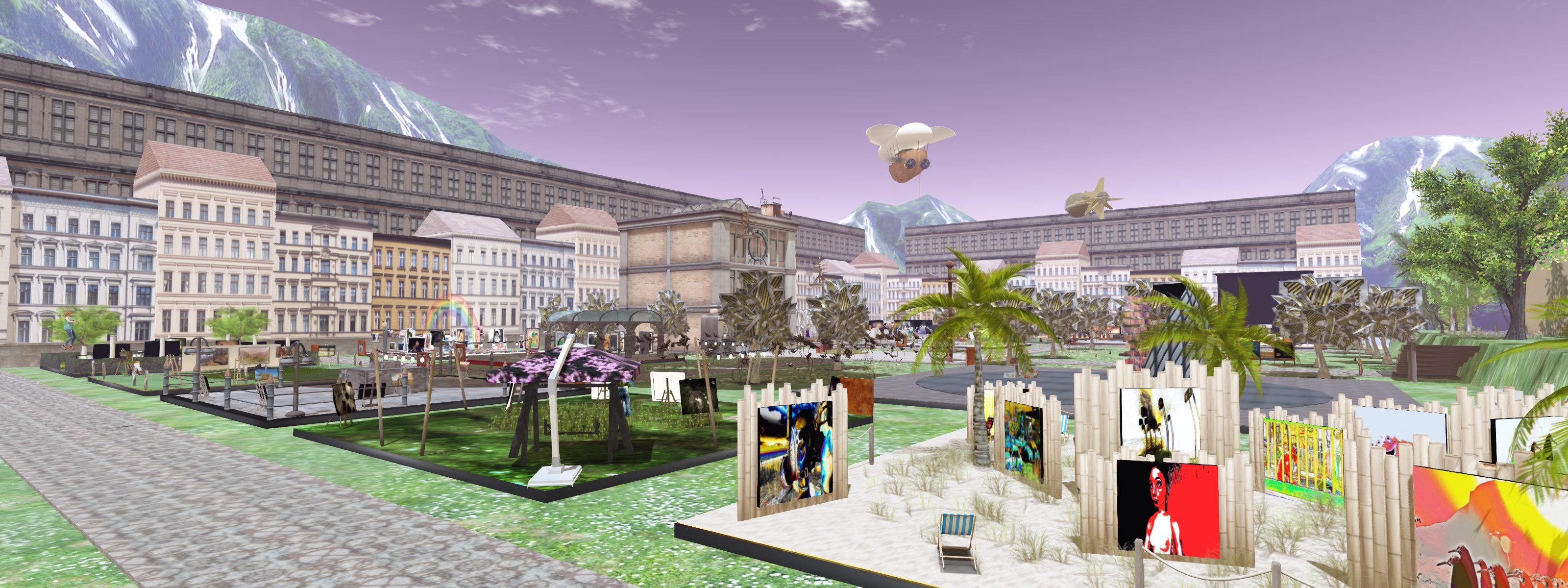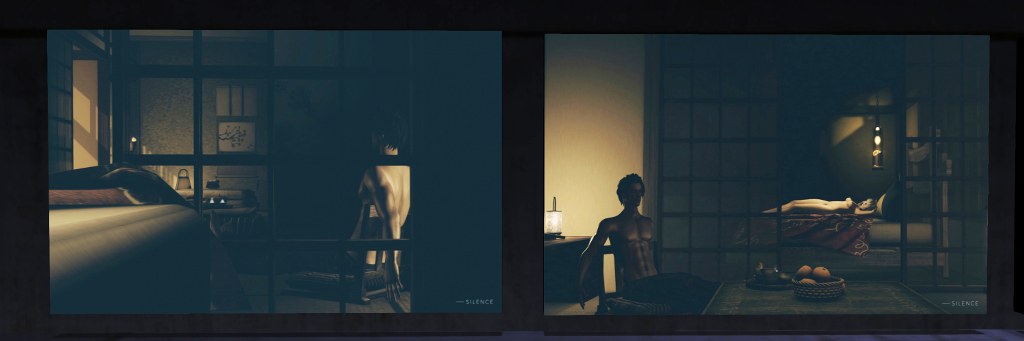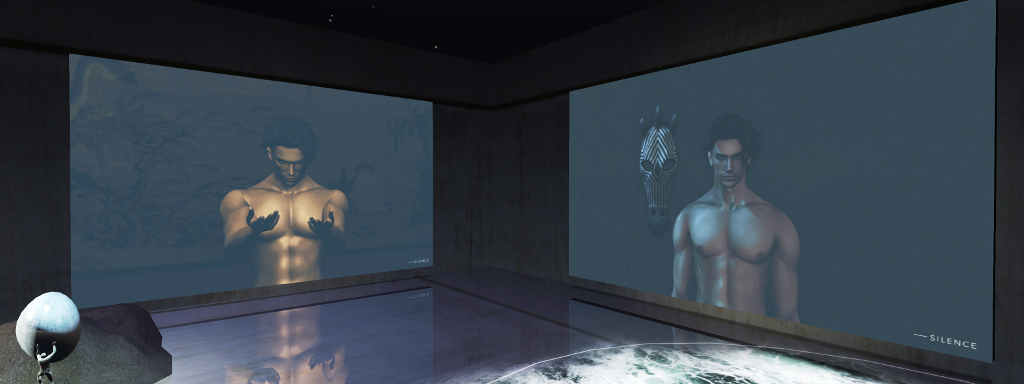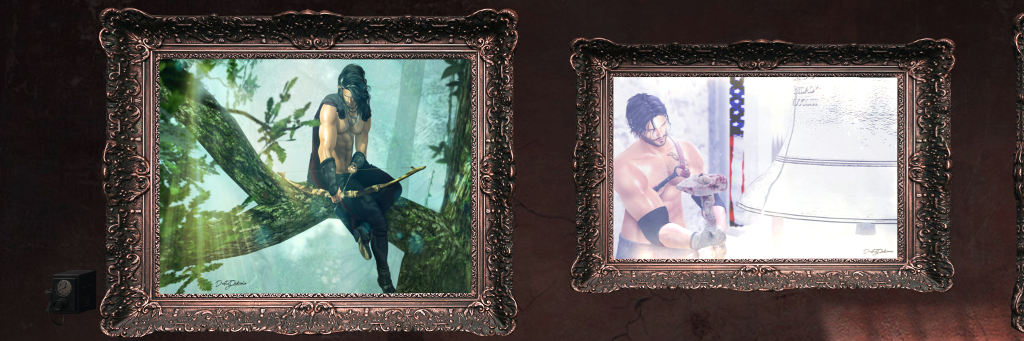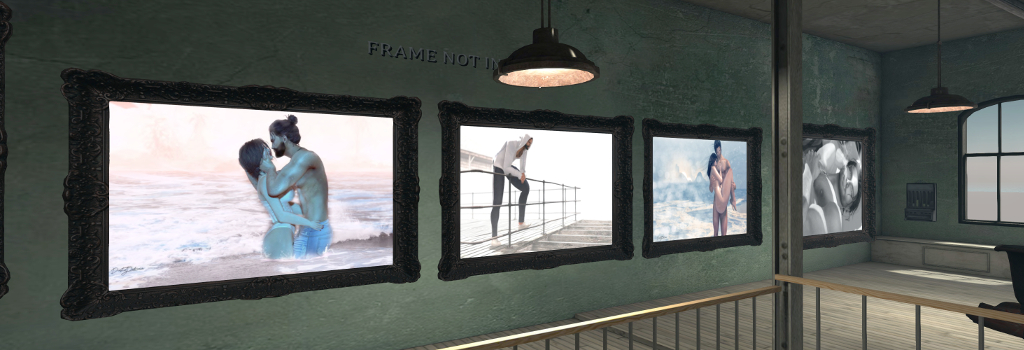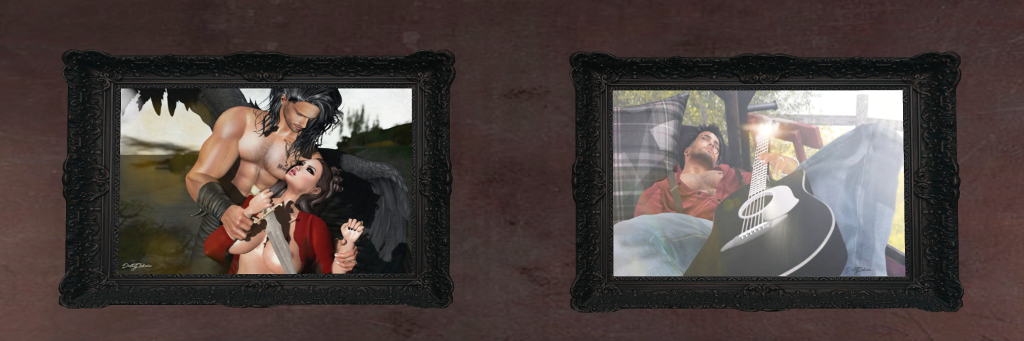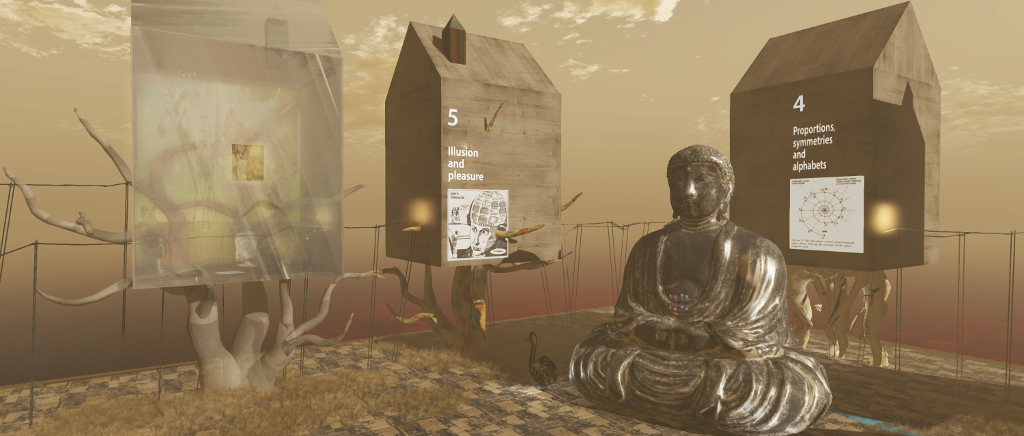
The Raglan Shire Artwalk is one of the staples of the SL art calendar, and for 2019, the 14th Artwalk will take place between Sunday, May 12th and Sunday, June 16th, inclusive.
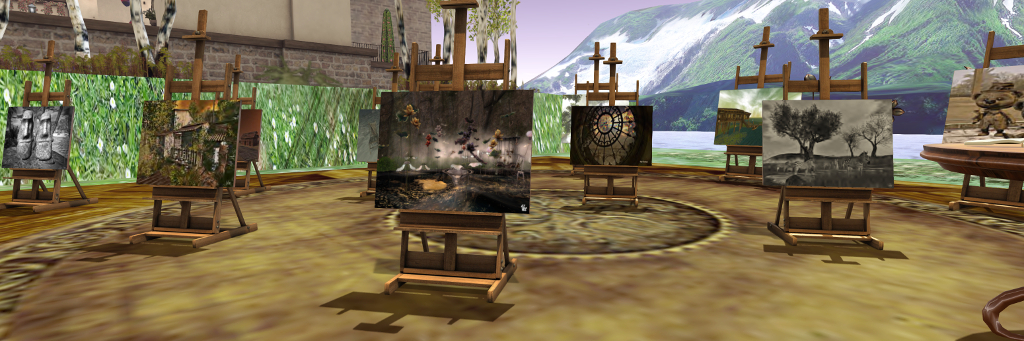
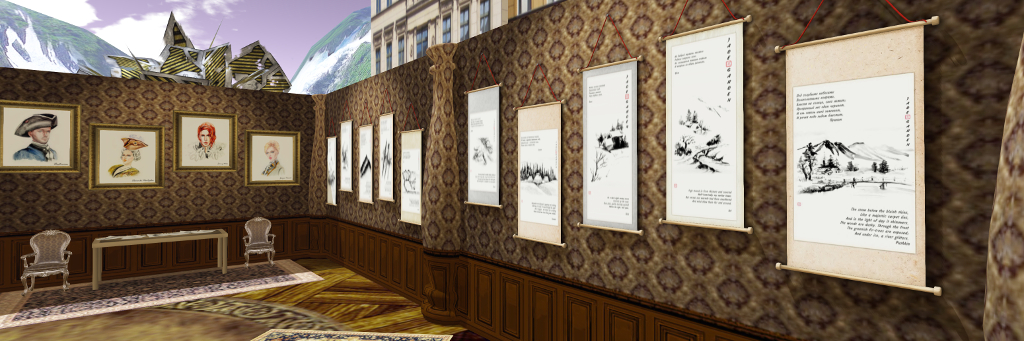
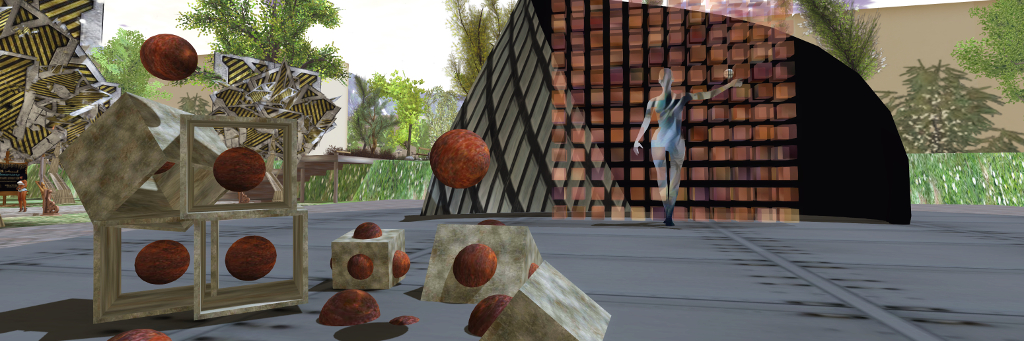
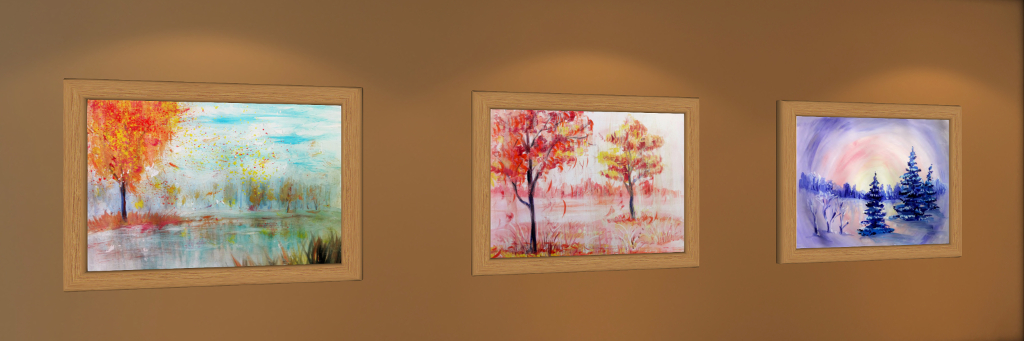
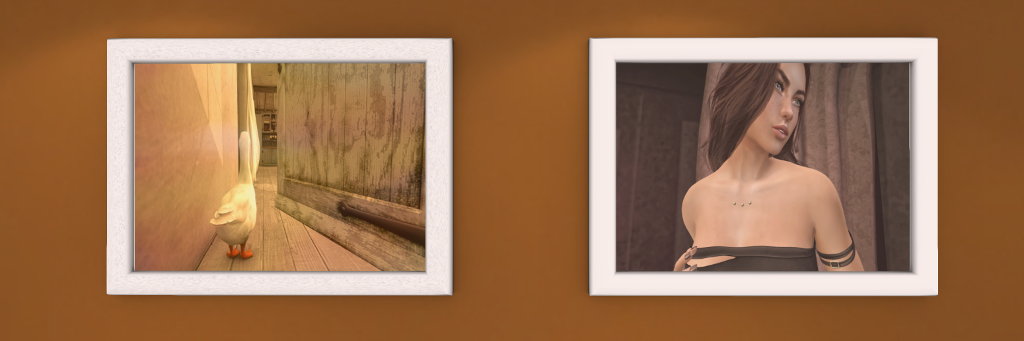
Every year over 100 artists and residents in Second Life display 2D and 3D art across a number of exhibition spaces across all the regions of the Raglan Shire cluster. 2D art is displayed on hedgerows in and around the regions, offering visitors the chance to view pieces as they explore the Shire, while sculptures and 3D art is displayed in a number of designated areas across the regions.
Those wishing to exhibit their work at the 2019 Artwalk are invited to complete the Artist Registration Form, which should be submitted for inclusion no later than 21:00 SLT on Sunday May 5th, 2019.
Artists can display more than one piece if they wish.
2D (“flat” art pieces will be awarded a maximum of 15 LI, and individual pictures should be 1 prim, including the frame.
3D art (sculptures, etc.), will be awarded a maximum of 500 LI for up to three pieces of work. Artists are requested to state the LI per piece in their application.
Sales of art are allowed.
Types of art supported by the show are: representations of RL photography, painting, drawing, printmaking, collage, and digital fine art that can be displayed on a prim; and SL photography, manipulated SL photography and SL sculpture.
Pictures of RL crafts, such as beadwork, leatherwork, etc., are not part of the show’s definition
All the above art forms are welcome, but should be rated PG / G – so no nudity, please!
Group membership will be required in order to display work
Questions and enquiries should be forwarded via note card to Artwalk Director Karmagirl Avro, or Artwalk Assistants Kayak Kuu, Linn Darkwatch, maggi696 or RaglanShireArtwalk Resident.
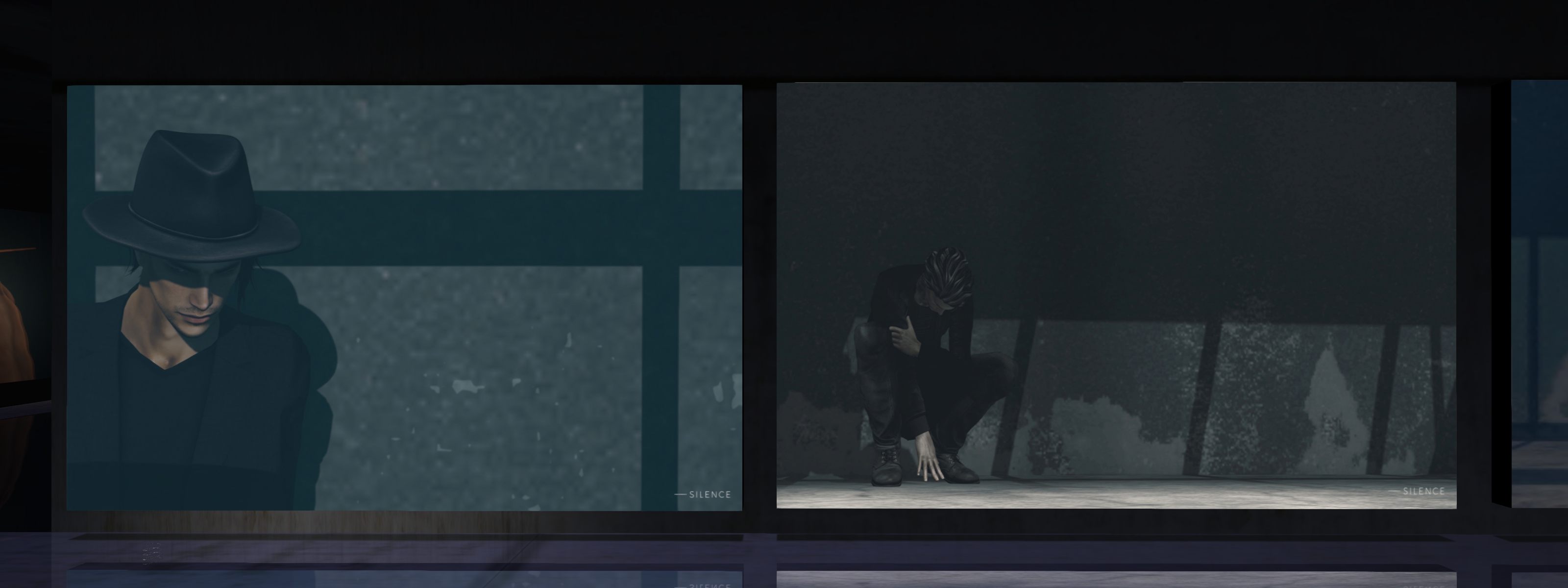
Raglan Shaire Artwalk 2018: Bear Silvershade
Details on set-up will be sent to participating artists on Tuesday, May 7th, 2019. Step-up commences at 09:00 SLT on Friday, May 10th and runs through Saturday, May 11th. Note that space along the hedgerows in Raglan Shire for 2D art is NOT assigned, but can be taken on the basis of first come first serve. Certain areas of Heron Shire will be designated for sculpture set up and available locations set with a marker.
Key Dates
Sunday, May 5th: applications close at 21:00 SLT.
Tuesday, May 7th: Notification of exhibit space location issued to 3D artists.
Friday, May 10th / Saturday May 11th: Artist set-up days.
Sunday, May 12th: ARTWALK OPENS.
Sunday, June 16th: Artwalk closes.
Sunday, June 16th (after 2100 SLT) through Tuesday, June 18th: Takedown of works.
Sometimes I get sad… but then I think about yarn and everything is fine.
With these words, Cica Ghost introduces her latest installation Knitland – and it is one of the most imaginative and whimsical pieces she has yet produced. A wonderful landscape that could only be born of a rich imagine and taste for the fantastic, wrapped in a warm sense of fun and humour.
As the name suggests, this is a world that has been knitted together – quite literally. The ground is a quit of green and teal squares, some dotted with little flowers, undulating gently as if loosely thrown across a bed. From the landing point, a green knitted “road” – for all the world looking like a scarf tossed carelessly atop the quilt – offers an path of exploration through the setting.
But it is the inhabitants that occupy thee land that captivate: birds, cats, snails, mules, chickens – even a gloriously knitted elephant. These all look out across the land, the spaces between them dotted by knitted trees, flowers and berries. Here and there, balls of yarn bounce up and down as they watch passers-by (and visitors can, if they like, pick up balls of yarn avatars from the giver near the landing point, and wear them during their visit). Here and there among the trees, flowers and animals sit quaint little knitted houses, sometimes with one or two handles attached, giving them the appearance of crocheted handbags.
Follow the scarf-road far enough, passing over balls of yarn and the back of a cat and between trees and houses, and it will eventually bring you to the girl who is perhaps responsible for the wonders herein, as she sits and continues to knit the scarf, a whimsical smile on her face.
As one might expect, scattered through the installation are numerous places to sit and / or dance, while strands of wool twist and turn through the air to form trails as if left by the passage of happy-go-lucky bees through the air. Climb the curving ladder that climbs the side of a large green pot, and you’re likely to have another surprise.
But writing about an installation like this really doesn’t do it justice; this is yet another piece by Cica that should be seen first-hand to be properly appreciated and enjoyed. And if you are feeling a little low, then perhaps it will – as Cica’s words suggest – lift you mood and raise the corners of your mouth into a smile.
It may seem a little unfair presenting two reviews of exhibitions at the same gallery space in such short order, but the fact is the Itakos Project, curated by Akim Alonzo, is currently hosting exhibitions by Awesome Fallen and Akim himself which I personally feel should not be missed. Having covered Awesome’s Simply Dreaming just a day ago (see Awesome Fallen at the Itakos Project in Second Life), with this piece, I’m diving into the what might be referred to as “an exhibition of two halves”, both of which feature collections of Akim’s own work.
You don’t make a photograph just with a camera. You bring to the act of photography all the pictures you have seen, the books you have read, the music you have heard, the people you have loved.
Ansel Adam’s words have been the foundation of Akim’s approach to photography, and of the Itakos Project as a whole – and this is clearly demonstrated in both of the displays of art he has on display within the gallery at the time of our visits.
Split between the gallery’s entrance level and the floor above, and occupying the Black Pavilion area, Water is a collection of 12 images focused on the titular subject. However, these are not simply studies of seascapes, coasts or similar. Rather, they are examinations of our complex relationship with water. We are conceived into water, life came from water, we are water; it both defines us and stands as something of a metaphorical image of human life and relationships, all of which Akim sums up in his liner notes on the exhibition.
We are Water and we can not live without it. Sometimes we are like islands lost in the sea, or we float in lush archipelagos full of life. Water brings with it the meaning of survival, it is the immaterial substance of the flowing time, it is the depth of the human soul, of the vital emotions, of joy and fear, fury and tranquillity, of solitude and of love. Water moves me, I am Water.
Thus, through this mix of monochrome and soft colour images we are offered the most stunning of image poems, each of which tells something of that complex relationship. These are pieces of such depth and narrative, they cannot be taken at a single glance; time is required to fully absorb their beauty and hear their myriad whispers. But that said, even looked a briefly, each speaks volumes about Akim’s eye and mind as a photographer; there is little doubting each piece has been influenced by the full breadth and depth of his artistry and all that has influenced it.
The Matrix, the second “half” of Akim’s overall exhibition on display, is located on the floor above the entrance level, within the Orange Pavilion. Its found influence is perhaps more obvious – that of the Matrix movie franchise; however, like Water, it is actually quite complex in foundation and presentation, as Akim again indicates in his liner notes:
These photos are loosely based on the cult movie The Matrix, which I loved a lot. A metaphor for a world of people trapped in a simulated, virtual reality that has many aspects in common with the Second Life world. So I imagined, listening to the Matrix soundtrack, avatars and life scenes in second life revealed in their intrinsic background network … of which we avatars do not realise.
So it is that we are presented with nine images, again rich in metaphor and narrative. Framed by the ideas of the movies, as given form by the soundtracks, they also encompass an observer’s view of Second life coupled with a user’s innate understanding of the platform, with broader influences such as dream echoes and, stirred into the mix.
As with Water, these are pieces rich in story and interpretation. Within them lie questions of reality and identity, and the riddle of worlds within worlds – the Chinese Boxes to which Akim refers – which not only extend inwards through the images, but also outwards to encompass each of us as we view them.
In this, the reference to the Matrix is taken a stage further: not only are these images an interpretation of the films as layered within the virtual realm of Second Life – they actually reflect the central idea of the film: that were are all in fact unwittingly operating within a virtual realm. We are thus as much a part of each of these images, a further layer, if you will, that is observed from somewhere beyond us, as much as we are observers of each image.
However, there is something else here as well; a more innate statement on our relationship with Second Life itself. Within these pictures is a subtle reminder that, no matter how hard we might try to distance self from character within SL, no matter what the roles we play in-world, the backstories we build; the fact remains that facets of our own natures, our own identities, will be impinged on those characters. They are inevitably a projection of self into the virtual. What’s more, their daily encounters and experiences within the virtual realm equally reflect and inform upon our physical selves. Thus, we have a genuinely visceral intertwining between the “real” and the “virtual”.
Together or individually, Water and The Matrix are two absorbing, evocative and engaging selections of art by a master photographer, artist and storyteller.
In 2017, Akim Alonzo launched the Itakos Project as a Linden Endowment for the Arts installation with the aim of presenting the work of SL photographers who, through their images, engage upon story-telling or presenting the ideas of stories, or who seek to present beauty and emotion through their study of the avatar and the worlds around it (see The Itakos Project in Second Life). However, I confess I lost track of the gallery after its 6-month LEA run came to an end. So an invitation to view a new exhibition at the gallery – now in its own location – offered the perfect reason to resume my acquaintance with it.
Simply Dreaming is a remarkable selection of pieces by Awesome Fallen, an SL artist whose work I’ve always been drawn to for her richness of narrative and opening of the imagination. With this exhibit, she presents twelve images on the subject of dreams and dreaming, located in the gallery’s entrance level Grey Pavilion. Surreal, marked by the use of heavy and dark colours and tones, these are perhaps images of the darker side of dreams and dreaming.
Each is – and I use this term deliberately, despite the dark tones and subject presented – a beautiful representation of an instance of a dream; the moment of recollection we can all have when awakening from a period of REM sleep, a single frame of our dreaming thought processes captured in the lens or the mind, or which is retained and held subconsciously and returns to us at the first moment of waking in the morning.
In this, the surrealist nature of the images is entirely fitting on at least two levels. The first is that dreams are always linear or logical; as the brain processes its way through our sleep, cataloguing, filing, recalling – or doing whatever really is going on in our dream state – we can become observers to those processes without really being aware of what if going on or why. Thus the mental images that we regard as dreams can be both vivid and ethereal; images lying one over the other, some clear and fresh or vibrant in their emotion (if not necessarily in their colour), others faded and faint. Within their mixing we oft encounter surreal views and disjointed images or flashes of thought that are sharded and broken or at least confused.
So it is with this images that were are presented with contrasts and juxtapositions: faces split; images that offer a clear view of a subject and a shadowed reflection in the darkness; figures of menace; faces lost; scenes that might be from the day’s activities but turned by the churn of mental processes into scenes that aren’t quite right; negative thoughts and feeling that have become personified. A tumult of emotions and thoughts given form to become surreal stories without clear narrative except the emotional response they create.
The surrealism approach is also fitting when one considers the origins of this form of art – that of developing painting techniques that allowed the unconscious to express itself. The surrealist movement embraced Freud’s work with free association, dream analysis, and the unconscious. Thus, by presenting these images in a surrealist form, Awesome not only maintains the movement’s idealism, she actually offers a visual treatise on the nature of the movement itself, literally taking the art back to its roots through the presentation of dreams as scenes.
There is more layering to be found within these images. Take for example the stanza-like line repeated in each of them: On the canvas of your soul, with the tips of my fingers, drawing smiles with the colour of my feelings… Not only does this provide a thread that draws all twelve images into a tapestry; it also suggests that through these images Awesome is offering us windows into her dreams – and into our own. In this latter regard, it is perhaps tempting to see these images as perhaps autobiographical, the capturing of personal dreams; this may be the intent, but equally all twelve pieces speak to our own psyches, offering a means for our subconscious to respond. Hence why, perhaps, on seeing these works we might all feel an odd sense of familiarity and recognition as we look upon them.
Opened on April 7th, 2019 at the Diotima Leisure and Culture Gallery, is a new installation by Spanish artist Ana Oceanida, featuring 2D images presented in a 3D space that forms a part of the overall statement for the installation, which has the simple title of Theatre.
I often discuss the idea of narrative within these reviews, the stories that so often exist with in the images presented by photographers and artists. With Theatre, the story very much is the installation, told through the images displayed, and via the broader setting itself. It is the story of the life – and ending? – of traditional theatre as a medium for teaching and telling stories; and it is a story told through the camera lens of a photographer – the images themselves taken at locations around Second Life.
Best enjoyed with local time set to midnight and with the viewer’s Advanced Lighting Model option enabled (Preferences > Graphics), Theatre can be very loosely split into two intertwined elements. The first is the setting itself, that of the photographer’s developing studio. It contains the paraphernalia of the photographer’s art: the chemical developers, the trays in which photographs seem to miraculously appear in their baths of chemicals, a cropping board, packs of developer’s paper, rolls of film awaiting use, scattered plastic containers of used film, and more, all bathed in the red glow of the developer’s bulb and the photographer stands before a bench carrying out her artistry.
On the walls and floor of this setting are the results of this work: a series of images that might be regarded as unframed slides, more than 40 of them, some in colour, some in black-and white. Offered sequentially, starting with 1-1A in the corner of the room above the photographer’s right shoulder and proceeding to the right, these offer an unfolding story about the theatre that winds back and forth across two walls of the studio, before dropping to the floor to finish their tale there.
The story perhaps isn’t easy to grasp. However, there are grab bags within the installation which contain, among other items, note cards outlining the tale.
I remember that moment, that time when, in the heat of fire started to tell stories , Stories of gods, Stories of monsters, stories of heroes, was such a fascination that I woke up among people that the cold nights became warm to the stories. Little by little you gave me a body, my first body was cold, hard, wide spaces and open-air stands but with your stories became laughed, suffering… and people. My childhood was happy.
In this, the story of the rise and fall and rise (or rebirth) of theatre down through the ages, I was reminded of Jaques‘ soliloquy and lament from As You Like It, “All the world’s a stage, And all the men and women merely players;…” in that we are both observers of this installation and the actors within it; we play our role here in witnessing the story, and thus give theatre another breath of life.
And like Jacques’ view of the seven ages of man, so to is this story ultimately a lament: the passage of time has meant theatre has grown and changed over time, only to perhaps now in the digital age to face its final passing, the permanence of physical structure through bricks and mortar, of floorboards and seats, now giving way to the ephemeral flow of bits and bytes that give rise to impermanence and passing. Hence, perhaps the tear-like rain in the installation.
I’m not sure I agree with the conclusion of the piece – digital environment could be a boon to theatre – but, this is a story after wall, and the tale has its own telling and conclusion. As to the images offered, I can only say that they are fascinating studies, each one of which stands on its own, whether or not one follows the broader story, offering a unique perspective on the places Ana visited in preparing this installation.
La Maison d’Aneli, curated by Aneli Abeyante, has opened the doors to its April 2019 ensemble exhibition, and once again brings together the work of several artists to offer a rich mix of art and artistic expression, featuring 2D and 3D art and a marvellous journey into machinima.
This exhibition starts at the gallery’s ground level, with a most unusual motor show by Willem Koba, which juxtapositions a shiny, pristine parking garage with SL cars and vehicles that have, to put it mildly, seen better days. I’m not sure of the purpose of this element of the exhibition, but it does make an interesting and unusual gateway to the teleport up to the gallery proper.
It is here that the rest of the artists within the exhibition display their work. Calypso Applewhyte and Magda Schmidtzau between them present two very different, yet at the same time somewhat reflective of one another. Magda – or Maddy – has the more extensive portfolio of the two on display, and it demonstrates the breadth of her avatar work, from portraiture, through nudes and fantasy to richly artistic pieces.
Located on he upper floor of the gallery, Calypso – or Caly – offers a more focused selection of work, which leans into fantasy and science fiction elements. Like Maddy’s selection there is a mix of colour and monochrome to the set, but I admit that – as much as I admire Maddy’s work – I was drawn more to Caly’s exhibition, simply because of its captivating “minimalism”. This can be seen in both the images and in the use of the display space around them. This latter point in particular allows the eye to more readily focus on each piece individually, without the distraction of neighbouring works intruding into the eye and mind. This minimalism also presents a rich vein of narrative within each piece, which for me is fabulously exemplified in the wonderful Ma tristesse, seen at the top of this article.
Also split between the gallery’s upper are lower floors are RazorZ and Bachi Cheng – both of whose art I don’t believe I’ve previously encountered in Second Life. RazorZ’s digital work is presented in both 2D and 3D, and is a glorious use of shape, colour and form; his sculptures wonderfully alive and vibrant, while his (apparently physical world) photographs are given a marvellous digital / alien life through the use of colour filtering / layering.
Bachi also presents some of her physical world art on the upper level of the gallery. These are raw, intense and emotive drawings, with Bachi noting, “I love to paint Moments. Moments of life, Moments of Love, Moments so deep that you never want to forget them, Moments at the edge of orgasm or despair, just life; like we ought to live it, plainly.”
Rounding-out the exhibition is a display of Aneli’s own 2D and 3D art, and a joint presentation by Iono Allen and Theda Tammas.
The majority of Aneli’s pieces are beautifully animated and make use of geometric expression to captivate the eye. Colour and monochrome, these are pieces that tend to draw the eye into them, casting an almost hypnotic calming influence through their gentle motion.
Iono and Theda present Samuari, a machinima short film, reached via a walk along an avenue of Torii gates set within a midnight landscape. Filmed by Iona, it utilises elements of Theda’s art (and Theda herself), within an extraordinary piece, worthy of the best of classical Japanese film-making. The story unfolds entirely visually and sans dialogue, supported only by the use of sounds and music. It is a film that, frankly, should not be missed.