
The United Kingdom is to have two space centres operating within the next few years, if all goes according to plan, and at opposite ends of the country.
I last wrote about the plans to have both a vertical (i.e. rocket) launch facility and at least one horizontal (i.e. air lift and launch) facility operating in the 2020s (see: British space ports and some female space firsts, July 2018), and more recently plans for both have taken significant steps forward.
In October 2019 it was announced that construction of the vertical launch facility – now officially called Space Hub Sutherland – to be located at A’Mhoine on the Moine Peninsula, high up on Scotland’s North Atlantic coast, could begin in 2020. It would be used to place small satellites into a polar and sun-synchronous orbits.
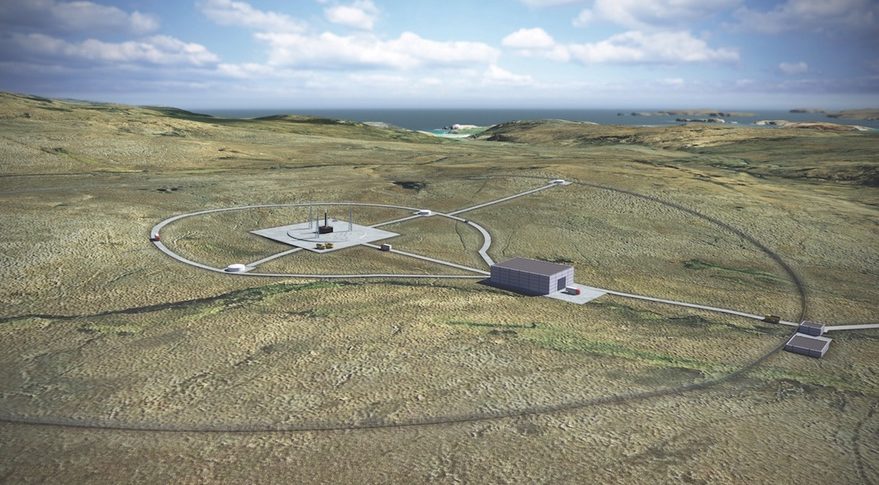
The cost for developing the facility has been estimated at £16.2 million (US $20.7 million), with £2.35 million (US $3 million) already awarded by the UK Space Agency since July 2018. After the required studies, etc., this funding has enabled the Highlands and Islands Enterprise (HIE), a local Scottish government economic and community development agency, to sign a 75-year option to lease the land where the space hub is to be built, and to award contracts for the design of the hub’s launch-control centre and the assembly and integration buildings that will be used by commercial launch organisations to assemble their launch vehicles and integrate payloads ready for launch. Currently, HIE are awaiting formal planning permission to be granted, which will then allow construction to commence.
A partnership of US aerospace giant Lockheed Martin and British aerospace company Orbex have committed to using the launch facility once it becomes operational – possibly in the early-to-mid 2020s.
Orbex plans to use the facilities to launch their innovative Prime rocket, and have already announced a series of contracts for the vehicle, including agreements with the Netherlands-based cubesat launch broker, Innovative Space Logistics and the U.K.-based company In-Space Missions, which plans to launch its Faraday-2b demonstration satellite from Scotland in 2022.
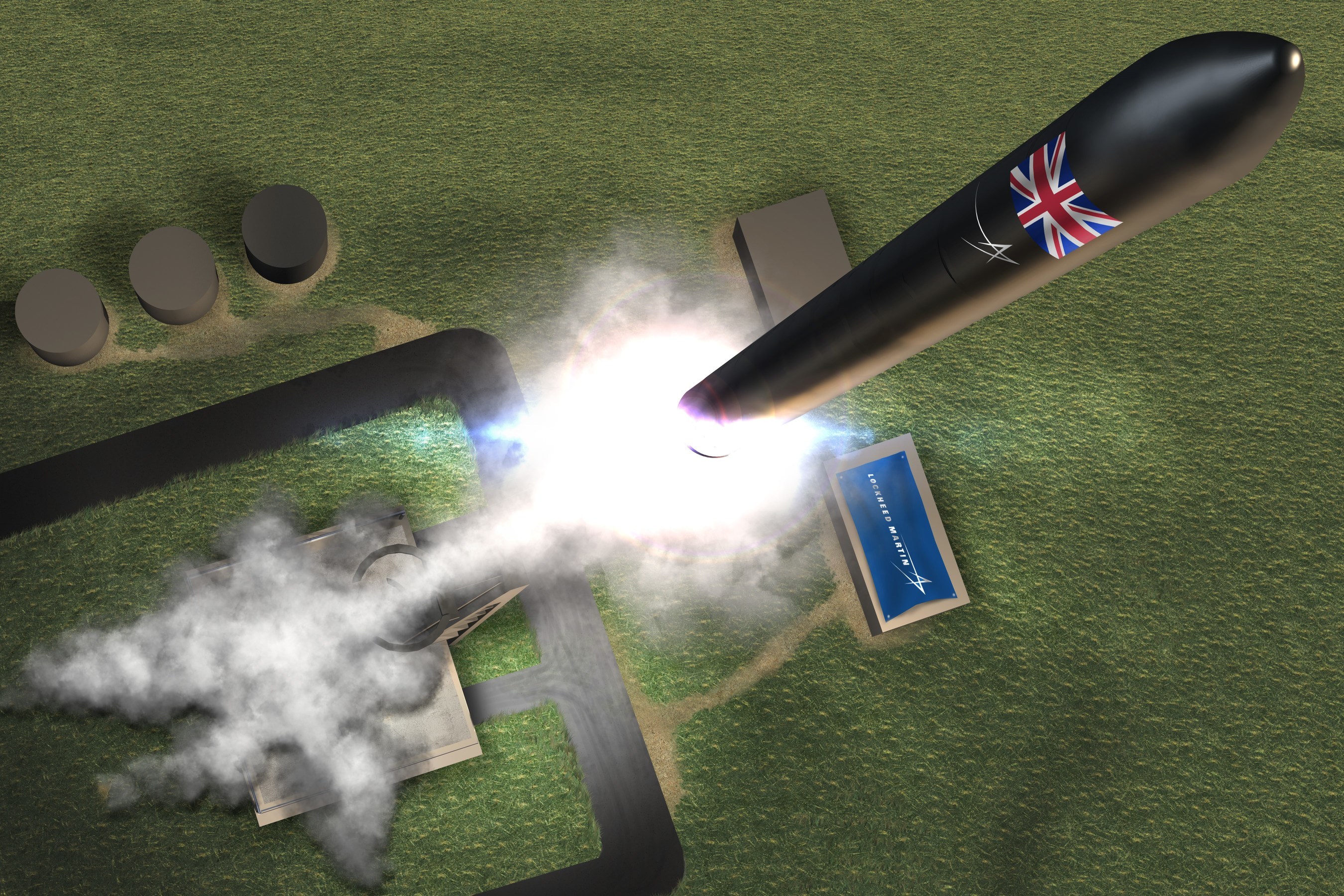
Prime is a leading edge technology launch vehicle that among other things uses 3D printed rocket motors that can be produced as a single unit without joins, and utilises a bio-propane fuel and emits 90% less carbon dioxide than conventional, hydrocarbon-fuelled rockets. Bio-propane is an alternative to natural gas that’s produced from waste or sustainably sourced materials like algae. Development of the system is being partially funded by the UK government to the tune of £5.48 million (US $7 million), specifically in relation to the use of the Sutherland Hub.
Lockheed Martin has received funding to the tune of £24.3 million (US $31 million) to develop a vertical launch system suitable for operations out of the hub. However, precisely what they plan to launch from the facility once it is available, is currently unclear.
Planning permission for the facility is liable to meet some opposition, however. Moine Peninsula is part of an expanse of blanket peat bog that is a candidate for UNESCO World Heritage Site status. These peat lands are regarded as some of the most valuable ecosystems on Earth: they preserve global biodiversity, provide safe drinking water and minimise flood risk. In addition, they are the “largest natural terrestrial carbon store”, and when damaged ecologically, can contribute to greenhouse gas emissions (around 6% of global greenhouse emissions can be traced back to damaged peat lands). As such, opposition to the Sutherland Hub has already been voiced, and further objections may well be expected.

At the other end of the country, plans for a horizontal launch centre at Cornwall Airport Newquay (CAN) – also known as Spaceport Cornwall – took another step forward with the UK Agency announcing on November 5th, 2019 that it will provide £7.35 million (US $9.5 million) to help develop the necessary infrastructure to support operations of the Virgin Orbit air-launch system.
We want the U.K. to be the first country in Europe to give its small satellite manufacturers a clear route from the factory to the spaceport. That’s why it’s so important that we are developing new infrastructure to allow aircraft to take off and deploy satellites, a key capability that the U.K. currently lacks.
– UK Government Science Minister, Chris Skidmore
Responding to the news of the funding, Virgin Orbit indicated that Spaceport Cornwall could host its first LauncherOne mission potentially around late 2021, the precise date being dependent on various regulatory approvals in the UK and in the United States, quite aside from the completion of the required infrastructure improvements at the airport. Should this time frame be met, a Virgin Orbit launch from Spaceport Cornwall would be the first orbital launch ever conducted from the UK (Britain’s Black Arrow launch vehicle was launched from Australia).
The funding is part of a £20 million (US $25.5 million) package promised to CAN; a further £10 million (US $12.78 million) to come from the Cornish local government and £2.35 million (US $3 million) from Virgin Orbit.
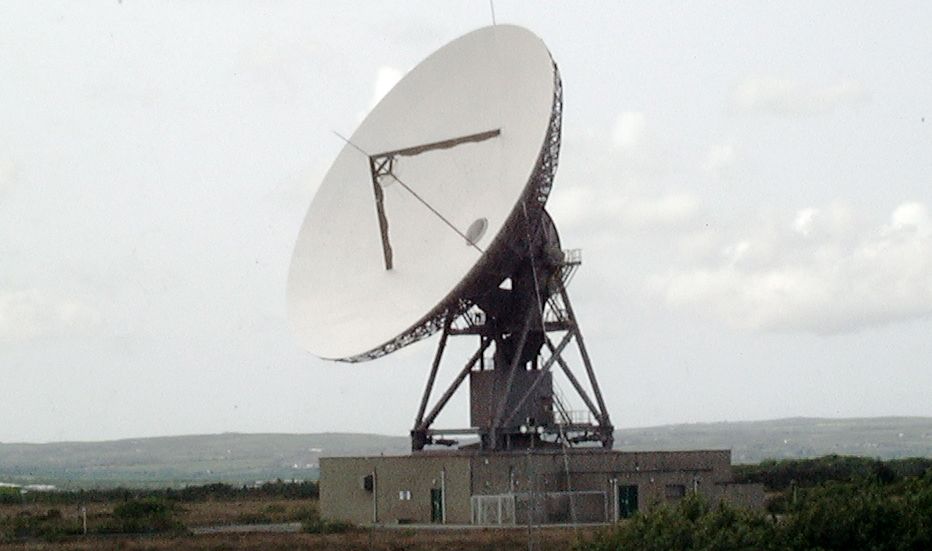
Cornwall itself is well-placed to support space launch operations. It is home to Goonhilly Satellite Earth Station, once the world’s largest satellite earth station, with more than 25 communications dishes in use and over 60 in total, the largest of which were named after characters from the Arthurian legends.
While operations at the facility were pretty much shut down in the early 2000s, the complex has entered into an agreement with CAN to provide communications support for launches from the spaceport, whilst also being subject to possible upgrade and enhancement to support future lunar missions, both crewed and automated – including those planned as a part of NASA’s Artemis programme.
Continue reading “Space Sunday: UK spaceports, Voyager 2 and TESS’s mosaic”














 Inara Pey: Living in a Modemworld