On Monday, April 3rd, NASA will announce the first crew it will send to the vicinity of the Moon since 1972.
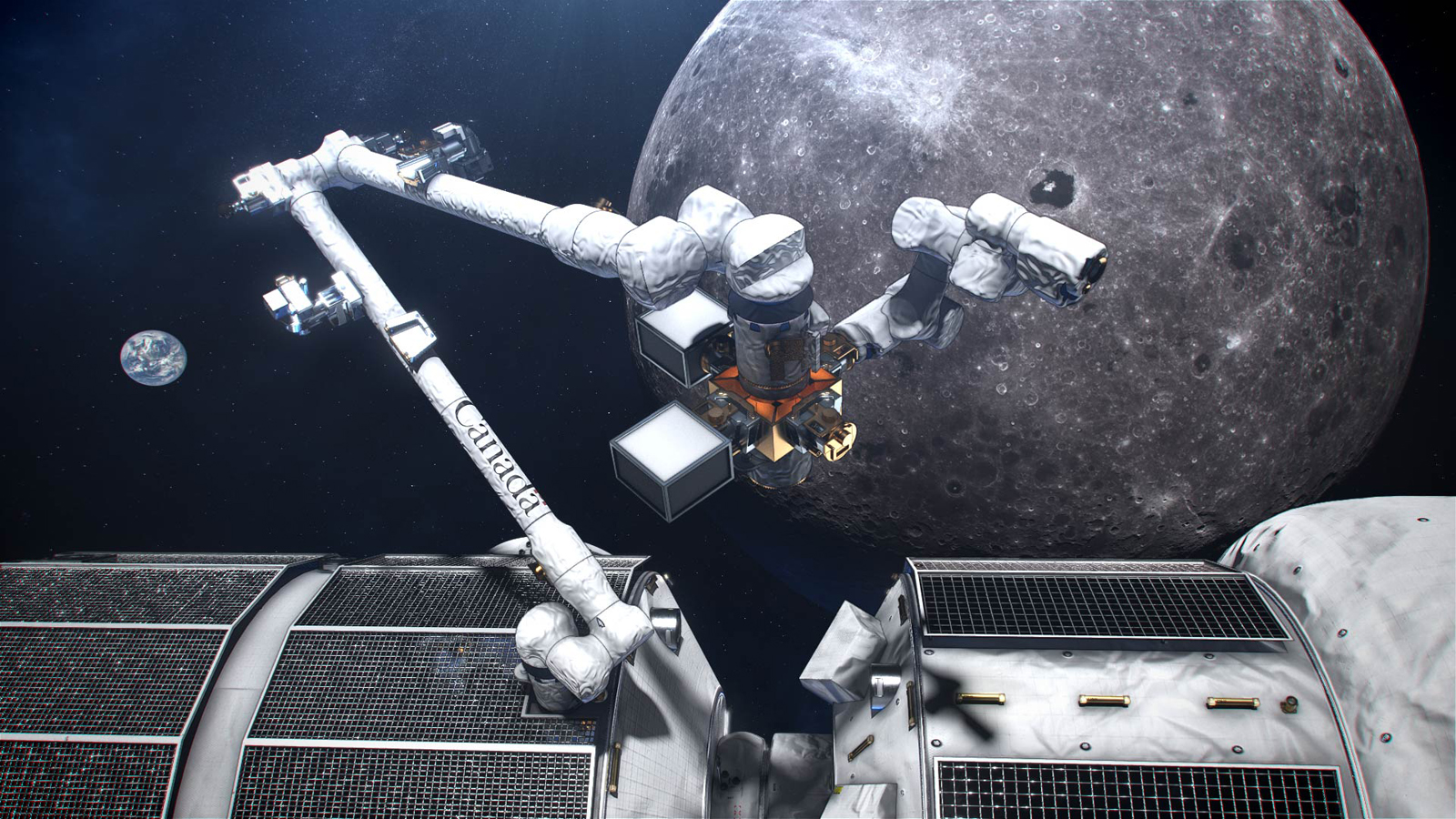
The four-person crew is due to lift-off aboard the Artemis 2 mission, scheduled for launch in late 2024 as what is seen as the leading edge of the 23-nation Project Artemis, intended to establish a human presence on the Moon. Also participating in the announcement will be the Canadian Space Agency – one of the named crewed will be a Canadian in recognition of the country’s pivotal role in the providing a robotic arm for the planned Lunar Gateway station, and which is viewed as crucial to the station’s overall development.
Ahead of the announcement, NASA has been turning to Hollywood-style trailers to amp up the anticipation around the mission, hence the video at the top of this article, which also carries some echoes of Project Apollo from the 1960s and 1970s.
Artemis 2 will be the second mission to utilise NASA’s huge Space Launch System rocket, which first flew in November / December 2022, and will also be the first crewed flight of the Orion Multi-Purpose Crew Vehicle (MPCV), designed to carry crews from the surface of Earth to cislunar space and back again.
Planned for between 10 and 21 days, Artemis 2 will carry the four astronauts (the other three all being from the United States) to Earth orbit and thence on to the vicinity of the Moon using a multi-trans lunar injection (MTLI) trajectory which will initially push the vehicle into an extended elliptical, 42-hour orbit of the Earth.

This extended orbit will allow the crew to conduct multiple vehicle and system checks. They will also perform multiple rendezvous and proximity operations using the spent Interim Cryogenic Propulsion Stage (ICPS) of their SLS rocket as a target vehicle. These operations will put Orion’s ability to carry out precise orbital manoeuvring of the kind till will have to perform when rendezvous with the Human Landing System vehicle (Artemis 3 mission) and the future Lunar Gateway station.
Once these operations have been completed and as the vehicle reaches perigee, it will fire the main motor of its European-build service module and start its journey to the Moon. Using a free return trajectory, allowing it to loop around the Moon and return to Earth for a splashdown in the Pacific Ocean and recovery by the US Navy.
Those wishing to watch the crew announcement live via You Tube on April 3rd.
Water Power in Space and Taking Your Own Pictures from Space
There are many ways to provide in-space manoeuvring for satellites and space vehicles. They range from the relatively “safe” options – cold gas thrusters utilising simple Newtonian physics whereby you direct a jet of inert gas in one direction, and its pressure through the nozzle pushes / turns your craft in the opposite direction – through to more energetic means, such as through the use of hypergolic propellants, which can be quite toxic and require extreme care in their handling prior to launch (or following the return to Earth of a vehicle using them).
But what about a system using plain old simple H2O? That’s precisely what a Japanese company called Pale Blue has been asking itself.
Spun out of research initially carried out by the University of Tokyo three years ago, Pale Blue has been researching various means of using water to propel / manoeuvre satellites in their orbits. Now they’re successfully shown it can be done, using a water-based propulsion system mounted on a nano-satellite built and operated by Sony Corporation as a part of its Star Sphere space inspiration project.
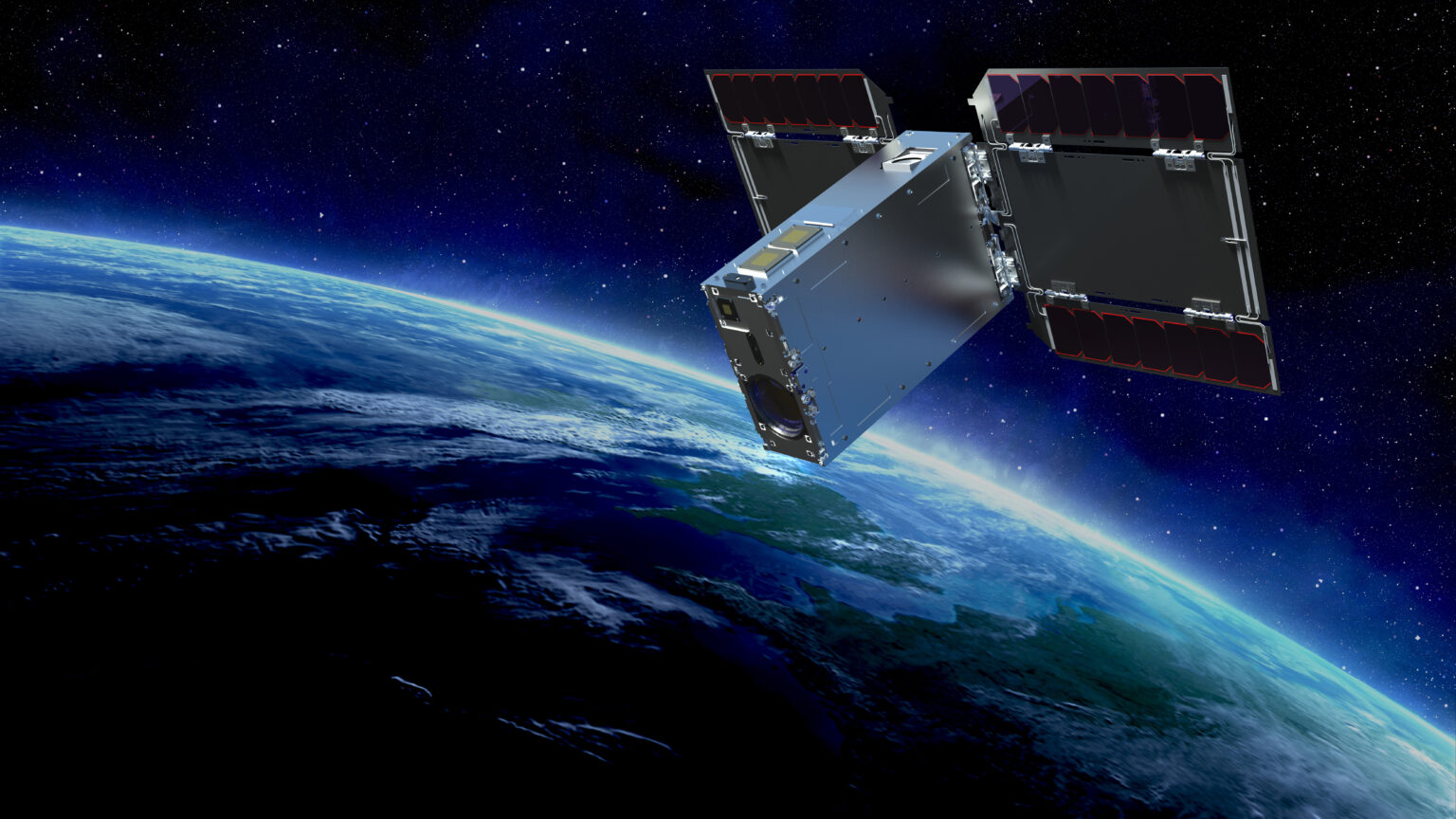
In March, a small resistojet water thruster on the tiny satellite to manoeuvre it over a period of two minutes. A resistojet is essentially a kind of Newtonian thruster mentioned above: water held at low pressure is pushed through a tube, where it naturally vaporises on exit, the expanding gas of the vaporisation used to orient / move the satellite.
The test is seen as proof-of-concept for a series of water-based systems Pale Blue are developing, one of which is intended for direct propulsion of satellites. This will operate in a similar manner to an ion drive: water is vaporised under pressure via a microwave source and the pressurised gas is then ejected as an energetic exhaust in one direction, propelling the vehicle in the opposite. This method could use low volumes of water to produce sustained thrust over extended periods. Combined with the resistojet system, this drive system could be used as a hybrid system using a single water supply to provide both thrust and precise manoeuvring.
Water-based systems have the advantage of being pollution-free and safe in their handling whilst on Earth compared to system using hypergolic systems, but water itself is not entirely mass-efficient compare to other propellant types, so it will be interesting to see where this research leads.
Take Your Own Images and Video of Earth from Space
Star Sphere itself is a uniquely interesting concept. Starting later this year (and initially only available to people in Japan and the United States), it aims to allow “crew members” of “spaceship Earth” to use the satellite to capture their own images and video of Earth and the satellite orbits it. Participants can book a single 90-minute orbit in which they get a 10-minute time slot of their choosing in which to direct the satellite’s cameras to capture up to 50 images or around 30 seconds of video as part of the base membership package, with more images and video to be possibly offered at extra cost once the service opens to public use. Once selected, the images and video is for the exclusive use by the user.
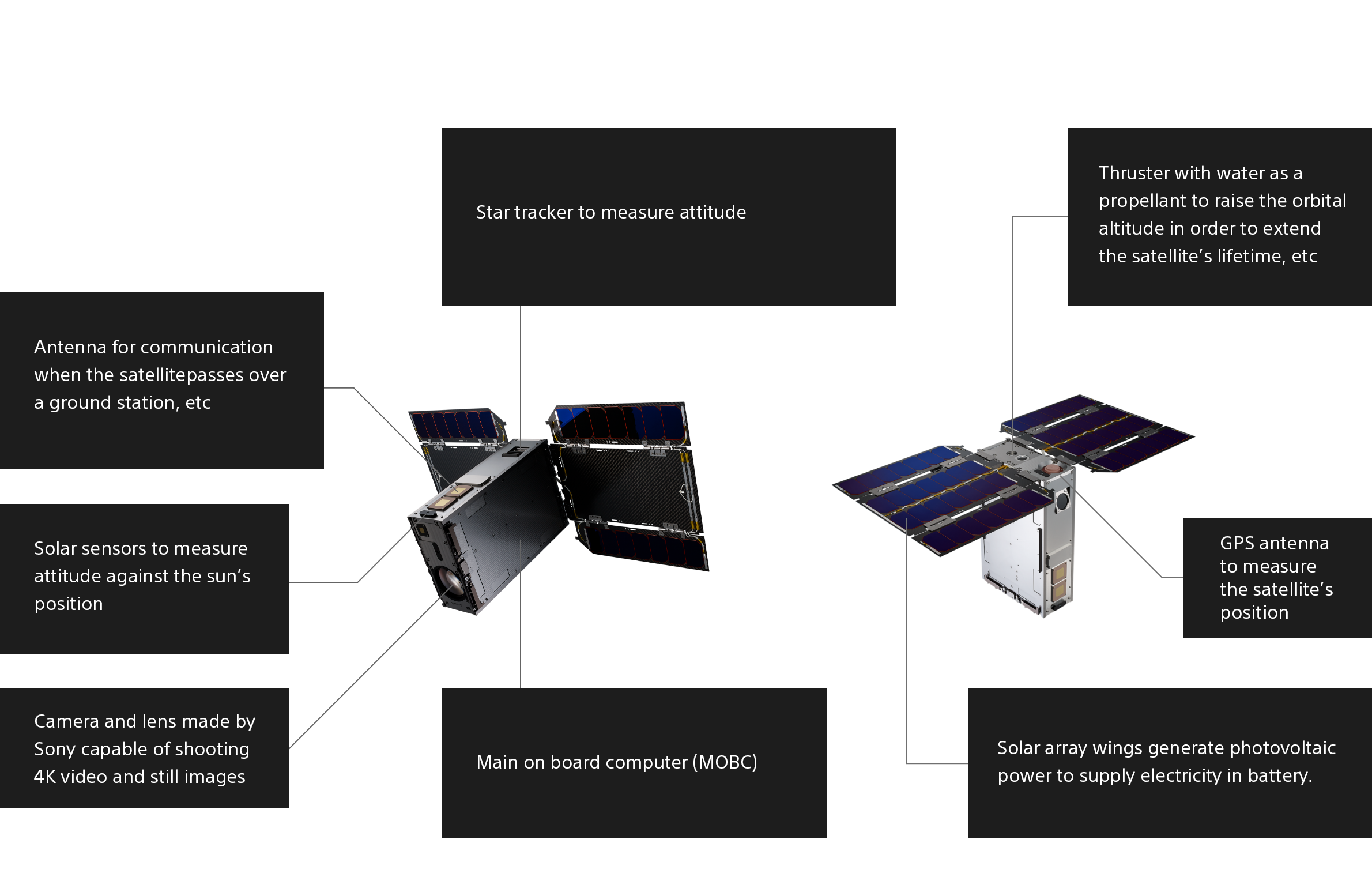
Find out more at Star Sphere.
Continue reading “Space Sunday: astronauts, water, images and launches”
 Inara Pey: Living in a Modemworld