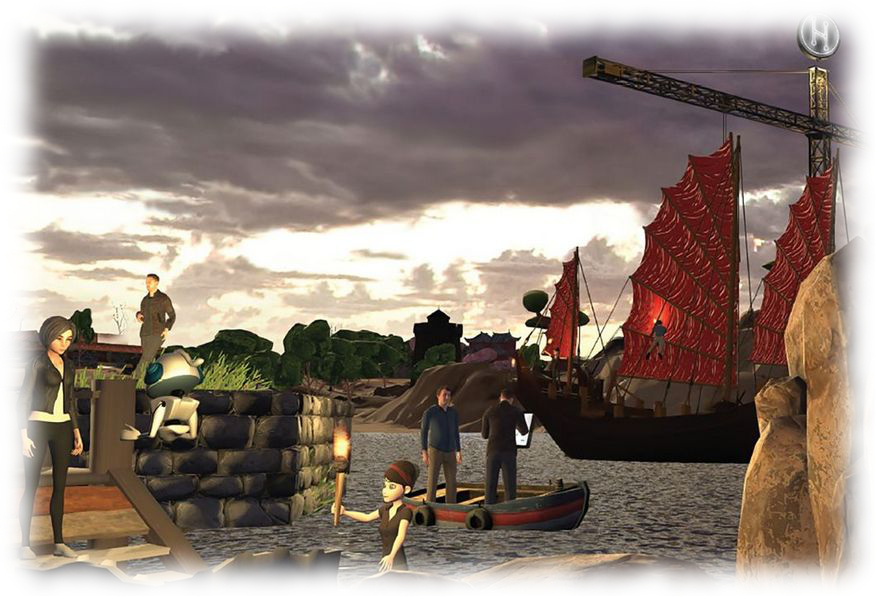
Yesterday, a Tweet from Jo Yardley pointed me to an interesting article in Wired by Rowland Manthorpe, entitled Second Life was just the beginning. Philip Rosedale is back and he’s delving into VR. It’s a lengthy, fascinating piece, arising out of a week Manthorpe spent with High Fidelity, while also taking time to poke his head around the door of Linden Lab, offering considerable food for thought – and it kept me cogitating things for a day, on-and-off.
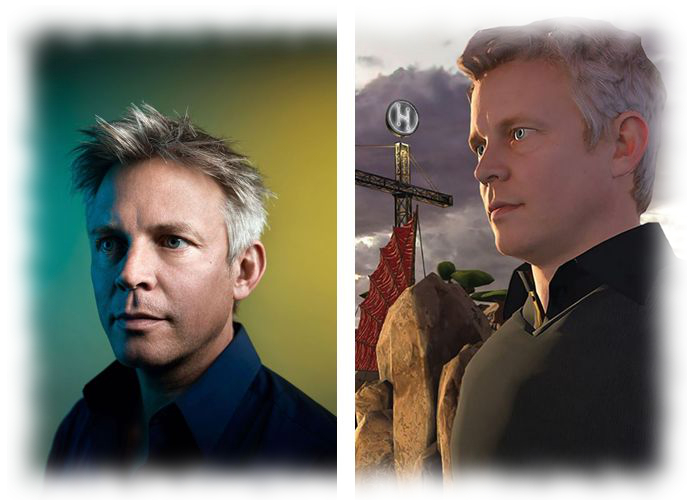
There’s some nice little tidbits of information on both platforms scattered through the piece. For those that have tended to dismiss High Fidelity as a place of “cartoony” avatars, the images provided with the article demonstrate that High Fidelity are walking along the edge of the Uncanny valley; compare the Rosedale-like figure seen the a High Fidelity promo shot within it with a photo of the man himself (below). There’s also further indication that in terms of broader creativity and virtual space, High Fidelity is “closer” to the Second Life model of a virtual world than Sansar will be.
On the Lab’s side of things, we also get confirmation that multiple instances of the same space in Sansar will not be in any way connected (“One school group visiting the Egyptian tomb won’t bump into another – they will be in separate, identical spaces.”). There’s also a hint that Linden Lab may still be looking at Sansar as a “white label” environment.
But what really makes the piece interesting is the philosophical differences apparent in developing these platforms; each is very much rooted in the nature of the man at the helm of each company.
Rosedale is a dreamer – and that’s not a negative statement. He’s been driven by “dreams” and “visions” throughout most of his post Real Networks career. He also leans heavily into the collaborative, open borders model of development. Both have influenced the working spaces he builds around him. Reading Manthorpe’s piece, the High Fidelity office appears to be run along a similar laissez-faire approach as marked the early years at Linden Lab: people dabble in what interests them, focused on the technology; there’s a belief that if the company cannot solve a problem (such as practical in-world building using hand controllers), someone “out there” will, and all will be well.
By contrast, Altberg is more consumer / direction oriented with Sansar. Initial market sectors have been identified, work has been broken down into phases. A structured development curve has been set; as we’ve seen from Lab Chat and other sessions, there’s a reasonably clear understanding of what should be tackled first, and what can be pushed further down the development path. The platform itself is closed, controlled, managed.
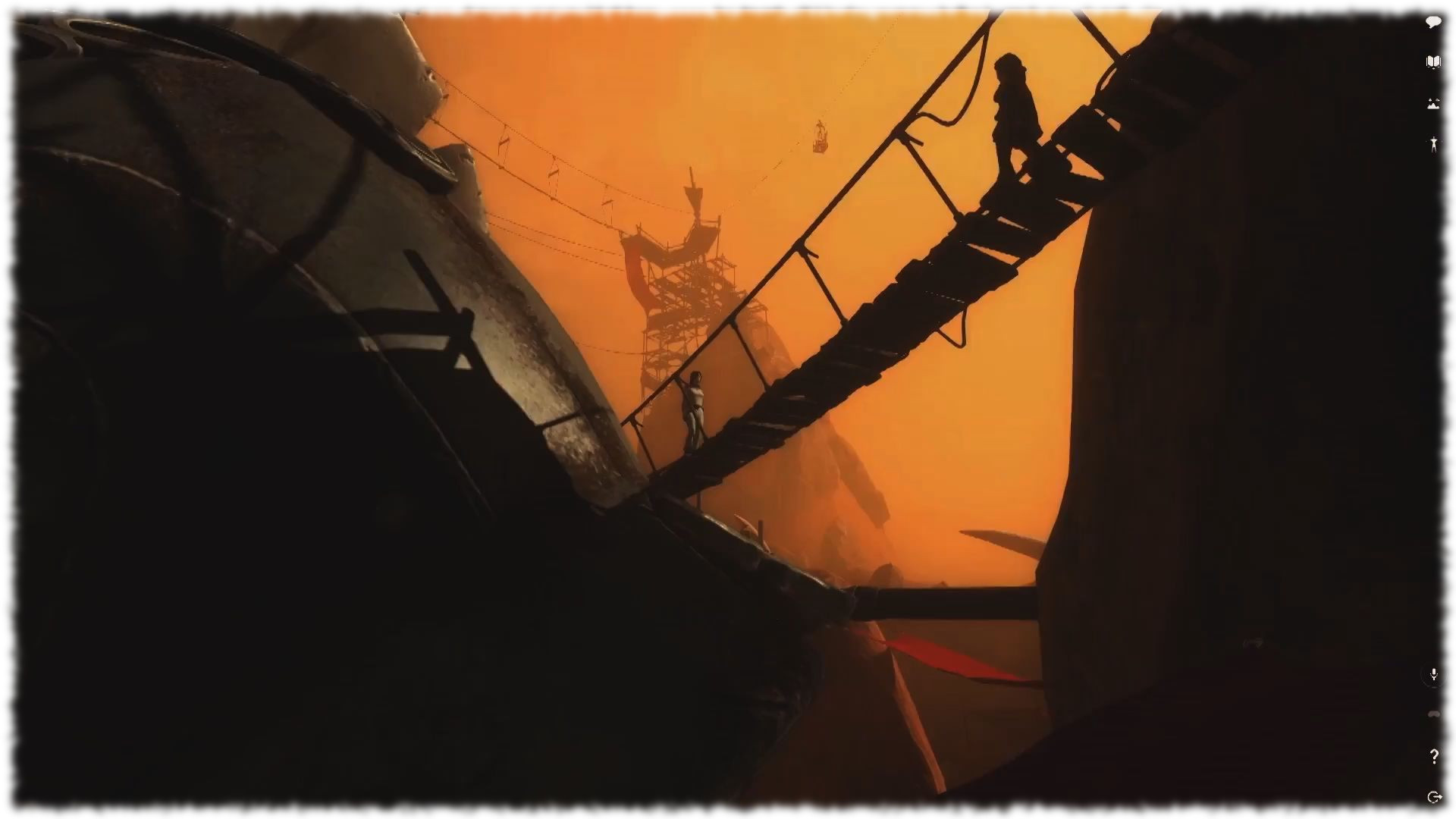
 Sansar (TM) Screen Shot, Linden Lab, October 2016, on Flickr
In adopting these approaches, and given their somewhat complicated business relationship (Rosedale still have “sizeable” financial holding in Linden Lab; linden Lab was one of the small investors in High Fidelity’s $2.4 million round of seed funding), Rosedale and Altberg describe their relationship as “frenemies”. They are both working towards similar goals, and dealing with the same consumer-facing technology, and are equally sniffy of the other’s product. Rosedale sees Sansar is being potentially too closed, too pigeon-holed in terms of how it will be perceived by consumers; Altberg sees High Fidelity as being to focused on the technology, and perhaps demanding more effort than most on-line consumers in the Facebook pre-packaged content age might be willing to invest.
When looked at from outside, the Rosedale / High Fidelity approach is perhaps more in keeping with the state of VR once all the hyperbole surrounding it is brushed aside: VR may well be part of our future, but no-one can honestly say at this point just how big a part of our future it will be. The Altberg / Linden Lab approach is rooted business pragmatism: identify your markets and seek to deliver to those markets; build your product to reflect the market as it grows.
Neither approach is necessarily “right” or “wrong”, and there is certainly no reason why both cannot attract their own market share. But I have to admit I find myself leaning more in Altberg’s direction.
This is admittedly partly because a lot of Rosedale’s broader comments about High Fidelity, the Internet, etc., come across as re-treads of things said ten years ago about Second Life and a transformative future never realised. But it’s more particularly because – as noted above – no-one really knows how pervasive VR will be on a broad level. Other technologies such as augmented reality (AR) and mixed reality (MR) currently lie within the shadow cast by the hyperbole surrounding VR, but have the potential for far greater impact in how we conduct our lives and business. So identifying a market share and aiming for it seems to be the more solid approach insofar as establishing a user base and revenue flow might be concerned*.
Time will obviously tell on this; but one fact is clear: however you regard the philosophies held by Rosedale and Altberg, Manthorpe’s article is a must read. A considered, well presented, in-depth piece, it is sits as a catalyst for considerable thought and potential discussion.
*Edited 25 October 2015, to include this sentence, which was accidentally removed from the initial publication of this piece.






![[05:52] The Sorbonne University and the Egyptian Ministry of Antiquities worked with Insight Digital to produce a 3D model of an ancient tomb based on digital photography and laser scanners. The initial 50 million polygon model, which the Lab were able to publish through Sansar as an optimised 40,000 polygon model visitors to the experience could visit and interact with and within](https://modemworld.me/wp-content/uploads/2016/05/sansar-collision-1.jpg)


 Inara Pey: Living in a Modemworld