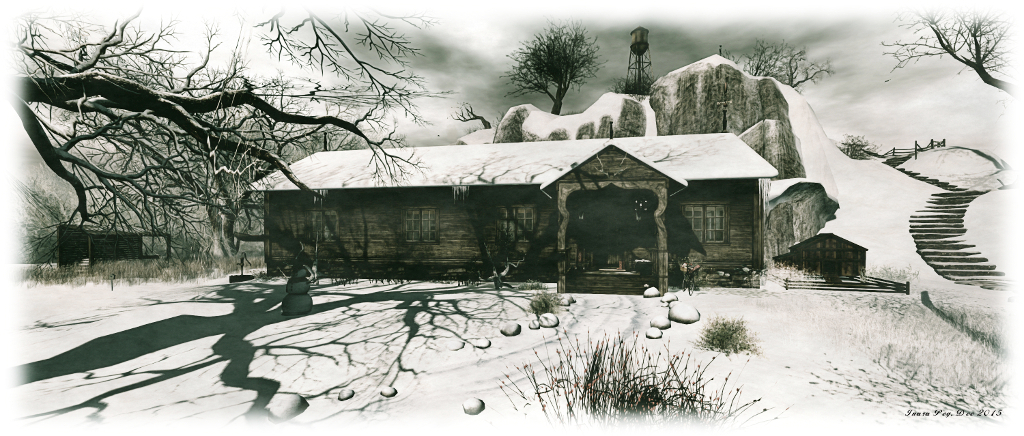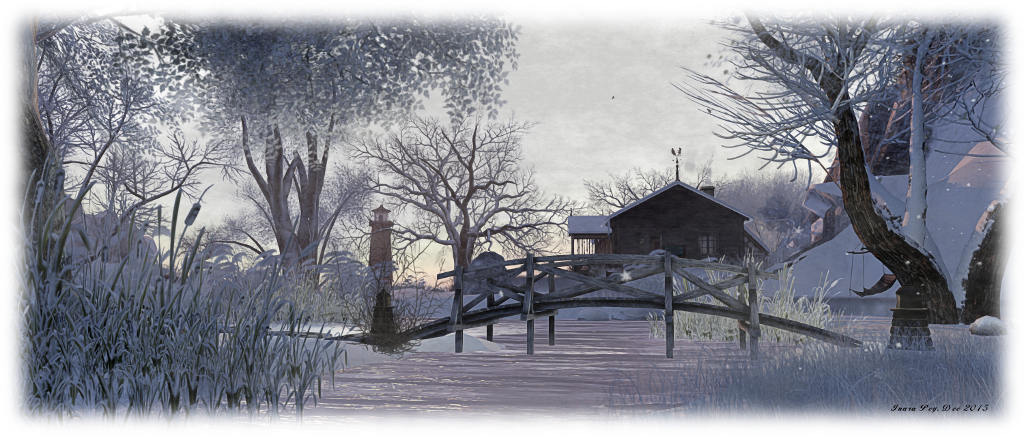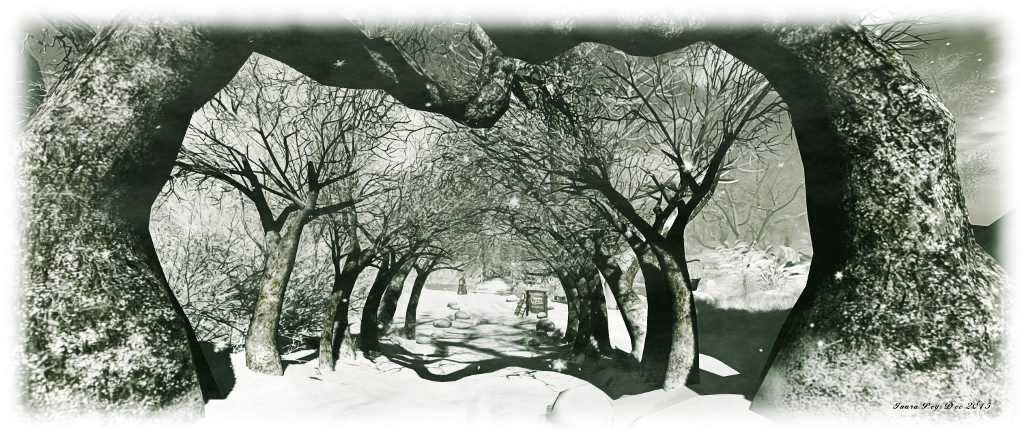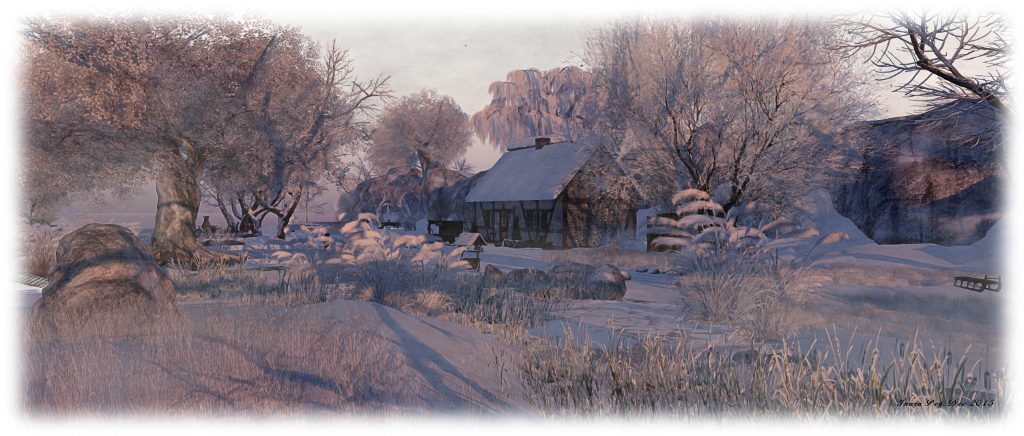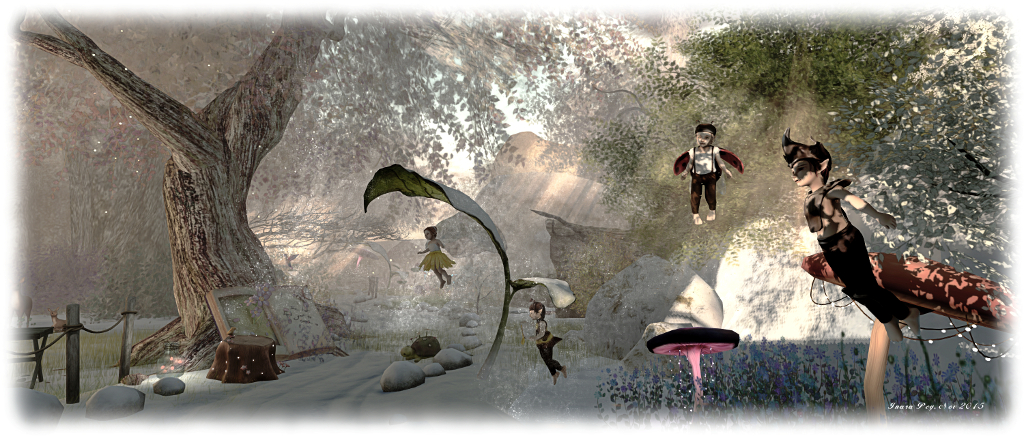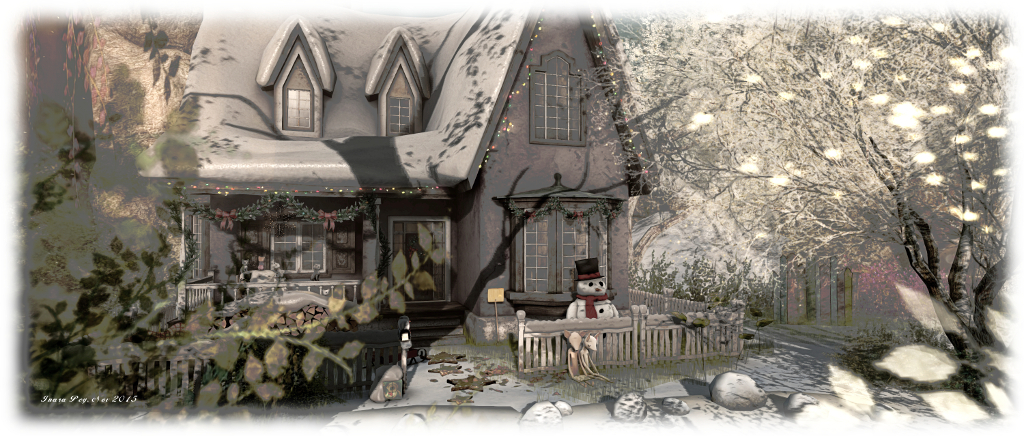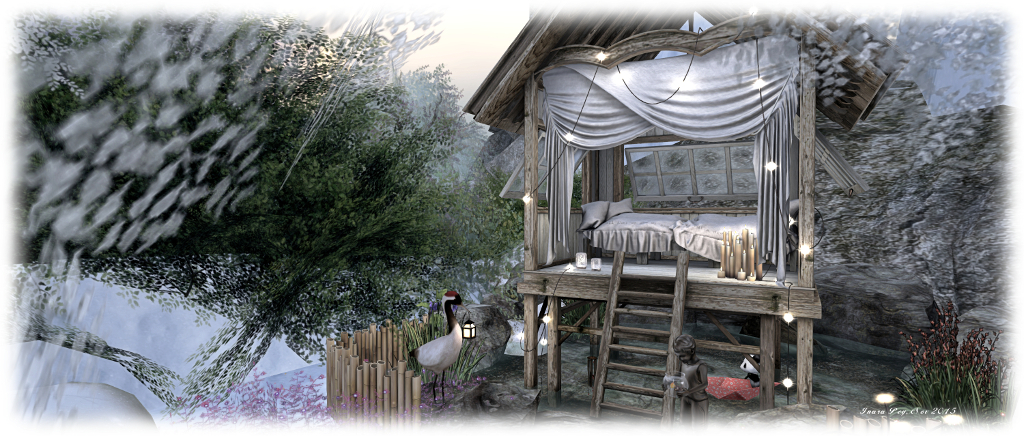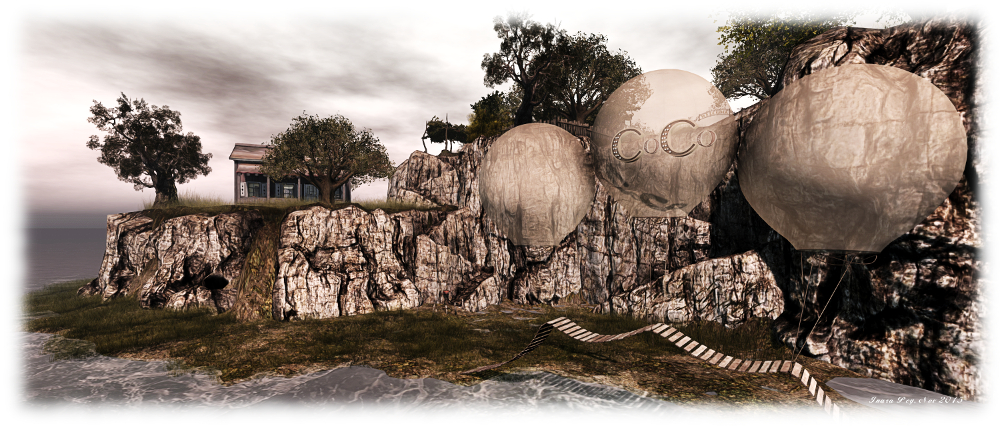
The beauty of a bleak midwinter in Second Life

Furillen; Inara Pey, December 2015, on FlickrFurillen (Flickr) – click any image for full size

Furillen, Serene Footman’s homestead region has been on my radar for a while, having been labelled as “under construction” the first time I dropped in during November. This past weekend offered an opportunity to make a revisit to see how things are progressing, so Caitlyn and I headed over to look around.

The region is named for – and modelled after – a small island off the north-east coast of Sweden’s largest island, Gotland. During the 20th century, Furillen was a centre for limestone quarrying, but in 1970 it was taken over by the Swedish military to become the location for two air defence radar installations, the quarries being abandoned as a result. With the military presence now largely gone from the island, it has, since 2000, it has been the location for a minimalist hotel and conference centre owned by photographer and entrepreneur Jonas Hellström.
Furillen; Inara Pey, December 2015, on FlickrFurillen (Flickr)

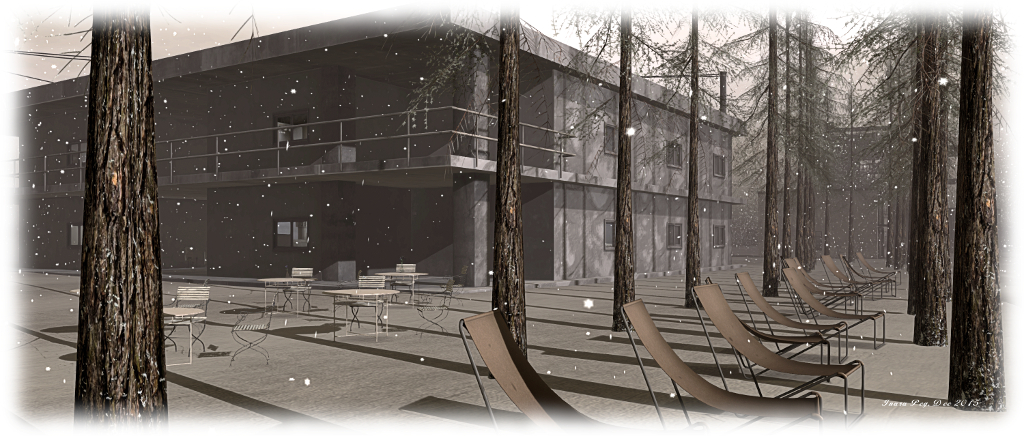
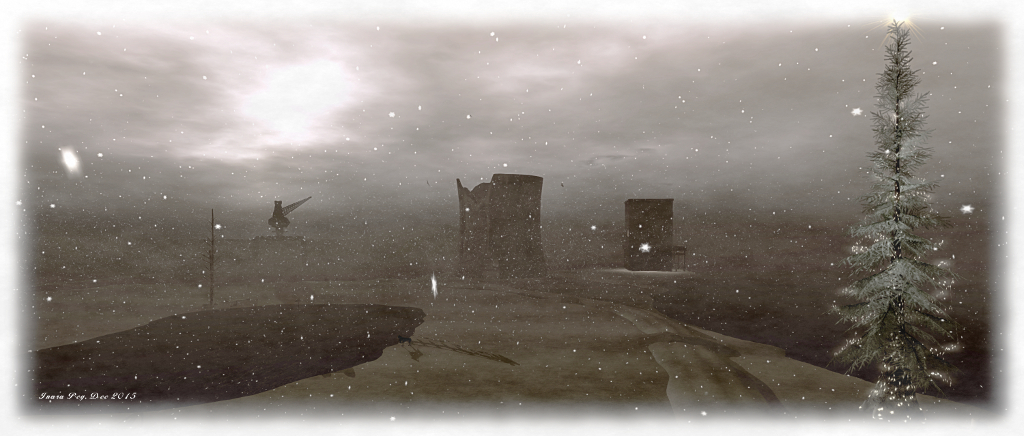
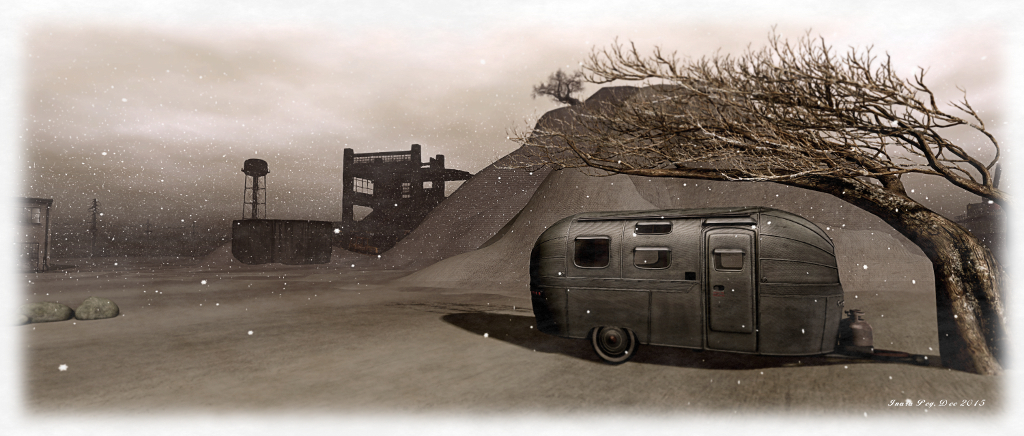
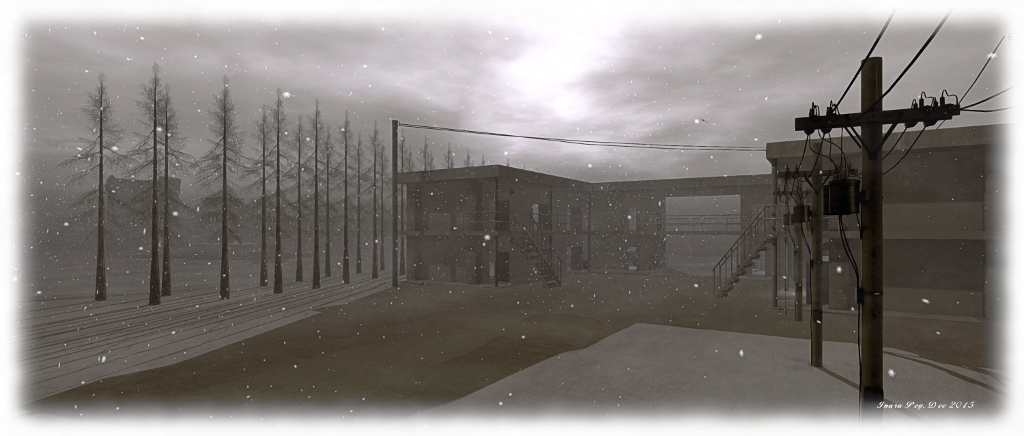
Serene Footman takes these elements from the original Furillen and brings them in-world to present, in keeping with  Hellström’s approach to his hotel, a minimalist design shrouded in the bleak skies and heavy snows of midwinter, which is quite starling and captivating in its desolate beauty.

Explore the island and you find not only the squat, angular lines of the hotel, but also other landmarks from the original, including the remnants of the old limestone quarries, complete with rusting heavy equipment, traces of the former military presence, and some other quite unexpected sights.
Furillen; Inara Pey, December 2015, on FlickrFurillen (Flickr)

There is also a touch of the surreal to the design as well, something I particularly felt on seeing the door marked “Exit” in the south-east corner of the region, separated from the island by a stretch of cold water, and apparently beyond reach. This, with the presence of the Peatonville Asylum’s Queen of Denial put me in mind of the final lines of The Eagles’ Hotel California. Whether this is intended or not, I’ve no idea; although to me the echo of the lines didn’t seem to be entirely out-of-place.

Which is not to say Furillen is in any way sinister; far from it. As I’ve already noted, there is something remarkable in its desolate look. It is hard not to be drawn in to the rugged beauty of the landscape and the functional, stark lines of the buildings here. It’s an attraction that is very hard to leave behind, as I’ve discovered for myself, having bounced back a number of times throughout the weekend and since.
Furillen; Inara Pey, December 2015, on FlickrFurillen (Flickr)

Serene Footman plans to keep Furillen going for as long as there is an interest in visiting the region, and has indicated he’ll be adding to it and changing things as the mood takes. So, if you do visit and find yourself as captivated as I, do please consider leaving a donation at one of the tip jars to help towards running costs. And to fully experience the region, do take time to listen to the accompanying music stream, which adds further depth to the region as one explores.

SLurl Details

A Frisland Winter in Second Life

Frisland; Inara Pey, December 2015, on FlickrFrisland (Flickr) – click any image for full size

It’s been a while – a year in fact – since my last visit to Frisland, the region Charlie Namiboo, Anna Barzane and Frislanda “Fris” Ferraris created while imagining what the mystical land for which it is named might look like, if it were to actually exist. however, a note from the team announcing the region has once again put on its winter coat for the end of the year prompted me to suggest to Caitlyn we jump across and take a look.

The region takes its name from the “phantom island” which started to appear on maps as a place in the North Atlantic from around the 1550s onwards, and continued to do so for at least the next 100 years, although its position was prone to movement. Some maps would place it south-west of Iceland, others closer to the Faroes off the coast of Britain, while still others depicted as a part of a chain of islands extending from the Labrador coast almost as far as Scotland. It even appeared on maps produced in the 18th century, when it was thought to be the southern part of Greenland, separated from the rest by an ocean strait.

Frisland; Inara Pey, December 2015, on FlickrFrisland (Flickr)

Given the island’s imagined location, it is only right that winter should come to Frisland in second Life and bring with it a full blanket of snow and coats of wind-blown frost on the trees. The tracks around the island are still visible, even with the ruts filled with snow, and the local animals appear to be accepting the turn of the weather with equanimity, while the locals appear to have retreated indoors.

As this was Caitlyn’s first trip to Frisland, we wandered along the paths – gracefully ignoring the sleds sitting waiting for use; neither of us was particular sure our driving skills would be suited to careering down a hill and possibly into innocent bystanders! – and found our way past the horses and up onto the higher grounds before making our way down to a riverside fireplace for a warming snuggle and chat.

Frisland; Inara Pey, December 2015, on FlickrFrisland (Flickr)

While the passing of the year is marked on Frisland, the overall layout of the island remains constant. As such, there is an obvious familiarity the returned visitor feels on arrival; one that carried with it the warm assurance that this is a place we know and where we can feel at home. At the same time, Frisland offers those new to it with plenty to see and enjoy.

For my part, I found that a year away was really to long a period of time, while Caitlyn said she found Frisland to be a warm place, despite the snow on the ground and overcast skies! so i think it safe to say Frisland is firmly back on the roster for regular outings for us!

Frisland; Inara Pey, December 2015, on FlickrFrisland (Flickr)

SLurl Details

An Everlong stay in Second Life

Everlong; Inara Pey, November 2015, on FlickrEverlong (Flickr) – click any image for full size

ARNICAR India creates beautiful water-themed regions which can mix the natural and the surreal in a perfect blend to produce a lasting memory of a place that’s easy on the eye, heart and mind and where the soul can find peace. Her latest creation, Everlong, is no exception in this.

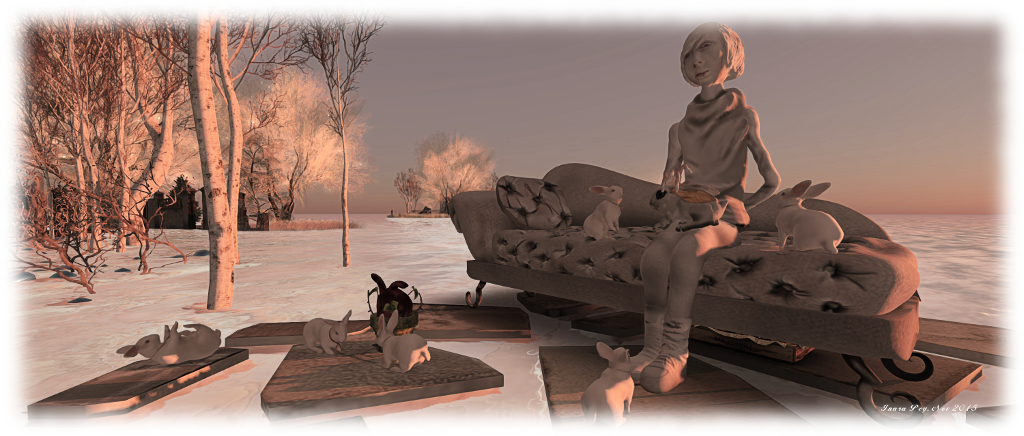
The landing point features a small stage, the backdrop to which extols visitors to Celebrate (the moments of your) Life, as a little troupe of rabbits perform ballet on bleachers close by, and a piano and cello await their players.

Everlong; Inara Pey, November 2015, on FlickrEverlong (Flickr)

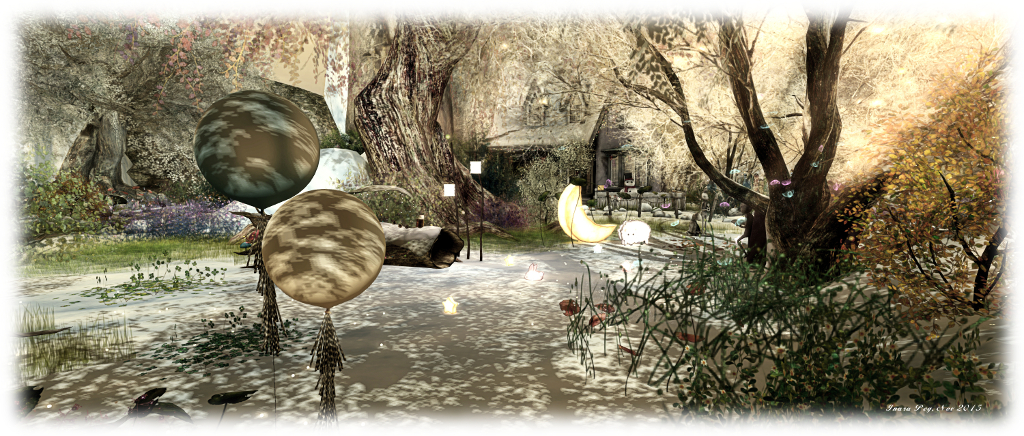
As the sun sets to the west, it falls across a series of small vignettes lying across the ankle-deep water, awaiting exploration. The central, and largest of these features a ruined house with bric-a-brac and mementos within, a huge gnarled tree standing over it and seating amidst the wet grass outside.

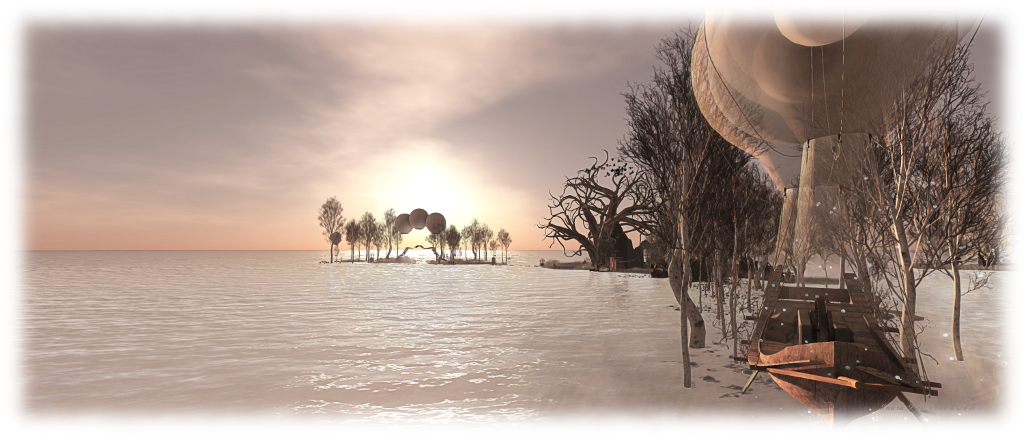
Follow the stepping stones through the garden wall and a little yard awaits, Christmas trees partially decorated. Here is another little sitting area, the chairs arranged on an unflooded stone floor, while a watery avenue leads onward between silver birches, to where Bryn Oh’s Milkdrop sits, and a little further beyond her, a boat suspended beneath balloons awaits.
Everlong; Inara Pey, November 2015, on FlickrEverlong (Flickr)

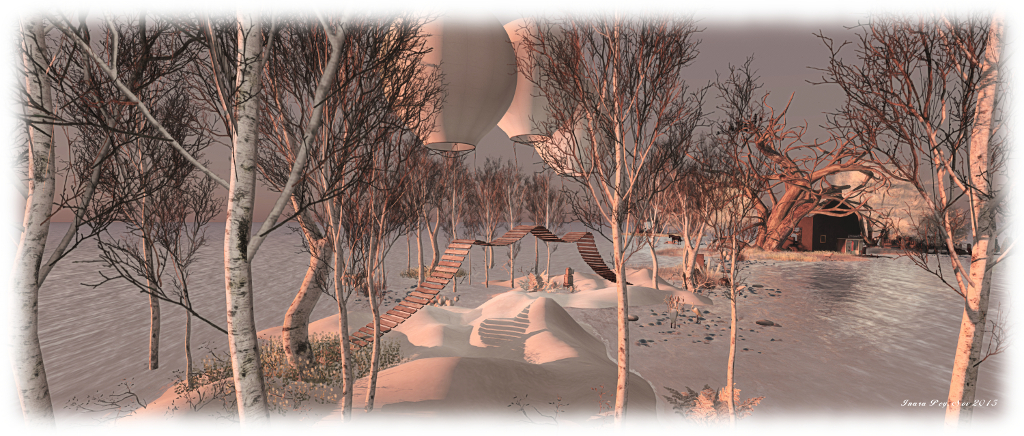
Balloons are something of a theme here; head west and a little north from the ruined house and you’ll find a snowy set of islets amidst more silver birch, connected by a wooden bridge suspended under three hot air balloons, while a little balloon cart sits nearby.

Despite the minimal approach, there is a lot to see within Everlong, and not all of it on the ground – keep an eye out for the ladder to discover another winter’s scene, where you’ll find more to see and places to sit on your own or in the company of another. And don’t miss a ride on the horses or the photo booth behind the house ruins, which offers amusement of its own.

Everlong; Inara Pey, November 2015, on FlickrEverlong (Flickr)

As with ARNICAR’s Imagination, which I wrote about here and here, Everlong presents a water focused peaceful setting, beautiful minimal in approach, yet offering a lot to captivate the eye and camera. Not a placed to be missed by the keen Second life explorer.

SLurl Details


A Storybrooke Winter in Second Life

StoryBrooke Gardens, Baja Norte; Inara Pey, November 2015, on FlickrStorybrooke Gardens (Flickr) – click any image for full size

It’s that time when seasonal themes come to the fore; as the year starts to fade and the northern hemisphere feels the chill of winter; when snow, ice and frosted scenes slowly spread across Second Life, bringing with them the anticipation of Christmas and holidays, and a range of activities best served by that blanket of snow.

As much as I love wandering Second Life and finding places to visit and explore, it is often the winter scenes that attract me the most. I’m not much into all the twinklies and stars and glitter and decorations; but winter in Second Life oft presents us with idyllic, picturesque and tranquil scenes of snow and winter, it helps those of us trapped in the dreary reality of rain, cold winds, sleet and slippery paths, to escape to an altogether more pleasing and comforting winter.

StoryBrooke Gardens, Baja Norte; Inara Pey, November 2015, on FlickrStorybrooke Gardens (Flickr)

In 2014, one of the wintry locations I particularly enjoyed visiting was Lauren Bentham’s Storybrooke Gardens. It’s a place I’ve visited numerous times since it first opened, high above Baja Norte; one which offers a changing environment through the year in which visitors can escape the world at large – physical or virtual. I’m happy to say that this year, the winter theme has returned, and is largely unchanged from 2014. So, if you missed it then, now is the perfect opportunity to enjoy it.

This is a place where the snow has fallen rich and deep, blanketing the garden fully, and long enough such that paths have been trod across it to lead visitors around the trees and bushes and from scene to scene, amidst the muted tones and occasional burst of colour.

StoryBrooke Gardens, Baja Norte; Inara Pey, November 2015, on FlickrStorybrooke Gardens (Flickr)

There is much to see here – more than may at first be apparent – so take your time with your explorations, and be sure to have local sounds enabled to capture the rich ambient sound scape as you wander the paths and drift from little vignette to little vignette, greeted by characters and critter alike. Keep an eye out, as well, for the many places to sit and rest; this is a place where visitors are welcome to tarry and escape the bustle of life, be it spending time on a sofa, cuddling in a summer-house or laying on a blanket and watching the world go by.

It’s hard to deny the charm and enchantment of Storybrooke Gardens, and if you’ve never paid a visit before, I think it safe to say that once you have, you’ll be coming back throughout the year to see how the seasons change things – just as many of us who be fortunate to discover the Gardens previously have always found ourselves drawn back once more, at least once a year.

StoryBrooke Gardens, Baja Norte; Inara Pey, November 2015, on FlickrStorybrooke Gardens (Flickr)

SLurl Details

Voile: sheer delight in Second Life

Voile; Inara Pey, November 2015, on Flickr Voile (Flickr) – click any image for full size

Voile is a relatively new residential region to Second Life, and a place I was recently invited to explore by Maddie (MadisonRaelynn), who is both a resident there and a reader of this blog. I’m glad I took her up on her offer – although she has my apologies for taking a while to actually get a post properly written-up.

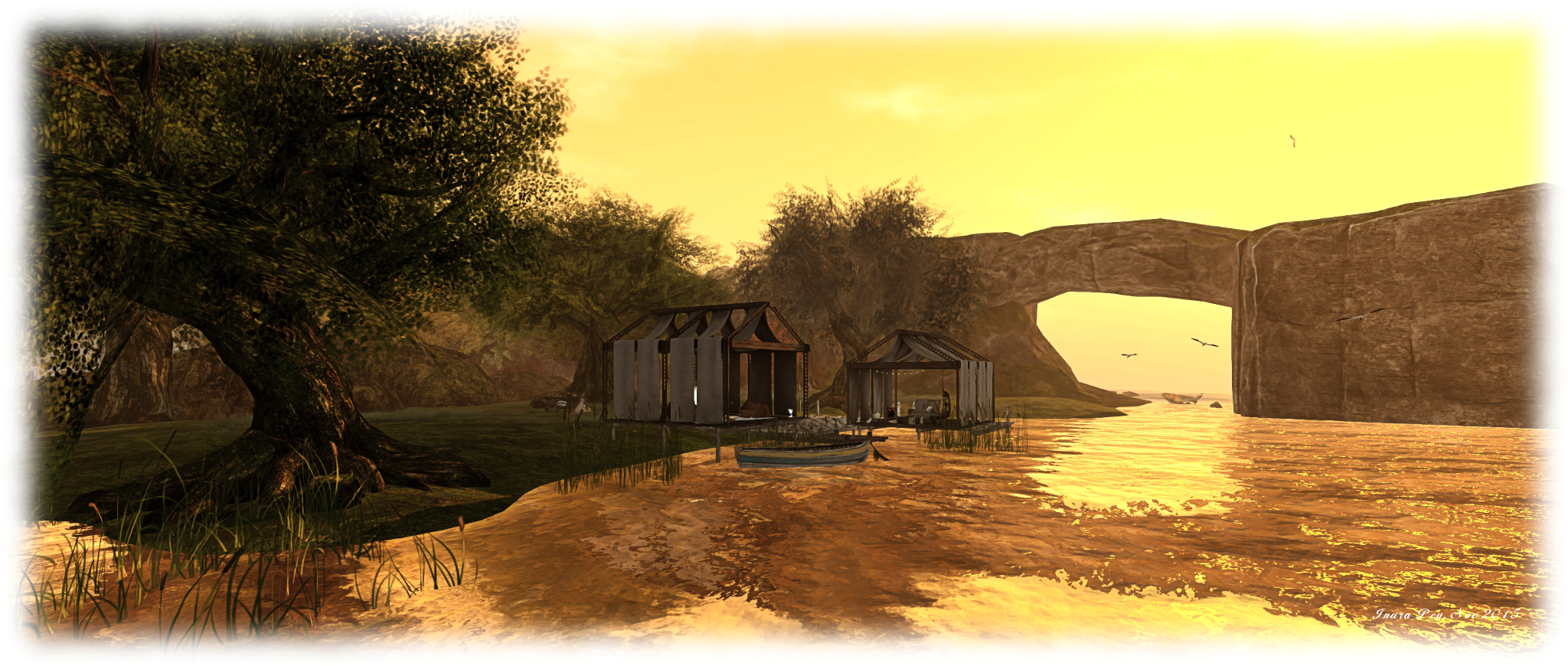
Designed by Heloise (Heloise Evanier), Voile presents an exquisite landscape focused on a central craggy plateau of mixed elevations, with low-lying coastal areas below, not quite encircling it. Houses are scattered across both the plateau and the low-lying areas, seemingly at random; however, each has been placed with a careful eye to ensure it enjoys a comfortable degree of privacy from neighbours and a view out over the sea. All of the houses are beautifully blended with public areas awaiting exploration by visitors and open to the enjoyment of residents. As the welcoming notes in About Land state, everyone is invited to spend time in Voile – just so long as the privacy of residents here is respected.

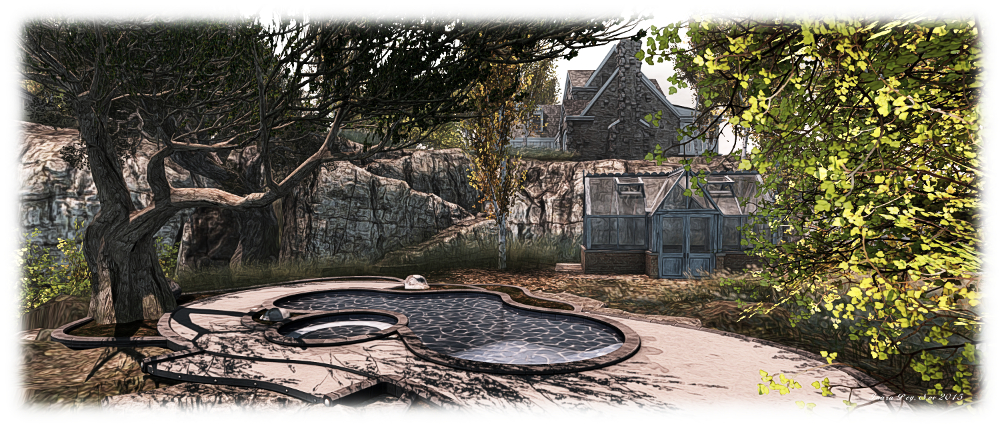
Voile; Inara Pey, November 2015, on Flickr Voile (Flickr)

The houses on the region are an eclectic mix, ranging from rustic cottages through farmhouse and Tuscan villa to large manor style homes, with a converted church and even a tree house mixed in for good measure. Yet all work together to offer a seamless whole to the region.

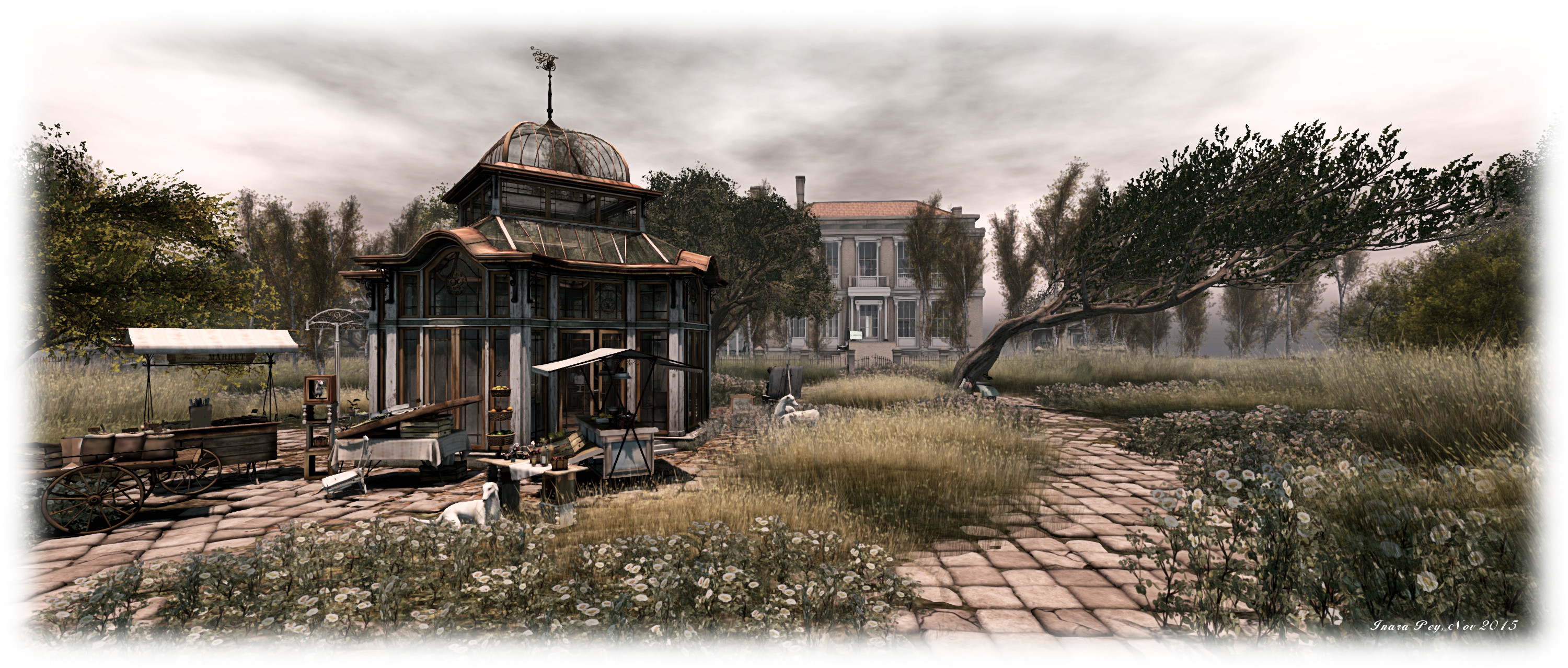
The properties on the high central plateau are arranged around a central orangery / pavilion. Paths of old stone paving meander through tall grass to link each residence with its neighbours and also offering paths to the ramps and cuttings which lead to the low parts of the plateau or down to the areas just above sea level.

Voile; Inara Pey, November 2015, on Flickr Voile (Flickr)

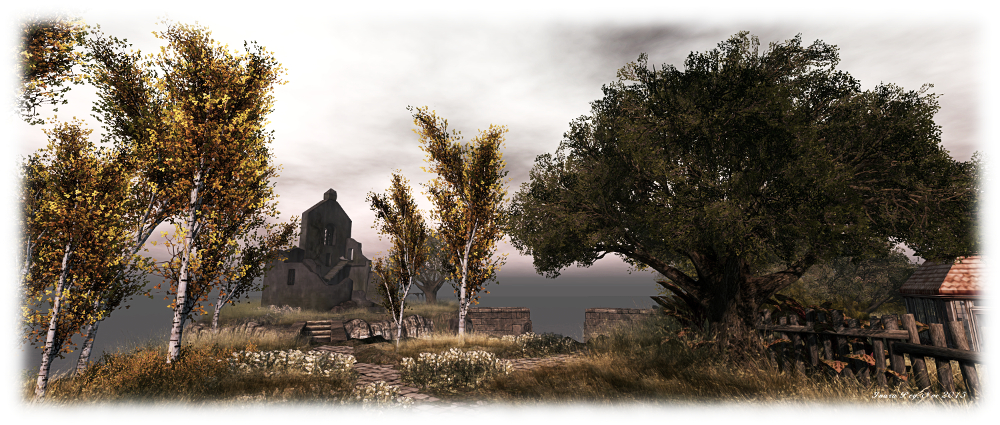
The public areas within the region are as diverse as the houses; on the main plateau one can find places to sit and paths leading down into sheltered coves,  while wooden board walks run around the feet of the high cliffs to more places to sit. A single knuckle of rock stands aside from the main plateau, the ruins of a castle perched atop, reached by a single bridge. This, and it’s ruined twin, stand sentinel over the grassy lands below, a switch back path etched into the side of the plateau offering a way down to it.

Voile is genuinely a place of beauty, somewhere to be called home by those who reside there, and explored at gentle leisure by those who visit; a place not to be missed. My thanks again to Maddie for dropping me the invitation.

Voile; Inara Pey, November 2015, on Flickr Voile (Flickr)

SLurl Details

  • Voile (Rated: Moderate)

It’s a New Dawn in Second Life

It's a New Dawn; Inara Pey, November 2015, on Flickr It’s a New Dawn (Flickr) – click any image for full size

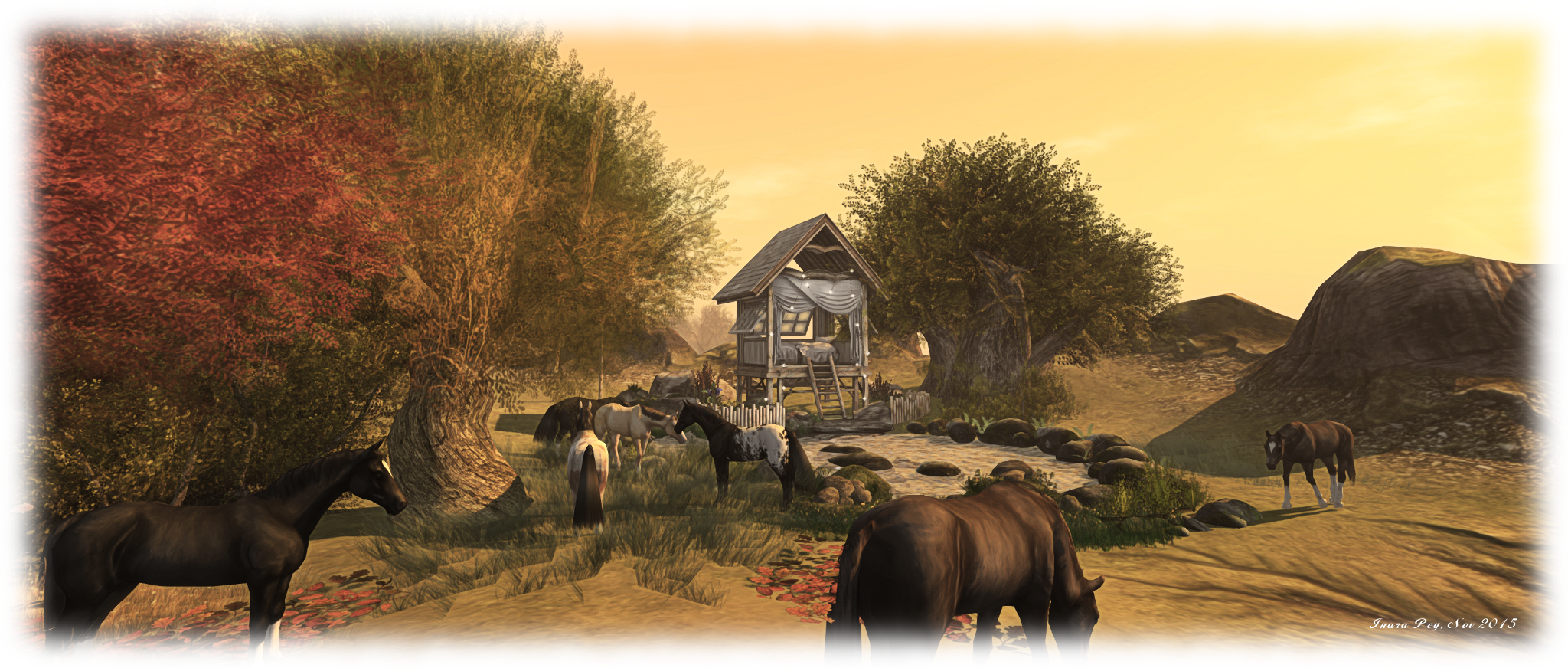
It’s a New Dawn is the evocative name of Silvermoon Fairey’s new homestead region in Second Life. Like its name, this is an evocative place to visit, filled with sights and sounds to delight the eyes and ears; a place where exploration on foot is greatly encouraged.

I first became familiar with Silvermoon’s work through her region Dawn of Radiance, which you can read about here and here, an enchanting region beautifully designed and constructed and which could reflect the passing seasons of the year, but which passed into memory. It was a place I admired greatly, and given this, I was eager to see what It’s a New Dawn might hold.

It's a New Dawn; Inara Pey, November 2015, on Flickr It’s a New Dawn (Flickr)

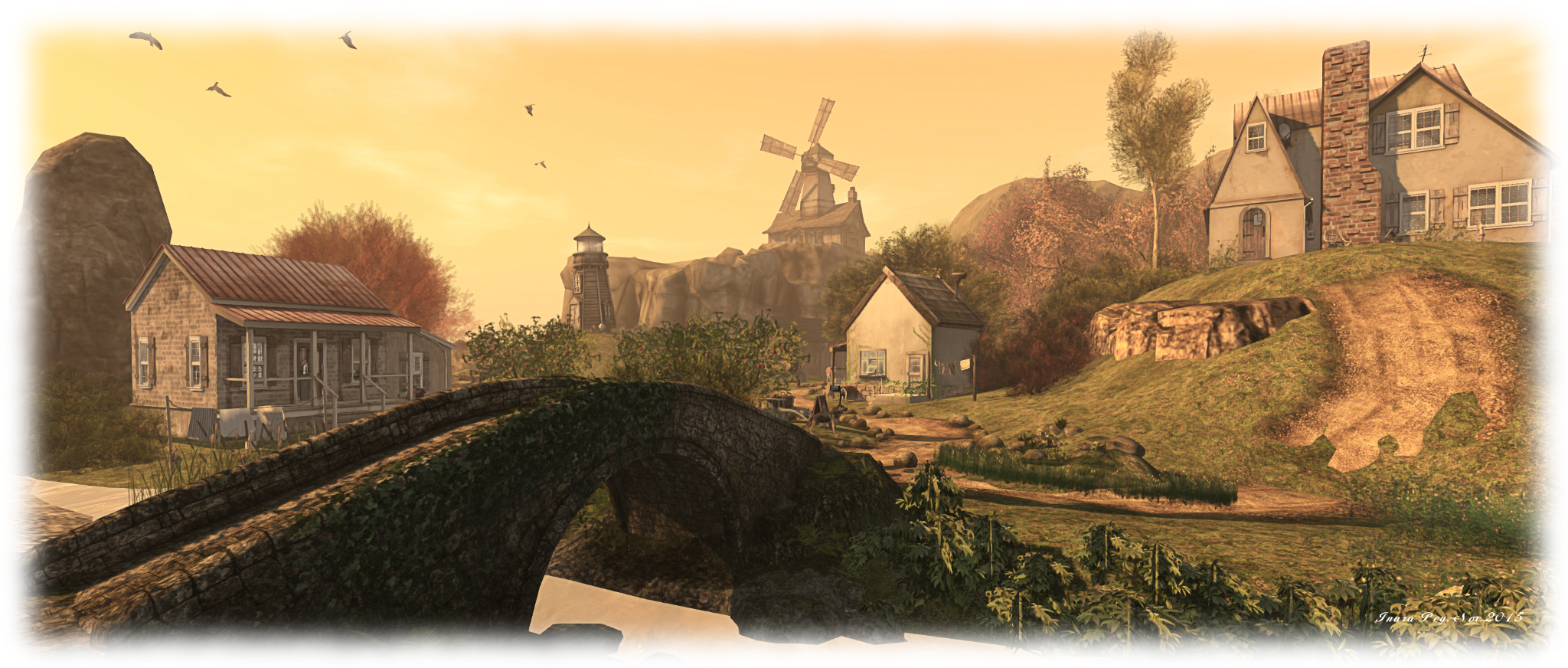
From the start you know this is a special place; a rugged island where time has almost stood still in some ways, and where the pastoral life holds sway. A tiny hamlet occupies the island, although the population here seems to be chiefly horses, sheep and cattle, together with the local wildlife and birds. There are no roads, only rough tracks and footpaths worn into the rock by the passage of feet down through the years. Two lighthouses vie with a windmill perched on a tall plateau to be the sentinel of the island, while small inlets and coves around the coast offer sheltered beaches and rocky coastal paths around the base of tall cliffs and craggy slopes.

The contrasts in landscape and elevations here is remarkable and does much to give It’s a New Dawn a stunning natural look and feel. Exploring the island, I couldn’t shake the sensation I was walking across one of the Scottish islands, or perhaps another of the mythical islands in the chain once thought to lie within the North Atlantic may years past, and which includes Frisland, another popular Second Life destination.

It's a New Dawn; Inara Pey, November 2015, on Flickr It’s a New Dawn (Flickr)

This is very much a place to be enjoyed in foot (flying is disabled, and it’s really better to walk than override), and with local sounds enabled. As with most scenic and well-designed regions, It’s a New Dawn has an accompanying sound scape to add to the sense of immersion, so make sure you have local sounds enabled.

Those who remember Dawn of Radiance may notice a few familiar motifs from that region – the windmill mentioned above, the cottage on the escarpment nearby, the use of water and falls to enhance the lay of the land, and so on – all of which serve to give something of a feeling of familiarity whilst presenting somewhere wholly new.

It's a New Dawn; Inara Pey, November 2015, on Flickr It’s a New Dawn (Flickr)

Photography within the region is welcome, and those taking pictures are invited to add them to the Dawn of Radiance Flickr pool. Should you enjoy your visit – and I have no doubt you will – please consider making a donation at the landing point to help with the region running costs.

SLurl Details