We’re not in Kansas any more…

Breedable animals aren’t exactly new to Second Life. Chickens, bunnies, horses, meeroos, cats, dragons … we’ve had them all and more. We’ve even seen the odd legal punch-up between brands; never a pretty sight where cuddlies are concerned. They’ve been the delight – and at times the bane – of regions across the grid.

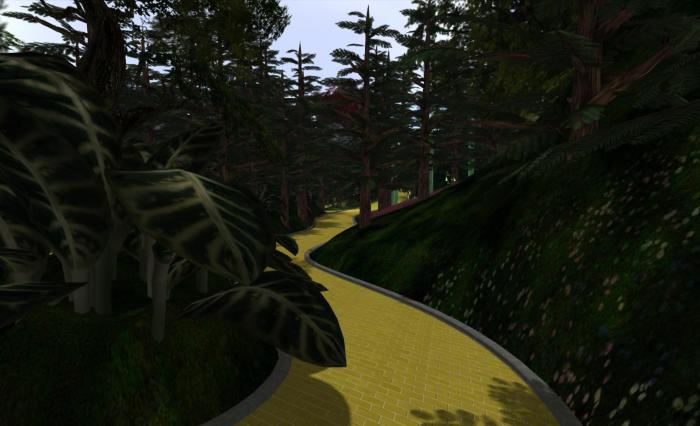
Strangelings are the latest offering to turn up in-world, and they’ve done so in quite a different way. Follow the yellow brick road, and I’ll tell you more – if you haven’t heard already, that is.
The Magic of Oz
The Magic of Oz

Strangelings are a kind of breedable fox (with elements of unicorns in some, which itself suggests some interesting interbreeding…). However, whereas other breedables we’re familiar with live in-world, Strangelings have an entirely different domain. Or will, once they’ve fully launched, because they are creatures of the web and iOS.

Strangelings is the first creation to come out of Flying Monkey Interactive, a company founded by two former Linden Lab employees  – Chris Collins and Hamilton Hitchings, both of whom were apparently engaged in the ill-fated Second Life Enterprise product – and the people behind Ozimals.
Magic of Oz
Magic of Oz

The game itself is described as:

A pet breeding focused game for iOS and web.  Strangelings are fantasy fox-like animals that have many different traits and colors.  Breeding these animals will produce outcomes that are based on the genetic code with dominant and recessive traits passing through to the offspring.

Which is great. But what does that have to do with Second Life? Well, given the popularity of breedables across SL, it is possible that Strangelings could have a strong customer base in in-world keen to give the game a go as they are on the go. With this in mind, the team at Flying Monkey have developed a series of customisable, fully rigged avatars people can purchase and use to create copies of their favourite Strangelings and wear them in-world.

Magic of Oz
Magic of Oz

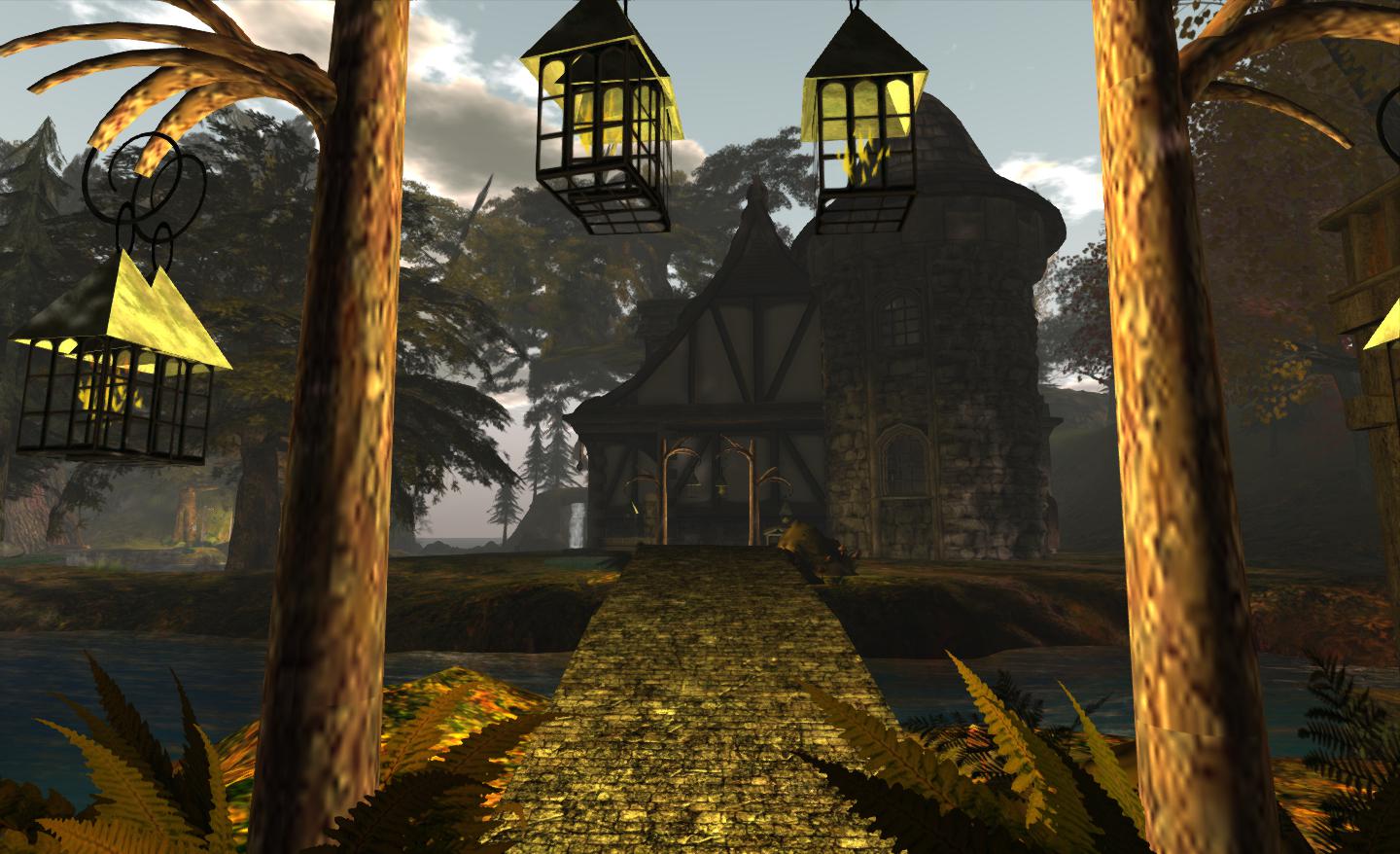
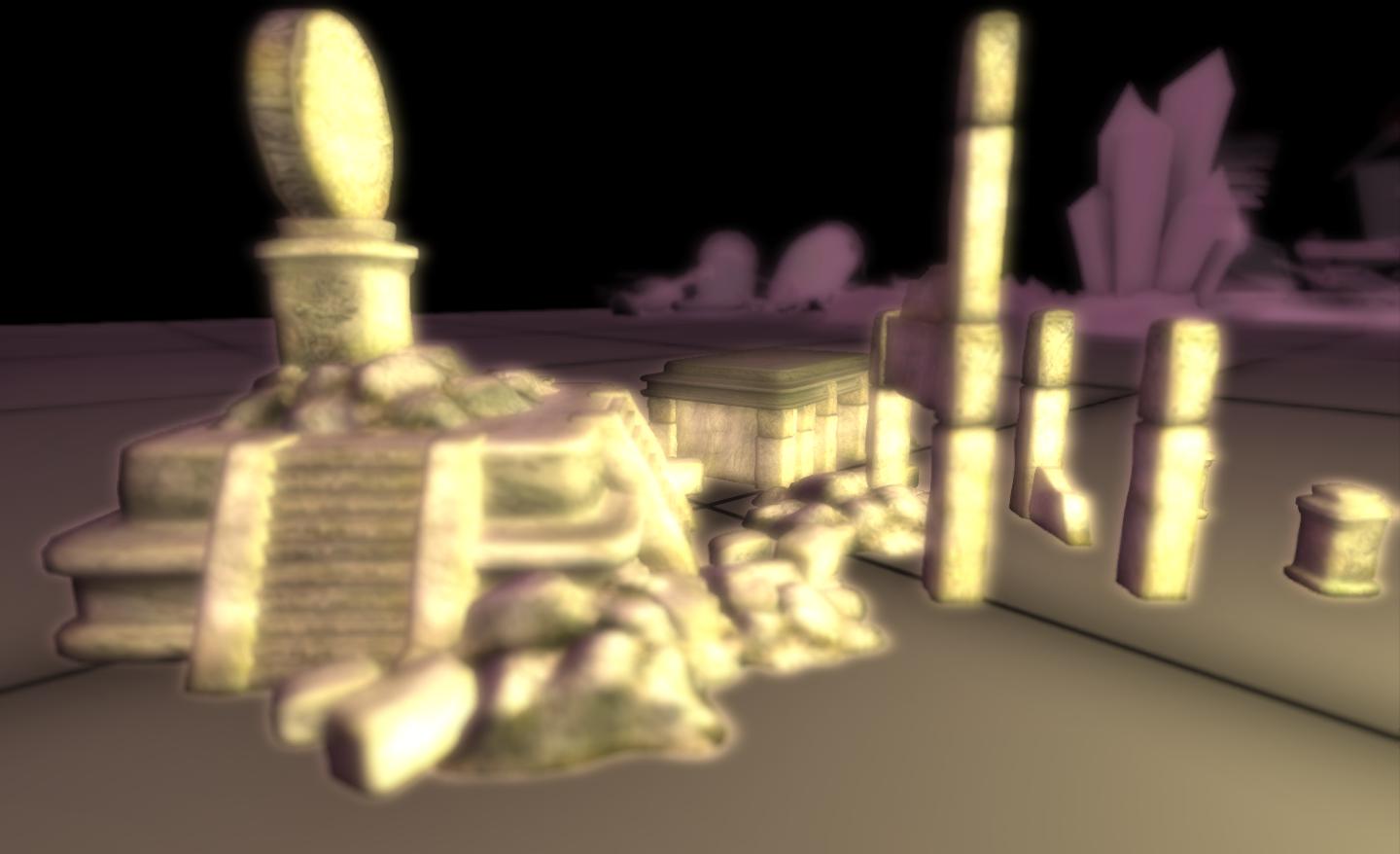
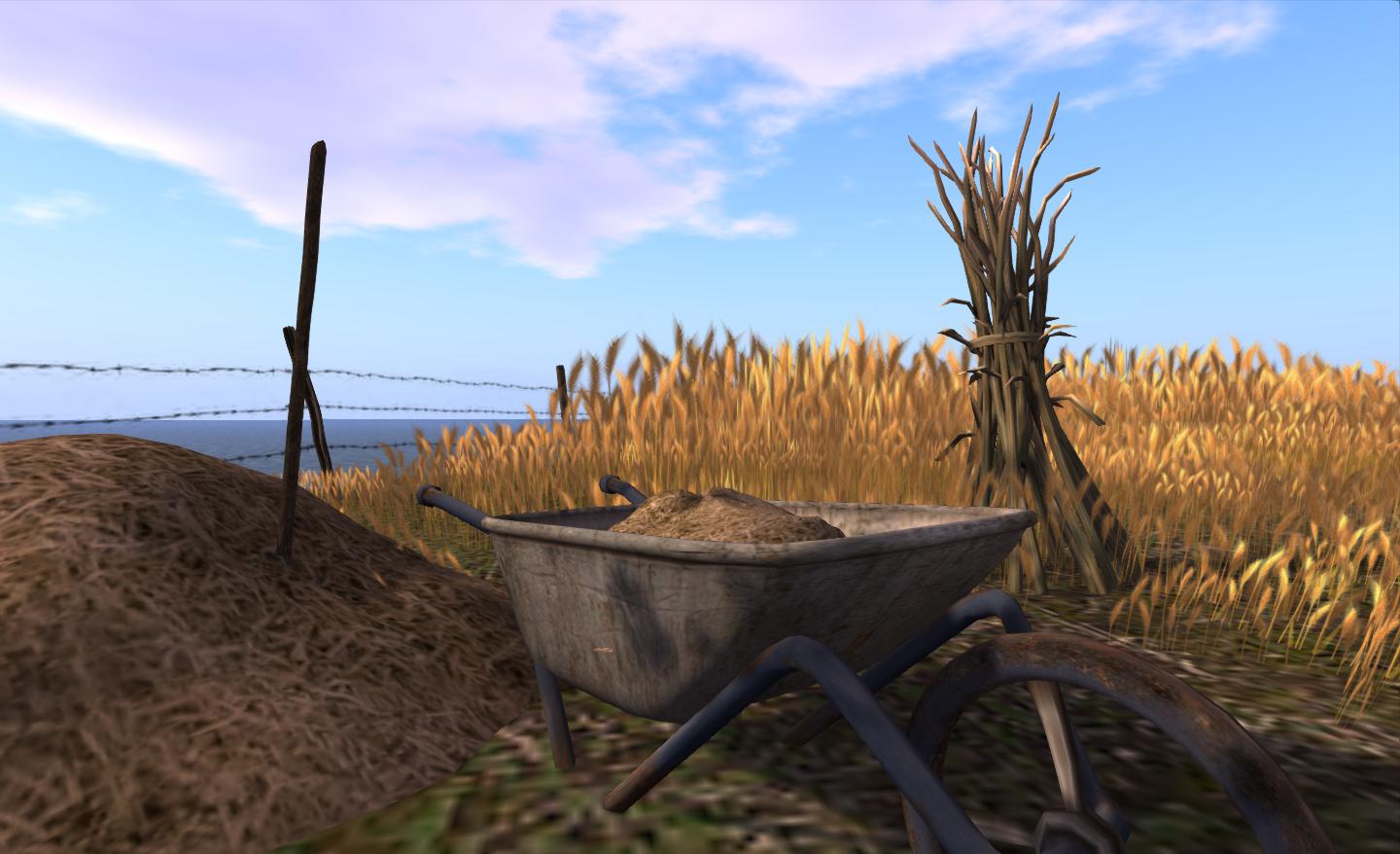
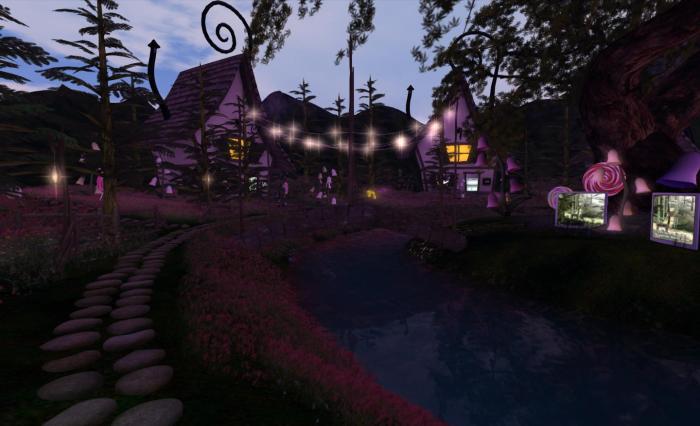
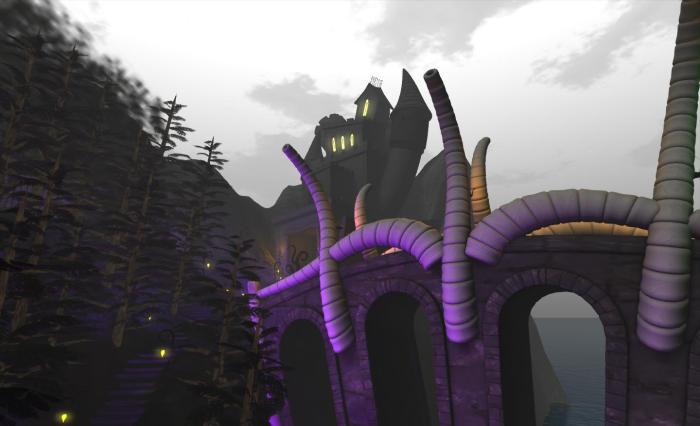
To accompany the avatars, the team have also created two neighbouring in-world regions: Strangelings and Magic of Oz. The former looks like it might be offering land rentals in the future, while the latter takes familiar settings from The Wizard of Oz and gives them a new and interesting twist in the form of a series of mesh builds. It features a munchkin’s village (store area for other merchants) the Emerald City (home of the Strangeling avatars) and the Wicked Witches’ castle.
Magic of Oz
Magic of Oz

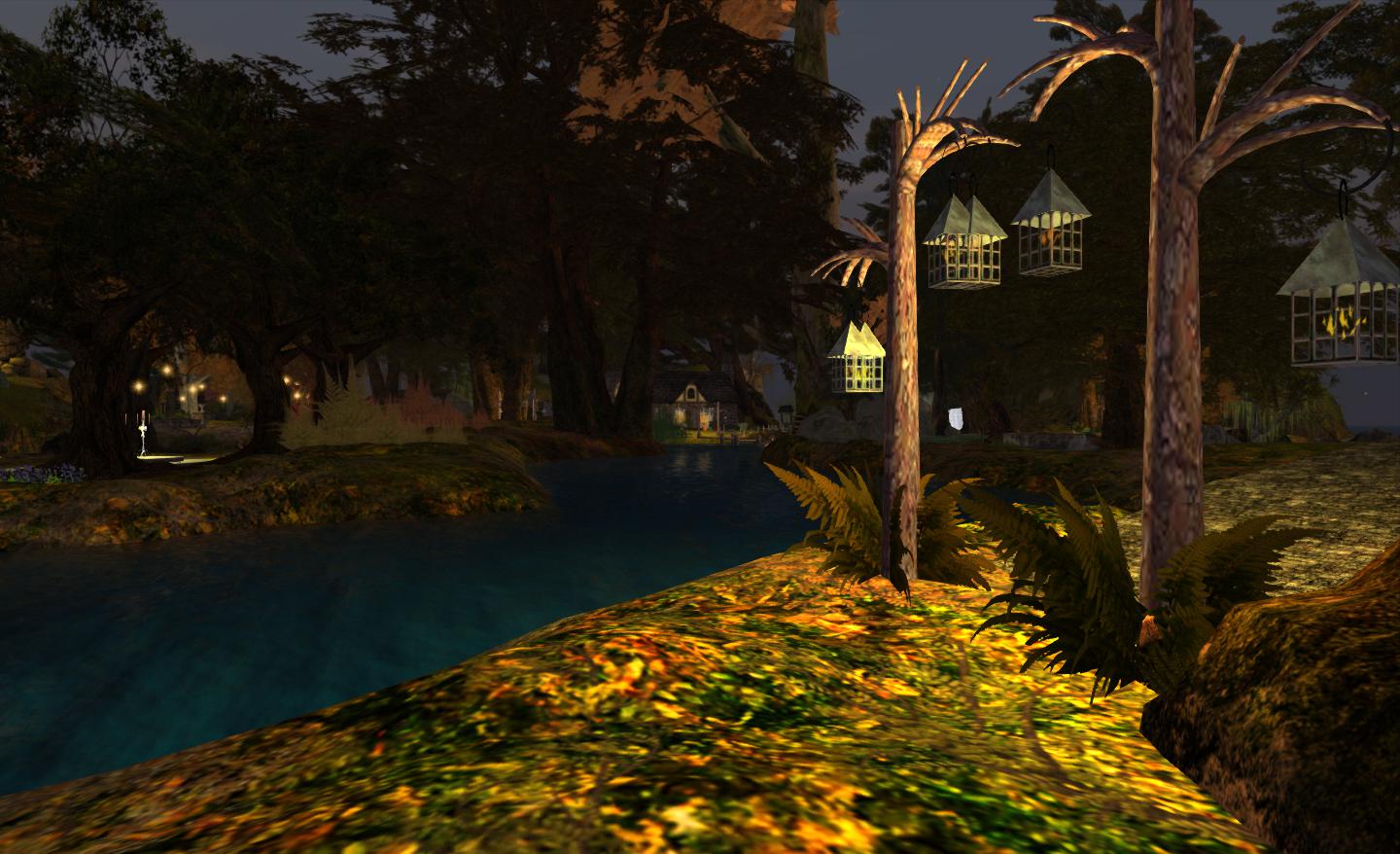
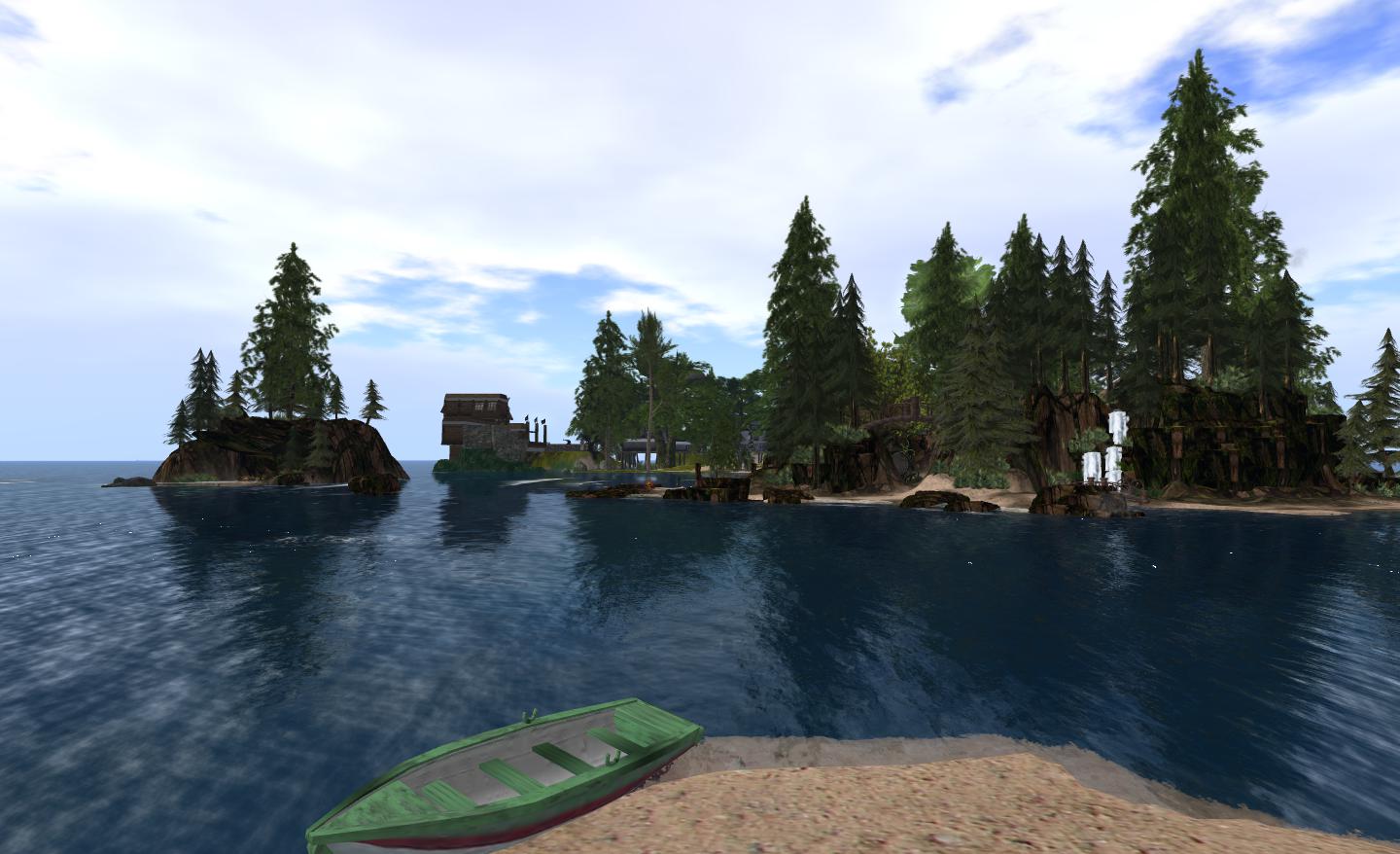
Magic of Oz is very well executed and avoids all of the kiddie-toon feel of Linden Realms in terms of trees and flora. As such, it makes it an interesting place to visit and explore, and offers more than a few opportunities for photography. Exploration doesn’t take long, but it does show what can be achieved mesh-wise in world to create an attractive, fun environment.

Magic of Oz
Magic of Oz

I’m not one to have ever been attracted to breedables in-world (I remain firmly of the opinion that the best meeroo is one served roasted, with seasonal vegetables and a suitable jus). As such the Strangeling game is unlikely to appeal. Nor, if I’m honest, are the avatars (because I’m a boring fart and prefer sticking to a human form in-world). I am, however, a little curious to see how the promotional aspect of things works out for Flying Monkey and Strangelings – it’s an interesting approach.

as to the Magic of Oz itself, it is a finely crafted region and well worth a look around if you’re curious.

Magic of Oz
Magic of Oz

Related Links

“The mingling of a million dreams; a reflection of our collective imagination”

Update August 5th, 2013: The Faberge region has been redeveloped and Point of Derivation no longer appears to exist.

I had planned to write a follow-on to my post on the media myth that Second Life has “failed”. However, Honour McMillan has written on the matter far more succinctly and perceptively than I, so it is far better that I point you towards her wisdom on the matter, and turn my attention elsewhere.

Sort-of.

“I knew the trail was warming, that I was closing on my quarry. I’d seen these ruins before, from the deck of a boat; so if we were that close to the coast, I knew he was running out od places to hide…” (The Point of Derivation)

Exploring the grid is a mixture of three parts having some familiarity with a place – such as having seen it in passing while attending and event or visiting a store it holds; two parts recommendations from friends and one part pot luck – sticking your digital finger into the Destination Guide and seeing what it lands on.

Steering well clear of Grump-isms and comparisons between life and chocolates, it’s fair to say that even armed with the Destination Guide description, there are times when you zap to a region never actually quite sure as to what you’re going to find.

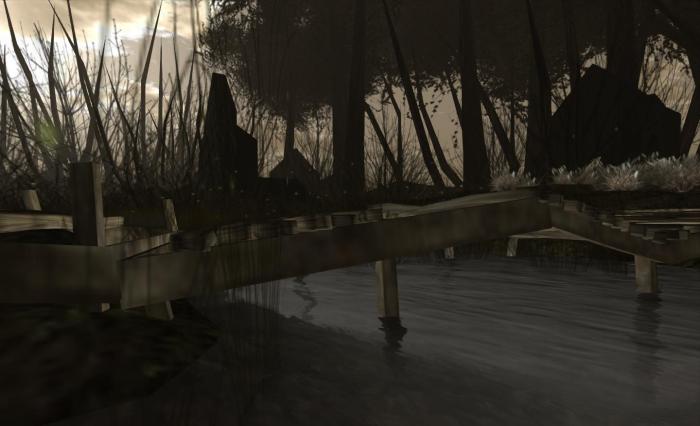
“… just when I thought I’d lost the trail, I came across a wooden walkway with a path beyond. Given a choice between that and the underbrush, I felt sure he’d have taken the path…” (The Point of Derivation)

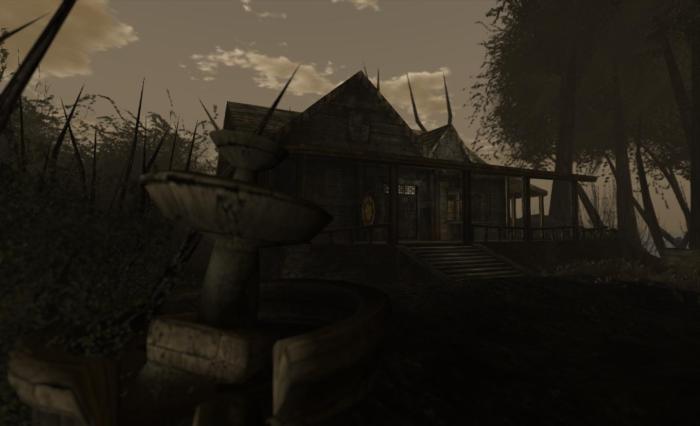
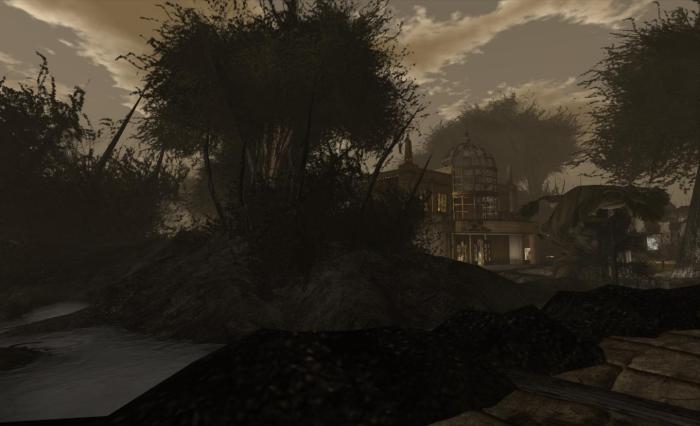
The Point of Derivation is a case in point. It appears in the Adventure and Fantasy category of the Destination Guide, where the text provided for its entry describes it as, “A dark forest-themed sim in which the last remnant ruins of a long abandoned theater are becoming slowly reclaimed by nature”, together with an evocative picture. There is reference to arena combat, dancing and walking with a loved one – which is all quite a mixed bag. But what does it all add up to? A post-apocalyptic place where people engage in Thunderdome-like combat? Zombies? A haunted lover’s walk?  All of the above?

“…It was the smoke rising from the broken chimney which drew me to the place. Deserted it may have been, but the fact the fire was still burning together with the still-warm bedclothes told me someone had been here – and had left in a hurry…” (The Point of Derivation)

The reality is that The Point of Derivation is one of those wonderful regions which present a fabulously atmospheric environment which invites the imagination to go where it pleases, to make up stories, develop free-form role-play – to simply immersive oneself, either in exploring alone, or with a friend or friends. Yes, there is the opportunity for arena combat, there’s an opportunity to throw darts at a set of target on the other side of a stretch of water (if your thowing arm is up to it!); there is even a local scavenger hunt, with some eight prizes to locate and collect.

“A trail from the house lead me to an old amphitheatre. The lit sconces told me someone had also been here – and diesel motors coughing into life encouraged me to give Mr. Redemption some breathing space…”(The Point of Derivation)

But the real power in The Point of Derivation is in nature of the region itself, the wonderful combination of landscape, builds and windlight which have been combined to create an environment and ambience which call out of the imagination and beg to be captured in role-play, photographs or machinima. This is enhanced by the fact that your arrival is not marked by notecards setting out theme, time, backstory or rules; there is just you and the environment – and an open invitation to dive in.

“Forcing my way through the trees and underbrush wasn’t easy, and the sound of receding engines told me I’d been played. By the time I found the little bay, the boat and Calhogie’s precious case were over the horizon…”(The Point of Derivation)

I love regions like this, free from the structure often required in more formal role-play environments, simply because of the freedom they present. Some – like the Point of Derivation – may give your mind a little nudge purely because of the environment and settings; others – such as Scribbled Hearts or Wanderstill – may softly welcome you with a simple invitation to enjoy whatever you find.

The Point
The Point of Derivation

Rod Humble received a lot of grumbles when he started referring to Second Life as a “shared creative space” alongside the Lab’s newer products. Yet the fact is that in many respects, that’s precisely what Second Life is. An immersive environment in which we are free to create and share. And the sharing can take so many forms: through direct involvement in activities, or through the adoption or a character or role by which we interact with others, or through the sheer joy of collaborative creation, and so on.

The sharing can also be a lot more subtle – such as by simply taking time to explore someone else’s creation, taking photographs and showing them with friends or whomever. In this, and while the viewer is packed with powerful (if occasionally arcane) tools, perhaps the most powerful is the humble snapshot floater; it provides us with memories to both enjoy and to share.

However one goes about it, it is the ability to create and share and participate either directly or indirectly on one another’s creations and imaginations, which is perhaps the greatest ability Second Life gives us.

The Point of Derivation

I started this post by stating I wasn’t going to talk about the “failure” or otherwise of Second Life. Well, I lied.

The fact is that, while LL may indeed have problems in fully understanding the platform, while SL does have warts and sores, it has provided us with an immersive environment in which we can dream, create, explore, and share. It has become, and continues to be, as Steve “Cubey Terra” Cavers so eloquently stated, “The mingling of a million dreams; a reflection of our collective imagination”. As long as this continues to be the case, then it is fair to say that for each of us, Second Life has enjoyed its own unique success.

The Point of Derivation

With thanks to Steve Cavers for permission to use his words in this post.

Related Links

Runestone: picturesque romance

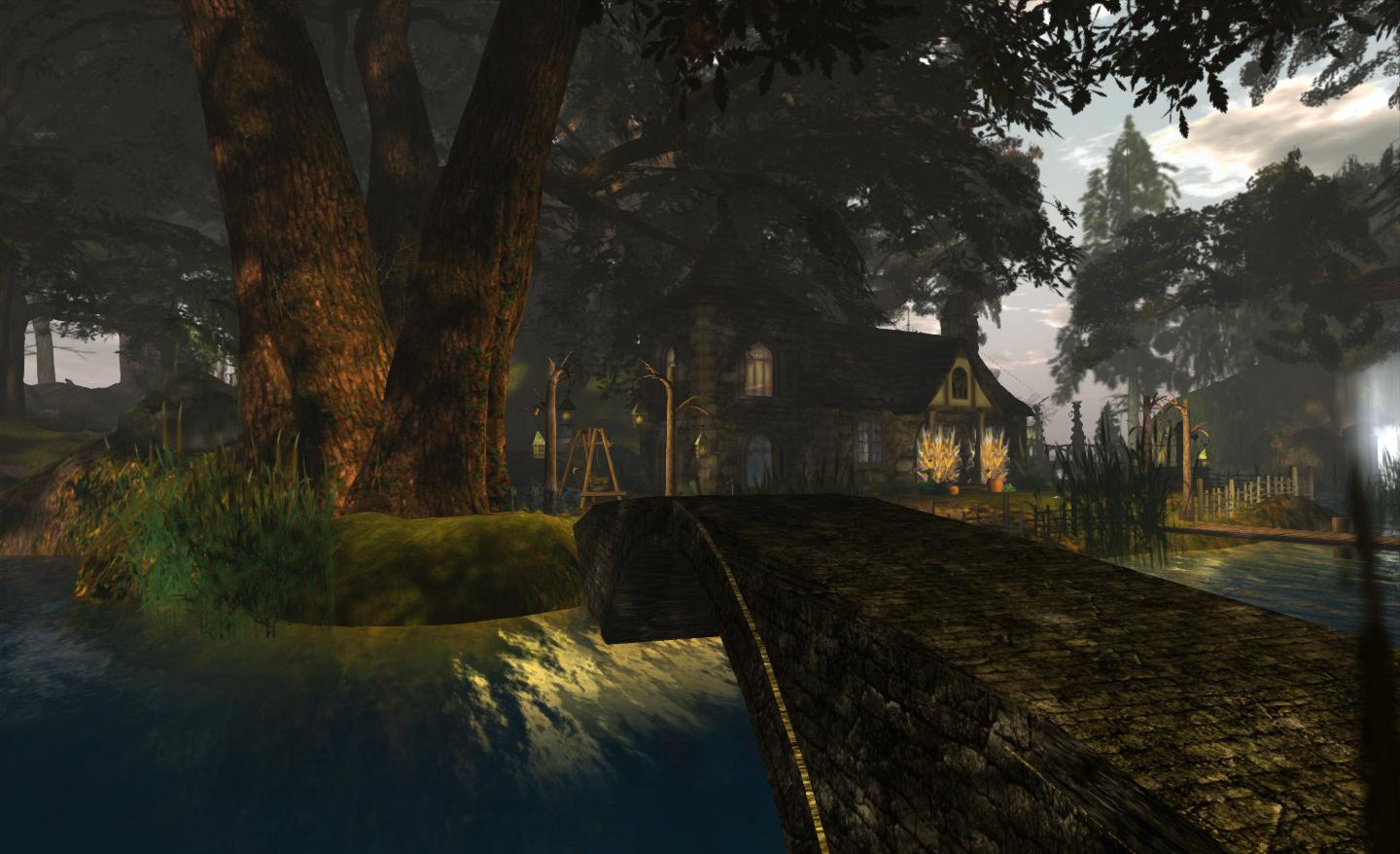
Runestone is a place I’ve visited on a number of occasions, but have never blogged about. The region is a rustic landscape which can change over time and with seasons, owned and landscaped by Portia Lytton and the Run Keeper’s group. It is open to the public at ground level and offers a picturesque place to visit – particularly with a loved one.

Runestone

Winter has yet to reach Runestone, and the region is currently in the golden and green shades of autumn – colours which heighten the romantic feel of the place. What you do once you arrive is entirely up to you; whether you opt to keep to the cobble paths which run through the region, spanning stone bridges, or whether you wander at random through tall grass and under the shade of trees, or seek-out places to dance or swing – or simply find somewhere to sit and ponder, Runestone offers you an open invitation to simply relax and enjoy.

Runestone

The rustic feel of the region is heightened through the use of a number of Maxwell Graf’s excellent range of houses, one of which visitors can also enjoy (including the Greedy Greedy table inside one. For the more energetic, the water-mill offers the chance to knead dough, or there are hidden places to be found.

Runestone

Runestone, like many places in SL, invites you a fiddle with your windlight presets as well; while the normal day / night cycles is used, the fact that the footpaths are lit by lamps, as are the bridges, tends to encourage one to fiddle around with the time of day slider – which is good, as this also can add to the romantic atmosphere of you so desire. As per usual, I roamed the region, constantly playing with the presets and sliders, looking for options which work and then making a note of them…

Runestone

There is something of a nautical feel to Runestone as well; to the north-east side of the island a tall ship – one of Lia Woodget’s unmistakable builds  – lies at anchor in the lee of the island, hinting at the location of a hidden horde, while across the water to the north, the sister region of Syrinx has a distinctly piratical feel to it. Parts of this region – also operated by Portia Lytton, appear open to the public, although I confess, I’ve not made the trip over as yet, despite the rowing boat drawn up on the shore (which is actually Syrinx itself, even though it looks to be a part of Runestone – watch out for the line denoting the boundary between the two).

Runestone – looking north to Syrinx

There are lots of places for couple to share their time on Runestone, with love seats, places to dance and so on to be found scattered across the island. There is also much to offer the photographer as well, particularly given the ease with which Runestone allows you to use many different windlight settings, as mentioned above. Should you need a prop or two when taking snaps, rezzing is open – just please remember to pick anything up again once you’ve done with it!

Runestone

All-in all a delightful place to visit, and a welcome break when otherwise leaping from point to point across the grid.

Related Links

Runestone

Even a castle of learning can fall on hard times

I love visiting castles. We have a rich heritage (reflecting a bloody history) of castles in the UK, of which the most common variety beloved of picture postcards and Hollywood directors are the great Norman Castles.

I particularly enjoy visiting Northumberland in the North-east of England, as there are some famous examples of castles there: Warkworth, Ford and Etal, Norham (one of my all-time favourite ruins), Dunstanburgh, Chillingham, Bamburgh, Langley, Lindesfarne – and of course Alnwick. Some are in ruins, such as the aforementioned Norham or Dunstanburgh out on the coast; others are still in use today – notably Alnwick, which has perhaps most famously been used to represent parts of Hogwarts, together with Chillingham, Langley (today a glorious luxury hotel), and Bamburgh (which makes for a stunning backdrop to the beach which it overlooks and has agin been the subject of many a film and TV production, even if inside it is something of a let-down).

This being the case, I thought it time I visited the castle ruins at Frisch.

Frisch

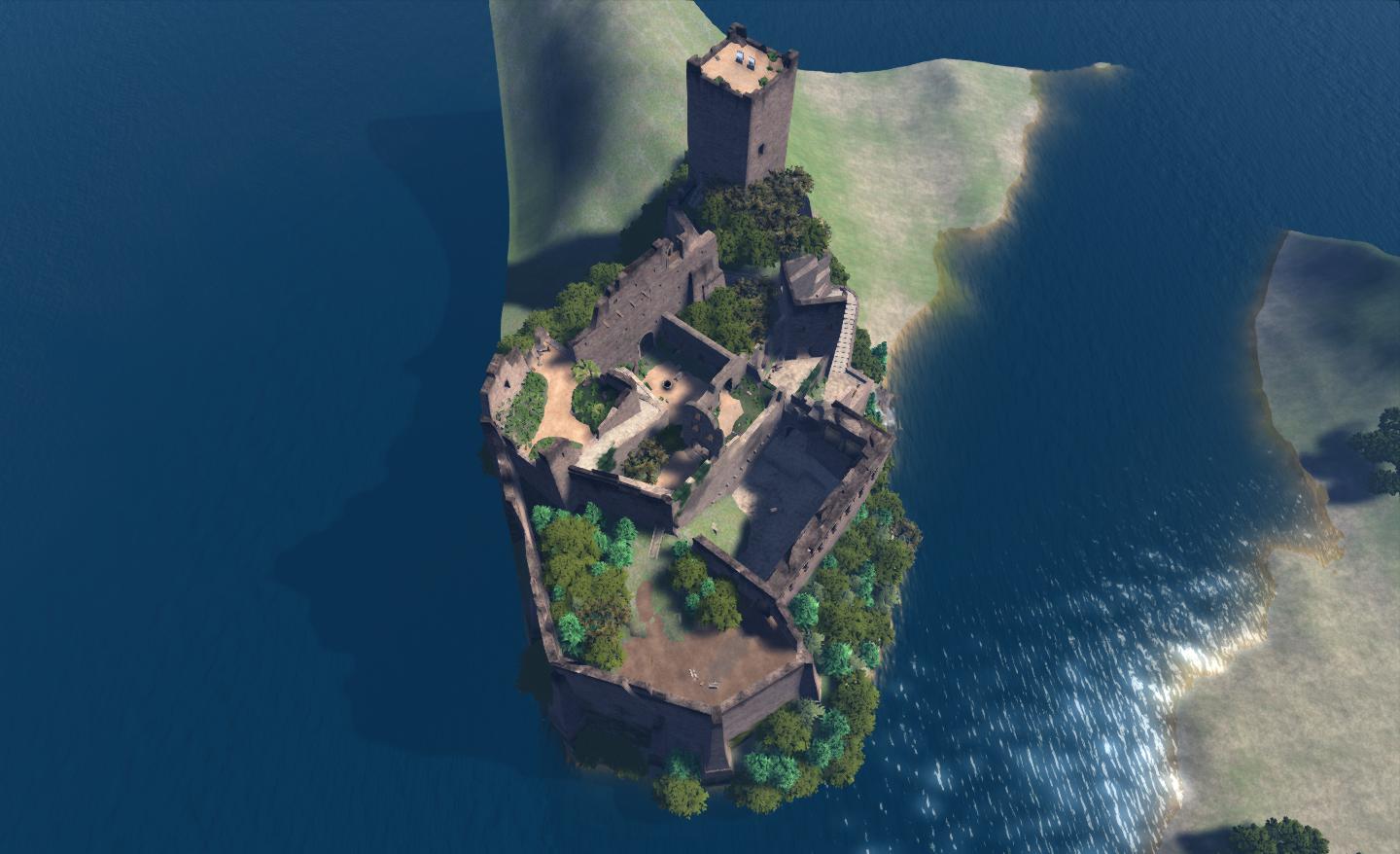
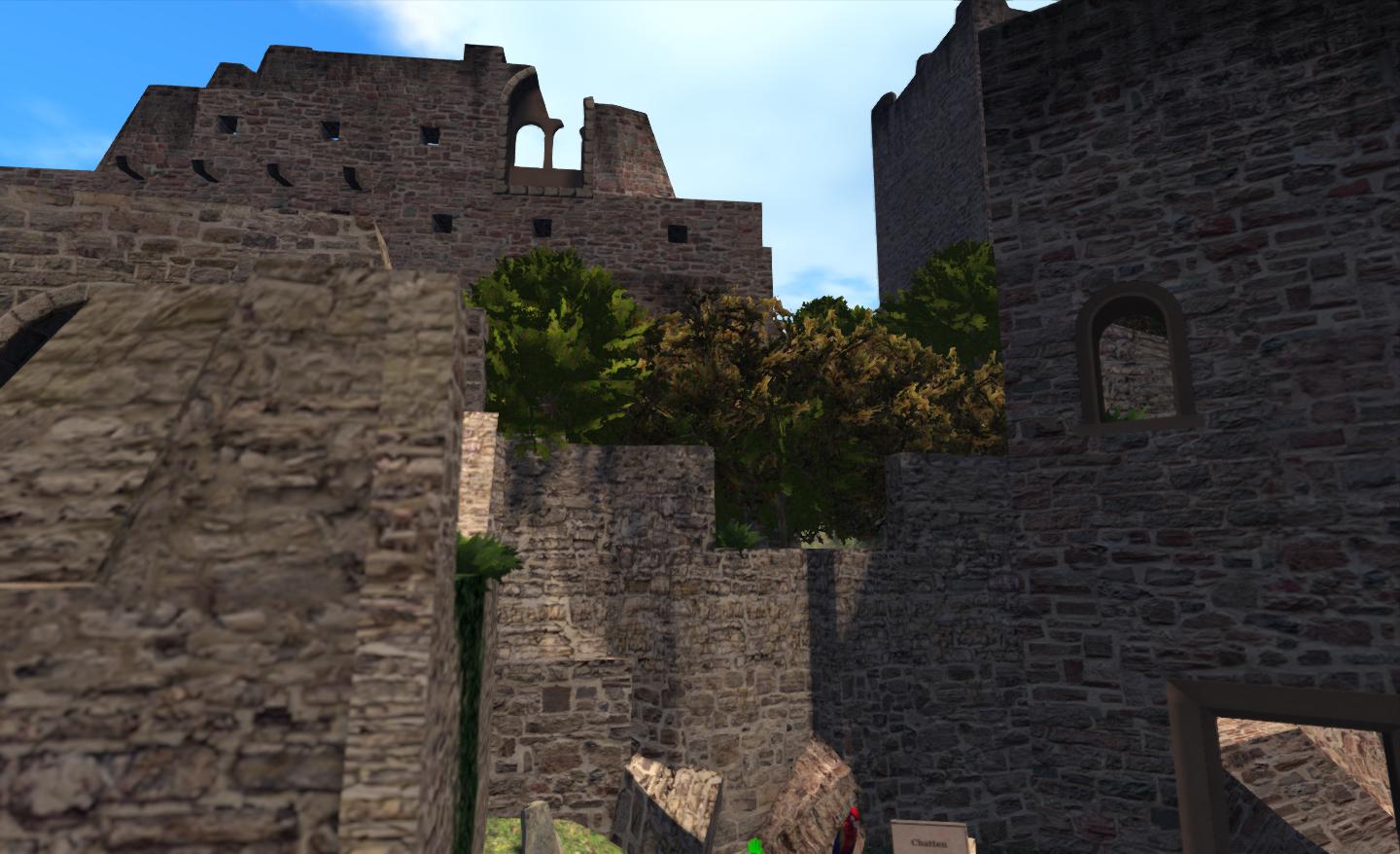
Described as a “German castle ruin” in the Destination Guide, Frisch offers-up a Norman-style set of ruins which are suggestive of a castle which saw much use over time, with some modernisation to reflect the needs of successive generations, prior to finally falling into abandonment, disrepair and collapse.

Frisch

Fisch is interesting as it is owned by Governor Linden and it is actually an old orentation spot for new users, which has itself fallen into disuse – although evidence of its purpose can still be found; there are information givers, a few signs, including one with a LM to Help Island and one with LMs for the old Welcome Areas – not that I recommend you try the latter!

Frisch

The castle build itself looks old in the SL sense of the word, but offers a lot of potential for the machinimatographer and photographer wanting an interesting and “historical” back-drop – although judicious use of Draw Distance is advised (or your viewer’s derenderer, if it has such a beast); there are a couple of eyesores which can stray into view if you’re not careful.

Frisch

The castle is easy to explore, and a pleasant way to spend an hour; there are paths to follow through the ruins, and the surroundings (eyesore excepted) provide some prime vantage points from which to take-in the ruins themselves.

This isn’t a state-of-the art build, to be sure, but it is one celebrating the power of the humble prim. It’s also a quiet place to visit and just wander around. There are no windlight presets, and the lie of the land and style of the build mean that both are open to a range of interpretations – something which again makes the ruins an ideal candidate for SL photographers.

Frisch

All-in-all Frisch and the castle offer an interesting visit; don’t expect to do much her other than wander, relax and enjoy. This may not be a historical representation of any single castle, but there is some history here.Why not go pay it a visit when you have a few spare moments?

Related Links

Frisch

It’s about amplifying the awesome

There was a time when the words “Torley Linden” and “Second Life” were synonymous with one another. His was frequently the first Linden name and voice users would encounter on entering SL, where his weekly TuTORial and Tip of the Week videos were a much-loved and enjoyed Thursday event through the old (and vibrant) Second Life website.

Says it all, doesn’t it?

While Torley has popped up in a couple of videos recently, his infectious enthusiasm, boundless love of Second Life and seemingly inexhaustible energy have been much in absence for well over a year now. It was thinking about this last night that brought me around to thinking about Torley island, always a much a mark of Torley’s personality as Torley himself, and a place I’ve not visited in at least three years – so I resolved to go and take a look today.

Torley Island: always open to the public

Torley is rare among the Lindens in that he still maintains a sizeable physical presence in SL even when absent it himself in the form of his island region, which is always open to the public, and frequently changing to reflect a whole range of influences on Torley himself.

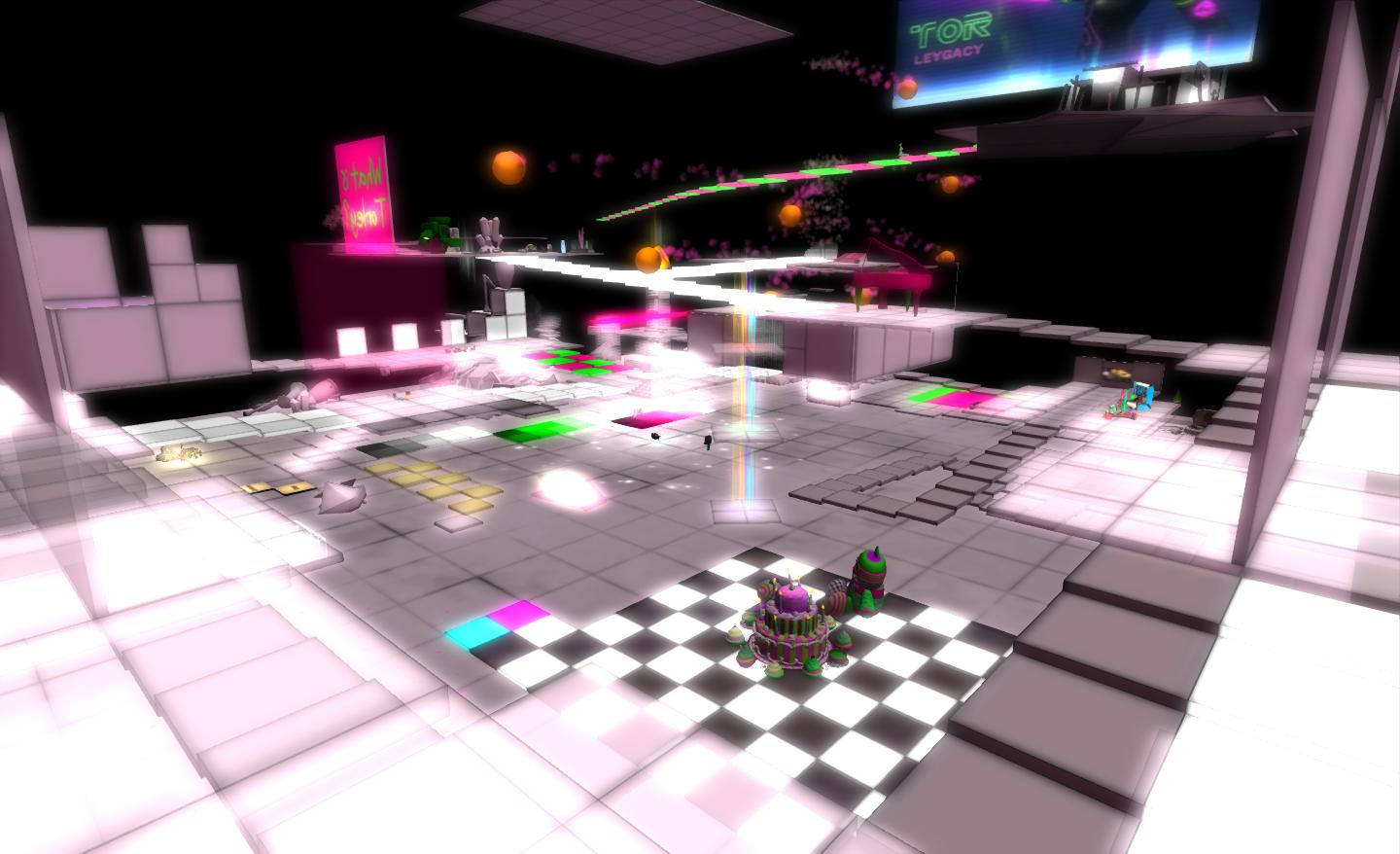
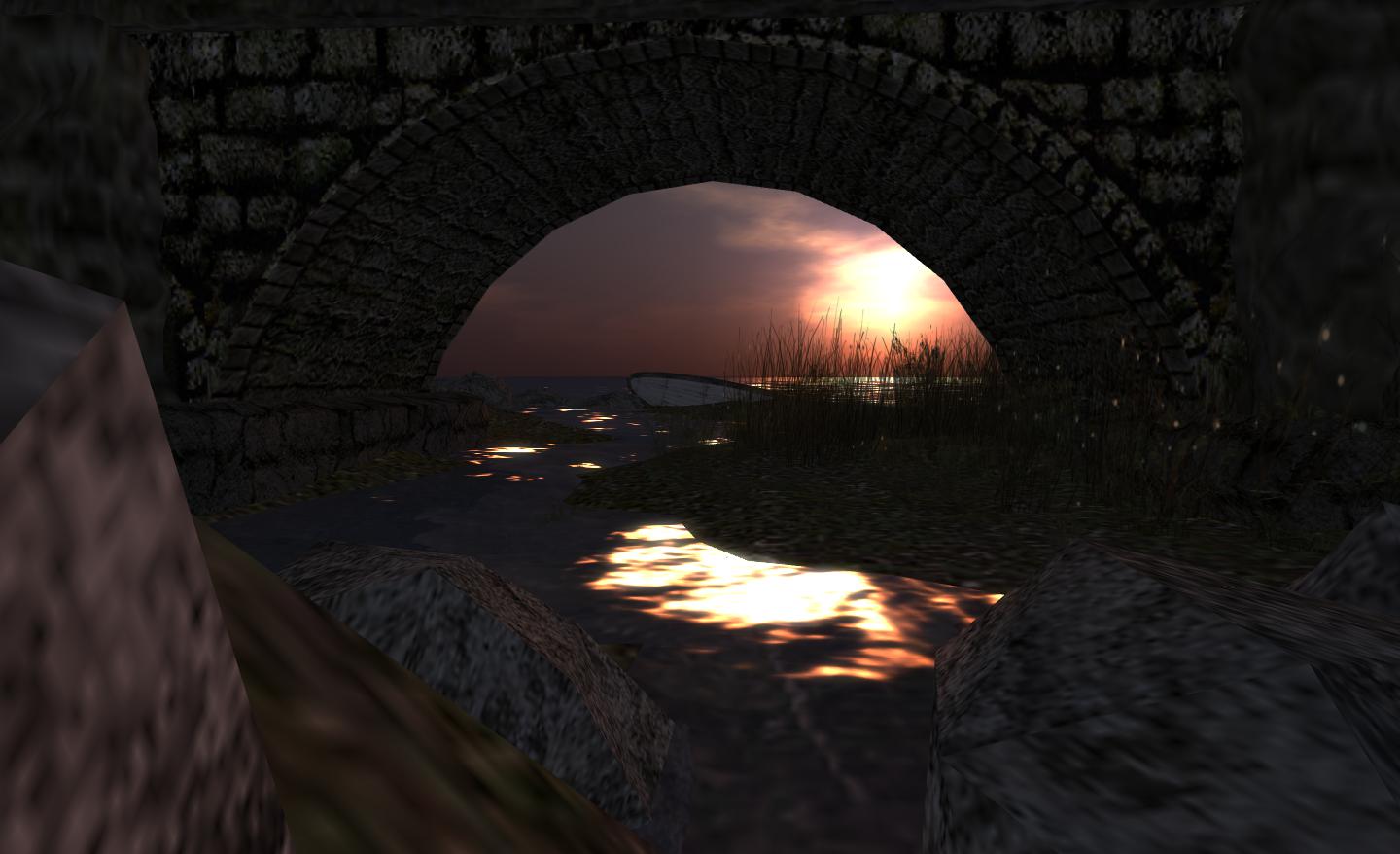
The last time I visited, the island was an island, surrounded by water and with hills, rivers, trees and vivid colours – not just green and pink, but yellow and blue and red and orange and purple and … well, you get the point. Vivid and vivacious. Today, all that has gone, replaces by a decidedly “futuristic / sci-fi” approach which, while still undeniably “Torley”, seems to carry a strong subtext with it.
Torley Island

All the colours and vibrancy are still there, together with everything which is quintessentially Torley: the curios, the impish humour, the sense of fun. But  – to me at least – it all seems somewhat subdued; perhaps it is just the impenetrable blackness surrounding the region which darkened my mood, although it does also seem to also cast a shadow across the region itself. There are also elements here which seem to at first poke gentle fun at the world at large and in keeping with the island’s subtitle of OMG! Cyberspace! Digital Frontier! – but which again seem to perhaps carry a deeper message.

Tickling Disney’s ribs – or hidden message?

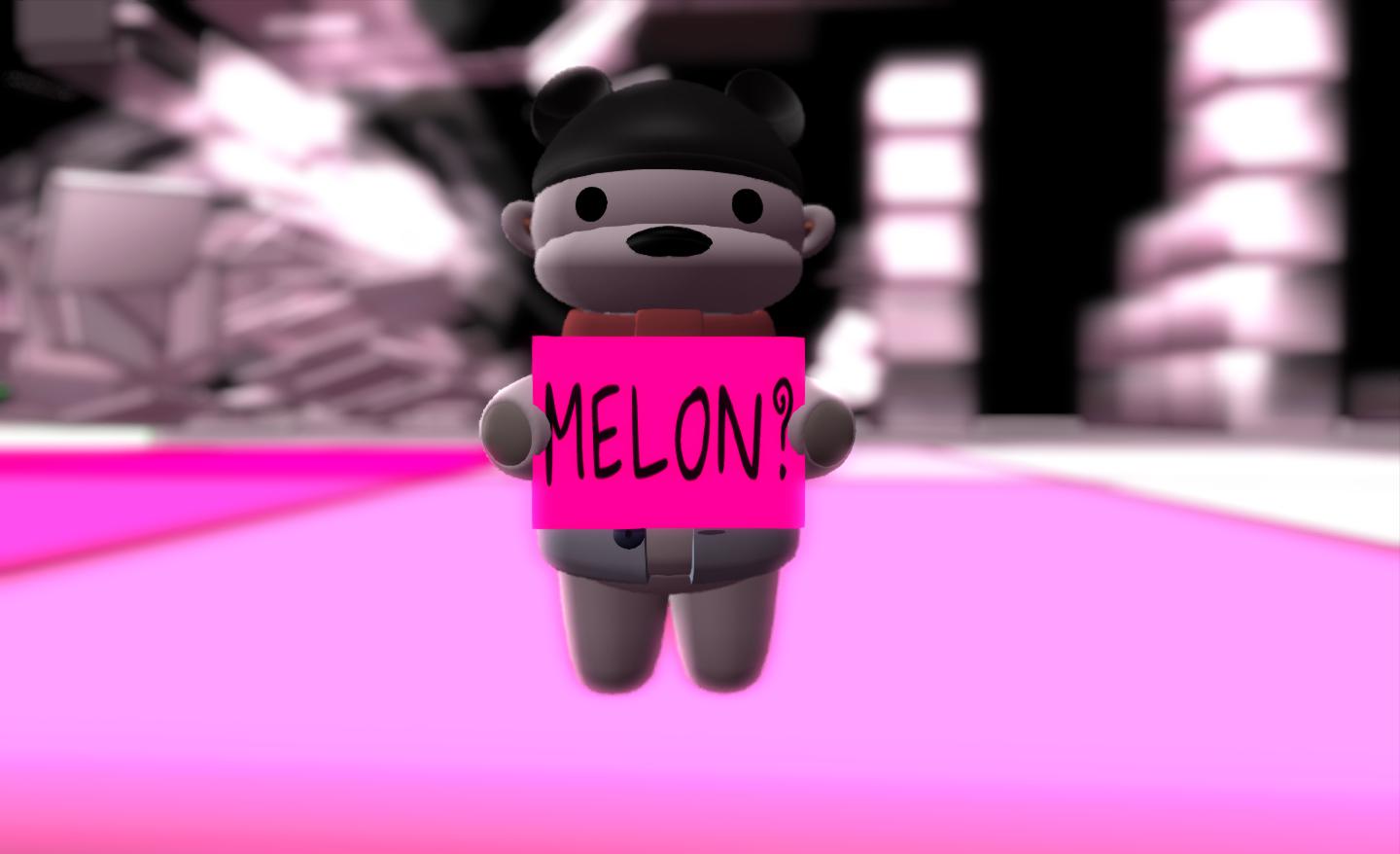
Which is not to say the build is all doom and gloom – there is a lot to see and do and hear here. Torley is an accomplished musician and an immersionist, so having sound and media enable during a visit is a must. Down on the lowest level, where you arrive, there are bumper cars to be had  – so visiting with friends can be fun. These appear to have guns mounted on one side of them (watermelon guns? :)), although if they are weapons, I totally failed to get mine to work – disabled? There are human-voiced musical instruments to poke out, and all manner of things large and small to see – and dodge.

Torley island

Nevertheless, I have to say that throughout my roaming and pushing and prodding, I did find my visit a little somber. Torley’s infectious enthusiasm has been gone from videos and website for well over a year now, as mentioned above. It is hard to understand why; his ability to engage and inspire was already one of the great strengths Linden Lab had at their disposal.  His videos were never anything less than a boon for people struggling to get to grips with SL and were perhaps a contributing factor in getting people to “stick” with Second Life and explore its capabilities and possibilities. Silencing him – assuming it was the result of a corporate decision – seems wholly counter-productive.

….”Torley is missed”

Even as subdued as it feels, a visit to Torley’s island, particularly for those of us who have been around a while, cannot help but raise a smile and roll back the memories. Bringing back his tuTORial and Tip of the Week videos may not bring hordes of people flooding in to Second Life – but given proper placement and promotion, they could do much to encourage people coming into SL to persevere in their efforts to get to grips with the viewer and everything else, and help people reach their “Eureka!” moments a lot sooner.

In short, they could help us all once again Amplify our Awesome.

Related Links

Ripples on the water

I paid a visit to Roche today. I did this in part because I’ve been meaning to go since seeing it in Honour McMillan’s brilliant blog (probably the finest photo journal for SL explorations and thought-provoking musing on life, the metaverse and everything that there is), and partly because I’m trying to get to the bottom of a viewer issue plaguing me.

Roche

Over the last couple of months I’ve been encountering some issues when taking snapshots which see either the snapshot floater itself refuse to save images to my hard drive and / or which cause a sudden and huge memory bloat with the viewer which eventually brings it to a juddering halt. The issues don’t occur all the time, and appear to only affect my main account.

Roche

They mainly make themselves felt when I’m visiting multi-region estates, the mainland or regions with sim extenders, and only occur when I’m operating in deferred mode with shadows active. I’ve tried everything to get around the issue – an example of which is the last image in yesterday’s post, which took no fewer than four attempts for me to capture to disk due to the viewer refusing to save, then suddenly deciding it would after all. I’ve tried with draw distance turned right down, I’ve tried after clearing cache, with and without attachments, and so on and so forth. Nothing seems to make a difference. I’m reduced to picking a few choice words at random then either resorting to a screen capture tool or relogging.

Roche – “Winter is coming”

The problem isn’t down to a single viewer, either. For a time I was blaming Firestorm – and my apologies to the Firestorm team for quite possibly single-handedly raising their crash rates in October. However, Both Zen and the last few releases of the SL Beta viewer (both with and without tcmalloc disabled) have yielded the same results (I’ve not got around to trying with others). The other oddity is that the same problems doesn’t occur when I’m on individual private regions (or those with surrounding regions hidden), and I can still upload snaps to my profile feed long after the floater has given up trying to save to my hard drive.

Roche

Nor does it appear to be hardware-related; while I quickly encounter problems with my main account, my Crash Test Alt (CTA) doesn’t encounter the same issues; so much so that I’ve been using it somewhat more frequently of late to get out and about to take snaps rather than facing an inevitable faff around or resorting to using a screen capture tool to grab some images.

All-in-all the problems have me a little puzzled.

Roche, on the other hand, doesn’t have me puzzled – it has me captivated. A Homestead region, it is the personification of beauty through simplicity, offering the lens artist a wonderful series of opportunities for film and stills which are quite unique.

Roche

This is a place which invites you co come and play, to fiddle with windlight and other settings to your heart’s content and see what you can produce. It is both backdrop and focal point; canvas and artwork, offering many opportunities for creative expression. It’s also a place deserving of careful exploration, because the attention to detail here is equally wonderful; my favourite part of the region is actually so hidden as to be easily missed – the short stretch of railway line which hugs a part of the shoreline; it simply invites the imagination to create a raft of narratives to go with it.

Roche

I love regions like this and Scribbled Hearts on Water Reserve or Blackcloud Oh’s Black Kite, simply because of the way that they do call to the artist within each of us and offer a page on which our imaginations can write a tale or two. This may have been my first visit to Roche – but I seriously doubt it will be my last.

Roche

Related Links