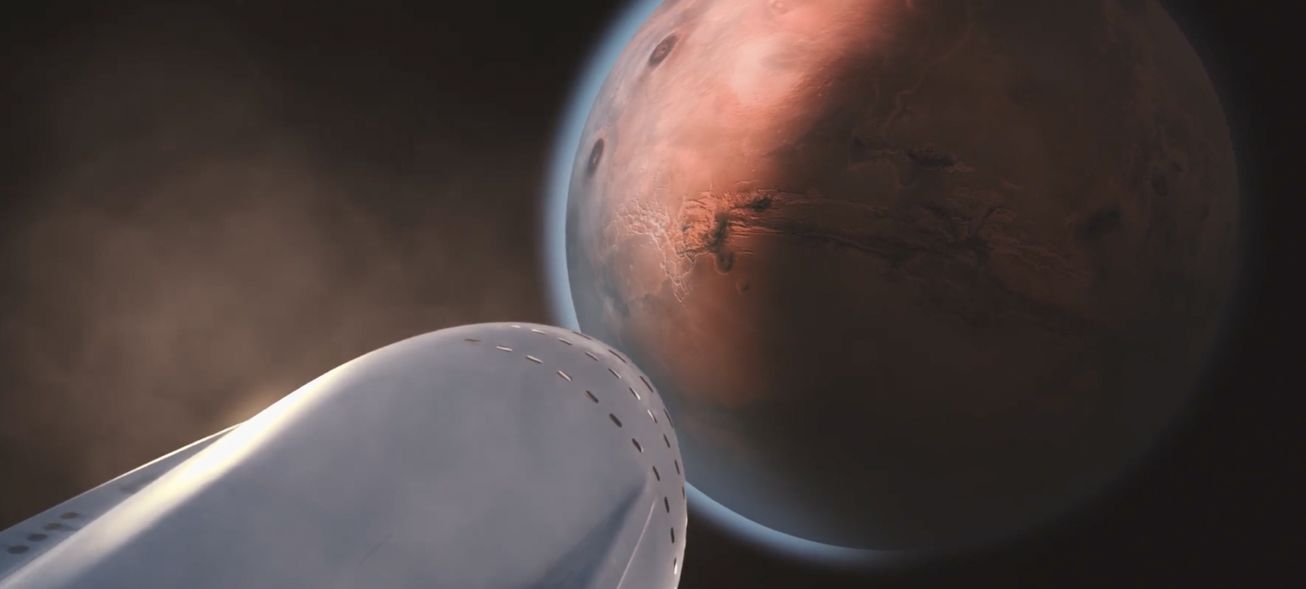
I’ve written several times about the risk radiation poses to dee space missions; particularly Galactic Cosmic Rays (GCRs), the so-called “background radiation” left over from the big bang. As I’ve noted, while solar radiation – up to and including Solar Particle Events (SPEs or “solar storms”) can be reasonably well dealt with, on account of the particles being relatively low-energy – 13 centimetres (5 inches) of water or similar liquid – is pretty good protection against the primary radiation threat of SPEs, for example – GCRs are far harder to deal with.
However, there are materials which can block them. Again, I’ve written about Hydrogenated boron nitride nanotubes (BNNTs). These are something being developed by NASA’s Langley Flight Centre in Virginia; extremely flexible, they can be used in the construction of key elements of space vehicles – walls, floors, ceilings, for example – and can even be woven into a material used as a lining in space suits to protect astronauts. Similarly, borated polyethylene – already used for radiation shielding in nuclear reactors aboard US naval vessels, medical vaults and linear accelerators, among other applications – offers a means to provide primary radiation protection within the structure of space vehicles.
However, these are only effective in stopping primary radiation damage – that is, damage cause by the direct impact of radiation on living cells. A far, far greater risk people in deep space will face is from so-called secondary radiation, particularly in the case of GCRs. simply put, when a GCR particle collides with another, it sends energetic neutrons, protons and other particles in all directions, which can collide with others. It’s like a bullet striking something and scattering shrapnel, potentially doing damage to a lot of cells if they strike a living body. The problem here is that the more material used to block the effects of primary radiation damage, the more the risk of secondary radiation damage is increased.

This means that there is unlikely to be a single solution to the issue of radiation exposure on deep space missions such as to Mars. Which is why scientists aren’t looking for one. NASA, for example has been conducting research into technologies such as BNNTs and magnetic shielding for space vehicles for over a decade. The latter, if possible, would use a magnetic field around a space vehicle to protect the crew, much as Earth’s magnetic field protects us. The problem here is that such systems currently require huge amounts of electrical power and can add a significant amount of mass to a space vehicle.
Another avenue of research being investigated is the use of pharmaceuticals as possible radiation inhibitors. Drugs such as potassium iodide, diethylenetriamine pentaacietic acid (DTPA) and the dye known as “Prussian blue” have for decades been used to treat radiation sickness. The theory is now that they could be used as part of a preventative regime of preventative treatment for astronauts on deep space missions.
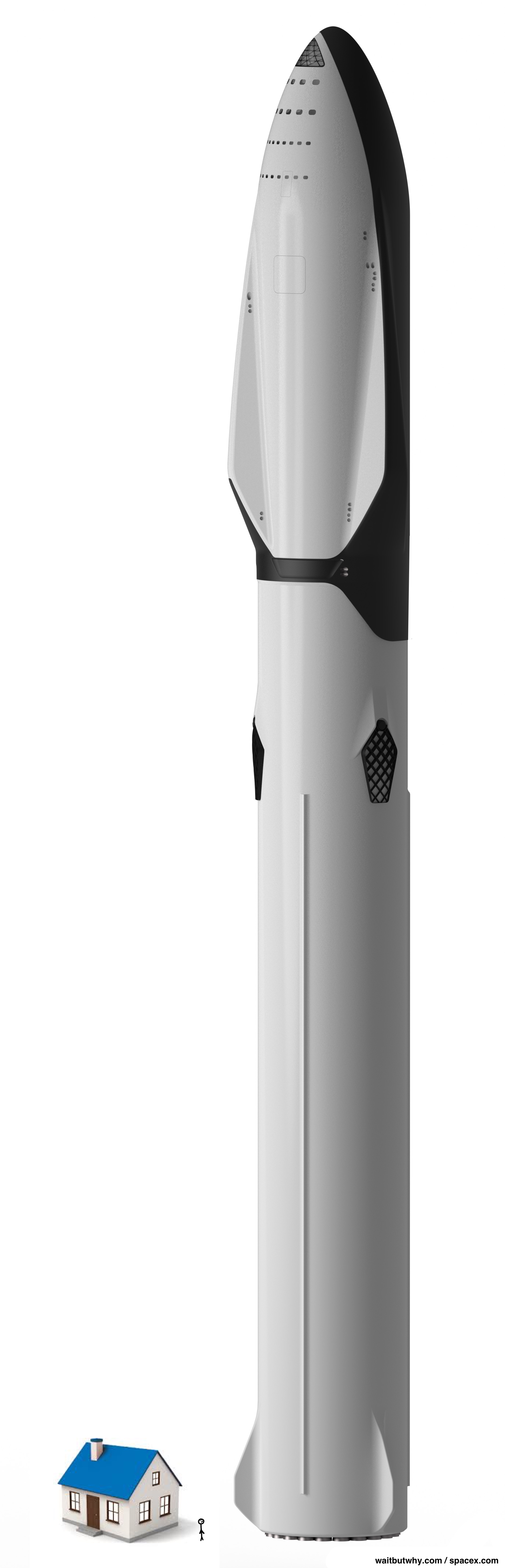
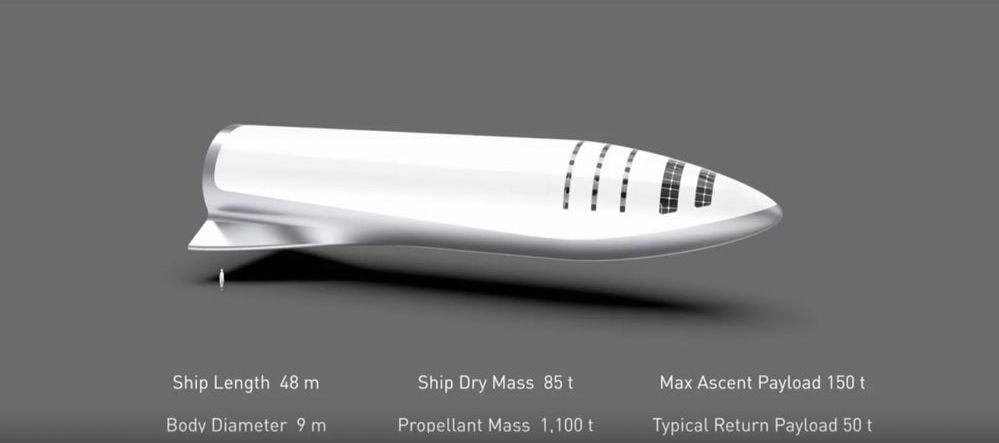
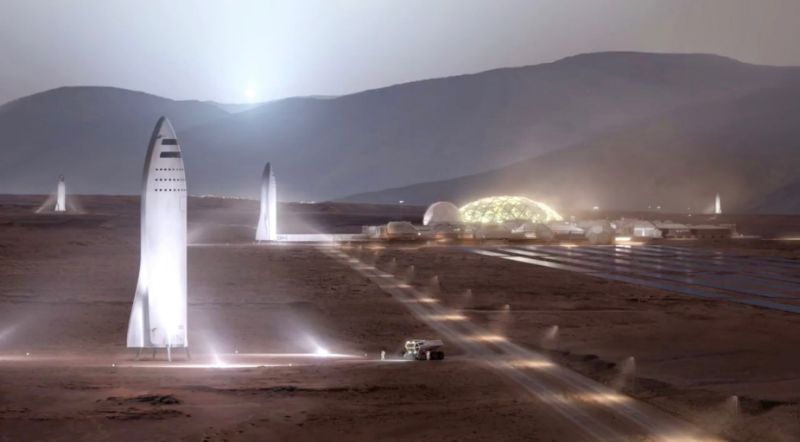
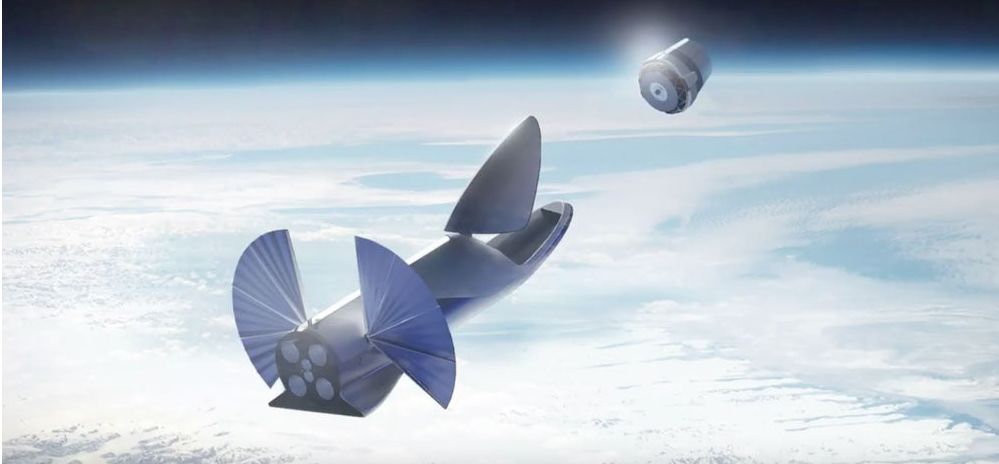
The whole subject of radiation protection has become a focus in light of NASA’s “new” directive to return humans to the Moon and also because of Elon Musk’s determination to send humans to Mars, possibly as early as the mid-2020s. Because of this, NASA has been highlighting its research into radiation exposure management of late, which also includes solar weather forecasting (to help warn crews in deep space about the risk of SPEs, etc.), and in looking at 20+ years of orbital operations aboard the shuttle ISS and Russia’s MIr space station. All of this is leaving some at NASA feeling very positive about efforts to send humans beyond Earth orbit, as Pat Troutman, the NASA Human Exploration Strategic Analysis Lead, stated in a NASA press statement on the matter:
Some people think that radiation will keep NASA from sending people to Mars, but that’s not the current situation. When we add the various mitigation techniques up, we are optimistic it will lead to a successful Mars mission with a healthy crew that will live a very long and productive life after they return to Earth.
Whether progress on all fronts will be sufficiently advanced to encompass something like Elon Musk’s aggressive approach to human missions to Mars remains to be seen. However, with the “new” directive for NASA to return humans to the Moon, there’s a good chance we’ll see some of the current initiatives in radiation protection bearing fruit in the next few years.
The Risk Posed by Tiangong 1
Tiangong 1 (“Heavenly Palace 1”), the first Chinese orbital facility has been creating some sensationalist headlines of late. Launched in 2011, the facility saw two crews spend time aboard it, prior to it being run on an automated basis from 2013. On March 21st, 2016 the Chinese Manned Space Engineering Office announced that they had disabled the facility’s data service in preparation for shifting their focus to the (then) upcoming Tiangong 2 facility and in allowing Tiangong 1’s orbit to decay so it would burn-up re-entering the upper atmosphere.

The time-frame from re-entry was predicted to be late 2017 / early 2018. However, around the time Tiangong 2 was launched the Chinese space agency admitted they’d lost attitude control of the laboratory, so they could no longer orient it as it orbits the Earth. As a result, the facility has been under scrutiny from Earth by individuals and groups monitoring the rate of its orbital decay.
One of these observers is astrophysicist Jonathan McDowell of Harvard university. In early October he released a statement indicating that as a loss of attitude control coupled with increased atmospheric friction has resulted in a sharp decline in Tiangong 1’s altitude to the point where it could see the vehicle re-enter the Earth’s atmosphere in the next few months. He also noted – accurately – that some elements of the 8.5 tonne vehicle could survive re-entry and reach the surface of the Earth (something the Chinese have always noted).
Unfortunately, his report led to some sensationalist responses from portions of the media. For example, one UK media tabloid blasted: “Out-of-control space station to smash into Earth THIS MONTH…and it could hit ANYWHERE. … A MASSIVE space station is hurtling towards Earth!” (block capital their own, not mine); other newspapers also highlighted the upper-end of the risk posed by the vehicle’s re-entry.
Needless to say such reports wildly over-egg the situation. The reality is that Tiangong’s orbit carries it over vast swathes of ocean and large areas of sparsely populated land. As such, while there is a risk of parts of the station reaching the ground, the chances of them hitting a populated area are remote. In this, Tiangong reflects the US Skylab mission in 1979 and the Russian Salyut 7 / Cosmos 1686 combination of 1991. Both of these where much larger than Tiangong 1 (77 tonnes and 40 tonnes respectively), both made an uncontrolled re-entry, and in both cases, wreckage did not cause loss of life.
Continue reading “Space Sunday: radiation, rings and pollution”





 Inara Pey: Living in a Modemworld