City streets and dungeons deep …

I’ve been covering Chic Aeon’s Machinima Open Studio Project (MOSP) for a while now. Originally a part og the LEA’s Artist-in-Residence programme in 2012, where I first reviewed it, MOSP has more recently become a permanent part of the LEA environs, with a dedicated home on LEA7.

Chic herself continues to revise and enhance the facilities in the region, adding additional sets, props and vista in order to provide machinima makers with the widest choice of opportunities to meet their filming needs. Overall, the best way to keep up with the updates and changes is via the MOSP blog. The two most recent updates include a full region cityscape and a dungeon environment, both of which are well-suited to a number of uses.

"Night had fallen by the time I reached the city. The streets were deserted while all around me, lights shone from the high-rises and apartment blocks; a thousand silent eyes watching my every move..."
“Night had fallen by the time I reached the city, and I came full circle. The streets were deserted while all around me, lights shone from the high-rises and apartment blocks; a thousand silent eyes watching my every move…” – MOSP’s full region cityscape

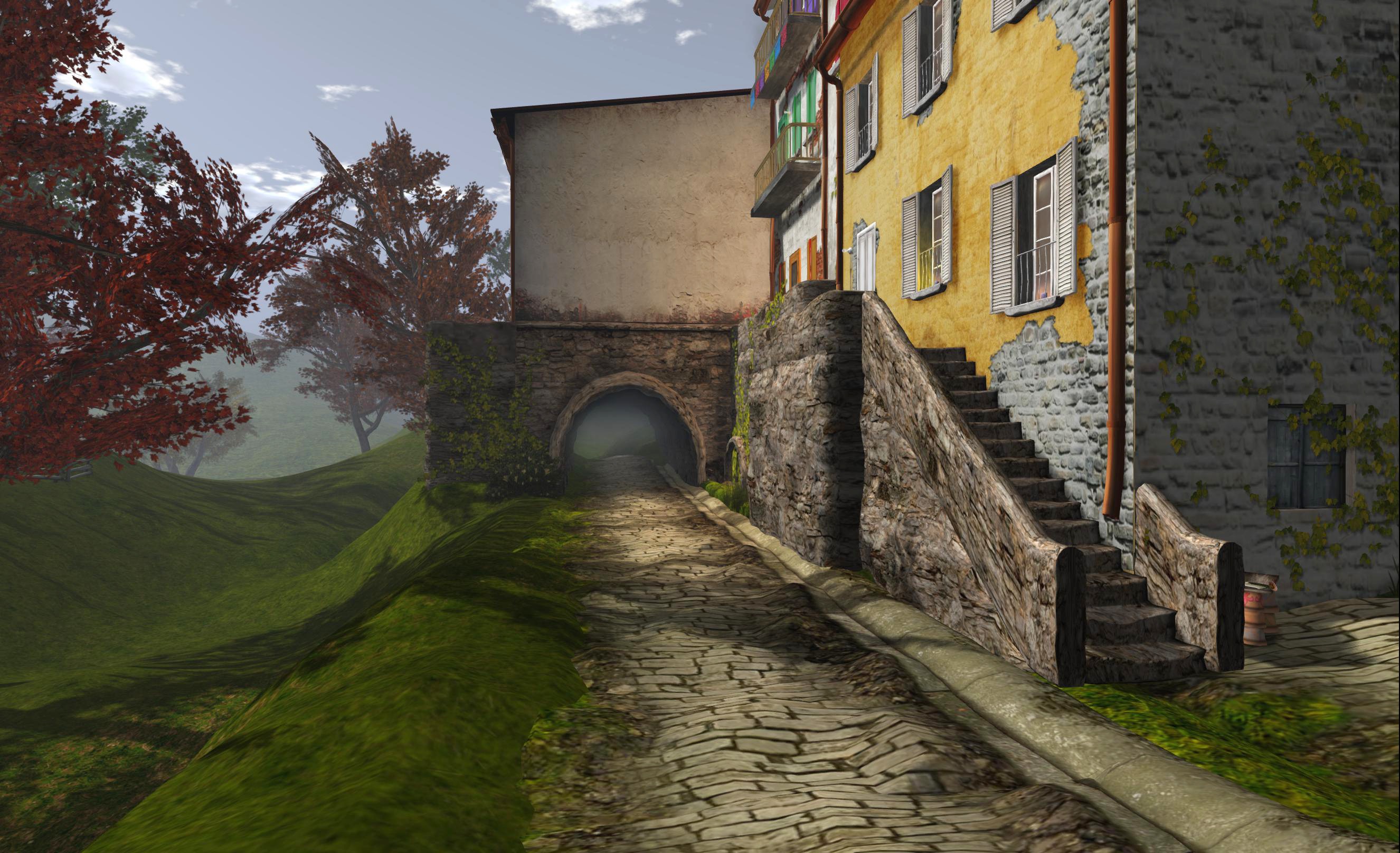
The City build is a simple but effective set, offering a backdrop of tall buildings, streets, a row of shops and a large open area suitable for a number of uses, such as a park scene or open-air concert scene, and so on. Cars parked along the roadside add a measure of additional depth and the shops themselves are suitable for outfitting – or could even double as a row of houses.

The Dungeon is another simple but effective build, offering a series of torch-lit rooms built of stone and with stone floors which could easily be taken as the island of a castle or the cellars of a great, old house or simple a goal or cells standing out their own (there is a desert-like landscaping outside).

MOSP
MOSP: Dungeon set

Chic intends to keep on adding to the various sets as time goes on, and in introducing more in the way of mesh as a primary building option, which is not to stay the current prim builds will vanish any time soon.

“When I started putting the first MOSP together — and again when it was resurrected on LEA7 — I wasn’t terribly concerned with prim counts. I mean, a WHOLE sim!” she explains on the MOSP blog.

“But as more sets were added, those new land impact points became more important. So part of my self-described job description for the future will be continuously updating existing builds with the emphasis on super quality and low land impact mesh. My personal equation has something to do with visual impact in comparison to land impact costs. So some older prim buildings will certainly remain for a while. They have their own charm and are some of the most popular places at MOSP.

“But I suspect that in a year, most of LEA7 will be mesh, so much more can be fitted in.”

As it is, and especially with the ground-level vistas, she’s achieved a good balance between mesh and prim builds, presenting a range of sets and options which are suitable for both machinima filming and photography. With the arrival of the new city and dungeon sets, Chic has further added to the many opportunities MOSP offers the machinimatographer and photographer.

"I knew the SUV was Calhogie's; who else would drive something so over-the-top these days? Parking opposite, I got out of my car, feeling the comforting bulk of Mr. Redemption snuggled under my right arm inside my jacket. The SUV's headlight flashed twice, and I paused, determined to get Calhogie out into the open...."
“I knew the SUV was Calhogie’s; who else would drive something so over-the-top these days? Parking opposite, I got out of my car, feeling the comforting bulk of Mr. Redemption snuggled under my right arm inside my jacket. The SUV’s headlight flashed twice, and I paused, determined to get Calhogie out into the open….”

Related Links

Looking for summer in Second Life

Earlier in the month, I noted how the weather here perhaps hasn’t received the memo about spring passing and summer arriving, something which prompted me to set off exploring SL in search of something to counterpoint the large number of summer-like snaps inhabiting my posts and Flickr stream. That hike led me – most happily – to Winter Moon, Dream Shadowcry’s beautiful and evocative homestead region.

Well, the weather here in RL has remained pretty bleah; if it’s not been raining, it’s been overcast and the wind less than polite. Up until today, that is, which has seen relatively clear blue skies, sunshine and the chance the lawns might actually dry-out sufficiently for me to get the mower out … tomorrow …

To celebrate, I set out to find the sun in Second Life, I found in Lula, Turnip Sorbet’s marvellous region and the home to her store, Turnip Homes, as well as Lamb and Tres Bleah (Mon Tissu having relocated to Mayfair).

Lula
Lula

Lula is another of those marvellous regions where care and attention has gone into presenting visitors with a warm and inviting experience which encourages them to stay, shop and wander. The main stores themselves are clustered, village-like, towards the centre of the region, which has been terraformed into a gently undulating landscape which merges with the green hills of a sim surround.

This is a beautiful rural / rustic scene, the colours of the buildings giving something of a Mediterranean feel to the village, the trees a mix of greens and browns suggesting the season might be late summer, although the young fawns, keeping close to their mother suggest the time might be early spring – so you can decide for yourself which season you prefer.

Lula
Lula

The village is small and easy to explore, an added touch of authenticity coming in the form of wooden board nailed over the entrance to the buildings which once house Mon Tissu, and there are places to sit and mark the passing of the day and paths to follow down from the village into the fields and glades surrounding it. Cross the river over the stone bridge and bear right, and you’ll come across a strange little tea party scene, complete with a dormouse nibbling away; not that the Alice reference might be intentional, although the armchair in the tree suggests someone as mad as hatter has some unusual thoughts on the subject of a “room with a view”.

Lula
Lula

Cross back over the river via a small wooden bridge and you’ll find the fawns and their mother I mentioned earlier and, as you wander on, other little points of interest and little whimsies to delight the eye as hot air balloons float overhead and offer further platforms to observe the passing world.

Were someone to ask me how to sum-up Lula, I’d probably use one word: carefree. This is a place where the worries and concerns of the outside world – virtual or otherwise – can be left at the teleport point and the heart, mind and eyes can wander and explore happily.

Lula
Lula

All-in-all a wonderful place to visit, be it for shopping or to simply enjoy the views.

Related Links

[gigya src=”http://www.flickr.com/apps/slideshow/show.swf?v=71649″ width=”625″ flashvars=”offsite=true&lang=en-us&page_show_url=/photos/inara-pey/sets/72157633600063899/show/&page_show_back_url=/photos/inara-pey/sets/72157633600063899/show/show/&set_id=72157633600063899&jump_to=” allowFullScreen=”true” ]

(view slideshow full-screen)

Enter da Vinci’s World

LEA_square_logo_60Opening on May 22nd, and running through until July 21st on LEA 25, Da Vinci’s World is a fascinating insight into the life, work and times of Leonardo da Vinci which has been four years in the making.

The full region installation is a beautiful piece conceived and built by Sniper Siemens which includes no fewer than 25 reproductions of da Vinci’s machines and engineering marvels together with reproductions of many of his works of art and his drawings and papers, all presented in a rural setting modelled da Vinci’s (and Sniper’s) native Tuscany. Within this setting also stand models of the Castello dei Conti Guidi and the Church of Santa Croce, from the town of Vinci,  and a model of the farmhouse a short distance from the village, where Leonardo was born.

Da Vinci's World
Da Vinci’s World

“Da Vinci’s World” is a project born 4 years ago,” Sniper says of the piece, “The construction of the first machine of Leonardo was almost by accident. Now after several exhibitions including one from my friend Mexi Lane to the MIC I had the opportunity, thanks to LEA, to be able to realize my dream.”

In developing the installation, Sniper not only shows her own passion for da Vinci’s life and works, she also brings to bear her knowledge as a long-term mentor and helper: the entire region is carefully laid-out, the exhibits spread along walkways which progress you through the installation from the arrivals point through to the buildings of da Vinci’s birthplace, with plenty of singage along the way. Each piece includes an information giver offering notecards in a number of languages.

Da Vinci's World
Da Vinci’s World

The machines on display represent a good cross-section of de Vinci’s work, with offensive and defensive weapons standing alongside various flying machines, and mechanical systems such as hydraulic pumps, swing bridges, musical instruments and his architectural designs, all which combine to present a vivid picture of de Vinci’s genius.

The attention to detail is wonderful. Not only are the machines very well constructed and scripted, wander into the buildings and you’ll find da Vinci’s paintings on the walls, and his papers, sketches and notes scattered across tables or piled on the floor as if dropped there as the great man himself ran through his works and ideas, adding notes here and there or revising plans before hurrying off somewhere just before you reached the room…

Da Vinci's World
Da Vinci’s World

There is also more whimsical element to the exhibition as well – inside one of the buildings is a piece freely inspired by the film the Da Vinci Code, offering a chance to mixed fact with fiction.

This is very much an installation worth taking the time to explore. The wealth of information is huge, and the setting and exhibits worthy of the time taken visit.

Highly recommended.

Related Links

Da Vinci's World
Da Vinci’s World

When visiting Da Vinci’s World, note the region has dedicated windlight settings; those used in the images here are of my own choosing.

Tatara: a furnace for creating sculpts and mesh

In real life a tatara, or 鑪, is a traditional Japanese furnace for smelting iron and steel. In Second Life, Tatara, xreated ny Yuzuru Jewell under his Kanae Projects brand name, is a suite of tools which can be used to create sculpt maps and mesh collada files ready for upload to SL, and which includes both texture and bitmap editing capabilities as well.

Tatara combines a number of tools in order to manage this. The tools can be used individually or collectively, depending on the complexity of the object being created, and have a range of menu-driven options to further enhance their capabilities. The tools themselves are:

  • Tsuchi – allows an object to be displayed in orthographic projection from three directions, allowing to be edited and refined
  • Rokuro (lathe) – which I looked at in November 2012, which can be used to create basic shapes and forms for export as sculpt maps / meshes
  • Tokoroten (“extruder”) – which allows shapes or parts of shapes to be stretched, twisted, etc.
  • Mage – which can create more organic shapes and pipes and tubes, etc.
  • Wappa – which can be used for detailed editing of a section of a shape created using Mage
  • A bitmap editor and a texture / drawing tool.

Once a desired shape has been created, it can be saved / exported from Tatara as a sculpt map (.TGA format) or as a mesh .DAE file, each of which can be uploaded to Second Life, and file formats such as .OBJ and .XML are also supported. There are a number of sample shapes provided within the suite to help people get started, and files produced via other means can also be opened in Tatara and previewed / edited. When loading files produced elsewhere, Tatara automatically disables any tools which cannot be used in editing the loaded shape (so you may find, for example, that loading a sculpt map will disable the Rokuro and Tokoroten tools).

Using the Mage option in Tatara to create a teapot using an uploaded image as a guide

Tatara can be downloaded free-of-charge in a trial mode which will remain functional for three days. This allows access to all the features in the suite, other than saving / exporting creations. For this, a licence option must be purchased via Yuzuru’s in-world store. In addition, Tatara includes four optional plug-ins:

  • Cam and gear plug-ins for the creation of either cams or gears, which must be downloaded separately
  • Polyhedron plug-in which allows you to choose ten or more kinds of polyhedrons
  • Stair plug-in which allows the creation of four different types of stair, each with a user-definable number of steps.

Each of the four plug-ins also requires the purchase of a user licence to fully unlock them.

Installation

Tatara is available in three versions: Windows 32 and 64-bit versions and a Mac OSX version. There is no installer per se – the necessary files are provided in a ZIP file, which simply requires downloading and then unpacking to the desired folder.

Once unpacked and launched, Tatara will start-up and display a prompt for your user name and password. If no licence has been purchased, clicking cancel will allow access to the application in the trail mode.

A mesh shape: left - created using Tatara (Tsuchi); bottom - the saved DAE file being uploaded to SL; right - the finished shape with texturing applied (images courtesy of Yuzuru Jewell)
A mesh shape: left – created using Tatara (Tsuchi); bottom – the saved DAE file being uploaded to SL; right – the finished shape with texturing applied (images courtesy of Yuzuru Jewell)

Use

The UI itself comprises two parts: on the left, a preview pane which displays a representation of your model, which can be drag-rotated in all three axes to examine the design; on the right a series of tabs accessing the various tool options, together with a set of menus and options – some of which may be tool-dependent.

Getting to grips with Tatara is a little complex, but Yuzuru provides a solid user guide on the Tatara page of his website and a range of tutorials on his blog. Even so, it is fair to say the tools do require a good understanding of modelling and projection, and achieving a desired goal can take time if you’re not used to using creation / editing tools of this type. Nevertheless, the results can be very worthwhile, and for those wishing to add to their armoury of content-creation tools, whether looking to make sculpts or basic mesh, Tatara and Yuzuru’s other tools are well worth a look.

Designing a a ceiling light frame using Tsuchi and, inset, trhe finished, textured piece about to be installed (click to enlarge)
Designing a ceiling light frame with the aid of Tsuchi and, inset, the finished, textured piece about to be installed (click to enlarge)

The full range of tools provided by Yuzuru comprise:

  • Rokuro – reviewed in this blog in November 2012
  • Rokuro_Pro – a version of Rokuro which includes a texturing capability and a series of plug-in tools
  • Tokoroten (“extruder”) – creates extruded forms of sculpted prim
  • Tatara – an advanced sculpted prim editor which includes functionality from Rokuro and Tokroten and well as three additional modes, which can be used individually or collectively to create sculpt maps
  • Shibori (“iris” – as in camera eye) – a “shrinkwrapper” for shrinking a sculpt around a given shape
  • Nomi (“chisel”) – creates a sculpted prim or mesh with a relief surface from one picture using the picture’s brightness
  • Hanko (“seal”) – a tool which allows you to add your signature to a sculpt map.

Related Links

It’s a Grand Place to visit

There are lots of examples of the cross-over between real life and Second Life to be found in-world: historical builds, the presence of real-world organisations, the (still surviving) links between SL and education, not to mention the many and varied activities which go on in SL in support of real life charities.

One of the most recent examples of the cross-over in terms of in-world builds to get my attention is that of La Baule. I admit ignorance as to how long it has been around – but I caught it as a new entry in the Photogenic Spots of the Destination Guide, and had to go take a look.

Brussels Grand Place

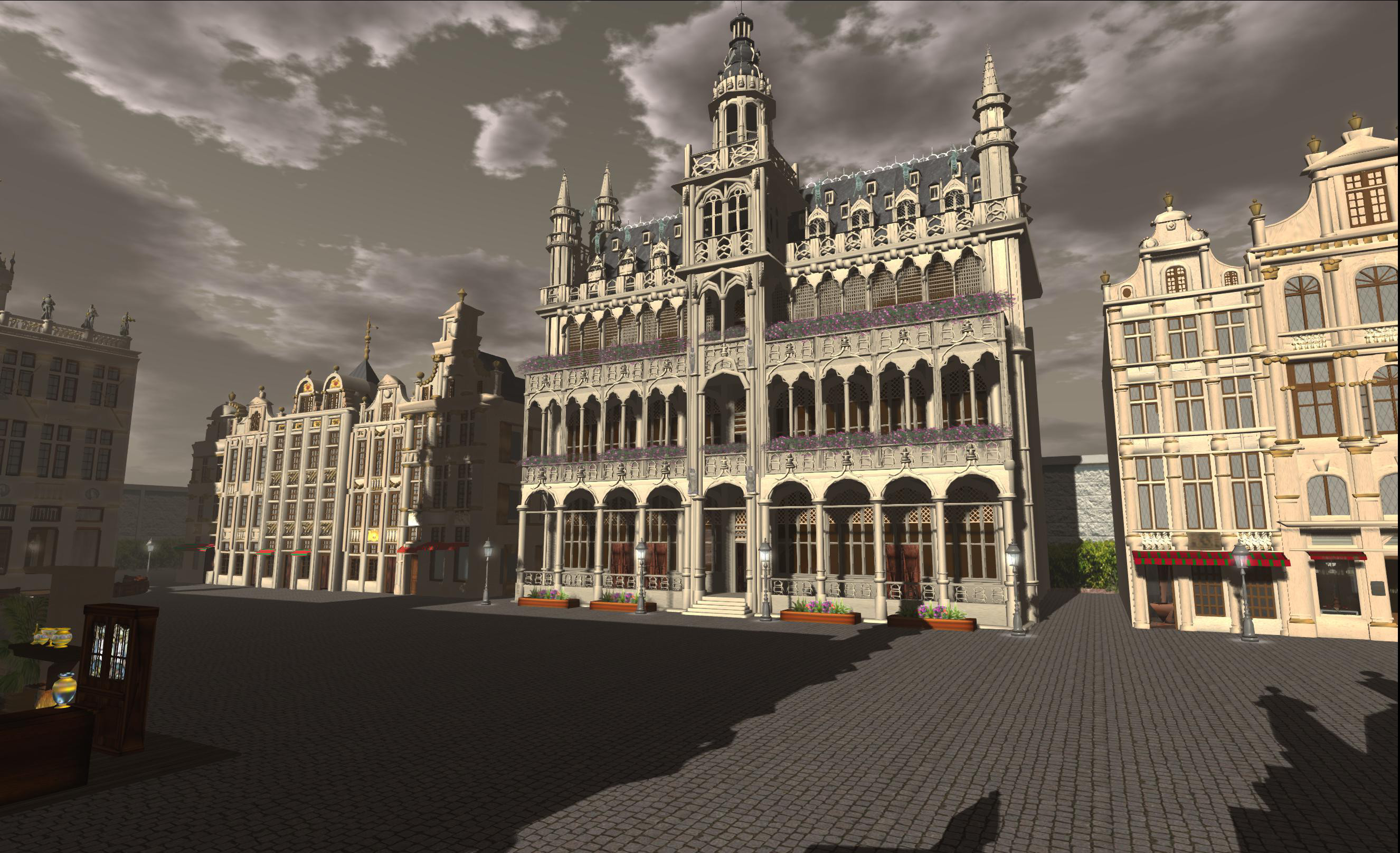
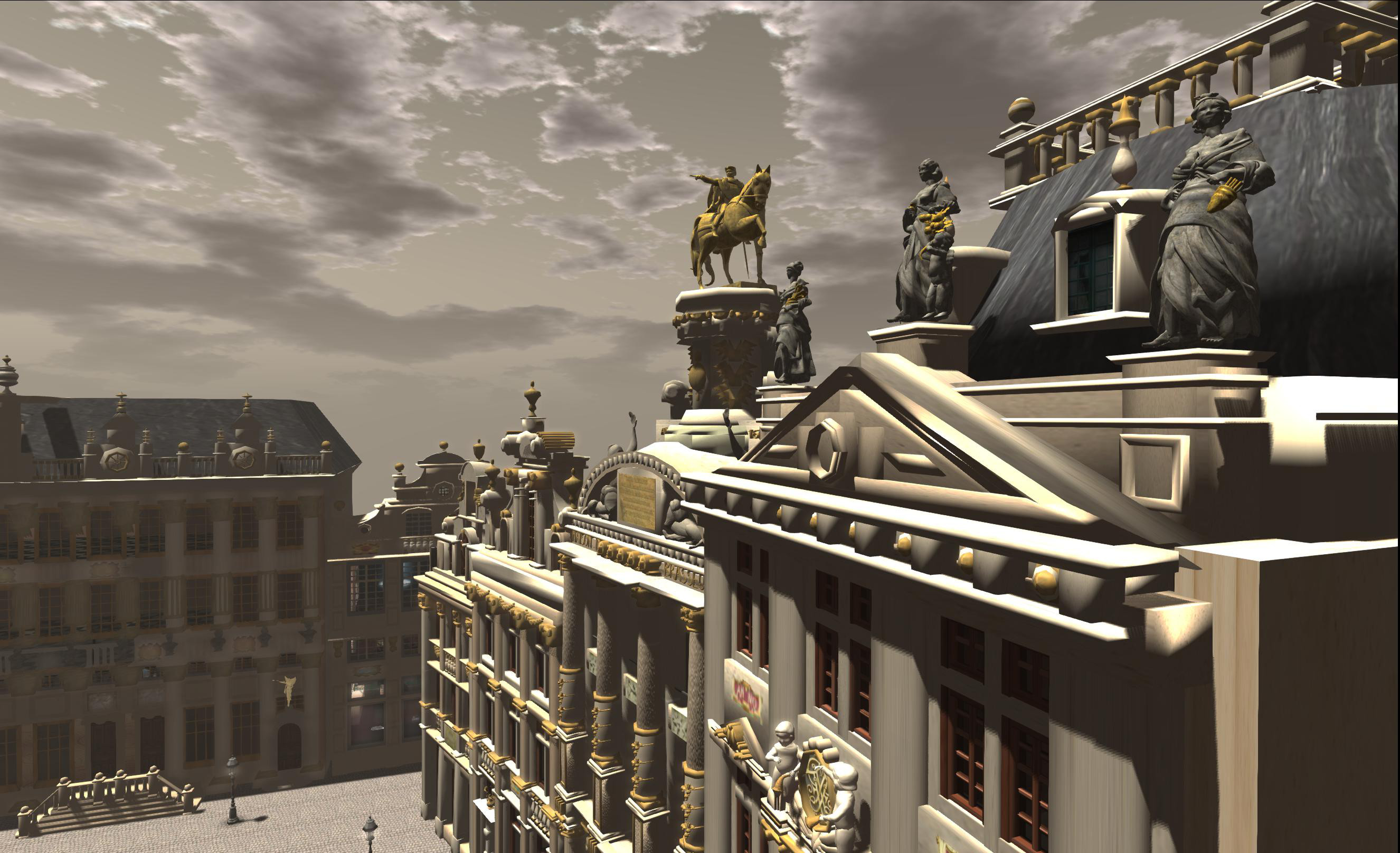
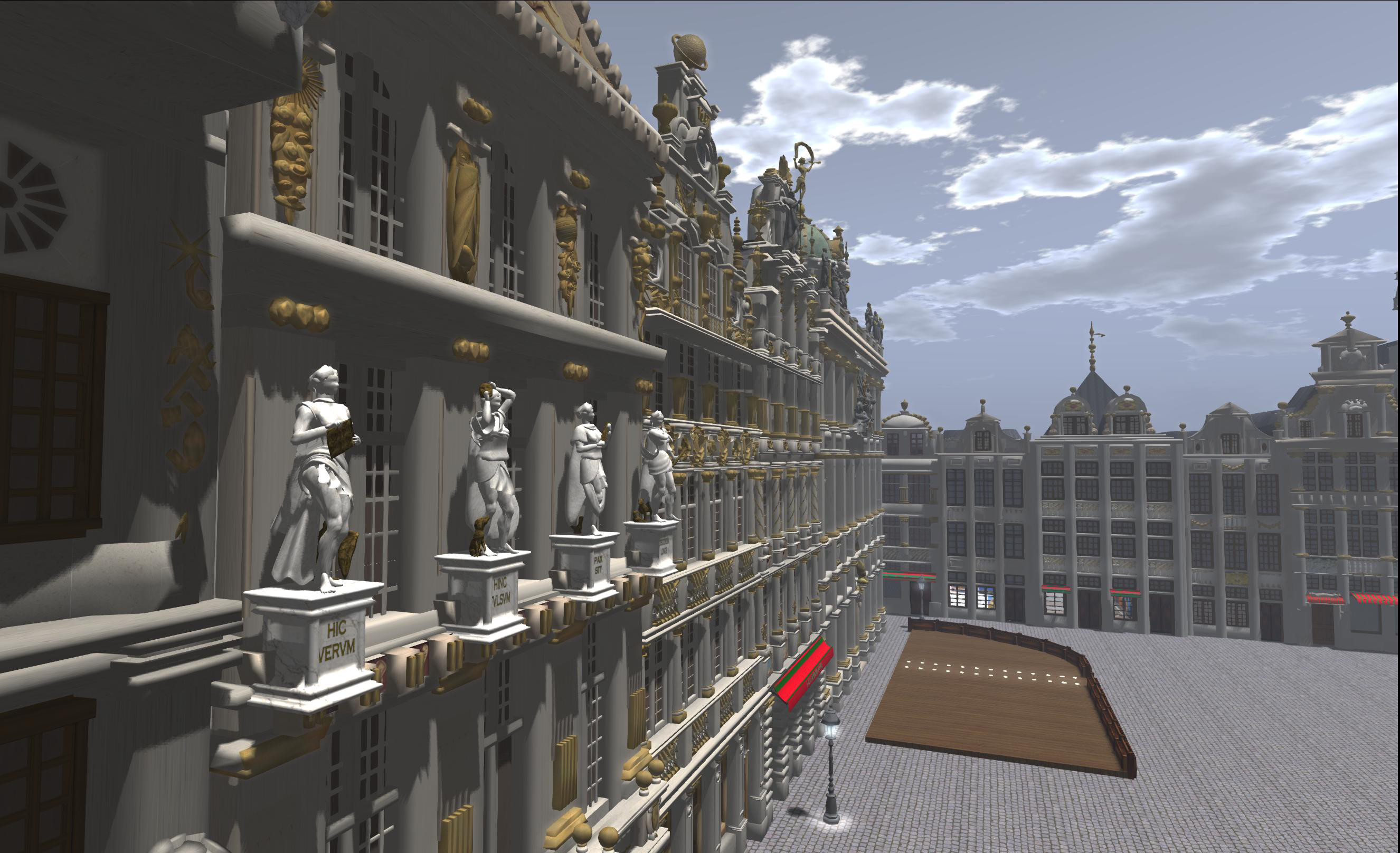
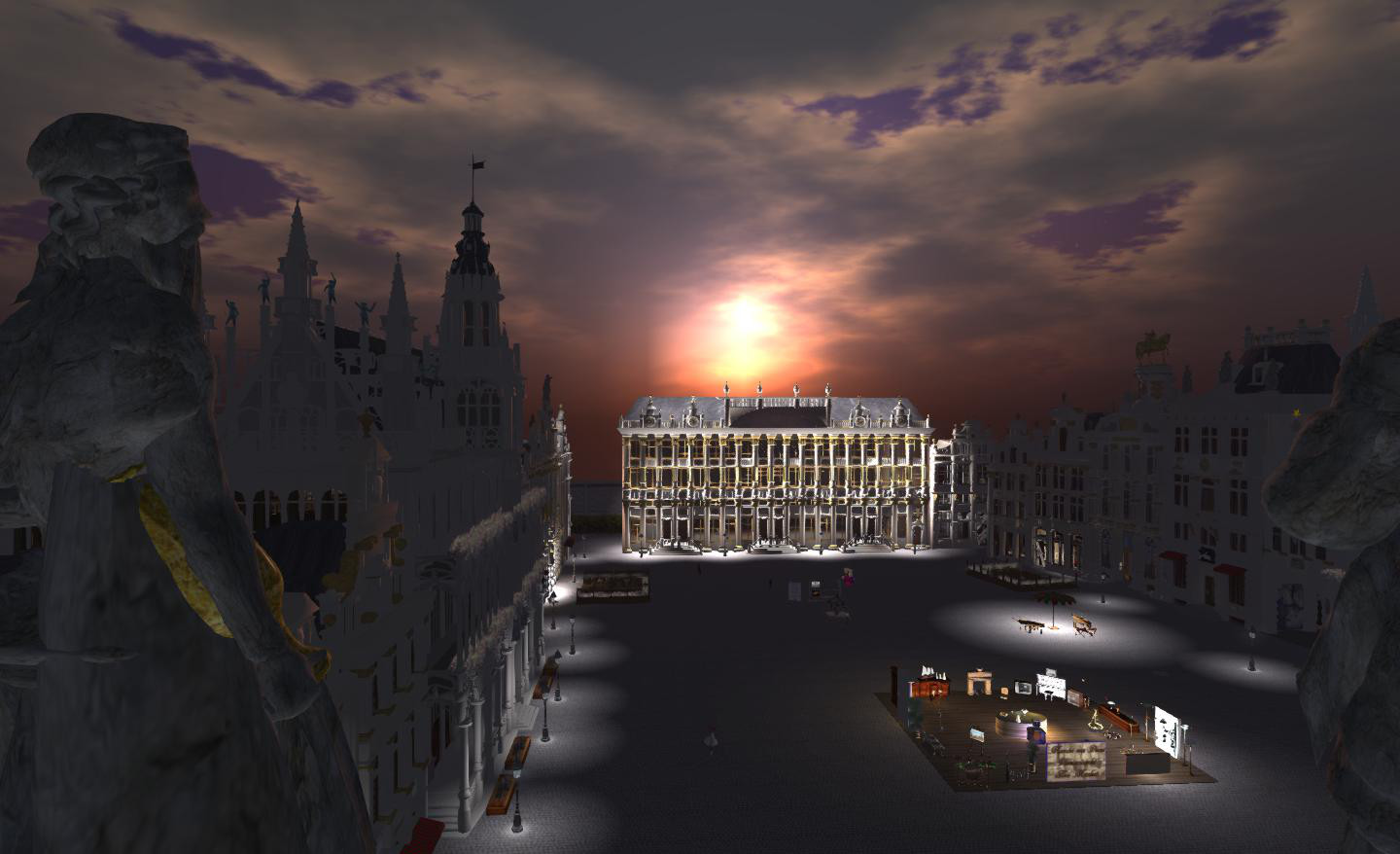
A full region, La Baule is home to the Brussels Grand Place, a complete reproduction of the famous UNESCO world Heritage site, with the market square, the City Hall and all the guildhalls – and it is quite simply magnificent. So much so, that I doubt these images really do the place justice.

Designed and built by Pascale Boucher (Passie), the build includes a museum, an art gallery and cafe, and hosts a range of events through the year, including outdoor music  performances, ice skating in winter, and weddings held inside the magnificent buildings.

Bussels Grand Place
Bussels Grand Place

“I spent nine months doing it, sweating, bleeding and weeping,” Passie says of the build, “because i want to let SL know how marvellous my home country is.”

Well, she’s succeeded.

Having visited the real Grand Place many a time, I can vouch for the attention to detail with the exteriors which are a tour de force of prim and sculpt build.

Brussels Grand Place

This is a stunning place for photography – although you may find it taxing on your GPU; I have to admit my Ge 9800 GT struggled mightily to try to manage things – and wasn’t entirely successful. However, this is no reason to avoid a visit; if your own card can manage the load, the rewards for seeing the place with Advanced Lighting Model (deferred rendering) are plenty, even without shadows enabled. If you can manage the full monty, then it’s well worth flipping shadows on as well the results under a range of windlight conditions are stunning and really bring home the beauty of the build.

Brussels Grand Place

Highly recommended.

Related Links

The Drax Files 6: An animated Second Life

The sixth episode (webisode?) of The Drax Files come relatively close to home for me, as the focus of the segment is Edinburgh, Scotland, where Abramelin Wolfe of Abranimations fame has both his home and his base of operations.

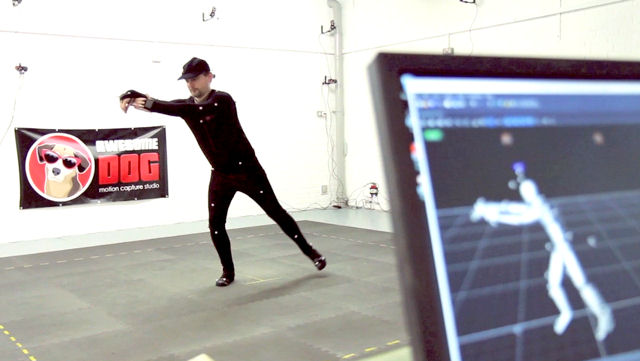
I’d never actually really considered the amount of work which goes into creating in-world animations – or the real-world expense. Obviously, I’m aware that it involves motion-capture and digtising movement, but when hearing how Abramelin’s first motion-capture outfit cost him £14,000 ($21,300), I admit my jaw flapped somewhat.

Going through the mitions: at work
Going through the motions: Abramelin at work

“Body language and human motion is something that we see every day,” Abramelin says, explaining why he started creating animation in Second Life. “If we’re very rigid and not moving, it stands out like a sore thumb; it’s very unnatural, there’s lot’s of subtleties. I mean, if you say to someone ‘stand still’, they’ll probably in their head think that they are rigid and not moving. But in reality, people are actually moving a lot; a subtle shake of arms and the way that weight displaces. So I think that by having a very fluid motion which is very life-like helps people feel immersed in that universe.”

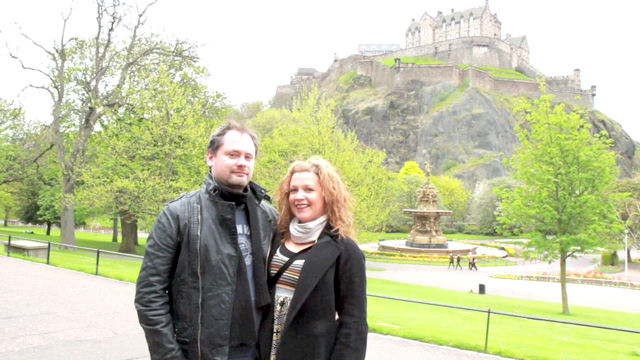
Operating their business out of Edinburgh, Abramelin and his wife focus on Second Life as their primary market, producing not only animations, but also a range of avatars and other creations, very much working as a team; he creates the animations and rigs them, she creates the avatars.

Abramelin and his wife in Edinburgh

Abramelin very much regards Second Life as a frontier and those using it as pioneers.

“It’s such a world of possibilities for invention and innovation,” he says, still as enthusiastic and engaged with the platform as when he started in 2004. “Pioneers? Yeah! We want a universe we can step into and actually be there!”

Animations are something almost all of us use in SL, yet we perhaps seldom give any of the creative process which goes into them more than a passing thought; as such this segment serves as a fascinating insight into a brand which is something of an SL household name (my very first AO was from Abranimations!), and on the entire creative process involved in developing life-like animations – as well as yet another look through the eyes of others at why Second Life is so engaging.

A Conversation with Drax (part 2)

The Drax Files have taken Second Life by storm. After seeing the first segment, I took time out with Drax to find out more about the man behind the show and also about the series itself. In the first part of our conversation, we discussed what led to the creation of The Drax Files and how reaction to the series has affected him before touching on future plans – which is the starting point for continuing our chat.

Inara Pey (IP): The current series has focused very much on content creation, covering the work of some of the top content creation merchants, and the use of SL to create immersive environments such as the 1920s Berlin Project. You’ve more recently moved on to look at SL as a means of global action with the very excellent piece on Fantasy Faire and Relay for Life, and also examined music and live performance in SL.  In the past, you’ve also looked at art and design – I’m thinking here specifically about your piece from November 2011 on IDIALAB at Ball State Uni, Nov 2011. Did you opt to tackle content creation first, as you felt it was a better means of helping people grasp the potential of SL, and where might we be seeing future segments of the show going?

Draxtor Despres (DD): Oh, the Art and Design thing! That was basically a one-off thing back then. It was a great project with IDIALAB. I just called it “The Drax Files”, a play on “The X Files” and it was fun. But yeah, the initial approach with content creation was to grasp the potential of SL for an audience outside of SL.

Continue reading “The Drax Files 6: An animated Second Life” →